Tag Archives: Muslim Doctors of India

Dr. Abdul Razzaque Ahmad: From India’s Hinterland to the Global Corridors of Academia

Wani (Vidarbha Region), MAHARASHTRA / Boston, U.S.A. :
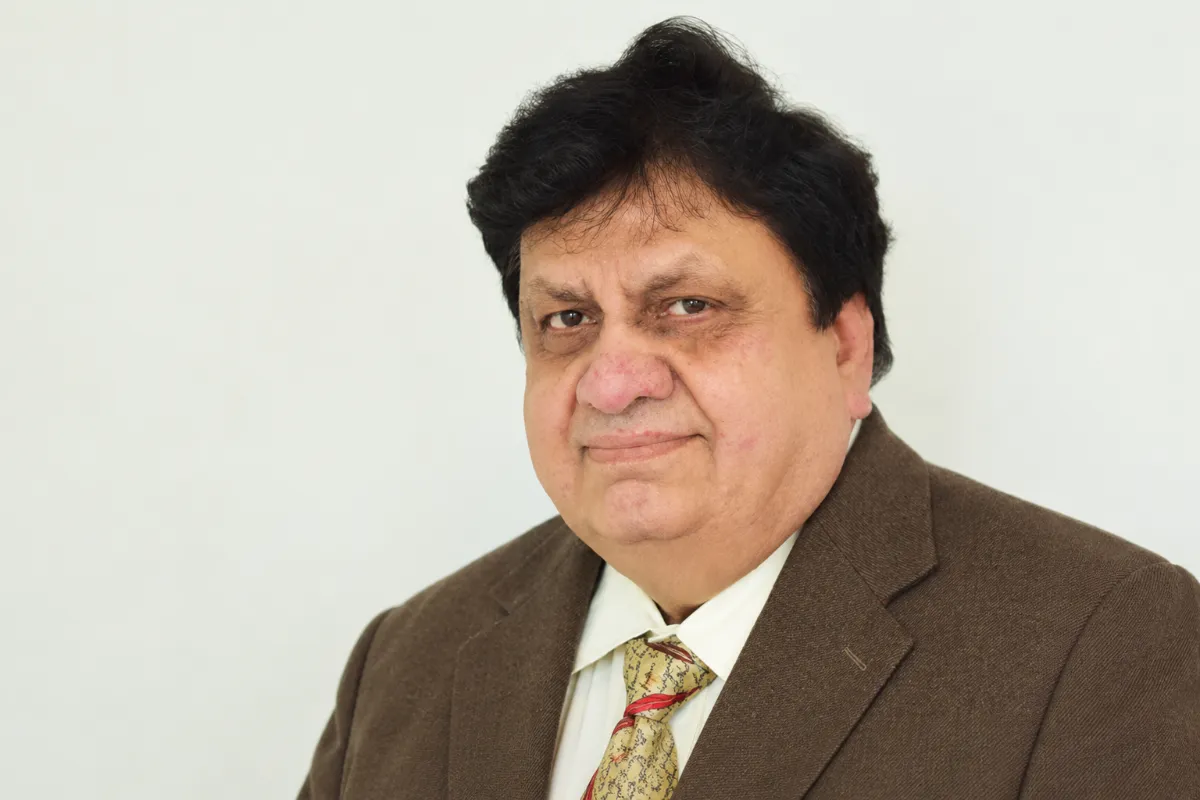
Dr. Abdul Razzaque Ahmad

Wani, historically known as Wun, is an old town of the Vidarbha region whose history reflects the changing political boundaries of central India. At different times, the Wani area was connected with the Nizam’s dominions, while the neighbouring Chandrapur region was historically associated with the Gond rulers. To the east and south lay territories of the erstwhile Hyderabad State, including the area that subsequently became Adilabad district and is today part of Telangana.

Wani’s political identity changed with successive territorial reorganisations. The area was once associated with the Nizam of Hyderabad. After independence, it came under the larger Central Provinces and Berar/Madhya Pradesh administrative framework before becoming part of Maharashtra when the state was formed in 1960.

This layered history is important in understanding the social background of Dr Abdul Razzaq Ahmed, a prominent Muslim of Wani. His family belonged to an established local community whose standing was associated with both landholding and professional achievement. Dr Abdul Razzaq Ahmed was a dermatologist, while later generations entered administration, medicine, and law.

Today, Dr A. Razzaque Ahmed, MD, DSc, is internationally recognised as a dermatologist, immunologist and academic physician, and as a pioneer in autoimmune blistering diseases. He has served as Professor of Dermatology and Director of the Centre for Blistering Diseases at Tufts University School of Medicine in Boston. He is associated with the Ibn Sina Professorship. His career has brought together clinical medicine, molecular immunology, laboratory research, therapeutic innovation, teaching and philanthropy.

Yet his significance lies not simply in professional distinction. His life represents the transformation of education into knowledge, knowledge into healing, and achievement into service.

Roots, Education and the Making of a Cosmopolitan Mind

Dr Ahmad spent his early childhood in Wani in a house built by his great-grandfather around 1875. He was the son of Salam Ahmed and Begum Noor Jehan and grew up in a family that regarded education and social advancement as important instruments of human development.

That ethos subsequently found institutional expression through the Begum Noor Jehan Salam Ahmed Trust in Yavatmal district. Under Begum Noor Jehan’s leadership, the Trust established educational institutions including the Sunrise English Medium Convent, Wani; the Noor Jahan Begum Salam Ahmed Arts and Commerce College, Wani; and the Noor Jahan Begum Salam Ahmed Women’s College of Law.

The women’s law college was particularly significant, reflecting a deliberate commitment to giving women access to professional education, legal knowledge and greater independence. The family tradition therefore gave education a meaning larger than individual advancement: it expanded opportunity and enabled others to participate more fully in society. That principle would later find expression in Dr Ahmad’s own teaching and philanthropy.

His early education exposed him to unusually diverse intellectual and cultural environments. Until the age of seven, he studied at a convent run by French nuns and later attended a Jesuit Catholic boarding school in Nagpur.

At fifteen, an American Field Service International Scholarship took him to Le Mars, Iowa, where he lived with the Thompson family, attended the local high school and studied at Westmar College. The experience gave a young student from central India an early encounter with American society and education, broadening his intellectual horizons.

Returning to India, he pursued pre-medical studies at Nagpur University before entering the All-India Institute of Medical Sciences in New Delhi. At AIIMS, he distinguished himself academically, standing first in many classes and receiving the Gold Medal as the outstanding graduate of his cohort. The movement from Wani to Nagpur and from Nagpur to AIIMS marked the first major stage in a life that would repeatedly cross geographical and intellectual boundaries.

After completing his medical education, Dr Ahmad moved to the United States for specialist training. He trained in Internal Medicine at the University of Pittsburgh, Dermatology at the University at Buffalo and Clinical Immunology at the University of California, Los Angeles, where he subsequently joined the faculty.

His growing interest in the molecular basis of disease led him to Harvard, where he pursued advanced research in molecular immunology and earned a Doctor of Science degree. His investigations attracted National Institutes of Health support and developed into the Ahmed Laboratory, which remained NIH-funded for more than two decades.

A defining feature of his career was integrating laboratory science with clinical medicine. Disease encountered in the clinic generated scientific questions; laboratory research sought their answers; and those discoveries returned to patients through improved diagnosis and treatment.

From Molecular Discovery to a New Paradigm of Care

Dr Ahmad became an international authority on autoimmune blistering diseases, particularly pemphigus and mucous membrane pemphigoid. These rare disorders can be debilitating, disfiguring and, in severe cases, life-threatening.

His research examined the immunological and genetic mechanisms underlying these diseases. Among his key contributions was identifying associations between specific HLA-DQB1 genes and pemphigus in different populations. He reported the association of HLA-DQB10402 with Jewish pemphigus patients and HLA-DQB10501 with non-Jewish patients. Studies of relatives helped demonstrate that low titres of pemphigus autoantibodies could occur without full clinical disease. He also distinguished pathogenic from non-pathogenic autoantibodies, demonstrating the pathogenic significance of IgG4 and the non-pathogenic character of IgG1 in pemphigus.

His investigations involving patients from Northwestern Iran and comparisons with Ashkenazi Jewish patients in the United States and Israel revealed striking genetic homology. They contributed to wider research concerning the population history of Ashkenazi Jews.

His molecular research extended to mucous membrane pemphigoid. He identified alpha-6 integrin as a putative antigen in oral pemphigoid and beta-4 integrin in disease involving other mucosal sites, identified epitopes on these molecules and investigated their role experimentally in animal models and tissue cultures. These studies helped shift the field from clinical description towards molecular understanding.

But Dr Ahmad’s contribution did not end with discovery. He sought to create a system that could translate scientific knowledge directly into comprehensive patient care. In Boston, he established the Centre for Blistering Diseases, bringing together specialists in oral medicine, ophthalmology, ENT, gastroenterology, urology, gynaecology, proctology, internal medicine, nutrition and clinical psychology.

The multidisciplinary model reflected the nature of the diseases themselves, which can affect several organs and mucosal surfaces. Rather than leaving patients to navigate separate specialities, the Centre organised care around the patient’s complexity.

His commitment to patients extended beyond medical treatment. In 1993, he established the Boston Blistering Diseases Support Group, recognising that people living with rare and potentially life-threatening disorders also require emotional support, information and a community of shared experience. The model was subsequently emulated elsewhere, including by the International Pemphigus and Pemphigoid Foundation.

Transforming Treatment and Restoring Lives

One of Dr Ahmad’s most consequential contributions was his pioneering work with intravenous immunoglobulin (IVIg) in autoimmune blistering diseases.

Severe disease had traditionally been treated with corticosteroids and other immunosuppressive drugs, which could themselves produce serious complications. Dr Ahmad developed and refined IVIg protocols that enabled some patients to achieve prolonged remission and, in certain cases, discontinue conventional therapy.

He also addressed access. Because IVIg is expensive, he presented clinical and pharmacoeconomic evidence involving 160 patients to Medicare authorities. The resulting policy permitting Medicare coverage for IVIg in blistering diseases helped broaden access, and private insurers later adopted similar policies.

His work with rituximab marked another major therapeutic advance. In collaboration with Harvard oncologists, he developed a protocol combining rituximab and IVIg that targeted the B-cell mechanisms involved in autoimmune disease. The results were reported in the New England Journal of Medicine, with subsequent long-term follow-up demonstrating sustained disease control in treated patients.

Some patients achieved exceptionally prolonged remission without continuing therapy, in some cases for more than 20 years. His continuing research has examined whether successful treatment can restore immune balance rather than merely suppress disease. Long-term follow-up of patients with pemphigus treated with IVIg contributed to this emerging understanding, with findings reported in the Proceedings of the National Academy of Sciences in 2024.

His work has also addressed ocular cicatricial pemphigoid, a rare autoimmune disease capable of causing progressive scarring and irreversible blindness. Research into its mechanisms helped establish therapeutic approaches involving IVIg and subsequently rituximab combined with IVIg.

The significance of such work extends beyond disease control. Preventing blindness preserves independence, employment, family life and human dignity. It exemplifies a broader principle in Dr Ahmad’s career: the ultimate measure of medical success is not simply suppressing disease but restoring a patient’s capacity to live a meaningful life.

This philosophy also shaped the institutions he built. He developed an outpatient infusion model that enabled patients to receive sophisticated intravenous therapies without prolonged conventional hospitalisation, attracting patients from across the United States and other countries.

As a teacher and mentor, he has influenced generations of medical and dental students, residents and researchers. Many former trainees subsequently became professors and departmental leaders. He has lectured internationally for decades and served as a visiting professor at universities worldwide. His influence has therefore travelled not only through publications and therapies but through the people he taught.

The breadth of his contribution has been recognised through numerous professional honours, including the William Gies Award, the Walter F. Lever Award, lifetime achievement and research contribution awards, and international awards for excellence. The International Pemphigus and Pemphigoid Foundation honoured him as Physician of the Year, and he has also received India’s Charaka Award. In 1999, the Governor of Massachusetts and the Massachusetts House of Representatives separately recognised his contribution to the Commonwealth’s citizens.

Science, Faith and the Larger Meaning of Service

Another dimension of Dr Ahmad’s life is his religious commitment. During his extensive international travels, he has repeatedly visited Makkah and performed more than one hundred Umrahs. His scientific and spiritual commitments have existed alongside one another. Scientific inquiry seeks to understand disease; faith provides a framework of gratitude, humility and responsibility.

That sense of responsibility has also shaped his philanthropy. In addition to the educational legacy of the Begum Noor Jehan Salam Ahmed Trust, Dr Ahmad has devoted substantial resources to educating disadvantaged young people, particularly women, supporting higher education, professional training, books, computers, transport and leadership development.

The results have reportedly reached thousands of students, with women beneficiaries entering the judiciary, public prosecution and legal practice. The objective is therefore not simply charitable relief but the creation of durable opportunities through education.

Dr Abdul Razzaque Ahmad’s life is not merely a story of migration from India to America or advancement from a small town to elite academic institutions. It is a story of continuity through transformation.

Wani provided the beginning; Nagpur broadened the horizon; AIIMS supplied an exceptional medical foundation; Pittsburgh, Buffalo and UCLA provided specialist training; Harvard deepened his scientific inquiry; and Boston became the centre from which his clinical and research contributions reached the wider world.

The ancestral house in Wani and the laboratories, clinics and lecture halls of Boston may appear to belong to different worlds. In his life they form a single continuum. The family gave him an inheritance of education and responsibility. He transformed that inheritance into scientific discovery and clinical innovation, and then extended its benefits through teaching, patient care and philanthropy.

His legacy is therefore measured not only by publications, professorships and awards, but by what those achievements enabled: patients who obtained relief, individuals protected from irreversible disability, students who gained educational opportunities, physicians shaped by his mentorship, and a field of medicine advanced by his research.

The distance from Wani to Boston is considerable. The distance his ideas travelled is greater still. A journey that began in the hinterland of India entered the global corridors of academia. Its deepest destination, however, was neither fame nor distinction, but service—to the patient seeking relief, the student seeking opportunity, the scientist seeking truth, and society seeking a more humane future.

source: http://www.muslimmirror.com / Muslim Mirror /Home>Personalities> Positive Story / by Moin Qazi / October 10th, 2026
AMU Faculty Member Dr Fahmida Zeenat Contributes to National Curriculum Development in Unani Gynaecology and Obstetrics

Aligarh, UTTAR PRADESH :

Dr. Fahmeeda Zeenat, Department of Niswan wa Qabalat, Faculty of Unani Medicine, Aligarh Muslim University

Aligarh:

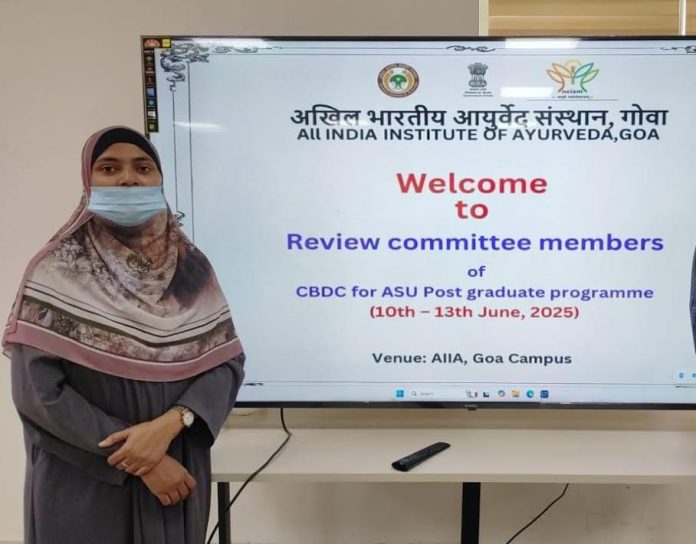
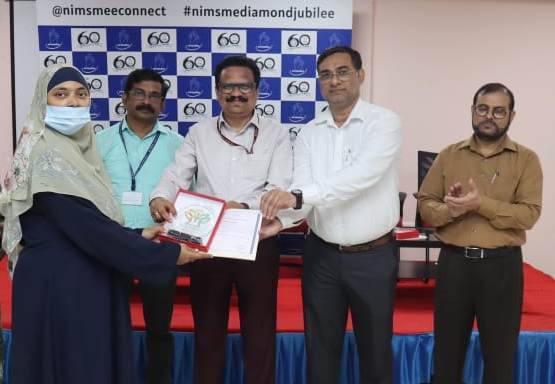
Dr. Fahmeeda Zeenat, Department of Niswan wa Qabalat, Faculty of Unani Medicine, Aligarh Muslim University (AMU), has been recognised for her significant contributions to the development of a competency-based postgraduate curriculum in Gynaecology and Obstetrics under the Unani system of medicine.

Dr. Zeenat was recently selected as an expert for the framing, reviewing, and finalisation of the curriculum. She participated in a three-day national workshop organised at the All India Institute of Ayurveda, Goa, held from June 11 to 13, 2025. This event marked a key milestone in the ongoing effort to align Unani medical education with outcome-driven academic standards.

Earlier, she played a pivotal role in the final curriculum framing workshop held at the National Institute for Micro, Small and Medium Enterprises (Ni-MSME), Hyderabad, from November 14 to 16, 2024.

She also actively participated in the two-day curriculum review workshop conducted by the National Commission for Indian System of Medicine (NCISM) in New Delhi on April 4 and 5, 2025.

source: http://www.radiancenews.com / Radiance News / Home> Latest News> Markers of Excellence / by Radiance News Bureau / June 17th, 2025

In Death, Kerala Muslim Doctor Gives a New Lease of Life to Three Patients Through Organ Donation

Bhopal, MADHYA PRADESH / Thiruvananthapuram, KERALA :

A 42-year-old Muslim Ayurvedic doctor from Kerala, Sajna S.A., who had been working in Bhopal for the past six months, passed away after suffering a severe brain haemorrhage (subarachnoid haemorrhage). She was admitted to a private hospital in Bhopal on May 15 after her condition became critical.

Despite intensive medical care, her condition worsened, and doctors later declared her brain-stem dead.

Family Agrees to Organ Donation After Counselling

Following the diagnosis, doctors and transplant coordinators counselled the family about the possibility of organ donation. After careful discussion, her family agreed to donate her organs, turning a moment of personal loss into an act of life-saving generosity.

Hospital authorities said the entire process followed the guidelines of the National Organ and Tissue Transplant Organisation (NOTTO), which regulates organ donation and transplantation procedures in the country.

What is Brain-Stem Death

Doctors explained that brain-stem death is a medically and legally recognised form of death. It refers to the irreversible loss of all brain functions, including those that control breathing and consciousness. Even if a ventilator keeps the heart beating, recovery is not possible.

Medical experts said such cases allow organ donation under strict protocols, as the organs remain viable for transplantation for a limited time.

Organs Transplanted to Save Lives

According to hospital officials, Sajna’s liver and one kidney were transplanted into patients admitted at the same hospital in Bhopal. Her second kidney was sent to another private hospital, where it was used for a patient in urgent need.

Dr S.K. Trivedi, Director of Bansal Hospital, said the family showed remarkable compassion during a difficult time.

“When asked if they had any preference regarding the recipient’s religion or identity, her husband said, ‘Give it to whoever needs it,’” he stated.

Doctors confirmed that all three organs helped save the lives of two patients.

Emotional Farewell With Full Honour

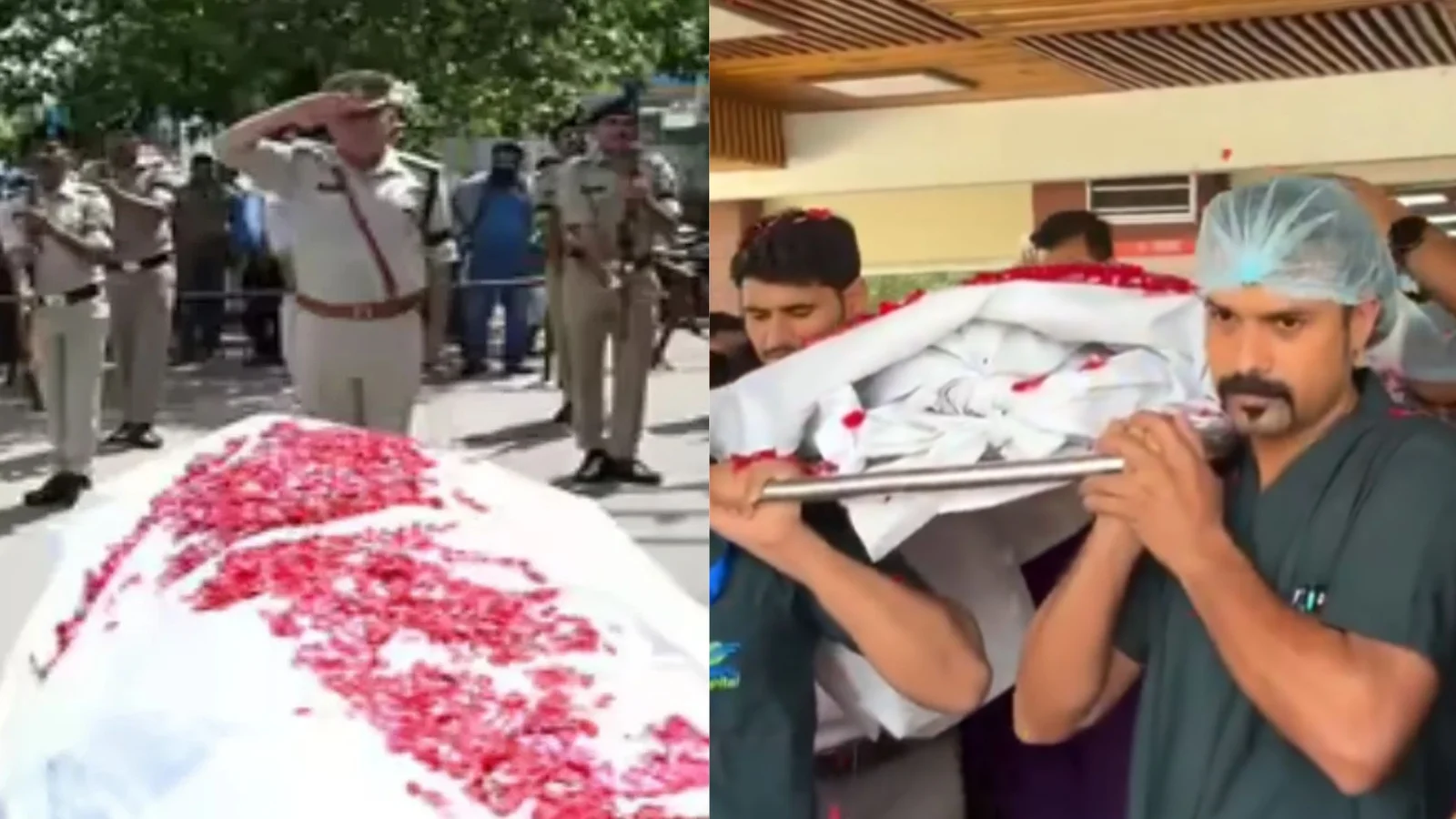
After the organ retrieval procedure, Sajna S.A.’s body was given a respectful farewell. Police personnel and hospital staff paid their tributes as part of the state’s recognition of organ donors.

Her body was later transported to Thiruvananthapuram for final rites in her hometown.

Hospital staff, local administration officials, and representatives from various organisations honoured the family for their decision, describing it as an example of humanity and compassion.

Debate and Public Response

The incident has drawn widespread attention on social media, where many users praised the family’s decision, calling it an example of “humanity beyond religion.”

Some users wrote that “humanity is the greatest religion,” while others highlighted the act as an example of interfaith harmony and selflessness.

Medical experts also said the case highlights the importance of organ donation awareness, especially in brain-stem death cases, where timely decisions can save multiple lives.

source: http://www.theobserverpost.com / The Observer Post / Home> India> Indian Muslims> Positive Story / by The Observer Post / May 29th, 2026

At 15, Nashik Student Balances Quran Memorisation, Scores 99.927 in JEE Main

Bhiwandi (Thane District) , MAHARASHTRA :

Bhiwandi :

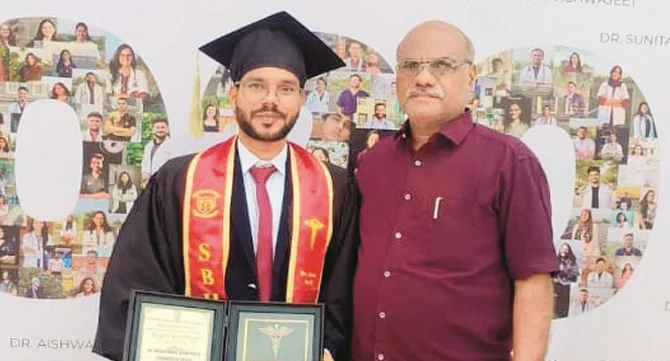
From a cramped one-room chawl in Azmi Nagar to becoming a qualified doctor, Dr Adnan Shahabuddin Ansari’s journey is a powerful example of determination, sacrifice and steady effort under difficult conditions.

Born into a modest family, Adnan grew up in a small home where space and money were both limited. His father, Shahabuddin Ansari, worked in the scrap business. Despite having a low income, the family placed a strong emphasis on education and supported their children with whatever they could afford.

Adnan’s father said, “We always wanted our children to study and move forward in life. Even when it was difficult, we did not give up on their education.”

Adnan’s academic journey was not without its challenges. While studying in class eight, he was diagnosed with tuberculosis and had to undergo long-term treatment at Sion Somaiya Hospital. The illness weakened him physically, but it strengthened his resolve.

Instead of breaking his confidence, the experience made him more focused on becoming a doctor.

He completed his SSC in 2017 from Al-Hamd High School with 84 per cent marks. In 2019, he passed his HSC from KMES Junior College with 88 per cent marks.

After this, he aimed to clear the NEET and enter a medical college.

Adnan moved to Kota for coaching, but his preparation was interrupted due to a serious heart-related health problem. He had to leave coaching and return home for treatment and hospital care.

Even during hospitalisation, he continued studying daily. “I used to study from morning till night, even in the hospital. I could not afford to stop,” Adnan said.

During the COVID-19 lockdown, conditions became even more difficult. Coaching centres were closed and study material was limited. His father supported him by writing question papers by hand so that his preparation could continue.

Despite all challenges, Adnan cleared NEET in 2020 in his first attempt, scoring 585 out of 720 marks. He secured admission in a government medical college and completed his MBBS from Shree Bhausaheb Hire Medical College in Dhule.

His convocation ceremony was recently held, marking the completion of his medical degree.

Adnan and his father expressed gratitude towards the newspaper they regularly read, which played a role in encouraging their educational awareness.

Shahabuddin Ansari said, “For the last 25 years, we have been reading this newspaper regularly. Its education section, interviews and reports always inspired my son. He used to read them with interest.”

He added, “We thank this newspaper for its support and motivation.”

Dr Adnan Ansari now aims to pursue NEET PG and become an MD physician. He hopes to serve society through medical practice and continue his journey in healthcare.

His story reflects how consistent effort, parental support and determination can help overcome even the most difficult circumstances.

source: http://www.clarionindia.net / Clarion India / Home> Editor’s Pick> India> Indian Muslims / by Team Clarion / April 25th, 2026

Dr Kashif Ansari Receives Best Assistant Professor Award at JJ Hospital

MAHARASHTRA :

Mumbai:

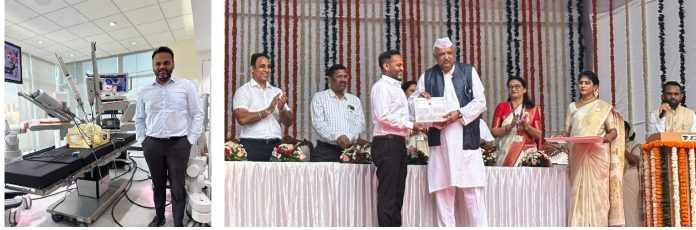
Grant Government Medical College and Sir J J Group of Hospitals marked Republic Day with an academic honour for Dr Kashif F Ansari, who received the Best Assistant Professor award from the Dean of the institution. The recognition reflects his teaching record, clinical service, and role in advancing minimally invasive surgery at one of the city’s largest public hospitals.

Dr Ansari serves in the Department of General Surgery and has built a profile in laparoscopic gastrointestinal surgery and laser proctology. Colleagues credit his structured teaching, steady operating room leadership, and work with postgraduate trainees for the award.

The honour follows a major institutional milestone in April 2025, when JJ Hospital performed its first robotic surgeries. Dr Ansari formed part of the core surgical team that completed three complex procedures using robotic systems under senior mentorship and institutional guidance. The operations marked the hospital’s entry into advanced technology based surgery with a focus on affordable public care.

Dr Ansari completed his MS in General Surgery at D Y Patil Medical College, Kolhapur, and later trained in advanced laparoscopic and minimal access surgery. His professional record includes service as Honorary Consultant at Prince Ali Khan Hospital, Masina Hospital, Apollo Hospital, and Noor Hospital. He earlier worked as Senior Resident at Cooper Hospital, Nair Hospital, and Ambedkar Memorial Hospital.

He holds fellowships with national surgical bodies and life memberships with leading professional associations. His research work on difficult laparoscopic cholecystectomy has appeared in a peer reviewed journal.

Faculty members said the award highlights the role of young Muslim medical professionals in public health institutions and their contribution to modern surgical care.

source: http://www.radiancenews.com / Radiance News / Home> Latest News > Report / by Radiance News Bureau / January 27th, 2026

Dr Anwar Siddiqui Honoured with Influential Ayurvedacharya Award

Nagpur, MAHARASHTRA :

Nagpur:

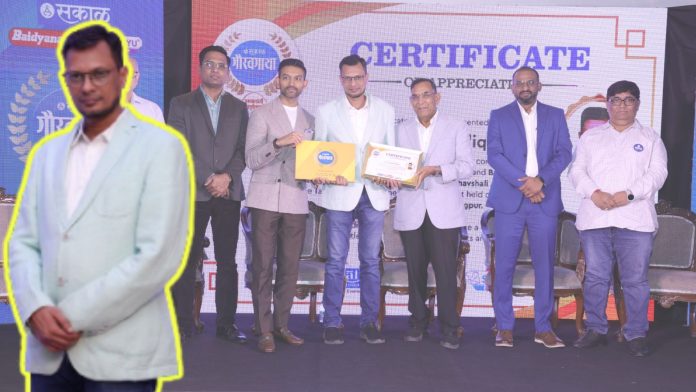
Dr Anwar Siddiqui, head of Panchakarma at Shri KR Pandav Ayurveda College and founder of Kerala Ayurveda & Panchakarma, received the Influential Ayurvedacharya Award from Sakal and Baidyanath. The award recognized his contributions to Ayurvedic medicine and social service.

The event was attended by Union minister Nitin Gadkari, Baidyanath’s managing director Suresh Sharma, and 45 leading Ayurveda doctors from across India. Dr Siddiqui, a BAMS and MD in Panchakarma from Poddar Government Ayurveda College in Mumbai, also holds a Master’s degree in Sanskrit. He has authored the book Ayurvedic Detoxification in Obesity, published in Germany.

With more than two decades of practice, Dr Siddiqui has gained recognition for treating chronic illnesses through Panchakarma therapy. During the Covid-19 pandemic, he helped set up a free hospital in Pachpaoli, strengthening his reputation for service to both healthcare and the community. Dr Siddiqui is a prominent leader associated with Jamaat-e-Islami Hind and a member of its Maharashtra State Advisory Council.

source: http://www.radiancenews.com / Radiance News / Home> Latest News> Report / by Radiance News Bureau / August 24th, 2025

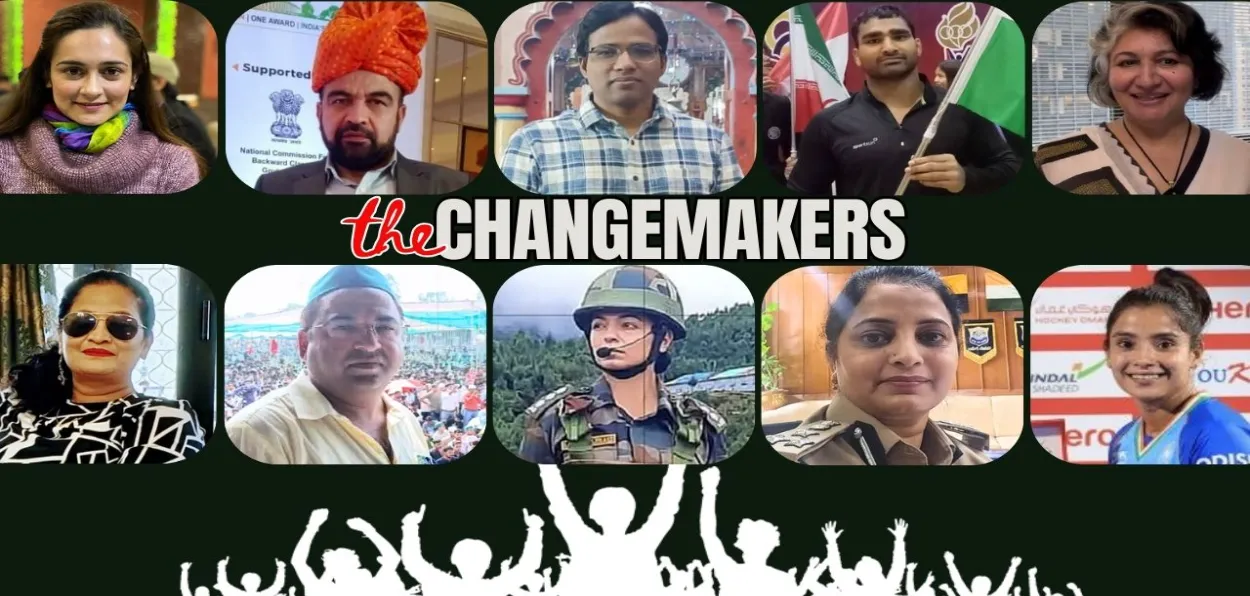
10 trailblazers of Uttar Pradesh reshaping India’s future

UTTAR PRADESH :

New Delhi :

While media spotlight often shines on celebrities and politicians, the real engine of India’s progress runs on the resolve of countless unsung heroes who, away from limelight, quietly transform society.

From national defense to grassroots education, sports, science, and civil service, these individuals from Uttar Pradesh show how courage, compassion, and conviction can drive extraordinary change. Here are 10 such trailblazers whose stories deserve to be heard:

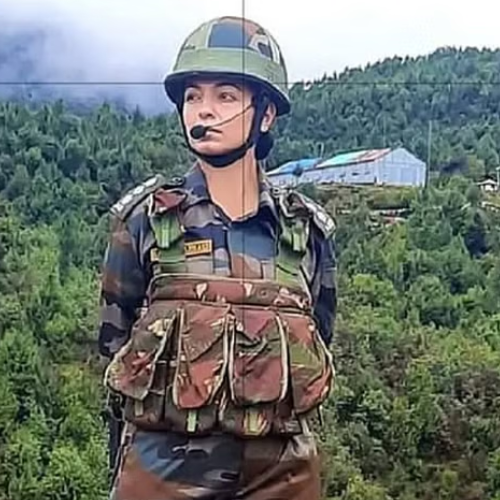
Captain Sariya Abbasi: A Woman in Uniform on the Frontlines

Hailing from a small city of Gorakhpur, Uttar Pradesh, Captain Sayria Abbasi broke every convention to join the Indian Army. A graduate in Genetic Engineering and with plenty of job offers and career opportunities from big companies was not enough for her to pursue in life. The call of service for the motherland was too strong to be sacrificed.

The world noticed her as a soldier deployed at the Line of Actual Control (LAC), India-China temporary border, manning an Air Gun. Today, Sariya leads drone-killer teams and operates L-70 anti-aircraft guns on the border. Her journey from an academic achiever to a defender of the nation’s borders is not just about military precision; it’s about shattering glass ceilings and reshaping how India imagines women in uniform.

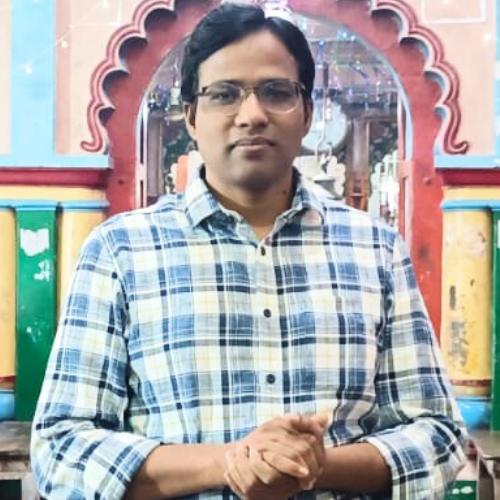
Dr. Faiyaz Ahmad Fyzie: Voice for the Voiceless Pasmanda Community

Dr. Faiyaz Ahmad Fyzie, an AYUSH physician, is more than a healer—he is a public intellectual, columnist, translator, and relentless advocate for the Pasmanda (socially backward) Muslim community. Raised in modest conditions, his rise to national recognition is built on fearless writing and tireless grassroots work.

When even the Prime Minister refers to Pasmanda voices, Fyzie’s years of advocacy resonate. His pen continues to empower those whose struggles were long silenced. His work is a call to conscience—and a roadmap for inclusive discourse.

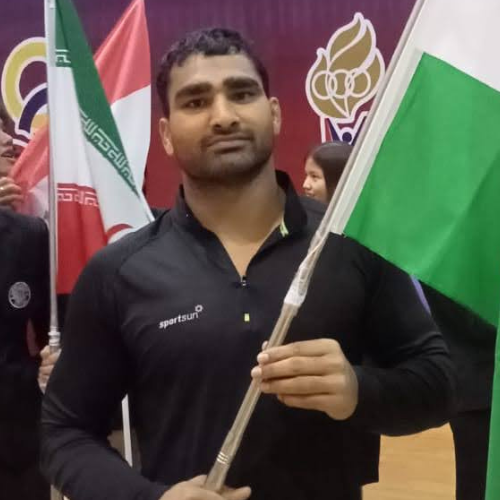
Mohammad Luqman Ali: Wrestling His Way to Glory and Degree

Wrestler Mohammad Luqman Ali, a student of Social Work at Jamia Millia Islamia, is balancing body and brain. Born in Amroha’s tiny village of Mohraka Patti, his father worked on the railways, and his mother gave him religious grounding. Despite limited resources, Luqman’s grit has earned him recognition in India’s wrestling circles.

From the mat to the classroom, his dual commitment shows that excellence doesn’t require compromise. It requires discipline, heart—and a family’s belief in you.

Rubina Rashid Ali: Reviving Mughal-Era Art with a Modern Mission

In a sun-drenched corner of Aligarh, Rubina Rashid Ali has quietly built a movement. Her work in floral appliqué embroidery, a legacy of Mughal art, now supports dozens of women in Aligarh and Rampur. What was once an undervalued craft monopolized by middlemen has been transformed by Rubina into a vehicle for women’s economic empowerment.

Her home resonates not only with the sound of needles and threads but also with the hum of independence. “Real artists were reduced to laborers,” she says. Today, she ensures their hands are not just working — but also earning.

Babban Mian: A Gaushala Keeper Inspired by His Mother’s Love

At Madhu Sudan Gaushalla in Bulandshahr, Babban Mian tends to cows not out of ritual, but reverence — inspired by his late mother Hamidunnisa Begum. “She loved cows like her own children,” he recalls. After she passed away in 2015, Babban vowed to preserve her legacy.

Despite being a Muslim in a Hindu-dominated tradition, he runs a government-recognized shelter rooted in compassion, not controversy. For him, animal welfare is a universal value — not a communal issue. His work quietly redefines what shared culture and interfaith harmony look like.

Khushboo Mirza: From Amroha to the Moon with ISRO

 Khushboo Mirza, scientist at ISRO and part of the Chandrayaan-1 and Chandrayaan-2 missions, is a stellar example of perseverance. After her father’s death when she was just seven, her mother raised three children alone, running a petrol pump and defying social norms.

Khushboo earned a Gold Medal in Electronics Engineering from AMU and was the youngest member of the Chandrayaan-1 checkout team. A practicing Muslim and a symbol of India’s scientific aspirations, she turned down corporate offers to reach for the stars—and took a whole generation of girls with her.

Zaheer Farooqui: A People’s Leader with a Vision for Purkazi

In western UP’s Purkazi, Zaheer Farooqui is rewriting what local leadership means. As Nagar Panchayat Chairperson, he donated land worth ₹1.5 crore for the area’s first Intermediate College and modernized local schools into PM Shri-certified institutions.

His initiatives go beyond classrooms. From India’s first double-storey government-run cow shelter to a gym for Muslim women, and one of the most sophisticated rural CCTV networks in the region — Farooqui’s governance is a blend of tradition and tech, equity and empowerment. His Tiranga Yatra revives local history, reminding citizens that patriotism is inclusive and action-oriented.

Dr. Farah Usmani: From AMU to Global Health Leadership

On a cold morning in New York, Dr. Farah Usmani stood outside an apartment, a folder in hand, her eyes bright with resolve. The daughter of Uttar Pradesh, she is today a formidable presence in global health policy.

n M.D. in Obstetrics & Gynecology from AMU, Farah sought impact beyond hospital walls. Armed with a Master’s in Health Policy from LSE and the London School of Hygiene & Tropical Medicine, she’s led transformative health initiatives around the world. Her journey is one of intellect guided by idealism — a doctor who chose not just to heal individuals but to reform systems.

Anjum Ara: Bridging Communities Through Compassionate Policing

Hailing from Azamgarh’s Kamharia village, Anjum Ara, a 2012-batch IPS officer, has redefined the image of policing with a human touch. A computer engineer by training, her journey from Integral University to Senior Superintendent of Police in Shimla has been marked by integrity and reform. Known for her work in cybercrime and her community-focused policing model, Anjum is also a fierce advocate for girls’ education.

Together with her husband, IAS officer Yunus Khan, Anjum adopted the cause of Khushdeep, the daughter of a martyred soldier, pledging to support her upbringing. This act of empathy mirrors her professional ethos, proactive, principled, and deeply people-centered.

Mumtaz Khan: From Vegetable Stall to World Hockey Stage

From the bustling alleys of Lucknow’s Cantt area to the turf fields of South Africa, Mumtaz Khan’s journey is pure grit. Once helping her father at a vegetable stall, a single race at school changed her life when Coach Neelam Siddiqui noticed her speed. That moment set her on a course to become a leading forward in India’s Junior Women’s Hockey Team.

Her standout performance at the 2018 Youth Olympics, where she scored 10 goals, earned her national acclaim. Yet, Mumtaz remains rooted, balancing hope and humility as she eyes the Olympics. She is proof that dreams born in dusty streets can blaze across international arenas.

These ten changemakers hail from Uttar Pradesh, from narrow village lanes to bustling metros, from battlefields to laboratories. But they are united by one thing:  quiet, relentless courage. In their lives, we find the India that persists, uplifts, and transforms—not with headlines, but with hard work.

Tap HERE to watch the video

source: http://www.awazthevoice.in / Awaz, The Voice / Home> The Changemakers / by Vidushi Gaur / May 24th, 2025

“I will serve community as there are few Muslim women doctors” says Arshiya, second ranked in Maharashtra Medical Entrance

Solapur, MAHARASHTRA :

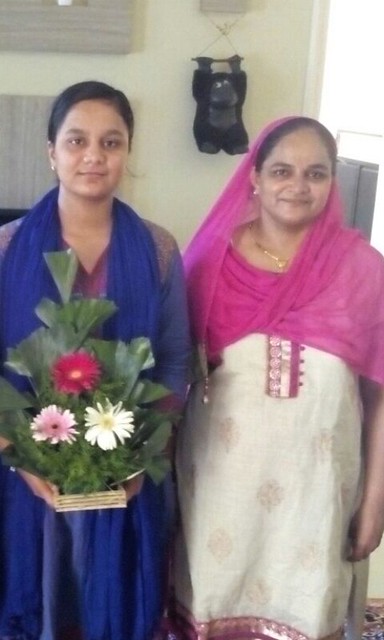
Arshiya with her mother Dr Nusrat Choudhari

Solapur: 

It was a moment of joy and ecstasy for 18 years old Arshiya Choudhari of Solapur when she was announced second topper in Maharashtra state conducted Common Entrance Test MHT-CET 2016 for admissions to Medical courses and can now choose college of her choice for MBBS admission.

The Maharashtra Common Entrance Test (MH CET) exam was held on May 5, 2016 for which results were declared on Wednesday.

A student of A D Joshi College, Arshiya scored 199 marks out of 200 and declared second topper. She has also topped HSC exams in the state this year by scoring 97.85% (636 out of 650 marks).

The feat is very special for Arshiya because she herself prepared for the exam by dedicating 6-7 hours daily for study at home after HSC exams. “I did not join any private classes but relied upon self study at home. I am happy that I could score this much and prove people that private coaching is not always required if you have dedication”, Arshiya told TwoCircles.net.

She is now aiming to complete MBBS course and then she will decide about specialization or masters.

“I want to pursue MBBS from KEM College in Mumbai. After completing degree I will decide whether to go for administrative services or masters”, She added.

However, in any case she wants to connect with the people and serve them. “I am very eager to serve people. I see there are very few Muslim woman doctors and therefore I decided to become a doctor”, she told when asked why she chose to become a doctor.

Speaking with TwoCircles.net Yunus Choudhary, father of Arshiya expressed delight and said she is free to take admission into the college of her choice.

Yunus, who is a Jr. Engineer in water supply department in Solapur told, “I was confident that she will clear CET with excellent marks as she is a hard working girl. I will not restrict her from joining any college for MBBS”.

Nusrat, mother of Arshiya is a practicing doctor and wish to see her daughter serving the community by becoming a doctor. “I want Arshiya to become a successful doctor”, she told.

The Maharashtra Common Entrance Test (MH CET) is an entrance examination conducted by the Directorate of Medical Education and Research with an intention to provide admissions into various graduation courses for Engineering and Medicine streams.

The medical entrance examination has been in news since May 4 when a Supreme Court order made it mandatory for medical aspirants to take the National Eligibility-cum-Entrance Test (NEET). However, following several protests from parents and state education ministers, the President passed an ordinance that reversed the Supreme Court verdict partially.

Therefore for Maharashtra, admissions to medical and dental colleges will be done through the MHT-CET scores for this year.

source: http://www.twocircles.net / TwoCircles.net / Home> India News> Indian Muslim> Women> Youth / by A Mirsab, TwoCircles.net / June 04th, 2016

Delhi IMA Honours Coimbatore Paediatrician Dr Jaleel Ahamed

DELHI / Coimbatore, TAMIL NADU :

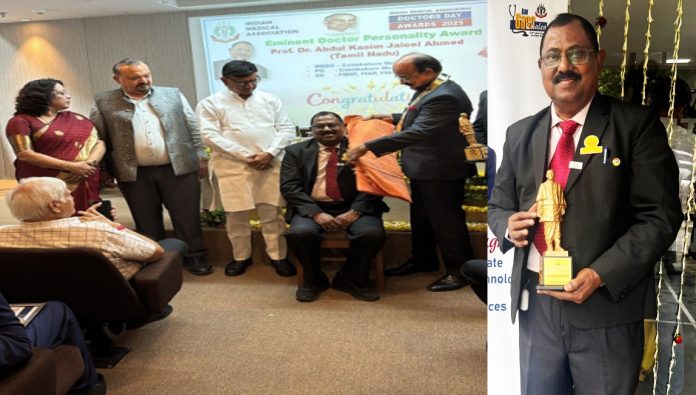
Yet another feather in the cap of paediatrician Dr Abdul Kasim Jaleel Ahamed as he was honoured with ‘Eminent Doctor Personality Award’ for the year 2025 at an event held at Indian Medical Association (IMA) headquartered in New Delhi. The occasion was during National Doctors Day

“Medicine cures diseases but only doctors can cure patients.” This thought-provoking quote of Swiss psychiatrist, psychotherapist, and psychologist Carl Gustav Jung is relevant in the context of noted paediatrician from Coimbatore Dr Abdul Kasim Jaleel Ahamed as he was honoured with ‘Eminent Doctor Personality Award’ for the year 2025 at an event held at Indian Medical Association (IMA) headquartered in New Delhi on the National Doctors Day event.

Indian Medical Association (IMA), the world’s largest association of doctors with over 4 lakh members and 1,800 branches across the country, held its prestigious national award ceremony in the nation’s capital on July 14, wherein scores of medical professionals in different categories were recognised with the honour by Chief Guest Dr Jitendra Goyal, Union Minister of Science and Technology besides the Guest of Honour Dr Anil Goyal, MLA from Delhi.

With over four decades of dedicated service, Dr Jaleel Ahamed carved a niche for himself in treating children at his Cloud One Smart Clinic at West Ponnurangam Road in RS Puram neighbourhood in Coimbatore city. No gainsaying the fact that the child specialist earned name and fame among the residents within and off the city. Noteworthy to mention, he earlier served as Chief Paediatrician and Neonatologist at Sri Ramakrishna Hospital for 34 years.

It is pertinent to point out that Holy Quran researcher, noted speaker, author and publisher Dr Ameer Althaf, in his book ‘Pettagam’ released in 2013 which is a compilation of 300 years history of Coimbatore Muslims, has a separate chapter on Dr A K Jaleel Ahamed.

He married the daughter of Sakkarai Mohamed Rowther, a philanthropist, who spared a considerable amount for charity even while running his transport company in the 1970s.  Those were the days when the less privileged and poor waited in front of Jungle Beer Dargah, Jamesha Dargah and Five Corner mosque during Jumma Ki Raat and on Jumma day.

Dr Jaleel Ahamed taking a cue from his father-in-law is doing his mite continuing his tradition in reaching out to the poor and the needy. Not to be left behind, Dr Jaleel’s service to mankind fetched him accolades from several quarters from far and near while not to speak of the recent IMA Delhi’s ‘Eminent Doctor Personality Award’ at a function organised in connection with ‘National Doctors Day’.

Making heads turn, Dr Jaleel treated an 800-gram test-tube baby claimed to be the country’s first while serving at Sri Ramakrishna Hospital as Chief Paediatrician & Neonatologist, which was the talk of the town then. Interestingly, the baby whom he had treated grew to become a graduate bringing pride to the paediatrician for his noble gesture. This particular incident finds a place in the Pettagam book.

Significantly, he was instrumental in donning the role of Organising ChairPerson – State Neocon 2007 and 2014, Organising Committee Ooty Pedicon (State IAP Conference 2005), Organising Committee , Kongu Pedicon (State IAP Conference 2017 Coimbatore, Organising ChairPerson – South Neocon 2018 in Chennai besides Organising Chairperson – State Neocon 2019 in Madurai, Organised Various CME and Neonatal and Paediatric Workshops in Coimbatore and was State & South Zone Coordinator for IAP Presidential Action Plans.

To his credit, he has numerous awards, including Sr Paediatrician Award, IAPTNSC Senior Neonatologist Award, NNFTN Academic Excellence Award, IMA Community Service Award UG, PG at Coimbatore Medical College during 1976 to 1981,1983-1985 besides Fellowship in Neonatology & Paediatric medicine.

Moreover, he had attended various International, National and State level conferences, workshops, CME programmes in Neonatology at Germany, Norway, Singapore, Italy, UK, South Africa, Dubai, Malaysia, Netherland, Athens, and Alexandria.

Adding more to this, Dr Jaleel said that he was part of the International vaccine summit during 2004 at Thailand and submitted various papers, presentations in paediatrics and neonatology and was selected as a special invitee to attend surfactant replacement therapy during 2006, 2007 in Norway (Oslo), and Italy (Ancona) while not speak of his participation at ESPGHAN summit held in UK, Czech Republic., Geneva, Scotland Visited Marburg, Germany as an observer in neonatology and paediatric nephrology during 2005.

He obtained observer fellowship in neonatology during 2012 at Texas Children’s Hospital USA. The list is endless as he is armed with many recognitions across the globe.

Radiance takes pride in felicitating Dr Jaleel Ahamed for the IMA honour for his dedicated service to the needy.

[The author is former Indian Express and Deccan Chronicle chief]

source: http://www.radiancenews.com / Radiance News / Home> Focus> Pride of the Nation> Awards / by M Rafi Ahmed / July 22nd, 2025

Dr. Parveez Ubed’s makes eye-care accessible, affordable across NE India

ASSAM :

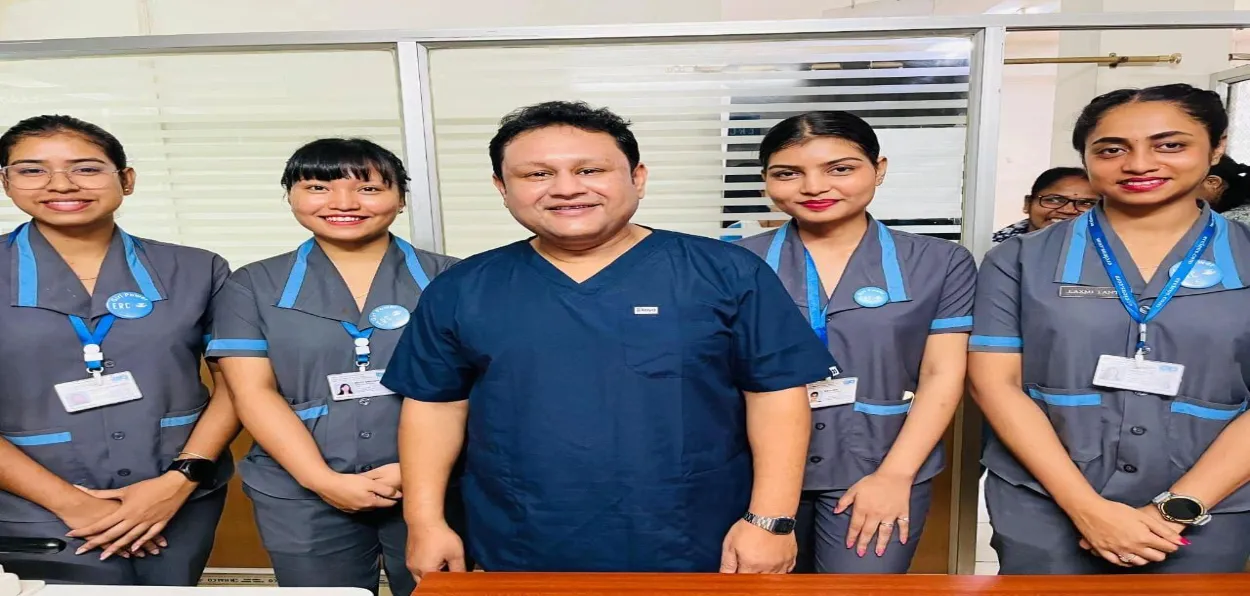
Dr Pervez Uber with his staff

On July 10, a significant milestone in Northeast India’s healthcare landscape unfolded as Dr. Parveez Ubed inaugurated the 7th Hub Hospital of ERC Eye Care in Abhayapuri, Bongaigaon district, Assam.

The ceremony represents more than just another hospital opening—it symbolizes the transformative vision of a social entrepreneur who chose to stay in his homeland over greener pastures in metropolitan cities.

Dr. Parveez Ubed’s story begins in Jorhat, Assam, where, after completing his ophthalmology specialization from the Gauhati Medical College in 2007, he decided to change lives.

His classmates left for bigger cities for attractive offers, but Dr. Ubed chose to stay put in Assam to serve his people. His decision was driven by his understanding of the region’s healthcare challenges.

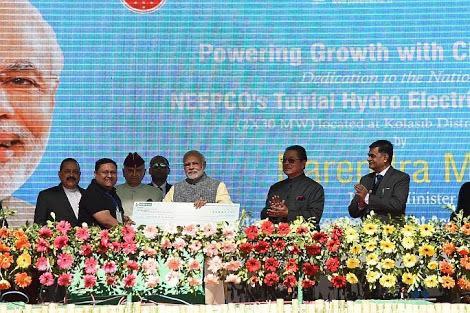
Prime Minister Narendra Modi Presenting an award to Dr Perveez Ubed

His entrepreneurial journey started in June 2011, when he founded ERC Eye Care in a converted kitchen space with just Rs 4 lakhs borrowed from his mother.

What began as a single-man mission has now evolved into a phygital (physical + digital) eye care network spanning across Northeast India with 267 full-time employees and 190 part-time staff.

Dr. Ubed’s venture addresses a critical healthcare gap in Northeast India, where the statistics paint a sobering picture.

Assam has a blindness prevalence of 3.03% against the national average of 1.99%, with an estimated 92% preventable blindness. The World Health Organization reported that 18.8% of Indians suffer from vision impairment due to cataract in Assam alone, making it one of the most affected regions in the country.

Bad roads and difficult terrain, lack of information, poor overall health status, and absence of escorts are barriers that limit access to eye care services in the region.

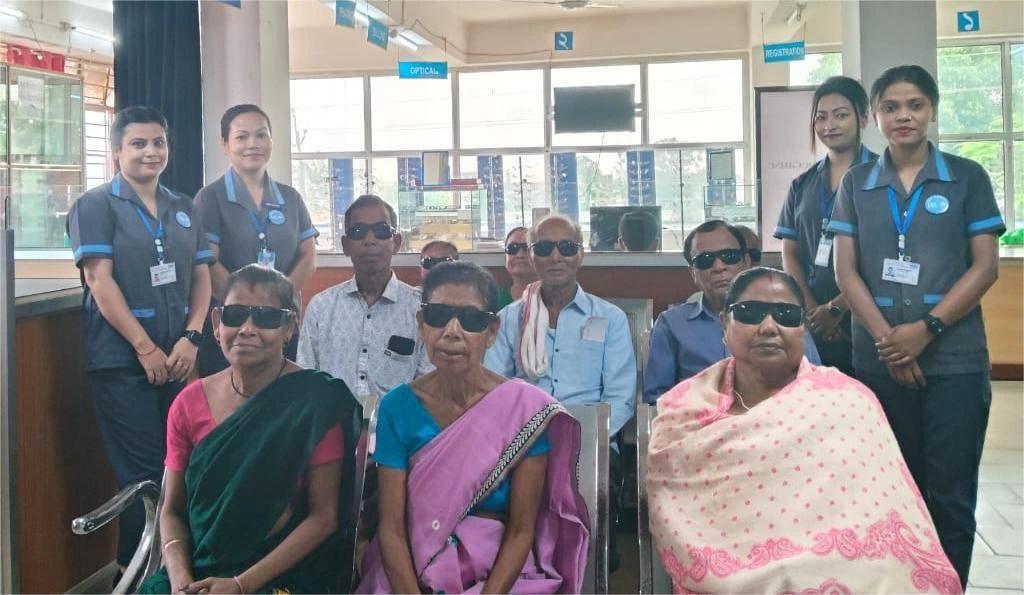
The beneficiers of Dr Perveez Ubed’s eyecare facilities

With only 0.6 ophthalmologists per 100,000 population in Assam, the doctor-patient ratio represents a massive healthcare infrastructure deficit.

Dr. Ubed’s entrepreneurial genius lies in his innovative hub-and-spoke business model that tackles the three critical healthcare challenges: affordability, accessibility, and availability. The model operates through: Hub Hospitals: (i) Equipped with surgical and diagnostic facilities serving as main centres in Sivasagar (2015), Nagaon, Silchar, Guwahati, Tezpur, Boko (6th hospital, January 2025), and now Abhayapuri (7th hospital, July 2025).

(ii) Spoke Centres: Satellite vision centres and mobile units extending basic eye care to remote areas, bringing services directly to patients’ doorsteps. (iii) Digital Integration: The organization leverages AI and IoT technology through their digital platform erclens.com, making them the world’s first phygital eye care company.

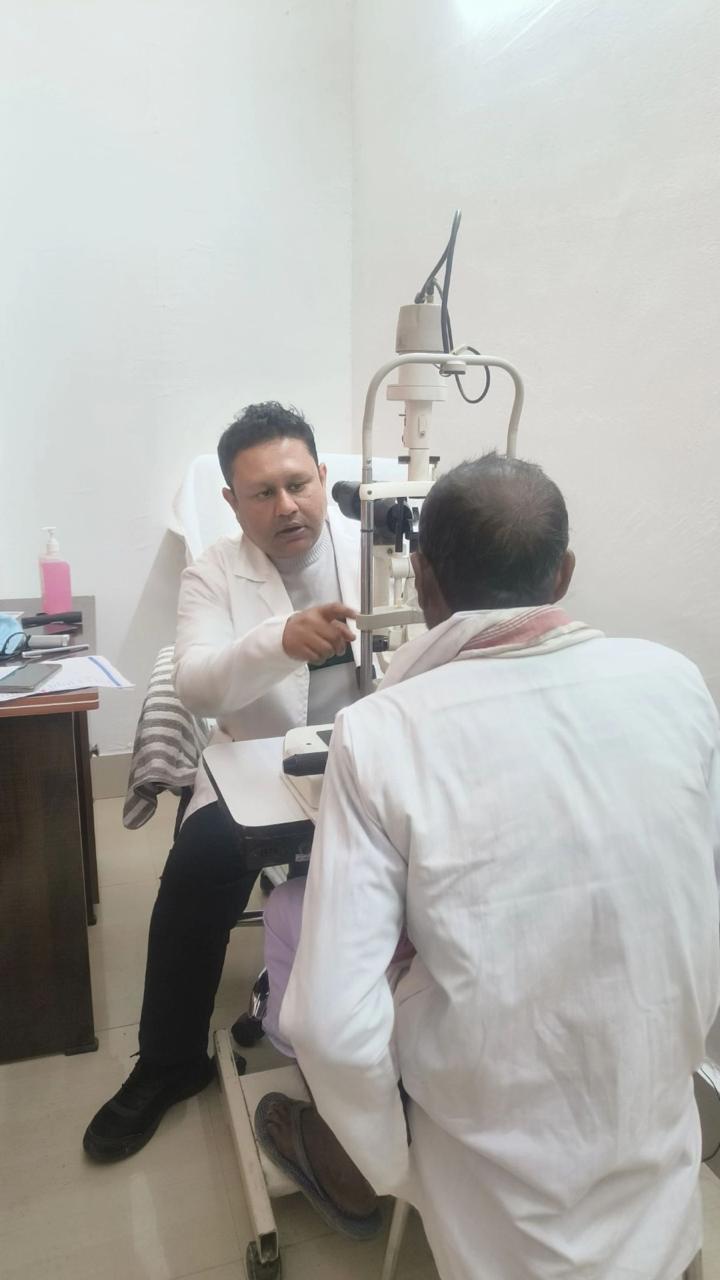
Dr. Perveez Ubed with a patient

Dr. Ubed’s transformation from a medical professional to a successful social entrepreneur showcases remarkable business acumen. “All my nights were spent reading MBA books to find a business plan,” he recalls with characteristic humility.

This self-directed learning was later complemented by formal business education at Stanford University Graduate School of Business (2019-2021), where he completed the Stanford Seed Transformation Programme Certificate.

Dr. Ubed’s work has garnered prestigious recognition, underscoring his impact as a changemaker. He received several awards and recognition in India and abroad.

Dr. Ubed’s vision extends far beyond numbers, though the statistics are impressive: over 1.1 million patients served, 500,000 eyeglasses distributed, and 43,000 cataract surgeries performed. Each figure represents a life transformed, a livelihood restored, and hope renewed.

The organization’s pricing model reflects its social mission: eye consultations for Rs 50, optical retail starting at Rs 99, and cataract surgeries from Rs 3,500. Studies referenced by ERC indicate that good vision can increase incomes by 30% and productivity by 25%, making eye care not just a medical intervention but an economic empowerment tool.

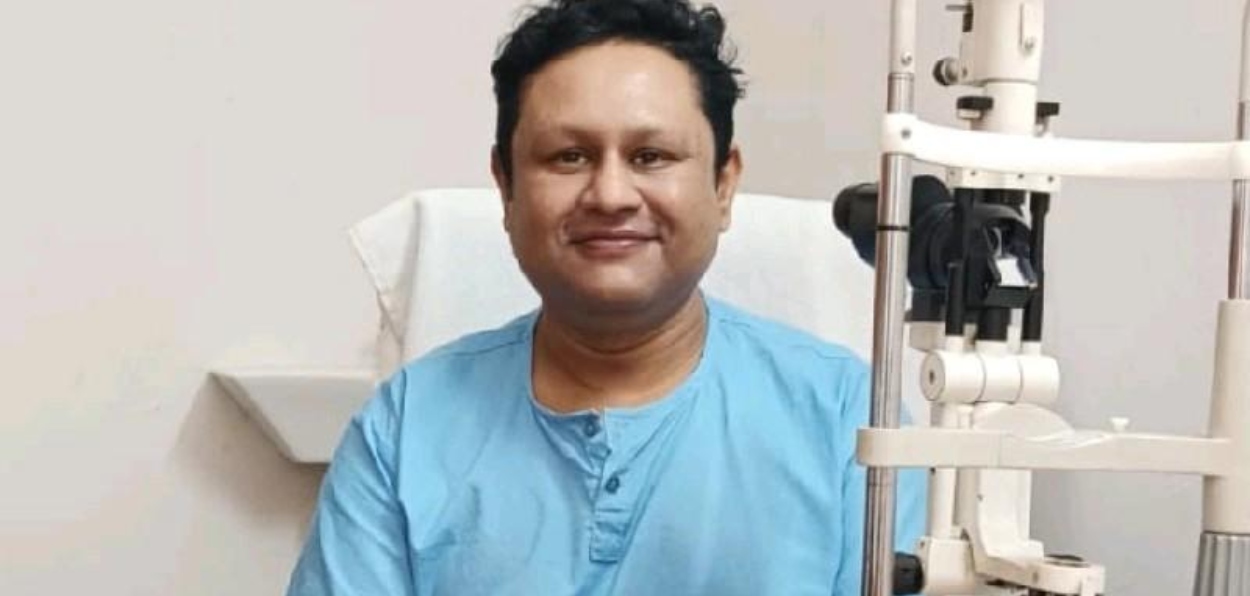
Dr. Parveez Ubed

Dr. Ubed’s forward-thinking approach incorporates artificial intelligence, machine learning, and IoT technologies to create scalable healthcare solutions. The digital platform erclens.com offers teleconsultation services, online appointments, and home eye testing, making ERC a pioneer in tech-enabled healthcare delivery for underserved markets. The organization’s expansion plans extend beyond India to Southeast Asia and Africa, positioning ERC as a global model for affordable healthcare delivery.

Dr. Parveez Ubed stands as living proof that one person’s commitment to serve can illuminate the path for millions. In a world where success is often measured by personal wealth, Dr. Ubed has chosen a different metric—the number of people who can see clearly enough to dream again, work productively, and live with dignity.

His story reminds us that true entrepreneurship lies not in creating unicorns, but in nurturing phoenixes—taking communities from the ashes of neglect and helping them rise to their full potential.

As thousands more patients walk through the doors of this new hospital in Abhayapuri, they will not just be receiving medical treatment; they will be touching the legacy of a man who saw beyond the obvious, dreamed beyond the conventional, and dared to stay when leaving would have been easier.

In the annals of social entrepreneurship, Dr. Parveez Ubed’s name will be etched not just as a successful businessman but as a visionary who gave vision to the visually impaired and hope to the hopeless, proving that sometimes, the greatest journey is not about going far but about going deep into the heart of what truly matters.

The author is the former DGP of the Assam Police

source: http://www.awazthevoice.in / Awaz, The Voice / Home> Stories / by Pallab Bhattacharyya / July 17th, 2025