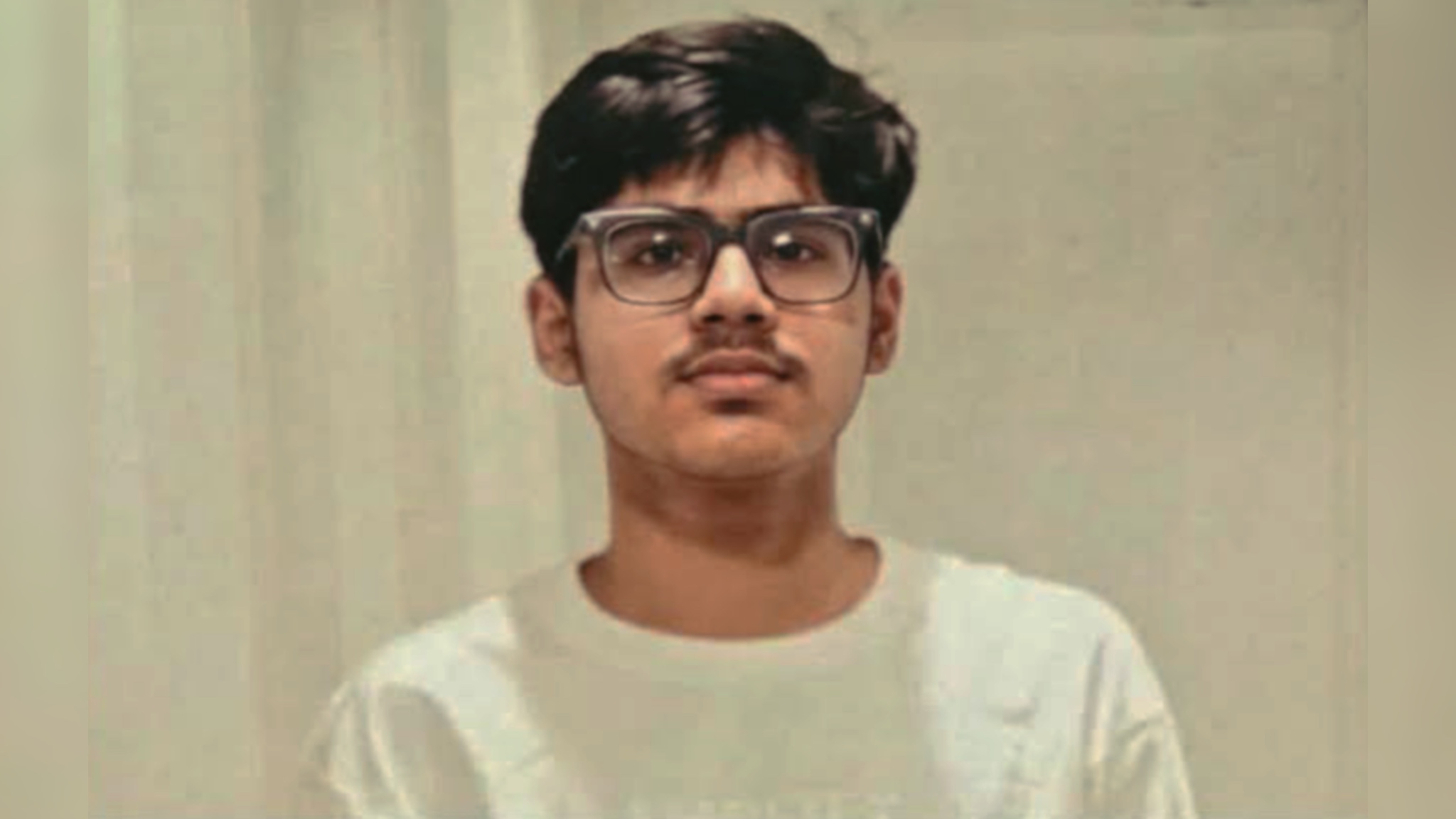
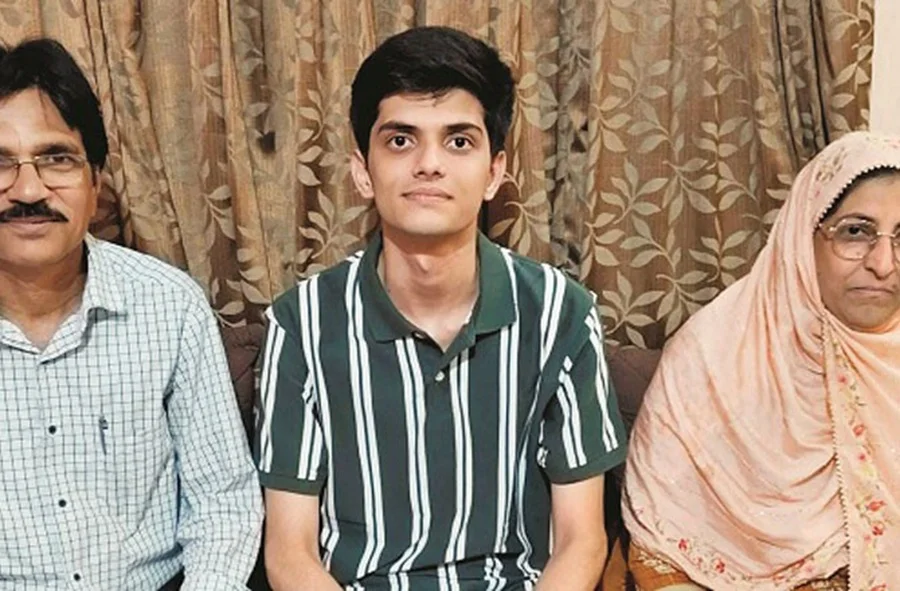
A young Muslim student from Maharashtra’s Dhule district has brought pride to his hometown after securing second rank in the first-year MBBS examination at the All India Institute of Medical Sciences (AIIMS), Delhi.
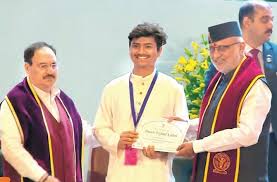
Ansari Fahad Kaleem achieved the distinction at one of India’s most prestigious medical institutions and was honoured during the 51st convocation ceremony of AIIMS Delhi held at Bharat Mandapam.
Fahad was felicitated by Vice President C.P. Radhakrishnan and Union Health Minister J. P. Nadda in recognition of his outstanding academic performance.
His success has become a matter of pride not only for his family but for the entire Dhule district, where many residents have described him as an inspiration for students from modest backgrounds.
People close to Fahad say he showed academic promise from an early age and remained deeply committed to his studies throughout school.
He scored 94.6 percent in Class 10 and later secured 97.6 percent in Class 12.
Fahad also cleared the NEET examination in his first attempt with an impressive score of 711 marks, earning admission to AIIMS Delhi, widely regarded as one of the country’s top medical institutions.
Despite the intense academic pressure at AIIMS, Fahad maintained his disciplined approach and secured second rank in the first-year MBBS examinations.
Sources said the difference between the first and second rank holders was only four marks.
Fahad comes from a middle-class family. His father works as an accountant at Dhule Medical College.
Teachers and local residents said his achievement demonstrates how determination and consistent hard work can help students from ordinary backgrounds compete at the highest national level.
Speaking in an interview, Fahad credited faith, discipline and consistency for his success.
“The secret of success is consistency, hard work and trust in Allah,” he said.
Educationists in Maharashtra praised Fahad’s achievement, saying students like him inspire younger generations, especially those from minority and economically weaker communities.
A senior teacher from Dhule said, “Fahad’s success proves that talent exists everywhere. With dedication and family support, students can achieve remarkable success even in the toughest competitive environments.”
His achievement comes at a time when discussions around the NEET examination and medical admissions continue across the country. Amid those debates, Fahad’s story has been widely welcomed as a positive example of academic excellence and perseverance.
Residents in Dhule said the honour received by Fahad on a national platform has motivated many younger students to dream bigger and pursue higher education with confidence.
Several social and educational organisations have also congratulated Fahad and his family on the achievement.
Community members said his journey reflects the growing emphasis on education among Indian Muslim families and the determination of students who continue to excel despite financial and social challenges.
For many young students in Maharashtra and beyond, Fahad Kaleem’s success at AIIMS Delhi is now being seen as a powerful example of how perseverance, family support and commitment to education can open doors to the country’s finest institutions.
source: http://www.clarionindia.net / Clarion India / Home> Editor’s Pick> Indian Muslims / May 16th, 2026
In a remarkable display of discipline and dedication, 15-year-old Hafiz Syed Zaid Sadiq from Nashik has emerged as the top scorer from the city in JEE Main 2026 (Session 2), securing an impressive 99.927 percentile.
A student of Ashoka College, Zaid has set a shining example by balancing rigorous academic preparation with deep religious commitment.
Zaid achieved the extraordinary feat of memorising the entire Quran by the age of 15. He completed his early religious studies through madrasas and, due to time constraints during school, finished memorising the Quran at home in Class 9 under the guidance of a tutor and his mother’s supervision.
His academic excellence was evident earlier when he scored 95% in Class 10. Maintaining consistency, Zaid scored above 99 percentile in both sessions of JEE Main. According to his family, months of focused preparation, supported by his father Syed Sadiq and mother Syed Zauqiya, helped him strike a perfect balance between studies and religious learning.
Coming from an educated family, Zaid is the grandson of the late Syed Sattar Ali Roshan, a respected former municipal school head teacher.
A teacher from Ashoka College praised his time management, saying, “He has shown that with proper routine and focus, students can excel in both academics and religious studies.”
Zaid is now preparing for JEE Advanced with the dream of securing admission into a prestigious Indian Institute of Technology (IIT). His success has drawn widespread congratulations from across Nashik.
source: http://www.muslimmirror.com / Muslim Mirror / Home> Indian Muslim / by Muslim Mirror Desk / April 25th, 2026
Adibah Anam, rickshaw driver’s daughter, becomes Maharashtra’s first Muslim woman IAS officer.
Defying immense odds, Adibah Anam, daughter of a rickshaw driver from Yavatmal, Maharashtra, has achieved an extraordinary feat by securing All India Rank 142 in the UPSC Civil Services Examination 2024.
With this, she becomes the first Muslim woman from her state set to join the prestigious Indian Administrative Service (IAS), according to Clarion India.
Raised in a modest household, Adibah’s story is one of sheer determination and purpose. She began her education in a Zilla Parishad Urdu School, scoring an impressive 94% in SSC and 92.46% in HSC (Science).
Though she once dreamt of becoming a doctor, her maternal uncle, Jan Nizamuddin Sahib, guided her toward civil services, believing she could bring broader change. He supported her emotionally and financially, becoming a pillar in her journey.
Adibah completed her graduation in Mathematics from Abeda Inamdar College, Pune, with 85.20%. Despite clearing the NET exam, she chose not to enter academia and began preparing for the UPSC.
Her early attempts were marked by struggle, especially during the COVID-19 pandemic. Her third attempt, from Mumbai’s Hajj House under Maqsood Khan Sahib’s mentorship, brought her closer, but she still missed the final list.
Refusing to give up, she joined the Residential Coaching Academy at Jamia Millia Islamia in Delhi, where she finally succeeded. Choosing Urdu Literature as her optional subject despite a science background, she showcased her academic versatility and deep cultural roots.
Her parents remained her silent strength. “My father never asked me to stop. He only said, ‘May Allah make you successful,’” she shared.
Today, Adibah’s success is a beacon of hope for marginalized communities. “This victory belongs to every girl told to stay behind,” she says. “This is just the beginning.” — With Agencies Inputs
source: http://www.muslimmirror.com / Muslim Mirror / Home> Indian Muslim / by Muslim Mirror Desk / April 27th, 2025
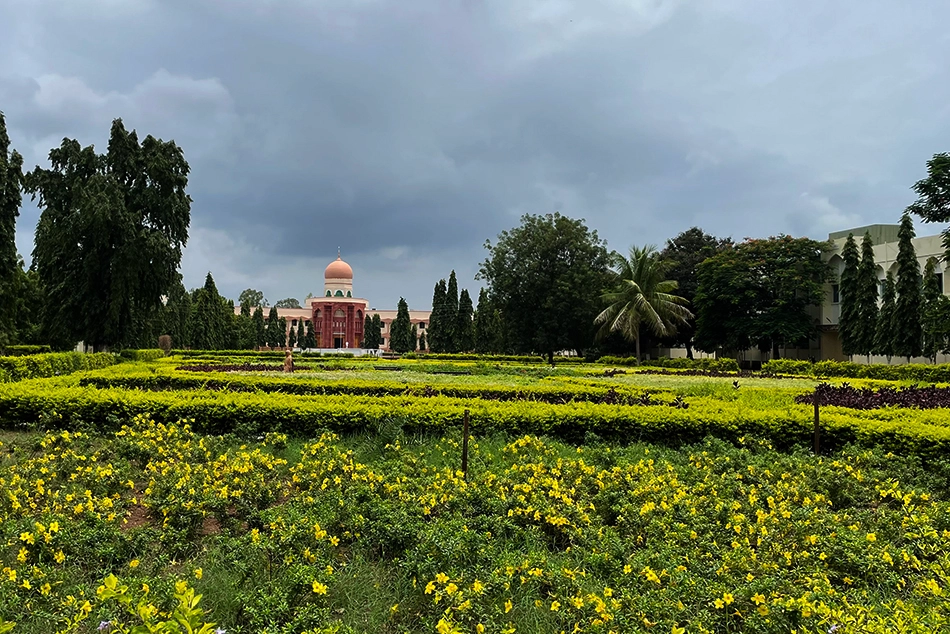
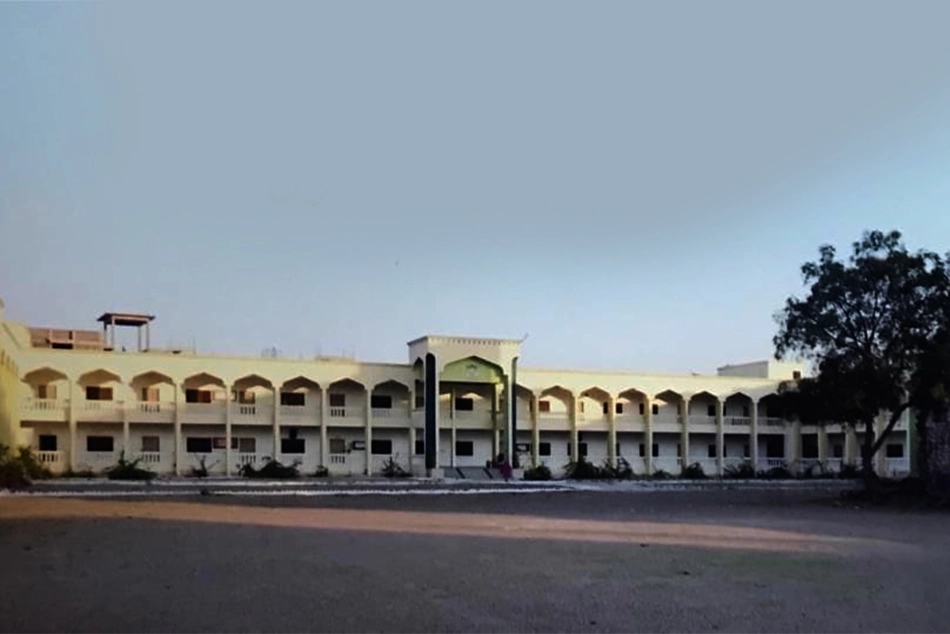
Jamia Mohammadia Mansoora, as this complex is named by its founders, is not only an education hub but also a symbol depicting state-of-the art combination of Islamic and modern Indian culture.
Sultan Manzil (Photo: ummid.com)
Malegaon, despite an appalling history of negligence by successive governments at the centre and state, still has the tag of being a town of literate, erudite and cultured masses firmly intact.
True to this identity, the first thing that greets the people entering the town from the western side on the Mumbai-Agra National Highway and touching the banks of Girna River is the grand educational complex.
Mansoora, as this complex is named by its founders, is not only an education hub but also a symbol depicting state-of-the art combination of Islamic and modern Indian culture.
Lush green lawns, buildings of class architecture, classrooms with modern amenities, model computer rooms – one each for boys and girls, well-equipped laboratories, library with valuable collection of rare books, hostel with suitable lodging, playground – enough not only for cricket but also for games like basketball and football, giant mosque with separate arrangement for women having a capacity exceeding 5000 people and what not. The campus stretched on 56 acres of land has everything that parents would love to have for the education of their children.
Moreover, Mansoora is perhaps the only place in India having a dedicated mosque for girl-students where they not only offer prayers five times a day but also it is they who lead the prayers every day. Above all, they have a unique syllabus for study that not only masters them in Islamic as well as Modern subjects but also train them in meeting the emerging challenges.
The brainchild of Maulana Mukhtar Ahmad Nadvi, who with the help of his friend Saith Mohammad Khaleel of Malegaon initially, and single-handedly later on, turned the Mansoora into a model not only for those working eagerly on Madrasa modernization but also for many schools and educational institutions in India where quality education and desired results have become scarce.
The Beginning
King Abdul Aziz University of Saudi Arabia had organised an International Conference in 1975. The theme of this conference was to deliberate on the possibilities to amend the existing Madrasa syllabus followed at the time by most of the Islamic institutions and bring them in line with the modern requirements. Besides Muslim scholars and Ulema from all across the world, Maulana Mukhtar Ahmad Nadvi and noted Muslim scholar Maulana Abul Hasan Ali Miya Nadvi were also invited to the conference. The deliberations on the all-important issue in the conference kept Maulana Mukhtar Ahmad Nadvi impatient throughout the way back to India. He consulted on the matter with Maulana Ali Miya Nadvi and then tirelessly began searching for options to establish a Model Madrasa in India.
Masjid Aisha of Mansoora is the largest Mosque in Malegaon (Photo: ummid.com)
At this juncture, Maulana Mukhtar Nadvi met his friend Saith Mohammad Khaleel of Malegaon in Mumbai. The two men, though living miles away from each other, had many things in common. While Maulana Mukhtar Ahmad Nadvi had the vision and plan to convert his dream into a reality, Saith Mohammad Khaleel had the required resources in plenty.
Simultaneously, Saith Mohammad Khaleel proved a powerful backer and a great motivator for Maulana Nadvi. The combination worked and what Muslim leaders and Islamic scholars dreamt at King Abdul Aziz University, Saudi Arabia in 1975, became a reality in 1979 thousands of miles away in Malegaon.
Mansoora
A man with a vision, Maulana Mukhtar Ahmad Nadvi was also a master in doing things in novel ways. Hence for his dream Education Institute – running on a unique syllabus based on Islamic as well as Modern Education pattern and stretched on 56 acres of land touching the banks of Girna River along the Mumbai-Agra road in Malegaon – chose Mansoora as its name.
Mansoora, as Maulana Mukhtar Nadvi used to recall, in the 9th century was a historic locality in Baghdad. Iraq’s capital Baghdad during that time was the source of wisdom, knowledge and erudition, and a preferred destination for scholars and academicians. People from all across the globe seeking knowledge and wisdom used to converge at Baghdad. In the heart of the city and centre of all academic activities in Baghdad was Mansoora. A thousand years later, Mansoora took rebirth in Malegaon – a small town in North Maharashtra predominated by Muslim population.
A Model Curriculum
For the Curriculum and Syllabus to be followed at Jamia Mohammadia for boys and Kulliyah Aisha Siddiqua for girls – as he named the first two institutions founded by him in Malegaon – Maulana Mukhtar Ahmad Nadvi worked on two levels.
Realising that the existing Dars-e-Nizami – normally followed by the Mada’ris (plural of Madrasa) in India – is not sufficient to meet the emerging challenges and requirements of even the Islamic studies, he after consulting renowned academicians and scholars of the time, introduced suitable and needful amendments in it.
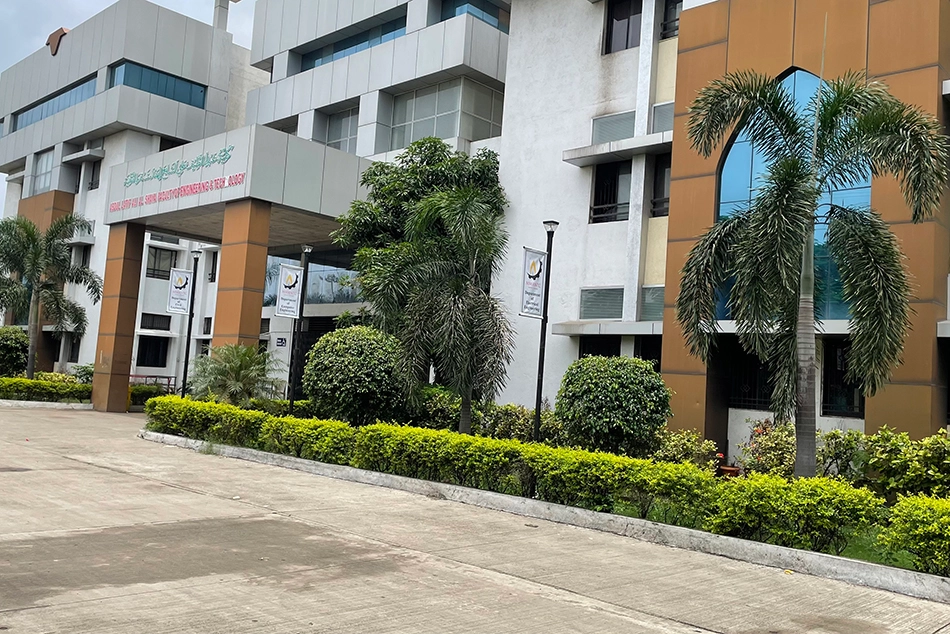
Abdul Latif Ali Al Shaya Faculty of Engineering, Mansoora (Photo: ummid.com)
At the same time, he introduced the modern subjects like Science and Mathematics, and also the languages like English, Hindi and Marathi for students that included boys and girls both. Finally, the curriculum that came into being out of his efforts was a perfect combination of Islamic and Modern Education pattern.
Simultaneously, he meticulously worked for obtaining the all-important affiliation and recognition from the state education board, and also from the Indian and foreign universities. Thanks to the determination, commitment and speed with which he worked, both of his institutes were very soon recognised by the Mahrashtra State Secondary Board and also by Jamiah Islamia, Madinah Munawwarah, Saudi Arabia and Jamia Millia Islamia, New Delhi.
Mansoora: A Force to Reckon With
Due to the hard-work it needed on the part of the students as well as the teachers, the curriculum was really tough when introduced in the beginning. However, once it was on the roll, results started pouring in consistently and with surprising rewards. The Jamia students – both boys and girls, soon found them not only scoring excellently in Islamic studies but also coming with flying colors in state board exams.
Kulliyah Aisha Siddiqua for girls
However, the brightest moment for Mansoora came in 2008-09 when one of its students Abdur Rehman along with sixteen others created history at Jamia Islamia Madinah Munawwara, Saudi Arabia. While Abdur Rehman topped his faculty and bagged student of the year award, sixteen others from Mansoora cleared the University exams with distinction. The results were so impressive that Jamiah Islamia sent its Head of the Education Department to Mansoora. He specially traveled from Saudi Arabia to Malegaon to have a personal and first-hand account of the way students are taught.
JMES Goes National
After he succeeded in his mission, Maulana Mukhtar Ahmad Nadvi invited people from various places – specially those who were part of the deliberations with him at King Abdul Aziz University in 1975 – to have the first hand experience of what was dreamt in that conference. At the same time, while extending all supports, he urged them to replicate the model in their localities.
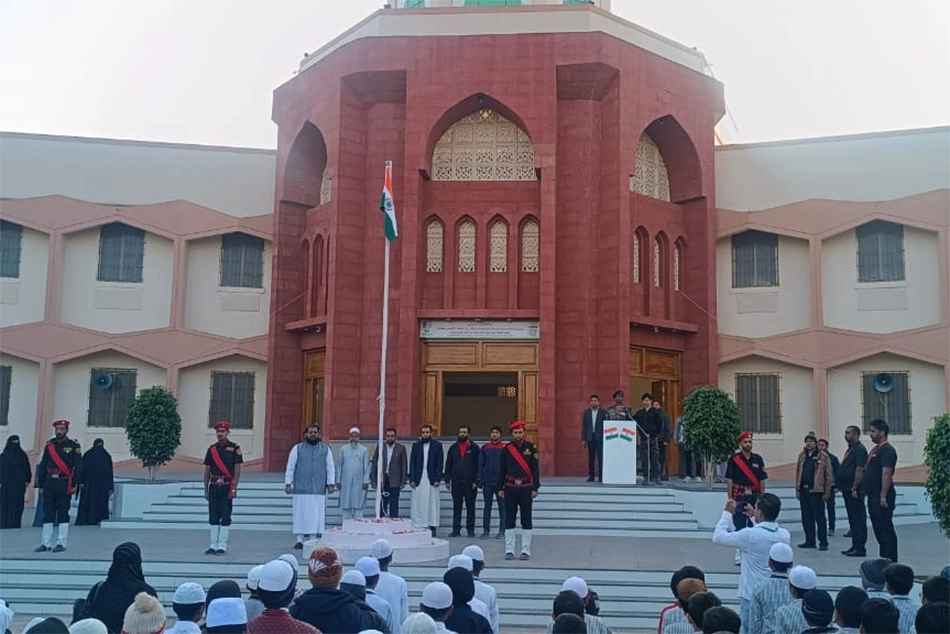
Independence Day Celebrations at Jamia Mohammadiya Mansoora, Malegaon
However, when he found some of them wary and some others hesitant, he took it upon himself to do the job. Soon JMES spread its wings to other parts of the country and established branches at Maunath Bhanjan, Aakot, Dhule, Bangalore, Mahesla and Mewaat – all running on the Mansoora pattern and affiliated to the respective state boards.
Future Ambitions
The Mission was partly accomplished. Maulana Mukhtar Ah Nadvi died September 9, 2007. Behind him he left, besides Mansoora in Malegaon and a chain of education institutes spread all across the country, an able and equally ambitious son Arshad Mukhtar. At the helm of the affairs now, Arshad is smartly following his father’s footsteps. His dream is to convert Mansoora into a big University – capable of offering every subject that exists on the earth.
——————————
[The writer, Aleem Faizee, is Founder Editor of ummid.com. Aleem Faizee has also worked as a Researcher at Tata Institute of Social Sciences (TISS) and with Action Aid for its research work published as “BROKEN PROMISES -A study on the socio-economic status of Indian Muslims: Seven years post Sachar”. His research work “Mollywood: The Rise and Fall of a Subaltern Cinema” is part of the book “Creative Industries in India” published by Routledge India of Taylor and Francis Group, London. A prolific writer, Aleem Faizee has also wrote for The Times of India as a Freelance Journalist for over 10 years. The above article was originally published on January 22, 2010.]
————————–
source: http://www.ummid.com / Ummid.com / Home> Education & Career / by Aleem Faizee, ummid.com news network / August 20th, 2025
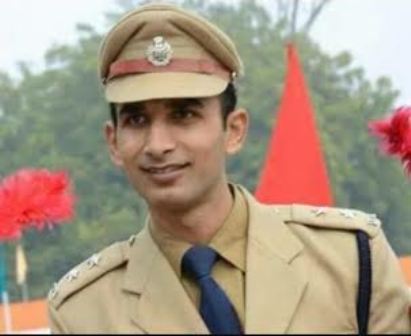
In 2012 Salman Taj Patil cracked the UPSC exam in first attempt and became the first Muslim IPS officer from Solapur. In this candid conversation with Imran Inamdar the 31 year old talks of issues concerning the Muslim community, of the state of education among Muslims and of his own preparation for UPSC a few years ago.
How did you manage to achieve this feat?
I immersed myself into the preparation completely. There was only one aim in my mind and that was to crack UPSC. My parents provided very good emotional support and my father Mr. Jafar Taj always encouraged me saying that ‘you are too energetic and brilliant, you can easily crack UPSC, just focus on your studies and be consistent.’
Who is your role model and Why?
Being a Muslim obviously Prophet Mohammed (PBUH) is my role model. He has showed us the complete way of life. My parents are also firm pillars of support for me. They are always there to guide me.
How to study to appear for UPSC exam?
The preparation starts at school level. Reading news papers, taking part in extracurricular activities, essay writing, debate competition play a key role. One needs to be updated about all current events. Critical analysis is also very important and it improves and polishes writing skill. Practice makes a man perfect. Nobody comes to the world with all the knowledge and skills. Effort, positive atmosphere, focus and support of near and dear ones matters most.
Why are Muslim youths far behind in cracking UPSC exam?
This is very important question. In my opinion our educational infrastructure and negative mentality are fully responsible for this. It has been hammered that qualifying this exam is very difficult or nearly impossible for minority community youth. This type of thinking is damaging and we should come out from this depressing thinking. It is a very fair competition. Achievement is a result of hard work only. It’s time to change our direction of thinking. When we focus and work hard Allah also helps us.
How do you feel serving as an IPS officer?
It’s a wonderful experience. In fact working as a police officer is a great social work itself where one gets an opportunity to help the oppressed, put criminal behind bars and provide safety and security to women and children. For this service we are getting salary from the government and will surely get Ajar (reward) from Allah too.
Sachar committee reports reveal tremendous decline of Muslims in India inallwalks of life. What are the reasons behind it?
We are ourselves responsible for this backwardness. We don’t follow the path of Prophet Mohammed (PBUH) and teachings of Quran which shows the complete way of life. We don’t read, and think over it. ‘Iqra’ which means read was the very first Quranic word to be revealed. How many of us follow the same? Education should be on our top priority specially girls’ education.
During studies what did you do to relieve stress?
I used to study for about 10 to 12 hours a day. That was hectic so I played cricket with friends and took a walk in the park to get myself mentally fresh again. And horse riding is also my hobby.
source: http://www.muslimmirror.com / Muslim Mirror / Home> Exclusive Reports> Indian Muslim> Interviews / by admin / June 26th, 2016
Coping with financial issues, Muhammad Kashif Ghulam Rabbani aced the tough CA exam in his first attempt, becoming an inspiration for many youths in Dhule and beyond
Dhule :
A young man from a humble background has brought pride to his city and community by becoming the first Muslim Chartered Accountant (CA) in the Maharashtra city of Dhule. Muhammad Kashif Ghulam Rabbani, son of a tailor, has successfully passed the final CA examination, considered one of the toughest professional exams in the country.
Kashif’s journey to success was not easy. Coming from a financially struggling family, his father, Ghulam Rabbani, worked tirelessly as a tailor to ensure that his son’s education continued uninterrupted.
“Despite the tough circumstances, Kashif’s father did not let poverty stop his son from chasing his dreams,” said Advocate Sheikh Zubair. “He supported Kashif in every way, and today the result is in front of us.”
Kashif began his education at Muhammadiya Boys Urdu School in Dhule. He completed his 12th Science at SSVPS College and then studied BCom for a year at Jay Hind College. But later, he left traditional studies and shifted his focus entirely to preparing for the CA exam.
Under the guidance of CA Ijaz Sir at Anam & Associates in Pune, Kashif started his onward journey. He did his internship at the ‘Association of Indian Chartered Accountant Firm’ and later studied for the final exam at the Asim Khan Study Centre in Dhule.
Speaking to the media, Kashif shared, “Most children choose fields like engineering, teaching, or law. But when I looked around in our society, I saw a lack of chartered accountants. I decided to step into this field to fill that gap.”
He added, “I worked hard and stayed focused. I had only one goal—to become a CA. I’m happy I passed in my first attempt.”
Kashif’s achievement is not only a personal victory but also a proud moment for the entire city. His success has been widely celebrated by community leaders and educators, who see it as a message of hope for many underprivileged students.
“This is not just a personal success story,” said Advocate Zubair. “It is a message to all youth—especially those who give up studies due to financial problems—that with strong willpower, nothing is impossible.”
Muhammad Kashif’s success has brought honour to his family, school, and city. He now stands as a role model for others who want to achieve big dreams.
With this achievement, Kashif has proved that passion, hard work, and determination can break all barriers.
source: http://www.clarionindia.net / Clarion India / Home> Editor’s Pick> India> Indian Muslim / by Team Clarion / July 10th, 2025
Muhammad Umaid Khan, a young Muslim student from Nagpur in Maharashtra, has made his community proud by securing the 21st rank nationwide in the NEET UG exam, a highly competitive medical entrance test in India. Umaid, whose academic journey has been marked by dedication and strong family support, now aims to pursue MBBS from the prestigious AIIMS in New Delhi with the clear goal of serving people through the medical profession.
Umaid Khan, son of Furqan and Shaheen Khan, studied at the Indian Olympiad School in Nagpur from 8th to 12th grade and achieved exceptional academic results, scoring 95.6% in his 10th standard and maintaining a similar level in the 12th grade science stream. Despite clearing the JEE Mains exam earlier, he chose to follow his passion for medicine, driven by a desire to help others.
Speaking exclusively to Clarion India, Umaid shared his study approach: “I studied with a plan and worked hard to achieve my goal. I prepared for NEET at the Alien Coaching Institute in Nagpur. I used to strictly follow my study schedule, revising daily, clearing doubts, and taking mock exams. This routine helped me stay focused and confident.”
Umaid’s success is also a reflection of his strong family backing. His father, Furqan Khan, is a civil engineer, and his mother, Shaheen Khan, manages the home. He has two brothers—Adeel Khan, an engineer, and Areeb Khan, who recently completed his MBBS and is undergoing an internship. Umaid credits their encouragement for his achievement. “My family’s support kept me motivated throughout,” he said.
Sohail Khan, Director of Indian Olympiad School, praised Umaid’s determination: “This student is an inspiration for all students of our school and college and is proof that determination and discipline are the keys to great success. His accomplishment highlights the potential of the Muslim youth when given the right environment.”
Umaid Khan’s story counters common negative stereotypes and showcases the commitment and talent present within the Muslim community. His decision to choose medicine over engineering despite acing both exams reveals a thoughtful choice prioritising public service over personal convenience.
“NEET is a tough exam, but nothing beats discipline, hard work, and consistency,” Umaid advised other students aiming for success. His words reflect the reality that merit and dedication can overcome barriers faced by minority students in India.
Indian Muslims often face challenges, including social prejudice and limited access to quality resources, yet stories like Umaid’s demonstrate their capability to shine at the national level. His journey from Nagpur to a national rank in one of the toughest medical exams in India is a clear sign that Muslim youth are ready and willing to contribute meaningfully to society.
As Umaid prepares for the next step in his career at AIIMS Delhi, he hopes to serve communities like his own and inspire other young Muslims to aim high and work hard. His achievement sends a strong message that with support and determination, Muslims can achieve excellence in education and professional fields.
source: http://www.clarionindia.net / Clarion India / Home> India> Indian Muslims / by Mohammed Bin Ismail / July 08th, 2025
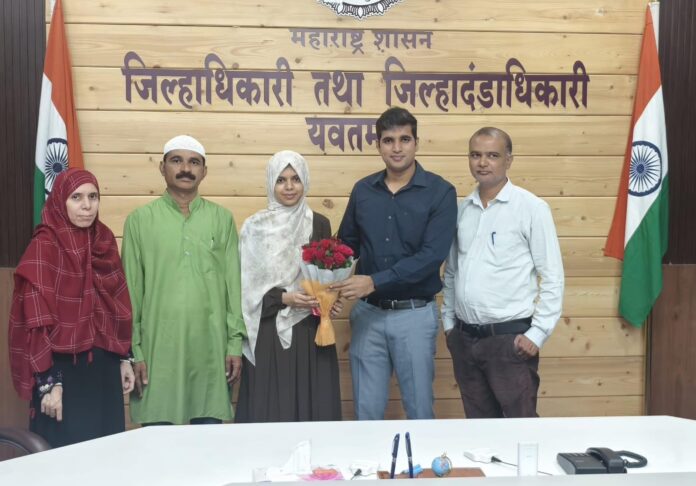
The Union Public Service Commission (UPSC) declared the results of the 2024 Civil Services Examination on April 22, with 1009 candidates clearing one of India’s most competitive exams. Among them, Adiba Anam has made history by becoming the first Muslim woman from Maharashtra to be selected for the Indian Administrative Service (IAS).
Hailing from Kalam Chowk in Yavatmal, a small town in eastern Maharashtra, Anam secured an all-India rank of 142. Her achievement has been widely hailed as a breakthrough for both women and minorities in the state. Her father, Ashfaq Ahmed, earns a living by driving an auto-rickshaw.
Raised in modest circumstances, Anam completed her schooling in Urdu medium from a local Zilla Parishad school. Despite limited resources, she consistently excelled academically—scoring 94% in her Urdu board exams and 92% in 12th grade with a science stream.
Speaking to India Tomorrow, Anam recounted her journey through UPSC. Her first attempt in 2021 ended at the preliminary stage. Undeterred, she progressed to the mains in her second attempt, and finally, in her fourth attempt, clinched success with a rank likely to earn her an IAS cadre.
“My parents never asked me to give up on my education. There were people who suggested I take up a small job to ease our financial burden, but my parents never let those voices affect me,” she said.
Anam noted the social barriers women often face in her community. “Yes, girls do face restrictions. But these challenges only overpower us if we allow ourselves to feel weak. Once we build our mental strength, those obstacles lose their power,” she said. Her message to young women: “Stay mentally strong. Chase your dreams with courage and determination.”
Initially aspiring to become a doctor, Anam couldn’t clear the NEET exam. It was then that her uncle, Nizamuddin Sheikh—a local NGO secretary in Yavatmal—encouraged her to consider civil services as a way to serve the public.
Adiba Anam draws inspiration from the poetry of Allama Iqbal. Two couplets, in particular, fuel her determination:
“Khudi ko kar buland itna ke har taqdeer se pehle, Khuda bande se khud pooche, bata teri raza kya hai, ” meaning, “Elevate your selfhood to such heights that even destiny, before shaping your fate, is compelled to ask you: ‘Tell me, what is it that you desire?’”
This powerful verse emphasizes self-empowerment, urging individuals to strengthen their character and willpower to such an extent that even fate bows before their determination.
“Amal se zindagi banti hai jannat bhi jahannam bhi, Yeh khaaki apni fitrat mein na noori hai na naari hai.” This translates in English as “Through actions, life can become either a paradise or a hell. This being (the human) made of dust is by nature neither angelic nor demonic.”
The couplet underscores the idea that our actions determine the quality and direction of our lives. Human beings are not inherently good (like angels) or evil (like demons); it is their actions (amal) that shape their destiny and define their identity.
Explaining the two couplets, she said, “These lines remind me of the power of action. If you just sit still, nothing will change. But if you act, if you try to change your situation, something will definitely happen,” she said.
Anam’s journey—from a small-town Urdu-medium student to a future IAS officer—stands as a powerful story of resilience, ambition, and the transformative potential of education.
Here is the list of 26 Muslim candidates who cleared the UPSC Civil Services Examination this year, with their ranks written in front of their names.
• Iram Chaudhary – Rank 40
• Farkhanda Quraishi – Rank 67
• Mohammad Muneeb Bhatt – Rank 131
• Adiba Anam Ashfaq Ahmed – Rank 142
• Wasim ur Rehman – Rank 281
• Md. Nayab Anjum – Rank 292
• Mohammad Haris Mir – Rank 314
• Mohammad Shaukat Azeem – Rank 345
• Alifa Khan – Rank 417
• Nadia Abdul Rashid – Rank 429
• Najma Salam – Rank 442
• Shakeel Ahmed – Rank 506
• Shah Mohammad Imran Mohammad Irfan – Rank 553
• Mohammad Aftab Alam – Rank 560
• Mohsina Bano – Rank 585
• Syed Mohammad Arif Moin – Rank 594
• Ghulam Haider – Rank 633
• Hasan Khan – Rank 643
• Ghanchi Gajala Mohammad Hanif – Rank 660
• Mohammad Salah T.A. – Rank 711
• Sadaf Malik – Rank 742
• Yasir Ahmed Bhatti – Rank 768
• Javed Mev – Rank 815
• Nazeer Ahmed Bijran – Rank 847
• Arshad Aziz Quresh – Rank 993
• Iqbal Ahmed – Rank 998
source: http://www.indiatomorrow.net / India Tomorrow / Home> Education / by Mohammad Akram / April 2025
A Muslim girl from Nashik tops the university in audiology and speech therapy, thanks to hard work, parental support and help from MESCO Educational Trust
New Delhi / Mumbai :
A young Muslim girl from a low-income family in Nashi has brought pride to her community by topping her university exams. Ansari Iqra Marzban, daughter of a taxi driver, secured the highest marks in the audiology and speech therapy course at the Maharashtra University of Health Sciences (MUHS). She was awarded the gold medal for her outstanding performance.
“I had never imagined I would be the university topper. It’s only because of my parents’ duas (prayers) and the help I received that I reached here,” Iqra told Clarion India over the phone.
Iqra comes from a simple home where her father, Marzban Ansari, drives a taxi to support the family. Despite financial struggles, Iqra worked hard and refused to give up on her dream of becoming a medical professional.
She completed her SSC from Anjuman Islam Begum Sharifa Kalsekar Girls English High School and her HSC from Peace Science College in Dadar. Though she failed to clear the NET entrance exam on her first try, she did not lose hope. On her second attempt, she scored 486 marks and gained admission to Topiwala National Medical College (Nair Hospital) in Mumbai.
Her father was overcome with emotion when he learned of her success.
“I had tears in my eyes when I heard she topped the university. We couldn’t afford the course, but Iqra insisted on continuing her education. She’s our pride,” he said.
Iqra’s achievement also shows the silent but strong role of Muslim organisations that help students in need. After getting admission, Iqra faced a major problem — a lack of funds for her studies. That is when MESCO Educational Trust came forward and paid for all her education expenses.
“I had lost hope, but when MESCO came forward, it felt like Allah had opened a door for me,” Iqra said with emotion.
A MESCO official said, “Iqra is one of hundreds of students we help every year. Her achievement proves that with a little help, our children can do wonders.”
Iqra scored 950 out of 1,200 marks in her first and second semester exams — the highest in the state. She received the gold medal and praise from her teachers and classmates alike.
Dr Shaikh Aamir, a faculty member at Nair Hospital, said, “Iqra is a dedicated and humble student. Despite all odds, she kept performing well in class and in exams. We’re proud to have her.”
Iqra’s story is important at a time when Muslims often face discrimination or are shown negatively. Her success proves that Muslim girls can do well when they get the right support.
Iqra had a message for other girls facing struggles: “Don’t give up. Work hard, pray regularly, and look for help from the right places. Allah will make a way.”
She also said more awareness is needed about support systems in the Muslim community. “Many people don’t even know that groups like MESCO are ready to help. Our people should come forward and ask for help when needed,” she added.
Prof Azra Fatima, a social activist and educationist, praised Iqra’s success. “Iqra’s victory is a strong reply to those who say Muslim girls are not interested in education. It’s not interest that’s lacking, it’s opportunity.”
Now, Iqra plans to continue studying and work in speech therapy to help children with speech problems. But for many, her biggest achievement is the inspiration she gives to other Muslim girls.
“We didn’t have money, but we had faith. And today that faith has brought us respect,” said her father.
Iqra’s gold medal is more than a personal victory. It is proof of what Muslim youth can achieve with faith, family support, and community help.
source: http://www.clarionindia.net / Clarion India / Home> Editor’s Pick> India> Indian Muslims / by Mohammad Bin Ismail / June 19th, 2025
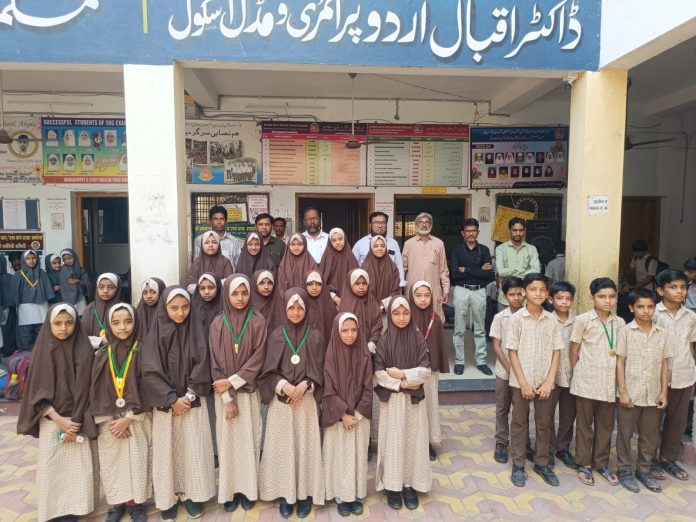
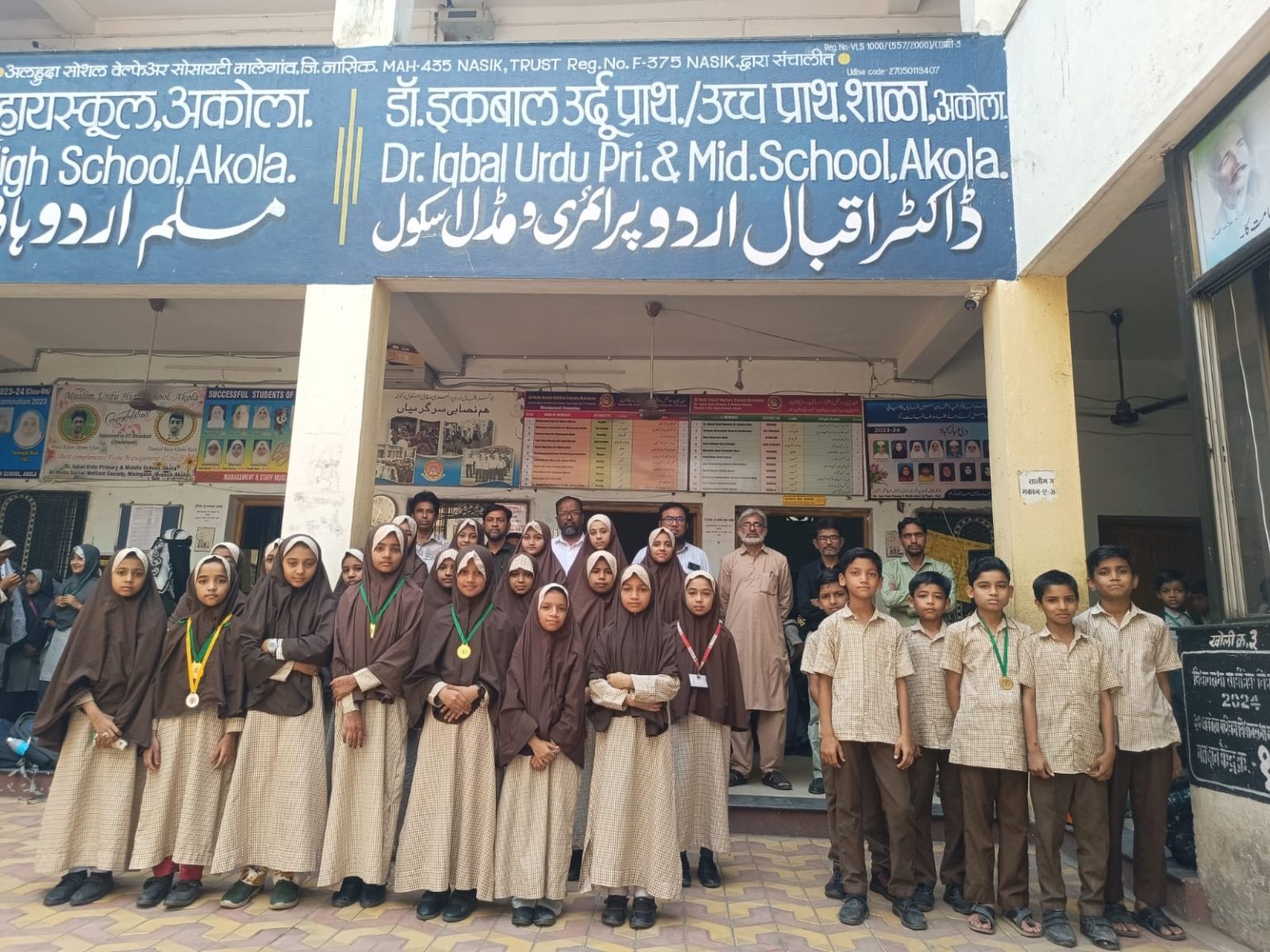
Every year, the Government of Maharashtra conducts a scholarship examination for students of Grade 5, in which lakhs of students from across the state participate. Recently, interim results of this exam were announced. In this examination, 48 students from Dr. Iqbal Urdu Primary School – a renowned and quality institution run by Al-Huda Social Welfare Society, Malegaon, District Nashik – participated. Out of these, 31 students achieved outstanding success.
Hafsa Saman Mohammad Mujahid secured 212 marks out of 300. Fatima Sitwat Azhar Hussain and Zobia Anam Mohammad Mujahid both secured 188 marks respectively, while Sheikh Umar Sheikh Sabir obtained 186 marks.
The school administration always strives not only to encourage students to participate in competitive exams but also to ensure their thorough preparation. For this purpose, the school arranges special classes throughout the year specifically for scholarship students, providing them with extensive practice.
Behind this success lies the significant role of competent and dedicated teachers. The school has expert teachers for this competitive scholarship activity, and the Headmaster is always ready to guide the students. In addition, the parents extended full support.
The institution’s President Dr. Ahmed Urooj, Vice President Khwaja Nizamuddin, Secretary Riyaz Khan, Headmaster Mohammad Ateeque ur Rahman, and the school staff congratulated the students and their parents and expressed their best wishes for great success in the future.
source: http://www.radiancenews.com / Radiance News / Home> Education> Latest News / by Radiance News Bureau / April 26th, 2025