All posts by mpositiveone@gmail.com

Girl Student Tops, The list of Muslim UPSC Candidates

INDIA :

31 Muslims figure in the list of 791 recommended candidates.

New Delhi: 

A girl student topped the list of the successful Muslim UPSC candidates when the results were announced yesterday. Of the total 791 candidates recommended by the commission in its list for various government posts, 31 are Muslims and the girl student topping them in the list is among the top 100 Union Public Service Commission (UPSC) successful candidates.

According to the press release issued by Union Public Service Commission (UPSC), Sufiyah Faruqui ranking 20 in the list of 791 candidates is among the list of 100 toppers for which the results were announced by the Union Public Service Commission (UPSC) yesterday. Sufiyah is on top in the list of 31 Muslim candidates who figure in the list released by the commission that includes three other Muslim girls besides her.

While Sarfaraz Ahmad ranking 26, Shaid Iqbal ranking 51,Tamboli Ayyaz ranking 75 and Sadre Alam ranking 90 are other Muslims who are in the top 100 list, Koya Praveen ranking 120, Ayesha Rania ranking 139 and Sabiha Rizvi ranking 303 are the other three Muslim girls who stand in the list of 791 successful candidates.

The results were announced yesterday based on the written part of Civil Services (Main) Examination, 2008 held by the Union Public Service Commission (UPSC) in October-November, 2008 and the interviews for Personality Test held in March-April, 2009.

A total of 791 candidates have been recommended by the commission for appointment including 364 General (including 13 Physically Challenged candidates), 236 Other Backward Classes (including 07 Physically Challenged candidates), 130 Scheduled Castes and 61 Scheduled Tribes candidates.

Owing to the poor representation of Muslims in the Union Public Service sector, the Muslim Institutions like Aligarh Muslim University (AMU), Jamia Hamdard, Delhi and Jamia Millia Islamia, Delhi are running special coaching classes for UPSC students since past three years.

“The result shows that Muslim representation for this year’s UPSC exams stands at 3.92%, a better progress compared to 3.6% in 2006 and 3.1% in 2007”, Omair Anas of Center for West Asian Studies, Jawaharlal Nehru University said to ummid.com adding, “However the achievement is still not at par and the institutions engaged in coaching the Muslim students for UPSC exams should pay special attention to contribute substantially in administrative services.”

The recommended candidates would be eligible for various coveted government posts including Indian Administrative Service (IAS), Indian Foreign Service (IFS), Indian Police Service (IPS) and Central Services-Group ‘A’ and Group ‘B’.

Appointment to the various services will be made according to the number of vacancies available with due consideration to the provisions contained in Rules 2 and 19 of the Rules of the Examination and subject to the final decision of the Supreme Court / High Court / C.A.Ts. on the S.L.Ps. / R.As/ W.Ps. O.As. pending therein.

The number of vacancies reported by the Government for the Indian Administrative Service is 120 (60 General, 33 Other Backward Classes, 17 Scheduled Castes and 10  Scheduled Tribes); for the Indian Foreign Service is 26 (13 General, 08 Other Backward Classes, 04 Scheduled Castes and 01 Scheduled Tribe); for the Indian Police Service is 130 (65 General, 36 Other Backward Classes, 20 Scheduled Castes and 09 Scheduled Tribes); for the Central Services Group ‘A’ is 546  (282 General, 146 Other Backward Classes, 81 Scheduled Castes and 37 Scheduled Tribes) and for Central Services Group ‘B’ is 59 ( 34 General, 13 Other Backward Classes, 08 Scheduled Castes and 04 Scheduled Tribes). This includes 20 vacancies for Physically Challenged candidates.

List of the 31 Muslim Candidates with their Ranks:

20: 002666: SUFIYAH FARUQUI

26: 010669: SARFARAZ AHMAD

51: 192126: SHAID IQBAL

75: 079564: TAMBOLI AYYAJ FAKIRBHAI

90: 001339: SADRE ALAM

120 003004 KOYA PRAVEEN

128: 024509: MASOOM ALI SARWAR

134: 003602: IMTIAZ ISMAIL PARRAY

139: 131443: AYESHA RANI A

169: 056251: ZIAUL HAQUE

244: 114573: ASHIQUZZAMAN

257: 043392: BASIR AHMED

303: 004357: SABIHA RIZVI

304: 010883: ANEES AHMAD ANSARI

353:008606 PATTAN IMTIYAZ KHAN

382: 010383: MASHHOOD UR REHMAN FAROOQUI

393: 104282: SHAHNAWAZ UL RAHMAN

398: 039145:0020: CHAN BASHA M

460: 102384: KAZI SUHAIL ANEESAHMED

472: 147935: T K SHIBU

499: 102579: TARIQ MABOOD

502: 051643: GEELANI BASHA K S M

523: 290928: R GULZAR BEGUM

540: 056907: MOHD SHAHID ALAM

546: 108290: MOHD FAIZAN NAYYAR

582: 303331: MAHFOOZUR REHMAN

595: 004523: MD SADIQUE ALAM

603: 002722: MD SALIK PARWAIZ

606: 018478: MD FAIZUL HAQUE

619: 079717: MOHAMMED YUSUF QURESHI

664: 055051: ABDUL HAKEEM M

source: http://www.ummid.com / Ummid.com / Home / by Staff Reporter / May 05th, 2009
Numismatist Ab Razzaque of Malegaon passes away

Malegaon (Nashik District), MAHARASHTRA :

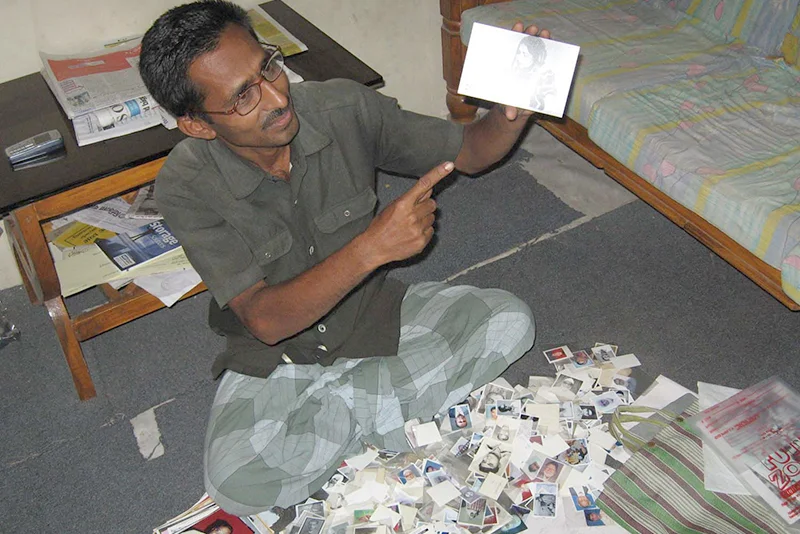
Ab Razzaque, a numismatist based in Malegaon, died due to brain hemorrhage Saturday September 7, 2024

Malegaon: 

Ab Razzaque, a numismatist based in Malegaon, died due to brain hemorrhage Saturday September 7, 2024, family sources said.

Ab Razzaque was a ‘hobby numismatist’ fond of collecting old currency notes, coins and postal stamps.

However, Ab Razzque had another distinction of collecting photographs, wedding cards and other such things of local residents, especially renowned personalities and historical figures, of Malegaon.

Another distinguishing feature of Ab Razzaque, was the background and historical accounts of the photographs of the people he had collected.

Abdul Razzaque was the only son of Dr Ramzan, founder of Maulana Azad School Malegaon.

He is survived by mother, and daughter Sana. Sana is a teacher at Rehnuma School in Malegaon.

Following is an article written by Editor ummid.com Aleem Faizee that was published in The Times of India Nashik on March 29, 2008.

A Frail Persona with a Strong Desire

Collecting the historical accounts for the future generation has always been a daunting task. Read on as Aleem Faizee interacts with a man who has not only collected rare photographs but has also memorized the history associated with them.

“Look. This is Ayesha Hakim, the former MLA of Malegaon sitting with then Chief Minister of the State Yashwantrao Chavan. This is Siddique Haji, the first child of the town who went for Hajj in his childhood. And look this is Sumayya, the first Muslim lady Bus-Conductor from Malegaon”, narrates Ab. Razzaque simultaneously picking up the photographs one by one from his huge collection.

Abdur Razzaq has collected hundreds of photographs of the Malegaonians who have contributed in any sort to the town in making what it is today.

Apart from having photographs depicting few of the historical events associated with the town, he also has under his possession some snaps of the people the world just doesn’t know they belong to the town.

More influencing than the unique collection is the way the young chap describes the historical accounts behind every photograph he collected after years of hard work and the quickness with which he recognizes them.

Ask him about any photograph and he immediately starts as if he is reading from a book. Displaying a photograph in which a musician is playing on a fluid, Razzak says:

“This is Zawwar Husain of Malegaon who played on the flute for Mohe Panghat Pe …, the famous song from Mughal-e-Azam.”

He picks up another photograph and goes on.

“This is yet another rare photograph showing Shahnawaz Bhutto, the grandfather of slain Former Premier of Pakistan Benazir Bhutto, sitting in the lawns of Malegaon Municipal Council with then Councilors.”

And then he rummages around into his collection for a while before ending with two photographs. Displaying the first, he says:

“This is the original snapshot showing the gravity of the flood that had stormed Malegaon in 1969.”

This is not the end. His commentary goes on.

“This was taken at 03:30 in the afternoon from the stairs of Sardar Talkies, which has recently been converted into a shopping complex.”

As soon as he ends with this annotation, he picks up the other snaps and continues:

“This is a pre-1863 photograph of Malegaon Municipal Council against the backdrop of the historic fort which was then carrying its activities in a small shack.”

Physically very frail and a stammer who stumbles while speaking, Razzaque is financially also like his physical self. But the desire for this unique habit keeps him going.

“My father was sitting with his friends. With some newspapers in front of them, they were discussing the importance of collecting the historical accounts for the future generation”, Razzaque who is planning to publish a book recalls.

“This prompted me to collecting these photographs and the stories behind them”, he said.

source: http://www.ummid.com / Ummid.com / Home> Life & Style> by Ummid.com Staff Reporter / September 07th, 2024

When Lata Mangeshkar, Mohammad Rafi enabled liberation of Dadra, Nagar Haveli

Mumbai, MAHARASHTRA :

Uprising’ says it all started when music director and freedom fighter Sudhir Phadke decided to seek Mangeshkar’s assistance to raise funds for an armed revolt.

In this Thursday, October 26, 2017, singer Lata Mangeshkar attends a function at Dadar in Mumbai. PTI Photo

New Delhi :

Legendary singers Lata Mangeshkar and Mohammad Rafi played an instrumental role in the liberation of Dadra and Nagar Haveli, says a new book as it narrates in detail the little-known 1954 concert by the two icons to raise funds for the movement.

Dadra and Nagar Haveli, now a Union Territory, were occupied by the Portuguese in 1783 and 1785, respectively. They continued to be ruled by the Portuguese till an armed revolution liberated them, and the Tricolour was unfurled at Silvassa on August 2, 1954.

The two enclaves were formally recognised as an integral part of India in 1961 along with Goa and Daman and Diu but unlike Goa’s liberation, there was no direct intervention by the Indian armed forces here.

Recounting what led to the singers’ participation in the liberation of the territory, ‘Uprising’, written by Neelesh Kulkarni, says it all started when music director and freedom fighter Sudhir Phadke decided to seek Mangeshkar’s assistance to raise funds for an armed revolt.

According to the book, Mangeshkar, who first seemed reluctant, agreed after Phadke and his friends mentioned that the liberation of Dadra and Nagar Haveli was only a ‘prelude to the freedom of Goa’.

Mangeshkar had an emotional connection with Goa and the Portuguese were harassing devotees coming to the temple of her family’s presiding deity, Lord Mangesh, at Mangeshi village in north Goa.

“Her eyes suddenly welled up… The family derived their surname from the village’s name. The Portuguese had been regularly harassing devotees who came to the temple, and the frustration of not being able to do anything about that brought her over to their side in an instant. ‘You will allow me to serve my Lord Mangesh,’ she said tearfully. ‘I wish I could come and fight by your side, but since I cannot, I will help you raise resources. You tell me the date and I will be there, ’” reads the book, quoting Mangeshkar.

The jubilation at securing her presence doubled when Mangeshkar suggested they should invite Mohammed Rafi to sing with her.

And Rafi, who met Phadke and team at the then newly-inaugurated Mehboob Studios in Bandra, said ‘yes’ readily.

The meeting, which was supposed to last for 10 minutes, went on for an hour as Rafi asked question after question about how the group was planning to execute their plans, says the book.

“He was so impressed that he held up a hand when Nana Kajrekar, a freedom fighter, told him he would arrange his railway tickets to and from Pune. ‘This country is also mine,’ Rafi said, ‘and if all of you are preparing to put your lives on the line for it, the least I can do is buy my tickets.’”

Unfortunately, the concert didn’t go as planned for Mangeshkar met with a road accident in April, 1954, the day she was supposed to perform. The singer tried to reach despite the accident, but it was cancelled by then.

“Lata and Rafi finally arrived at the venue at 11.30 pm and saw it was dark and deserted… She stayed with the Phadkes that night, and before leaving promised that she would cancel whatever she was doing to perform on whichever date they scheduled the concert next,” reads the book.

The concert was finally held on May 2 at the same venue. The programme was a hit, and though the venue was not as jam-packed as the first time, the revenue, according to the author, was still substantial.

“From the proceeds of the concert, the freedom fighters planned the whole project and were able to buy five rifles and three pistols from the black market in Hyderabad. And using these weapons, 29 of them attacked more than 300 fully armed Portuguese and threw them out of the Dadra and Nagar Haveli,” said Kulkarni during the recent launch of the book at India International Centre (IIC).

‘Uprising: The Liberation of Dadra and Nagar Haveli’, published by Westland Books, uses interviews with descendants of the participants, and a handful of participants themselves, newspapers, archival records, letters and diary entries, to put together the pieces of this little-known history.

source: http://www.tribuneindia.com / The Tribune / Home> India / by PTI / September 02nd, 2024

Remembering Maulana who hoisted Tricolour in front of 300 British cops

Ludhiana, PUNJAB:

Prayers being offered at Jama Masjid in memory of Maulana Habib-ur-Rehman Ludhianvi. Tribune photo: Himanshu Mahajan

Ludhiana :

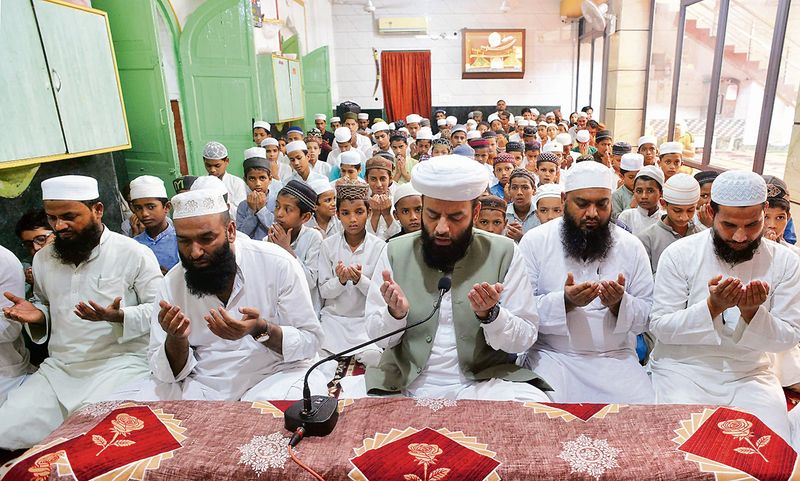
A prayer was organised at the local Jama Masjid in remembrance of Maulana Habib-ur-Rehman Ludhianvi, the man who stood up and raised his voice against the Divide and Rule policy of the British. Today, was his 68th death anniversary.

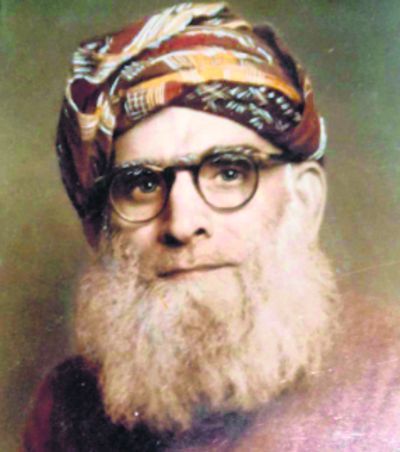
Maulana Habib-ur-Rehman Ludhianvi

Ludhianvi was one of the founders of Majlis-e-Ahrar-e-Islam and was the direct descendant of Shah Abdul Qadir Ludhianvi, who fought against the British colonial rule during the Indian Rebellion of 1857. In British records, he has been described as a fiery speaker who exercised considerable influence on people in the region.

In 1929, to oppose the idea of partition, Pandit Jawaharlal Nehru hoisted the Tricolour on the banks of Ravi for the first time and at the same time, Ludhianvi hoisted the same flag at Jama Masjid in Ludhiana in the presence of over 300 British policemen and was arrested.

“When the entire nation was suffering under the Divide and Rule policy of the British, it was he who stood up and raised his voice,” said Mohammad Usman Rehmani Ludhianvi, the Shahi Imam of Punjab, remembering his great grandfather.

Voices calling out “Hindu paani lelo, Muslim paani lelo” were common at the railway stations as there were separate pitchers of water for the Hindus and the Muslims. But in 1929, Maulana Habib-ur-Rehman Ludhianvi raised his voice against this and protested at Ghaas Mandi Chowk, Ludhiana and, with the help of his volunteers, broke earthen pots.

As a result, the British government was forced to install one common pitcher at all railway stations across the country giving the message “sabka paani ek hai”. In this activity, nearly 50 volunteers were arrested and sent to jail, he shared.

“My great grandfather decided to stay back in this part of Punjab although many of their relatives migrated to Pakistan. He was deeply pained by the Partition and later in order to help women to get back to their respective families, he had set up a ‘Phir Basau’ committee. Thousands of women returned to their parents under this exchange programme,” he said. Maulana, though not a poet, was well-versed in poetry and used to host poetic evening once a month, he shared.

Subhash Chandra Bose took refuge for three days at his home while on his way to Japan. Similarly, Bhagat Singh’s mother, brother and sister also stayed at his place during the freedom struggle.

Habib-ur-Rehman had to spend 14 years in prison in various places including Shimla, Mianwali, Multan, Ludhiana and Dharamsala.

He was confined in cold places during winters and hot ones in summer. He contracted a serious infection in jail due to which he died on September 2, 1956.

source: http://www.tribuneindia.com / The Tribune / Home> Ludhiana / by Manav Mander / Tribune News Service / September 03rd, 2024

Winners of Celebration Mysore Marathon

Mysuru, KARNATAKA :

pic

Mysuru:

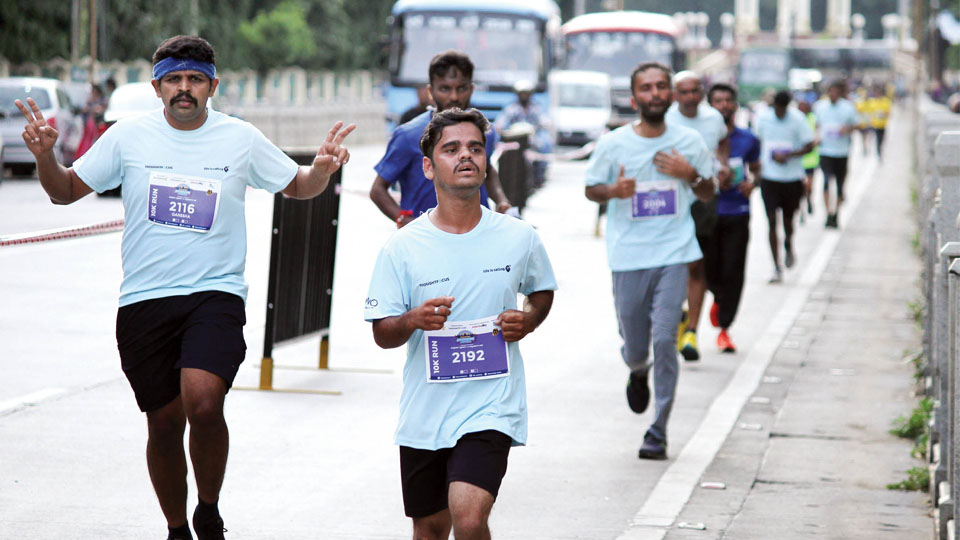
More than 800 sports enthusiasts took part in the 14th edition of Celebration Mysore Marathon, organised by Life is Calling in city this morning.

The marathon was flagged-off by Mountaineer Dr. Usha Hegde  in front of Kote Anjaneyaswamy Temple near the Balarama Gate of Mysore Palace at 6 am.

Speaking on the occasion, Dr. Usha Hegde said that taking part in sports event is important for people to stay fit and healthy. “Events like marathon should be organised more frequently to enhance the health conditions of those taking part,” she added.

The event comprised 30K Run, 21K Half Marathon, 10K Run and 5K Fun Run/ Walk. Organisers had made all necessary arrangements for the runners including drinking water at various points, medical team and ambulance on stand-by, and direction boards for the benefit of the participants.

Results

Open Male 10K Run

1. S.Y. Prajwal (36:35.7), 2. A. Abishek (36:35.9), 3. K. Kiran (37:00.00).

Senior Male 10K Run

1. Chandrasekaran Subramanian (45:14), 2. K.R. Ramakrishna (48:18), 3. N.T. Ranjit (48:37).

Veteran Male 10K Run

1. Ravindra Gundurao (54:18), 2. Hosur Udaykumar Shetty (56:26), 3. L. Ananth (59:42).

Open Female 10K Run

1. Deepika Prakash (46:45), 2. Seema Dasila (50:51), 3. Sandhya Satyan (51:53).

Senior Female 10K Run

1. Mamta Bharaktiya (01:04.44), 2. Shobha (01:07.12), 3. Dr. B.H. Vatsala (01:11.23).

Veteran Female 10K

1. Shamala Padmanabhan (01:33.38), 2. Geetha Vijaya (01:53.23).

Open Male Half Marathon (21K Run)

1. Madhusudhan (01:20.26), 2. Syed Atif Umar (01:29.51), 3. Dhanasekar Rajendran (01:31.36).

Senior Male Half Marathon

1. B.K. Madhukar (01:34.49), 2. Bhagya Mohan Konwar (01:45.02), 3. R. Sujanya (01:45.09).

Veteran Male Half Marathon

1. Girish Gubbi Dasappa (02:23.52), 2. Sanjeeva Balkur (02:25.20), 3. Kurupath Sureshkumar (02:35.20) .

Open Female Half Marathon

1. Meera (02:05.34), 2. Bharathi Chandrashekar (02:16.44), 3. K. Madhavi (02:16.45).

Senior Female Half Marathon

1. Divya Madaiah (02:22.04), 2. Sarvanidhi Thakur (02:24.24), 3. Rashmi Urs (02:44.03).

Veteran Female Half Marathon

1. S.G. Vijaya  (02:18.58).

Open Male 30K Run


1. Mohmmad Sahil Annigeri (01:54.12), 2. Sreejin Thankamani (02:13.08), 3. Chan Pasha (02:19.22).

Senior Male 30K Run

1. Reji Kumar Aravindakshan (02:25.58), 2. Ravikumar Yalagach (02:26.00), 3. Siddhartha Menon (02:27.04).

Veteran Male 30K Run

1. G. Mohan Rao (04:14.20), 2. Ramakrishna (04:44.54).

Open Female 30K Run

1. Pragati Gupta (02:36.17), 2. Mamta Yadav (02:53.19), 3. Bindu J. Prakash (03:25.23).

Senior Female 30K Run

1. Suman Srinivasa (02:56.02), 2. Rajalakshmy Mani (03:37.26), 3. Chintana M. Patkar (03:56.56).

source: http://www.starofmysore.com / Star of Mysore / Home> News / September 01st, 2024

Actor Adil Hussain Honoured with 2024 Anandaram Dhekial Phukan Award

Guwahati, ASSAM:

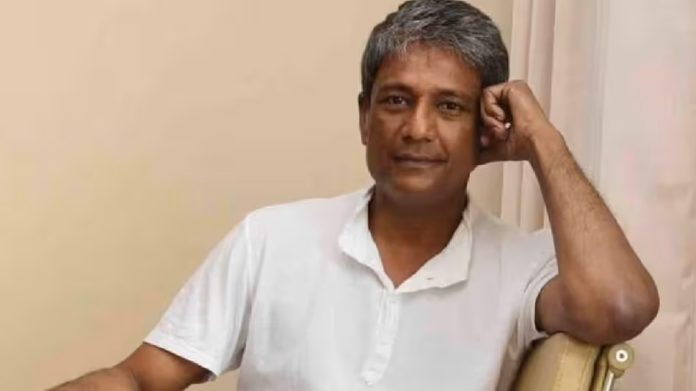
Acclaimed actor Adil Hussain

Guwahati :

Acclaimed actor Adil Hussain, known for his significant contributions to Indian and international cinema, has been awarded the prestigious Anandaram Dhekial Phukan Award for 2024. The award recognises Hussain’s achievements in the film industry and his continued efforts to bring Assamese culture and stories to a global audience, reported India Today.

Expressing his gratitude, Hussain took to social media, writing, “Thank you so much for choosing me for the Anandaram Dhekial Phukan Award. I am honoured and humbled.” The actor, who hails from Goalpara in Assam, has long been celebrated for his versatile performances in independent films and his work in international cinema.

The Anandaram Dhekial Phukan Award is named after one of Assam’s literary pioneers, who played a vital role in promoting the Assamese language during the Orunodoi era. The award commemorates Phukan’s contributions to Assamese literature and culture, and it is given to individuals who have made outstanding contributions in their respective fields.

Hussain’s recognition with this award highlights his deep connection to his Assamese roots and his dedication to representing his culture on a global stage.

source: http://www.radiancenews.com / Radiance News / Home> Pride of the Nation> Awards> Latest News / by Radiance News Bureau / September 01st, 2024

Wins Viswakarma Award

Mysuru, KARNATAKA :

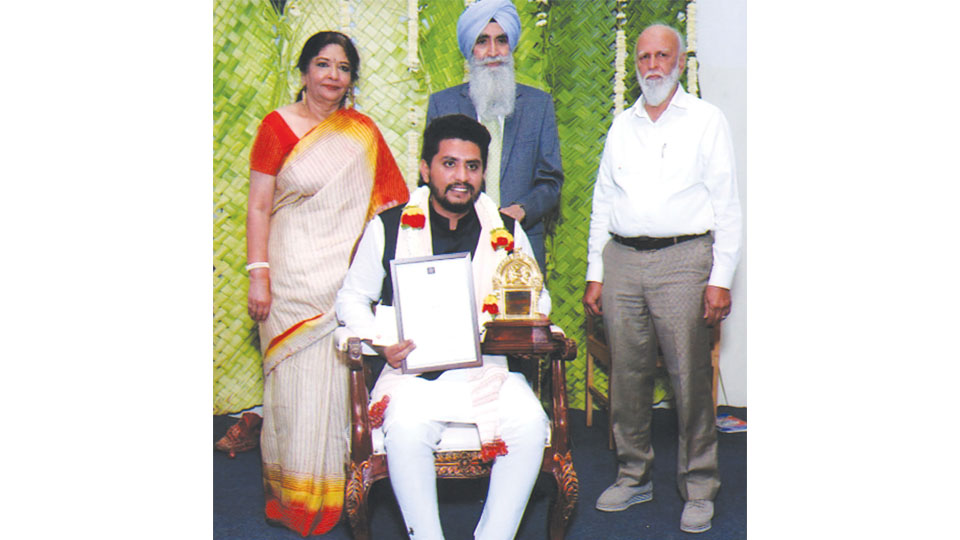
City-based Rose Wood Inlay artiste Luqman Khan was presented with the Kamaladevi Chattopadhyay Viswakarma Award during an event organised by the Crafts Council of Karnataka at Karnataka Chitrakala Parishath in Bengaluru recently.

Crafts Council of Karnataka Chairperson Mangala Narasimhan, former Additional Chief Secretary Chiranjeev Singh and Crafts Council of Karnataka Treasurer Mir Shafi Farooq were present on the occasion.

source: http://www.starofmysore.com / Star of Mysore / Home> Gallery>Photo News / August 31st, 2024

SRK’s unheard story: The Abdul Rahman & Hyderabad connection

NEW DELHI / Mumbai, MAHARASHTRA :

While Shah Rukh Khan talks a lot about his work, there are still some cool things about his life that many people might not know.

  Shah Rukh Khan (Instagram)

Hyderabad: 

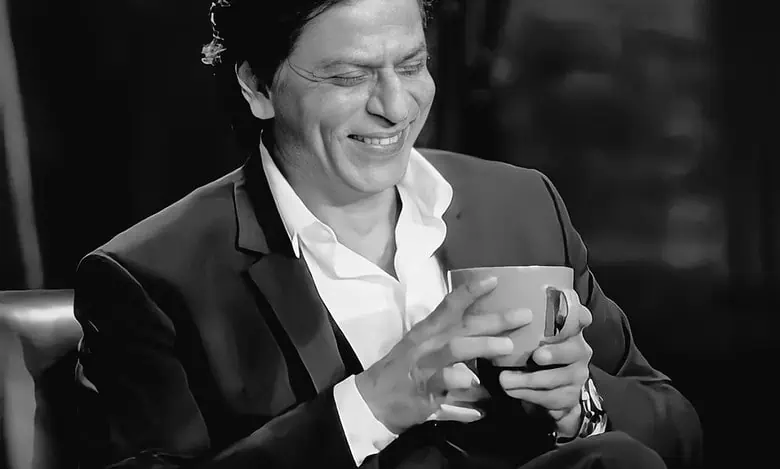
Shah Rukh Khan, often called the Baadshah of Bollywood, has been a dominant figure in the film industry for many years, capturing hearts worldwide with his immense fan following. While he talks a lot about his work, there are still some cool things about his life that many people might not know.

One such lesser-known fact is about his childhood name and how he spent his early days in Hyderabad.

Shah Rukh Khan’s Name Was Abdul Rahman First!

During his appearance on The Anupam Kher’s Show—Kucch Bhi Ho Sakta Hai, Shah Rukh Khan shared a surprising detail about his childhood. King Khan disclosed that his Nani (maternal grandmother), had initially named him Abdul Rahman during his early years.

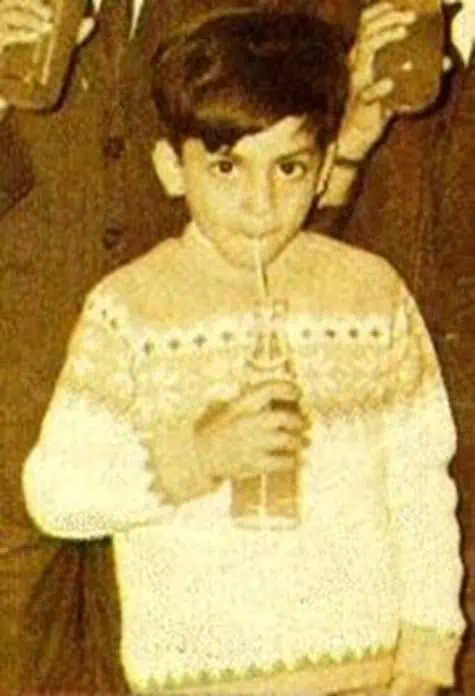
Shah Rukh Khan Childhood Pic (Image: X)

When asked by Anupam Kher if he knew anyone named Abdul Rahman, SRK replied, “Main jaanta kisi ko nahi hun lekin meri jo naani thi…aur unhone mera naam bachpan mein Abdul Rahman rakkha tha (I don’t know anyone but my maternal grandmother had named me Abdur Rehman in childhood).”

“Hann matlab kahi register nahi huwa lekin woh chahti thi ki mera naam Abdul Rahman rahe. Mujhe ajeeb sa laga abhi aap socho Baazigar starring Abdul Rahman in and as kuch jamta nahi. Shah Rukh Khan in and as Baazigar zada better sound karta hai (The name wasn’t registered anywhere but she wanted me to accept the name Abdul Rahman. I felt weird. Just imagine Baazigar starring Abdul Rahman in and as. It wouldn’t sound good. Shah Rukh Khan in and as Baazigar sounds better,)” he said.

Watch the video below.

source: youtube.com / The Anupam Kher Show | द अनुपम खेर शो | Shah Rukh Khan’s Work-Life Balance

‘Spent 4 years of my life in Tolichowki’

In a previous interview, SRK also mentioned being adopted by his grandmother due to the absence of a male child in the family at that time. He explained, “I was adopted by my grand mother because they did not had a boy in their family at that time. So, when I was born to my mother they adopted me. They used to live in Tolichowki, Hyderabad. I spent about 4 years of my life here. Then we shifted to Banglore. My mom was missing me so she took me back from her mother and we moved to Delhi. My mother’s house is in Hyderabad and my whole mother’s side of the family stays here.”

source: youtube.com / Shahrukh Khan Emotional Words About Hyderabad | Unseen Video | Manastars

SRK’s maternal roots in Hyderabad

Image Source: Twitter

Shah Rukh Khan was born on 2 November 1965 into a Muslim family in New Delhi. His mother Lateef Fatima Khan, who was a social worker, was born in Hyderabad and was the daughter of a senior government engineer. His father Meer Taj Mohammed Khan (a Pathan), was an Indian independence activist from Peshawar.

Image Source: Twitter

His Upcoming Projects

On the professional front, Shah Rukh Khan will start shooting for ‘King’ with Suhana Khan around the summer period. It is going to be directed by Sujoy Ghosh. After the wrap up, the actor will be all involved in Pathaan 2 and Tiger Vs Pathaan.

source: http://www.siasat.com / The Siasat Daily / Home> Entertainment> Bollywood / by Rasti Amena X / February 28th, 2024

The birth of a bank

Chennai, TAMIL NADU:

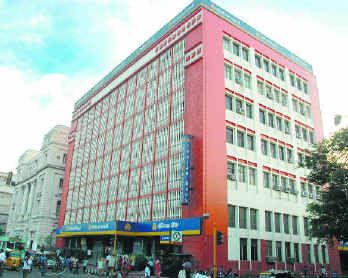
A view of the Indian Bank headquarters on Rajaji Salai / Photo : R. RAGU

The Indian Bank recently launched its commemoration of its 100th year of business. But this month’s centenary is that of the collapse of Arbuthnot & Co., out of whose ruins there arose the Indian Bank.

The story of Arbuthnot’s and the bank that it ran has been narrated in this column before. Late last year, as the centenary year began, one part of it – the legal proceedings that followed – were narrated in detail in “the first full-length book on this spectacular financial catastrophe”, The Fall of Arbuthnot & Co., by Dr. Rangaswamy Srinivasan (EastWest Books). Today, I recall some of the key dates involved in the death of one bank and the birth of a new one.

It was on October 20, 1906, that P. Macfadyen, Arbuthnot’s correspondent and associate in Britain, committed suicide. On October 22, Arbuthnot’s petitioned the court to be declared insolvent and The Hindu reported that “a regular panic had taken hold of (the disappointed Creditors) and a rush was made to the High Court… “

V. Krishnaswami Aiyer, a young vakil at the time, taking his cue from a letter that had appeared in The Hindu, got together eight other like-minded persons and on November 2, 1906, they sent out a circular inviting the public’s views on the possibility of starting “a Native Bank in Madras”. Encouraged by the response they got, they called a public meeting on December 2 that was attended by 28 of the leading citizens of Madras. Out of these and subsequent deliberations emerged The Indian Bank Limited, registered on March 5, 1907 and opening its doors in Parry’s building on August 15th that year.

That Indian Bank was the second Indian bank to be established in Madras.

The first, the Madras Central Urban Cooperative Bank, was established on September 16, 1905. Other Indian banks, however, had been founded in the Madras Presidency before these two. They included the Tanjore Permanent Fund, now the Thanjavur Bank, started in 1901; the South Indian Bank, started in Tirunelveli in 1903; and the predecessor of the present City Union Bank, Kumbakonam, in 1904. Also predating the Indian Bank were the Canara Banking Corporation, Udipi, now the Corporation Bank, and the Canara Hindu Permanent Fund, now the Canara Bank, both started in 1906.

The eight who signed the circular Krishnaswami Aiyer drafted were :

H. Mohamed Abdul Azeez Badshah Saheb, Senior Partner of the firm with the same name and Hony. Consul for Turkey; Muraleedoss; T. Seetharama Chetty, Senior Partner of Moses & Co.; M.A. Kuddus Badshah Saheb; M. Jamal Mohideen and Co.; V. Bashyam Iyengar, High Court vakil and a former Judge of the Court; and P.R. Sundara Iyer, High Court vakil.

When the Bank was floated, its first Directors included four of these signatories – Seetharama Chetty, Azeez Badshah, Muraleedoss (Ramdoss) and Krishnaswami Aiyer.

Their fellow Directors were Lodd Govindoss, C.P. Ramaswami Aiyar, a High Court vakil at the time; Dewan Bahadur M. Adinarayanan Iyer, retired Deputy Settlement Commissioner; and two Nattukottai Chettiars, Rm.M.St. Chidambaram Chettiar and Dewan Bahadur S.Rm.M. Ramaswamy Chettiar, representing the community which substantially funded the Bank.

Ramaswamy Chettiar was the elder brother of Annamalai Chettiar who was to receive the title Rajah and who was to play a major role in the bank in his later years.

Of the 74 Directors of Bank up to nationalisation in 1969, thirty were Nattukottai Chettiars.

source: http://www.thehindu.com / The Hindu – The Metro Plus Chennai, Online edition / October 09th, 2006

Dr. Hafeez Rahman to Receive Prestigious 15th Manappuram Multibillionaire Business Achiever Award

KERALA :

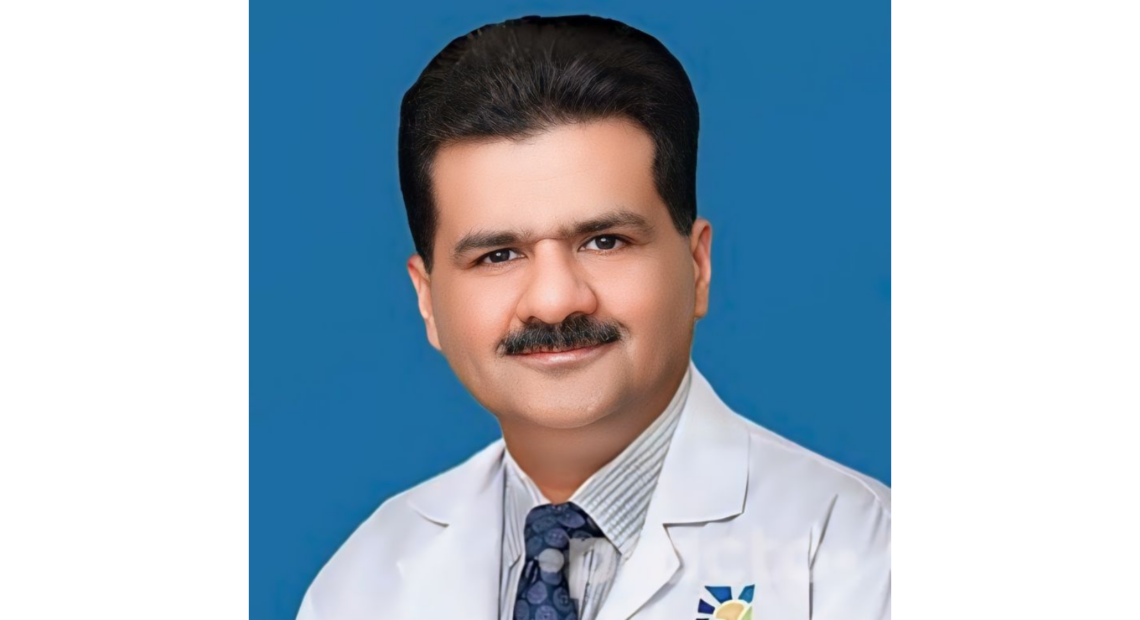
Dr. Hafeez Rahman, Chairman of Sunrise Hospitals, will be honored with the prestigious 15th Manappuram Multibillionaire Business Achiever (MBA) Award. The award ceremony is set to take place at the Le Meridien Hotel in Kochi on June 9th. With this accolade, Dr. Hafeez Rahman will join the exclusive Federal International Chamber Forum (FICF), the world’s richest club, where members have a minimum asset threshold of 1000 crores (Indian Rupees).

The FICF is a distinguished guild of MBA awardees, celebrating exceptional business minds. It aims to leverage their ideas for societal betterment, standing as an inspiration for entrepreneurs by representing outstanding business achievements and excellence, while actively contributing to social causes.

A globally renowned laparoscopic surgeon, Dr. Hafeez Rahman began his career in 1992. He founded the Sunrise Group of Hospitals in 2005, which now operates branches in both the UAE and India. Sunrise Hospital, a tertiary care multi-speciality hospital and prominent laparoscopic center in Kochi, is well-known for its community outreach programs in schools, villages, and civilian bodies, promoting preventive medicine and healthy lifestyles.

Previous recipients of the MBA Award include notable figures such as Shri V P Nandakumar, Shri Joy Alukkas, M A Yusuf Ali, Shri T S Kalyanaraman, Shri P. N. C. Menon, Mr. Gokulam Gopalan, Dr. Ravi Pillai, Mr. M P Ramachandran, Kochouseph Chittilappilly, Sabu M Jacob, Dr. Viju Jacob, Dr. A V Anoop, Dr. Varghese Kurian, and Adv. Dr. P Krishnadas.

Pic Courtesy: google/ images are subject to copyright

source: http://www.uniquetimes.org / Unique Times / Home> Business> Featured> Latest News / May 21st, 2024