All posts by mpositiveone@gmail.com

Tibb e Nabawi laid the foundation for future research in healthcare: Dr Razi ul Islam

Malegaon (Nashik District), MAHARASHTRA:

Dr Razi was speaking at the two-day International Conference on Scientific Exploration and Understanding of Tibb e Nabvi organised by Mohammadia Tibbia College and Assayer Hospital at Mansoora in Malegaon Monday December 11, 2023.
Mansoora (Malegaon): 

Tibb e Nabawi is not a complete medical system though Prophet Muhammed (Peace be upon him) through his teachings laid the foundation for the later stage research in the healthcare system, experts said while addressing an International Conference titled “Scientific Exploration and Understanding of Tibb e Nabavi” in Malegaon Monday December 11, 2023.

“The notion that Tibb e Nabawi is a complete medical system which is sufficient to cure every disease is wrong. But, it is true that Prophet Muhammad (peace be upon him) through his teachings highlighted the importance of a healthy society that laid the foundation of future research in healthcare”, Dr Razi ul Islam Nadvi said.

“The Philosophy of Tibb e Nabawi”

Dr Mohammad Raziul Islam Nadvi – a postgraduate in Unani Medicines, is Islamic Scholar, Writer, Translator and an active member of Jamat-e-Islami Hind.

“The Prophet’s idea of healthcare and medical practice were akin to the art that require perfectness and mastery. There are umpteen number of examples when the Prophet (pbuh) during his lifetime encouraged his companions to opt for a skilful tabeeb (doctor) and better medical treatment”, he said.

“The famous Hadith of the Prophet which goes “there is cure for every disease” if not taken at its face value but properly understood encourages A’tibba (pleural of tabeeb meaning doctors) and medical practitioners to continue their research till they succeed”, he said.

Dr Razi was speaking at the two-day International Conference on Scientific Exploration and Understanding of Tibb e Nabvi organised by Mohammadia Tibbia College and Assayer Hospital at Mansoora in Malegaon Monday December 11, 2023.

The first of its kind Tibbe Nabawi conference is attended by doctors, health experts and scholars from India and abroad.

“Contribution of Muslim women in healthcare”

Dr Razi said the Prophet’s message was not limited to male companions but also for the females.

“Hadhrat Rufayda al-Aslamia was used to maintain a hospital during the Prophet’s lifetime. She trained a number of female companions in nursing who used to assist those who are sick or injured in the battlefields”, Dr Razi said.

Rufayda Al-Aslamia (also transliterated Rufaida Al-Aslamiya or Rufaydah bint Sa`ad), believed to be the first female surgeon in Islam, was among the first in Madinah al Munawwarah to embrace Islam. With her clinical skills, she trained other women, including the wife of the Prophet (pbuh) Ayesha, to be nurses and to work in the area of health care.

“This also shows the contribution of Muslim women in the field of medicine and healthcare”, he said.

Dr Razi ul Islam said it was because of the teachings of the Prophet (pbuh) that laid the foundation of healthcare research, Muslims translated the ancient Unani or Greek books on medicines.

“Not only did the Muslims translate these books into Arabic but they also compiled them maintaining unbelievable professionalism”, he said.

“Characteristics of Tibbe Nabawi”

The concept of Tahaarat – purity and cleanliness and hygiene, is one of the key characteristics of Tibb e Nabvi, and the Prophet (pbuh) introduced it at a time when people were unaware of such things.

“By highlighting the importance of a hygienic society, the Prophet’s message clearly was ‘prevention is better than cure’”, Dr Razi said.

“Quarantine was the word which recently became famous during the Covid-19 Pandemic. But it was in practice during the lifetime of Prophet Muhammad (pbuh) and afterwards”, he said.

The other characteristic of Tibb e Nabavi is ethics in medical practice and healthcare system that the Prophet (pbuh) asked his companions to strictly follow.

“Various clauses of the Hippocratic Oath – the oath of ethics historically taken by physicians, can easily be found in the teachings of the Prophet (pbuh)”, Dr Razi ul Islam said.

“Need of Research on Tibb e Nabawi Based on Scientific Parameters”

Dr Razi further said there is a need of research on the subject based on scientific parameters to make Tibb e Nabawi beneficial for people across the board.

“A tremendous amount of work on Tibb e Nabwi has been done and is still underway around the world especially in the Arab world. However, the focus of these research works is more on Aqeedat and done out of the love and affection to Prophet Muhammed (PBUH)”, Dr Razi said.

“If we want to make Tibbe Nabavi acceptable for people across the board then we have to scientifically prove and establish its effectiveness”, he said.

“There should be a team of doctors who do research and study on Tibb e Nabawi and come with data based on scientific parameters”, he said.

source: http://www.ummid.com / Ummid.com / Home> Health / by ummid.com news network / December 11th, 2023
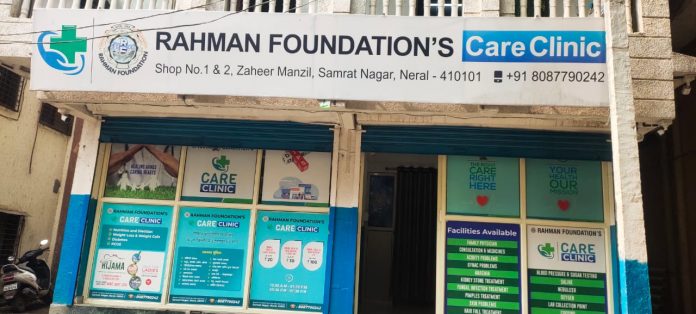
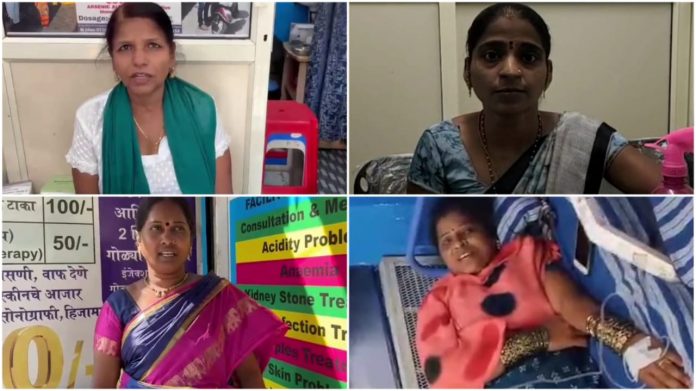
Neral (Maharashtra): At Rahman Foundation Care Clinic majority of poor Hindu patients treat Maulanas as semi-god

Belagavi, KARNATAKA / Neral, MAHARASHTRA:

What’s striking is that nearly 80% of the clinic’s beneficiaries are Hindus, a fact that Maulana Majid considers instrumental in fostering communal harmony. “Serving these impoverished communities is our way of contributing to unity in diversity,” he stated with conviction.

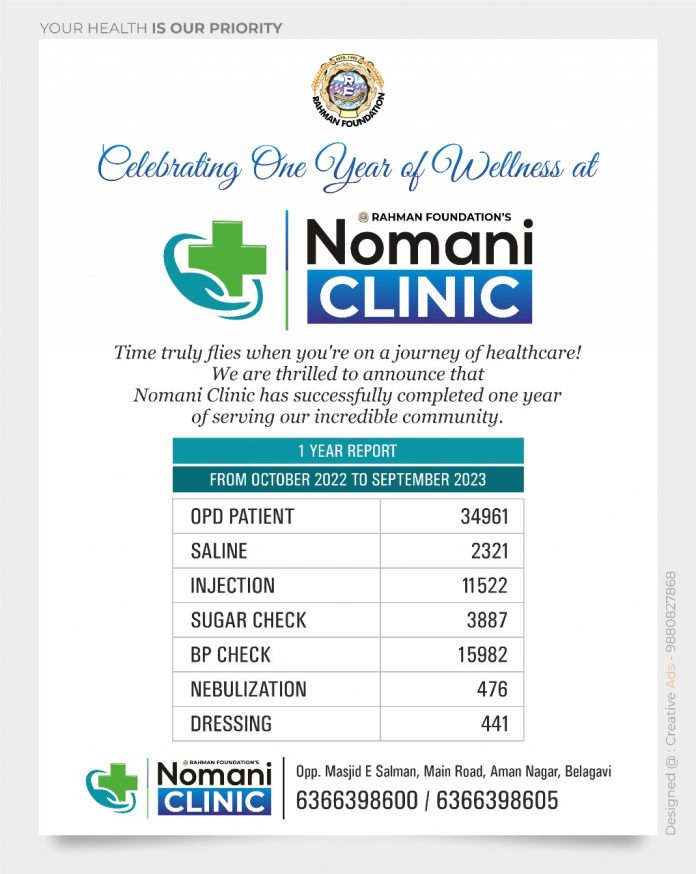
Rahman Care Clinic nestled within the heart of Samrat Nagar in Neral

As Lakshmi made her third visit to the Rahman Foundation Care Clinic nestled within the heart of Samrat Nagar in Neral, Maharashtra, She couldn’t help but praise the unparalleled treatment offered at nominal charges. “It’s my third time here, and each visit reaffirms the exceptional care and expertise of the doctors. The nominal fees we pay for such quality treatment is unparalleled,” she expressed gratefully.

Some Hindu patients at Rahman Care Clinic.

Echoing Lakshmi’s sentiment, Maulana Shaih Majid, overseeing the medical section of the Rahman Foundation, emphasized the significant role the clinic plays in the lives of the predominantly Maratha Hindu population. “The locals, hailing from modest backgrounds, hold the clinic staff and doctors in high regard, almost akin to semi-gods,” he mentioned with pride.

What’s striking is that nearly 80% of the clinic’s beneficiaries are Hindus, a fact that Maulans  Majid considers instrumental in fostering communal harmony. “Serving these impoverished communities is our way of contributing to unity in diversity,” he stated with conviction.

Kavita, another patient, expressed her regularity at Rahman Clinic. “I’m a frequent visitor. The care and treatment we receive here, priced at a mere 20 rupees including medication, is a lifeline for the underprivileged. A simple injection costs just 10 rupees,” she shared, highlighting the clinic’s affordability and accessibility for those in need.

Other patients echoed similar sentiments, praising not only the cost-effective treatment but also the warm and courteous demeanor of the entire clinic staff. “Here, we receive top-notch treatment at minimal expenses, and the staff’s friendliness adds a comforting touch to our visits,” remarked another patient.

The clinic’s roster of highly qualified doctors further elevates its reputation. Professionals like Dr. Vajaykumar Pawar (MBBS), Dr. Dipnayan Shinde Pawar (MBBS, MD), Dr. Samiya (BUMS), and Dr. Sana (MPTH) cater to the medical needs of patients at Neral Rahman Foundation Clinic, ensuring expert care within a modest setting.

Rahman Foundation’s reach extends far beyond the boundaries of Neral. With a network encompassing nine Rahman Clinics, four hospitals, and a diagnostic center spread across Maharashtra, Karnataka, Gujarat, Madhya Pradesh, and Uttar Pradesh, the foundation extends its services to 8,000 to 10,000 patients monthly, all at nominal charges. Additionally, the foundation actively conducts medical check-up camps to further extend its outreach.

The journey of Rahman Foundation, initiated in 1995 under the guidance of the visionary Islamic scholar Maulana Khaleelur Rahman Sajjad Naumani, has been nothing short of remarkable. From establishing Islamic seminaries to introducing CBSE pattern English medium schools, the Foundation’s evolution has been multifaceted. In 2017, it ventured into providing medical services. Over the last five years, the foundation has expanded its footprint, setting up Rahman Care Clinics, Rahman Hospitals, and Rahman Diagnostic Centers across five states, catering to approximately 8,000 to 10,000 patients every month.

‘Our vision is to expand and replicate this model across India’ said Maulana Majid with  promising eyes.

source: http://www.muslimmirror.com / Muslim Mirror / Home> Health> Indian Muslim> Positive Story / by Special Correspondent, Muslim Mirror / December 19th, 2023

‘This is the prize for working for the nation,’ says Brother of BSF personnel and civilian killed in Poonch

Baffliaz (Poonch District), JAMMU & KASHMIR:

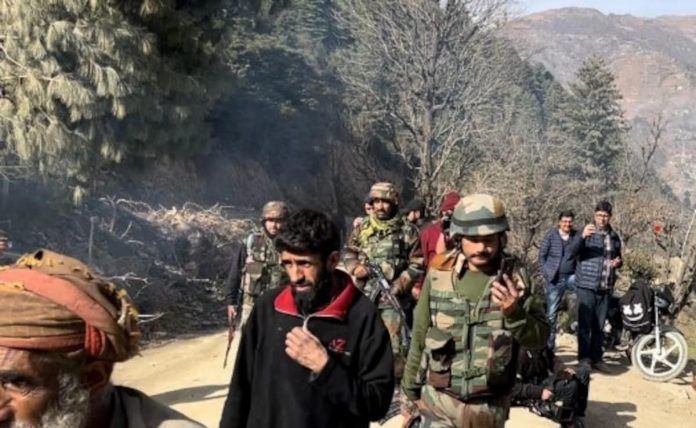
In Jammu and Kashmir’s Poonch district, three civilians, previously detained for questioning in connection with a militant ambush on Army vehicles, were found dead in the Topa Pir area. The victims were identified as Safeer Ahmed (48) and his cousins, Mohammad Showkat (28) and Shabir Ahmed (25).

The militant attack, which occurred on Thursday evening, claimed the lives of four Army soldiers and left three others injured.

Noor Ahmed, brother of one of the deceased civilians and a Head Constable in the Border Security Force, expressed profound grief, stating, “This is the prize we have got for working for the nation.”

Details surrounding the civilians’ deaths remain unclear, leading to unprecedented restrictions on movement and the suspension of mobile internet services in affected border districts. The government announced compensation and compassionate appointments for the families of the deceased.

“The death of three civilians was reported yesterday in Baffliaz of Poonch District. The medico-legal formalities were conducted, and legal action has been initiated. The Government has announced compensation for each of the deceased. Further, compassionate appointments to the next of kin of each deceased have also been announced,” informed the Information & PR, J&K in a statement.

While the Army’s Public Relations Officer in Jammu claimed no knowledge of the incident involving the civilians, allegations of torture marks on the bodies surfaced, accompanied by unconfirmed graphic videos circulating on social media. Relatives asserted that the injured were left by security forces on the roadside.

Former Chief Minister and President of the Peoples Democratic Party (PDP), Mehbooba Mufti, expressed concern over the reported civilian killings and called for a comprehensive and unbiased investigation. Mufti highlighted the shocking state of the victims’ mutilated bodies and widespread reports of torture on detained villagers.

“The ongoing miseries faced by the people of Jammu and Kashmir have reached a horrifying peak. Three innocent lives have been snatched away, their bodies said to be bearing brutal marks of torture while authorities have maintained a criminal silence,” Mufti said at a press conference.

In response to the tragedy, the local administration assured financial assistance, government jobs, and other support to the affected families. Poonch Deputy Commissioner pledged Rs 30 lakh to the next of kin of each deceased, along with a 10-marla plot at Surankote and a government job.

source: http://www.muslimmirror.com / Muslim Mirror / Home> India> Indian Muslim> Politics / by Muslim Mirror / December 24th, 2023

HT reviewer Lamat R Hasan picks her favourite reads of 2021

NEW DELHI:

Saleem Kidwai’s translations of Qurratulain Hyder’s novels bring out the author’s command over the Urdu idiom.

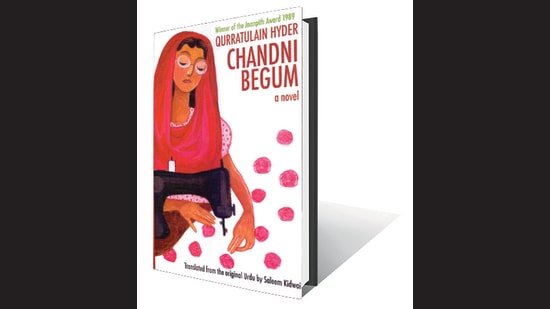
Qurratulain Hyder’s last novel, Chandni Begum, almost predicted an increasingly intolerant India. (HT Team)

Saleem Kidwai died earlier this year. Apart from being a translator par excellence he was a medieval historian, and queer rights activist, best known for co-authoring Same-Sex Love in India: Readings from Literature and History.

Urdu phrase in Chandni Begum – Allah maaf kare as “Allah, forgive my sins”. I thought the phrase had lost its zing and frankly told him that the dramatic, half-mocking Allah maaf kare should have been retained like Aye bahu, a lament that is difficult to express in English.

We discussed the possible alternatives, Kidwai graciously half-defending the phrase, and then he revealed that he was translating Hyder’s Safina e Gham e Dil (Ship of Sorrows). Both books are my absolute favourites, and I re-read them after his untimely demise.

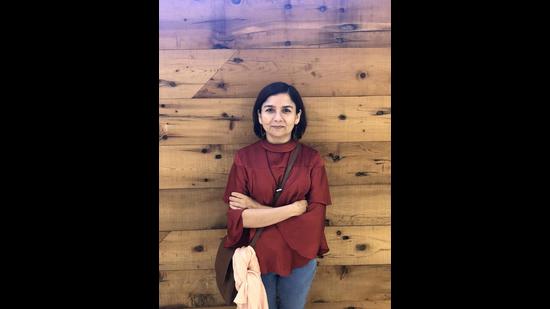
Lamat R Hasan (Courtesy the reviewer)

Chandni Begum, 1989

The novel centres around the lives of two aristocratic families living on a controversial estate with a mosque and a temple in its compound. The story moves at a fierce pace, shuffling between the past and the present, from the Partition of India to the Mandir-Masjid dispute in Ayodhya, amplifying the complexities of life, trying to find coherence in the class-caste chaos.

She wrote this tale of love and loss a few years before Babri Masjid was razed to the ground, almost predicting the future course of events, of an India that would become increasingly intolerant. This was Hyder’s last novel.

Ship of Sorrows, 1952

Only when I was holding “Ship of Sorrows”, Hyder’s part memoir, part fictional work in hand, did I learn that Kidwai had decided to abandon the project midway.

Unlike other Partition stories written from the perspective of average men and women who witnessed its horrors, this novel is a coming-of-age story, without a conventional storyline, of a privileged set of six friends from Awadh. The author herself debuts as Anne Hyder and fictionalises her experience during the communal riots in Dehradun.

Kidwai praises Hyder’s command over the Urdu idiom, with its Persian and Arabic inflections, and her equal ease with English and western idioms. Her fiction is not easy to read and she was impatient with critics who tried to evaluate the impact of modernism and of particularly Virginia Woolf, on her work. Kidwai was indeed overwhelmed by her genius, but after two years of hard work he successfully anchored his ship.

In Kidwai’s memory next up on my reading list is his biography of the legendary singer Malika Pukhraj. Song Sung True (Kali for Women, 2005) was first published in translation in India. The original Bezubaani Zubaan Na Ho Jaey was recently published in Pakistan.

Lamat R Hasan is an independent journalist. She lives in New Delhi.

source: http://www.hindustantimes.com / Hindustan Times / Home> Books / by Lamat R Hasan / December 17th, 2021

HT reviewer Lamat R Hasan picks her favourite read of 2023

Farrukhabad, UTTAR PRADESH / NEW DELHI:

The anecdotes about chieftains and their chelas, the ode to Farrukhabad, and the art of expressing time through chronograms make Tarikh-i-Farrukhabad a compelling read.

Local histories of little-known provinces and sketches of its people are fascinating but hard to come by (Courtesy Lamat R Hasan)

Mufti Syed Waliullah Farrukhabadi’s Tarikh-i-Farrukhabad is written in Persian, a language I do not know.

But I made up my mind to read it when I found it being referenced in historical accounts of the decline of the Mughal dynasty – and in some detail in British historian William Irvine’s account of The Bangash Nawabs of Farrukhabad.

As a civil servant in India, Irvine learnt to read Persian, and started collecting manuscripts – including Waliullah’s (1751-1833). With some difficulty I traced Waliullah’s manuscript, written in 1829, measuring 10 inches by six inches, with exquisite gold inscriptions. Acquiring a digital copy of the manuscript was another task and then engaging a Persian instructor to help me wade through significant chunks.

Waliullah writes that after Delhi was invaded by the Marathas around 1757, many of the nobles from the former Mughal capital sought shelter in Farrukhabad, named after Farrukhsiyar, the tenth Mughal emperor. It was Nawab Mohammad Khan Bangash who founded the city in 1714. It was also home to a lot of holy men and referred to as “Faquirabad” (the land of ascetics). With the setting up of a mint in 1803, it became an important centre of commerce and was known for its superior quality of silver and gold coins.

The title of the book is a little misleading as Waliullah’s work doesn’t quite fit into the genre of microhistory. Though his focus is on Farrukhabad, the scope of his work is not restricted to the town or the tiny settlements around it, its chieftains and their chelas (followers), but covers the decline of the Mughal empire and the rise of British imperialism as well.

The little anecdotes about the chieftains and their chelas, the shair-o-shairi, such as an ode to Farrukhabad, the town Waliullah moved to from Sandi as a nine-year-old, and the art of expressing time through trsim waqt or chronograms (a sentence in which letters interpreted as numerals stand for a specific date) make for a compelling read.

Lamat R Hasan (Courtesy the subject)

Waliullah informs that the tomb of poetess Gunna Begum (wife of a vizier in the Mughal empire and daughter of a famous Iranian poet) bears a trsim waqt which translates as “Alas! Gunna Begum”. Other chronograms mention date of births or deaths such as “Hai, Hai, Hatim Tai séni na mand”, which is interpreted as 1771. Incidentally, Waliullah’s own date of death was derived from a chronogram – “Ganj-z-ma’ni ba-raft zer zamin” – inscribed by his contemporary Bahadur Ali Syed.

Other fascinating details include the inventions of the qutub-nama (magnetic compass), doorbeen (binoculars), and the types of weapons the British possessed to conquer new lands.

Local histories of little-known provinces and sketches of its people are fascinating but hard to come by – no surprise then that I devoured the very pages Irvine critiqued as “biographies of obscure Muhammadan worthies who lived in, or had visited Farrukhabad”.

Lamat R Hasan is an independent journalist. She lives in New Delhi.

source: http://www.hindustantimes.com / Hindustan Times / Home> News> Books / by Lamat R Hasan / December 22nd, 2023

Kundapur: B Appanna Hegde agriculture award to be conferred on Asma Banu on Dec 24

Kundapur, KARNATAKA:

Kundapur : 

“Asma Banu, collector of seeds of various paddy breeds, helping in social and farming activities will be felicitated with B Appanna Hegde agriculture award during an award program on the birthday of religious leader and former MLA B Appanna Hegde on December 24,” said trust president B Rama Kishan Hegde.

He further said, “Asma who works saying that work is worship is collecting various paddy breeds that are on the verge of extinction from various states. She has collected and grown more than 840 varieties of paddy this year. She is conducting a study about those seeds and creating awareness about their benefits to health. She has been selected for the award considering her rare achievements.

“The award programme will be held by Basrur Appanna Hegde Prathistana in the premises of Sharada college, Basrur. Monetary help will be distributed to students, the sick and weak during the program.

“The award will be presented by Ishapriya Theertha Swamiji of Adamar math. Karnataka backward class commission president K Jayaprakash Hegde will preside over the programme,” he said.

source: http://www.daijiworld.com / DaijiWorld.com / Home> Karnataka / by Silveste D’Souza / Daijiworld Media Network – Kundapur (EP) / December 20th, 2023

Meet Mohammed Lateef Khan, the man behind an educational revolution who produced over 6200 doctors and engineers

Hyderabad, TELANGANA:

Mohammed Abdul Lateef Khan, Founder Trustee and Chairman MS Academy. / Muslim Mirror Photo

“You are not meant for crawling, so don’t. You have wings. Learn to use them and fly,” this inspirational quote of Rumi is best suited for Mohd Abdul Lateef Khan, Chairman and managing director of Hyderabad based MS Education Academy.

His team under his leadership has successfully created a brand name in the field of education and revolutionized the concept of education across the country.

Khan is a man who believes in ‘education as a social service and moral responsibility than a profession to earn money’.

MuslimMirror spoke to Khan, exclusively. In this tete-e-tete, he spoke about his journey.

A young Khan right after finishing his 12th had a strong urge to serve the community.

Recognizing his talent, one of his friends suggested him to enter in the field of education. Hence, to materialize his dream Khan started a coaching institute that was operated from a two-room rented house and with only 15 students. This was in the year 1990.

However in the first year, Khan had to face a loss of Rs 30,000, but he did not lose his heart. He continued his journey with same vigor and subsequently during the initial three years he faced the loss of more than one lakh rupees and still he did not give up.

Khan continued to pursue his engineering course and completed his BE in Electronics and Communication Engineering from Osmania University.

During those years, his institute grasped a respected position in the area and people started trusting his institute. This boosted his morale and gave him confidence.

After completing his engineering degree, Khan thought of pursuing his studies in a foreign country but later changed his mind.

He decided to continue his journey in the field of education.

In 1998, Khan collaborated with renowned Urdu daily, Siasat, which started publishing model SSC exam papers which was widely accepted and became an instant hit. It resulted in popularizing his method of education and unique technique to crack medical and engineering examinations.

(HERE WHAT IS THE POPULAR TECHNIQUE HE USED AND HOW COME HIS TECHNIQUE BECAME A HIT IS MISSING!)

Later with the support of Zaheeruddin Ali Khan, the managing editor of the newspaper he shifted the institute to a bigger space. It was Zaheeruddin Ali Khan who inaugurated the first branch of MS Academy. After that Lateef Khan never looked back and the popularity of his coaching institute continued to soar by each passing day.

Two years later, Khan started to look out for a school for his son but in vain. Unable to find any such, later in the year 2000 he opened his own school and named it MS Academy, with the aim to facilitate thousands of children with education.

Khan introduced the junior school (intermediate) in the year 2002; they successfully produced their first batch in 2004, while their second batch (2005) grabbed the first position in the state of Andhra Pradesh.

Later, the then chief minister of the state visited the school and decided to declare four percent reservation for the Muslim minority.

While interacting with Muslimmirror.com, Khan said, “Since 2005 our academy has continued to remain in the top ten list of the state board. In our academy, we admit a student on the basis of his or her merit performance and not by asking for any donation.”

“Currently, MS academy has 80 branches in 20 cities across eight different states with more than 27000 students enrolled. We have produced over 1200 MBBS doctors , 5000 engineers and shaped the life of 78000 youths who are alumni of our institutes, Only this year 150 students from our institutions cracked NEET ” he added.

Explaining further, he said “We never invested in purchasing of land or any property. We never focused on that, we have continued to run our educational institutes in rented spaces which is our uniqueness.”

Khan’s academy also has focused on modern and Islamic education. On this he said, “We stress on imbibing Islamic moral and values to shape the personalities that can lead tomorrow. Islamic environment facilitates Muslim students to compete and turn them into achievers.”

Khan, is a pioneer in integrating Modern and Islamic Education with academic excellence.

A certified mind map instructor and an international memory trainer, he is a visionary entrepreneur, positive thinker, an able administrator and a good decision maker.

A firm believer in team work Khan has a team of reliable professionals who are committed to achieve the vision Khan shared and inculcate the spirit of generative thinking, creativity, positive approach and mind mapping.

He devised many innovative methods to help students excel in competitive exams and face real life challenges. He also designed and introduced Memory Curriculum in Schooling that helps students learn ‘How to Learn and Remember’.

In Khan, one can definitely see Sir Syed and his thoughts!

source: http://www.muslimmirror.com / Muslim Mirror / Home> Exclusive Reports> Indian Muslim> Positive Story / by Khusboo Khan , Muslim Mirror / July 12th, 2018

UN Forms New AI Advisory Board; iSPIRT’s Sharad Sharma and Hugging Face’s Nazneen Rajani Among the Members

INDIA / U.S.A:

UN Forms New AI Advisory Board; iSPIRT's Sharad Sharma and Hugging Face's Nazneen Rajani Among the Members

On Thursday, the Secretary-General at a press conference announced the creation of a new Artificial Intelligence Advisory Body on risks, opportunities and international governance of Artificial Intelligence (AI) . That body will support the international community’s efforts to govern artificial intelligence.

Among the members of AI Advisory Body, two are from India — Sharad Sharma (iSPIRT) and Nazneen Rajani (Hugging Face).

Sharad Sharma is a co-founder of iSPIRT, a non-profit think tank that wants India to be a product nation. He was the CEO of Yahoo India R&D and dubbed as the architect of Indian software products ecosystem.

About Nazneen Rajani, she is a Research Lead at Hugging Face, which is building an open-source alternative to ChatGPT called H4, a powerful LLM, “aligning language models to be helpful, honest, harmless, and huggy”.

U.N. Secretary-General Antonio Guterres on Thursday launched this 39-member advisory body of tech company executives, government officials and academics from countries spanning 6 continents.

The panel aims to issue preliminary recommendations on AI governance by the end of the year and finalize them before the U.N. Summit of the Future next September.

The full members list are as below:

  • Anna Abramova, Director of the Moscow State Institute of International Relations-University AI Centre, Russian Federation
  • Omar Sultan al Olama, Minister of State for Artificial Intelligence of the United Arab Emirates, United Arab Emirates
  • Latifa al-Abdulkarim, Member of the Shura Council (Saudi Parliament), Assistant Professor of Computer Science at King Saud University, Saudi Arabia
  • Estela Aranha, Special Advisor to the Minister for Justice and Public Security, Federal Government of Brazil, Brazil
  • Carme Artigas, Secretary of State for Digitalization and Artificial Intelligence of Spain, Spain
  • Ran Balicer, Chief Innovation Officer and Deputy Director General at Clalit Health Services Israel, Israel
  • Paolo Benanti, Third Order Regular Franciscan, Lecturer at the Pontifical Gregorian University, Italy
  • Abeba Birhane, Senior Advisor in AI Accountability at Mozilla Foundation, Ethiopia
  • Ian Bremmer, President and Founder of Eurasia Group, United States
  • Anna Christmann, Aerospace Coordinator of the German Federal Government, Germany
  • Natasha Crampton, Chief Responsible AI Officer at Microsoft, New Zealand
  • Nighat Dad, Executive Director of the Digital Rights Foundation Pakistan, Pakistan
  • Vilas Dhar, President of the Patrick J. McGovern Foundation, United States
  • Virginia Dignum, Professor of Responsible Artificial Intelligence at Umeå University, Portugal/Netherlands
  • Arisa Ema, Associate Professor at the University of Tokyo, Japan
  • Mohamed Farahat, Legal Consultant and Vice-Chair of MAG of North Africa IGF, Egypt
  • Amandeep Singh Gill, Secretary-General’s Envoy on Technology
  • Dame Wendy Hall, Regius Professor of Computer Science at the University of Southampton, United Kingdom
  • Rahaf Harfoush, Digital Anthropologist, France
  • Hiroaki Kitano, Chief Technology Officer of Sony Group Corporation, Japan
  • Haksoo Ko, Chair of Republic of Korea’s Personal Information Protection Commission, Republic of Korea
  • Andreas Krause, Professor at ETH Zurich, Switzerland
  • James Manyika, Senior Vice-President of Google-Alphabet, President for Research, Technology and Society, Zimbabwe
  • Maria Vanina Martinez Posse, Ramon and Cajal Fellow at the Artificial Research Institute, Argentina
  • Seydina Moussa Ndiaye, Lecturer at Cheikh Hamidou Kane Digital University, Senegal
  • Mira Murati, Chief Technology Officer of OpenAI, Albania
  • Petri Myllymaki, Full Professor at the Department of Computer Science of University of Helsinki, Finland
  • Alondra Nelson, Harold F. Linder Professor at the Institute for Advanced Study, United States
  • Nazneen Rajani, Lead Researcher at Hugging Face, India
  • Craig Ramlal, Head of the Control Systems Group at the University of The West Indies at St. Augustine, Trinidad and Tobago
  • He Ruimin, Chief Artificial Intelligence Officer and Deputy Chief Digital Technology Officer, Government of Singapore, Singapore
  • Emma Ruttkamp-Bloem, Professor at the University of Pretoria, South Africa
  • Sharad Sharma, Co-founder iSPIRT Foundation, India
  • Marietje Schaake, International Policy Director at Stanford University Cyber Policy Center, Netherlands
  • Jaan Tallinn, Co-founder of the Cambridge Centre for the Study of Existential Risk, Estonia
  • Philip Thigo, Adviser at the Government of Kenya, Kenya
  • Jimena Sofia Viveros Alvarez, Chief of Staff and Head Legal Advisor to Justice Loretta Ortiz at the Mexican Supreme Court, Mexico
  • Yi Zeng, Professor and Director of Brain-inspired Cognitive AI Lab, Chinese Academy of Sciences, China
  • Zhang Linghan, Professor at the Institute of Data Law, China University of Political Science and Law, China

The transformative potential of AI for good is difficult even to grasp,” Guterres said. He pointed to possible uses including predicting crises, improving public health and education, and tackling the climate crisis.

However, the UN Secretary-General cautioned, “It is already clear that the malicious use of AI could undermine trust in institutions, weaken social cohesion and threaten democracy itself.”

source: http://www.indianweb2.com / Indian Web2 / Home> AI Governance / by Indian Web2 / October 27th, 2023

37 government school teachers in Yadgir, Kalaburagi district felicitated during Best Teachers Awards

Yadgir, Kalaburagi District, KARNATAKA:

Kalaburagi: 

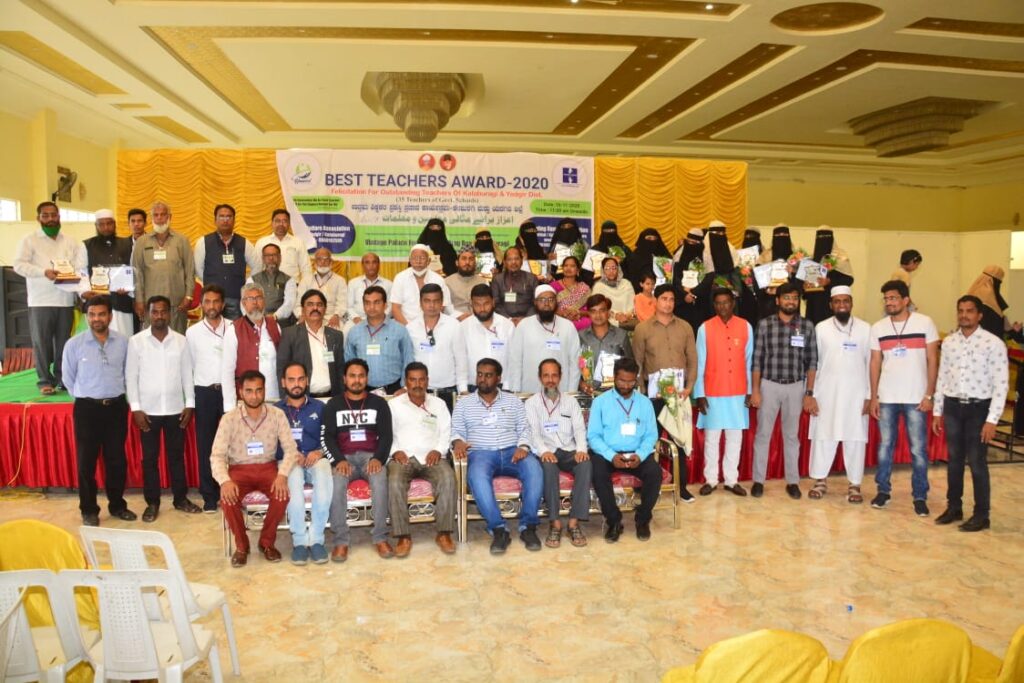
26 teachers from Government Primary Schools and 11 teachers from Government High Schools from Yadgiri and Kalaburagi districts were felicitated during the Best Teachers Award Ceremony held at Vintage Palace Function Hall, Kalaburagi on November 16.

The awardee teachers were shortlisted after screening under three criteria – Commitment and Dedication to the profession, Should not be recognized elsewhere with awards and preference was given to teachers working in remote rural areas –

“Purpose of this award program to recognize and felicitate teachers who are doing significant work in Government schools which ultimately helps to improve the outcome of Govt. schools and helps inspire other teachers to do still better” an official statement stated.

Best Teacher Awardees felicitated on event day are :

Kalaburagi (North) – Nusrat Parveen, Moinoddin, Raisa Sultana, Ahmadi Begum, Ameena Sultana, Jameel Fatima, Somangouda Vitlapur

Kalaburgi (South) – Fouziya Begum, Saiqua Hassan

Chittapur: Yaqub Ali, Shahana Anjum, Shaikh Saira Banu, Zaibunissa Begum

Sedam: Md Abdul Faheem, Nayeem Sultana, Sujata Hiremat, Asha Taskeen

Chincholi: Umar Huddar, Rizwana Begum, Mubeen Fatima

Jewargi – Md Yousuf, Sarfaraz, Rudrappa Gouda

Afzalpur- Asma Shalam, Shabana Begum, Mohammed Asif Attar

Aland- Seema Rubee, Merajunnisa Begum

YADGIR District: D Subiya, Venkatesh Nayak, Khudeja Begum, Mukhtar Ahmed J Mulla, Zareena, Kasim T

SPIRIT OF EDUCATION AWARD given to three teachers (out of 37 teachers) – Sameena Farzana, Zohra Khanum, Masoom Khan for their outstanding contribution to education beyond schools and school timings.

There were five academic achievers (Dr. Saba Sultana, Zeenat Begum, Nazneen, Md Shujath Hussain, Md Shakir Ahmed) were felicitated and one for Social cause (Jb Jainuddin Shirnifarosh) also felicitated for outstanding social services.

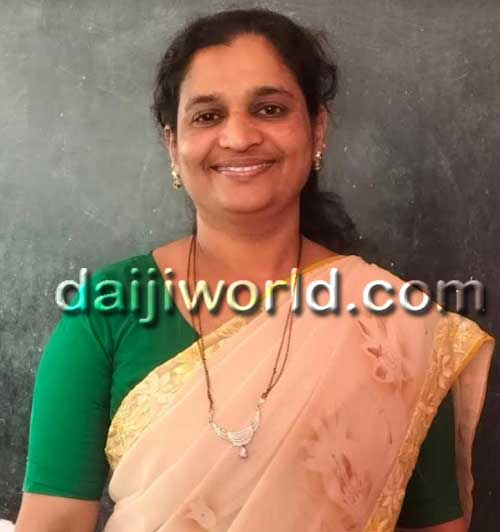
Smt. Surekha Jagannath Dengi, Govt High School Bandarwad, Tq Afzalpur, Dist. Kalaburgi

The program presided by PM Qutubuddin, other guests/speakers invited were Kashif Raza, Dr. Abdul Qadeer (Shaheen Bidar), Mazhar Hussain(Sr Lecturer), Surekha Dengi (National Awardee Teacher 2020), and Mohammed Ali  & Mohammed Faiyazuddin (Vintage Palace Function Hall).

The program was a joint initiative of Ummeed Welfare Association, GURMITKAL Yadgir Dist. and Helping Hands Foundation, GURMITKAL Yadgir Dist.

source: http://www.english.varthabharati.in / Vartha Bharati / Home> Karnataka / by Vartha Bharati / December 11th, 2020

Meet Hamid Farooqui, the software engineer who created 3rd largest survey company in the world

Mumbai, MAHARASHTRA / Virginia, U.S.A :

Mumbai based Hamid Farooqui , is a serial entrepreneur who is the CEO of a fast growing SaaS (Software as a Service) company called SoGoSurvey that he co-founded in 2012. SoGoSurvey offers powerful, user-friendly, and affordable online survey software. SoGoSurvey is changing how feedback is collected in a secure, collaborative setting, and moving forward the process of understanding the feedback gathered from customers, employees, and other stakeholders.

Hamid started his tech career as a geeky programmer during the dot com boom and has expertise in all its related technologies, from Software as a Service (SaaS), cloud computing and mobile applications. He was an early member of the technology team that designed, built, and launched Oracle’s e-Travel’s corporate travel tool using C++ and the then brand-new WAP.

In recognition of his strong performance and technology management skills, Hamid rose through successive promotions to serve as the division’s Director of Engineering. After e-Travel was acquired by Amadeus, Hamid led the integration of two complex technology platforms in both the U.S. and Europe.

Hamid is co-founder, CTO of K12Insight, which offers cloud-based solutions to enhance communication between educators and community members. K12Insight’s tools are helping school leaders build stronger relationships among parents, teachers, students, and staff. He also co-founded India’s most successful consumer review site mouthshut.com, considered a pioneer of the Internet revolution in India.

Hamid is a frequent speaker at technology conferences and startup events. Among his favorite topics are the startup scene in emerging markets and the future of autonomous cars.

Besides technology, Hamid is very actively involved in philanthropic work. He and his family runs and funds a school for poor children in a remote part of India, where more than 500 children study for free.

Hamid earned an engineering degree from Bombay University in India and a Master’s degree in Computer Science from State University of New York, Binghamton.  

Mr. Farooqui believes that Indian organizations just like their global counterparts need a strong survey tool in order to understand the pulse of their audience. Companies have to ensure that they know their customers so they can rectify or retain the quality of services or products. Also, for retention of employees, companies must conduct Employee Satisfaction Survey that helps in creating a suitable work environment that meets and exceeds their expectations.

About SogoSurvey:

When it came to online survey software, users have had two difficult options:

  • the affordable, low-end, low-power solution, and
  • the more powerful solution that breaks the bank

This world has just been disrupted: you can now have really powerful, highly user-friendly online survey software at a super-low cost. And it comes with training and support that existing customers are raving about. We’re changing not just how you collect feedback in a secure, collaborative setting, but also how you fundamentally view feedback from customers, employees and other stakeholders. Our solution is easy for the beginner and powerful for the expert.

SoGoSurvey is a software company which provides one of the best enterprise feedback system/ survey tool as SaaS model. SoGoSurvey was founded by Hamid Farooqui and Suhail Farooqui in beta/stealth mode in 2012. The company came out in its full existence in the year 2013. It is a USA based company with the offices in India and UAE.  Target market for SoGoSurvey is all small, medium and large businesses who need to conduct different types of surveys such as Employee satisfaction Survey, Customer Satisfaction Survey, Employee Engagement Survey and others.

Marketing Strategy of SogoSurvey is to have an awesome product and website which is appealing to the user. They also offer a free version of our tool so that users who want to use the tool for basic purpose can also access the same. The freemium model gives the access to a great amount of people who turn into loyal users eventually.

source: http://www.muslimmirror.com / Muslim Mirror / Home> Indian Muslim> Positive Story> Sci-Tech> Youth / by Muslim Mirror Special Correspondent / January 04th, 2019