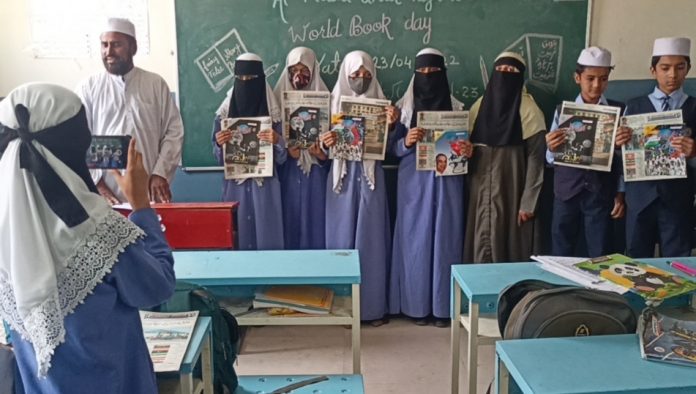
On World Book Day, the Maryam Mirza Mohilla (neighbourhood) library movement commemorated the occasion with zeal. Several book reading and distribution activities were held in city mosques and Urdu schools under the auspices of the Read & Lead Foundation.
The Foundation’s President, Mirza Abdul Qayyum Nadvi, announced the commencement of a “Book at Home, Book at Every Home” campaign at the event. He stated that the book-reading awareness campaign is only getting started because today’s young generation is losing interest in reading due to the introduction of new electronic gadgets, particularly smart phones
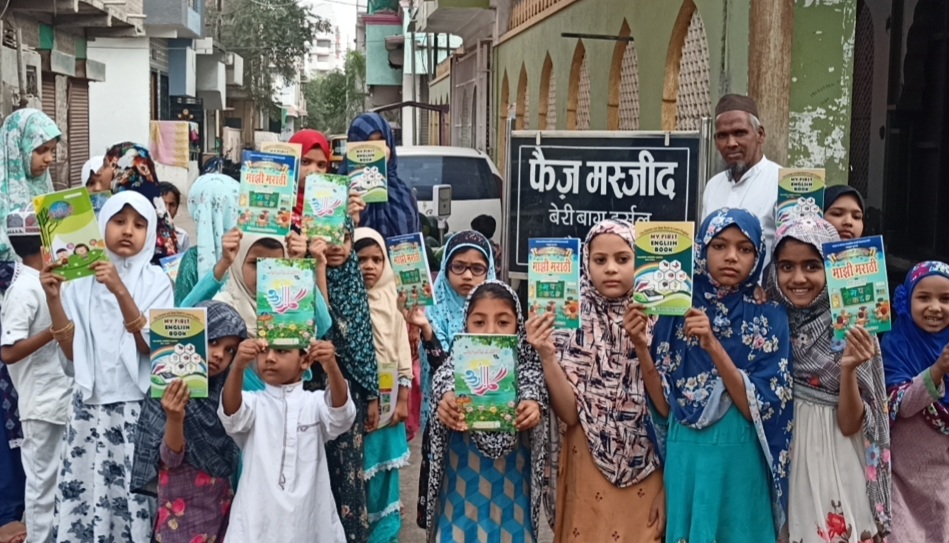
Urdu, Marathi, English books were distributed to the children members of Maulana Syed Abul Hassan Ali Nadvi Mohalla Library situated in Masjid Faiz Beri Bagh, Harsol area of Aurangabad.
It should be noted that for the past year in Aurangabad, 28 libraries have been working under the aegis of the Read & Lead Foundation in various sections of the city, slum mosques, Urdu schools, and neighbourhoods. More than 5,000 children are connected to these libraries.
It’s worth noting that eleven (11) of the 28 libraries are dedicated to children are located in mosques. Masjid Shadab Hina Nagar, Ahmadi Masjid, Shatabdi Nagar, Maulana Hasrat Mohani Mohalla Library, Misrarwadi, Qazi Iqbaluddin Mohalla Library, Bismillah Masjid, Madrasa Falah Darin Ghulam Mustafa, Sher Khan Pathan Mitra Mandal Library, Narey Village Mohalla Library and other places. In addition to this, Al-Huda Urdu High School Baijipura, Dr. APJ Abdul Kalam Mohalla Library Baijipura and other libraries celebrated World Book Day.
Maulana Sheikh Yusuf Nadvi, Imam of Masjid Faiz, where the Maulana Syed Abul Hassan Ali Nadvi Mohalla Library is located, stated that he would do everything in his power to ensure that the library benefits the children and women of the area as much as possible. After Friday prayers, he also declared the start of the door-to-door book drive.
Sheikh Nargis Fatima, Headmistress of Al-Huda Urdu High School, stated that her school’s students and instructors would be more active in the campaign and would offer all available assistance. Farhat Jahan, a school teacher, and other teachers took part in the presentation and offered their opinions..
Children’s monthly periodicals such as “Bachu ki Dunia,” “Umang,” “Taleemi inquilab,” “Majhi Marathi,” “Meri English Kitab,”,” “Gulzar Urdu,” and other books, magazines, and journals were distributed to members of the aforementioned libraries.
source: http://www.muslimmirror.com / Muslim Mirror / Home> Positive Story / by Special Correspondent / April 26th, 2022
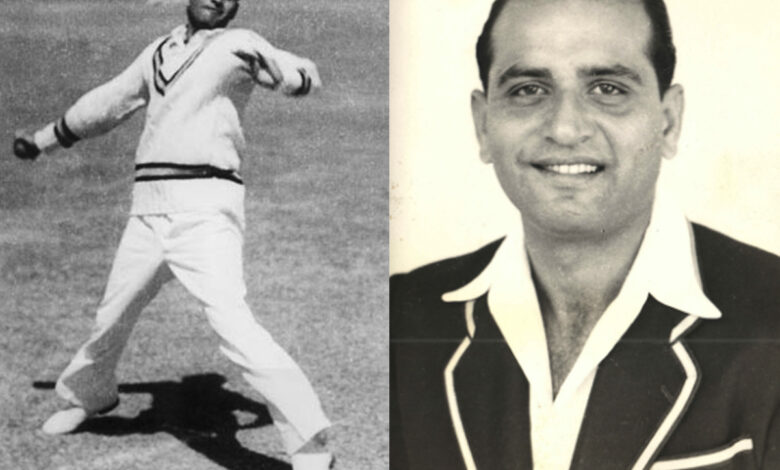
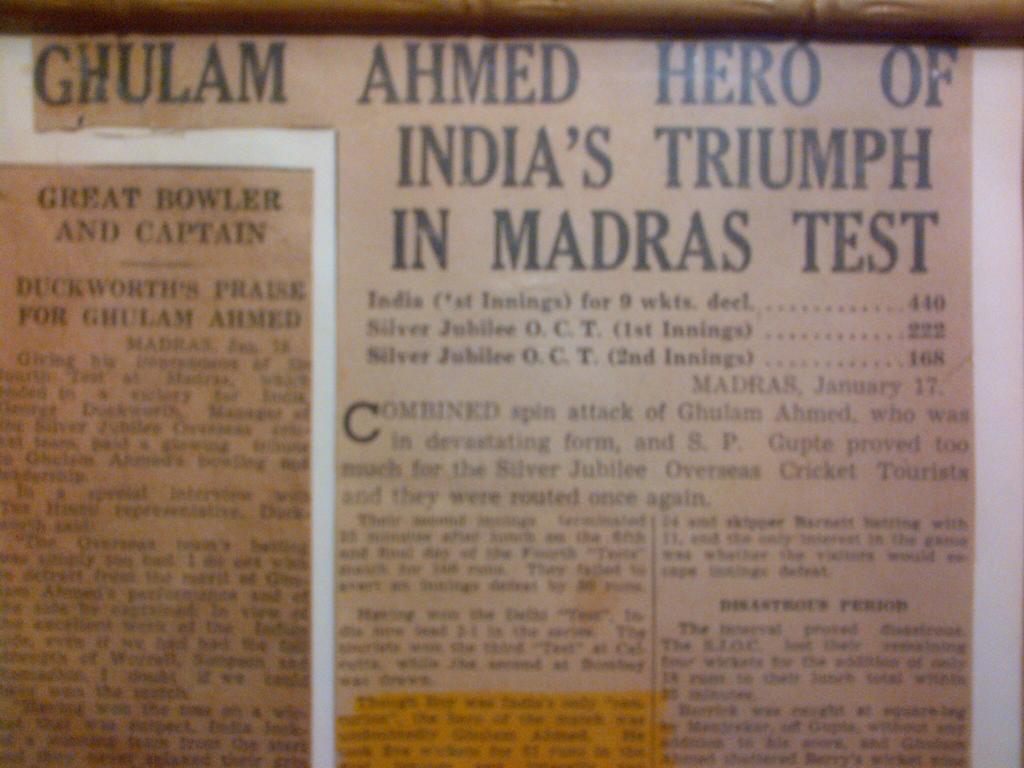
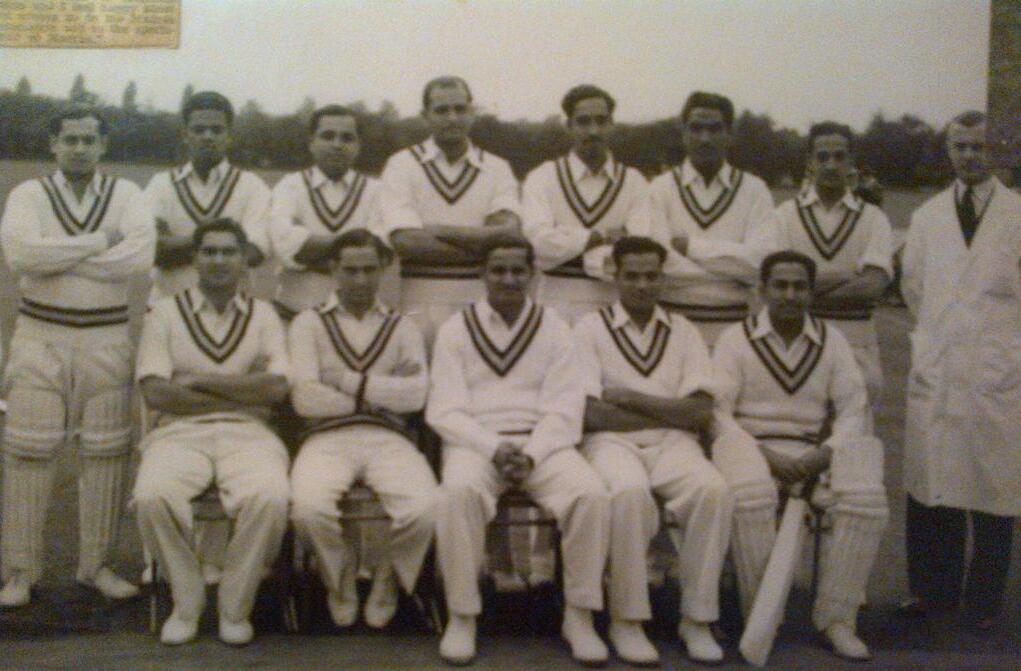
The contribution of Ghulam Ahmed to cricket in Hyderabad and India is extremely difficult to quantify in mere words.
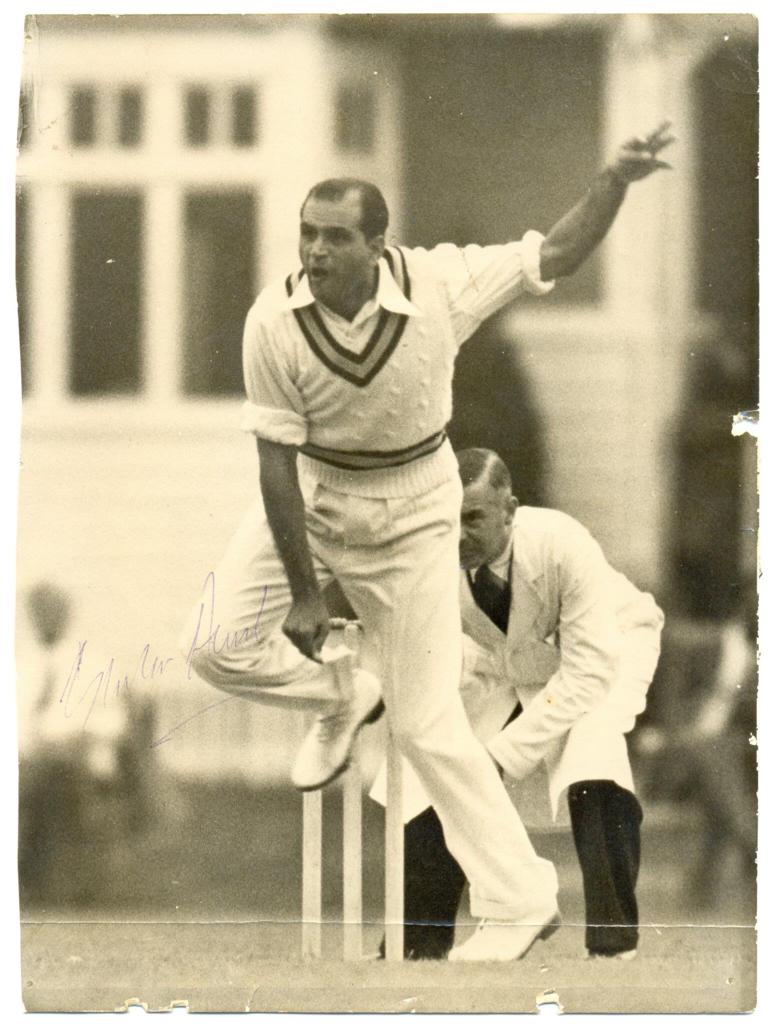
He was a legendary player, inspirational leader, far thinking administrator and a very capable manager. Whichever role he played, he did so with a measure of excellence that was unmatchable. The Greek philosopher Aristotle once said: “Excellence is never an accident. It is always the result of high intention, sincere effort and intelligent execution. Choice, not chance, determines our destiny.” The words can be applied most aptly to the life and career of Ghulam Ahmed, one of Indian cricket’s most accomplished off spinners and administrators, whose 100th birth anniversary falls on 4th of July, 2022.
But any person who knows about the family from which Ghulam Ahmed emerged, will not be surprised by the fact that this gentleman cricketer achieved so much in his lifetime.
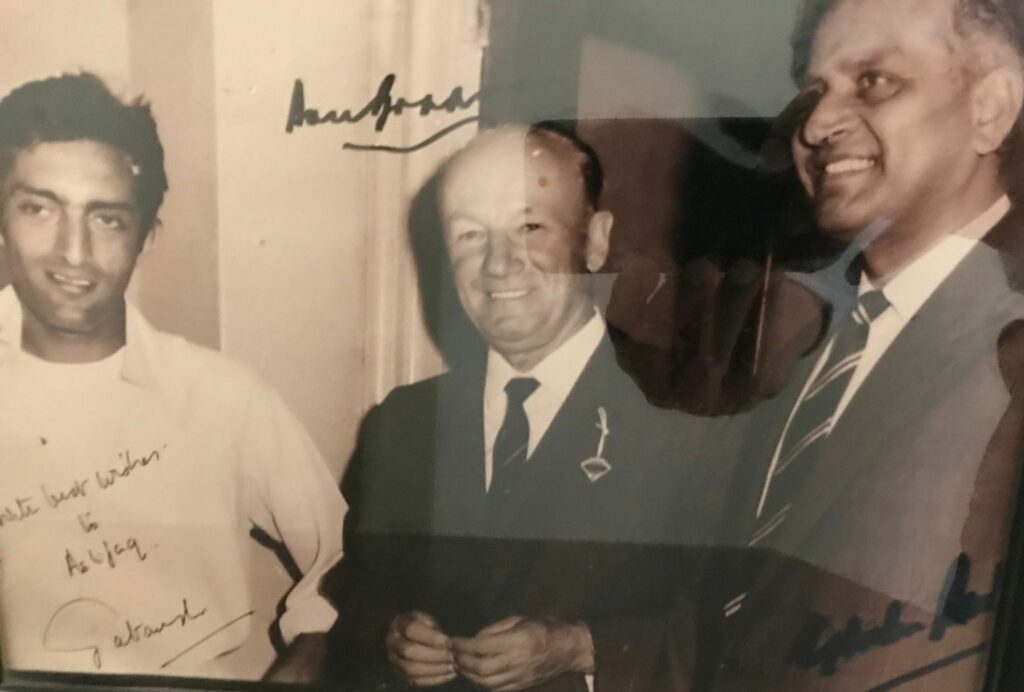
In a way, this illustrious family can be called the first family of Hyderabad sports. Others who are connected to the Razvi family are Pakistan’s former captain Asif Iqbal, India’s former captain Mohammed Azharuddin and tennis champion Sania Mirza. Since Sania’s husband is an ace Pakistan cricketer Shoaib Malik, he too is connected to this family by marriage. So that makes it two captains of India, two captains of Pakistan and a tennis Grand Slam winner in doubles and mixed doubles, all belonging to or connected to one family.
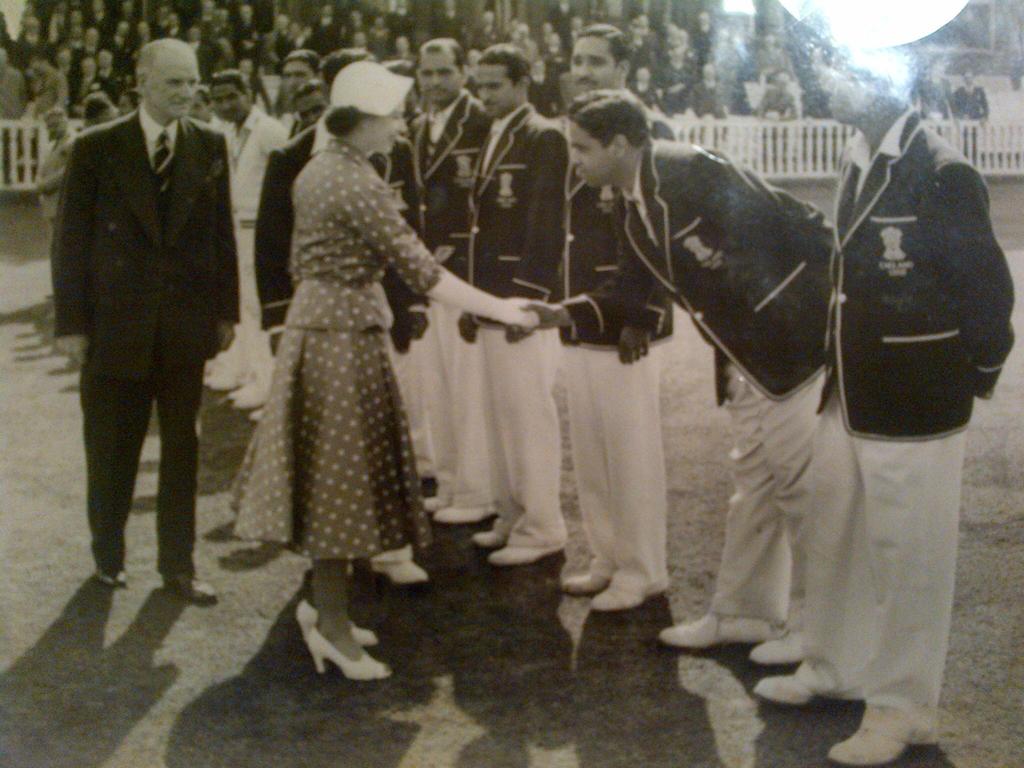
Ghulam Ahmed meets the queen
We all know about the famous off spinner’s exploits on the cricket field. But what was he like as a person? Was he a disciplinarian or was he indulgent? Was he a strict parent or a friendly person who could be addressed as Dad? After siasat.com spoke to several persons who knew him well, an interesting picture emerged.
Apparently Ghulam Ahmed was a person whose character and conduct were unblemished. It was his most outstanding trait. He was painstakingly honest and fair in his thought and judgement. If he made a decision, everyone would accept it because they knew his reputation for being impartial and equitable. As a parent he was not the old fashioned taskmaster. Instead he obtained the love, affection and friendship of all his children. As a person he stuck to his principles but did so with a measure of kindness and tact that earned the willing cooperation of his colleagues.
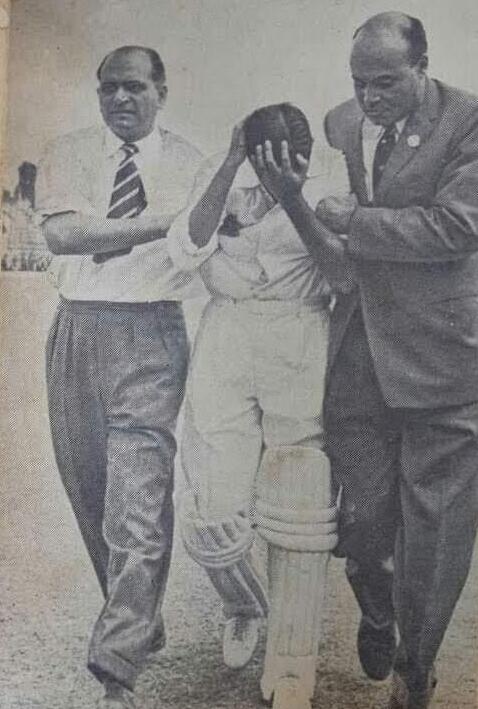
When Nari Contractor was injured
He hailed from a family wherein the male members had mostly served in the civil services. Ghulam Ahmed himself chose the same path. He was the chairman of the A.P. Public Service Commission and then also the Hyderabad Race Club. He handled sensitive issues with graceful prudence. He had a large group of friends and was well loved and respected by all. Often there would be large gatherings of his friends at his house. The men would play cards and sometimes go out on hunting trips which was a popular pastime among young men of those days.
Ghulam Ahmed studied at the famous Madrasa-E-Aliya and then at Nizam College. In his cricket career, his seniors were the well known brothers S.M. Hussain and S.M. Hadi. The latter was an all round sportsman who excelled at many sports while the former was a member of the Indian cricket team. When he was a raw beginner, he once sought permission to bowl against Hussain. After he was allowed to do so, he bowled the experienced batter with his very first delivery leaving Hussain highly impressed.
Later Ghulam Ahmed grew up and became a very renowned player himself. He grew to be very close to some of the most famous names of those days. They often dropped in at his house. Cricket administrators such as M.A. Chidambaram, M. Chinnaswamy and Kishan Rungta visited him regularly.
The legendary Lala Amarnath, Test cricketers C.D Gopinath, Hemu Adhikary and Polly Umrigar – all these people used to visit his house.
Later, Ghulam Ahmed also served as a cricket administrator both in Hyderabad as well as the BCCI.
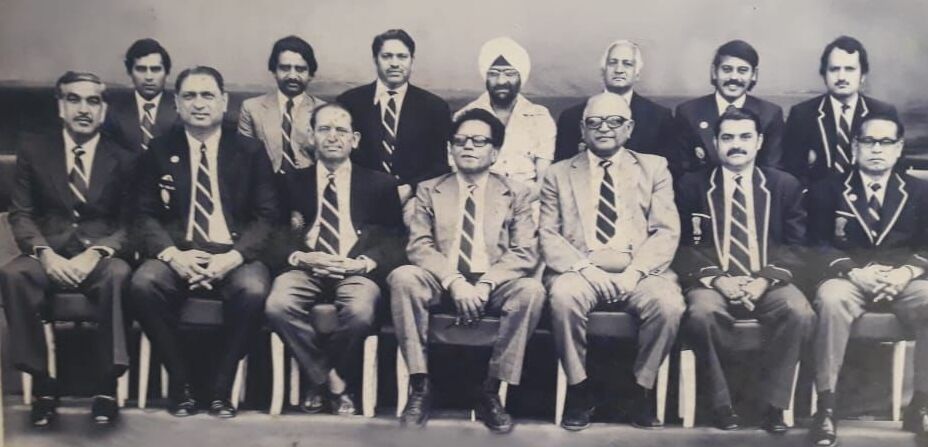
Besides serving as the Secretary and Vice President of the BCCI, he was the Chairman of the BCCI selection committee which selected the Indian team that won the World Cup in 1983. He was also given honorary membership of the prestigious Marylebone Cricket Club (MCC).
When Ghulam Ahmed passed away after a long and illustrious life, encomiums flowed in from all parts of the world.
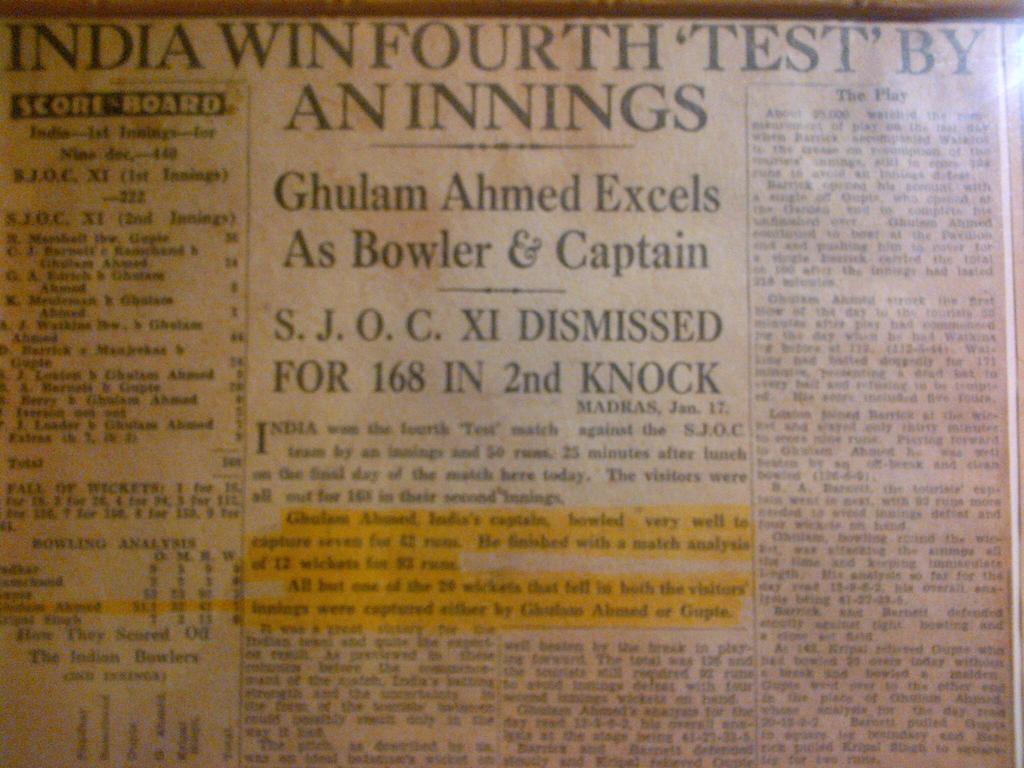
This is what The Independent (UK) wrote: “His smooth action enabled him to bowl for long spells while his clever flighting and variations of pace, length and line brought him comparisons with Jim Laker. He made his debut at 17 for Hyderabad but the second world war interrupted his further progress so that he did not appear in Test cricket until 1948 when he was chosen for the third Test against West Indies in Calcutta. He captained India against New Zealand in 1955 and also twice against the West Indies in 1958-59.”
In Shakespeare’s play Caesar, the character of Mark Antony says about his dear departed friend: “Here was a Caesar! When comes such another?” Meaning that Rome will probably never have another outstanding and upright personality like Caesar. The same can be said of Ghulam Ahmed. Like Caesar, Ghulam Ahmed too can never be replaced. His 100th birth anniversary is an occasion to remember with pride and affection, the excellent achievements of the man who was the first cricketer from Hyderabad to lead the nation in the international cricket arena.
source: http://www.siasat.com / The Siasat Daily / Home> News> Sports / by Abhijit Sen Gupta / July 04th, 2022
Calling it ‘The Tribute Run’, Sufiya Sufi is dedicating this challenge to the Bravehearts of the Indian Army.
Guinness record holder Sufiya takes on Siachen to Kargil run; to salute sacrifices of Indian Army.
New Delhi:
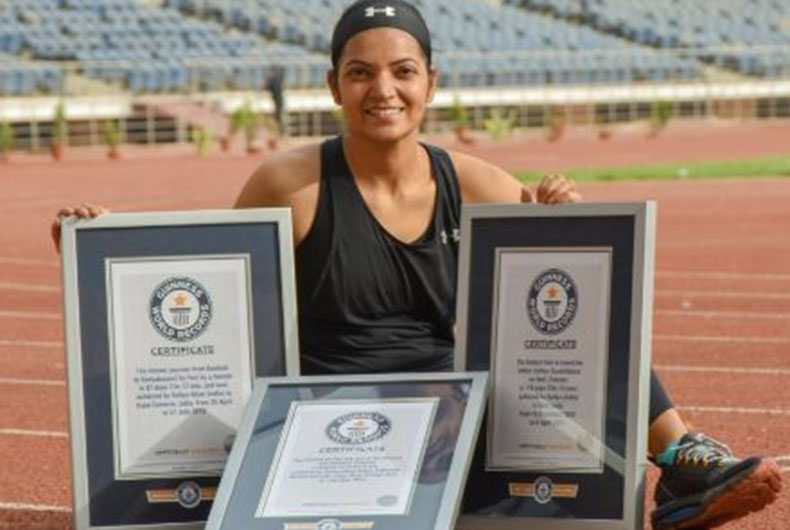
Indian Ultrarunner Sufiya Sufi ‘Runner’ is no stranger to challenges. After entering the Guinness Book of World Records for the third time earlier this year, Sufiya is now set for her next challenge — a run from Siachen Base to Kargil War Memorial.
Calling it ‘The Tribute Run’, she is dedicating this challenge to the Bravehearts of the Indian Army who have made unmatched sacrifices for our country. The 7-day-long expedition will begin at Siachen War Memorial on July 17 and conclude at Kargil War Memorial, on July 23, ahead of the 23rd Kargil Vijay Diwas.
During the 470 km long expedition, Sufiya will navigate through difficult terrain and hostile conditions. The run will begin at an altitude of 3400m, reaching up to 5359m at Khardung La with oxygen levels dropping 40 to 60 percent and temperature dipping much below zero degrees.
Commenting on her upcoming run, the Under Armour athlete said, “Ever since I have taken up the discipline, I have worked continuously towards pushing my limits and encouraging more people to take up running.
“My upcoming run is special and close to my heart and through this run, I want to pay tribute to the deeds of our soldiers and their selfless service to our nation.”
“As I prepare for this run, I have a great team, be it my coaches or Under Armour, who have supported and motivated me to take up every challenge including this expedition. I have put in the work training continuously for the past 6 months.”
In 2018, Sufiya took up running to break away from her aviation job, to relax and de-stress. Since then, she has entered the Guinness Book of records three times and has set several benchmarks for ultrarunning in India.
She holds the records for covering the Manali-Leh stretch on foot in the year 2022, the fastest time by a female to complete the Golden Quadrilateral in 2021, and the fastest woman to traverse from Kashmir to Kanyakumari in 2019. Sufiya has been an Under Armour Athlete since her first big achievement in 2020.
source: http://www.ummid.com / Ummid.com / Home> Life & Style / by IANS / June 28th, 2022
The photo-book ‘Har Shaam Shaheen Bagh’, comprising visual stories of resilience and resistance, isolates individuals from the image of the mass movement as was seen on prime-time news and press photographs.
Portraits from Har Shaam Shaheen Bagh (Credit: Prarthna Singh)
Who is the perfect protester? We imagine raised fists, hurt faces, angry stances. We imagine climbing barricades, braving tear gas. If we go by this visual vocabulary, Har Shaam Shaheen Bagh (Every Evening Belongs to Shaheen Bagh) takes us by surprise. With over 150 portraits of non-violent protesters, the photo-book gently challenges the imagery of contemporary resistance movements.
Har Shaam Shaheen Bagh is Mumbai-based photographer Prarthna Singh’s first solo photo-book (she had earlier teamed up with the authors of Sar: The Essence of Indian Design in 2016). In December 2019, after the Delhi police reportedly assaulted students of Jamia Millia Islamia University who were challenging the Citizenship Amendment Act (CAA), a sit-in protest led by Muslim women started in Shaheen Bagh. Under a tent, with hundreds of women and children on any given day, the peaceful protest lasted for 100 days, until the pandemic struck.
Har Shaam Shaheen Bagh; By Prarthna Singh; 143 pages; Rs 3,300
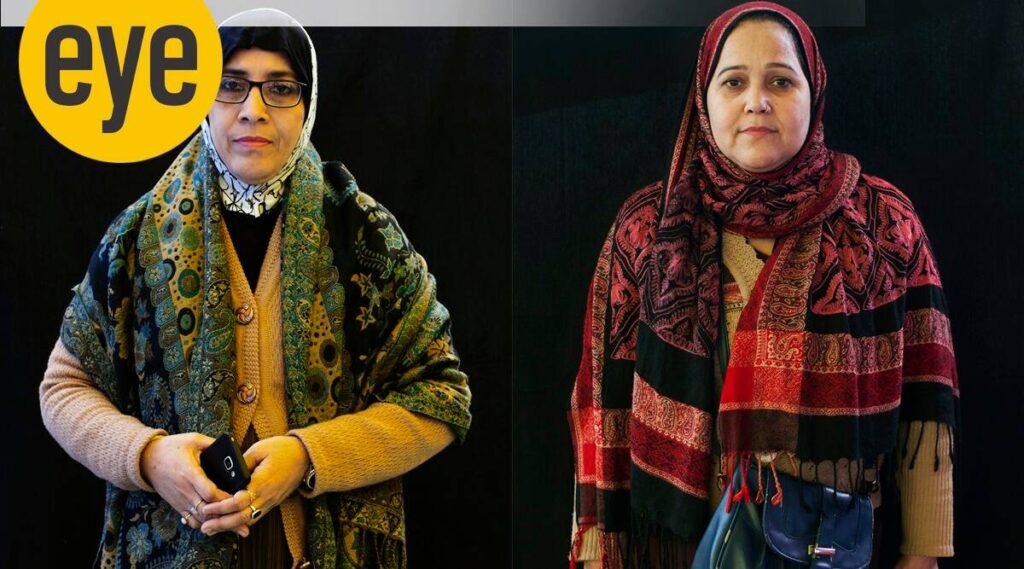
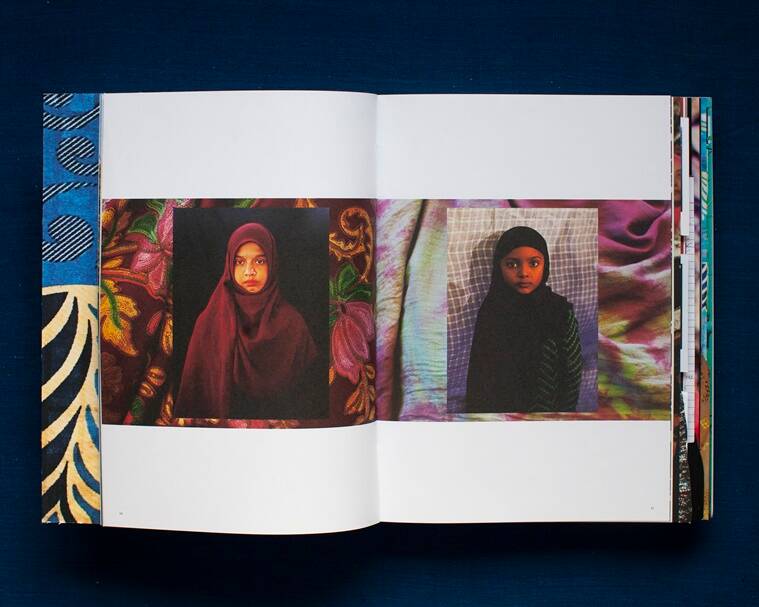
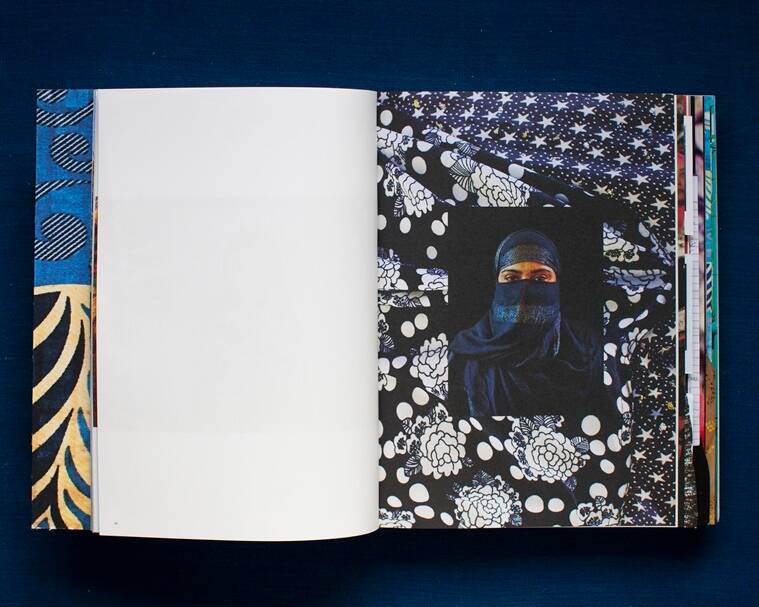
Singh joined the anti-CAA protest in January 2020, spending most of her time on ground. Known for her women-centric narratives and portraiture work, she taps into her speciality to create portraits in an on-site photo studio, cobbled together with whatever was available at Shaheen Bagh. The result is these portraits of women, either looking directly at the camera or away, but always with a sense of pride. Poised and calm, the unnamed sitters indicate trust in the space, the purpose and the photographer.
Har Shaam Shaheen Bagh is Mumbai-based photographer Prarthna Singh’s first solo photo-book (she had earlier teamed up with the authors of Sar: The Essence of Indian Design in 2016).
Our collective memory of Shaheen Bagh, as is often the case with resistance movements, is of the masses, as seen on prime-time news and press photographs. Indeed, mass resistance movements give rise to the most recognisable images in the documented history of the world. Vulnerability and resilience coalesce into one defining moment — people standing up to power and confrontation, whether it’s one man blocking a row of tanks or a girl offering a flower to an armed soldier. Har Shaam Shaheen Bagh trades the monumental for the intimate, asking us to reconsider what we mean by “iconic”. It isolates individuals from the sea of faces, almost as if to say that a movement’s power lies not in numbers but in the will of its people.
Har Shaam Shaheen Bagh takes the form of a personal diary or a scrapbook.
Har Shaam Shaheen Bagh takes the form of a personal diary or a scrapbook. It contains drawings, a painting by artist Sameer Kulavoor, whose company Bombay Duck Designs has also designed the book, verse and a letter from one of the protesters, available in Urdu, English and Hindi. Some pages are deliberately uneven, recalling the makeshift quality of the Shaheen Bagh tent. While the book’s cost makes it inaccessible to some socioeconomic groups, Singh has shared copies with the protesters. A portion of the book sales goes towards Jeevan Stambh, an NGO working on the rehabilitation of the victims of the Jahangirpuri demolition last month.
During the pandemic, the Delhi police cleared the Shaheen Bagh site, painting over its graffiti and dismantling its art installations. In a country that is determined to erase and rewrite its history, one could say that a photo-book on a citizen protest is as good as an act of protest itself.
source: http://www.indianexpress.com / The Indian Express / Home> Books & Literature / by Benita Fernando / New Delhi – May 21st, 2022
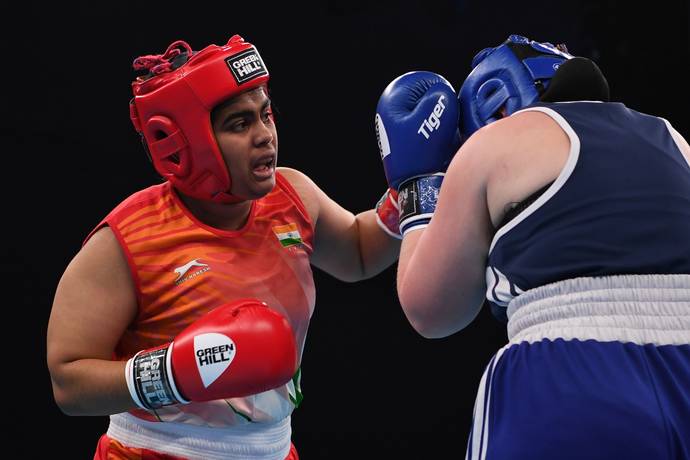
India’s Alfiya Pathan and Gitika produced sensational performances to win gold medals in the Elorda Cup in Kazakhstan on Monday.
Alfiya in action. (File Photo) – SPECIAL ARRANGEMENT
India’s Alfiya Pathan and Gitika produced sensational performances to win gold medals in the Elorda Cup in Kazakhstan on Monday.
On the other hand, Gitika, who hails from Rohtak, handed the country first gold by winning an intense all-Indian final against Kalaivani wherein both the boxers started off with an aggressive intent and kept attacking each other. While they continued to exchange heavy punches, Gitika effortlessly shifted the gears as the bout progressed and did enough in the end to tilt the result in her favour.
“It was a great feeling to win a gold medal in the first senior international tournament. This is a start; I want to win more medals at the senior level in international competitions,” Gitika said after her win.
Meanwhile, the 2019 World Championships bronze medallist Jamuna gave her all against Uzbekistan’s Nigina Uktamova but ended up with a 0-5 loss in the 54kg final.
Alfiya and Gitika fetched themselves a prize money of USD 700 for their gold medal-winning feats while silver and bronze medal winners were awarded with USD 400 and USD 200 each respectively.
With the addition of two gold and as many silver medals on the final day, the Indian contingent also concluded their campaign with 14 medals, including 10 bronze, in the inaugural edition of the tournament.
Indian women boxers secured two gold, two silver and six bronze medals in the tournament which witnessed top players in action from strong boxing countries such as India, Uzbekistan, hosts Kazakhstan, Cuba, China and Mongolia.
Jyoti Gulia (52kg), Sakshi (54kg), Sonia Lather (57kg), Neema (63kg), Lalita (70kg) and Babita Bisht (81kg) were the six bronze medallists in the women’s category.
Among men, Kuldeep Kumar (48kg), Ananta Chopade (54kg), Sachin (57kg) and Jugnoo (92kg) claimed bronze medals.
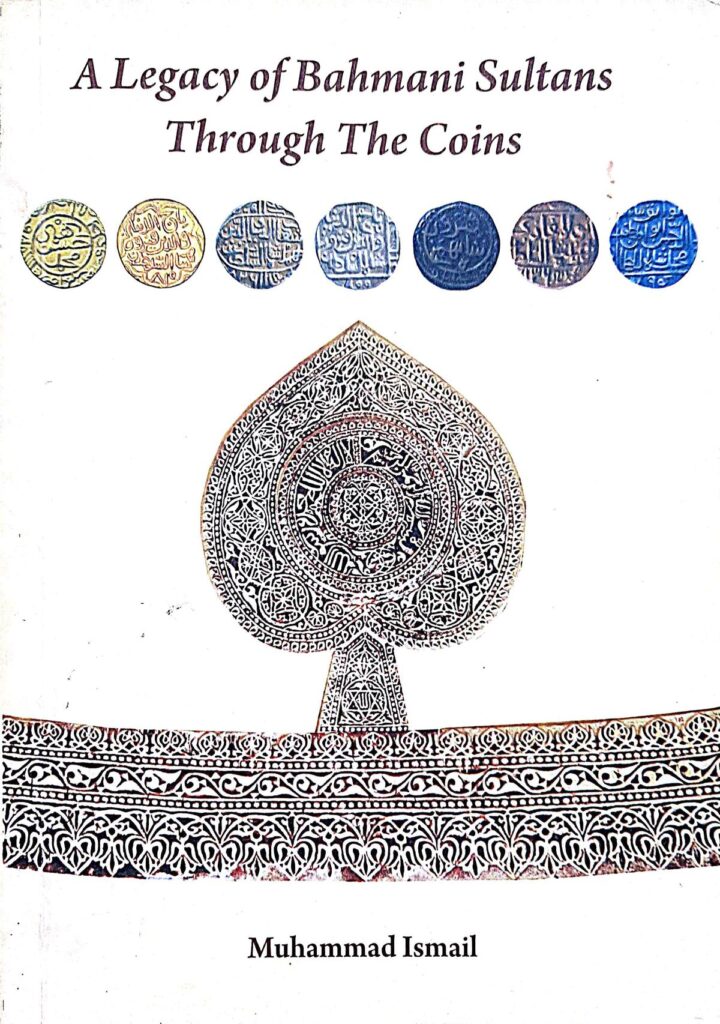
Cover page of the book ‘A Legacy of Bahmani Sultans through Coins’ published by the Gulbarga Bahmani Numismatics Research and Educational Trust. | Photo Credit: ARUN KULKARNI
Mohammad Ismail has got a rare treasure of coins dating back to Bahmani Sultans from 14th to 16th Century
The Gulbarga Bahmani Numismatics Research and Educational Trust recently published a book titled ‘A Legacy of Bahmani Sultans through coins’ authored by Numismatist Mohammad Ismail in which he depicts the numismatic journey of Bahmani Sultans through his collections.
The book traces the journey of coins belonging to all the 18 Bahmani Sultans starting from Alauddin Hasan Bahman Shah (1347-58), till the last Sultan – Kalimullah Shah (1526-1538). Mr. Ismail has meticulously worked, richly illustrated, about each coin issued during Bahmani Sultans period.
Mr. Ismail has got a rare treasure of antique coinage, belonging to Bahmani Sultans from 14th Century to 16th Century. The numismatist has more than 2,500 coins in his collection of various rulers, dynasties and kingdoms. Among his treasury are also coins dating back to 1,600 years ago.
The numismatist also organises a campaign “Save Coin Save Heritage.” The objective of this campaign is to spread awareness about ancient coins at schools and to take forward the legacy to younger generations.
Speaking to The Hindu, the numismatist explained the legacy of Bahmani Sultans and displayed a collection of nearly 80 copper coins issued in one year period between 1378-1379, and said that all the four Sultans including Dawood Shah-I, Muhammad Shah-II, Ghiyasuddin Tahmathan Shah, Shamshuddin Dawood Shah–II (4th, 5th, 6th and 7th sultans, respectively), have ruled for less than a year. His collection has got nearly 500 coins issued during Tajuddin Firoz Shah (8th Bahmani sultan), followed by 400 coins of Muhammad Shah-I (the second Bahmani sultan), and 300 coins of Kalimullah Shah (18th Bahmani sultan) Period.
According to Mr. Ismail, the study of coins gives insights into history as no other source does. The enthusiast numismatist tries to enhance his collection by getting in touch with collectors across India. His collection includes coins of various shapes, sizes and weights issued during different reigns made up of gold, silver, bronze and copper, some very rare.
When asked about the estimated value of coins in his collection, Mr. Ismail said that the value of each coin varied depending on its age, rarity and material. “But for me, as a numismatist, it is the coin’s age and rarity which matters more than its price,” he said.
Some of the rarest coins in his collections are of Tahmatun Shah, Dawood Shah, Ahmed Shah III, Muhammad Shah IV and Mujahidin Shah. Mr. Ismail’s rare collection includes 10 copper and one gold and silver coin minted during the Tahmatan Shah period. It took him eight years to find those coins. His collection also includes the rare gold and silver coins of Ahmed Shah II and Mujahidin Shah.
He also has coin collections belonging to Chalukyas, Kakatyas, Rashtrakutas, and the Vijayanagara Kingdom. Mr. Ismail wants to bring out a catalogue of these collections too.
source: http://www.thehindu.com / The Hindu / Home> News> National> Karnataka / by Praveen B Para / Kalaburagi – July 03rd, 2022
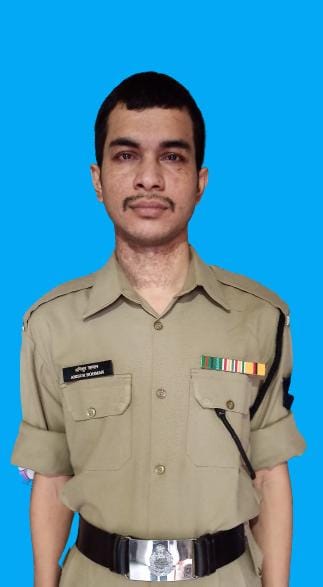
Constable Anisur Rehman of 41 Bn of FTR HQ BSF Guwahati received Police Medal for Gallantry on the occasion of #75thIndependenceDay for showing utmost bravery at Indo- BD International border for saving the life of Ambush cum patrolling party.
Otta Chora (Same Blood) by Shuhaib Alanallur, a student of Madin Academy in Malappuram, is being quoted by speakers in their programmes all across Malabar.
Kozhikode :
A poem that celebrates the warmth of the relationship between Hindu and Muslim families, penned by an upcoming writer, has become an instant hit after it was published in a magazine recently. Otta Chora (Same Blood) by Shuhaib Alanallur, a student of Madin Academy in Malappuram, is being quoted by speakers in their programmes all across Malabar.
In the poem, a Hindu woman, Narayani, finds solace in Nabeesu’s Islamic prayers while enduring the labour pain, and the ‘Mollakka’ (Muslim cleric) recites a verse from Quran to help her husband Velu quit drinking. Finally, Velu refuses to take his usual quota of toddy because the ‘Mollakka’ had donated his blood when he got injured after falling in a gutter. “I will not pollute Mollakka’s blood that runs in my blood by mixing it with toddy,” declares Velu at the end of the poem.
“Such relationships were quite common in our country-sides few decades ago. We are celebrating the bonding because it is fast fading away from our midst,” said the poet.
“The poem was written during the ‘Sahithyolsavam’ conducted by the Sunni Students Federation last year,” he said. It was the patronage given by Syed Ibrahimul Khaeel Al Bukhari Thangal, chairman of the Madin Academy, that shaped the writer in Shuhaib.
“Muslim Youth League leader Shibu Meeran quoted my poem in an impassioned speech that made it a discussion point on the social media,” Shihaib said. It was the fond memories that he spent with his Hindu friends in Alanallur near Mannarkkad that inspired Shuhaib to write the poem.
“There are people who argue that such relationships are normal in our midst and they need not be highlighted. But I believe that such voices should be amplified at a time when dark forces are lurking in our society,” said Basheer Faizy Deshamangalam, Islamic scholar and the leader of Samastha Kerala Sunni Students Federation.
“Narayani didn’t refuse to take the Islamic blessing saying that it is from another faith nor did Velu say no to verses from Quran. Such innocent virtues should be underlined when there are deliberate attempts to divide us,” he said.
source: http://www.newindianexpress.com / The New Indian Express / Home> Good News / by MP Prashantah, Express News Service / June 07th, 2022
The memorial has now become a pilgrimage point for locals
Half a century back, a Kali temple was built by the Border Security Force (BSF) as a war memorial at the request of two soldiers — a Christian and a Bengali Muslim — at the Border Outpost (BOP) in Srinagar, Tripura, which has now become a pilgrimage point for locals.
Major P. K. Ghosh, who was then commanding four border outposts (BOP) of BSF at Srinagar, Amlighat, Samarendraganj and Nalua in the southern part of Tripura bordering Chittagong division, in erstwhile east Pakistan, has chronicled the story in ‘Borderman’, the BSF journal.
When contacted, Major Ghosh said the Srinagar BOP was located in a very important strategic position and after the revolt by the East Bengal Regiment in 1971 against Pakistan, BSF aided the rebels in forming the first Muktibahini (Liberation army) in Srinagar.
“The MMG post at Srinagar BOP was playing a crucial role in thwarting the Pakistani army. It was the forward observation post near the Chittagong-Noakhali area. Exchange of fire was nothing new in that area, but it intensified when the liberation war started picking up”, Major Ghosh told PTI telephonically.
He said since the MMG post was causing major damage to the Pakistani side, it became a precision target for the enemy.
“A precision target receives continuous firing of shells over a period of an hour or so, it is likely to get damaged. On that day, they fired 100 shells in ten minutes”, Major Ghosh recalled.
“There were three members of the detachment at the post including a Nepali Christian, Constable Rehaman (a Bengali Muslim) and Constable Banabihari Chakraborty. The situation at the spot was terrible, and I asked them not to step out of the bunker,” he said.
As the situation became worse, Constable Chakraborty asked the others to pray to goddess Kali. “They did that without even considering their religious beliefs. The post was saved due to its position near a pond and marshy land and heavy rain a night ago. A bamboo tree also prevented the shells from torching the bunker and they ended up as air bursts”, Major Ghosh said.
When the BSF decided to build a war memorial at the spot, the Christian and the Muslim soldiers requested that a Kali temple be built instead.
“Building a Kali temple for a war memorial is very unconventional. But BSF did that to honour the request of the soldiers,” Major Ghosh said.
The funds were collected from locals and the Bangladeshis also joined in constructing the Kali temple in 1972.
“We named it Rann Kali (War Kali) temple to honour their faith. At a time of religious intolerances, such examples stand as a beacon of hope”, he said.
source: http://www.thehindu.com / The Hindu / Home> News> National> Other States / by PTI / Srinagar (Tripura) / July 03rd, 2022