Category Archives: Amazing Feats

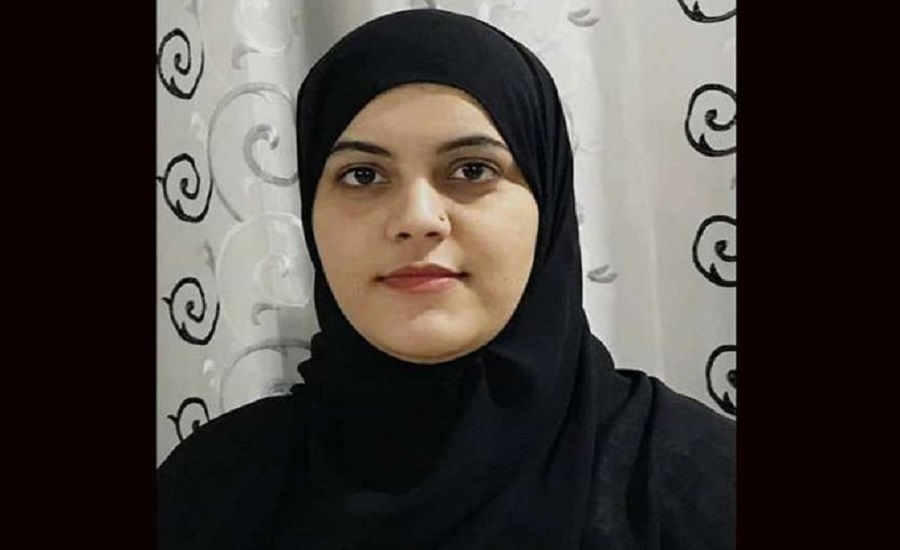
Many shudder at my sight. But I don’t care: acid attack survivor Reshma Qureshi

Allahabad, UTTAR PRADESH / Mumbai, MAHARASHTRA  :

Qureshi talks of the attack that changed her life, her journey through depression and her book, Being Reshma
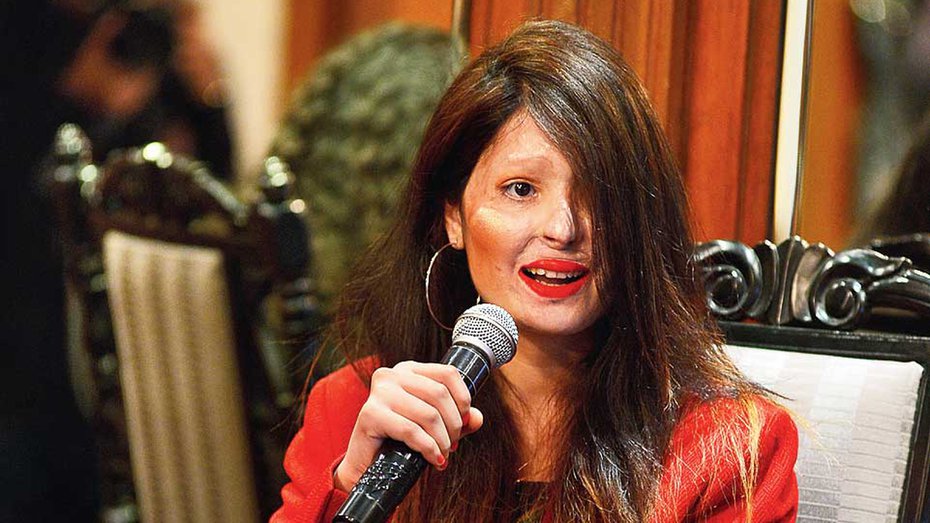
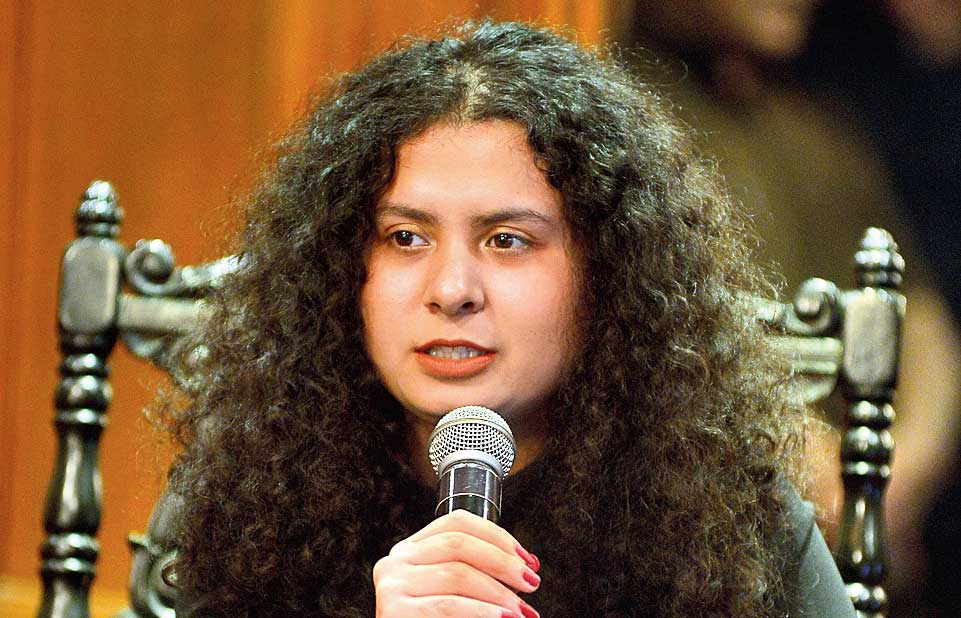
Reshma Qureshi / Image: Arnab Mondal
Reshma Qureshi /
Image: Arnab Mondal

She is a vlogger, has walked the ramp and is an youth icon. She is also an acid attack survivor. Reshma Qureshi talks of the attack that changed her life, her journey from depression and her book, Being Reshma (Pan Macmillian, Rs 599), at an event, An Author’s Afternoon, at the Alipore star hotel. She shared the dais with co-author Tania Singh, the CEO of NGO Make Love Not Scars, who traced the making of the book. They were in conversation with designer Agnimitra Paul.
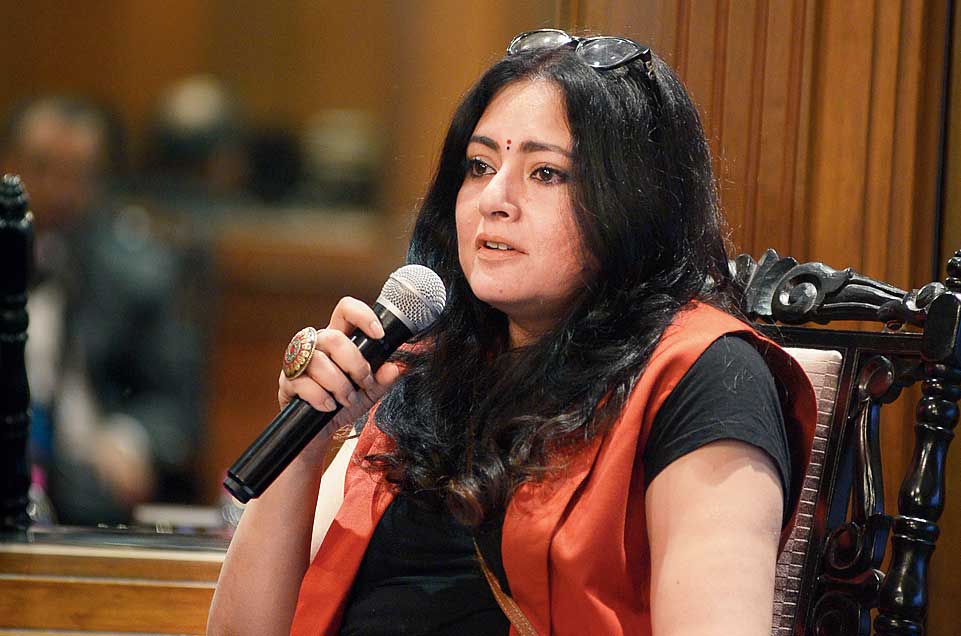
Agnimitra Paul / Picture: Arnab Mondal
Agnimitra Paul /
Picture: Arnab Mondal

CHILDHOOD DAYS

Reshma: I was the youngest in the family and my father’s favourite. I used to be very naughty as a child. If I wanted something, I would get it somehow. I was also full of mischief. I would sell stuff from the house to buy treats that I fancied. Once I sold a gold ornament to buy apples. That was the time my mother had beat me up. I lived with my parents, two brothers and two sisters in Allahabad. My father was a taxi driver, but he had to sell his taxis when my mother was diagnosed with cancer.

WHY A BOOK ON RESHMA

Tania: We run a rehabilitation centre for acid attack survivors in Delhi. So many people confess they don’t have the courage to interact with a survivor. They wonder how I can work with them day in and day out. Such reaction has always left me shell-shocked. The minute you make a statement like this, you have made an attacker successful in his mission and you make survivors believe that they don’t belong to mainstream society. Many survivors, despite the trauma they go through, have retained their sense of humour. They have a love for life. They love dressing up and going out. Some of them will enjoy an occasional glass of wine. They are normal people.

Reshma is so inspiring. For a 17-year-old girl who was attacked with acid, she overcame depression in a year and a half. She went on to create videos that garnered millions of views, she gives beauty tutorials, walks the ramp and is always the first one to jump at every opportunity. She loves the colour pink and designs her own clothes, including the red jacket she is wearing today. I wanted the book to show people that you are not an accumulation of your circumstances. You are a human being first. I hope this book will help readers connect with survivors. When I am having a tough day I talk to these survivors and realise that nothing in the world is that bad. And that’s what I hope this book will give readers — courage.
Tania Singh / Image: Arnab Mondal
Tania Singh /
Image: Arnab Mondal

THE ATTACK AND TRAUMA

Reshma: I was attacked in Allahabad on May 19, 2014. My sister Gulshan’s husband was the perpetrator. My sister had a bad marriage. Her husband would physically abuse her and would not give her food. When my father was told of the situation, he brought Gulshan home. She had two kids. We admitted the boy to a school but his father kidnapped him from school. After that incident we slapped a case on my brother-in-law. One day he accosted Gulshan and me near the station. He caught me by the hair and two others pinned down my hands and threw acid on my face from a glass bottle. That minute I did not even understand what was thrown at me. Initially I thought maybe it was hot water. I heard my sister shouting. As she tried to catch the perpetrators her hands were also burnt. The culprits managed to run away. My face and eyes were burning, I could not see anything and we kept screaming but nobody came to help. I still have nightmares of the scene. Only one guy came to our rescue and dropped me home in his motorcycle, burning his back in the process. The minute my mother saw me she became unconscious. My whole face was burnt!

COLLABORATION AND CAMARADERIE

Tania: When I broached the idea of a book to Reshma, she was excited. At first I asked her about childhood memories and how she was attacked. I knew the story since her joining Make Love Not Scars. Reshma’s memory had a lot of lapses. People who go through trauma have certain vivid memories but they forget a few events in between because of depression. I had to fill up these gaps by talking to her family. I visited Reshma’s house in Mumbai. Her family made me biryani and were happy to have me over. I stayed there for a while and interviewed her mom, sister and brother. They filled me in on details of what happened while she was in the hospital and what it takes for a family to help a survivor recover. So while Reshma’s story is written from her perspective, it has anecdotes of what went on when she was not around. In Mumbai, I also bonded with Reshma, the person. I would stay in my friend’s place and Reshma would join me there for some fun time.

THE BATTLE

Reshma: Post-surgery, I was sent home after 15 days. I had not seen my face after the attack. I was taken to my aunt’s house since my home did not have an air-conditioner. When I finally saw my face on the washroom mirror, I was shocked. Scared I came out of the washroom and decided to go home. I did not feel like staying with my aunt. I kept howling even after I reached home. I could not accept my face. I was angry and upset at the same time. I hurled a glass at my brother in frustration. My brother told me to fight for my rights. He said it was my duty to put the perpetrators behind bars. He helped me get back the confidence. I met Ria Sharma, the founder of Make Love not Scars a few days later. Till then I had no clue how common acid attacks were. Ria showed me pictures of other survivors. I realised so many girls were living with greater scars. I got the strength to fight and start living.

REALITY CHECK

Tania: There is no data to tell the exact number of acid survivors in India. Datas are always contradictory. In 2017 the UK reported more acid attacks than India. I refuse to believe the UK has more victims than India. The rate of crime reported in that country must be higher. It is a reflection on the willingness of authorities to take down the victim’s complaint and of the society’s willingness to actually report the crime.

In India, the police and local authorities are often unwilling to take down the complaint. Sometimes survivors don’t go to cops as they are attacked by their own family members. There is a case in UP where a woman and her daughter were attacked by the husband and are still living with him. Again, in some cases, the victims might pass away before they have a chance to report the crime. So whatever the reported number is, the reality is always 15 to 20 times bigger.

Now the minimum sentence for an attacker is 10 years and a survivor is supposed to get compensation. After campaigns on social media more people are feeling confident to report the crime. Acid is a weapon and we have to recognise that. In America there are gun shootings. In India guns are not easily available, knives are messy so acid is the easiest weapon. It’s like throwing water on someone’s face. It leaves no trace. Attackers cover their bike’s number plate, wear helmets and drive off. It is the easiest crime to commit and the most brutal and long-lasting.

In 2015 we did a campaign with Reshma seeking ban on the sale of acid. There was a petition to the Supreme Court demanding implementation of the ban. We garnered over 350,000 signatures and SC upheld the petition. The law states you cannot sell acid to anyone without ID proof and specific purpose of purchase. But just like any law in India, implementation is the problem.

TURNING POINT IN LIFE 

Reshma: I met an acid attack survivor in the hospital in Mumbai. Both her eyes and nose were damaged. Seeing her I realised I am better off. The girl did not even have family support, unlike me. That incident got me thinking. I got strength from my family too. When I had recovered, my cousins would take me out for movies. Slowly my confidence grew. But people continued to stare and react insensitively. I would cover my face but people kept saying how my life was spoilt. Nobody appreciated my efforts to start living. Initially I was not even keen on applying make-up. I thought what was the point when you have scarred your face. But then I decided to give people a damn. There are many who look at me and shudder even now. But I don’t care. I keep telling other victims, too, to apply make up. Everybody deserves it. I have learnt to live for myself. Hopefully my efforts are giving strength to others.

ON NEW YORK FASHION WEEK 

Reshma: I had won an award for my beauty tips and campaigns. Ria (Sharma) told me at the award show that a greater surprise is awaiting me. I was told that I will participate at the New York Fashion Week and walk the ramp with other models. I was so thrilled that I cried for an hour. This was my first trip abroad. Ria was with me in New York. There was so many media. I was very scared before my ramp walk, but Ria gave me support. She told me the world was looking at me so I better be good. I did my job well and was praised. Since then I have travelled to many places.

BUCKET LIST

Reshma: I dream of a movie on my life where I am the heroine. I am the best fit for Reshma’s role.

The event, An Author’s Afternoon, is presented by Shree Cement and Taj Bengal and held in association with t2, Prabha Khaitan Foundation and literary agency Siyahi

source: http://www.telegraphindia.com / The Telegraph, Online edition / Home> Books  by Chandreyee Ghose / January 16th, 2019

Kerala NRI in London converts Old Scotland Yard police HQ into 5-star hotel

KERALA / U.A.E. :

At the helm of this 300 million pounds (over Rs 28,06,09,18,200 roughly) investment is the Kerala born NRI businessman MA Yusuff Ali.

Kerala NRI in London converts Old Scotland Yard police HQ into 5-star hotel

A night stay at the hotel will cost you over Rs 40,000 and lunch over Rs 10,000 | Photo from Twenty14 Holdings website

Once upon a time in London, United Kingdom the address people would have wanted to avoid might be now the place they might aspire to be in – The Great Scotland Yard Hotel.

Better known as the Old Scotland Yard that served as police headquarters, now is a plush 5-start hotel.

At the helm of this 300 million pounds (over Rs 28,06,09,18,200 roughly) investment is the Kerela born NRI businessman, MA Yusuff Ali of Lulu Group’s hospitality arm, Twenty14 Holdings.

Calling it a “dream come true” to transform world’s most historic addresses, Adeeb Ahamed, the managing director of Twenty14 Holdings said, “This building holds more tales than ever told and our approach has been multi-layered, with emphasis on stories that are unheard, the hotel is a tribute to the intrinsic spirit of London.”

Opened to public from the December 5, it was inaugurated by Nicky Morgan, UK secretary of state for digital, culture, media and sport.

Speaking about the “exceptional transformation” that the building has undergone Sir Edward Lister, special advisor to the Prime Minister, said, “It is a place which is right at the heart of the city and the government and the West End of London. It’s just a perfect location for a tourist.”

Event was also attended by the High Commission of India, her excellency Ruchi Ghanshyam amongst other Lords and dignitaries.

It might cost upward of 430 pounds (Rs 40,000 roughly) to stay for a night and 100 pounds (Rs 10,000 roughly) to lunch at the The Great Scotland Yard Hotel that has Trafalgar Square, Whitehall and the West End just round the corner.

Current building at 3-5 Great Scotland Yard has grand five storey Imperial Red brick and stone facade with arched main entrance | Photo from Twenty14 Holdings website

From staff wearing brass hand cuff in their belts to retaining some of the writings on the walls, this dog-friendly hotel endeavours to give its guests an eclectic experience of past and the present.

Shafeena Yousuff Ali, the daughter of Yusuf Ali, the woman behind the art and decor of the hotel said that they have tried to give their guests “a transformational experience that will inspire their souls”.

The operations of the hotel have been handed over to The Unbound Collection by Hyatt.

source: http://www.indiatoday.in / India Today / Home> News> World / by Loveena Tandon / December 06th, 2019

Meet Md. Shujatullah who completed 1000 days of serving free breakfast to 1000 people

Hyderabad, TELANGANA :

MdShujatullah01MPOs07dec2019

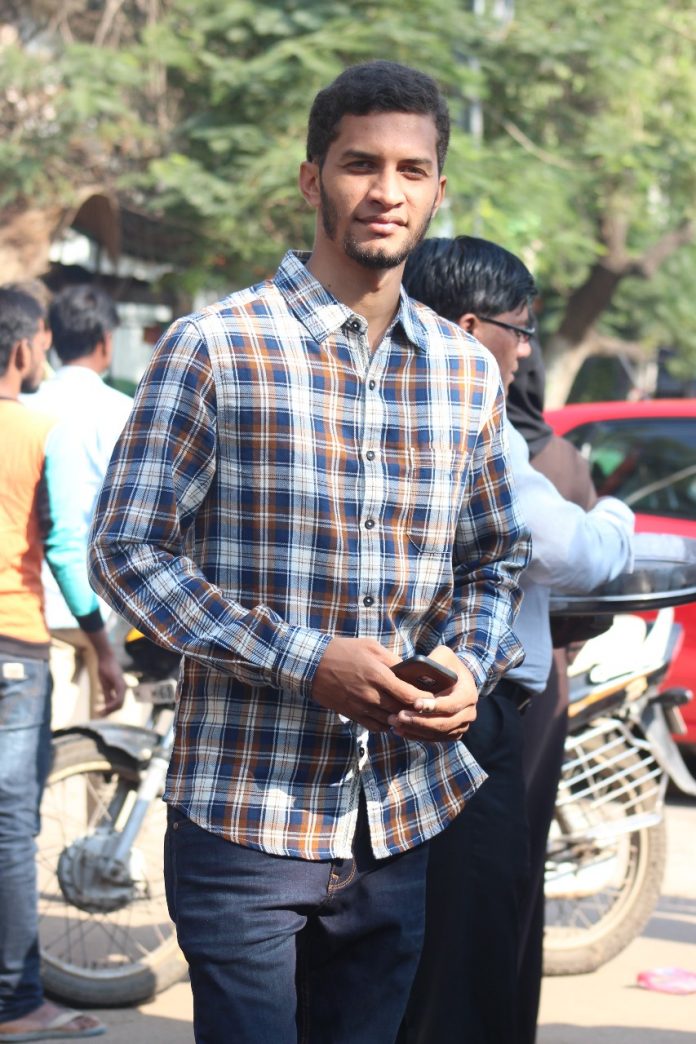
Mohammed Shujatullah, a student of Pharm D from Sultan Ul Uloom College of Pharmacy, Hyderabad began serving free breakfast to the needy three years ago and is continuing to do so till date without a break of a single day.

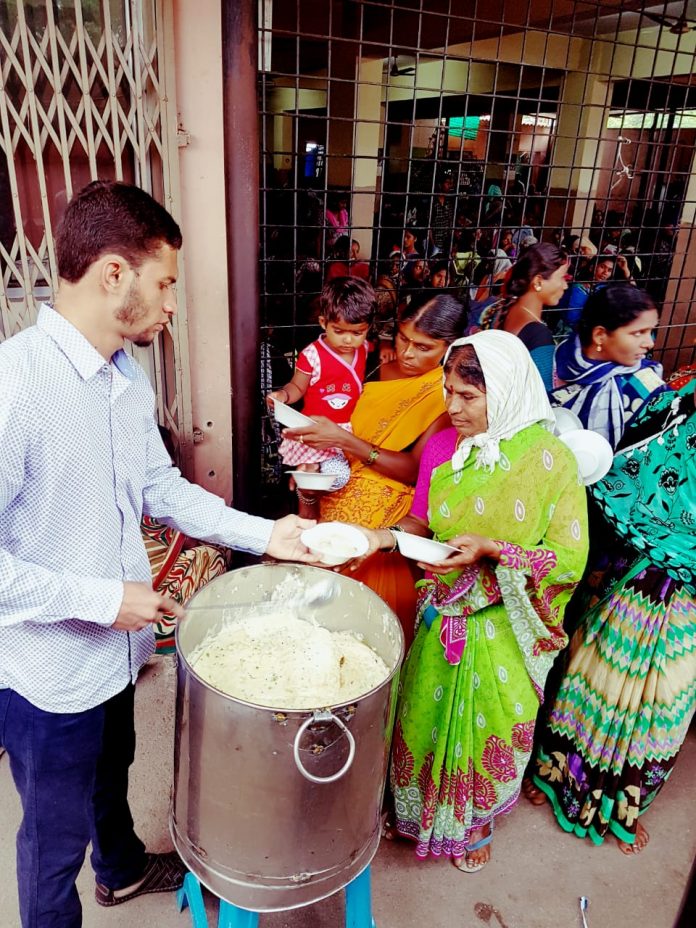
Every morning he goes to three Government hospitals in Hyderabad – Nilofer Hospital, Government Maternity Hospital, Koti and Nizam Institute of medical sciences (NIMS) with hot Upma cooked in pure ghee and chutney to serve breakfast to the patients and their attendants. He finishes serving breakfast by 9.15-9.30 am in all the three hospitals feeding nearly a 1000 people.

MdShujatullah02MPOs07dec2019

How it began

Shujat spoke to TwoCircles.net about how his philanthropic journey that started in 2014 by serving food packets to just 10 people and by 2016 went on to reach 1000, “ When I was in my final year of bachelor’s degree I had failed in one subject. And as I was awaiting my results I sent up a prayer that I will feed 10 hungry people if my backlog is cleared. It was the day the results were to be declared.”

And luckily he passed. And so the same night, he went to the street with 10 packets of food. He woke up an old man to give the food, but the man declined by saying he had his fill and told Shujat to give the food packet to someone else.

Shujat did not expect this from a homeless poor person. He says, “ the old man could have taken the food and kept it for the morning. But he was so honest. And that touched a chord in me”.

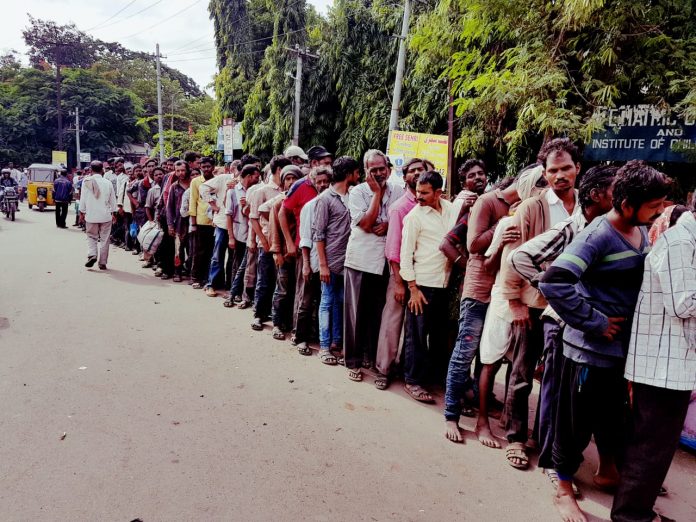
People waiting in queue for the breakfast

The 10 packets were not enough as there more people who wanted food. Shujat came the next night again with more food packets and this time again the old man who had fallen asleep huddled in a corner due to the chilly winter said the same thing.  Shujat asked the man to keep the food for the morning. And the man said, ‘God will feed me in the morning. For now, you give my share to someone else’.  Shujat was impressed not just with the honesty of the old man but his belief in Providence.

Shujat says, he got to thinking, ‘here is a homeless beggar, who does not even know if he will get the next meal, yet he has such a firm belief in the Almighty who is the provider of one and all.’ And after this, he began serving food packets on a daily basis to the persons on the streets.

Serving breakfast at Niloufer Hospital

One day he had a chance to go to a Government Hospital where he saw people from different districts and villages come to Hyderabad for treatment and they lived in the hospital for days together with their attendants. They find it difficult to buy food due to monetary problems. So the idea of serving breakfast struck him. Mid-day Meals are available at the Telangana food centre at Rs.5/- which they could afford.

Mobilising funds

Fortunately for Shujat, his father has 12 siblings and all of them with their children are in a good position. He capitalised on this and made quick calls to all of them and asked them all to donate their one day’s salary to him. He explained to them what he would do with the funds. And soon he had enough money to enable him to serve breakfast twice a week in one Government Hospital. And soon friends and other extended family started donating. “As they say, little drops make a mighty ocean, funds started to come steadily and soon I was able to serve breakfast on a daily basis,” he told TwoCircles.net.

The daily expense for Upma for approximately 1000 persons with 25 kilos of semolina comes to Rs. 5000/- including the auto charges and the cost of disposable cutlery. On why he chose Upma, Shujat says, “ Upma is easy to make and if I attempt any other item there will be  a difference in the planned budget.”

And when his service came to light through media, more people began to donate. And Shujat who was getting immense satisfaction from feeding the poor,  decided to start a foundation for charity and service. So in 2016, he registered ‘Humanity First Foundation’.

MdShujatullah05MPOs07dec2019

Humanity First Foundation

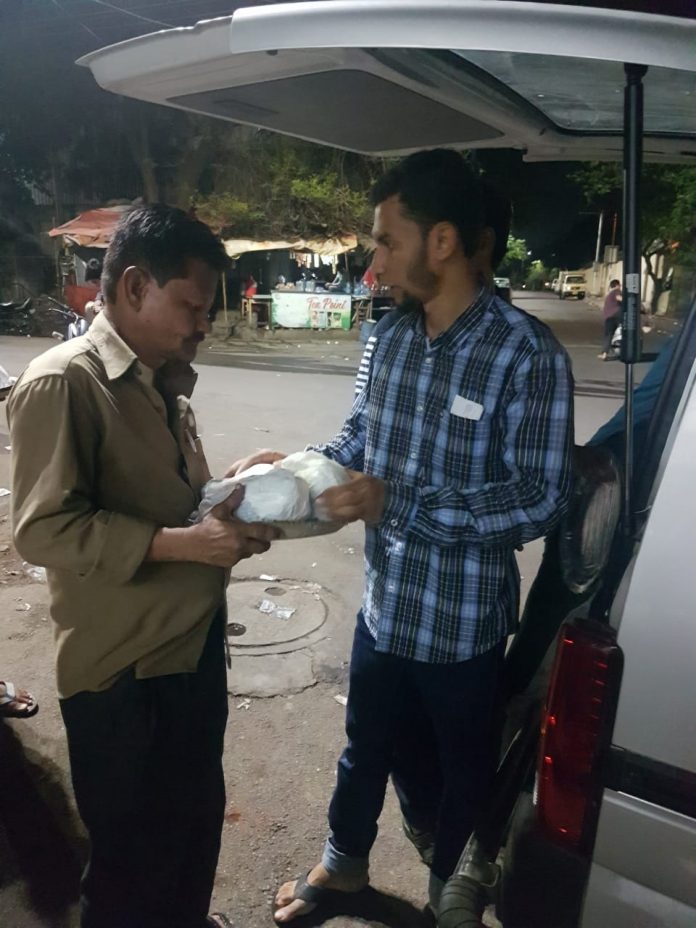
Through the foundation, Shujat reached out to potential donors through friends, social media platforms and also crowdfunding via the internet. His activities also expanded gradually and he now distributes blankets to people on the streets; free supper in the nights to beggars, donates books and other things in orphanages, helps very poor families with their monthly ration.

Once the foundation was registered his contacts also grew. Other like-minded NGOs contacted him to work in collaboration. So now Shujat has extended his services to an old age home on the suburbs of Hyderabad where he supplies medicines, adult diapers and groceries, supports a livelihood program for women by running a tailoring centre in a neighbouring town and providing them sewing machines and conducting free medical camps. He even identifies homeless old people who have no one to take care of them and admits them in old age homes.

Sehri in Ramzan

This year for the month of Ramzan Shujat has gone one step ahead and made arrangements to provide saheri/ suhur (pre-dawn meal) for those attendants who want to observe Roza. Till now he has provided saheri meals to around 8000 -10,000 people. He has put up a board with his contact number so whoever wants to fast have to just call him up and the saheri will be provided to them between 2 and 3 am. For Ramazan, he has 15 volunteers who distribute the food.  On other days his volunteers turn up for 2 days a week for the morning routine.

DIstributing sehri
DIstributing sehri

What the future holds for him and the Foundation

Shujatullah shared with TwoCircles.net, that he is able to do all this not just because of the good values instilled by his parents but also because of the support his friends, family and donors have been rendering.

And he is one busy person juggling his internship at Aster prime Hospital after serving breakfast in the hospitals which he finishes by 9.15. After coming home from the hospital, after a quick bite, he goes to overlook the functioning of the small Urdu medium school started by his grandfather.

His father is a retired government employee and mother a homemaker. Shujat has no intention of going abroad or even out of Hyderabad even though he got several offers. For him, his foundation comes first.

“ I hope my life partner will have the same passion as me so I can continue my work with the same zeal”, he says laughingly when asked about the future. “ I am going to continue to serve the poor as long as I can” he added. He finishes his  Pharma D (Doctor of Pharmacy) in about 2 months after which he intends to find work in Hyderabad itself.

Shujat and his team
Shujat and his team

Shujat has very few friends and does not indulge in any of the activities the youth of his age like watching movies, idle hanging out with friends and so on, which is why he has lots of time to follow his passion.

To know more about Shujat and his work and to help him, check out his website or mail him at humanityfirstfoundation2016@gmail.com call him at 9676054142

source: http://www.twocircles.net / TwoCircles.net / Home> Indian Muslim> Lead Story > TCN Positive / by Nikhat Fatima, TwoCircles.net / June 11th, 2019

Abdul Jabbar’s Struggle for Bhopal Gas Tragedy Victims Has Lessons for Us All

Bhopal, MADHYA PRADESH :

For 35 years, the activist dedicated his life to building a movement for justice. Unfortunately, Bhopal appears set to forget his contributions.

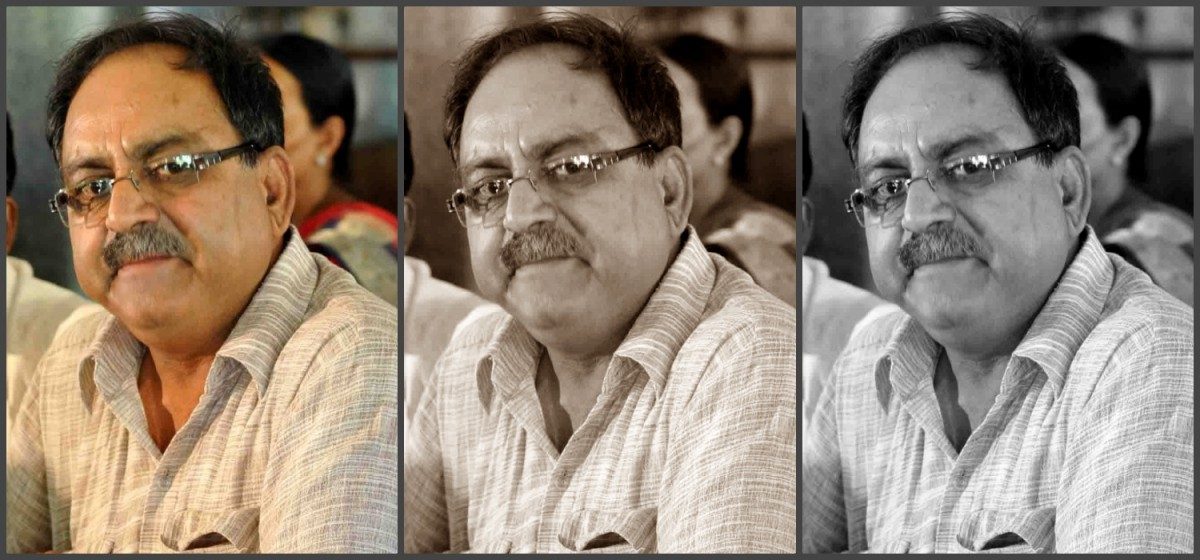
Abdul Jabbar. Photo: Facebook

India can learn a lot from Abdul Jabbar’s glorious struggle for justice for the dead and the survivors of the Bhopal gas tragedy.

At a violent time like this, when governments cannot tolerate even dissent on social media, the most indefatigable fighter for the victims can be a lodestar to all those who wish for an equitable society.

Jabbar Bhai, as he was fondly addressed, died of multiple ailments on November 12 in a Bhopal hospital, but his legacy endures. His evolution, through a 35-year-long struggle from a hand pump fitter to a tenacious strategist, is unparalleled in independent India’s history of people’s movements.

His strategy was essentially premised on eight pillars: secularism, empowerment of women, emphasis on self-employment through skill development, regular interactions with co-fighters, spreading education about mass struggles, frequent judicial recourse through public-spirited lawyers, street agitations, joining similar people’s movements and an uncompromisingly adversarial stance against the government, regardless of ideology. An overboard public relations exercise was anathema to him, though Jabbar would go all out to help journalists who sought his help.

His organisation, the Bhopal Gas Peedit Mahila Udyog Sangthan, metamorphosed from an assorted group of women to a well-organised fighting force. This was an extremely daunting task, which Jabbar Bhai himself was initially clueless about. But his undiminished righteous rage over the killing of innocent people in the world’s worst industrial disaster steeled his will to fight an epic battle through thick and thin.

How this came about is an inspiring story, which began the day the Union Carbide factory spewed 40 tons of poisonous MIC gas. On the night of December 2-3, 1984, Abdul Jabbar was asleep at his home in Rajendra Nagar when the deadly gas leaked.

The poisonous gas from the Union Carbide pesticide factory killed 8,000 people in its immediate aftermath, and nearly 25,000 over the next few decades. It also left over 1,50,000 people suffering with respiratory, hormonal and psychological illnesses.

When the strong smell emanating from the carbide plant made its way into Jabbar’s house, he took his mother, started his scooter and drove for almost 40 km to get her to a safe place. They left Bhopal for Abdullah Ganj. However, his escape proved futile. He soon lost his mother, father and an elder brother to the after-effects of this disaster. His own lungs and eyesight were substantially damaged. When he returned, an apocalypse was awaiting him on streets – dead bodies were strewn everywhere.

Then 28 years old, Jabbar was a changed man when he reached home. Keeping personal losses aside, he started taking the injured to the local government hospital for treatment. He also volunteered to take dead bodies for their post-mortem. The deeper he plunged himself into voluntary service, the more his anger surged.

He would later recall, “I started this campaign from my locality when I witnessed injustice around me. Politicians who were beneficiaries of carbide corruption were not coming forward to help us. So we the victims had to take matters in our own hands.”

Nearly three years later, in 1987, he started the Bhopal Gas Peedit Mahila Udyog Sangathan (Bhopal Gas Female Victims’ Association), an advocacy group for victims, survivors and their families. He led demonstrations seeking not merely allowances and compensation, particularly for widows who lost their husbands in the disaster, but also employment opportunities.

His first campaign slogan was the famous “Khairat nahi, rozgar chahiye (We don’t require charity, we want jobs)”. The slogan turned into a war cry as the organisation swelled.

Jabbar did not wait for the government to provide jobs to the women in his organisation. He succeeded in setting up tailoring centres where about 2,300 women learnt how to make zardozi strips and bags. He helped them fight lawyers, doctors, bureaucrats and the police. Soon enough, Jabbar’s organisation included nearly 30,000 survivors, predominantly women, in Bhopal.

The members began to gather every Tuesday and Saturday at Bhopal’s Yaadgaar-i-Shahjahani Park, a historic site where the battle against British colonial rulers was staged in 1942.

In 1988, Jabbar moved the Supreme Court urging it to order interim relief to the survivors until they get their final compensation. The next year, the Centre settled with the Union Carbide for $470 million or Rs 7,200 crore, and the Supreme Court endorsed the agreement. The gas victims were outraged at the meagre amount. They felt cheated. It took a decade-long legal and street battles by Jabbar’s organisation before the apex court ordered the government of the day to disburse a further Rs 1,503 crore and admitted that there were over 5,70,000 claimants to be compensated. Earlier, only one lakh claimants were recognised.

His relentless fight since his first victory in the Supreme Court is well documented. Nearly all judicial interventions and mass agitations that have resulted in the gas victims getting compensation, houses and hospitals and the perpetrators being prosecuted bear an indelible imprint of Jabbar’s fighting spirit. For more than three decades, he went around conducting protests and filing court petitions, seeking greater medical rehabilitation for victims and the prosecution of local Union Carbide officials.

In the past three months, a severely diabetic Jabbar, suffering multiple heart ailments, moved from one hospital to another.

He circulated a WhatsApp message days before his death, saying a super speciality hospital like the Bhopal Memorial Hospital (BMHRC) had failed to treat him because they did not have the facilities. He called it “shameful”. As his condition worsened, and gangrene set in, the Madhya Pradesh government prepared to airlift him and take him to Mumbai’s Asian Heart Institute for treatment, but he died before that.

He would often stress that the fight for justice was important not just for Bhopal but for all of India.

His noble worldview was reflected in the way he painstakingly educated women in his organisation, on a wide range of topics: conflicts in the Middle East, Adivasi and Dalit rights movements including the Narmada Bachao Andola, and so on.

Jabbar’s ideals, though, were not limited to the organisation.

During the saffron surge in the last several years, our conversations would be more about India’s social fabric being torn apart than the plight of gas victims. He would admit that his struggle had been losing steam, because people in Bhopal have become dangerously polarised along communal lines.

He would lament that even citizens who benefited from his agitations for compensation and hospitals have turned apathetic to the plight of others who are deprived.

“They appear to have convinced themselves that fight for justice is over now that victims have been distributed money. A majority of Bhopal’s Hindus betray an impression that since potential beneficiaries of my fight are largely Muslims, why should they bother too much about it all.” He sounded equally bitter about the Muslim community’s apparent unwillingness to change with the changing times.

Jabbar had complaints about the media too, which he thought shamelessly endorsed the majoritarian view. He would blame the public and media apathy for the system ignoring gas victims, particularly the poor.

His grouse was not without basis. In the 15 years of Bharatiya Janata Party rule in Madhya Pradesh, gas victims got a raw deal. At one time, a move was afoot to wind up the gas relief and rehabilitation department altogether. The hospitals run for gas victims do not have enough staff or equipment.

Ironically, Jabbar Bhai’s cynicism about the media, system and society as a whole was proven right during his illness and eventual death. He was virtually shunted out of the hospital that came up due to his PIL in the Supreme Court. Reduced to penury due to two months of treatment in hospitals, he was forced to do what he had never done all his life: seek government help. The help was promised, but came too late.

For someone who sacrificed his entire life for the dignified rehabilitation of half a million gas victims, Abdul Jabbar’s last journey was a grim reminder of the Bhopal’s ungratefulness to his long struggle.

Barely a few hundred people turned up for his funeral. Barring his journalist and activist friends and some politicians, the graveyard looked like a Muslim gathering. Worse, his woman comrades, who fought with him shoulder to shoulder all these years, were told to stay away from the last rites. The grieving fighters gathered at Abdul Jabbar’s ramshackle two-room house and stayed put.

The departed soul would not have been pleased with what happened at his home on that day.

Undivided Madhya Pradesh saw the birth of three memorable people’s movements – the Chhattisgarh Mukti Morcha of late Shankar Guha Niyogi, Narmada Bachao Andolan of Medha Patkar and the third led by Abdul Jabbar.

Jabbar’s was different in the sense that unlike the other two, the warrior of Bhopal had taken on the might of a giant multinational in an urban milieu.

Jabbar also had to contend with myriad complex socio-economic and political obstacles. Complex relations between Hindus and Muslims in the city was unique to Jabbar’s fight. Plus, his agitation had to deal with a substantial middle class, which had no qualms lapping up the fruits of Jabbar’s labour and then abandoning him when he needed their support for treatment for the poor.

Rakesh Dixit  is a Bhopal-based journalist.

source: http://www.thewire.in / The Wire / Home> Rights / by Rakesh Dixit / November 17th, 2019

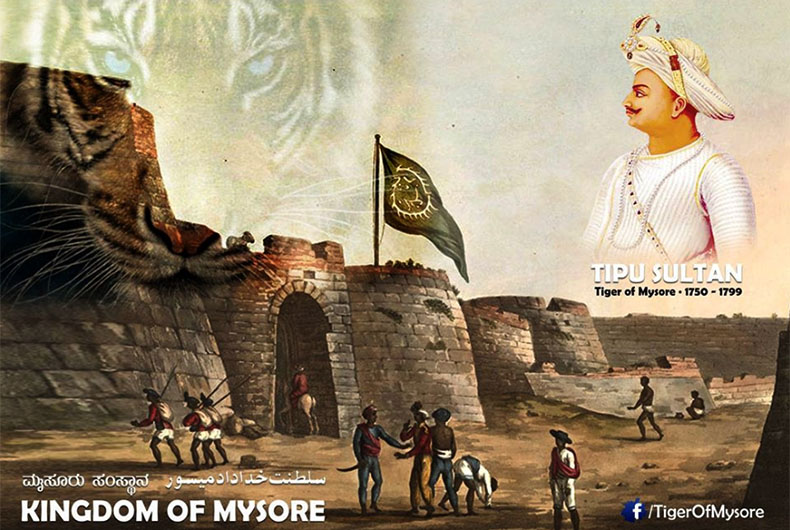
India ‘First to work for Make in India’: Tributes pour in for Tipu Sultan on birth anniv

Tipu Sultan was born on November 20, 1750 and died on May 4, 1799 fighting with the Colonial forces

TipuSultanMPOs30nov2019

New Delhi:

Twitter users on Wednesday paid rich tributes to Tipu Sultan on his birth anniversary, with many posting the quotes of the King of the erstwhile Kingdom of Mysore as also pictures of his prized possessions with hashtags #Tipusultan, #SherEHindTipuSultan, #TipuJayanti and #TigerOfMysore.

As many as 3,143 tweets were posted by Twitterati on Tipu Sultan.

Vanchit Bahujan Aghadi leader Prakash Ambedkar wrote: “Tipu Sultan, the king of Mysore, will always be known for his valour and his continuous resistance against the British rule”.

“A tribute to the first freedom fighter of India on his birth anniversary”, the grandson of Dr BR Ambedkar wrote.

Another Twitter user wrote: “Tipu Sultan was the only Indian ruler who understood the dangers the British posed to India, and fought four wars to oust them from India – in that sense he could be called the first freedom fighter in the subcontinent”.

One user posted a quote attributed to Tipu Sultan: “One day’s life of a lion is preferable to hundred years of a jackal”.

Many Twitter users also hailed his liking for advanced technology.

“Tipu Sultan was fascinated by science & technology, got gun-makers, engineers, clockmakers & other experts from France to Mysore, then set up a manufacturing of bronze cannons, ammunition & muskets to ‘Make in Mysore’. Basically the first who worked for MakeinIndia”, (sic) wrote one user.

Make in India is a type of Swadeshi movement covering 25 sectors of the Indian economy. It was launched by the Government of India on 25 September 2014 to encourage companies to manufacture their products in India and enthuse with dedicated investments into manufacturing.

Tipu Sultan was born on November 20, 1750 and died on May 4, 1799 fighting with the Colonial forces.

source: http://www.ummid.com / Ummid.com / Home> India / by Ummid.com with inputs from IANS / November 20th, 2019

Syed Shahabuddin’s Grandson Tops Advocates-on-Record Exam

BIHAR :

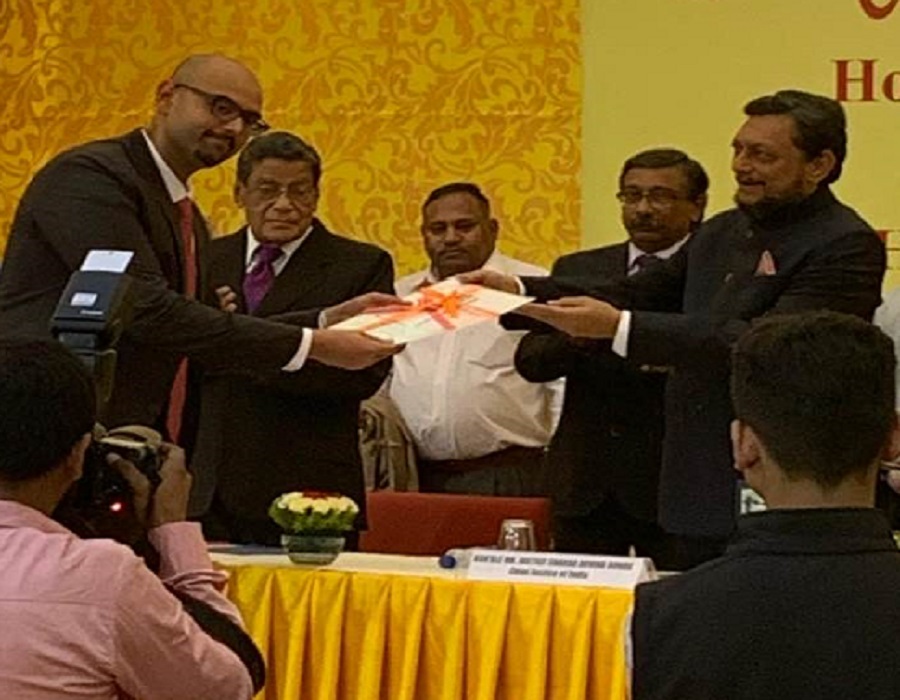
Chief Justice of India SA Bobde conferred Gold medal and other title to Azmat Hayat Amanullah

Chief Justice of India SA Bobde honouring Azmat Hayat Amanullah as topper of the Supreme Court Advocates-on-Record examination 2018.

New Delhi :

Chief Justice of India SA Bobde on Tuesday conferred gold medal and other title to Azmat Hayat Amanullah as topper of the Supreme Court Advocates-on-Record examination 2018.

Azmat is grandson of late IFS, parliamentarian and author Syed Shahabuddin. He is son of former IAS officer Afzal Amanullah and Parveen Amanullah, former minister of Bihar.

At a program held on the occasion of Constitution Day on Nov 26, Azmat received the award from CJI.

“With the infinite grace of God, my son Azmat got the first place in the examination of advocates-on-record, from Chief Justice of India, on the occasion of Constitution Day,” Parveen Amanullah posted on Facebook.

Azmat has obtained his law degree from Indian Law School, Pune. He has expertise in laws related to land, service matters, consumer, property, labour, employment, industrial disputes and workmen compensation.

The Advocates-on-Record exam is conducted by the Supreme Court.

source: http://www.caravandaily.com / Caravan / Home> India> Indian Muslims / by Caravan News / November 28th, 2019

Youngest Muslim Woman Elected as Chairperson of Rajasthan’s Urban Local Body

Nagaur District, RAJASTHAN :

In the 55-member urban local body, Congress has 35 members and BJP 3 besides 17 Independents.

Jaipur :

Samrin of Congress party has been elected as chairperson of the Makrana Nagar Parishad in Nagaur district of Rajasthan.

The Makrana Nagar Parishad in Nagaur district of Rajasthan on Tuesday elected one of its youngest members – 26-year-old Samrin of Congress party – as its chairperson.

Samrin, who won from Ward 32, is a graduate and daughter of district Congress president Zakir Hussain Gaisawat. She was elected as Chairperson unopposed.

In the 55-member urban local body, Congress has 35 members and BJP 3 besides 17 Independents. The elections for the parishad were held earlier this month. In all, there are 40 Muslim councillors in the house, most of them from Congress.

For the post of chairperson, there were four candidates, including one from Congress, in the fray. All were women candidates. Three of them were Independents and withdrew their nominations before voting.

It was first time that Congress has won majority in this local body.

Muslim Members of Makrana Nagar Parishad in Nagaur district

Name

Age

Party

Rabban Ahmed

39

Congress

Abdul Sattar

45

Congress

Mahadi Hasan

55

Congress

Shokat Ali

63

Congress

Rubina Bano

30

Congress

Shabnam Bano

33

Congress

Shabana

40

Congress

Rukhsana Bano

36

Congress

Islamuddin

39

Congress

Mohammad Aslam

54

Independent

Mohammad Adil

25

Congress

Najma Begum

40

Congress

Shahida

46

Congress

Shahida Begum

60

Congress

Niaz Mohammad

53

Congress

Shahnawaz

31

Congress

Farooq Ahmed

54

Independent

A Halim

38

Congress

Shahnaj Begum

33

Congress

Mumtaz Bano

38

Independent

Samrin

26

Congress

Farooque Ahmed

46

Congress

Faruk Ahmed

62

Congress

Parveen Begum

57

Congress

Iftekharuddin

64

Congress

Mohd Irshad

32

Congress

Jiaba Kausar

27

Congress

Zaida

48

Congress

Mohd Iqbal

33

Independent

Sirajuddin

36

Independent

Nasim

66

Independent

Saddam Hussain

26

Independent

M Aziz

38

Congress

Mohammad Khalik

26

Congress

Salam Bhati

60

Congress

Hajan Zubeda

54

Congress

Mohammad Madani

39

Congress

A Kayyum

44

Congress

Mohammad Afzal

39

Congress

Munifa Begum

40

Congress

source: http://www.caravandaily.com / Caravan / Home> Big Story / by Caravan News / November 26th, 2019

Breaking taboos

Kuwarpur Baghel (Hardoi District), UTTAR PRADESH :

ShikohZaidiMPOs26nov2019

Shikoh Zaidi is helping women in her village by providing easy access to their basic hygiene needs

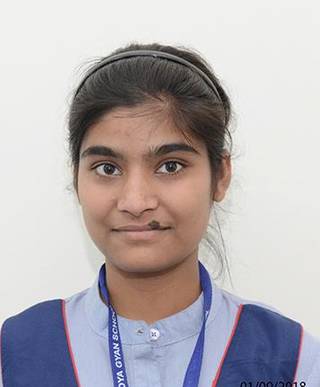
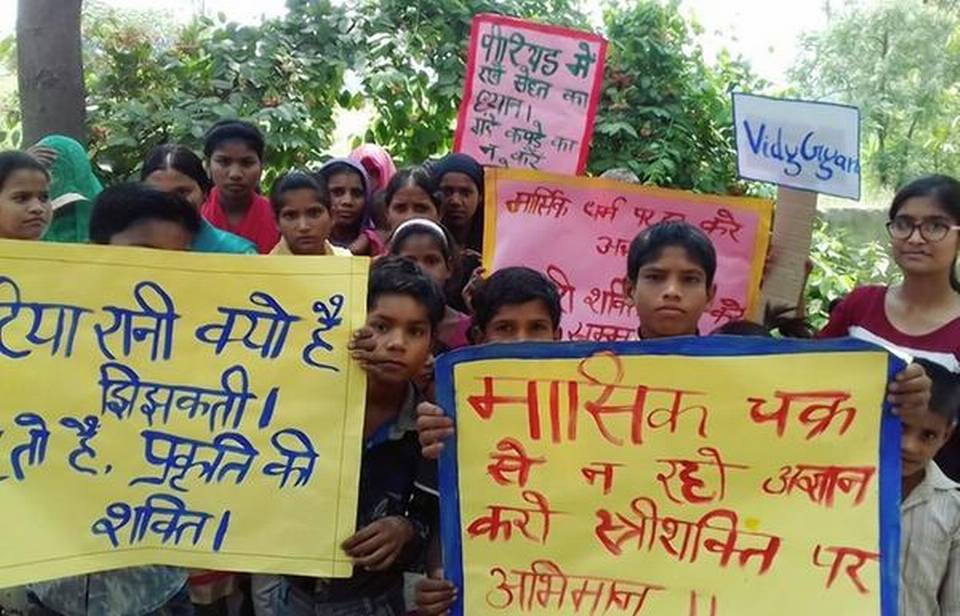
Shikoh Zaidi, a 16-year-old girl from Kuwarpur Baghel in Hardoi district of central Uttar Pradesh, has started a social initiative to break taboos around menstruation and spread awareness about menstrual hygiene, in her village. She was inspired by Deepa Narayan’s book on gender inequality titled Chup, which talks about an average Indian woman’s struggle in a patriarchal society.

Encouraged by her teachers at VidyaGyan, a school that offers free education to meritorious underprivileged students in Uttar Pradesh, Zaidi was inspired to do something to improve the lives of women in her own village.

SPECIAL ARRANGEMENT | Photo Credit: SPECIAL ARRANGEMENT

“The conservative outlook of my village doesn’t allow for a space where one can talk openly about these issues. However, with my father’s assistance, I was able to organise a campaign by writing slogans and collecting short videos around menstrual health and hygiene. My father and I went door-to- door to invite women and girls to create awareness,” says Zaidi.

“When I first demonstrated the use of sanitary napkins, they giggled and were amazed at the sheer sight of them. Some women were completely ignorant about this basic product. By the third screening, I noticed that women were engaging with me and clarifying their queries as well. Some girls had even started using it,” she adds.

No help

However, many women in the village cannot afford these products. “I wrote to the district magistrate to make free sanitary pads available to the women in our village. But, the authorities failed to keep their promises. Panchayat officials were also of no help,” laments Zaidi.

Many women are still using cloth and rags because free pads are only available in a shop that is 20 km away.

Nonetheless, Zaidi is creating awareness on methods to maintain hygiene and cleanliness during menstruation with the available resources. “I am planning to make a self-help group and install a sanitary pad making machine which will not only help in solving this issue but also provide employment to people in the village,” she says.

source: http://www.thehindu.com / The Hindu / Home> Initiative – Education / by Neha Rupeja / November 27th, 2019

‘Tipu rocket’ gallery opened without any formal inauguration in Karnataka

Shivamogga, KARNATAKA :

The museum has a large cache of 1,700 such rockets that were recovered from an old well at Nagara village in Hosanagar taluk last year.

An image of the 'Tipu rockets.'
An image of the ‘Tipu rockets.’

Shivamogga :

A dedicated gallery housing metal cased rockets used during Tipu Sultan period (18th century) has been opened in Shivamogga city. However, it was thrown open to the public without a formal inauguration by people’s representatives, which according to sources, is due to the recent controversy surrounding the ruler.

The gallery was opened to the public on the first day of the Heritage Week on November 21.

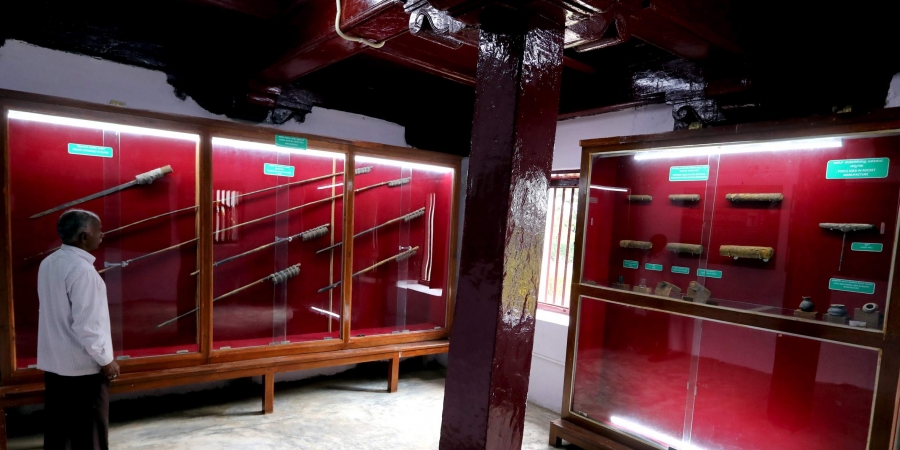
The gallery has been set up at the Shivappa Nayaka Palace which is also a museum. It is the first and largest gallery having the “Tipu rockets” or “Mysore rockets” in the world.

While the Royal Artillery Museum, Woolwich Arsenal in London, is home to a collection of two such rockets, three pieces are at the government museum in Bengaluru. There was no dedicated gallery for the rockets until the one in Shivamogga opened.

The museum has a large cache of 1,700 such rockets that were recovered from an old well at Nagara village in Hosanagar taluk last year. However, only 15 are kept in the gallery owing to lack of space.

The length of the rockets now housed at Shivappa Nayaka Museum ranges from 190 mm to 260 mm and the diameter ranges from 33 mm to 65 mm. While the lightest specimen weighs 372 g, the highest one weighs 1.75 kg.

History buffs throng museum to see ‘rockets’

Sources in the Archeology, Museums and Heritage Department told TNIE that a formal inauguration was not done to “avoid any further controversy.” Earlier, the BJP State government had decided not to celebrate Tipu Jayanti at the government level and is thinking of removing lessons related to the ruler from textbooks.

History enthusiast Ajay Kumar Sharma said, “The department also avoided naming the gallery as Tipu Rockets Gallery but played safe by naming it as Mysore Rockets Gallery. There is also an argument that similar rockets were used by the Marathas. However, thorough carbon dating needs to be done to determine the period. Though it is not clear who invented these rockets, it is said that they were used during the period of Hyder Ali and his son Tipu Sultan.”

‘World’s first metal cased rockets’

Information put up at the gallery states that Mysore in the 18th century was the greatest threat to the development of the British colonial enterprise in India. The British fought them at every step. It was in this series of wars that England and the wider world was introduced to a new weapon of war – The Mysore metal cased rocket. The instant bamboo stick or sword blade attached to the rocket passed through a man’s body.

It resumed its initial speed and destroyed 10 or 20 men until the combustible matter with which it was charged was spent.

“Mysore was the first state in the world to have moved to the next stage of rocket development from wooden firework rockets to metal war rockets successfully,” the information reads. Though there was no formal inauguration, the gallery has already attracted history buffs who are visiting the gallery each day.

source: http://www.newindianexpress.com / The New Indian Express / Home> States> Karnataka / by Marx Tejaswi / Express News Service / November 23rd, 2019

Bushra Arshad creates history; busts all myths; clears UPSC

Saurikh Village (Kannauj), UTTAR PRADESH :

BushraArshad01MPOs22nov2019

Bushra Arshad is being lavished with praise for achieving 6th rank in UPPCS, after the results were recently announced, and for being selected as SDM. This girl from Saurikh village is the only Muslim participant to become SDM in UPPSC-2017. She is the same Bushra Arshad who scored 277th rank in UPSC, results of which were announced in July, and subsequently was selected for the IRS, but she was not satisfied with her achievement.

She is not satisfied even with her latest achievement shows her grit and passion to achieve her dream of being in top 20 in IAS. The reality, however, seems that Bushra is fond of breaking the myths and proving the stereotypes wrong.

Her family, relatives, and husband all believe that she will not settle for anything less. They have a good reason for their belief: If a village girl, married with kids, after four surgeries and overcoming the pain of those surgeries, could score such a high rank in one of the prestigious exams and stamp her presence, then everything is possible for her.

Bushra smiles and reacts: Though we could find exemplary achievements from persons faced with each of those obstacles, my facing every one of those hurdles, probably, resulted in my being strong-willed in my quest.

Bushra’s father is a farmer and her mother is a housewife. A lone brother and a sister are also well-educated.  Both parents are graduates. But Bushra, in her mother Shama’s words, is definitely the “Extra-ordinary” one, packed with talent and way better than us.

Bushra graduated at the age of seventeen and a half. She had an MBA degree before she turned 20. She completed her studies up to class XII from Kannauj and went to Kanpur for graduation.

BushraArshad02MPOs22nov2019

Bushra says that she wanted to give the UPSC exam right away, but couldn’t since she didn’t meet the minimum age requirement. Her mother says that Bushra was admitted directly into the second class at the age of four and a half years. She adds “She already had learned so much at home itself that she never came even second (in her class).” She says Bushra is habituated to be a topper. My multi-talented daughter topped in everything”.

““Make this girl a collector” was the constant advice of anyone and everyone who visited us to my Abbu and Ammi,” says Bushra. “It got me fixated. (Again) Since I did not meet the minimum age requirement of UPSC, I prepared and appeared for JRF test.”

She cleared JRF in her first attempt and achieved a Ph.D. in Distress Management from AMU and that’s how the title “Doctor” got associated with her name. Right after that, she married Asmar Hussain. A little while later Engineer Asmar Hussain and Bushra moved to Saudi Arabia. Asmar started his studies at Jazan University, while Bushra obtained a high-ranking position. Leaving a well-placed position and an excellent package that came along with it, Bushra returned to India along with her husband.

Bushra says, “There was only one reason for our return to India, limitless love and ‘patriotism’, I often used to contemplate that the knowledge that I gained in my country through its residents, the skills born from that knowledge ought to benefit the same citizens, and that is their right.”

Her husband, Asmar Hussain, says that after this he took up a job at Coal India, they had two children. His wife underwent four major surgeries. It has been ten years since, but her desire to become a collector from within egged her constantly.

Bushra adds: “I did my job honestly. I did my duty as a mother. I also performed the responsibilities of a wife without neglecting my husband. I did not use the excuse of constant pain after surgeries to set me back and now I am appointed a deputy collector.”

Asmar Hussain, who is pursuing a Ph.D. from AMU, is a resident of Aligarh. He says that Bushra sits in the front seat of the car as a habit. Once she sets her sight on something, she achieves it at all costs.

Mohammad Akmal, a youth from Kannauj, says, “In four months, this is the second news that a girl from Saurikh has made history.Four months ago, this same girl did wonders. Bushra’s success proves that  excuses are for weak-willed people. She is truly an example of positivity and she is the talk of Kannauj ”.

source: http://www.twocircles.net / TwoCirlcles.net / Home> Indian Muslim> Lead Story> TCN Positive / by Aas Mohammed Kaif , TwoCircles.net / October 29th, 2019