Work in AI breast cancer treatment is going on and Dr Khalid Raza has bagged Rs 94 lakh ICMR grant for AI breast cancer treatment..
The Indian Council of Medical Research (ICMR) has selected Dr Raza and his team for a research grant of nearly ₹94 lakh for breast cancer treatment.
The funding is given to him for his earlier contributions to using Artificial Intelligence (AI) in drug design.
Dr Raza is Associate Professor in the Department of Computer Science, Jamia Millia Islamia.
AI breast cancer treatment: Dr Raza achievement This grant is expected to play an important role in advancing innovative research aimed at using AI to develop precise and effective treatments for breast cancer.
Now, Dr Raza and his team will focus on developing advanced tools for AI-driven drug design. Their work will center on optimising drug compounds, pinpointing therapeutic targets, and creating innovative treatment strategies for breast cancer.
One such promising drug compound, DdpMPyPEPhU, already patented by Dr. Raza will be further explored under this initiative.
This research tackles key challenges in breast cancer treatment and is poised to deliver transformative results that could have a global impact on healthcare practices.
Both Professor Mazhar Asif, Vice-Chancellor of Jamia, and Professor Md Mahtab Alam Rizvi, Registrar, congratulated Dr Raza on his outstanding achievement.
“This is a moment of great pride for Jamia. Dr. Raza’s recognition by ICMR highlights the university’s dedication to promoting research excellence and innovation,” said the VC.
Groundbreaking work in AI breast cancer treatment His groundbreaking work showcases Jamia’s vital contributions to integrating AI in healthcare research, said VC Asif.
Dr Raza said: “I am honoured to be selected for this ICMR grant. This is an opportunity to further our research in AI-driven drug design and make a meaningful contribution to improving health outcomes for millions. I am deeply grateful to my research team, collaborators, and ICMR for their continuous support.”
The three-year funding will facilitate advanced experimentation, foster collaboration with leading experts, and accelerate the development of innovative solutions for breast cancer treatment. This initiative aligns closely with ICMR’s mission to support cutting-edge research addressing India’s critical healthcare challenges.
AI breast cancer treatment: Dr Raza a distinguished researcher Dr Raza is a distinguished researcher in the application of AI in healthcare, focusing on designing and optimising drug compounds through AI-based multitarget docking, molecular simulations, and genomics-driven personalised medicine. Award and grants are not something new for Dr Raza. Stanford University recognised him among the world’s top 2 per cent scientists from 2021-2023.
Dr Raza has served in various academic and administrative roles at Jamia.
He has published over 140 research articles in prestigious journals, conference proceedings, 14 authored/edited books, and held notable positions, including ICCR Chair Visiting Professor of Computer and Information Sciences at Ain Shams University, Egypt, and is an honorary research fellow at INTI International University, Malaysia.
Dr Raza also serves as Associate Editor for PeerJ Computer Science and Guest Editor for esteemed journals like npj Precision Oncology, Natural Product Communications, and Mini-Reviews in Medicinal Chemistry. His remarkable contributions to the scientific community and Jamia are truly remarkable!
This grant represents a convergence of excellence, with the potential to revolutionise breast cancer treatment and affirm Jamia’s status as a hub for transformative research.
source: http://www.okhlatimes.com / The Okhla Times / Home> JMI/EDU / by The Okhla Times (edited) / November 30th, 2024
A new biography looks into Akbar’s life to draw some inspiration on how to manage the boardroom. The third Mughal emperor was always thinking on his feet, one step ahead of friend and foe; but he also knew that force had to be tempered with tolerance, and confidence with caution.
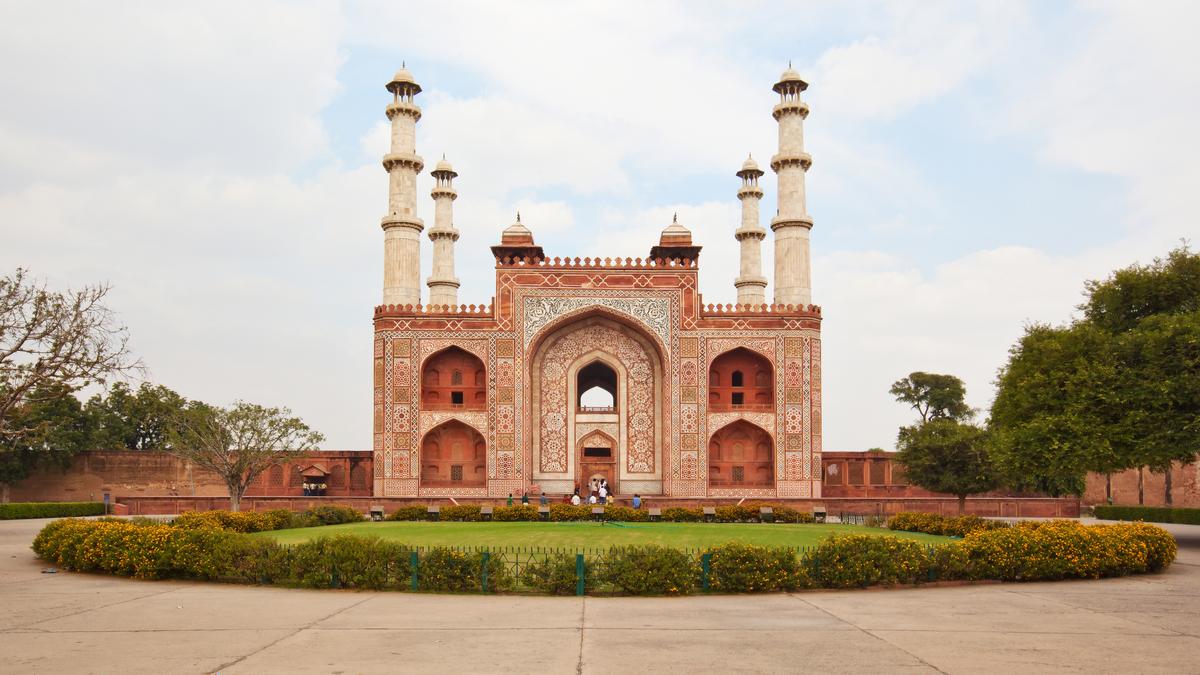
Akbar’s Tomb in Sikandra, Agra | Photo Credit: cinoby
Even as elements in the right-wing have made attempts to nibble at the great Jalaluddin Akbar, historians and authors have taken it upon themselves to project the third Mughal emperor clothed in nothing but facts of history.
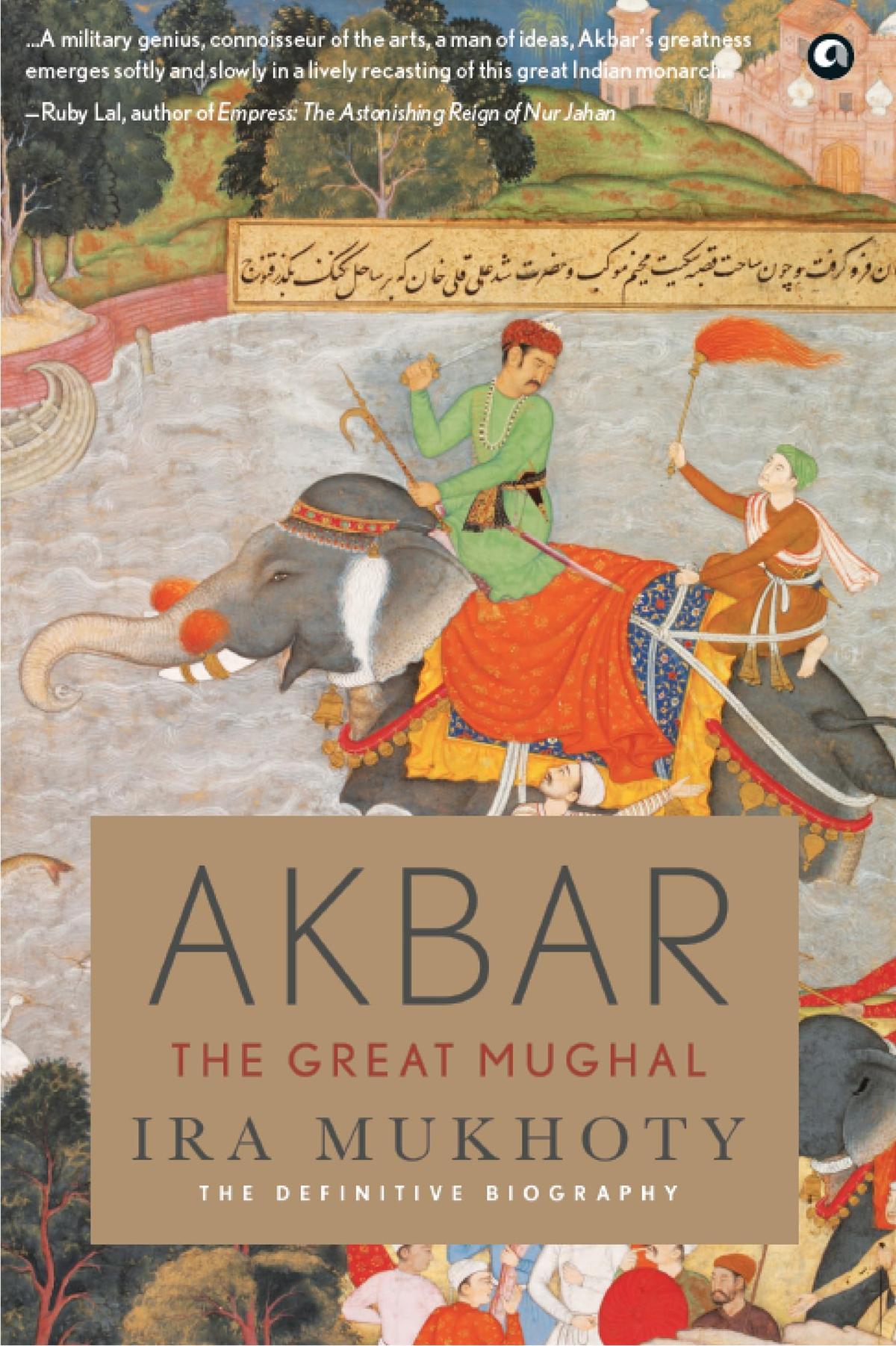
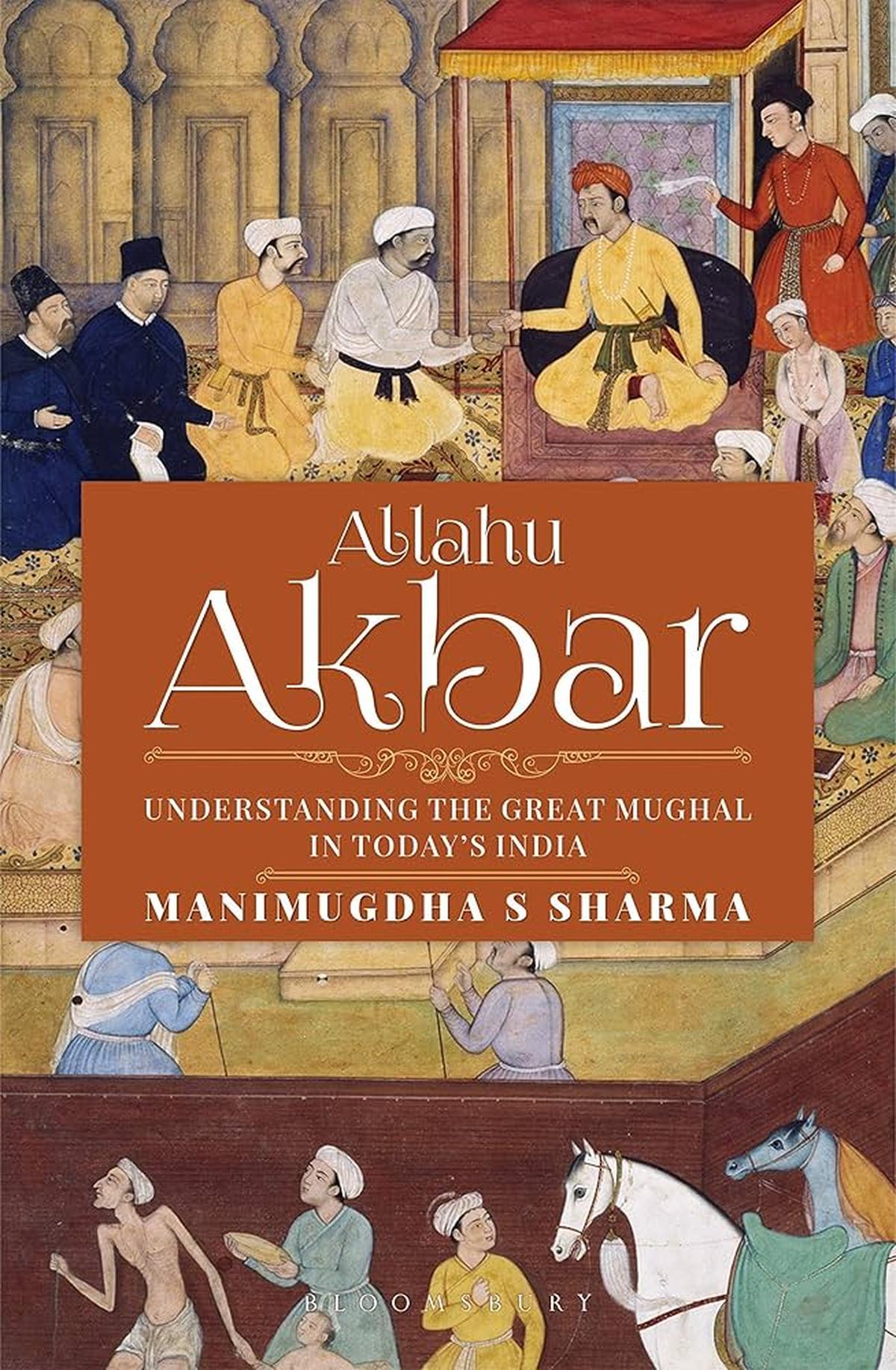
Around the time of COVID-19, Ira Mukhoty came out with her exhaustive biography, Akbar The Great Mughal: The Definitive Biography (Aleph). It came on the heels of Manimugdha S. Sharma’s Allahu Akbar: Understanding the Great Mughal in Today’s India (Bloomsbury) where the author, as the title suggests, made an attempt to see the Mughal monarch in the light of modern-day developments.
The books show why Akbar is considered an Indian icon and a king with compassion and empathy. Instead of spending his childhood as a royal prince, practising calligraphy and honing his skills with the sword, Akbar lived those years, as Mukhoty writes, “in the company of his beloved animals and their keepers…He raced pigeons, ran alongside camels and dogs, and hunted cheetahs, lions, tiger, and deer. And Akbar tested his physical strength and courage against wild elephants, learning to ride and to tame them.”
Akbar had grown up practically illiterate but would eventually be “known for his reverence for learning, penmanship, books…and would patronise some of the most extraordinary works of writing, translation and illustration ever undertaken in the country,” Mukhoty points out.
This quest for knowing the unknown led Akbar to build Ibadat Khana, an assembly of scholars of different religions. Akbar’s congregation of men of spiritual accomplishment was the work of a truly liberal mind. At a time when the Safavids were persecuting non-Shias in Iran and Europe had no space for non-Christians, Akbar invited them all. He abolished the religious tax, jiziya, for non-Muslims and did away with the pilgrimage tax on Hindus and was known to prevent Sati. As Sharma quotes Abul Fazl in Allahu Akbar, “The Shahenshah in his wisdom and tolerance remitted all these taxes, which amounted to crores. He looked upon such grasping of property as blameable and issued orders forbidding the levy thereof.”
In simpler words, it meant, as Sharma writes, “The state wouldn’t come in between an individual and his faith.”
Beyond religion
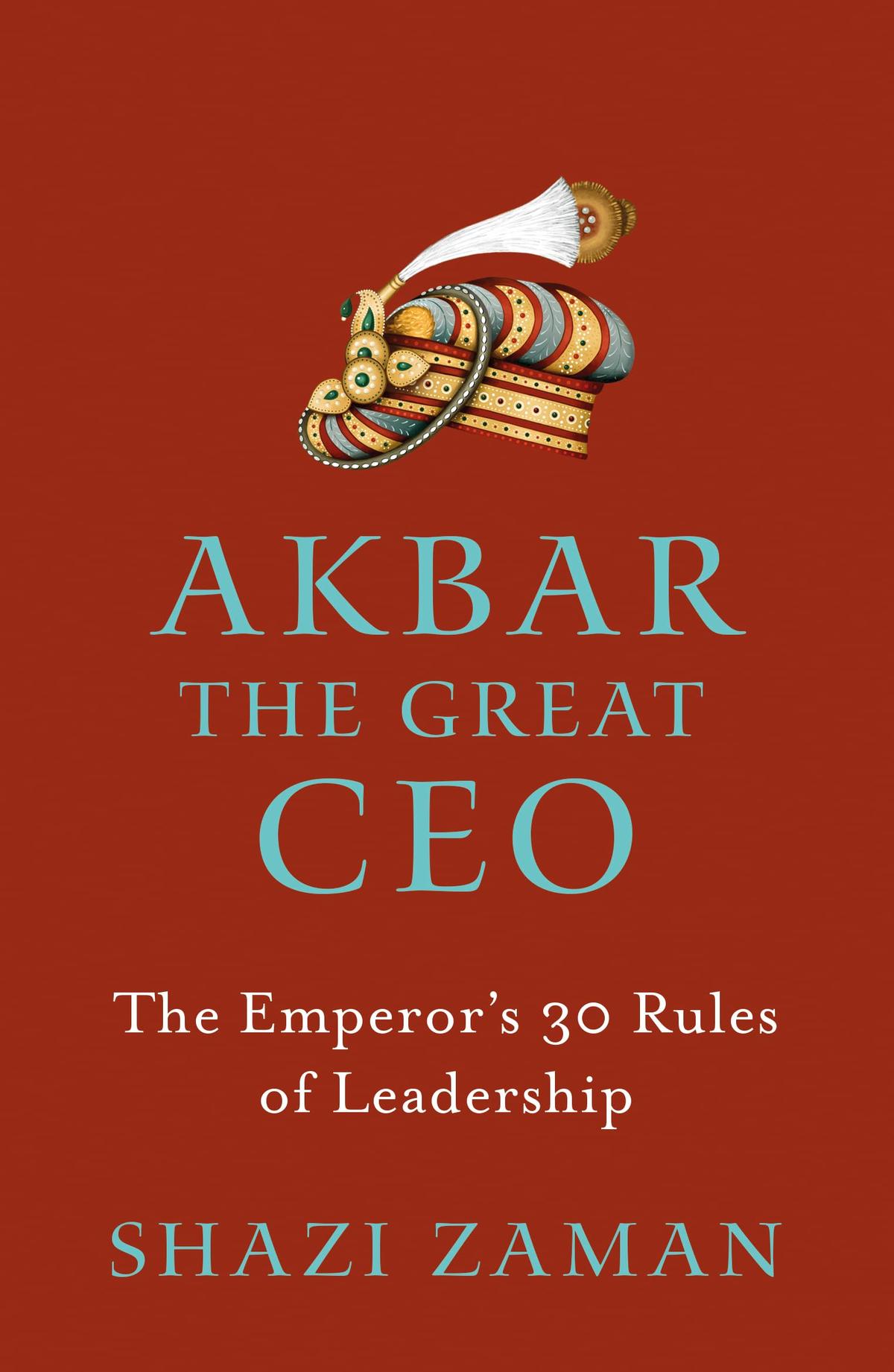
Yet Akbar’s relevance goes beyond the sphere of religion as noted journalist and author Shazi Zaman discusses in his latest, Akbar The Great CEO: The Emperor’s 30 Rules of Leadership. Published by Speaking Tiger, the book has a contemporary, and non-historic feel to it. In its innovative approach lies its appeal. Zaman presents Akbar as a practitioner of some dictates which would do a management guru proud. Interestingly, the book opens with the words of a Jesuit priest stationed at Akbar’s court. The priest wrote in awe, “He was a prince beloved of all, firm with the great, kind to those of low estate, and just to all men, high or low, neighbour or stranger, Christian, Saracen or Gentile; so that every man believed that the King was on his side.” The priest’s words were borne by the fact that Akbar, as Zaman writes, “perfected the art of ruling with a light touch even though he had the means to be brutal.”
The surprise factor
So what were the 30 rules of Akbar? Though he ruled in an age when the Emperor was often larger than life, Akbar believed in subtlety. Importantly, as his experience with the Afghan king Daud Khan Karrani proved, Akbar was not just fast in his thinking, he was unpredictable too. When he would be least expected to show up in a battle, he would take the enemy by surprise, vanquish his forces, and bring him to his knees. “When the Rubicon was to be crossed was a call that he [Akbar] took in a manner so unpredictable that his opponents could never gain an advantage by guessing it,” writes Zaman. “The Emperor’s audacity was well documented visually as well… In one painting, he is seen holding a cheetah by its ear, and in another painting, he is seen mounted on a mast elephant and chasing another across a shaky bridge built on boats.”
Zaman mentions another incident which underscores Akbar’s acuity. When a slave attacked him, Akbar knew who was behind it but chose to remain quiet.
As Zaman writes, “Even the truth has to await its moment.” Does it remind you of office boardroom meetings? Maybe. But remember this was the strategy of the Mughal emperor who was merely 21 at the time of the attack. He knew the truth, but also knew how to use it to his advantage later in life.
Little wonder then that one of Akbar’s favourite books which he also recommended to his officers was Akhlaq-i-Nasiri, a 13th century text on etiquette and way of life, which said, “The king should keep his secrets concealed, so that he can change his mind without sounding contradictory…The need to keep secrets has to be combined with the need to consult intelligent people.” Akbar did it all.
Be it his relationship with Maham Angaand Bairam Khan, or later the Rajputs, Akbar was always smart and wise.
Zaman’s book progresses like an equation in a science book as he goes on to reveal many facets of Akbar’s personality.
Cultivated image
One such aspect was the way he looked, and the way he presented himself. “Akbar’s image was cultivated, recorded and disseminated with a lot of thought. There was a message in how he dressed and looked and what he chose to be doing in the picture. Each portrait portrays a facet of his personality. It never was a picture for the sake of a picture,” writes Zaman.
Written with the brush of an artist, the book is a must-read for anyone looking for life lessons and critical values, particularly in the boardroom. The ‘illiterate’ emperor was indeed a wise man, who never “went to extremes” in any direction.
source: http://www.thehindu.com / The Hindu / Home> Books / by Zia Us Salam / December 25th, 2025
TNIE catches up with Shaikh Hassan Khan, the first Malayali to conquer the highest peaks on all seven continents.
Shaikh atop Mt Kosciuszko, the highest peak in Australia
Kochi :
Climbing peaks is akin to a marathon up a rock wall with a bag of bricks on your back, battling freezing winds, dizzying heights, and pushing one’s limits. Shaikh Hassan Khan, a state secretariat employee with a passion for adventure, loves doing that.
His dream was to conquer the highest peaks on all seven continents. And, a few days ago, he became the first person from Kerala to achieve this feat.
“My love for the mountains began in 2015 when I was posted in Delhi for work. That’s when I started sneaking off for trips to the hills whenever I could,” says Shaikh.
“On one such journey, I ended up at the Himalayan Institute of Mountaineering in Darjeeling. I felt a spark, and alongside my civil service training, I took a 28-day basic mountaineering course at the Nehru Institute of Mountaineering. By the end of the course, I was completely hooked. Not long after, I climbed Mount Satopanth, a 7,000-metre peak, and that was just the beginning of my journey.”
The Thiruvananthapuram native scaled his first summit, Mount Kilimanjaro (19,341ft) in Tanzania, in February 2021. At 3pm on November 10 this year, by waving the Tricolour atop Mt Kosciuszko, the highest peak in Australia, Shaikh completed the ‘Seven Summits’ challenge.
“I can’t put into words how jubilant I felt as I stood atop Mt Kosciuszko with the Indian flag, wearing the mundu in the cold just to add a bit of Kerala vibe,” Shaikh smiles.
His earlier conquests include Mt Vinson in Antarctica, Mt Everest in Asia, Mt Denali in North America, Mt Elbrus in Europe, and Mt Aconcagua in South America.
Shaikh also holds a world record for unfolding the largest Tricolour atop Mt Everest, a feat that he achieved on the 75th anniversary of India’s Independence. “I carried a 30x20ft flag. It was heavy, but its symbolism outweighed its physical weight,” he says.
On his return from the ‘Everest Eco Expedition’, Shaikh carried back more than just memories; he lugged down over 100kg of junk.
About challenges of mountaineering, Shaikh concedes that there have been “moments of doubt when giving up seemed tempting”, but his passion pummelled through those blocks.
“Solitude can be daunting, but it’s also a space for self-reflection,” he adds. “I use solitude to connect with my inner self. During expeditions, I also rely on mindfulness techniques, journaling, and reminding myself of the people who believe in me.”
What about physical fuel? “I take calorie-dense foods like nuts, energy bars, and dried fruits for quick energy boosts,” he says.
“I consume complex carbohydrates like oats and rice for sustained energy, and ensure adequate protein intake through dehydrated meal packs. I also carry electrolyte tablets to replenish myself. Most importantly, we need to listen to our bodies and eat regularly, even when our appetite is low.”
Reflecting on his three-year ‘Seven Summit’ journey, Shaikh recalls the most memorable moments that deepened his appreciation for nature and reaffirmed his commitment to environmental conservation.
“Climbing Mt Vinson in Antarctica, the sheer purity of the place humbled m making me realise how small we are compared with nature,” he says.
“And when I stood on the rim of Mt Kilimanjaro at sunrise, watching the golden light spread across the savannah, I felt like the world had paused. It was a powerful reminder of why I climb — to experience nature’s raw beauty.”
For Shaikh, conquering the Seven Summits is just the beginning. At 37, he now aims to become the first person in the world to scale the highest peak in every country over the next five years. However, securing sponsorships for a “less popular sport like mountaineering” remains a challenge.
“I often find myself knocking on 100 doors to get one to open,” he says. For my Everest expedition, I had to take loans and faced a lot of struggles. But for my trips to Antarctica, Russia, and Kangchenjunga, Al Muqtadir jewellery stepped in as sponsor. My alma mater, Musaliar College of Engineering, supported my American expedition. I didn’t have any sponsor for the Australian one, but my friends raised the funds to make it happen.”
Shaikh rues that the government’s efforts to promote sports in Kerala are minimal. “I don’t expect much,” he says. “My goal is to inspire others through my Seven Summits journey and attract sponsors for my next challenge — covering 195 countries. I remain hopeful that someone will see the value in my effort and offer support.”
Going beyond the thrill factor, Shaikh says he has been raising awareness about climate change and world peace. “I have seen the effects of climate change up close,” he says, suddenly turning grim.
“The ice on the peaks is melting, and there’s more rainfall in North America than ever. Everywhere I go, I try to spread the message about what’s happening to our planet and share it through my social media.”
Shaikh is also planning a project focused on cleaning the beaches in Kerala, believing that “to inspire others to take action, one must lead by example”. He asserts that every human has infinite potential within.
“Standing atop the peaks, I realised that the summit is not just a physical goal but a metaphor for life itself. The unexpected revelation was the power of resilience within me — an ability to push beyond limits,” he says.
“The journey taught me that every small step matters, and that great achievements often require one to go through solitude, discomfort, and uncertainty.”
source: http://www.newindianexpress.com / The New Indian Express / Home> Kochi / by Parvana K B (headline edited) / November 20th, 2024
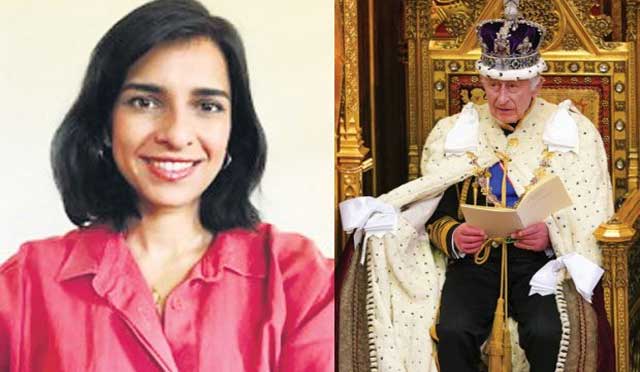
Muna Shamsuddin, originally from Kasargod, has been appointed as the assistant personal secretary to King Charles in London.
Muna is the daughter of the late Shamsuddin and Saidunnisa, a couple from Talangere Teruvat Hasheem Street, Pudiyapurayil.
She pursued her education in London and began her career with the British legal advisory office. Her exceptional work led to her appointment as chief assistant secretary to the King while working in the London foreign Commonwealth development section.
Muna holds a degree in mathematical engineering from the University of Nottingham, Britain.
She has also served in the external affairs ministry of Britain, working as Britain’s consul general in Jerusalem and heading the external affairs department in Karachi, Pakistan.
Her husband, David, is employed with UNESCO. Muna had visited Kasargod 10 years ago.
source: http://www.daijiworld.com / Daiji World.com / Home> Top Stories / by Daijiworld Media Network – Kasargod (MS) / December 01st, 2024
Muslim Doctors in UP’s Kairana Soothe Blisters of Kanwariyas
Heartwarming display of unity in a city once known for communal tensions
Kairana :
The Uttar Pradesh city of Kairana in Shamli District, once known for its communal tensions, has now become a symbol of harmony and unity.
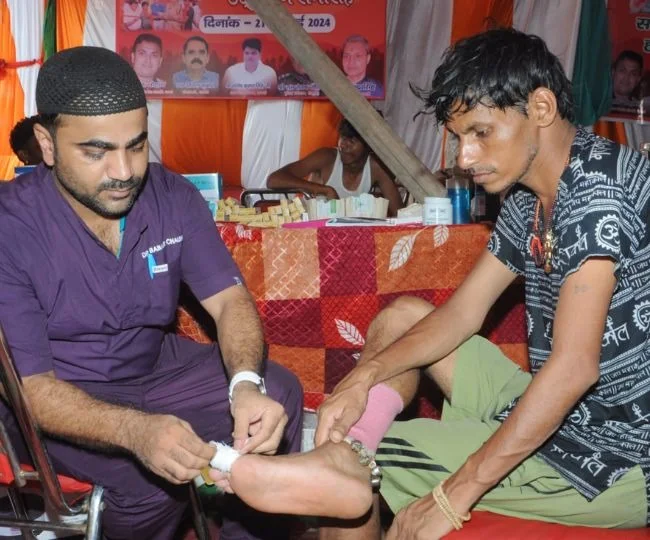
Muslim doctors in the area are providing medical assistance to Kanwariyas, the devotees of Shiva, during the annual Kanwar Yatra. These doctors are applying the “balm of harmony” by treating the blisters and injuries of the Shiva devotees, showcasing a touching example of communal harmony.
At a bustling medical camp on Kairana Road, Dr. Babar Chauhan, Dr. Syed Nadeem, and Dr. Shavez Rana are dedicated to serving the Shiva devotees. Despite their busy schedule at a private hospital, these doctors make time to volunteer at the camp, providing essential medical care to the Kanwariyas.
Dr. Chauhan reassures a Kanwariya, “Hey Bhole, don’t panic. I have cleaned the blisters and bandaged them with good medicine. Now keep taking these antibiotics and pain medicines on time. Don’t worry, be carefree. This pain, wound, and skin will all be fine.”
The gratitude and relief are palpable as another Kanwariya requests, “Doctor Sahab, please bandage me. There is some relief from the medicine, if you feel the need, give me an injection.” Dr. Nadeem responds with a smile, “Oh, no, there is no need for this. Take rest, it will be fine.”
Rising Above Caste and Religion
In a country often divided by caste and religion, these Muslim doctors set a powerful example by serving the Shiva devotees with dedication and compassion. “Humanity, service, and sympathy give immense peace,” says Dr. Rana, reflecting the ethos of their selfless service.
Dr. Nadeem adds, “Religious discrimination is not right; everyone should live with humanity. We are providing all kinds of facilities to Shiva devotees, from treating blisters to addressing accidents and fever.”
Positive Impact on the Community
The positive impact of this service is echoed by the Shiva devotees themselves. Aman and Rajan from Haryana and Dhirendra from Sonipat expressed their appreciation. “On reaching Shamli, we felt very good to see the spirit of service of the doctors of the Muslim community. If everyone lives together in this way and serves each other with devotion during religious festivals, then the path of happiness, peace, and progress will be paved in the country,” they said.
This initiative by Muslim doctors of Kairana not only provides essential medical aid but also fosters a spirit of unity and communal harmony, setting a hopeful example for the entire nation.
source: http://www.clarionindia.net / Clarion India / Home> Editor’s Pick> Indian Muslim / by Clarion India / July 30th, 2024
The exhibition’s name, “360 Exquisite,” was carefully chosen to represent the school’s well-rounded approach to nurturing the diverse talents of its students.
Sultan Ul Uloom Public School Hosts the 360 Exquisite Exhibition: A Celebration of Student Talent
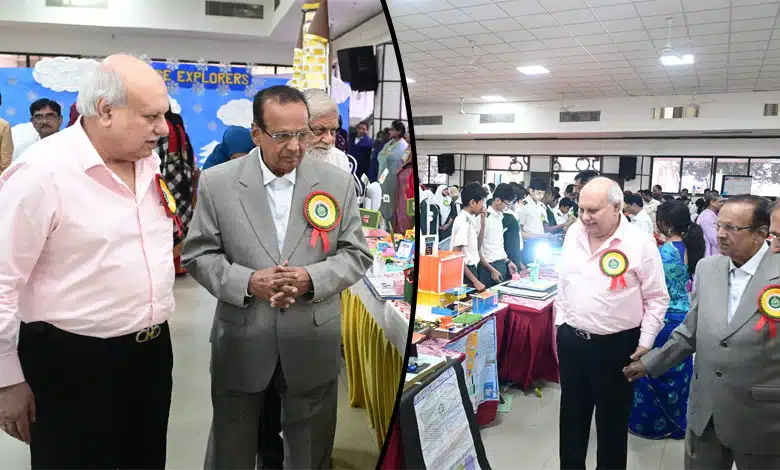
On Tuesday, December 24, 2024, Sultan Ul Uloom Public School (SUPS), located in Banjara Hills, hosted the much anticipated “360 Exquisite Exhibition.” The event was a proud showcase of the creativity, innovation, and brilliance displayed by students from Nursery to Class 10.
The exhibition’s name, “360 Exquisite,” was carefully chosen to represent the school’s well-rounded approach to nurturing the diverse talents of its students. The event highlighted the hard work and dedication of the students, while also reflecting the school’s commitment to developing intellectual and artistic abilities. It served as a platform to demonstrate the students’ boundless imagination and problem-solving skills.
The Chief Guest for the exhibition was Mr. Waliulla, Chairman of the Sultan-ul-Uloom Education Society (SUES). Esteemed community members also graced the occasion as Guests of Honor.
Mr. Zafer Javeed Sahab, Honorary Secretary of SUES and Chairman of SUPS, addressed the gathering and noted that the exhibition was an excellent opportunity for students to display their projects in a variety of fields. These included science, social science, mathematics, arts, crafts, artificial intelligence, and robotics.
The exhibition was a testament to the students’ critical thinking, creativity, and collaborative spirit. Each display offered a unique perspective, developed under the guidance of the school’s dedicated teachers. The innovative ideas and artistic expressions seen throughout the event demonstrated the remarkable potential of these young minds, leaving attendees inspired and hopeful for their future achievements.
Ms. Samerfatima, Principal of Sultan Ul Uloom Public School, welcomed the guests and spoke proudly of the school’s continuous progress. She highlighted the institution’s dedication to providing quality education and achieving new milestones. Ms. Samerfatima also expressed her appreciation for the teachers who have mentored the students and for the parents whose unwavering support and encouragement play a crucial role in the students’ success.
The Sultan-ul-Uloom Education Society (SUES), with its visionary leadership, continues to create an environment where education thrives. Through its tireless efforts and commitment to excellence, SUES has laid the foundation for a future where students are equipped to achieve great things.
This exhibition not only showcased the talent of the students but also underscored SUPS’s ongoing commitment to shaping the next generation of thinkers, innovators, and leaders.
source: http://www.munsifdaily.com / Munsif 24×7 / Home> Education / by Fauzia Farhana / December 24th, 2024
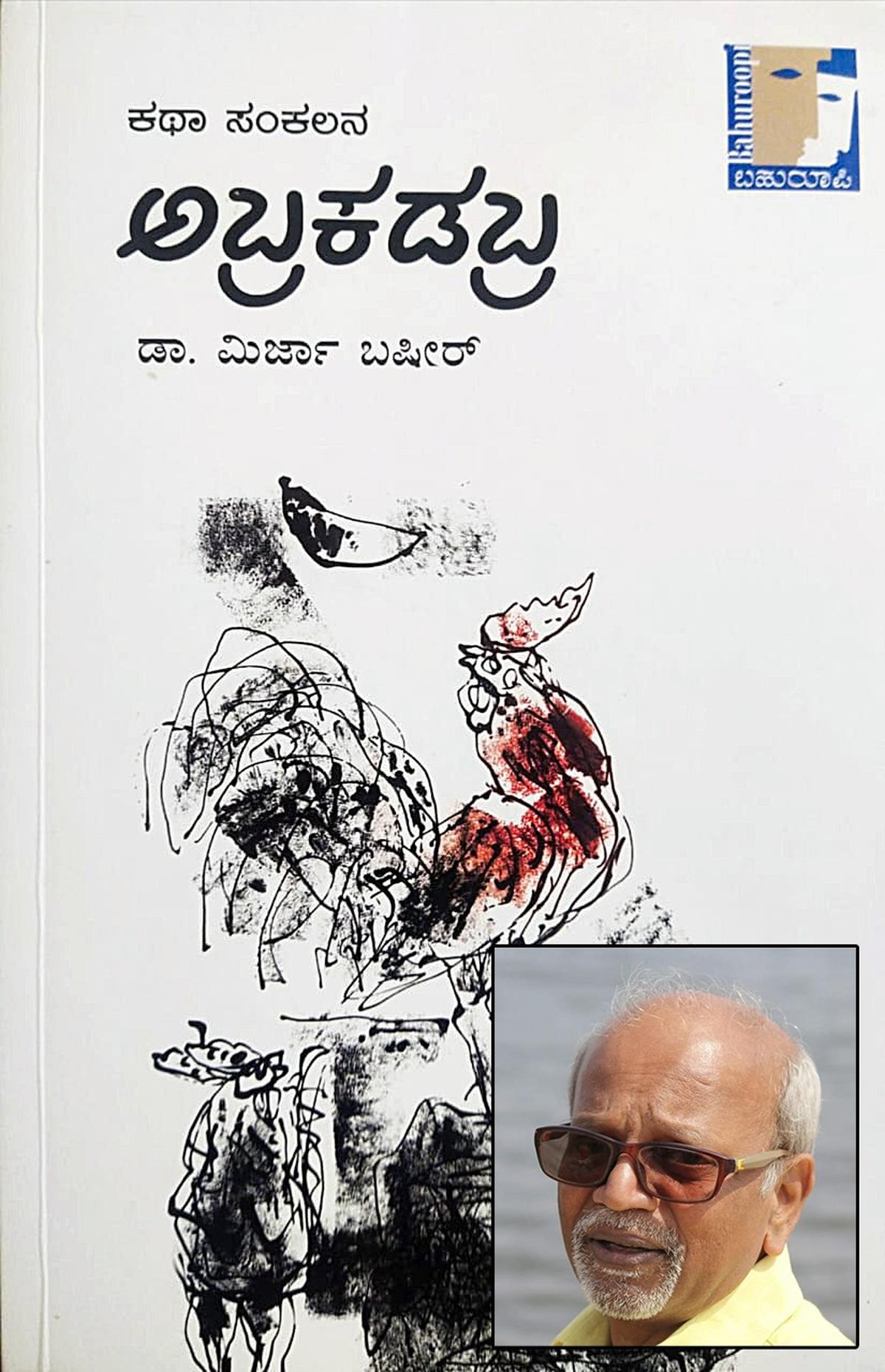
Abrakadabra, a collection of stories by writer Mirja Basheer. | Photo Credit: SPECIAL ARRANGEMENT
The Karnataka Muslim Lekhakara Sangha, Mangaluru, has chosen Abrakadabra, a collection of stories by writer Mirja Basheer, for the Muslim Sahitya Prashasthi for 2023.
The award presented in memory of the late U.T. Fareed, former MLA of the erstwhile Ullal Assembly constituency, comprises ₹10,000 purse and a citation. It will be presented to the author at a function in Tumakuru in December, according to president of the sangha U.H. Umar.
In all, 32 applications had been received for the award. A three-member committee chose ‘Abrakadabra’, he said in a release.
Dr. Basheer, retired veterinary doctor, hails from Challakere in Chitradurga district.
Presently, he lives in Tumakuru. He worked in the Veterinary Department for 34 years.
Some of the other literary works of Dr. Basheer are Batteyellada Oorinalli, Jinni and Haruva Hakki mattu Iruve and Gange Baare Gowri Baare. His stories were included as lessons in some college text books in Karnataka and in the class IX Kannada textbook in Kerala. Some of the stories have been translated into Telugu
source: http://www.thehindu.com / The Hindu / Home / by The Hindu Bureau, Mangaluru / November 29th, 2024
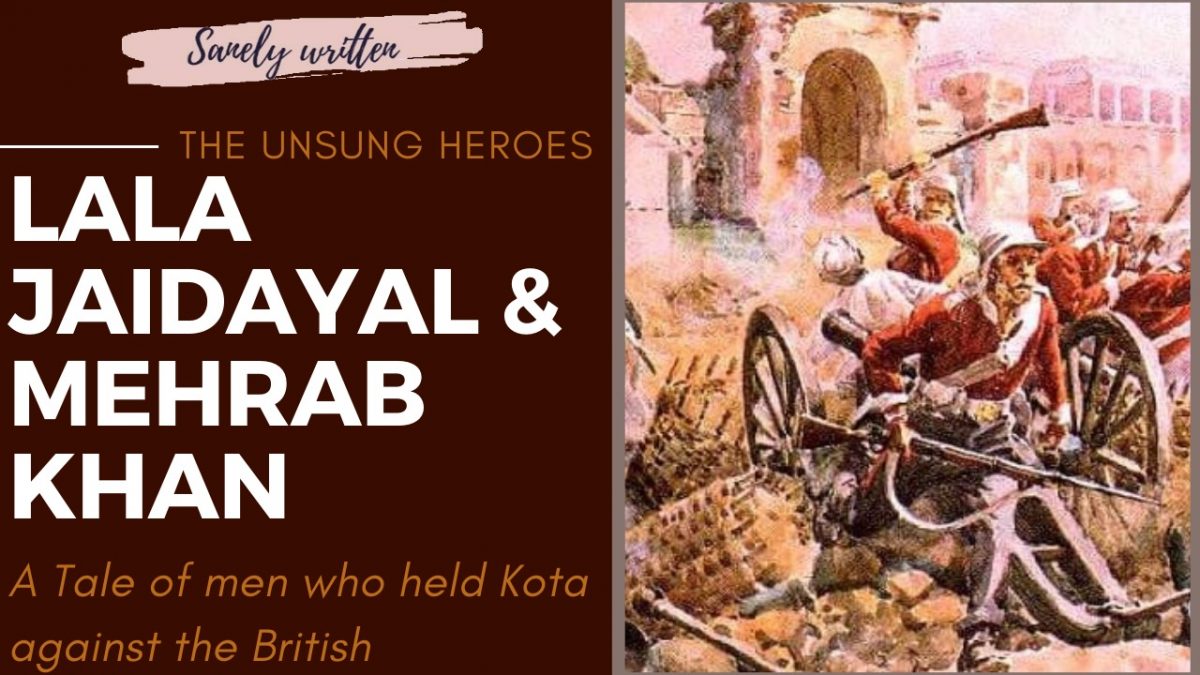
We all know about the Great War of Independence 1857. We have heard tales about Mangal Pandey, Nana Saheb and the Queen of Jhansi, Rani Lakshmibai. But there was also an uprising that took place in Kota district of Rajasthan in the same year led by Lala Jaidayal Bhatnagar and Mehrab Khan, and we have neither heard of them, nor do we have any pictures of the unsung heroes.
Lala Jaidayal was born on 4th April 1812 in Kama in Bharatpur. After completing his early education, he was appointed as an Advocate by the Kota Maharao in Hadaoti Agency. He was the prime leader of the Kota uprising. Mehrab Khan, his associate was the ‘Risaldar’ in the Kota army and was born on 11th May 1815 in Karoli. Lala Jaidayal along with Mehrab Khan had issued a circular in which they described in detail, about the new weaponry that was used by the British army that had its cartridges made up of animal flesh which was against the religious sentiments of both the Hindus and the Muslims. They also described how the flour and other eatables had the granules of human bones mixed in them. They made an appeal to the people to destroy the British who were intoxicating their lives.
The troops had started feeling the atrocities committed to them and what fuelled the fire was an advice given to the then ruler of the Rajputana state of Kota, Handa Rajput Maharao Ram Singh by the political agent of Kota, Major Burton, which somehow reached the troops. He advised Maharao to dismiss some of his non British soldiers. This message triggered the fire of discontent among the troops. Major Burton had visited Kota on 12th October 1857, with his two sons Frank who was 21 and Arthur who was 16. Maharao ordered a salute in honour of the British annexation of Delhi. The advice was given to Maharao on 14th October 1857 when Burton went to meet him along with his sons. The Kota Raj Pultan, furious with the news, decided to revolt against the King and Major Burton on the very next day i.e. 15th October 1857.
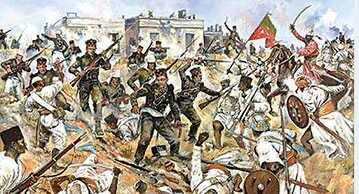
The troops, fuelled with anger, collected their swords and guns and surrounded the residency bungalow. They were also joined by the local civilians. The guards of the palace, having surrounded by around 3000 people offered almost zero resistance. The troops open fired and soon the palace was taken over. Major Burton, on hearing the commotion, thought that it was a procession that was coming out to welcome his return but he wasn’t aware of the reality. First among the victims of the mutineers were Dr. Salder, a native surgeon and a native Christian of Kota dispensary, Dr. Contemm.
A minute by minute description was given by Khoom Singh, the shooter sawar of Major Burton. He was with Major Burton and his two sons till the very end. They ran upstairs. Every Chawkidaar and Chaprasis that were appointed for the safety of Major Burton had run away when they saw the rebels coming. They climbed the ladders and killed Major Burton and both his sons. A parade was taken out by the rebels in the city with the severed head of Burton and was later fired upon with a gun.
The rebels took over the city and Lala Jaidayal was in charge of its administration. Maharao was captured and imprisoned in his own palace. Her queens were sheltered by Maharaja of Udaipur on the request of Maharao but five of his most trusted people were executed with guns as they refused to side with them. Gosain Maharaj, who was the religious head of Kota, acted as a mediator and Maharao had to walk into a treaty with the rebels. He was made to sign an agreement which stated that Major Burton was killed at his instance. For 6 months, the administration of Kota was under Jaidayal, and Mehrab Khan was incharge of the defence of the city. He sought help from the ruler of Sumbalgarh, Vitthal, which shows his ability as an able diplomat. Jaidayal also received a letter from the Thakur of Salumber (Mewar) in which he asked Lala to join him. They were able to win the love and support of a large number of officers in Kota state and many of them were posted in districts and were given the charge of many forts and palaces. But their rule didn’t last long and they were dislodged by the British troops along with the Maharaja of Karauli on 30th March 1858. Jaidayal left Kota and went to Bikaner. A bounty of 12000 was declared on him by the rulers of Kota and Bundi.
An analysis of the events that happened during this rebellion reveals how well planned and well organized it was. They were hugely supported by the civilians and also by the state officials. They mostly attacked government offices and stores. The rebellion was against the British but when they came to know that Maharao was seeking help from them, they became furious and started the campaign against him. The aftermath of these events were even more heinous. The British troops burned down houses and property and plundered each and every house they came across. The ornaments that decorated the statues of lord Ganesha were also not spared. The followers of Lala Jaidayal and Mehrab Khan were put through miseries and were subjected to merciless torture. Maharao of Kota was unable to control the uprising. The native people were strongly anti-British and General Lawrence, the agent of Governor General and Maharao were aware of their feelings. They also cautioned Major Burton not to visit Kota. This was the reason why he visited Kota just with his two sons, and the rest of his family, including his wife and four other sons, were in Neemuch.
The fact that the leaders of the uprising, Lala Jaidayal and Mehrab Khan were Hindu and Muslim inspired the people of both religions to join hands against the tyranny of the British. The deep rooted dissatisfaction, the constant injustice, and the able leadership of Jaidayal and Mehrab Khan gave them the strength to stand behind their leaders and fight for the atrocities committed against them.
The greed for money has always been one of the main curses that the people of this country have faced throughout history. Same as the case with Liliya, who was responsible for the arrest of Lala Jaidayal Bhatnagar. The trial started in the court of political agent of Hadauti, W.H. Benan during April-May 1860 and he was given death penalty on 17th September 1860 in Kota.
Reference/s:
1. The people’s rising in Kota during the upheaval of 1857 by Vinita Parihar
2. The dictionary of Martyrs of the freedom struggle of India
source: http://www.sanelywritten.com / Sanely Written / Home> Freedom Fighter / by Sanely Writter / August 13th, 2020
In my previous article, I featured an Ethiopian coffee export company who ran her business based on trust. This is factored in two ways; dealing with her farmers and clientele. In this day and age, we can learn a thing or two by understanding the wisdom behind why some people do the things they do, treading a harder path and not resort to shortcuts. They are in it for the long term, not focused on the short term gains. I have nothing but high regard for individuals like Medina.
Continuing a similar conversation, I have been focusing on what exactly is happening at the farm level by getting in touch with the producer directly. In this article, I talk to the owner of a coffee estate farm based in India. Sumaira gives us an insight about how her family’s coffee estate started in the late 18th century, processing techniques employed on her farm, the specialty coffee movement in India, and much more.
source: Rasulpur Coffee Estates
Can you tell me a bit about yourself and Rasulpur Coffee Estates?
I am Sumaira, the owner of Rasulpur Coffee Estates & Roasters . We are located in the Rasulpur village, Coorg district, in the hot spots of the Western Ghats, India. My entrepreneurship journey has had its shares of ups and downs. I took up a career as an interior designer and worked as a business head for a furniture empire in India. Later on, I moved to the UAE and explored the real estate industry and the coffee sector. I envisioned starting up something of my own, being from a family of coffee planters and having the self-confidence and determination to start my own business. Something clicked the moment I realized how the coffee industry is growing day-by-day.
To add, I am a fifth generation coffee planter who introduced specialty coffee at our estate. We introduced better equipments and techniques, and new processing and fermentation methods which I’ll get into a little later. A laboratory is set up for roasting and cupping to create different roast profiles and new blends at our estate. We believe in helping and encouraging our coffee community, especially the neighboring small and marginal coffee growers to analyze their coffees, and improve their harvesting and processing methods to fetch a better price for their coffee.
The journey of Rasulpur Coffee Estates started in the late 18th century when our ancestors migrated to the Western Ghats of India i.e. Coorg at the time of the British rule, as their main occupation was trading in coffee and spices. They travelled to different parts of Coorg, as they developed a liking towards coffee estates and the greenery, purchased plenty of estates, learnt the methods of coffee cultivation, and started exporting coffee to foreign countries. England was one of the major countries to which coffee was exported to from our estates in that period with the help of the Coffee Board.
We named the estate and brand ‘Rasulpur Coffee’ after the village, Rasulpur, which is on the banks of the Kaveri river in Kodagu district is named after Mr. Rasul Khan, our first generation planter. He cleared the land, started cultivation, built dams for irrigation, made the place livable and initiated agricultural works. Looking at his abilities and progress, the government named this village after him.
In time, our second, third and fourth generation planters purchased more coffee plantations and improved the methods of cultivation, processing, and introduced pulping and irrigation. An R&D team was also set up and a variety of experiments are conducted to this day. The goal here is to enhance the quality of the crops, and advance the processing and post harvesting methods. Our coffee is featured in auctions, supplied for projects, sold locally and exported to wholesalers, cafes, and restaurants. We also ferment micro lots as per requirements from our roasters and young entrepreneurs who are venturing into the coffee industry.
What kind of processing is done on the farm?
Processing on our farm is done in three different ways along with few specialty processing methods, all of which change the sweetness, body and acidity of brewed coffee. These are natural/sun dried, washed, and honey processed.
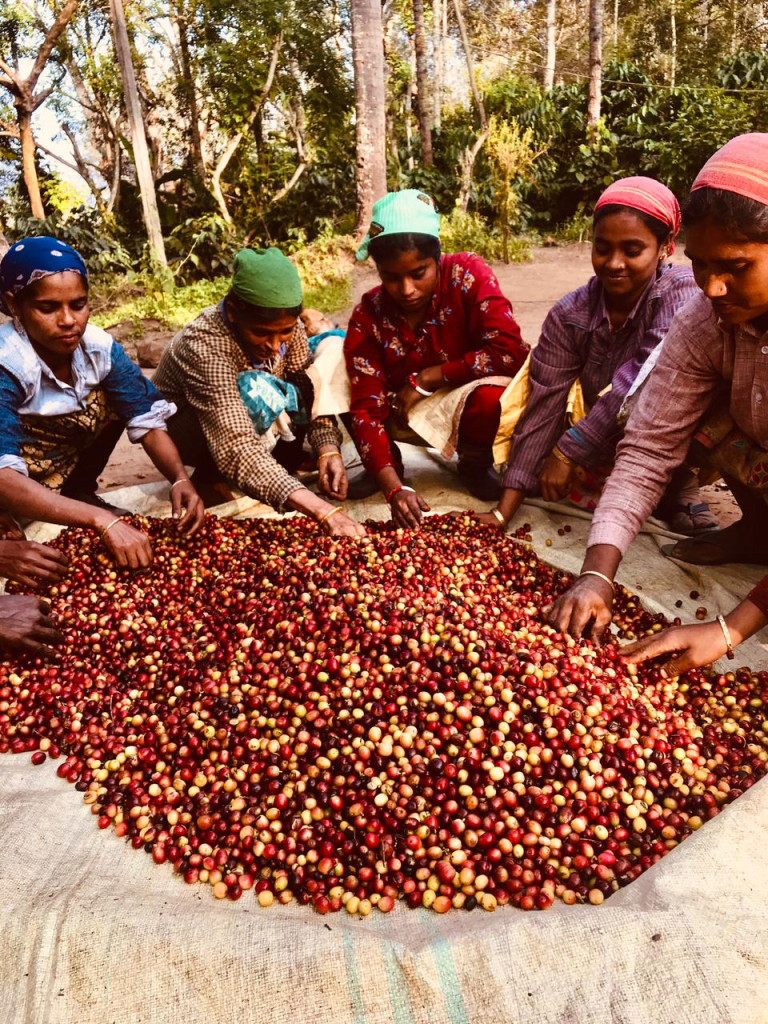
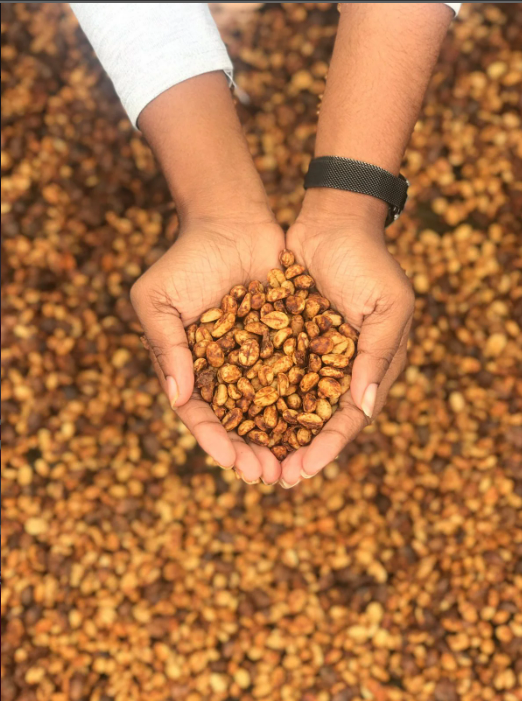
Natural/sun dried process. A natural processed coffee, also referred to as dry processed, is a traditional yet common way to process coffee today. Originating in Ethiopia, it involves drying out freshly picked coffee cherries with the seed still inside. To do this, we place the cherries on drying beds in the sun. These beds are either patios or raised drying tables. The cherries have to be rotated and turned to prevent mold, and takes about seven to eight days to ferment. During this time, the sugars and mucilage (the sticky substance that coats the seed) will latch onto the seeds, develop flavours and make them sweeter. Once the coffee is dry, a machine separates the pulp from the seed. Natural coffees are heavy bodied, and have deep, complex tasting notes. This development comes from the way the cherry ferments differently. Natural processed coffees can be difficult to replicate because of the inconsistencies in fermentation. However when done right, these coffees can also be some of the sweetest you’ll taste. It is juicy, syrupy and well worth the extra effort.
Washed process. Unlike natural, washed processed coffees are called the opposite, i.e. wet processed. In this scenario, machines called pulpers remove the seeds from the cherries before drying them. However, it is not just any cherry that gets the seed removal treatment. These cherries must have the perfect amount of ripeness to make sure they are sweet enough. To accomplish this, they go through a sorter and are segregated according to density. Once these pulpers remove the skin and pulp from the seeds, they are placed in tanks full of water. The water separates the rest of the mucilage and fruit caked onto the seed. Finally, the seeds are dried on the beds in the sun. Washed processed coffees have cleaner, and more crisp tasting notes when compared to natural processed coffees. The body of a brewed washed coffee is lighter. There is typically more brightness as well, because of a cleaner acidity that balances out the sweetness of the coffee. They are just as fruity as natural coffees, but the flavor notes are easier to differentiate.
Honey processed. This method is a combination of both natural and washed. It is a rare and demanding method, and not as commonly practiced as the previous two. However, it produces a unique cup of coffee, with flavours similar to both of the previously described processing methods. During honey processing, a pulper removes the seed from the cherry before it undergoes a drying process. However, it does not go into washing tank to remove the mucilage. That mucilage, which is what the ‘honey’ refers to stays on the seed and is now dried in the sun. The amount of mucilage left behind determines the sweetness, and there are even machines to control the amount on the seed. Like natural process, the seeds are dried on beds. The flavor components of honey coffees are varied and complex. Like washed coffees, they have lighter body and are very syrupy and sweet. Acidity is present but more mellow when compared to washed coffees.
Specialty processing. This is an emerging field and we use unique methods like anaerobic, aerobic, natural fermented, and fruit fermented to name a few. We ferment our coffee in a temperature controlled environment, with or without oxygen, followed by controlled drying to bring out unique and funky flavors out of the coffee.
source: Rasulpur Coffee Estates
What is the current state of the specialty coffee industry in India?
The coffee culture in India has evolved over the past decades. The nostalgia-inducing coffee houses were popular meeting grounds until the 1980’s. In the 90’s, cafe culture took over the country and coffee became the trendy drink to try.
Cafes are becoming the primary hangouts for youngsters and coffee found an emerging and appreciative audience. In the past two decades, we have seen a surge of cafes all over the country. They have materialized as a central hub for meeting, whether casual or business, and also doubling up as co-working spaces.
The 2020 pandemic impacted the industry In multiple ways and its effects were manifold. Logistics of coffee exports are pretty bad even today. Traditional coffee plantation owners who supply heavily within India and export to Europe are left with excess stock of coffee that could no longer be shipped to international markets.
Coming to the Indian coffee space, in recent years, the spotlight is on specialty coffee. This movement is picking up speed with many brands and roasters setting up shop. Analysis gives us a deeper understanding on how speciality coffee has emerged as the current buzzword in coffee circles. Current generation and millennials have emerged as the major chunk of consumers of specialty coffee within India.
Increased awareness and interest about coffee augmented by growing exposure to worldwide trends due to rising international travel and social media saw many of them exploring specialty coffee and manual brewing techniques. Lockdowns put a halt to the possibility of exploring cafes and thus many coffee consumers in the country turned to home brewing.
Many retail specialty coffee brands saw skyrocketing sales in 2020 as consumers invested in manual brewing equipment ranging from French Press, Moka Pots, Chemex and Aeropress. The new generation of coffee consumers respect the people behind the product, want to better understand the ‘farm to cup’ journey and are willing to invest in educating themselves on all nuances of coffee.
A few years back, this was largely unheard of. Farmers were just one aspect of the coffee supply chain, but hardly ever found the spotlight on them. Now plantation owners are keen on sharing their stories and experiences, information on their crops and the work they put in to make that perfect cup of coffee.
One can safely say that specialty coffee will not just be a passing trend, but en route to becoming one of the mainstays of the Indian coffee space in the coming decade.
I think there is a lack of communication between the consumers and farmers. I know some of the consumers, including me, have started to pay attention to where exactly the coffee is coming and from which farm. What do you think can be done to fill this gap?
The missing ingredient is awareness. People need to be educated about Indian coffee. The new-generation farmers need to collaborate with the Coffee Board of India and conduct events to promote coffees originating from India within the country and internationally.
Joint efforts need to be made by all coffee enthusiasts to encourage the consumption of coffee by making people understand the benefits of drinking coffee. The government has to support and help promote farmers to come forward and establish their own brands.
Being honest and transparent ensures the consumers and clients knows about the past, present and the way you are going to build a future. Bringing credibility to the table builds trust factor for the brand with the consumers.
I know some of the issues the farmers are facing currently are the increasing production costs, what steps are you employing to change that? Have you increased the price of your coffee to reflect that?
Whether we like it or not, coffee is getting more expensive. It’s important to look at some of the reasons why this is happening, before you potentially do one of the following:
Buy less sustainable and ethical coffee because it’s cheaper or
Lay blame on the wrong people for higher prices.
There are many factors influencing the cost of coffee from climate change, disruptions to global shipping, consumer demand, and packaging cost. While the need to use more environmentally-friendly packaging for coffee cups and bags is real, so too is the cost for shops switching to compostable or recyclable materials. We have also witnessed fluctuating shortages of packaging stock forcing some companies to find more costly short term solutions to packaging which comes at a higher cost.
Lastly, coming to the cost of quality, producing coffee of higher quality simply costs more. Coffee must be cared, harvesting and processing is hard work. It requires time and physical effort if you want to achieve the highest quality standards. You can’t have it both ways.
source: Rasulpur Coffee Estates
What are your thoughts on transparency? Has it benefitted you in any way?
Yes, by ten-fold. Transparency has improved our overall trust factor in this industry. It solves many problems and even stops disasters before they happen. It expands relationships, increases productivity, strengthens innovation, and improved our revenue.
What is the future of specialty coffee?
By far, the most interesting and exciting coffee segment of the moment is specialty coffee. It is rapidly expanding in India and across the globe as consumers continue to seek out the best cup of coffee to enjoy.
When it comes to coffee quality, specialty coffee is the ‘cream of the crop’ and is likened to fine wines due to its distinctive characteristics and delicious flavour that can only be achieved under certain growing conditions.
In today’s market, specialty coffee has become an intricate science and a global phenomenon that is seeing rapid growth across all sectors. More estates are coming into this specialty game, that will give ‘Indian specialty coffee a lot of mileage.’
What do you do in terms of R&D on Rasulpur Estate
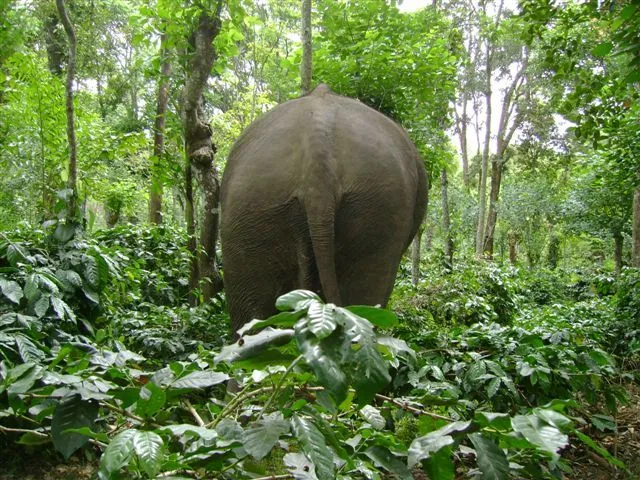
We are currently doing research on developing a hybrid plant which is resistant to white stem borer and leaf rust. These are the two biggest pests and diseases faced by all Arabica growers throughout the world. International Coffee Organization (ICO) is working with different countries to find a solution for this.
This R&D program has been ongoing for the past four years on a 40 year old, 30 ft tall, Arabica plant labelled by us as Rasulpur Arabica. So far, the results look promising and it is resistant to these diseases. We have propagated progenies of this plant by clonal cutting, seed and tissue culture, and cross-bred this plant with other varieties of Arabica.
source: Rasulpur Coffee Estates
About Rasulpur Coffee Estate
Rasulpur Coffee Estates & Roasters is based out of Rasulpur village in Coorg district in the hot spots of the Western Ghats, India. The Estate is run by Syeda Sumaira, a fifth generation coffee planter and entrepreneur.
Fun fact: Coffee farms are the best place to get first hand knowledge about the beverage, how it is grown, harvested and processed.
Rasulpur Coffee Estates organizes coffee tours, get in touch with them to find out more.
source: http://www.fltrmagazine.com / FLTR / Home> Insight> People / by Naveed Syed / August 11th, 2022
Khazima practised 12 hours daily for months to prepare for the championship.
Deputy CM Udhayanidhi Stalin awarding Rs1 crore cash to M Khazima (Photo | Express)
Chennai :
Three TN women dominated the Women’s Carrom World Championship. M Khazima (18), the youngest world champion, who competed in doubles and team events, received Rs 1 crore from the state government. Mithra (17) and Nagajothi (26), who won the doubles and team events, received Rs 50 lakh each from Deputy Chief Minister Udhayanidhi Stalin in a felicitation conducted by Sports Development Authority of Tamil Nadu (SDAT).
Khazima practised 12 hours daily for months to prepare for the championship. Mehaboob Basha (her father), an autorickshaw driver, runs the Cherian Nagar Carrom Coaching Club with 45 members. “This is a huge recognition,” Khazima said.
“My brother, Abdul Rahman (26), a Junior National Champion, quit playing due to our financial condition. We live in a rented house, and my father’s club is also in a rented space.” She added that the government has promised to improve the club and revealed that she plans to buy a house with the money.
Mithra’s father also drives an autorickshaw. She learned carrom when she was in Class 5. She said her father bought her a carrom board since none of the people playing carrom in her compound included her. She expressed her dream of buying a house and supporting other players.
Nagajothi was part of the winning team in the Asian Cup. She works as an Income Tax Inspector, selected through the sports quota.
source: http://www.newindianexpress.com / The New Indian Express / Home> Tamil Nadu / by Subhashini Vijayakumar / December 19th, 2024