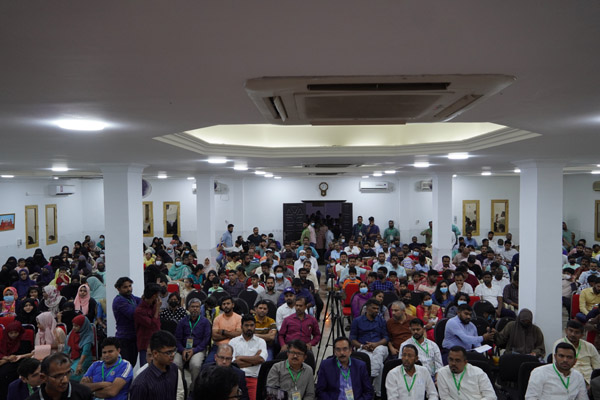
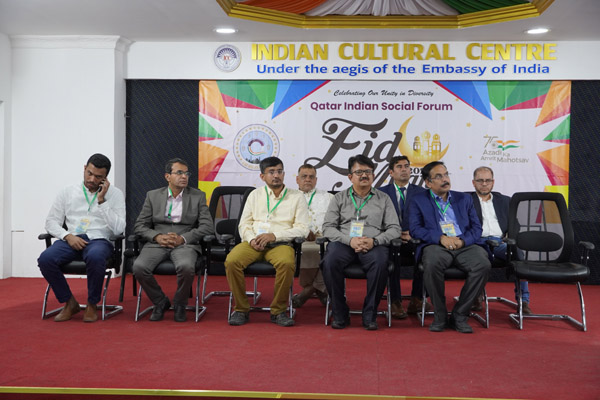
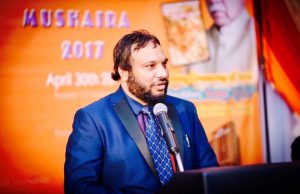
Qatar Indian Social Forum, prominent Indian expatriate community celebrated Eid-ul-Fitr with array of Cultural Programmes representing Rich cultural Heritage of Indian Subcontinent with Skits, Folk songs, Martial arts, traditional Cultural events from different Indian states in different Languages under theme ‘Celebrating Unity in Diversity’.
Welcoming the gathering, Usman general secretary of Social forum, said that the forum would like to uphold a sense of unity among Indians despite the difference in their caste, creed, and religion, and cherish different cultural backgrounds, a land that shows unity in diversity truly reflecting the theme of the evening.
Social forum president Ayyub Ullal launched ‘IndianSocialForum.com’ website, and delivered EID message, hosting these types of gatherings will promote respect for each other’s Cultural Heritage and improve collective commitment towards society at large.
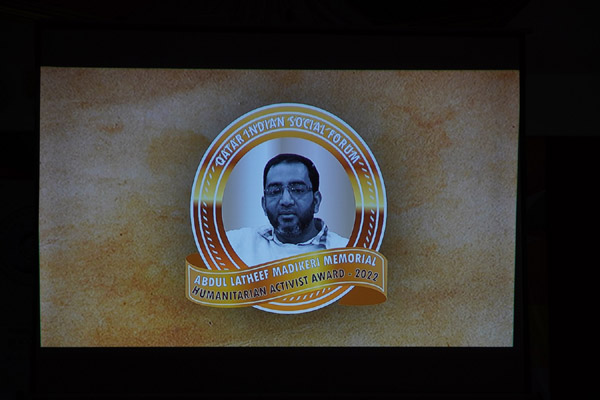
‘Abdul Latheef Madikkeri Memorial Humanitarian Activist Award’ of the year
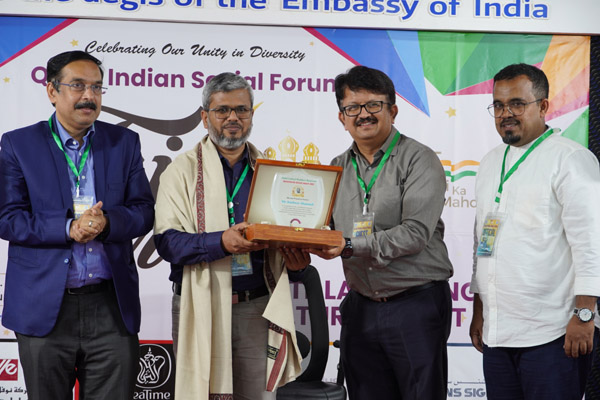
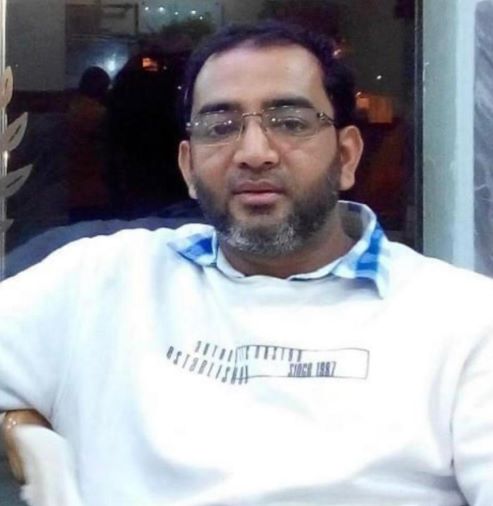
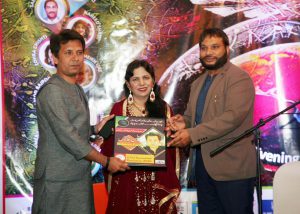
Chief guest of the Evening Subramanya Hebbagelu, vice president Indian Cultural Center, handed over the ‘Abdul Latheef Madikkeri Memorial Humanitarian Activist Award’ of the year to Basheer Ahamed, leader from Social Forum Tamilnadu, and paid tribute the veteran leader Abdul Latheef Madikeri, who passed away in April last year, in his speech stressed the importance of Serving Humanity.
Vinod Nair, president, Indian Community Benevolent Forum (ICBF) congratulated the gathering and handed over medal to Cultural teams including ‘Thullal-Parai’ and ‘Nagam-16’ from Tamilnadu, Kolkali and ‘Daughters of Kerala’ from Kerala, Tippu Sultan Drama from Karnataka, Nasheed from Northern States for their spectacular display.
Fastest Kid
Ayyub Ullal, handed over the ‘Award of Appreciation’ to Muhammed Ameen Bin Thaisser, honoring his achievement to become ‘Fastest Kid to recite’ all Elements of Periodic table.
The meet brought together more than 20 Community Leaders representing various Indian states Organization, attracting more than 500 community members. The programme ended up with a feast for all participants.
Saeed Kommachi, general secretary, proposed the vote of thanks.
www.indiasocialforum.com
source: http://www.daijiworld.com / DaijiWorld.com / Home>Middle East / by Daijiworld Media Network – Doha (EP) / May 06th, 2022
Well-known social worker Abdul Lathif Madikeri, secretary of Qatar Indian Social Forum (QISF), an association for NRIs, passed away on Sunday April 11.
Abdul Latif was an active social worker who used to respond to all issues faced by non-resident Indians and help to find solutions for them. He always led from the front when it came to social and humanitarian works and was well-known to all NRIs in Qatar.
He was employed in Qatar Police Force for the past thirty years and has left behind his wife, three sons, a daughter, a large number of friends and relatives.
Qatar Indian Social Forum has condoled his demise, describing that his departure has left a void that cannot be filled. QISF also prayed that the almighty bestows strength to his family to bear the loss.
source: http://www.daijiworld.com / DaijiWorld.com / Home /by Daijiworld Media Network – Doha (EP) / April 11th, 2021
These superb translations make two Tamil classics accessible to a wider readership
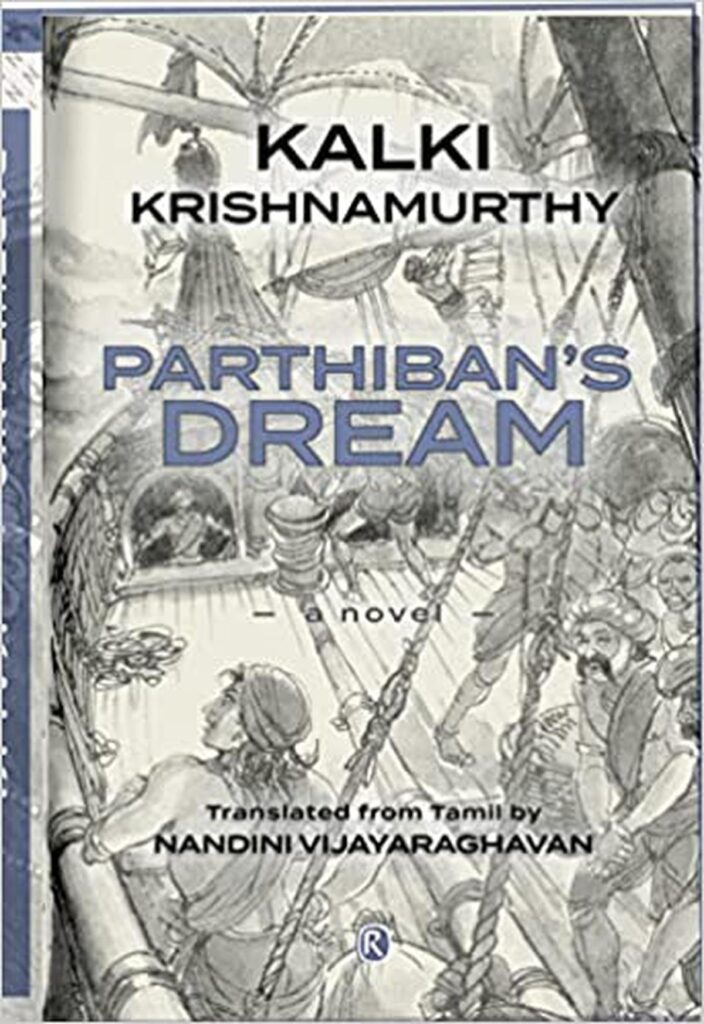
Kalki’s Parthiban Kanavu, published in the 1940s and considered to be one of the earliest historical novels in Tamil, is an acknowledged classic.
Thoppil Mohamed Meeran’s short stories are contemporary classics.
The translation of these works from Tamil into English by two experienced writers, Nandini Vijayaraghavan and Prabha Sridevan respectively, achieves a major aim: to make cultures and histories of India accessible to a wider readership.
They are also of interest to prospective translators as a study in contrast, indicating the wide range of skills and knowledge that make translation a creative art.
Impeccable choice
Parthiban Kanavu is a swashbuckling story of a young prince keeping alive his father’s dream of establishing a glorious kingdom. The storyline is marked by palace intrigues, betrayals, and love at first sight. Vijayaraghavan faithfully follows the plot, omitting no digressions or descriptions. Nor does she editorialise to explain plot complications. Her choice of words is impeccable, the polysyllabic and slightly archaic language reflecting Kalki’s Sanskritised Tamil, which is not easily accessible to contemporary readers.
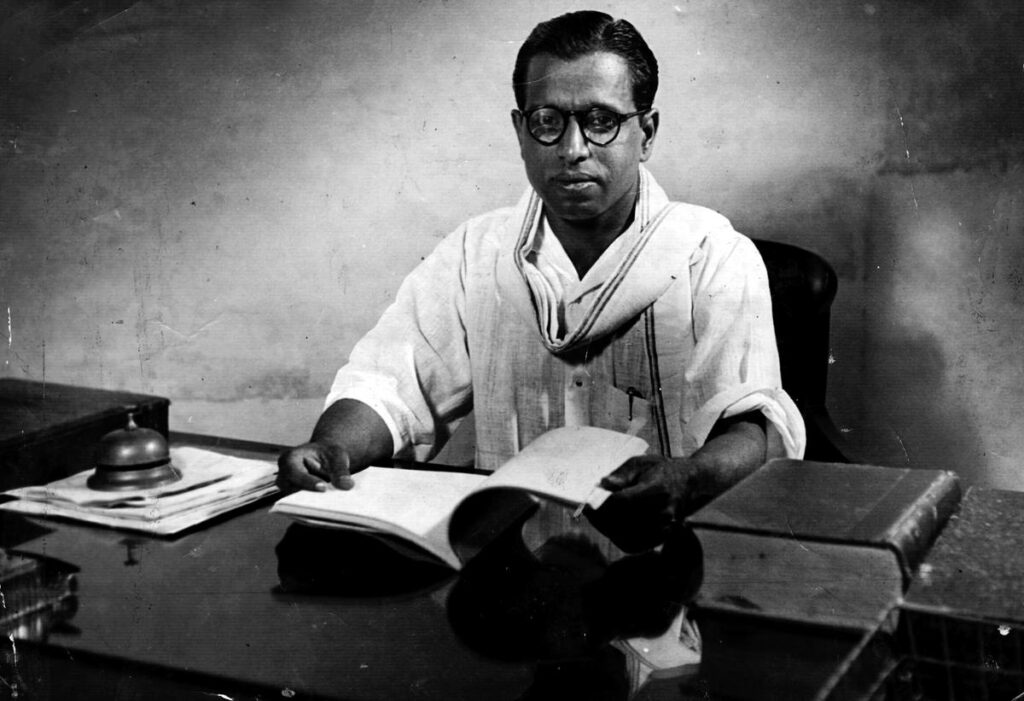
Kalki at work | Photo Credit: The Hindu
Parthiban’s Dream features exquisite artwork by Gopulu which was part of the Tamil original when it was serialised. The volume will be a treasured addition to any bookshelf.
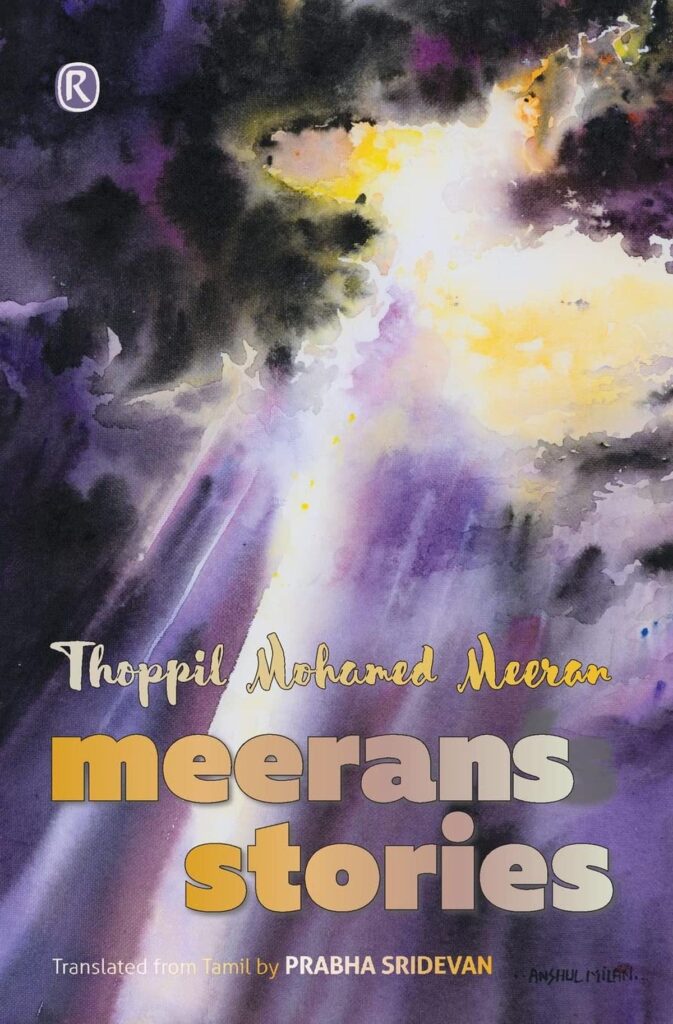
Cover of ‘Meeran’s Stories’
Deceptively easy
The 18 short stories in Meeran’s Stories have been selected from across three anthologies. Taken together, they showcase the Sahitya Akademi award winner’s range and sensitivity. Belonging to a Muslim community in Kerala, Meeran’s characters lead insecure lives where violence is both tacit and direct.
Noorunisa waits in vain for the Arab trader who will sweep her off her feet and cover her with gold. A tsunami changes the entire landscape, bringing about a sea change in the lives of the fishing community. A poor man thrown out by his son goes on a safar to holy Muslim sites, only to be treated as a terrorist by the authorities.
The young boy who bullies and finally strangles his mother, learns that the woman who petted, cosseted and indulged him owed him nothing, not even his birth. An unsympathetic official refuses to grant a girl’s simple request to thank the bus conductor who rescued her till it is too late. The economic and environmental disaster created by Coca-Cola at its Plachimada plant is recorded with clinical precision through descriptions of dry wells, poisonous fertilisers and a devious investor.
Meeran’s stories make for deceptively easy reading, mirroring the apparently uneventful lives of his characters. The narrative style, without editorial comments, is powerful in its starkness. Through what he leaves unsaid, Meeran allows readers to reconstruct the cultural context.
The twist in the tale, the hallmark of a good short story, is sharp and blink-and-you-miss-it short.
The closed Coca-Cola company at Plachimada in Palakkad. | Photo Credit: Mustafah K.K.
Like idioms, Meeran’s syntax and structures do not cross languages easily.
Translating Meeran’s work is thus a delicate undertaking, balancing the said and the unsaid, needing simplistic, not simple, English to create a feeling of rarity.
Sridevan pays attention to both word and spirit. But her work goes a step further: it spurs the reader on to go back to the original, looking for hidden depths. This is a singular accomplishment for a translation.
These two books are must-reads for the Tamil diaspora, in India and abroad.
Senior writer U.A. Khasim (74), who was one of the architects of the Beary Andolan passed away at his residence in the city during the early hours of Monday.
The deceased is survived by his wife, four sons, three daughters, and a legion of relatives and friends.
Writer Khasim has written stories, novels, poems, and various literary pieces in both the Beary and Kannada languages.
Apart from being at the forefront of the Beary Andolan, Khasim Ullal has also been a member of the Beary Sahitya Academy, he has also served as the office bearer of Kendra Beary Parishad and Beary Literary & Cultural Association for several years.
The sources close to the family of the deceased have informed that his funeral rites will be conducted at Kallapu Patla near Thokottu.
Many prominent personalities expressed their condolences and remembered Khasim Ullal’s rich contribution to the Beary movement and literature.
With his passing away, one more pillar of the Beary literary movement has crumbled. With his pioneering works in Beary literature by way of novels, poems, short stories, plays etc. he had given a big boost to the movement in its early years, said Umar Teekay, Chairman of Teekays Group in his condolence message.
source: http://www.english.varthabharati.in / Vartha Bharati / Home> Karavali / by Vartha Bharati / June 20th, 2022
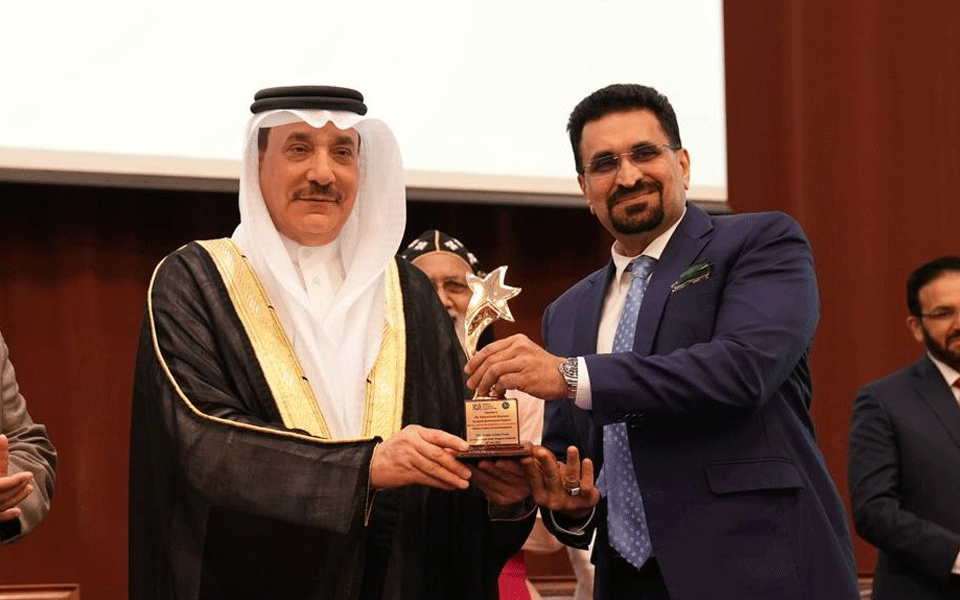
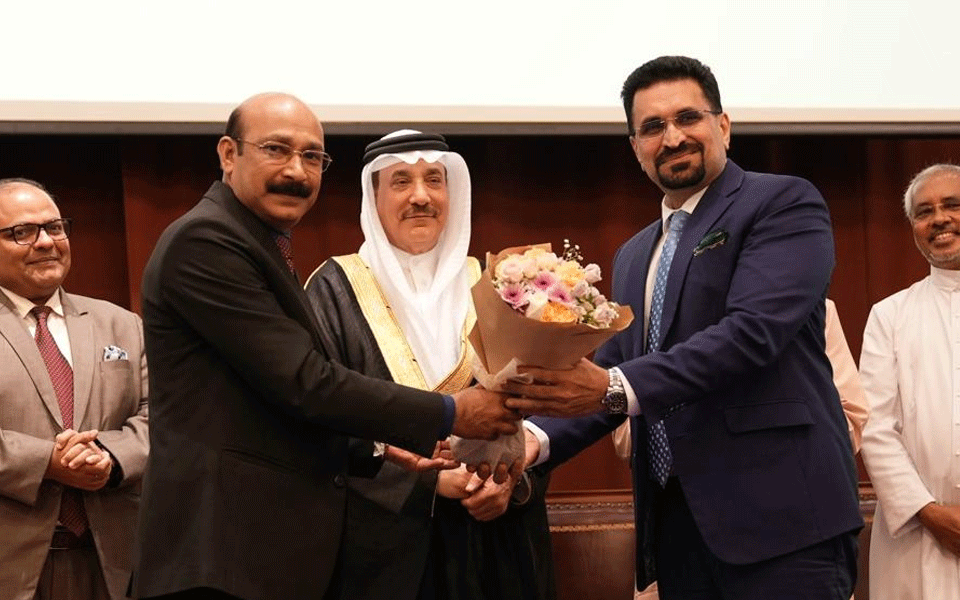
Leading Bahrain-based Indian entrepreneur, Founder and Chairman of the Saara Group, Mohammad Mansoor was honoured for his enormous contribution to sports and international relations by the one of the oldest cultural organisations in Bahrain, the – Kerala Catholics Association.
Mansoor was presented the award as presented the award by Minister of Labor and Social Development H E Jameel Bin Mohammed Ali Humaidan at a glittering gala ceremony at the Crowne Plaza hotel, in the presence of Ministers, Ambassadors, VIPs, distinguished guests and community leaders including India’s Ambassador to Bahrain, HE Piyush Srivastava, Bishop Rt. Rev. Dr. Abraham Mar Julios, Peravur MLA Adv. Sunny Joseph.
Mr Mansoor, a serial entrepreneur and venture capitalist, is the Founder & CEO of Saara Group, which has a portfolio of operations across the domains of Information Technology, Energy, Oil & Gas, Digital Media, Sports Infrastructure, Seed Capital Investments, and Social Initiatives.
The operations of the group span across the Gulf Cooperative Council (GCC), United Kingdom, United States of America, ASEAN countries and India.
As an active supporter of an array of social and cultural initiatives to empower community relations and strengthen the social fabric, he has played and played a crucial role in supporting the sports initiatives in the Kingdom of Bahrain under the patronage of His Highness Sheikh Khalid bin Hamad AI Khalifa.
As a cricket enthusiast, he was the brains behind launching the first-ever franchise-based T20 Cricket Premier League which was held under the patronage of His Highness Sheikh Khalid bin Hamad AI Khalifa in 2018. In 2021, he was appointed as the advisor to the newly revamped Bahrain Cricket Federation and was instrumental behind giving the sport a much-needed boost in Bahrain. So much so, that the women’s team has already inked its name in the record books by scoring the highest score in an T20 International.
An active supporter of Bahrain’s flagship sports media property, BRAVE Combat Federation across multiple venues around the world. He spearheaded the KHK Heroes Foundation initiative assisting the economically vulnerable communities and expatriates throughout the Kingdom of Bahrain during the Coronavirus pandemic part from being a director of KHK Venture Holding.
In 2021, he was appointed to the prestigious World Youth Group as director of the Council. The WYG has been designed by Collegiate Congress, in association with United Nations Member States, United Nations Agencies, youth and student groups; All-African Students Union (AASU), European Students Union (ESU), Young Republicans National Federation (YRNF), Young Democrats of America (YDA), higher education institutions, the private sector, and individuals from around the world.
Of the most notable among the awards that he has been conferred with is the Hind Ratan Award.
source: http://www.english.varthabharati.in / Vartha Bharati / Home> Gulf / by Vartha Bharati / June 14th, 2022
Nammal Beypore will organise a Basheer Fest, a range of programmes in connection with the 28th death anniversary of writer Vaikom Muhammed Basheer, at the author’s residence at Beypore from July 2 to 5.
Tourism Minister P.A. Mohamed Riyas, who is the patron of the fest, told reporters here on Sunday that there would be district-level and State-level programmes as part of the fest, with the help of the Chalachitra Academy, Sangeetha Nataka Akademi, Kerala Lalithakala Akademi, Folklore Academy and Sahitya Akademi.
A Basheer feature and documentary show in association with Chalachitra Academy, a literature camp for budding writers led by writer Subhash Chandran under the aegis of the Kerala Sahitya Akademi, a Basheer painting contest, photo exhibition, traditional food fest, plays and ghazal concerts are being held as part of the festival.
Besides, there will be seminars and cultural meetings in which noted writers are expected to take part.
School children can visit the Basheer residence at Beypore.
Mayor Beena Philip is the chairperson of the organising committee.
source: http://www.thehindu.com / The Hindu / Home> News> Cities> Kozhikode / by Staff Reporter / Kozhikode – June 20th, 2022
Maulana Muhammed Manzoor Nomani (1905-1997), most arguably was one of the five prime most Muslims of the Indian sub-continent in the last century. He was the founding member of Jamaat-e-Islami and later got associated with Tablighi Jamaat and was also the member of founding committee of Muslim World League.
Maulana Khalil-ur-Rehman Sajjad Nomani is his son who gives every credence to his father, as that is what has made him, potentially what he is today; the most potent Muslim voice in the nation.
Sajjad Nomani’s command on Arabic, Quran, Hadith, Urdu, Hindi and English, in the same verve, depth and gravitas, apart from being an eloquent speaker, an indefatigable champion of Muslim cause, a voracious reader and a writer with an unquestionable command on the intricacies of linguistic theory and cultural praxis, are all the qualities he has embodied and imbibed from his late father.
Yours truly also did once saw Manzoor Nomani Sahab, at his Nazeerabad residence, Lucknow, as he sat on his wheel chair engrossed in an Urdu newspaper and also attended to his funeral at Aishbagh, Lucknow in 1997.
It would be worthy to recollect some of the anecdotes Sajjad Sahab shared about his late father, which all are a treasure trove to understand the ‘times’ about seventy-five years back.
He reminisced that Pakistan first Prime Minister Liaquat Ali Khan was very insistent that Manzoor Sahab visit Pakistan and become a part of Pakistan Constituent Assembly to ‘pave for the ingredients’ for Islamic Jurisprudence for the state of Pakistan, and ultimately even officially sought for it, as Manzoor Sahab was one of the most outstanding figures of Islamic Law and Jurisprudence at those times.
When India’s PM Jawahar Lal Nehru came to know of it, he communicated that though he does not want Maulana to volunteer it, yet if Maulana wanted then government of India was to facilitate it. But, there was no question of Manzoor Sahab even entertaining the idea as he was an unwavering Indian by his heart, not out of any chance but primarily for his choice, as Muslims after 1947 were to choose between India or Pakistan and Manzoor Sahab stood for India.
Maulana Khalilur Rahman Sajjad Nomani
Sajjad Sahab would also reflect that it was in 1976, when he was studying in Medina University, and had come to India on his vacations, that Manzoor Sahab kidneys collapsed all of a sudden and he went into coma. That was the time when emergency was in place. He informed that ‘intelligence inputs’ were given to PM Indira Gandhi that unless Maulana Ali Mian Nadwi, Maulana Manzoor Nomani and Qari Siddeeq Baandvi were to be arrested, Muslims were not relent to ‘vasectomy-sterilization’ and Indira Gandhi went to India’s President Fakhrudin Ali Ahmed, for his counsel on it, to which she was answered that all hell will break loose in the country in case of such an eventuality.
In the meantime, Indira Gandhi was also informed about the medical situation of Manzoor Sahab, and a chartered place to carry Maulana to Delhi was sent to Lucknow. The family members could not fathom for it, for they knew, that Maulana was be very angry once after the coma was to subside, the gesture of Indira Gandhi was hence refused, and fortunately by the midnight Maulana regained his senses, but then the next morning Indira Gandhi herself came down to Maulana’s residence. She would insist that Maulana may be flown to Delhi for his medical treatment, but all what Maulana sought from her was that she should implement justice as there was ‘tyranny’ all across the nation. He would address Indira Gandhi as his daughter and that when she played in her father’s courtyard, Maulana was to advice her father JL Nehru on critical issues.
Such has been the sense of belonging of Muslims for Manzoor Sahab , inherited too well by his son, is that while Jamshedpur raged under riots of 1979, Maulana went on to sit in a mosque for 21 days, draw into people and disbursed charity amongst the hapless Muslims, which continued for months. Maulana had an impeccable memory as Sajjad Sahab, relates, that shortly before his death, while he was searching for a Hadith, his ailing father, who was almost comatose, made him look for it on the exact page of Tirmezi- a great compendium of Hadith. Maulana Manzoor Sahab was a living authority and a luminary of Hadith-the sayings of Prophet of Islam.
Manzoor Nomani Sahab surely has left an indelible mark on Muslim civilization not across only in India but throughout the whole Muslim world. The best part however is that, it has all been very well innately translated into a relentless campaign for Muslim rights in India, by his son Sajjad Nomani, an activist always on his heels and one of the most credible voice of Muslims in the nation today. He is right now articulating the cause of Peace and Justice, a desperate call of the nation today. Sajjad Sahab is also the spokesperson of All India Muslim Personal Law Board, the Apex of Muslims in the country.
***
The writer is a former UP State Information Commissioner and writes on political issues.
source: http://www.mulimmirror.com / Muslim Mirror / Home> Muslim Scholars / by Haider Abbas / June 20th, 2022
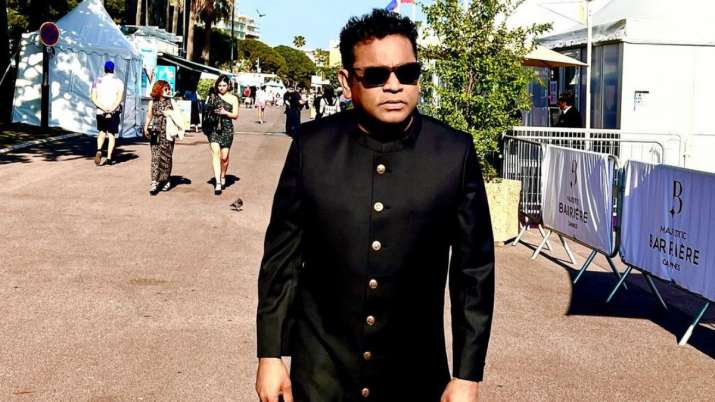
AR Rahman said as an artiste, it is a pleasure to be part of an innovative cultural program that supports creative excellence and artistic appreciation; and brings diverse audiences together.
AR Rahman named ambassador of Indo-UK culture platform / Image Source : INSTA/ARRAHMAN
Music great A R Rahman has been named the ambassador of British Council’s ‘India-UK Together Season of Culture’, which aims to boost collaboration among emerging artists. The ‘Season of Culture’ that marks the 75th anniversary of India’s independence was officially launched on Tuesday here by Britain’s Deputy High Commissioner to India Jan Thomson and Director (India) of British Council Barbara Wickham. Rahman said as an artiste, it is a pleasure to be part of an innovative cultural programme which supports creative excellence and artistic appreciation; and brings diverse audiences together.
“Today, creative expression and exchange can nurture young talent and create a global stage for fair and equitable access to arts,” he added.
Wickham said Rahman has been a significant adviser to the ‘Season of Culture’ and his work and professional journey truly embody what the ‘Season of Culture’ stands for – working together, and artistic output that captures the imagination of the world.
Over 1,400 artistes will showcase their collaborations to millions of audiences across India, Britain, Scotland, Wales and Northern Ireland, through a wide array of arts such as theatre, dance, visual arts, literature, music, architecture, design, fashion, tech-art, and new media art.
The ‘Season of Culture’ aims to build on the British Council’s work in India and strengthen India-UK collaboration in the areas of arts, English and education.
Wickham said people in both the countries will have the chance to experience innovative and exciting creative work from some of the most promising UK and Indian artists pushing the envelope of creativity and the infusion of creative tech.
source: http://www.indiatvnews.com / India TV / Home> English News> Entertainment / by PTI / New Delhi – June 08th, 2022
The awards were constituted by the Indian American Muslim Council, a Washington DC-based advocacy group, to “highlight stories and amplify voices that are often missing from the mainstream/elite media”.
New Delhi:
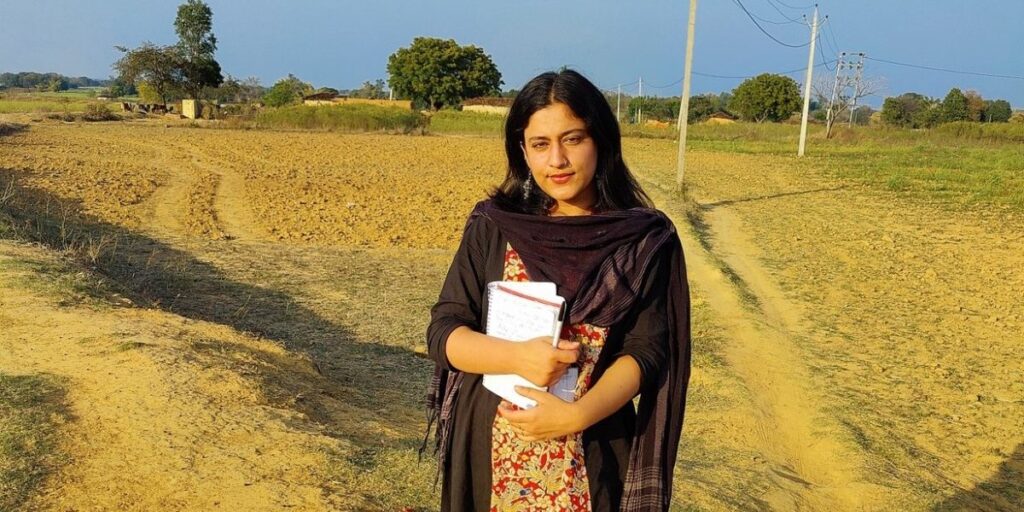
Ismat Ara was among the winners of the first edition of the Human Rights Religious Freedom (HRRF) Journalism Awards, taking home the Young Journalist of the Year Award for stories that were published in The Wire.
She was a joint winner in the category with Scroll‘s Aishwarya S. Iyer.
The awards were constituted by the Indian American Muslim Council, a Washington DC-based advocacy group. The HRRF Journalism Awards strive to “highlight stories and amplify voices that are often missing from the mainstream/elite media”.
“This year our jury chose winners in the extremely troubled times when media in India is under immense pressure from the ruling government,” said Syed Ali, president of IAMC.
Ara was chosen as a joint winner of the Young Journalist of the Year Award for stories on a temple-mosque controversy in Delhi’s Uttam Nagar, the tragic consequences of the so-called anti-love jihad law and the lynching of a Muslim youngster in Haryana. She was a staffer for The Wire when the stories were published.
Iyer’s stories covered the aftermath of the Delhi riots of 2020, shrinking space for open namaz in Haryana and the arrest of a Christian pastor in Madhya Pradesh.
Newslaundry‘s Akanksha Kumar was declared the winner of the Best Text Reporting on Human Rights & Religious Freedom category.
Priyanka Thirmurthy of The News Minute and Shahid Tantray of The Caravan won the Best Video Story on Human Rights and Religious Freedom category and Syed Shahriyar was the winner in the Best Photo Story on Human Rights and Religious Freedom category.
Article 14 and the Mooknayak were declared joint-winners of the Best Media Organisation Covering Human Rights and Religious Freedom Journalism.
According to IAMC, the awards received more than 250 entries across five categories. The winners will share a prize pool of Rs 3 lakh.
Speaking at the awards ceremony, Gypsy Guillen Kaiser, who is the advocacy and communications director at the Committee to Protect Journalists, said the watchdog’s annual prison census found that India set a country record last year for the largest number of detained journalists. “The vast majority of journalists detained in India as of December 1, 2021 are Muslims,” Kaiser said.
“The worrying trends in India make HRRF Journalism awards all the more important to uplift and celebrate the invaluable work of the Indian journalist and to remind us of the responsibility that we all share in working to keep them safe,” she added.
source: http://www.thewire.in / The Wire / Home> Media / by The Wire Staff / New Delhi – June 20th, 2022
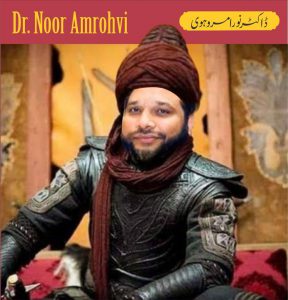
Dr. Noor Amrohvi is one of the most important people in modern times for his knowledge of literature and poetry. Dr. Noor Amrohvi is a man of courage and many qualities. Apart from his immense love for literature, poetry and Urdu language, he also has a deep sympathy for the nation. They are popular among the people. He lives in the United States but his heart lives in India. They always strive for the development of the country, the welfare of the people and the promotion of Urdu language. And these are the things that make him stand out from others.
Dr. Noor Amrohvi belongs to a business family of India. He himself is also a businessman. Simultaneously, he is a renowned and popular poet and a literary figure. Although in the Dallas Texas Area there are a large number of poets and prose writers, yet the main difference between Noor and others is the level of popularity and fame that has come to Noor Amrohvi. He is certainly a distinguished and far more popular literary figure than others poets, speakers and writers.
Its manifest proof is proven by the release of his first book which has been released in a unique and charming manner. Although the release of this book has been carried out in an extremely distinguished and unique manner yet the most notable and enticing manner was visible in the celebration which was hosted by his admirers and readers in 2018 AD. Its salient features were that every listener and guest was given a precious diamond. Moreover, precious pens were gifted to Dr Noor Amrohvi by adopted sister of Noor In the light of all these festivities that party became one of the most unique and expensive functions which was neither witnessed nor celebrated.
Noor Amrohvi is also the chairman of the famous literary and social organization named “ALNOOR INTERNATIONAL “. Every year Noor Amrohvi conducts an international program named,” an evening for peace and unity).
Noor Amrohvi enjoys the distinction of being the only expatriate person for holding an international Mushaira (poetry presentation). Every big and renowned poet aspires to take part in the poetry Mushairas conducted by Dr Noor Amrohvi as an honor.
One can imagine the popularity and fame of Noor Amrohvi for his services for Urdu language,Asian community and poetry. That last in a Mushaira conducted at his residence, almost all the reputed and well-known celebrities of Dallas city were present.
It may be mentioned that Dr. Noor Amrohvi has received so many and numerous awards. The expatriate residents of Dallas and Fort Worth cities have acknowledged that no one has so far received so many awards as Noor Amrohvi has been awarded.
Noor’s Ghazals have been sung by singers. The lyrics written by him have been used in the movies and also sung by renowned singers in India. The city of Dallas is very fortunate that it has a poet of eminence known asDr. Noor Amrohvi who represents Urdu language in the United States and Dallas city as well as elsewhere.
Although Dr. Shamsa Qureshi is the spoken sister of Dr. Noor Amrohvi, yet there is a great deal of understanding between them to the extent that both seem to be the real sister and brother.
Dr. Shamsa has a very soft and kind temperament and is the author of a volume of poetry. She is the custodian and patron of the Al-Noor International literary union. She is like the backbone of this literary union.
The people of Dallas have benefitted by this relationship of brother and sister that two Urdu literary and poetry sessions are held every year. These programs are held because of the support and patronage of Dr. Shamsa and Dr. Noor Amrohvi.
source: http://www.millattimes.com / Millat Times / Home> Opinion / by Saeed Qureshi, Editor – UprightOpinion.com / January 13th, 2021