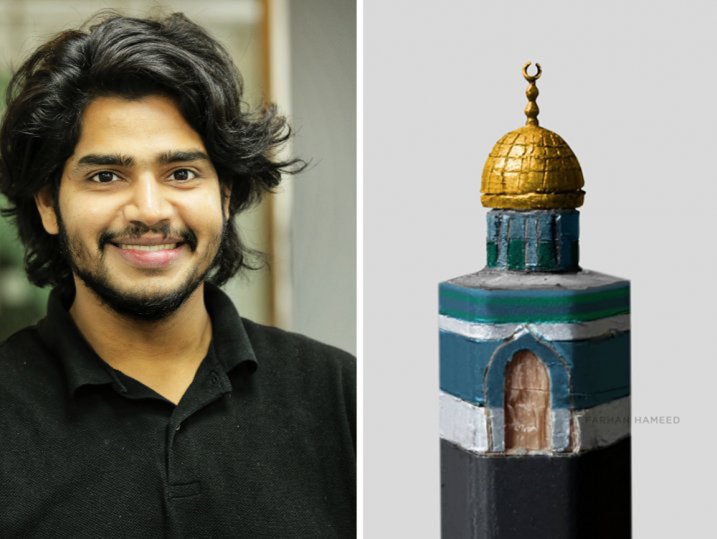
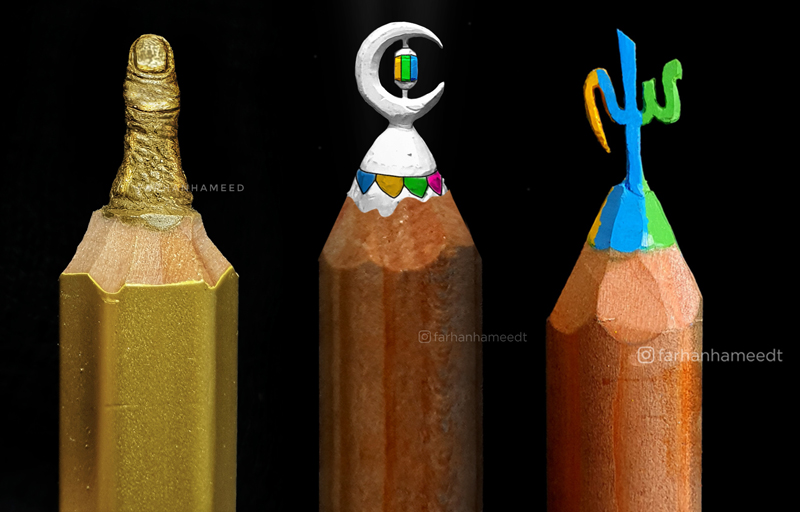
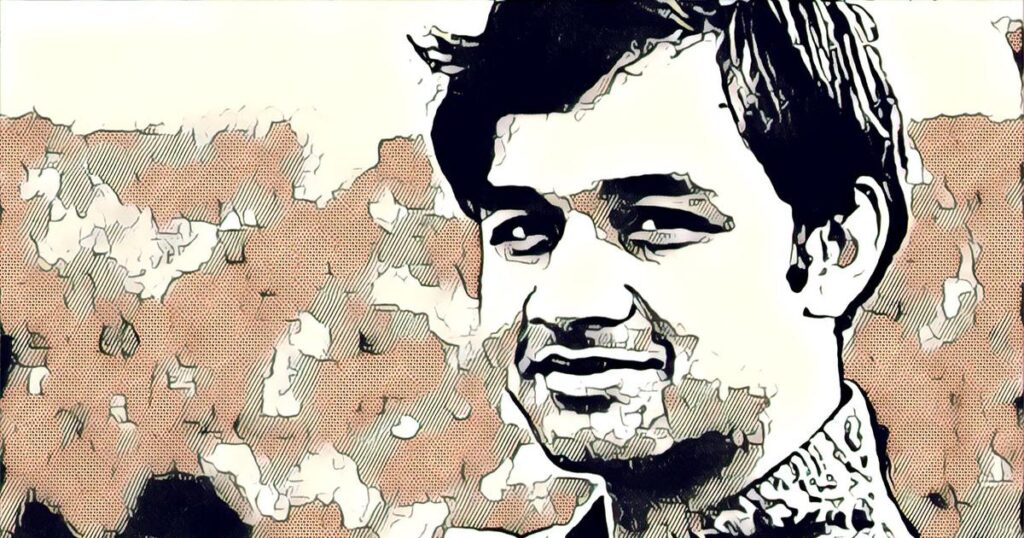
Le Pouce, or the giant thumb sculpture at Souq Waqif, is a popular public artwork installed by Qatar Museum. What would happen when that same larger-than-life art piece is carved onto pencil graphite. That’s the thought that inspired Farhan Hameed, a carving artist residing in Doha to recreate the same artwork. The result was another beautiful miniature artwork atop a pencil!
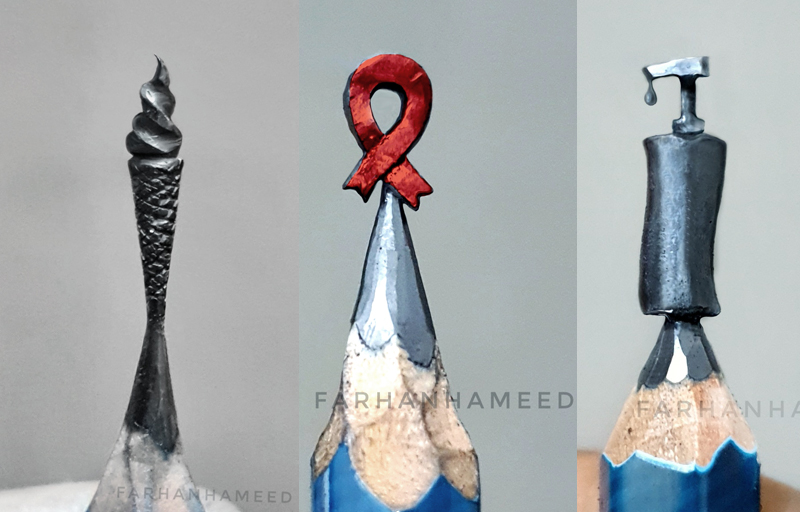
A motion graphic designer from Kerala, India, Farhan in his free time fiddles with his pencil and scalpel, and creates miniature carvings of popular buildings and other art pieces with the most recent one being Burj Doha.
Farhan has also received compliments from contemporary Qatari artist Ahmed bin Majed Al Maadheed whose signature he had carved and shared. Ahmed commented on the Insta post writing, “Amazing details job. Thank you brother for your work.”
Without any knowledge about pencil carving, he attempted to carve ‘I Love My India’ onto a pencil. About a dozen pencils later, his carving was complete. “This was my first work and it was nowhere near perfect but then it was something that I made with a lot of effort. I had no knowledge of carving tools and the pencil lead would break easily. It took over three days for the piece to be completed,” says Farhan. He attempted a few more and then sent some of the snaps to Afsal who shared his knowledge about the tools used – scalpel to sharpen and needles for detailing and making holes.
He moved to Doha for work and that is when he took up pencil carving again and started sharing them on his Instagram page. People started liking his work and recognition came when his artwork was shared by a few in the Kerala film industry. “I carved a movie name “Thamaasha” and that was part of the movie’s 25th-day screening celebration. It was then that my parents came to know about my carvings. They would see me fiddling with the pencil and doing something but allowed me to carry on with whatever I loved,” says the 27-year-old artist.
Of all the pencil carvings that he has done in the last few years, heart lock is one of his favourite and one that took many trials. He says, “In a heart lock, you have to carve the pencil in such a way that there are two hearts locked within each other. I tried it many times but it was recently that I was able to finish it successfully.”
The carvings on social issues have garnered the most support on social media, with the most recent one named Eid With Aqsa – a pencil carving of the Al Aqsa Mosque. Prior to that Azaadi carving on the CAA issue in India was also much appreciated among his Instagram followers as he says, “Social issues connect with a larger audience and it is a way for us artists to share our opinion as well.”
Though all his carvings take a lot of patience, he would like to continue his work and bring many more carvings to life. “There are quite a few beautiful structures in Doha. My dream is to carve them in a miniature form and if possible to set up an exhibition sometime later,” he concludes.
source: http://www.thepeninsulaqatar.com / The Peninsula / Home> Doha Today> Community / by Anisha Bijukumar, The Peninsula Online / June 06th, 2021
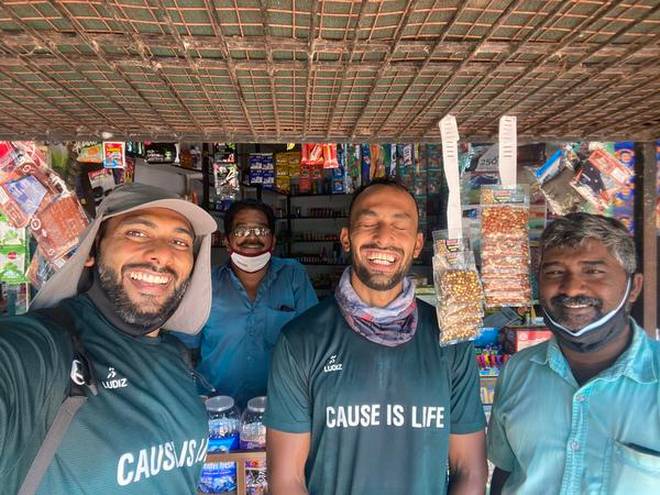
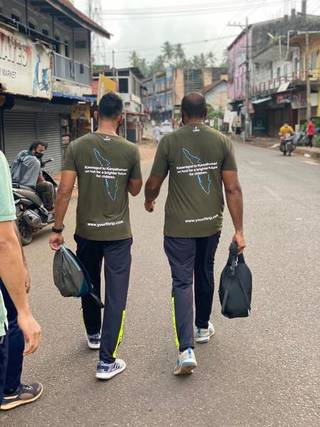
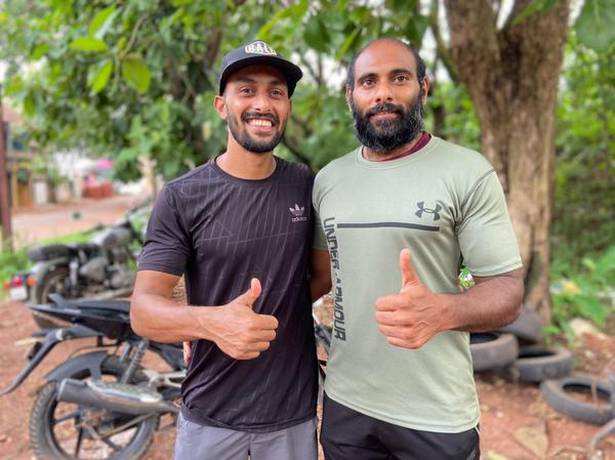
Mujeeb (left) and Aslam share a laugh with locals along the highway | Photo Credit: Special Arrangement
The two will cover a distance of 600-odd kilometres on foot, to raise money for children’s education
Ambling through the streets of Kozhikode, a visibly tired Aslam TP and his childhood friend Mujeeb Rahman are intercepted by an auto driver.
He wants to know where they are heading, and why they looked so drained. When Aslam tells him about the cause they are trying to raise money for, the auto driver promptly pulls out ₹100 from his pocket and hands it over.
In just seven days of their walk, Aslam and Mujeeb have been met with overwhelming tales of generosity, and as a result, 62% of their target amount (₹7 lakh) has been raised. They are covering a distance of 600-odd kilometres on foot, from Kasargod in Kerala to Kanyakumari in Tamil Nadu, to raise money for children’s education in Kasargod for the Najath Educational and Charitable Society. With the amount raised, they will buy smartphones for online classes. “We walked from Vadakara to Kozhikode on Monday, covering around 49 kilometres, the longest stretch so far,” say Aslam over a call from Kozhikode, Kerala. A serial fund raiser, Aslam took up a similar challenge in Bali last year, where he cycled 397 kilometres to support the education of 45 Balinese children. Currently, he runs a company called Yourfitrip in Bali, which encourages fitness holidays. These include surfing, kayaking, volcano trekking… activities that have helped Aslam stay fit over the years.
He also runs a community called Cause is Life that connects blood donors to receivers. It kept him and his pan-India volunteers busy through the second wave of COVID-19. Just before the lockdown this year, Aslam was in Nagaland, setting up Yourfitrip there, running up hills and walking from one village to another meeting the locals.
“For this walk, Mujeeb and I trained in Kasargod, our hometown, walking 15 to 18 kilometres everyday. We are training our brain to know that we are good to go, even when we are tired,” he laughs. They prepare a chart, based on which their daily route is fixed. “We average about 30-35 kilometres a day. On somedays, it goes up to 45 to 48.”
They start walking at 6.30am and wind up for the night by 7pm. “In case of emergency, we have a backup car that stays 15 kilometres ahead of us,” he adds. They take the highway, spilling into Tamil Nadu from Nagercoil before heading to Kanyakumari. With everything functional in Kerala and food available for takeaway, things have so far been under control.
Aslam says he will complete the walk in 21 to 23 days. Though planned as a 21-day project, the end date is uncertain as they get enveloped by hospitality from people they come across. So far, the duo has been pleasantly surprised by receptions planned in their honour, invites for meals from strangers, and the willingness of people to contribute even if it means handing over the last penny in their pocket. At one of the villages, a group followed them in a car as they wanted to be part of this mission. “I want people to know that we are collectively strong and can do so many things to give others a better future,” he says as he and Mujeeb stretch, lunge and soldier on, with the rain for company.
For details, check out Aslam’s Instagram handle @aslucha
source: http://www.thehindu.com / The Hindu / Home> Society / by Priyadarshini Paitandy / June 30th, 2021
A thorough businessman who believes in work hard and celebrate harder.
When you are determined, Nothing can Stop you!!
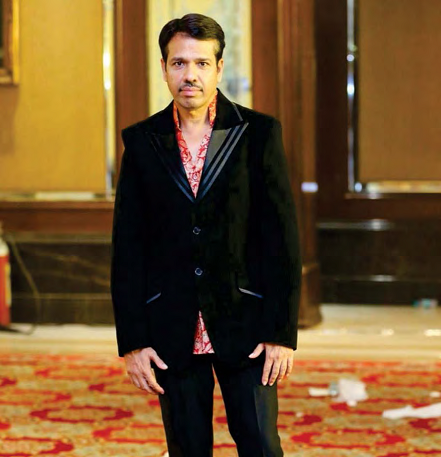
Shafeeq runs the company, The star life- Hyderabad with an objective to promote the new talent in the field of fashion and to provide the right platform and the opportunity to the youth to achieve their dreams and inculcate the habits of dreaming big star life as it introduces many top class models and fashion designers.
Mr. Shafeeq ur Rahman is also a well-known personality in the field of fashion lifestyle and entertainment publications and he is also an Editor-in-chief City Hi-life magazine Hyderabad. So far he has attended 100+ fashion pageants as a chief guest. Star life Hyderabad is one of the renowned entertainment companies which organizes Beauty pageant, fashion photo shoots with well-known celebrities, fashion houses, and fashion designer. It is the wide variety of activities being celebrated at Star Life which makes it extremely unique.
Passion Vista got an opportunity to meet Mr.Shafeeq Ur Rahman on the sidelines of 3rd Business Leadership Awards, an event conceptualized by Unified Brainz powered by Passion Vista Talks in association with Asian-African Chamber of Commerce and Industry in June 2019 at the Taj, Santacruz, Mumbai.
Mr.Rahman was honored for running a Promising Emerging Enterprise in Event Management.
Here are the excerpts of our conversation with Mr.Shafeeq Ur Rahman
Mr.Rahman, how did you feel being a part of the 3rd Global Business Leadership Forum?
‘Star Life’ is just five years old and yet, it has been able to create a niche for itself and the right kind of people have started noticing us.
Mr.Rahman, what influenced you to start The Star Life and what are your plans for it?
I want to create a platform where all new models and actors can approach and showcase their talent. I want to especially reduce hardships faced by them till the point of nullifying them. I eventually would like to extend Star Life internationally too.
Is The Star Life your core profession or you are also involved in other businesses?
Well, earlier I was also into constructions but nowadays, with the positive response and multi-skilled hard work talents coming in, I plan to be dedicated to The Star Life.
That’s about business, tell us what your hobbies are? How do you usually Chill?
Well, it is not too tough to guess, whenever I get time from my schedule which is extremely tough these days, I like to watch old movies, I love yesteryears performances.
That’s interesting. Which are your favorite ones?
I can watch the old Devdas and Andaz Apna Apna infinitely. In fact, I would also urge the makers of Andaz Apna Apna to either remake the movie or release it again. Current generation needs to witness the purest form of Comedy of Errors on the Silver Screen.
Being a movie buff, Your favorite actors?
(Lol, Before the question is completed) Shahrukh Khan of Darr & Kareena Kapoor of Jab We Met
Who is your Role Model?
I have followed the life of Shri Amitabh Bachchan very closely and I would definitely like to meet him once in person to ask whats the best way to deal with the ups and downs.
Your Midnight Friend/ Philosopher/Mentor for advice?
My older brother Khaleeq Ur Rahman. I am thankful for the almighty to bless me with a brother like this, without whom I am incomplete. He has this calm demeanor that helps me always.
What is your Advice to Budding Entrepreneurs?
There is no short cut to the most beautiful place in life, hard work eventually succeeds, keep sharpening your skills, the day you don’t sharpen them, you are heading for decline.
source: http://www.passionvista.com / Passion Vista / Home> – Featured Stories / June 2019
COO, Crowdbridge Consultants Pvt Ltd; Editor, Crowdteck.com – A CSR Digital Magazine; Associate Director, Crowd Central Technology
Against all odds, Arshia Khan lives to tell the tale. The year was 1985; city, Mumbai. The building Arshia’s family was residing in, collapsed, and they lost everything including her elder brother. Arshia was declared dead and taken to a morgue. Destiny however had other plans. Arshia suffered a loss of eyesight and memory, but thanks to God’s grace and timely medical intervention led by Dr Machiswala, she gradually bounced back to normalcy.
From then on, Arshia’s fighting spirit battled every obstacle in her path to emerge victorious.
One of six siblings, Arshia grew up in humble surroundings. Despite being the lone breadwinner, her father ensured good education for all. And so Arshia attended St Anne’s High School in Bandra, Mumbai which is also alma mater to renowned personalities like actor Aamir Khan and politician Baba Siddiqui.
Valuing everything that life had to offer, Arshia worked hard and excelled at everything in school. From being among the top three rankers in class to winning scholarships and best students awards, Arshia was God’s favourite child.
Following an interest towards daily affairs and national issues, Arshia pursued a degree in Mass Media (Journalism) at Rizvi College of Management. During this time, she was academically adopted on merit by an NGO called MESCO, which supports educational necessities of worthy students. The selfless service of MESCO went a long way in encouraging her to participate in social causes. Now one of her co-ventures that she is passionate about is Crowd Bridge Consultants Pvt Ltd which covers all that creates and promotes social development, wellbeing and betterment.
At Rizvi College, Arshia was mentored by (late) Prof P K Ravindranath who was an iconic journalist in his days. Following her mentor’s advice, ‘If you want to be a journalist, be on the ground, network, and build relationships’, she didn’t pursue her masters. She started networking, which eventually landed her a job at the Indian Express Newspapers. She learnt everything about journalism and media at The Indian Express. In 2010, she moved to Network 18 Media and Investments Ltd. as a Features Editor, managing a bigger team. She later diversified into the PR industry and worked at Perfect Relations’ healthcare arm – Imprimis. Two years hence, she moved to Adfactors, the PR giant, as an account manager.
As her professional life flourished, marital bliss followed. Soon after having her first baby Yahya in 2017, Arshia moved to Doha, Qatar. During 2017 – 18, she worked as a freelance consultant. By the end of 2018, she joined Crowd Central Technology as the Head of Content. Crowd Central’s CEO, Waseem Ahmed Kazi, always spoke at length about how he wanted to make a positive difference in society. Their thoughts resonated, and eventually Arshia was leading an exciting new venture, Crowdteck.com – a CSR Digital Magazine.
The objective of the magazine is to encourage good work in humanitarian causes, irrespective of cast, creed or religion. Their aim to restore faith in humanity helped them to connect with a global audience, and their online global readership quadrupled in two years.
From Mumbai to Qatar, what has been Arshia’s biggest challenge? “I have always been a passionate journalist, but was naïve about the business aspect until 2018 when I was promoted as the Associate Director at Crowd Central Technology. This big push meant that I was not only dealing with publishing of content but also specialised areas like revenue, business, and the like. As I was delegated the responsibility of handling international business across India, I learnt the specifics of a brick-and-mortar business model, including the online implications of its cyber footprint,” shares Arshia.
Although professionally satisfying and rewarding, this leap posed some challenges at the personal level. “My husband and I would work separate shifts and take turns to be with our toddler. It can be heart-breaking to leave your months-old toddler for work, and all new mothers will relate to this.”
However Arshia was lucky to be working with a company like Crowd Central Technology, which not only accommodated her requests as a new mother but also rewarded and motivated her to continue unabated.
On the other hand is Arshia’s most gratifying moment. Without a blink, she says, “Motherhood! Being a mother has been a blissful journey, which has taught me that patience and perseverance take you far. My child has disciplined me in more ways than one, and I can’t thank the Almighty enough for this little bundle of joy.”
As a parting note, inspirational Arshia shares a very important piece of advice, “I was embarrassed to seek aid or assistance of any kind. It is important that we inculcate the habit of reaching out for help in our children, who will be future leaders.”
source: http://www.passionvista.com / Passion Vista / Home> Collector’s Edition – Featured Stories – Women Leaders 2021 / April 2021
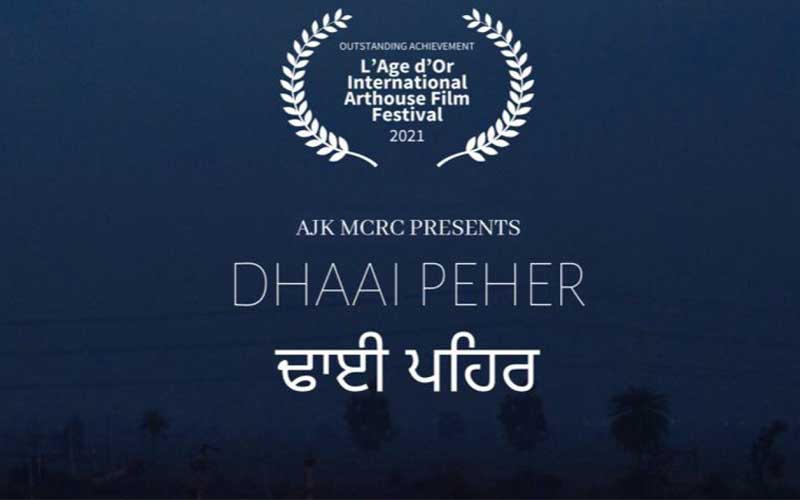
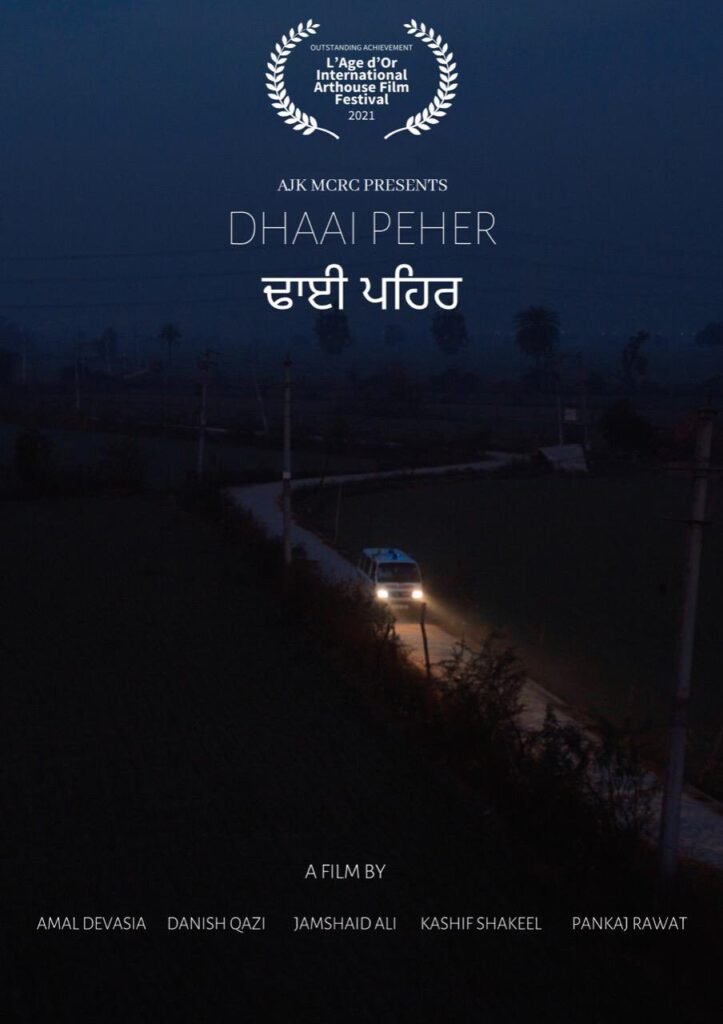
Dhaai Peher (Two and a Half Moments), a Jamia Millia Islamia (JMI) student film directed by M.A. Mass Communication students Amal Devasiya, Danish Qazi, Jamshad Ali, Kashif Shakeel, and Pankaj Rawat, won the Outstanding Achievement Award in the student category at the L’Age d’Or International Arthouse Film Festival (LIAFF).
The story follows a series of events that unfold in Punjab in the 1990s. During the COVID outbreak, the film was made when outside venues were scarce, and Punjab had to be conjured up in and around Delhi.
LIAFF’s mission is to foster a film culture that inspires and brings together cross-cultural innovations that enrich people’s lives through entertainment and services that enlighten, educate, and entertain them.
The AJK Mass Communication Research Centre is India’s most prestigious media institute. The MCRC, founded in 1982 by Anwar Jamal Kidwai (previously VC of Jamia Millia Islamia and later Chairman of the Centre), offers graduate and post-graduate courses in new media art, craft, and technology. With professionally and academically skilled staff and a diverse range of visiting professionals, the MCRC provides the highest media education and training standards.
Lately, AJK MCRC has produced many eminent journalists and filmmakers. Barkha Dutt, Kabir Khan, Meenu Gaur are some of the examples.
An AJKMCRC),@jmiu_official student film Dhaai Peher (Two and a Half Moments)directed by Amal Devasiya, Danish Qazi, Jamshad Ali, Kashif Shakeel and Pankaj Rawat won the Outstanding Achievement Award at the L’Age d’Or International Arthouse Film Festival in the student category.
source: http://www.thenationalbulletin.in / The National Bulletin / Home> Education / by Jitesh Dhawan / June 17th, 2021
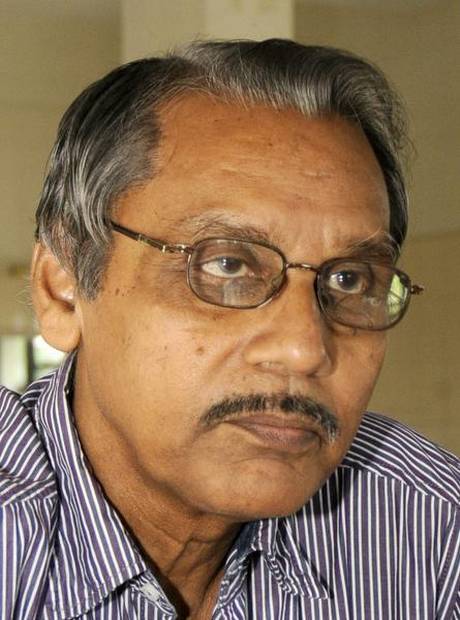
Urdu writer and Calligraphy expert M.A. Momin died in Hubballi on Sunday due to COVID-19 related complications. He was 72.
He frequently organised Urdu learning training courses for non-native Urdu speakers. He also conducted calligraphy training sessions for school and college students. He was an active member of Idara Farogh-e-Urdu Hubli, a literary organisation.
Momin was famous for his Nizamat or anchoring Urdu Shayari sessions across North Karnataka districts. He was a recipient of Karnataka Urdu Academy award.
source: http://www.thehindu.com / The Hindu / Home> News> States> Karnataka / by Special Correspondent / Belagavi – June 27th, 2021
Birur town (Kadur taluk-Chikkamagaluru District), KARNATAKA :
It became an abiding interest while studying Kannada at the pre-university level at Pandit Jawaharlal Nehru Memorial College.
Shivamogga :
To D Ismail, the mastigallu (masti stone) is a fascinating storyteller. It talks about the history and the people as he peers into the inscrutable inscriptions whether it is in Modi lipi or Halegannada (ancient Kannada).
The epigraphist from Birur town in Chikkamagaluru district took a fancy to the knowledge hidden in stones, and is one among a small number of people who can understand ‘Modi lipi’, a cursive script used to write several languages, including Kannada. It is just like English running hand, he says. It became an abiding interest while studying Kannada at the pre-university level at Pandit Jawaharlal Nehru Memorial College.
Ismail (63) says Modi lipi is a kind of early Kannada writing found from the times of Ashoka to the 18th century, which was used to record events and facts about emperors and their empires. In English, it is termed ‘cacography’, which according to the Kannada dictionary, means ‘illegible handwriting’, seen mostly in ancient stone inscriptions called mastigallu and veeragallu (hero stone).
Ismail is studying stone inscriptions to analyse their contents for anything related to astronomy and is compiling a research paper on the subject ‘Astronomy in Inscriptions’. Other issues that he is studying include natural calamities, music and life events, recorded in inscriptions to understand the culture of people going back to the Cholas, Gangas, Rashtrakutas and others who ruled South India.
The curiosity that drew him to these stones soon became his passion. “I studied various books related to Modi script, and under the guidance of epigraphist Shambhu Lingappa, I visited ancient sites in and around Birur, Kadur and Chikkamagaluru with him. I learned to read inscriptions in Modi script and also in Halegannada. I started reading books written by famous epigraphists like M M Kalburgi, Chidanandamurthy, A V Narasimhamurthy and others.”
Though Ismail could not pursue his education after pre-university, he never missed an opportunity to upgrade his Halegannada-related knowledge. Today, he is a well-known epigraphist who offers guidance to students of Kannada literature researching inscriptions and Halegannada in various universities. He has a rare collection of more than 5,000 books related to epigraphy, Halegannada, mastigallu and veeragallu.
He has written a book titled ‘Madhya Karnatakadalli Beeradevaru’ (still a manuscript) about Beeradevaru, a deity worshipped by the Kuruba community. The book throws light on the community, where they came from, and how they settled in Shivamogga, Chikkamagaluru and Chitradurga districts. He has travelled the length and breadth of these districts to collect information and did a field survey for more than two years.
He suggests that people interested in inscriptions read the book ‘Kannada Lipiya Ugama Mathu Vikasa’ by A V Narasimhamurthy, and ‘Lipi, Lipikara, Lipi Vyavasaya’ by Shettar, for those who want to learn Halegannada.
Ismail is one of the four sons of E M Dastagir Saab and Razia Begum of Birur, who have had a grocery business at M G Circle in Birur town for many decades. Even today, Ismail is the one who opens the grocery shop in the morning and takes care of the business.
He has a rare collection of more than 5,000 books related to epigraphy, Halegannada, mastigallu and veeragallu.
source: http://www.newindianexpress.com / The New Indian Express / Home> States> Karnataka / by Ramachandra V Gunari / Express News Service / June 27th, 2021
MANUU awards PhD in Journalism to Arif Moin on Monday.
Hyderabad:
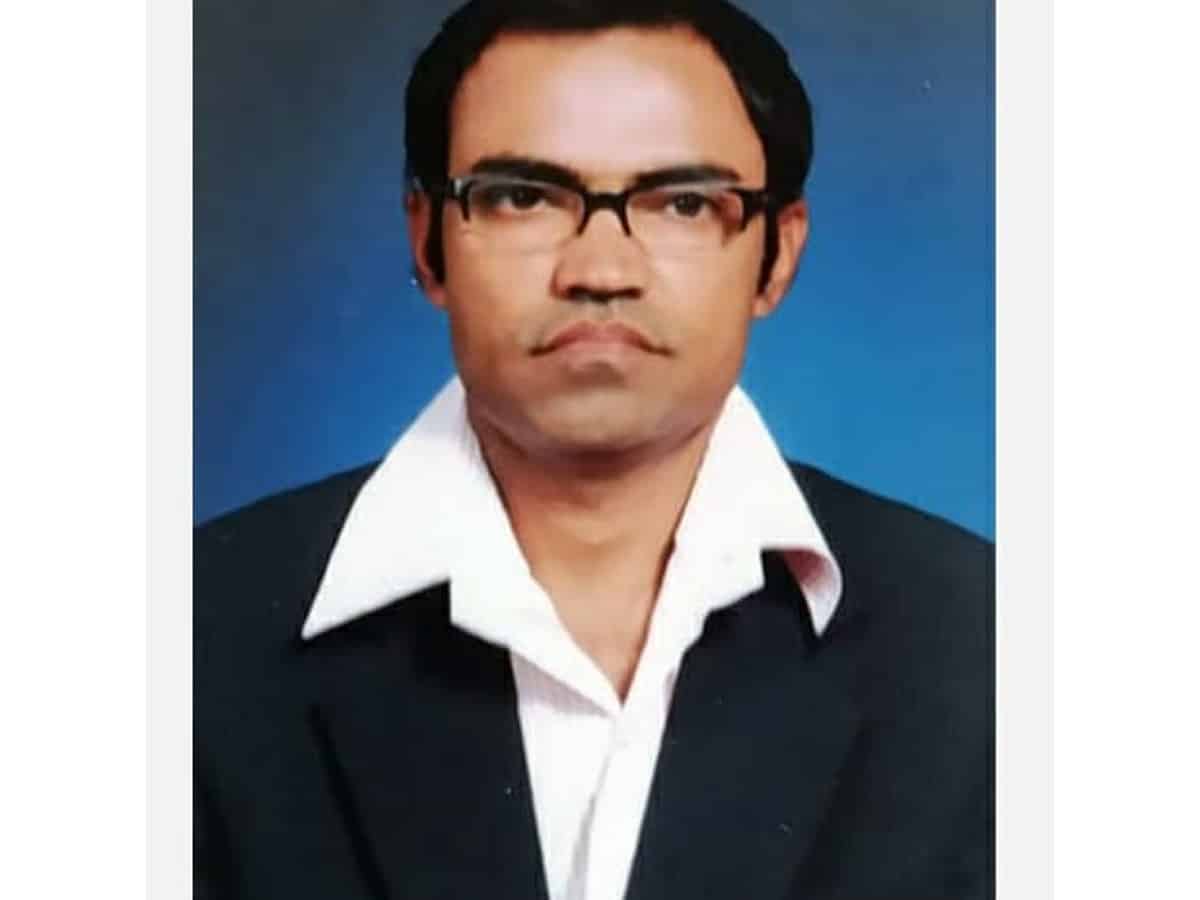
The Maulana Azad National Urdu University on Monday declared Arif Moin qualified in Doctor of Philosophy in Journalism and Mass Communication.
Moin has worked on the topic “Socio-Cultural, Political and Religious Impact of Urdu Satellite TV Channels on Indian Muslims” under the supervision of Prof. Ehtesham Ahmed Khan, Dean, School of Mass Communication & Journalism.
The research topic covered four Urdu channels – ETV Urdu, Door Darshan Urdu Channel, Zee Salam and Munsif TV. Arif Moin has extensive experience in TV production and has been associated in various capacities with the programming department of ETV Urdu and News18 Urdu.
Maulana Azad National Urdu University (MANUU) has started online admission process for the year 2021-2022 into its various programmes being offered at Hyderabad headquarters, Lucknow and Srinagar (J&K) campuses and colleges of Teacher Education (CTEs) and Polytechnics spread in different parts of the country.
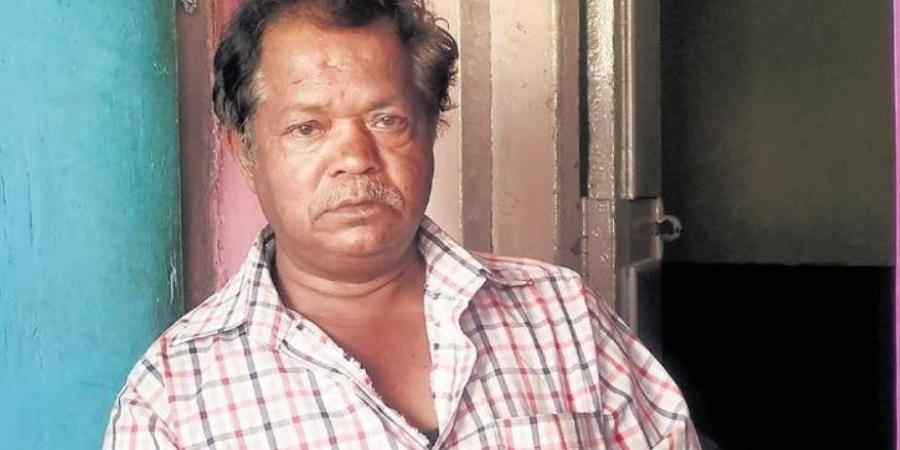
Poovachal Khader, 72, passes away in Thiruvananthapuram
Poovachal Khader, who died in Thiruvananthapuram on Tuesday at the age of 72 while undergoing treatment for COVID-19, was a most prolific lyricist who penned several all-time hit songs in Malayalam cinema.
In a career that spanned over five decades, he wrote over a thousand songs for more than 350 films. He was so busy in the late 1970s and 80s that he took leave from his job at the Public Works Department – he had a diploma in Engineering – to concentrate on his alternative career in cinema.
Poovachal Khader, who used to write poetry from his student days and went on to pen songs for the stage and radio, caught attention right from his early days in cinema. His two songs in the 1973 film Kattu Vithachavan – Neeyente prarthana kettu… and Mazhavillinanjnathavaasam… – were hits. Then the songs of Ulsavam (Aadya samaagama lajjayil…and Swayamvarathinu) established him as a lyricist to reckon with.
Chart-toppers
Among his chart-toppers are Naathaa nee varum kalocha… (Chamaram), Shararanthal thiri thaanu… (Kayalum Kayarum), Sindoora sandhyaykku mounam… (Choola), Ente janman neeyeduthu…(Itha Oru Dhikkari), Etho janma kalpanayil… (Palangal), Ponveene… (Thalavattam), Naanamaavunno…(Aattakalasam),Poomaaname… (Nirakkoottu) and Anuraagini itha en… (Oru Kudakkeezhil).
The accent on meaningful lyrics may have become less in Malayalam film music by the time Poovachal’s career peaked, but he came up with beautiful, poetic lines in song, such as Naathaa nee varum and Aadya samaagama lajjayil…(Ulsavam). That was also the time when a tune was composed first and the lyricist was asked to write lines accordingly. He was still able to write some fine lines.
Not many know that he wrote one of the most popular light songs in Malayalam – Jayadeva kaviyude…, which was set to a lilting tune by M.G. Radhakrishnan. Through songs like that, Poovachal will always be remembered.
source: http://www.thehindu.com / The Hindu / Home> News> States> Kerala / by P.K. Ajith Kumar / Kozhikode – June 22nd, 2021
An excerpt from ‘A Map of Longings’, by Manan Kapoor.
Agha Shahid Ali.
In Delhi, Shahid also became aware of the city’s Mughal and colonial history, and was impressed by its architecture. In the early ’60s, the Mexican poet Octavio Paz had visited New Delhi and had been charmed by its architecture. He wrote numerous poems about the city and about all that he had witnessed here. He found Delhi’s “aesthetic equivalent” in “novels, not in architecture”, and to him, wandering the city was “like passing through the pages of Victor Hugo, Walter Scott, or Alexandre Dumas”.
Paz’s gaze, wherever he went, was directed inwards. For him, all the experiences, including the splendour of the Mughal architecture that attracted him, were revelatory and enlightening in one way or the other. In his book In Light of India, he called Delhi’s architecture “an assemblage of images more than buildings”. It was quite the same for Shahid who, after nineteen years, had returned to the city of his birth.
He was a student at Delhi University, which wasn’t too far from Old Delhi or what was once known as Shahjahanabad, the walled city of Delhi constructed by Shah Jahan – the emperor who “knew the depth of stones, / how they turn smooth rubbed on a heart. / And then? Imprisoned / with no consoling ghosts…”
The tomb of Amir Khusro at Hazrat Nizamuddin in Delhi was a place that had attracted Paz. In “The Tomb of Amir Khusro”, he wrote: “Amir Khusru, parrot or mockingbird: / the two halves of each moment, muddy sorrow, voice of light. / Syllables, wandering fires, vagabond architectures.”
The tomb attracted Shahid as well when he visited the dargah in Delhi almost a decade later: “I come here to sing Khusro’s songs. / I burn to the end of the lit essence… / The muezzin interrupts the dawn, calls / the faithful to the prayer with a monster-cry: / We walk through the streets calligraphed with blood.”
In Delhi, Shahid found poetry at each turn. In an interview with First City in 1991, he said: “For me the lanes of Delhi, particularly the ones leading to and from the Jama Masjid, hold a dazzling value. When I used to go to Kareem restaurant or was having nihari or kulfi on the steps of Jama Masjid, I used to imagine that I was living in the days of Ghalib.”
Unlike Paz, who as an outsider in Delhi could only adore the architecture, Shahid also saw history in the city. Although he had been exposed to the historical forces that had shaped Kashmir, it was in Delhi that he discovered, for the first time, history in brick walls, minarets and on the streets. In “The Walled City: Seven Poems on Delhi”, he wrote about Jama Masjid:
Imagine: Once there was nothing here. Now look how minarets camouflage the sunset.Do you hear the call to prayer? It leaves me unwinding scrolls of legend till I reach the first brick they brought here. How the prayers rose, brick by brick?
Shahid’s poetic concerns were largely a constant for most of his life, and are palpable in these early poems. His engagement with history, which he deals with as both an insider and outsider, reflects his tenderness and the experience of a poet who belongs to multiple worlds and none at the same time.
For the next three decades, he wrote about loss and the memory of loss, the burden of history and injustices of all kinds. The seeds of these poetic concerns were sown during his childhood, mostly at home. However, they were nourished in Delhi, by the city’s air and its history, which Shahid couldn’t ignore.
In the poems from Bone Sculpture and In Memory of Begum Akhtar, Shahid emerges as a poet who feels deeply about South Asian culture as well as politics. Both the collections are influenced by Delhi and reflect an understanding of history. From a very young age, he was aware of the historical movements, the revolutions and leaders who had shaped the world he lived in.
In time, he established his position as a poet of witness with the publication of his poem “After Seeing Kozintsev’s King Lear in Delhi”, which talks about the last Mughal emperor Bahadur Shah Zafar. In the poem, Shahid makes a conscious choice as he turns from King Lear and looks at Zafar, turning away from fiction towards fact, from the stories of the colonisers to the histories of the colonised.
This turn marks an important moment in Shahid’s poetry, and it is from here that his poems and sensibility come to be defined by a certain post-colonial outlook, where he sheds light on those whom history had ignored:
I think of Zafar, poet and Emperor, being led through this street by British soldiers, his feet in chains, to watch his sons hanged.
In exile he wrote: “Unfortunate Zafar spent half his life in hope, the other half waiting. He begs for two yards of Delhi for burial.”
He was exiled to Burma, buried in Rangoon.
In the late ’60s, when Shahid joined Hindu College, the syllabus was still under a colonial shadow and predominantly included English writers like John Milton, Shakespeare, Thomas Hardy and the Romantic poets. Although he had read all their works and admired most of them, Shahid’s language was very different from the poets that were taught to him.
Shahid once said that he was often aware that the music of his language was different, that he was able to bring certain flavours to English poetry in India for the first time, which he believed was a result of the combination of Hindu, Muslim and Western cultures in him, and the fact that he had a “natural and profound inwardness with them”.
His use of these cultures was not exotic – unlike, say, Eliot importing the word “shantih” in “The Waste Land”. Shahid felt them in three languages and didn’t have to “hunt” for subjects. In an essay written much later, he reflected on English poetry in India and said that Satyajit Ray had accomplished what he had because Ray was using a specifically Indian idiom for the first time on celluloid.
“I can use the Indian landscape, and the subcontinent’s myths and legends and history from within, and I can do so for the first time in what might seem like a new idiom, a new language – subcontinental English.”
Salman Rushdie’s case was similar. Ray, Rushdie (as well as Shahid when it came to English subcontinental poetry) had an abundance of history, tradition and what seemed like an endless river of subjects that they could explore. Shahid had, in fact, acknowledged that if the novel had done it, poetry couldn’t be far behind.
Little did he know that along with poets like Arun Kolatkar and AK Ramanujan, he would become a proponent of English writing in the Indian subcontinent, a poet who had tradition and the flavour of the soil in his bones. In an essay written much later, he reflected on how the English language was changing in the subcontinent:
The colonisers left fifty years ago, and subcontinental writers, particularly poets, can breathe greater confidence into Indian English (as Walt Whitman did into American English) not only because they belong to what, with qualifications, is the international-ism of the English language (in this context, note the awarding of the Nobel Prize to Patrick White, Wole Soyinka, Nadine Gordimer, and Derek Walcott) but because, by re-creating the language, by infusing into it all the traditions and forms at their command, they can make subcontinentals feel that they do not have to seek approval for any idiosyncrasy in syntax and grammar from the queens, Victoria or Elizabeth (the second, of course). As a matter of fact, for all kinds of reasons, it is gratifying to give an insult to the English language.
By the ’60s and ’70s, some young Indian English poets had started emerging on the literary scene, much of which had to do with Purushottama Lal, the founder of Writers’ Workshop, Calcutta. The publishing house started by Lal, which operated out of the library of his residence in Calcutta, had turned into a platform for publishing Indian writing in English. It published the first works of such poets as Nissim Ezekiel, Vikram Seth, Ruskin Bond and AK Ramanujan. Lal also published Shahid’s first two collections of poetry, Bone Sculpture and In Memory of Begum Akhtar.
Yet, in the ’90s, Shahid wrote in an essay that the “Indo-English scene” during those decades was “thoroughly empty and corrupt” and that “in some quarters” it continued to remain the same, singling out Lal’s publishing house, which he said had been functioning as a near vanity press.
In his essay “Indian Poetry in English”, Shahid wrote, “Educated Indians generally speak three languages, write in two, and dream in one – English.” Although they were written in English at a time when the chutnification, or what he called the biriyanisation, of the language hadn’t taken place, Shahid’s poems were indeed very Indian in nature and in terms of the subjects they dealt with.
The English language came to him naturally, while his ideas were deeply rooted in the culture of the subcontinent. Shahid’s English wasn’t the Queen’s “propah” English but a product of the biriyanisation of the language. Although as a poet he was slowly learning, poems like “Bones”, “Introducing”, “The Walled City” and others not only marked the beginning of a poetic career but also a poetic style that was steeped in a sense of loss, language and the history of the subcontinent. When at last, in the late ’60s, he met Begum Akhtar, his appreciation for the traditions of the subcontinent grew and his poetry changed in unimaginable ways.
Excerpted with permission from A Map of Longings: The Life and Works of Agha Shahid Ali, Manan Kapoor, Vintage.
source: http://www.scroll.in / Scroll.in / Home> Book Excerpt / by Manan Kapoor / June 03rd, 2021