President Ram Nath Kovind presented the National Florence Nightingale Award 2020 to 51 nurses across the country.
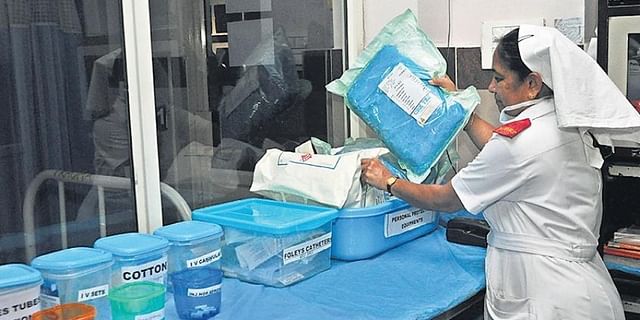
For representational purposes (Photo | Prasant Madugula, EPS)
Thiruvananthapuram :
President Ram Nath Kovind presented the National Florence Nightingale Award 2020 to 51 nurses across the country. Adhering to Covid protocols, the presentation of the awards was held as a virtual ceremony.
Two nurses from Kerala, nursing superintendent at Thiruvananthapuram Medical College Hospital P Geetha and nursing officer at Community Health Centre at Androth Island in Lakshadweep – Muhammed Asif, were honoured with the meritorious services award for nursing professionals in the country.
The annual award was instituted by the Union Health ministry in 1973.
The winners were awarded Rs 50,000 as cash prize, a certificate, a citation and a medal.
The ceremony was organised at the Thiruvananthapuram National Informatics Centre in the city.
Nursing Council Registrar Dr Saleena Shah and Dr P S Sona, who is the state coordinator of the award committee, attended the event.
source: http://www.newindianexpress.com / The New Indian Express / Home> Good News / by Express News Service / September 17th, 2021
The young women leaders are talking about the “politics of honourable existence”, which is beyond the comprehension of the present IUML leadership.
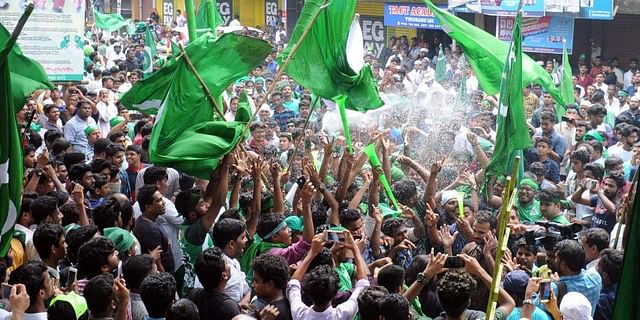
Image of IUML supporters used for representational purpose (File Photo | A Sanesh, EPS)
The Indian Union Muslim League (IUML), a constituent of the opposition UDF in Kerala, is currently engaged in fighting a fire triggered by some of its young women leaders.
Haritha, a girls’ collective part of IUML’s student wing MSF, chose to speak out against the sexist approach and remarks of the MSF’s male-dominated leadership and complained to the women’s commission when the party refused to take any action.
The offended IUML leadership asked the girls to withdraw the complaint and, when found that they were unrelenting, disbanded the entire Haritha committee. It then removed MSF national vice-president Fathima Thahliya and state vice-president P P Shyjal, who supported the Haritha leaders.
The developments underline the churn within and are seen as the outcome of the knowledge revolution among Kerala’s Muslim community that has pushed the girls onto the centre stage. They have gate-crashed into spaces that were the prerogative of the males till now. This leap is clearly visible in academia, social life and even in politics.
The young women leaders are talking about the “politics of honourable existence”, which is beyond the comprehension of the present IUML leadership.
What we see now is the conflict between the emerging politics that is sensitive to the rights of the marginalised, including women, and the conventional politics that sees only power.
The IUML leadership first tried to ignore the issues of self-respect raised by the girls. Then they tried to stifle the voice when it became louder. Now, the issue has become too hot to handle. As a political party that apparently stands for minorities and the marginalised, the IUML cannot turn a blind eye to the issues raised by women leaders. As the Haritha leaders said, the IUML has to regain its democratic structure at every level of the party. It is high time it changed its priorities and policies.
Unlike in the past, where the party enjoyed a monopoly over the Muslim community, there are other players in the field now. And they are more sensible and sensitive to the dreams of the new generation. The party should see the writing on the wall and transform itself to accommodate new perspectives.
source: http://www.newindianexpress.com / The New Indian Express / Home> Opinion> Editorials / September 17th, 2021
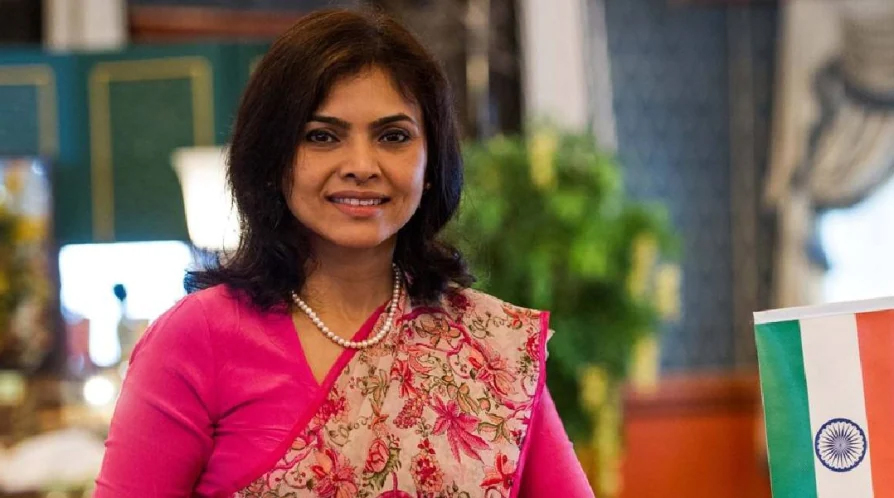
Nagma Mohammed Mallick an IFS officer of the 1991 batch has been appointed as the next Indian Ambassador to the Republic of Poland.
A native of Kasargod Nagma completed her education at St Stephen’s College & Delhi School of Economics. She holds a bachelor’s degree in English Literature and a master’s degree in Economics.
She has earlier served as High Commissioner of India to Brunei, India’s Ambassador to Tunisia before this posting.
She was born in New Delhi to Keralite parents from Kasaragod Mohammad Habibullah and Sulu Bhanu.
She joined the Foreign Service in 1991 as a career diplomat. She was the first Muslim woman in the Indian Foreign Service. Her first posting was in Paris where she served in the Indian Mission to UNESCO. Thereafter, in New Delhi, she served in various capacities in the Ministry of External Affairs, including on the Western Europe desk. She served as a staff officer to Prime Minister I.K. Gujral. She then served as the first woman Deputy Chief of Protocol (Ceremonial).
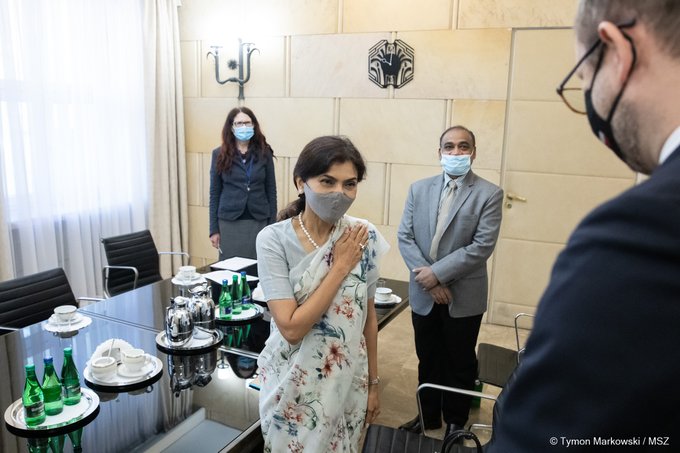
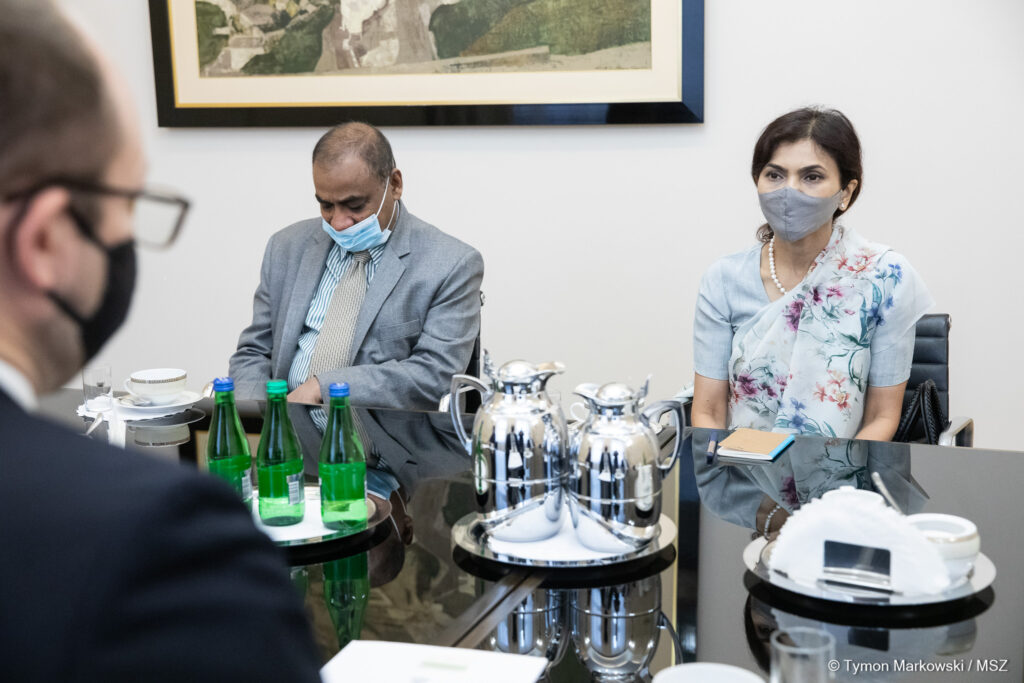
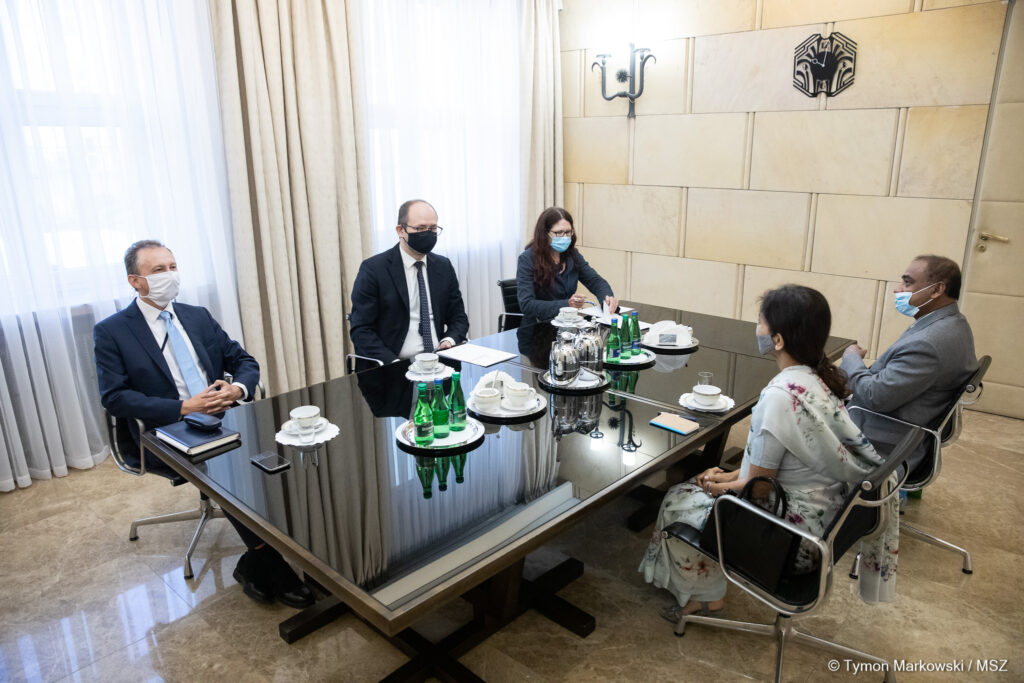
FM @marcin_przydacz met today with Nagma Mohamed Mallick, Ambassador-designate of #India to . Minister pointed out a good condition of political relations between Poland & India. During the meeting, a range of economic issues of mutual interest were discussed.
The most awaited trending and entertaining Doha Music Lovers ‘Voice of World’ Online singing competition ended on September 10, 2021 by finding its three winners of both Hindi and Telugu languages simultaneously.
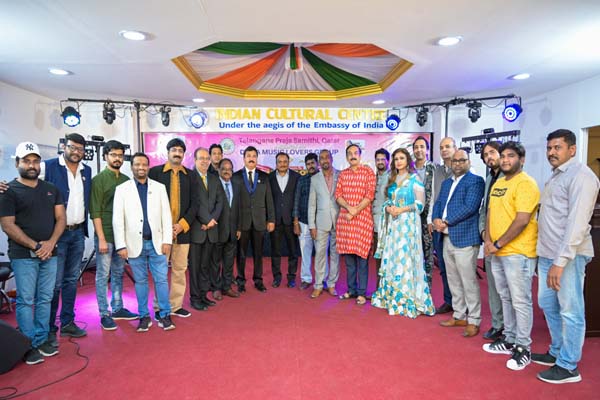
The show has gained huge popularity among fans and viewers because the show brought new concepts for all the viewers. The first episode of the show appeared on June 13, 2021 on Channel 5 and after three months, the grand finale happened at ICC’s Ashoka Hall, Doha, Qatar under 75 years Azadika Amrit Mahotsav in coordination with ICC. The show was produced by Doha Music Lovers Group in association with Telangana Praja Samithi Qatar.
The three winners announced in Hindi were Tejaswi from California, USA, Jyotisha Santosh from Doha, Qatar and Shruthi Prabhala from Bilaspur, India.
For Telugu the three winners were Medha Anantuni from Texas, USA, Geeta Lakshmi from Pennsylvania, USA and Mavuru Sravani from Vishakhapatnam, India. Many contestants are left in the show to entertain the viewers.
More than 650 singers participated in this ‘Voice of World’ online singing competition out of which 30 singers were shortlisted in Hindi and 30 in Telugu, it took three months to reach the finals with 10 rounds of competition in between.
The eminent dignitaries who were present at the Grand Finale are Babu Rajan ICC President was the chief guest, Krishna Kumar, general secretary of ICC, K S Prasad ICC advisory committee board chairman, Ziyad Usman, ICBF president, Vinod Nair, ICBF vice-president, Azim Abbas, IBPC immediate president, Gadde Srinivas, president of Telangana Praja Samithi Qatar, Nandini Abbagoni president of Telangana Jagruthi Qatar, Satyanarayana president of Andhra Kala Vedika, Khaja Nizamuddin, president of Telangana Welfare Association and Syed Rafi chairman of Channel 5 and director and producer of Voice of World and last but not the least Jai Prakash Singh of North Central India Group.
Talking to media Syed Rafi said that it was very difficult to decide the winners as everyone sang very well, but as it is a competition and we have to take some hard decisions, the winners were decided based on Judges votes, committee votes, elite members votes and public votes. It is one of the longest season and ended with a bang, marking a new era in online singing contest said K S Prasad of ICC advisory committee chairman.
The winners will be given cash prize of Rs 50,000; Rs 30,000 and Rs 20,000 for first, second and third positions in each language. Voice of World online singing competition was sponsored by Dana World Contracting Co Wll, Telangana Food Suncons, H P Industries, Jai Prakash Singh and by Indian Hyderabadi Spices Restaurant.
The Grand Finale witnessed spectacular performances by Doha Music Lovers Group and this program was live on youtube wherein thousands of people watched it online from various countries.
Arif Rayees, Priti Vikramnath from Qatar and Srilatha Mula and Dr Vishwanatha Sridevi from India were the judges of this competition.
Mohinder Jalandhary, Preeti Trivedi, Venkappa Bhagavatula and Harika were the anchors for this singing competition. The show has completed 10 rounds before the grand finale.
Speaking on the occasion Gadde Srinivas president of TPS said that they are proud to provide this kind of platform to budding artist and he thanked Syed Rafi for taking this initiative and said that he and his group will be ready to support him all the time. Sophia Bukhari appreciated the efforts taken by Syed Rafi to provide a unique platform to budding artist on an international level and said that HP Industries would be proud to be associated with these kind of programs.
Jai Prakash Singh said that its not an easy task to conduct such kind of program with so much ease and professionalism, and he said kudos to Syed Rafi and his team for surpassing all the expectations. Praveen Buyyani of Telangana Food Suncons said that he was closely watching Voice of World from the first round and he observed how the program changed from the day 1 to present with lot of technicalities, background changes, lighting effects and change of stages, he said that he never expected that these many changes can be done in any program with limited resources, he concluded saying that it was an excellent program which surpassed all the expectations.
Baburajan president of ICC said that they are ready to support this kind of programs and said that they would love people to come forward which such kind of new initiatives and he congratulated Syed Rafi for conducting such a wonderful program. The show was concluded with vote of thanks by Venkat general secretary of Telangana Praja Samithi Qatar.
source: http://www.daijiworld.com / Daijiworld.com / Home> Middle East / by Media Release / September 13th, 2021
UP Shia Central Waqf Board has received four nominations from the state government — Maulana Raza Husain, S. Hasan Qausar, Mohammad Jaryab Jamal Rizvi, and Shabahat Husain.
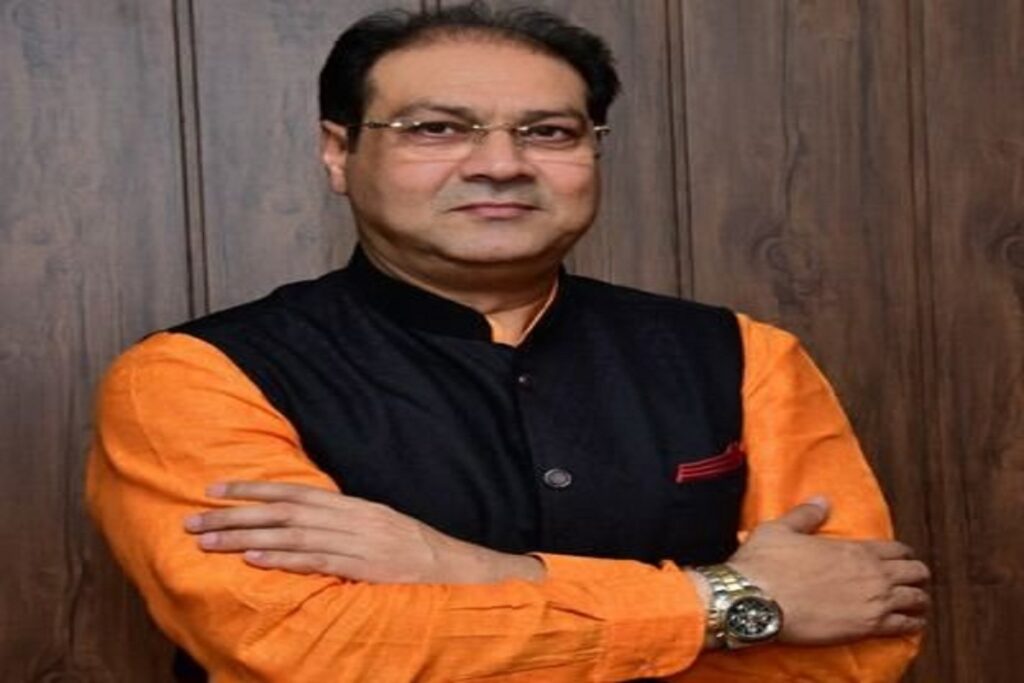
(Mohsin Raza Minister of State (Uttar Pradesh); Image Source: Twitter/@Mohsinrazabjpup)
The Uttar Pradesh government has announced names of committee members of five minority organisations of the states, including the UP Shia Central Waqf Board and the State Haj Committee.
The announcements come as part of the government’s nomination to these committees including those of the UP Urdu Academy, Fakhruddin Ali Ahmad Memorial Committee, and the UP Board of Madrasa Education.
State Minister for Haj and Waqf, Mohsin Raza’s name features in the list of 14 members of the State Haj Committee.
Others nominated from Lucknow include Faisal Ali Khan and S. Kalbe Husain.
UP Shia Central Waqf Board has received four nominations from the state government — Maulana Raza Husain, S. Hasan Qausar, Mohammad Jaryab Jamal Rizvi, and Shabahat Husain.
The government has nominated Chaudhary Kaiful Wara of Gorakhpur as President of the UP Urdu Academy.
Last year, Chief Minister Yogi Adityanath had visited Wara’s shop in Gorakhpur during the CAA awareness campaign and presented him with a booklet related to it.
The Chief Minister had then appealed to people to read the reality of the Act instead of believing in rumours.
Adityanath has also nominated Mohd Iftikhar Hussain as a member of the Haj Committee.
source: http://www.thestatesman.com / The Statesman / Home> Uttar Pradesh / by IANS, Lucknow / September 10th, 2021
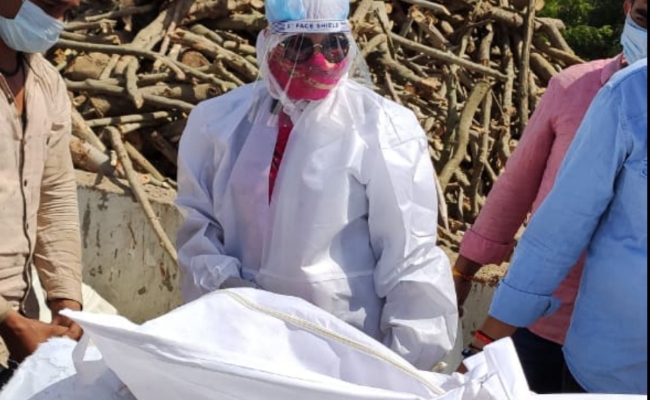
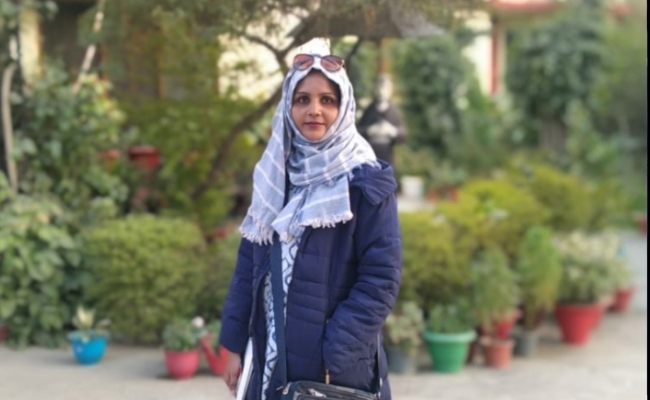
The 35-year old social worker in Lucknow, while fasting during Ramadan, has arranged the cremation of around 7-8 COVID-19 patients who had no one to cremate them.
Lucknow:
Azra Mobin has been through a whirlwind of emotions in the past few weeks. The 35-year old social worker in Lucknow, while fasting during Ramadan, has arranged the cremation of around 7-8 COVID-19 patients who had no one to cremate them.
The first cremation that she arranged and witnessed was of an 80-year-old Moolchandra Srivastava, a man she did not know until his son Gaurav called and pleaded for help.
Moolchandra had been infected with COVID-19 and was admitted in a private hospital in the city. His son was apprehensive of cremating the body because he has diabetes, and his brother and sister-in-law were also infected with the virus.
From Aliganj, where she lives, she went to take the body and in ambulance went to Baikunth Dham to get him cremated. Accompanying her was Deepak, a friend of hers. Not just for help, but she had also asked Deepak to tag along for a better understanding of the last rites.
It was a hot sunny day and Mobin was fasting as well. Wearing the Personal Protective Equipment (PPE) suit, she started to feel dizzy. Mobin said, “I thought I would faint near the pyre where the body was burning, and I sat on a slab nearby. But I wanted to make sure the body was cremated first.”
Two crematorium workers, one of them named Khurshid, she recalled, also helped her during the cremation.
“Humein mazhab se matlab nahi hai, bas aisa nah ho ke kisi ki laash reh jaye,” said Mobin. (I don’t care about the religion; I just don’t want anyone’s body to be left behind.)
It all started last month when she felt helpless and numb hearing one devastating news after another. On 19 April, she posted her number on Facebook, asking people to contact her if any help needed for cremations.
The incident that still shakes her core
One day, after iftar, she had a conversation with a young 21 year old boy, Aman Srivastava that still breaks her heart.
Aman could not stop crying on the call. He was at Raebareli road and he had reached out for help for his mother but by then she had passed away. Aman has a younger sister. His father was in isolation and in a critical condition.
He was breathing heavily so Mobin asked him if he has COVID-19, to which he said, “No. I don’t. I just haven’t eaten anything. I miss my mother, how can I even eat?”
She tried to comfort him and assured that she is available if any help needed. The following day, she was back to arranging other cremations.
All this while, she could not stop worrying about the boy and wondered why he had not called. A few days later, his sister answered her call.
“The day after you called, my father passed away. The next day, my brother whom you spoke to, Aman also passed away. My grandmother, in this shock of these deaths, also passed away.” his sister said.
Already quite disturbed, Aman was told to take the ashes to Kanpur. He got in an accident and and passed away.
This hit Mobin really hard. She assured all help to the girl and her relatives, yet in that moment she felt nothing but helpless.
Throughout this second wave of the pandemic, one which has wreaked havoc in the urban and rural spaces, citizens keep trying to fill the gap created by the authorities. The onus to help with leads, provide materials and services have fallen on the shoulders of the locals. In an ideal world, citizens should not have had to do this.
Azra Mobin
‘No matter what your faith Is, I’m here to help’
Traditionally in India, Hindu or Muslim women do not participate in last rites, visit the cremation grounds or cremate the bodies.
For some families, generally, she said, they are scared to cremate or go to the cremation grounds. Either the family members are not available or they are self-isolating. A lot of times neighbours have also refused to help.
After the first cremation, Mobin received a lot of messages of encouragement from people. From a Muslim cleric to strangers, they all sent their prayers and that emboldened her to continue working.
“I thought about the people that have been cremated — did they even know me? Did they ever think their family will not be cremating them?” I think, maybe, God made me connected to them for a reason,” she said.
Mobin is a mother of two, an 11-year-old girl and a 9-year-old boy. When she decided to help during the pandemic, she sent them to their grandmother’s house. Mobin’s mother was worried and disapproved of the work initially, but Mobin is not one to back down. “I tell my mother I have gotten this altruistic spirit from her that she cannot do much about,” she said.
When she returns from the cremation ground, she discards the PPE suit and self-isolates.
Uttar Pradesh on Thursday reported 17,745 new coronavirus cases, 277 deaths in 24 hours. Out of the deaths, more than 20 were from Lucknow. The government, however, has been accused of reportedly concealing the numbers.
On being asked if she fears any action from the government, Mobin said, “I am not scared of talking about the reality on the ground. If they think by highlighting the reality, people are spreading ‘rumours,’ then they can come with me on the ground, see and hear the cries of the people. I have seen people losing their lives on the road.”
As she continues to attend to SOS calls, she also thinks of her future. “What if tomorrow when I die, I have no one to cremate my body? I would like to think that someone will be there for me when my time comes,” she remarked. The only positive note here, she says is that the calls for cremation have reduced in the past couple of days.
Aliza Noor is a multimedia journalist based in Lucknow.
source: http://www.maktoobmedia.com / Maktoob / Home> Features India> North India / by Aliza Noor / May 14th, 2021
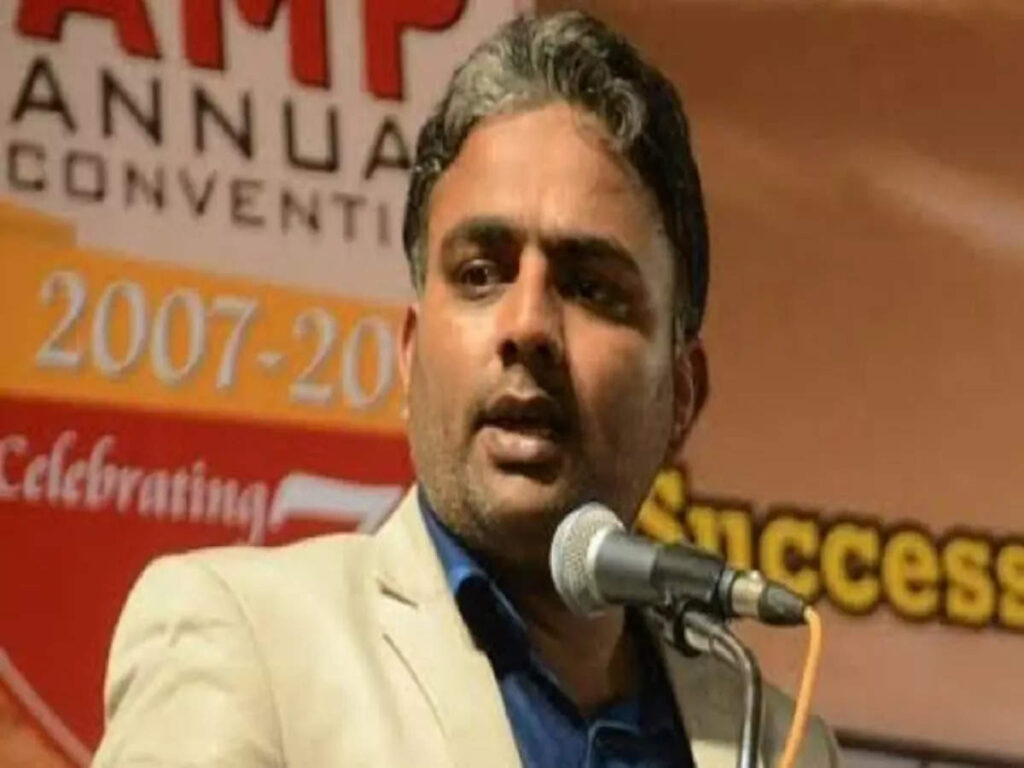
Association of Muslim Professionals President Aamir Edresy.
Mumbai:
City-based NGO Association of Muslim Professionals ( AMP) has announced scholarships of Rs 10,000 to each of the ‘100 Covid-19 orphans’ in the country.
AMP president Aamir Edresy said that the help is part of their “Basic School Education Assistance Programme” launched a couple of months ago.
“The pandemic claimed breadwinners in many families, leaving school-going children anchorless. Some of the families are so desperately poor that, if financial help is not provided to them, their children will drop out from schools. We are stepping in with help initially for 100 children,” said Edresy.
He added that AMP’s wide network across the country would help it verify the applicants and reach out to them with help.
The AMP is also using IndiaZakat.com, India’s first zakat-based crowdfunding platform, to collect funds to support more orphaned children.
“To ensure that more students can be helped, we have started a fundraiser to collect more funds on our Crowd Funding Platform IndiaZakat.com to support many more students,” said Javed Syed who heads AMP’s Zakat Fund section.
Founded in 2008, AMP has its presence now in 150 cities and towns across the country. So far, it has helped 30,000 youths get jobs and provided financial support to over 3000 families.
It has also reached out to many through its mentorship programmes.
Iftekhar Bidkar, the core member of AMP and IndiaZakat.com, appealed to people to make this campaign a success by giving their support. He requested people to come forward and support this cause on the crowdfunding platform Indiazakat.com
AMP is a platform for professionals and volunteers to share their knowledge, intellect, experience, and skills for the overall development of not just the community but also the society at large. It aimed at empowering the underprivileged educationally, socially, politically and financially.
source: http://www.timesofindia.indiatimes.com / The Times of India / Home> News> City News> Mumbai News / by Mohammed Wajihuddin, TNN / September 01st, 2021
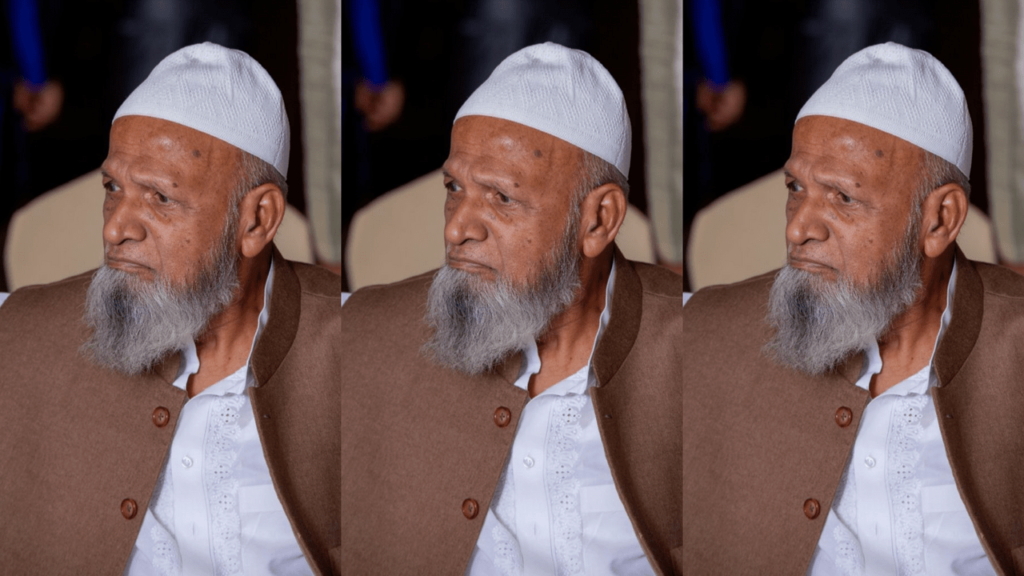
Former Karnataka Health and Family Planning Minister, A K Abdul Samad Tuesday morning due to age-related ailments. He was 87.
He breathed his last in Bengaluru at his residence.
A businessman by profession, A K Abdul Samad joined the Congress party and was elected to the Assembly from Ramanagara constituency in 1978.
He then served as the Minister of Health and Family Planning under the D. Devaraj Urs government.
His tenure is regarded as a golden period for the development of Unani in the state. The prestigious National Institute of Unani Medicine was allotted to Bangalore with a view of a bright future for Karnataka Unani graduates.
A K Abdul Samad also played a major role in starting the Government First Grade College in Ramanagara, which was initiated by Syed Hazi Muneerji.
His funeral prayers will be held at the city’s Masjid-e-Khadriya after Asr.
source: http://www.thecongnate.com / The Cognate / Home> News / by Shaik Zakeer Hussain / September 07th, 2021
Rejimol, 46, is known as “Thatha”, or elder sister, by everyone in and around her hometown
Thiruvananthapuram:
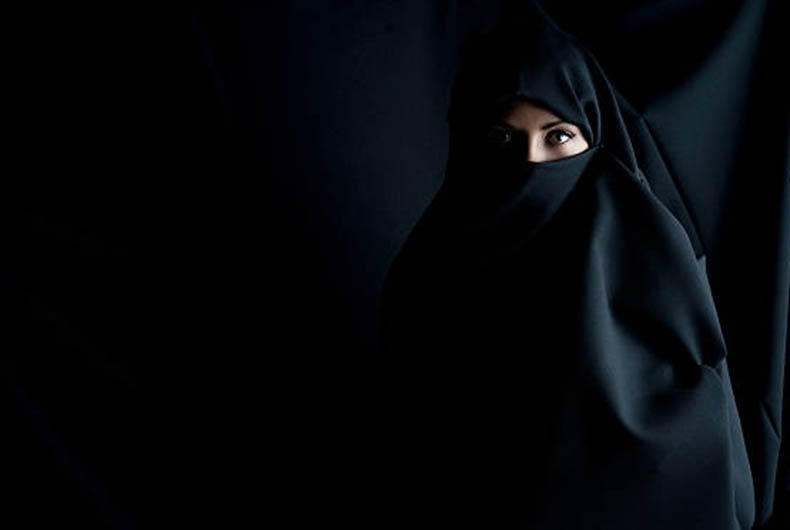
A burqa-clad, highly-religious woman in Kerala’s Kannur district has become a role model for women and youngsters for her entrepreneurial spirit and philanthropic activities.
Rejimol, 46, is known as “Thatha”, or elder sister, by everyone in and around her hometown. She is not a teacher, doctor, advocate, or social worker, but exemplifies courage, determination, and a kind heart while being owner – and worker – of a private bus service.
She, and her husband Mohammed, bought a bus for plying in Kannur, and while several people joined as attendants, all used to leave after serving for one or two months. This led to the determined Rejimol taking up the job by herself, while her husband became the driver and her son, Ajuwad who has completed his plus 2, the conductor for collecting money.
In Kerala, private buses have an attendant who rings the bell after people enter and exit at their respective stops. It has been a male bastion, as the job also involves cleaning the bus after the daily trips as well as changing tyres as and when they puncture, as also guiding the driver while overtaking a vehicle or when negotiating a curve.
All these jobs are now taken up solely by Rejimol, who has become a role model for women and youngsters alike by the determination, grit, and love for the job that she had shown.
“This is a job like any other job and when people first found a burqa-clad woman entering a male bastion, they were surprised. Some were laughing and I asked them whether they were insulting me, they said no and that they were just surprised and were full of respect and admiration for me. This made me carry on and I now have the courage and strength to face the society and life during any upside or downside,” Rejimol told IANS.
She said that life has been tough during Covid-19 times but in all, her life has been good and she used to save money for her pilgrimages to Makkah, and has done the Hajj as also the Umrah.
She said that daily she saves a portion of her income to be distributed to orphanages, adding that she was also supporting two orphanages. Rejimol also said that she intervenes in any social issue at her neighbourhood and also helps people as much as she can.
She said that she has allowed her daughter to study as much she can before giving her off in marriage.
“Education is important and marriage can come after that,” she maintains.
Her stand is in contrast to the prevailing situation in certain villages of Kerala where Muslim girls are being married off at an early age. However, signs of changes are slowly being seen in the community with more and more Muslim girls studying hard and coming up in academics and entering prestigious institutions like AIIMS, IITs and even qualifying for Civil services. However, there is still a trend of marrying off the girls at a tender age and Rejimol is strongly opposed to this.
Rejimol’s daughter, Ajinas A.M. is a PhD scholar doing her research in political science at the prestigious Karyavattam Campus of Kerala University. She did her Masters in political science from Central University of Puducherry.
The highly-determined woman entrepreneur maintains:
“Life is woven around love and without love and mutual help, nobody can survive and my policy is to love everyone and support everyone in whatever means we can. Women must be hard-working and not sit idle at home but chip in for the support of the family.”
source: http://www.ummid.com / Ummid.com / Home> India> Life & Style / by IANS / September 05th, 2021
THE Muslims-stirred to the acknowledgment of their actual situation in India especially after the Mutiny of 1857. The exit of the last Mughal monarch from the throne of Delhi was not only a symbol of their downfall but also an end to their existence as a separate and dominant group in Indian political life. A new phase in India’s history opened after the 1857 rebellion and the consequent dissolution of the East India Company. The era of the colonial Raj began with Queen Victoria’s proclamation of 1 November 1858. This benign document set a new tone of authority and conciliation. The post-Great Revolt period was probably the gloomiest period in the history of the Muslim community in the Indian Subcontinent. Muslims had created and taken an unmistakable part in the events of 1857, in the British eyes, whereas Hindus kept a low profile. Therefore, the Muslims were to bear, alone, the fault. Two factors influenced the creation of this image: the first was, of course, the nature of the movements led by Shariatullah and Syed Ahmad decades before the Mutiny; and second was the lingering imagery in the West of Muslims authored by European Christian perseveres during the Crusades (1095-1291). Quick and savage responses were to be incurred by the British administration, which would bring about a cruel reality for the Muslim people group. They lost their moorings, their confidence, their hope. And, for the first time, they realized with the anguish of bitterness that they were nothing but a weak, powerless, supine minority. This was the first casting of the seeds of nationalism, the first kindling of a feeling of loneliness and prostration, the first awakening to the need of solidarity. It was a period of gigantic political, social, economic, and social change that stirred a feeling of nationalism in the people groups of India. It was a period when a modernized Muslim scholarly and political initiative came to characterize and explain fundamental Muslim community and political necessities under the Raj, simultaneously as a beginning nationalist development was being fashioned by a more extensive working-class tip-top challenging British absolutism. The pressure among Hindus and Muslims started to arise in this period. At the point when it turned out to be extraordinarily disturbed after the mid-1920s, a practically unrecoverable hole opened up between what we may call Indian nationalism and Muslim rebellion, prompting the decisive division of Pakistan from the remainder of India in 1947.
It was a period when questions began emerging among the Ashraf classes about how Muslims could approach obliging western social impacts without negating the religious statutes of Islam. It was an issue stacked with subtleties, owing more to singular inclinations than a communitarian agreement. There were tones and layers of dark in trades between Muslims of various leanings on the suitable Islamic reaction toward the western experience. Modernity itself was a challenging thought, open to many fluctuated understandings. One of the main courses through which modernity contacted the Muslim people group of India was through the press. Also, it was one of the main channels through which educated Muslims aired their perspectives on the degree to which a social system informed by Islam could serenely get the inundation of western thoughts and innovation.
It was also a time when an extremely important character came into the frame, which went by the name of Sir Syed Ahmad Khan. The founder and intellectual pioneer of Muslim nationalism. And it was this nationalism that evolved into becoming a movement that strived to carve out a separate Muslim-majority country in the subcontinent, and then further evolve to become Pakistani nationalism. Sir Syed is the one who acted with the tide of functions and established the Aligarh’s framework in the unfriendly, undoubtedly threatening milieu of the 1880s. Sir Syed, though by no means consciously made possible the emergence of two most outstanding Muslim leaders who had enthusiastically started out as staunch Indian nationalists, ended up finally at the threshold of Muslim nationalism. Belonging to a family which had roots in the old Muslim nobility, Sir Syed’s prolific authorship on the Muslim condition in India (during British rule) and his activism in the field of education, helped formulate nationalist ideas in the Muslims of the region. These ideas went on to impact and influence a plethora of Muslim intellectuals, scholars, politicians, poets, writers and journalists who then helped evolve Syed’s concept of Muslim nationalism into becoming the ideological doctrine and soul of the very idea of Pakistan. It was Sir Syed that had initiated the educational, intellectual, ideological, cultural and political trends and engendered tendencies that laid the groundwork for a Muslim renaissance in India. It is certainly true to say that Sir Syed was too much impressed by western rationalism and wanted to show that every doctrine of Islam could measure up to all principles of science, reason, and common science. In doing this, he was trying to be both rationalist and a good Muslim. He was one of the first Muslim scholars to offer a point by point answer to British authors who were presenting and introducing the tradition of Islam as something which was damaging and retrogressive. Sir Syed reminded the British that Islam was inalienably a progressive and modern religion, and it had empowered and encouraged the study of philosophy and the sciences. He actively campaigned for the adoption of modern Western education in India, particularly for Muslims. He both started and joined a number of organizations whose purpose was to make European knowledge accessible to young Muslims and other Indians in Urdu vernacular. In 1870 the appearance of Sayyid Ahmad Khan’s Tahzib-ul-Ikhlaq exhorting Muslims to reform their religious worldview had a catalytic effect on the newspaper business. Sir Syed reprimanded ulema for compelling the Muslims to dismiss science. He composed that Muslims needed new religious philosophy of Islam, which was discerning and dismissed all doctrinal ideas that were in conflict with good judgment and reason. Threatened by Sayyid Ahmad’s bold forays into the domain of Islam, many of his co-religionists ventilated their outrage by resorting to the print medium, colonial modernity’s most attractive gift for instantaneous self-promotion. The response to Sayyid Ahmad’s arguments on the compatibility of Islamic teachings and modern ideas was similarly sharp in the North-Western Provinces and Punjab. While in the North-Western Provinces numerous new names arose on the guide of Urdu journalism as pundits of the Aligarh school, Sayyid Ahmad’s religious thoughts were given an extreme dressing down in Punjab by the Ahl-I-Hadith’s Ishaat ul Sunnat. Sayyid Ahmad’s way to deal with Islamic religious philosophy and statute acquired him the gashing maltreatment of “orthodox” Muslim ulema. His advancement of ijtihad or free-thinking and dissatisfaction with regards to taqlid or adherence to the four definitive schools of Islamic statute set him at loggerheads with the ulema who effectively found in it a scarcely masked attack on their pre-famous status as the strict watchmen of the Muslim people group. His support of western knowledge and culture as well as loyally to the raj drew astringent remarks from Muslims joined to their cultural moorings and the ideal of an all-inclusive Muslim ummah. Among Sayyid Ahmad’s fiercest critics was the Persian scholar Jamaluddin al-Afghani who lived in India somewhere in the range of 1879 and 1882 and called for Hindu-Muslim solidarity as the initial step to dislodging British imperialism.
Jamal Al-Din Al-Afghani — a bright young political activist, journalist, reformer, and Afghan ideologist who showed up in India in 1855. He one of the most prescient of modern Muslim thinkers, who had travelled and preached across British India. In contrast to the conventional ulema, Afghani didn’t perceive any great in turning inwards and drastically dismissing the modernity associated with British rule. His belief in the potency of a revived Islamic civilization in the face of European domination fundamentally impacted the development of Muslim thought in the nineteenth and early twentieth centuries. He recognized the matchless quality of Western education, however, accentuated that Muslims should grasp it to improve their parcel and afterward reverse the situation against Western imperialism by ousting it and setting up a worldwide Islamic caliphate. Al-Afghani held that Hindus and Muslims should work together to overthrow British rule in India. He worked to transform Islam into a lever against western imperialism. Afghani was the prototype of the modern fundamentalist. Like Sir Syed, he also had been influenced by western rationalism and the ideological mode of western thought. Afghani welded a traditional religious hostility towards unbelievers to a modern critique of western imperialism and an appeal for the unity of Islam, and while he inveighed against the west, he urged the adoption of those western sciences and institutions that might strengthen Islam. Afghani saw Western innovation as a solution to recover regenerate the Muslims, not as an approach to assist them in discovering a spot inside colonial settings yet to completely comprehend and afterward eradicate imperialism. Afghani was rather progressive and modernistic in his thinking. A contemporary English admirer described Afghani as the leader of Islam’s liberal religious reform movement. The pan-Islamist thought which he spearheaded esteemed the significance of changing and reforming the Muslim mentality through modern scholarly methods, and afterward utilizing the transformed as a weapon against the political incomparability of Western imperialism.
Another prominent sage of the modern Muslim intellectual movements of the time was Justice Ameer Ali. His History of the Saracens and Spirit of Islam enjoyed a wide readership both in India and Britain, but his target audience was the Western public. He wished to familiarize this public with the history and religion of Islam, and he was successful at that. He accepted that there were issues that made it problematic for his Western contemporaries to appreciate Islam as a religion suited to the needs of the modern world, but he remained unapologetic on central Islamic beliefs. Chiragh Ali (1844–95), a lawyer from Hyderabad, argued for the reform of Muslim civil law and the establishment of a humane Islamic law based on the Quran rather than on later accretions and interpretations. Altaf Husain Hali’s The Musaddas described the drama of Islam, its glories and its tragedies, in simple, sensuous, and passionate poetry; and, at the same time, he highlighted the need for the reform of Muslim society. The Musaddas became a best-seller in Urdu-speaking India, and it is still read and enjoyed by thousands even today. The scope and spirit of Urdu literature augmented during this period. Akbar Allahabadi (1846–1921), acclaimed for his gnawing parody, censured Sir Sayyid Ahmad Khan’s zing for Western culture and analyzed Muslims aping Western ways of life as ‘playing out monkeys’ for their British coaches. The Urdu weekly by Agra Akhbar, distributed by Khwajah Asif Ali denounced the Muslim Anglo-Oriental University conspire at Aligarh as ‘eccentric and illusory’. Much good Urdu prose was being written in this period; however, three specific improvements significantly advanced its reach and quality. The first one was the development of journalism. Despite the fact that the Urdu press returns to the late eighteenth century, it started genuinely to thrive and flourish from the 1870s onwards. Papers like Akhbar-e Am in Lahore (1870), Oudh Punch in Lucknow (1877–1936), and Paisa Akhbar in Delhi (1888) revolutionized journalism by receiving new patterns, for example, eye-getting features, notices, modest value, newspaper design, alongside the publication aptitudes of ironical composition, spontaneous extemporization, and powerful questioning. Hostile to British assessments were regularly communicated in such political papers as the Zamindar of Lahore, the Al-Hilal, and Al-Balagh, began by Maulana Abul Kalam Azad in 1912 and 1915, and the Hamdard edited by Muhammad Ali. The second significant advancement in Urdu writing was the introduction of the novel. Finally, we must record the rise of Urdu drama in this period.
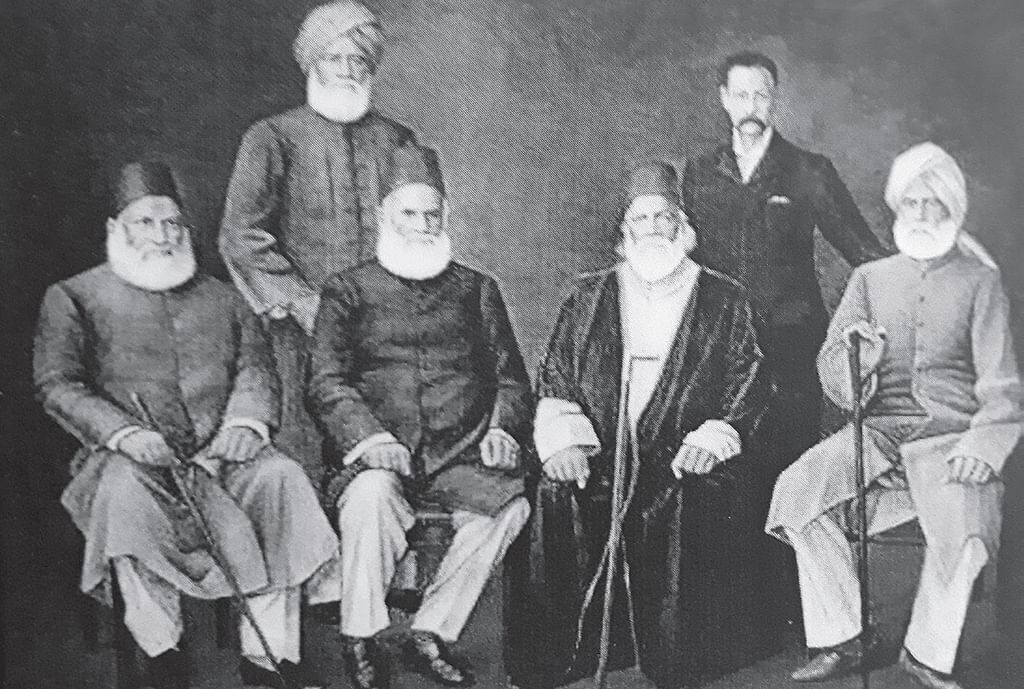
To sum up, Sir Syed received harsh criticism. His religious naysayers remained positioned in their mosques and madrassahs. Thus, the greater part of his religious adversaries couldn’t discover a spot in the school that he set up in Aligarh. This school evolved into becoming a college and then an institution which began to produce a specific Muslim world-class and metropolitan bourgeoisie who might go on to dominate Muslim nationalist thought in India and eventually decide the course in 1906 when the consciousness of Muslim nationalism took practical form when a deputation of Indian Muslims – Shimla Deputation – held a meeting with the Governor-General Lord Minto in Shimla and secured the viceroy’s consent in respect of separate electorate for Muslims.
The views expressed in this article are the author’s own and do not necessarily reflect the editorial stance of Kashmir Observer
The author is a student at University of Hyderabad
source: http://www.kashmirobserver.com / Kashmir Observer / Home / by Inayathullah Din, Guest Author / December 18th, 2020