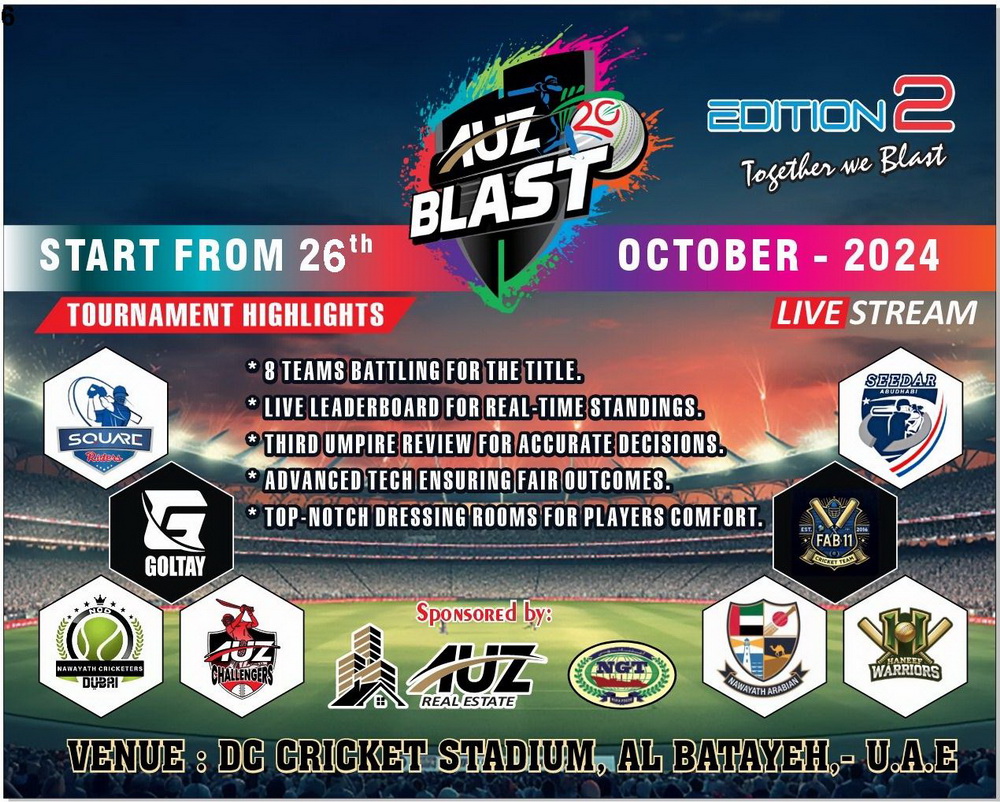
In an effort to unite Bhatkallis residing in Dubai and other parts of the United Arab Emirates, the “AUZ Blast Edition 2” cricket tournament is set to commence in Dubai on October 26, 2024. The tournament is being organized by the Dubai-based Bhatkal companies, AUZ real estate and Nuha General Trading.
Providing details to the media, Ismail Mohtisham, the media coordinator of the organizing committee, explained that the purpose of the tournament is to bring together young cricket enthusiasts and players who are working in different parts of Dubai and the UAE, and to provide them with a platform to showcase their talent and take their skills to new heights.
The spectacular cricket event will not only serve as a source of entertainment for the cricket fans of Coastal Karnataka living in the UAE but will also offer young players from Bhatkal and surrounding areas an opportunity to demonstrate their abilities on a prominent stage.
The auction for the players will be held on October 6, with the first match scheduled for October 26.
Mohtisham further shared that eight teams will participate in the tournament, with a total of 220 players registering their interest. Each team will consist of 16 players, including three guest players.
The winning team will be awarded a trophy along with a cash prize of AED 10,999, while the runner-up team will receive a trophy and AED 6,999. Individual performances will also be recognized, with a Man of the Match award for each game and the prestigious Man of the Tournament award for the best overall performance.
“The tournament format will feature eight teams divided into two groups, with each team playing three league matches,” Mohtisham added. “The top four teams will qualify for the playoffs, promising plenty of excitement and competition.”
In addition to the thrilling cricket matches, fans can look forward to an exciting atmosphere with snacks and gift hampers on offer, ensuring a memorable experience for everyone attending the AUZ Blast Edition 2.
All matches will be held at Al Batayah Stadium in Sharjah.
It is important to note that Sundays are official holidays in Dubai and the UAE, while most companies have half-day holidays on Saturdays.
According to the schedule, the tournament will kick off on the evening of Saturday, October 26, with the opening ceremony, followed by the first match at 9:30 PM. On Sunday, October 27, the first match will be played at 10:00 AM, the second at 2:00 PM, and the third at 5:30 PM. For the next two weeks, on November 3 and November 10, four matches will be held on Sundays. On Saturday, November 16, two matches will take place, and on Sunday, November 17, the second semi-final and the final match will be played.
source: http://www.sahilonline.com / Sahil Online / Home> Gulf News / by IG Bhatkal / S O News Service / October 04th, 2024
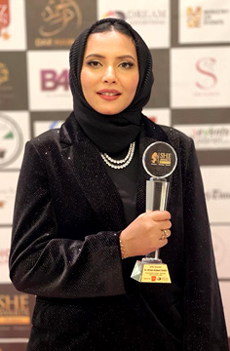
Dr. Afreen Mubeen Sheikh, a native of Mangaluru has made her hometown proud when she recently won the SHE Award in Dubai for her dedicated service to her profession and for contributing to the cause of women empowerment in UAE.
Dr Afreen is an alumnus of K S Hegde Medical Academy where she pursued her MBBS. She later did her Diploma in Obstetrics and Gynaecology from the Royal College of Physicians of Ireland.
Dr Afreen is a mentor and coach for foreign medical graduates seeking medical licensure in the UAE. She is a women’s health consultant in Mamahood, Dubai. Her expertise and guidance have empowered countless mothers to make informed decisions about their health and well-being. She has also successfully founded a women’s modest fashion brand by name ’Hayaa by Afreen’ in Dubai and also has a popular blog page by name ’The Whitecoat Mama’ on Instagram.
She uses the platform to raise awareness about women’s health and Gulf medical exams. She’s not only a respected medical professional and social media influencer but also a brand ambassador for several renowned brands in the UAE. Dr Afreen’s inspiring journey and her achievements were featured in a popular Dubai magazine ’Xpatzhub’ in October.
Dr Afreen is married to Dr Mohammad Mubeen who is a Paediatric Intensivist.
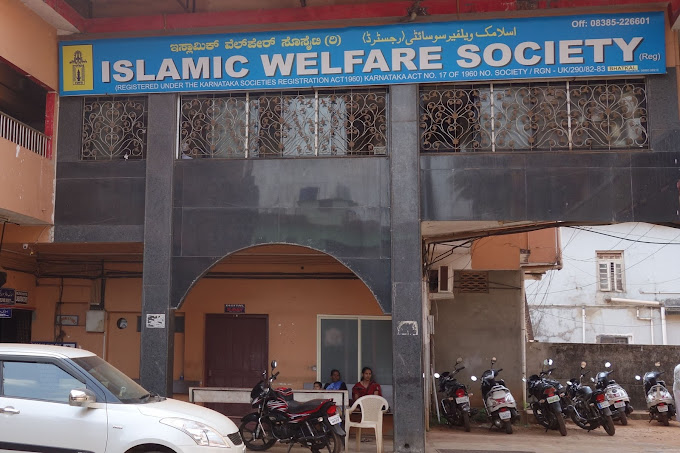
The Islamic Welfare Society in the coastal town of Bhatkal, on the shores of the Arabian Sea, has anchored the lives of lakhs of people within 40 years of its establishment. Registered under the Karnataka Societies Act, IWS provides interest-free Loans to people irrespective of religion, caste and creed. Around 15% of the beneficiaries are non-Muslims.
Loans worth around thirteen crore rupees were disbursed to more than 4800 marginalised persons last year for business, agriculture, education, house repair, medical treatment, marriage, etc. In the initial two months of the current financial year around 2200 people were provided with loans to the tune of 3 crore 42 lakhs.
During the tsunami of demonetization, the IWS rescued around 33 thousand people by offering loans amounting to 35 crores (2017-2019). Another disastrous wave of Covid-19 and the Lockdown gave a heavy blow to weaker sections. The IWS helped around 18 thousand badly-hit people, providing loans amounting to 31 crores (2019-2021).
Custodian, mentor
The Bhatkal Society acts as a custodian too. Various Masjids and NGOs keep their deposit for safety purposes with the Society.
The Society educates petty businessmen and small-time artisans to manage their funds. Pigmy deposit is an effective mode to promote saving habits. Society’s pigmy collectors procure around 1 lakh rupees daily to the needy at their door steps. With a pre and free consent of the depositors these funds are channelized as Interest Free Loans to needy persons. This brings spiritual solace to the depositors.
Systematic distribution of Zakat
The Society has got arrangements for collection and distribution of Zakath fund in an organized manner. Around 550 families of Bhatkal are benefitted through this Scheme. Deserving people in and around Bhatkal are provided with monthly pension of rupees 500, 300 and 200 per month out of the total sanctioned amount for the whole year. It is deposited in their accounts with the Society. The persons concerned withdraw the amount from their accounts as and when needed.
Monthly provision
Some philanthropists wish to help the poor with monthly provision, through the Society. Thirty poor families are provided with ration kits, costing rupees 1500, 1000 and 800. Some people deposit their Zakat amount along with a list of beneficiaries, concealing their identity with beneficiaries, and that amount is distributed accordingly.
Whereas many people deposit their Zakat amount in the Zakat Fund of the Society only and its distribution is left to the discretion of the Society.
Some others contribute particularly to medical needs of the poor. At an average five persons are benefited under this head every month. Even accident victims and people facing health emergencies are helped after confirmation from reliable sources.
Another utilization of our Zakat Fund is education. Poor students of Govt. schools in and around Bhatkal are provided with their essential needs. About 700 deserving students take advantage of this scheme annually. The Society is undertaking distribution of Zakat silently.
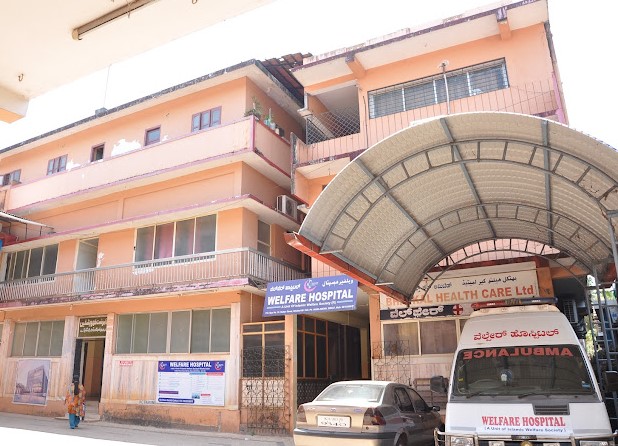
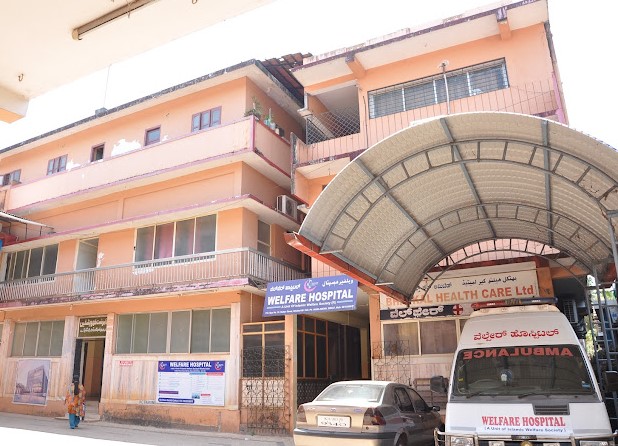
Public health is a very vast field in social work. The Society has recently started its work on public health front too, running a hospital under the name of Welfare Hospital. Frequent traveling of people to the nearby Mangalore city for minor health problems has come down to a good extent.
source: http://www.radiancenews.com / Radiance News / Home> Features> Focus / by Mohammed Atherulla Shariff, Radiance News Bureau / July 13th, 2024
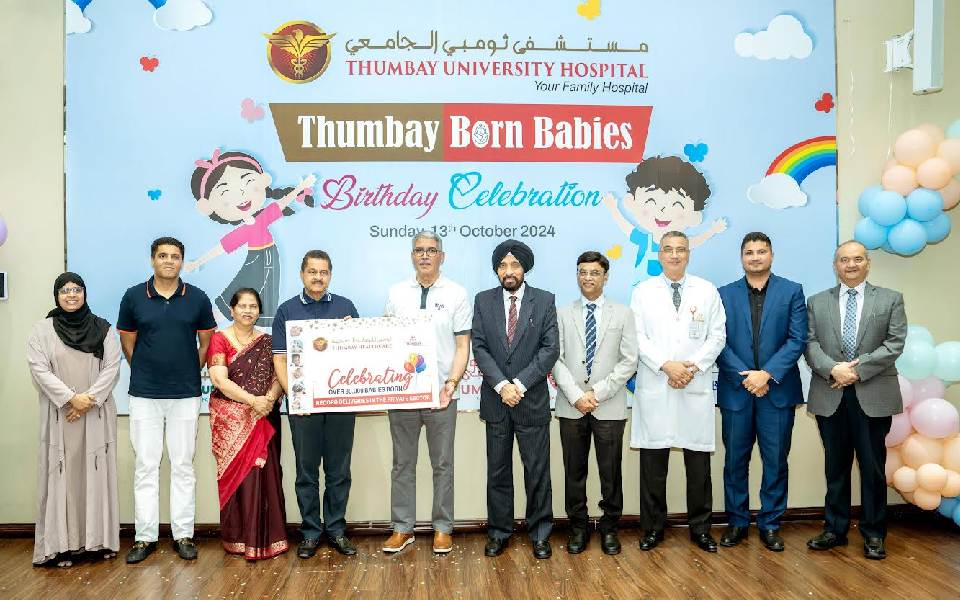
In honor of its achievement of over 90,000 deliveries, Thumbay University Hospital, UAE’s largest private academic hospital owned and managed by Thumbay Group, hosted a special event.
The festive occasion took place at the Thumbay Medicity (Al Jurf, Ajman), offering an evening filled with joy, laughter, and memorable experiences for the attendees present.
Since the first delivery in January 2003, Thumbay Healthcare has successfully conducted over 90,000 deliveries, significantly contributing to its growth and establishing itself as the UAE’s most sought-after family hospital for maternity care. The Obstetrics and Gynecology (OBG) department serves approximately 35,000 patients annually and is equipped with 10 state-of-theart labor and delivery rooms, a dedicated OBG emergency unit, and specialized operating theatres. Additionally, there is a postnatal ward with private rooms for new mothers, ensuring a comfortable and supportive environment during their recovery.
The event was graced by the presence of Chief Guest Dr. Thumbay Moideen, Founder President of Thumbay Group, along with Akbar Moideen Thumbay, Vice President of Thumbay Healthcare.
The celebration featured various activities designed to engage both children and adults. Highlights included balloon twisting, magic shows, face painting, and a best-dressed babies’ contest, with three winners announced. The event culminated in a cake-cutting ceremony that signified the growth and joy shared by infants and their families over the years.
Attendees also had the chance to participate in a raffle draw, with five winners receiving surprise gifts aimed at enhancing their parenting experience. A dedicated photo booth was available for families to create personalized keepsakes. Additionally, parents received vouchers for a health check-up valued at AED 3,499, available for AED 399, as well as a free dental consultation.
“As we commemorate the remarkable achievement of 90,000 deliveries within our hospital family, we recognize the profound honor of being part of these significant milestones in the lives of so many. It is a privilege to support the early development of each child, who represents the hope for a healthier and brighter future. Together with their families, we take pride in witnessing the growth, milestones, and vast potential that these new lives will contribute to our community. This milestone reaffirms our commitment to providing exceptional care and nurturing the next generation, ensuring that every child has the opportunity to thrive,” said Akbar Moideen Thumbay, Vice President of Thumbay Healthcare.
The hospital also offers an affordable maternity package, further enhancing its commitment to accessible and quality care for families. Maternity package at Thumbay University Hospital includes consultations with specialist gynecologists, free delivery booking, and antenatal classes. Priced at AED 5,499 for normal deliveries and AED 8,999 for C-section deliveries, the package is designed to diagnose, monitor, and prevent health issues, promoting healthier lifestyles for expectant mothers.
source: http://www.english.varthabharati.in / Vartha Bharati / Home> Gulf / by Vartha Bharati / October 16th, 2024
S.M. Syed Mohiddin Market has been re-elected as the President of the Markazi Khalifa Jamaat-ul-Muslimeen Bhatkal, while Jubapu Ismail secured his position once again as General Secretary.
The election for office bearers took place on Thursday at the Jamaat meeting hall, attended by 61 members.
The process was overseen by Election Officer Jailani Siddiqa and chaired by Dr. Zubair Kola.
Except for the post of Deputy Secretary, all positions were filled unanimously.
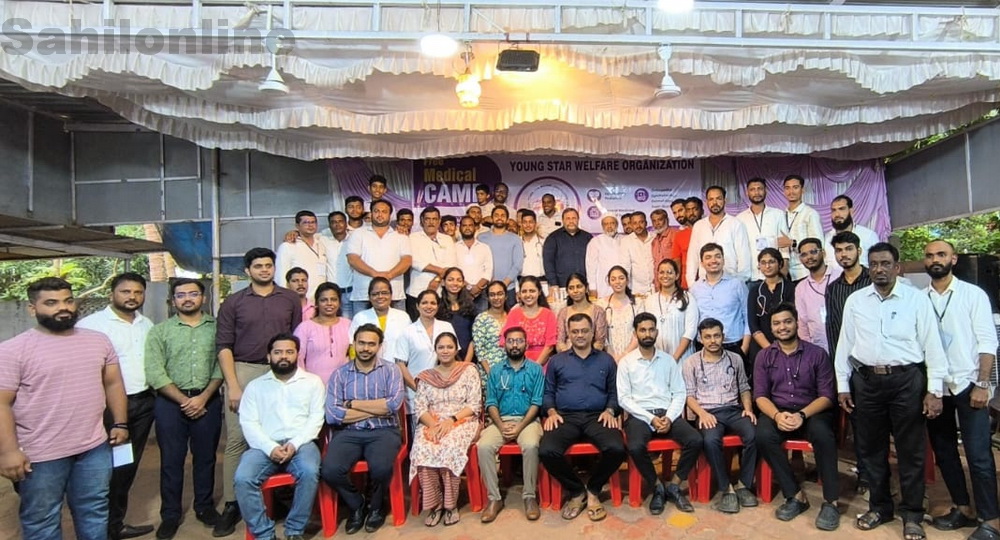
Youngstar Welfare Organization, a group of youth from Mohiddin street (Madina Colony), organized a free medical check-up camp in collaboration with Srinivas Hospital, Surathkal. The camp was held today, Sunday, at Afreen Hall on Jamiaa Abad Road, drawing more than 500 people who came for health screenings and consultations. Many patients also received free medications after their check-ups.
The camp began at 10:00 AM and concluded at 3:00 PM, featuring a diverse team of specialists from Srinivas Hospital. Led by Hospital Manager Freeda D’Souza, the team consisted of 16 doctors, including General Surgeon Dr. Kaushal Shetty, Dermatologist Dr. Stalin, Orthopedic Specialist Dr. Kavish Shetty, and Gynecologist & OBG Specialist Dr. Divyani, as well as doctors from Pediatrics, Cardiology, General Surgery, and Ophthalmology. In addition to free medications, essential tests such as ECGs were conducted free of charge. Some patients were advised to undergo blood tests or other specialized diagnostics.
With the presence of three female doctors and several female staff members, the camp saw a large turnout of women who took advantage of the free services.
At the closing ceremony, Srinivas Hospital’s Senior Business Development Officer, Sadakathulla, emphasized that the hospital, located between Udupi and Mangalore on the Surathkal-Mukka National Highway, has been providing healthcare services for over 14 years.
The hospital, with its 920 beds, offers comprehensive medical care across various specialties, supported by a team of over 100 experienced doctors. It is equipped with modern facilities, including an advanced laboratory with 24/7 CT and MRI scan services. Specialized care in emergency trauma, cardiac, and neurosurgery is also available. He further noted that the hospital accepts all major government and private insurance plans.
The camp was successfully organized under the leadership of Youngstar President Zaheer Ahmed Shaikh and General Secretary Suhail Ahmed Kad-dari. Members Samiullah Shaikh, Sulaiman Bhai, Taufiq Khalifa, Tanveer Faraz, Subhan, and other volunteers played a key role in organizing the camp.
The closing session was attended by prominent community figures, including Majlis-e-Islah wa Tanzeem President Inayatullah Shabandri, Iqbal Suhail, Musaddiq Ruknuddin, Fayyaz Ali Byndoor, and Dr. Nazim, among others.
source: http://www.sahilonline.org / Sahil Online / Home> Coastal News> Featured News / by IG Bhatkal / September 29th, 2024
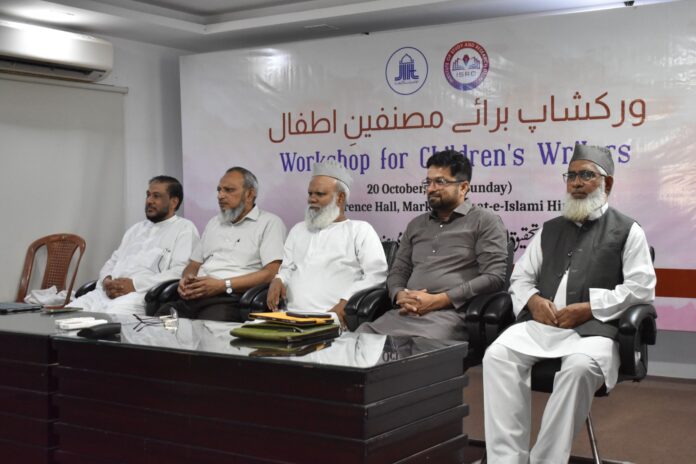
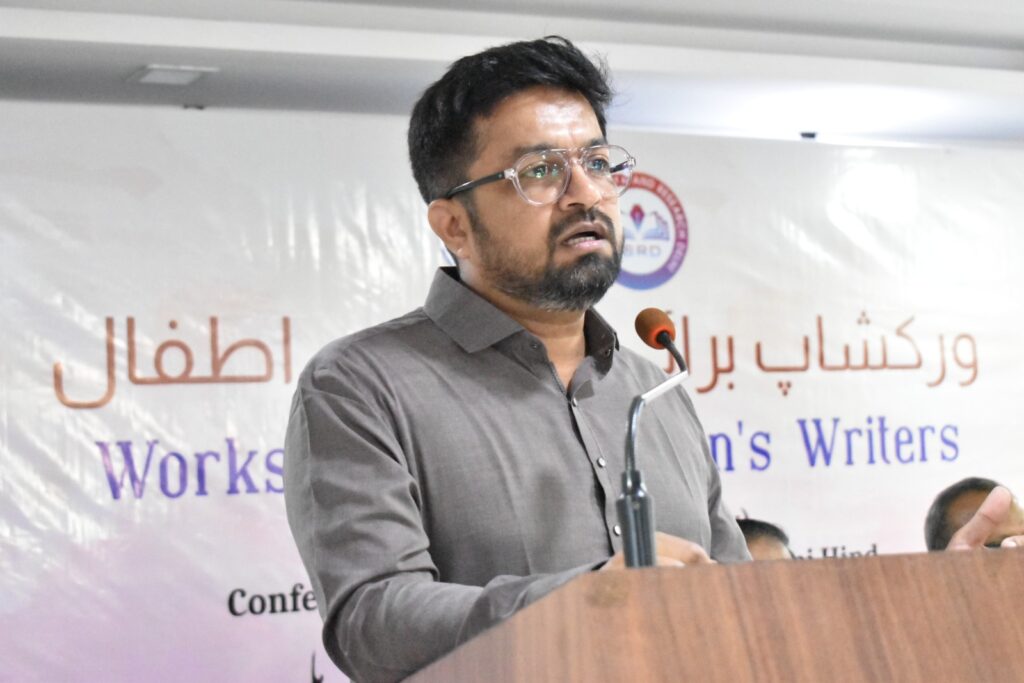
A recent workshop for children’s writers and authors, organized by the Institute of Study and Research Delhi (ISRD), highlighted the urgent need for quality Islamic literature for children and called for initiatives to train the youth and new generation in this endeavour.
Held at the Jamaat-e-Islami Hind headquarters here, the workshop was attended by over 50 research scholars and individuals interested in children’s literature, affiliated with institutions such as Jamia Millia Islamia, Jawaharlal Nehru University, National Council for Educational Research and Training (NCERT), and the Education Department of the Delhi Government, with nearly half of the participants being women, some of whom have been working in the field of children’s literature for several decades. ISRD, which conducted the workshop, has been actively promoting Islamic thought and encouraging writing and authorship through various programmes for the last more than five years.
Speaking on the occasion, AIMPLB spokesperson and editor of the monthly Urdu magazine Afkar-e-Milli Dr Syed Qasim Rasool Ilyas, critically reviewed children’s Islamic literature under the title “Reimagining Children’s Islamic Literature: A Critical Analysis for Modern Needs.” He emphasized that today, the primary goal of acquiring knowledge and education has become mainly about obtaining good jobs and accumulating wealth, which fosters a materialistic approach and attitudes among children. He stressed that education should focus on developing children into good human beings, ethical individuals, and righteous Muslims.
ISRD secretary Asif Iqbal presented a survey conducted among 254 children in the area to understand their reading habits. Through a PowerPoint presentation, he highlighted key findings, noting that children demonstrate a keen interest in reading books and still place high value on printed materials. Both parents and teachers should adopt a positive and proactive role in fostering children’s reading habits. He pointed out that children tend to read more in Hindi and English compared to Urdu, indicating a need for special attention in this area, likely due to education in English schools.
While it is true that screen time on mobile devices reduces children’s reading time, authors and publishers should consider how to capture children’s attention through mobile platforms to make their content accessible.
The survey revealed that children enjoy reading adventure stories, Islamic history, and fiction, with a particular interest in Islamic heroes in the current context. Parents provide children with books, and they often receive books as gifts. Notably, children are also purchasing books with their pocket money, which is commendable and should be encouraged further. There remains a significant preference for reading printed books compared to e-books and audiobooks.
However, the question persists: to what extent are we meeting the needs of children in the community? While it is a fact that children engage with online games, social media, and various internet content, they also recognize that books play an essential role in their lives, and they express a desire to read. They prefer simple and accessible language along with colourful, graphic books available at affordable prices. Authors and publishers should focus on these aspects.
In his presidential address, renowned Islamic scholar and author of more than 100 books, Dr Muhammad Raziul-Islam Nadvi, Secretary of Jamaat-e-Islami Hind, emphasized that children’s authors should keep three key principles in mind: (1) While writing stories, consider the tastes and psychology of children, subtly incorporating Islamic values, teachings, and culture into their works; (2) present credible material, particularly regarding Islam, and avoid incorrect or misleading information; (3) use very simple and accessible language.
Dr Raziul-Islam Nadvi noted that during the initial period of Jamaat-e-Islami Hind, its members produced quality religious literature for children, but there has been a decline in this area over time. However, he affirmed that renewed attention is now being given to this vital aspect.
Renowned children’s author Mohammad Siraj Azeem, founder secretary of All India Adab-e-Atfal Society Delhi, delivered a lecture titled “Exploring Pluralistic Society and Its Impact on Children Amid Increasing Extremism.” He highlighted several factors contributing to extremist tendencies in children: 1) the destruction of the joint family system, 2) parents’ indifferent relationships and callous connections with their children, 3) uncontrolled technological advancements and excessive use of electronic gadgets, including mobile devices by children, and 4) various pressures from parents, the environment, or technology. Addressing the question of how tendencies towards violence arise in children, he urged parents to connect well with their children, give them ample attention, and focus on their all-round training and nurturing, as parents serve as crucial role models for their children, thus they should demonstrate the best conduct and behaviour.
The workshop commenced with welcoming remarks from Mr Saleemullah Khan, Delhi state president of Jamaat-e-Islami Hind. Following this, experts delivered insightful lectures on various aspects of children’s literature.
Maulana Inaamullah Falahi, associated with the JIH Markazi Taleemi Board, spoke on “The Need and Importance of Children’s Literature in the Light of Islamic Values.” Dr Shadab Musa, JIH Assistant Secretary, presented on ‘Understanding Stages of Cognitive and Intellectual Development in Children’.
Dr Faizan Shahid discussed “The Effects of Short Stories on the Psychological, Social, and Moral Growth of Children .”
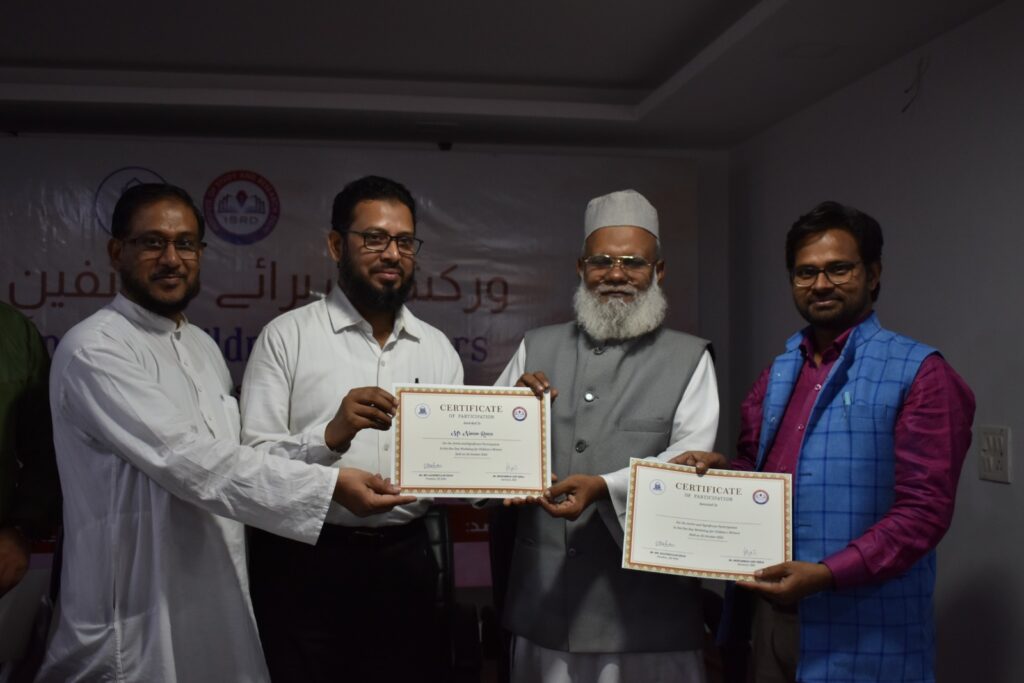
The workshop consisted of three sessions, moderated by Noor-ul-Islam Rahmani, Naim Raza, and Muhammad Maaz. All participants were awarded certificates.
source: http://www.indiatomorrow.net / India Tomorrow / Home> Education / by admin india tomorrow / October 23rd, 2024
The Karnataka Government has ordered the nomination of representatives from newly added villages to the Virajpet Town Municipal Council (TMC).
The appointments are set to take immediate effect, with prominent names being included as additional members to the Municipal body.
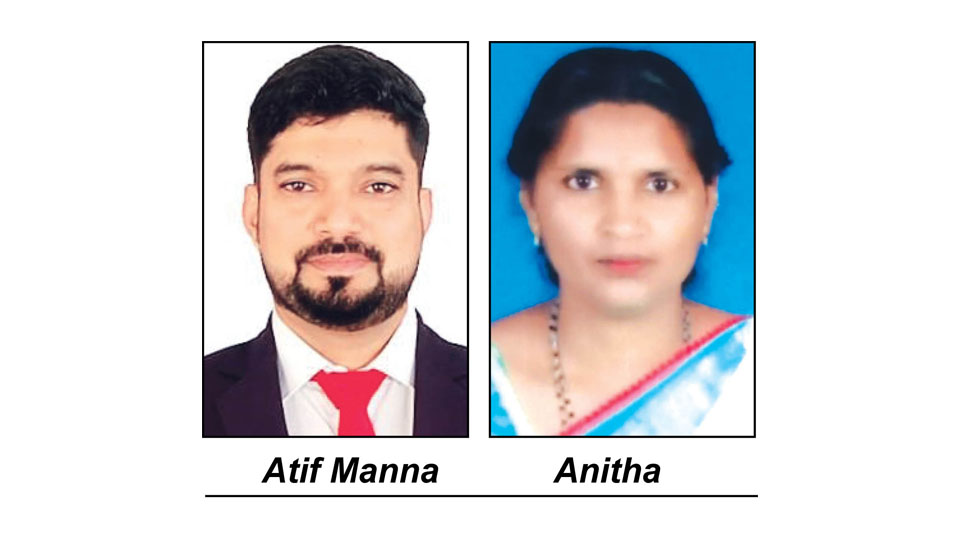
Among those nominated as Councillors is Atif Manna, son of late Shahul Hameed Manna, a former Councillor of Virajpet Town Municipality. Another appointee is H.B. Anitha, wife of Ahmed Wahid.
Atif Manna, who belongs to the Nawayathi community, brings with him a rich political legacy. His family has played a vital role in Virajpet’s governance for decades.
The first Nawayathi Councillor and President of Virajpet Municipality was late Janab Maani Hussain Saheb Bahadur, who served as the President for 11 years. His contributions to the region were recognised by the Coorg Government, which honoured him with the title ‘Bahadur.’
The family’s political involvement spans generations. Atif Manna’s grandfather, Meera Manna, was a Councillor for three terms and once served as Vice-President of the Municipality. His father, Shahul Hameed Manna, served two terms — once through an election and once by nomination.
Continuing this lineage, Atif Manna has now been nominated as the Councillor to represent the newly expanded areas of Virajpet TMC.
source: http://www.starofmysore.com / Star of Mysore / Home> News / October 25th, 2024
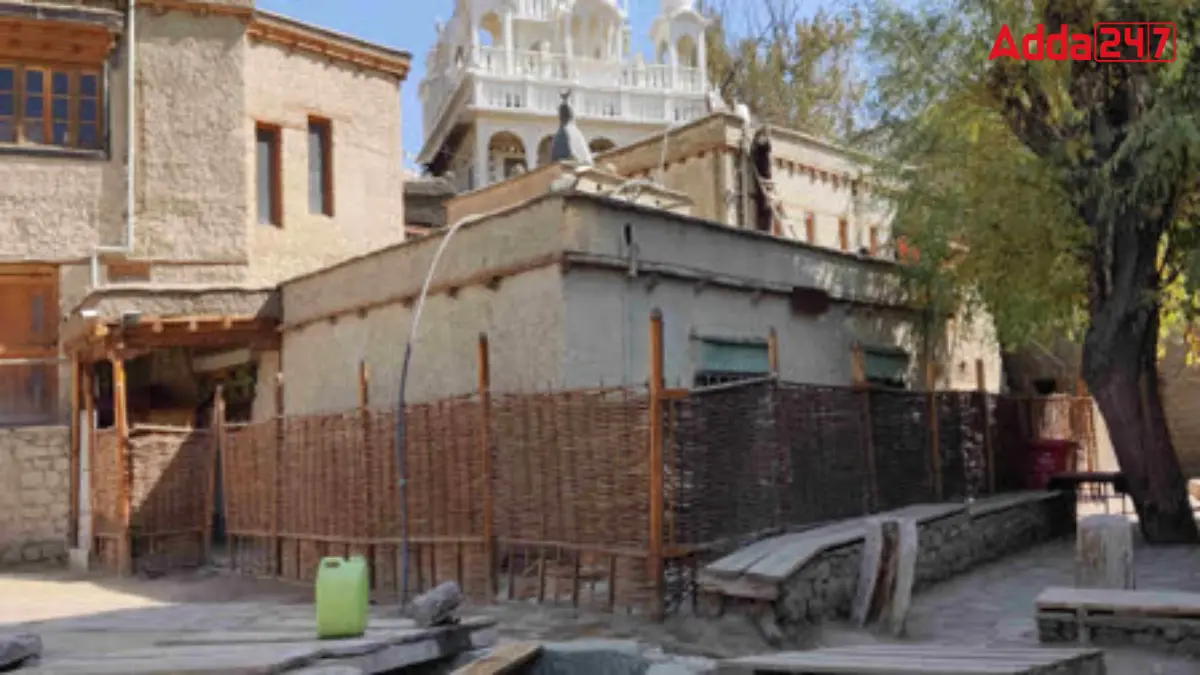
Leh’s oldest public mosque, the Tsas Soma Mosque, was built in the 17th century. Located in the heart of Leh, it served as a worship and learning center for Muslim traders traveling along the ancient Silk Route.
The Tsas Soma Mosque, located in the heart of Leh, Ladakh, is an important historical landmark. This mosque has roots dating back to the 17th century and has witnessed the vibrant history of trade and culture in the region. Here, we explore the mosque’s history, significance, and restoration.
Oldest Public Mosque of Leh
Leh’s oldest public mosque, the Tsas Soma Mosque, was built in the 17th century. Located in the heart of Leh, it served as a worship and learning center for Muslim traders traveling along the ancient Silk Route. Although it fell into disrepair by the 1950s, it was restored in 2007, preserving its historical features and cultural significance.
History of Leh’s Oldest Public Mosque
In the 1600s, Leh was a bustling trade center along the ancient Silk Route. The town attracted traders from different regions, including Central Asia, Kashmir, and Punjab. Many of these traders were Muslims, and they needed a place to pray. In response to their request, King Sengge Namgyal provided land for a mosque. This led to the establishment of the Tsas Soma Mosque, offering a place for worship and religious gatherings.
The Mosque Role as a Worship Center
The Tsas Soma Mosque was more than just a place for prayers. It also served as a Madrasah, where religious education took place. During its active years, the mosque was used by the local community for worship, including women who came to pray. The mosque continued to be functional until the 1950s, after which it fell into a state of disrepair.
The Tsas Soma Mosque Served as a Popular Stop for Traders
Leh was an important stop for traders traveling from Lhasa, Punjab, Kashmir, and other regions, including Iran and Europe. The Tsas Soma area became a key camping site for these travelers, with multiple camping grounds set up around the town. Caravans and their animals rested at various spots, including near the present-day police station and taxi stand. The mosque played a role in the community by allowing these traders to gather for prayers and even conduct barter trades.
Restoring a Piece of History
By the 1950s, the mosque was in poor condition and was largely abandoned as the main mosque in Leh was already established. However, the Tibet Heritage Fund (THF) and the Anjuman Moin ul-Islam Society worked together in 2007 to restore the Tsas Soma Mosque. The original features, such as the main door and wooden beams, were preserved to maintain its historical character.
Design and Architecture of the Tsas Soma Mosque
The Tsas Soma Mosque is a simple single-story building. It consists of one large room with six wooden pillars that have traditional Ladakhi-style carvings. The mosque originally had a wooden dome, which has since been moved to the Shah Hamdan Mosque at Shey. Notably, the mosque does not have a minaret, a feature typically found in many other mosques.
The Mosque’s Place in Ladakh’s Heritage
The mosque stands as a reminder of Ladakh’s diverse cultural and religious past. It reflects a time when Leh was a significant center for trade and cross-cultural interaction. The Tsas Soma Mosque is now part of the Central Asian Museum compound, attracting visitors who are interested in the history and culture of Ladakh.
source: http://www.currentaffairs.adda247.com / Adda247.com / Home> General Studies / by Akansha Arora (headline edited) / October 24th, 2024
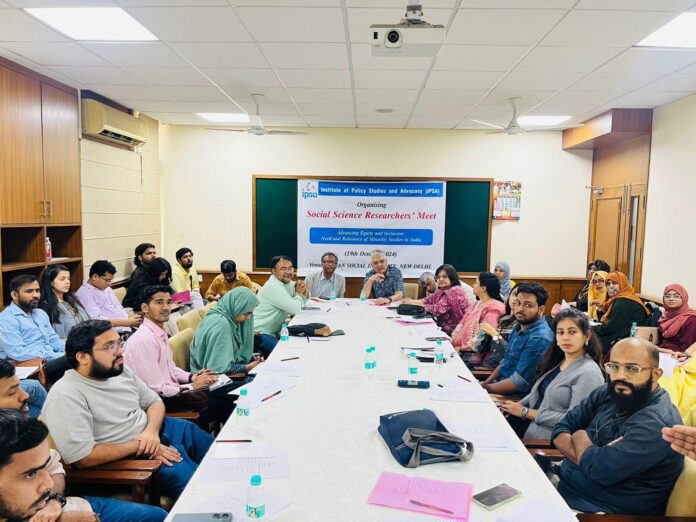
On October 19, 2024, the Institute of Policy Studies and Advocacy (IPSA) hosted a one-day workshop at the Indian Social Institute, focusing on the prospects and challenges of conducting research on minorities in the context of social inclusion.
The event aimed to gather key stakeholders—academics, PhD scholars, students, policymakers, and civil society organizations—to discuss the importance of minority studies, particularly regarding the Muslim community in India, and to propose actionable recommendations for aligning research with national and state policies.
The workshop brought together over 40 research scholars and senior academics from various universities, including Jawaharlal Nehru University, Jamia Millia Islamia, and Delhi University. The Social Science Researchers’ meet, titled “Minority Studies in India,” sought to create a collaborative environment for scholars to share insights and identify areas needing further exploration.
Dr. Jawed Alam Khan, General Secretary of IPSA, initiated the discussions by outlining the workshop’s objectives and context. He emphasized IPSA’s ongoing initiatives in minority research and highlighted the necessity for continued dialogue in this field.
Dr. Furqan Qamar, a professor at Jamia Millia Islamia, underscored the critical role of institutions in development and articulated the significant challenges faced by Indian Muslims. He called for studies that investigate the underlying causes of Muslim marginalization, including their access to financial resources, and stressed the importance of producing accessible and critical literature.
Dr. Tanvir Aeijaz from Delhi University contributed to the discourse by examining the distinction between “minority” and “Muslim” in academic literature. He discussed the need for equity and affirmative action, particularly in the context of the Post-Sachar Report, and raised crucial questions about citizenship amid rising deprivation and exclusion practices.
The workshop also featured a panel discussion chaired by Dr. Asheref Illiyan, Professor and Head of the Department of Economics at Jamia Millia Islamia. Dr. Ghazala Jamil, an Assistant Professor at Jawaharlal Nehru University, urged the need for fresh perspectives in studying Muslims, advocating for a shift away from outdated stereotypes. She emphasized areas like land rights, urbanization, and the unique challenges faced by Muslim women.
Dr. Khalid Khan discussed the importance of empirical research on inclusion and development theories, while Dr. Zakaria Siddiqui called for a redefinition of minority status and highlighted the critical gaps in data concerning Muslim communities.
Following the panel, an Open House session allowed participants to share their research and discuss the future of minority studies. Scholars expressed the need for collaborative efforts, research groups, and support mechanisms to foster engagement among minority researchers. The session was addressed by Professor Arvinder Ansari and Dr. Ghazala Jamil, who responded to participants’ questions and concerns.
In conclusion, the workshop highlighted the urgent need for in-depth research on Muslim communities in India, advocating for a multidisciplinary approach to address issues of equity, representation, and social justice. Participants agreed on the importance of forming a dedicated agency for minority research, which could produce newsletters, journals, and foster a network of scholars committed to advancing minority studies in India.
source: http://www.indiatomorrow.net / India Tomorrow / Home> News> Society / by admin india tomorrow / October 25th, 2024