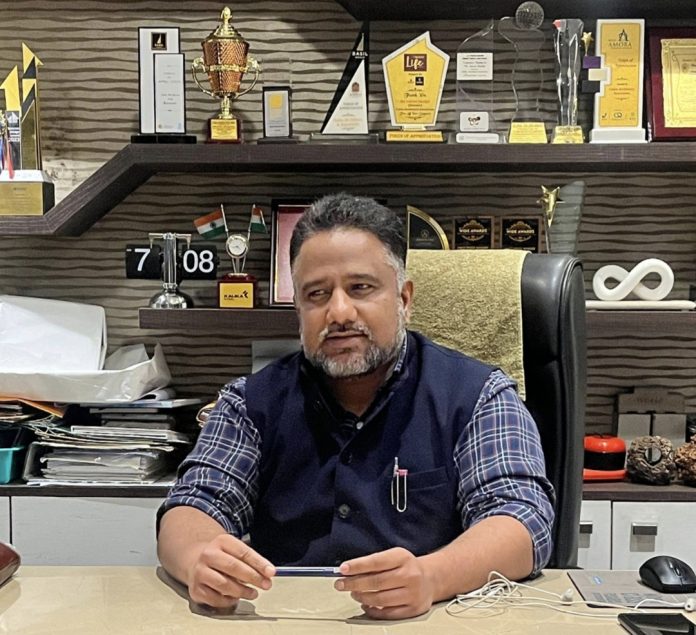
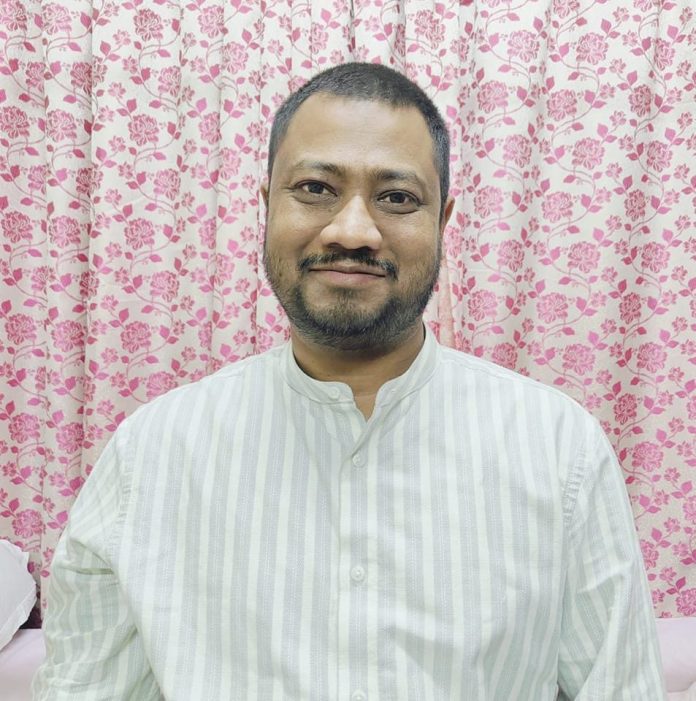
Two Muslim IAS officers in Telangana have been appointed in-charge Vice-Chancellors of two state universities.
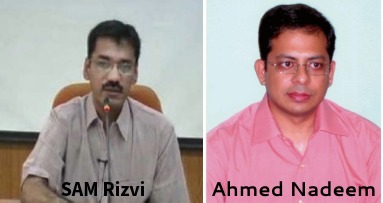
Syed Ali Murtaza Rizvi has been appointed as the in-charge Vice-Chancellor of Dr. B.R. Ambedkar Open University, Hyderabad. The government has also appointed Ahmed Nadeem as the Vice-Chancellor of Palamuru University, Mahabubnagar.
Syed Ali Murtaza Rizvi is Indian Administrative Service (IAS) officer of 1999 batch. He is currently serving as the Principal Secretary to Government, Energy Department. Ahmed Nadeem is the Principal Secretary to Government, Planning Department. He is an IAS officer of 1997 batch.
They are among IAS officers appointed as in-charge Vice-Chancellors of 10 state universities.
As existing Vice-Chancellors demitted their office on May 21, the bureaucrats were appointed as in-charge Vice-Chancellors.
As per the orders issued by the government, the in-charge Vice-Chancellors will hold these offices till regular vice-chancellors are appointed or till June 15, 2024, whichever is earlier.
Dana Kishore, Principal Secretary, Municipal Administration & Urban Development, has been appointed as in-charge Vice-Chancellor of Osmania University, Hyderabad, the oldest and most prestigious university in the state.
In-charge VCs have also been appointed for Jawaharlal Nehru Technological University (JNTU), Hyderabad; Kakatiya University, Warangal; Telangana University, Nizamabad; Potti Sriramulu Telugu University, Hyderabad; Mahatma Gandhi University, Nalgonda; Satavahana University, Karimnagar; and Jawaharlal Nehru Architecture and Fine Arts University, Hyderabad.
The government has already invited applications for the posts of regular VCs. A total of 1,382 applications have been received, including those from 312 teachers. Most of them applied for multiple universities.
source: http://www.radiancenews.com / Radiance News / Home> Latest News / by Radiance News Bureau / May 25th, 2024
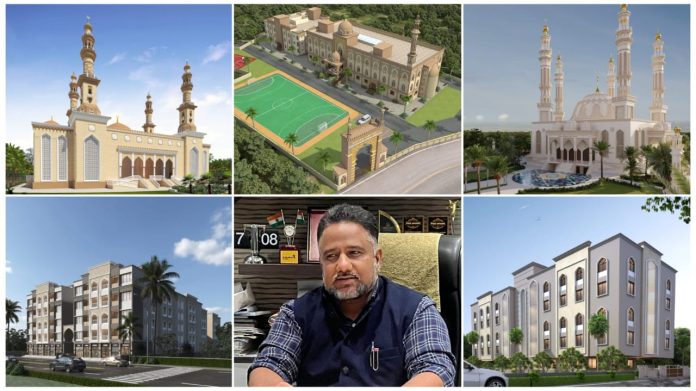
Architect Imran Abbas Shaikh and some of the mosques he designed.
Architect Imran Abbas Shaikh, a visionary based in Pune, Maharashtra, exemplifies the transformative power of architecture. With a passion for blending modern design with cultural heritage, Imran has developed a diverse portfolio ranging from innovative urban projects to iconic cultural landmarks. Renowned for his distinctive approach, he has redefined architectural design, particularly in the creation of mosques. His designs for these sacred spaces often include facilities like hospitals, museums, libraries, and community kitchens, showcasing his dedication to empowering the community. Through his work, Imran Abbas Shaikh has set a new standard for integrating functionality with tradition, earning widespread acclaim for his contributions to architecture.
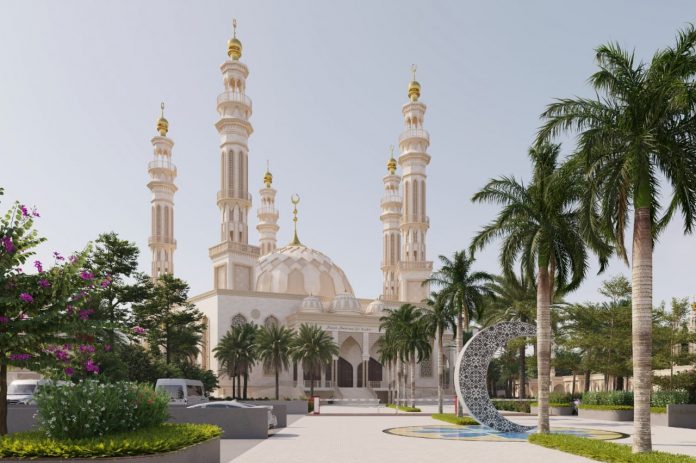
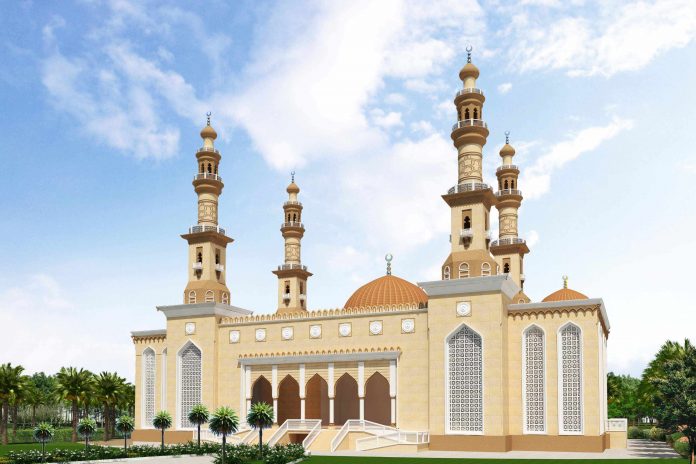
Muhammad Bin Abdullah Mosque’ in Dhannipur, Ayodhya district, Uttar Pradesh.
The Early Years
Mr. Mohammad Imran Abbas Shaikh, hailing from Pune, Maharashtra, has traversed an extraordinary journey from his roots to emerge as one of the most prominent architects of our time.
His architectural firm, Cubix Architects, situated in his hometown, reflects his deep-rooted connection to the place that nurtured his talents. Growing up, Imran was distinguished by his unique approach and a penchant for creative thinking, qualities that would later define his illustrious career as a visionary architect. However, it was the unwavering support and belief of his father that truly ignited Imran’s passion. His father instilled in him the notion that architecture was not merely about envisioning structures, but about crafting an unwavering future that could bring about positive change. This paternal guidance became the driving force behind Mr. Mohammad Imran Abbas Shaikh’s relentless pursuit of architectural excellence.
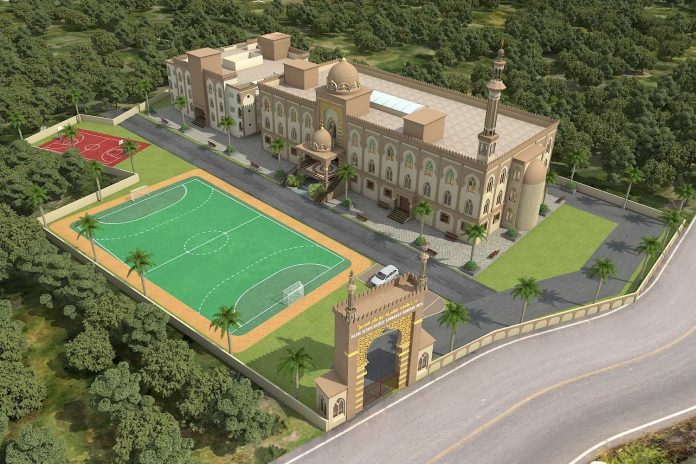
Islamic School and Institutional Campus, Phaltan, Maharashtra.
Educational Background
Imran Shaikh’s educational journey was marked by a pursuit of excellence from the outset. Beginning with his early schooling split between SSPM and Children’s Academy in Shivaji Nagar, Pune, he demonstrated a thirst for knowledge and innovation. His high school years at Poona College laid the groundwork for his academic prowess, setting the stage for his subsequent achievements.
Imran’s passion for architecture led him to Bharati Vidyapeeth, where he honed his skills and emerged as a consistent topper throughout his degree. Even after completing his formal education, Imran’s dedication to his field remained unwavering. He continues to share his expertise and insights by delivering lectures and guiding Ph.D. aspirants, leaving an indelible mark as an inspirational figure for aspiring architects and youngsters alike. His contributions as a guest lecturer have not only enriched the minds of his students but have also sparked a newfound enthusiasm for architecture among many.
Islamic Spiritual Centre of Maulana Sajjad Nomani – Neral, Maharashtra
Inspiration Behind Choosing Architecture as Career
Imran Shaikh always had a keen interest in travelling, exploring, and various forms of art. After high school, he decided to pursue architecture as a career, a field that had always intrigued him. Imran often spoke about how his father was his biggest motivator, playing a significant role in his journey to becoming a successful architect. During Imran’s college years, his father would proudly share his accomplishments with everyone. Imran’s fondness for art and his unique, abstract perspective on things have been evident throughout his career. Each of his projects bears a distinctive touch, showcasing his artistic vision and innovative approach.
“Modern technologies have made the youth increasingly dependent, resulting in a lack of motivation and original ideas. To foster change, it is essential to reduce dependency on readymade materials and encourage wholehearted engagement in learning, exploration, and hands-on activities. As long as a person is away from mental pollution, they can do wonders”
How Does Imran Shaikh See Architecture
Imran Shaikh states that architecture is a profession that has existed since the dawn of mankind, tracing its origins back to Adam (AS). Since the beginning, people have sought shelter, making architecture an integral part of human existence. This concept is not limited to humans; some of the best architectural forms can be seen in birds and animals. According to him, architecture starts with a dot, which evolves into a line, then a triangle, and gradually forms complex shapes and designs. The journey beginning with a simple dot encapsulates the essence of architecture.
His favourite works
The ‘Muhammad Bin Abdullah Mosque’ in Dhannipur, Ayodhya district, Uttar Pradesh, is under construction and spans 4,500 square metres.
Dar e Arqam
This mosque will include various facilities such as a hospital, community kitchen, library, and research centre.
Remarkably, it will be the first mosque in India to feature five minarets, symbolising the five pillars of Islam: profession of faith (shahada), prayer (namaz), almsgiving (zakat), fasting (roza), and pilgrimage (hajj). The mosque will be pentagon-shaped, further reflecting the significance of the five pillars. Additionally, it will boast a water and light show and house the world’s largest Quran, measuring 21 feet in height and 36 feet in width.
Architect Imran Abbas Shaikh
Some of architect Imran’s finest works include:
1-KAUSAR BAUGH MASJID – PUNE, MAHARASHTRA
2-ISLAMIC SPIRITUAL CENTRE OF MAULANA SAJJAD NOMANI – NERAL, MAHARASHTRA
3-ISLAMIC SCHOOL AND INSTITUTIONAL CAMPUS – PHALTAN, MAHARASHTRA
4-ISLAMIC SCHOOL AND INSTITUTIONAL CAMPUS – NEPAL
5-MASJID MUHAMMAD BIN ABDULLAH INDO ISLAMIC CULTURAL – BABRI MASJID, UP AYODHYA
5-ISLAMIC SCHOOL AND INSTITUTIONAL CAMPUS – BANGLADESH
Building a Better Society
Apart from his architectural achievements, Imran Shaikh is actively involved in education through his nonprofit ‘Human Embrace Foundation’, based in Pune. This foundation is dedicated to educating children from financially disadvantaged backgrounds, ensuring they have access to quality education and opportunities. Imran’s commitment to this cause has made a significant impact, inspiring many young people. His dedication and success serve as a powerful role model for youth, encouraging them to strive for excellence and make a positive difference in their communities. Through both his architectural work and his educational initiatives, Imran Shaikh exemplifies the values of innovation, compassion, and community empowerment.
source: http://www.muslimmirror.com / Muslim Mirror / Home> Indian Muslim> Positive Story / by Fiza Memon / May 25th, 2024
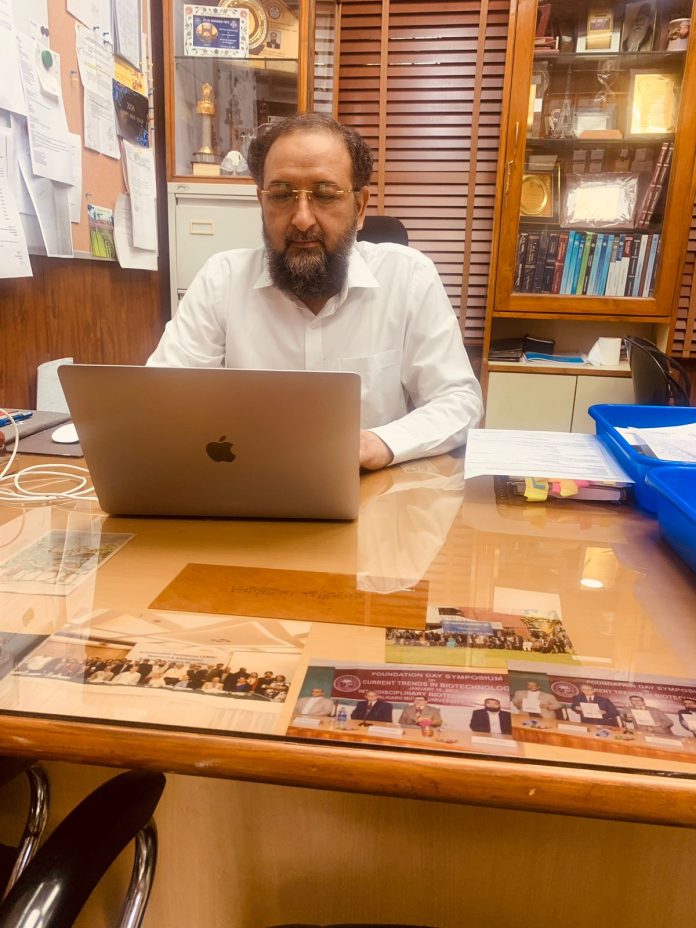
Prof Asad U Khan, from the Interdisciplinary Biotechnology Unit at Aligarh Muslim University, has achieved a significant milestone in the realm of Microbiology, securing the 39th position globally, according to ScholarGPS, the world’s foremost scholarly analytics platform. This platform utilizes advanced computational techniques such as data mining, artificial intelligence, and statistical analysis to evaluate scholarly impact comprehensively.
Named as an “Inaugural Highly Ranked Scholar,” Prof Khan joins an elite group of scholars, with only three Indian researchers ranking in the top 0.05% globally in Microbiology. His recognition among 67 scholars worldwide underscores his exceptional contributions to the field.
Expressing his elation, Prof Khan shared, “I was truly thrilled to discover my global standing. Being passionate about research and dedicating two decades to antimicrobial studies, this recognition surpasses my expectations.” He expressed gratitude to his family, mentors, and supporters for their encouragement throughout his journey.
Highly Ranked Scholars like Prof Khan are distinguished by both productivity (number of publications) and impact (citations), as well as the quality of their work (h-index). ScholarGPS’s extensive database, comprising over 30 million scholar profiles and 200 million scholarly publications, enables precise identification of scholars within specific specialties, disciplines, and fields.
Prof Khan’s accolades extend beyond this recent recognition, with previous honors from national and international scientific bodies, including the Ministry of Science and Technology, Government of India, acknowledging his outstanding contributions to combating Antimicrobial Resistance.
In summary, Prof Asad U Khan’s global ranking in Microbiology signifies not only his individual achievement but also highlights the excellence of research conducted at Aligarh Muslim University, reaffirming India’s presence on the global scientific stage.
source: http://www.radiancenews.com / Radiance News / Home> Pride of the Nation> Markers of Excellence / by Radiance News Bureau / May 09th, 2024
Like it or not, modern Indian culture is still heavily indebted to the legacy of the Mughals and the nawabs.
Stamps of both tangible and intangible heritage of India’s prosperous Muslim reign are still vivid, despite more than two centuries of indifference, ingratitude and insolence that followed.
From language and art to cuisine and architecture, every aspect of Indian cultural landscape has strong traces of Muslim sounds, flavours and colours that continue to trickle down from an era that drew the world to India.
Like it or not, modern Indian culture is still heavily indebted to the legacy of the Mughals and the nawabs. The Persianate culture that was dominant well into the decline of the Muslim dynasties, continues to influence our customs and traditions.
Intangible heritage Whether we call it Hindi or Hindustani, the language that is spoken by most Indians, especially in North India, took shape in the hallowed halls of the Mughal Delhi and Nawabi Lucknow.
Though, it’s been nearly two centuries since the sun set upon the fortunes of the Mughals, their cuisine is still in the ascendancy and gaining in popularity everyday. Can a party be complete without the biryani and kebabs?
Urdu may not be a particularly favoured language of our times, but no Urdu basher could be averse from the influence of its sweet melody. Despite some serious attempts at its erasure from the public consciousness, Bollywood or Hindi Cinema still has some strong strands of Urdu in its rapidly morphing personality.
The indelible Urdu legacy lies at the very heart of ‘Hindi’ cinema’s golden era, with some of the best dialogues and songs that most of us swoon over being still its biggest treasure trove.
As much as its intangible legacy, the tangible legacy of the Muslim architects still remains the biggest tourist attractions in India. Not just the Taj Mahal and the Jama Masjid of Delhi, Muslim architects have left towering symbols of aesthetic excellence in architectural marvels such as the Qutub Minar and the Charminar.
Besides Delhi, Agra and Lucknow, cities such as Ahmedabad, Hyderabad, Aurangabad and Bijapur wouldn’t have existed without their Muslim patrons. Their Muslim character is hard to miss despite consistent attempts at altering their nature.
The magnificent monuments, among the greatest landmarks of the tangible human heritage, are so deeply etched on the landscape and the psyche of India, that they have become synonymous to the grandeur of the Muslim ascendancy in India.
Artisanal legacy But, more than the glowing architecture, it is the enterprising artisanal traditions that continue to have the greatest traces of Muslim influence. Importantly, Muslims continue to preserve this legacy against all odds.
From the Pashmina Shawls and Banarasi Sarees to the Rogan Art and Bidriware, some of India’s best known handmade traditions are painstakingly preserved by Muslim artisans, maintaining a living heritage that can be traced to the patronage of the Great Mughals, the Bahamanis, the Adil Shahis, the Nizams and others.
It is no secret that the Mughals were the great patrons of art, craft and industry, with creativity, innovation and industry flourishing during their rule, making India the most prosperous country in the world.
Their generous patronage and facilitation meant artisans from different parts of the world made a beeline to India, adding new forms of craft to a landscape that was already full of life.
From muslin and brocade to diamonds and jewellery, the artisans of India produced some exquisite handmade goods that drew traders from all over the world to India.
Mughal India – World’s biggest economy
During the peak of the Mughal rule in India, when Aurangzeb Alamgir was at the helm, India accounted for 27 per cent of the world’s economy, greater than the GDP of the entire Europe combined.
Until the mid-18th century, when British started gaining greater control over some parts of the country, India was the biggest exporter of manufactured goods across the world.
Despite the unparalleled rapacity and depravity of the colonial administration that had led to the near extinction of the Indian craft traditions a century ago, Indian handicrafts survived largely through the resilience and industry of the artisans.
Though, the policy of erasure continued even after the British left India and continues till this day, Indian artisanal communities have shown remarkable resilience against the onslaught of monopoly, ruthlessly cruel economic policies and unfavourable terms and conditions.
Many craft clusters have also faced communal apathy, discrimination and prejudice.
Under such extreme conditions, it is nothing short of a miracle that ancient handmade craft traditions survive in India.
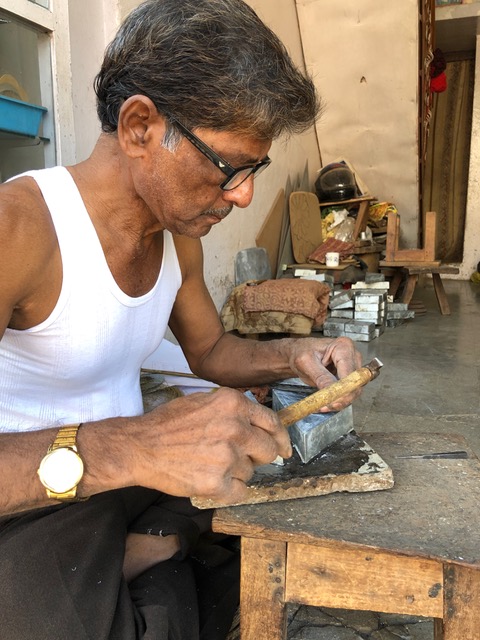
Story of Bidriware The tale of the Bidriware, primarily practised by Muslims, is one such story of skill, struggle and survival.
Bidriware is poetry crafted in metal
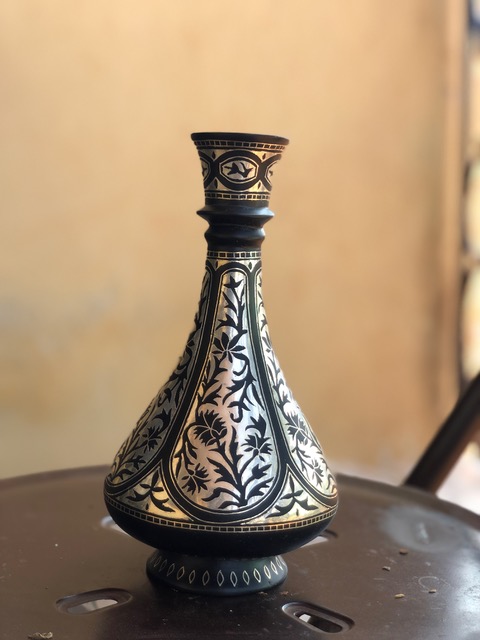
Cast in an alloy of copper and zinc, with silver and gold wires or sheets inlaid or overlaid, a Bidriware artefact is so graceful in its appearance that an indulgent heart longs to feel and touch it, if not wear it!
For more than five centuries, Bidriware objects have been must have pieces of adornment among the royalties and nobilities such as Mughal emperors, Rajput kings and Nawabs of Bengal to Bahmani, Adil Shahi and Vijayanagara Sultans (yes, the Vijayanagara kings loved to call themselves sultans!).
In the pre-modern era, the Nizams of Hyderabad have been the biggest patrons of this magical craft, not only collecting the artefacts such as hookahs (sheesha), vases, vanity boxes, ewers and pitchers, but also relocating several artisans to Hyderabad.
However, despite the early 20th century migration of artisans and losing patronage, Karnataka’s northern town of Bidar continues to remain a hub of Bidriware.
With all of the kingdoms and fiefdoms gone, ancient Bidriware items along with other surviving royal antique pieces are a collector’s treasure now, gracing the leading museums across the world.
The Origin Though, the Bidri metal craft has its origins in medieval Persia, Bidriware in its distinct Indian form blossomed in the capital of the early 15th century Bahmani Empire.
The tale of Bidriware, primarily practised by Muslims, is a story of skill, struggle and survival
The Bahmanis were renowned for their exquisite sensibilities for art and architecture, hence it is no surprise that a complex and intricate enterprise such as the Bidri metal craft originated in their royal atelier.
This, perhaps, is among the last few influences that the medieval Bahamanis continue to have on modern India.
Reinvention Despite the spell Bidriware has on art aficionados and connoisseurs of craft, the enterprise has seen a steady decline over the last few decades, with only a few masters working their magic.
Currently, the city of Bidar has around 150 registered artisans, but only a handful of artisans in the town have the depth of knowledge and the deftness of skills required to be called a master.
MA Rauf Siddiqui is a national-award winning master craftsman who is reinventing Bidriware, catering to the modern aesthetic sensibilities
Among the few masters is the national award-winning artisan MA Rauf Siddiqui.
Even as the overall scene of the Bidriware tradition is not particularly encouraging, the Shilpi Guru-winner is quietly reinventing the traditions, ably-assisted by his young and enterprising children.
Modernising the techniques, motifs and methods, the family has several generations involved in the craft, adopting latest softwares to come up with new patterns and using social media to reach new frontiers.
However, the traditional expression of the art-form continues to find patrons, even as the newer expressions in wearable forms give the craft a new lease of life.
Empowering the community Many Muslim communities in India sit on a huge treasure trove of craft traditions that have been part of the country’s cultural, economic and political legacy for centuries.
Many of these traditions are withering away due to multiple factors, including lack of upgrade or inability to adapt to the changing landscape, little government support and poor marketing.
With necessary attention and support we can not just preserve this precious legacy of India and Indian Muslims, but can also make hundreds of these craft clusters economically independent and sustainable.
source: http://www.radiancenews.com / Radiance News / Home> Arts & Culture> Forces / by Shafaat Shahbadari / Radiance News Bureau / September 26th, 2023
Dr. Ayesha Sultana stands as a beacon of innovation in the realm of Islamic education, particularly for youth and women, through her pioneering online initiatives. Armed with a profound grasp of both Islamic studies and psychology, Dr. Sultana is on a steadfast mission to imbue moral values and Islamic teachings in the hearts of the youth, with a special focus on empowering women, through accessible and dynamic courses.
Her latest endeavor, the “Taalimul Islam Certificate Course,” stands as a testament to her unwavering dedication to delivering high-quality education. Tailored for children up to 14 years old, this comprehensive 10-week online program provides an interactive platform to acquire fundamental Islamic knowledge. Transitioning seamlessly from physical to online classes, Dr. Sultana, former assistant secretary of the Women’s Wing of Jamaat-e-Islami Hind Telangana, has impacted over 1500 women during the pandemic.
Under the esteemed banner of Al Huda, Dr. Sultana established the Ayat Al-Fariya Islamic Academy, a sanctuary of knowledge catering to women and children alike. Here, hundreds of women benefit from Quranic teachings and personality development courses, while children engage in interactive sessions on Quranic memorization and Islamic principles.
In her pursuit of holistic development, Dr. Sultana organizes summer short courses for children, blending physical activities with essential Islamic values. Moreover, she offers initiatives such as the “Fahm e Quran” course and “Talaash e Qadr” series for women, enriching their Ramadan experience.
Dr. Sultana’s commitment to empowering youth extends to organizing online competitions for children, where participants are recognized and awarded certificates and trophies for their accomplishments in various categories, including video competitions, speech contests, and oral exams. With 300 children joining the course and 100 already certified, the impact of her initiatives is palpable.
The journey of Al Huda Islamic School began in 2013 in Khammam, Telangana, under Dr. Sultana’s guidance. Initially offering offline classes for women, complete with free transportation facilities, the school provided courses such as Certificate in Islamic Studies, Diploma and Memorization of Quran, Basic Arabic Grammar, Tafseer, Seerah, and Personality Development until 2018. Hundreds of women benefited from these courses, with many now actively involved with Jamaat-e-Islami Hind as volunteers and members.
Dr. Sultana’s dedication to education led her to conduct motivational lectures in numerous colleges, including medical and engineering institutions, and to organize moral classes for school children. Despite her busy schedule as the assistant secretary and Dawah secretary of Telangana, she spearheaded various women empowerment programs throughout the region. With the onset of the pandemic in 2019, she seamlessly transitioned to online classes, offering a plethora of courses and short programs for women, including Akse Furqan, Dawah classes, Qasal ul Ambiya course, Qurb e Ilaahi, and numerous quiz and exam series, engaging over 1500 women.
In 2023, Dr. Sultana expanded her online educational initiatives with the establishment of Ayat Al Fariya Online Academy under the auspices of Al Huda Islamic School. Introducing short courses for women, such as Tafseer and Memorization of Surah Mulk, Surah Rahman, and Surah Yaseen, the academy continued to positively impact hundreds of women. Additionally, pre-Ramadan courses like Shahru Ramadan, along with courses during Ramadan such as Fahm e Quran and Talaash e Qadr series, were conducted, benefitting a vast number of participants.
Despite her demanding schedule, Dr. Sultana remains resolute in her commitment to providing education free of charge.
Her recent accolades, including the Rastra Ratna Puraskar Award from the Veniyl Foundation, attest to her dedication to nurturing young minds. Additionally, she has been recognized with the Best Educator and Academician Award from the Book of Excellence and the Worthy Well Foundation, earning her a place in the prestigious Book of World Records.
Beyond her educational initiatives, Dr. Sultana is also an accomplished author, with titles such as “Beyond Ramadan” and “Embodied Wisdom” under her belt. As the Assistant Editor of Radiance News Portal and a member of the Aware Trust at Jamaat-e-Islami Hind Markaz, she continues to inspire and empower individuals through her tireless efforts in education and community development.
In line with her commitment to continuous improvement and advancement, Dr. Sultana announces the upcoming launch of the Taalimul Islam Level 2 advanced course for children from May 16th to May 31st. This 15-day program will further enrich the educational journey of young learners under her guidance.
Dr. Ayesha Sultana’s tireless dedication to Islamic education and community development continues to leave an indelible mark, inspiring countless individuals to pursue knowledge and virtue.
source: http://www.radiancenews.com / Radiance News / Home> Features> Pride of the Nation> Markers of Excellence / by Radiance News Bureau / May 11th, 2024
Oomerabad Village (Tirupathur District, Ambur Taluk), TAMIL NADU :
Renowned Islamic scholar and Chancellor of Jamia Darussalam Oomerabad, Maulana Kaka Sayeed Ahmed Oomeri, has passed away on Saturday, May 11, 2024, in Oomerabad, Tamil Nadu. He also held the esteemed position of Vice President of the All India Muslim Personal Law Board (AIMPLB).
Maulana Kaka Sayeed Ahmed Oomeri hailed from the distinguished Kaka family of Oomerabad, renowned for their enduring contributions to education and philanthropy. The family’s legacy dates back to his great-grandfather, the esteemed philanthropist and hides and skins merchant, Kaka Mohammad Oomer Sahib. In 1924, Kaka Mohammad Oomer Sahib founded Jamia Darussalam College, a testament to his commitment to education. The college’s location, Oomerabad, was named in honor of his invaluable contributions.
Jamia Darussalam, now a part of a broader educational society, remains a beacon of education and service. It encompasses a Tamil medium primary school, an Urdu medium primary school, a technical institute focusing on computer education, and Jamia Hospital, a comprehensive healthcare facility catering to the community’s healthcare needs.
The passing of Maulana Kaka Sayeed Ahmed Oomeri leaves a profound void in the scholarly and educational spheres. However, his enduring contributions and teachings will continue to inspire generations to come. The entire community extends heartfelt condolences to his family, friends, and associates during this period of mourning.
source: http://www.muslimmirror.com / Muslim Mirror / Home> Obituary / by Muslim Mirror Desk / May 11th, 2024
Ex bureaucrat Moosa Raza has passed away in Chennai on Thursday. He was 87. He is survived by his son and two daughters.
Moosa Raza’s life is a testament to dedication, integrity, and a deep-rooted commitment to public service. Born on 27th February 1937 in Minambur, a small village in Tamil Nadu, India, Moosa Raza’s journey from humble beginnings to becoming a respected bureaucrat and prolific writer is marked by his unwavering principles and tireless efforts to make a positive impact on society.
Education played a pivotal role in shaping Moosa Raza’s worldview. He displayed exceptional academic prowess from a young age, graduating with a Bachelor of Arts (Honours) degree in English Language and Literature from Madras Presidency College, now Presidency College, Chennai. His academic achievements were exceptional, winning seven college medals across various disciplines. This included a First Class First in his degree, a testament to his dedication and intellectual acumen.
In 1958, Moosa Raza embarked on a dual path of academia and civil service. He was appointed as an Assistant Professor of English at Presidency College, his alma mater, while also preparing for the prestigious Indian Administrative Service (IAS) examinations. His commitment to both teaching and public service underscored his multifaceted talents and passion for contributing to society.
In 1960, Moosa Raza’s dedication paid off as he was selected for the Indian Administrative Service for Gujarat in his first attempt. This marked the beginning of a distinguished career that spanned over three decades and left an indelible mark on India’s administrative landscape.
Throughout his career, Moosa Raza held several key positions that showcased his leadership abilities and commitment to public welfare. He served as Collector and District Magistrate in various districts of Gujarat, managing critical responsibilities such as flood relief operations and drought management with unparalleled dedication and effectiveness. His tenure as Principal Secretary to the Chief Minister of Gujarat and later as Chief Secretary of Jammu and Kashmir demonstrated his administrative acumen in handling complex governance challenges.
Moosa Raza’s contributions extended beyond government service. He played pivotal roles in prestigious industrial and commercial enterprises, including chairing the National Textiles Corporation and Gujarat State Fertilizers Company Ltd. His strategic leadership helped turn around struggling enterprises, saving thousands of jobs and contributing to Gujarat’s industrial growth.
In recognition of his exemplary service and contributions to society, Moosa Raza was awarded the Padma Bhushan in 2010, one of India’s highest civilian honors. This prestigious accolade is a testament to his lasting impact and dedication to public welfare.
Apart from his illustrious bureaucratic career, Moosa Raza is also a celebrated author. His book “Of Nawabs and Nightingales” offers a glimpse into his early experiences in the Indian Administrative Service, showcasing his keen observations and insights into governance and society. He has also authored books on spirituality and personal reflections, such as “In Search of Oneness” and “Khwab-e-Natamaam” (Incomplete Dreams), showcasing his diverse literary interests and philosophical depth.
Moosa Raza’s contributions go beyond professional achievements. He has been actively involved in educational initiatives, serving as the chairman of the South Indian Educational Trust (S.I.E.T.) and supporting initiatives for women’s education, dyslexic children, and communal harmony.
In his personal life, Moosa Raza is a devoted husband and father, exemplifying the values of family and community that underpin his life’s work.
Moosa Raza’s journey from a small village in Tamil Nadu to a revered bureaucrat, accomplished author, and dedicated advocate for societal progress embodies the essence of service, leadership, and intellectual pursuit. His life and legacy continue to inspire generations, reminding us of the transformative power of individuals committed to making a positive difference in the world.
source: http://www.muslimmirror.com / Muslim Mirror / Home> Indian Muslim> Obituary / by Muslim Mirror / May 08th, 2024
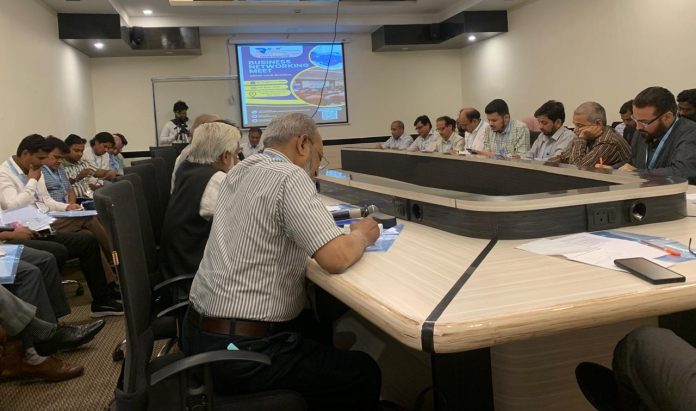
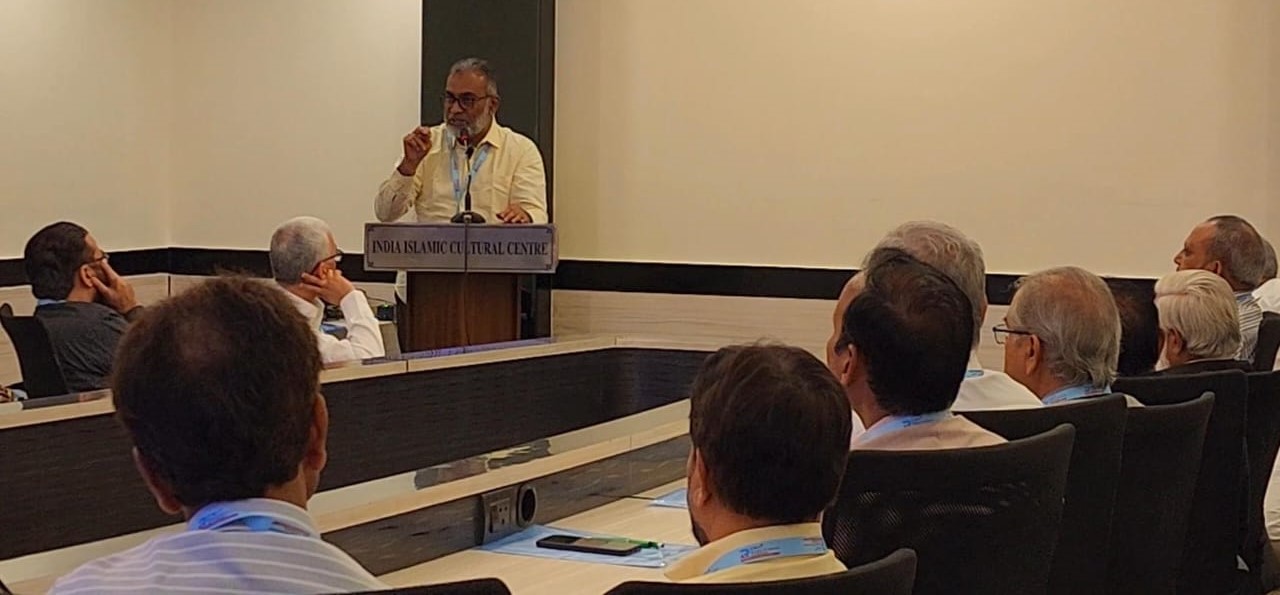
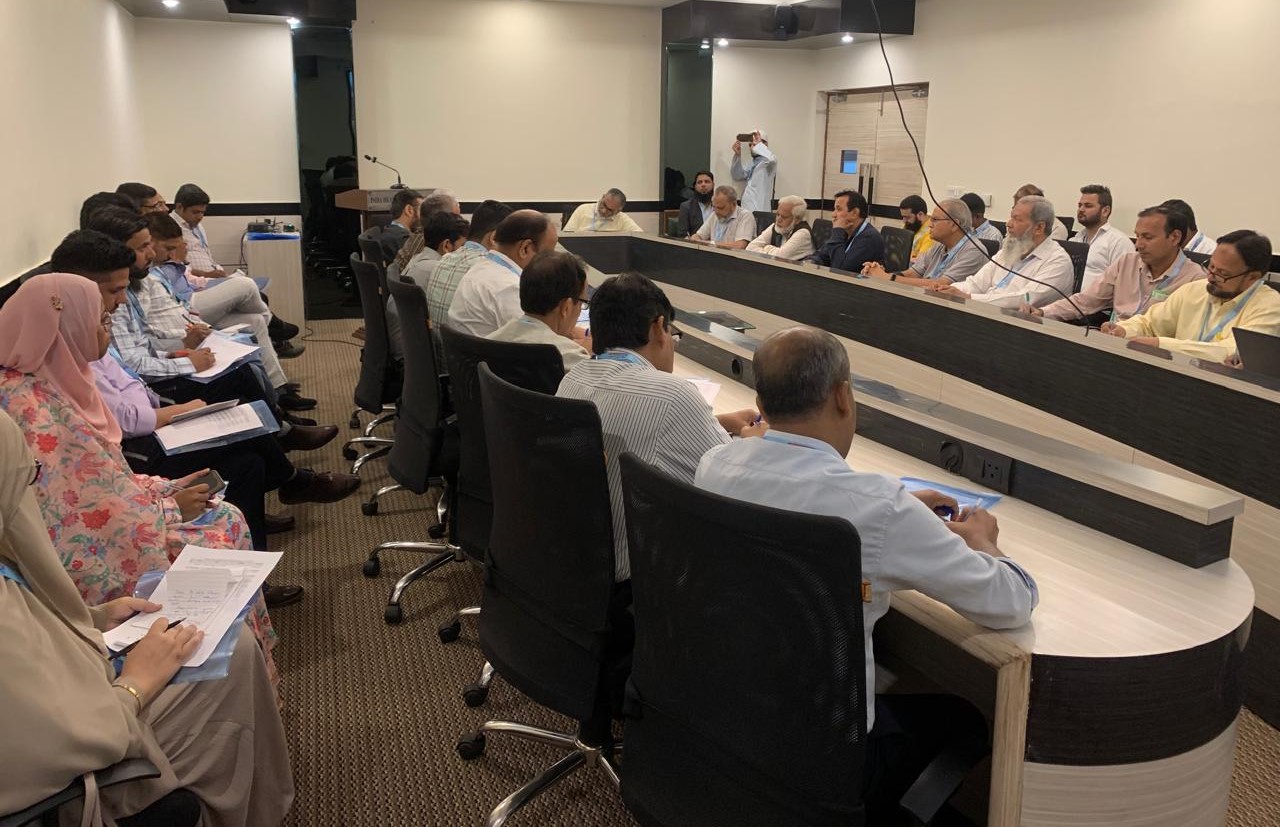
The Rifah Chamber of Commerce and Industry Delhi Chapter organized a business networking event at India Islamic Cultural Centre, here Saturday. The event saw the participation of various manufacturers, traders and service providers and industrialists from Delhi and nearby areas such as Ghaziabad, Noida, and Gurgaon.
The program commenced with a high tea session where attendees mingled and networked with each other over refreshments. Following this, the program began with recitation of the Quran, setting a spiritual tone for the event. Mr. Sultan Salahuddin, State President of Delhi, initiated the proceedings with his opening remarks.
Mr. Salahuddin Ahmad, ex-National Admin of Rifah, conducted a presentation on how manufacturers, traders and services providers could introduce their companies effectively during such networking events. All the manufacturers, traders and service providers presented their companies in accordance with the provided guidelines.
Mr. Sayed Ahmed Saood, a seasoned business coach and strategic management consultant, shared insights into the challenges of marketing and proposed solutions based on his extensive experience in the field. Mr. Rashid Kamal Lari presented his company, Larson Paint, as a sponsor of the event and highlighted its contributions.
The program concluded with a powerful speech by Mr. S. Ameenul Hasan, the Chairman of Rifah, who emphasized how Rifah is evolving into an eco-friendly platform for the benefit of manufacturers, traders and service providers. He also enlightened the audience about the leadership skills of Prophet Muhammad ﷺ and the successful principles of business in Islam.
Mr. Salimullah Khan, Ameer Halqa Jamaat-e-Islami Hind Delhi, expressed gratitude to all participants and the Rifah Delhi team for organizing the event successfully.
The business networking meet facilitated valuable interactions among manufacturers, traders and service providers, providing them with insights, networking opportunities, and a platform to showcase their businesses. It also underscored Rifah’s commitment to fostering a supportive and environmentally conscious business environment.
source: http://www.radiancenews.com / Radiance News / Home> Latest News / by Radiance News Bureau / May 06th, 2024
In an enlightening conversation with Mohd Naushad Khan, Deputy Commissioner Nooh Siddiqui shares profound insights into his UPSC journey, highlighting the significance of Urdu as an optional subject.
Here’s a deeper exploration of the dialogue:
Q: Can you share how your life has evolved post-UPSC success and elaborate on your current role and location?
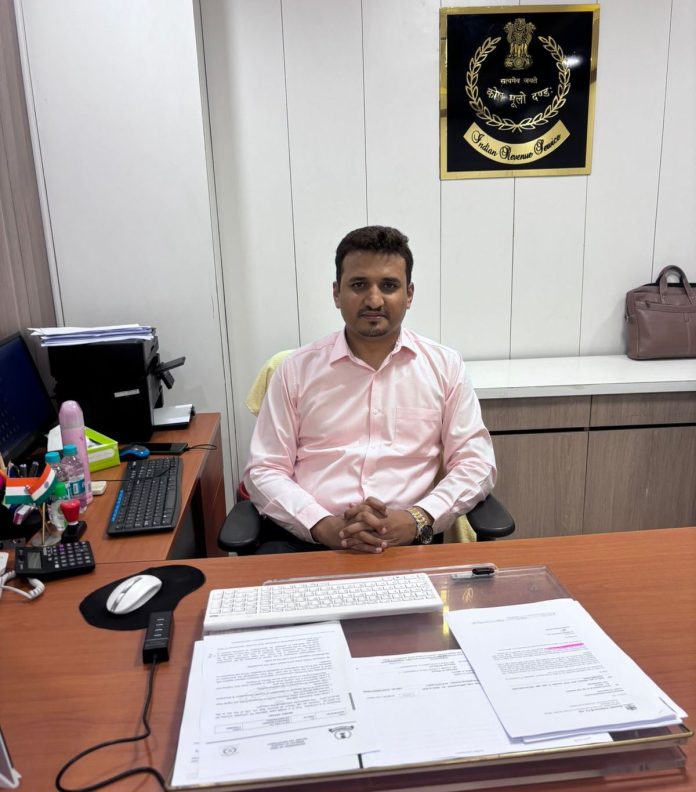
Siddiqui: The journey post-UPSC success has been a transformative one. Clearing the exam brought a sense of stability and purpose to my life. Currently serving as the Deputy Commissioner of Income Tax in Bhopal, I find myself navigating new challenges while contributing to the betterment of the community.
Q: Could you shed some light on the challenges and advantages of choosing Urdu as an optional subject, and offer guidance for students opting for the same?
Siddiqui: Opting for Urdu as my optional subject felt like a natural choice, given my educational background and familiarity with the language. However, I encountered initial challenges in accessing comprehensive study material tailored to UPSC requirements. Through diligent effort, I compiled comprehensive study material, including the books “Kawish” and “Ummeed,” which have since become invaluable resources for Urdu aspirants. Urdu, with its rich literary tradition, offers unique insights and opportunities for personal growth. My advice to students opting for Urdu is to embrace the subject’s richness and seek guidance to excel in the exam.
Q: Beyond UPSC success, what are your aspirations in life moving forward?
Siddiqui: While qualifying UPSC was a significant milestone, I view it as a stepping stone to further endeavors. I aspire to pursue a master’s degree in public policy and administration, deepening my understanding of governance and policy frameworks. Concurrently, I remain committed to mentoring aspiring candidates, guiding them on their journey to success.
Q: What words of wisdom do you have for Muslim students preparing for UPSC, as well as students in general?
Siddiqui: I urge all students, particularly those from the Muslim community, to approach preparation with dedication and diligence. UPSC is not just about acquiring knowledge but also about personal growth and transformation. Embrace the journey, seize opportunities, and pursue your goals with sincerity and focus. Your journey has the potential to inspire others and lead to meaningful contributions to society.
Nooh Siddiqui’s journey, securing AIR 326, illustrates the transformative power of dedication and perseverance. He emphasizes Urdu’s significance as an optional subject, with average scores ranging between 240 and 265, and mentions the highest score recorded at 296. Through his mentorship and contributions, Siddiqui continues to shape the future of UPSC aspirants, leaving an indelible mark on the landscape of competitive exams.
source: http://www.radiancenews.com / Radiance News / Home> Focus / by Mohd Naushad Khan, Radiance News Bureau / May 06th, 2024
Hailing from Kaliachak in Malda, Shahnawaz Ali Raihan has emerged as a promising candidate for the Malda Dakshin Constituency under the Trinamool Congress (TMC) banner. With an impressive academic background, Raihan’s journey from journalism to academia has been marked by activism and social service.
After obtaining degrees in journalism and mass communication from prestigious institutions, Raihan pursued postgraduate studies in comparative religion, demonstrating his commitment to knowledge and understanding diverse perspectives. Raihan’s involvement in campus activism and mentorship programs showcases his dedication to fostering academic and professional growth among students.
His research at Oxford University on the relationship between Marxism and Islam reflects Raihan’s intellectual curiosity and his stance against divisive politics. Throughout his career, Raihan has been vocal in advocating for unity and social harmony, earning recognition from leaders like Mamata Banerjee.
With a pristine record, Raihan stands out as a candidate in the Lok Sabha elections 2024, embodying integrity with zero criminal charges. His modest financial profile, devoid of personal assets or financial liabilities, distinguishes him as a symbol of ethical governance, as he stands out with a spotless record and a commitment to representing the interests of the marginalized. With his oratory skills and activism, Raihan is poised to become a voice for change in the Lok Sabha elections 2024.
source: http://www.radiancenews.com / Radiance News / Home> Latest News> Report / by Syed Azharuddin / Radiance News Bureau / April 29th, 2024