Bagged State Biodiversity Board’s Custodian of Traditional Knowledge Award
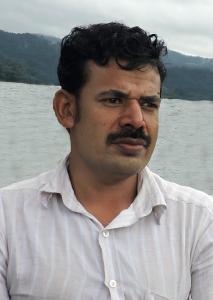
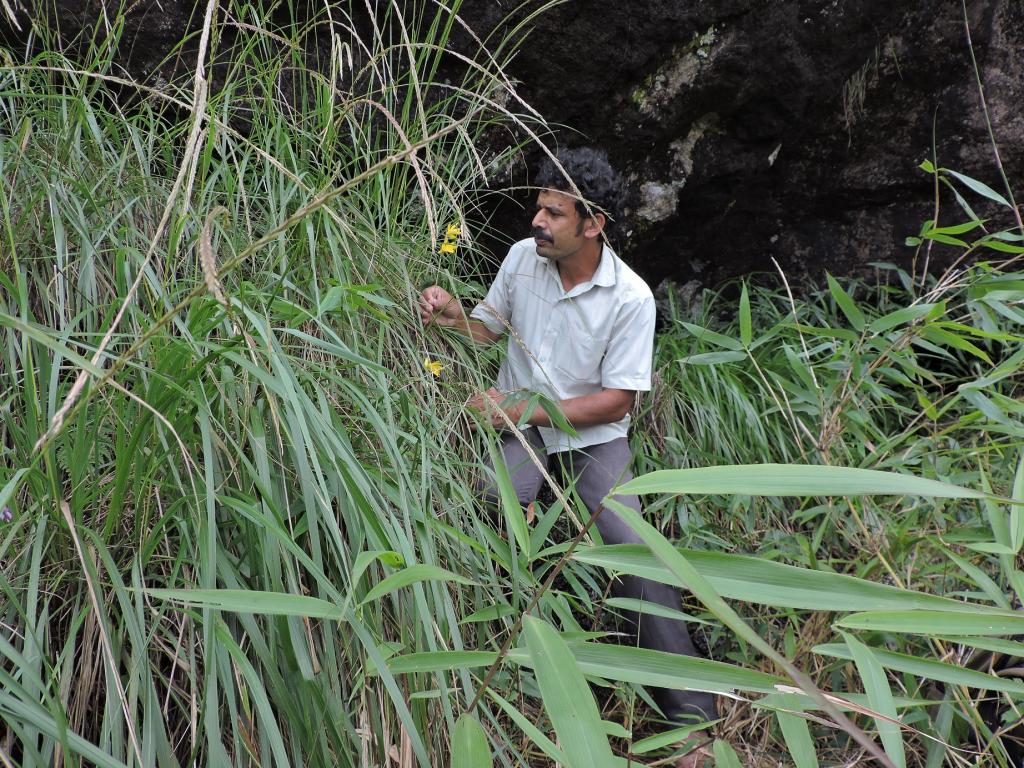
Kerala State Biodiversity Board has conferred their award for the year 2019-20 for“custodian of traditional knowledge/ citizen scientist” to Sri. Salim Pichan, an employee of MSSRF.
The award is given to persons who have an excellent track record in biodiversity conservation, environment protection and traditional knowledge.
As a zealous para taxonomist, Mr Salim Pichan accrued the knowledge pertaining to the plants, uses and modalities of its applications through his association with traditional healers and tribal communities over a period of two decades. Mr Salim Pichan, a person with intermediate qualification has first become a lover of nature then a para taxonomist and eventually a custodian of traditional knowledge!
This is what his life’s journey is all about.
He has contributed to the discovery of eight new species of plants to science, seven new plant records to Kerala and has also published several books and articles.
As a dedicated conservationist, his 30 cents of land is protecting 300 plant species, of which 100 of them belong to the Rare Endemic and Threatened (RET) category.
A collection of Ceropegia, a unique climber is what makes his garden exceptional along with protection of 11 species in addition to 130 numbers of Orchids, 13 numbers of Dioscorea spp and 123 numbers of medicinal plants.
Most of these plants are collected from different forests and vegetation types across the state and are carefully protected with utmost care.
Many awards and recognitions have reached him in the past as well with the notable ones including Vanamithra award by Kerala State Government in the year 2012 and Swami Vivekananda Yuvaprathibha Puraskaram in 2015, Wayanad District Youth Award in 1998.
To honour his efforts in biodiversity conservation, some taxonomists also named a plant endemic to the Western Ghats as a tribute with his name Seidenfadenilla salimii.
source: http://www.mssrfcabc.res.in / M S Swaminathan Research Foundation / Home> News Room / July 30th, 2021
The efforts by the Aam Aadmi Party (AAP) to enter the Urban Local Bodies has finally yielded result with its candidate winning in Hosapete City Municipal Council in the newly formed Vijayanagara district.
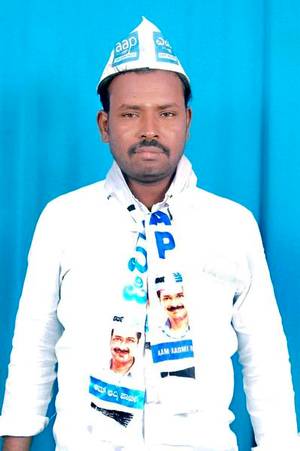
In the elections held to 58 urban local bodies (ULBs) in 20 districts of the State, the AAP secured the lone seat at Hospet with its candidate Shaikh Shah Wali winning in ward no. 22 of Hosapete CMC.
Mr. Wali secured 703 votes and registered a win against the Congress candidate by a margin of 71 votes. Among other candidates in the fray, three Independents secured 381, 359, and 293 votes respectively, pushing the BJP candidate, with 61 votes, to the last position.
While there were 4,515 voters in the ward, only 61% (2,759) voted. Mr. Wali secured 25% (703 votes) of the votes cast.
Mohammad Nasir, a local AAP member, told The Hindu that Mr. Wali, who belongs to the semi-nomadic tribe Helavaru, was chosen by community elders to contest as the AAP candidate largely because development issues in their area were ignored.
Successive governments have neglected the Helavaru community. Due to the alleged failure of the State Government in providing facilities and amenities to the tribal community, they decided to vote collectively for the AAP candidate, he said.
A farmer, Mr. Wali joined the AAP eight months ago.
source: http://www.thehindu.com / The Hindu / Home> News> States> Karnataka / by Staff Reporter / Kalaburagi – December 31st, 2021
The book is a harrowing tale of a doctor’s ordeal and gives a compelling account of the tragic deaths of several children and the disturbing events that ensued.
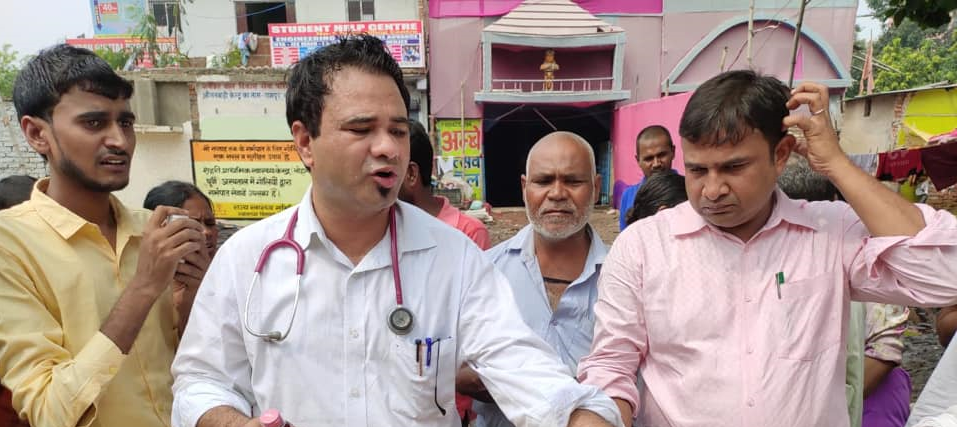
Dr Kafeel Khan at a medical camp. Photo: Facebook/drkafeelkhanofficial
Gorakhpur:
The 2017 oxygen shortage tragedy at Gorakhpur’s BRD Medical College that led to the deaths of more than a hundred children was not a random accident but the outcome of the administration’s apathetic and insensitive attitude towards government hospitals. The aftermath of the incident also exposed how the government machinery, instead of learning from such horrific accidents, works to suppress the truth, protect the culprits and punish those who try to expose the reality.
The reportage on the oxygen fiasco meanwhile rendered it synonymous with the identity of Dr Kafeel Khan, who was then an assistant professor in the hospital’s Department of Paediatrics. The incident and the ensuing fate of Khan was widely reported in the media.
But what actually happened and who were the real culprits? Were they shielded by the powers that be? Those who knew the truth have either kept mum on the issue or have sided with the government’s narrative. The government has made claims like, “The hospital did have an oxygen crisis but that’s not what killed the children”, “The children died because they were gravely ill”, “Children die of encephalitis in July and August every year” and that the government and its ministers or senior officials cannot to be blamed for the deaths as the college administration was negligent. Khan, the government said, was solely responsible because he failed to inform his seniors about the oxygen crisis and had committed medical negligence and used to practice privately.
Khan was sacked last month , four years following the incident. Two doctors and four employees of BRD Medical College, who were also accused of negligence, have been reinstated. R.K. Mishra, who was the principal of the college at the time of the deaths, and Ppharmacist Gajanand Jaiswal have retired after being reinstated. Little is known of the whereabouts of Manish Bhandari, the owner of Pushpa Sales, the oxygen supplier, ever since he was released from jail.
The government did not compensate the families of the children who died in the tragedy, claiming that their deaths were not caused by oxygen shortage.
The terrible incident is no longer talked about, except when it is brought up in conjunction with news related to Dr Kafeel Khan.
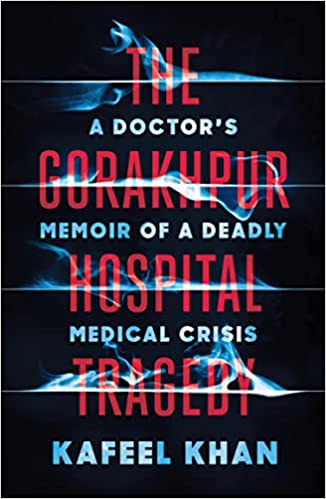
Kafeel Khan The Gorakhpur Hospital Tragedy: A Doctor’s Memoir of a Deadly Medical Crisis Pan Macmillan (December 2021)
Recently, Khan’s 300-page book titled The Gorakhpur Hospital Tragedy: A Doctor’s Memoir of a Deadly Medical Crisis was published by Pan Macmillan India, reinvigatoring a discussion on the deaths.
In the book, Khan describes a series of incidents beginning on the dreadful night when the hospital ran out of oxygen to the day of his arrest, subsequent imprisonment and his dismissal from service more than four years later. The book not only weaves together the scattered strands of information surrounding the oxygen shortage tragedy of the BRD Medical College on August 10, 2017 but also brings to the fore many new facts which remained unknown till now.
The oxygen fiasco was reported in both national and international media. While it is true that the incident remained in the news a long time afterwards, most of these speculations only went on to further mystify and blur the facts instead of providing clarity. The book tries to blow the lid off the attempts to conceal the truth behind the incident in a ‘calculated manner’ and uncovers the system’s attempts to make a doctor the scapegoat to cover up its failure.
The book also highlights various aspects of Khan’s personal life. We come to know that his father was an engineer in the irrigation department. Kafeel Khan was brought up in an open-minded atmosphere and spent his early days in a locality where residents hailed from different religious backgrounds. They celebrated Holi as zealously as Eid. On Diwali, he narrates, his family received many sweets from their Hindu neighbours which he would carry in his school tiffin for an entire week.
From his family, the story quickly progresses to the events of August 10, 2017. On the fateful night, Khan received a WhatsApp message on his mobile about depleting oxygen levels in the encephalitis ward. He was on leave that day as his sister was visiting the family from Oman and he wanted to spend time with her. But when he received the message, he decided to immediately go to the hospital. On his way, he kept calling his superiors at the medical college. While most of his calls went unanswered, those who did pick up failed to grasp the gravity of the situation and tried to pass the buck.
In his book, Khan gives telling details of the situation he witnessed in the ward that night and how he handled it. He describes the wailing and pleading parents while their children battled for life and the utter helplessness of the doctors, nurses and ward boys. There were 313 children admitted in the hospital’s pediatric and neonatal intensive care units that night. At 7:30 pm, the oxygen plant had run out of oxygen and the ventilators began sounding the warning beeps. As a contingency arrangement, 52 jumbo cylinders kept in the hospital reserve were installed, which were exhausted within four hours and the oxygen supply was completely cut off to the wards, including the encephalitis ward. By the time Khan reached the hospital, eight children had already died.
He and his colleagues immediately started giving oxygen from Ambu bags to the children on ventilator support. The condition of all the children in the ward was assessed and oxygen from Ambu bags was given to those who needed oxygen the most. A three-year-old girl’s condition deteriorated and despite the staff’s best efforts, could not be saved. The NICU witnessed similar chaotic scenes. The relatives of the patients, who had been informed about the lack of oxygen, were either yelling at the hospital staff or begging them to save their children.
Meanwhile Khan was faced with the dual challenge of treating the deteriorating condition of the children, on one hand, and arranging for oxygen cylinders on the other. A truck carrying a jumbo cylinder was on its way from Imperial Gas Limited in Faizabad but there was no sign of it until 1 am. Till then, no senior officer of the BRD Medical College had reached the hospital. In their absence, Khan decided to fetch three jumbo cylinders from a nearby hospital in his private vehicle. He then approached eight more hospitals for help, ferried as many cylinders as he could arrange and tried to replenish the oxygen supply. But it was not enough. The encephalitis ward was consuming 16 jumbo cylinders every 45 minutes. The truck that arrived from IGL Faizabad at 2 am brought only 50 cylinders. Kafeel arranged for a truck with the help of central oxygen operator Balwant, and sent an outsourced worker to the Khalilabad plant paying Rs 20,000 from his own pocket. The oxygen plant had agreed to supply jumbo cylinders at Rs 350 per cylinder.
Despite being informed of the urgent need for oxygen, a plant in Gida refused to supply oxygen saying that its contract with the college had been terminated and handed over to IGL Faizabad. It would supply oxygen only after the contract has been renewed, the plant said.
Despite Khan and his team’s night-long efforts to save the children and arrange cylinders, 23 children in the PICU and NICU and 18 adult patients in the medicine ward had succumbed by 10 am the next day.
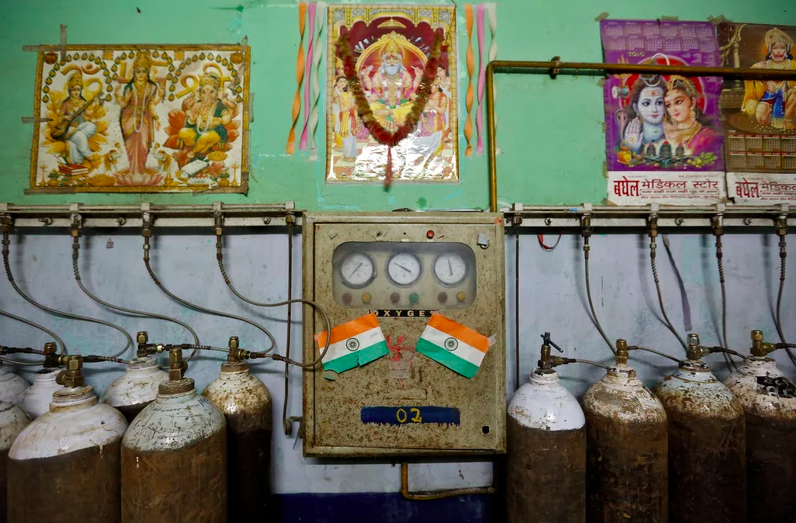
A room containing oxygen tanks is seen in the BRD Medical College and Hospital in Gorakhpur. Photo: Reuters
When there was a shortage of vehicles to cart the jumbo cylinders, Khan reached out to the Sashastra Seema Bal (SSB) stationed in the Fertilizer Campus on the morning of August 11 and contacted the DIG to provide a truck and cylinders. The SSB did not have jumbo cylinders, but they provided a truck and 12 jawans so that cylinders could be swiftly transported from the plant to the medical college.
According to the details in the book, on the afternoon of August 11, the then district magistrate Rajiv Rautela contacted Khan and after being apprised of the whole situation assured that oxygen would be provided. He asked the Gida plant, which had earlier refused to entertain Kafeel’s request, to supply oxygen. Later, 50 jumbo cylinders arrived from IGL Faizabad in two trips. Kafeel also contacted the chief medical officer and the additional director (health), urging them to help solve the crisis. One said he was in a meeting and the other asked Khan to contact the chief medical superintendent regarding the arrangement of cylinders. One of these officers later became part of the committee that was formed to investigate the tragedy.
In the afternoon, a professor from the Department of Paediatrics reached the ward followed by the head of the department and the chief medical superintendent of the Nehru Hospital. Together, they wrote a letter to the principal of the BRD Medical College, urging him to arrange medical oxygen.
By the evening of August 11, the news of children dying due to oxygen shortage had spread like wildfire and media persons began pouring in at the BRD Medical College. By then, a few local journalists and photographers had already reached the College and began reporting on the crisis. The district magistrate issued the first official statement about the incident in a press conference at 7:30 pm that day and announced the formation of a committee to investigate the deaths. This committee was asked to submit its report within 24 hours.
Initially, the reports in media and on social media hailed Kafeel as a hero for his efforts to muster up oxygen cylinders using his personal resources and save the lives of children. On August 12, the state health minister Siddharth Nath Singh and medical education minister Ashutosh Tandon reached the college. Singh, in a press conference, denied the death of any child due to lack of oxygen and made the insensitive ‘children die every year in August‘ remark. The statement was widely condemned.
On August 13, a tanker of liquid oxygen arrived at the hospital at 1 am and the supply was restored. Kafeel, who had tirelessly spent 48 hours on rigorous duty since August 10, finally returned home only to wake up to a fresh twist the next morning. A new tale had been spun and a fresh narrative was played out in the media.
In the morning, J.P. Nadda and chief minister Yogi Adityanath arrived at the BRD Medical College and Khan was summoned. He reached the hospital hoping to receive a pat on the back for his efforts but he was in for a rude shock and suddenly found himself in the crosshairs.
According to Khan, the moment he appeared before the chief minister, he said in a reprimanding tone, “Tu hai Dr Kafeel Khan?” (So, you are Dr Kafeel Khan?)
“Yes, Sir.”
“Tune cylinder ka arrangement kiya tha?” (Are you the one who arranged cylinders?)
“Yes, Sir.”
“Ye 4-5 cylinder la kar tu ne kitni jaan bacha li? Tu sochta hai cylinders ki vyvastha kar ke tu bohot bara hero ban gaya; dekhta hoon tujhe.” (How many lives did you save with a few cylinders? Do you think by arranging cylinders you became a hero? I will take care of you.)”
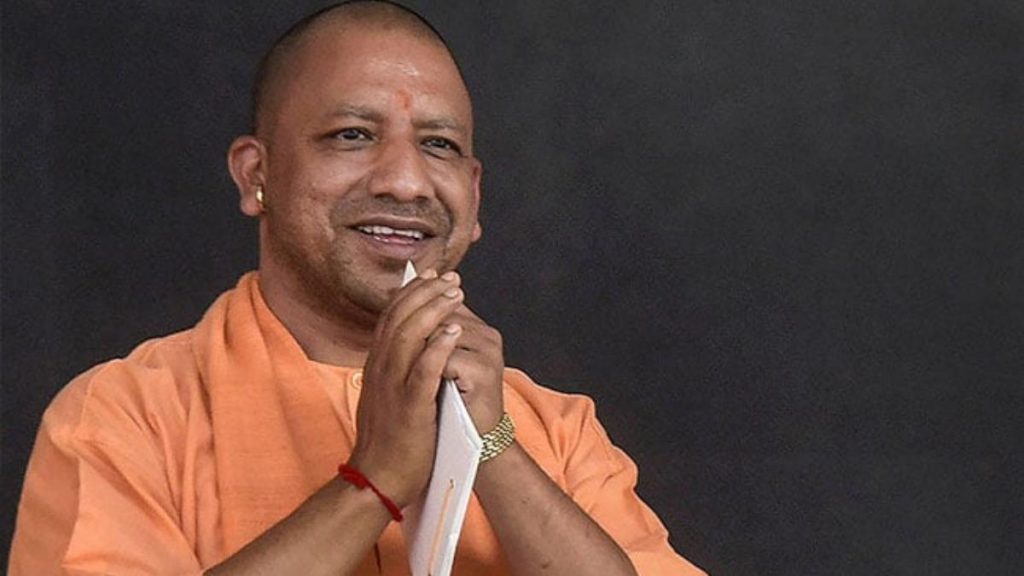
Uttar Pradesh chief minister Yogi Adityanath. Photo: PTI
Khan was suddenly the villain, accused of leaking the news of oxygen shortage to the media. However, when he tried to speak up and provide a clarification, senior officers stopped him from doing so.
In the press conference, the chief minister dismissed the claim that the children died owing to a dearth of oxygen. He announced the formation of a committee headed by the chief secretary to probe the incident and said that its report would be submitted in a week.
As soon as the press conference was over, media persons flocked the hospital of Khan’s wife. A mob also attacked the hospital and a showroom owned by Khan’s brother, pelting stones and vandalising them. On social media, Khan was vilified as an ‘oxygen thief’, and a ‘pawn of the opposition leaders’. The TV news channels began referring to him as the head of the paediatric department, the deputy principal, the superintendent of the hospital, blaming him entirely for the disaster.
Khan was advised to take leave until the turmoil subsided. On August 16, the report of the committee constituted by the DM was submitted, which did not fix the responsibility on Khan but also failed to mention, let alone laud Khan’s efforts to arrange oxygen cylinders at such a critical time.
Finally, on August 21, the report of the committee headed by the chief secretary came out and an FIR was lodged against nine people, including Khan and everyone was gradually arrested.
The police began raiding his house daily, making searches and harassing the family members. His sister’s house in Lucknow was also raided and his brother was taken into custody. He decided to surrender and finally did so at the Special Task Force office in Lucknow. The STF brought him to Gorakhpur and handed him over to the Gorakhpur police, who put him in jail.
The next few pages of the book record a horrendous account of Khan’s seven-month long stay in jail – an 800-prisoner facility with 1,897 prisoners in it.
In jail, he met several high-profile prisoners – Kaka, D. Ram, V. Singh, Shailesh, Vishwa and also ‘Mantriji’ who is serving a life sentence for the murder of a poetess. Most of them showed Khan kindness. Despite all the media propaganda, they treated him with respect for being a good Samaritan and responsible doctor who tried to save the lives of children. Khan writes that most of the undertrial prisoners spend long periods in jail in the hope of being freed or granted bail but 99% of them are met with disappointment as cases remain in limbo for years.
Khan also details a first-hand account of corruption inside the prison walls. Any prisoner can avail the facilities that he can afford. Under this covert system, rates are fixed for kachchi baithki and pakki baithki – levels of evading laborious chores in jail. Then there are rates of bidi, cigarette, vegetables, eggs, bottled water as well as meeting with relatives. To avail such luxuries, one has to keep one’s mouth shut – besides abiding by the other rules. Based on hierarchy of caste, religion, connections and nature of crime, the dark underbelly of the prison is governed by a handful prisoners.
While awaiting bail, Khan tried to piece together the episodes of the oxygen tragedy. From jail, he contacted everyone including Manish Bhandari, the director of Pushpa Sales, the college principal Mishra, and Dr Satish. Finally, he saw the whole picture. He learnt that both the Gida gas plant, which had refused to supply oxygen to the hospital despite being aware of the deaths of children, as well as IGL Faizabad with which the hospital had signed a contract in 2017, had close relations with the ruling party leaders. Also, Khan claims, Pushpa Sales had not only failed to pay the dues to the top officials of health and administration but also to line the pockets of various ministers, a matter which was brought up in several official meetings. Hence, the authorities behaved in a lackadaisical manner while the children were gasping for breath. Later, a hunt was launched for ‘a neck to fit the noose’ and a communal government found Khan as the perfect scapegoat, he says.
Dr Kafeel Khan, after his release from jail. Photo: @Saurabhsherry/Irfan Ghazi.
The final section of the book describes Khan’s ordeal after his release from jail, various charges levelled against him and his re-arrest. He was arrested from the Bahraich district hospital, where he had gone to investigate the death of children admitted for encephalitis. Later, charges under the National Security Act were slapped on him for a speech he had delivered during an anti-CAA-NRC protest at the Aligarh Muslim University. He was released after the Allahabad high court quashed the NSA charges.
However, despite getting a clean chit on two key charges in the departmental inquiry of the oxygen shortage incident, he was sacked. The book has several more details. An entire chapter is dedicated to his rural health campaign, under which he organised medical camps, especially creating awareness about encephalitis, locally known as chamki fever, in various flood-affected parts of Bihar and Assam.
source: http://www.thewire.in / The Wire / Home> Book> Rights / by Manoj Singh / December 19th, 2021
Chief Justice of India N V Ramana on Wednesday presented the annual ‘RedInk Awards for Excellence in Journalism’, instituted by the Mumbai Press Club, in a virtual event.
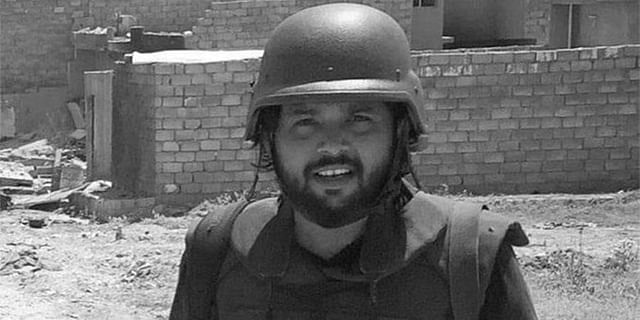
Reuters Chief photojournalist Danish Siddiqui was killed in clashes in Spin Boldak district in Kandahar, Afghanistan. (Photo | Twitter)
Mumbai :
Photojournalist Danish Siddiqui, who died during an assignment in Afghanistan, has been posthumously awarded as the ‘Journalist of the Year’ for 2020 by the Mumbai Press Club.
Chief Justice of India N V Ramana on Wednesday presented the annual ‘RedInk Awards for Excellence in Journalism’, instituted by the Mumbai Press Club, in a virtual event.
He presented the prestigious award to Siddiqui “for his spectrum of investigative and impactful news photography”.
Danish Siddiqui’s wife Frederike Siddiqui received the award.
“He was a man with a magical eye and was rightly regarded as one of the foremost photojournalists of this era.
If a picture can tell a thousand words, his photos were novels,” Chief Justice Ramana said while paying tributes to the scribe.
Senior journalist Prem Shankar Jha, 83, was bestowed with the lifetime achievement award “for his long and distinguished career of incisive and analytical writing”.
“His reputation for hard work, the highest ethical standards, and intellectual rigour are unparalleled in the field,” CJ Ramana said while congratulating Jha.
The Mumbai Press Club instituted The RedInk Awards a decade ago to recognise good investigative and feature writing and raise the bar of journalism in the country.
Apart from Siddiqui and Jha, variour other journalists were awarded in 12 categories as part of the 10th edition of the award event.
source: http://www.newindianexpress.com / The New Indian Express / Home> Nation / by PTI / December 30th, 2021
Khan achieved the rare feat recently by qualifying for the his second event — giant slalom — a month after booking his first Winter Olympics ticket in alpine skiing slalom category in an Olympic qualifier in Dubai.
Alpine skier Arif Mohammed Khan. (Twitter/jswsports)
Jammu and Kashmir-based alpine skier Arif Mohammed Khan has become the first Indian athlete to qualify for two different events of the Winter Olympics, set to be held in Beijing from February 4, next year.
Khan achieved the rare feat recently by qualifying for his second event — giant slalom — a month after booking his first Winter Olympics ticket in alpine skiing slalom category in an Olympic qualifier in Dubai.
The news was confirmed by his promoter JSW Sports.
JSW-supported Alpine skier Arif Khan, who had earlier earned a provisional quota for the Slalom event at the 2022 Winter Olympics, has now qualified for the Giant Slalom event as well. ??#BetterEveryday ???? #Beijing2022pic.twitter.com/Ua6EfIRJ65
— JSW Sports (@jswsports) December 29, 2021
“JSW-supported Alpine skier Arif Khan who had earlier earned a provisional quota for the slalom event at the 2022 Winter Olympics, has now qualified for the giant slalom event as well.
“For the first time in history, an Indian will be competing in two different events at the Winter Olympics,” JSW Sports wrote in a facebook post on Wednesday night.
While India was represented by two athletes — Jagdish Singh (cross country skiing) and Shiva Keshavan (luge) — in the 2018 Winter Games, Khan is the only person to have qualified for the 2022 Winter Games so far.
Khan is a professional alpine skier from north Kashmir’s Tangmarg and has qualified for giant slalom event at Kolasin, Montenegro recently. He has represented India in more than 100 ski events held across the world and has been undergoing training in Europe for the most part of this year.
source: http://www.indianexpress.com / The Indian Express / Home> Sports / December 30th, 2021
While the origin of Mygurudu is unknown, it is believed that the word originated from ‘Mozhi Kurudu’, which means misleading with words.
The 1921 revolt grew as an agitation against the feudal lords who aided the British. (Photo | Special Arrangement)
Kozhikode :
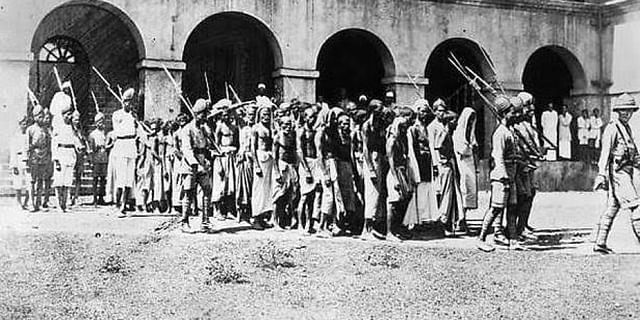
The centenary observations of the Malabar rebellion of 1921 are also becoming an occasion to retrieve many forgotten things part of local history. Mygurudu, the secret language that was prevalent in some parts of Malabar, is among them. For the coded language was used widely by the rebels to hoodwink the British during the rebellion.
While the origin of Mygurudu is unknown, it is believed that the word originated from ‘Mozhi Kurudu’, which means misleading with words. The language was developed by swapping Malayalam alphabets. For example, Malayalam alphabet ‘Aa’ is replaced by ‘Sa’ and ‘Eee’ by ‘See’.
In his book ‘Anglo-Mappila War 1921’, historian A K Kodoor recorded that the rebel leaders had instructed that all messages should be communicated through Mygurudu. He added that rebels’ meeting at Vellinezhi had decided to teach all group members the language, and that the Mappilas of Malabar used the secret language from 15th century AD when they were battling the Portuguese.
The Students Islamic Organisation (SIO) recently organised an exhibition ‘Al Jamia Mygurudu’ at the Al Jamia Al Islamia at Santhapuram near here. “The exhibition was part of a protest against the move from the Indian Council of Historical Research (ICHR) to delete the name of those who participated in the 1921 rebellion from the list of freedom fighters,” said Ayman M A, convener of the exhibition.
Dr Pramod Irumbuzhi, who has done extensive research on the language, said he first came to know about it when he was studying at the Calicut University. “I realised that some people can still speak the language. There will be around 500 people who can fluently speak Mygurudu in the seven districts of Malabar,” said Pramod, whose book on the subject has run into the fourth edition.
source: http://www.newindianexpress.com / The New Indian Express / Home> States> Kerala / by Express News Service / October 24th, 2021
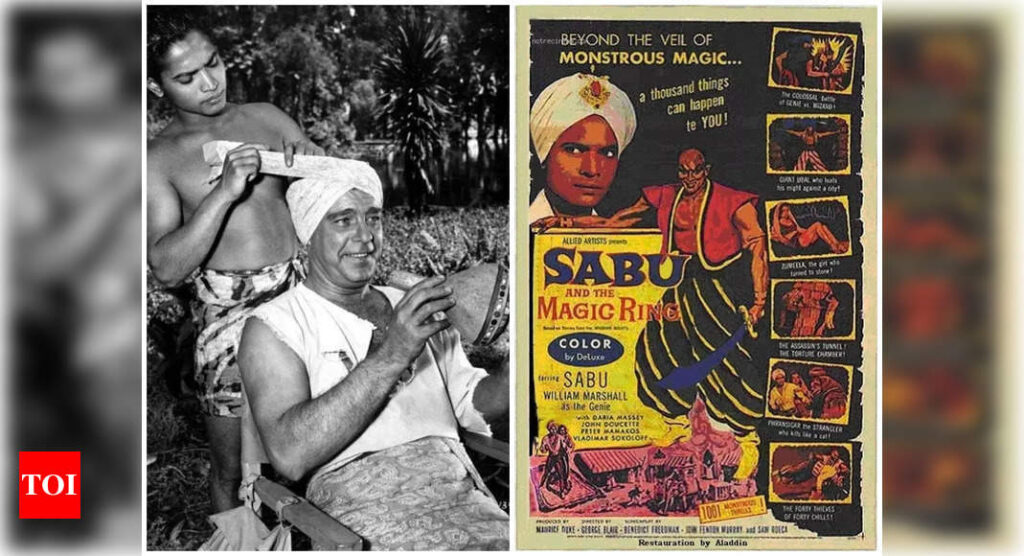
Sabu Dastagir, or Selar Sabu, might be an overlooked name in Indian Cinema’s vibrant history but many wouldn’t be aware that he was perhaps the first actor to find bonafide success in Hollywood. These are the early 1930s that we refer to, much before the likes of Om Puri, Saeed Jaffrey, Irffan Khan or even Priyanka Chopra made their mark on the foreign shores.
Born in the Mysuru kingdom of the pre-independent India to the then king’s official mahout, Sabu was spotted at the age of 13 by director Robert Flaherty (or his wife, some sources claim) who would later cast him in the screen adaptation of Rudyard Kipling’s Toomai and the Elephants (from the Jungle Book). While portions of the film were shot in Mysuru, the rest of the film was shot in London which meant that Sabu was flown over, along with his brother, to England where he is said to have attended school for a brief period.
But this was only the beginning for Sabu Dastagir as he chanced upon more such golden opportunities with projects like ‘The Drum (1938), wherein he played prince Azim, or Zoltan Korda’s ‘The Thief of Baghdad’ in 1940 in which he played Abu, the outwitter who ultimately saves the princess. ‘The Thief of Baghdad’ won the Oscars for Cinematography, Art, and Special Effects while ‘The Drum’ ended up causing riots in Mumbai for its subservient attitude towards the British in the film.
Around the time of ‘The Thief of Baghdad’s release, the second World War was looming large over the entire world, and Sabu, during its peak, had just completed shooting for ‘Jungle Book’ in Hollywood.
He would go on to serve the American military and become an integral member of more than 40 air missions across the pacific as their tail or machine gunner. Along with the acting accolades he had received till then, Sabu also became a decorated military officer after being awarded the Flying Cross.
Sabu would then continue residing in the United States of American and become the face of the “Empire Movies” with several hits like ‘White Savage (1942)’, ‘Cobra Woman (1944)’, ‘Man-Eater of Kumaon (1948), and many more to his name.
It was on the sets of ‘Song of India’ in 1949 that he met actor and future wife Marilyn Cooper for the first time.
Sabu Dastagir breathed his last on 2nd December, 1963 in California, despite being in the pink of his health at the time.
source: http://www.timesofindia.indiatimes.com / TimesofIndia.com / Home> Entertainment> Kannada> Movies / by Swaroop Kodur / September 07th, 2021
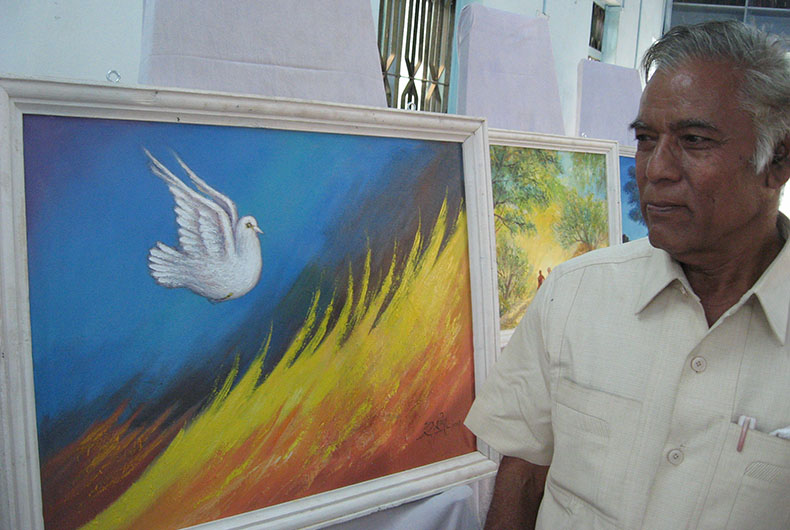
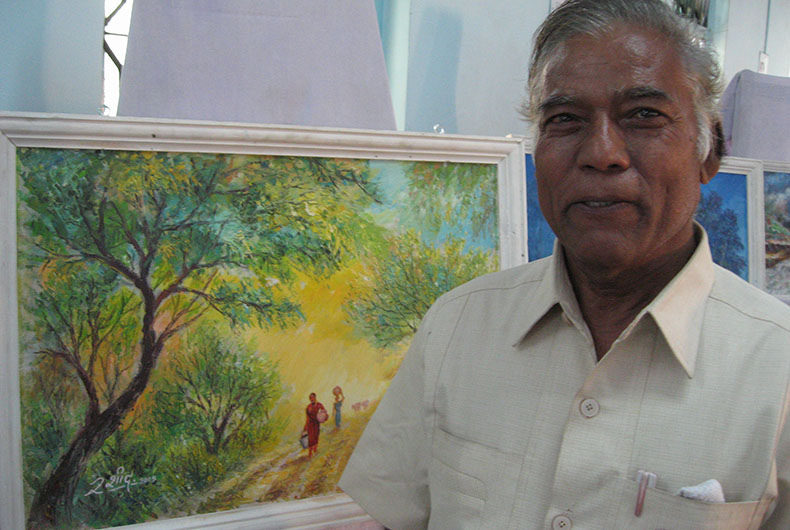
Rasheed Artist is one among these people in Malegaon, who despite all odds went on to achieve such a position, which is difficult for many even under most favourable conditions
Rasheed Artist – renowned artist of Malegaon
The powerloom factories in Malegaon might have been the only available option for the Malegaonians, the deprived people of the Muslim dominated textile town in North Maharashtra. Yet the amount earned after working in these factories was sufficient till a few decades ago to make one’s end meet easily. This perhaps is the reason why the town has surprising number of poets, laureates, scholars and artists who would work in these factories like petty labourers during the day and then indulge themselves in creative activities till late in the evening.
Rasheed Artist is one among these people in Malegaon, who despite all odds went on to achieve such a position, which is difficult for many even under most favourable conditions. Hanging against the walls of the main halls inside the plush bungalows owned by the dignitaries in India as well as in various other countries in the world, Rasheed Artist’s paintings are point of attraction for visitors since many years. Fabulous achievement indeed! However the journey that led to these walls was not easy, and for Rasheed Artist, it needed a matchless and unprecedented effort since childhood.
Malegaon in the sixties though had quite a good number of schools, managements could hardly find a good drawing teacher during those difficult days. Under these circumstances having a professional artist to teach the art of painting to students using watercolor was beyond one’s imaginations. However Rasheed Artist was resolute. He was just 15 but when he failed in fulfilling his strong desire for commercial art in the corridors of the education campus, he decided to quit schooling.
“It was my craze for paintings that forced me to drop out of the school in the early age”, he recalled.
Holding brush in one hand and color box in the other, he began roaming here and there to satisfy his lust for Art. It was then that Wad Saheb, a Director at Camel, the stationary giant famous for manufacturing pencils, watercolor and other stationary items till recently, came to Malegaon. Wad Saheb, as Rasheed Artist described the renowned artist from Shimla, visited Malegaon as part of his nation-wide talent-search program.
“He visited Malegaon for consecutive years in the seventies, shared valuable tips with the students like us and organised painting and drawing competitions to encourage us”, Rasheed Artist said adding:
“In his second visit to Malegaon in 1968, I won the competition. Wad Saheb was thrilled watching the improvement I had attained in one year.”
In Wad Saheb, Rashid Artist found a mentor. But he was not a lord and any further continuation from now had become unbearable for his parents. To bear the expenses hence Rasheed Artist began working in a local powerloom factory along with his father – without of course sharing hardly any money with him for regular household needs. Rasheed Artist would work for three to four days in a week and the moment he would get some cash would rush to Mumbai and wander around the city’s art galleries in his humble and simple attire which is part of his persona even now.
“Jahangir and Taj Art Galleries in Mumbai were my favorite hunting grounds”, he recalled.
His encounter with the masters of the time – including the legendaries Jahangir Sabhawala and Sarvayya at these galleries are still the precious moments of his life.
“My comments and discussions would make them dumb. They could not believe a humble looking person like me had such a sound knowledge of canvas paintings.”, he said.
Rasheed Artist
In 1970, Rasheed Artist permanently moved to Mumbai,and started working on banners, sketches and art works for the upcoming films at V. Shantaram’s Mumbai Central Film Department. He was earning reasonably well now. But to earn was never in his priority list. Therefore he decided to leave Mumbai and return back to Malegaon where his talent soon witnessed a surprising turnaround.
“Innovation and creativity have always been my passions. Back in Malegaon, I began working on popular couplets of Urdu poets and tried to portray them in my paintings”, he recalled.
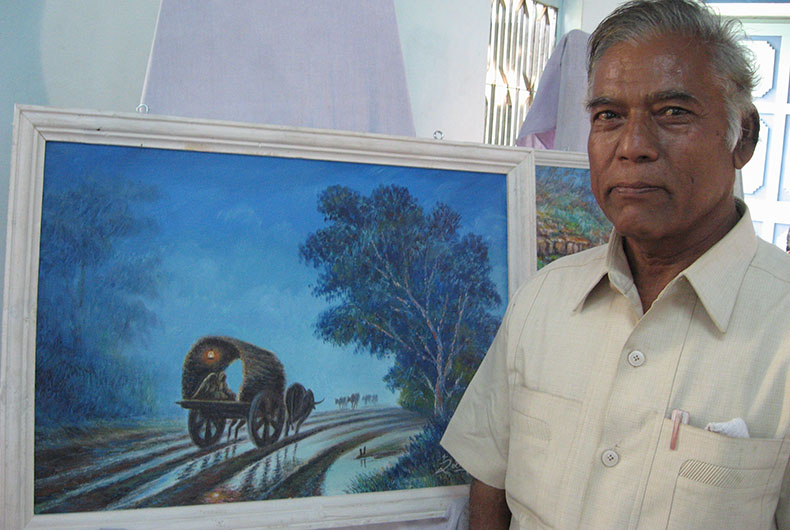
There was no looking back after that. He soon acquired perfection in transferring Urdi couplets over the canvas with amazing interpretational skills. Hundreds of canvas paintings portraying Urdu couplets by the poets like Mirza Ghalib, Firaq Gorakhpuri, Meer Taqi Meer, Majrooh Sultanpuri, Rahat Indori, Shabina Adeeb, Parvin Shakir and others were ready in quick succession. Subsequently, it became customary for the Malegaonians to gift Rasheed Artist’s paintings to the dignitaries who would visit the town.
While the one gifted to veteran musician Naushad painted on the famous couplet Aabadiyon main dasht ka manzar bhi ayega; Guzroge shaher se to mera ghar bhi ayega is still greeting the visitors in his hall, Shabana Azmi has put the one presented to her father Kaifi Azmi portrayed on Aik woh keh jinko fikre nashaib o faraz hai; Aik hum keh chal pade toh behr haal chal pade in her office.
Rashid Artist with his paintings.
Majrooh Sulatnpuri was lucky to get two paintings. Of these two, the one on Sutoone daar pe rakhte chalo saron ke charaag; Jahan talak yeh sitam ki siyah raat chale is in Canada and the other on Phir koi masloob hua sare rahe tamnna; Aawaze jaras pichle pahar taiz bahut hai is part of the splendid collection at Dubai Urdu Library.
Simultaneously, Rasheed Artist also perfectly worked on portraits of the people he loved the most. They included freedom fighters, world leaders, artists and poets. When Dilip Kumar visited Malegaon in 1980, he was thrilled to see his portrait. The portrait presented to him is now greeting the people at his Bandra residence. The portraits of Iranian leader Ayatollah Khomeini and Mirza Ghalib presented to Ferhad Parizaad of the Iranian Cultural Centre in Mumbai in 1985 are in Iran.
Today Rasheed Artist is the ultimate and globally recognized name when it comes to canvas paintings. In fact, he is perhaps the only artist in the Indian sub continent who portrays Urdu couplets over the canvas with such a sound interpretational skills. Yet Rasheed Artist has few more dreams in his life.
“Apart from writing a book on Sketching and Painting, it’s my dream to transfer the history of Urdu Ghazals from Ameer Khusroo till date over the canvas”, he said in a determined tone.
Rasheed Artist at this stage of his life is finding it easier to run the expenses of his family. However to run his dream project is of course an expensive affair. Moreover, looking at him who resolutely turned down the offers by popular art galleries in London and Australia to auction his paintings, it seems impossible for him to make any compromises merely for the sake of arranging funds needed to work on these projects. Yet one thing is certain. The stubborn in him would not let him sit idle. It would be really interesting to see how he achieves these targets.
[An abridged version of this article was published by The Times of India, on August 25, 2010 in its Nashik edition.]
source: http://www.ummid.com / Ummid.com / Home> India> Life & Style / by Aleem Faizee, ummid.com / June 13th, 2009
South Africans across the board voted for Sooliman, putting Deputy Chief Justice Raymond Zondo in second place.
Johannesburg:
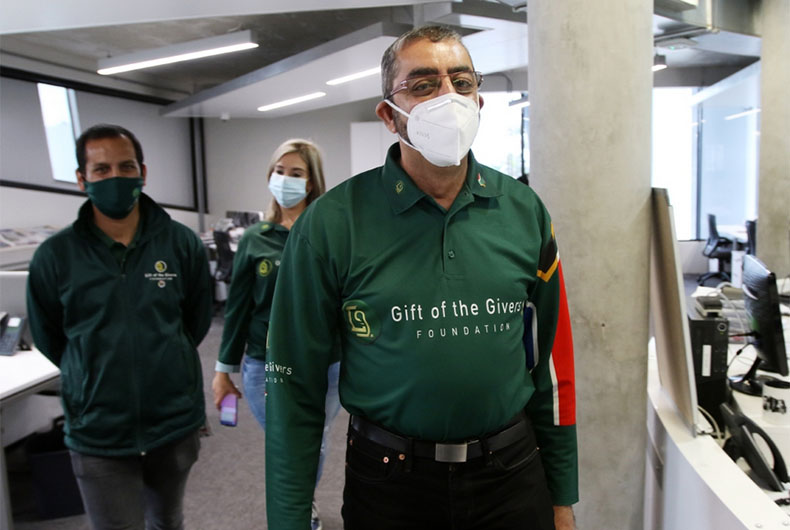
Indian-origin philanthropist and founder of disaster relief group ‘Gift of the Givers’, Dr Imtiaz Sooliman has won the prestigious South African of the Year Award run by the Daily Maverick newspaper.
South Africans across the board voted for Sooliman, putting Deputy Chief Justice Raymond Zondo in second place. Zondo heads the Commission of Inquiry into State Capture, which investigates fraud and corruption in the public sector, including state organs.
Dr Sooliman, in his acceptance speech at the Al Quds Mosque in Cape Town on Friday, called on Muslims worldwide to engage in caring for all communities to change Islamophobic perceptions.
“About Gift of the Givers”
Dr Sooliman started ‘Gift of the Givers’ after his religious mentor in Turkey, Muhammed Safer Dal Effendi, asked him to do so in 1994.
Since then, the charitable and relief organisation has undertaken relief work in more than 44 countries after natural disasters such as earthquakes as well as assisting people in war-torn countries.
Besides the Middle East, Eastern Europe and many countries in Africa, ‘Gift Of The Givers’ teams have also assisted during natural disasters in India and Pakistan.
“Utlization of Zakat”
Relying almost entirely on donations and the obligatory ‘Zakat’ paid by Muslims, ‘Gift of the Givers’ has provided almost 4 billion rand (USD 260 million) worth of aid to drought-stricken areas, ranging from mobile hospitals, food hampers, and digging boreholes.
The doctor recalled how Sheikh Muhammed Safer Dal Effendi, his religious leader in Turkey, had instructed him to establish the organisation ‘Waqful Waqifin‘, which translates to ‘gift of the givers’ from Arabic.
“My son, the Sheikh said, you will serve all people, of all religions, of all races; all colours, all cultures; all classes, of any geographical locations and of any political affiliation, but you will serve them unconditionally. You will expect nothing in return, not even a thank you,” recalled Dr Sooliman, who practises medicine.
“When we go into an area to do our work, we don’t look at their belief systems. Whether they are Hindu, Muslim or Christians, whatever they may be, we don’t go to be judgemental about anyone,” he said.
“This award came by South Africans who had voted across cultures, across religions, across people who do not have any faith too, but all of them were willing to vote for me,” Dr Sooliman said this symbolised that people in their souls, support goodness.
“Other Awards”
Dr Sooliman is recognised internationally for his works, winning scores of awards and accolades over the decades, lauded by South African and foreign heads of state for his organisation’s assistance during times of crises.
Dr Sooliman has also received National Orders, South Africa’s highest civilian honour, and earlier this year was named Social Justice Champion by the University of Stellenbosch in Western Cape province.
Dr Imtiaz Sooliman was born on March 07, 1962 in Potchefstroom. He completed his high school education at Sastri College in Durban, Natal in 1978, and later qualified as a medical doctor by obtaining his MBChB at the University of Natal.
source: http://www.ummid.com / Ummid.com / Home> India> Life & Style / by ummid.com with inputs from PTI / December 26th, 2021
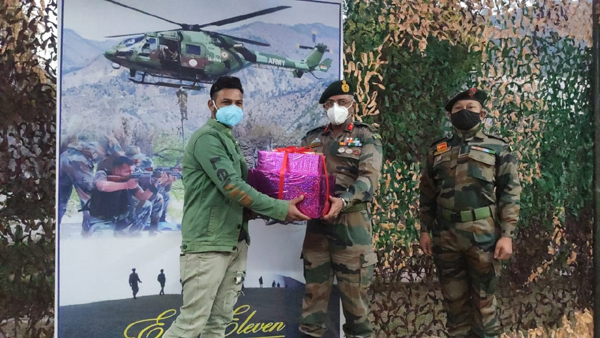
A worker of Hospital Development Fund (HDF) was awarded by Indian Army for his bravery.
As per the report, a woman namely Reena Devi wife of Naresh Chand, resident of Mir Pancheri (Udhampur) tried to commit suicide by jumping into Chenab River from Karol Bridge, Ramban on the evening of December 2.
While the woman was about to get drowned, she was saved by one person namely Mehrazuddin son of Farooq Ahmad, resident of Karol (Ramban) by showing exemplary courage and swimming skills.
The Mehraj was awarded by india Army in for his remarkable courage which led to saving of life of the aggrieved woman.
Mehraj was presented cash reward for his brave act.
source: http://www.dailyexcelsior.com / Daily Excelsior / Home> State / by Excelsior Correspondent / December 06th, 2021