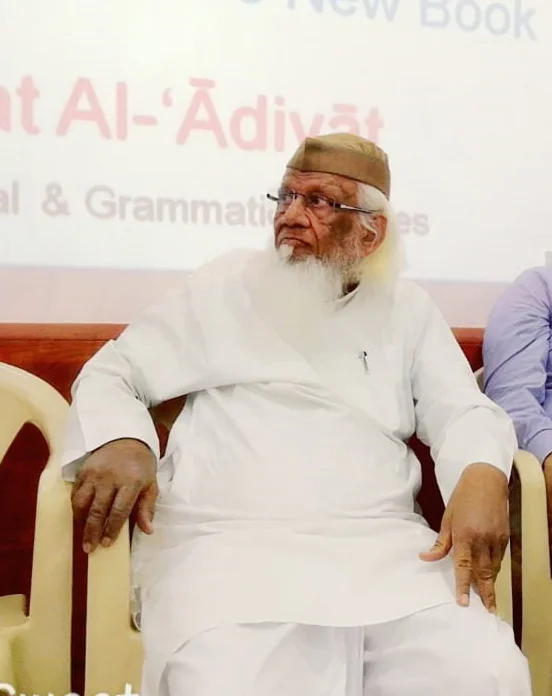
He has written scores of books in Arabic, English and Urdu. One of his unique books is Attibyan which helps in teaching Qur’an to neo-Muslim brothers and sisters.
New Delhi :
Dr. V. Abdur Rahim, world renowned Islamic scholar, multilinguist, author, teacher and translator passed away in the holy city of Madinah on Thursday.
Author of several popular books on teaching Arabic language, Dr. Abdur Rahim was laid to rest in Jannat al Baqi cemetery near the Prophet’s Mosque after Friday noon prayers, reports reaching here said.
Dr. Abdur Rahim has written scores of books in Arabic, English and Urdu. One of his unique books is Attibyan which helps in teaching Qur’an to neo-Muslim brothers and sisters. The scholar was closely associated with Chennai-based Islamic Foundation Trust (IFT) and a majority of his books have been published by it.
Dr. Abdur Rahim was born in the small town of Vaniyambadi in Tamil Nadu in 1933. After completing his secondary school studies, he joined Presidency College, University of Madras where he majored in English language and literature. He graduated in 1957. In 1964, he joined the prestigious Al-Azhar University in Cairo, from where he completed his M.Phil. and Ph.D. in Arabic philology.
Dr. Abdur Rahim adopted innovative teaching methodologies and pedagogical approaches, which revolutionised the teaching of Arabic. He joined the Islamic University of Madinah in 1969, where he played a pivotal role in the program of teaching Arabic as a foreign language. He also imparted his knowledge at various institutions, including the Islaamic University Omdurman Sudan, Khartoum University Sudan, and Arabic Institutions in Germany, Washington D.C., and British Guyana.
His most significant contribution to Arabic education was the development of the renowned Madinah Arabic Course. This comprehensive series of textbooks and audiovisual materials simplified the complexities of the Arabic language, making it accessible to learners from diverse linguistic backgrounds. His teaching not only facilitated learning but also promoted intercultural dialogue and understanding.
Beyond his teaching endeavors, Dr. Abdur Rahim served as the Director of the translations section at the King Fahad Qur’an Printing Press in Madinah, where he contributed to translating and interpreting the Qur’an into various languages, ensuring its accessibility to people worldwide.
In recognition of his exceptional contributions to Arabic language education, Dr. V Abdur Rahim was honored with the prestigious President of India Award. This recognition celebrated his tireless efforts in promoting Arabic language learning and fostering cultural understanding through linguistic knowledge.
source: http://www.clarionindia.net / Clarion India / Home> India / by Team Clarion / October 21st, 2023
Meet the man who is on a mission. He even gave up his lucrative job to completely devote himself to this cause. His goal is to inspire the next generation to become responsible and productive citizens by raising their level of awareness about education. He has been crisscrossing the length and breadth of the country since 2006.
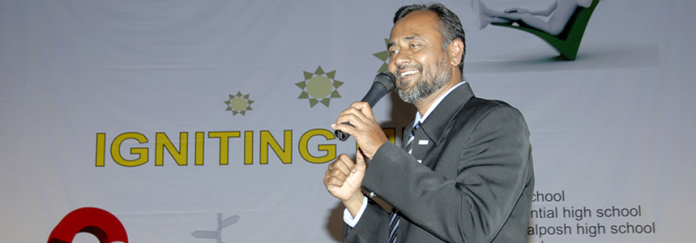
The man is Syed Saeed Ahmed, a distinguished motivational speaker with a multifaceted personality who inspires and motivates others and unearths their hidden potential. He has an amazing sense of spontaneity, an inquisitive mind, and a captivating personality.
Throughout India, he has conducted countless personality development programs for the student fraternity, diverse academic community stakeholders involved in the teaching-learning process, the corporate sector, workers in extremely stressful work environments, and the group of people who accept their fate as pseudo-failures.
Saeed Ahmed’s workshops are widely recognized for their great content and distinctive, compelling style of delivery.
Ranked as one of the leading motivational speakers in India, Saeed Ahmed’s workshops are widely recognized for their great content and distinctive, compelling style of delivery. His energizing classes are intuitive, inspiring participants to realize their full potential, release their innate energy, and develop a burning drive for achievement and personal excellence. They are intended to provide participants with a great deal of energy and vitality, enabling them to advance both personally and professionally.
His successful endeavors to bring back to life pseudo-failures, particularly those with low motivational factors and a criminal past, have grabbed significant media attention. The last few years have seen the frequent publication of pieces celebrating these accomplishments in prominent newspapers, and multiple news channels have aired his pre-recorded interviews on the subject.
Born in Sholapur, a textile town in Maharashtra, Saeed Ahmed did his schooling through the Urdu medium and graduated in geography and political science. He went on to pursue higher learning. After completing his studies in library and information science, he did his post-graduation in the Urdu literature from Shivaji University in Kolhapur. He started his career in a modest capacity as an assistant librarian at a reputable college in Pune.
His early and modest profession served as a palette for shaping him into a multifaceted personality, as he was surrounded by antique and modern books, newsletters, and printed reference material of inter-disciplinary content. Gradually and steadily, he began to embody the roles of an actor, director, dramatist, journalist, writer, peace activist promoting global fraternity, and, most recently, a student. He is currently pursuing a doctorate at Pune University on the extremely relevant subject of “Hindustani stage and tradition of Urdu drama in Maharashtra.”
He is an expert at improving life skills, including stress management, time management, positive thinking, emotion management (for overcoming fear, grief, sorrow, rage, boredom, etc.), and a number of other crucial areas that participants may reveal themselves in. The contents change based on the situation, the amount of time available for engagement, and the participants’ overall characteristics, expectations, and concerns.
The evolution of a nationally renowned motivational speaker can be summed up by examining the thirty years of his career. This shows how a person’s life experiences, some natural and some others artificially created, play a crucial role in shaping a flexible personality that can handle any circumstance with ease. What makes the one and only “Saeed Ahmed” is a combination of his varied experiences with controversial topics and his recording of the algorithms used to address them.
Having spent a significant portion of his career working for an organization, he has encountered the typical challenges that all workers face in today’s cutthroat and materialistic workplace. As he began his dazzling career, he experienced moments of rivalry, envy, and unpleasant camaraderie from coworkers, superiors, and even higher authorities. To nearly all of them, he answered with forbearance, patience, and strengthened willpower. In actuality, they functioned as an oven to solidify his supple clay and imparted to him free psychological counseling, stress management techniques, and elegant interpersonal interactions.
Saeed Ahmed is not just a motivator of the highest caliber; he is also an actor, director, writer, documentary filmmaker, and journalist.
He was connected to several prominent theaters in Lahore, Pakistan, as well as Prithvi (Mumbai), Nehru Centre (Mumbai), Rangshankara (Bangalore), Hamdard University, Delhi, Balgandharva (Pune), and Punjab Naat-shala (Amritsar). He performed widely for an Indian audience with these theater groups, and three of his shows, which were shown consecutively for three years in a row at the “World Performing and Visual Arts Festival” in Lahore, were acclaimed internationally (2004, 2005, 2006). These were “Naquab” by Rafi Peerzada, “Jis Lahore Naee Dekhya” by Dr. Asghar Wajahat, and “Portrait” by Ratnakar Matkari.
Prior to this, most of the plays he directed and performed across the country were “Dhilli Khaat” by Naseem Mannan, “Portrait” by Ratnakar Matkari, “Najat” by Abdul Wahab Lunje, “Nafrat ke Rang” by Kazi Mushtaque Ahmed, and a few plays he wrote himself, including “Sir Sayyed Ahmed Khan (Founder of Aligarh Muslim University)”, “Toba Tek Singh,” a drama based on Saadat Hassan Monto, “Kahain Hai,” and “Dilli Ka Thagh” have received favorable reviews from critics and audiences alike. He made his acting debut as a character actor in the “Sunita” serial that was broadcast on Doordarshan. His drama “Sare Jahan Se Accha” had more than forty performances in Maharashtra.
An audio presentation in the form of an audio cassette, followed by audio CDs, and is currently in the process of creating a documentary directed, produced, and narrated by him about the life of Sir Sayyed Ahmed Khan. He also wrote the book “Sare Jahan Se Accha,” released by the Haji Ghulam Mohammed Azam Educational Trust, Pune.
In addition, he has contributed his expertise to the production of multiple documentaries for Pune-based organizations and cable networks.
Alongside his involvement in theater and the arts, he pursued a career as a professional journalist. From 1995 to 2001, he worked as a correspondent for Mumbai’s daily Inquilab and Munsif of Hyderabad and Pune’s Urdu fortnightly Usool. He had also interviewed prominent figures.
When asked what inspired him to pursue a career in motivational speaking, he admitted with honesty that I was a shy boy in school with an inferiority complex who was accustomed to self-analysis.
Life is a “give and take” proposition, and the previous decades of my diverse work helped me learn enough to be ready for a “second innings” or platform change, in which I now hope to “give,” and in 2002, I made a lifestyle change, he said. In the year 2006, I left the well-secured job to venture into the turbulent waters of lending my ‘know-how’ for the personality development of all, he added.
About his experiences, he pointed out that materialism is prevalent in Muslim society, and there is a wrong notion prevailing in the society that education is for seeking a job. He stresses the need for “Taleem ke saath Tarbiat.”
Under his All India Educational Awareness 93-day tour, last year he traveled 10,000 km across the seven states and conducted 179 workshops in 134 cities. In the second part of the tour, starting on November 11, 2023, he will travel to 13 states.
source: http://www.radiancenews.com / Radiance News / Home> Focus> Pride of the Nation / by Abdul Bari Masoud / November 01st, 2023
After the partition and independence of India, the contribution of Muslim faces in Indian sports is a fascinating story. It also sends a clear message that, despite the communal division of the country, all avenues remained open for Muslims in India. The nation saluted talent, not religion. The contribution of Muslims in the field of sports should be the subject of a dedicated book.
However, in this article, we present the 10 most successful Muslim sportspersons of India.
Nawab Mansoor Ali Khan
Nawab Mansoor Ali Khan
Cricket, the most popular sport in the country, has a long list of Muslim players like Ghulam Ahmed, Salim Durani, Abbas Ali Baig, Mansoor Ali Khan Pataudi, Farooq Engineer, Syed Abid Ali, Syed Mustafa Hussain, Syed Kirmani, Ghulam Ahmed Hassan, Mohammad Azharuddin, Arshad Ayub, Zaheer Khan, Syed Saba Karim, Mohammad Kaif, Irfan Pathan, Munaf Patel, Wasim Jaffer, Yusuf Pathan, Mohammad Shami, Mohammad Siraj, and Sarfaraz Khan.
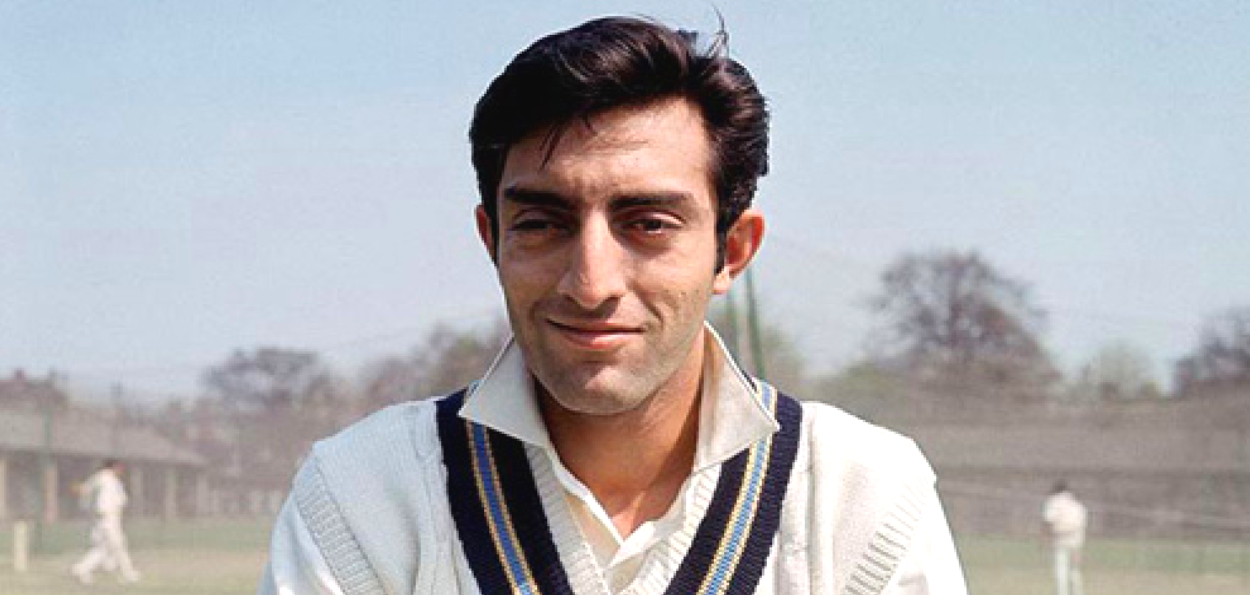
However, one of the initial cricketers, who happened to be a Muslim and shone like a star, was Nawab Mansoor Ali Khan, known as “Tiger Pataudi”. He became the youngest Test captain in the history of the game. He represented India in 46 Tests and scored 2793 runs.
In March 1962, he became the youngest Test captain at the age of 21 years and 77 days against the West Indies. His notable achievements include leading India to their first overseas Test match victory in New Zealand in 1968, which was also their first overseas Test series win.
Despite losing vision in his right eye in a car accident in England in 1961, Pataudi proved his mettle on the cricket field. Even today, Tiger Pataudi commands the same respect and popularity in Indian cricket as he did in the past.
Mohammad Azharuddin
Mohammad Azharuddin
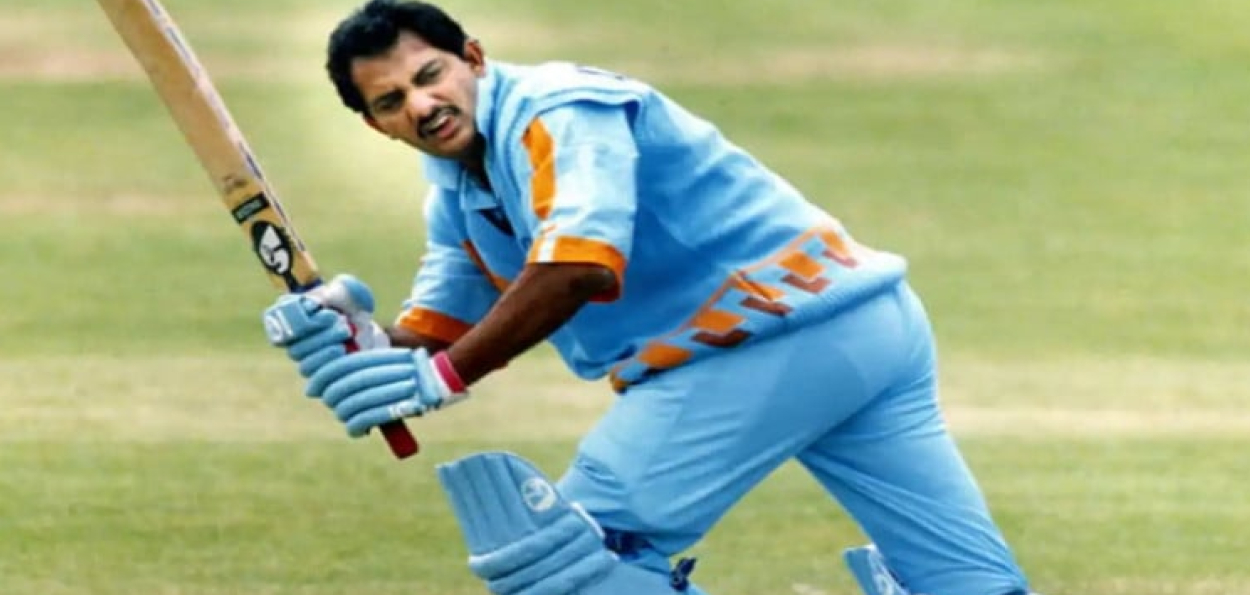
Another Muslim cricketer, Mohammad Azharuddin, nicknamed “Indian cricket’s wonder boy,” earned this title right at the beginning of his Test career. In his debut series against England in 1984, he scored three consecutive centuries — a feat yet to be repeated.
Azharuddin played 99 Tests and 334 One Day Internationals for India. As captain, he led the team to victory in the 1990-91 and 1995 Asia Cups and reached the semi-finals of the 1996 Cricket World Cup. He captained India in three Cricket World Cups during the 1990s, which remains a record.
Syed Shahid Hakim
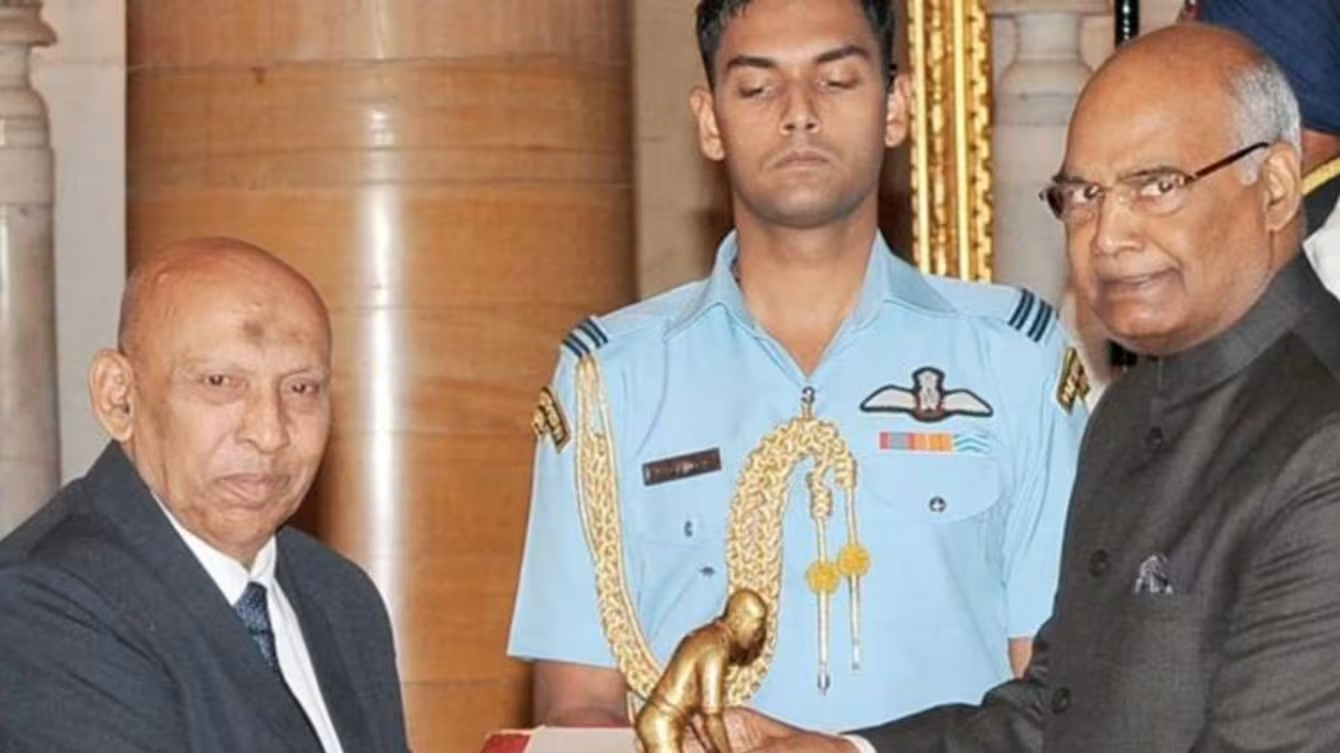
Syed Shahid Hakim receiving award from President Ram Nath Kovind
Once, India was a contender for the top slot in the World Cup Football and the Olympics. Though the situation has deteriorated, the list of Muslim footballers Taj Mohammad, Ahmed Khan, Yusuf Khan, B.P. Saleh, Syed Naeemuddin, Noor Mohammad, Rahmat, T. Abdur Rahman, Mohammad Habib, Mohammad Akbar, and Latifuddin come to the fore.
However, Syed Shahid Hakim comes across as one of the brightest and enduring football player of the post-independent India. He is son of Syed Abdul Rahim, who was once the coach of Indian Football team. A former Squadron Leader in the Indian Air Force, S.S. Hakim’s international career highlight was the 1960 Rome Olympics. Although India didn’t progress beyond the group stage, a 1-1 draw against France was nothing short of a feat.
Following in his father’s footsteps, Hakim turned to coaching and later served as an assistant coach of the Indian national team. He was also a FIFA referee and officiated in the 1988 AFC Asian Cup held in Qatar.
Mohammad Shahid
Mohammad Shahid
In Hockey, a sport once dominated by India, several Muslim players made a mark on the game, including Akhtar Hussain, Aslam Sher Khan, Mohammad Shahid, and Zafar Iqbal.
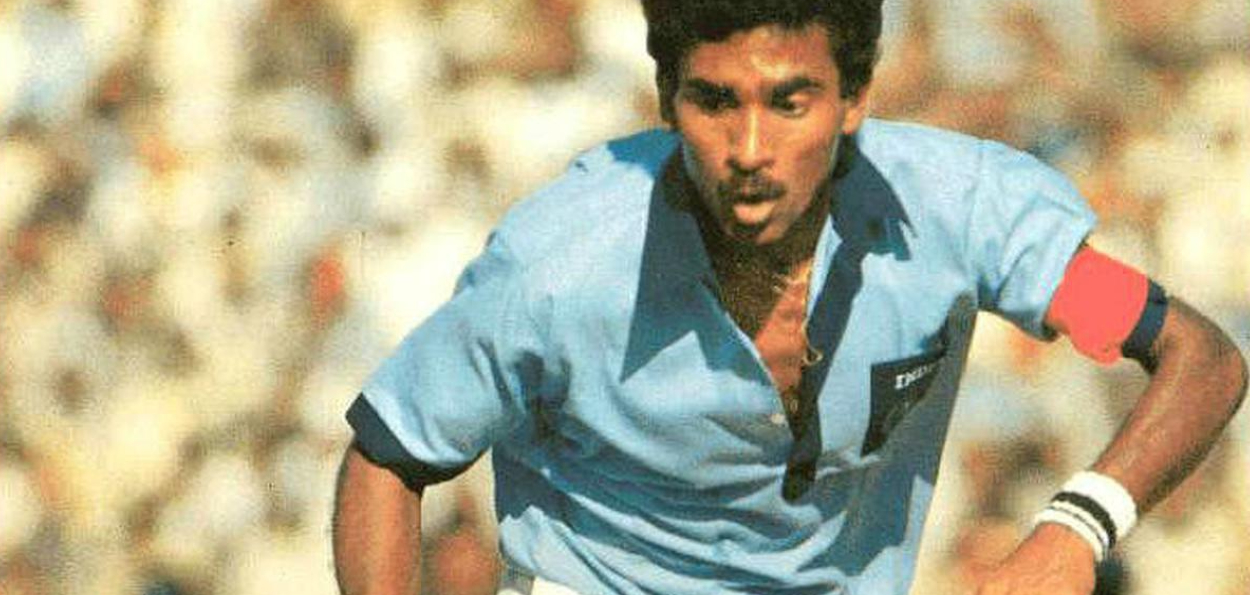
Among them, Mohammad Shahid from Banaras earned the most fame. His wizardry in the 1970s and 80s — marked by agility and magical dribbling — turned him into a star at a very young age.
He was part of the team that won gold at the 1980 Moscow Olympics, silver in the 1982 Asian Games, and bronze in the 1986 Asian Games. He also played in the 1981-82 World Cup, the 1984 Los Angeles Olympics, and the 1988 Seoul Games. He captained the Indian team during 1985-86 and announced his retirement from international hockey in January 1989.
Sania Mirza
Sania Mirza
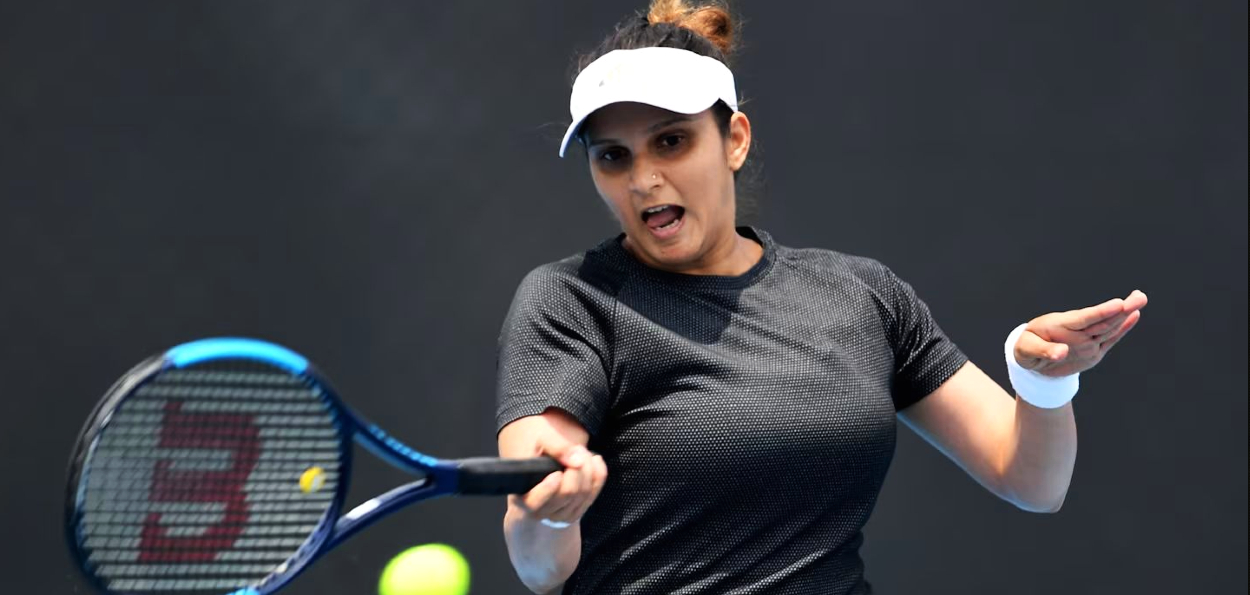
Sania Mirza is the only Indian woman to break into the top 100 in singles and later became World No. 1 in doubles in Tennis. She won six Grand Slam titles — three in women’s doubles and three in mixed doubles.
Between 2003 and her singles retirement in 2013, she won 43 titles and spent 91 weeks as World No. 1 in doubles. Sania also won 14 medals (including six golds) in the Asian Games, Commonwealth Games, and Afro-Asian Games. In 2007, she achieved her career-high singles ranking of 27, the highest ever for an Indian woman. In April 2015, she became the World No. 1 in WTA doubles rankings — the first Indian to reach the top.
Syed Modi
Syed Modi
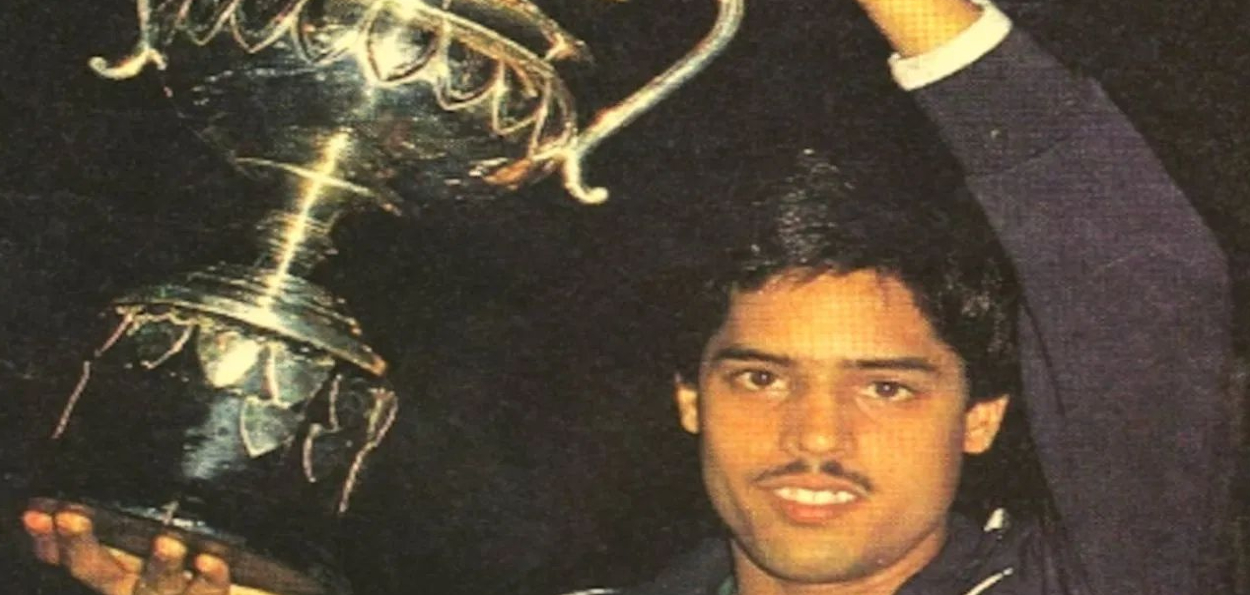
In Badminton, Syed Modi has been the most successful and popular Muslim player. He is regarded as one of the most successful Indian badminton players, winning the National Championship eight consecutive times from 1980 to 1987 — a historic feat.
He also won a gold medal in men’s singles at the 1982 Brisbane Commonwealth Games and international titles such as the Austria International (1983 & 1984) and the USSR International (1985). In 1988, Syed Modi was tragically shot dead in Lucknow.
Nikhat Zareen
Nikhat Zareen
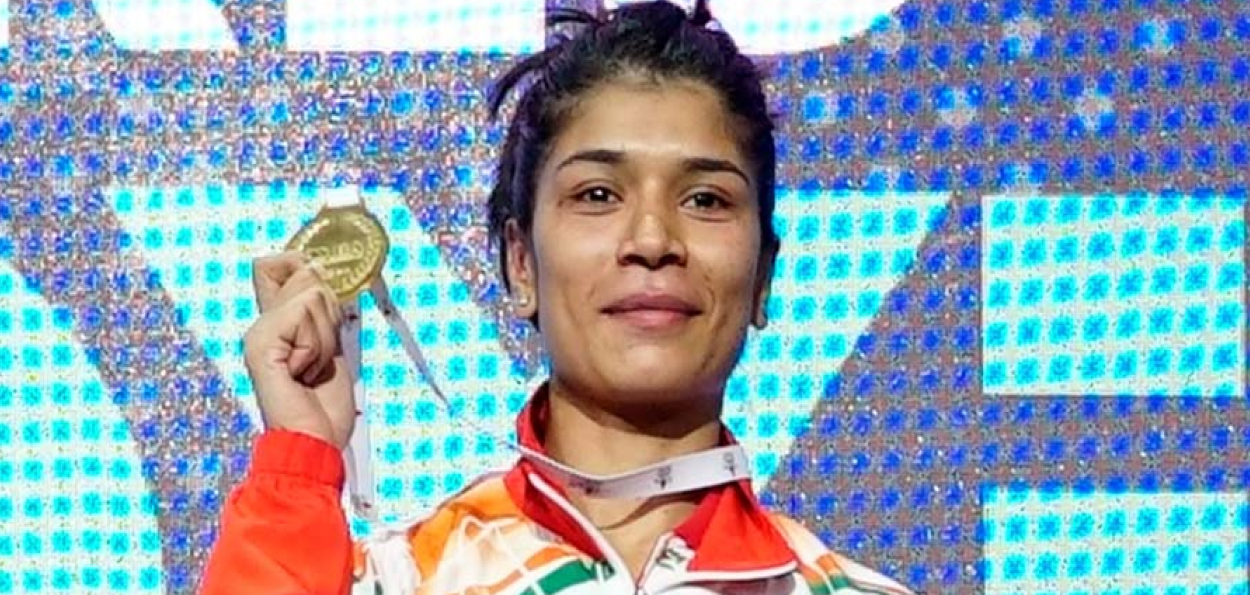
Nikhat Zareen is the shining star of Indian women’s Boxing. Nikhat became a boxing sensation after winning gold at the 2011 Women’s Junior and Youth World Boxing Championships. She won silver at the 2019 Asian Championships in Bangkok, gold at the 2022 World Championships in Istanbul, and gold at the Birmingham Commonwealth Games.
In 2023, she won another gold at the IBA Women’s World Boxing Championship in New Delhi, becoming only the second Indian woman to achieve the feat twice. She also won bronze at the 2023 Asian Games in Hangzhou and secured a quota for India at the Paris Olympics, where she reached the Round of 16 in 2024.
Shama Parveen
Shama Parveen
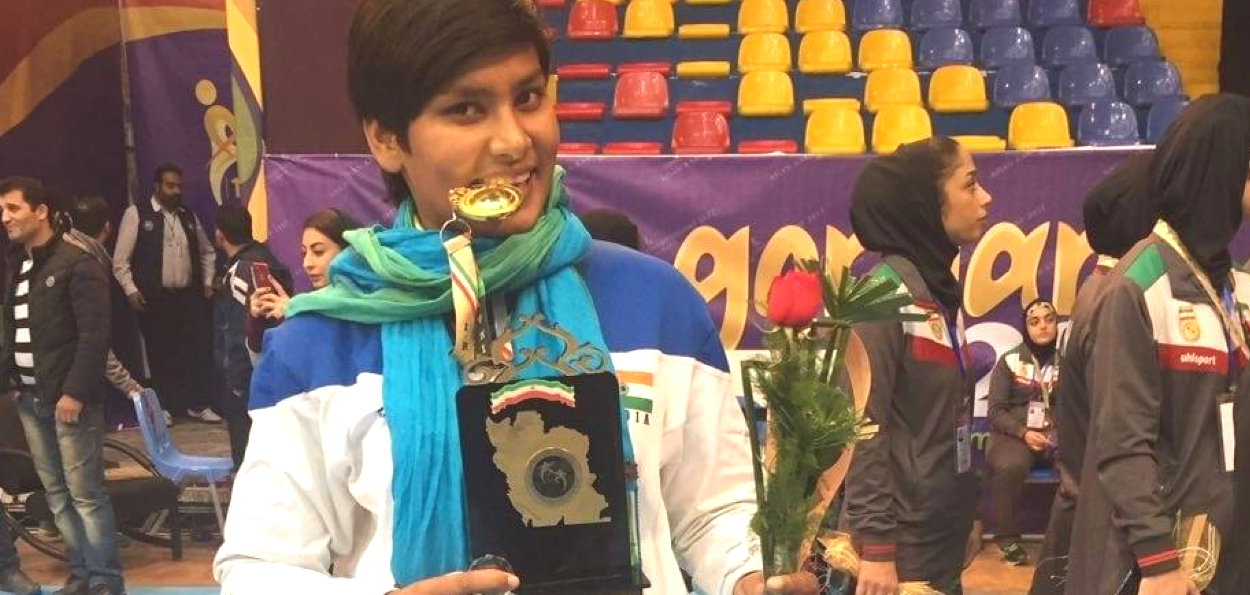
Indian men and women have dominated Kabaddi in the world. Among Muslim women, the most prominent name Kabaddi layer is Shama Parveen from Bihar, who began her career in 2008.
She has won several honors at different levels. She was part of the Indian team that won gold at the 2017 Asian Kabaddi Championship.
Nasreen Sheikh
Nasreen Sheikh
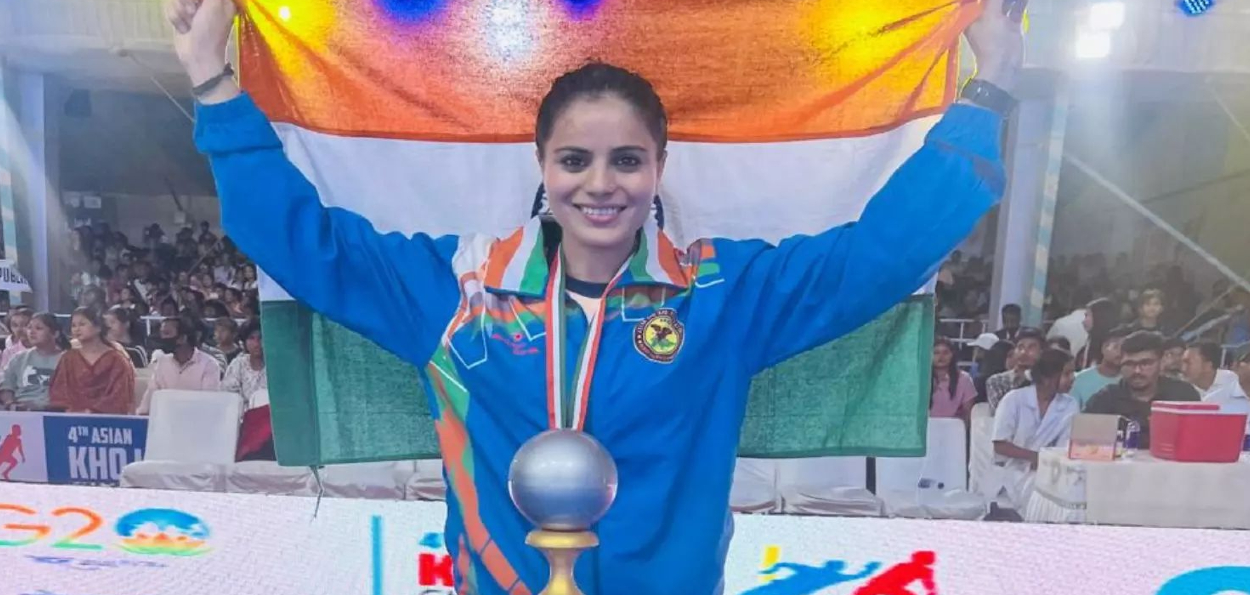
Nasreen Sheikh of Delhi captained the Indian women’s kho-kho team and became the second player in this sport to receive the Arjuna Award. She led the Indian women’s team in the South Asian Games, where India won gold. She was also part of the Indian team that won the inaugural Kho-Kho World Cup held in January 2025 in New Delhi.
India defeated South Korea, Iran, and Malaysia in the group stage, beat Bangladesh in the quarterfinals, South Africa in the semifinals, and thrashed Nepal 78-40 in the final. For her performance, she was awarded the
Alisha Abdullah
Alisha Abdullah
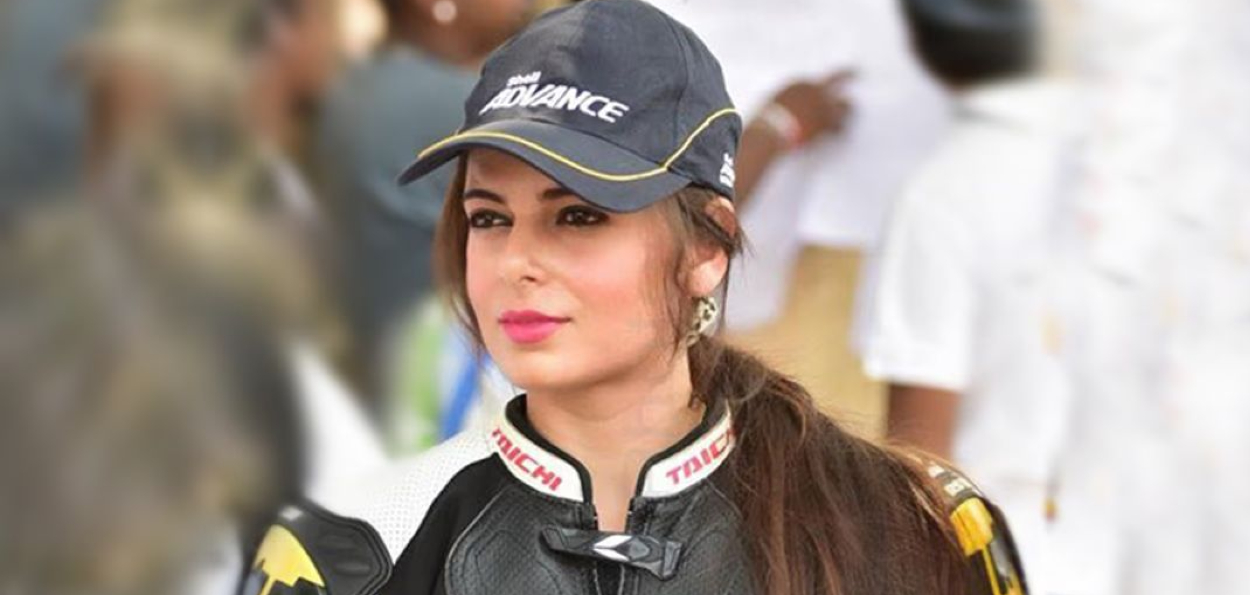
In Motorsports, Alisha Abdullah stands out among women. Alisha, known as India’s fastest car racer and the country’s first female bike racing champion, was born in Chennai in 1989. She was passionate about racing from a young age. In 2004, she ranked among the top five in the JK Tyre National Racing Championship. With her father’s support, she transitioned from car to bike racing.
However, after a serious accident in 2010 while riding a bike, she returned to car racing. She is the first female motorsports star in the country to receive a Presidential Award.
source: http://www.awazthevoice.in / Awaz, The Voice / Home> The Changemakers / by Aasha Khosa, ATV / August 06th, 2025
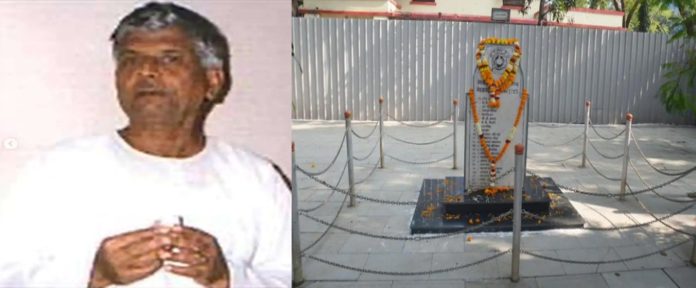
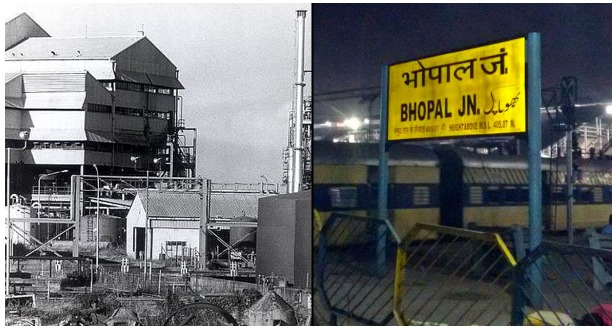
FORGOTTEN HERO OF BHOPAL GAS LEAK TRAGEDY: The saviour Ghulam Dastagir, the Deputy Station Superintendent at Bhopal Railway Junction who saved thousands of lives on December 2 and 3 went unrecognised and was buried in the history.
Much has been said and written about the fateful Bhopal Gas Leak Tragedy in 1984 that claimed around 5,479 lives while affecting over six lakh people with serious skin disorders. However, the saviour Ghulam Dastagir, Deputy Station Superintendent at Bhopal Railway Junction, who saved thousands of lives on December 2 and 3,1984 went unrecognised and was buried in history.
Ghulam Dastagir’s case isn’t an isolated one as thousands of Muslim freedom fighters who sacrificed their lives for the cause of Indian freedom struggle were more often than not either concealed or forgotten by the Union Government on one pretext or the other. This scribe flipped through the pages of history to zero in on the world’s deadliest industrial tragedy which sent shockwaves among the people across the globe.
Even after four decades after the Union Carbide Factory gas leak episode, the scars still remain in the hearts of the victim families. What is irking is the fact that a memorial erected at Bhopal Railway Junction for 23 railway men, who lost their lives while rescuing people, have been inscribed but there is hardly any mention about Ghulam Dastagir who played a pivotal role in the rescue operations on the dreadful day.
Sources from various news portals revealed that a deadly gas leak from the Union Carbide factory engulfed the Bhopal city, killing thousands and injuring many more. Amidst the chaos and panic, one man acted swiftly and bravely to save lives: Gulam Dastagir, Deputy Station Superintendent at Bhopal Railway Junction. Few people know that during the Bhopal gas tragedy, a heroic stationmaster risked his own life to save others. But for him the causalities in the catastrophe would have been much higher.
On the fateful night of December 2, 1984, Ghulam Dastagir found himself in the midst of routine paperwork. Little did he know that this night would forever alter the course of his life. As the Bombay-Gorakhpur Express was due to arrive, Dastagir’s routine took a drastic turn when he sensed something was amiss. His swift action would soon prove to be the difference between life and death for many. Upon stepping out of his office, Dastagir experienced burning eyes and a bitter throat – a tell-tale sign that something was terribly wrong. Shockingly, he discovered the lifeless form of Dhurva, the station superintendent, in his cabin. Acting swiftly, Dastagir communicated with nearby stations to halt incoming trains, potentially saving countless lives. Despite the looming danger, he ordered the immediate departure of the Gorakhpur-bound train, ensuring the safety of its passengers.
As the deadly gas claimed the lives of 23 station staff members, including Dastagir’s own son, he and his team worked tirelessly to manage the crisis. Despite struggling to breathe, Dastagir remained composed, coordinating medical help, and providing a ray of hope in the face of impending doom. The station became a scene of chaos as large crowds desperately sought escape from the poisonous air, and Dastagir’s leadership became a beacon of strength.
While Dastagir’s selfless actions spared countless lives, the tragedy took a heavy toll on him personally. The toxic gas led to health issues, with a lump forming in his throat, and subsequent years were marked by frequent hospital visits. The heavy personal cost included the loss of his son to the gas and another developing a permanent skin infection. Despite the challenges, Dastagir continued to exhibit resilience until his demise in 2003.
At Bhopal Junction, a memorial stands in honour of 23 railway personnel who lost their lives on that tragic night. Unfortunately, Ghulam Dastagir’s name doesn’t grace the memorial, as his demise occurred nearly two decades later. However, during those critical hours in December 1984, Dastagir exemplified the truth in Gerard Way’s famous quote, proving that heroes emerge from ordinary people who rise to extraordinary challenges.
Meanwhile, Netflix’s series, “The Railway Men” made headlines based on the Bhopal gas tragedy of 1984. Amidst the widespread acclaim for the show, this review reflects on one of the unsung heroes of that tragic night – the deputy station master of Bhopal railway station, Ghulam Dastagir. His extraordinary actions saved lives and offered a glimmer of hope in the face of an unimaginable disaster.
Shadab Dastagir, youngest son of late Dastagir, while speaking to a media in 2023, said that his father’s heroic role in the entire episode on Bhopal Railway Junction on the night intervening December 2 and 3, 1984, has mainly remained unsung.
“Little official acknowledgment and appreciation came his way in these four decades. And now when an OTT series has been made on the episode, it is upsetting that we were never consulted about the actual happenings,” he told The Week.
“I have watched the teaser and the official trailer and I can make out that the character being portrayed by Kay Kay Menon is based upon my father. But then we are highly apprehensive as to how much close to truth the character has been made,” Shadab, who is into the family business of chemicals and fertilisers, said.
He also mentioned that the family had already sold out the copyright of a script on Dastagir’s life and work – based on narration by his father himself during his lifetime – to a production house called Small Box Media. The Mumbai-based production house was planning a full-length movie based on the script when YRF cut in with the miniseries.
A forgotten hero whose sense of duty and commitment saved countless lives, Dastagir’s story deserves to be recognised and remembered by his fellow countrymen.
[The author is former Indian Express and Deccan Chronicle chief]
source: http://www.radiancenews.com / Radiance News / Home> Focus> Social Service / by M Rafi Ahmed / September 02nd, 2025
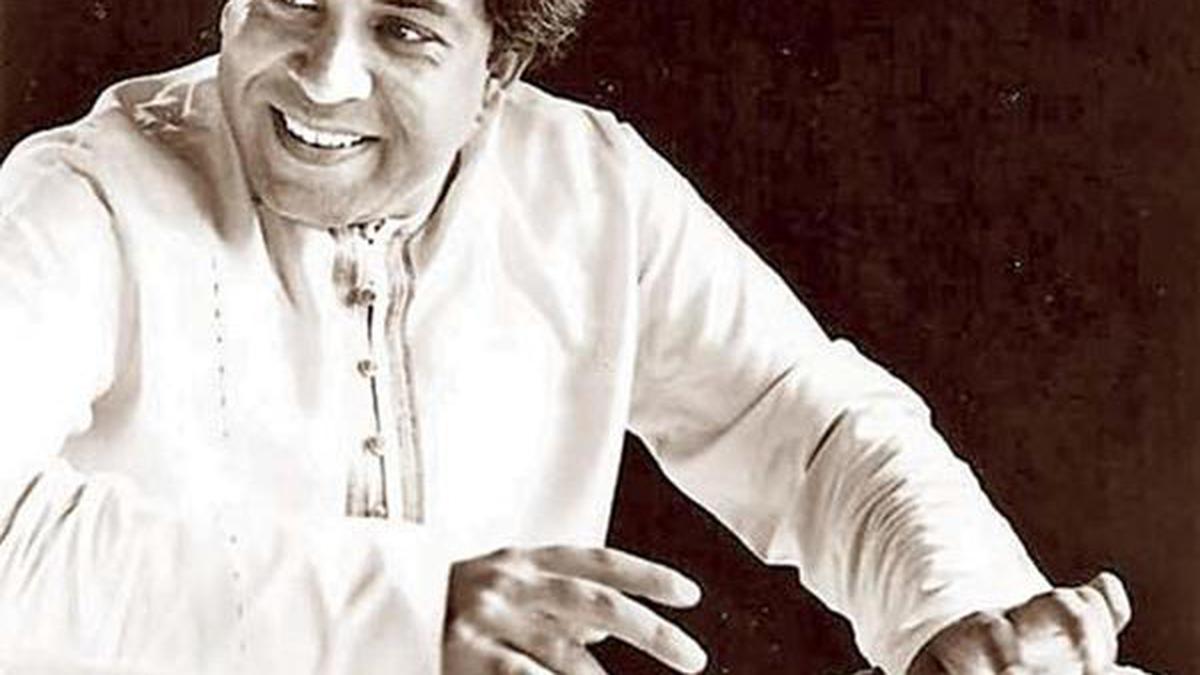
Much before I became an admirer of Ustad Zakir Hussain, I was a devoted fan of Ustad Shafaat Ahmed Khan. The reason was simple. Growing up in New Delhi, I had the chance to see the tabla maestro regularly when I was a teenager, often with luminaries like santoor monarch Pandit Shivkumar Sharma, flautist Pandit Hariprasad Chaurasia and sarod maestro Ustad Amjad Ali Khan.
After moving to Mumbai, I continued to attend Khan’s shows, and interacted with him twice as a music journalist. It came as a huge shock when he passed away on July 24, 2005, at the untimely age of 51, after a bout of hepatitis. Among classical music lovers, memories of Khan’s music remains fresh. Coming Wednesday, on his 14th death anniversary, Pancham Nishad is organising a tribute concert at the Veer Savarkar auditorium, Shivaji Park. It will feature vocalist Sanjeev Chimmalgi and tabla maestro Swapan Choudhuri, whose performance was a highlight of the Ustad Allarakha birth centenary celebrations on April 29.
I first heard Khan perform in 1977 when I was 14, at the Shri Ram Centre, New Delhi. He was accompanying Shivkumar Sharma on Raag Bhoopali. It was the first time I heard the santoor and the experience was magical. I didn’t understand the technicalities, but was totally enraptured. Both Sharma and Khan became my heroes. The same show also featured violinist N. Rajam and vocalists Rajan and Sajan Mishra, with different tabla accompanists. So imagine my joy. I told my parents to take me to more concerts, and very often, Khan would perform.
Senior aficionados often talked about Khan representing the Delhi gharana, and Hussain being associated with the Punjab school. It made no difference to me, until I started writing about them. I also had the good fortune of seeing tabla players like Kishen Maharaj, Anindo Chatterjee and Suresh Talwalkar perform.
My first meeting with Khan took place in the early 2000s, when he was to perform at the Gunidas Sangeet Sammelan at Nehru Centre, Worli. While the interview was formal, he was delighted to see an ardent admirer like me. “People normally try to find fault in my technique. You are different,” he had joked. The second encounter was at Sharma’s birthday celebrations in 2004. It was a select gathering of about 25 people. This was where I discovered what a fantastic mimic Khan actually was.
He narrated hilarious incidents about musicians. One of them was about a senior instrumentalist who was yelled at by an elderly foreign lady at the Amsterdam airport because he was humming the notes of Raag Bageshri a tad loudly.
When Sharma pointed out that he was mimicking those not present at the party, prompt came the reply, “If I mimic you, you won’t let me play at your shows. My career will finish,” stated Khan clearly.
source: http://www.thehindu.com / The Hindu / Home> Entertainment> Music / by Narendra Kusnur / July 18th, 2019
Wangat Village (Ganderbal District),JAMMU & KASHMIR :
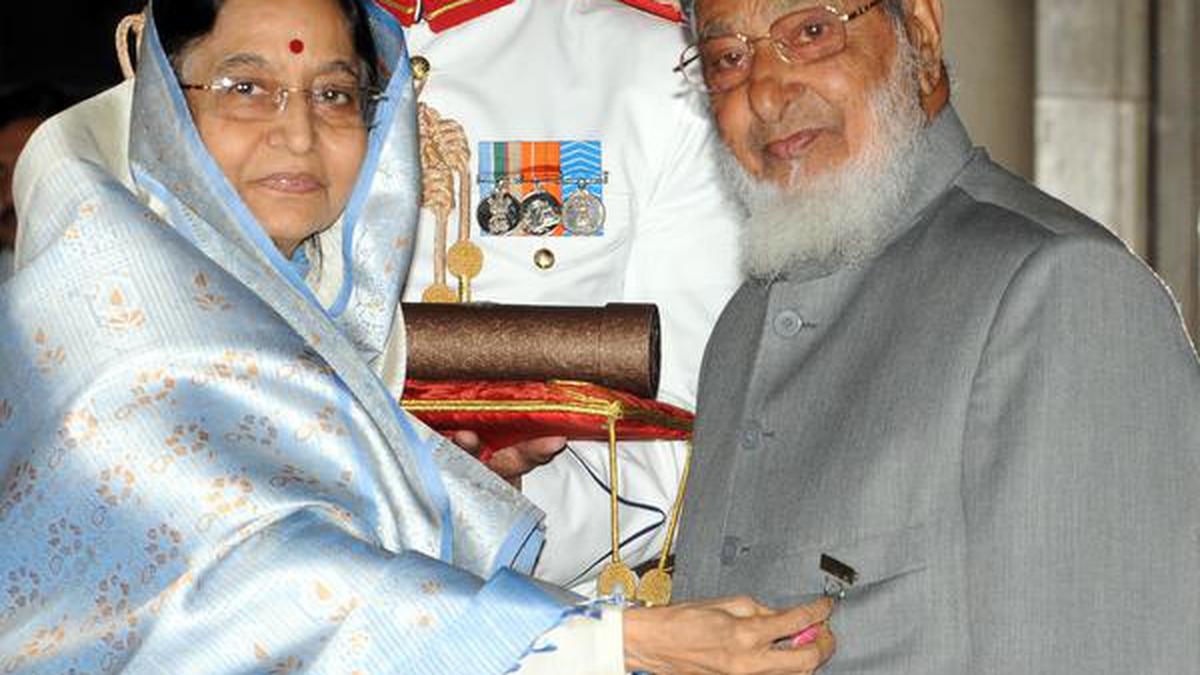
Former President Pratibha Patil presenting the Padma Bhushan Award to gujjar leader Mian Bashir Ahmed, during the presentation of Padma Awards at Rashtrapati Bhavan in New Delhi on May 10, 2008
A former minister in Sheikh Mohammad Abdullah’s cabinet, he was honoured with the Padma Bhushan for his extraordinary service for the Gujjar-Bakarwal community and other downtrodden groups.
Veteran Gujjar leader and Padma Bhushan awardee Mian Bashir Ahmed, a resident of Ganderbal district of Jammu and Kashmir, passed away on Saturday night after a prolonged illness. He was 98.
Ahmed, a resident of village Wangat in Kangan area of the central Kashmir district, breathed his last at about 10 pm, family sources said.
His Nimaz-e-Jinazah (funeral prayers) will be performed on Sunday at Mizar Shrief Baba ji Sahib Larvi located at Baba Nagari Wangat, they said.
Ahmed was the son of top Gujjar leader and saint Mian Nizam Din Larvi and father of former Minister and National Conference (NC) leader Mian Altaf Ahmad.
Born in November 1923, Mian Bashir Ahmed was a minister in Sheikh Mohammad Abdullah’s cabinet. Later, he left politics and started working for Islamic Sufi tradition and to help downtrodden people.
In 2008, he was honoured with the Padma Bhushan award for his extraordinary service for the Gujjar-Bakarwal community and other downtrodden groups.
Condolences to his family poured in from various quarters.
“Just heard about the sad demise of Mian Bashir Sahib, a spiritual leader & a mass leader revered by many especially in the Gujjar community. His demise will be deeply felt by many of us. My condolences to my colleague Mian Altaf Sb & his family,” NC vice president Omar Abdullah said in a tweet.
His party said Ahmed’s death has felt a void that cannot be filled.
“Grieved over the passing of Mian Bashir Ahmad Laaravi, a renowned spiritual leader & political figure. His death has felt a void that can’t be filled. Our condolences go out to Mian Altaf Laaravi, the entire family & Bashir Sb’s admirers. May Allah grant him a place in Jannat,” the NC wrote on Twitter.
Jammu and Kashmir Pradesh Congress committee (JKPCC) expressed profound grief over his passing, describing it as a great loss to the UT.
In his condolence message, JKPCC president Ghulam Ahmad Mir expressed deep sorrow over the passing of the eminent religious scholar, socio-political figure, saying Ahmed was known for his spirituality and social work he rendered to the people of Jammu and Kashmir.
“Saddened to learn about the passing away of Mian Bashir Saheb. I have no words to express my grief,” Mir said.
He expressed deepest condolences to Mian Altaf and other members of the bereaved family and Ahmed’s followers.
Praying for the eternal peace to the departed soul, the JKPCC president said, adding that Ahmed’s guidance and teachings shall continue to inspire generations.
Jammu and Kashmir Peoples Conference chairman Sajad Lone described Ahmed as an inspirational leader.
“Deepest and heartfelt condolences to the family of Mian Bashir Sahab. An inspirational leader, defined by simplicity who had a humbling effect on people he interacted with. May his soul rest in peace,” Lone said.
source: http://www.thehindu.com / The Hindu / Home> News> India> Other States / by PTI / August 15th, 2021
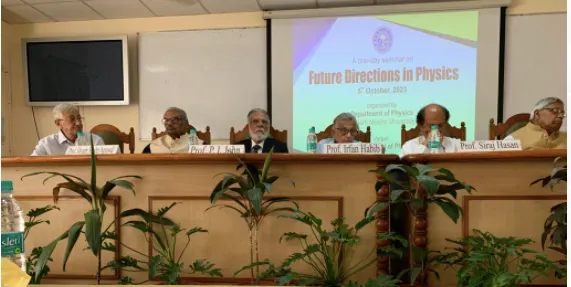
We celebrated the 100th birth anniversary of Prof Rais Ahmed, the former head of the Physics Department, Aligarh Muslim University and the person to whom I owe a great deal for starting me off on my career path in plasma physics research.
A one-day memorial cum seminar on Future directions in Physics was held at the University on 5th October 2023 Venue. Prof. Irfan Habib, Prof. of History, AMU, Prof. Siraj Hasan (Former Director, Indian Institute of Astrophysics), Prof. Naresh Dadhich (Former Director, IUCAA), Prof. S. K. Singh (Former VC, HNBU), Prof. Wasi Haider and Prof. Shyam Sunder Agrawal (Director General, KIIT Group of Institutions) spoke on the occasion. I spoke about my association with him and the future of Plasma Physics and Thermonuclear Fusion Research in India.
It was a forenoon in July 1964 when I first met Prof Rais Ahmed, who had become the Head of the Department that very year. I had travelled from Kerala seeking an opportunity to do research. He asked me a few questions on Physics, and I suppose I answered them reasonably well. But then he wanted to know why I wanted to pursue research.
I had rather romantic ideas like research leading to new knowledge and our responsibility to seek pure knowledge etc. It was clear that he did not take me seriously as he went on to say that science is what drives social transformation by changing our perception of our relationship with nature. Another observation was about science leading to technology which improves the quality of life.
Our conversation covered many things. I suppose he was gauging my mind and trying to find what kind of person I was. If it was a test, I passed it as he said that I could join for research. He made sure that I had no preference for Nuclear Physics or Spectroscopy, the areas of ongoing work in the department. He talked to me about Plasma Physics as an emerging field and about the work which was going on in Harwell and Oxford on Thermonuclear Fusion Research.
I did not know about Plasma Physics even at an elementary level. However, I was willing to learn and was asked to talk to Prof. D C Sarkar about the thesis work in more detail. I went through an intense learning programme, primarily reading Physical Review and Review of Scientific Instruments. There was no previous laboratory I could walk into and start work and I had to start from scratch. Looking back, I was taking an enormous risk as I had to build an entire laboratory for me to start the thesis work.
I rigged up a Radiofrequency generator with Japanese power tubes scavenged from the Electrical Engineering Department. Prof Venkateswarlu’s lab was full of microwave equipment, which Rais Sab allowed me to borrow. With all this, I set up an experiment and after a struggle of five years, put together a thesis which got me a degree. Almost immediately he gave me a regular job as a lecturer in the department as some vacancies were due to be filled.
As the Head of the Department, he did much to expand research and teaching in Physics in new areas. As Director of Academic Programmes, he organized the Semester System designed to update courses and provide more rigorous instruction to students. He made an alliance with Uppsala University in Sweden for faculty members to do research there. He arranged for PhD scholars to start teaching postgraduate students.
I recalled my interaction with university life during my eight years there. At first, Aligarh gave me a culture shock. My inability to comprehend Urdu was the first barrier to appreciating the culture. The exalted forms of addressing, and the too formal and exaggerated ‘Tehzeeb’, the gestural ‘adaabs’ strewn around were all alien. The food, though delicious, was completely unfamiliar. But the campus was a dream with beautiful buildings, stately halls, verdant lawns, and lush gardens. The library gave me all the books I wanted to read. The accommodation I got at the Sulaiman Hall was quite adequate. The students from central Travancore preferred this. There was a South Indian mess catering our preferred food. Tea at the Paradise restaurant with friends was fun.
Rais Ahmed had interests ranging from his specialization in Electronics to varied areas of science and education. He published over 100 papers on Electronic Circuit Analysis. Analogue Computers. Speech Recognition and Production, and Creative Teaching of Physics. The work he started in the 1970s on speech perception would eventually become an important branch of artificial intelligence and machine recognition of speech.
I recall a symposium he had organized on higher education, where we were asked to be volunteers to help the organization. The attendees were all academics from Universities and IITs and I was fortunate to listen to many of them. The remarkable skill with which Rais Sab generated consensus on many issues which were debated was an eye-opener for me.
In a department seminar, when his student Moonis Ali spoke on the design of an analogue computer system, some of us, ridiculed the idea calling it a paper machine. Rais Sab defended the presentation vigorously, saying that new ideas were what drove science forward and that they had as much importance in science as building new instruments.
His remarkable organizational skills were brought to bear at the prestigious Annual Meeting on High Energy and Nuclear Physics, sponsored by the Department of Atomic Energy. Prof Roy Daniel from TIFR was the coordinator of the meeting, and his being from Kerala, we used to chat about the preparations for the meeting. The participants included bigwigs like Vikram Sarabhai, Prof M G K Menon and Dr Raja Ramanna. The meeting was hailed as very successful thanks to the planning and preparations led by Rais Saheb.
All of us in the department rejoiced when he was made a member of the Science Advisory Committee to the PM, then Mrs Gandhi. After each meeting, he would call all of us to the lawn near the workshop to convey to us the flavour of the meeting. We had the vicarious pleasure of being informed about the thinking in the places of power.
He would call me occasionally to his office to find out how I was doing. In one of these meetings, he advised me to read journals other than those dedicated to pure physics. He cited the Bulletin of Atomic Scientists as an example.
Rais Sab had an abiding faith in Scientific Socialism and felt strongly about the increasing global dominance of the multinationals and about what he saw as a retreat by India from its independent position both in the Economic and Intellectual fields. He had a strong belief that human capital, in the form of expanding knowledge and scientific spirit, held the key to India’s salvation. For this ideal, he worked tirelessly both as an individual and in administrative capacities.
In the 1950’s he was an energetic organizer of the Association of Scientific Workers of India. Once when I asked him about the ethics of unionizing scientific workers, he defended it by saying that collective bargaining need not be about wages and working conditions only. Professional bodies of scientists had a role in influencing public policy.
After I left Aligarh in 1972 to join the Physical Research Laboratory in Ahmedabad, I had occasional interactions with him. He made me a member of the UGC Committee to visit Marathwada University to make an academic assessment. He funded my proposal to have an orientation programme for university teachers in the emerging field of Plasma Physics.
I had an exciting and eventful life contributing to Plasma Physics in India, right from its inception at the Physical Research Laboratory, during the Plasma Physics Programme and its eventual transformation to the Institute for Plasma Research and when India became a proud partner in the ITER project of building the world’s first Thermonuclear fusion reactor in France. I owe a debt of gratitude to Rais Saheb for initiating me into the research path, which made all this possible.
source: http://www.john-pucadyil.medium.com / Medium.com / Home / by John Pucadyil / October 06th, 2023
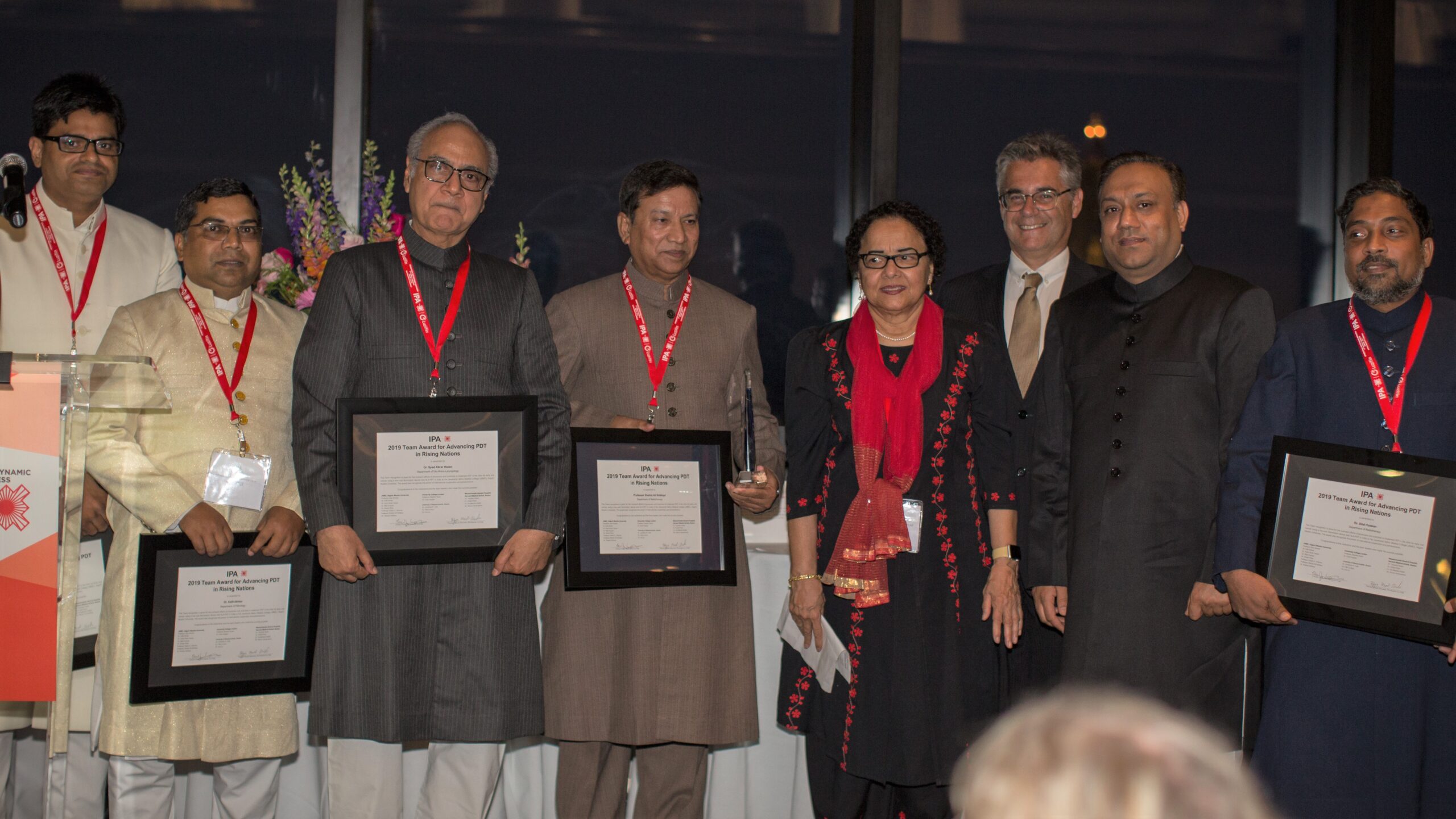
Professors Syed Abrar Hasan (center-left) and Shahid Siddiqui (center) receiving the 2019 Advancing Photodynamic Therapy In Rising Nations Award from Dr. Lothar Lilge (left), IPA Past-President, Dr. Tayyaba Hassan (center-right), and IPA President, Dr. Luis Arnaut (right).
Boston, USA :
At the 17th International Photodynamic Association World Congress in Boston, Massachusetts, Professors Shahid Siddiqui and Syed Abrar Hasan, leading an Indian and international team of PDT clinicians and researchers, were honoured as the 2019 recipients of the IPA award for Advancing Photodynamic Therapy (PDT) in Rising Nations.
The IPA recognizes the joint and considerable efforts of the team over the past three years to establish photodynamic therapy sustainably in the large and growing Indian market. The ‘PDT in India’ initiative is the direct result of the personal efforts, resources and perseverance of Indian Professor Shahid Siddiqui and Professor Syed Abrar Hasan to address the large unmet medical need relating to oral cancer in India. Oral cancer has a high death rate in India, as many people are undiagnosed and do not have access to adequate treatments or healthcare facilities. The Indian contingent of the team include the following clinicians from Jawaharlal Nehru Medical College, Aligarh Muslim University:
Professor Ibne Ahmad
Dr. Kafil Akhtar
Dr. Syed Abrar Hasan
Dr. Bilal Hussain
Dr. Shakir Khan
Professor Satish C. Sharma
Professor Shahid Ali Siddiqui
Dr. Shaista Siddiqui
pix02
From left to right: Dr. Shakir Khan, Dr. Kafil Akhtar, Professor Syed Abrar Hasan, Professor Shahid Siddiqui, Dr. Tayyaba Hassan (IPA Past-President), Dr. Luis Arnaut (IPA President), Dr. Amjad Khan, Dr. Bilal Hussain.
Supporting the Indian clinicians on the team with international PDT expertise are representatives from the University College London, the University of Massachusetts, the Wellman Center for Photomedicine, Massachusetts General Hospital and Harvard Medical School. The international contingent of the team includes the following PDT researchers and clinicians:
Dr. Colin Hopper, University College London
Professor Stephen Bown, University College London
Dr. Jonathan P. Celli, University of Massachusetts, Boston
Dr. Filip Cuckov, University of Massachusetts, Boston
Dr. Hui Liu, University of Massachusetts, Boston
Dr. Tayyaba Hasan, Massachusetts General Hospital, Harvard Medical School, Boston
Dr. Amjad Khan, Massachusetts General Hospital, Harvard Medical School, Boston
Dr. Srivalleesha Mallid, Massachusetts General Hospital, Harvard Medical School, Boston
Mr. Marvin Xavierselvan, Massachusetts General Hospital, Harvard Medical School, Boston
As a result of this international team effort spanning three years, a robust infrastructure for photodynamic treatment has been built and is being maintained at the Jawaharlal Nehru Medical College, Aligarh University, India. Along with the development of PDT infrastructure, PDT equipment/supplier access, and extensive clinician training, patient recruitment processes have been successfully established leading to the ability to better meet the large unmet medical needs in the region. Patients treated to date with PDT have experienced excellent outcomes facilitating accelerating patient acceptance and recruitment rates.
IPA World Congress
The Boston World Congress was the 17th conference held by the International Photodynamic Association, marking 34 years of this global meeting. The IPA World Congresses, held every two years, are the leading PDT meetings bringing together members of the global photodynamic community to advance scientific and clinical research relating to photodiagnosis and photodynamic therapies. The Boston World Congress was led by Congress Chair and IPA President Dr. Tayyaba Hasan, Professor of Dermatology at the Wellman Center for Photomedicine, Harvard Medical School (HMS) and a Professor of Health Sciences and Technology (Harvard-MIT) and had record attendance with representatives from 33 countries. The 2021 IPA World Congress will be hosted in Moscow, Russia and the 2023 IPA World Congress will be held in Shanghai, China.
About Photodynamic Therapy
Photodynamic Therapy (PDT) is a combination therapy involving light activated photosensitizers to diagnose and treat various types and stages of cancers and pre-cancers, macular degeneration and multidrug-resistant infections involving bacteria, viruses and fungi. First developed in the 1980s, PDT has demonstrated superior patient outcomes with considerable cost savings. Over the past 30 years, millions of patients globally have been successfully treated with PDT.
About the International Photodynamic Association
The International Photodynamic Association (IPA) was founded in 1986 to support and endorse the scientific advancement and clinical development of photodynamic therapy and photodiagnosis. With members and associates from over 30 countries, the IPA represents a truly global community consisting of prominent international scientists, clinicians and translational researchers, healthcare professionals and students across academic, hospital, government and private sector organizations. The IPA promotes the study of diagnosis and treatment using light-activated photosensitizers and disseminates scientific information to its members, the research community, and to the community at large. The IPA organizes a biennial World Congress around the world, providing members and non-members a unique opportunity to share and learn more about global developments relating specifically to photodynamic therapy and photodiagnosis.
For further information: ipasecretary@internationalphotodynamic.com
source: http://www.globenewswire.com / GlobeNewsWire / Home / by IPA – International Photodynamic Association / July 11th, 2019
Dariyabad (Barabanki), UTTAR PRADESH / NEW DELHI :
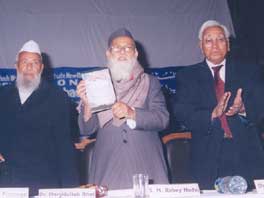
Maulana Rabey Nadwi releasing a book on Daryabadi; to his right stands Maulana Anzar Shah Kashmiri and to his left is Haryana governor, Akhlaqur Rahman Qidwai
New Delhi:
Delhi’s Shah Waliullah Institute and National Council for the Promotion of Urdu Language (NCPUL) jointly organised a national seminar on the life and services of Maulana Abdul Majid Daryabadi, a famous writer and mufassir of the Qur’an, on 15 January at Rajinder Bhawan, New Delhi.
Haryana governor, Dr Akhlaqur Rahman Qidwai presided over the seminar. Prominent among those who attended were Maulana Syed Rabey Hasani Nadwi, Maulana Anzar Shah Kashmiri, Maulana Wali Rahmani, Dr Hamidullah Bhat and Mohsina Qidwai.
Maulana Nadwi in his speech said that Maulana Daryabadi was a philosopher, researcher, man of letters, critic, and a man of high moral values who worked for the betterment of the nation. Maulana Daryabadi was the editor of Sidq-e Jadeed. India has been the cradle of different cultures and civilisations. We should move forward on the principles laid down by Maulana Abdul Majid, that is unity in diversity, which has been an important feature of our country. Maulana Daryabadi rendered unmatched services to the country, community and religion and we should benefit from his views and lofty ideals, he added.
Dr Akhlaqur Rahman Qidwai praised the services of Shah Waliullah Institute. He said that Maulana Daryabadi’s philosophy was relevant even today. He hoped that both the country and the community would continue to benefited from his views and writings.
The participants presented 17 scholarly papers on different aspects of the life and services of Maulana Daryabadi. Maulana Mohammad Wali Rahmani, Khwaja Hasan Sani Nizami, Dr Hashim Qidwai, Prof. Yaqubur Rahman and Prof. Siddiqur Rahman Qidwai presented papers among others.
Dr Hashim Qidwai, Mohsina Qidwai and Habiba Qidwai talked about their close relationship and shared moments with Maulana Daryabadi and narrated some incidents of his great life.
Dr Hamidullah Bhatt and Khawaja Hasan Sani Nizami assured their cooperation to the Shah Waliullah Institute in any project undertaken on Maulana Daryabadi.
Scholars who presented papers felt that though they had covered many aspects of Maulana Daryabadi’s life, yet there were many other aspects of his life that needed to be studied.
Two books, one written by Maulana Ataur Rahman Qasmi in Urdu, Imam Shah Waliullah and his Philosophy and Ideology and the other, Muslim Personal Law and Uniform Civil Code authored by (late) Maulana Minnatullah Rahmani, were released at the seminar. Shah Waliullah Institute organised an exhibition of books published by it. «
source: http://www.milligazette.com / The Milli Gazette / Home> 1-15th February 2005
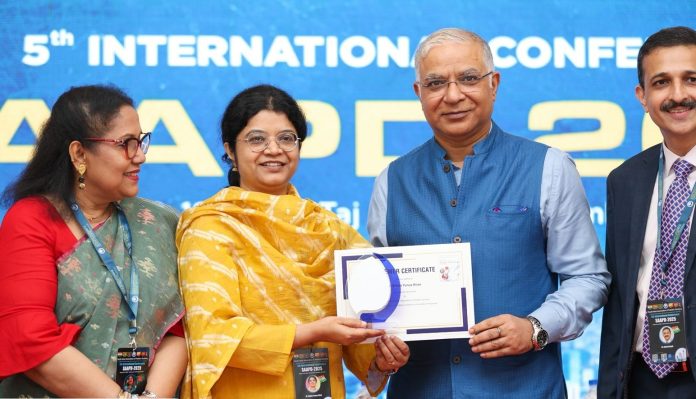
Dr. Saima Yunus Khan receiving the Exemplary Peer Reviewer Award from Indian High Commissioner to Sri Lanka, Mr. Santosh Jha at International Paediatric Dentistry Conference at Siri Lanka
Aligarh:
Dr. Saima Yunus Khan, Professor and Chairperson of the Department of Paediatric and Preventive Dentistry at Dr. Z.A. Dental College, Aligarh Muslim University, has brought laurels to the institution by receiving the Exemplary Peer Reviewer Award for her outstanding research contribution at the 5th International Conference of the South Asian Association of Paediatric Dentistry held at Colombo Sri Lanka.
She was presented the award by the Indian High Commissioner to Sri Lanka, Mr. Santosh Jha, during the conference’s inaugural ceremony. The event, attended by over 250 delegates from more than 10 countries, showcased global advancements in paediatric dentistry.
Prof. Saima also presented her original evidence-based research and chaired a paper presentation session at the conference. She has previously won several national and international accolades, including being the only Indian recipient of the prestigious and highly competitive IADR John Clarkson Fellowship.
source: http://www.radiancenews.com / Radiance News / Home> Pride of the Nation> Awards> Latest News / by Radiance News Bureau / August 13th, 2025