Banu had tied the knot with the late Dilip Kumar on October 11, 1966
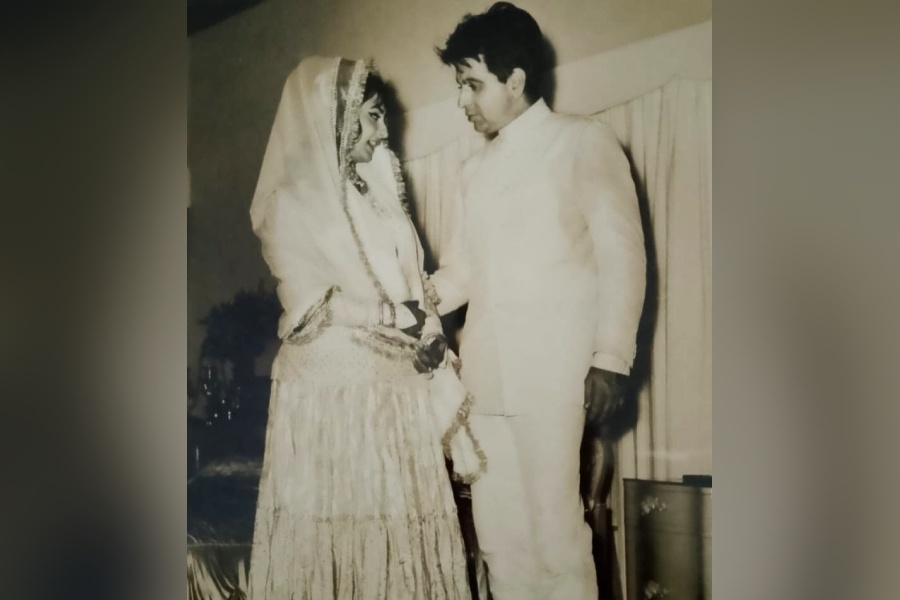
Saira Banu and Dilip Kumar on their wedding day / Instagram
Bollywood veteran Saira Banu’s wedding with the late Dilip Kumar on October 11, 1966, was ‘dreamlike, unscripted and full of delightful chaos’, the actress recalled on her 59th marriage anniversary on Saturday.
In a long note on Instagram, Banu noted that her wedding was not extravagant. Instead, it was marked by ‘simplicity, hurried excitement and heartfelt emotion’. Though Banu and Kumar were to tie the knot in November, Kumar insisted on an early nikkah. The couple tied the knot in an ‘unscripted’ ceremony, nine days after their engagement on October 2 that year.
Banu hardly had any time for preparation. Her bridal ensemble was stitched by a local tailor and she got married without any printed cards or detailed plans.
“The song Do Sitaron Ka Zameen Par Hai Milan Aaj Ki Raat floated through the air like a blessing that wouldn’t fade. It played all night long, echoing the joy in my heart, and I remember thinking that if someone told me I could truly fly that evening, I would have believed them. That’s how unreal, how dreamlike it all felt,” wrote the 81-year-old actress, alongside pictures from the ceremony.
“Nothing about that day was extravagant, yet it was perfect in its simplicity. My wedding joda was lovingly stitched by our local tailor; there were no grand designers, no detailed plans, no printed cards, just hurried excitement and heartfelt emotion. The Nikaah was meant for November, but destiny had other plans. I can still hear Sahib’s gentle but firm voice over the telephone from Calcutta saying, “Aap ek Maulvi ko bulaiye aur Nikaah karwa dijiye!” And just like that, the most important day of my life unfolded before I could even blink,” she continued.
Reflecting on her wedding day and the crowd of Kumar’s admirers who had gathered outside her house to witness their special day, Banu wrote, “The wedding itself was full of delightful chaos. Sahib and I lived close by, and when his Baraat came down the lane, the Ghodi descended a small slope, the umbrella brushing against his Sehra, a sight so charming that it still makes me smile. In no time, word spread that Dilip Kumar was getting married, and hundreds of admirers found their way into my home. The house was overflowing with laughter, noise, and strangers who felt like family.”
Banu recalled that the sheer number of guests left them short of food. “The crowd was so large that we even ran short of food, people began pocketing tiny souvenirs, a fork here, a spoon there as if they were collecting tokens from a fairytale,” she wrote.
“Oh, what a day that was. Unscripted, imperfect, and yet filled with a kind of joy that words can never truly capture. That night remains etched in my heart a memory that still glows softly, even after all these years,” the actress concluded.
Banu, who made her Bollywood debut opposite Shammi Kapoor in the 1961 film Junglee, starred alongside her husband in films like Gopi (1970), Sagina Mahato (1971) and Jwaar Bhata (1973). Kumar passed away on July 7, 2021, at the age of 98.
source: http://www.telegraphindia.com / The Telegraph Online / Home> Entertainment / by Entertainment Web Desk / October 12th, 2025
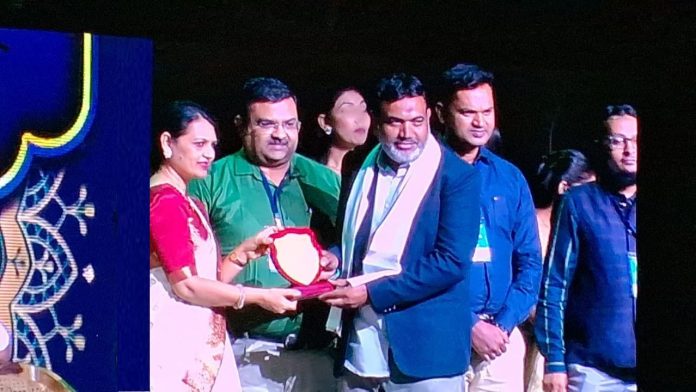
Urdu journalist Zameer Ahmed Khan Jaleel Ahmed Khan has received the Maharashtra Rajya Urdu Sahitya Academy’s Exemplary Journalism Award 2020 for his dedicated contribution to Urdu journalism. He described the award as recognition of all sincere individuals serving society through honest and conscious reporting.
Khan, known for his association with Roznama Inquilab, Munsif TV, and MCN Urdu News, expressed gratitude to his teachers, colleagues, and readers. He said their encouragement and prayers strengthened his resolve to pursue truth and integrity in journalism.
Speaking about his professional journey, Khan said his goal has always been to guide journalism in a positive and dignified direction. He emphasized that journalism should be rooted in honesty and social awareness to enlighten the community with knowledge and justice.
He thanked Allah for the success and prayed for continued sincerity and dedication in serving society through the power of the pen. Khan also urged his peers to maintain faith and commitment to the principles of truth and responsibility in media work.
The award highlights the importance of Urdu journalism in promoting social consciousness and ethical reporting, and serves as inspiration for young journalists to pursue their work with humility and integrity.
source: http://www.radiancenews.com / Radiance News / Home> Pride of the Nation> Awards> Latest News / by Radiance News Bureau / October 10th, 2025
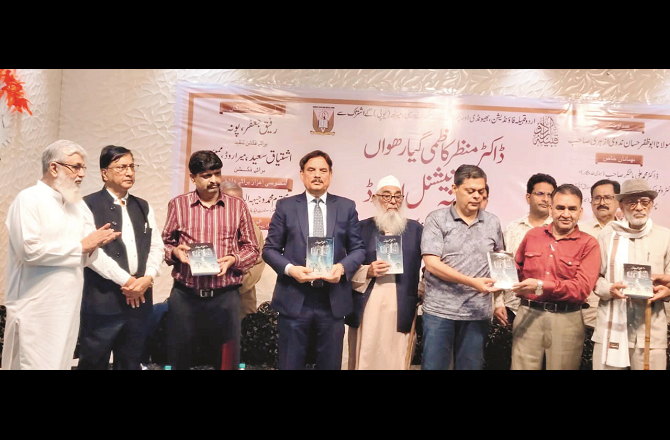
Renowned Urdu author Shama Akhtar Kazmi launched her latest works, “Aitraf Nama” and “Naqosh Pindar”, during the Dr. Manzar Kazmi National Award Function. The event was jointly organized by the Urdu Qabeela Foundation and the Department of Urdu at Chaudhary Charan Singh University.
The books were released by Dr. Vinod Kumar Tripathi (IRS), who served as the chief guest. The ceremony was presided over by Maulana Abu Zafar Hassan Nadvi Azhari and attended by distinguished literary figures including Prof. Aslam Jamshedpuri, Rafi Jafar, Darraj Kamankar, Mohammad Wajihuddin, Fayyaz Ahmed Faizi, Shakeel Rashid, Akhtar Kazmi, and Irfan Arif.
The event celebrated Shama Akhtar Kazmi’s enduring contributions to Urdu literature, highlighting her ability to blend personal reflection with literary insight. Both books were described as a reflection of Kazmi’s literary depth and engagement with Urdu heritage, showcasing her skill in addressing contemporary themes while maintaining classical literary elegance.
Speakers emphasized the importance of initiatives that preserve and promote Urdu literary traditions, noting that events like these strengthen cultural continuity and encourage younger generations to engage with Urdu literature. The launch also served as a platform for scholars and enthusiasts to discuss the evolving role of Urdu writing in modern India.
Through her work, Kazmi has reinforced the relevance of Urdu as a medium for both intellectual discourse and creative expression. The successful launch of “Aitraf Nama” and “Naqosh Pindar” demonstrates the continued vitality of Urdu literary culture and the role of dedicated authors in sustaining its prominence.
source: http://www.radiancenews.com / Radiance News / Home> Latest News / by Radiance News Bureau / October 11th, 2025
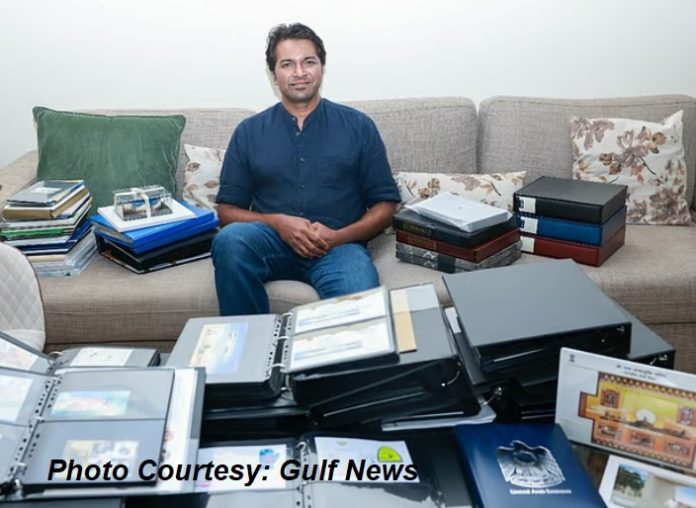
Indian expatriate and philatelist Imtiaz Qureshi has built a one-of-a-kind stamp collection that redefines the boundaries of design and material. With over 10,000 stamps gathered from more than 100 countries, Qureshi’s collection is a living archive of creativity and heritage.
His stamps go far beyond paper. Some are made from wood, silk, lace, metal, or even gold and diamonds. Others engage the senses through scents of coffee or chocolate. Qureshi’s favourites include a Bhutanese stamp embedded with a real seed, a Swiss lace stamp, a UAE stamp crafted with gold foil, and a diamond-studded edition from Dubai marking the UAE’s 50th anniversary.
Qureshi views each stamp as a storyteller capturing moments of history, culture, and technology. He says philately connects him to the evolution of human progress, from early postal systems to modern innovations in design. For him, collecting is not a hobby but a mission to preserve global narratives in miniature form.
He regularly exhibits his collection at cultural events and local forums across the UAE. His aim is to inspire young collectors and revive interest in philately, especially among students who are growing up in the digital era.
Qureshi’s journey reflects the spirit of patience, curiosity, and respect for craftsmanship. His stamps celebrate both cultural diversity and creative innovation, proving that even a small piece of paper—or lace, or gold—can carry the weight of history and imagination.
source: http://www.radiancenews.com / Radiance News / Home> Arts & Culture> Latest News / by Radiance News Bureau / October 10th, 2025
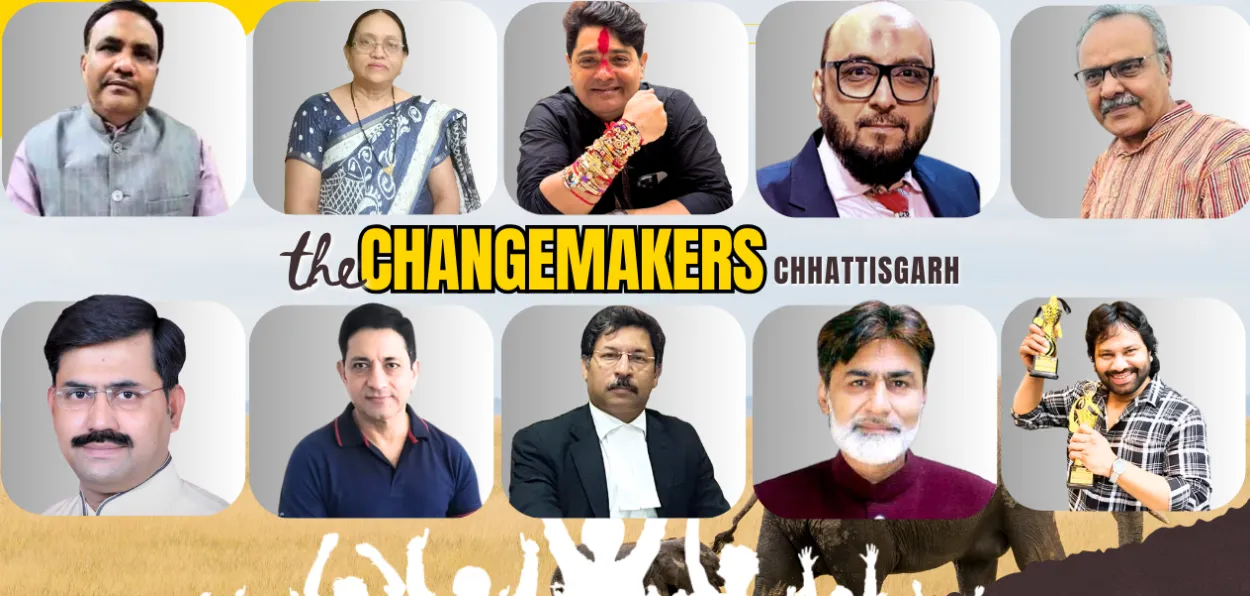
Chhattisgarh, the youngest of Indian states, is a repository of culture and antiquity and also home to spirited people. Some of them have set the trends and become changemakers. Here, we present 10 Changemakers from Chhattisgarh, whose work, grit and initiatives not only set examples for their state but also changed the lives of millions.
These 10 personalities are establishing benchmarks across art, politics, education, science, health and social servicein the state.
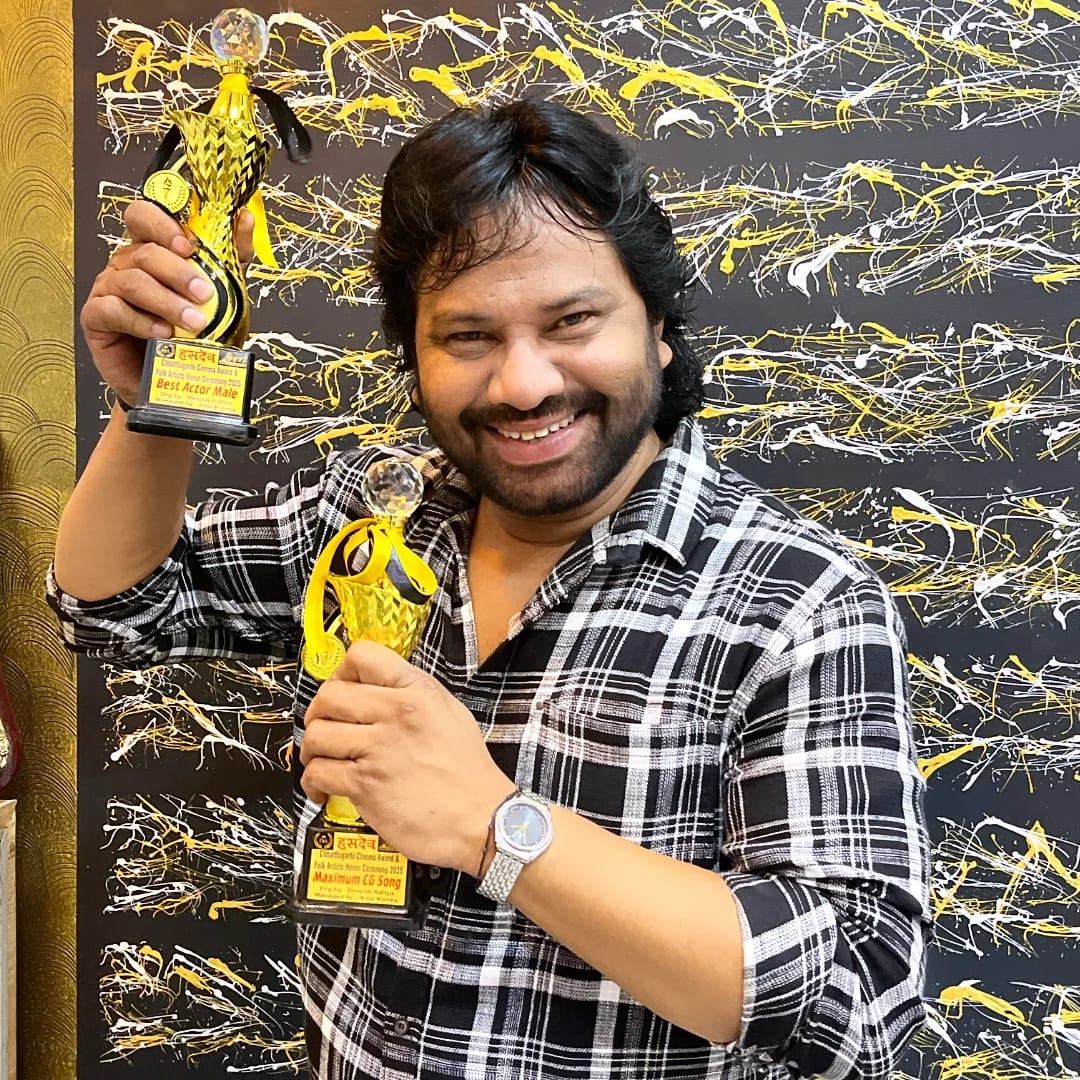
Karan Khan: Superstar of Chhattisgarhi Cinema
Karan Khan is a superstar of the Chhattisgarhi cinema, popularly known as “Chhollywood.” His work extends beyond feature films into music albums, video songs and live cultural events. In recent years, he has appeared in hundreds of Chhattisgarhi songs and albums, many of which have gone viral on YouTube and other platforms, such as the “Ditto Karan Khan Mona Sen” album.
Born Syed Tahir Ali, Karan Khan worked from cinema and music to broaden his reach and fan base. He has been a strong advocate of raising production quality in the regional films. His upcoming filmis being shot on an Arri Alexa—a professional-grade camera rarely seen in Chhattisgarhi productions, which usually face limited budgets and access to high-end technology. Khan strikes a balance between tradition and contemporary presentation to meet the expectations of changing audiences.
Mir Ali Mir: Poetic genius
When you hear the lines “Nanda jahi ka re… kamra au khumari, araitutari…” one name instantly comes to mind: Mir Ali Mir. His real name is Syed Ayyub Ali Mir, but in the world of literature, he is popularlyknown as Mir Ali Mir. Famous for expressing deep thoughts about life in simple words, his ghazals portray love, longing and life’s contradictions, while his Chhattisgarhi compositions are steeped in the fragrance of folk life.
Chhattisgarh has always been fertile ground for literature, art and culture, and Meer Ali Meer carries this legacy forward. His writings strengthen the pride of the Chhattisgarhi language and give voice to the pain, struggles and sensitivities of common people. Born on 15March 1953 in Kawardha, Meer Ali Meer enriched the Chhattisgarhi language and gave it a new identity.He is not only a poet but also an indefatigable promoter of Chhattisgarhi literature, actively working to connect younger generations with the region’s poetry and verse.
Aijaz Dhebar: transforming Raipur
The story of Chhattisgarh’s transformation is incomplete without the mention of Aijaz Dhebar’s name. He is more than just the mayor of Raipur, the capital of Chhattisgarh; he is a symbol of struggle, commitment and secular politics.
Born in a modest Muslim family in Maulana Abdul Rauf Ward of the Old Raipur, Dhebar helped run his household while pursuing his education. “My circumstances didn’t hold me back; they propelled me forward,” he often says. In January 2020, he was elected Mayor of Raipur Municipal Corporation, defeating his opponent, Mrityunjay Dubey. “I never considered myself a representative of just one religion,” he says. Recognising his leadership, he was appointed National Vice-President of the All India Mayors Council—the first mayor from Chhattisgarh to hold this post. His message to youth: “Don’t waste your energy on hatred and negativity. Politics and society today need constructive, innovative young people.”
Dr.Saleem Raj: Restructuring Waqf Board
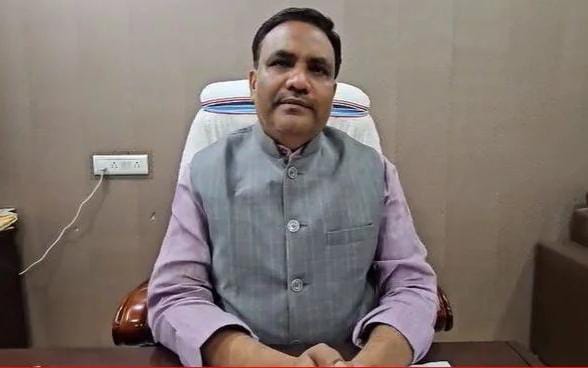
Dr.Saleem Raj stands tall among a few who have played a crucial role in Chhattisgarh’s minority politics and social reform movement. A long-time member of the Bharatiya Janata Party, Raj serves as Chairman of the Chhattisgarh Waqf Board, a position with cabinet rank.
His rise is not just a story of political success but of a man determined to transform religious institutions from centres of controversy into engines of social and national development. “Religious institutions should be partners in the nation’s progress, not centres of disputes,” he often says. Raj joined the BJP in 1992 and steadily rose through the ranks, serving at district, state and national levels in the party’s Minority Morcha. From 2016 to 2020, he chaired the state Minority Morcha, earning a reputation for Muslim outreach and consensus-building.
Tauqeer Raja: Accessible Politician
Tauqeer Raja embodies a rare blend of political activism, entrepreneurship, sportsmanship and cultural pursuit—serving as a model of dedication in Chhattisgarh’s public life. He is widely recognised as the BJP’s state spokesperson, a sharp debater, a successful entrepreneur, a sports and music enthusiast, and a committed social worker.
What sets him apart is his ability to pursue society, politics and business with equal commitment. He focuses on issues likeeducation, healthcare and employment, with special attention to integrating youth into the mainstream. Born on 15 September 1973 into a modest family, Raza displayed leadership qualities from an early age, excelling in studies as well as sports and cultural activities. Today, he is actively involved in all three fields and is known for his approachable nature—equally accessible to the public and party workers.
Dr Shams Parvez: Keeping air clean
Professor Dr Shams Parvez guides students and the public with an approach that blends scientific rigour with social responsibility. An expert in air pollution, environmental health and chemistry, Dr Parvez is one of the few scientists in Chhattisgarh to link academic research with societal needs.
His extensive studies on changing air quality in Raipur and surrounding areas have given policymakers a solid scientific basis for interventions. Defined by simplicity, rigour and dedication to students, he is a key figure in Chhattisgarh’s academic landscape for environmental protection. His research has been published in numerous national and international journals, informing state environmental policies and public health programmes. Collaborations with prestigious institutions such as NASA and the Chinese Academy of Sciences reflect the high quality of his work, through which he has led multimillion-dollar projects.
Dr Abbas Naqvi: Building a Medical Centre with a Human Touch
Dr Abbas Naqvi is a prominent name in Raipur’s healthcare sector. He is not just any other doctor but is known for his unmatched dedication, honesty and an unshakeable spirit of service. Dr Naqvi is among a select few who take their profession not just as a career but as a means to serve society.
In 2004, Dr Naqvi founded Ramkrishna Hospital, which has become one of Chhattisgarh’s leading multi-speciality healthcare centres. He currently serves as Director and Consultant in the Department of Medicine. Patients know him as a sensitive human being. Born and raised in Raipur, he chose to return to his hometown after completing his medical education rather than seek opportunities in larger cities. He treats thousands of patients daily using a blend of modern technology and empathy and compassion.
Mohsin Ali Suhail: Positive Reporting
Amid a changing media landscape, Hajji Dr Mohsin Ali Suhail has preserved the dignity, integrity and responsibility of the profession of journalism. He is one of Chhattisgarh’s most respected journalists, known for fearless, people-centred reporting and an unwavering commitment to truth.
Suhail hopes the next generation of reporters will retain honesty and care for depth in their stories. His advice: “Don’t just chase breaking news. Dig deep into society’s roots. Journalism means bringing change, and change comes only when we show the truth.”
Born on 7 May 1953, Suhail displayed curiosity and social awareness from an early age. He recalls deciding as a child that he would speak up whenever his village faced problems.
Shamsad Begum: Chhattisgarh’s Women Commando
Padma Shri awardee Shamsad Begum is living proof of how a woman’s determination can transform an entire community. With unwavering honesty and a focus on inclusion, she has built one of India’s most inspiring grassroots networks, empowering thousands of women in Chhattisgarh to live safer, more self-reliant lives. She is the driving force behind the women’s commando movement.
Her journey began in the small town of Balod, where she witnessed firsthand the obstacles women faced. “If I ever get the chance, I will work for women’s education and empowerment,” she resolved. Coming from a modest family, she drew inspiration from her mother, Aamna Bee, who balanced work and education to ensure all six of her children studied. Her impact was nationally recognised when she was included in the list of 100 Muslim women honoured for their role in India’s development.
Faisal Rizvi: A Lawyer with an Unyielding Sense of Justice
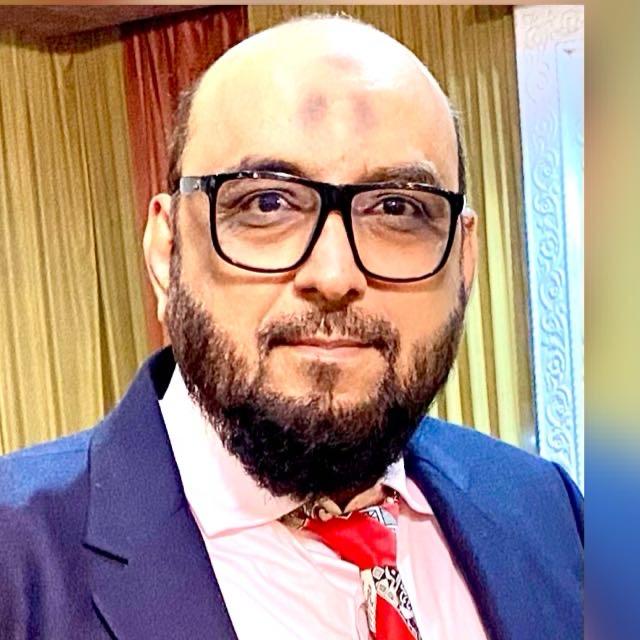
Faisal Rizvi has made his nameas a leading criminal lawyer in Raipur. His arguments, cross-examination skills and strong command of legal intricacies have made him one of Chhattisgarh’s most respected legal figures.
From a young age, Rizvi displayed keen observation and a natural inclination towards law, with a deep interest in social issues and legal awareness. Understanding the importance of nurturing the next generation of lawyers, he has distributed more than10,000 books on the Indian Penal Code and Constitution to law students in memory of his father. Born into a cultured, educated family, Rizvi completed his LL.B. from CLC College, Raipur in 1995 and later earned an LL.M. During his studies, he immersed himself in judicial perspectives, constitutional principles and the workings of society and administration.
source: http://www.awazthevoice.in / Awaz, The Voice / Home> The Changemakers / posted by Aasha Khosa / October 05th, 2025
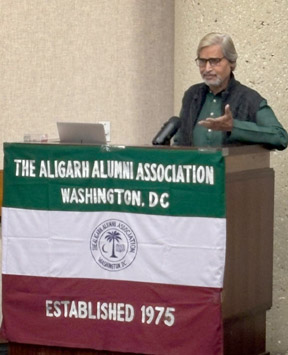
The Metro Washington chapters of the Global Organization of People of Indian Origin (GOPIO-Metro Washington) and the Aligarh Alumni Association (AAA-DC) jointly hosted the 17th Annual Mushaira–Kavi Sammelan on Saturday, September 6, 2025, at the Montgomery County Executive Building Auditorium in Rockville, Maryland.
The program was co-sponsored by several local literary and cultural organizations, including the Association of Indian Muslims (AIM), the Hyderabad Association of the Washington Metro Area (HAWMA), the Montgomery Nawabs (MONA), the Global Beat Foundation (GBF), the Bazm-e-Harf-o-Sukhan (BHS), and RR K Biosciences.
The session was presided over by Dr. Harish Naval, an acclaimed satirist and author of more than 40 books, as well as a recipient of the Yuva Jnanpith Prize.
Origins and Growth
Program Coordinator Dr. Zafar Iqbal welcomed the audience. He recalled the event’s origins in 2008 as a forum to commemorate Yaum-e-Azadi (South Asia’s Independence Day) through poetry in both Urdu and Hindi. Conceived by Drs. Renuka Misra and Zafar Iqbal (GOPIO-Metro Washington) and Dr. A. Abdullah (AAA-DC), the Mushaira–Kavi Sammelan has since become an annual tradition celebrating South Asia’s shared Ganga–Jamuni cultural heritage.
Mr. Vivek Chaudhary, First Secretary at the Embassy of India, Washington, D.C., and Dr. Renuka Misra at the Mushaira- Kavi Sammelan
A milestone was reached in 2011, when the Embassy of India joined GOPIO and AAA-DC to host the first international bilingual poetry recitation—an initiative inspired by Dr. Virandar Paul (my colleague from the All-India Institute of Medical Sciences, New Delhi), then Minister at the Indian Embassy in Washington. This recognition solidified the event as a platform for cultural diplomacy.
This year, Mr. Vivek Chaudhary, First Secretary at the Embassy of India, applauded the organizers for presenting an inspiring and meaningful program.
Literary Contributions
A defining feature of the Mushaira–Kavi Sammelan has been its encouragement of literary talent in the diaspora, often marked by book launches of both emerging and established writers. Over the years, the stage has hosted acclaimed authors and poets such as Prof. Satyapal Anand, Prof. Asghar Wajahat, Dr. A. Abdullah, Dr. K. Mohan, Raj Kumar Qais, Anadi Naik, Dr. Astha Naval, Dhananjaya Kumar, Rashmi Sanan, Farah Kamran, Surinder Deol, Daler Deol Aashna, Salman Akhtar, and Prof. Gopichand Narang.
The 2025 session featured an impressive lineup of poets, including A. Abdullah, Astha Naval, Harish Naval, Madhu Maheshwari, Mohammed Akbar, Mohammed Jaweed, Narendra Tandon, Nisha Narayan, Preethi Govindaraj, Razi Raziuddin, Rizwan Ali, Sarwat Parvez, Sarwat Zehra, Shamsa Najam, Sneh Sudha, Sukesh Chopra, Tabassum, Uday Kamath, Vinita Tiwari, Vishakha Thaker, and Yusuf Rahat.
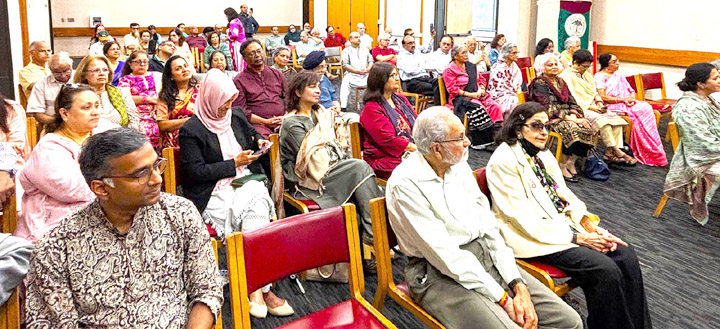
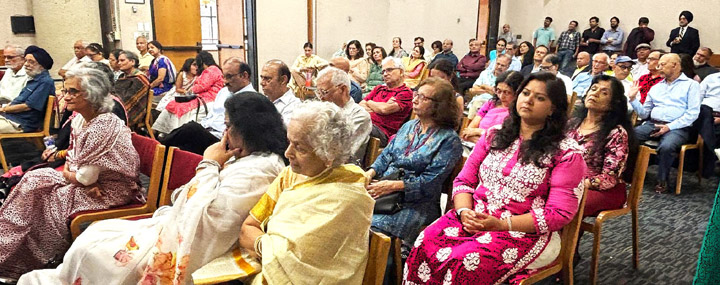
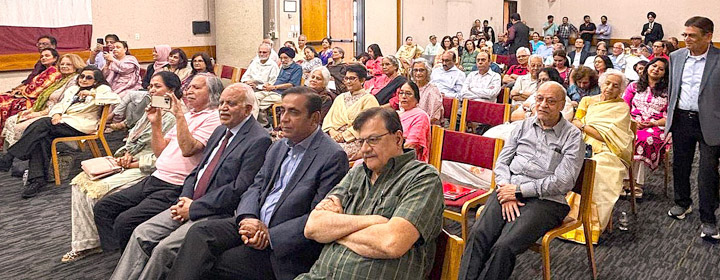
A view of the audience
Highlights of 2025 Program
The session was presided over by Dr. Harish Naval, an acclaimed satirist and author of more than 40 books, as well as a recipient of the Yuva Jnanpith Prize. He enriched the proceedings with his literary observations.
The program was conducted with elegance by Mohammed Akbar, who also introduced poets with verses of his own.
Dr. Mohammad Haziq served as master of ceremonies, and Dr. Salman Rashid delivered the vote of thanks.
The gathering also paid warm tributes to late senior poets of the Washington area—Professor Satyapal Anand, Aziz Qureshi, and Rakesh Khandelwal—as well as to eminent Urdu scholars Professor C.M. Naim (University of Chicago) and Professor Tahsin Siddiqi (University of Michigan, Ann Arbor).
Guests and Partners
Special guests included representatives of partner organizations and the Embassy of India. Recognized for their continued support were Ms. Ariena Rashid (AAA-DC), Dr. Renuka Misra (GOPIO), Mr. Kaleem Kawaja (AIM), Mr. Mir Zahid Ali (HAWMA), Dr. Mohammad Akbar (MONA), Ms. Nuzaira Azam (GBF), Dr. Arif Mahmood (BHS), and Dr. Qazi Hamid (R K Biosciences).
Another view of the audience (Photos : Courtesy Aslam Azad and Mohammad Haziq)
Cultural Impact
By bringing together poets from both Urdu and Hindi traditions, the Mushaira–Kavi Sammelan bridges linguistic divides and highlights the deep interconnections between vocabulary, idiom, and poetic form. Over the years, it has drawn audiences ranging from students and families to immigrants, longtime residents, and diplomats, fostering interfaith understanding and intergenerational bonds within the diaspora. Its continuity and inclusiveness ensure that South Asia’s literary heritage remains vibrant in the Washington, DC area.
The author gratefully acknowledges Mr. Aslam Azad and Mr. Mohammad Haziq for providing photographs.
source: http://www.theindianpanorama.news / The Indian Panorama / Home> United States / by Dr Zafar Iqbal / September 25th, 2025
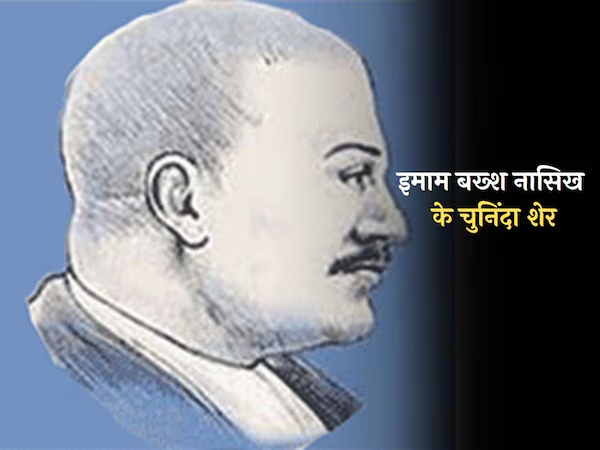
Imam Bakhsh Nasikh was a poet of the Mughal period. He played a significant role in the development of Urdu poetry and couplets.
Imam Bakhsh Nasikh Hindi Shayari:
Imam Bakhsh Nasikh was an Urdu poet of the Mughal Empire. He was born on April 10, 1772, in Faizabad, Uttar Pradesh.
He is considered the founder of the Lucknow school of poetry. Nasikh’s father died. He was adopted by Khudabakhsh, a wealthy merchant. He received a good education. Later, he also became the heir to Khudabakhsh’s estate. Nasikh rejected the offer of the Nawab of Awadh. After this, he was forced to leave Lucknow. After a few days, he returned to Lucknow. He died in Lucknow on August 16, 1839.
He never forgets me from his heart,
I have seen him forget in a hundred ways.
What can be achieved by any means, man is helpless due to fate
You always kept delaying your arrival,
I kept leaving and you kept coming with all your heart.
He never forgets me wherever I go,
oh what should I do, where should I go
I cannot show my face to you out of shame,
that is why my back is towards the sun.
Let others’ work continue and we fail,
what is our work in your government now?
My friend’s sword is killing me,
it is the sword of swords, the speed of speed.
It is foolish to search for anything,
whatever is written on the forehead will have to happen.
Life is the name of the lively,
the dead live on nothing.
I don’t take his name out of jealousy, lest someone hears it,
I remember him in my heart.
No one’s face matches yours,
I roam around the world with your picture.
You imprisoned me in your hair and killed me with your eyebrows,
you did not listen to anything my heart said.
He who says that fate is wrong is himself wrong,
sometimes even the writing of fate may be wrong.
How can I suddenly give up the thought of your hair,
these black snakes have been kept for a long time.
He is visible to me,
I am not visible to him in the dark at night.
Though I don’t meet you, but due to the demands of my heart,
I come to your street a hundred times every day.
Even after death I fear you so much
I have not even raised my eyes to see any houris in heaven.
source: http://www.zeenews.india.com / Zee News / Home> ZeeSalaam> ZeeSalaam News / by Siraj Mahi / July 17th, 2023
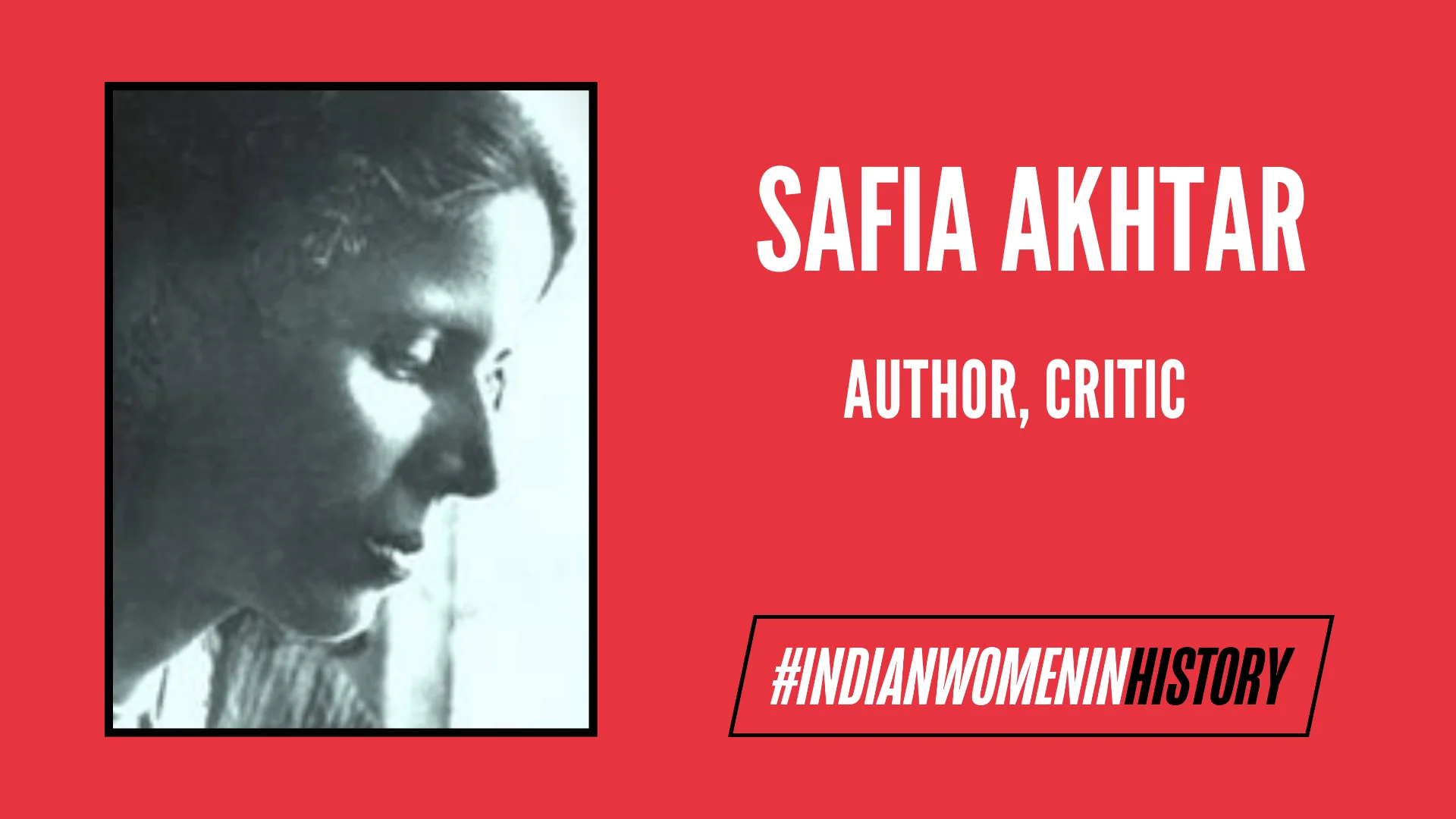
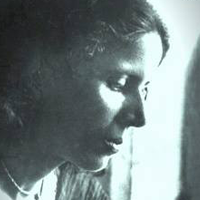
Safia Akhtar was a brilliant writer, poet, author, teacher, critic, and connoisseur of Urdu literature, who remains underrated.
If you know who Safia Akhtar is you would probably know her as Javed and Salman Akhtar’s mother, Jan Nisar Akhtar’s wife, or Asrar-ul-Haq, better known as Majaz Lakhnawi’s sister but Safia was quite the personality herself. She was a brilliant writer, poet, author, teacher, critic, and connoisseur of Urdu literature.
The best of Safia Akhtar’s work includes the letters that she wrote to her husband while they were apart. Her letters which were written over a period of nine years were published after her death by her husband as “Hurf-e-Ashna” and “Zer-e-lab” translating to “familiar words” and “below the lips” respectively. Safia Akhtar also wrote, “Andaz-e-Nazar” (The way to look at it) which is a collection of short essays.
Safia’s sister Hamida Salim was also a talented writer having authored many books like “Hum Saath the”(We were together) which gives an account of the lives of the siblings. Javed Akhtar, her son who lost Safia only when he was eight years old calls his mother a “nayaab aurat” during her time.
She set foot into education and pursued it at a time when women were rarely given the choice or opportunity to do so. Safia Akhtar chose her life partner, she worked and financially supported her family as well as her husband who was in another state, looking for work. To top it all off, she also took care of her two sons.
Safia Siraj-ul-Haq was born in Rudauli, Uttar Pradesh. Safia was an educated Muslim woman, one of the first of her time, in the 1940s. As Javed Akhtar recalls, his Nana (maternal grandfather) mentioned to him that someone once visiting couldn’t locate their house and asked for directions to the house of the girl who graduated and was easily guided to Safia Akhtar’s place.
Safia’s primary education took place at home where her father, Chowdhary Seraj-ul-Haq, taught her English, Urdu, and Farsi. Her brother, Majaz, assisted her with mathematics and she was tutored in the Quran by a female teacher. Owing to her father’s transfer, who was a law graduate, a door opened for Safia Akhtar and her siblings for further education. She was admitted to Karamat Hussain Muslim Girls college in the fourth grade. However, soon after, her father was transferred again from Agra, where Safia was studying living at a hostel, to Aligarh.
Safia Akhtar then started studying at Abdullah College and excelled in her academics. After completing high school, she had to wait a year for the B.A. classes to start in the girls’ college. Safia stayed in a hostel during her B.A. and after completing it, worked as a supervisor of a training program with her teachers as they were amazed by Safia’s caliber. After completing her undergraduate course, she studied further and got a Master’s degree in education from Aligarh Muslim University.
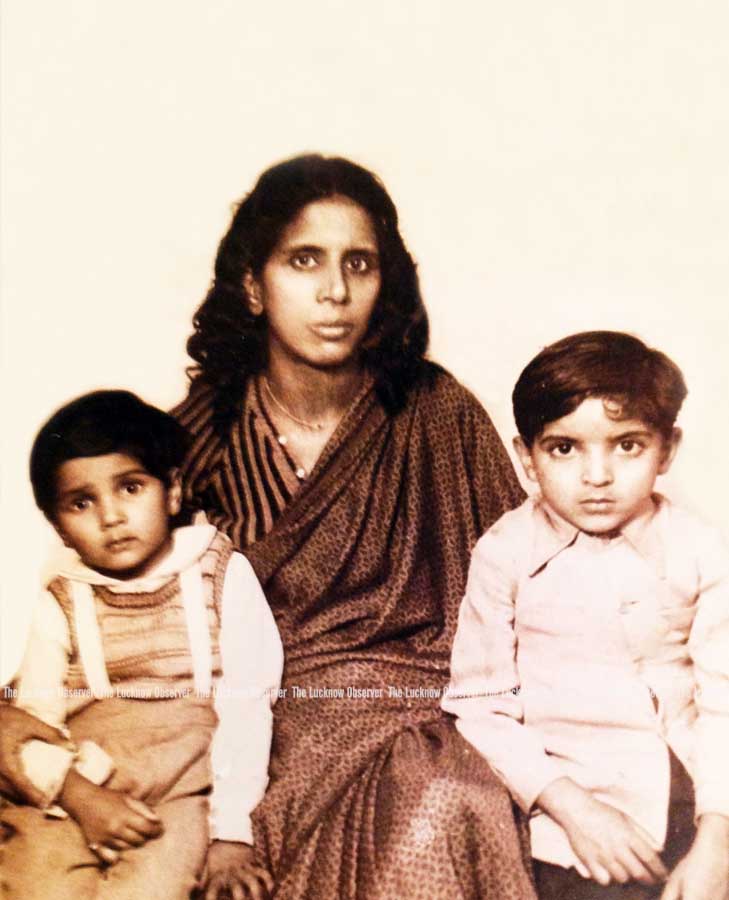
Safia grew up imbibing a progressive ideology. She set foot into education and pursued it at a time when women were rarely given the choice or opportunity to do so. Safia Akhtar chose her life partner, she worked and financially supported her family as well as her husband who was in another state, looking for work. To top it all off, she also took care of her two sons. Safia’s brother and husband were also part of the progressive writers’ movement at the time.
pix: lucknowobserver.com
Safia and Jan Nisar Akhtar
Jan Nisar Akhtar, the famous poet and Bollywood lyricist was a friend of Safia Akhtar’s brother Majaz and also the cousin of Salma, her roommate while she was staying in the hostel in Aligarh. Salma recounts Jan Nisar coming to the girls’ college randomly to meet Safia and introducing himself as a friend of her brother’s. Safia fell in love at first sight. However, the love seemed to be one-sided as Jan Nisar did not get in touch with her for quite a while and this disheartened Safia.
After some time passed, Jan Nisar wrote to Safia about his work, interests and disinterests, and himself. Soon after, Safia’s family received a marriage proposal from Jan Nisar’s side. As the culture still prevails, the girl’s family did a background check on Jan Nisar and his family. Salma, his cousin, testified for Jan Nisar’s family (even though she wasn’t too well informed about them) that they had a legacy of poets; his father Muztar Khairabadi was a well-known shayar of the time.
The letters give a glimpse of Safia’s immense love and optimism toward Jan Nisar. They also give an insight into episodes of her life events including her job, their two children Javed and Salman, her life at home, and towards the end, her suffering. These letters stand proof of what a literary genius Safia Akhtar was
Jan Nisar himself was well accomplished and was an Urdu literature lecturer in Gwalior. With no time wasted, Safia Akhtar’s parents sent their acceptance as they did not find any flaws as such in Jan Nisar. But to their disappointment, the Akhtars did not respond for a considerable amount of time.
This silence motivated Safia to take a rather valiant step. She poured her heart out to Jan Nisar in a letter and also enquired about the holdback from their side. Jan Nisar reverted with a confession about his feeling for another woman, his older, widowed relative who helped him during a rough patch after his first relationship came to an end. Safia appreciated Jan Nisar’s honesty. The proposal was re-established and the nikkah followed soon after, although there were some odd happenings during the time.
source: youtube.com / Letters Of Love & Loss | Jaan Nisar Akhtar Aur Safia Ke Khat | Rekhta Studio
In 1949, Jan Nisar switched cities from Bhopal to Bombay in the pursuit of becoming a lyricist in Bollywood. Safia Akhtar chose to stay back and continue with her teaching post at Hamidiya College, thus, supporting her husband money-wise and also rearing their two children. The distance between the two encouraged Safia to write letters to him.
She wrote to him consistently, multiple times a week in some instances. The letters give a glimpse of Safia’s immense love and optimism toward Jan Nisar. They also give an insight into episodes of her life events including her job, their two children Javed and Salman, her life at home, and towards the end, her suffering. These letters stand proof of what a literary genius Safia Akhtar was. Safiya suffered from an unconfirmed terminal illness (it was either blood cancer or skin cancer, not conclusive). Unfortunately, fate had other plans and Safia passed away prematurely in 1953 when she just was in her late 30s.
Without a doubt, Safia’s letters were and to this day are, a gem in Urdu literature. She expresses her feelings so very aesthetically and makes the most mundane of her daily tasks seem something literary and intriguing. About her letters being published, there seems to be a difference of opinion.
On one hand, there is the stance that the letters were something intimate, personal, and not meant to be out for the public. Salma, her roommate, calls it a “Dastan-e-Gham”, the saga of sorrows that she shared with her husband and would not want to be disclosed. While others appreciate the sheer brilliance of her words and feel lucky to have access to them.
source: http://www.feminisminindia.com / Feminism In India (FII) / Home> Culture> Books / by Tuba Chauhan / August 04th, 2022
Ajar Village (Bandipora District), JAMMU & KASHMIR :
Bandipora :
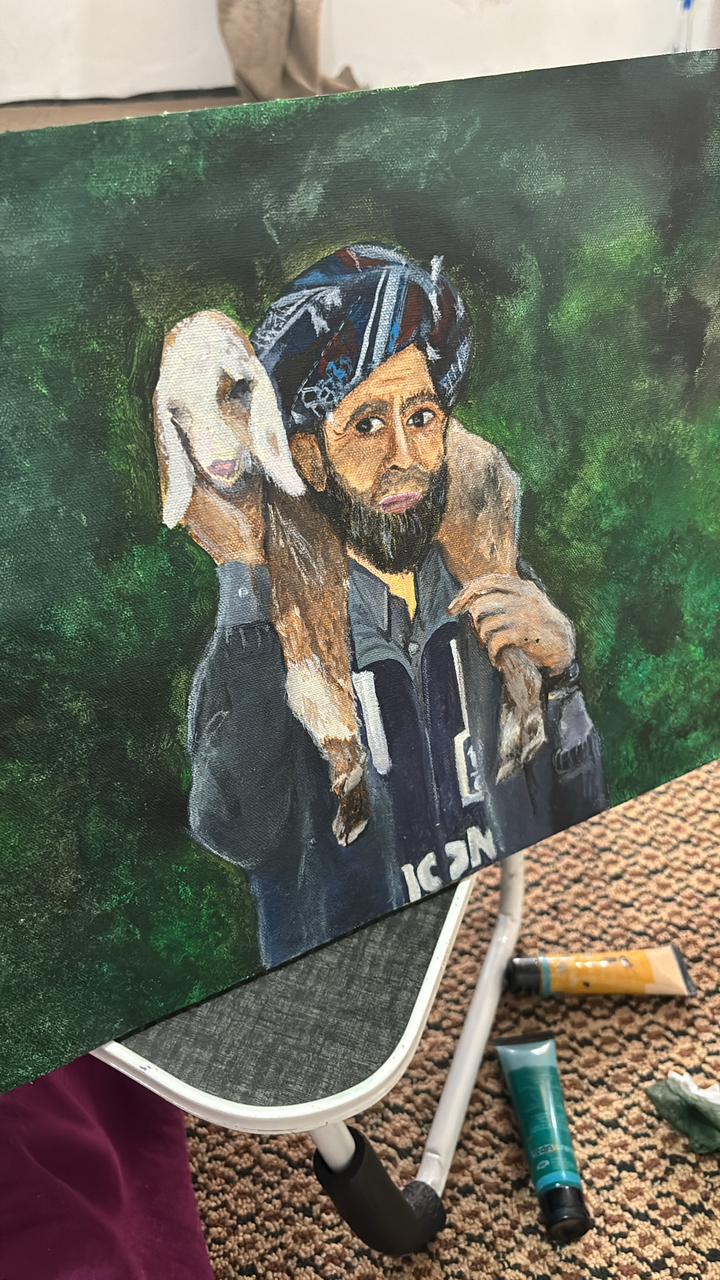
In rural corners of Kashmir, where girls are struggling to support and their success is rarely celebrated, a young girl from Bandipora has let her paintbrush speak louder than words and became an inspiration for many by becoming first Kashmiri women to achieve Gold in Influencer Book of World Records.
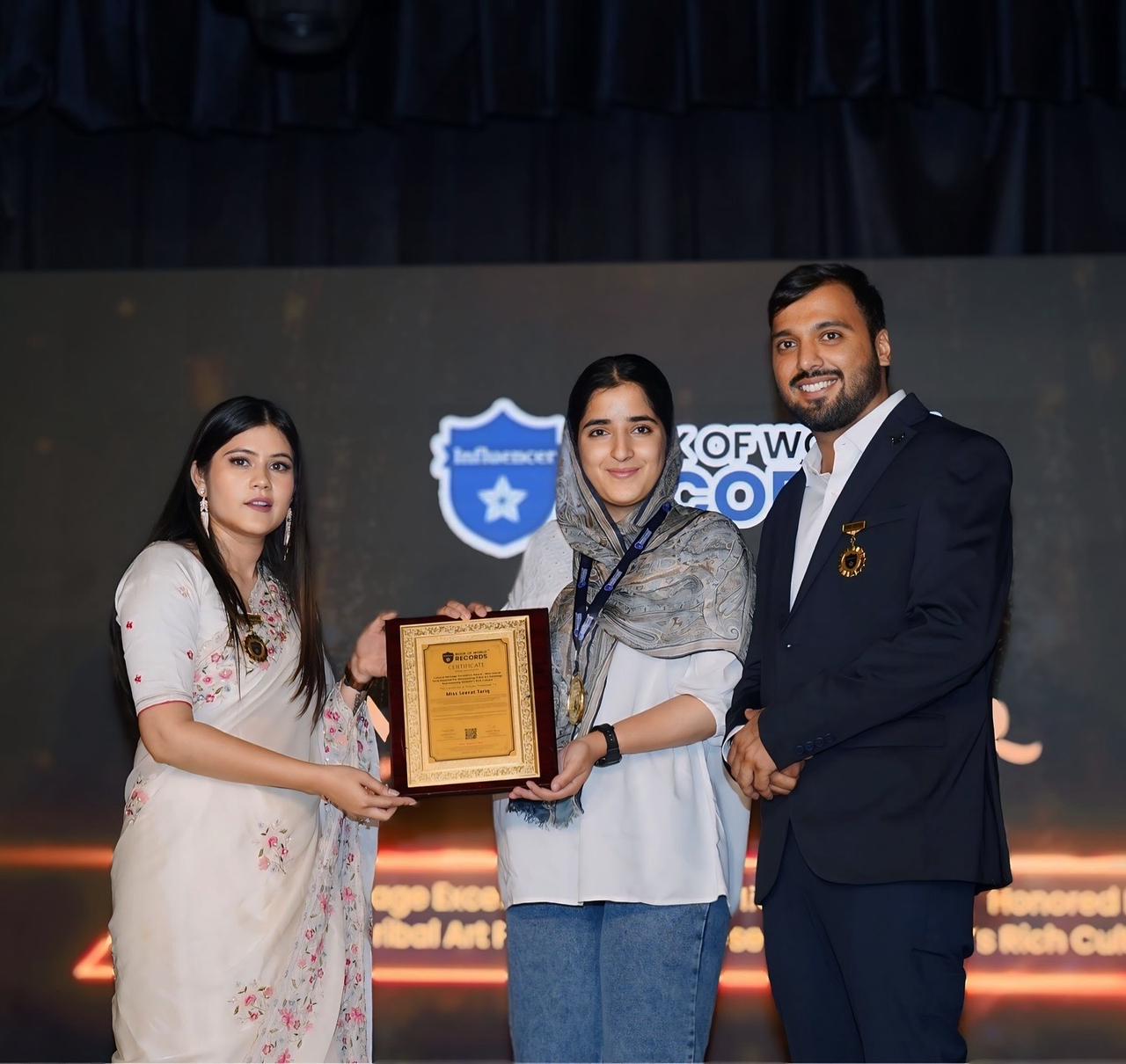
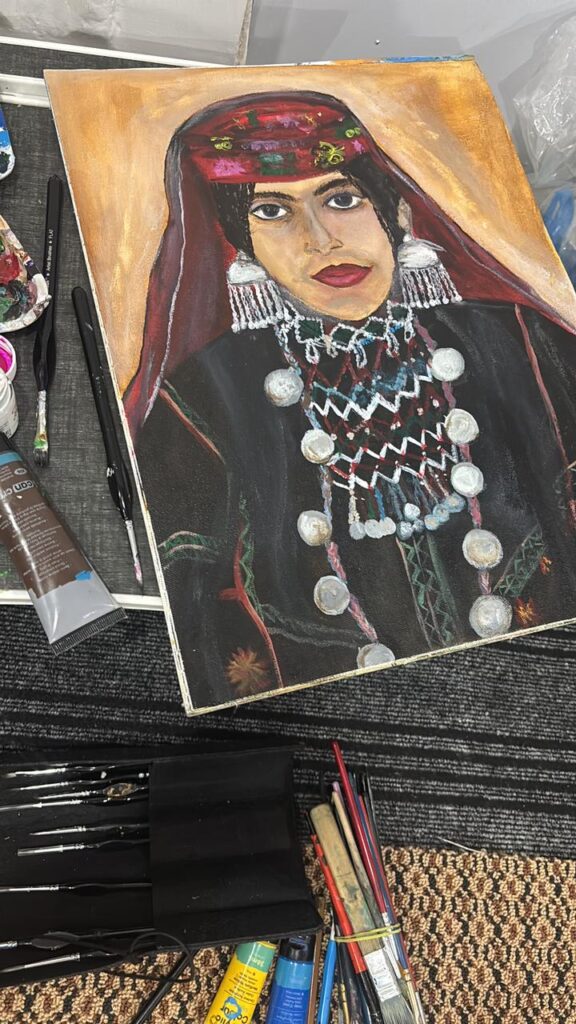
Seerat Tariq, 19-year-old stroked in tradition and imagination, has become the first Kashmiri girl to receive a gold medal and etch her name in the Influencer Book of World Records through her mastery of tribal art painting.
Born in the quiet village of Ajar in North Kashmir’s Bandipora district, Seerat has proved that girls are not less than boys. She has achieved a feat which many boys and girls wish to achieve in their lives.
Speaking with the Kashmir Despatch, Seerat said that she was passionate about drawing and painting since childhood. “When everyone was inside their homes during the Covid-19, I used to utilize my time in painting and create imagery painting which helped me to polish my skills.”
Her recent paintings which highlighted tribal life in Kashmir have helped her to enter her name in the influencer book of records.
She received her award on August 17 in ceremony for International book of influencer records Jaipur Rajasthan.
Her paintings are not only about art, it also highlights crucial issues about climate change, drug addiction among youths and importance of keeping the environment clean.
“Everyone was saying art is not enough to build a future. Fewer people consider this a profession in future, especially if a girl is doing it. Everyone used to demoticate me but my mother stands beside me which gives me hope and helps me to achieve this feat,” Seerat told Kashmir Despatch.
Seerat earlier made a record of making 104 paintings in a single day and entered her name in Asia Book of Records, followed by India Star Passion Award for art and creativity. Each milestone of hard work carried her closer to the global stage.
“Art can communicate more than words, it is the way which attracts the soul. I hope my paintings can bring a social change in our society.”
After achieving this feat, Seerat is preparing for the Genius Book of records and wants to highlight the Kashmiri tradition and beauty on the global stage.
Seerat urges other youths not to involve themselves in evil things. “Identify your hidden talent and use your skill to polish that talent and come on forefront and be the responsible member of the society, serve your society and be a change maker.”
source: http://www.kashmirdespatch.com / Kashmir Despatch / Home> Business / by Seerat Un Nisa / September 01st, 2025
Four Indian Muslim women creatives talk about how they discovered what they love.
Art lets us see ourselves in other people. It opens windows so we don’t get lost in the darkness, and reminds us that we’re never alone.
I believe that every person who thinks creatively is an artist. Whether you’re an entrepreneur or a scientist, you are a creative person if you’re finding new ways to tell stories and experience the world. When we spend time with art, we start to see things differently. When we listen to other people’s stories, we begin to connect to them and also understand more about ourselves.
Today, on the occasion of Muslim Women’s Day, we are presented with a special opportunity to pass the mic and celebrate Muslim women in a world that has historically overlooked them. When I founded the trend report and online community Unapologetically Muslim back in 2017, there was an important cultural shift happening. Donald Trump had issued an immigration ban preventing Muslims from entering the United States, and people were showing vocal support for Muslims, but their identity was also being typecast and commodified. Their stories were being told for them.
In response, I created a platform for Muslim women to tell their own stories. Over the last six years, I have interviewed over 130 women from all over the world and shared their stories on Instagram. I’m not Muslim myself but wanted to find a way to show solidarity. It’s been incredible to speak to women about their creative journeys and their dreams for the future. We have so much to learn from each other.
This year, for Muslim Women’s Day, I interviewed four Indian Muslim women creatives about how they discovered what they love. I hope their words give you some inspiration, and I hope that you take the opportunity to celebrate the Muslim women in your life.
Ruha Shadab, founder of LedBy Foundation
I was born in Saudi Arabia and moved to Noida when I was eight years old. I was a very quiet child but remember speaking about social impact as a six-year-old. At dinner, an uncle asked me what I wished for when I grew up, and I said world peace. He laughed at me, which I thought was amusing because I was being very honest about what I wanted.
I would eventually go on to create the LedBy Foundation, a leadership incubator for Indian Muslim women. I truly believe that the education and employment of women is one of the most pressing issues we’re facing in India. I hope that every Indian gets the opportunities, support and encouragement to achieve their professional dreams. At LedBy, we focus on helping Muslim women with the hope that it will have a positive externality. We’re giving them the support they need to reach top positions in 10-20 years as they climb the corporate ladder.
During our graduation ceremony last year, we invited parents and family members to speak. One father said, ‘This is the first time I’m speaking on a public platform. LedBy is empowering Ayesha and now Ayesha is empowering me.’ It’s beautiful that our work can have an upstream effect towards parents. The impact is not just at the individual level, but at the family level. Change is already coming and I believe that LedBy is expediting it.
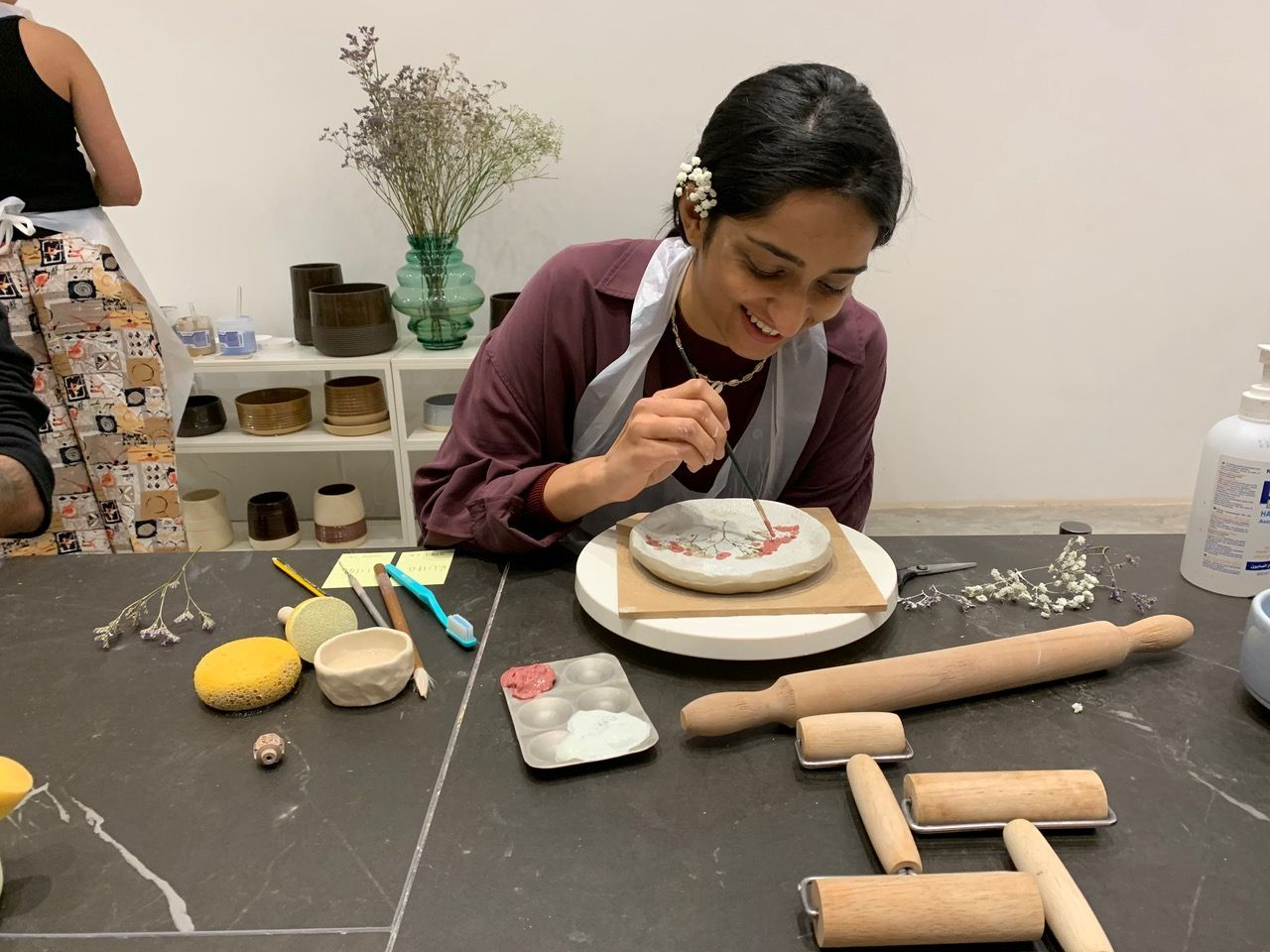
Sana Khan, co-founder of Bombay Closet Cleanse and pole dancer
Growing up in a very conservative family, I was never able to wear what I wanted to. I was pretty shy and underconfident because I wasn’t exposed to a lot. I used to go to tuitions wearing salwar kameez while my friends would wear shorts. I’ve changed outfits in cabs and corners under my building. I had to fight really hard for what I wanted to wear.
After I got married, I became a compulsive shopper and would buy things I didn’t need. I wanted to have everything that I didn’t get to wear as a teenager. I was on this spree of buying, buying, buying. It became my identity.
At some point, I organised a charity garage sale at my home where about 100 people turned up. I received so much love and warmth from this community and we raised INR 15,000 for the Salvation Army. It was really heartwarming to see the response, so my sister Alfiya and I started a thrift store called Bombay Closet Cleanse. At first, it was just about making space in my closet. Then, slowly, I learned a lot and became very passionate about sustainability.
At the same time, I was at a very low point in my life. I saw burlesque dancers perform in Melbourne and was inspired by their confidence and body positivity. I’ve always gravitated towards sensual dance forms because they make me feel powerful in a way that I didn’t as a child. When I came back to Bombay, I signed up for pole classes and started doing therapy. They worked like magic for my confidence.
I have a pole in my house and I only perform for myself. It’s something that I absolutely love doing and it’s helped heal my childhood trauma. I’ve fought for it so hard that now, everyone has accepted it.
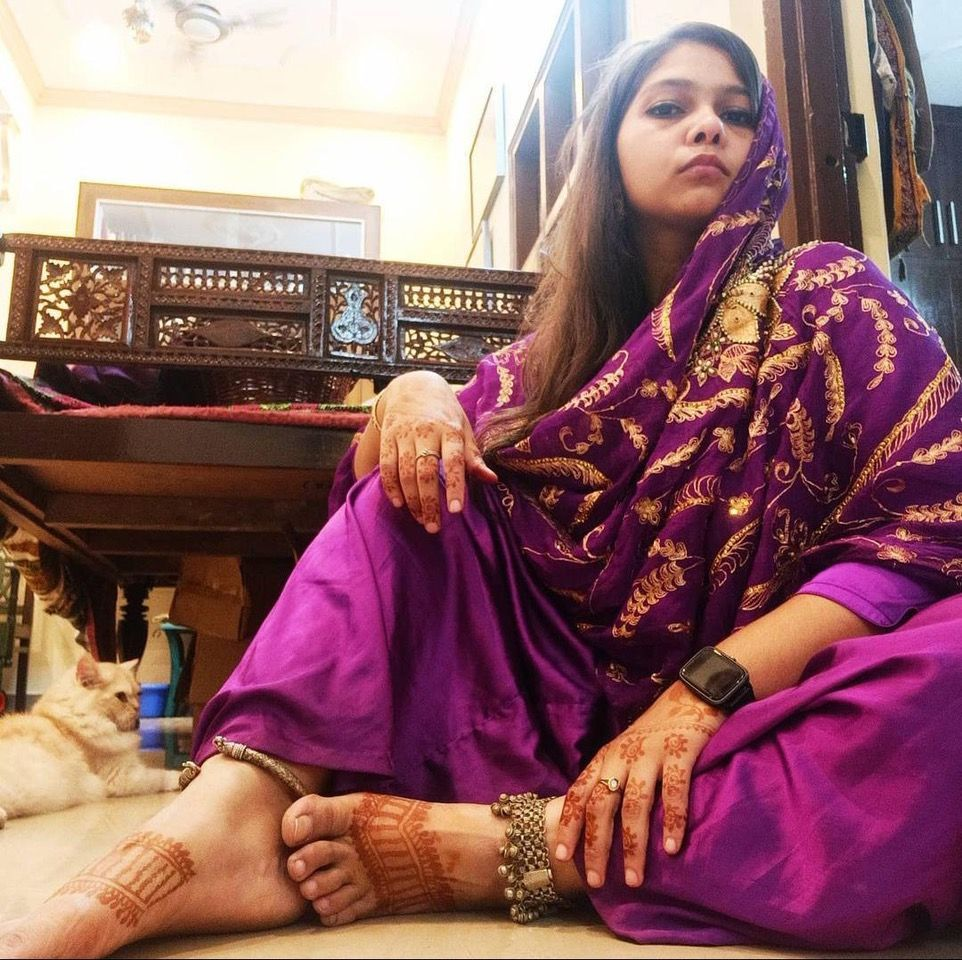
Sabika Abbas Naqvi, poet and activist
I come from a legacy of care and love. I grew up in a mosque compound in Lucknow with lots of love and appreciation. I was the quiet one and loved books. I had a record of finishing a book a day.
I started writing poetry when I was four years old. I would go upstairs and scribble things and I would come back and people would read it. From the balcony of the masjid, older people would ask me to read what I had written. At that time, I would call my poetry gibberish, but that was the beginning.
I’m Shia Muslim so I come from a huge cultural context of mourning and the noha and marsiya poetry that comes out of it. I had no idea what spoken poetry was, but the performance of that poetry really inspired me and became a tool I used to question everything around me. Now, for me, there is no other way to do poetry.
My poems are questions that I wanted to ask everyone around me, and they are also answers to questions that I was asked. It’s an all-inclusive theatre of words. It’s not a piece of literature; it’s an experience, and the performance comes with it. It’s not just the words that have to be said, but the way in which the words have to be said: which word is lightly put forward and which word is put forward with tenderness or anger.
The purpose of this poetry is my lifelong mission. I write poems that are multilingual so that more people can understand them. My poetry must and should be read on the streets in protest and if it is not, then it is a failure of mine. If people can spread hatred on the streets, why can’t I spread love?
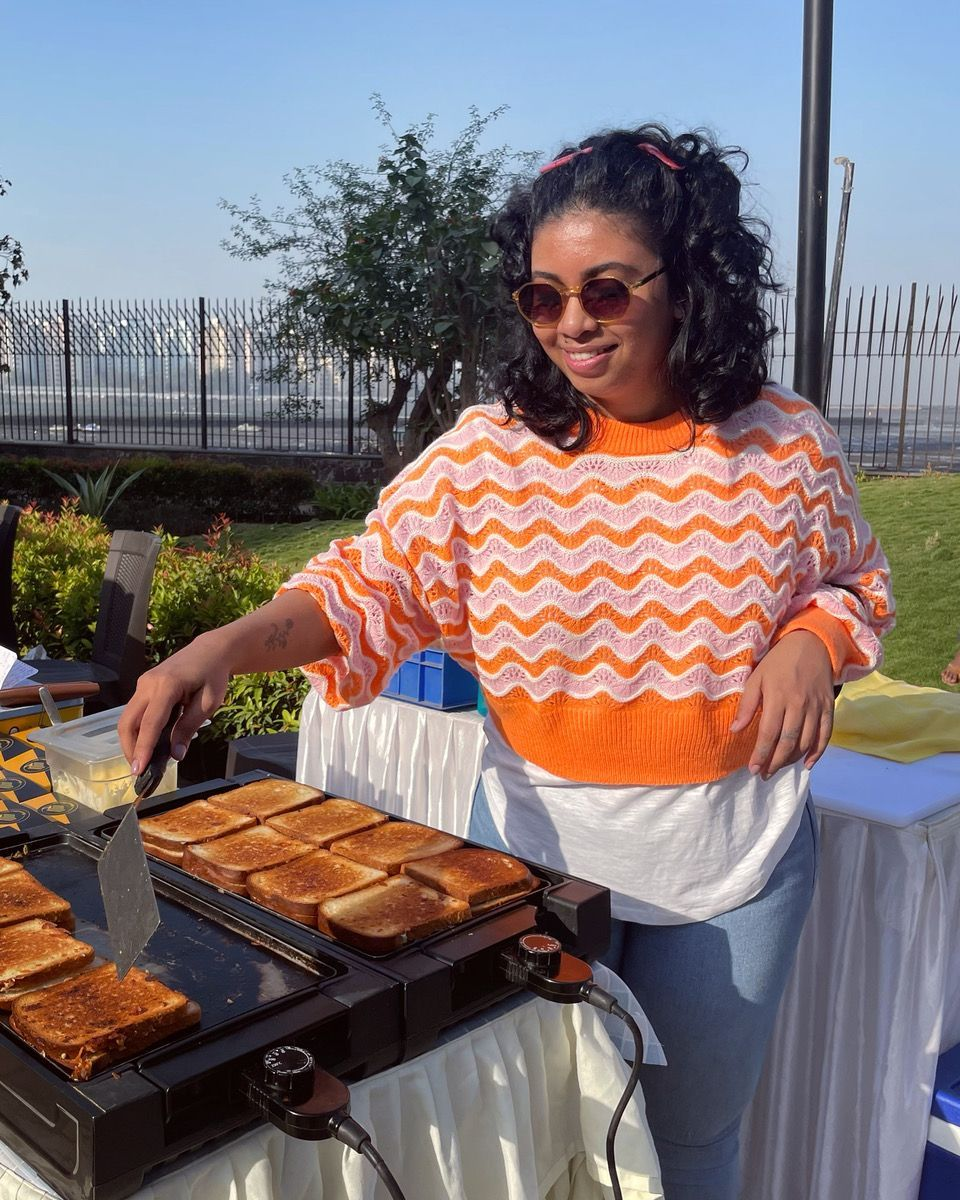
Nuzha Ebrahim, chef and owner of Kuckeliku Breakfast House and The Fromagerie
I’ve always been entrepreneurial. Growing up, I tried to use any bit of talent to create things I could sell. In second or third grade, someone gifted me a pottery kit and I went around my building trying to sell misshapen pots to people. In high school, I started painting white Bata canvas shoes and T-shirts and selling them to people. There’s still a Facebook group somewhere. That’s how I made my pocket money and it helped shape what I’m doing now.
I tried to pursue art but it was one of those things where if I did it for money, I would start to hate it and couldn’t stick to it. Retrospectively, I realised that cooking was the one thing I hadn’t quit. It’s one of those things that I just don’t get bored of. Twelve years later, I’m still doing it.
My dad’s side of the family is in the restaurant business. My granddad set up his first restaurant 35-40 years ago so I grew up in that culture, but my parents didn’t really consider that I would take this forward until later in life. They assumed that this was one of the many hobbies I would quit, so I don’t think anyone was taking it seriously.
Cooking is like jazz; you keep riffing and creating something new out of the same ingredients that you have, and that’s really fun for me. When I cook for myself, it’s always about throwing things together and it’s kind of awful because I can never make the same dish twice. If I make something and I really love it, I can never do it again, because I never write things down.
In the restaurant business, every day is a different challenge. I have a grilled cheese business called The Fromagerie and a restaurant called Kuckeliku Breakfast House. There’s never monotony, so it’s always fun. Right now, it’s keeping me quite fulfilled.
source: http://www.vogue.in / Vogue India / Home> Culture / by Nayantara Dutta / March 27th, 2023