Category Archives: Arts, Culture & Entertainment

The Colours Of Kotwara

Lucknow, UTTAR PRADESH / NEW DELHI :
MuzaffarFPMPOsapr2017

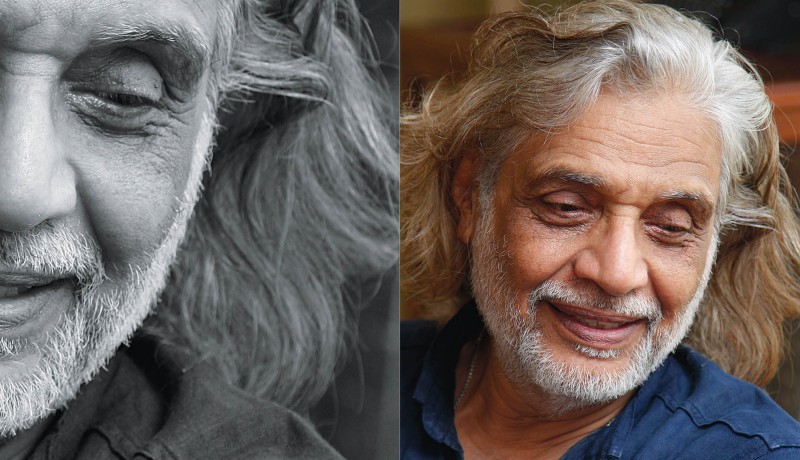
Muzaffar Ali wears many hats—filmmaker, painter, poet, fashion designer, revivalist, Sufi exponent, social worker—with consummate ease. As he prepares to release his latest labour of love, Jaanisaar, he speaks to Ambica Gulati about being in a ‘constant state of inspiration’

Filmmaker. Painter. Sufi exponent. Revivalist. Fashion designer. Music lover. Social worker. Just some of the ways Muzaffar Ali is described. But the man himself is loath to be labelled. For him, life is a singular pursuit: a quest for harmony and love as elucidated by the Sufi philosophy, “surrender of the highest order, which manifests through human compassion”.

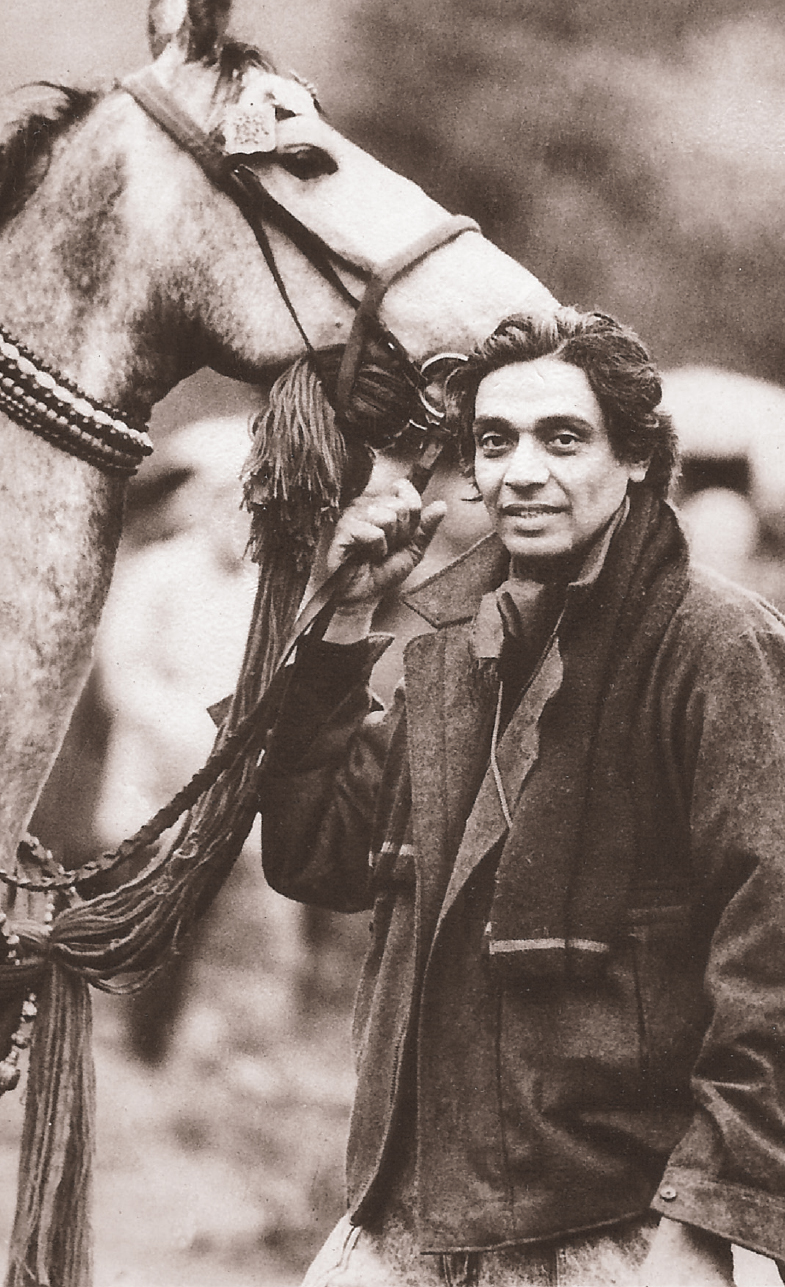
Our introduction to Ali takes place at his charming farmhouse in Gurgaon, where Barrack, his horse, runs freely in the grassy expanse while dogs laze contentedly in the morning sun. In another corner, vintage cars are parked in a shed, pregnant with stories of a royal past. Ali is the current Raja of Kotwara, a former princely state 160 km from Lucknow, but there is nothing pretentious about him or his lifestyle. Enter the farmhouse and you notice how mud, mortar and brick blend seamlessly, mirroring the owner’s constant quest for harmony and balance in keeping with the Sufi way of life. Inside the massive door, red pillars catch the eye, and once inside the glass doors, you are introduced to the sophisticated yet mellow world of a man with seemingly infinite creative nuances. Designed by his wife Meera, Ali’s farmhouse is a fusion of styles that perfectly capture the personality of the Raja—his paintings adorn the walls, old books lie open on tables, and a fireplace painted by Ali himself occupies pride of place in the centre of the room.

At the age of 70, white hair flowing across his elegant shoulders, Ali speaks with a quiet passion about his films, establishing the Kotwara clothing brand with Meera, spreading Sufism, creating beautiful minds, reinventing the lives of the people of Kotwara and his umbilical ties to the region. During the conversation, the Padma Shri (2005) recipient also sheds light on his soon-to-be-released film Jaanisaar, and receiving the Rajiv Gandhi National Sadbhavana Award (2014) for promoting peace and harmony.
Muzaffar01MPOsapr2017

EXCERPTS FROM AN INTERVIEW

Who really is Muzzafar Ali?

I am my parent’s child, shaped by my father Syed Sajid Husain Ali’s progressive thinking and groomed by my mother Kaneez Hyder’s cultural feathers. I grew up in an era of turmoil, when India was all for independence. Awadh had a prominent Nawabi culture. My father was the head of Kotwara, but he thought like the common man. He had studied in Scotland where he dressed up like the British, drove a sports car and was influenced by the philosophy of the Communist Party of Great Britain. He believed in an egalitarian society, and focused on health, education and work for all. In 1937, he fought his first elections against the Muslim League as he believed in a secular, democratic India. Humanism and secularism were his principles. My mother followed the purdah system. She was interested in art, culture, music and all the influences you see in Umrao Jaan.

What is common to Muzzafar Ali the filmmaker, social worker, painter, Raja and fashion designer?

An artist in quest for a balance between humanity and beauty.

Were you groomed for the arts at home? And was the pursuit of creativity a deliberate career choice?
I was studying science at Aligarh Muslim University. My father believed in the Nehruvian vision, which was progress through science and technology. He wanted me to be a part of that. After the zamindari system was abolished in 1957, he locked himself up and studied law. During India’s transition, he also transformed. He gave up wearing mill-made clothes and opted for khadi. Suddenly, there was a perceptible shift from a lavish lifestyle to a Spartan one. I guess something similar happened to me in university. I discovered poetry and poets like Faiz Ahmed Faiz and Rahi Masoom Raza, and my education became an art of science or perhaps it was the science of art that got to me. I read the works of Rumi and became passionate about the Sufi way of love and surrender.
Muzaffar02MPOsapr2017

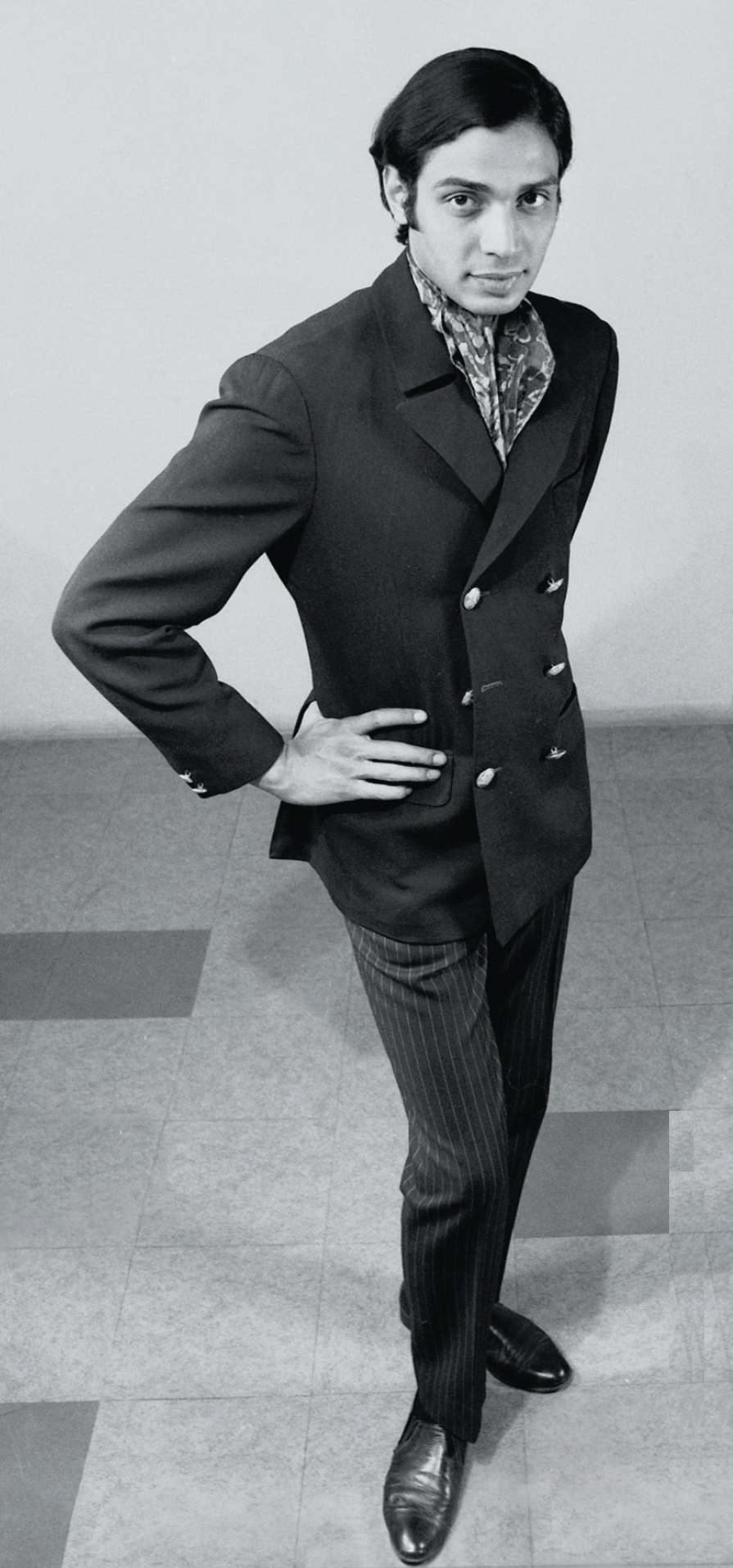
I completed my BSc but went to Kolkata to work in an advertising agency headed by renowned filmmaker Satyajit Ray. His thoughts and style were a strong influence on me. I realised that film was an interesting medium to express your beliefs. But my introduction to the arts was through painting. I loved to sketch and paint since childhood. I even won many prizes in school.

Do you still paint?

I still paint as much as I can create time for it. I like to live with my paintings, in constant dialogue with them. Therefore, I am in a constant state of inspiration. These works are in my own homes, mostly in the Gurgaon home. I have had 10 one-man shows; I would like to show soon if I meet the correct person through whom I should hold an exhibition.

Did you have any doubts when you chose a career different from the one you were being prepared for?

Nothing is impossible and I was brought up in an open-minded atmosphere. I had seen my father take a quantum leap from being a zamindar to giving people a voice and wearing hand-woven clothes. He did not believe in a capitalist society and always said ‘a penny saved is a penny earned’. My salary in Kolkata was ₹ 300 and my hostel fee was ₹ 150 per month. But I managed.
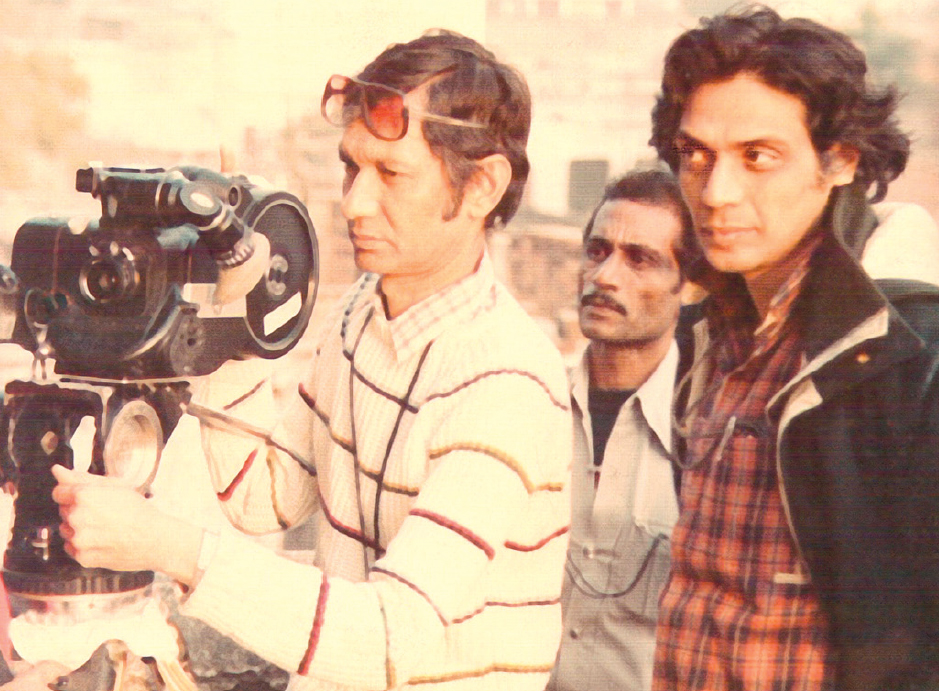
Muzaffar04MPOsapr2017

How did films happen?

The first film I made was Gaman. Working with Satyajit Ray, I had realised what a camera could do. So my journey was from sketching to moving images. It’s a journey I continue to repeat every time I make a film. Each film, therefore, became a milestone in my understanding and expression of life and has been rooted in the soil of Awadh, Lucknow and Kotwara. They have been shot there, with natives featuring in them.

I had started working with Air India in the communications department in the 1970s. I worked there for 11 years. I lived in Mumbai and I would see people coming from villages to the city. They would lose their identity to earn a living. This was the theme of my film Gaman. Social issues and cultural ethos always influenced me. In 1976, I started Umrao Jaan. The film captured the culture of Awadh and times of Wajid Ali Shah. All the detailing in the movie was what I had seen and learnt at home. All the poetry and love and surrender I was in love with found its way into the songs. In Anjuman, I explored the lives of chikan workers and the exploitation of women.

What about your famed film Zooni, which is yet to see the light of day?

Zooni was based on the folklore surrounding 16th century Kashmiri poetess Habba Khatoon. It was my way of expressing pride in the beautiful state of Kashmir, my way of showing that violence will lead us nowhere. Zooni is a big exploration into the people and culture of the Valley and something that neither I nor the people are ready to undertake because of what has happened since 1989. It is an unfinished dream and if I meet the right people, it may become a reality. The script will need to be revisited to suit the audience of today but the spirit is universal and, therefore, it has to be a global film.

What can we expect in Jaanisaar? Is it a sequel to Umrao Jaan?

This film is centred on the siege of Awadh, the revolt of 1857, and romance between an Anglicised Raja and a courtesan. It stars newcomers Imran Abbas Naqvi and Pernia Qureshi. It is not a sequel to Umrao Jaan but takes off from where Umrao Jaan ends in the same region. This is my fifth feature film. Not counting Zooni, I have done several serials and short films on Sufism.

Umrao Jaan established Rekha as one of the most beautiful women in the country. It also had classical songs such as Dil cheez kya hai…. Will Jaanisaar offer something similar?

The focus is on the culture of Awadh. The rest is up to the audience, to see where it goes.

What will be your next artistic endeavour after Jaanisaar?

Plans after Jaanisaar will become reality only after the film is released and accepted. I think big but take small, measured steps. Every film is a dialogue with my audience.
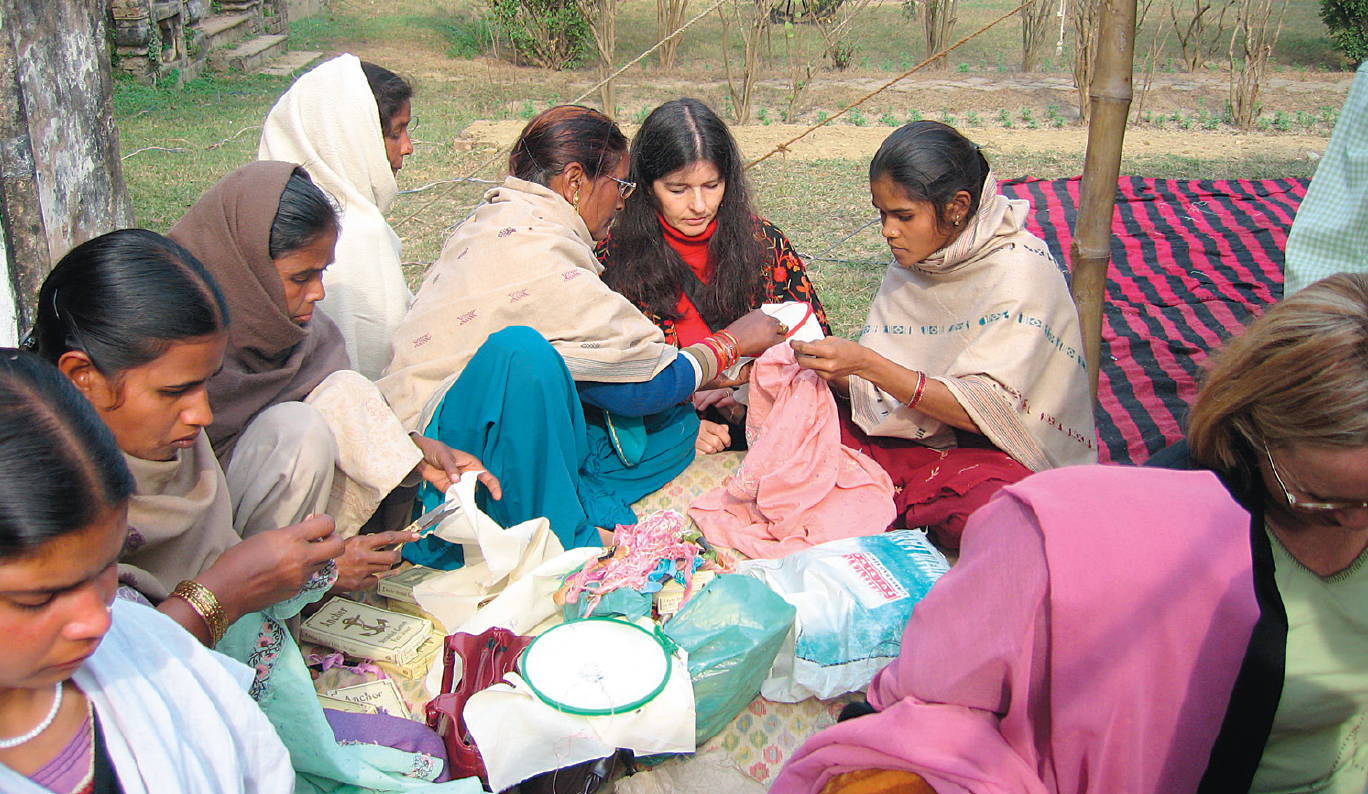
Muzaffar05MPOsapr2017

The creation of the Kotwara brand—how did that happen?

Ambience is very important for me. Kotwara is a beautiful 14-acre, green land with mango groves. In films, my actors always look beautiful, so I thought why not clothes in real life? Kotwara has been my studio for all my creative shades. It was where I began painting and it is where my work with the revival of chikan began. It also houses a school for children and Jaanisaar is also being shot there.

Fashion happened during the making of Zooni in 1988. American fashion designer Mary McFadden visited us back then and after seeing Kotwara, she said it could be a haven for crafts. Fashion was still evolving in those days and even known names like Suneet Verma worked with Mary. In 1991, my father passed away and I was wondering what to do next with his huge legacy. Meera supported me and helped turn Kotwara into an asset. Sugarcane farming was the mainstay of the region but there was never enough. We decided to revive the crafts and got a few people from Lucknow to train a few willing workers. We looked at how to make new motifs suited to the changing world and new works with zardozi. And ‘Dwar Pe Rozi’ [a charitable society] was born. Now, there are 300-400 people working on this in different pockets. Then, we built a small school for children; there are 300 children studying there.

How did the brand hit the limelight?

We started participating in fashion weeks in 2000, and the rest is history.

What do you feel is the biggest contribution to your hometown through the Kotwara brand?

Kotwara is a concept, an idea. Inspired by my first film Gaman, it aims to provide employment at one’s doorstep under the Dwar Pe Rozi vision. In Kotwara, I have tried to pour in my creative skills with human resources from the village to create craft and couture in which my films could add value. I think it is a very slow process and is succeeding because of the thought and style that is going into it, from both Meera and I.

How did Jahan-e-Khusrau, the annual Sufi festival you have been organising at Humayun’s tomb in Delhi, happen?

The Sufi way of love and surrender has always been my approach to peace and harmony. The soul’s call is to create a union. The music albums I have brought out are centred on this Sufi spirit. Paigham-e-Mohabbat had lyrics by some of the most distinguished poets such as Rahi Masoom Raza, Ali Sardar Jaffery, Faiz Ahmad Faiz, Ahmad Faraz, Qazi Nazrul Islam and Jan Nisar Akhtar. Other albums are Jahan-e-Khusrau, a tribute to Hazrat Amir Khusrau, while Raqs-e-Bismil (Dance of the Wounded) is a collection of ghazal inspired by Rumi. I received the support of then Delhi chief minister Sheila Dixit for the festival. Delhi is the land of Sufi saints and has the dargah of 36 saints. This festival was a natural way of felicitating the Sufi spirit of union. We started in 2000. Given the chance, I would also like to organise a Wajid Ali Shah festival in Lucknow. In 2005, I also started the Rumi Foundation and published two motivational journals and poetry.

Are you also translating Sufi works? And how can Sufi music bring peace to the subcontinent?

For me, Sufi poetry is the final stage of love and surrender. Every time I use it in an album or in Jahan-e-Khusrau, I try to translate it. Although I am not very good at translation, I don’t want listeners to miss out on the meaning. Raqs-e-Bismil with Abida Parveen, selected, composed and translated by me, is one such effort.

Life’s journey has brought you to the Rajiv Gandhi National Sadbhavana Award. How does this make you feel?

I sometimes wonder if I even belong there. I have been graced along with a galaxy of people such as famous scientist Yashpal and Mother Teresa. The award is a significant recognition in our country. In a nation of such vast ethnic diversity, taking the route of religion to unite people can lead to unprecedented intolerance. We need to celebrate those who have upheld these human values. The award leaves you with the responsibility of living up to these ideals.

Have you ever felt that you may not be able to live up to the expectations of the people around you?

I feel I could do more for the school. But I focus on creating more beautiful minds and let the doubts out.
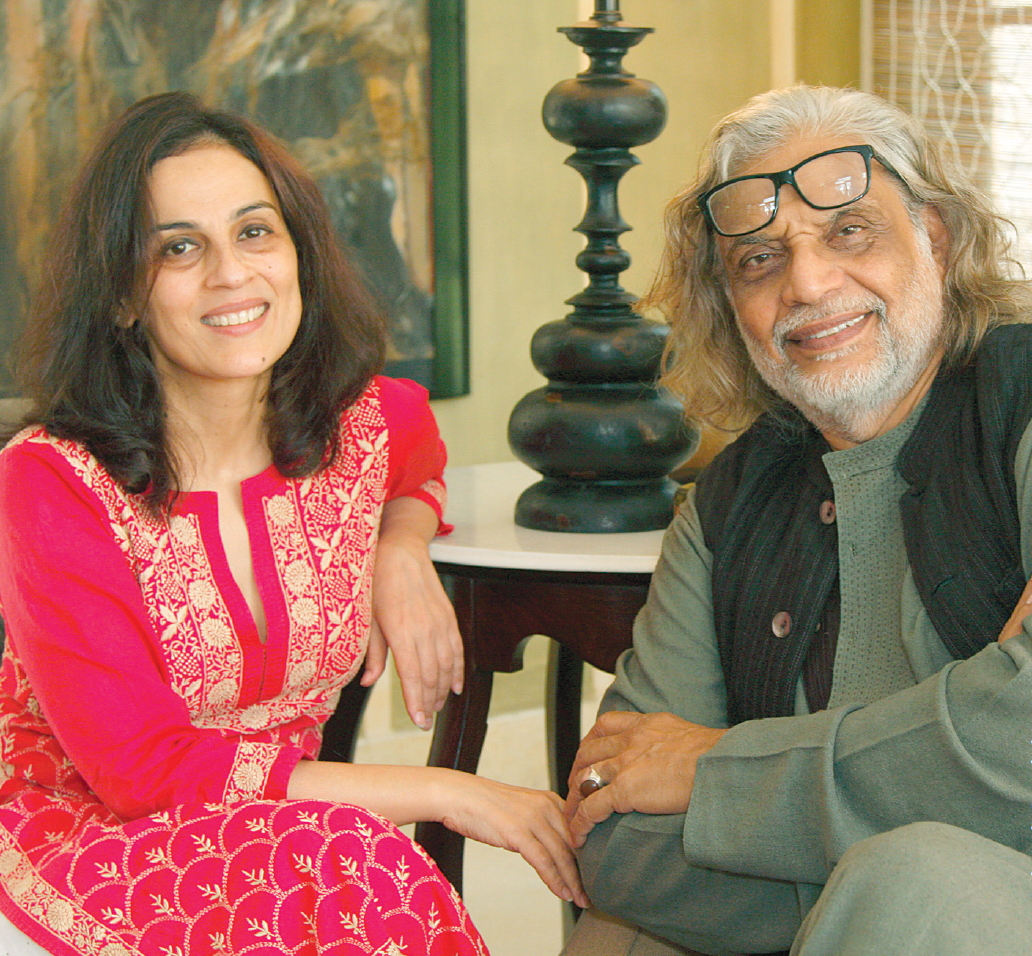
Muzaffar03MPOsapr2017

How did you meet Meera? Does the age difference ever make you feel insecure?

I met Meera in Delhi when I was uprooted from Kashmir with an incomplete film. I found her an extremely powerful anchor in my life. I was making an hour-long film on the life of Hazrat Khwaja Moinuddin Chishti of Ajmer, called Seena Ba Seena (From the Heart to the Heart). I gave her a small role and we married soon after that. That was 25 years ago. Age did not matter then, nor does it now. She is honest and dedicated. She thinks out of the box, is a talented architect, and open and receptive to new things and ideas.

Are your children also involved in creative pursuits?

My eldest son Murad [from his first marriage] is based in Delhi and is an actor; Shaad [from his second marriage] lives in Mumbai and is directing films; and my daughter Sana [with Meera] has started helping us with the clothing brand. But now I look at the whole world as a child. I do not think about my biological children only, but in a broader scope of creating happier worlds.

What is a typical day like for you?

Walk with my dogs. Playing with my horse. Work on my thoughts. Sharpen my aesthetics through poetry and music. Sketch and paint.

Has age made any difference to your life and work? Has it mellowed you or contributed to your growth?
By His grace, I have learnt to become sharper with age, and I believe this is the time to enlighten the youth with dreams to improve the world in which we live. Create open and questioning minds.

What is your future vision?

To create beautiful, open minds. I find pleasure in seeing the children in school. They are going to be the new harvest. In turn, they will create a happier world for others. I will keep sharing whatever I can, in my own way.

Photos: Avinash Pasricha
Featured in Harmony — Celebrate Age Magazine
January 2015

source: http://www.harmonyindia.org / Harmony India.org / Harmony – Celebrate Age Magazine / January 2015

Collegians whip up a storm

Bengaluru, KARNATAKA :

CakeMPOs06apr2017

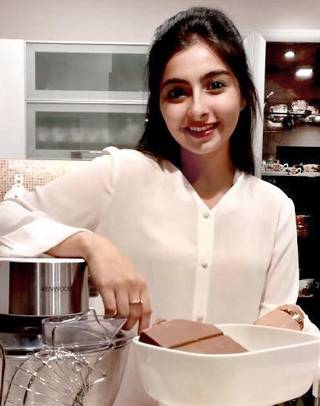
Nineteen-year-olds, Sana Azam and Rhea Agarwal balance studies and their baking business

Running a baking business when you are a full-time student is not a piece of cake. However, Sana Azam and Rhea Agarwal, both 19, prove all you need is passion to batter-up and bake away.

SanaMPOs06apr2017

The decision to start a baking venture happened organically for Sana, founder and baker at Pink Whisk. Having grown up in an environment where the oven was always in use — whether it was her grandmother making the more traditional Muslim recipes and bakes such as roat or her mother making a cake. It was from there that Sana developed a love for cooking. “I’d always been a sous chef,” she says laughing. “My earliest memories go back to holding the mixer while my mother handled everything else.” That gradually changed, as she began doing things independently and grew as a baker herself. Although she had received requests in the past from close friends and family, the decision to start Pink Whisk only happened towards the end of her 12th standard in school.

Sana, a first-year B.Com student at Mount Carmel College, has a Pink Whisk stall at MCC’s many fests. She is working on a launching a Facebook page soon but currently takes orders by phone or WhatsApp. Pink Whisk also has a WhatsApp group which keeps people updated about what is cooking.

Although she specialises in all things sweet, Sana also dabbles with savouries like chicken quiches, tarts, samosas, pastas and bakes. Apart from cakes and cupcakes, she also makes éclairs, cheesecakes, bars (something between a cookie and a cake), chiffon pies, and trifles. Pink Whisk’s white chocolate and raspberry and strawberry jam bars are extremely popular, mini cheesecakes accompanied by a berry compote and the signature Banoffee are favourites as well. Sana said her most challenging order was “baking a five-kilo cake for a software company. Any order placed less than two days before it is needed is always challenging.”


RheaMPOs06apr2017

Chance encounter

Rhea Agarwal, on the other hand, found her love for baking by chance. The 19 year old, first year BBA student at Christ University started It’s Whipped, with her sister Sakshi Agarwal. Rhea says: “I was maybe 12 or 13 when my mother enrolled me in a summer baking class.” And there was no looking back. Within a week, she had practiced everything she had learned. Whether it was a family function or a friend’s birthday, “Nobody asked me but I took it upon myself to make something for every occasion, I just got good with practice,” she says. Friends and family always suggested she start taking it more seriously and turn it into a business but it was only when a close relative placed an order for a chocolate cake and offered to pay her for it, that the idea to turn the hobby into a business venture arose.

Rhea runs It’s Whipped with the help of her mother and sister. They have a Facebook page and an Instagram account where they communicate with potential customers by posting pictures of desserts they make as well as inform their customers of new items they add to their ever-growing menu.

“We make everything from chocolates, cakes, cupcakes and pies to granola bars, cookies and herb crackers. We also have a list of egg-less recipes. Our teacakes are popular and we offer them in many flavours including lemon, walnut, chocolate chip, honey and date.”

Talking of her most challenging order yet, Rhea says, “It was an order for 600 chocolate-covered brownie bites that a corporate had requested for Diwali.”

Both It’s Whipped and Pink Whisk operate out of homes and they prefer when customers come to pick up their orders.

source: http://www.thehindu.com / The Hindu / Home> Life & Style> Food / by Harshala Reddy / April 05th, 2017

High five to 555

Hyderabad, TELANGANA :

Cafe555MPOs03apr2017


Cafe 555’s Irani chai and haleem draws crowds from most parts of Hyderabad

In a steep lane dominated by biryani joints and residential blocks at Masab Tank, Café 555 is just a few metres away from one of the busiest roads in the city that connects one to Jubilee Hills, Panjagutta and Khairatabad. Their chai is so well known that you’re not amused by their tagline that reads, ‘Don’t drink and drive, Drink only Café 555 ki chai and drive.’ The café that enters its silver jubilee year in 2017 is now owned by Ali Raza Jowker and draws most of its crowds from the nearby Ahmed Nagar apart from other parts of the city.

Their chai was first sold at Rs 1.50. Now priced at Rs 10, nothing betters the warmth that their cup of Irani chai to begin your day or energise you on a tired evening. Most customers prefer to savour it with the crisp irani samosa. If you with to indulge in something sweet to go with it, there is the popular ‘bun butter’ option.

The cafe is frequented by a number of actors from Telugu film fraternity. Sania Mirza too makes it a point to visit Cafe 555 when in town. It not just their chai that’s popular — the manager Mohammed Ali proudly shows us the award the café won for its haleem.

The sight of Cafe 555 during the Ramzan season is a delight to your senses with its multi-coloured lights during the night adding to the festive aura. The haleem prepared by Ali Raza’s grandfather was a hit with the Nizams too, says the manager.

A cafe has other options as well; their quintessential dal rice and poori are sought out items during breakfast and lunch times. No full-course meal feels complete without the Lassi here. What makes Cafe 555 ideal is also their ability to cater to foodies with diverse choices over the years.

Employees from the nearby Telugu Samkshema Bhavan, Tribal Musuem, tailoring and stationery shops continue to see the cafe as a companion that has transformed itself and evolved with changing customer tastes without losing its charming nativity.

source: http://www.thehindu.com / The Hindu / Home> Life & Style> Food / by Srivathsan Nadadhur / April 03rd, 2017

INTACH to hold prayer meet at Ustad Bade Ghulam Ali’s grave

Hyderabad, TELANGANA :

Charminar :

The Hyderabad chapter of the Indian National Trust for Art and Cultural Heritage (INTACH) will hold a prayer assembly at the grave of Hindustani classical music maestro Ustad Bade Ghulam Ali  Khan at Daira Mir Momin in Hari Bowli of Charminar on Sunday to mark his 115th birth anniversary. The prayer session will begin at 10.30 am.

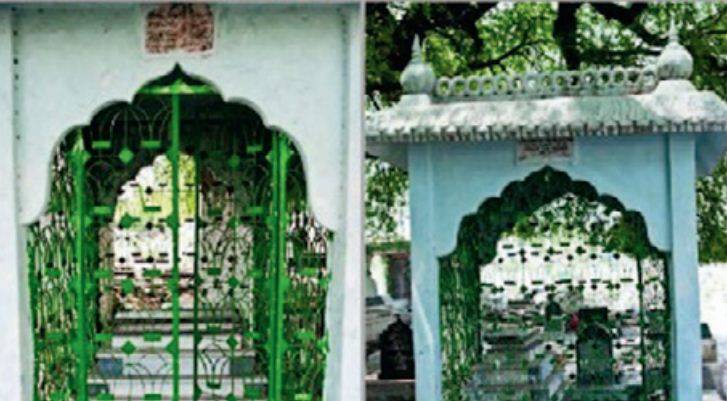
Ustad Bade Ghulam Ali Khan's grave in Sultan Shahi area
Ustad Bade Ghulam Ali Khan’s grave in Sultan Shahi area

Ustad Bade Ghulam Ali Khan, though born at Kasur village (now in Pakistan) of undivided Punjab on April 2, 1902, he spent a considerable time in Hyderabad where he passed away in 1968. The Ustad, who belongs to the Kasur Patiala Gharana, is considered as the  Tansen of the 20th century.

The state government named a road after him. His grave now lies in utter neglect.

The Ustad served in the special department of music and arts of the Nizam government. The Nizam had both Western and Indian music units. The Indian unit had 108 employees on its rolls including Bade Ghulam Ali Khan.

Other great musicians like Pandit Maniram, Pandit Motiram, and Begum Akthar were also part of the Nizam’s music department. News archives reveal that the highest salary offered was 50 a month. The Ustad and other maestro also received special allowances for every appearance.

source: http://www.timesofindia.indiatimes.com / The Times of India / Home> City News> Hyderabad News  / TNN / April 02nd, 2017

How I wrote a novel at 19 and was published at 20

Mumbai, MAHARASHTRA :

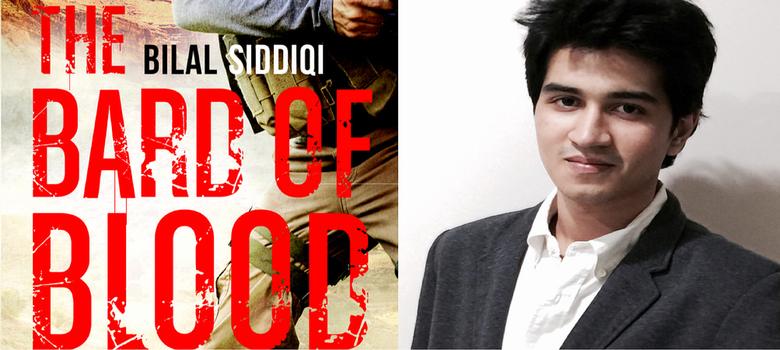
A first-person account from a student of St Xavier’s College, Mumbai, whose first thriller, ‘The Bard of Blood’, has just hit the shelves.

BilalMPOs31mar2017

Being a published writer at 20, to be honest, is not something I thought I would have to speak about too much. I could speak about being a writer (writer’s block, etc.). Or I could speak about being 20 (how I never quite liked college, etc.). But, a writer at 20? Well, let’s give that a shot.

How I got around to writing my first novel, The Bard of Blood , is an interesting journey itself. Around the time I had turned 17, I had a sudden growing interest in the covert world of espionage. And it wasn’t a James Bond film that drew me to this newfound interest of mine. It was, in fact, the entire talk of jihad and Islamic extremism that plagued every newspaper. There was always an article of some extremist outfit wreaking havoc.

Being a Muslim, I wanted to understand why I was so different from them, when ideally, we both were supposed to believe in the same set of principles? One thing led to another, and I had suddenly read a lot more than anyone else my age probably had about the subject, finding myself disagreeing with the ideology that had tweaked itself conveniently to something it was never meant to be.

Simultaneously, being an avid reader of fiction, I always kept myself abreast with the latest Lee Child or Jack Higgins novel. And then, I soon realised that India itself was bereft of a fictional character who was as powerful as a James Bond or a Jack Reacher. I wanted to fill that void. I wanted to create a character worth his salt, that wouldn’t seem like a ‘me too’ of a Bond or a Bourne, but could stand his own and be equally magnetic. And what’s more, he was going to be set in the real world dealing with what could well be real situations.

Writing to write, not to be published

I was going to write the novel regardless of whether it would get published or not. It was going to be for my satisfaction, perhaps for a 40-year-old me to look back and find traces of himself in a character he had created two decades ago.

So, at the age of 19 I had begun writing the novel, burning the midnight oil and still making it to college on time the next morning. Soon afterwards, I met Chiki Sarkar, then the Chief Editor of Penguin Books, through Hussain Zaidi (a renowned crime writer whom I have been assisting for thethe past three years). Zaidi had discovered my writing skills and had dropped in a word to Sarkar, who agreed to read the synopsis.

She responded saying that she would like to read half the manuscript, after which she would take the final call. I was suddenly motivated to complete the book, which I might have drifted with otherwise. To meet Penguin’s high standards, I had to up my game. I had to get my facts in place and research the topics well. Zaidi helped me at every step, and there was a reversal of roles, from me assisting him, he started assisting me! It took me roughly a year to get done with the project.

The benefits of writing a book at 20

You get applauded for doing something at an early age, something that people spend a lifetime hoping to do. You begin to be taken a lot more seriously too.This stood true in my case especially, because I picked a topic like the Taliban instead of writing a soppy teen romance.

There are drawbacks too. When you set out to write, there is bound to be apprehension – perhaps you’re too young to write about this subject? But you must learn to brush that away. Believe in yourself even if others don’t. In my case, especially, I backed myself as a story-teller. I had a good story and I was going to tell it.

And being 20, I was in college, which came with a set of problems that I could dedicate another article to! Writing was that much-needed escape, a catharsis of sorts.

But once that’s done, you can’t let the fact that you’ve been published get to your head. Because then you would be remembered as the guy who wrote a novel at 20 and then never wrote another. Or, worse still, you wouldn’t be remembered at all!

Like any other book-lover, I absolutely love the smell of books; new and fresh, or old and musty. But you know what’s better than the smell of a book? The smell of your own book! And I intend to smell many more of them!

We welcome your comments at letters@scroll.in.

source: http://www.scroll.in / Scroll.in / Home> Write to Win / by Bilal Siddiqui / April 04th, 2015

Ather Farouqui bags Sahitya Academy translation award for Sons of Babur

Sikandrabad (Bulandshahr(, UTTAR PRADESH  / NEW DELHI :

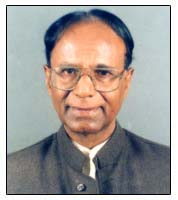
Ather Farouqui
Ather Farouqui

New Delhi:

The Sahitya Akademi (Academy of Letters) has conferred its translation award for the year on Ather Farouqui, a distinguished intellectual, prolific writer-activist and General Secretary of the Anjuman Taraqqi-e Urdu (Hind) for his Urdu and Hindi translations (Babur ki Aulad) of Sons of Babur, an English play scripted by Union External Affairs Minister, Salman Khurshid.

Speaking to TCN Farouqui express his happiness. He added, “the book is important for it highlights the fact generally put aside by writers in Urdu, like no Mughal Emperor performed hujj, or many a times they did not marry their queen.”

Farouqui has not only translated the play but has also been its producer. The play has rung up 30 very successful performances in India and abroad. It was first staged in 2008 at an unusual venue—Saudi Arabia—and the silver jubilee performance was staged at FICCI auditorium on September 15, 2012 in New Delhi.

In addition, there was a command performance of the play for the former Honourable President, Pratibha Patil, at Rashtrapati Bhawan. It was also performed in London on 10 October 2012.

Ather Farouqui, who has a Ph.D from Jawaharlal Nehru University, was born in 1964 in Sikandrabad, where he did his schooling. Later he came to Delhi and joined JNU, first for a part-time diploma in mass media in 1986, then for his M.Phil in 1988. He went on to do his Ph.D there, with the degree conferred on him in 1996.

Farouqui did his doctorate under the guidance of the celebrated Professor Imtiaz Ahmad and worked on the socio-political study of Urdu in post-partition India for both his M.Phil and Ph.D degrees.

While he has no literary pretensions, Farouqui has written extensively on various aspects of Urdu, Urdu-related politics and Muslims in contemporary India. Apart from his prolific output in newspapers and academic journal, Farouqui also has six books to his credit – two of these are in English and have been published by Oxford University Press: Redefining Urdu Politics in India (2006), and Muslims and Media Images (2009).

The remaining are in Urdu: Azad Hindustan Mai Urdu Siyasat Ki Tahfim-e Nau; Urdu Zaban, Talim Aur Sahafat; Guftagu unki,Na-Mukammil and a book each on leading Urdu writers Rashid Hasan Khan and Makhmoor Saidi.

Some 15 years back, Farouqui also rendered the Kulliyat of noted Urdu poet and dialogue writer, Akhtar-ul Iman, into Devnagari script; this too was published. He has also made a very successful two-part documentary on Akhtar-ul Iman.

source: http://www.twocircles.net / Two Circles / Home> Indian Muslim / December 21st, 2012

Sadaf Ali Khan: The Man Behind Hind Wani

NEW DELHI :

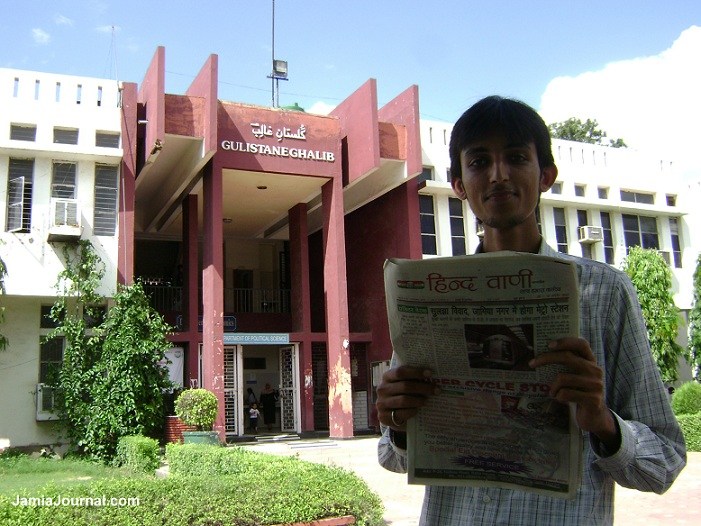
Sadaf Ali Khan in front of the Department of Political Science; Wednesday, Sept. 5, 2012 (Photo: Khalid Jaleel)

When Jamia Journal started publishing in 2010, we did not think it would one day inspire a Jamia student to establish his own newspaper. But that is what happened in October 2011.

On being closely associated with Jamia Journal for about a year, Sadaf Ali Khan, a 2012 graduate of MA Political Science from Jamia and a classmate of the author, made up his mind to establish a newspaper in Hindi, sometime in October of 2011.

Although inspired by Jamia Journal, Sadaf wanted to start a print newspaper instead of an online news portal. Sadaf’s interest in journalism, however, was not sudden and out of nowhere. After getting his bachelor’s degree in political science from Jamia in 2010, Sadaf had enrolled himself in in a year-long PG-Diploma course in TV Journalism conducted by Jamia’s Hindi department, along with  getting admitted into Jamia’s postgraduate program for political science. By the time he completed his previous year of postgraduation, he had already earned his diploma in TV journalism.

In an interview with Jamia Journal, Sadaf said, among other reasons, one of the reasons behind starting a newspaper was that while he was doing his TV journalism course, he would write articles on issues of his interest but would be unsuccessful in getting them published. This gave him further impetus to start a newspaper of his own. If I cannot get my articles published in a newspaper, he thought, then I’ll publish them in my own newspaper.

However, as he later realized, the road to starting your own newspaper in print is not as easy as starting a newspaper online. Print newspapers have to go through a legal process before they can start publishing. Newspapers in India have to be registered with a government agency. And the process is not as simple and straightforward as one would like it to be. It took Sadaf about six months to get all the formalities taken care of before he could start publishing.

It was in June of 2012, Sadaf published the first issue of his newspaper, which he had proudly named — Hind Wani.

Though Sadaf had family and friends helping him with his paper, his resources limited him to publish his newspaper once a week. In his interview, Sadaf told Jamia Journal that among his immediate plans for his newspaper, one is to find enough resources to turn Hind Wani into a daily.

On being asked about the operations side of his newspaper, Sadaf tells Jamia Journal that for now we only cover the Jamia Nagar area, which includes localities like Noor Nagar, Abul Fazal, Batla House and of course Jamia Millia Islamia. On the subject of gathering news, he goes on to say, we have a few locals who inform us about what is happening in the area, and on receiving news tips from them we go and gather our news for the paper. We also make regular visits to the local police station to learn about the happenings in the area. Not to mention the major events that take place at the university.

When asked on how and where could one buy a copy of Hind Wani, Sadaf tells Jamia Journal: Right now Hind Wani is not for sale. And you cannot find it with news vendors. However, we publish about five thousand copies of it and then distribute them in the area for free. Several local grocery stores also keep many copies of our newspaper to give away. One could also come to our office at Tikona Park and ask for one. But the easiest way to get your hands on a copy of Hind Wani is to go online and visit our website at: www.Hindwani.wordpress.com, and download an electronic copy to read and own.

On being asked whether Hind Wani accepted reader submissions, Sadaf said they welcome reader submissions, especially from Jamia students. One can simply email me their write-up at  khansadafali@gmail.com, or drop off their submissions at the Hind Wani office at: 84-D Tikona Park, Jamia Nagar, Okhla, New Delhi – 110025. You can also get in touch with us through our facebook page: https://www.facebook.com/pages/Hind-Wani-हिंद-वाणी/105598169556569said Sadaf.

Although Sadaf runs Hind Wani almost single-handedly and devotes a lot of his personal time in getting it published every week, it is a bit astonishing to know that he works on his newspaper on his off hours, part-time; for he also has a full-time day job, working as an assistant producer at a Hindi TV news channel in Delhi.

In his concluding remarks, Sadaf said: my next big dream is to start a news channel for the Jamia Nagar area.

To know more about Hind Wani or to get in touch with Sadaf Khan:

Website:   www.Hindwani.wordpress.com

Facebook:   www.facebook.com/pages/Hind-Wani-हिंद-वाणी/105598169556569

Email:   khansadafali@gmail.com

Office Address:  84-D Tikona Park, Jamia Nagar, Okhla, New Delhi – 110025

Telephone: 9891481786

source: http://www.jamiajournal.com / Jamia Journal / Home> Lifestyle> Showcase / September 24th, 2012

Ustad Rashid Khan’s children mesmerize audience with soulful singing

UTTAR PRADESH  / WEST BENGAL :

SuhaKhanMPOs30mar2017

For the first time ever, Ustad Rashid Khan, exponent of the Rampur-Sahaswan gharana and a leading light of Indian classical music along with his three children, Suha, Shaona, Armaan, were part of a concert last Saturday , leaving everyone mesmerized with their performances.

While son Armaan followed in father’s footsteps with a classical rendition, all eyes were on the daughters, who looked like rockstars and sang like nightingales. While Shaona belted out a Bollywood hit, elder sister Suha lent her voice to a Sufi number! And from the applause, it was evident that they had nailed it.

If that is a not a break from tradition, we don’t know what is, we tell Shaona. But she counters that there is nothing extraordinary about that. “In our family , girls are not allowed to sing and perform. But both of us wanted to sing as it’s in our blood, and our mother supported us whole-heartedly . However, to our delight, baba is slowly warming up to the idea of us singing in public,” shares the 19-year-old, whose head of curly highlights were as much of a hit as her singing. For the record, her rendition of Judaai from Badlapur left the audience speechless.

We got to know that while 11-year-old Armaan is being trained by the maestro himself, Suha and Shaona were trained not under their father, but at his academy . “I felt blessed to perform on the same stage with my family ,” says Rashid’s elder daughter, 23-year-old Suha, who has embraced Sufi music. “I secretly dreamt of sharing the stage with my father. Finally it came true. I have always wanted to excel in Sufi music. Before this concert, I performed in public only once, when I was 15.That was also a special day . But sharing the stage with Shaona, Armaan and father, was beyond special,” adds Suha.

Saturday’s show was special for Armaan too, since this was his first solo act. “We would definitely want to do more concerts like this in future,” says, Shaona, who has also formed a band, named Asian Heat, with five friends. Let’s hope we get to see the Khan children and their dad together again on stage soon!

source: http://www.timesofindia.indiatimes.com / The Times of India / News Home> Entertainment> Bengali / by Madhushree Ghosh / TNN / July 16th, 2015

Tall Islam and Short Muslims – Book by Mumtaz Ali Khan Released

Bengaluru , KARNATAKA :

ProfMumtazMPOs30mar2017

Bangalore:

A book titled, Tall Islam and Short Muslims by former minister Prof. Mumtaz Ali Khan was released by Karnataka Governor, Mr. H. R. Bharadwaj at a brief ceremony at Raj Bhavan here on September 5. Published by Concept Publishing Company, New Delhi, the book deals with misperceptions about Islam among people consequent to deviations in practices by Muslims. It runs into 240 page and is priced at Rs. 700.
Speaking at the occasion, Prof. Khan who is a BJP MLC currently and was a minister for three and half years under the Yeddyurappa Ministry, said he had dealt with issues such as status and rights of women in Islam, marriage and divorce, rights of children, language, loan and interest, wealth generation, gambling and drinks, fatwas, violence and religious harmony where he has seen dichotomy between what Islam preaches and what Muslims practice. He said teachings of Islam in their pristine form were still alluring for the people, but the character of Muslims breeds repugnance.
Governor Bharadwaj said there must be an all-round effort to promote harmony in the society and people should not engage in hurtful talk about others’ religions. He said Islam promoted love and he had extremely cordial relations with Muslims while living in Old Delhi for decades together. He attributed the divisive tendencies to modern communal and competitive politics.
Shri Shivarudra Swami of Beli Mutt highlighted the concept of equality and equity in Islam and the Prophet’s life and said no religion preached hatred. Maulana Maqsood Imran of Jamia Masjid, Bangalore city also spoke at the occasion. Prof. Ziauddin Ahmed welcomed the gathering.
Prof. Mumtaz Ali Khan has taught rural sociology in the University of Agricultural Sciences, Bangalore for over two decades. He has authored 18 books on various aspects of Dalit and Muslims society and has been engaged in welfare activities through his Khawaja Gharib Nawaz Centre for Harmony and Development. He also runs the Salamat Kannada School in Chamundinagar area of Bangalore.

source: http://www.islamicvoice.com / Islamic Voice / Home> Community RoundUp / by Admin / October 17th, 2017

The Riyasat Of Raja Mehmoodabad

Mehmoodabad (Sitapur District), UTTAR PRADESH :

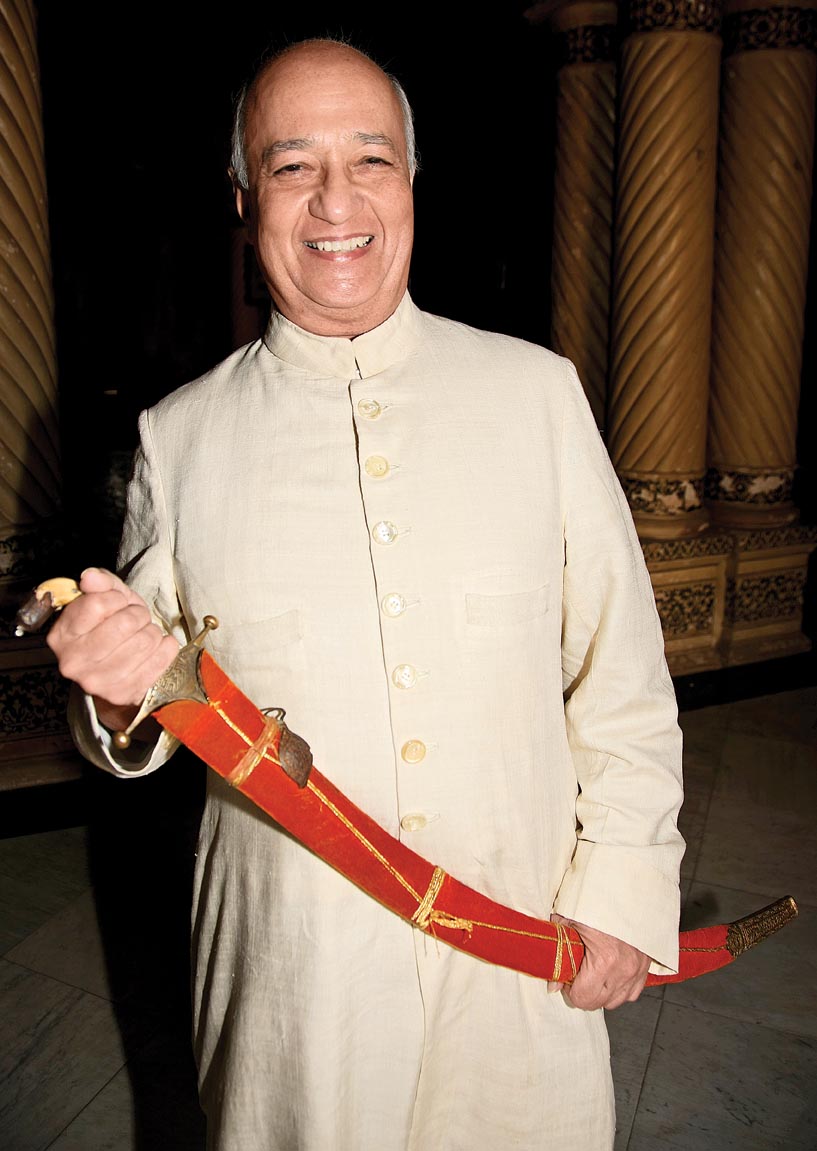
It is a formidable lineage. And the huge responsibility must wear heavy on the elegant shoulders of the suave and articulate, Cambridge educated Raja of Mehmoodabad. Farzana Behram Contractor comes away a fan of the Raja – Amir Mohammad Khan, Suleiman to friends.

Raja01MPOs30mar2017

We all have days in our lives we count as memorable. Spending a day in the life of the Raja of Mehmoodabad is one such in mine. It was special because I saw a part of life so removed from the ordinary, yet so similar because of the simplicity and warmth lent to it by a human being who is nothing if not extraordinary.

I suppose all the questions I asked– and I asked questions all day long, sent the Raja of Mehmoodabad on a trip to nostalgia. He spoke non-stop, till he was hoarse by nightfall. It was for him, an emotional journey. Let me recount it for you.

I was chatting with all the chefs, while at breakfast at The Sahib Cafe of the beautiful Taj Residency where I was staying. I had already received the message from the Reception – the Raja had called to say ‘he would be five minutes late, please bear with him.’ Five minutes! And he called to say that!

Within minutes I heard a gentle, soft-spot spoken, enquiring voice,  “You are Farzana.” I looked up and he continued, “I am Suleiman, sorry I got a bit late.” Flustered, I sprang to my feet. I was expecting the chauffeur to come fetch me, not the Raja himself! Talk about the Lucknow tehzeeb. It’s so humbling. As we walked to his jeep he said smilingly that he had done his ‘due diligence’ on me. Checked me up on the net and therefore recognized me in the restaurant. Phew, long live the internet.

We started to drive towards Mehmoodabad, the Raja’s erstwhile principality. We were going to eat lunch at his mahal, which I was really looking forward to. I had heard that there were none better than the khansamas at his palace. Cruising along rural Lucknow was new to me. And I found the sights rather pleasant. It was already so relaxing.

Raja02MPOs30mar2017

Raja03MPOs30mar2017

“Tell me about your family…” I began, and the first thing the Raja said, rather strangely, was, “My father was fond of itr(attar), though within limits. We had our own itr unit, never ever bought any from the market except occasionally some which was made in Mehmoodabad. There is a special method of processing it, so as not to lose its scent. Silver pot, silver ladle.” And he went quiet for a while. I got the feeling he began to speak about his father in association with fragrance because he may have got a whiff of him in his mind. Happens you know, when you are very close to someone, you remember their personal smell, long after they are gone.

His father, Raja Amir Ahmad Khan was a special man, to his son as well as to a multitude of people. He was known as Raja Sahib of Mehmoodabad. He was born in 1914 and was educated in Lucknow and later in England. Raja Sahib’s father Maharaja Sir Mohammad Ali Mohammad Khan (1877-1931), was a great landowner of Uttar Pradesh and a trusted friend of Mohammad Ali Jinnah.

Raja Sahib succeeded to the estate of Mehmoodabad on March 23, 1931, on his father’s death. At that time Mehmoodabad was one of the richest estates of the Awadh. He was keenly interested in the Muslim renaissance and associated himself with the Muslim League at an early age. He was at one time the youngest member of the Working Committee of the All-India Muslim League. In 1937, he formed the All-India Muslim Students Federation, which mobilized the Muslim Youth for the cause of Islam. It soon became the vanguard of the Pakistan Movement.

Raja Amir Ahmad Khan also served as Honorary Treasurer of the League for several years. He was a puritan and ascetic in personal life and placed all his wealth and ancestral estate at the disposal of Muslim League.

Raja04MPOs30mar2017

Disillusioned by the political turmoil in the country in the wake of the Independence struggle, he migrated to Iraq. From there, much after Independence, he went to live in Pakistan. Subsequently he settled in London where he remained Director of the Islamic Culture Centre until he died on October 14, 1973 in London. He  was buried at Mashhad in Iran.

“The late Raja of Mehmoodabad, Raja Amir Ahmad Khan, was a worthy member of the long line of Maharajas of Mehmoodabad. The family took part in the uprising of 1857 for which it was punished with confiscation of a large part of its estate.” This is what Indira Gandhi had to say about his father in 1984 in a book entitled The Life and Times of Raja Sahib of Mehmoodabad by Syed Ishtiaq Hussain. In 1965, the same fate was to recur.

 A very rich ancestry for the present Raja. “Yes, I feel humbled by my ancestors. They were at the highest levels of civilization. They were poets, writers, educationists, men of letters who possessed a strong spirit of enquiry. The responsibility is enormous. Especially the moral legacy,” pondered the Raja. And then continued, mysteriously smiling at some thoughts that went through his mind, “My father was wonderful. He studied at La Martiniere and then had private tuitions. He was like a son to Jinnah, who told him, ‘I will be your university’. It was my grandfather who conducted the marriage of Jinnah and Ruttie. One, an Isnasari, the other a Parsi. They went to Metropole for their honeymoon!” Metropole, incidentally is a hotel in Nainital owned by the Mehmoodabad royals.

Raja05MPOs30mar2017

“Father was deeply involved in Pakistan’s struggle. Nehru and our family go back to Motilal days when my father, 22 years old and an idealist, became a member of the National Party. He was committed to the Islamic Cause, but was getting disillusioned by and by. He was shattered when the great slaughter took place and realized how mistaken they were in their assessments. He was saddened seeing the lust for money, property and power which were destroying human values.  In 1945 when he exiled himself to Iraq, he took his family, cooks, servants and the library and built himself a house and stayed on till 1957 when he shifted to Pakistan. He was a real scholar, a poet, a writer, both secular and religious. He spoke Urdu, Arabic, Persian, Hindi, Sanskrit and French.”

Speaking of his own involvement in politics, the Raja said, “I wanted to serve the country. Rajiv Gandhi chose me to stand from Mehmoodabad. I won the election in ’85 when the Congress came to power and again in ’89 when it did not. But when they wanted me to stand for a third term I declined. I was unhappy. I did not leave the party, just faded away, so to say. To be religious which I am, is not a bad thing. But to use it as an instrument to attain political power is not what I stand for. It involves lies, corruption. By ’91, I saw no more proof was needed, catastrophe in the country was imminent. There was communalisation of politics, criminalisation of politics, commercialisation of politics. Politics became a transaction! When I was an MLA, I toured a lot in the state and I see no quantum difference between ’85 and now. There is destruction of environment, all this monstrosity, who is responsible for it? Where is the prosperity in rural life, it is hardly noticeable.” He turned to the driver and enquired, “Kya farkh hua hai?” “Koi nahi, Sahib,” the driver replied, earnestly.

The Raja looked visibly disturbed. We know how the political system works in our country; ‘enrich our own selves’, ‘exploit caste’, ‘play the communal card’,  I could hardly visualise someone with his kind of sensibility surviving it. I quickly changed the subject, “What about your mother?” “Oh!” exclaimed. “She was a gem. A very moral lady, she passed away in ’91. My wife Vijaya (the pretty daughter of Former Foreign Secretary, Jagat Mehta), was very close to her. She was a Rani in her own right. Rani Kaniz Abib of Belahra. She had no brothers and so succeeded her father. She was in purdah, but highly educated and she was very interested in my education. She always said, ‘Nothing will remain except education. That will be with you, forever in this transient life’,” he trailed off.

Raja06MPOs30mar2017

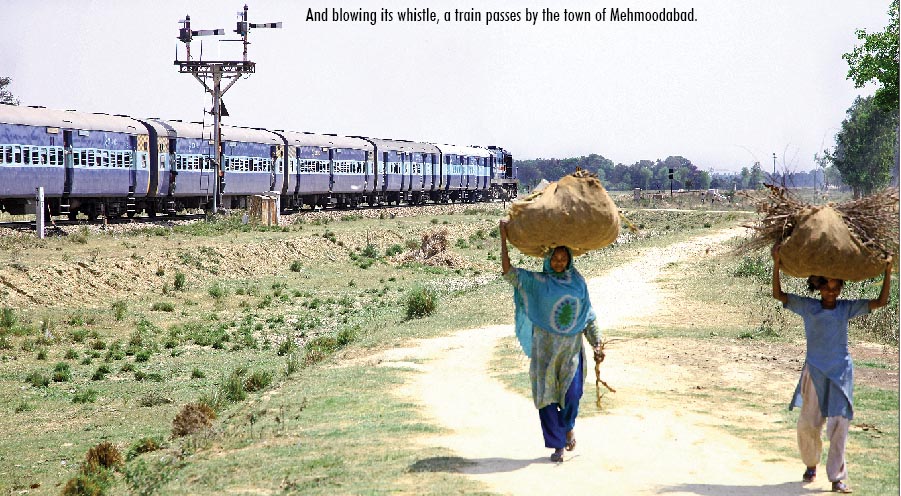
We were now approaching Mehmoodabad. And I was happy we were stopped by the red light at the railway crossing. It’s been a while since I had a chance to see the signal drop, watch a train pass by. I hopped out of the air-conditioned comfort to feel the warm air outside, walk on mud, look at the local people, shoot some pictures, hear the whistle blow, to know it was all clear and we could drive on through the metal gates. The small, forgotten pleasures of childhood come alive in such places.

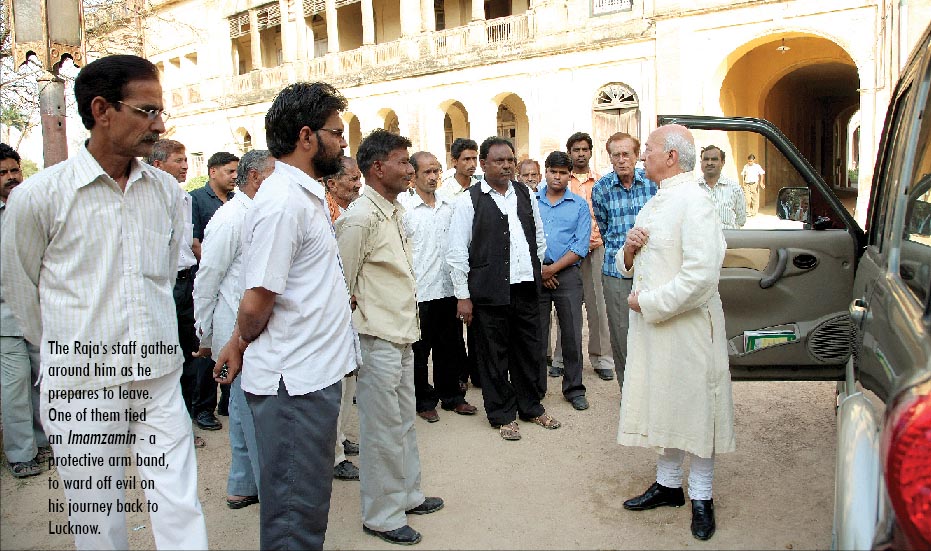
Well, soon we entered the town of Mehmoodabad. Driving through the straight but narrow and crowded lane I saw people fold their hands together in a namaste when they saw the Raja’s vehicle. Some bowed in greeting, some raised their hands to their foreheads, yet others placed them on their heart. And in response the Raja kept doing an aadaab, nodding ever so slightly. It was touching. To them he is still their king. When I was foolish enough to make a passing comment about them being subjects once upon a time, he retorted, “We are all subjects of God, how dare we call them our subjects. And we are not subjects; we are all children of God.”

And so we discussed the subject of God and nature. “There is so much you take in faith. Though science is a deterministic theory it does not have all the answers related to life. Solace, grief, love. Two people look at the same thing differently. The beauty of the world is in its difference. Look at the diversity in nature, it’s beautiful. Look at the rainforest, each lives in its own niche.” I let him carry on, it was nice listening to him.“Love of God is first love of man. From there you go stage by stage. In every suffering God suffers with you, although you are his creature. He has a resonance. There is no answer to that. It transcends human rationality. Humari taqleef mein Allah ki tasbi hai. He is one whose name is itself a curative and whose remembrance itself cures one…” When I asked him if he prayed regularly, he answered, “Subject to my communication with God, that day. Sometimes I have a fight with him, like a child sticking his tongue at his mother, I sulk. But it’s a constant remembrance not of God only but of Him through his creations.

Raja07MPOs30mar2017

The gates of the palace were now in front of us. Nothing spectacular, on either side vendors had usurped the space. One of them was selling beautiful earthen pots, surais they are called. We drove through the vast driveway which had old mango trees spread out over the grounds. There was no pomp, no ceremony. It was apparent to me by now that the Raja, a tech-savvy, reserved, low profile man, is an intellectual who lives in the real world in an unfussy manner. He is someone who can stand in a queue for movie tickets, can and even does earn a living the honest way. He is an occasional professor of astrophysics at Imperial College, London, and the Instituteof Astronomy at Cambridge University, from where he had earlier done his mathematical tripos. “Mathematics,” he said to me, “is a language. There is such beauty in it.” I didn’t dare tell him at the time that I knew zilch about math and hated it the most at school.

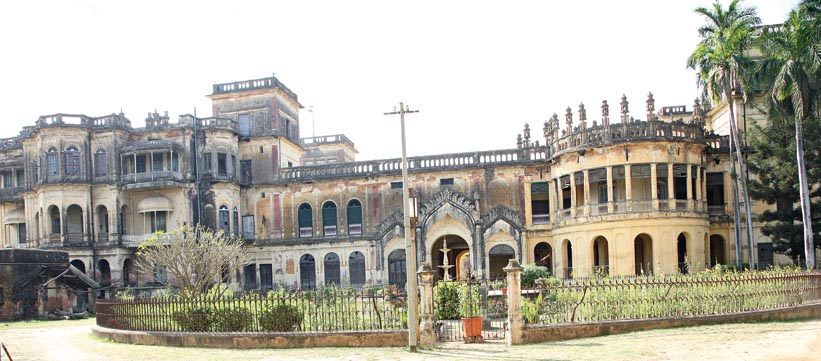
But here I was now, admiring beauty of another kind. The architectural one. The first thought that hit me as I stood watching the palace in front of me was: What a shame that all this was snatched away from the rightful owners and kept locked away for the longest period of time! I felt a surge of anger that such a monumental place was kept in a state of neglect, that it was allowed to go to seed! It is common knowledge that a vast amount of property owned by the royal family was impounded in 1965 by the government, as ‘Custodian Enemy Property’ – all because his father lived in Pakistan at the time.

Raja08MPOs30mar2017

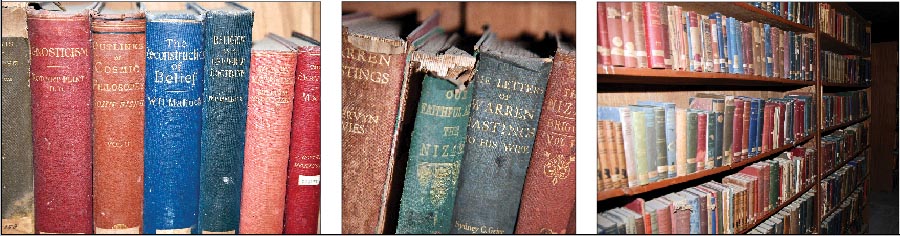
After a tour of the entire place (the Library has thousands and thousands of rare books), I requested the Raja to tell me about the horrible truth and his feelings now that he had won the 32 year long legal battle and got back all his properties spread over not just Mehmoodabad, but Lucknow, Sitapur, Lakhimpur Kheri and Barabanki districts in UP and Nainital in Uttarakhand: the impressive Butler Palace and the Metropole, among others.  “In 1965 when the war with Pakistan began, overnight they took over all our property. Surrounded it and sealed it. I was at Cambridge, at Pemberly then, and I was shattered. News didn’t get through so easily in those days. There were seals on every lock. When the Qila (that’s how he refers to the palace) was opened after one and a half years and conditional access was given to us, it was found that things were missing. A hundred quintals of silver, crystal, what not. My mother’s embroidered clothes were burnt just to extract the silver and gold embroidered in them. There was deep sadness in the family. We continued to battle, struggling against anger and depression. Eventually and only recently, we got all our properties back. But it will be a long haul before we sort out the complicated affair, for many properties have passed on to the third and fourth line of owners. What can I say; my friends had warned me that it was going to be a can of worms. But I felt that it was a can worth opening.”

I couldn’t agree more. It will baffle the reader to know that this property we are talking about is valued at thousands of crores of rupees. Half of the prime structures in upscale Hazratganj and Jopling Road which include Butler Palace and its lake are part of his ancestral property. When you view this injustice and unfair play against the backdrop of what this family has contributed, it is all the more disturbing. His great, great grandfather Raja Nawab Ali Khan-Muqeem ud Daula’s contribution to the first war of independence is recorded even in Surendranath Sen’s official history of the uprising brought out by the Information and Broadcasting Ministry during the centenary year in 1957. His grandfather was the first Vice-Chancellor of Aligarh Muslim University, an institution he helped set up.

“My family contributed so much to the country – Lucknow University, King George Medical College, Amir Daula Library and so many premier educational institutions. In fact, my great grandfather set up a school in Mehmoodabad way back in 1885. And here I was struggling year after year to fight a mindset which saw us as traitors,” said the Raja and added with a sigh, “But finally it is all over now.

Raja09MPOs30mar2017

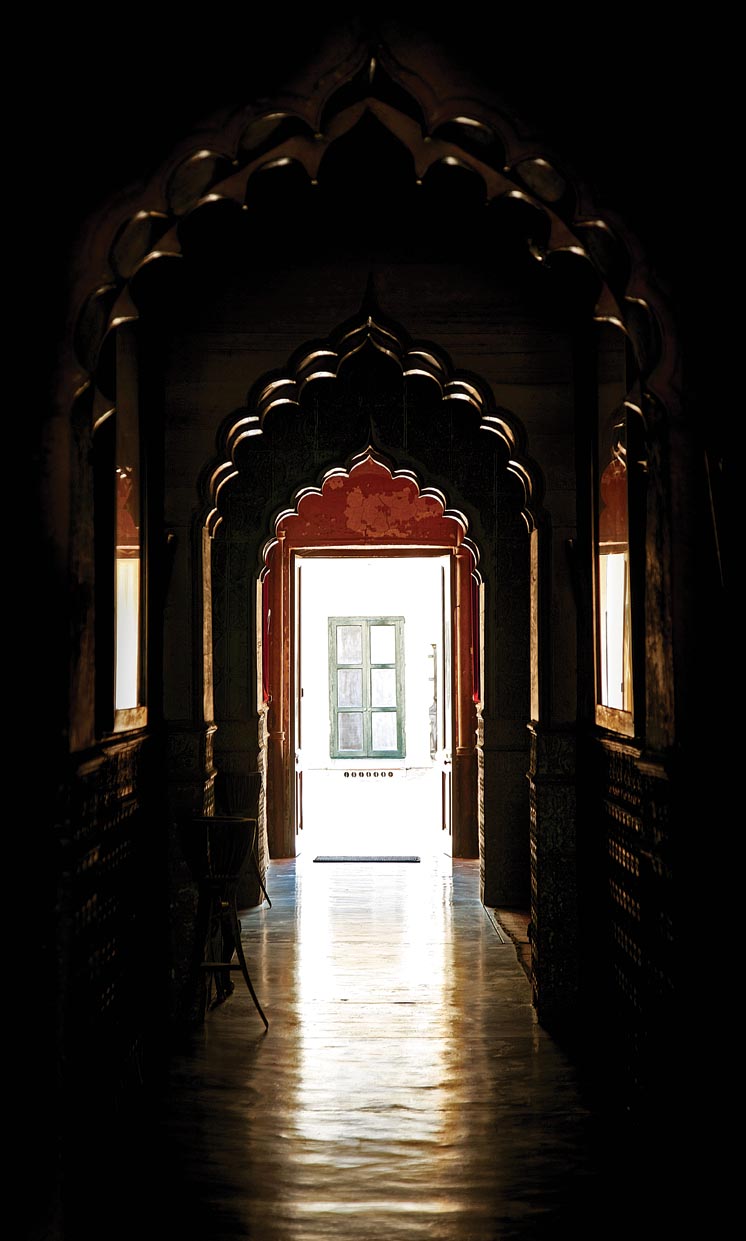
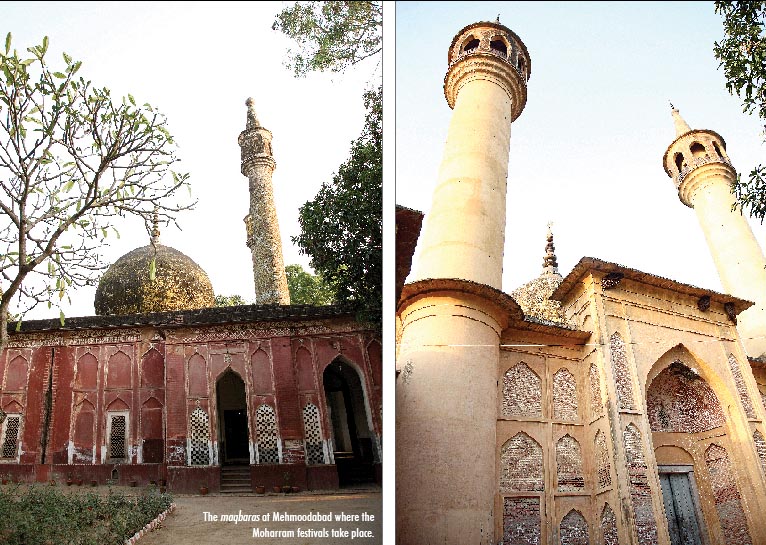
Lunch was announced. We walked through many halls to reach the dining room. Restoration work is an ongoing task, and beneath all the dust lay much beauty. I couldn’t help thinking what a beautiful hotel this Qila would make. The Raja makes only occasional visits here. But always during Moharram and Ramzan, to perform the many religious rituals that take place every year.

At lunch we discussed food. “Raja Sahib, my father, was very aware of the hunger and poverty around him and he was influenced by the finer teachings of the Caliphs. He was governed by, ‘no morsel you take is free from the hunger of another person’. But while he was always conscious of that fact, he was also gifted with discerning taste buds. He could and did appreciate the quality, fragrance and delicacy of the food cooked at home. But he could also deny himself the pleasures and often did.”

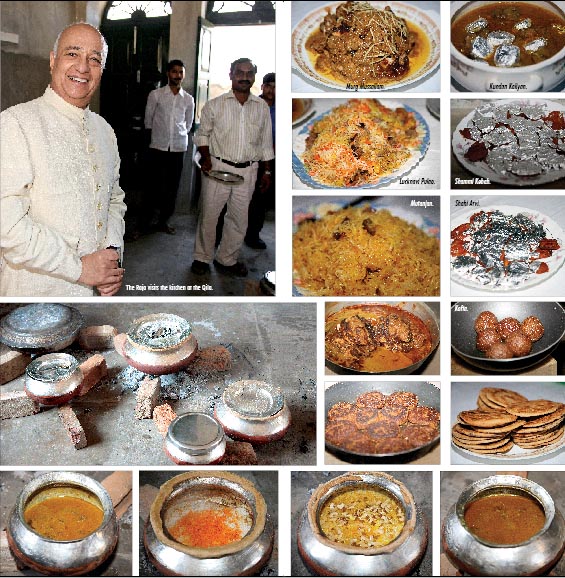
“We had a battery of cooks, all male. I remember three names, Hazari, Behraiji and Rasheed. Under them were many younger ones. Some from their families are still serving us. None of my ancestors drank, but served wines and liqueurs, with great finesse.They were not bigots, but would also make sure they did not affect the sensibilities of the orthodox. I personally never paid much attention to food. It was an ordeal to get through. One couldn’t eat what one wanted and vice versa. But everything was always cooked at home, including the breads. Kulcha, sheermal, taftane… Describing how food would be sent to his father wherever he was, he said, “Food was prepared and placed in a large octagonal container, with a seenee over it and then covered with shaal baat, a red cloth. The chamberlain would put his stamp on it and then send it to wherever my father was. It was carried on a khasa, on the server’s head. Ah, what a ceremony. At other times there would be a takht, a dwasterkhan, where the chamberlain would sit in the middle of the takht and pass things around, asking for comments!”

Raja10MPOs30mar2017

If the chamberlain was still around I would have thumped him on the back, the food I ate at the Qila was so exquisite. In his absence, I went looking for the cooks, found them in the kitchen with the last of the dying embers in the log and brick stoves and told them “Shabash, bahut acha pakaya aap sab ne, shukriya.” It went down well, but not enough for them to part with the mutanjan recipe I wanted. Instead very courteously they invited me to come again! “Phir zaroor aaye,” they said to me respectfully, not looking up.

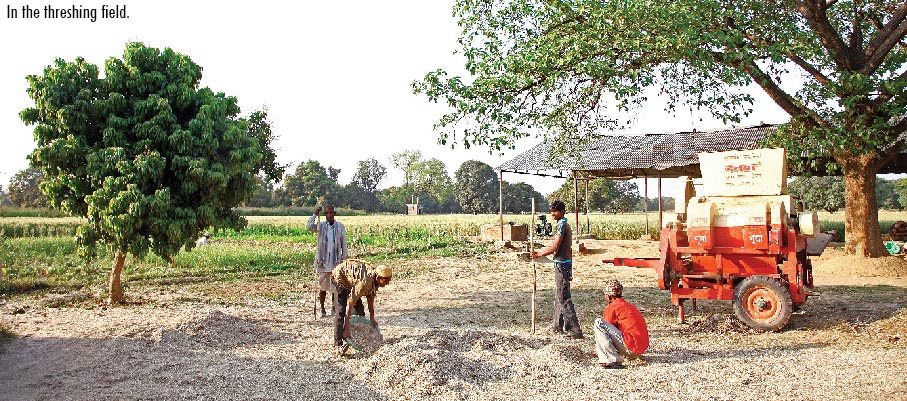
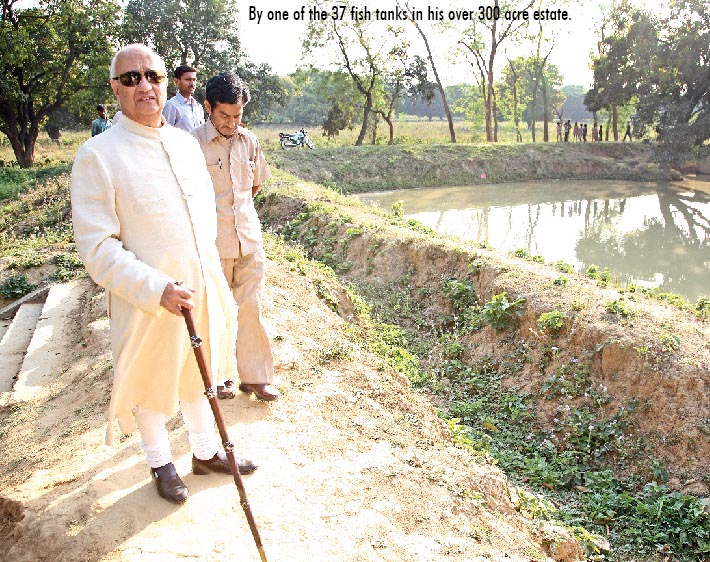
Soon it was time to leave, but not for Lucknow. We were first going to drive around the Raja’s fields. Just 300 acres! And we were not doing it for my sake as much as to listen to the tales of woe of his people and to check what was happening on his land. So we went and visited a group of cowherds and then walked alongside one of the 37 fish tanks (not your aquarium variety, but massive ones where his staff is breeding fish), we checked out a ‘party spot’ where marquees had been set up many decades ago, when the servants of the house wished to give the young Raja a farewell treat when he was going away to school (they made pastries which he was so fond of), and lastly we landed up at a field where mustard was being threshed. This was a historic moment of sorts. It was the first crop grown in over 35 years since the Government take over. The Raja of Mehmoodabad emotionally said a dua over the small wicker daliya full of tiny mustard seeds that the farmers presented to him. Later he chewed on a few of these tiny seeds and declared, “The mustard doesn’t taste so good, but it will improve.” He is like that – honest and egoless.

Raja11MPOs30mar2017

We were now driving back, but via Belahra, in memory of his mother. Her palace was charming. Looking at it and with my usual forthrightness, I blurted “This will make an even better hotel; there is so much character here.” The Raja merely smiled, but I got the feeling it may just about happen. His sons Ali and Amir may do so.

Our last halt was Dewa Sharif. A sufi durgah. We stopped to pay our respects. The smell of roses at the shrine was so dominant. My parents often used to visit this shrine and I have a faint recollection of being taken there as a child. I remember distinctly, the mitti ke bartan – tiny mud utensils we used to play with on our holidays in Lucknow. They were a speciality of this place. Meandering through the lane that leads to the durgah, I chanced upon a shop selling these. I was so delighted. Life always comes full circle.

The Raja of Mehmoodabad, Amir Mohammad Khan, who was now Suleiman to me, thanked me for a nice day as he dropped me back at the Taj, before driving off to Mehmoodabad House in Qaiserbagh, his home in Lucknow. It is I who would like to thank him. For a peek into history, for an insight into his private life and for showing me what grace and graciousness and true old world charm are all about. replica cartier, replica cartier watches, , womens cartier watches.

Raja12MPOs30mar2017

source: http://www.uppercrustindia.com / Upper Crust / Home / by Farzana Behram Contractor / July-Sept 2015 issue