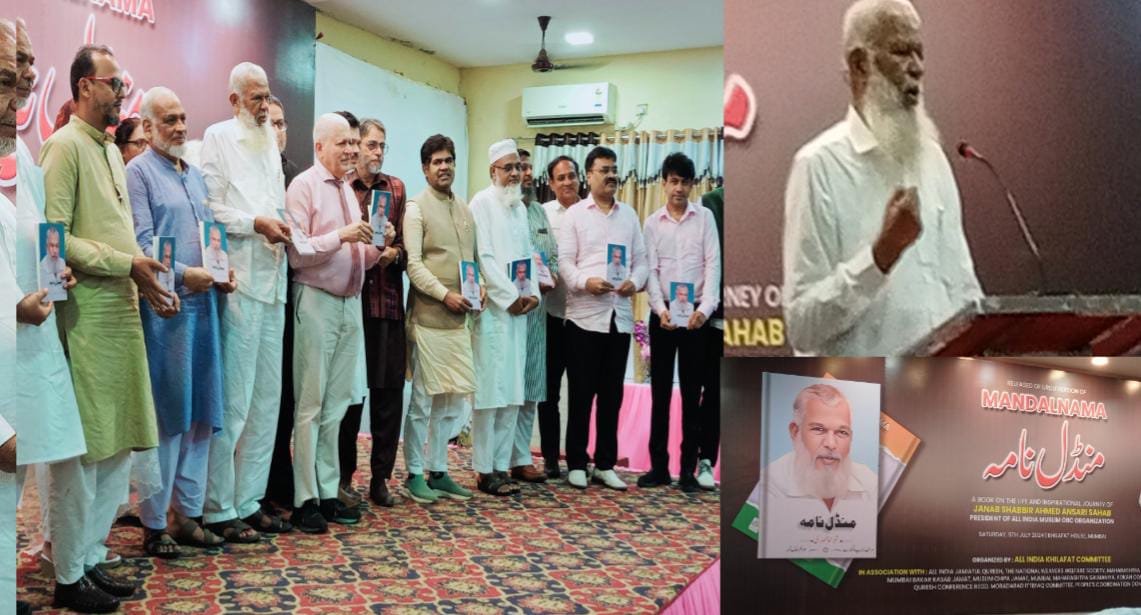
The July 6th 2024, witnessed a gala release of the prestigious book “Mandal Nama” (Urdu version) at Mumbai’s historic Khilafat House. It is a non-fiction autobiography covering the life and inspirational journey of long-time social activist – Shabbir Ahmad Ansari – the founding President of the All India Muslim OBC Organization. This significant event drew many distinguished guests from within Maharashtra and beyond, each bringing their unique perspective and reverence for the work and life of Shabbir Sahab.
The 200-page paperback book was originally compiled in Marathi by Dilip Waghmare and translated in Urdu by Malik Akbar. It is a book on a living legend who has been a standing hero from zero by his perseverance, commitment and hardworking against all odds.
Among the dignitaries were Dr. Zahir Kazi, President of Anjuman-I-Islam and Padma Shri awardee; veteran journalist and Maharashtra MLC Kapil Patil, Mohammad Wajihuddin, Senior Assistant Editor of The Times of India, Mumbai; Sarfaraz Arzoo, Editor of Hindustan Urdu newspaper; Maulana Mahmood Daryabadi, general secretary of All India Ulama Council; Maulana Mohammad Burhanuddin Qasmi, Director of Markazul Ma’arif Education and Research Centre and Editor of Eastern Crescent along with so many others, especially, OBC leaders and activists from across India. The hall at Khilafat House, Byculla, Mumbai was at its full capacity with academia, journalists and social activists who came together to appreciate and recognise the marvelous contribution made by Shabir Ahmad Ansari for Muslim OBCs and this Nation. These luminaries who are highly respected personalities in their fields of work, graced the occasion and shared their invaluable insights on the book and the remarkable struggles of Shabbir Sahab.
The speakers highlighted the importance of Shabbir Sahab’s mission, emphasizing how he tirelessly worked day in and day out for the community, enduring numerous challenges along the way. They stressed that if this mission is not carried forward, it risks being buried with Shabbir Ansari himself. Shabbir Ahmad Ansari is not merely a name; he represents an Anjuman and a revolution. Despite facing various adversities and betrayals, he persevered and continued to advance his cause.
The event also acknowledged the crucial support provided to Muslim OBC Movement by MLC Kapil Patil and Dilip Kumar, two personalities instrumental in Shabbir Sahab’s mission. They stood by him unwaveringly, enabling him to confront politicians and overcome deceit from within his own ranks.
“Shabbir Bhai’s steadfastness led to a moment where even politicians had to concede to his demands and paved ways for Muslim OBC Reservation in Maharashtra,” echoed by almost all speakers..
“Mandal Nama” is not just a book; it is a testament to Shabbir Ahmad Ansari’s enduring legacy and a call to action for future generations to uphold and advance his mission. This is a book for all fiction and non-fiction readers. A story of a man who stood alone for a greater social cause, struggled and succeeded in his lifetime. “Shabbir Ahmad Ansari and Muslim OBC movement in Maharashtra is so fascinating-story in academic perspective that it should be a research topic in a Central University in India” opined by Maulana Burhanuddin Qasmi.
source: http://www.easterncrescent.net / Eastern Crescent / Home> Book Review> EC Exclusive / by Mohammad Toukir Rahman / July 07th, 2024
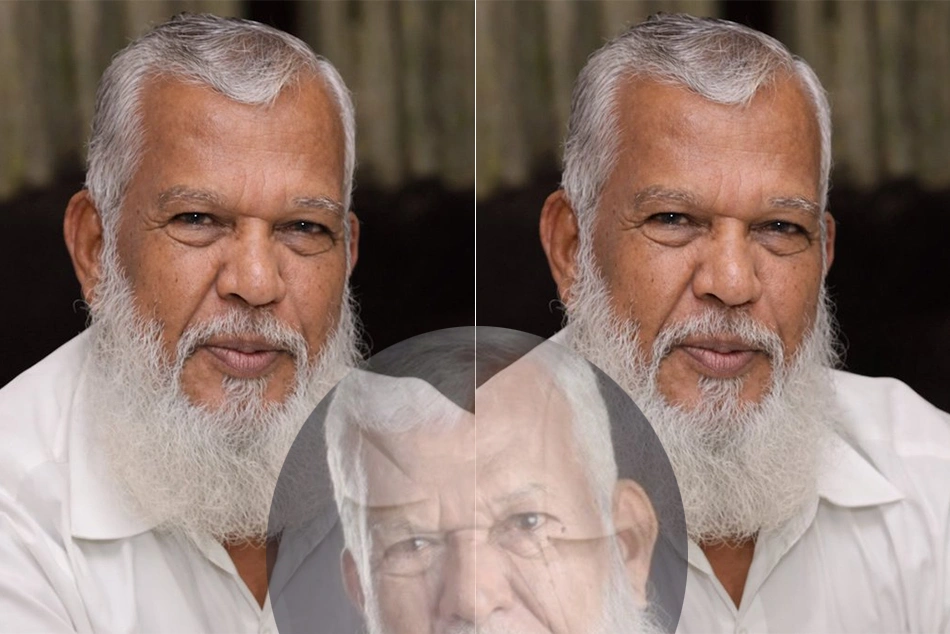
Remembering Shabbir Ansari today is not merely an act of mourning, it is a call to continue the struggle he devoted his life to — a struggle against both caste and communalism, against invisibility and exclusion.
The news of Shabbir Ansari’s passing brings back, with striking clarity, my first and only meeting with him — an encounter that left a deep and lasting impression on my understanding of Indian society, politics, and the unfinished struggle for equality.
It was in the aftermath of the Bhagalpur riots of 1989, a moment that convinced me that communal polarization would dominate India’s political landscape for decades to come. In the early 1990s, during a visit to Mumbai, I found myself in the company of Shabbir Ansari at the SNDT University quarters in Bandra. He was preparing to leave the next morning to meet Prime Minister V.P. Singh.
What I assumed would be a brief exchange turned into a night-long conversation that fundamentally challenged my assumptions. When I asked why he was meeting the Prime Minister, Shabbir Bhai explained that he wanted to press for the inclusion of backward sections among Muslims within the Mandal Commission framework. I responded, rather naively, that Islam did not recognize caste. With patience and clarity, he unfolded before me the lived reality of inequality within Muslim society — an inequality that mirrored, in many ways, the entrenched hierarchies of the subcontinent.
That night, sleep became impossible. What Shabbir Ansari articulated was not merely a political demand, but a moral and social truth: that caste, as Dr. B.R. Ambedkar warned, has a stubborn persistence across religions. His insight forced a rethinking of simplistic narratives about equality and exposed the layered marginalization faced by Pasmanda Muslims.
Shabbir Ansari was not content with theory. His politics was rooted in the lived experiences of the most deprived — particularly the Muslim weaver communities scattered across regions like Malegaon, Bhiwandi, and Burhanpur, many of whom had already suffered displacement since 1857, and continued to bear the brunt of recurring communal violence. His work sought to bring these invisible communities into the center of democratic discourse.
In the years since that meeting, the patterns he warned about have only deepened — communal polarization, the instrumental use of backward communities in majoritarian politics, and the systematic exclusion of minorities from representation. Yet, Shabbir Ansari’s life stands as a counterpoint to this trajectory: a lifelong effort to build solidarities among the marginalized and to assert dignity, representation, and justice.
His work resonates with that of others like Ali Anwar Ansari, who documented the condition of Pasmanda Muslims in detail. But Shabbir Bhai’s contribution was not just intellectual — it was organizational, persistent, and deeply humane. He dedicated his life to ensuring that backward Muslims, often erased even within minority narratives, could claim their rightful place as equal citizens.
Remembering him today is not merely an act of mourning. It is a call to continue the struggle he devoted his life to — a struggle against both caste and communalism, against invisibility and exclusion.
The most meaningful tribute to Shabbir Ansari would be to carry forward his unfinished mission: to build an India where equality is not proclaimed in abstraction, but realized in the lives of those who have long been denied it.
[The writer, Dr. Suresh Khairnar, is Ex-President of Rashtra Seva Dal.]
source: http://www.ummid.com / Ummid.com / Home> Obituary / by Dr Suresh Khairnar / March 25th, 2026
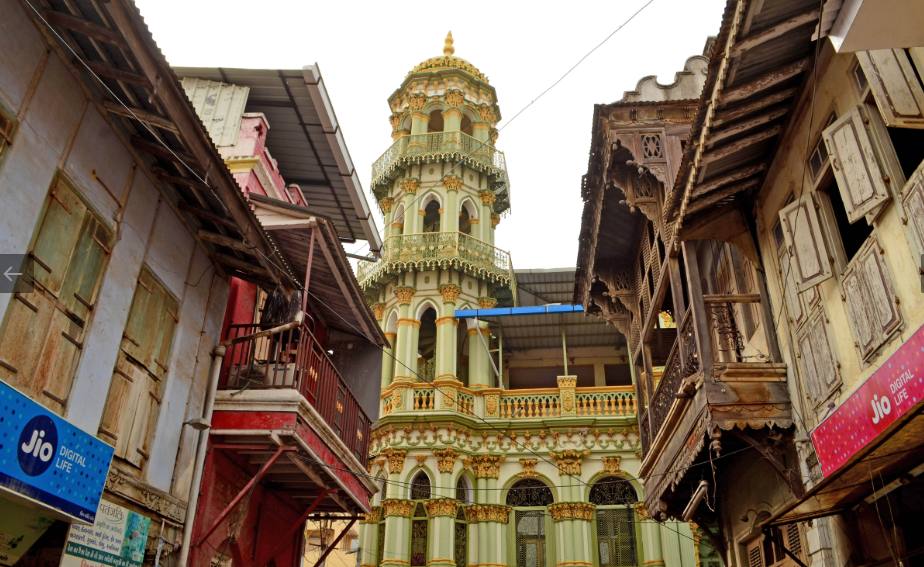
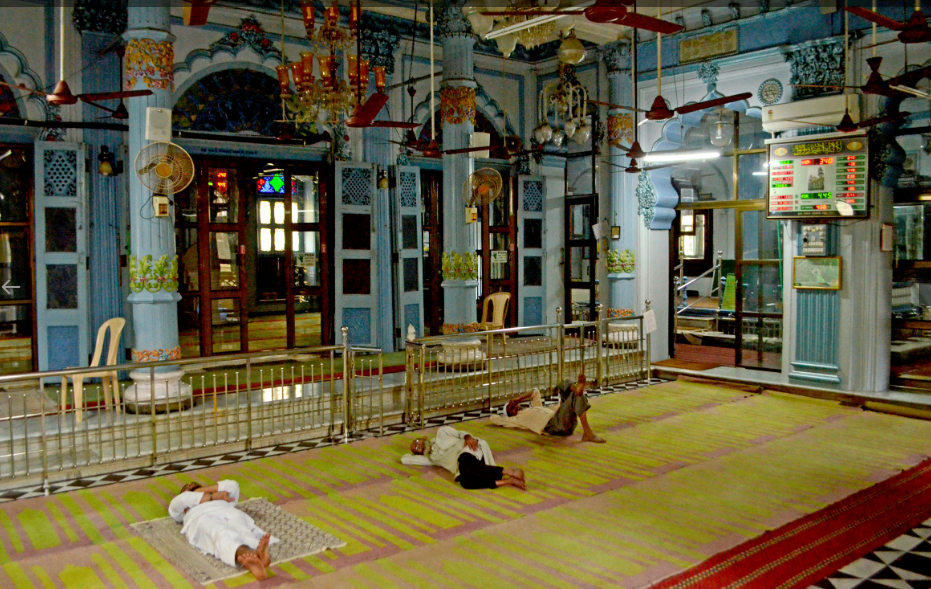
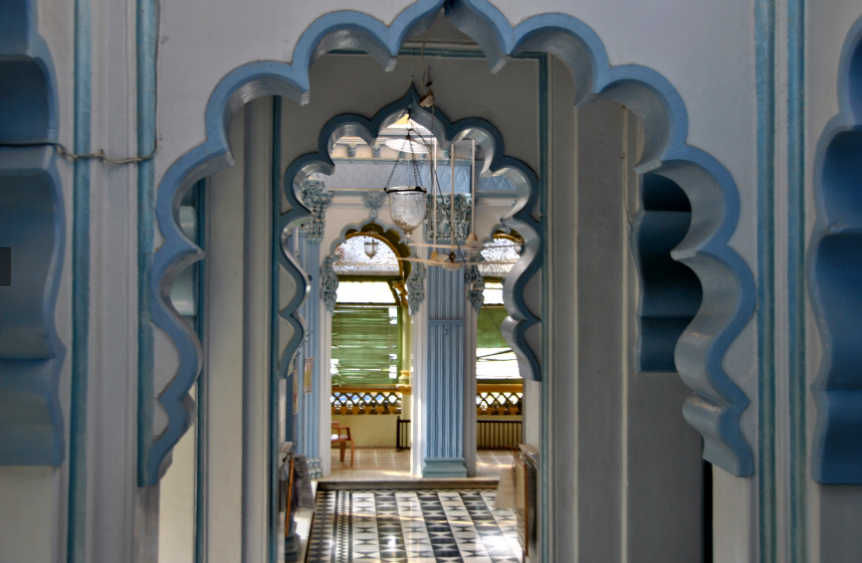
In Rander township of Durat city in Gujarat, there is an architectural marvel — a One Pillar Mosque called “Masjid-e-Quwwat-e-Islam.” This mosque upends the tradition of art associated with Muslims.
It’s not just a place of worship, but a unique fusion of history, culture, and architecture.
The quarter of the city where this mosque is located was once a major commercial centre of Surat. In ancient times, local merchants traded with Africa, Arab countries, and Burma. Around 1225 AD, Arab merchants from Kufa (Iraq) settled here. With their arrival began a fusion culture, and this influence is still visible.
The mosque, built in the 1800s, is a blend of architectural styles. It incorporates elements of Arabic, Mughal, Portuguese, and Dutch architecture.
The most striking aspect of the mosque is its structural design. It rests entirely on a single pillar. Four arches emerge from a pillar in the basement, and three minarets stand out, each 50 feet high. The entire mosque’s mezzanine and floor rest on this pillar.
Rander’s historical significance extends beyond trade. The region has also been home to Jain and Parsi communities. The port of Rander predated the port of Surat. Jain merchants traded with various countries here in the 1200s. Arab merchants arrived in 1225 and established their own place of worship.
According to Dr. Surendra Vyas, a renowned architect and archaeologist from Surat, “The first mosque in Gujarat was built in Rander.”
In his book, Dawn of Islamic Architecture in Gujarat, Dr Vyas states that approximately 1,300 years ago, two Arab traders came to Rander and built only a qibla (Facing towards Macca) wall. It had no minaret or a hauz-e-wuzu Tank for ablution). All the traders would gather in front of this wall and worship Allah. The graves of these two traders, inscribed with Arabic inscriptions, still stand in a nearby cemetery.
This mosque is also important in the folk life of Rander. Walking through it one can see glimpses of the ancient trading lifestyle. There are also Jain temples in the mosque and surrounding settlements, demonstrating that Rander has been a melting pot of religions and cultures.
According to Dr. Vyas, the study of over 70 mosques and buildings in Gujarat spanned three years. brought out details of the architectural techniques and art of the Rander mosque.
The mosque’s western wall, called the Qibla wall, faces the direction of Mecca. This wall remains an important part of the mosque’s design. Initially, there were no set times for prayer. People gathered by standing on high mounds or using booms. Later, the call to prayer began to be made from a minaret, and people began to pray at set times.
This single-pillar mosque design is significant not only for its architecture but also for its social and commercial history. It demonstrates how organised and modern the people of Rander were. Supporting such a massive structure on a single pillar is a unique architectural achievement.
Walking through the streets of Rander, you realise that it was not only a place of worship but also a cultural centre.
Traders from various countries visited here and conducted trade as well as religious rituals. Thus, the mosque strengthened Rander not only religiously but also socially and economically.
The streets surrounding the mosque are filled with stories of history. Rander’s port and trade activities remain important from a tourism and cultural perspective. Arab traders mingled with local society, sharing their art, culture, and trading experiences with the local community. As a result, mosques, temples, and other architectural structures can be seen in Rander today.
According to Dr Vyas, “There is an interesting reason behind the absence of a minaret at Rander. It is possible that this mosque was built as a private place of worship, so facilities like a hauz-e-wuzu and a minaret were not required. Water was available due to the presence of a pond or lake nearby.
From a modern perspective, this mosque is nothing short of a miracle. Standing on a single pillar for so long, it amazes every visitor.
source: youtube.com
source: http://www.awazthevoice.in / Awaz, The Voice / Home> Stories / by Ghulam Qadir / March 24th, 2026
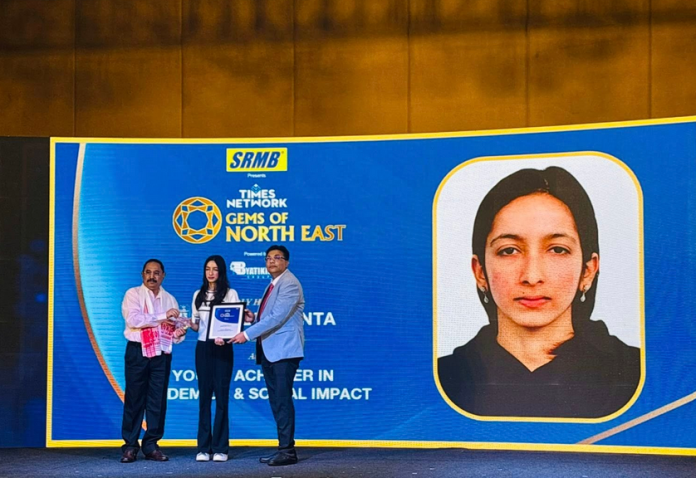
A 16 year old Muslim student from Assam has gained international attention after presenting her research at a global conference on artificial intelligence and machine learning.
Huma Abia Kanta, a Grade XII student at Royal Global School, Guwahati, presented her paper at the Advancement and Innovation International Scientific Practical Conference held in Azerbaijan. The event brought together academic institutions from multiple countries and focused on emerging developments in AI and machine learning.
Her research, titled ML Based Prediction of Phycocyanin Purity, examined how machine learning models predict pigment purity levels used in sustainable bio resource industries. She compared six regression models and achieved a mean absolute error of 0.058, improving on the standard laboratory deviation of 0.31. The paper will be published in international journals indexed in Scopus.
Huma has also authored another paper on natural language processing, accepted for presentation at RegICON 2025. She has co authored three additional research papers, which are under review.
Beyond research, she leads an educational startup named desicodes. The initiative works on an Assamese Python transpiler to promote coding in regional languages and improve access to computer science education in the Northeast.
She has also contributed to environmental work by supporting the Hargila Army initiative, helping digitise traditional motifs linked to the endangered Greater Adjutant Stork for handloom use.
Huma credited her mentors for their guidance, highlighting the role of academic support in her journey.
source: http://www.radiancenews.com / Radiance News / Home> Features / by Radiance News Bureau / March 20th, 2026
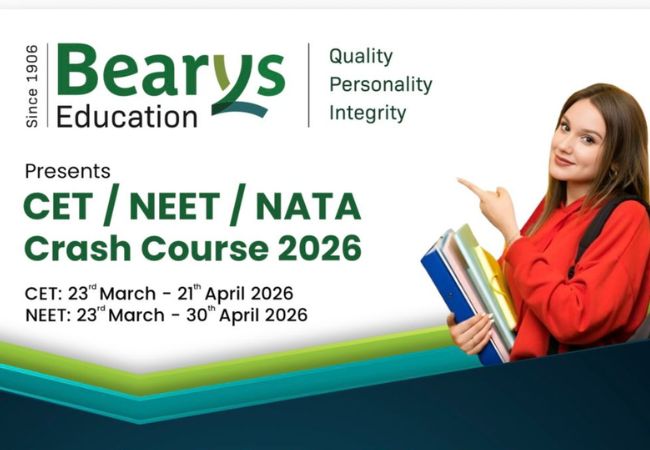
Bearys Education will conduct its Annual CET / NEET / NATA Crash Course 2026, continuing its efforts to support students preparing for competitive entrance examinations.
The crash course is scheduled to commence on March 23, 2026, offering intensive coaching for aspirants of CET, NEET, and NATA. The CET programme will run until April 21, while the NEET course will conclude on April 30.
The programme will be delivered by experienced faculty members, providing focused academic guidance and exam-oriented training.
The curriculum is structured to enhance conceptual clarity and strengthen problem-solving abilities within a limited timeframe.
As part of the course framework, students will undergo regular assessments through weekly tests, enabling them to monitor progress and improve performance. The programme will also include specially curated study materials and structured learning sessions.
Conducted annually, the crash course has consistently assisted students in achieving commendable results in competitive examinations. The institution continues to focus on delivering quality education and enabling students to meet their academic objectives.
Registrations for the course are currently open. Interested students can register by scanning the QR code (given in the poster) or contacting the organisers at 7259661177 or 99000 66888.
source: http://www.english.varthabharati.in / Vartha Bharati / Home> Karavali / by Vartha Bharati / March 20th, 2026
More than the hard work of Irfan Ahmed Lone, a visually challenged person from Bandipora, Kashmir, who cleared the UPSC examination for the Indian Civil Services as a blind candidate with 957th rank, his father’s vision and ambition contributed to his success.
His father was a casual worker with the local government department, earning Rs 3,000, when he decided to admit his son into the Government-run National Institute for the Visually Impaired, Dehradun, Uttarakhand.
“Back then, it was a very bold decision, more so when he was hard pressed for money,” A neighbour told the visiting media persons who swarmed at the family’s house in Manzpora, Naidkhai, Bandipora after the news broke out.
Irfan Ahmed Lone with reporter Danish Ali
Today, Irfan’s father earns about Rs 9000, and for this reason, his son worked soon after his studies while continuing to prepare for the UPSC examinations.
Irfan’s biggest test in life began at the age of five when, in two freak accidents, he lost his eyesight and was declared 100 per cent blind.
As if this wasn’t enough, he lost his mother to a brain haemorrhage, soon after. This devastating phase deeply affected his family, but instead of giving up, they chose to fight back.
Irfan’s father enrolled him in a special school in Dehradun for visually-impaired students. There, Irfan not only received an education but also developed a positive outlook on life.
In 2016, he passed his 12th grade with 91% marks. This proved to be the turning point in his life. He secured admission to Hindu College, Delhi University, where he pursued Political Science. Later, he completed his post-graduation in International Relations from Jawaharlal Nehru University.
source: youtube.com
Irfan
Irfan worked with Punjab National Bank to make ends meet. Later, he was selected as an Assistant Administrative Officer (AAO) with the Life Insurance Corporation of India. Though he changed jobs, he continued his preparations for the UPSC examination.- Assistant Administrative Officer –
By clearing the UPSC examination, Irfan Lone also brought pride to his district, Bandipora, as he became the first one from the areas that are closer to the Line of Control with Pakistan and are considered backward.
His success has fueled many a dream across India, and especially in Kashmir.
Irfan believes that success requires not just hard work but also smart strategy. He advises young aspirants to avoid distractions like social media to stay focused. According to him, strong determination and consistency are the keys to success.
He often motivates others through poetry:
I cannot stop now,
I still have miles to go,
Through storms and scorching sun,
I must keep moving forward.
Irfan credits his father for his success. He says his father has been the biggest pillar, providing him with much-needed strength. He says his father denied all comforts of life and prioritised his children’s education. His siblings also stood by him.
Ifran’s message to the youth is: Reaching great heights is not the real achievement, Staying there is true success.
source: http://www.awazthevoice.in / Awaz, The Voice / Home> Stories / by Danish Ali / March 24th, 2026
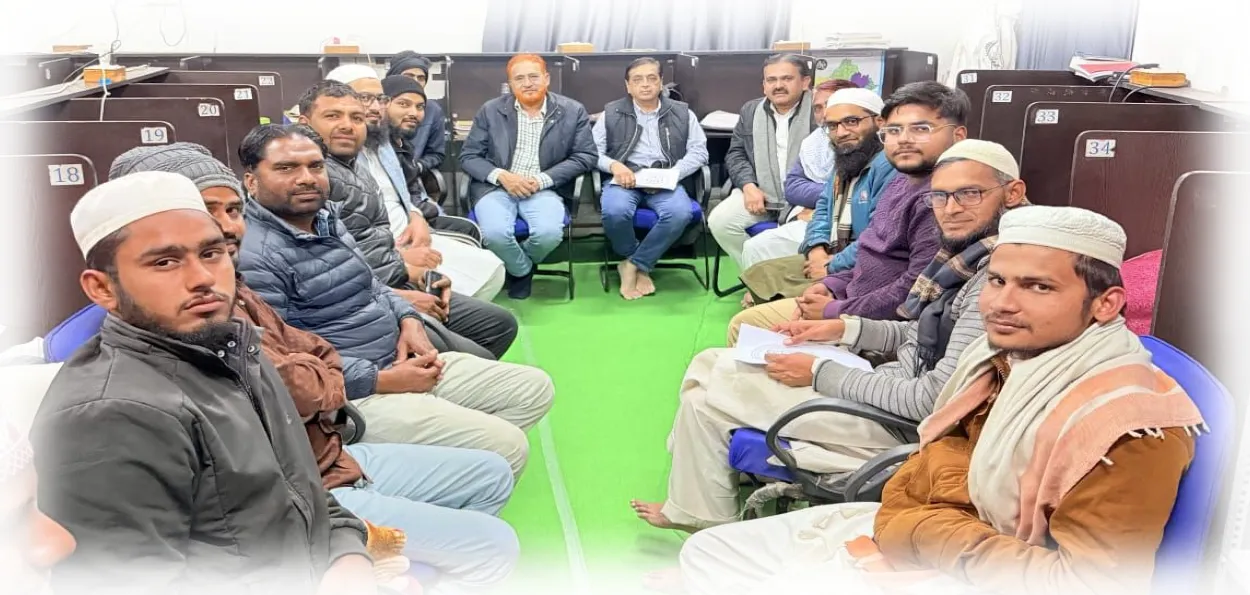
In Untada, a small village between Ajmer Sharif and Kishangarh in Rajasthan, a modest community initiative is quietly transforming the educational landscape. A library inside the village’s Jama Masjid, set up with public donations, has become a hub of learning for children and ignites aspirations in the youth
Named the Limra Education Muhim Library, the facility was launched in September 2023.
What began as a small effort has gradually evolved into a shared study space where students prepare for their academic and career goals, often studying late into the night. Residents have a plan to institutionalise the initiative by registering Limra Education Muhim Welfare and Charitable Trust, Untada.
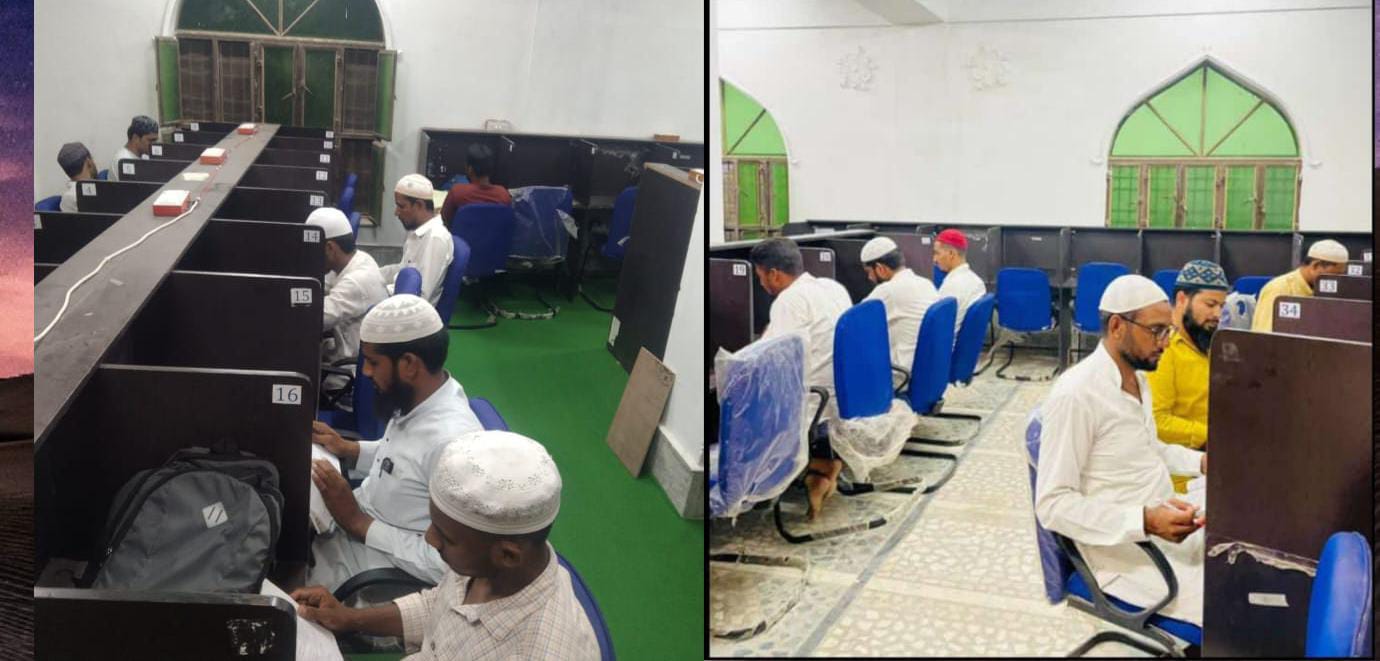
Students in the Library
Despite limited resources, teachers, doctors and socially conscious residents of the village have come together to build and sustain the library. Their efforts have created an environment to inculcate discipline among students. Many of them today aspire to pursue higher education and competitive careers.
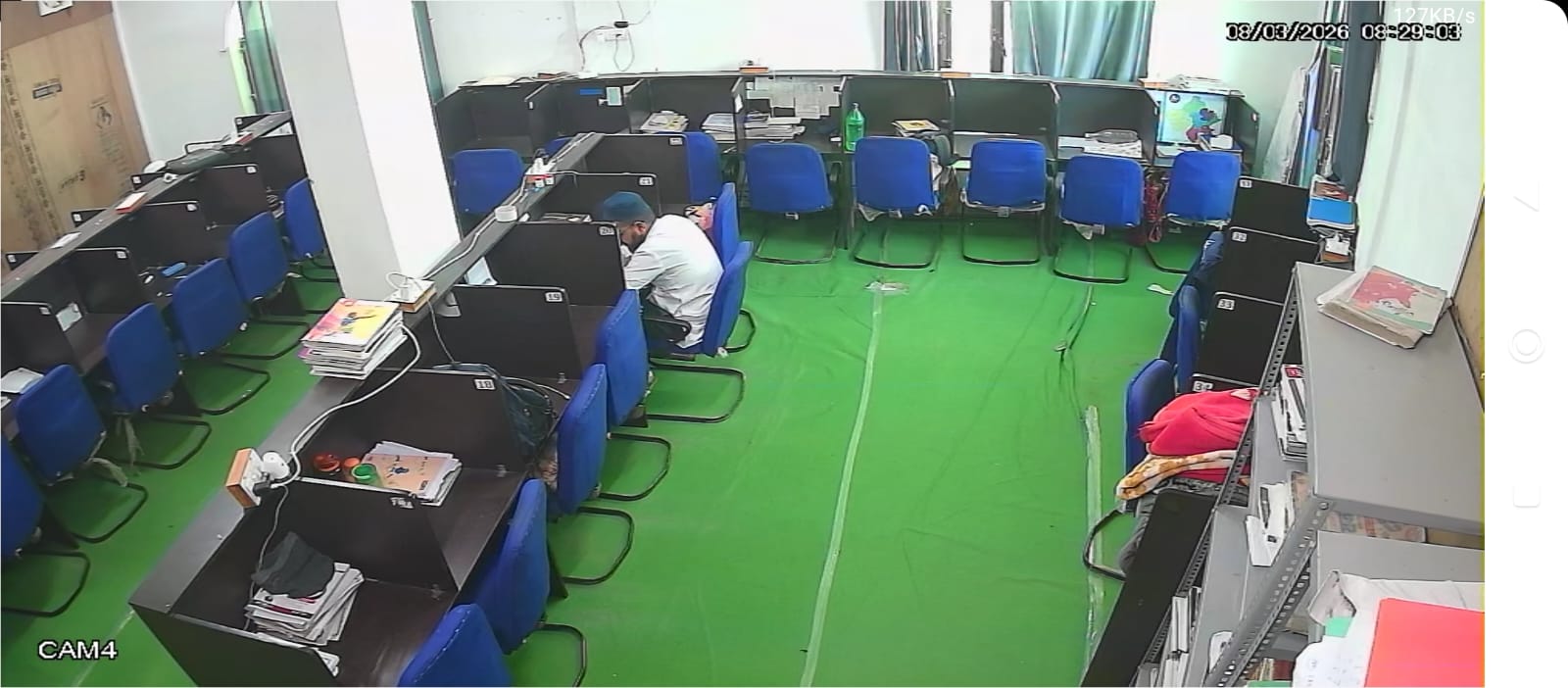
The library operates out of a 30×30-foot hall of the mosque on the first floor. Wooden and plywood partitions have been installed to create quiet corners for studying. The facility can accommodate around 34 students, with nearly 18 using it regularly. The library is open around the clock, allowing students to study at any time.
Designed primarily for students preparing for competitive examinations, the library houses books on general knowledge about Rajasthan and India, competitive exam material and cognitive development resources. Free Wi-Fi access enables students to attend online lectures and access digital study material. Many also bring their own books, turning the space into a community study hub.
According to committee member and teacher Mohammad Iqbal, the idea emerged during a meeting of the villagers, where some people felt the need to create a supportive educational environment for children. Iqbal then began mobilising community support, discussing the initiative at mosques, village gatherings and tea stalls to highlight the importance of education.
Villagers contributed voluntary amounts ranging from ₹500 to ₹5,000. Through these small contributions, about ₹2.5 lakh was raised to set up the facility.
The funds were used to convert the hall into a functional study space with tables, chairs, carpets, fans and electrical fittings. Power sockets were installed near each desk, while an inverter, computers, a television and CCTV cameras were also arranged. Internet connectivity was provided through Wi-Fi. The mosque committee supported the initiative by allowing the space to be used free of rent.
To cover operational costs, the library charges a nominal monthly fee—₹100 for board exam students and ₹200 for those preparing for competitive examinations. Students from economically weaker families are allowed to use the facility free of charge.
Although the initiative is relatively new, early signs of success have begun to appear. One student recently secured a Class-IV government job, which the committee views as an encouraging start.
The project is also set to expand. Resident and madrasa teacher Gul Mohammad has donated around 200 square yards of land for a dedicated library building. Once the trust registration is completed, the committee plans to construct a larger facility on the site.
A 12-member committee manages the library’s operations. Master Shafi Mohammed serves as president, Dr Wazir Mohammed as secretary and Dr Abdul Qadir as treasurer. Several teachers, doctors and social workers are also involved in running the initiative.
Students in the Library
The committee now plans to convert the facility into a digital library, providing students with online learning resources and e-learning facilities. There are also proposals to start offline coaching classes for competitive examinations.
Untada, with around 1,200 households, is a Muslim-majority village. Yet this locally driven educational initiative is increasingly being seen as an inspiring model for surrounding areas. For many students who travelled to nearby towns for space to study, the library provided a quiet and accessible place.
What started in a small hall of a village mosque is gradually evolving into a beacon of hope—demonstrating how community participation and a shared commitment to education can open new opportunities for rural youth.
source: http://www.awazthevoice.in / Awaz, The Voice / Home> Stories / by Farhan Israeli, Ajmer / March 14th, 2026
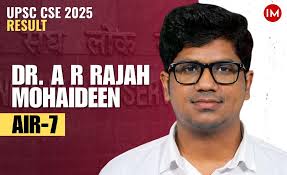
MBBS graduate Dr. A R Rajah Mohaideen secured AIR 7 in UPSC CSE 2025 after three attempts. His journey from Covid-19 hospital wards to civil services reflects purpose, learning, and a wider vision for public health.
When the UPSC Civil Services Examination 2025 results were declared, A R Rajah Mohaideen was not anxiously refreshing a results page like thousands of other aspirants. Instead, he was at the mosque in Jamia Millia Islamia, attending the Friday afternoon prayer during the holy month of Ramzan.
When he returned to his room at the university’s Residential Coaching Academy (RCA), a friend delivered the news that would change everything: he had secured All India Rank 7 in the UPSC Civil Services Examination 2025.
The 26-year-old doctor from Chennai had hoped to find his name somewhere on the list. A single-digit rank was far beyond what he had imagined.
In an exclusive conversation with Indian Masterminds, the soon-to-become officer shared details about his life, preparation, struggles, and victory.
GROWING UP IN AN ACADEMIC HOUSEHOLD
Rajah Mohaideen was born in Chengalpattu in Kanchipuram district of Tamil Nadu and raised in Chennai. Education formed the foundation of his upbringing.
Both his parents serve in Tamil Nadu’s government education system. His mother is the principal of R K Nagar Government Arts and Science College in Chennai, while his father heads a Government Teachers’ Training College in Varathanadu near Thanjavur.
An only child, he grew up in an environment where academic pursuit was natural. His schooling took place in the DAV Group of Schools in Gopalapuram, Chennai, where he studied science subjects including physics, chemistry, biology and mathematics.
He later joined Government Cuddalore Medical College (Rajah Muthiah Medical College) under Annamalai University in 2016 and graduated with an MBBS degree in 2022.
“I wasn’t a topper. In school I was maybe third or fourth in class,” he recalled. “I was among the top 10 or 20 per cent, but never the absolute topper.”
THE PANDEMIC THAT CHANGED HIS CAREER PATH
For most of his early life, Rajah Mohaideen had one clear ambition: becoming a doctor. But his final year internship coincided with the Covid-19 pandemic, placing him directly on the medical frontlines. Hospitals were struggling with shortages of oxygen, equipment and protective gear.
During that time, he also observed another set of professionals working intensely behind the scenes: civil servants coordinating supplies, hospital infrastructure and emergency responses.
One particular incident stayed with him. Sanitation workers in his government hospital lacked proper masks. When the local IAS officer visited and heard the concern, N95 masks were quickly arranged.
“I saw how important the administration’s role was,” Rajah told Indian Masterminds. “As a doctor I could serve patients individually. But as a public servant, I felt I could serve a much wider section of people.”
That moment reshaped his career direction. By the time he graduated in 2022, he had decided to prepare for the Civil Services Examination.
THE LONG PREPARATION JOURNEY
Rajah Mohaideen’s UPSC journey stretched across three attempts. His first attempt ended at the Preliminary stage. The setback meant starting the entire process again.
In 2023, he moved from Chennai to Delhi and joined Jamia Millia Islamia’s Residential Coaching Academy, entering an environment where the exam dominates everyday life.
The transition brought new challenges such as language differences, unfamiliar surroundings, and adjusting to North India.
“Initially there was hesitation to interact because of the language barrier. But I learned Hindi gradually and made many friends,” he said.
These friendships soon became a support system during preparation.
A STRATEGY BUILT ON TARGETS, NOT TIMETABLES
Instead of rigid daily schedules, Rajah Mohaideen structured his preparation around clear targets.
“The key is not a fixed timetable but fixed goals,” he said. “For example, finishing a subject in a week or a month. If you miss a day, you put in double the effort the next day and reach the target.”
His preparation included structured mock tests such as Prelims programmes, along with continuous revision and answer-writing practice. He chose Anthropology as his optional subject, a crucial component of the UPSC Mains examination. His mentor, senior IPS officer Mahesh M. Bhagwat, also played a crucial role in preparing him for his personality development round.
By CSE 2025, his third attempt, he cleared Prelims, Mains, and the Interview for the first time, securing AIR 7.
MUSIC: THE QUIET COMPANION IN A DEMANDING JOURNEY
Beyond books and mock tests, another part of Rajah Mohaideen’s life played a key role in keeping him balanced — music.
He has been trained in Carnatic music since childhood, first learning the electronic keyboard and later becoming a vocalist. He has also played instruments such as the kazoo and cajon, and enjoys composing jingles on the keyboard.
“When I felt stressed, I sang or played the keyboard. It calmed my nerves,” he told Indian Masterminds.
Music had been a constant presence throughout his life. In school and college he was part of bands and even served as a cultural secretary during medical college.
INSPIRATION FROM THE HEALTH SECTOR
Rajah Mohaideen’s interest in governance was also shaped by his interaction with senior administrators in the health system.
During his internship, he was part of a student delegation that met Tamil Nadu’s former Health Secretary Dr. J. Radhakrishnan regarding stipend issues faced by interns.
The experience left a deep impression.
“He listened patiently to our concerns and mediated with the administration to resolve them. I realised how much impact someone in that position can have,” Rajah said.
The encounter strengthened his interest in public administration, particularly in the health sector.
MANAGING ISOLATION AND SELF-DOUBT
Preparing for UPSC meant watching many of his medical college friends move ahead with postgraduate degrees and careers. At times, the contrast created uncertainty.
“I saw my friends getting into PG, completing their courses, and working as medical officers. Sometimes I felt I wasn’t doing anything substantial yet,” he admitted.
Staying connected with friends helped him stay grounded. One close friend working as a medical officer in a Primary Health Centre in Ooty often discussed real healthcare challenges with him.
These conversations kept him connected to the ground realities of public health.
AN ATTEMPT TO STAY CONNECTED TO HOME
The UPSC journey demanded sacrifices. He missed family gatherings and friends’ weddings, while many of his medical college peers moved ahead with postgraduate degrees and professional careers. For several years, his own path remained uncertain.
Support from his family and a Tamil Nadu government scholarship for civil services preparation helped sustain him through this period.
Living in Delhi meant long stretches away from Chennai, with visits home limited to a few days at a time. Small routines helped him stay connected to familiar comforts, such as occasional visits to Andhra Bhawan for South Indian flavours like gunpowder and ghee.
These reminders of home offered a brief pause amid the demanding preparation schedule.
A MESSAGE FOR ASPIRANTS
Looking back at the long preparation journey, Rajah Mohaideen believes that aspirants must not forget the reason that brought them to civil services.
“You should always remember the dream that made you start preparing,” he said. “Sometimes people forget the dream and only chase success in prelims or mains.”
He also emphasises mental well-being during preparation.
“Taking care of mental health is very important. Keep your friends and family close. UPSC can be isolating, so finding the right balance is essential.”
LOOKING AHEAD
With AIR 7 in UPSC CSE 2025, Rajah Mohaideen has opted for the Indian Administrative Service and hopes to serve in his home state of Tamil Nadu, though he remains ready to work anywhere in the country.
For a young doctor who once imagined his future inside hospital wards, the goal has expanded far beyond that.
The ambition now is to shape systems that influence healthcare, governance and public welfare, not just for individual patients, but for entire communities.
source: http://www.indianmasterminds.com / Indian Masterminds / Home> Features> UPSC Stories / by Bhakti Kothari / March 08th, 2026
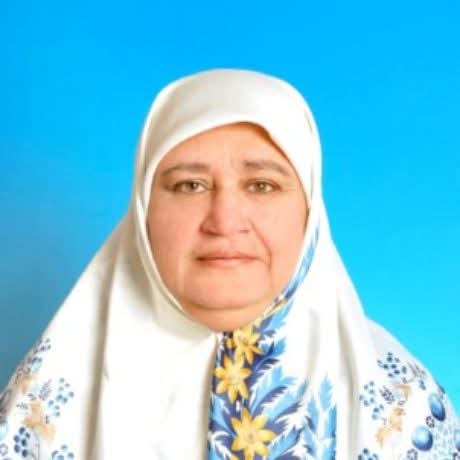
Professor Dr. Zeenat Kausar breathed her last at 12:10 am on March 16, returning to her Creator. She had served for a long time at the International Islamic University Malaysia. Her death is not only a loss for academic circles but also a great loss for the entire Muslim Ummah.
Dr. Zeenat Kausar taught at the International Islamic University Malaysia, in the Department of Political Science from 1990 to 2006 and later taught at Qatar University, in the Department of International Affairs from 2007-2009.
A leading figure in faith-based women’s intellectual struggle, Dr. Zeenat Kausar completed her Master’s degree in 1986 and her PhD in 1991 from Aligarh Muslim University. At international conferences, she frequently spoke as a keynote speaker, presenting Islam and its perspectives on women in a highly effective and engaging manner, leaving a strong impression even on people of other faiths. Her book, Islamic Feminism: A Critique (Islam Vs Feminism: Emancipation, Liberation and the Development of Women) is widely known.
She had deep interest and expertise in various academic fields, including Islamic and Western political thought, feminism and its Islamic critique, modernity, development studies, and globalisation.
Professor Zeenat Kausar used to contribute her thought-provoking articles to Radiance Viewsweekly, especially when the magazine requested her to write articles for its Special issues.
Her recently completed book is about Dr. Wan Azizah, the wife of Malaysia’s Prime Minister Dato’ Seri Anwar Ibrahim. She had also requested Dato Iqbal to arrange a meeting with the Prime Minister’s wife. In this book, Dr. Wan Azizah’s personality is portrayed in detail – as a homemaker, a mother, a party leader, a political activist who helped realise the dreams of her imprisoned husband (when Anwar Ibrahim was Deputy Prime Minister), and a woman of struggle. Sadly, she passed away before her wish to meet Dr. Wan Azizah could be fulfilled.
Professor Dr. Tamim Usama mentioned that Dr. Zeenat was writing a detailed article on “Women’s Empowerment in Islam.”
The distinguished scholar’s husband, Professor Muhammad Mumtaz Ali, is himself a prominent scholar associated with the Department of Revealed Knowledge at the International Islamic University, Kuala Lumpur, Malaysia. When her body was placed in the room and colleagues stood around her, Professor Dr. Mumtaz Ali, spoke emotionally. He said: “It had not even been a month since our marriage. We were standing at a railway station. I had to leave for a training camp organised by the Jamaat. I told my wife, Dr. Zeenat: From this station, two trains are departing in different directions. One goes towards our home, and the other is the one I must take for social and missionary work. You may board whichever train you prefer.”
“Without a moment’s hesitation, she said: I will travel with you on the train that is going for the work of faith and Dawah.”
He further added: “From that day on, throughout our 46 years of married life, she remained my support and strength. Her thoughts and writings were a source of awakening for society. She was a practical example of the freedom that Islam envisions for women. She always had a thirst for knowledge, read extensively, and expressed her ideas in very simple language. As a wife, as the mother of my children, and as a thinker beneficial to society, she lived a meaningful life. I request all of you to pray for her success in the Hereafter.”
Thus, Dr. Mumtaz Ali concluded his brief yet deeply moving words about his wife, Professor Dr. Zeenat Kausar.
May Almighty Allah accept her good deeds and grant her the highest place in Jannat al-Firdaus. Aameen.
source: http://www.radiancenews.com / Radiance News / Home> Focus> Obiturary / by Radiance News Bureau / March 17th, 2026
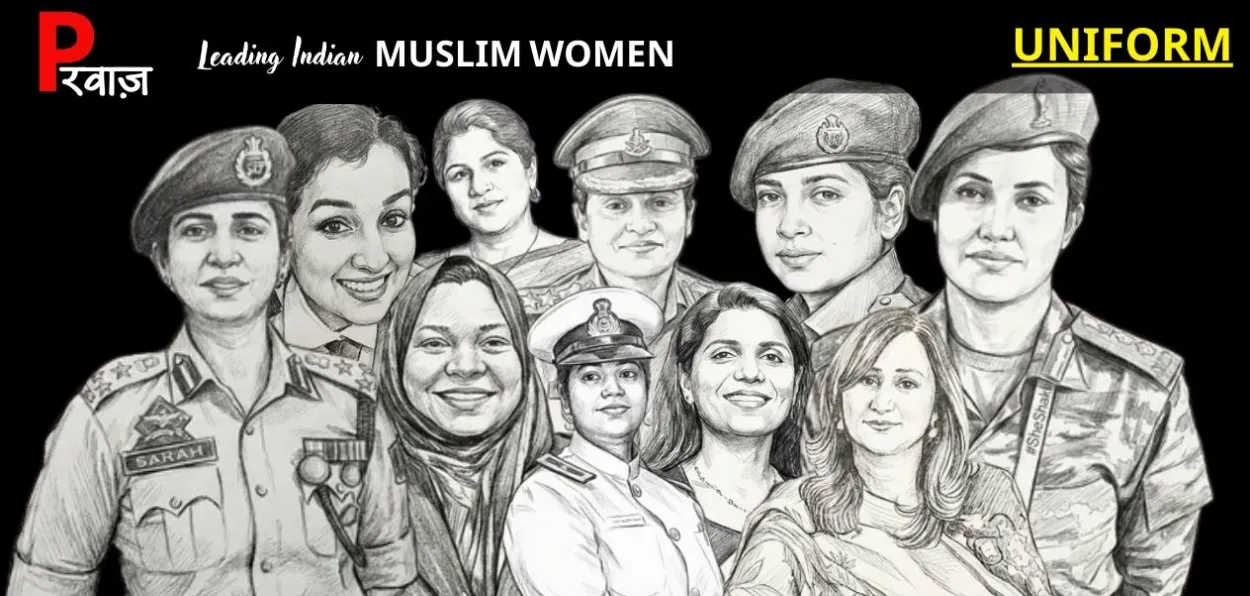
Col. Sofiya Qureshi’s briefing the media during Operation Sindoor surprised the world, for not only an Indian woman but also one from the Muslim community, was briefing the media in the utmost professional manner, befitting an Indian Army Officer. Forget about the world; even many Indians could not believe that the Indian Army had women officers. The fact is that Muslim women have been part of the armed forces and technical workforce for many years.
Awaz-the Voice is bringing you ten stories of such women to inspire the younger generation:
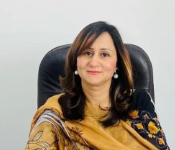
Ajeetha BegumSulthan stands as a compelling example of determination, discipline, and empathy in policing. Rising from a modest background in Coimbatore to become the Inspector General of Police (Crime Branch) in Kerala, she has built a reputation for tackling complex issues ranging from trafficking and drug networks to crimes against women and children. Known for her simplicity and strong sense of duty, Ajeetha believes that a police officer “cannot afford to go wrong,” a principle that has guided her through challenging postings and high-profile investigations.
Her journey reflects not only professional excellence but also a deep commitment to social responsibility and mentoring the next generation through initiatives like the State Police Cadet programme.
Anisa Nabi represents a rare blend of administrative commitment and athletic passion in Jammu and Kashmir. A 2012-batch JKAS officer and currently the Chief Sports Officer at the J&K Sports Council, she has consistently worked to promote sports, fitness, and youth engagement while building an impressive record as a runner who has completed major races like the Vedanta Delhi Half Marathon and the Tata Mumbai Marathon.
Through her initiative “Wondrous Women,” Anisa encourages women to embrace fitness and mental well-being, while her work in government—from GST awareness to grassroots livelihood programmes—reflects a strong commitment to empowering communities. By promoting sports as a positive pathway for youth, she continues to inspire many to lead healthier and more purposeful lives.
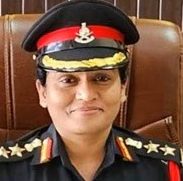
Ishrat Ahmed, hailing from the village of Nuaan in Rajasthan, embodies a remarkable legacy of service, discipline, and patriotism. Commissioned into the Indian Army in 2001, she has risen through the ranks to command an Ordnance Unit in Meerut, becoming the first woman from the Qaimkhani community to hold such a significant role. Coming from a distinguished family of military and civil service officers, Colonel Ishrat’s journey reflects both inherited values and personal determination.
Beyond her achievements in uniform, she continues to inspire young people—especially girls from rural backgrounds—to pursue careers in the armed forces and public service, making her story one of courage, leadership, and lasting inspiration.
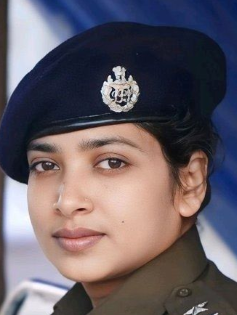
Bushra Bano’s journey from a small village in Kannauj to the ranks of the Indian Police Service is a story of resilience, faith, and unwavering determination. A scholar who completed her PhD at Aligarh Muslim University, Bushra balanced motherhood, professional responsibilities, and intense preparation for the civil services examination.
Remarkably, she appeared for her UPSC interview while eight months pregnant and eventually secured a place in the IPS, serving in the West Bengal cadre. Her journey—from lecturer and corporate employee to SDM and now a police officer—stands as an inspiring example for young women, proving that determination, family support, and education can turn even the most challenging circumstances into milestones of success.
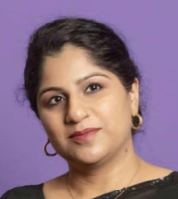
Hana Qureshi has emerged as a leading voice in infertility treatment at the Cradle Fertility Centre in Kolkata, where she serves as the Centre-in-Charge of its Garia branch. Specialising in IVF procedures and advanced reproductive diagnostics, she combines cutting-edge medical science with compassionate patient care to help couples realise their dream of parenthood. Honoured with the ISAR Youth Icon Award in 2024, Dr Qureshi believes that discipline, perseverance, and continuous learning are key to success.
Through her patient-centred approach and commitment to innovation, she has become a trusted figure offering renewed hope to families facing infertility challenges.
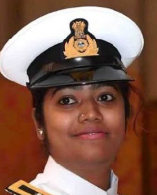
Reshma Niloufer Naha has made maritime history by becoming the world’s first woman river pilot at Kolkata Port Trust in Kolkata. Trained at the Academy of Maritime Education and Training, she spent years sailing across the world before undergoing rigorous pilot training and earning her position in 2018.
Guiding massive ships through narrow and challenging river channels demands exceptional skill, physical strength, and quick decision-making—qualities that Reshma has demonstrated consistently. Honoured with the Nari Shakti Puraskar, her journey stands as a powerful symbol of perseverance and women’s empowerment, inspiring young women to pursue careers even in the most challenging and traditionally male-dominated fields.
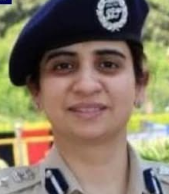
Sara Rizvi, a 2008-batch officer of the Indian Police Service from the Gujarat cadre, has built a distinguished career marked by resilience and dedication to public service. Currently serving as Deputy Inspector General of the Udhampur–Reasi range in Jammu and Kashmir on inter-cadre deputation, she is the only woman officer in the region to hold the DIG/IG rank.
From overcoming early financial struggles and personal loss to handling critical assignments such as elections, intelligence operations, and security challenges, Rizvi has consistently demonstrated leadership and commitment. Her journey—from a determined civil services aspirant in Mumbai to a senior police officer serving in sensitive regions—stands as a powerful testament to perseverance, courage, and a deep sense of social responsibility.
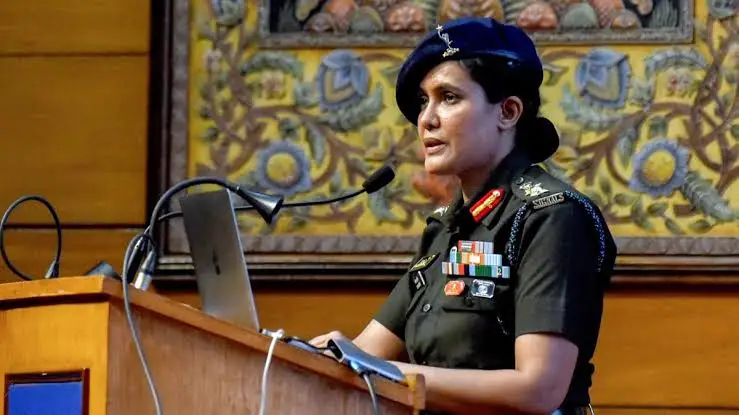
Col Sofiya Qureshi has emerged as a powerful symbol of perseverance and merit in the Indian Army, challenging long-standing stereotypes about gender and identity in the armed forces. Rising through the ranks with discipline and professionalism, she has taken on demanding leadership and operational responsibilities, demonstrating that capability—not background or gender—defines a soldier’s worth.
Through her quiet determination and consistent excellence, Sofiya has inspired many young women to envision a future in uniform, proving that dedication to service and nation can break barriers and reshape perceptions.
Tuba Sanobar, a young lawyer from Seoni now based in Bengaluru, is emerging as a powerful voice for civil rights, women’s empowerment, and data privacy. With an LLM in Criminology from Osmania University, she blends legal expertise with grassroots activism, working closely with the Association for Protection of Civil Rights to raise awareness about domestic violence and minority rights.
Through initiatives like the SOZ programme and her advocacy on digital privacy and community participation, Tuba represents a new generation of lawyers who see the law not merely as a profession but as a tool for social change and dignity.
Hana Mohsin Khan has carved an inspiring path in aviation, proving that determination can overcome social labels and late beginnings. Born in Meerut and educated partly in Saudi Arabia, Hana’s journey to the cockpit was anything but conventional—moving from journalism and entrepreneurship to pursuing aviation after discovering her passion later in life.
After rigorous training in the United States and Greece, she eventually flew her first commercial flight in 2020, becoming one of the few Muslim women pilots in India.
Her story reflects resilience, curiosity, and a refusal to be confined by stereotypes, inspiring young women to pursue their ambitions with confidence and courage.
source: http://www.awazthevoice.in / Awaz, The Voice / Home> Stories / by ATV / posted by Aasha Khosa / March 12th, 2026