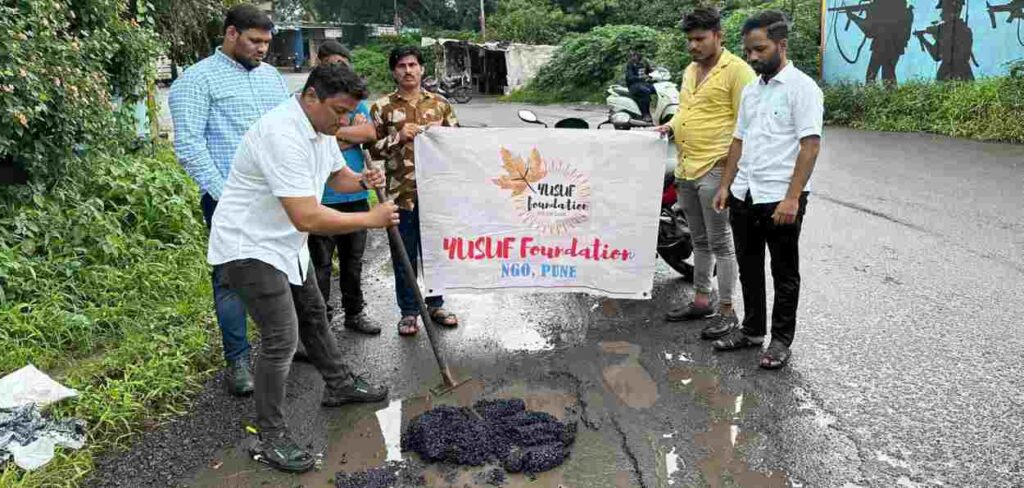
Javed Shaikh filling potholes of the roads in Pune
‘Make a sacrifice for others’ happiness; God will surely reward you..’. Such remarks are read in the stories of Saints and Sufis. However, some people around us are silently walking this talk. Javed Shaikh, a young man from Pune, Maharashtra, is one of them.
Javed’s work has changed the lives of many people and inspired others to be changemakers.
Pune is a bustling city that shines in the night under the impact of electricity. However, some bastis in this city continue to remain enveloped in the darkness and inconspicuous. Those living in the brightness of electricity often tend to overlook the dark houses and huts.
While most tend to ignore these dark spots, Javed Shaikh was drawn to them.
Javed lives in the Yerwada area of Pune. In his locality when he spotted human dwellings without electricity, he knocked at the doors and inquired why the inmates lived in darkness. Their reply invariably was: “We have no money to get an electricity connection; the connection has been removed due to non-payment of bill.”
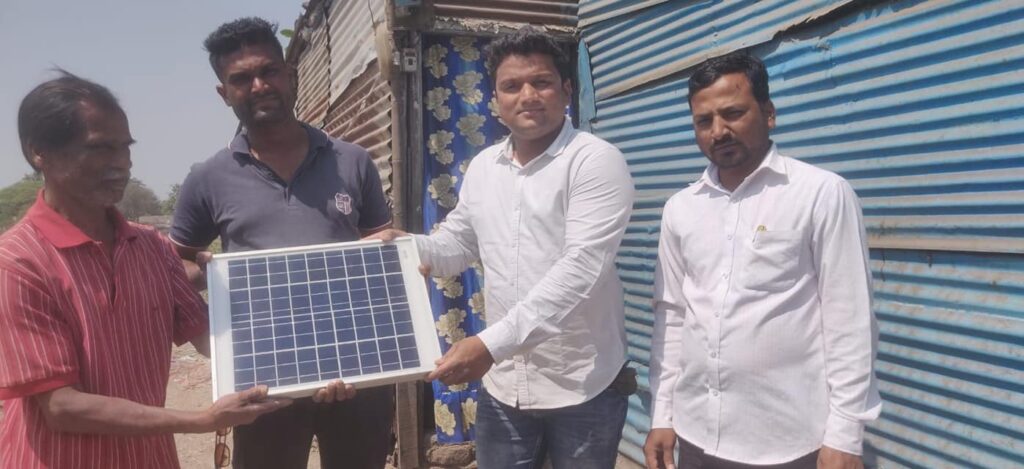
Javed Shaikh gifting a solar panel to a beneficiary
It made him sad; the helplessness of poor people was overwhelming. He decided to use his knowledge to help them. He thought of using solar energy to get these people rid of the cycle of paying electricity bills.
Growing up in Pune, the 34-year-old Javed had grown up with frequent power disruptions due to shedding by electricity suppliers. He graduated from the Sinhagad College of Engineering, Pune.
Philanthropy was always part of his family’s culture and therefore he too was keen to contribute to making a difference in society.
As against the tendency to seek a job after completing studies and setting down, Javed started his business like his uncle Sadiq Sheikh whom he always admired.
Javed lives with his mother, wife, and elder sister. Like Javed, his sister Wazia also wanted to do social service. Therefore, both the siblings set up the ‘Yusuf Foundation’ in memory of their father. The Foundation was set up in 2020 during the peak of the Covid-19 pandemic.
With the idea that the Foundation must start with fulfilling the basic needs of the people, he paid attention to the missing electricity in the lives of the poor.
He started researching low-cost options for providing electricity and zeroed in on solar energy. He thought that if solar panels were installed at the roof of each house, the poor could get electricity and also rid of the recurring bills.
Javed started from his neighborhood. To begin with, he chose families where either the male head was missing or non-working due to unemployment or disability.
Initially, the foundation installed solar panels on the houses of 10 families.
The solar panels were selected to provide continuous power for eight hours on a single charge. The inmates of the houses could use electric bulbs, run fans, and also charge their mobiles with it.
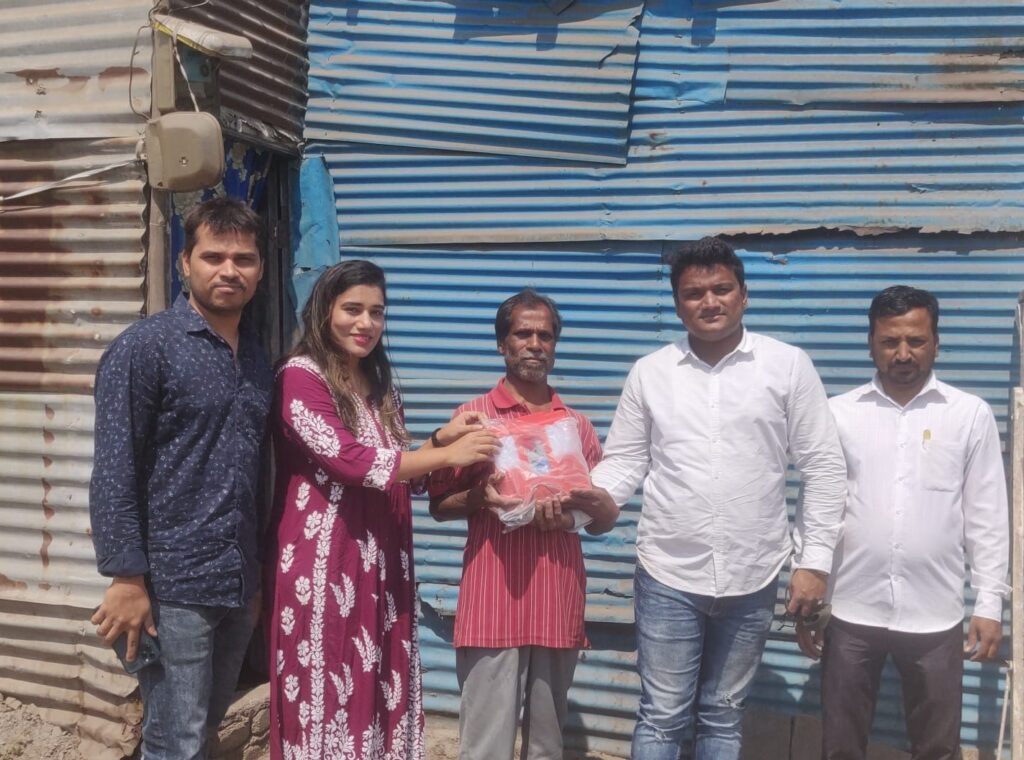
Javed Shaikh and his sister serving people
When the first solar panel lit a bulb in front of a big crowd, people instantly called Javed “Allah ka banda: (Allah’s man). However, his help is not for people of a specific religion. Poverty is the sole criterion for the foundation to provide solar panels to the people.
Yusuf Foundation took another initiative to fill the potholes on the main roads, which are dangerous and have resulted in many accidents.The problem of potholes becomes even more deadly during the rainy season. The Yusuf Foundation filled potholes on many busy roads of Pune with the help of modern technology ‘cold mix’. This saved many lives. His initiative was greatly appreciated.
On the plans of the Yusuf Foundation, Javed told Awaz-the Voice that he would like to work on the environment.
During the COVID-19 pandemic, the Yusuf Foundation distributed essential items like facial masks, food, and water in large quantities to the needy. It also organised a competition for orphans in the Azam Campus College in collaboration with the Center of Arts, Pune.
Javed is responsible for raising funds for such programs.
Javed keeps a part of his income from business aside from social work. The families believe in giving back to society and thanking the Almighty by helping others.
source: http://www.awazthevoice.in / Awaz, The Voice / Home> Stories / by Panmamd, Pune / February 10th, 2024
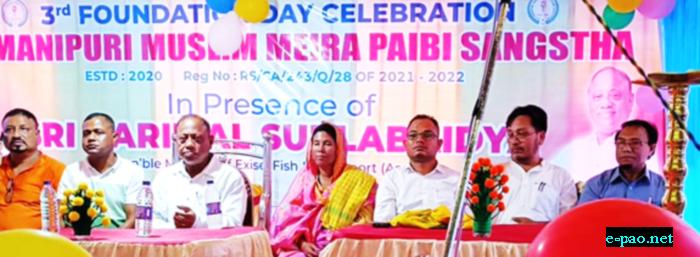
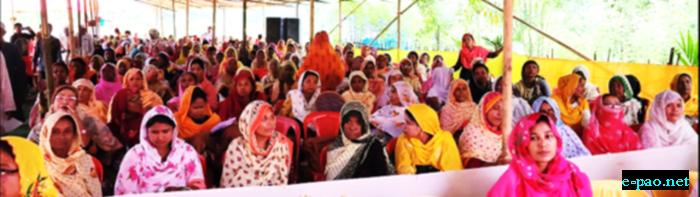
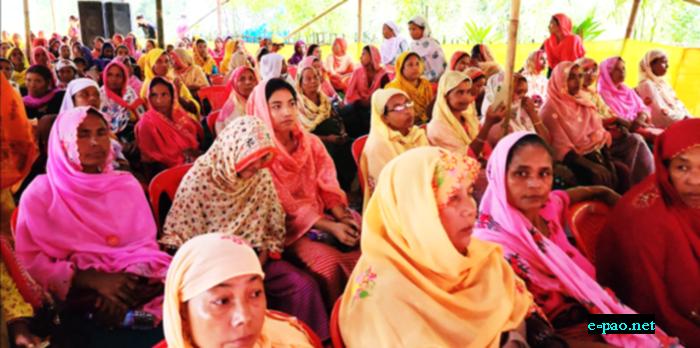
3rd Foundation Day of Manipuri Muslim Meira Paibis at Cacha
The Cabinet Minister of Transport, Excise & Fisheries, Government of Assam, Primal Suklabaidya has donated a sum of Rs. 5 Lakhs from his local area development fund for the welfare of the Manipuri Muslim Meira Paibis (Manipuri Muslim Torch bearing Mothers) operating in Cachar District of Assam.
The Minister has handed over the amount to the President of All Manipuri Muslims Meira Paibi Sanstha, Cachar, Assam Moinam Jubeda Begum on the occasion of the 3rd Foundation Day Celebration of the Sanstha held on the 5th October 2023 at Bhaga, Islamabad, Cachar District, Assam.
The Minister also announced a special package including development of the office complex of the Sanstha, construction of a public community hall and development of approach roads. Attending as the Chief Guest in the 3rd Foundation Day of the All-Manipuri Muslims Meira Paibi Sanstha, the Minister also took note of the acute shortages faced by the Meitei Pangal Communities in the District and assured the package in a very quick response to a memorandum submitted by the Meira Paibi Womenfolk during the occasion.
The galaxy of other eminent personalities from Assam and Manipur present in the foundation day include Principal of Moirang College, Manipur Dr Raheijuddin Sheikh, Retired Additional Secretary of Assam Nandababu Singha, Assistant Director of Textiles Lairellakpam Harilal Singha, Assistant Professor of S R College Dr Abul Khair Choudhury, Vice President of Federation of Civil Societies Organisations (FOCS), Manipur B M Yaima Shah and Lakhipur East Zila Parishad Kabrabam Anita Devi as special guests.
A two minutes silence was also observed by the gathering to mark the tribute to the two of the Manipuri Meira Paibi leaders viz Ima Memchoubi Devi who expired very recently and Ima Sitara Begum who passed away last year.
The FOCS also extended financial assistance to the Muslim Meira Paibi Sanstha of Cachar by donating a sum of Rs.10,000/- only which was handed over by the Vice President B M Yaima Shah to the president of the Sanstha – Moinam Jubeda Begum.
3rd Foundation Day of Manipuri Muslim Meira Paibis at Cachar
In his short address by the special guest from Manipur, Moirang College Principal Dr Raheijuddin Sheikh emphasised the role of Manipuri women in the social change which became a unique culture of the Manipuri Womenfolk which is not seen in any other parts of the World and dire need for support and preserve the culture for the welfare of the future generations.
The women’s participation in safeguard of the people has a long history which may be dated back to the monarchy system in Manipur which later became more significant after the women agitation broke out in 1904 and 1939 showing discontentment of the womenfolk against the British policy.
Beginning with the safeguard of their male counterparts and children as the informal Nishabandhi groups in the localities during 1970’s, the Meira Paibi has now emerged as one of the biggest forces to move for a social change, an indispensable force to safeguard the integrity, starting from the issues of drug abuse and illicit trafficking to the eradication of antisocial elements and now the Meira Paibis have come up with the strongest force to deal with the present unrest in Manipur.
In her key note address, Lakhipur Zila Parishad Anita Devi has reiterated that the Foundation Day is being observed every year since the year 2021 in various places where the Manipuri Muslims (Pangals) are inhabiting in the Cachar District.
The venue of the 3rd Foundation Day this year has been chosen at Bhaga, Islamabad as the sanstha intended to reach out the importance of services rendered by the torch bearing mothers in various field including eradication of antisocial elements, drug abuse, upliftment of the educational, social and economical status of the people belonging to this area of the district which is being considered as the most backward as compared to the Meitei Pangals of other areas in Cachar District.
Sanarei Bibi & Thanin Bibi / Publicity in Charge, 3rd Foundation Day All Manipuri Muslim Meira Paibi Sangstha, Cachar, Assam
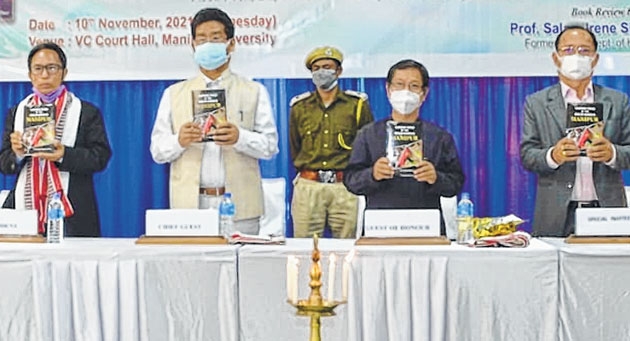
Changing Status of The Muslim Women in Manipur, a book wriiten by Dr Haobam Bidyarani and published by Sunmarg Publishers & Distributors New Delhi was released today at Manipur University.
The author is an Assistant Professor at the Department of History, Kumbi College.
Speaking as the chief of the ceremony, MU Vice Chancellor Professor Naorem Lokendra lauded Dr H Bidyarani for highlighting the social issues of the muslim women in Manipur through her book.
Saying that the author took suggestions from different sources, carried out intensive field work to complete the book, Prof Lokendra maintained that the book focused on the social norms, dress code and other features of the Meitei pangal.
Meitei pangal are a socially and culturally hardworking community, he said and added that the book would be helpful to future scholars and draw the attention of many.
The book was reviewed by Former HoD of Department of History, MU Salam Irene.
Kumbi College Principal Kumam Jugeshor; Manipur University School of Social Science Dean Professor Senjam Mangi and College Development Council (CDC) Director Professor Soibam Jibonkumar also attended the programme.
source: http://www.thesangaiexpress.com / The Sangai Express / by Staff Reporter / November 11th, 2021
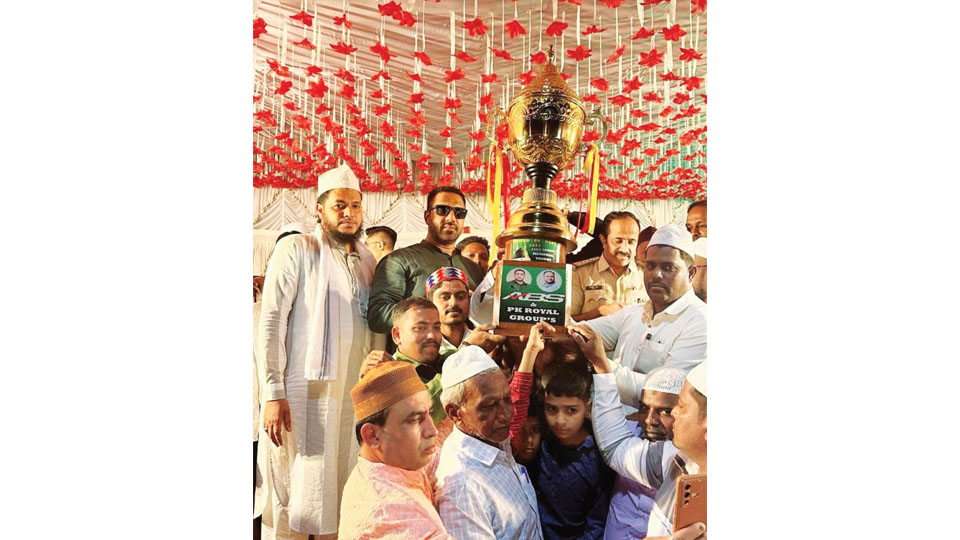
The tableau designed by Masjid-e-Aqsa Meelad Committee, which was taken in a procession along with other tableaux during Eid Meelad celebration in city on Sept. 28, has bagged the first prize.
ABS Abbas, Syed Umar, Zubair Ahmed, Corporator Basheer Ahmed, Zakir, V.V. Puram Inspector Arun Kumar, Moulana Abdul Salam, Khateeb of Masjid-e-Aqsa and others were present at the prize distribution ceremony.
source: http://www.starofmysore.com / Star of Mysore / Home> Photo News / October 05th, 2023
In a remarkable act of generosity, Danish Manzoor Bhat, named Media Person of the Year, has unveiled a groundbreaking plan to secure the future of two orphan girls, hailing from Kashmir and Jammu respectively.
Danish, showcasing profound empathy for the challenges faced by orphans, commits to matching his award money with a personal donation, amounting to ₹51,000 for each girl, totaling ₹1 Lakh 2 Thousand. These funds will be prudently placed in fixed deposit accounts, ensuring steady growth over time.
The visionary behind this benevolent act, Danish Manzoor, expressed his perspective, stating, “By securing a financial foundation for these young girls, we are not just providing them with monetary security; we are investing in their dreams, their education, and their future independence.”
The initiative signifies a beacon of hope, promising a better tomorrow for the recipients. Danish Manzoor’s dedication to societal responsibilities shines through, emphasizing the role of media professionals in contributing positively to society. This act sets a precedent for compassion and social responsibility, encouraging others to make a tangible difference in the lives of those in need.
“Deeply humbled at receiving the outstanding mediaperson of the year award, 2023 instituted by the government of Jammu and Kashmir. It means a lot, more over other recognitions especially because it comes from my birthplace. I pledge to donate the award money of ₹51,000 and match it totalling ₹1,02,000/ for two select orphan girl children one each from Srinagar and Jammu,” Danish posted on X.
source: http://www.dailygoodmorningkashmir.com / Good Morning Kashmir / Home> Latest / by GMK Staff / January 25th, 2024
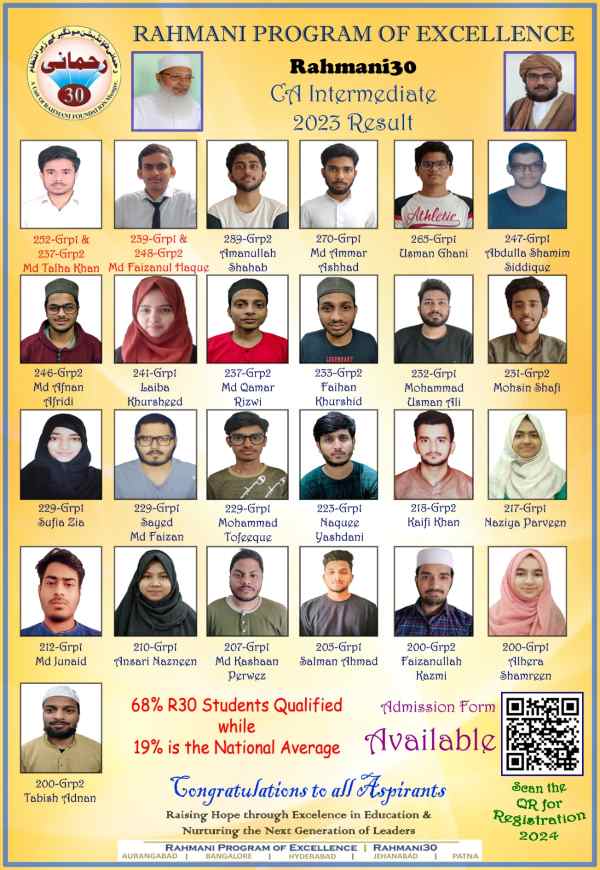
In a remarkable triumph, Rahmani30, a trailblazing educational initiative dedicated to nurturing deserving students, recently attained an extraordinary milestone in the ICAI CA Intermediate exams.
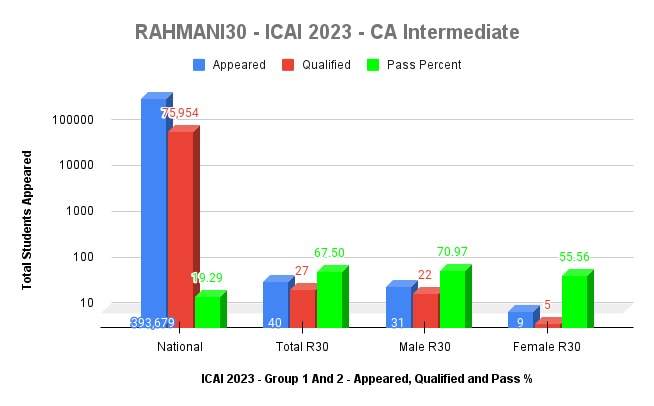
Amidst a national average success rate of around 19%, Rahmani30 soared high with an unparalleled 67.5% achievement, etching an indelible mark in the institution’s history and setting an exceptional benchmark.
The ICAI CA Intermediate examination, a rigorous professional test administered by the Institute of Chartered Accountants of India, represents the pivotal second phase in the Chartered Accountancy course. Comprising two groups with four papers each, it stands distinct from the Senior Secondary School Examination, commonly known as 10 + 2 or Intermediate.
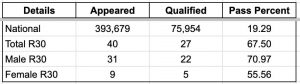
The 2023 ICAI CA Intermediate exam saw an impressive participation of 393,679 students undertaking the Group 1 & Group 2 tests, with 75,954 candidates successfully qualifying—a cumulative pass rate of 19.29%. In striking contrast, Rahmani30’s cohort of 40 students showcased an outstanding 67.5% success rate, underscoring the institution’s commitment to academic excellence. Noteworthy were the November 2023 results, revealing an outstanding 80% success rate among female students in CA Intermediate Group 1, celebrating the remarkable achievements of women in this domain.
Ameer E Shariat Hazrat Maulana Ahmad Wali Faisal Rahmani sb., the esteemed patron of Rahmani30, extends heartfelt congratulations to the students, faculty, donors, ambassadors, management, and the wider community for this exceptional accomplishment. He lauds the unwavering dedication and diligence exhibited by the students, expressing immense pride in Rahmani30’s ceaseless pursuit of empowering students through educational excellence.
Maulana Ahmad Wali Faisal Rahmani, President Rahmani30
Expanding upon this achievement, one could delve into the individual stories of some standout students, the unique teaching methodologies adopted by Rahmani30, the impact of community support, and the future aspirations of the institution in continuing this trajectory of success and empowerment.
Important Update:•
The application form for the 2024 session is now available online for Rahmani30 entrance examination
• Students currently in *8th, 9th, and 10th* grades are eligible to apply
• A test will be conducted for students in *10th* grade applying for admission to the *11th* preparatory course for Medical, Engineering & Commerce (CA/CS/CLAT).
• Students from *8th, 9th and 10th* grades will be selected for the *Rahmani30 Junior Program*.• Additionally, students from *8th, 9th, and 10th* grades will be chosen for online training this year.
Your participation and prayers are deeply appreciated.
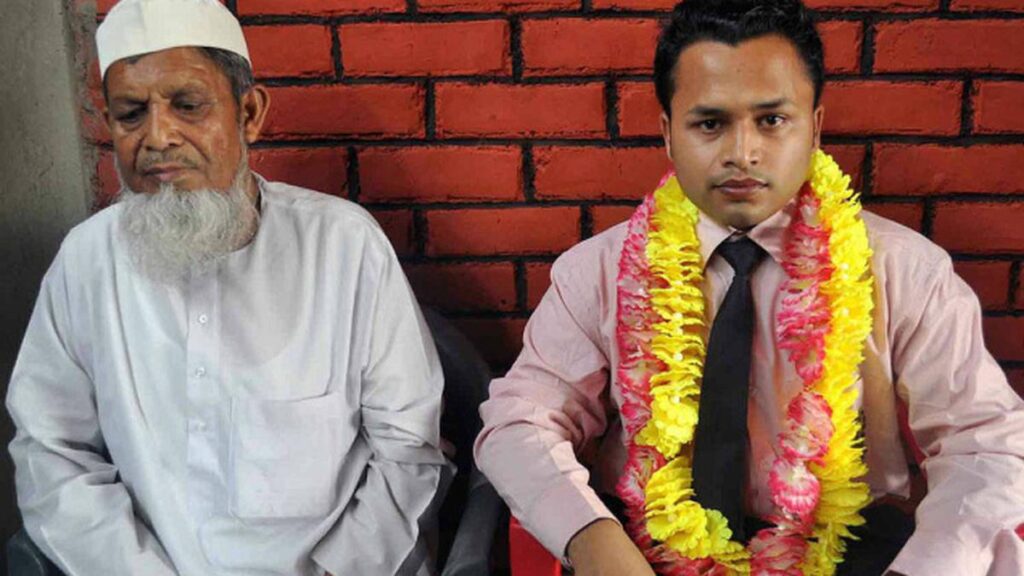
Manipuri boy Mohammad Ismat along with his father who scored the highest mark in the All -India Senior Secondary Certificate Examination.
Mohammad Ismat, the Manipuri boy who has topped the all-India CBSE Class XII Board examinations in the science stream, is nurturing a dream to top the Civil Services Examinations, too.
By way of preparation, he plans to join St. Stephen’s College, Delhi, to do B. Sc. (Honours).
Ismat hails from Lilong Haoreibi in Thoubal district, 15 km from Imphal. The village has very poor electricity supply and no internet connection.
“I also want to become a topper in the Civil Services Examinations conducted by the UPSC. I want to serve my country for peace and communal harmony. For now, I want to take admission to St. Stephen’s College to do B.Sc. (Honours) in Physics,” he told The Hindu .
He brought laurels to his school, Zenith Academy in Imphal, where he joined after completing Class X at Sainik School, also in Imphal. “I studied Class IX and X in Sainik School and passed the Class X board examinations with 92.4 per cent. I left Sainik School because of financial constraints,” he said.
Ismat’s mother died when he was only 18 months. His father, Maulana Bashirur Rahman, is a teacher in a primary school. He is the seventh child and only son of the family; six elder sisters are all graduates.
After school hours, Ismat had to study mostly in candlelight, as electricity is available for hardly three-four hours a day in the village. Ismat scored 495 out of 500 marks, securing centum in mathematics, chemistry, fine arts and home science and 98 in English and 97 in physics.
source: http://www.thehindu.com / The Hindu / Home> News> India> Other States / by Sushanta Talukdar / May 30th, 2012
The Bharat Scouts and Guides are set to host the First Kalyana Karnataka Jamborette at Shaheen College premises in Bidar. Scheduled from February 8 to 12, the Jamborette will witness the participation of over 3,000 Scouts, Guides, Rovers, Rangers, and Heads from across the region.
Dr. Abdul Qadeer, founder of Shaheen Group of Institutions and District Vice President of Scouts and Guides, Bidar, has been nominated as the Chief of the event by PGR Sindhia, the state Chief Commissioner of Bharat Scouts and Guides. Dr. Guramma Siddareddy is appointed as the Additional Chief of Jamborette.
From 6:30 am to 8 pm daily, attendees can engage in a diverse array of activities encompassing adventure, cultural pursuits, yoga, meditation, district fair scenario displays, and more.
Dr. Abdul Qadeer emphasizes that these activities aim to foster discipline, physical fitness, mental agility, social skills, moral values, and spiritual development among the youth.
Shaheen College, well-equipped to handle the influx of participants, has made arrangements for accommodation, food, transportation, and other essential facilities. The preparations are in full swing, ensuring a seamless experience for all attendees.
The Jamborette will be inaugurated by Cabinet Minister Ishwara Khandre, Union Minister Bhagavanth Khuba, Urban Administration and Haj Minister Raheem Khan, and Former Lokayukta Justice Santhosh Hegde, Science and Technology Minister N. S. Bhosaraju, Educationist Basavaraj Patil Sedam, KKRDB President Ajay Singh and other leaders will participate.
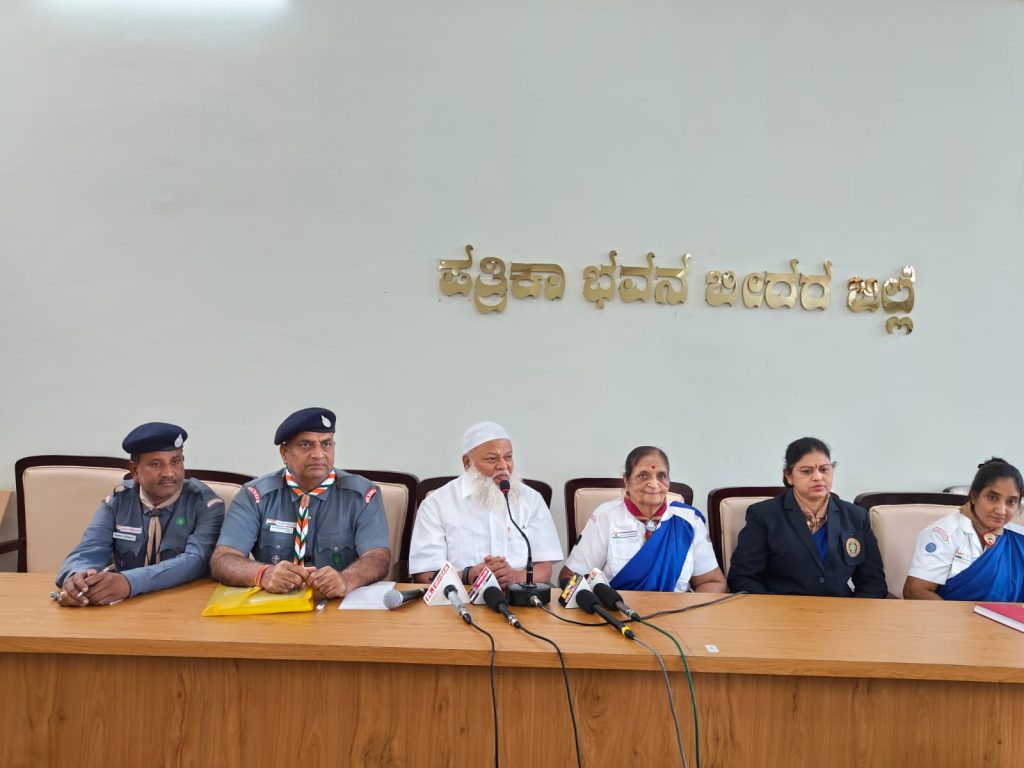
At a recent press conference, Jamborette Chief Dr. Abdul Qadeer, along with Additional Chief Dr. Guramma Sidda Reddy, Jamborette Secretary Dr. H.B. Bharshetty, Coordinator Malleshwari Jujare, Co-coordinator Rachaiyyah Nasi, Camp Leaders Ramesh Tibshetty and Jaisheela Sudarshan and District Organizer Nagaratna Patil, shared insights into the upcoming event.
The press conference featured discussions on the wide array of activities, ranging from Mehndi and Rangoli to Quiz Competitions and Sustainable Development Training.
source: http://www.thehindustangazette.com / The Hindustan Gazette / Home> Education / by The Hindustan Gazette / January 28th, 2024
A recent study, coinciding with the hearing of the AMU minority status case in the Supreme Court, has revealed that the majority of students in Muslim minority institutions hail from the majority Hindu community.
According to the report, 52.7 per cent of students in the Muslim-run institutions are Hindus and only 42.1 per cent of students are Muslims.
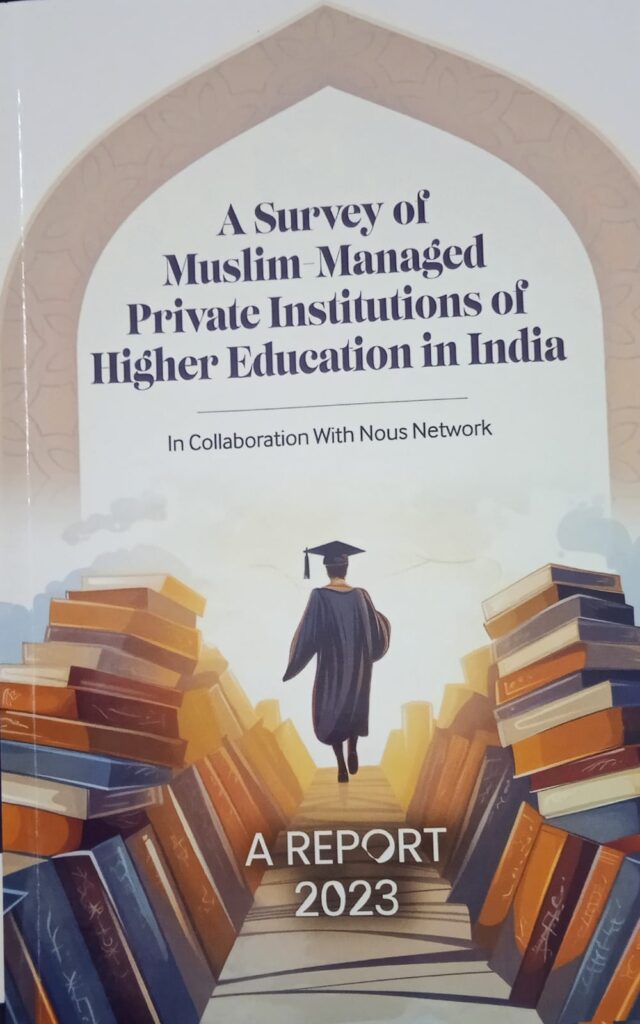
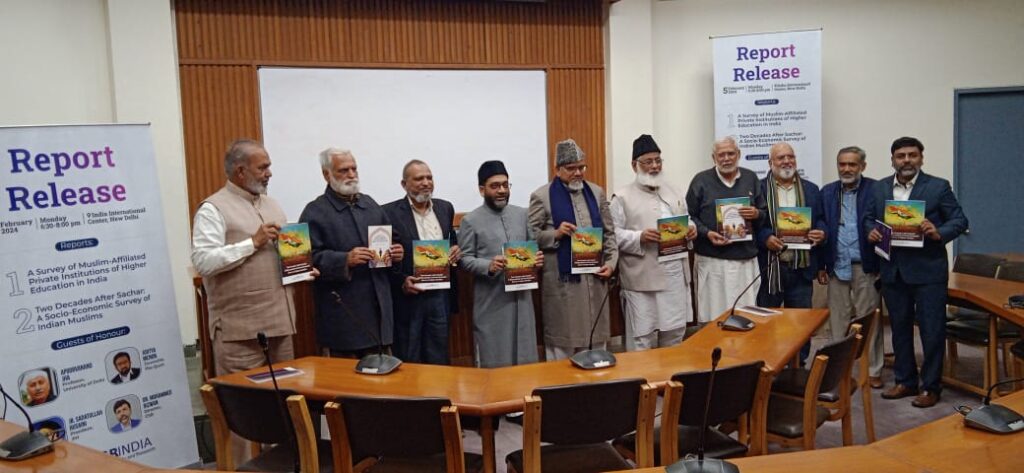
These startling revelations have been made in two reports: “A Survey of Muslim-Affiliated Private Institutions of Higher Education in India” and “Two Decades after Sachar: A Socio-Economic Survey of Indian Muslims”.
These reports have been prepared by the Delhi-based think tank Centre for Study and Research (CSR) in collaboration with NOUS Network.
The reports were released by Jamaat-e-Islami Hind President Syed Sadatullah Husaini along with other dignitaries at the India International Centre here two days ago.
CRS is a not-for-profit organisation and aims at knowledge production in domains pertaining to all sciences impacting human civilisation. The CSR survey marks the first attempt of its kind to map the higher education institutes managed by the Muslim minority community across India. The data provides a reference point to track the growth in Muslim institutes over the coming years.
The findings of the report are quite significant to blast the stereotype view held by a section of the majority community having proximity to BJP and other groups who believe that only Muslim students study in the Muslim-run education institutes. This indicates that Muslim institutes not only serve the Muslim community which is educationally very backward but also the Hindu community students. To be exact, while these institutions have the title of minority-run institutions, they perform the role of national and secular institutions that offer education to all communities irrespective of their faith and culture. So, the role of Muslim institutions in spreading education to all communities is second to none.
The report says that Muslim minority manages 23 of India’s 1,113 universities where Hindu students account for 52.7% against 42.1 percent of Muslim students.
Similarly, across the 1,155 colleges managed by Muslim minorities, non-Muslims form the majority, with Hindus constituting 55.1% of enrolled students, followed by 42.1% Muslims and 2.8% belonging to other minority groups.
JIH chief hails reports prepared on Muslim-run institutions
Addressing the audience, JIH chief praised the survey that highlighted the contributions of Muslim-run institutions in not only providing education to Muslims but also to non-Muslims.
He commended their efforts in providing educational opportunities to vulnerable groups, communities, and female students.
With reference to the ongoing legal battle for Aligarh Muslim University’s minority status, Mr. Husaini emphasized the importance of minorities’ right to establish and manage their own educational institutions.
The JIH supremo described the two survey reports as “vital documents” offering valuable insights for government officials, policymakers, scholars, educators, community leaders, and researchers seeking to understand the educational landscape for Muslims in India.
Praising the data’s potential, the JIH President emphasized how it can improve education quality, uplift the Muslim community, and guide policy making towards equal educational opportunities for all.
“These findings, exploring diverse aspects of Muslim education, offer a roadmap for actionable initiatives,” he said.
CSR director Dr. Rizwan highlights Muslim institutions’ role in education
CSR Director Dr. Mohammad Rizwan highlighted the collaborative effort behind the study on Muslim-run institutions. He said, “Prepared with the help of NOUS Network led by CEO Ali Javed, the report examines higher educational institutions managed by Muslim societies and trusts, including those founded by Muslims and currently overseen by government agencies.”
Dr Rizwan, in his address, presented an analysis of student enrolment patterns, gender representation, and the socio-economic background of Muslim students.
In a conversation with this scribe, Dr. Rizwan emphasized the key takeaways from the report. He stressed the importance of understanding the dynamics of Muslim-run institutions for informed policymaking.
The report’s findings, he noted, highlight the unique needs of the Muslim minority in higher education and advocate for targeted interventions.
Speaking about the Indian Muslim community’s educational landscape, Dr. Rizwan reiterated the crucial role of institutions run by the Muslim minority and their significance in not only serving the community’s needs but also those of other communities. He stated that these institutions ultimately contribute to the nation’s educational advancement by uplifting a broader population.
CSR Director hailed the study as a groundbreaking first, highlighting that no previous research has investigated the number of higher education institutions affiliated with Muslim minority groups.
Dr. Rizwan explained the study’s unique methodology, highlighting its use of data from AISHE, AICTE, NCMEI, and NAAC reports to meticulously identify and compile a comprehensive list of Muslim-affiliated higher education institutions in India, ensuring a thorough analysis of the educational landscape.
Highlighting key findings of Muslim institutions survey
A striking finding from “A Survey of Muslim-Affiliated Private Institutions of Higher Education in India,” reveals that despite constituting 73.4% of all minority groups, Muslims manage only 16.6% of colleges run by minority communities. Conversely, other minority groups, representing 26.6% of the population, manage the remaining 83.4% of these colleges.
The survey found that in 1947, at the time of independence, there were only 22 Muslim higher education institutes. In over seven decades, this number has grown to just 1,178, which includes 23 universities and 1,155 colleges. Critics have pointed out that the Muslim community, which comprises over 14% of India’s population, did not undertake concerted efforts to establish educational institutes over this long period.
University Landscape
Among India’s 1,113 universities, 23 are categorized as Muslim minority institutions, according to the 2020-21 AISHE data. The report traces the growth of Muslim minority universities from just five at India’s independence in 1947 to the current 23. Despite the passage of 75 years, the Muslim community established only 18 additional universities. The majority (43.5%) are privately managed, and nearly 70% are located in urban areas, emphasizing the need for rural educational infrastructure.
Among the key findings, Uttar Pradesh, with the largest Muslim population in the country at around 38 million, has the highest number of Muslim universities (6), followed by Karnataka with three.
College Scenario
Among the 43,796 colleges in India, 1,155 are managed by the Muslim minority community. From 17 Muslim colleges in 1947, the number has surged to 1,155 over 75 years. In terms of growth trends, the decade from 2001-2010 saw the highest increase in number of Muslim colleges at 416, while in the most recent decade from 2011-2020, only 316 new colleges were established.
Kerala leads in terms of highest number of colleges at 211, followed by Uttar Pradesh at 209. The survey notes that 10 states – Kerala, Uttar Pradesh, Maharashtra, Karnataka, Telangana, Tamil Nadu, Andhra Pradesh, West Bengal, Bihar and Jammu and Kashmir account for over 90% of all Muslim colleges in the country. However, the majority of these colleges (57.8%) are in rural areas. Despite comprising 73.4% of all minority groups, Muslim minorities hold a mere 16.6% share in colleges, showcasing a significant disparity.
Muslim institutions lack participation in quality assessment
The report has sparked concern about the quality of education at Muslim-affiliated higher education institutions in India, highlighting their low participation in national quality assessment frameworks.
A staggering 90.65% of Muslim colleges and 56.5% of universities lack accreditation by the National Assessment and Accreditation Council (NAAC), a key benchmark for educational quality.
Only 21.7% of universities and a mere 3.1% of colleges participated in the 2023 National Institutional Ranking Framework (NIRF), with 96.4% of Muslim minority colleges entirely absent. Only 36 Muslim colleges participated in the NIRF ranking process of 2023, suggesting a potential need for further investigation and support to improve their standing.
No Muslim minority college secured a spot in the top 100 NIRF rankings, raising further questions about their overall academic standing.
Enrolment Patterns of Muslim students a cause for concern
The latest reports reveal a stark underrepresentation of Muslims in higher education, with only 4.9% enrolment as compared to other religious groups. In institutions of national importance, such as IITs, IIMs, and NITs, the representation drops to a mere 1.92%.
The report reveals that Muslim students predominantly opt for undergraduate programs (90.6%). The survey pegs the total enrolment in Muslim universities at around 98,000 students, while enrolment in Muslim colleges stands at over half a million. However, the majority of Muslim students opt for undergraduate programmes, with just about 8% pursuing Postgraduate courses and less than 1% enrolled in research programmes like MPhil and PhD.
The enrolment figures highlight the need for greater focus on higher education and research among the Muslim community.
The report also highlights gender-wise and social group-wise distribution of students, pointing out the need for increased representation of Muslims in higher education.
Female Enrolment Dominates Muslim Colleges
The survey points out that the share of female students among the Muslim student population is amazingly encouraging at over 52% in colleges and 37% in universities. In terms of social groups, about half of the enrolled Muslim students come from the general category, while around 48% are from OBCs. Representation from STs is negligible at less than 1%.
Females outnumbered males across all programme levels – undergraduate (50.9%), postgraduate (59.43%), and certificate (62.45%) in Muslim run colleges. This female majority even extends to Muslim students enrolled in colleges, with females constituting 52.82% of the total. Higher degree programmes (M.Phil. and Ph.D.) buck the trend, with male representation exceeding female.
Unlike colleges, universities witnessed a stark contrast, with males constituting 63.19% of the enrolled students. Only in the M.Phil. program did females hold a slight majority with 11 students enrolled.
Educators, policymakers see Muslim education report as roadmap for improvement
After launching the reports and briefing about them, a roundtable discussion was held, in which educators, policymakers, and stakeholders applauded the report on Muslim-managed higher education institutions as a valuable resource for addressing existing challenges.
Among those welcoming the report were JIH Markazi Taleemi Board (MTB) chairman Professor Mohammad Salim Engineer, Mr. M. Farooq (who runs various educational institutions in Maharashtra), and researcher Sadat Husain.
They described the survey report as a roadmap for improvement, offering insights and recommendations for policymakers and educators.
They also recommended enhancing access to higher education through scholarships and financial aid mechanisms exclusive for economically marginalized Muslim youths; creating special drives to encourage NAAC accreditation and NIRF participation among Muslim institutes; establishing dedicated cells to promote research publications from Muslim institutes; and exploring public-private partnerships and Resource Centres to elevate standards of existing Muslim colleges.
JIH Markazi Taleemi Board Director Syed Tanveer Ahmed stressed the importance of data collection and research for effective action.
“This report offers valuable insights,” he said, highlighting the need for “affirmative actions” based on data, not just “perceptions.” He urged the community and its NGOs to study the report and suggest concrete steps based on its findings.
Mr. Ahmed expressed the view that a well-informed minority can effectively play a role of majority in a democracy, underscoring the importance of trust in research and data to foster genuine awareness. He urged the Muslim community to actively engage in data collection, citing the commendable efforts of CSR in this regard.
According to Mr. Ahmed, community organizations should closely examine reports generated from surveys and provide valuable inputs on potential actions for both the community and its NGOs. He highlighted the need for strategic efforts in the political domain to advocate for affirmative action, emphasizing that the Muslim community often lacks interest, practice, and seriousness in collecting data.
The data collected, according to Mr. Ahmed, serves as a guide for implementing affirmative actions in the education sector for the Muslim community. He suggested that if the number of universities is insufficient, the government should formulate policies to facilitate the establishment of universities by Muslim NGOs and institutions. Additionally, Mr. Ahmed addressed some threats to the Muslim minority in the education sector, pointing to the misinterpretation of Article 30, particularly in reference to the AMU case.
The MTB director suggested that the two reports be discussed widely across the country at all levels – local, state, and national. He believes distributing the report to stakeholders and government agencies will generate broader discussion and potential impacts.
He also called upon social organizations to actively work towards altering the overall attitude of the Muslim community towards education.
CSR coordinator Syed Ahmed Muzakkir, who coordinated the event, presented a concise summary of the reports verbally.
source: http://www.indiatomorrow.net / India Tomorrow / Home> Education / by Anwarulhaq Baig / February 07th, 2024
Gantmulla Village (Kreeri, Baramulla District),JAMMU & KASHMIR:
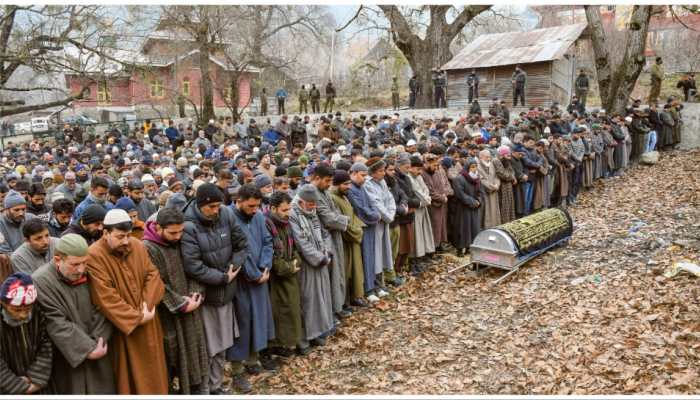
Villagers and family members of retired SSP Safi paid their last tribute to him by offering prayers.
Image credit: ANI
Baramulla:
Terrorists shot dead a retired Senior Superintendent of Jammu and Kashmir Police (SSP) Mohammad Shafi, at Gantmulla Village of Kreeri area in North Kashmir’s Baramulla district early today. The retired officer survived by his wife, two sons, and a daughter, was laid to rest amid huge public participation.
Jammu and Kashmir Police officials said that Mohammad Shafi had gone to the nearby mosque where he was offering Azaan ( Call for prayer) at the time of being shot by the terrorists.
Shafi a retired officer for the last 11 years used to offer Azan daily since he got retired. Today he was middle of Azan when he was shot. People around felt that Azan stopped halfway some people rushed to the mosque and found Shafi on the floor He was taken to a nearby hospital, but doctors declared him dead.
“Terrorists fired upon Shri Mohd Shafi, a retired police officer at Gantmulla, Sheeri #Baramulla, while praying Azan in the mosque and succumbed to injuries. Area has been #cordoned off. Further details awaited,” Jammu and Kashmir Police posted on X (formerly Twitter). (sic)
After the news of Mohammad Shafi’s killing spread in the Baramulla district, a large crowd began to assemble at his residence. The retired officer was laid to rest with significant local public participation in his funeral. Various segments of society, including politicians, expressed condemnation for Mir’s killing and called for decisive actions against those responsible.
The Jammu and Kashmir Police, in collaboration with other security agencies, have initiated an extensive cordon and search operation in the region. Security forces are exploring all aspects of the killing. According to officials, the ongoing investigation reveals that the deceased was shot with a 12-bore pellet gun, and the possibility of personal enmity is also under scrutiny. Police sources indicate that numerous suspects have been apprehended for questioning, and the police have gathered several 12-bore licensed guns from the area for further investigation. Authorities assure that they are diligently working to apprehend the perpetrators responsible for the officer’s death.
Intelligence inputs suggest that terrorists in Jammu Kashmir have changed their strategy, on one side they have chosen forests to hide and target the army and other security forces conveying vehicle or petrol movements who are seen in recent attacks in Poonch, Rajouri, Kulgam, and Kokernag while on other hand in towns they choose soft targets and attack them. There has been a rise in target killings in the Kashmir Valley in recent times. A police inspector was shot dead in Srinagar recently while a policeman was killed in the same Baramulla district recently too and a policeman was attacked in the Bemina area of Srinagar.
)