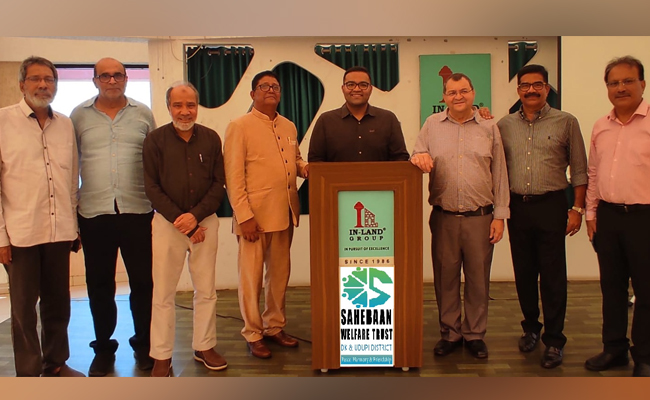
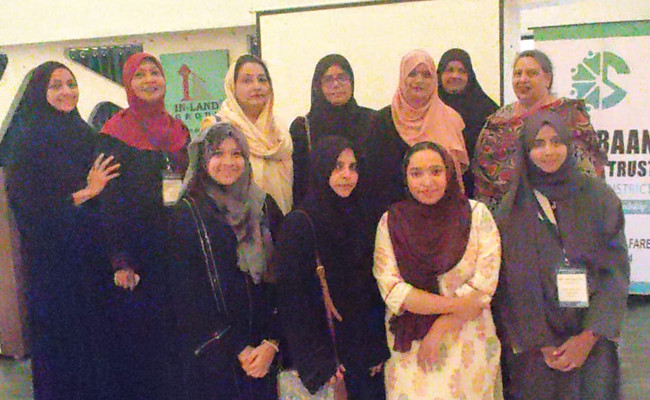
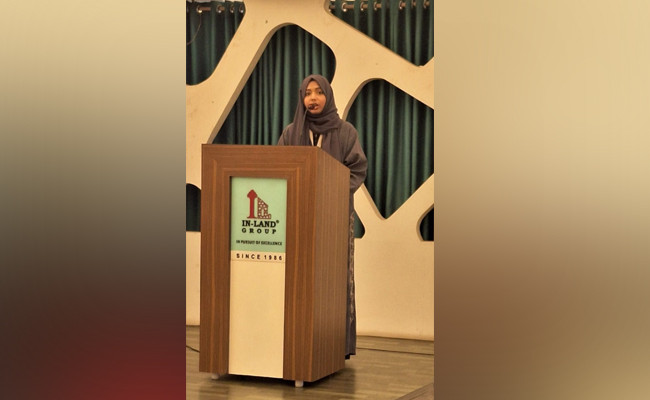
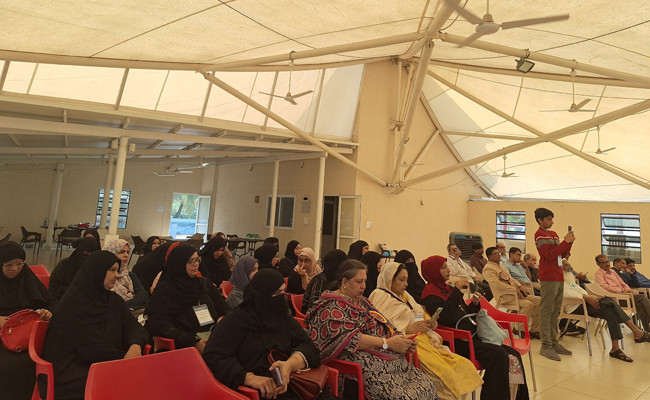
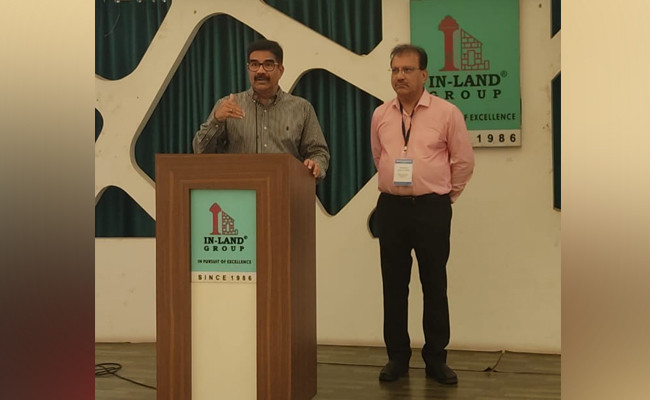
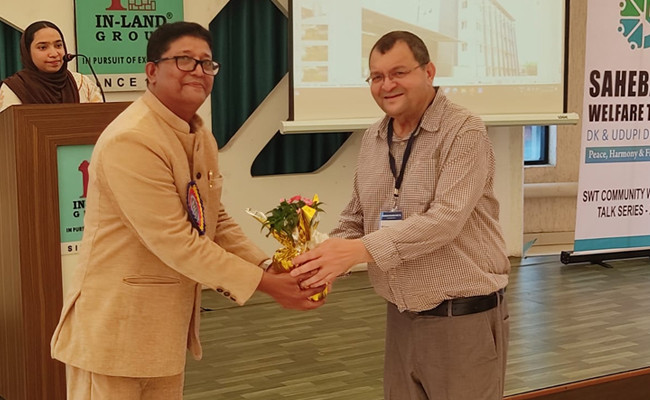
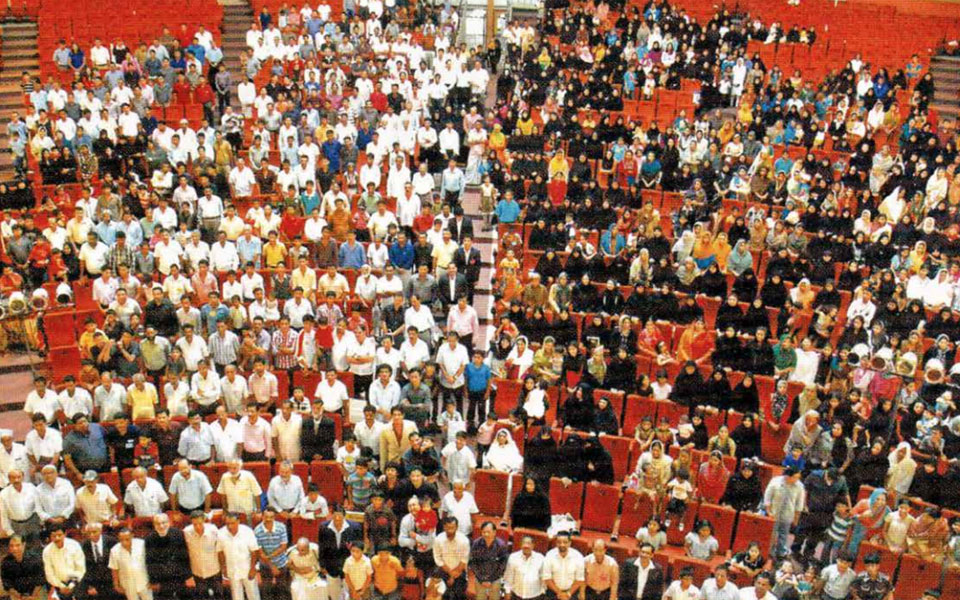
The ladies’ wing of Sahebaan Welfare Trust (SWT) hosted the inaugural session of the ‘Community Welfare Talks Series 2024’ at Senate Hall, Inland Ornate Complex, in the city on January 21, with Siraj Ahmed, Managing Director, Inland Infrastructure Pvt Ltd, inaugurating the event.
Ahmed, in his inaugural address, lauded the efforts of SWT at initiating the talk series for the benefit of the community members as well as the society at large.
Meraj Yousef, Executive Director, Inland Buiders, who spoke on the occasion, pledged his support towards community welfare activities of SWT.
Educationist and Motivational Speaker Obeida Shoukath, who was one of the speakers of the day, spoke on the challenges faced by students on campus and the remedial measures while the second speaker Dr. Mohammed Noorulla, Senior Unani Consultant at the District Wenlock Hospital, Mangaluru, explained on the occasion the history and benefits of AYUSH, the Indian Alternative Medicine system, and the services available at the Ayush Hospital in the city.
Syed Siraj Ahmed, Secretary of SWT, welcomed the gathering on behalf of the President, Afroze Assadi Saheb. The program was ably compered by Zaiba Khatib.
The Qirat was read by Fariha Fathima and Ayesha Shahnaz.
The event was conducted by the Ladies’ Youth Wing of the SWT under the leadership of Amreen Khatib, who was ably assisted by Aliya Imtiaz and Rifaa Sheikh, with the support extended by Ayaan Sheikh and Luqman Tonse.
Umme Kulsum proposed the Vote of Thanks.
Senior Sahebaan Community members and SWT trustees Althaf Khatib, Rafik Assadi and Imtiaz Khatib were present on the occasion.
source: http://www.english.varthabharati.in / Vartha Bharati / Home> Karavali / by Vartha Bharati / January 26th, 2024
By equating Akbar and Aurangzeb, proponents of Hindutva show they prefer to settle present-day disputes with the weapon of history, real or imagined.
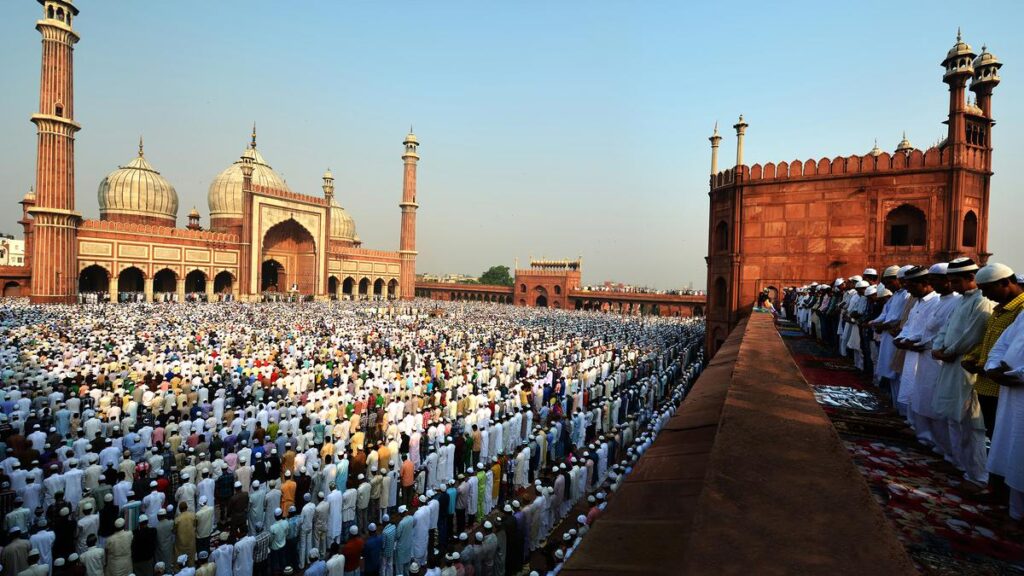
Muslims gather for prayer during Eid Mubarak in Delhi. | Photo Credit: Getty Images/iStockphoto
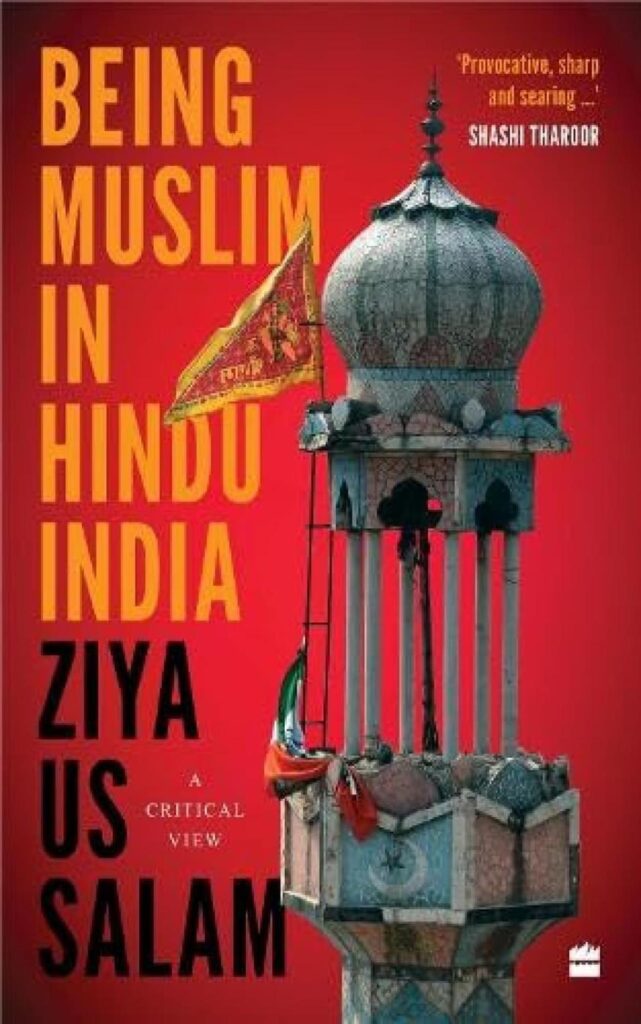
Those who believe in the Hindutva agenda cannot find a distinction between the diverse Muslim Indian leaders of the past. It is in this light that persuasive attempts have been made to link Akbar and Aurangzeb, the two Mughal emperors who should be seen at the opposite ends of the spectrum of religiosity and pluralism. An excerpt from the forthcoming book, Being Muslim in Hindu India.
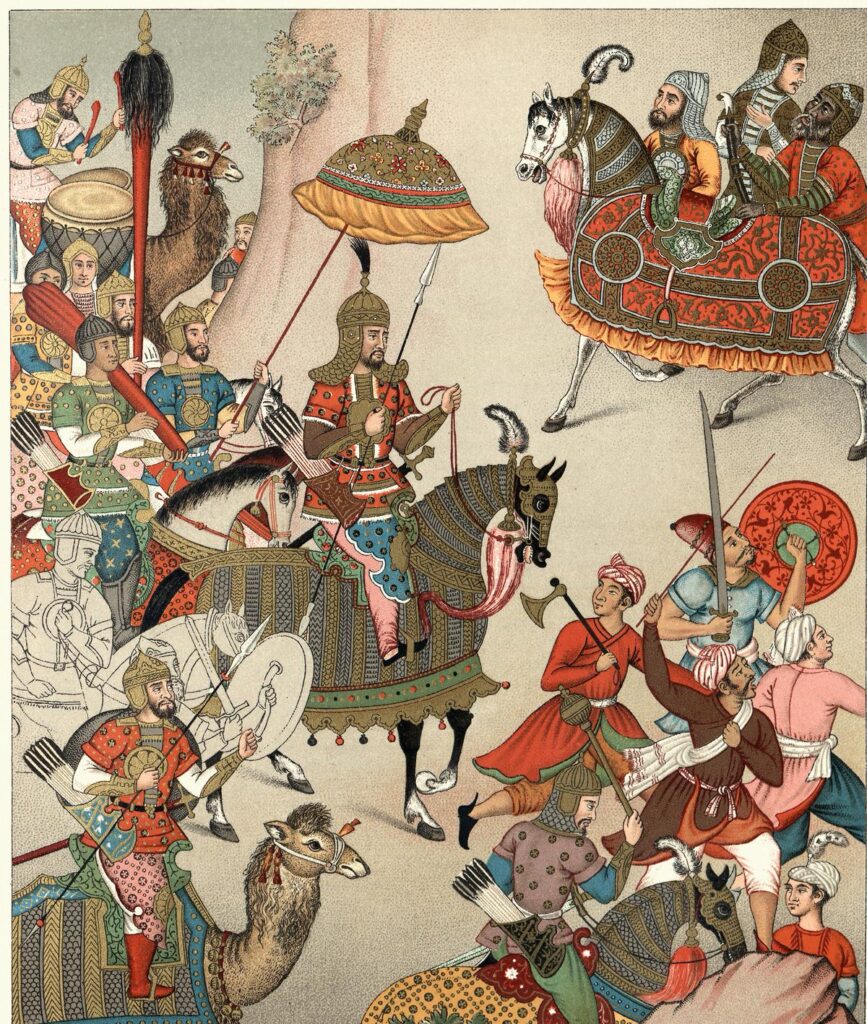
Vintage illustration of the military in 16th Century India. | Photo Credit: Getty Images
For the votaries of Hindutva, all Muslim Indian rulers of medieval India are the same. Be it the rulers of the Delhi Sultanate, the Deccani sultans or the Mughals, their names are incidental, even superfluous. They were all Muslim kings! It does not matter that no Muslim king governed by the principles of Islam and most of their decisions were taken based on political needs. Their alliances and conflicts were all entered for personal aggrandizement. No king waged a jihad, a crusade. The fight was not to uphold the supremacy of any faith, but to expand fiefdom, kingdom or empire. To the rabble-rousing Hindutva brigade, it matters not that there were Muslim commanders of Hindu armies, and Hindu governors in charge of the so-called Muslim armies.
For instance, Raja Jai Singh led Aurangzeb’s armies against Shivaji, just as Raja Man Singh had led the Mughal forces against Rana Pratap in the time of Akbar. At the same time, Hakim Khan Sur led Rana Pratap’s forces against the Mughals! Violence was a regular feature of premodern Indian kingship, and there were no religious divisions when it came to violence. All kings, all dynasties, were violent — right from the Nandas and Mauryas to the Sultanate and Mughals, everyone. From Kalinga to Panipat, the story was the same.
However, these facts are for the discerning. For the Hindutva proponent with a clear agenda of ‘we’ and ‘they’, the important basis for distinction is the name of a Muslim king. It is under this light that persuasive attempts have been made to link up Aurangzeb and Akbar, the two Mughal emperors hitherto seen at opposite ends of the spectrum of religiosity and pluralism.
The former has historically been projected as a bigot, the man who charged jizya, demolished temples and withheld state patronage to arts and culture. The latter has been hailed for the breadth of his vision, his ability to forge matrimonial alliances with the Rajputs — taking their princesses in marriage while they remained practising Hindus — initiating a dialogue with priests and practitioners of all faiths, even collecting the best principles of various religious denominations to come up with Deen-e-ilahi, a new faith that sought to appeal to the broader instincts of the educated.
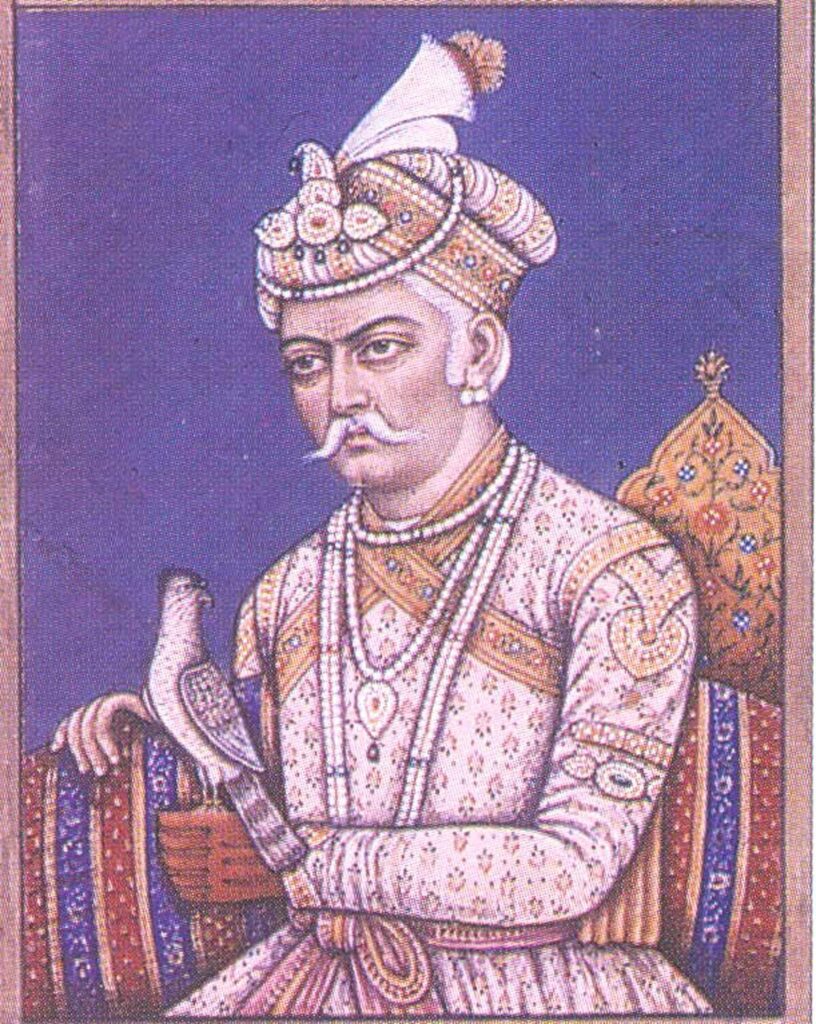
Mughal emperor Akbar | Photo Credit: Wiki Commons
The faith died with Akbar, but the fact remains that Deen-e-ilahi and the underlying principle of Sulh-i-Kul were probably among the earliest attempts at finding a solution to inter-faith differences. ‘Akbar supervised translations of Singhasan Battisi, Atharva Veda, Mahabharata, Harivamsa and other scriptures into Persian,’ says historian Shireen Moosvi, professor at Aligarh Muslim University, adding that Sulh-i-Kul was the result of genuine considerations to suit the needs of a multi-religious country like India. Much before the Indian Constitution made secularism the touchstone of democracy, Akbar had practised it.
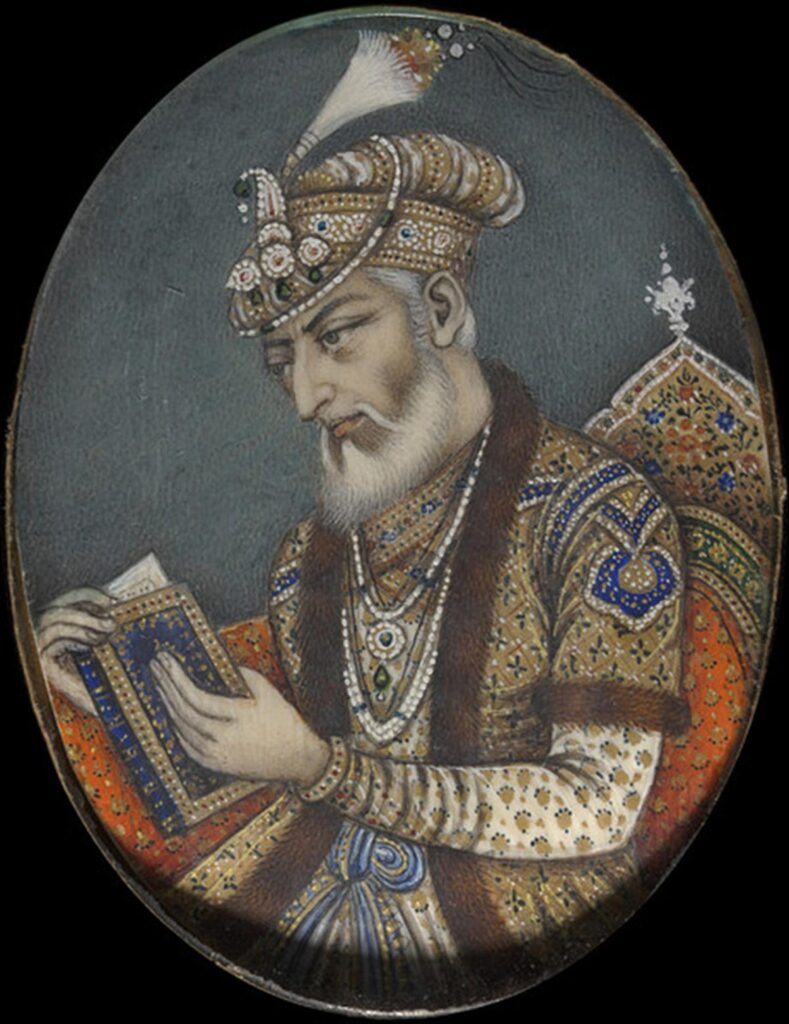
Aurangzeb | Photo Credit: Wiki Commons
Now, the difference between Aurangzeb and Akbar, clear as night from day, is being gradually blurred. No, despite serious attempts by historians, the polity is not looking at Aurangzeb afresh; in the mind of the common man, he continues to be a destroyer of temples, one guilty of regicide, patricide, fratricide and what have you. In February 2023, the name of Aurangabad, the city where he is buried in a simple tomb, was changed to Chhatrapati Sambhaji Nagar, after Chhatrapati Shivaji’s son, who was executed by Aurangzeb in 1689.
Repeated attempts are being made to nibble at Akbar’s greatness, letting us know through an incident here, a rechristening attempt there, that Akbar was not so great after all. That the Rajputs were better, that Akbar was a Mughal and hence incapable of being our hero. The attempt is not only to rewrite history, but also to deprive contemporary Muslims of their heroes, in whose actions they could take pride, and icons they could quote in conversations as their contribution to the nation. The stray barbs about the Taj Mahal or the Ajmer Fort are actually not isolated or spontaneous utterings of a loose cannon, but a deliberate ploy to take the sheen off the accomplishments of the Mughals — and by extension, modern-day Muslims—who are now held accountable for all the battles and bloodshed of the past.
Muslims sit inside a mosque in Bombay, in 1993, following the outbreak of violence in the Babri Masjid demolition incident. | Photo Credit: Getty Images
In the grammar of Hindutva votaries, you see, every Muslim king was a Mughal, and every Indian Muslim of modern India is responsible for the failures and sins of the Mughals…. The derogatory ‘Babur ki Aulad’, a term often heard since the Babri Masjid–Ramjanmabhoomi dispute, stemmed not just from a political mindset, but a much deeper and divisive ideology. It is this ideology that refuses to take a dispassionate look at our past. It prefers rather to settle present-day disputes with the weapon of history, real or imagined…. In their world of binaries, you are either with them or against them. The recycling of Hindutva mythologies is merely an attempt to fuel modern-day bigotry. Nuanced study, not sweeping generalisations, is the need of the hour.
Being Muslim in Hindu India; Ziya Us Salam, HarperCollins, ₹599.
Excerpted with permission from HarperCollins.
ziya.salam@thehindu.co.in
source: http://www.thehindu.com / The Hindu / Home> Books>Review / by Ziya Us Salam / November 17th, 2023
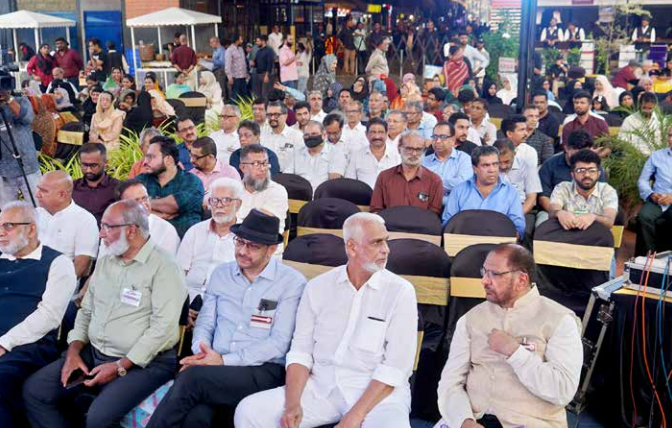
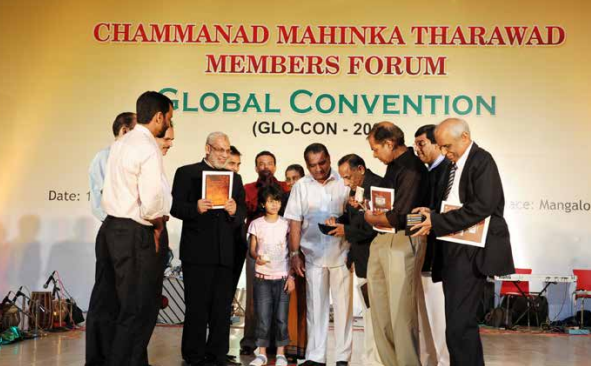
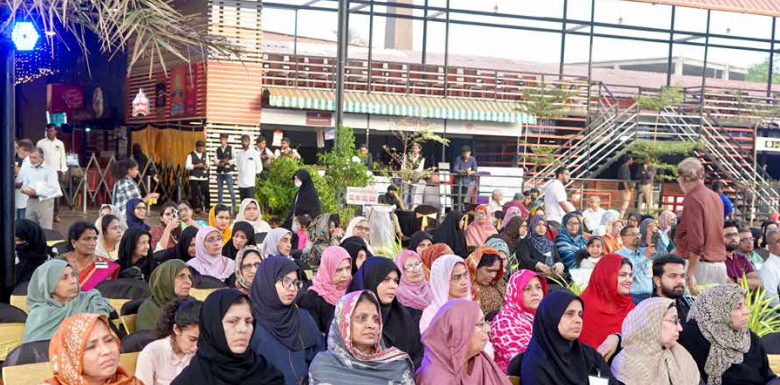
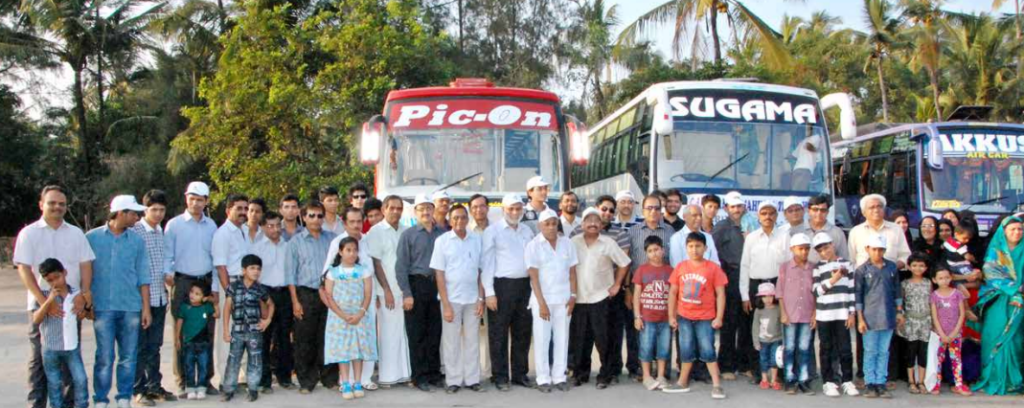
In what is set to become a remarkable testament to the enduring bonds of family and the preservation of cultural heritage, the Chammanad Mahinka lineage is set to host a grand family get-together on Sunday, January 28, 2024, at the Unity Academy Campus in Ashok Nagar, Mangaluru. This reunion holds particular significance as the family, which boasts a staggering count of over 20,000 registered descendants, has successfully spread its roots across various corners of the globe.
Chammanad Mahinka family is gearing up for a grand get-together, bringing together the 15th generation of descendants. What sets this gathering apart is not just its historical significance but also the unique opportunity it presents to connect with family roots and celebrate the enduring legacy of Chammanad Mahinka. Unlike the frequent get-togethers that punctuate family life, this event serves as a rare convergence of generations spanning centuries, offering a platform for shared stories, cultural exchange, and the passing down of familial traditions.
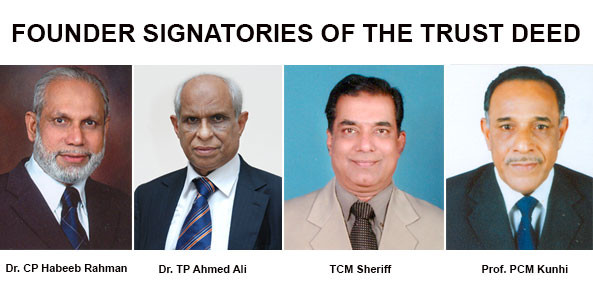
Behind the scenes, there’s a trust that looks after the family’s rich history. The trust was founded by Dr. CP Habeeb Rahman, Dr. TP Ahmed Ali, TCM Sheriff, and Prof. PCM Kunhi. Dr. CP Habeeb Rahman, the chairman of this trust, is excited about the upcoming gathering. The trust’s primary objectives are twofold: firstly, to affirm the lineage’s historical contributions in the domain of faith, practice, mercantile pursuits, ethical values, and services to religious, educational, and socio-economic development over the last two and a half centuries. Secondly, the trust aims to lay a strong foundation for consolidating these heritage elements, with the overarching goal of contributing to the spiritual, intellectual, and material growth of society.
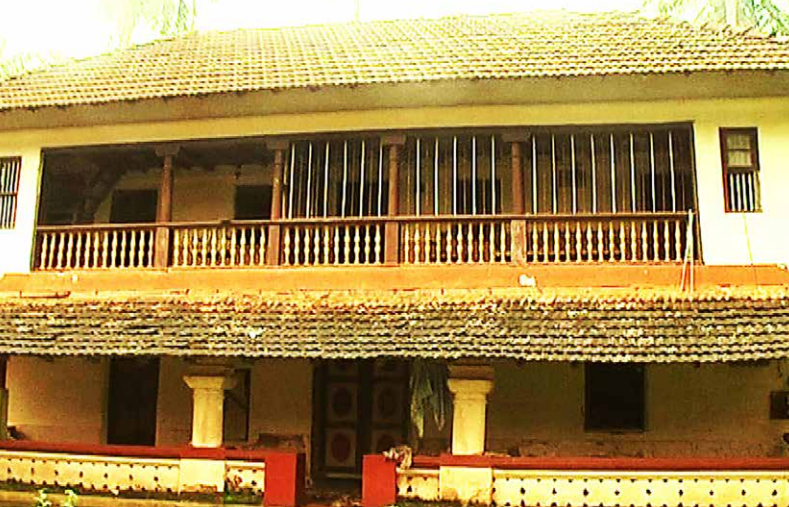
(Chammanad Mahinka ancestral home known as Maliga)
Anticipation is running high for the upcoming family gathering, with Dr. CP Habeeb Rahman expressing his eagerness to welcome nearly a thousand family members to the Unity Academy Campus. As the founding trustee, he envisions this reunion as an opportunity to not only celebrate familial ties but also to reinforce the shared commitment to the values that have shaped the Chammanad Mahinka lineage over generations.
Dr. CP Habeeb Rahman, the visionary behind the Chammanad Mahinka Trust, shared the diverse initiatives undertaken by the trust to fulfill its objectives. Among the notable initiatives, the trust is actively involved in sponsoring academic scholarships and merit awards to encourage education and career growth. Additionally, it provides valuable career counseling and placement assistance to students, ensuring they are well-equipped for the professional world.
Another important facet of the trust’s work is its commitment to building strong alliances within the community. By creating avenues for parents to promote good marital alliances for their children, the trust aims to create a supportive network within the Tharawad. Furthermore, the trust seeks to perpetuate the memory of Chammanad Mahinka and other distinguished Tharawad members through various activities and programs.
In line with its broader societal goals, the trust is dedicated to promoting general awareness on significant issues affecting society. This includes pursuing academic, literary, sports, and game programs, as well as initiating social service activities and supporting poverty alleviation programs. Dr. CP Habeeb Rahman emphasized the trust’s dedication to propagating spiritual, moral, and ethical values, along with principles of religion and faith.
As narrated by Dr. CP Habeeb Rahman, the tale of Chammanad Mahinka unfolds during the era of the formidable Mysore rulers, Hyder Ali and Tipu Sultan, who held sway over the Canara region from 1766 to 1792. Chammanad Mahinka, a young and enterprising individual, emerged as a key figure during this period of historical significance. His diligence and entrepreneurial spirit earned him the prestigious position of a royal merchant, appointed directly by the rulers. Notably, he had the honor of being received at the Durbar of Tipu Sultan at Sriranga Pattanam.
One enduring legacy of Chammanad Mahinka’s philanthropy is the Chemnad Juma Masjid, a landmark reflecting his commitment to community welfare. Additionally, the renowned Tharawad house at Chemnad, known as Maliga, stands as a testament to his vision and contributions to the local infrastructure during those times.
Born in the year 1750 to Kumbol Hassan Musliyar, a respected Arabic and Islamic scholar residing in Kumbol, Chammanad Mahinka’s roots were embedded in a vibrant trading hub of the period. Kumbol, known for its bustling trade and strategic importance due to the fort built by the Ikkery rulers, provided the initial backdrop for his journey. Hyder Ali had previously utilized this fort for military purposes.
Initiating his mercantile pursuits in this fertile environment, Chammanad Mahinka ascended to become one of the prominent merchants of his time. His strategic acumen led him to secure the role of the royal contractor for civil supplies. Choosing Chammanad, one of the largest paddy-growing villages in the Bekal Taluk, as the center of his operations, he fostered connections with the Bekal Fort administration, which was evolving into a significant military cantonment under the Mysore rulers.
In the early years of his career, he undertook a daily journey on foot from Kumbol to Chammanad, covering a distance of approximately 15 kilometers and crossing three rivers. His open-minded approach facilitated strong relationships with prominent landlords and merchants in the region. Notably, Kannan Karnawar, also known as Achambar, the head of the renowned Mavila Tharawad, emerged as his closest friend and trading associate.
The alliance between Chammanad Mahinka and Achambar went beyond business, as Achambar played a key role in arranging Chammanad’s marriage to Beefathumma Vallapoth, the daughter of Vallapoth Vaidyar, a distinguished member of an eminent Muslim family in Chemnad.
“Chammanad Mahinka and Beefathumma Vallapoth were blessed with seven children, comprising four sons and three daughters, each contributing to the flourishing legacy of the Chammanad Mahinka Tharawad. The names of their children stand as testaments to the rich cultural and familial ties that continue to shape the narrative of this remarkable lineage,” Dr. CP Habeeb Rahman said.
Mahinka’s strategic alliances through marital unions significantly expanded the family’s influence and connections with distinguished families of his time. His eldest son, Hassan Kutty, married Puthur Beefathumma, whose lineage included the eminent Puttur Ahmed and the illustrious Kumbol Mahi Fakhi, both belonging to respected landlord families. Notably, Beefathumma’s sisters formed alliances with Cherangai Soopikutty and Padoor Beeran, further integrating two prominent local families into the Tharawad of Chammanad Mahinka.
“Mahinka’s daughters also played a role in extending the family network, as two of them entered into marriages with the merchant family of Kottikulam. Beeyathumma married Kottikulam-Edakkad Bappan Kutty Haji, while Khadeeja became the wife of Kottikulam-Edakkad Bava. These marital ties with a family traditionally from Edakkad in North Malabar bolstered business connections for the Mahinka family,” Dr. CP Habeeb Rahman said.
Hassan Kutty Haji, Mahinka’s most prosperous son, continued to strengthen the family’s reach by forging alliances with prominent families even farther away. His son Zainuddin married into the Valia Peedika family of Kaikodkadavu, Trikarpur, and his daughter Pakrichumma married Edakkavu Arabi Haji of Nileshwar. The subsequent generations sustained these influential connections, establishing relationships with notable families such as Menath Mahin, Povval Kombanthan Kunhahmad, and the Khaje Vamanjoor family of Manjeshwar. In a relatively short span of time, the Mahinka Tharawad successfully solidified its prominence in and around Kasargod Taluk of South Canara.
Within a century since Mahinka’s birth in 1750, the Tharawad expanded its reach from the Nethravathi River to the Kavvayi River, covering nearly 100 kilometers of coastal belt and fallow lands in the Bekal Taluk of Canara. Evolving into wealthy landlords and recognized village leaders, the family engaged in extensive charitable works encompassing spiritual, educational, and humanitarian activities. The construction and renovation of mosques at various locations, including Chemnad, Thekkil, Kaikotkadav, Angadi Mogar, Povval, Baykare, and Adhoor, showcased the family’s commitment to religious centers for the community.
“The Mahinka family also contributed to education by establishing schools in various villages. Moreover, during the month of Karkkadakkam, when agricultural activities slowed due to heavy monsoon rains, the affluent households of the Tharawad initiated public kitchen services to assist the poor and needy. A portion of the annual paddy yields was dedicated to Zakaat, strictly distributed among deserving families. This philanthropic model was sustained through the Waqaf, where large portions of land were set aside as endowments, and their produce funded the family’s charitable endeavors,” Dr. CP Rahman shared.
Functioning as indigenous courts for dispute resolution and grievance redressal, the main Tharawad houses played a crucial role in local administration. Referred to collectively as Kachodakkar, a mark of honor, family members took on the responsibilities of Potails during the British rule. This hereditary position, an integral part of the three-tier revenue administrative system introduced by Tipu Sultan and continued by the British, made them community leaders. However, with the establishment of the Kerala State in 1956, the system of hereditary Potailship was abolished.
By the third generation of Chammanad Mahinka’s descendants, the family had established a considerable presence in the then Bekal Taluk, now known as Kasargod District, stretching from Trikarpur to Manjeshwar. As time progressed, the family’s reach expanded, and by the seventh generation, they had spread across Kerala, Dakshina Kannada, and even reached a few cities in other South Indian states. Remarkably, the family’s influence reached beyond national borders, with members settling in Sri Lanka and other overseas locations.
The early generations received their education under the guidance of renowned Arabic and Islamic scholars of the time. Notably, arrangements were made for the education of women within the family, reflecting a progressive approach. The tradition of performing the Hajj pilgrimage was followed by many family members, including women.
“The Chammanad Mahinka family has been a prolific producer of prominent citizens, contributing to various fields such as social work, academics, spirituality, politics, and bureaucracy. The family’s notable figures include thinkers, spiritual scholars, academicians, social workers, freedom fighters, political leaders, and bureaucrats, showcasing the diverse talents within the Tharawad,” Dr. CP Habeeb Rahman said.
“The endeavor to document the family’s genealogy began with Mammunhi Musaliyar, a son of Bappankutty Musaliyar of Kottikulum. He, along with other contributors like Chemmad Andru Musaliyar, Chekkarankode Hassan Kutty Musliyar of Kalanad, and Mr. Mahin Schemnad, a retired police inspector and former M.L.A. of Madras Assembly, initiated the first known effort to compile the genealogical data of the Chammanad Mahinka family. This historical work, completed in 1930 AD (1352 H.), was prepared in Arabic and covered five generations of descendants,” he added.
“In later years, Ahmed Kutty Sherule, a scholar and researcher, along with AQ Schemnad, translated the Arabic document into Malayalam. Following A.Q. Schemnad’s demise, a comprehensive family chart of the Tharawad was produced in two manuscript volumes, containing approximately 2500 names of seven generations of descendants,” Dr. CP Habeeb Rahman said.
A Q. Schemnad’s passing in 1999 led to the continuation of the genealogical efforts by a group of academically inclined descendants. The task of updating the records became more challenging as the family reached the 14th generation of Chammanad Mahinka’s lineage. Presently, it is estimated that about 50,000 living descendants, scattered across the globe, need to be incorporated to bring the genealogical records up to date.
In response to this challenge, the Chammanad Mahinka Family Foundation has taken a proactive approach to streamline the task of collating family data. The foundation employs electronic processing for data compilation, validation, and dissemination. With machinery in place for fieldwork, a dedicated website, personal contacts, and a combination of print and digital media, the foundation aims to preserve and share the rich genealogical history of the Chammanad Mahinka family.
“Chammanad Mahinka Tharawad family has a well documented and authenticated history of 250 years. Presently estimated to be approximately 50,000 members dispersed into different parts of the world. Every generation has left a legacy. The primary success of the family was their religious faith and practices, involvement in education, agriculture and trading. Recently the family has spread into tens of thousands of people dispersed all over the world. We, the trustees have taken considerable interest to renew this family tree and maintain its heritage. The younger generation has awakened to the family values and I am happy to know that they are actively involved in promoting the family legacy,” Dr C P Habeeb Rehman, Chairman, Chammanad Mahinka Trust.
source: http://www.english.varthabharati.in/ Vartha Bharati / Home> Karavali / by Vartha Bharati / January 27th, 2024
Shah Rukh Khan’s mother Lateef Fatima Khan’s picture with former Prime Minister Indira Gandhi went viral. A rank holder magistrate from Oxford University, England, she was a close associate of the former prime minister.
Lateef Fatima Khan was born and brought up in Tolichowki, Hyderabad on July 1, 1941. Khan was a social worker and passed away in 1990 due to complications with diabetes.
Lateef Fatima Khan was born and brought up in Tolichowki, Hyderabad on July 1, 1941. Khan was a social worker and passed away in 1990 due to complications with diabetes. She passed away before her son Shah Rukh Khan made his Bollywood debut Deewana.
Khan studied at Oxford University and was a first-class magistrate. The Bollywood actor spoke about her accomplishments and said, “She was among the first few Muslim women to have achieved so much.” He added that she was an executive magistrate for the longest tenure recorded. She was a close associate of the former Prime Minister Indira Gandhi and an image of her with the late prime minister is going viral.
In 1992, Shah Rukh Khan was awarded a newcomer award and dedicated it to his late mother. He said, “I am getting a major award in the film industry, she’s still not here. This one’s for you Ma.”
He also spoke about how he rarely prayed but began praying when his mother was battling for her life in the Intensive Care Unit (ICU).
Lateef Fatima Khan was the daughter of a senior government engineer and married Meer Taj Mohammed, an Indian independence activist from Peshawar.
Shah Rukh Khan recently completed 30 years in the film industry on June 25, 2022. His upcoming films include Jawaan, Pathaan, and Dunki. He is a co-producer for the Alia Bhatt starrer Darlings. He was last seen on screen in the 2018 film Zero along with actors Anushka Sharma and Katrina Kaif.
The actor and film producer was awarded the Padma Shri and has won 14 Filmfare Awards for his work in Bollywood. His career began with television appearances and made his Bollywood debut in 1992 in the film Deewana. In his thirty years of acting in Bollywood films, he has appeared in more than 80 films.
While initially resistant to acting in films, he decided to act in films in 1991 and cited it as a way to escape the grief of losing his mother, Lateef Fatima Khan.
source: http://www.shethepeople.tv / She The People / Home> Art> Culture / by Ritika Joshi / July 07th, 2022
For gender-responsive law-making, it is imperative to have a clear definition of consent.
An advocate at the High Court in Delhi, Aaliya Waziri lives with the horrors of the 2012 Delhi gangrape. In the aftermath of the Nirbhaya case, the J.S. Verma committee’s recommendations led to amendments in Indian criminal law. But why do women still live in fear? Waziri’s collection of essays, In the Body of a Woman, takes stock of the progress that has been made and the long road left to cover, even as she pushes for gender-responsive law-making. Excerpts from an interview.
Aaliya Waziri | Photo Credit: special arrangement
A majority of women and girls live in some sort of fear — they fear for their safety in buses and trains and sometimes even at home. After the Nirbhaya case, a stringent law was put in place. What more needs to be done to make women feel safe?
As women, we carry pain and fear for our safety. Ask any woman walking the street after sunset how many times she looks over her shoulder. Nirbhaya was the tipping point for our insecurities related to our safety. It was also a watershed moment in terms of pointing out the lacunae in the legal framework. It would be false to state that things haven’t changed since Nirbhaya. For example, we now have vulnerable witness deposition complexes in district courts, victim compensation schemes etc. but there is much more to be done. We can do more to strengthen our laws and have a robust system in place that does not allow for procedural lapses. We must have a judicial gender-sensitisation training system that ensures victims are not subjected to re-victimisation. We need to allocate more resources and personnel to fast track courts and precipitate the specialised redressal mechanism in place. We can expand the definition of consent to make it more gender responsive by affirming what consent is.
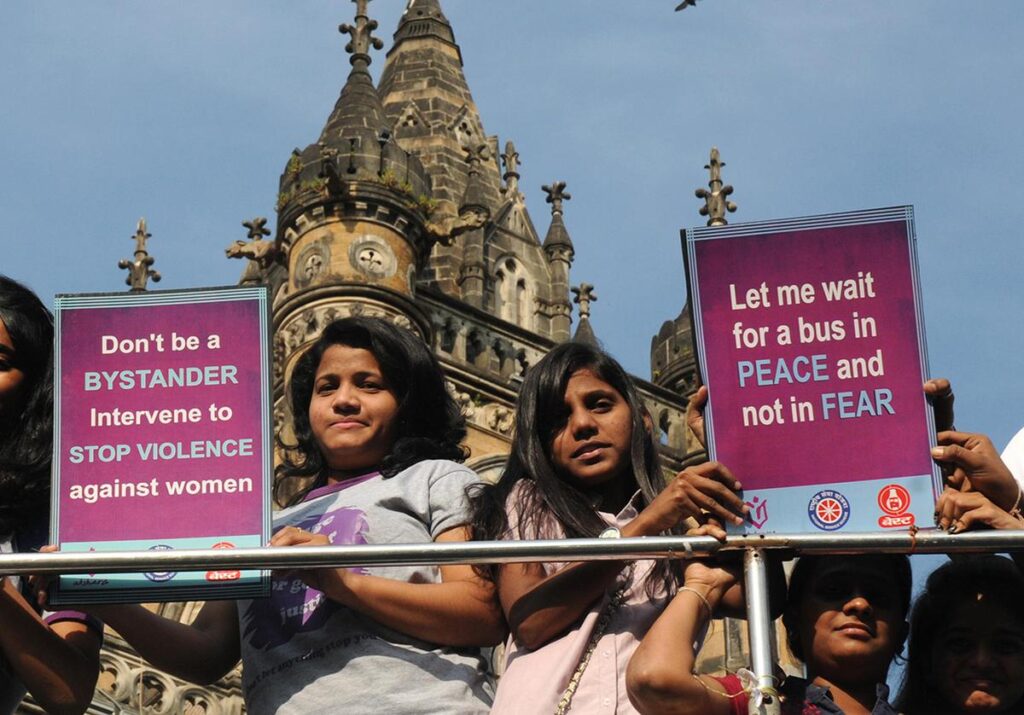
Students with placards emphasising the need for women’s safety at the ‘Freedom from fear’ rally organised in Mumbai. | Photo Credit: Vivek Bendre
Why should consent be at the centre of all discussions on gender sensitivity?
Talking about consent is perhaps the most important conversation when it comes to gender responsive law-making. Right now there is a grey area of offences that are not punishable by law because deciphering consent is tricky. Marital rape is one such example. The law defines consent in negative terms. At the same time, we have a statutory definition that talks about how consent must not be tainted with fear or duress or coercion. But this definition talks about all that consent is not instead of a definition that affirmatively defines what consent is, which is where the problem lies. Without a definition of what consent is, we are all shooting in the dark.
In a poor country like ours, why is it important for women to be equal beneficiaries in every sphere of life?
The answer is parity. Women are not a homogenous group. We are unevenly and disproportionately placed on the starting line. To give women a fair chance at competing with men, we have to first put them on an equal footing with men. Only then can we hope to ensure women are equal beneficiaries of the Indian success story. Unless women are equal recipients of state welfare mechanisms that form a conducive environment for women to participate freely in the open market, how can we expect women to enter, re-enter and exist in the work space? There is no one-step-panacea to put women on an equal footing with men but what is important is to identify and plug operational loopholes with affirmative action, no matter how much some of us might dislike the phrase.
Why do you want the focus to shift from a gender-neutral approach to a gender-responsive one if society and mindsets have to be transformed?
A gender-neutral approach might seek to bridge the differences between different genders. But what we need is an approach that acknowledges and addresses differences between genders and works towards parity and inclusion as opposed to homogenising them. I am not sure if the collective mindset of our society can be changed, that’s a pipedream, but we can take concrete steps towards smaller goals. Law is a mirror to our societal fabric and by inculcating a gender-responsive approach, we recognise that within the subcategory of women, we are not an analogous group, we differ in terms of our access to welfare services, the impact our geographical and marital status has on our socio-economic identities, and so forth. The goal is to target disadvantages that women face, simply by virtue of their gender, and equip them to better respond to these challenges.
In the light of the ‘sulli deals’, what should be done to prevent such cyber bullying?
The anonymous non-confrontational form of violence against women and girls, devoid of physical contact, in cyber space, must be viewed as an impeding factor to gender justice in the 21st century. Essentially, if women are at the receiving end of systemic gender-based violence in real life then the same will translate into an inequitable cyberspace.
With that in mind, we have to first understand the fact that the landscape of violence against women and girls has changed with the advent of technology. To counter this, what we need is targeted legislation that criminalises cyber violence against women and girls. In the absence of any special legislation, both the IT Act and the Indian Penal Code are interim solutions inadequate to contain the magnitude of problems brought on by digital technology.
In The Body of a Woman; Aaliya Waziri, Simon & Schuster India, ₹499.
sudipta.datta@thehindu.co.in
source: http://www.thehindu.com / The Hindu / Home> Books> Author / by Sudipta Datta / October 20th, 2023
The author talks about how identity and politics play a huge role in his writing.
Abdullah Khan will be at The Hindu Lit Fest 2024 in Chennai on January 26-27.
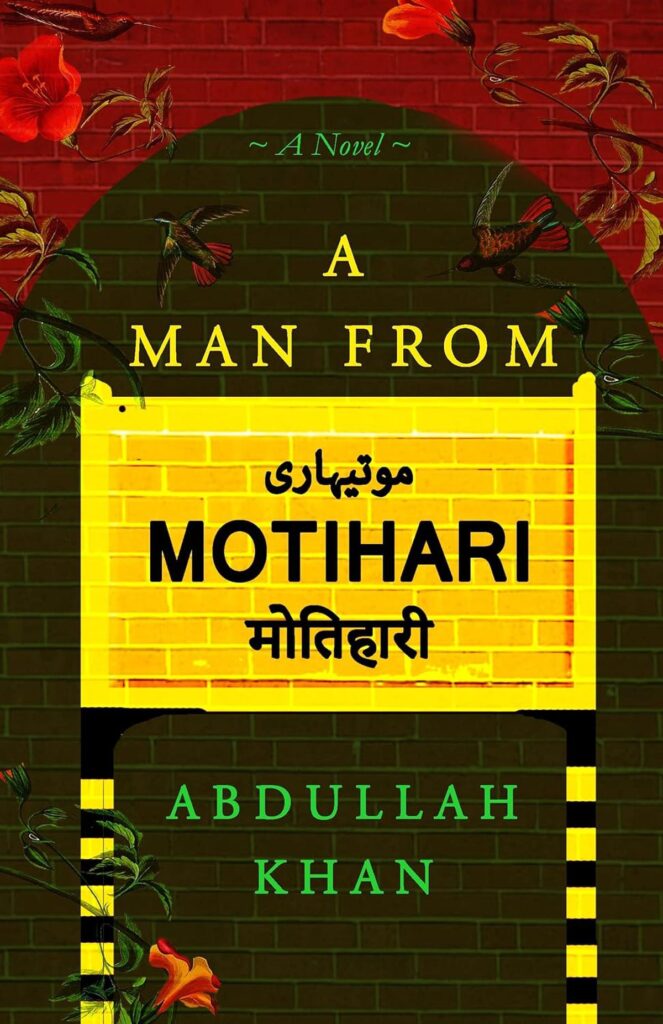
Abdullah Khan’s journey with literature began with a discovery — that he shared his place of birth, Motihari in Bihar, with one of the most prominent authors of the 20th century, George Orwell. Since then, the written word has remained Khan’s constant companion. From his debut novel Patna Blues (2018) to his latest, A Man From Motihari (2023), Khan employs a deft handling of sensitive subjects and hot-button issues to tell stories of everyday characters in Indian society. A speaker at The Hindu Lit Fest 2024 in Chennai on January 26-27, Khan discusses his thoughts on identity, desire and aspiration.
Edited excerpts:
How much of what you write is influenced by your own story?
During my school days in Bihar, my history teacher once asked, “Are you Muslim first or Indian first?” I confidently replied, borrowing the answer from my grand uncle: “I am both, born to Muslim parents, I’m Muslim; born in India, I’m Indian. Both identities came to me at birth.” As a boy, I didn’t fully grasp the complexities of identity.
During college, I pondered over how identity shapes thoughts, realising we’re not always aware of every facet of our identity. Sub-identities and super-identities emerge, revealed by others’ prejudices. In my village, I was Pathan; in school, a Muslim. Beyond Bihar, a Bihari. These identities intrigued me.
As I ventured into fiction writing, my reflections on identity seamlessly became woven into my stories. And, conflict between circumstances and desire is integral to human existence and is a vital element in crafting engaging narratives. I found inspiration in Bihari IAS/ civil services aspirants, news, historical incidents, real-life characters, beautiful places, and even SMS/ WhatsApp forwards for plot ideas.
What comes first — the plot or the point it makes? And in the case of ‘A Man from Motihari’, what was the genesis of the story?
Plots and characters naturally come to me without any preconceived plan. As I create the story, some significant points or messages often emerge organically.
Take, for instance, the inspiration behind A Man from Motihari. A few years ago, a Bangladeshi newspaper asked me to write about the house in Motihari where Orwell was born. While standing in front of that house, I had an idea: what if a boy from Motihari is born in the same room where Orwell was born many years ago? How would the boy react when he finds out, and how would it change his life? That’s how I came up with the character of the protagonist, Aslam Sher Khan, who is born in the same house as Orwell.
Tell us about your journey — from writing to publication.
Fresh out of completing my Master’s in chemistry, when I began writing Patna Blues, I had no knowledge of the technicalities of fiction writing and no background in literature. So, writing Patna Blues served as a kind of training for me, a sort of MFA, where I learned everything from scratch through trial and error. It took almost 10 years to write and nearly 9 years to get it published. I didn’t have a peer group then for beta reading or sharing comments. The journey to publication was challenging, enduring more than 200 rejections before it was published.
For my second novel, it took no more than a year to write, and finding a publisher was comparatively easier. Style-wise, I have improved significantly and gained more confidence in my writing.
There are strong political notes in your stories. What kind of responsibility do you feel towards your readers in terms of what you write about?
I believe no story exists in a vacuum. I allow the politics of the time to become a part of the narrative as I believe it is the only way to tell authentic stories.
While writing about politics, I do not shirk my responsibility as a writer and chronicler of the truth. I strive to be as impartial as possible. I generally don’t allow my personal beliefs or political ideology to creep into the story. Instead, I focus on the characters’ take on the politics of that time and keep myself a bit distant from those events.
What’s your take on literature festivals? What can they do for writers, and their readers?
Literature festivals offer writers a chance to share ideas. They gain inspiration and build a community, while readers enjoy insights into the creative process. As writers, we also get a chance to meet authors from all over the world, and learn from each other.
I think we should do more at these festivals for aspiring authors, like arranging pitching events or conducting writing masterclasses.
I have also observed a disturbing trend at many literature fests, where organisers invite celebrities such as film stars or cricketers to boost attendance. This often shifts the entire limelight to them, sidelining writers.
Gsquare Group presents The Hindu Lit Fest 2024 in Association with NITTE Education Trust & Christ University. Bookstore partner: Higginbothams
swati.daftuar@thehindu.co.in
source: http://www.thehindu.com / The Hindu / Home> Litfest> The Hindu Litfest 2024 / by Swati Daftuar / January 05th, 2024
The only Padma Shri Balti writer, Akhone Asghar Ali Basharat from the Kargil district of Ladakh, is struggling to get his anthology of native poetry published.
Akhoon has already published five books and when he was conferred with the Padma Sri by the government of India in 2022, it looked as if his career would take to newer heights. However, a year later, he lacks the resources to get his latest book published.
Speaking to Awaz-the voice from his home in the village Karkit Tchoo, 13 km from Kargil town, Basharat said that he was trying to get the collection of his poetry in Balti language published; he was looking for a means of subsidy. “It is a huge collection of my poems in Balti language; it highlights multiple facets of the language and culture divided by the Line of Control between India and Pakistan.”
The Balti language is spoken in the Gilgit-Baltistan region in the PoK and Kargil.
When the Awaz spoke to him last year, he was working on Aeena-e-Kargil (Reflections on Kargil), unfolding its history, geography, culture, writers and poets, the life of people, their dress, house, common food, following the religion of Islam, religious, social and political organizations.
His book, published this year, dwells upon the plight of the region during the Dogra rule, and also other ‘untouched issues in the post-Independence era’, he said. The 320-page book is a comprehensive account of the life and political issues the Balti-speaking people faced. His efforts in compiling details over more than 15 years have won him appreciation.
People are so impressed by Basharat’s achievements that a local poet Ashraf Ali Sagar, who is also the general secretary of the Association of Baltis in Himalayan Ladakh Territories of India, Kargil, composed a poem praising him. The poem is printed on the back side of the book. One couplet of the poem goes as follows:
“Kis Tarah Pur Soz Hai Tareekh-e-Kargil Kya Khabar
Yeh Basharat Teri Mehannat Ka Samar Honay Ko Hai”
(How vibrant is Kargil’s history, who knew; Basharat this is going to be fruitful for your hard work).
Akhone Asghar Ali Basharat (72), has not been to a school and he has no formal education. He learned Balti, Urdu, Persian, and Arabic languages from his father Sheikh Ghulam Hussain, who had set up a Madrasa in their home in 1972 and taught the children of the village for free.
Inspired by his father, he was attracted to learning, reading, and writing different languages.
His first anthology of Naat (in praise of Prophet Muhammad) and Manqabat (in praise of Allah) was published in the early eighties. His second publication, an anthology of poetry was published in 2002, followed by Waseelai Najaat, based on translations from Persian, which was published in prose form four years later, and, Bazme-Basharat including Naats, Manqabats, and poems on other issues got published in 2011.
Balti language is a Tibetan language spoken in parts of Kargil while it is the second largest language in the Gilgit-Baltistan area across the Line of Control (LoC). It is also spoken in parts of the Nubra Valley of Leh, Ladakh. Some of the Balti-speaking families from Kargil have also settled in the Tral area of Pulwama district in South Kashmir. There are 3.79 lakh Balti speakers in Pakistan, while the total Balti-speaking people in the world are estimated at 4.91 lakh.
The number of Balti speakers in India has shown a decline over the decades; today there are 13,774, Balti speakers in India, as per the 2011 census. It was around 20,053 in the 2001 census and 48,498 in 1981.
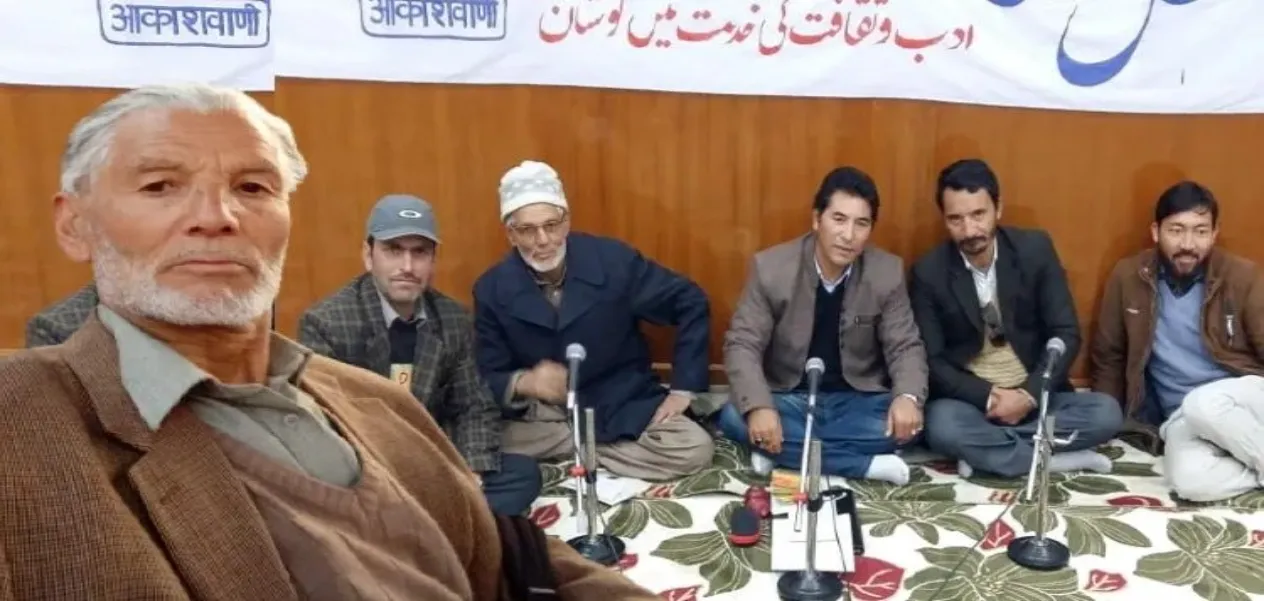
Akhon Asghar Ali Basharat gained popularity when he conducted regular Balti poetry shows on the AIR station of Kargil that took off in 1999. He became a regular participant in the local Urdu Mushairas and other cultural activities.
Basharat told a news portal that his father has been his inspiration. His father was the first published author from Kargil in the decade of 1980s.
“My father is my sole inspiration. He was a well-known social and religious activist. He had a huge collection of religious books. I sometimes feel writing is my inheritance and in my DNA.”
He says AIR Kargil station was of great help to people like him who live in remote areas. “My radio shows made me popular and encouraged me to write more. I am today because of AIR Kargil station.”
He says he fears that the Balti language may become extinct in Kargil. The fear of extinction is more because people across Ladakh tend to speak other languages and not their native ones to sound fashionable.
Bashart says to preserve language and culture, reading and writing books, and holding seminars and cultural programs must be encouraged.
He feels book writing should not be seen as a lucrative profession. “I feel book writing is not a lucrative profession. The author has to spend money to publish his book. Since the reader base is small the youth do not feel encouraged to write in regional languages. He has suggested that government must support writers of smaller languages.
source: http://www.awazthevoice.in / Awaz, The Voice / Home> Story / by Ehsan Fazili, Srinagar / January 07th, 2024
Pratinav Anil argues that policies of the Congress and the Muslim elite ended up hurting Indian Muslims the most.
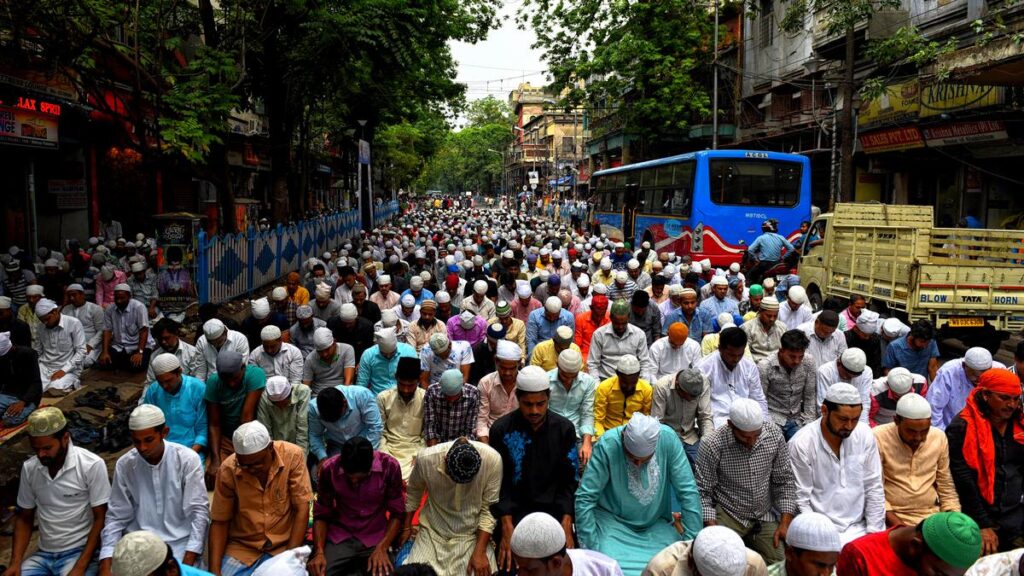
Muslim devotees praying on the street of Kolkata during the holy month of Ramadan. | Photo Credit: Getty Images/ istock
Unobjective commentators have, in the last decade, perfected the art of highlighting the tribulations of being a Muslim in “Hindu India” without contrasting them with the difficulties the same Muslim faced in “secular India” that supposedly existed before 2014.
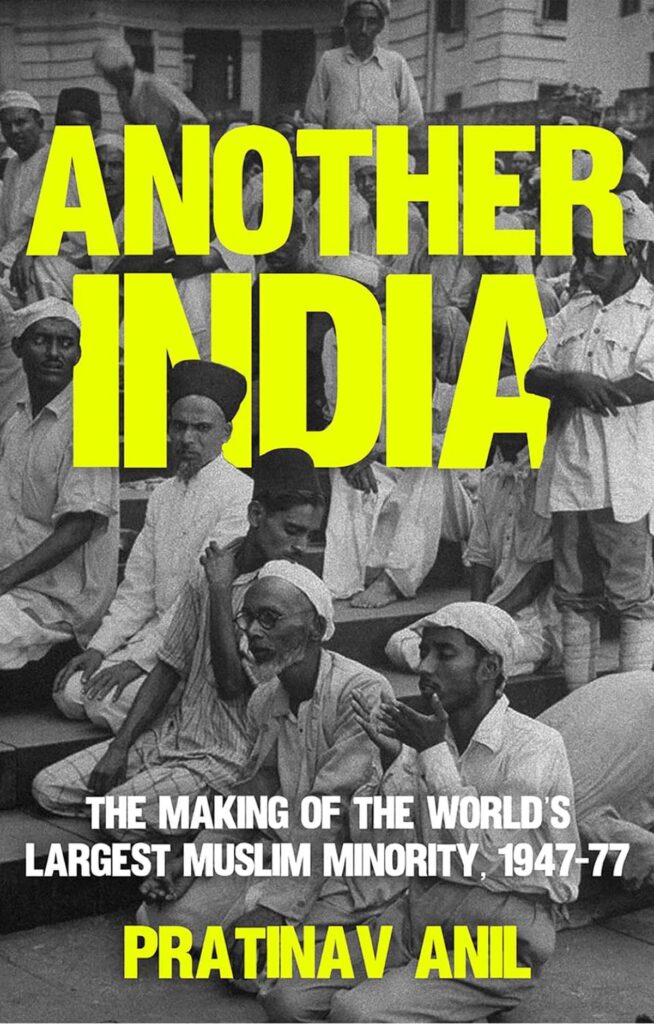
Pratinav Anil is perhaps the only modern historian who has gone against this trend to put right the wilful muting of Indian Muslim history. His new book Another India: The Making of the World’s Largest Muslim Minority, 1947–77 is an in-depth analysis of anti-Muslim violence since Independence that exposes the Islamophobic facet of the country the Congress established in August 1947.
In simple terms, the question that Another India seeks to answer is: Was the Congress’s idea of India genuinely secular and based on communal equality? From the facts it lines up, the answer is ‘no’.
Riots and taunts
Not many know that the “most violent Hindu-Muslim conflagration of postcolonial India” was unleashed in 1964 in which a staggering 800,000 Muslims from Bengal were pushed into East Pakistan.
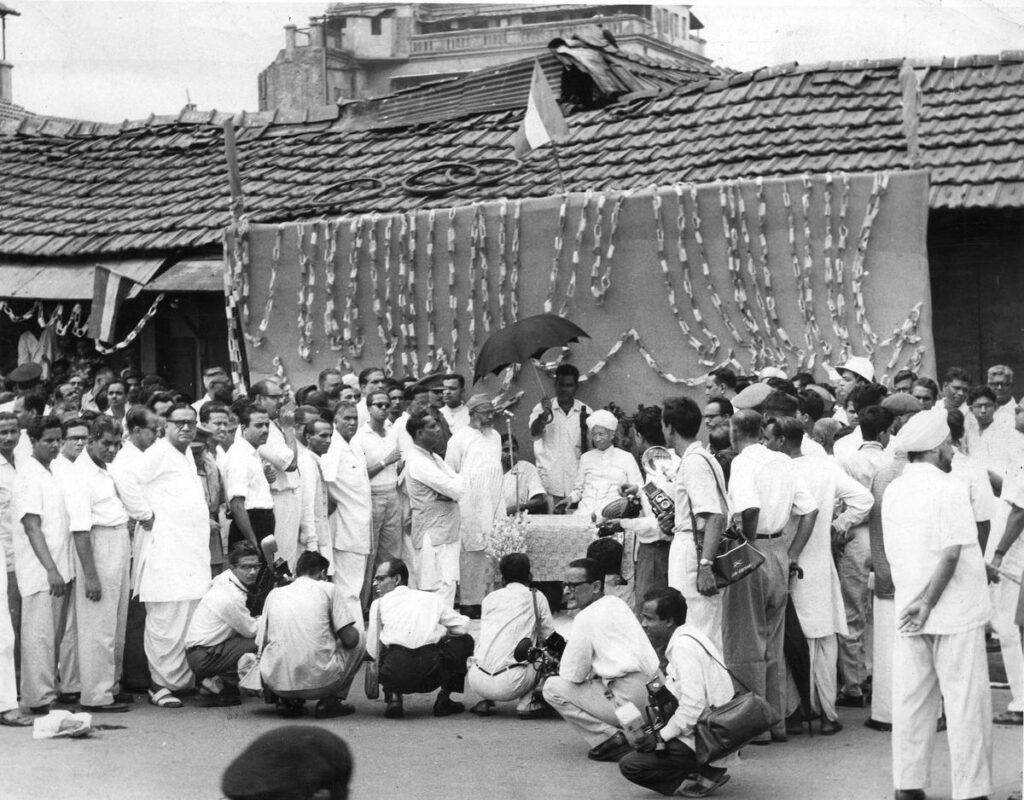
President S. Radhakrishnan visiting Central Calcutta, a predominantly Muslim locality, affected by the January riots. He is seen with the Muslims of the locality (Kalabagan area) on June 30, 1964. | Photo Credit: The Hindu archives
Indeed, it was under the Congress that the derisive “go to Pakistan” taunt was actualised when nearly 2% of the Indian Muslims were sent to Pakistan after being branded infiltrators who had sneaked in to convert Hindus to Islam. Before being expelled, they were dumped in makeshift camps on the border “like herds of cattle”, and forced to “sign papers declaring falsely that they were Pakistanis” when many of them were genuine Indians.
A large number of those who couldn’t be “sent to Pakistan” became the victims of the “riots galore” that dotted Nehru’s rule. The “institutionalised riot system” was so one-sided that Muslims made up 82% of the fatalities and 59% of the injured.
Prepossessed hostility towards Muslims was also the cause of the 1948 police action in Hyderabad which, for Anil, was “a mass pogrom” because it had resulted in the massacre of 40,000 Muslims, the rape of women, loot, arson, desecration of mosques, forcible conversions, and seizure of houses and lands. Nehru hastily suppressed the Sunderlal Report that brought out these facts.
Anil concludes that Nehruvian India was often “an Islamophobic agency” that wore secularism as “a fig leaf” to hide its pro-Hindu bias.
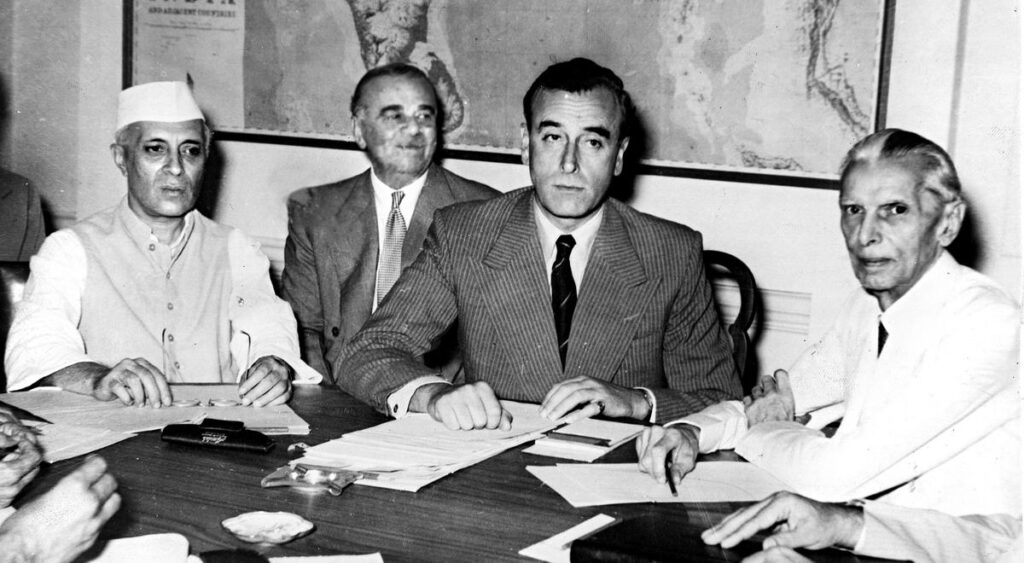
At the historic conference in New Delhi on June 7, 1947, when Lord Mountbatten disclosed Britain’s “partition” plan for India. (left to right) Jawaharlal Nehru, Lord Ismay, Adviser to the Viceroy, Lord Mountbatten, and M.A. Jinnah, President of the All-India Muslim League. | Photo Credit: The Hindu photo archives
The Ashraf betrayal
But how did the Congress get away with its brazen marginalisation of Muslims? With the help of “nationalist Muslims” and “notables”, says Anil.
The former were mostly Muslim Congressmen who harmed their community by conflating India’s progress with that of the Congress; shielding Congress from criticism by blaming Muslim communalists for Partition, and placing the constitutional protection of the shariah above the community’s political rights.
The “notables” comprised upper-class Muslims (the ashraf) such as mutawallis (custodians of waqf properties), waseeqadars (princely pensioners) and waaqifs (dedicators of properties for waqf) all of whom used their aristocratic agency to feather their nests in the guise of working for the community’s economic development.
A major preoccupation of these patricians was “the preservation of distinctive elements of Muslim culture in a non-Muslim environment.” Backing them to the hilt were the ulama, especially those belonging to the Jamiat Ulama-i-Hind which Anil calls a branch of the Congress in all but name.
The “ashrafised” Islam that the ashraf-clergy nexus promoted secured the class interests of the ashrafs and almost totally ignored the plight of common Muslims.
In a scathing attack on the Muslim elite’s obsession with the shariah-based Personal Law, Anil says that it furnished the patriarchs with “a private fiefdom to do as they pleased” without mitigating the community’s “despondent public existence in an Islamophobic society.”
No space for scrutiny
As a consequence, Muslim politics had no room for “trade unions, mass protests, anti-discrimination legislation, and subaltern solidarity” while it had plenty for “high cultural totemic symbols such as the AMU, auqaf, Urdu, and the sharia.” This suited the ruling “Hindu Congress” because a politically empowered non-Hindu group was not in its interest.
Even today the ashraf-clergy alliance prioritises religion and religious symbolism over social cohesion and political participation. If, for instance, ashraf-backed madrasas are fixated on anachronistic medievalism, many clergy-endorsed secular English medium schools controlled by wealthy Muslims promote religious identitarianism by making the skull cap (for boys) and the hijab (for girls) a mandatory part of the uniform.
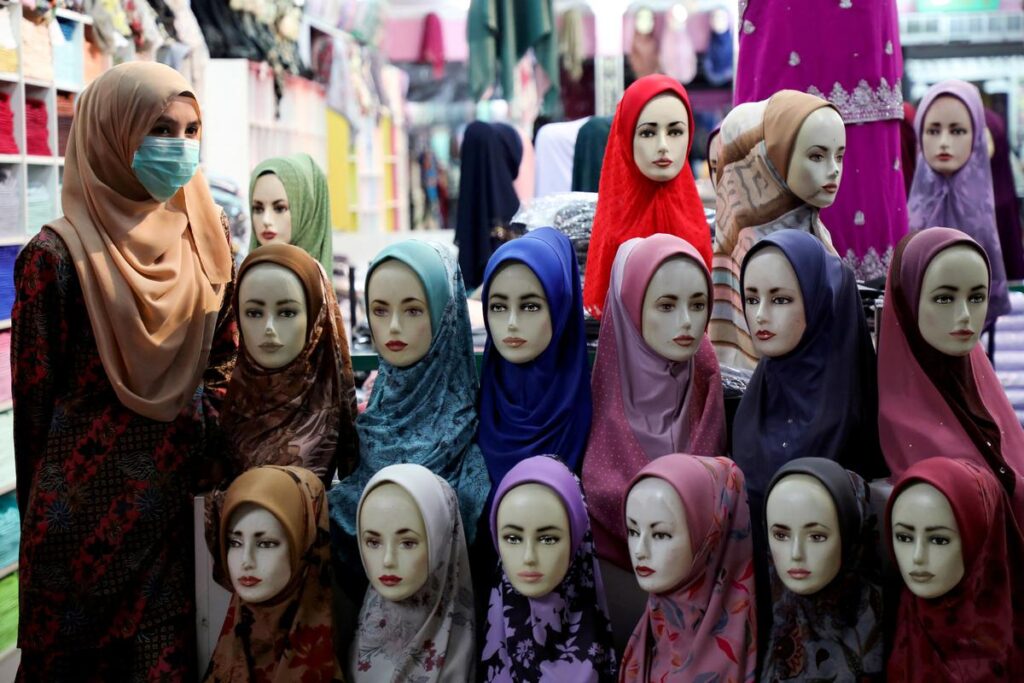
At a hijab shop. | Photo Credit: Reuters
This self-ghettoisation, which is nothing short of an attempt to discourage the enrolment of non-Muslims in Muslim schools, sustains itself on the fear of the other and has the potential to render Muslim students incapable of living in multi-religious and multi-cultural societies after graduation.
Given this sad state of affairs, Another India couldn’t have come at a better time. Its neoteric narrative is not just a searing exposé of Congress’ betrayal of trustful Muslims who stayed back in India after rejecting Pakistan; it is also an invitation to Indian Muslims to acquire a sense of critical thinking and break free from the serpentine stranglehold of the ashraf-clergy alliance that is hell-bent on denying them the heaven-ordained right to intellectual liberation.
Another India: The Making of the World’s Largest Muslim Minority, 1947-77; Pratinav Anil, Penguin/ Viking, ₹999.
The reviewer is Secretary-General of the Islamic Forum for the Promotion of Moderate Thought.
source: http://www.thehindu.com / The Hindu / Home> Books> Reviews / by A Faizur Rahman / February 04th, 2024
Nazki took over as the director of Doordarshan and All India Radio, Srinagar — the twin propaganda arms of the State — after Lassa Koul, his boss at Doordarshan, was shot dead by militants on February 13, 1990
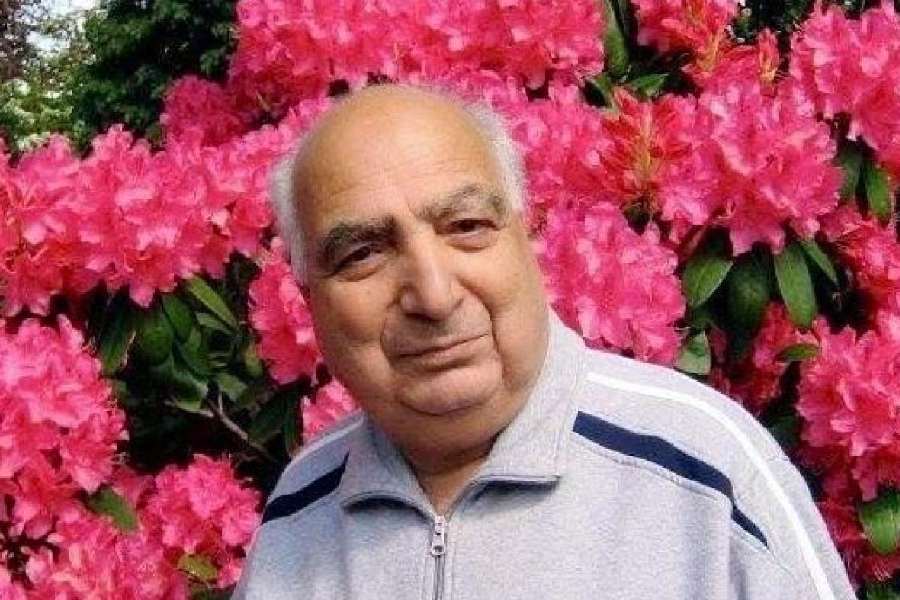
Farooq Nazki / Sourced by the Telegraph
Farooq Nazki, the versatile poet and broadcaster who steered India’s ship in Kashmir during the turbulent 1990s when the Valley was up in arms against the State, passed away on Tuesday at a hospital in Jammu’s Katra.
Nazki was 83 and is survived by his wife, son and two daughters. According to his relatives, he had been battling various health issues, including lung and kidney complications, for the past several years.
“The passing away of a qalander (ascetic or a carefree man) is not to be mourned; his fulfilling life is to be celebrated. For he has left this station after enriching it in many ways. A societal loss which is a personal bereavement. RIP Mir Mohammed Farooq Nazki (1940-2024),” his son-in-law Haseeb Drabu, a former journalist and politician, posted on X.
Politicians, including those from the BJP, National Conference and the People’s Democratic Party, mourned his death.
Nazki took over as the director of Doordarshan and All India Radio, Srinagar — the twin propaganda arms of the State — after Lassa Koul, his boss at Doordarshan, was shot dead by militants on February 13, 1990.
Militancy, which had erupted months earlier, was at its peak and the twin media institutions were its foremost targets, forcing authorities to turn the joint complex into a garrison. Under Nazki’s stewardship, they continued their fierce anti-militancy stand.
“He was like a one-man army, perhaps the lone Kashmiri Muslim who wore his Indian nationality on his sleeves those days, although I do not know how much of that was conviction and how much, compulsion,” a journalist, who covered Kashmir during the troubled 1990s, told The Telegraph.
“He was perhaps the most guarded Kashmiri those days, and he moved in a convoy of security vehicles. They were no ordinary times. National Conference leaders, including Farooq Abdullah, deserted Kashmir, and police too were in a mood of rebellion. Certainly, that did not go well with the people.”
Kashmir was rocked by a police revolt in 1993, forcing the army to storm into their headquarters to crush it. There was, however, no bloodshed.
Early in January 1990, Farooq Abdullah resigned as chief minister in protest against the installation of Jagmohan as governor. The Assembly was dismissed and governor’s rule was imposed, which triggered mass protests.
A former colleague of Nazki said there were no resignations at Doordarshan and AIR when militancy started, unlike in 1953 when Sheikh Abdullah was removed from power.
“He (Nazki) would say that he was doing his job and if there was anybody else, he would have done the same. He was brave enough to do it openly. In his poems, you will find him reflecting on the pain and sufferings of Kashmiris. But it is also true he was against militancy because he thought it would bring us ruin,” he said.
“He continued the parampara (tradition) of hoisting the Tricolour at Doordarshan, and that was no small feat in those days. He retired as deputy director-general, Doordarshan, in 2000, and to my surprise, he was never harmed. I have seen him moving around Lal Chowk without security. That is perhaps because he was a multi-faceted personality.”
Former Doordarshan director Shabir Mujahid, who worked under Nazki, said he was an ace broadcaster and a poet.
“He was a trendsetter at the national level. It is he who gave the concept of soap operas to Doordarshan, starting with Shabrang in the early 1980s. He produced many plays and serials. He was equally a wonderful poet,” Mujahid told this newspaper.
In 1995, Nazki won the Sahitya Academy award in Kashmiri language literature for his book of poetry, Naar Hyutun Kanzal Wanas (Fire in the Eyelashes).
After his retirement, he served as media adviser to two former chief ministers, Farooq Abdullah and Omar Abdullah.
source: http://www.telegraphindia.com / The Telegraph Online / Home> India / by Muzaffar Raina, Srinagar / February 07th, 2024
Dr Hussain was the kind of man, that if he himself were to read (or edit) this obituary, he would flinch at the mention of his generosity as a doctor or friend. Good deeds were to be done, he believed, not to be remembered or recounted.
Dr. Farasat Hussain (1952-2023)
This Sunday (August 6) when a group of people assemble to remember Dr Farasat Hussain, in ‘Renaissance’, an aptly named Cultural Centre in Gaya, set up by his lifelong friend, noted litterateur Sanjay Sahay and his wife Durba Sahay, the inter-faith gathering will be much more than a tribute to him. They will of course meet to talk about the good doctor who died on July 28 at the age of 71 in Delhi. But the meeting will embody the very essence of Dr Hussain’s life which was dedicated to bridging divides and building relationships. Be it religious, caste and class, there was not one single divide he had not jumped across.
The meeting will be very personal, no doubt, but it will also be a tribute to the India he inhabited for most of his life, where he was proud to serve as a doctor, live his life as a Magadh ka baashinda, a Bihari, an Indian, and all in all, a lively human being. But it will also be a necessary reminder in these vicious and polarised times of people who with their singular focus on humanitarian work are the secret sauce of what keeps or certainly kept India going.
Born in Bihar’s Chhapra district in 1952, Dr Hussain made Gaya his home soon after he completed his post-graduation in Orthopaedic Surgery at Government Medical College, Ranchi in 1983.
As a young doctor, he would kick-start his Rajdoot motorcycle and ride off to remote villages across Bihar to attend to emergencies. A pioneer in polio corrective surgeries in Bihar, he conducted scores of special camps where he performed more than 3,000 polio surgeries for poor children when he started his work here decades ago. He even conducted Caesarean sections when a gynaecologist wasn’t available.
In a state where public health was never really a thing, doctors like Farasat Hussain were the system. He was anyway an exceptional surgeon who had multiple opportunities and offers to make a career in the lucrative corporate medical sector, but he didn’t even consider it. He stayed in Gaya where he mixed his practice as a doctor with large-scale social work, community building and helped initiate a multi-faith effort to ensure communal harmony across the Magadh region.
But for people there, he wasn’t just a skilful surgeon and an efficient clinician, he was also a psychologist. His unique sense of humour, they suspected, was part of his treatment plan for a patient. Dr Hussain didn’t merely look at the disease of his patients, he treated the person. In a place where health infrastructure had crumbled in the decades of the 80s and 90s, he was an address for the sick where they knew they would surely get help.
He was also closely associated with the upliftment of the disabled population, who remember him as a mentor and benefactor for helping them with their livelihood. Several disabled people travelled from across the region, despite difficulties, and joined his funeral.
In 2010, the government of Bihar honoured Dr Hussain for his work. At that time, he was national president of the Association of Sports Medicine of India. He was honoured for his contribution to promote sports among disabled people, especially polio patients.
Dr Hussain was closely associated with Arpan, an organisation of disabled people in Gaya, where he was instrumental in motivating disabled youngsters to participate in sports and other activities to turn their physical challenges into opportunities that helped them move away from a life merely at the fringes of society.
Dr Hussain mentored Krishna Murari, who subsequently represented India at the sitting volleyball competition in the US.
Several other disabledyoungsters from the Magadh region also attended national sports events in cricket, volleyball and cycling. His focus on encouraging disabled youngsters to take up sports was to help in their inclusion in the social fabric, not as dependents, but as equal partners.
Dr Hussain was an integral part of the inter-faith dialogue, peace and harmony initiatives in the Magadh region.
This is why those who attended his burial say that it aptly exhibited the fruits of his lifelong work to build bridges between communities. Buddhist monks came to pay their respects to him. Hindus and Muslims came and prayed for him. Several disabled men came for the first time into a graveyard, only to express their love for the departed. There were madrassa children, who were helped by him when their institution was in extreme financial distress. A befitting farewell to a man of all persons.
Dr Hussain had been closely involved with one of Bihar’s oldest minority educational institutions – Mirza Ghalib College, where he consistently promoted progressive and secular values. Mirza Ghalib would be proud of all that he upheld there. He was also involved with a number of charity organisations, such as an orphanage at Cherki for more than two decades. This home for poor, underprivileged orphans is one of the biggest in India.
Dr Hussain was an exceptional man, who stood out because he was so restless and always busy, working, helping; a doctor in the truest sense of the word.
I happened to meet him several times, and saw an adoring grandfather to a precocious and thoughtful Farris. His quiet charm, polished demeanour and contagious smile did not mean that he ever held back on his views. A man capable of sharp candour and an openness of the heart, he could surprise you with his diagnosis of the social situation.
Dr Hussain was the kind of man, that if he himself were to read (or edit) this obituary, would frown and take serious umbrage at even a mention of his generosity as a doctor, friend, and human being. Good deeds were to be done, he believed firmly, and not to be remembered or recounted.
He is at eternal rest now. But his life needs to be celebrated for how he lived it and how he wanted the world around him to be. There is a need to nourish his legacy, intangible as it may seem. This is true today more than ever before, as we seem to have a hard time even imagining living a harmonious life as a collective.
He knew very well that there was no magic pill to fix the social fabric, no ready rafoo. But the good doc he was, he knew what it took to keep trying to get there and the importance of keeping all kinds of fevers down.
RIP, Dr Hussain.
source: http://www.thewire.in / The Wire / Home> English> Health> Rights / by Seema Chishti / August 05th, 2023
/shethepeople/media/post_banners/ZPgiNgUOcTPzyNDD9MxE.png)