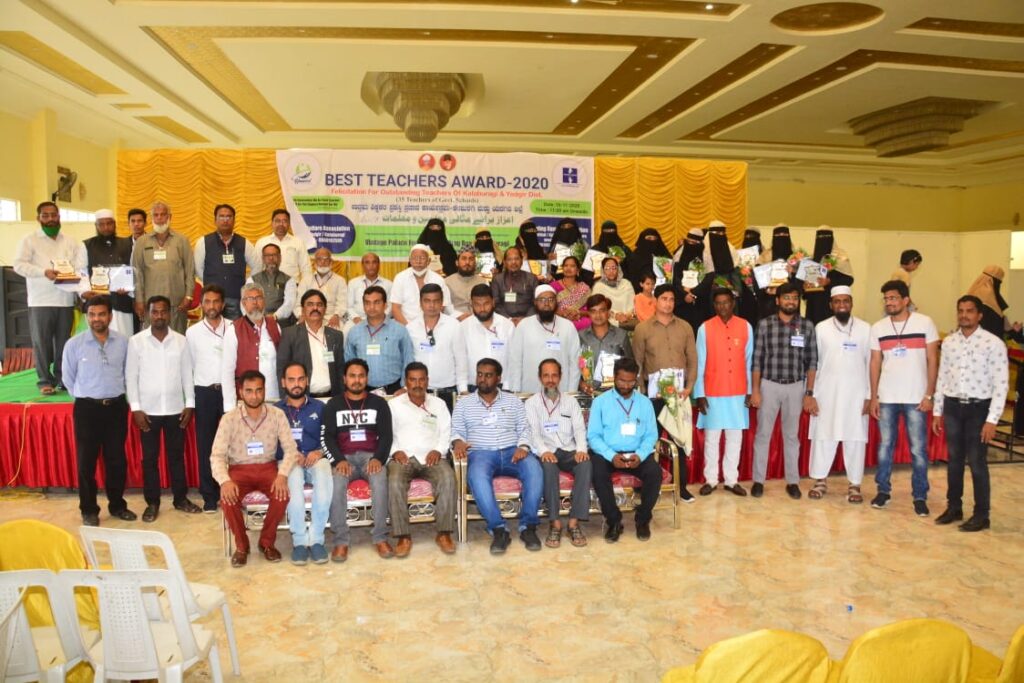
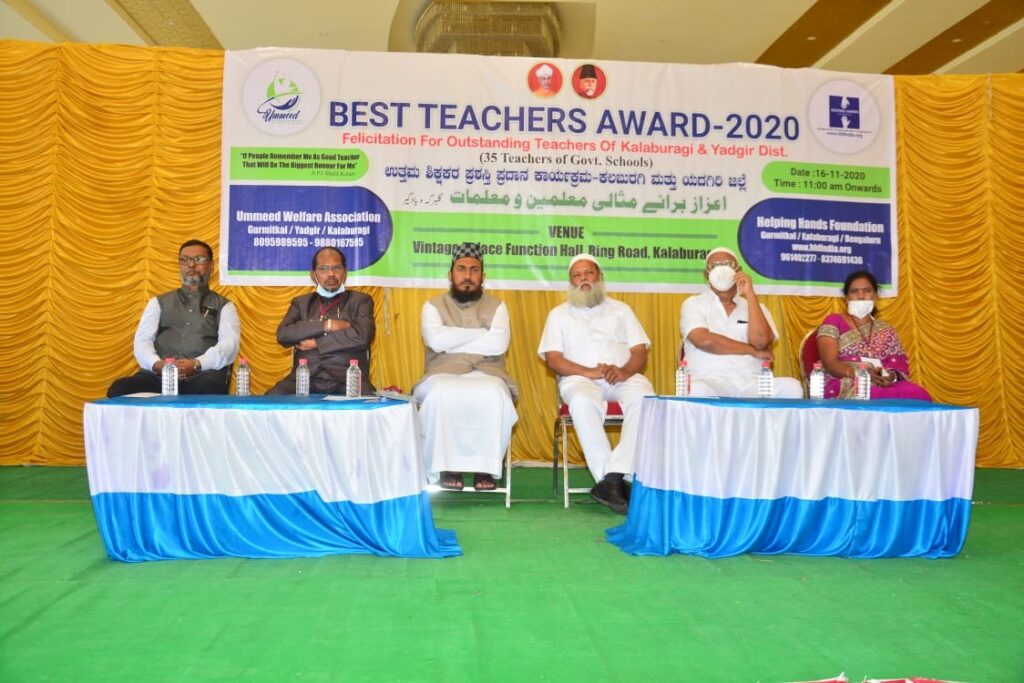
26 teachers from Government Primary Schools and 11 teachers from Government High Schools from Yadgiri and Kalaburagi districts were felicitated during the Best Teachers Award Ceremony held at Vintage Palace Function Hall, Kalaburagi on November 16.
The awardee teachers were shortlisted after screening under three criteria – Commitment and Dedication to the profession, Should not be recognized elsewhere with awards and preference was given to teachers working in remote rural areas –
“Purpose of this award program to recognize and felicitate teachers who are doing significant work in Government schools which ultimately helps to improve the outcome of Govt. schools and helps inspire other teachers to do still better” an official statement stated.
Best Teacher Awardees felicitated on event day are :
Sedam: Md Abdul Faheem, Nayeem Sultana, Sujata Hiremat, Asha Taskeen
Chincholi: Umar Huddar, Rizwana Begum, Mubeen Fatima
Jewargi – Md Yousuf, Sarfaraz, Rudrappa Gouda
Afzalpur- Asma Shalam, Shabana Begum, Mohammed Asif Attar
Aland- Seema Rubee, Merajunnisa Begum
YADGIR District: D Subiya, Venkatesh Nayak, Khudeja Begum, Mukhtar Ahmed J Mulla, Zareena, Kasim T
SPIRIT OF EDUCATION AWARD given to three teachers (out of 37 teachers) – Sameena Farzana, Zohra Khanum, Masoom Khan for their outstanding contribution to education beyond schools and school timings.
There were five academic achievers (Dr. Saba Sultana, Zeenat Begum, Nazneen, Md Shujath Hussain, Md Shakir Ahmed) were felicitated and one for Social cause (Jb Jainuddin Shirnifarosh) also felicitated for outstanding social services.
Smt. Surekha Jagannath Dengi, Govt High School Bandarwad, Tq Afzalpur, Dist. Kalaburgi
The program presided by PM Qutubuddin, other guests/speakers invited were Kashif Raza, Dr. Abdul Qadeer (Shaheen Bidar), Mazhar Hussain(Sr Lecturer), Surekha Dengi (National Awardee Teacher 2020), and Mohammed Ali & Mohammed Faiyazuddin (Vintage Palace Function Hall).
The program was a joint initiative of Ummeed Welfare Association, GURMITKAL Yadgir Dist. and Helping Hands Foundation, GURMITKAL Yadgir Dist.
source: http://www.english.varthabharati.in / Vartha Bharati / Home> Karnataka / by Vartha Bharati / December 11th, 2020
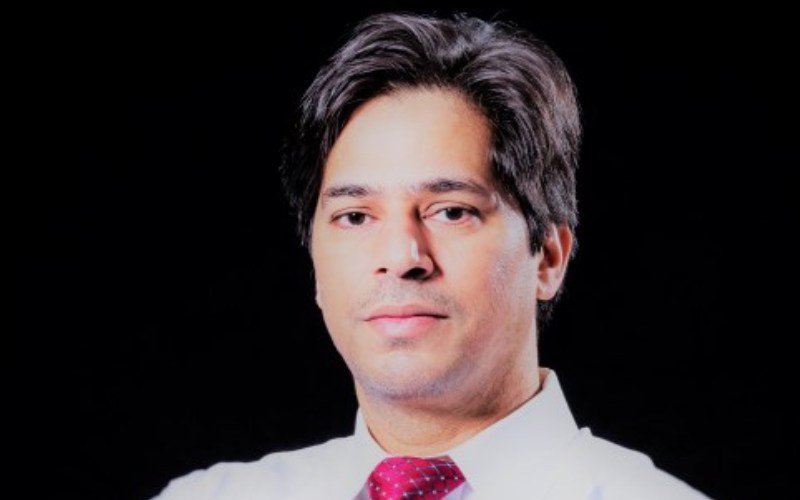
Mumbai based Hamid Farooqui , is a serial entrepreneur who is the CEO of a fast growing SaaS (Software as a Service) company called SoGoSurvey that he co-founded in 2012. SoGoSurvey offers powerful, user-friendly, and affordable online survey software. SoGoSurvey is changing how feedback is collected in a secure, collaborative setting, and moving forward the process of understanding the feedback gathered from customers, employees, and other stakeholders.
Hamid started his tech career as a geeky programmer during the dot com boom and has expertise in all its related technologies, from Software as a Service (SaaS), cloud computing and mobile applications. He was an early member of the technology team that designed, built, and launched Oracle’s e-Travel’s corporate travel tool using C++ and the then brand-new WAP.
In recognition of his strong performance and technology management skills, Hamid rose through successive promotions to serve as the division’s Director of Engineering. After e-Travel was acquired by Amadeus, Hamid led the integration of two complex technology platforms in both the U.S. and Europe.
Hamid is co-founder, CTO of K12Insight, which offers cloud-based solutions to enhance communication between educators and community members. K12Insight’s tools are helping school leaders build stronger relationships among parents, teachers, students, and staff. He also co-founded India’s most successful consumer review site mouthshut.com, considered a pioneer of the Internet revolution in India.
Hamid is a frequent speaker at technology conferences and startup events. Among his favorite topics are the startup scene in emerging markets and the future of autonomous cars.
Besides technology, Hamid is very actively involved in philanthropic work. He and his family runs and funds a school for poor children in a remote part of India, where more than 500 children study for free.
Hamid earned an engineering degree from Bombay University in India and a Master’s degree in Computer Science from State University of New York, Binghamton.
Mr. Farooqui believes that Indian organizations just like their global counterparts need a strong survey tool in order to understand the pulse of their audience. Companies have to ensure that they know their customers so they can rectify or retain the quality of services or products. Also, for retention of employees, companies must conduct Employee Satisfaction Survey that helps in creating a suitable work environment that meets and exceeds their expectations.
About SogoSurvey:
When it came to online survey software, users have had two difficult options:
the affordable, low-end, low-power solution, and
the more powerful solution that breaks the bank
This world has just been disrupted: you can now have really powerful, highly user-friendly online survey software at a super-low cost. And it comes with training and support that existing customers are raving about. We’re changing not just how you collect feedback in a secure, collaborative setting, but also how you fundamentally view feedback from customers, employees and other stakeholders. Our solution is easy for the beginner and powerful for the expert.
SoGoSurvey is a software company which provides one of the best enterprise feedback system/ survey tool as SaaS model. SoGoSurvey was founded by Hamid Farooqui and Suhail Farooqui in beta/stealth mode in 2012. The company came out in its full existence in the year 2013. It is a USA based company with the offices in India and UAE. Target market for SoGoSurvey is all small, medium and large businesses who need to conduct different types of surveys such as Employee satisfaction Survey, Customer Satisfaction Survey, Employee Engagement Survey and others.
Marketing Strategy of SogoSurvey is to have an awesome product and website which is appealing to the user. They also offer a free version of our tool so that users who want to use the tool for basic purpose can also access the same. The freemium model gives the access to a great amount of people who turn into loyal users eventually.
source: http://www.muslimmirror.com / Muslim Mirror / Home> Indian Muslim> Positive Story> Sci-Tech> Youth / by Muslim Mirror Special Correspondent / January 04th, 2019
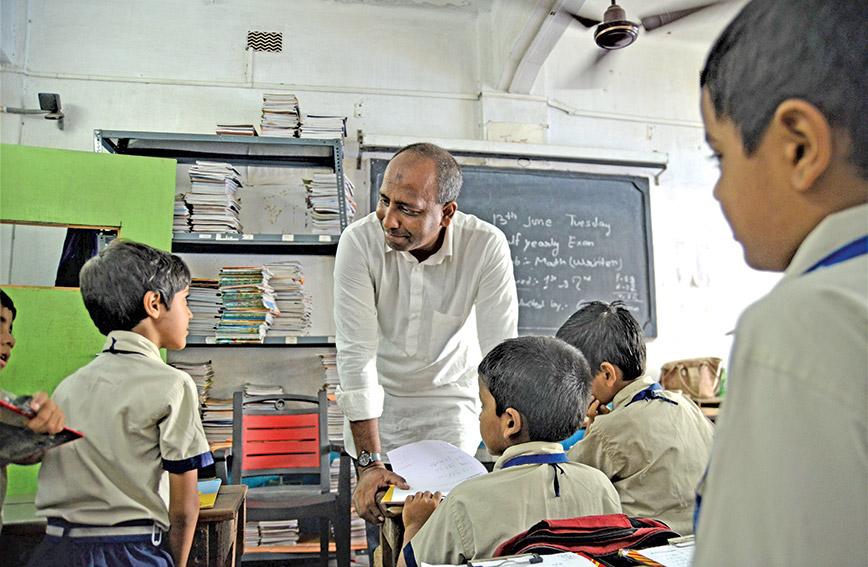
Mamoon Akhtar with students at the Samaritan Mission School in Tikiapara
Innumerable NGOs are helping the needy across the country in different ways. What makes the Samaritan Help Mission in Howrah, which adjoins Kolkata across the Ganga, exceptional is the way in which people of different faiths, nationalities, private initiative, official assistance and corporate help have combined to nurture a vibrant island of hope.
The Samaritan Mission does its work in Tikiapara, a huge slum that runs alongside the railway tracks connecting Howrah Station. It is 80 percent Muslim, poor and intimidated by crime. The mission was founded and is led by Mamoon Akhtar, 46, its secretary, and most of its work is housed on land belonging to the Belilious Trust.
Mamoon’s (everybody calls him so) father was a skilled worker and keen that his son get a good education. So he put Mamoon in one of the area’s leading schools, St Thomas. But he had to leave after reaching Class 7 under humiliating circumstances because his father was out of a job and could not pay the school fees. Mamoon finished high school through open learning and, with his father departed, supported his family by doing odd jobs and offering private tuition. Not being able to complete his formal schooling, enabling others to do so and in the English medium became the driving passion of his life.
Two incidents shaped him. One day, he found a man beating up a woman because she refused to be a drug pusher. Mamoon tried to stop him and got beaten up himself. He was finally rescued by other locals who knew him and called him “Sir” because he taught children. The little boy whose mother Mamoon had tried to save caught up with him and simply said, “I want to study.” He asked the child to come to his house and soon he was running evening classes for 20 children in a spare room. To keep doing so, Mamoon went around the community seeking help and enlisted the services of local girls who had completed school as teachers at `100 per month.
Then, one day, he spotted a newspaper clipping which pictured a lady singing with a group of children. She was Lee Alison Sibley, Jewish wife of someone with the US consulate in Kolkata. Mamoon wrote to her, seeking help; she replied that he should ask the local community. Mamoon wrote again. Eventually, she came, saw what he was delivering from a single windowless room, was overwhelmed, wrote out a cheque for `10,000 and asked a local journalist friend to write about his work. It highlighted the fact that Mamoon taught children from all communities. The article roped in Ramesh Kacholia of Caring Friends Mumbai. Ramesh Uncle thereafter became a permanent mentor.
With what Mrs Sibley gave, Mamoon set up Samaritan Help Mission in 2001, the name inspired by the biblical story he had learnt in school. When Mamoon canvassed for additional help from the community around him he also reaped a bonus — a strong community connect. In 2007 the informal school became the Samaritan Mission School, accredited and recognised by the West Bengal government. Today it is a co-educational English-medium school, affiliated to the state board for secondary education, with an enrolment of 1,300. The big thing is ‘English medium’; Mamoon knows the difference that makes.
Now switch to I.R. Belilious Institution on Belilious Road, covering two acres of land bequeathed by a Jewish couple, Rebecca and Isaac Raphael Belilious (they both departed by 1910, childless), with a football field, basketball court, a water body, a two-storied school building and a bigger one coming up which will take classes up to Class 8. The whole complex comes under the Belilious Trust Estate. As a child Mamoon swam there, to later see the water body turned into a municipal garbage dump, the government school virtually defunct, the whole space gone derelict and a den of drug pushers.
In 2014 Mamoon and a small group of friends started canvassing the residents of Tikiapara and eventually, on 14 November, Children’s Day, a meeting of a thousand people was held at I.R. Belilious Institution. Also present were the trustees of the institution, the local MLA and the Howrah police commissioner, Ajay Mukund Ranade. The meeting decided to revive the institution, after some debate of course as to why a madrassa should not be started instead of an English-medium school. But Mamoon prevailed and from the next day began the physical clean-up job by the locals through shramdaan with help from the municipality. The police did their own kind of clean-up. In December the trustees and the police commissioner decided to start an English-medium school, also open an evening school, name the effort the Rebecca Belilious English Institution, and hand over its management to the Samaritan Mission.
As you enter, to the left is a prominent sign indicating it is a banking kiosk of the State Bank of India. The place is filled with women, 7,500 of whom from the adjoining slum have accounts there. A biometric point of sale device enables cash dispensation for those who have Aadhaar registration. Along with education, financial inclusion is also taking place right there. The Samaritan Mission also works as a banking correspondent of Indian Overseas Bank.
Right after the bank outreach is the Rebecca Belilious Charitable Dispensary which treats over 200,000 outpatients a year with help from Howrah government hospital doctors. In it there are well-equipped rooms for ophthalmology, dentistry, cardiac care, gynaecology and general medicine. Why is the place not teeming with people and why is it a bit dark? The reality of non-metropolitan India catches up. There is a power cut on.
All the facilities and construction are fairly new and don’t seem heavily used. The grants are coming but how accessible is the entire facility? The question is answered when I spot in another corner a door marked Jan Aushadhi, an initiative by the Indian government to make available cheap essential generic drugs to all. Inside, the shelves are stacked with medicines and two staffers busily fill prescriptions. All the elements that make up a complete out patient facility are present. Too few people overall? It is a hot midday during Ramzan fasting.
In another corner of the complex is a narrow hall with two rows of sewing and embroidery machines with girls working on them. An instructor is explaining to one of the girls how to work on what looks like a pocket which has to be fixed onto the garment. This is the vocational training centre.
Another doorway bears a key message, a skill development centre facilitated by two police commissioners, Ranade and D.P. Singh. It captures the active and supportive role that the local police played in the work of the Mission.
Next to it is being built a drinking water plant which will use the reverse osmosis process and ration daily entitlements through smart cards. No service is rendered free, explains Mamoon. A token fee is levied to make people realise the value of what they are getting.
After these facilities there is a clean water body (it has been snatched back from extinction) and beyond it is an astro turf football pitch, enabled by the CSR programme of Chevrolet GM. At a second campus 10 km away in Bankra, Ambuja Cement helps run a vocational training centre and the Tata Trust a centre to facilitate the integrated use of technology in education to revive government schools.
You realise CSR funding helps but it is an additionality. The Mission’s lifeblood comes from its community ownership, aided by faceless philanthropy, all explained to you by a balding, energetic Mamoon, despite undergoing Ramzan fasting, who is fluent in English and Bengali but prefers Hindi if you have it too.
As my tour ends Mamoon makes a critical point. At one stage an Islamic organisation was ready to help but wanted the project to have an Islamic character. Mamoon declined. He says his Mission knows no creed and he is trying to bring about active give-and-take between the two main communities in Tikiapara which live peacefully but separately, a bit aloof from each other. Twenty percent of the slum-dwellers are Hindus but they make up 30 percent of the students of the Mission. That additional 10 percent is a badge that Mamoon can wear with pride.
source: http://www.civilsocietyonline.com / Civil Society / Home> Spotlight / by Subir Roy, Kolkata / July 03rd, 2017
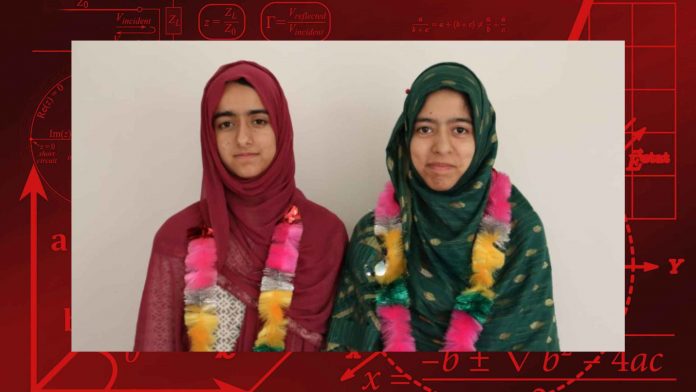
Syed Bismah and Syed Sabiya, twin daughters of an Imam from Damhal Hanjipora in Kulgam district, south Kashmir, have achieved success by qualifying the Undergraduate National Eligibility Cum Entrance Test (NEET) in their first attempt.
The NEET results for 2023 were recently announced, and Bismah and Sabiya secured impressive marks of 625 and 570, respectively.
When asked about their achievement, the siblings expressed their gratitude towards their parents, highlighting their unwavering support throughout their journey to qualify for this prestigious examination. Their parents played a vital role in encouraging and guiding them, making it possible for Bismah and Sabiya to achieve this notable milestone.
“They provided us with whatever we needed to study from childhood. They made a big sacrifice for our future”, Sabiya told local media.
Twin sisters, Daughters of local Masjid Imam from Watto Kulgam Qualified NEET 2023 in their first attempt with flying colors.#NEETUG2023pic.twitter.com/X5ZLjkJGvU
— Meer Irfan ( میر عرفان ) (@JournoIrfan) June 14, 2023
She emphasized the importance of focus in order to qualify for the NEET examination.
“If you want to appear in NEET, you should first check your level and identify your weaknesses. You should discuss your weaknesses with your teachers and also take help from internet to overcome them,” she said.
The father of Bismah and Sabiya, an Imam from Damhal Hanjipora, expressed his immense pride in his daughters’ accomplishment. He acknowledged that he had faced struggles and worked tirelessly to provide support to his daughters throughout their journey. His dedication and hard work were aimed at ensuring that his daughters had the necessary resources, guidance, and encouragement to pursue their dreams of qualifying for the NEET examination. The father’s commitment and efforts played a significant role in enabling Bismah and Sabiya to achieve their goals, and he takes great pride in their success.
“My advice to every parent is that you should provide the best opportunities to your wards for their better future,” he said.
source: http://www.muslimmirror.com / Muslim Mirror / Home> Education> Indian Muslim> Positive Story / by Muslim Mirror Staff / June 14th, 2023
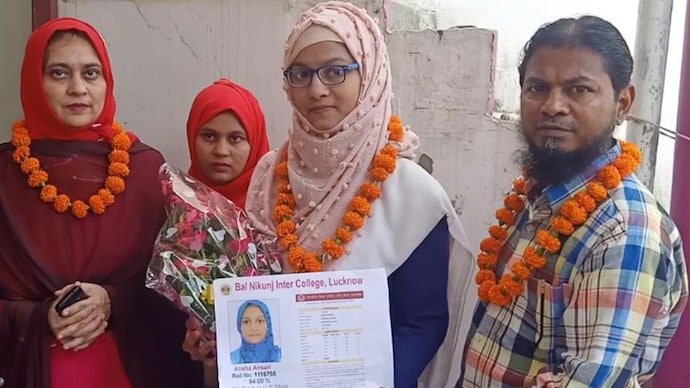
Lucknow topper Alisha Ansari has remained distant from social media sites to score 94% in board exams.
Class 10 student Alisha Ansari has secured the first rank in Lucknow and ninth in Uttar Pradesh with a score of 94 per cent. Apart from sheer hard work and support from parents, Alisha has had remained distant from social media websites, including Facebook, Twitter, and Instagram to attain this position.
Alisha, who comes from a middle-class family, has a younger brother and an elder sister. Her father, Mohammad Rizwan Fazli, is a teacher in a private engineering college and her mother, Shabana Ansari, is a housewife.
Kanti Mishra, Principal, Bal Nikunj Inter College, said, “Alisha has been a hardworking student. Also whenever she had a doubt in the subject, she would immediately ask school teachers.”
Appreciating her hard work and talent, her mother, Shabana Ansair, told, “We have always given our daughters equal opportunities to study.”
Moreover, she shared that she would want her daughter to become a doctor and it is just the beginning of her journey of success.
Also, her father, Mohd. Rizwan Fazli, expressed his happiness, saying that he is extremely proud of her daughter.
source: http://www.indiatoday.in / India Today / Home> News> Education Today> News / by Ashish Srivastava, Lucknow (UP) / June 27th, 2020
A total of 33 students from various districts of Uttar Pradesh have found their place in the Class Xth 2020 list of top ten.
Uttar Pradesh 10th Result 2020:
Three Muslim students – Alisha Ansari, Arshad Iqbal and Arshima Sheikh, have cracked the 2020 UP Matric High School Class 10 exam 2020 and have been included in the list of Top Ten.
A total of 33 students have found their place in the 2020 list of top ten. While Alisha Ansari secured 9th rank, Arshad Iqbal and Arshima Sheikh have bagged the 10th rank in Uttar Pradesh Class 10 Merit List 2020.
Alisha Ansari Mohd Rizwan Fazli of Bal Nikunj Inter College Lucknow has got 564 marks (94%) out of the total 600 marks and jointly shared the 9th rank with five other students
Arshad Iqbal Iqbal Hussain of PT RN MHSS Shahjahanpur and Arshima Sheikh Aftab Ahmad of St Xaviers School Kanpur have got 563 marks (93.83%) and secured the 10th rank with 02 other students.
Uttar Pradesh Class 10 result was Uttar Pradesh Madhyamik Shiksha Parishad (UPMSP) Saturday at 12:30 pm by Dy CM and UP Education Minister Dinesh Sharma.
The overall pass percentage of Uttar Pradesh board Class 10 this year is 83.31 percent – an improvement by more than 3% as compared to last year. In 2019, the overall pass percentage was 80.07%.
Riya Jain Bharat Bhushan of Shri Ram SM Inter College Bagpat has topped the Uttar Pradesh board in 2020 High School or Class 10 (UPMSP Class X) exam result of which is declared today.
Ria Jain has secured 96.67 percent marks to secure the 1st position in the 2020 Merit List.
Abhimanyu Verma Ramhut Verma of Shri Sai Inter College Barabanki came 2nd with 95.83% marks and Yogesh Rajendra Pratap Singh of Sadhbhavna Inter College Barabanki came 3rd with 95.33%.
“All toppers will get laptops and cash rewards”, Dy CM Dinesh Sharma and UP Education Minister said while declaring the result.
source: http://www.ummid.com / Ummid.com / Home> Education & Career / by Ummid.com News Network / June 27th, 2023
Long before India became the first country to introduce mid-day meals to children in government schools to supplement their nutritional needs and to encourage poor families to send their children to school, Anjuman-e-Islam, a Muslim institution had started the scheme in Mumbai.
Ajmunan-e-Islam ursu school was established some 150 years ago. It was the brainchild of a group of progressive Muslim intellectuals of Mumbai.
The initiative for this was taken by Badruddin Tyabji, the first Indian barrister of the Bombay High Court, Qamaruddin Tyabji, the third president of the Indian National Congress, his elder brother and lawyer Nakhuda Mohammad, Ali Roge, businessman and social activist, Ghulam Mohammad Munshi, The school came up at Babula Tank near Umarkhadi in the then Bombay province and started as a small place.
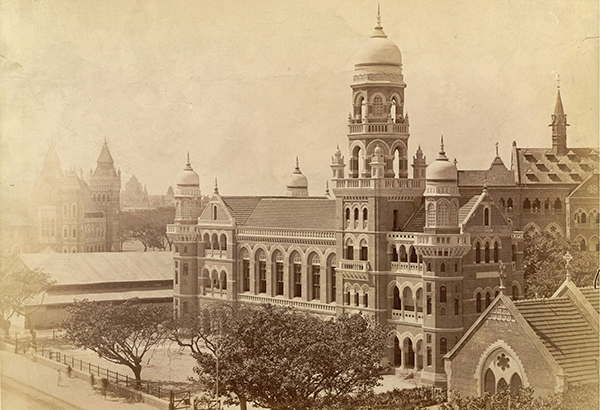
An old picture of the Anjuman-e-Islam in Bombay
In 1893, ‘Anjuman-e-Islam’ was shifted to a building opposite Victoria Terminals (presently ‘Chhatrapati Shivaji Maharaj Terminus’) from where it continues to operate.
At that time many facilities were provided to the students coming to study in ‘Anjuman’. The facilities included a mid-day meal comprising boiled eggs, bread, and bananas.
It was established a year before the establishment of ‘Aligarh Muslim University’ (AMU) in Aligarh by Sir Syed Ahmed with the sole motive of providing modern education to Muslims.
‘Anjuman’ school initially ‘only admitted boys and it was much later that it opened the doors to girl students. In 1936, a separate school for girls was also started by the name ‘Saif Tayyabji Girls High School’ on Bellasis Road.
The students of Anjuman e islam taking part in a cultural programme
This school, which started on 21 February 1874 with three teachers and 120 students, has now transformed into 97 institutions. Today more than 1.1 lakh students are studying right from nursery classes to PhD – are enrolled in its educational institutions. Interestingly, 70 percent of students enrolled are the first ones from their families to receive education.
Anjuman-e-Islam played a major role in India’s freedom struggle. Many people including Moinuddin Harris and Mustafa Fakih of ‘Anjuman’ were sentenced to imprisonment during the freedom struggle. Many policy meetings for the freedom struggle were held on its premises.
‘Anjuman’ has a long history in nation-building.
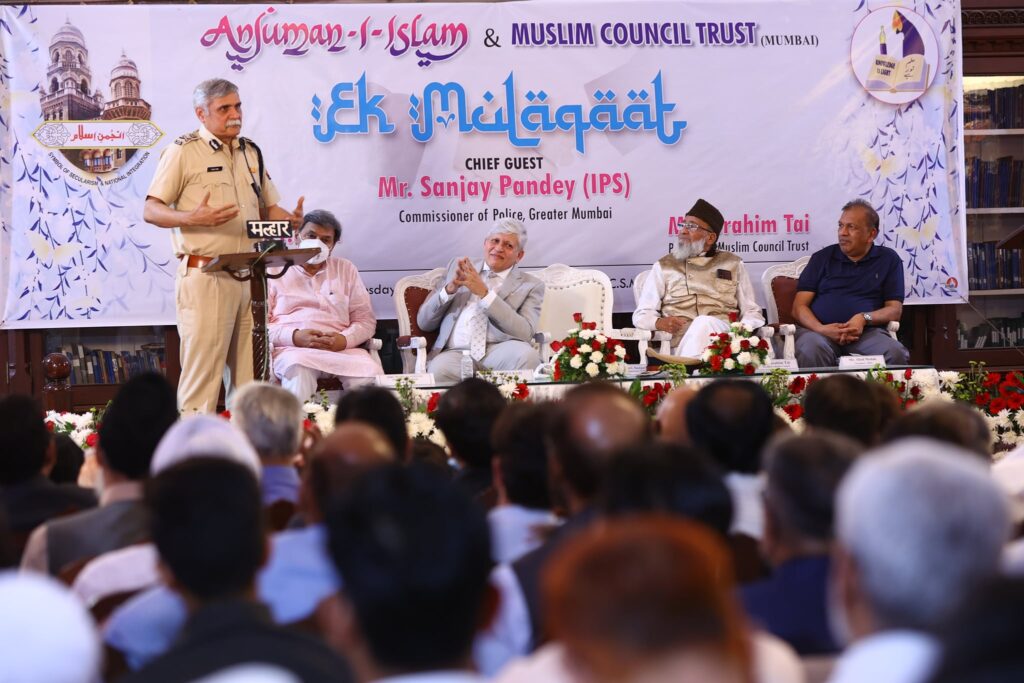
Mumbai police commissioner Dr Sanjay Pandey addressing the students of Anjuman-e-Islam
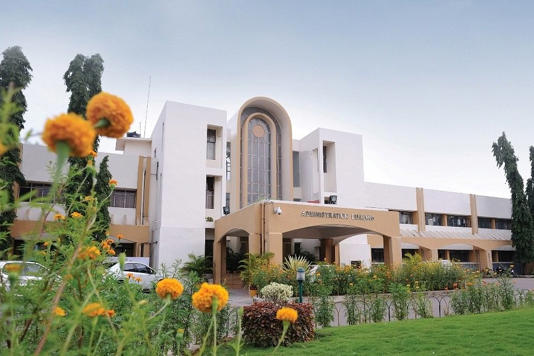
Today the main administrative office of the organization is located at the same place where the seed of ‘Anjuman’ was sown. Five colleges – two catering colleges, a business-management college, a home science college, and a law college – have been established on the institute’s three-acre campus. In addition, there is a polytechnic, a junior college for women, and two schools in both English and Urdu medium.
The campus also has a large library and a research center.
Sir Karimbhoy Ibrahim, Haji Yusuf Haji Ismail Sobani, Justice A. M. Qazi, Justice Faiz B. Tayyabji, Sardar Sir Suleman Kulsoom Mitha, Hussain B. Tayyabji, Usman Sobani, Mohammad Haji Ahmed, A. I. Maskati, Hadi C. Tayyabji, Saif F. B. Tayyabji, Akbar A. Pirbhoy, A. K. Hafeez, A. R. Persons like Antulay, Moinuddin Harris, Dr. M. Ishaq Jamkhanwala, Sami Khatib made special efforts. Presently Dr. Zaheer Kazi is its President.
`Anjuman’ has two main objectives, first – ‘to provide quality education at minimum cost’ and second – ‘to prevent any student from being deprived of education due to lack of funds’
More than 50 percent of the students in ‘Anjuman’ come from economically weaker sections. Anjuman has created a ‘Special Zakat Fund’ to enable these students to complete their education. The economically weaker students are given a 50 to 100 percent discount in education fees.
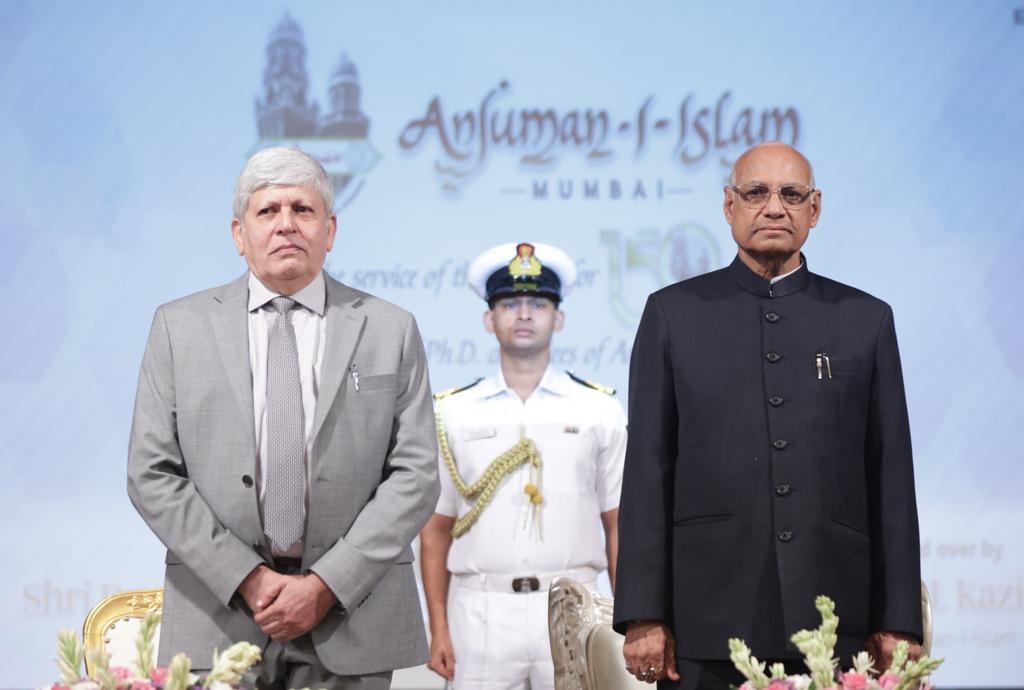
Vice Chancellor of the Amjuman-e-islam Dr Sahir Qazi and Governor of Maharashtra
The Anjuman is inspired by Maulana Abul Kalam Azad’s message that ‘Education given from the heart can bring revolution in the society’, the organization has been doing this work. The ‘Anjuman’ has more than 40 percent girls on roll.
Today the institution offers courses like Engineering, Medicine, Architecture, Pharmacy, Hospitality, Catering and Hotel Management, Law, Business Administration, Home Science, and Teacher’s Training.
Some, 3000 employees work in the Anjuman institutions. In the year 2000, `Anjuman’ was awarded the ‘Best Educational and Social Institution in Maharashtra’ by the State government. Recently the institution has been awarded the ‘Sir Syed Award of Excellence’ of AMU, Aligarh University.
The alumni of `Anjuman’ are today working in high positions in various fields like business, technology, arts, sports, media, medical science, and politics in many countries. Former Chairman of Fortune Company and Indian Oil Corporation, M.A. Pathan, former Chief Minister of Maharashtra A. R. Antulay, famous actor Dilip Kumar, Ismail Merchant of `Merchant of Merchant Ivory Productions’, former Deputy Editor of `Illustrated Weekly’ Fatima Zakaria, former editor of `Mumbai Mirror’ and `Sunday Times’ Farida Naik and famous cricketer Salim Durrani. Celebrities have been alumni of ‘Anjuman’.
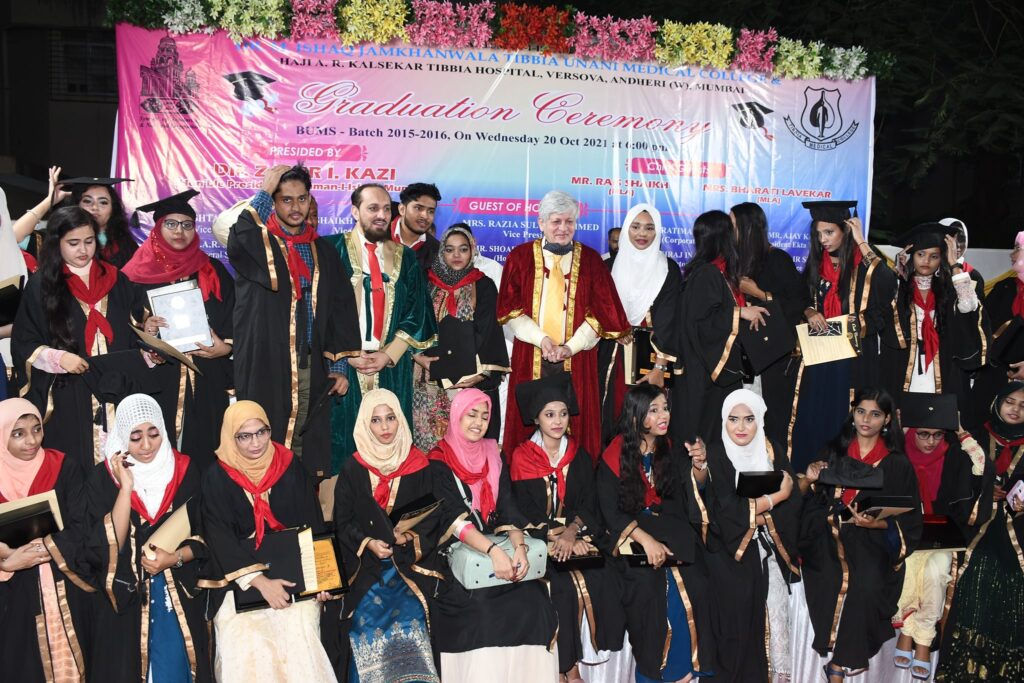
Students at the Convocation of Anjuman-e-Islam
Dr. Zaheer Kazi, current president of ‘Anjuman’, says, “We are constructing a state-of-the-art building in the Sabu Siddiqui College campus in Byculla. There will be an incubation center as well as post-graduation and PhD courses taught there. “Besides, there will also be an integrated center.”
Apart from this, a health education campus will be built in Kalyan-Bhiwandi or Panchgani, in which MBBS courses, Dental College, College of Nursing, Physiotherapy, and Homeopathy will be started. Pharmacy, law college, degree college, and high school for girls will be started in the Solapur campus. Also, land acquisition for catering, pharmacy, and high school-cum-college in Panaji, Goa is in the final stages.
He said, “’Anjuman-e-Islam’ has partnered with MIT University in Cambridge, England, and its five Faculties of Engineering, Master of Business Administration (MBA), Pharmacy and Elementary Education. In addition, ‘The Kalsekar School of Pharmacy’ (Panvel), and The Maryland School of Pharmacy’, Baltimore, (Washington DC) have been approached for collaboration with Anjuman-e-Islam. Philadelphia’s ‘Temple University’ asked ‘A. of Anjuman-e-Islam’ for cooperation. R. Antulay College of Law has also been contacted.”
‘Anjuman’ has 97 educational institutions including schools and colleges. These include pre-primary schools (15), primary schools (15), secondary schools (20), junior colleges (10), polytechnics (4), degree colleges (15), other institutions (10), proposed institutions (2), Consists of hostels, auditorium (3), support units (2) and orphanage (2).
source: http://www.awazthevoice.in / Awaz, The Voice / Home> Story / by Chaya Kavire, Pune / November 22nd, 2023
In a sweep of the University of Hyderabad’s student union elections, an alliance comprising the Students’ Federation of India (SFI), the Ambedkar Students’ Association (ASA), and the Tribal Students Forum (TSF) won all six elected positions. The official announcement of the election results came late on Friday night, following the polls on Thursday.
Elected Student Leaders
Mohammed Ateeq Ahmed of SFI, who is a student at the School of Humanities, was elected as the president of the students’ union with 1,880 votes.
Ahmed beat Akhil Bharatiya Vidyarthi Parishad (ABVP) candidate Shaik Aayesha by over 470 votes. Aayesha was the first Muslim candidate of ABVP, which is affiliated to the Rashtriya Swayamsevak Sangh (RSS), in University of Hyderabad (UoH) elections.
Jalli Akash of ASA-SFI alliance was elected as the vice president with 1,671 votes. Deepak Kumar Arya of ASA-SFI was elected as the general secretary with 1,765 votes. Lavudi Bala Anjaneyulu of SFI-TSF was elected as the joint secretary with 1,775 votes.
Samim Akter Sheikh of ASA-SFI and Athul of SFI were elected as the cultural secretary and the sports secretary respectively.
Several colleges have not held student elections since the Covid-19 pandemic, which caused disruptions to the academic calendar until 2022.
But UoH elections for the previous academic year, which the SFI-ASA-Dalit Students Union alliance had won, were held in February 2023.
(With inputs from PTI)
source: http: //www.freepressjournal.in / The Free Press Journal / Home> Education / by PTI / November 11th, 2023
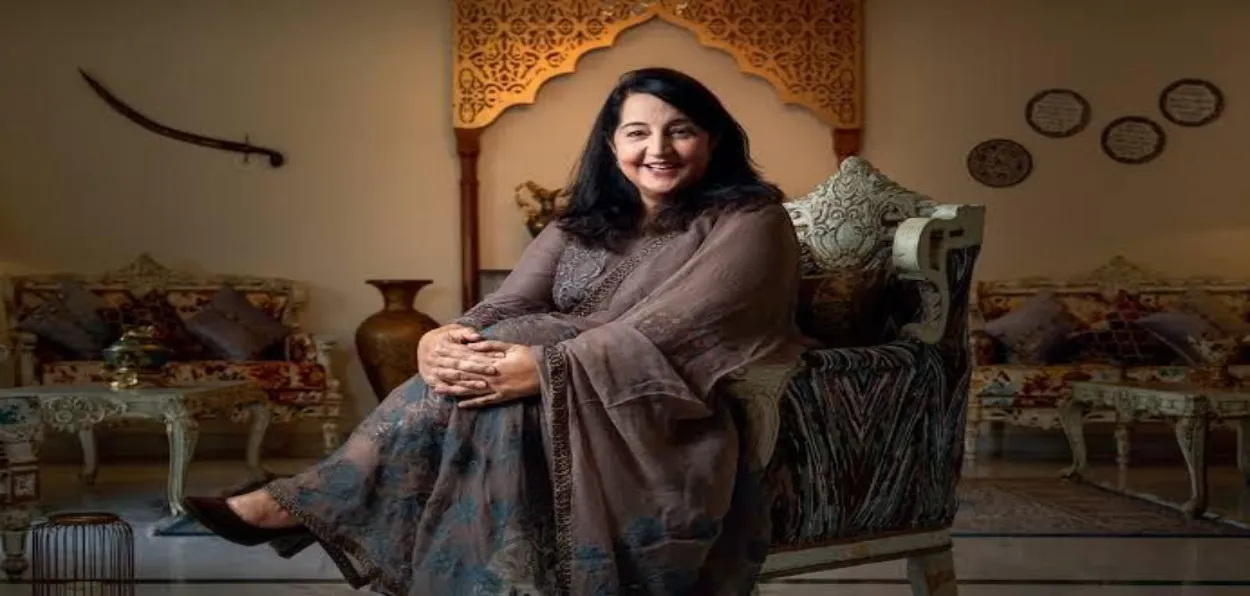
Coming from a modest family of furriers in Srinagar’s Chattabal area, Dilafroz Qazi laid the foundation of the Srinagar School of Management (SSM) in 1988—exactly when the seeds of separatism and violence were sprouting across the Kashmir valley. Investing in management, engineering, and technical education was virtually sailing against the wind.
With a bachelor in Law—and no money in hand—Dilafroz set up a small training center of short-hand, typing, cutting, and stitching at Rajbagh. Soon it grew into the valley’s first private polytechnic operating from a tiny space of a hotel. Parallel to the militancy’s meteoric rise, SSM spiraled into Kashmir’s first private engineering college in 1996. It is now a full-fledged engineering college alongside its school of management and a polytechnic.
Thirty-five years later, SSM boasts an impressive alumni base of more than 30,000 students—a number of them have reached top positions in management, corporate, and government sectors. They include Bisma Qazi of Indian Administrative Service (IAS), Naveed Tramboo of Indian Revenue Service (IRS), Ursilla Tabassum, Iqbal Hassan Mona, Abidah, Wajeeza, Adeel Aslam and Gowhar Shamim Mir of Jammu and Kashmir Administrative Service (JKAS) and many others like Auditing Officer Sheikh Muzammil and Executive Engineer Umar Jan.
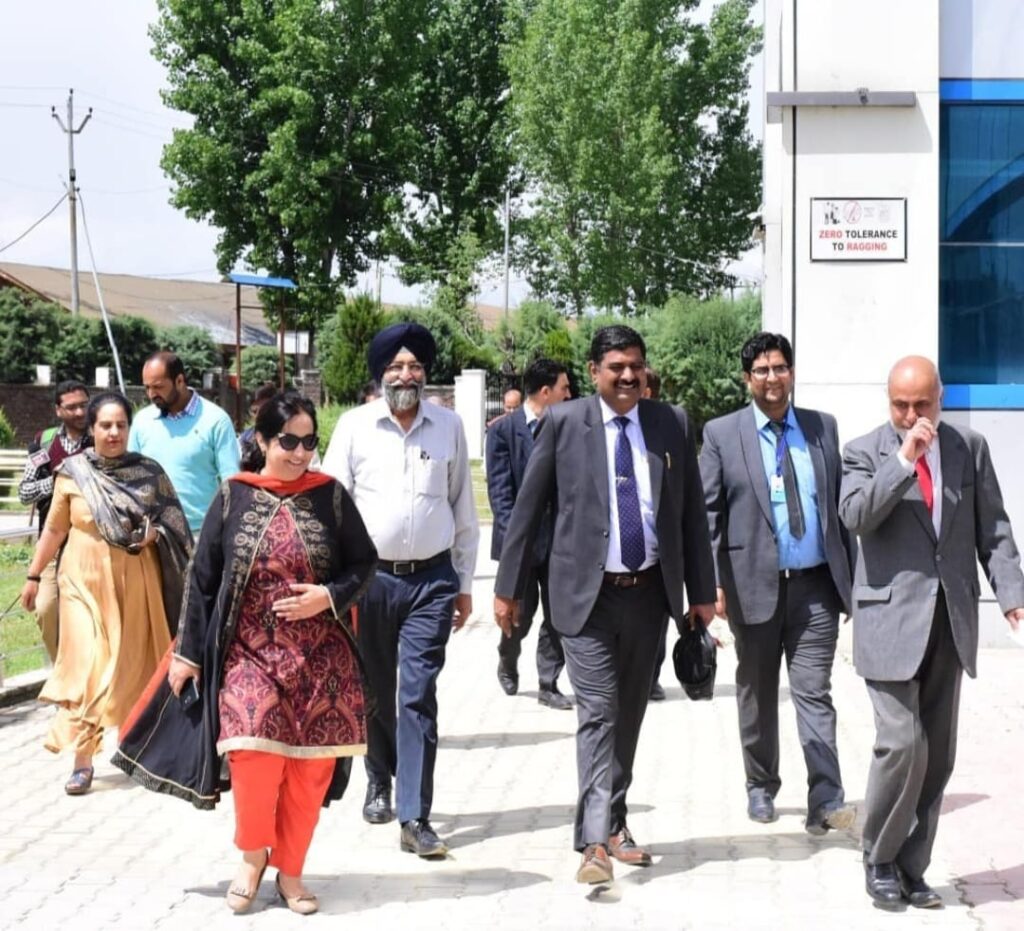
Dilfaroz Qazi (Extreme left) in her college
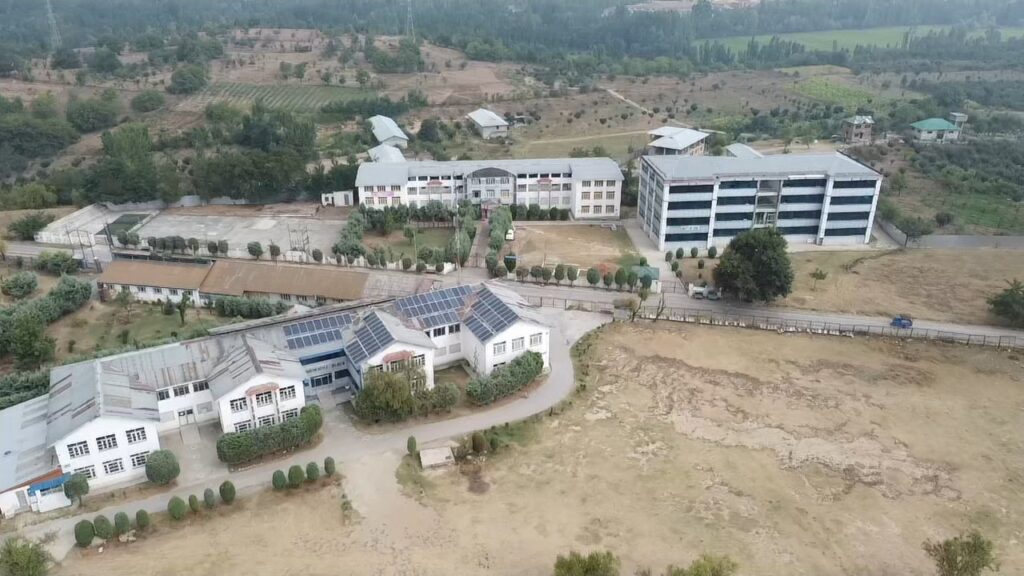
Established on a plateau close to the archaeological site of Parihaspora, SSM still carries the distinction of being Kashmir’s only private engineering college imparting technical education at both undergraduate and postgraduate levels. It conducts degree courses in civil, mechanical, computer, electrical and electronics, and communication engineering and postgraduate courses (M.Tech) in mechanical engineering and electronics and communication engineering.
SSM also conducts the courses of Masters in Computer Application (MCA) and Business Administration (MBA) besides Bachelors in Business Administration (BBA). Diploma courses in six engineering disciplines are conducted at the SSM Polytechnic which, in 1988, was the first step towards privatization of technical education in the erstwhile State of J&K.
A massive infrastructure, including teaching blocks with smart classrooms, libraries, computer and science laboratories, playfields, auditoriums, and two hostel blocks have come up at the campuses, 20 km from the capital city of Srinagar.
The governing council of the institute comprises eminent educationists, administrators, technocrats, and professionals. Similarly, the faculty comprises highly qualified and trained teachers. SSM has to its credit several awards and recognitions in capacity building, education and communication, sports, and cultural activities.
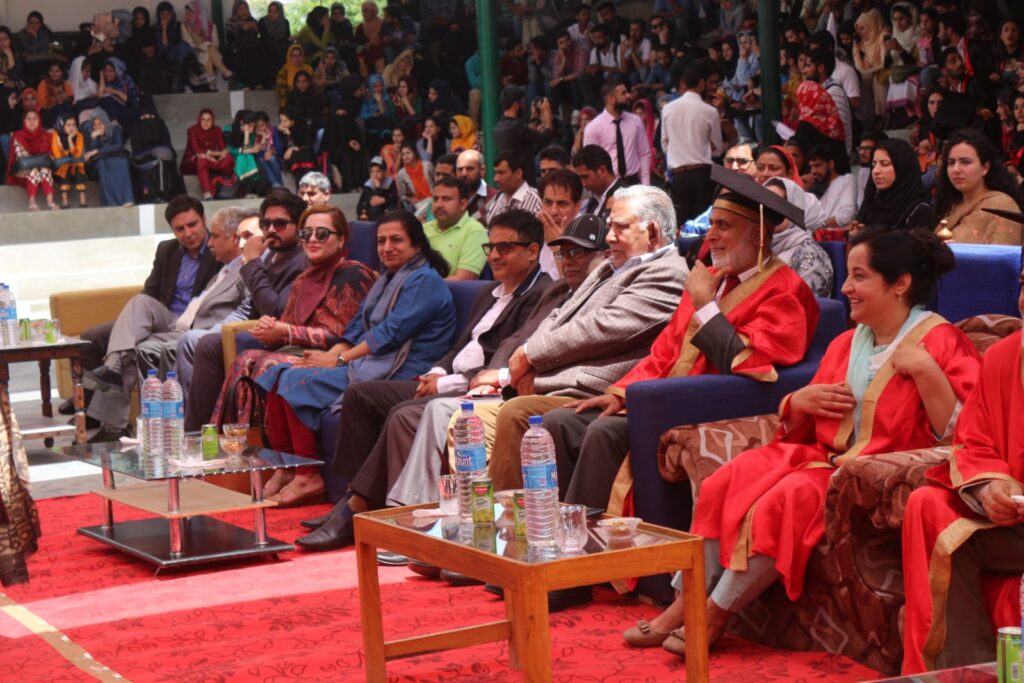
Dilfaroz Qazi (in Red gown) at the convocation of her college
The embryonic stage of Dilafroz’s ambition ran parallel to an era of death and devastation across the valley. She got married to the Srinagar resident Qazi Shabir who came in as a support in the early 1990s but the environment of education was hugely disturbed by curfews, hartals, encounters, and operations by the security forces. These were the days when militants burned down a large number of the valley’s educational institutions, including schools and colleges.
As the situation began to show some semblance of improvement, Dilafroz acquired a chunk of land at the hillock of Parihaspora to set up her dream college of engineering. But she landed in an unexpected trouble.
“Ironically, the biggest hurdles were created by a prominent mainstream leader who perceived my college as a threat to his conventional vote-bank even as I had nothing to do with politics. He engineered and encouraged several attacks on my construction workers; his musclemen torched a number of our structures. I put up resistance by way of refusing to surrender and got FIRs registered over every single attack. It was not easy those days to file an FIR over a grenade attack”, Dilafroz narrated to Awaz-The Voice.
After the 1996 elections, the said leader was back in power – this time as a minister -. Dilafroz claimed that the entire administrative and Police machinery acted on his instructions. “There was never an action over the FIRs we filed. The official machinery sabotaged our plans. Everyone from DC’s and SP’s office to Tehsildar and SHO sided with the politician and created untold hurdles. I am sure any other man, let alone woman, would have abandoned it and bought peace. But I thought I must fight it out until I break completely”, Dilafroz added.
The campus of SSM College, Parihaspura
When we applied for the University recognition and affiliation and t officers, deans, and registrars from the University of Kashmir and the State-run Regional Engineering College (REC) visited our infrastructure, their behaviour was completely hostile and demoralizing.
“I experienced male chauvinism and misogyny. They raised irrelevant and irrational questions. They asked how a woman with no engineering background and qualification could operate an engineering college. But, notwithstanding all these adversities, I managed to get recognition and affiliation to the SSM as I set up the best infrastructure and employed the best possible faculty”, Dilafroz added.
“One day, while I was shuttling between the government offices in Srinagar for the recognition of my college, I came across a local lady IAS officer namely Tanvir Jehan. I learned from her that the entire government machinery and bureaucracy was pitted against me. Are you the woman, she asked incredulously. When I narrated my story of ambition and struggle to her, she empathized and provided every possible support. By the grace of Almighty, I am now heading a full-fledged engineering college with management courses and I am struggling to set up J&K’s first University in the private sector”, Dilafroz asserted.
Over the years, the competition as well as the procedure of admissions has changed drastically. When Dilafroz began to raise the valley’s first private engineering college, even the government had only one—the REC which subsequently became the National Institute of Technology (NIT) Srinagar. Now, in addition to several private engineering colleges, six engineering colleges are run by the University of Kashmir, the Islamic University of Science and Technology (IUST) Awantipora, the Central University of Kashmir, and the Cluster University Srinagar. The Union Territory government operates one more engineering college at Ganderbal.
Dilfaroz Qazi with eminent educationist Prof Neerja Mattoo
“With the expansion of the private and government polytechnics and engineering colleges, our roll of students has fallen phenomenally from 3,000 to just 1,300. Until recently our intake limit was around 666 seats. Now we can’t admit more than 115 students in a year. And, contrary to the procedure outside J&K, all admissions here are done by a State-run authority. We are also barred from taking the students under the Prime Minister’s special package for the J&K students. All the beneficiary students of J&K are distributed among the colleges outside. The stepmother’s treatment is still unabated”, Dilafroz added further.
Dilafroz pointed out another irony. According to her, the University of Kashmir is charging a fee of Rs 80,000 for B.Tech courses. IUST is charging Rs 75,000. Her SSM is charging only Rs 38,000 to Rs 40,000 per student. “Still our allocation of seats is reduced and we are made to renew the University affiliation every year”, she lamented.
“We have two times B+ NAAC accreditation and we figure in the top 10 engineering colleges in India. Still, the University of Kashmir didn’t grant us permanent affiliation in the last 25 years. There are biases and prejudices which can’t be explained. J&K is the only State/UT in the country where engineering admissions are done by a government-run authority called BOPEE. Whatever I have earned, I have invested in this institution. I don’t have dreams of making billions for my luxurious life. I am just pursuing my dream of establishing a full-fledged private university in J&K in which the Union and the UT government should support me”, Dilafroz said.
According to her, as many as 18,000 J&K students of her college have got high-salary jobs in the government sector and the private sector across India and abroad.
source: http://www.awazthevoice.in / Awaz, The Voice / Home> Story / by Ahmed Ali Fayyaz, Srinagar / November 18th, 2023
Twenty years ago, at the instance of my cousin late Shakil Ahmad Khan, our whole extended family donated its houses and vast lands in our ancestral village of Badharia in Azamgarh for a grand dream: to build a world-class school in a rural setting.
Today that school is a reality. After visiting this school sometime back, Prof. Vipin Tripathy of IIT Delhi told me that this school is at par with DPS Mathura Road! What an apt compliment!
Today, this school is flourishing in a rural setting attracting students even from Azamgarh city! With dedication and doggedness, miracle can happen even today.
This world-class school in a backwater village in eastern U.P. is a living proof.
Please watch this documentary prepared by the son of one of the founders of this school.
source: http://www.zik.in / Zafarul Islam Khan / Home / by Zafarul Islam Khan / August 20th, 2023
.webp)
.webp)