DELHI :
New Delhi :
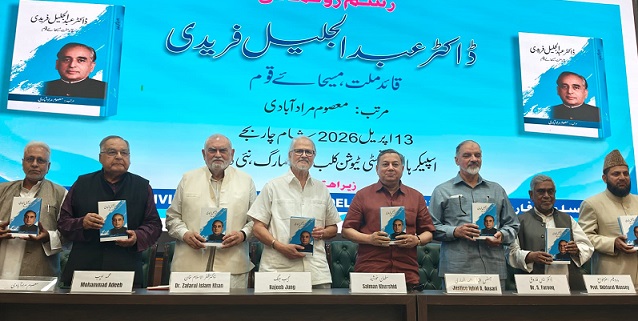
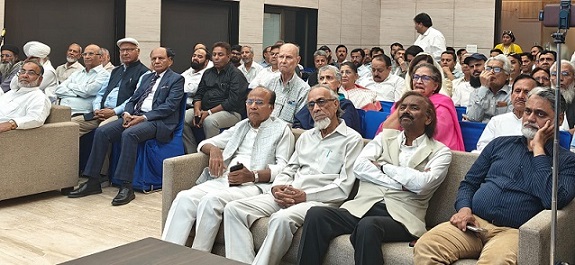
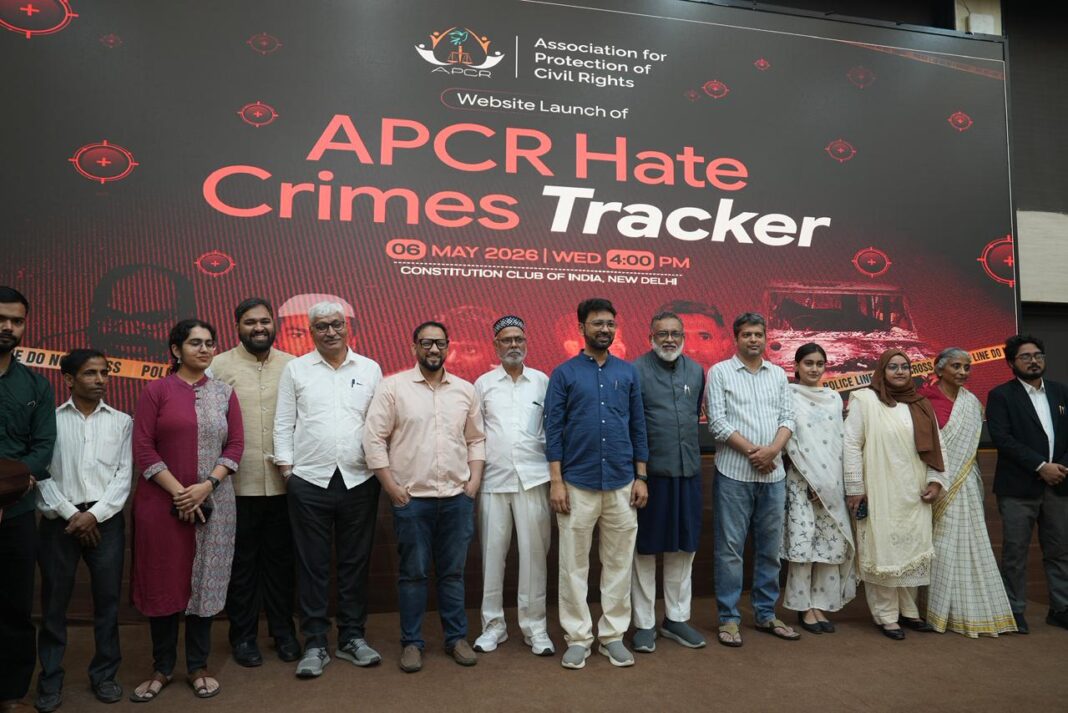
The Association for Protection of Civil Rights (APCR) on Tuesday launched the APCR Hate Crimes Tracker at the Constitution Club of India, unveiling an interactive website — [apcrhct.org](https://apcrhct.org?utm_source=chatgpt.com) — aimed at documenting hate crimes against religious minorities across India from 2014 onwards.
The Hate Crimes Tracker consolidates verified incidents of hate-motivated violence and threats, offering researchers, journalists, civil society organisations and the public a centralized and searchable database. The initiative comes amid growing concern over increasing violence against religious minorities, particularly Muslims and Christians, in recent years.
According to APCR, the absence of systematic recording of hate crimes by official agencies such as the National Crime Records Bureau has made it difficult to assess the scale, patterns and changing forms of such incidents. To address this gap, APCR has been publishing quarterly and annual reports over the last two years, and the newly launched tracker expands upon that work.
The organisation stated that the tracker currently contains detailed records from 2024 to 2026, documenting 1,153 hate crime incidents and 761 hate speech incidents. Additional data from previous years will be uploaded in phases. APCR further noted that, based on long-term tracking of reported incidents since 2014, it has compiled a total of 3,576 religion-based hate incidents across India.
Preliminary analysis of the data indicates that physical assault, with 747 incidents, and attacks on property, with 376 incidents, are among the most frequently reported forms of violence. APCR also identified visible religious identity, cited in 908 incidents, the sale or consumption of non-vegetarian food, linked to 547 incidents, and the celebration of festivals, associated with 166 incidents, as some of the most common triggers.
Advocate Fawaz Shaheen said APCR had been releasing periodic reports that build on work done collectively by various organisations and media groups engaged in documentation efforts. “We have taken our regularly published data and tried to make a repository of the hate crimes data from 2014 onwards,” he said, adding that the tracker has limitations because it relies solely on publicly available information. He described the database as “only a fair representation of reported incidents” due to what he termed “massive underreporting”.
The methodology used in compiling the database was also explained during the event. Organisers said the process involved Google Forms, separate categorisation for hate crime and hate speech, and rigorous cross-verification of social media sources before inclusion. The tracker also captures contextual information such as the nature of incidents, the presence of mobs, stereotypes invoked during attacks, and the alignment of hate speeches with the UN Rabat Plan of Action.
Shazin Siddiqui, the developer of the tracker, demonstrated the platform’s interface and said users can filter incidents by year, state, victims’ religion and type of crime. He added that the database would be updated regularly as new cases are verified.
Several speakers at the launch highlighted the broader implications of allowing hate crimes to remain unrecorded and unpunished. Harsh Mander stressed that independent documentation is essential because state mechanisms cannot be relied upon. He welcomed the initiative and encouraged more civil society groups to undertake similar efforts.
Prashant Bhushan observed that only a fraction of hate crime cases result in FIRs and suggested documenting failed attempts to file complaints. He called for coordinated legal action by civil society groups to hold perpetrators accountable.
Qurban Ali said administrative directives aimed at addressing hate crimes are often not implemented, leaving minorities feeling vulnerable. He reiterated that official data significantly underrepresents the scale of the problem.
Manoj Jha raised concerns about institutional complicity, including within the judiciary, and proposed expanding documentation to include such dimensions. He remarked that hatred has become deeply embedded in society.
Speaking at the event, Sanjay Singh criticised the role of media and digital platforms in amplifying hate. He said misinformation and propaganda had become widespread and called for collective efforts to counter what he described as the “market of hatred”.
Shiju Thomas highlighted the impact of anti-conversion laws on Christian communities, stating that thousands, including women and children, have been booked under such provisions. He also pointed to the targeting of institutions through regulatory mechanisms.
Lara Jesani emphasised the direct link between hate speech and subsequent violence, citing examples from Maharashtra. She highlighted the absence of a comprehensive anti-discrimination law and the challenges lawyers face in pursuing hate speech cases.
Pamela Philipose drew attention to the gendered dimensions of hate crimes, noting that women’s bodies are often used as sites of communal violence. She also highlighted the role of political rhetoric in normalising hate and called for stronger civil society responses.
Apoorvanand spoke about the difficulty courts face in acknowledging the connection between hate speech and violence. He said hate speech is often not recognised as such until it can be directly linked to a hate crime and warned that its normalisation is pushing minority communities into invisibility, thereby undermining democratic values.
Malik Motasim Khan urged collective resistance to hatred and stressed the need to reject divisive narratives while working towards coexistence.
The moderator of the event welcomed family members of hate crime victims and expressed solidarity with them.
APCR stated that the database has been compiled using publicly available information that was independently verified through cross-referencing multiple sources and inputs from grassroots activists. While anecdotal evidence suggests the actual number of hate crimes may be much higher, the organisation said the tracker offers a credible and evidence-based representation of reported incidents.
The organisation described the launch of the Hate Crimes Tracker as a significant step toward making such data publicly accessible and strengthening research, advocacy and legal interventions on behalf of affected communities.
source: http://www.indiatomorrow.net / India Tomorrow / Home> Crime / by India Tomorrow /May 08th, 2026