How a research centre in Solapur is trying to remind Indians of their common, secular history

Solapur, MAHARASHTRA :
In recent times, the country’s past has become an extremely polarising point for its citizens. Many people have been brainwashed to believe that the advent of Islam in India and the subsequent period of Muslim rule across major parts of India was a period of dark ages.

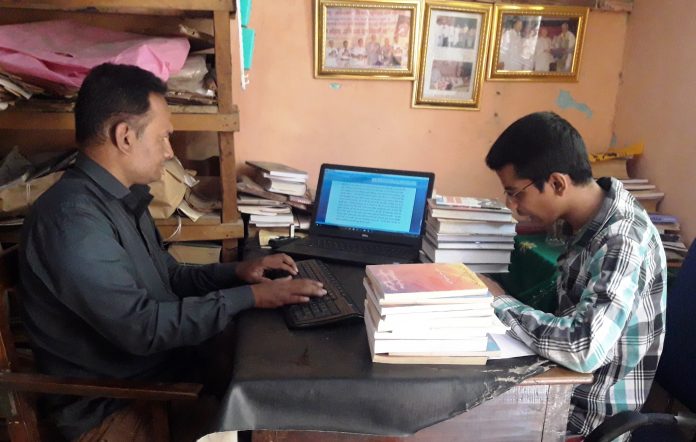
However, it is also no secret that many scholars have convincingly argued otherwise, and now a Solapur-based Research Centre is doing the same. Named after pioneering activist Advocate Sayed Shah Gaziuddin, the centre is publishing books in Marathi and Urdu languages to help people understand and value the secular fabric of the nation.
The inspiration for this works comes from the life and works of Advocate Sayed Shah Gaziuddin, who strongly believed in social binding and communal harmony and always wanted Muslims to be aware of the social conditions of India.

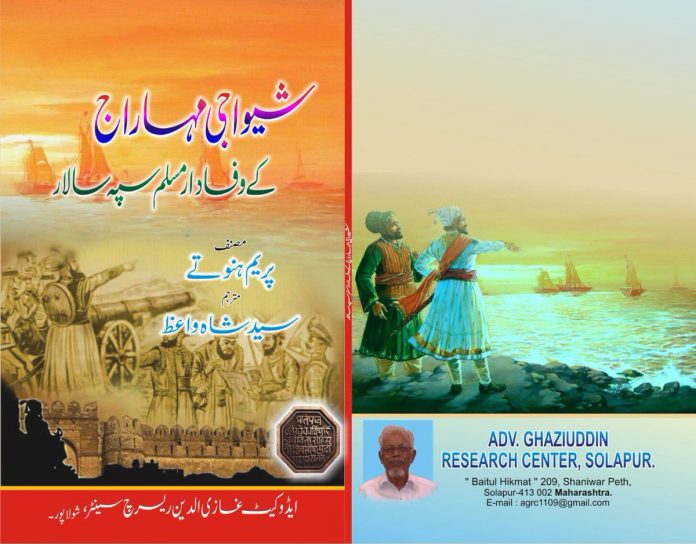
Through his Urdu books, he introduced life and work of many social reformers, including Jyoti Ba Phule, Shahu Maharaj, Dr. B.r Ambedkar and Chhatrapati Shivaji. Dr. Ambedkar Hayat aur Karname ( Life and work of Dr Ambedkar) and Urdu translation of Govind Pansare’s Marathi Book “Shivaji Kon Hota” ( Who was Shivaji) are masterpieces of his literary work.
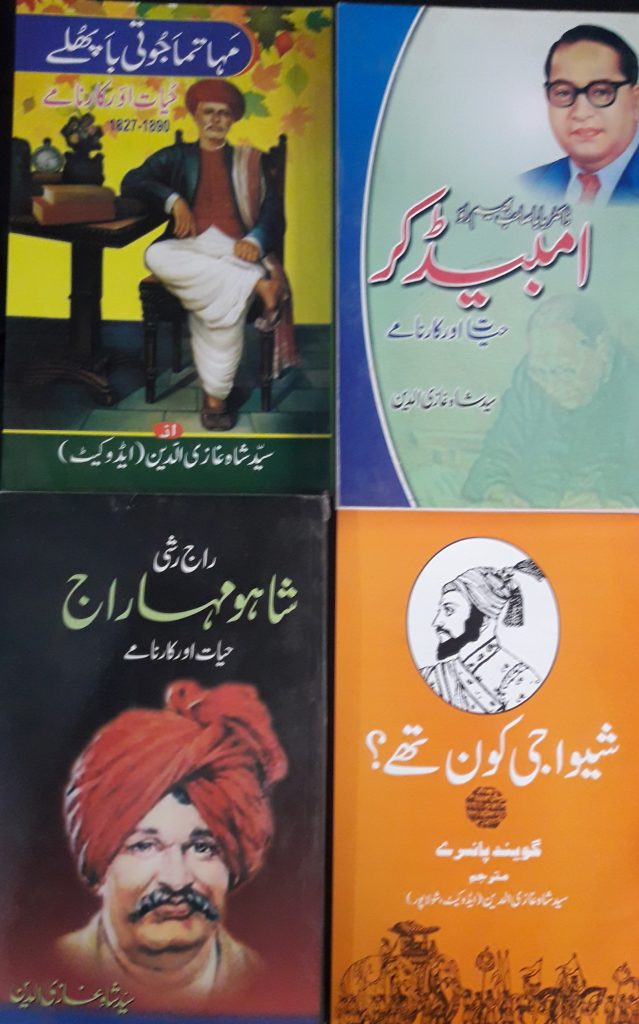
After Adv. Gaziuddin passed away in January 2014 at the age of 79, some of his like-minded friends decided to establish a research centre to continue his vision and mission. In January 2015, the centre came into existence and started extending its literary services. Taking a cue from the works of Gaziuddin, his friends also started working on similar projects.

Sarfaraz Ahmed’s Marathi book on Tipu Sultan became popular in a very short time, with the book selling over 10,000 copies in a year. The fourth edition of the book is now ready to hit the market. Apart from a book on Tipu Sultan, Ahmed has also written Marathi books on Haider Ali, scholars of Medieval India.

Also, Prem Hanvate’s “ Shivranche Muslim Sainik” ( Muslim soldiers of Shivaji ) was translated into Urdu by Sayed Wayez, the English book of Sayed Dawood “The Administration of the Deccan during Aurangzeb” has been translated into Urdu by Sayed Ismail.

In total, ten books have been published till now and work on some more books are in full swing, with ten young people also volunteering with the centre.

Talking about the centre, Vice president of the centre Ram Gaikwad said, “Late Adv. Gaziuddin was a dedicated progressive activist he has done a superlative job of bringing out the real history of social reformers of the majority community. His History research helps us in spreading brotherhood among Marathas and Muslims.

For the last ten years, I am also a part of his historical research panel and fortunately got an opportunity to continue this social work under his name.”
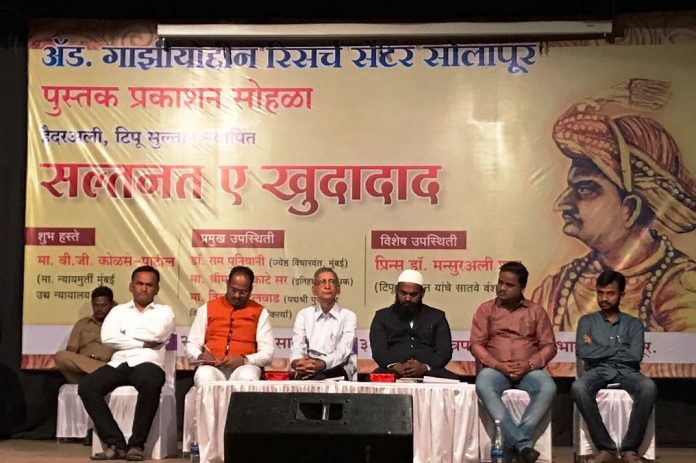
According to founder member and young historian Sarfaraz Ahmed identity of each and every community is based on its iconic personalities and social character is based on its history. “We carry out publication work by collecting donations from members. All the members from across Maharashtra are volunteers and they are all the under 30.

I must thank Sayed Ismail (Osmanabad) Sahil Shaikh (Sangli) Asif Mujawar (Latur), Kaleem Azeem (Pune) Prof. Mujeeb Kazi (Ambajogai) our President Samiullah Sheikh, Secretary Adv. Mahboob Kotimbre, Vice President Ram Gaikwad, Sayed Shah Wayez and our advisors B.G Kolse Patil, Shrimant Kokate, Sayed Iftikhar and M.I sheikh for their contributions.”

source: http://www.twocircles.net / TwoCircles.net / Home> Indian Muslim> Lead Story / by Imran Inamdar, TwoCircles.net / August 13th, 2018
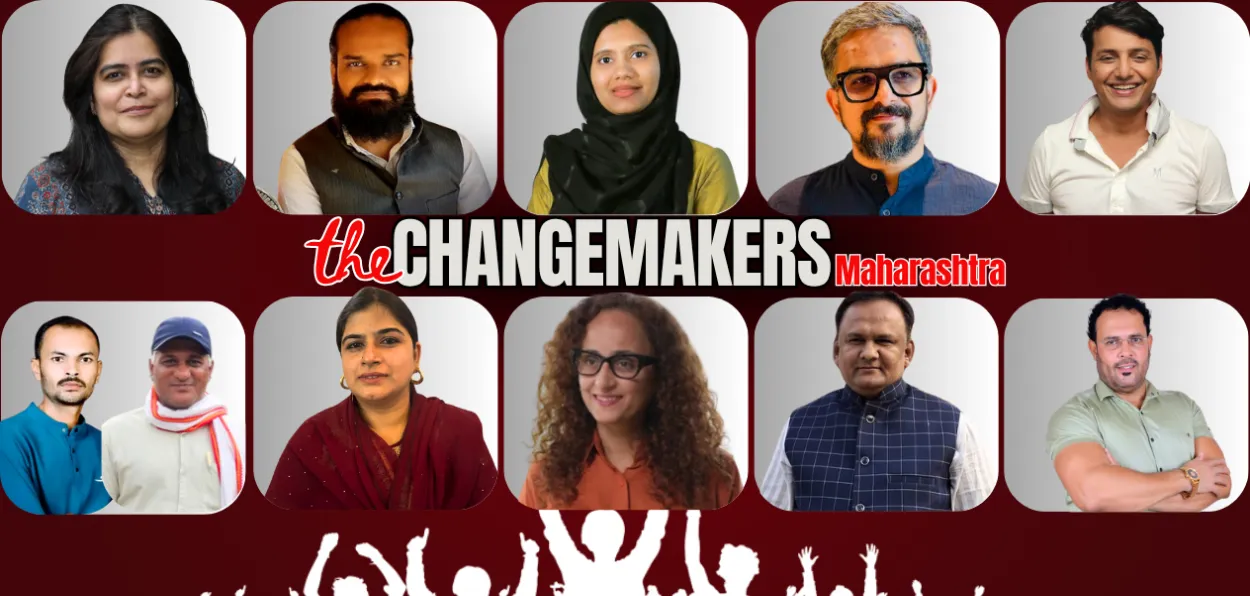
The Muslim changemakers of Maharashtra

MAHARASHTRA :

Muslim changemakers of Maharashtra

New Delhi :

Awaz-The Voice, through its ‘The Changemakers’ series, has introduced readers to inspiring figures from Uttar Pradesh, Assam, and Jammu & Kashmir.

Starting July 6, we will feature ten remarkable changemakers from Maharashtra.

These individuals not only embody the state’s vibrant and progressive legacy but are also shaping a future that is tolerant, equitable, harmonious, and inclusive.

Working quietly away from the limelight, their impactful contributions are being brought to the public through Awaz-The Voice. Here’s a glimpse into their inspiring journeys.

Dr. Farah Anwar Husain Shaikh

Dr. Farah Anwar Husain Shaikh leads the Mis Farah Charitable Foundation in Pune’s Dapodi, delivering health, education, and disaster relief to communities. Her bold advocacy for Muslim women’s right to pray in mosques challenges deep-rooted traditions, earning her a doctorate in social work and women’s empowerment. Her story is that of the struggle for equality, Farah’s tireless efforts are transforming lives and reshaping Pune’s social landscape, making her a beacon of grassroots change.

Paigambar Shaikh

Rationalist Paigambar Shaikh is redefining tradition with his “Economic Qurbani” initiative from Pune, transforming the Eid al-Adha sacrifice into a force for community growth. By channeling resources into education, microfinance, and health camps, he blends faith with practicality. He is inspired by the Satyashodhak movement. His innovative approach fosters sustainable development and communal harmony in Maharashtra’s far-flung areas, marking him as a visionary changemaker.

Marziya Shanu Pathan

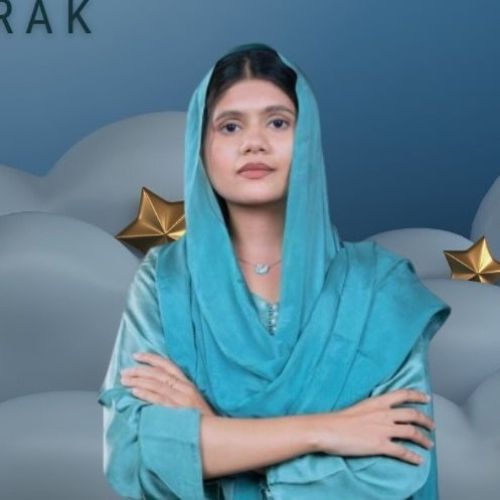
Marziya Shanu Pathan, 24, is an activist. From leading a march for Malala Yusufzai at age 12 to organizing the vibrant Mumbra-Kausa Children’s Festival, she champions women and youth in her township. Her blend of fiery activism and community initiatives is uplifting Mumbra, proving her dedication to a brighter, more inclusive future.

Hazrat Ali Sonikar and Munir Shikalkar

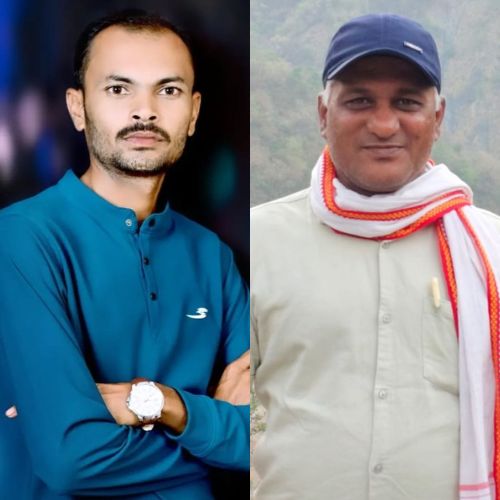
In Sangli’s agricultural heartland, Hazrat Ali Sonikar and Munir Shikalkar are empowering the Muslim community through grassroots activism. Hazrat rallies youth with awareness campaigns and workshops, while Munir bridges gaps with local authorities to secure resources. Their collaborative manifesto, amplifying education and employment, is reshaping the future of the community, showcasing the power of local action.

Sakib Gore

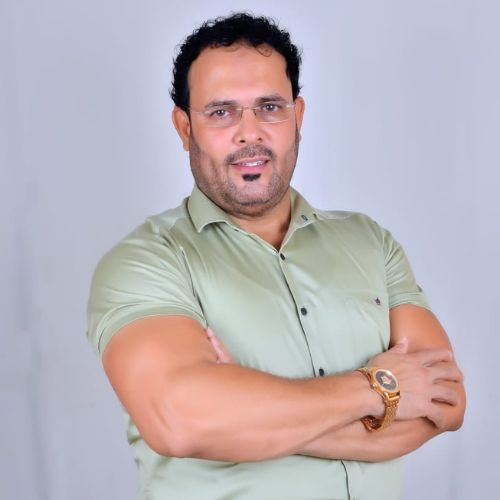
In Badlapur, Maharashtra, Sakib Gore is lighting up lives through his ‘Vision Friend Sakib Gore’ initiative, driven by his grandmother’s struggle with blindness. With a belief that glasses are more than a fashion statement—they’re a lifeline to sight—he’s brought eye exams to 2.6 million people, distributed 1.7 million free spectacles, and facilitated 63,000 free cataract surgeries. His ‘Devabhau’ glasses, priced at just 33 rupees, earned him global acclaim and the ‘System Leader Award’ at a World Summit in Kathmandu. Reinvesting every profit into free glasses for the poor, Sakib’s mission is simple but profound: to lift the visually impaired out of darkness, one pair of eyes at a time.

Sarfaraz Ahamad

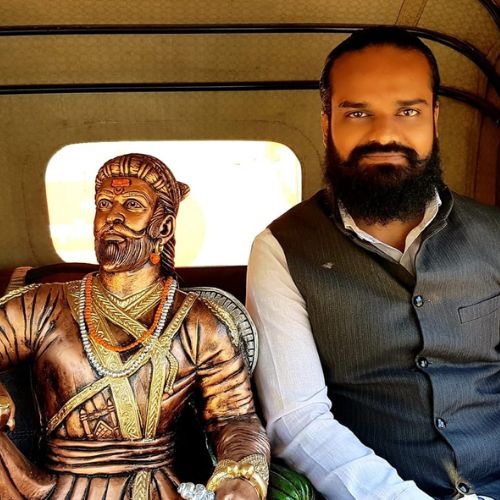
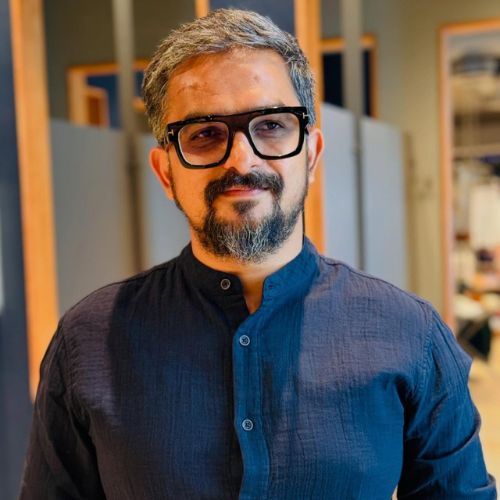
Solapur’s Sarfaraz Ahamad, a 41-year-old historian, brings Maharashtra’s Deccan heritage to life through his eight books. His books include the acclaimed Hyder Ali, Tipu Sultan, and The Sultanate-e-Khudadaad. As a founder member of the Ghaziuddin Research Center which promotes objective historical research. His writings in Marathi, Hindi, Urdu, and English captivate readers. Sarfaraz’s work is reviving cultural pride and inspiring a new generation of scholars.

Sabah Khan

Sabah Khan’s NGO Parcham based in Mumbara, empowers girls through football, challenging norms and building confidence among them. Khan, 50, fosters gender equality and religious harmony, securing a dedicated football field and launching the Savitri-Fatima Foundation to support education and economic growth. Sabah’s transformative work offers Mumbra’s youth a vibrant path to self-discovery.

Afroz Shah

Mumbai’s Afroz Shah, a 42-year-old lawyer, turned Versova Beach into the site of the world’s largest clean-up, removing 20 million kilograms of trash. Afroz Shah Foundation now tackles rivers and waste culture, earning him the UN’s ‘Champion of the Earth’ title. From slums to schools, his “dates with the ocean” inspire thousands, proving one man’s grit can spark a movement.

Dr. Sabiha Inamdar

In Nashik, 43-year-old Dr. Sabiha Inamdar, an intimacy and relationship coach, is breaking taboos around sexual wellness. She creates safe spaces for women and couples to discuss intimacy and emotions openly. What makes Dr. Sabiha’s work important is her commitment to normalizing healthy conversations around sex, emotions, and interpersonal connection—especially for women. Her workshops shift mindsets, fostering healthier relationships and emotional well-being across Maharashtra.

Hussain Mansuri

Mumbai’s Hussain Mansuri, a 40-year-old philanthropist with 7.8 million Instagram followers, spreads compassion across the city’s streets. From feeding street kids to caring for stray animals, his quiet acts of kindness, rooted in Islamic values, touch countless lives. Whether delivering meals near Tata Hospital or comforting the grieving,

Hussain’s selfless mission ripples far beyond Mumbai.

source: http://www.awazthevoice.in / Awaz, The Voice / Home> The Changemakers / posted by Aasha Khosa, ATV / July 05th, 2025

Khalid Jamil becomes Indian men’s football team coach on two-year contract

PUNJAB / KUWAIT / Mumbai, MAHARASHTRA :

After confirming his appointment a few days back, AIFF has announced that Khalid Jamil has signed a full-time two-year contract to be the Indian football team coach.

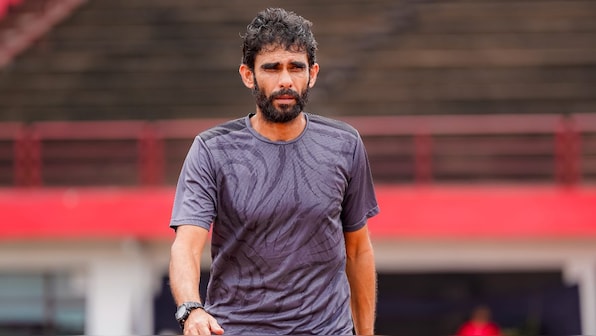
The AIFF has announced that Khalid Jamil will be a full-time coach for the Indian men’s football team. Image: AIFF

Former midfielder Khalid Jamil has signed a full-time two-year contract to be the new Indian men’s football team coach, the All India Football Federation (AIFF) confirmed on Wednesday. Jamil, who was Jamshedpur FC’s coach in the Indian Super League (ISL), was picked as the top candidate by the AIFF Executive Committee on 1 August , but both parties were yet to agree on terms.

“I am both deeply proud and immensely privileged to have been entrusted with the responsibility of leading our national team,” Jamil said in an AIFF media release on Wednesday. “Over the years, I’ve had the opportunity to train Indian players, and I’ve grown to understand their strengths and weaknesses intimately.

“These insights will be fundamental to everything we do as we prepare for the CAFA Nations Cup and the upcoming crucial Asian Cup Qualifiers against Singapore.”

Jamil to start tenure with CAFA Nations Cup

Jamil was picked by the AIFF ahead of India coach Stephen Constantine and Slovakian tactician Stefan Tarkovic. He will be the first Indian to coach the men’s national team after Savio Medeira in 2012.

The first training camp for the Indian football team under Jamil will start on 15 August at the Dravid-Padukone Centre for Sports Excellence in Bengaluru. The list of probables is expected to be announced soon.

Jamil’s first assignment as India coach will be the CAFA Nations Cup, where India are set to face hosts Tajikistan (August 29), IR Iran (September 1) and Afghanistan (September 4) in Group B.

In the October FIFA Window, India are scheduled to play AFC Asian Cup 2027 qualifiers against Singapore (October 9 and 14).

Jamil’s coaching and playing career

While he doesn’t have the experience of coaching a national team, the 48-year-old has had an extensive management career at the club level, coaching Jamshedpur FC, NorthEast United FC, Aizawl FC, East Bengal FC, Mohun Bagan AC and Mumbai FC. With Aizawl FC, he won a historic I-League title in 2016-17.

He also helped Jamshedpur reach the Kalinga Super Cup 2025 final and the semi-finals of the ISL play-offs 2024-25.

As a player, he played 15 times for India, after making his debut in the 1997 SAFF Championship in Nepal, which the Blue Tigers won.

In his club career, Jamil won the National Football League, two Federation Cups and two IFA Shields with Mahindra United.

He also played for Air India and Mumbai FC. In the Santosh Trophy, Jamil represented Maharashtra, with whom he won the title in 1999.

source: http://www.firstpost.com / FirstPost. / Home / by FP Sports Desk / August 13th, 2025

AMU Scholar to Receive Kerala State Literary Honour

Valanchery Munnakkal (Malappuram District), KERALA /Aligarh, UTTAR PRADESH :

Dr Munawar Hanih, an ICSSR post-doctoral researcher under the mentorship of Professor T.N. Satheesan, Dean, Faculty of Arts, Aligarh Muslim University, has been selected for the 2023 Mahakavi Moinkutty Vaidyar Mappila Kala Akademi Literary Award

Aligarh:

Dr Munawar Hanih, an ICSSR post-doctoral researcher under the mentorship of Professor T.N. Satheesan, Dean, Faculty of Arts, Aligarh Muslim University, has been selected for the 2023 Mahakavi Moinkutty Vaidyar Mappila Kala Akademi Literary Award, instituted by the Mahakavi Moinkutty Vaidyar Smarakam under the Department of Culture, Government of Kerala.

He is being honoured for his scholarly work Malayala Sufi Kavitha, a significant contribution to the study of Mappila literature and arts.

The award will be presented at a ceremony in September 2025.

Dr Hanih holds an MA and PhD in Malayalam from AMU’s Department of Modern Indian Languages and has served as Assistant Professor of Malayalam at Sir Syed College, Taliparamba, Kerala.

source: http://www.radiancenews.com / Radiance News / Home> Pride of the Nation> Awards / by Radiance News Bureau / August 14th, 2025

AMU students develop innovative delivery drone prototype

Aligarh, UTTAR PRADESH :

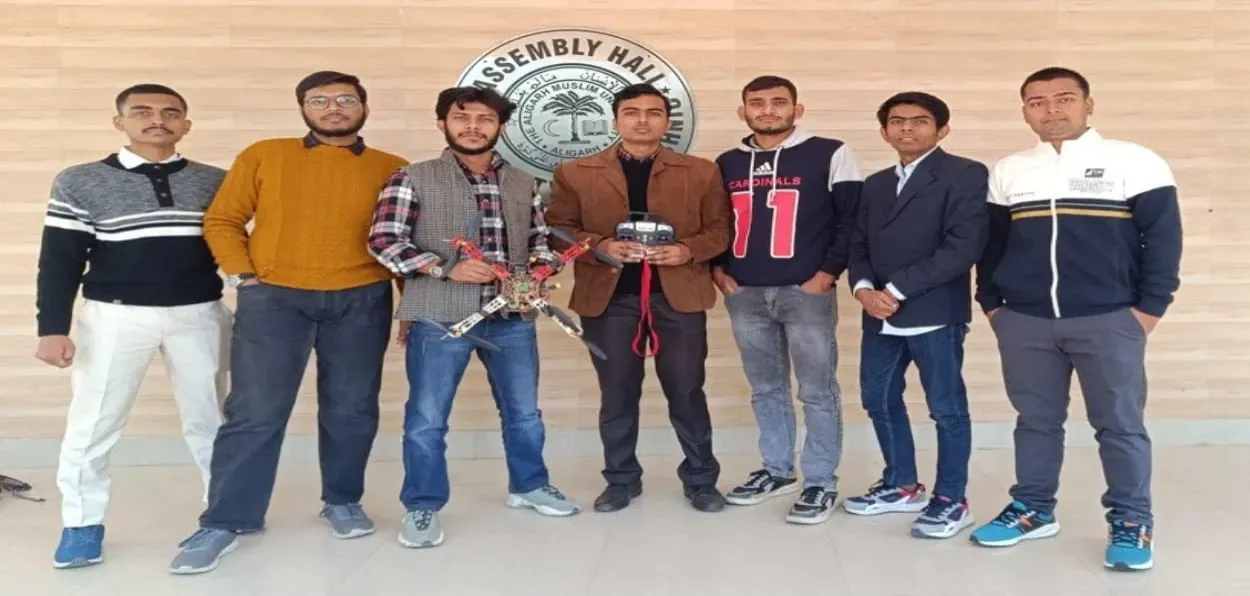
Students of AMU with their delivery drone prototype

Aligarh :

Showcasing creativity and technological ingenuity, a team of final-year students from the University Polytechnic, Faculty of Engineering and Technology, Aligarh Muslim University (AMU), has developed a Delivery Drone Prototype, a promising step towards autonomous aerial delivery systems.

Guided by former Principal of University Polytechnic, Prof. Arshad Umar and Dr. Tanveer Hasan, Associate Professor at the Polytechnic, the student team comprising Saubaan Ahmad Siddiqui, Ehtesham Ahmad, Shabab Khan, Ankit Tomar, Anas Khan, Muzaffar Hussain, and Omaan Ahmad Ansari successfully carried out six autonomous delivery missions within the university campus over a span of two months.

Equipped with real-time video streaming, autonomous navigation, gesture-controlled backup, and a custom dashboard to track flight data and delivery paths, the drone highlights the university’s commitment to hands-on, interdisciplinary learning.

This initiative is part of AMU’s larger vision to promote student-led innovation and applied research in emerging technologies. The project has received wide appreciation in academic circles for its relevance to real-world logistics, emergency response, and smart campus solutions.

Although this is a prototype for academic use, the team plans to enhance the system with AI-based object detection and an expanded operational range, reflecting the university’s emphasis on innovation-driven education and future-ready skills.

source: http://www.awazthevoice.in / Awaz, The Voice / Home> Stories / by Aasha Khosa, ATV / July 28th, 2025

Delhi: How Women Are Stitching New Lives from Fabric of Loss and Thread of Hope After in Riot-Hit Shiv Vihar

DELHI :

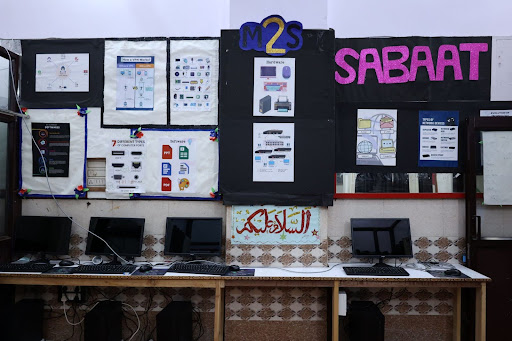
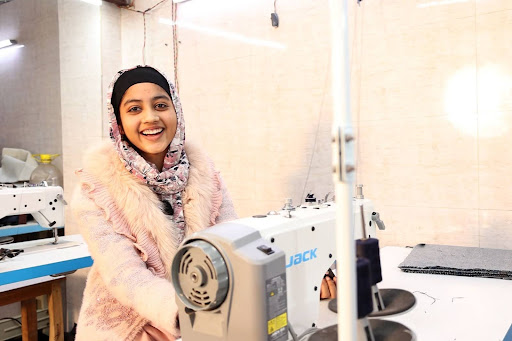
Women at the Sabaat Center share a moment of joy, building community through their shared work

New Delhi: 

Shiv Vihar carries the silence of broken dreams. The 2020 Delhi riots swept through this northeast Delhi neighbourhood. Homes were burned, shops looted and lives uprooted. Among the soot and rubble, 19-year-old Shumayla and her family lost everything. Their house was reduced to memories.

Today, she sits at a sewing machine in the Sabaat Centre, threading fabrics into full-grown suits. “I began at ground level. Now I can make entire suits. It feels nice to create something on my own,” she said.

For her, the needle of her sewing machine is like a compass guiding her towards hope.

The Sabaat Center at Shiv Vihar

Sewing Stories with Sabaat

An initiative of the Miles2Smiles Foundation, the centre was born from the same flames that destroyed Shumayla’s world. Its founder, Aasif Mujtaba, witnessed firsthand how survivours in Shiv Vihar held together their shattered worlds.

“I saw women in Shiv Vihar holding their worlds together with grace, and I knew they deserved more than just pity,” he said.

From this empathy came Sabaat, a place where women learn to stitch, create and rebuild their identities.

Shabnam, a mother of three, leaves behind her home chores for a few hours to learn something creative at the centre.

“While managing the house along with the work is difficult, I love coming here,” she says.

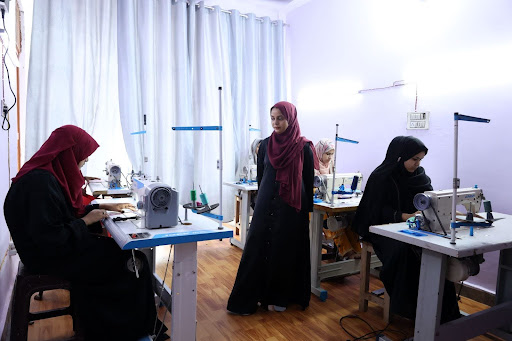
At the center, women thread, stitch and craft, turning cloth into outfits, tote bags, pouches, magnets, mugs and keychains.

Women work at sewing machines in the Sabaat Center, crafting outfits and other merchandise

Aasif calls their work a story: “Every tote bag, keychain, magnet or cup has a story of survival, strength and hope.”

Farheen Ansari, a fashion designer who leads the training, ensures their skills match market demands. The women attend morning sessions from 9 am to 11 am, growing from beginners to masters over six months or more, depending on their pace.

“We get orders from local boutiques,” she told TwoCircles.net.

Their crafts are sold through the Sabaat Store, returning income directly to the women who made them.

Beyond Stitching

But Sabaat’s work is not limited to sewing. Women learn how to handle orders, set prices, brand products and even promote them online. Acquiring these skills are essential to turn trainees into entrepreneurs.

“Whenever a student learns something new, I tell her to implement it at home,” says Farheen, adding that some do just that.

Sabaat empowers women by providing emotional support alongside practical skill training

Women like Sangeeta, Daraqshan, Saiba and Gulafshan have started their own small businesses.

Initiated for survivors of hate violence, widows and women from marginalised and economically vulnerable groups, Sabaat has already trained 70 women.

“Impressively, at least 70% of them have achieved financial independence, whether working within Sabaat or starting their own ventures,” claims Aasif.

Women at the center undergo an extensive training program for manufacturing products

In addition to offering skill-based training, the programme is also bridging trauma and offering dignity, trust and a voice. Most days end in shared smiles. The women’s laughter fills the centre, evidence that even broken neighbourhoods can teach courage.

Amid ongoing struggles for justice and pending compensation, Sabaat brings healing where paperwork lags. Plans are underway to expand, bringing this safe space to more women and more neighbourhoods.

source: http://www.twocircles.net / TwoCircles.net / Home> India News> Indian Politics> Indian Muslim> Lead Story> Women / by Maryam Hassan & Unzila Sheikh, TwoCircles.net / August 10th, 2025

Afrin becomes 1st from AMU to cross English Channel

Aligarh, UTTAR PRADESH :

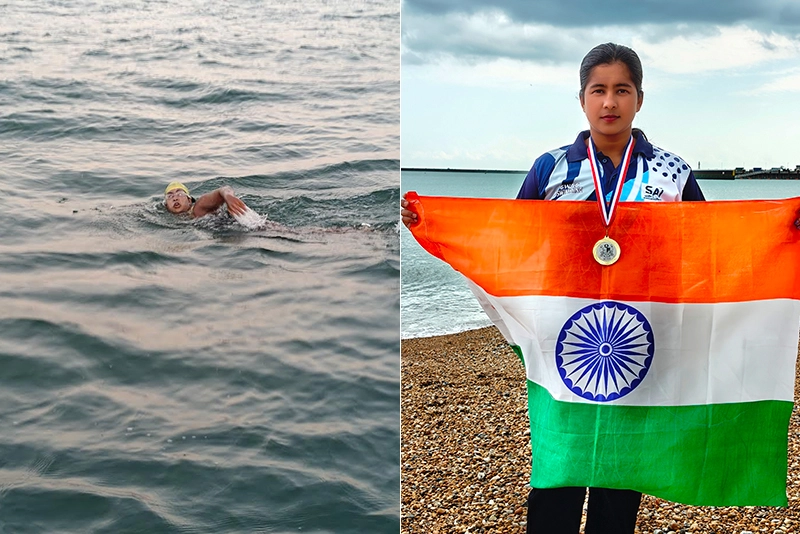
In a momentous first for Aligarh Muslim University (AMU), Afrin Jabeen, a B.P.Ed. student, has scripted history by becoming the first-ever AMU student to successfully swim across the English Channel.

Aligarh Muslim University: 

In a momentous first for Aligarh Muslim University (AMU), Afrin Jabeen, a B.P.Ed. student, has scripted history by becoming the first-ever AMU student to successfully swim across the English Channel.

Afrin braved the frigid waters at 11°C and fierce currents on July 29, 2025 to complete the solo one-way swim from Dover (UK) to Cap Gris-Nez (France) at a stretch of 34 kilometers in 13 hours and 13 minutes, beginning at 3:45 AM London time.

This remarkable feat places her in the elite ranks of international endurance swimmers and brings immense pride to AMU, her home state West Bengal, and India at large.

Who is Afrin Jabee?

Rising from a modest background in Paschim Medinipur, Afrin’s journey is a stirring testament to perseverance, discipline, and unyielding ambition. Even before this feat, she had already distinguished herself as a formidable open-water swimmer.

She represented Vidyasagar University three times at the All-India Inter-University Aquatic Championships, competed twice for West Bengal at the national level, and conquered demanding long-distance swims spanning 13 kms, 21 kms, and 24 kms.

Her most remarkable pre-AMU achievement was securing 2nd position among girls in the world’s longest swimming event—an 81 kms marathon in the Ganges.

“Historic Milestone”

As a student of AMU, Afrin’s triumph is not only personal but also a historic milestone for the university.

Flanked by her proud brother, Adil Mohmmad (a PhD student in the Department of Chemistry at AMU) and her sister-in-law, Rizwana Yasmeen (a Gold Medalist in Nanotechnologty at AMU), Afreen, holding the Indian flag, expressed with thrill, “I am happy to have brought joy to my nation, University and family, who always support me in pursuing my dreams.”

AMU Vice Chancellor Prof. Naima Khatoon hailed her achievement as a moment of “collective celebration and pride.”

She said that Afrin’s extraordinary spirit will inspire generations of AMU students. “She has initiated a journey that will be taken up by many more talented students at AMU”, she said.

“Remarkable Achievement”

Prof Ikram Husain, Dean, Faculty of Social Sciences and the Chairperson, Department of Physical Education congratulated Afrin Jabee for her remarkable achievement and expressed hope that her education at AMU will ensure many more such laurels in her life.

Prof Vibha Sharma, Member Incharge, Public Relations Office, said that Afrin and her brother are still in the UK and they will be back to Aligarh soon. She congratulated them on phone and conveyed the best wishes on behalf of the university fraternity.

In Afrin, AMU has found a new icon, a daughter of Aligarh who swam into history, carrying the university’s name across nations and into global acclaim and offers great promises for future in sports.

source: http://www.ummid.com / Ummid.com / Home> Education & Career / by ummid.com news network / August 02nd, 2025

Jamaat Expands Interest-Free Finance Network to Boost Economic Stability in Karnataka

Bengaluru, KARNATAKA :

Bengaluru:

Jamaat-e-Islami Hind (JIH) Karnataka is stepping up its drive to promote economic stability by expanding interest-free financial institutions across the state. At a meeting with Souharda Cooperative Society leaders, JIH Karnataka State President Dr. Belgami Mohammed Sa’d stressed the need to free people from exploitative moneylenders.

Dr. Sa’d outlined plans to set up interest-free cooperative societies in major cities and towns as the first step in a state-wide mission. “Economic stability is a cornerstone of positive social change,” he said, urging community support to replicate the model in more regions.

JIH Karnataka State Secretary Mohammed Yusuf Kanni highlighted the success of existing Souharda Societies. About 18,000 members are part of these societies in Bidar, Kalburgi, Raichur, Ilkal, Bellary, Davangere, Bhatkal, Udupi, and Mangalore. Last year, they handled transactions worth ₹125 crore.

Mr. Kanni announced expansion to Sindhanur, Hubli, Hassan, and Bijapur by March 2026. He said the aim is to give more people access to interest-free finance, promote equitable participation, and reduce reliance on conventional banks.

Mriza Abid Baig Falahi from Jamaat’s Shariah Council recently visited societies in Bidar, Kalburgi, Raichur, Ilkal, and Bellary. His inspection focused on Shariah compliance and staff training in Islamic finance modules like Mudarabah, Musharakah, and Murabaha. “Interest-free finance is an ethical necessity for a just and inclusive economy,” he said.

Prominent members from different districts attended, including Mujtaba Khan from Bidar, Hamza Muazzam from Kalburgi, Imtiaz Baig from Davangere, Nazeer Ahmed Qazi from Bhatkal, and Riaz Ahmed from Koppal. Souharda Societies’ convenor Rafiq Ahmed opened the meeting, focusing on operational expansion, Shariah compliance, and greater community involvement.

The initiative is part of Jamaat’s mission to drive societal reform through ethical measures. By offering cooperative, interest-free finance, it aims to empower individuals, support small businesses, and protect vulnerable people from debt traps.

With planned expansions, JIH Karnataka hopes to build a strong network of Shariah-compliant institutions. Leaders believe sustained community participation will make interest-free finance a widely accessible reality in the state.

source: http://www.radiancenews.com / Radiance News / Home> Latest News> Report / by Radiance News Bureau / August 13th, 2025

“My book is a survival manual for framed, forgotten,” says Kerala Muslim activist acquitted after years in jail

Kozhikode, KERALA :

“We must understand that the political system often frames individuals, and their families suffer for no fault of their own,” reflected Razik Raheem, a Muslim activist in Kerala who spent years in jail under the draconian UAPA before being acquitted.

“For me, my belief kept me strong, and it’s important for the younger generation to be prepared for such injustices.”

Razik Raheem stood before the gathering at Vidyarthi Bhavan in Kerala’s Kozhikode on Saturday, his words carrying the weight of years spent in prison, of trials both legal and personal, of a fight that never truly ended. The room was filled with activists, students, and community members—some familiar with his story, others hearing it for the first time.

The occasion was the discussion of his recently launched book, Thadavarakkalam (Prison Days), a work he never intended to write.

But something changed. The crackdowns on young activists during the anti-CAA protests, the faces of students and dissenters dragged into police custody, the silence that followed—it all forced him to put pen to paper, Razik told the audience. Thadavarakkalam, a Malayalam book published by Pratheeksha Books, became more than a memoir; it became a guide. A survival manual for those who might find themselves framed, convicted, forgotten.

The event, organized by the Solidarity Youth Movement, was more than just a book discussion. It was an indictment of a system that Razik and others on the stage knew too well.

Faseeh Ahmed, Solidarity Kozhikode’s secretary and a researcher, spoke at length about the book and its political significance. He connected Razik’s ordeal to the broader struggles of political prisoners across India. The Panayikulam SIMI case, once a headline, now a footnote, was revisited.

“We must stand firm in our efforts to provide assistance and ensure these prisoners and their families are not forgotten,” said Thoufeeq Mampad, Solidarity Kerala’s president. He recalled visiting Beeyumma, the mother of Zakariya from Parappanangadi, who had been imprisoned for 16 years and is still in jail under the draconian UAPA, even without trial. There was a reason these stories kept resurfacing—they weren’t over.

Sadiq Uliyil, from the APCR, reminded the audience of the absence of literature documenting the lives of Muslim political prisoners. “In Kerala, which prides itself on political awareness, there is still very little concern for the number of prisoners suffering under oppressive laws,” he pointed out.

Independent researcher Afnan Hussain echoed this, stressing the urgency of writing. “It forces the public to acknowledge the flaws in our justice system and the suffering of countless families.”

The Panayikulam case was a warning, a precedent. In 2006, Razik Raheem and four others—Nizamudeen, Shammas, Ansar, and PA Shaduli—were arrested for allegedly organizing “a secret meeting of the banned Students’ Islamic Movement of India (SIMI).” The state claimed it was a terror gathering. The men, who insisted it was merely a public seminar on the “Role of Muslims in Indian Independence,” were tried under the Unlawful Activities (Prevention) Act (UAPA).

In 2015, an NIA court sentenced Ansar and Razik to 14 years in prison for sedition. The others received 12-year terms. It would take another four years for the Kerala High Court to finally acquit them, ruling that there was no evidence against them. By then, they had already spent years behind bars—years they would never get back.

The book is not about seeking sympathy. It is about recognition, about making sure that when another young activist is thrown into a prison cell, they will know what to expect, the author said. It is about breaking the cycle of silence, he added.

source: http://www/maktoobmedia.com / Maktoob Media.com / Home> Bookshelf / by Muhammed Hisham / February 17th, 2025