Tag Archives: Indian Americans

Dr. Abdul Razzaque Ahmad: From India’s Hinterland to the Global Corridors of Academia

Wani (Vidarbha Region), MAHARASHTRA / Boston, U.S.A. :
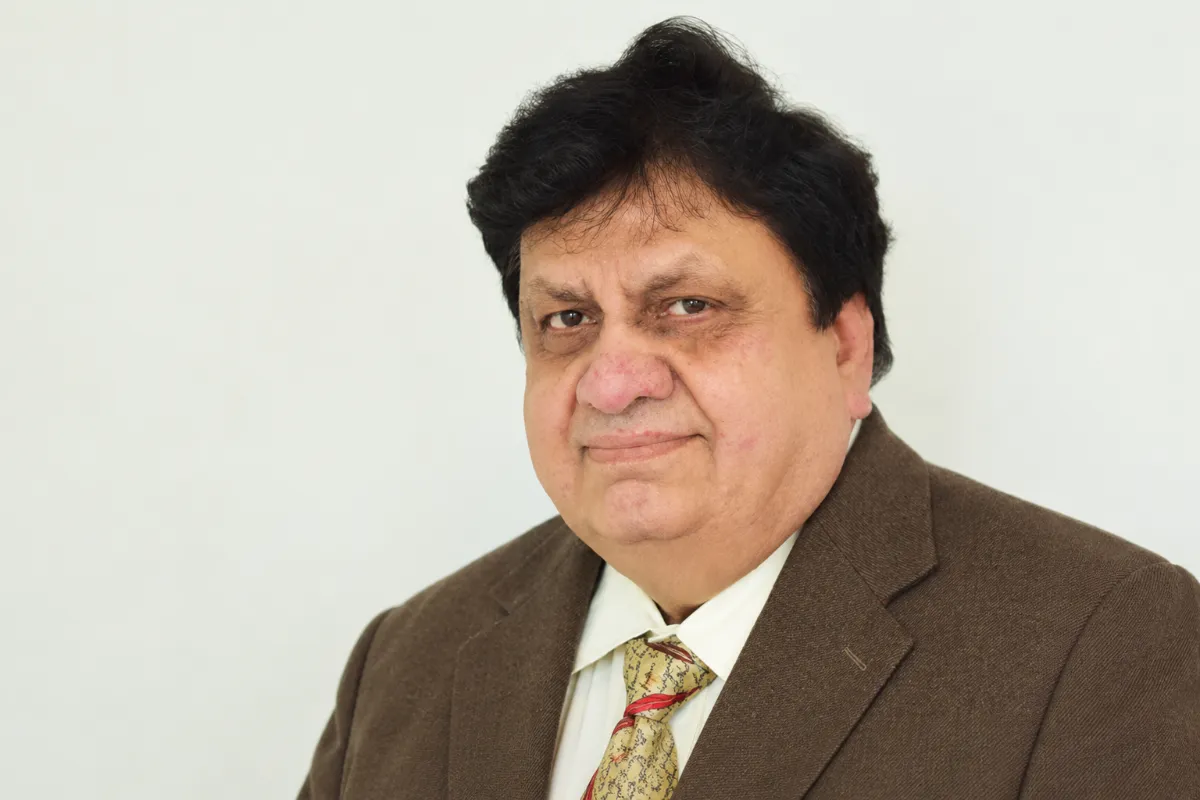
Dr. Abdul Razzaque Ahmad

Wani, historically known as Wun, is an old town of the Vidarbha region whose history reflects the changing political boundaries of central India. At different times, the Wani area was connected with the Nizam’s dominions, while the neighbouring Chandrapur region was historically associated with the Gond rulers. To the east and south lay territories of the erstwhile Hyderabad State, including the area that subsequently became Adilabad district and is today part of Telangana.

Wani’s political identity changed with successive territorial reorganisations. The area was once associated with the Nizam of Hyderabad. After independence, it came under the larger Central Provinces and Berar/Madhya Pradesh administrative framework before becoming part of Maharashtra when the state was formed in 1960.

This layered history is important in understanding the social background of Dr Abdul Razzaq Ahmed, a prominent Muslim of Wani. His family belonged to an established local community whose standing was associated with both landholding and professional achievement. Dr Abdul Razzaq Ahmed was a dermatologist, while later generations entered administration, medicine, and law.

Today, Dr A. Razzaque Ahmed, MD, DSc, is internationally recognised as a dermatologist, immunologist and academic physician, and as a pioneer in autoimmune blistering diseases. He has served as Professor of Dermatology and Director of the Centre for Blistering Diseases at Tufts University School of Medicine in Boston. He is associated with the Ibn Sina Professorship. His career has brought together clinical medicine, molecular immunology, laboratory research, therapeutic innovation, teaching and philanthropy.

Yet his significance lies not simply in professional distinction. His life represents the transformation of education into knowledge, knowledge into healing, and achievement into service.

Roots, Education and the Making of a Cosmopolitan Mind

Dr Ahmad spent his early childhood in Wani in a house built by his great-grandfather around 1875. He was the son of Salam Ahmed and Begum Noor Jehan and grew up in a family that regarded education and social advancement as important instruments of human development.

That ethos subsequently found institutional expression through the Begum Noor Jehan Salam Ahmed Trust in Yavatmal district. Under Begum Noor Jehan’s leadership, the Trust established educational institutions including the Sunrise English Medium Convent, Wani; the Noor Jahan Begum Salam Ahmed Arts and Commerce College, Wani; and the Noor Jahan Begum Salam Ahmed Women’s College of Law.

The women’s law college was particularly significant, reflecting a deliberate commitment to giving women access to professional education, legal knowledge and greater independence. The family tradition therefore gave education a meaning larger than individual advancement: it expanded opportunity and enabled others to participate more fully in society. That principle would later find expression in Dr Ahmad’s own teaching and philanthropy.

His early education exposed him to unusually diverse intellectual and cultural environments. Until the age of seven, he studied at a convent run by French nuns and later attended a Jesuit Catholic boarding school in Nagpur.

At fifteen, an American Field Service International Scholarship took him to Le Mars, Iowa, where he lived with the Thompson family, attended the local high school and studied at Westmar College. The experience gave a young student from central India an early encounter with American society and education, broadening his intellectual horizons.

Returning to India, he pursued pre-medical studies at Nagpur University before entering the All-India Institute of Medical Sciences in New Delhi. At AIIMS, he distinguished himself academically, standing first in many classes and receiving the Gold Medal as the outstanding graduate of his cohort. The movement from Wani to Nagpur and from Nagpur to AIIMS marked the first major stage in a life that would repeatedly cross geographical and intellectual boundaries.

After completing his medical education, Dr Ahmad moved to the United States for specialist training. He trained in Internal Medicine at the University of Pittsburgh, Dermatology at the University at Buffalo and Clinical Immunology at the University of California, Los Angeles, where he subsequently joined the faculty.

His growing interest in the molecular basis of disease led him to Harvard, where he pursued advanced research in molecular immunology and earned a Doctor of Science degree. His investigations attracted National Institutes of Health support and developed into the Ahmed Laboratory, which remained NIH-funded for more than two decades.

A defining feature of his career was integrating laboratory science with clinical medicine. Disease encountered in the clinic generated scientific questions; laboratory research sought their answers; and those discoveries returned to patients through improved diagnosis and treatment.

From Molecular Discovery to a New Paradigm of Care

Dr Ahmad became an international authority on autoimmune blistering diseases, particularly pemphigus and mucous membrane pemphigoid. These rare disorders can be debilitating, disfiguring and, in severe cases, life-threatening.

His research examined the immunological and genetic mechanisms underlying these diseases. Among his key contributions was identifying associations between specific HLA-DQB1 genes and pemphigus in different populations. He reported the association of HLA-DQB10402 with Jewish pemphigus patients and HLA-DQB10501 with non-Jewish patients. Studies of relatives helped demonstrate that low titres of pemphigus autoantibodies could occur without full clinical disease. He also distinguished pathogenic from non-pathogenic autoantibodies, demonstrating the pathogenic significance of IgG4 and the non-pathogenic character of IgG1 in pemphigus.

His investigations involving patients from Northwestern Iran and comparisons with Ashkenazi Jewish patients in the United States and Israel revealed striking genetic homology. They contributed to wider research concerning the population history of Ashkenazi Jews.

His molecular research extended to mucous membrane pemphigoid. He identified alpha-6 integrin as a putative antigen in oral pemphigoid and beta-4 integrin in disease involving other mucosal sites, identified epitopes on these molecules and investigated their role experimentally in animal models and tissue cultures. These studies helped shift the field from clinical description towards molecular understanding.

But Dr Ahmad’s contribution did not end with discovery. He sought to create a system that could translate scientific knowledge directly into comprehensive patient care. In Boston, he established the Centre for Blistering Diseases, bringing together specialists in oral medicine, ophthalmology, ENT, gastroenterology, urology, gynaecology, proctology, internal medicine, nutrition and clinical psychology.

The multidisciplinary model reflected the nature of the diseases themselves, which can affect several organs and mucosal surfaces. Rather than leaving patients to navigate separate specialities, the Centre organised care around the patient’s complexity.

His commitment to patients extended beyond medical treatment. In 1993, he established the Boston Blistering Diseases Support Group, recognising that people living with rare and potentially life-threatening disorders also require emotional support, information and a community of shared experience. The model was subsequently emulated elsewhere, including by the International Pemphigus and Pemphigoid Foundation.

Transforming Treatment and Restoring Lives

One of Dr Ahmad’s most consequential contributions was his pioneering work with intravenous immunoglobulin (IVIg) in autoimmune blistering diseases.

Severe disease had traditionally been treated with corticosteroids and other immunosuppressive drugs, which could themselves produce serious complications. Dr Ahmad developed and refined IVIg protocols that enabled some patients to achieve prolonged remission and, in certain cases, discontinue conventional therapy.

He also addressed access. Because IVIg is expensive, he presented clinical and pharmacoeconomic evidence involving 160 patients to Medicare authorities. The resulting policy permitting Medicare coverage for IVIg in blistering diseases helped broaden access, and private insurers later adopted similar policies.

His work with rituximab marked another major therapeutic advance. In collaboration with Harvard oncologists, he developed a protocol combining rituximab and IVIg that targeted the B-cell mechanisms involved in autoimmune disease. The results were reported in the New England Journal of Medicine, with subsequent long-term follow-up demonstrating sustained disease control in treated patients.

Some patients achieved exceptionally prolonged remission without continuing therapy, in some cases for more than 20 years. His continuing research has examined whether successful treatment can restore immune balance rather than merely suppress disease. Long-term follow-up of patients with pemphigus treated with IVIg contributed to this emerging understanding, with findings reported in the Proceedings of the National Academy of Sciences in 2024.

His work has also addressed ocular cicatricial pemphigoid, a rare autoimmune disease capable of causing progressive scarring and irreversible blindness. Research into its mechanisms helped establish therapeutic approaches involving IVIg and subsequently rituximab combined with IVIg.

The significance of such work extends beyond disease control. Preventing blindness preserves independence, employment, family life and human dignity. It exemplifies a broader principle in Dr Ahmad’s career: the ultimate measure of medical success is not simply suppressing disease but restoring a patient’s capacity to live a meaningful life.

This philosophy also shaped the institutions he built. He developed an outpatient infusion model that enabled patients to receive sophisticated intravenous therapies without prolonged conventional hospitalisation, attracting patients from across the United States and other countries.

As a teacher and mentor, he has influenced generations of medical and dental students, residents and researchers. Many former trainees subsequently became professors and departmental leaders. He has lectured internationally for decades and served as a visiting professor at universities worldwide. His influence has therefore travelled not only through publications and therapies but through the people he taught.

The breadth of his contribution has been recognised through numerous professional honours, including the William Gies Award, the Walter F. Lever Award, lifetime achievement and research contribution awards, and international awards for excellence. The International Pemphigus and Pemphigoid Foundation honoured him as Physician of the Year, and he has also received India’s Charaka Award. In 1999, the Governor of Massachusetts and the Massachusetts House of Representatives separately recognised his contribution to the Commonwealth’s citizens.

Science, Faith and the Larger Meaning of Service

Another dimension of Dr Ahmad’s life is his religious commitment. During his extensive international travels, he has repeatedly visited Makkah and performed more than one hundred Umrahs. His scientific and spiritual commitments have existed alongside one another. Scientific inquiry seeks to understand disease; faith provides a framework of gratitude, humility and responsibility.

That sense of responsibility has also shaped his philanthropy. In addition to the educational legacy of the Begum Noor Jehan Salam Ahmed Trust, Dr Ahmad has devoted substantial resources to educating disadvantaged young people, particularly women, supporting higher education, professional training, books, computers, transport and leadership development.

The results have reportedly reached thousands of students, with women beneficiaries entering the judiciary, public prosecution and legal practice. The objective is therefore not simply charitable relief but the creation of durable opportunities through education.

Dr Abdul Razzaque Ahmad’s life is not merely a story of migration from India to America or advancement from a small town to elite academic institutions. It is a story of continuity through transformation.

Wani provided the beginning; Nagpur broadened the horizon; AIIMS supplied an exceptional medical foundation; Pittsburgh, Buffalo and UCLA provided specialist training; Harvard deepened his scientific inquiry; and Boston became the centre from which his clinical and research contributions reached the wider world.

The ancestral house in Wani and the laboratories, clinics and lecture halls of Boston may appear to belong to different worlds. In his life they form a single continuum. The family gave him an inheritance of education and responsibility. He transformed that inheritance into scientific discovery and clinical innovation, and then extended its benefits through teaching, patient care and philanthropy.

His legacy is therefore measured not only by publications, professorships and awards, but by what those achievements enabled: patients who obtained relief, individuals protected from irreversible disability, students who gained educational opportunities, physicians shaped by his mentorship, and a field of medicine advanced by his research.

The distance from Wani to Boston is considerable. The distance his ideas travelled is greater still. A journey that began in the hinterland of India entered the global corridors of academia. Its deepest destination, however, was neither fame nor distinction, but service—to the patient seeking relief, the student seeking opportunity, the scientist seeking truth, and society seeking a more humane future.

source: http://www.muslimmirror.com / Muslim Mirror /Home>Personalities> Positive Story / by Moin Qazi / October 10th, 2026
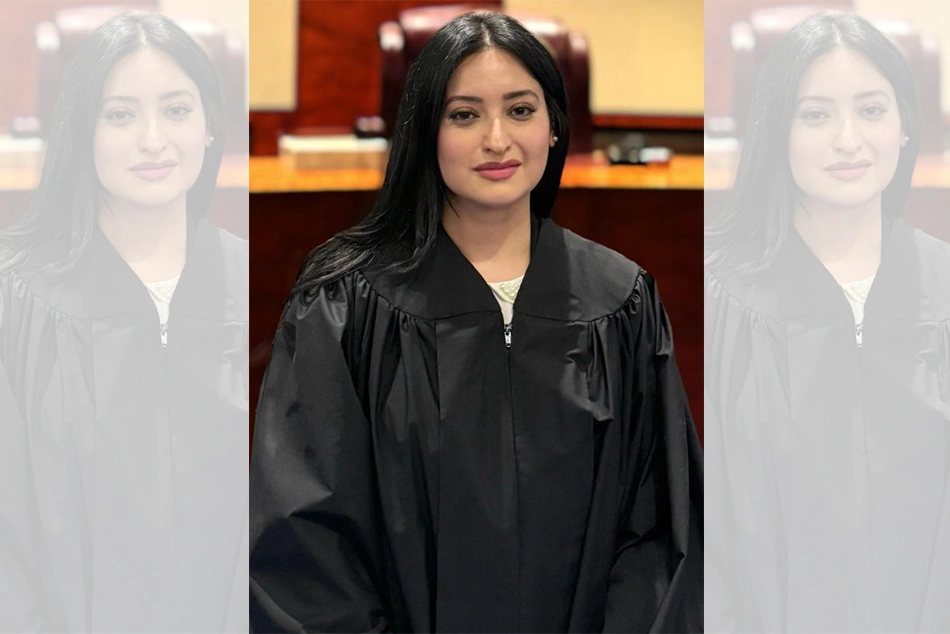
Meet Lubna Qazi Who Takes Oath as Administrative Law Judge in New Jersey

KUWAIT / Raigarh District (MAHARASHTRA) / New Jersey (U.S.A) :

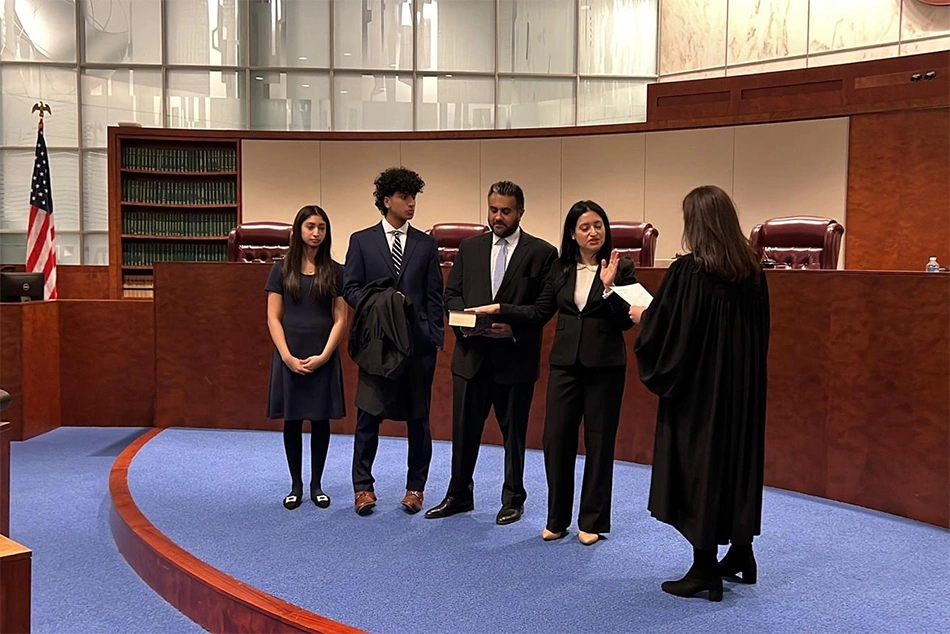
Kokan’s daughter Lubna Qazi Chaudhry took the oath as Administrative Law Judge in New Jersey with her hand placed on The Holy Quran, pledging to uphold constitutional responsibilities.

Mumbai: 

Lubna Qazi, a lawyer originally from Maharashtra’s Raigad district, has created history by taking oath as an Administrative Law Judge (ALJ) in the US state of New Jersey, becoming the first Muslim woman to be appointed to this position in the state. The appointment is being widely regarded as a significant milestone for minority representation in the American judiciary.

The oath-taking ceremony was held recently, where Associate Justice Rachel Wainer Apter of the New Jersey Supreme Court administered the oath. On the occasion, Lubna Qazi placed her hand on the Holy Quran and pledged to faithfully discharge her constitutional duties.

The position of Administrative Law Judge holds considerable importance within the American judicial system. ALJs preside over cases involving decisions of government agencies, administrative disputes and public grievances, delivering rulings based on established legal principles.

Lubna Qazi’s Life Journey

Lubna Qazi’s life journey spans multiple countries and cultures. She was born in Kuwait, where she spent her early childhood with her parents. In 1990, during a school vacation, she travelled to the United States. However, following the outbreak of the Gulf War, the family decided to settle there permanently.

Lubna later pursued her education in California, completed her graduation from the University of California, and earned her law degree from Western State University College of Law.

After marrying Ahsan Chaudhry in 2005, Lubna moved to New Jersey, where she served in various government legal positions for nearly two decades. Recognising her extensive legal experience and professional competence, the Governor of New Jersey nominated her for the post of Administrative Law Judge in 2025.

Lubna Qazi is also distinguished for her linguistic abilities. In addition to English, she is fluent in Urdu, Hindi and Konkani, and has working knowledge of Arabic. Committed to preserving cultural and linguistic heritage, she is personally teaching Urdu and Arabic to her two children at home.

Family Feels Honoured

Expressing his pride, Lubna’s father Inayatullah Qazi said that the entire family feels honoured by her achievement. He described the appointment not merely as a position, but the result of years of hard work, sacrifice and prayers.

Speaking to the correspondent, Inayatullah Qazi said that his family hails from Tala taluka of Raigad district in the Konkan region. He completed his education up to Class VI at Jamia Millia Islamia School, Delhi, and his high school education at Anjuman Islam, Mumbai.

After obtaining a degree in Mechanical Engineering from Government College of Engineering, Aurangabad, in 1975, he moved to Kuwait for employment, beginning his career with an air-conditioning company. After working there for fifteen years, he migrated to the United States with a single suitcase following Iraq’s invasion of Kuwait after the Gulf War, as his children were already in the US at the time. He later ensured higher education for all four of his children.

Inayatullah Qazi said that the family’s roots are deeply embedded in Islamic tradition and that Urdu is spoken with pride at home. He added that Lubna completed recitation of the Holy Quran at the age of seven.

He further shared that around five to six generations ago, their ancestors were sent to the Konkan region as Qazis (judicial authorities) to administer justice without discrimination based on religion, caste or race. Although the profession discontinued a few generations ago, he expressed happiness that his daughter has now proudly revived the family’s judicial legacy.

Lubna Qazi is also the granddaughter of Dr Rehana Ahmed, a noted educationist and Executive Chairperson of the Girls’ Board of Anjuman Islam, Mumbai. Dr Ahmed expressed joy over Lubna’s achievement, stating that it serves as a shining example for young women across the community and will inspire girls to pursue higher education and professional careers. She is widely recognised for her dedicated efforts toward the promotion of girls’ education, particularly within the Muslim community.

Meanwhile, several social and legal organisations, including the Asian Pacific American Lawyers Association of New Jersey, have congratulated Lubna Qazi on her appointment. Observers believe that this development marks a significant step forward in strengthening Muslim and minority representation within the American judicial system.

source: http://www.ummid.com / Ummid.com / Home> United States / by Mohiyuddin Altamash / January 30th, 2026

Moradabad Native Sabih Khan, Now Apple’s COO

Moradabad, UTTAR PRADESH / U.S.A :

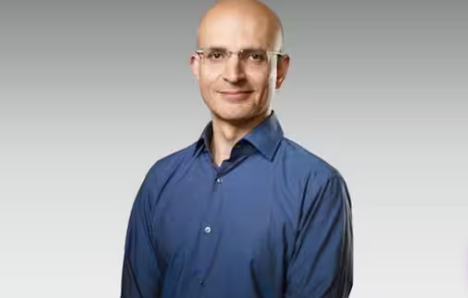
Indian origin Sabih Khan, a native of Moradabad in Uttar Pradesh brought laurels to India in general and his hometown in particular on being appointed as the new Chief Operating Officer (COO) at Apple. He replaces Jeff Williams. Currently, Khan serves as Senior Vice President of Operations. Indeed, an honour to Sabih Khan, known for his extraordinary skill and a brilliant strategist besides an architect of Apple’s supply chain.

Bringing glory to his native Moradabad in Uttar Pradesh, Sabih Khan (58) has been honoured with the post of Chief Operating Officer (COO) at Apple, marking a significant step in the company’s ongoing leadership transition. Notably, Khan has been with Apple for three decades and currently serves as Senior Vice President of Operations and will take over from Jeff Williams later this month, the iPhone maker announced in a statement.

Before joining Apple’s procurement group in 1995, he worked as an applications development engineer and key account technical leader at GE Plastics. A quick look into his biodata revealed that he was born in 1966 in Moradabad, Uttar Pradesh and later moved to Singapore during his school years before settling down in the US. Interestingly, he is armed with dual bachelor’s degrees in economics and mechanical engineering from Tufts University, and a master’s in mechanical engineering from Rensselaer Polytechnic Institute (RPI).

Sabih Khan’s father Saeed Ullah Khan was a resident of Rampur who had settled down in Singapore decades ago. Sabih received his primary education there, after which he moved to America and received higher education from there. Apple CEO Tim Cook described him as “a brilliant strategist and one of the central architects of Apple’s supply chain.”

“Sabih leads with heart and values, and I know he will make an exceptional chief operating officer,” Cook added. “He helped ensure that Apple can be nimble in response to global challenges.”

Moreover, Khan has been playing a vital role in shaping the global supply chain that powers Apple’s operations around the world. In 2019, he was promoted to Senior Vice President of Operations, reporting directly to Jeff Williams. In this role, he led key initiatives in advanced manufacturing, expanding Apple’s global footprint, and navigating complex supply chain challenges, especially during turbulent global events.

According to sources, Khan has also been a major force behind Apple’s environmental efforts. Under his leadership, the company has reportedly reduced its carbon footprint by over 60 per cent, thanks to stronger supplier partnerships and green manufacturing practices.

Further, he also oversees Apple’s supplier responsibility programmes, which aim to improve labour conditions, and provide education and training for workers at production facilities globally. In his new role, Khan will be playing a vital role in shaping the global supply chain that powers Apple’s operations around the world. He has also been a major force behind Apple’s environmental efforts. Under his leadership, the company has reportedly reduced its carbon footprint by over 60 per cent, thanks to stronger supplier partnerships and green manufacturing practices.

Jeff Williams, who has been with Apple for 27 years, will continue to report to CEO Tim Cook and oversee Apple’s design team and health initiatives until his planned retirement later this year. His transition also signals a shift in the structure of Apple’s leadership, with the design team set to report directly to Tim Cook after Williams steps down. Sabhih Khan has made not only his native Moradabad but also his home country India proud.

[The author is former Indian Express and Deccan Chronicle chief]

source: http://www.radiancenews.com / Radiance News / Home> Latest News> Pride of the Nation / by M Rafi Ahmed / July 10th, 2025

For the love of teaching

Bengaluru, KARNATAKA / Billings (Montana), USA :

A Full circle

Tasneem Fathima Khaleel

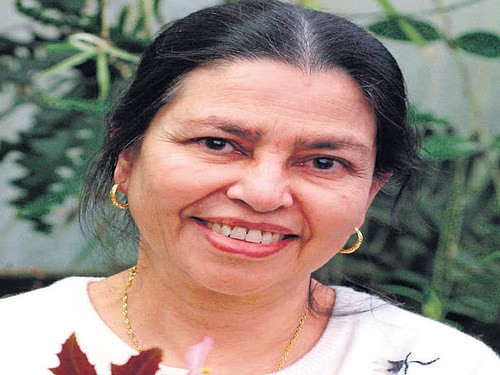
Tasneem Fathima Khaleel has had a successful career in academia. However, quite remarkably, she came back to where she started – teaching. M A Siraj reports.

Few people end their careers where they first began; Professor Tasneem Fathima Khaleel is among those few. “I am excited about the opportunity to finish my career in the classroom. And, with a little help, I will be teaching in a new state-of-the-art…facility,” says Tasneem, the first-ever woman to have obtained a doctorate in the State of Mysore in 1970. Prior to returning as a professor of Botany, she served as the dean of faculty at College of Arts & Sciences for a decade at the Montana State University at Billings (MUSB).

Paving a new path

Tasneem has been teaching Botany in the United States for over 40 years and has received many awards for her teaching and research. She has headed, or has been a member on as many as 23 different academic bodies or advisory councils in the US. For her contribution to research, with nearly 50 research publications on subjects ranging from cyto-embriology to plant reproduction, she was awarded the ‘Outstanding Research Award’ in 1995 by the Montana Research Academy and has also won the Faculty Excellence Award five times.

The year 2014 was a special year for Tasneem – she had the rare honour of an award being named after her, for mentoring at the MUSB. Reno Charette, director for American-Indian Education, was adjudged the winner of the first ‘Prof Tasneem Fathima Khaleel Award for Mentoring’.

Tasneem studied in Bengaluru, before heading to the US in 1975 after marriage. An alumna of Central College, Bengaluru, she has coveted every opportunity to visit her ‘City of Gardens’ – which she ruefully admits is more a part of nostalgia rather than reality.

A passionate researcher, she recalls that very few women could be seen in higher studies in those days. Only a couple of them were pursuing PhD while she was registered in Bangalore University as well as teaching biology as an assistant professor at the University of Agricultural Sciences at Hebbal between 1968 and 1975. Her study of ‘Flora at the GKVK Campus’ and ‘Weeds in Karnataka’ are still quoted as seminal works.

Writing her own destiny

Tasneem had finished her BSc and MSc by the time she was barely 19 years old. Wanting to be a teacher, she had put in her application, but was rejected, as the dean told her, “You look like a school girl, how would the students take you seriously?”

Instead, he directed her to register for a PhD programme, which had just been started in the Bangalore University. The Doctorate took longer than usual to complete because there was lack of guidance and direction, and the programme had several fits and starts.

Finally, at 26 when she got her her doctorate, she was being looked as ‘a confirmed spinster’ in her own cultural surroundings. Marriage was nowhere on her mental radar. It took her brother several sittings to convince her of getting married.

Tasneem travelled a long and twisted path – one shaped by her culture and her drive to excel, to become the distinguished professor that she is today. For most Americans who had only preliminary idea of Islam, a woman with covered head and such drive for excellence and perseverance was a combination of incongruities. “Women have rights in Islam. Muslim women didn’t even have to fight for those rights. The religion has given them those rights,” she says.

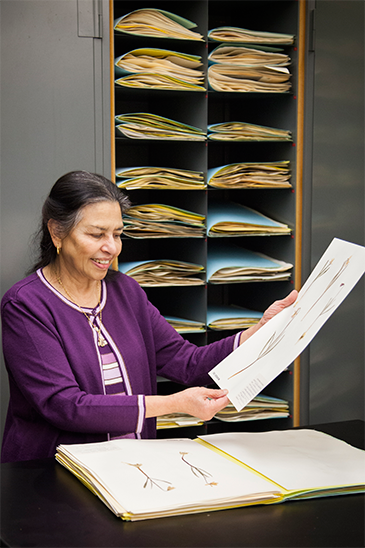
Dr Stn Waitr, her successor, says, “Dean Khaleel has raised the level of rigour, excellence and success in the College of Arts & Sciences to a standard that should serve as a model for the entire institution.” Interestingly, Tasneem even built a herbarium at the MUSB, which has around 17,000 specimens and is currently engaged in digitising it. She recalls with pride that she was the most productive member on the faculty of science at the MSU, which has nearly 22,000 students today in two campuses. Tasneem’s most significant discovery was the finding of mammalian steroids in plants, which she says, are responsible for sex expression in plants.

Author of four books, 10 external and 17 internal grants at the MSUB, Tasneem is excited about beginning her teaching career once again. “It had never ended. I had maintained a room in my department building, even while I headed the faculty,” she says.

source: http://www.deccanherald.com / Deccan Herald / Home> Content / by M.A. Siraj / June 26th, 2015

Dr. Tasneem Khaleel – Professor, botany and biology, Billings, MT

Bengaluru, KARNATAKA / Billings (Montana), USA :

Tell me about your education?

My Ph.D is from India, at Bangalore University and I was the first woman to get a Ph.D from that university. I started education at a very young age because I started school when I was about 3. In those days there was not an age limit to start school, when your parents felt you were ready they took you to school. From then on it was up to you. When I started off, there was no kindergarten or pre-school, it was first grade. I sat on the teacher’s lap most of the time because I was so little.

Why did you study botany?

When I was a student in India, botany was a man’s field. They did not really take women in graduate courses for botany because they look at botany as a field science. Since the graduate seats were so limited they didn’t take a whole lot of graduate students. They thought if they took in a girl student, the only option for her would be to teach botany, not go out to the field.  They still looked at women in those days as better at home and in the classroom than in the field. That was a challenge for me. I just wanted to prove to them one could be in the field as well.

When did you know you wanted to become an educator?

Oh I loved teaching right from the beginning. One of the reasons you do your masters in any discipline in India was so that you can teach in college. When I graduated with my masters degree in botany, I was 19 years old at the time and so I went off to find a job. There was one person who was in charge of recruiting and allocating all of the lecturer positions. So I talked to him and said, I need a job but he took one look at me and said, you look like you just came out of high school. He didn’t think I would be impressive enough in front of a classroom and to be able to control a classroom, the kids wouldn’t take me seriously. So I sat there and cried, I wanted the job and he refused to give me something that I had a passion to teach. I didn’t want to keep all the knowledge to myself. So then he said how about if you went and did a Ph.D. and then came back a few years later and by then you will have grown up a bit. I took him up on that option but there was no Ph.D. program at the university so he said he would help start one, which he did. And then we got the university grant fellowship to support me and I did my Ph.D. By then I wasn’t interested in going to him anymore to teach because people were after me to come and teach being I was the first woman with a Ph.D. there.

Tell us about your passion, building the herbarium at MSUB?

The value of the herbarium is based on what plant collections you have in it. When I first came here there were just two wooden cabinets here, with maybe 500 specimens. And they said, this is your herbarium. It was shocking because where I came from there is a whole building dedicated to the herbarium. So I challenged myself to build a herbarium here.  The very first grant I wrote was to buy herbarium cabinets. The next step I did was to call out to local agents here who had small collections to see if they were willing to consolidate to a central location. The US Forest Service, United States Department of Agriculture, Bureau of Land Management and Rocky Mountain College were all very willing to give collections and we incorporated those in our herbarium. Over the years, the herbarium is a part of the national database with about 16,000 specimens.

Of the classes you teach, what is your favorite?

All of my classes are my favorite classes. I love teaching. I teach freshman biology, in fact that’s one of my most favorite classes to be honest. That’s when students are first starting out and I’m introducing them to biology for the first time and to get them excited about that. I really enjoy doing that and it gives me opportunities to mentor students because they’re just starting out. My second most favorite is plant systematics, they are both equally enjoyable classes for me. I just love teaching botany.

source: http://www.msubillings.edu/snapshots/2015-16/Khaleel.htm / msubillings.edu / by Cassie Winter, University Communications and Marketing / October 09th, 2015 / Montana State Univeristy Billings