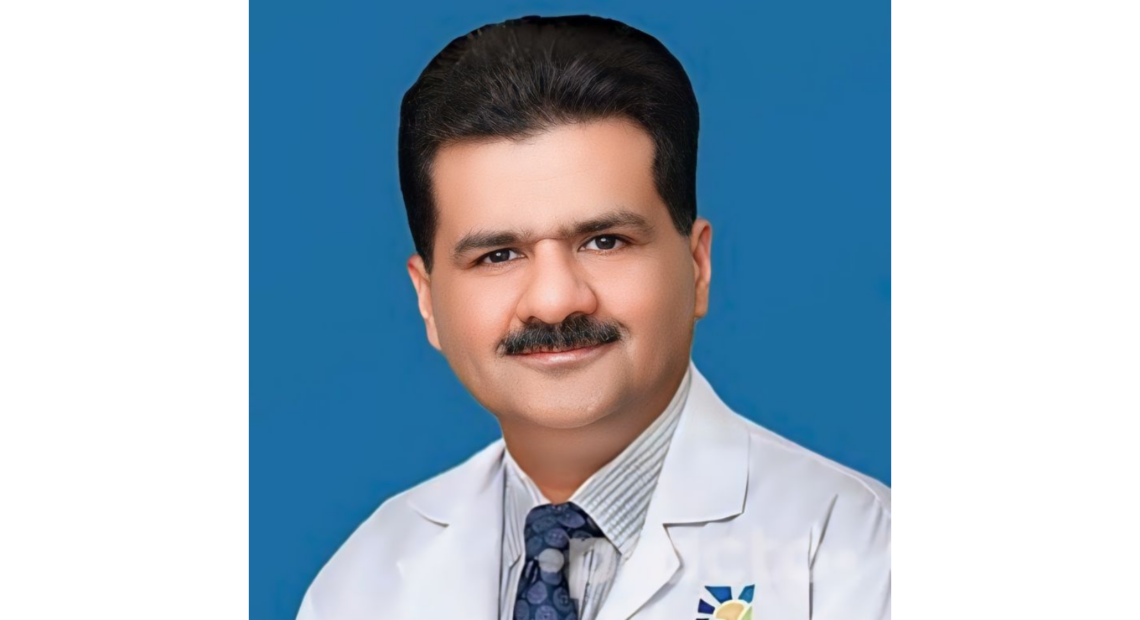
Dr. Hafeez Rahman, Chairman of Sunrise Hospitals, will be honored with the prestigious 15th Manappuram Multibillionaire Business Achiever (MBA) Award. The award ceremony is set to take place at the Le Meridien Hotel in Kochi on June 9th. With this accolade, Dr. Hafeez Rahman will join the exclusive Federal International Chamber Forum (FICF), the world’s richest club, where members have a minimum asset threshold of 1000 crores (Indian Rupees).
The FICF is a distinguished guild of MBA awardees, celebrating exceptional business minds. It aims to leverage their ideas for societal betterment, standing as an inspiration for entrepreneurs by representing outstanding business achievements and excellence, while actively contributing to social causes.
A globally renowned laparoscopic surgeon, Dr. Hafeez Rahman began his career in 1992. He founded the Sunrise Group of Hospitals in 2005, which now operates branches in both the UAE and India. Sunrise Hospital, a tertiary care multi-speciality hospital and prominent laparoscopic center in Kochi, is well-known for its community outreach programs in schools, villages, and civilian bodies, promoting preventive medicine and healthy lifestyles.
Previous recipients of the MBA Award include notable figures such as Shri V P Nandakumar, Shri Joy Alukkas, M A Yusuf Ali, Shri T S Kalyanaraman, Shri P. N. C. Menon, Mr. Gokulam Gopalan, Dr. Ravi Pillai, Mr. M P Ramachandran, Kochouseph Chittilappilly, Sabu M Jacob, Dr. Viju Jacob, Dr. A V Anoop, Dr. Varghese Kurian, and Adv. Dr. P Krishnadas.
Pic Courtesy: google/ images are subject to copyright
source: http://www.uniquetimes.org / Unique Times / Home> Business> Featured> Latest News / May 21st, 2024
The trade, commerce, politics, and history of south India have been shaped by several powerful individuals and families.
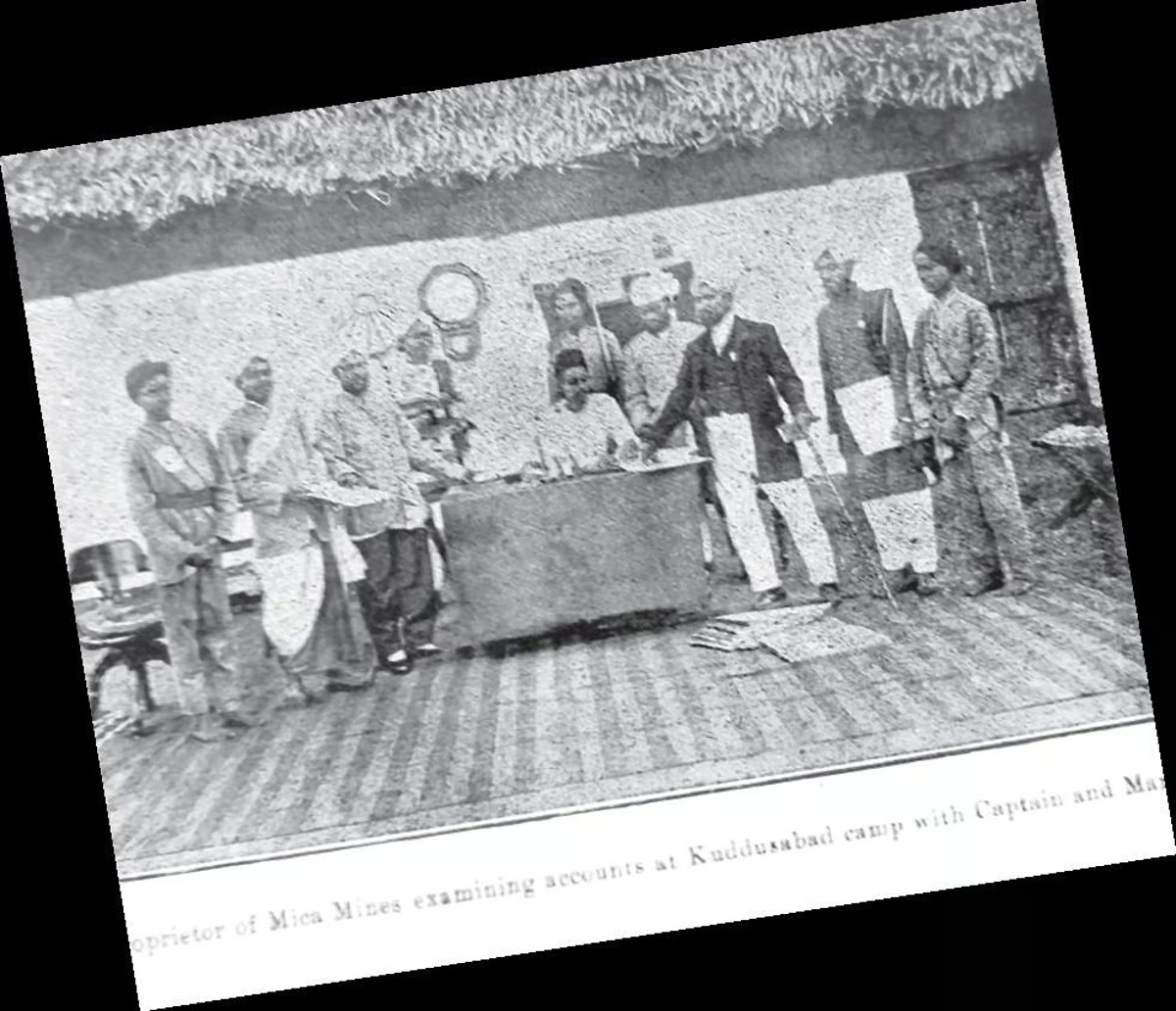
The proprietor of the mica mines examines the accounts at the Kuddusabad camp
Chennai :
The trade, commerce, politics, and history of south India have been shaped by several powerful individuals and families. Among the names that made it to the list, the Badsha family — members of the Urdu Muslim mercantile elite — were one of the leaders in extending business relationships to places like Arabia, Egypt and Japan.
In a tete-a-tete with the fourth-generation descendants, Faiz Badsha Sayeed and Faud Badsha Sayeed, we find out more about perhaps one of the oldest families to establish a strong base in Triplicane, their life in the Madras Presidency and their omnipresence in south Indian history.
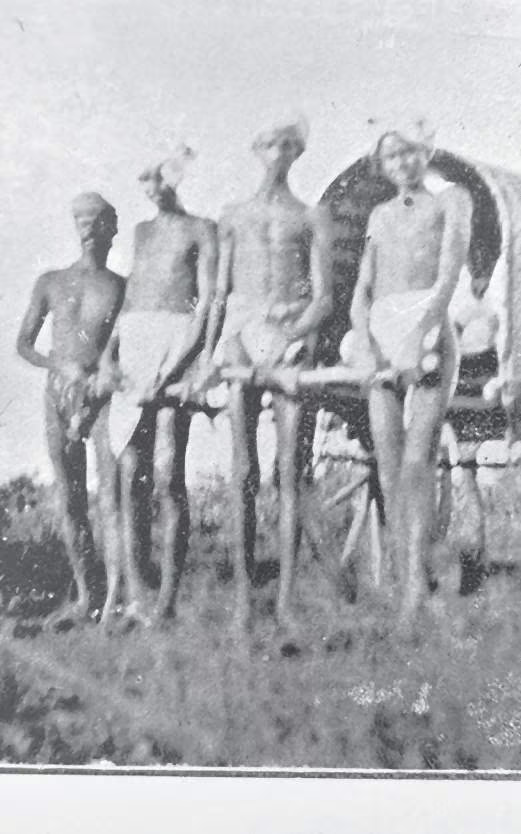
Hand-drawn carts were taken up hills and through jungles to reach the mica mines
By 1819, Haji Mohammed Badsha Sahib established their family firm — a textile company, Messrs H Mohammed Badsha Sahib & Co.
By the early 20th century, the family also became leading importers of Manchester cotton goods and exported indigo, tamarind, mica and Madras cotton piece goods to Britain. “He was one of the richest businessmen in South…he was also giving and god fearing. If we, his great-grandchildren are doing well in life, I believe it is because of all the good deeds our ancestors did,” he said, adding that his great-grandfather, was also known as ‘Mallikutujar’, the head of merchants.
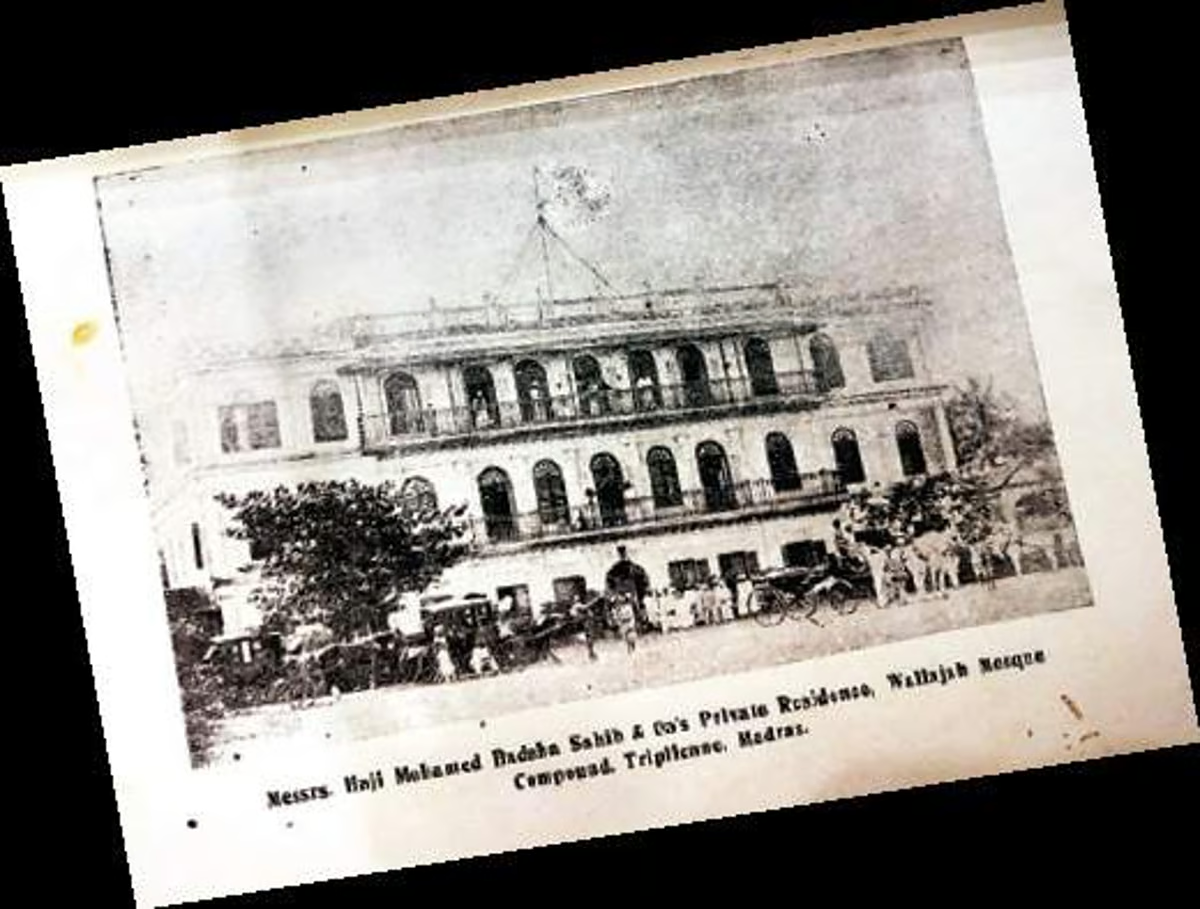
He hands us a picture of a man clad in a tunic and turban, and says, “That’s our grandfather, MA Khuddus Badsha Sahib, the seventh son of Haji Mohammed Badsha. My grandfather and his brother Abdul Azeez Badsha Sahib, were born in the building located in Vallabha Agraharam Street — the Broadlands lodging house which was previously the Turkish Consulate in Madras. Our great grandfather built it in the 1800s,” shares Faiz with a child-like enthusiasm.
After H Mohammed Badsha Sahib’s retirement in the early 1870s, his sons took over his business. The duo, Abdul Azeez Badsha and Khuddus Badsha, served as the Consul and Vice-Consul at the Turkish Consulate in Madras and were popularly known as the ‘Badsha brothers’ and epitomised leadership. “My grandfather purchased the area constituting Triplicane-Wallajah Road, Khas Mahal – ‘The Old palaces of Nawabs’ while Abdul Azeez Badsha Sahib purchased the entire Gemini complex. Some of the fourth-generation descendants still live in and around the area,” he says.
Faiz shares that Khuddus Badhsa owned a piece of land in Mecca. “Unlike Azeez Badsha, my grandfather never performed the Haj but, he sent my grandmother along with my father to perform the Haj. After they returned, she fell ill and requested my grandfather to build a tap in the zamzam well in Mecca. After a lot of back and forth through telegrams, the tap was finally built and shortly after that, my grandmother passed away. That was probably her last wish,” he says.
He hands us a sheet which reads, ‘No more loyal subject of the King-Emperor or more respected Member of the Mohammadan Community will be the guest of the Madras government at Delhi for the Imperial Coronation Durbar’. “Our grandfather was invited to the Imperial Durbar between the late 19th century and early 20th century. He, along with his brother, actively took part in several organisations and they were philanthropists,” he says. The Government of India even conferred Azeez Badsha Sahib with the title of ‘Khan Bahadur’ in recognition of his public services.
From being the trustee of the Madras Port Trust, vice-president of the South Indian Chamber of Commerce to the vice-president of the South Indian Athletics Association, Khuddus Badsha wore many hats. “He was also one of the founders of the Indian bank,” shares Faud.
Khuddus Badsha bought thousands of acres of land across the south. While some were turned to cultivation lands or passed on to the next generation, most are under court litigation. “After land reforms and the abolition of zamindari system, a huge portion of the land was taken by the government,” he says.
Over the years, the descendants have shown little evidence of their past glory, living a simple and unassuming life. “My father and his siblings took to other professions.
He was a doctor and one of his siblings was a barrister, who was tutored by Dr Radhakrishnan!
We have our daily jobs and live a normal yet happy life. We have learned to work hard and be giving, especially towards those who are less privileged,” shares Faiz.
Mica business Khuddus Badsha possessed several ‘Shrotriems’, ‘Jaghris’, diamond mines and was a pioneer in the mica industry. He owned mines in Pinnamitta, Chennur and Khuddusabad, a village in Nellore district named after him. “Mica exhibitions were curated, and he also ran a Mica showroom in Triplicane. The Wallajah Mosque compound is where the factory/mica workshop manufactured mica daily basis. We even found bits of Mica in the house’s well,” shares Faiz.
source: http://www.newindianexpress.com / The New Indian Express / Home> Chennai / by Roshne Balasubramanian / September 27th, 2013
Step into a time capsule as we walk you through the four-generation history of Triplicane’s Broadlands hotel, which was once the Turkish Consulate in Madras.
Chennai :
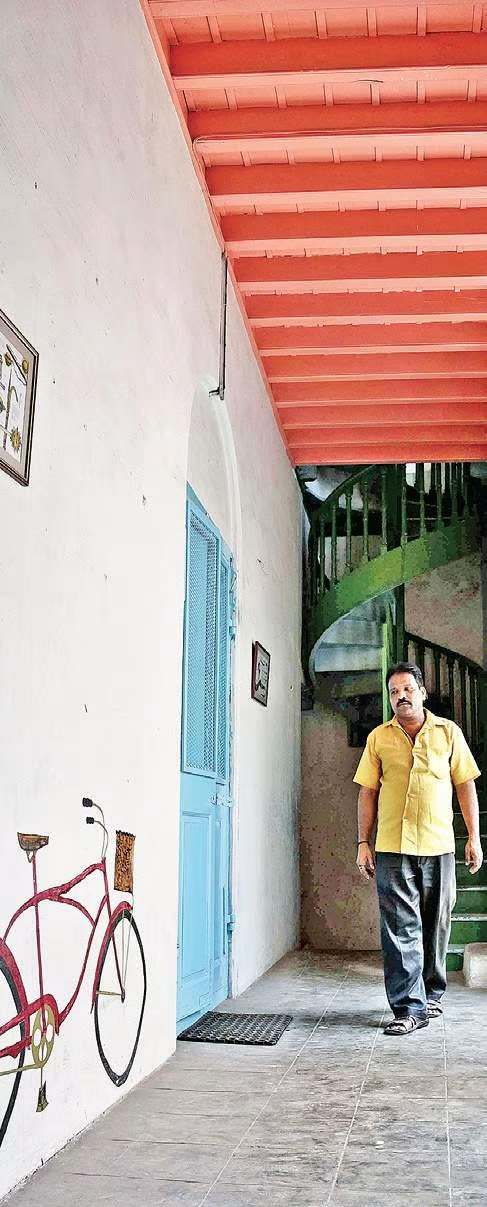
On an evening rush hour, I am standing amid the choked Triplicane high road — a concrete jungle with nothing but chaos, that’s often romanticised as ‘glorious traffic’. Trying to find my way to a famous heritage hotel, a haven for weary travellers from across the globe, I walk across the ‘burqa’ shops and hotels and a few minutes later, I reach ‘Broadlands’ lodging house, located in the quaint Vallabha Agraharam street. Standing in front of the facade of the unassuming building erected in the 19th century, we are welcomed by a board mounted on the wall right above the sit out, which reads: ‘Welcome, Namaste! Traveller!’.
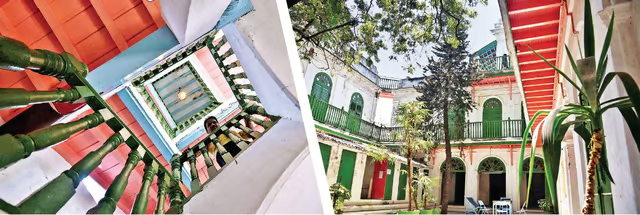
As soon as we enter the building, it seems like we have stepped inside a time capsule — multiple courtyards, shutter windows and doors, stained glasses from a bygone era, antique furniture, crumbling lime plaster walls and a comforting blue, green and pink paint give us a welcoming taste of its old world charm. An enthusiastic staff member welcomes us and while we wait to meet its owner, the friendly banter of the guests keeps us engaged.
Clad in a red t-shirt and jeans, Krishna Rao, the third generation owner of the lodge welcomes us in. “My grandfather was from Andhra but had strong business ties here,” he says. According to Krishna, the building came into the family’s possession as part of a business deal or a bank auction. “Unfortunately, most Indian families have neglected to educate the next generations about their origins and history. So, what I know of this building’s history is very limited,” he explains.
Krishna Rao’s family came into possession of the building in 1951 from the ‘Badsha’ family, post which it was converted into a hostel and later into a lodge. “Law college students used to stay here when it was a hostel. Many even went on to become Supreme Court judges in the 90s and 2000s. This building is now a part of our family’s legacy and we haven’t changed anything here. Everything is intact, just like how we got it. With occasional maintenance and renovation work, the building is in great condition,” he beams as he walks us through the building.
Paintings and photographs from travellers are mounted on walls and as we progress from one courtyard to another (of a total three), it’s evident that the house gets bigger as we go further. “The current entrance of the building used to be the back or servant entrance before we took over the building. The main entrance opens to the big mosque but, we have always kept that closed. That’s why this part of the building is bigger,” he explains as we go up the labyrinth staircase.
“We really don’t know what the original history of the building is. Perhaps the previous owners could shed light on that,” he says, as we stand on the terrace of the building, watching the sunset, with a view of the big mosque, LIC building, Secretariat and Raheja Towers.
As questions of the larger part of the origin of the building shroud us, Krishna Rao offers us the number of a 66-year-old Faiz Badsha Sayeed, a fourth generation descendant of the Badsha family.A couple of phone calls later, along with Krishna, we land at the house of Faiz, in Triplicane.
Seated in the hall with a stack of old photographs, a trade book about the family’s Mica business, Faiz along with his elder brother Faud walk us through the history of the building, which once was a link between Madras and Turkey. The now Broadlands was once the ‘Le Consulat de Turquie a Madras’ or the Turkish Consulate in Madras! Faiz narrates, “Our great grandfather Haji Mohammed Badsha Sahib is where the family root began. He was a very ‘normal man’ but, he got lucky when a piece of cloth, possibly indigo dyed, fetched him a fortune from Britain.”
The history of the building which once opened its gates to foreign dignitaries is lost somewhere in time. “We are old and there’s only so much we can recollect about its history. We hope that the next generation takes it up and tries to document more about the heritage of the building and the family,” says Faiz, as he shows us a vintage picture of the consulate in all its glory, taken from the main entrance. “It’s funny that we have never been inside the building. We would like to visit Broadlands someday,” smiles Faiz looking at Krishna as he gives an affirming nod.
Trivia
Haji Mohammed Badsha went on to become one the richest businessman in South India and founded the Messrs H Mohammed Badsha Sahib & Co, a leading textile firm. “He was the one who built this building back in the 1800s. It was also his personal residence and my grandfather MA Khuddus Badsha Sahib and his brother Abdul Azeez Badsha Sahib were born in that building,” shares Faiz about his grandfather Khuddus, who was the seventh son of Mohammed Badsha. “He was also one of the founders of the Indian Bank and served as the Vice-Consul at the Turkish Consulate in Madras. This is just the tip of the iceberg Berg, he wore several hats,” beams Faiz.
source: http://www.newindianexpress.com / The New Indian Express / Home> Travel / by Roshne Balasubramanian / March 24th, 2018
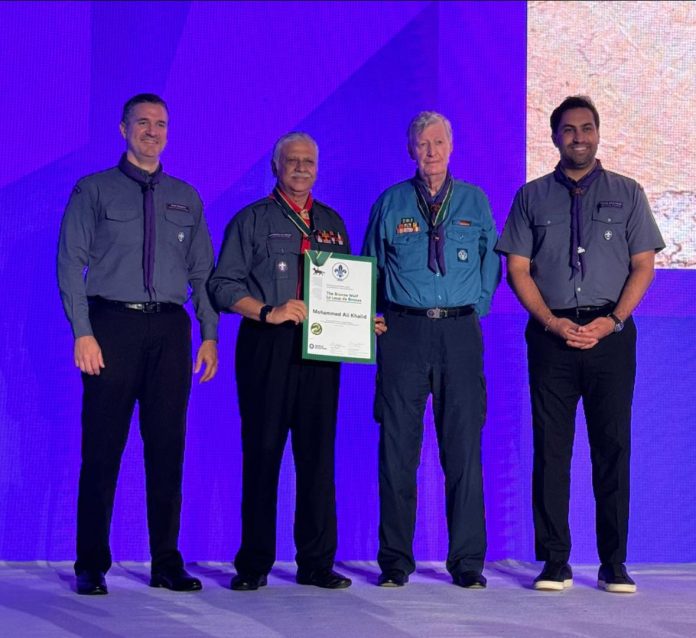
Mr. Mohammed Ali Khalid, a retired Karnataka Administrative Service officer, has been awarded the prestigious Bronze Wolf, the highest international accolade in the field of Scouts and Guides.
This honour, established in 1935, has been conferred upon only 395 individuals worldwide, with Mr. Khalid, Vice-chairperson of the Asia-Pacific Scout Committee, being the fifth Indian recipient.
The Bronze Wolf is awarded for exceptional services to world Scouting, recognising Mr. Khalid’s extraordinary contributions to regional and global task forces aimed at strengthening the scout movement. His dedication to the Scouts and Guides has earned him numerous national and international awards, with the Bronze Wolf being his crowning achievement.
Previous Indian recipients of the award include Smt. Lakshmi Mazumdar (1969), Sardar Lakshman Singh (1986), Ranga Rao (1994), and L.M. Jain (2008). Mr. Khalid’s recognition adds another feather to India’s cap in the global Scouting community.
The award was presented to Mr. Khalid at the World Scout Conference in Cairo, August 23, 2024. His lifelong commitment and professional excellence continue to inspire young people, embodying the values of discipline and service central to the Scout movement.
source: http://www.radiancenews.com / Radiance News / Home> Pride of the Nation> Awards> Focus / by Radiance News Bureau / August 30th, 2024
A long-term contributor to Frontline, Noorani was widely respected for his insightful analysis on constitutional and human rights issues.
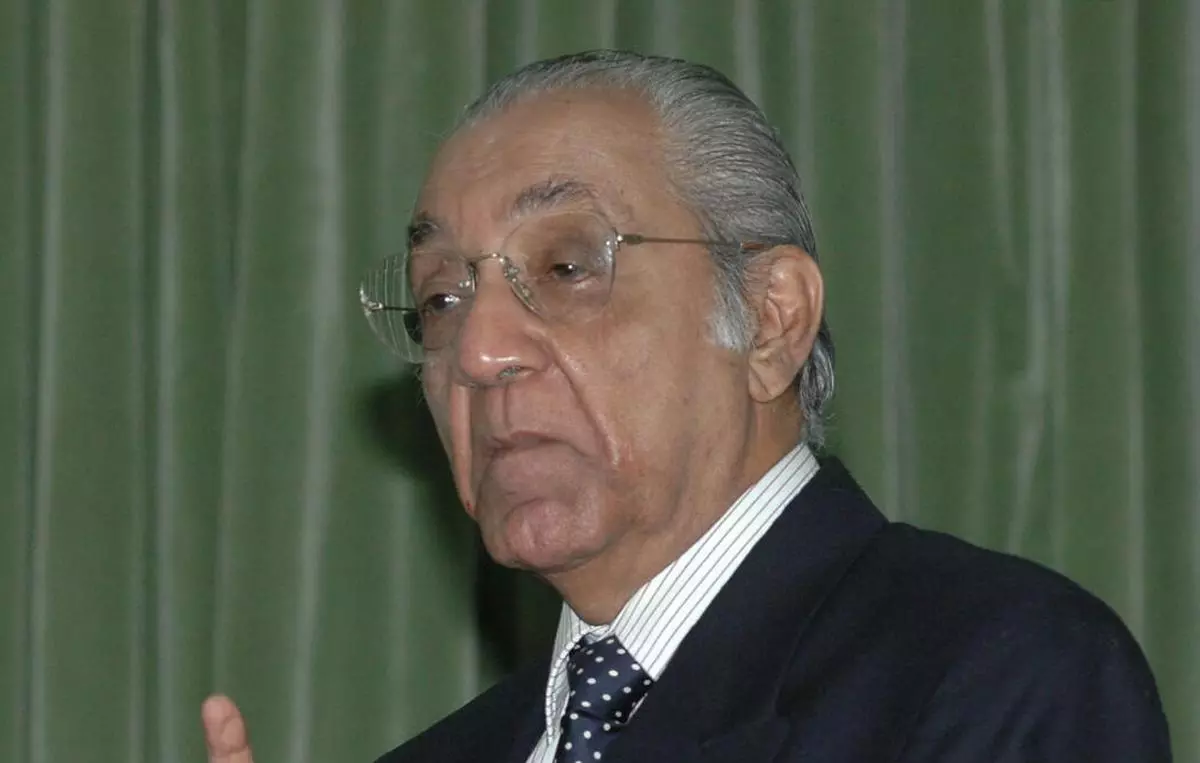
A.G. Noorani is remembered as an intellectual who upheld the principles of democracy and constitutionalism throughout his long and distinguished career. | Photo Credit: The Hindu Archives
Renowned lawyer, constitutional expert, and prolific author who made significant contributions to legal scholarship and political discourse in India for over six decades, A.G. Noorani is no more. A long-term contributor to Frontline, Noorani was widely respected for his insightful analysis on constitutional and human rights issues.
Born in Bombay (now Mumbai) in 1930, Abdul Ghafoor Abdul Majeed Noorani began his career as a lawyer in the Bombay High Court in 1953. Though he practised law, Noorani devoted much of his time to writing on legal, political, and historical topics. His sharp intellect and deep knowledge of constitutional matters made him a sought-after commentator on Indian politics and jurisprudence.
Noorani was a regular contributor to leading publications like Economic & Political Weekly, The Hindustan Times, and The Statesman. However, it was his association with Frontline magazine, which began in the 1980s, that brought his incisive writing to a wide audience. His column “Constitutional Questions” ran for over three decades and was known for its meticulous research and balanced analysis of complex legal issues.
As an author, Noorani penned over a dozen books on various aspects of Indian constitutional law, politics, and history. Some of his notable works include The Kashmir Question (1964), Ministers’ Misconduct (1973), Constitutional Questions and Citizens’ Rights (2006), and The RSS: A Menace to India (2019). His writings often took a critical look at government overreach and erosion of democratic norms.
Noorani was known for his strong advocacy of civil liberties and secularism. He was a vocal critic of laws that he believed infringed on fundamental rights, such as preventive detention laws and restrictions on freedom of expression. His legal expertise made him a respected voice in debates on judicial reforms and accountability.
Though he never held any official position, Noorani’s opinions carried weight in legal and political circles. He was often consulted on constitutional matters and his writings were cited in academic works and even Supreme Court judgments.
Noorani leaves behind a rich legacy of constitutional scholarship and political commentary. He is remembered as an intellectual who upheld the principles of democracy and constitutionalism throughout his long and distinguished career.
While revered in progressive and liberal circles, Noorani was not without his critics. Some felt his views were too idealistic or out of step with changing political realities. Nonetheless, his commitment to constitutional values and rigorous analysis earned him respect across the political spectrum.
Here’s a curated list of articles Noorani wrote for Frontline. We have kept them outside the paywall to honour the genius that he was.
The twin sisters – Ramsina Rasheed and Rissana Rasheed – hailing from the small town of Trikarupur of Kasargode district in Kerala have brought laurels to their auto-rickshaw-driving father.
One of them graduated in engineering from the Indian Institute of Technology at Roorki, the other from Kharagpur. Both are on the job and working in Bengaluru.
The educational journey of the twin sisters is a source of inspiration for the girls of the country and abroad.
At a time when a particular section is targeting the Hijab and Hijab-wearing girls are not allowed entry into schools and colleges, Ramsina Rasheed and Rissana Rasheed have set a record by graduating from IIT while attending classes in Hijab.
Ramsina and Rissana completed their JEE Advanced examination in 2017. While Ramsina did an M.Tech from IIT Kharagpur in Aerospace Technology, Rissana did a B.Tech. from IIT Roorkee in electrical engineering. Both the sisters are in jobs now.
Ramsina and Rissana’s father is not an ordinary auto-rickshaw driver. Despite his modest income, he made sure his daughters received higher education despite taunts by the people in his group.
The twin sisters come from an area of Kerala where girls are married off at a tender age.
Interestingly, the father of the twin sisters was also suggested by people in his circle to save money, like other parents do in the area to buy gold for the daughter’s marriage. But Rasheed ignored them and gave priority to the education of his daughters.
The mother of the twin sisters also helped them in their studies. Their mother did not budge against the taunts of people about her daughters. Rather, she ensured that her daughters were not burdened by the household work as they required more time to study.
Ramsina and Rissana are the first IIT pass out from their village. Both are working in a top firm in Bengaluru. They have become ideal for their area.
In a country where girl children face discrimination on economic, social, religious, and gender bases, Ramsina and Rissana overcame difficulties with grit and set a record by graduating from the top IITs.
As their father is an auto-rickshaw driver, they had to face economic challenges in addition to the social barriers of Indian society.
It can be easily understood that for a father of limited income, it is beyond the reach to get an education for talented children according to their strengths.
One can understand the role of a father through the success of Ramsina and Rissana. Their father dared to get his daughters educated while driving an auto-rickshaw. He dedicated his life to the education of his daughters.
Ramsina and Risssana faced religious discrimination which Ramsina has discussed in her Instagram post.
It will be appropriate to discuss that.
Ramsina discusses discrimination because of wearing a Hijab while replying to a comment of a user to her post.
Ramsina writes, “I was treated differently in the lab while doing practicals due to my Hijab.” She says, “However, my colleagues at Airbus do not judge me on my clothes, instead they see me through my abilities.”
On the other hand, Rissana says that one professor had asked her to remove her Hija in the electrical machine lab.
It is clear from their accounts that talented girls like Ramsina and Rissaana face administrative hurdles due to the Hijab in India.
If there is no discrimination against Muslim girls due to their Hijab, there would be many girls like Ramsina and Rissana progressing in different fields and making the country proud.
source: http://www.indiatomorrow.net / India Tomorrow / Home> Education / by Huma Masih / August 19th, 2024
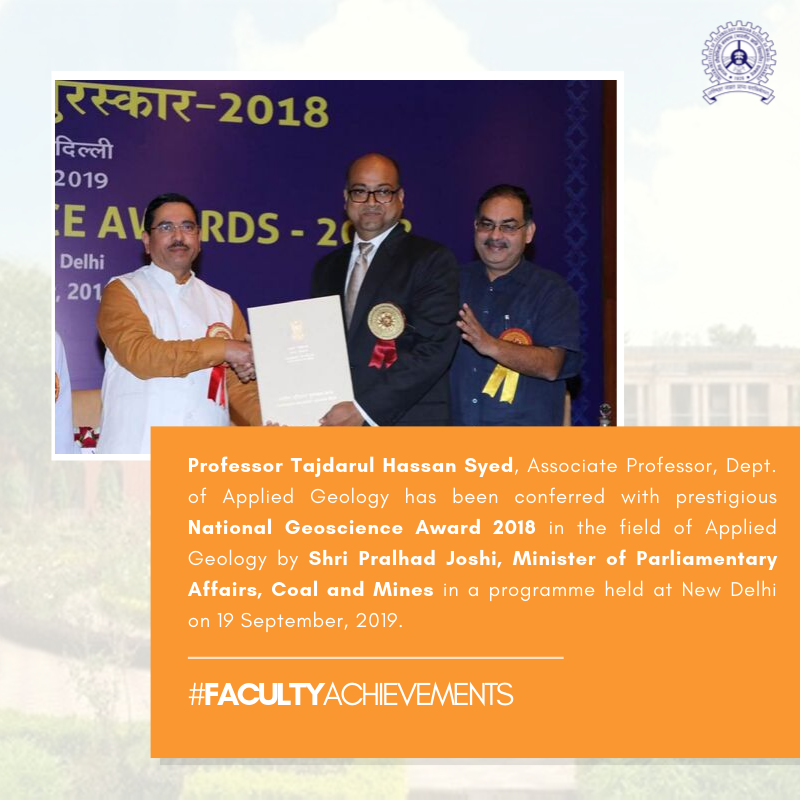
Professor Tajdarul Hassan Syed, Associate Professor, Dept. of Applied Geology has been conferred with prestigious National Geoscience Award 2018 in the field of Applied Geology by Shri Pralhad Joshi, Minister of Parliamentary Affairs, Coal and Mines in a programme held at New Delhi on 19 September, 2019.
Prof. Syed was honoured with this award for his contributions in the area of Remote Sensing within Applied Geosciences.
source: http://www.facebook.com / Indian Institute of Technology Dhanbad, Jharkhand / September 26t, 2019
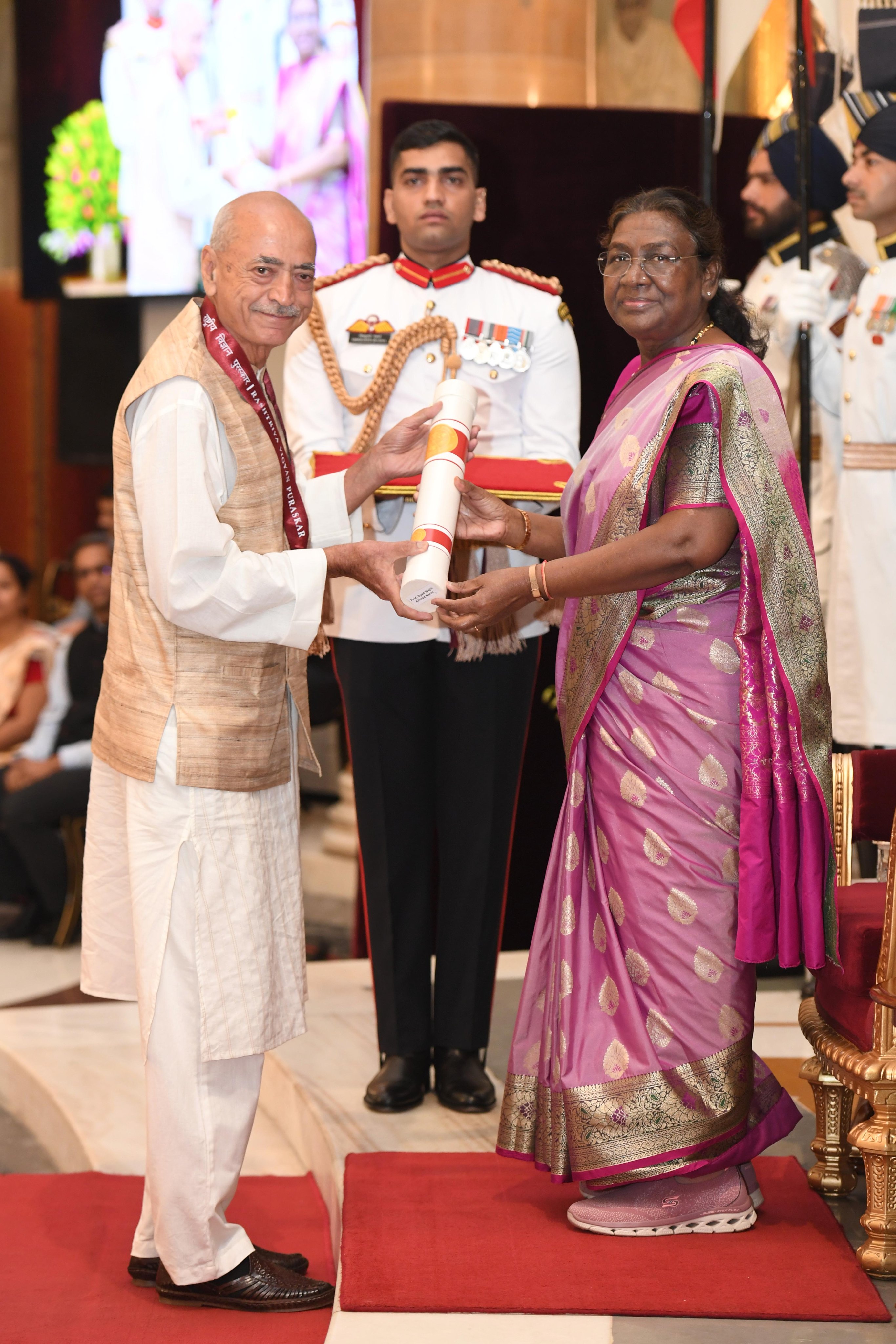
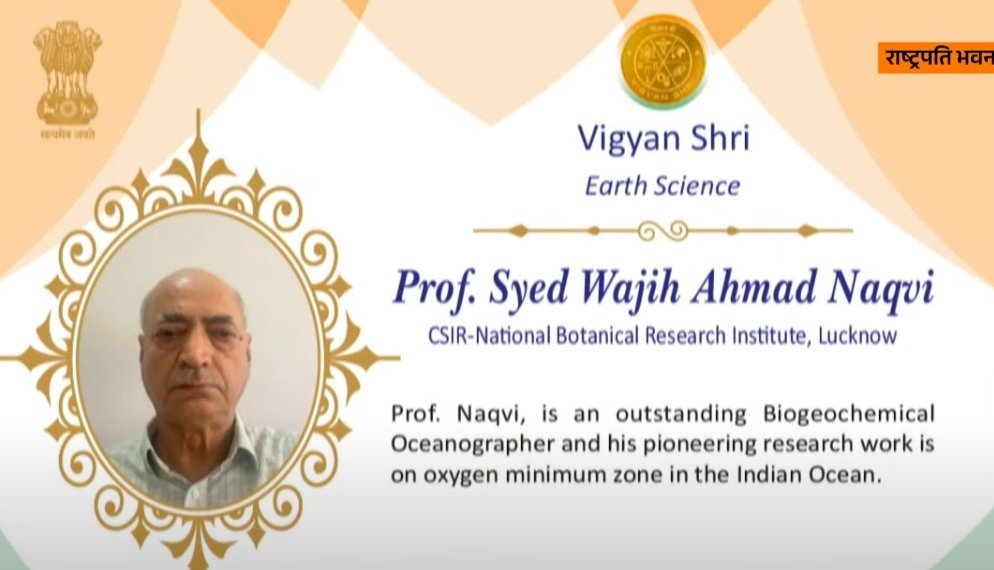
President Droupadi Murmu confers the Vigyan Shri Award on Professor Syed Wajih Ahmad Naqvi in Earth Sciences during the Rashtriya Vigyan Puraskar-2024, at Rashtrapati Bhavan, in New Delhi on Thursday August 22nd, 2024 .
Prof. Syed Wajih Ahmad Naqv from CSIR-National Botanical Research Institute (NBRI), Lucknow receives Vigyan Shri award in Earth Science from President Droupadi Murmu / pix: x.com/DDNewslive
New Delhi :
President Droupadi Murmu confers the Vigyan Shri Award on Professor Syed Wajih Ahmad Naqvi in Earth Sciences during the Rashtriya Vigyan Puraskar-2024, at Rashtrapati Bhavan, in New Delhi on Thursday August 22nd, 2024 .
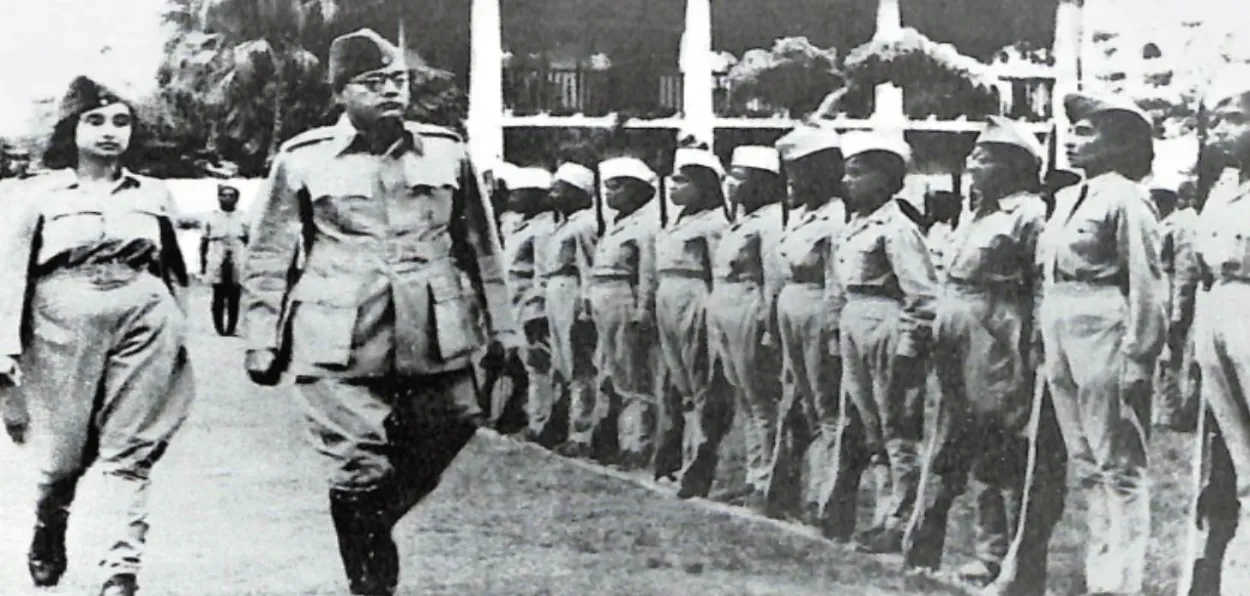
Subhas Chandra Bose, with Captain (Dr) Lakshmi Sahgal, inspecting the guard of honour presented by the Rani of Jhansi Regiment
If one has to point out one thing that hurt the British Empire most in India, it has to be the Hindu, Muslim and Sikh unity with women fighting against the imperial crown a close second. The fear was not unfounded. In 1857, this was a united effort of Hindus and Muslims, where women like Rani of Jhansi and Begum Hazrat Mahal played important roles, which shook up the foundation of the empire in India.
A Slice Of History
The Second World War came to a close in late 1945. The soldiers of the Indian National Army (INA), originally called Azad Hind Fauj, were captured and brought in front of military tribunals as the Prisoners of War (PoW). The media coverage of the trials gave Indians the real picture of Subhas Chandra Bose-led INA. The force was painted as agents of the Japanese and fascists who wanted to capture India.
Indians came to know that INA was an independent Indian armed force and it was funded by the Indian diaspora. While in India, Congress and the Muslim League could not settle upon the question of religious communalism, in the INA Hindus, Muslims, and Sikhs dined together. It must be noted that in the Indian Army of the British Imperial Government, food for each religious group was cooked separately.
Moreover, the INA had an all-women combat force – Rani of Jhansi Regiment. It was led by Captain Laxmi Sahgal.
These narratives were a blow to the divisive politics of the Muslim League led by Mohammad Ali Jinnah. Though they could not argue that Muslims were not part of the INA as many of its top Generals were Muslims they tried to convince people that Muslim women were not a part of the INA.
Admission of women fighting the war along with Hindu women as well as men was a big blow for Muslim Pakistan. How could they admit that Muslim women could interact with Hindu men as equal soldiers on the battlefield?
On 22 December 1945, the Dawn, a Muslim League mouthpiece, carried a report that no Muslim woman ever joined the INA. The same day the INA Defence Committee countered this claim and news was carried in the National dailies, where it was reported, “Prominent among the Muslim women in the I.N.A. were Mrs. Saleem, wife of Capt. Saleem, now in the Red Fort, and two daughters of Major Wahab Khan who is still in Thailand working for the Indians there.”
Sultana Saleem whose husband Colonel Saleem was also serving the INA, was one of the prominent officers of Rani of the Jhansi Regiment. She had never been to India before the War broke out and was a resident of Burma. Like a majority of the soldiers of the regiment she responded to a call of Subhas Chandra Bose without any prior military training.
It was during the War that Sultana met another young INA officer Saleem, who crossed over to the Nationalist Army after serving in the Indian Army of the British Imperial Government. Both the INA officers got married with the blessings of Bose.
When the War was over, Saleem was imprisoned as a PoW. Sultana reached India as part of the first contingent of captured soldiers of Rani of Jhansi Regiment in February 1946. She interacted with the press and told people about the INA and the movement led by Bose.
Sultana Saleem advocated military training for the women of India and said that women must pay an equal part to men and have the same facilities for military training. Such training had helped them to be strong and had made them better able to face the difficulties of life. It inculcated a sense of discipline and fearlessness. If women came forward. It would instill courage in men to make greater sacrifices.
The Indian Express reported on 22 February 1946, “Mrs Sleem felt that there was only one country for her- Hindusthan – and only one nation – Hindustani. She did not believe in either communalism or provincialism. It was the oneness of India that appealed to her most. In East Asia, she said there was no consciousness at all of religious or provincial differences and no untouchability problem. She believed that if India had freedom her many problems could be solved without much difficulty.”
The INA had a good percentage of Muslim women soldiers as well who were fighting for the freedom of India along with their Hindu and Sikh sisters of Rani of the Jhansi Regiment.
source: http://www.awazthevoice.in / Awaz, The Voice / Home> Story / by Saquib Salim / August 18th, 2024
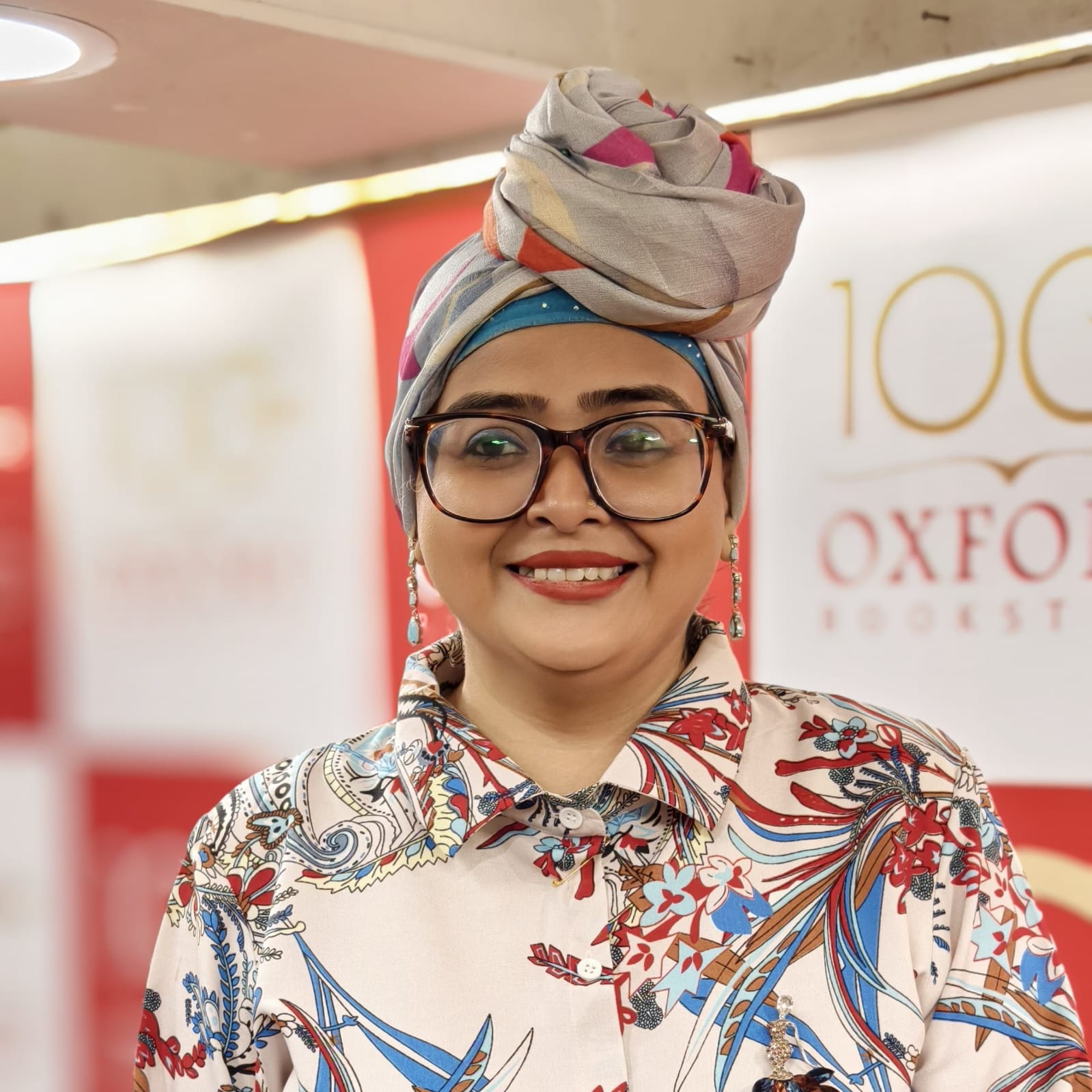
Shagufta Hanaphie’s story is incredible, starting from a child as a shy girl who could barely speak, chronically ill with many complications to the point she would fall unconscious. Yet, at one point in her life, a “magic wand” touched and transformed her. She rose to become an Event Curator, Storyteller, Digital Creator, Author, Womenprenuer, Award Curator, and Philantropist.
She is also the co-founder of Best Friendz Society along with her friend Rajiv, and founder of SHE – Shagufta Hanaphie Events – which is a PR and event boutique, and many other organizations.
A turnaround came during COVID 19 – pandemic when Shagufta along with a team provided food for a village of 400 people in Ernakulam, Kerala.
Post Cyclone Amphan that hit Bengal, she and her team also traveled to places in Sundarbans where they provided food, dry rations, and clothes to the needey persons.
Again, during the Covid-19 pandemic, Best Friendz Society reached Sundarbans.
She started a campaign with her team called Hunger Free Bengal. She coaches people who are emerging with startups and does personal counseling for the lonely, and divorcees, and on occasions, has even match-fixed singles. She works with suicidal people and conducts counseling sessions with young girls and boys.
Titled with many monikers such as Event Organizer, Author, founder and Director, CEO at Teacher’s Excellence Award, Founder Director, Owner of SHE Founder, Director, CEO at Inspiring Women Achievers Awards – IWAA, she tells Awaz-the Voice, “I am not a brand but I want to honour, felicitate people for their outstanding work. While I may not be able to give a formal award, I want to prize people for the recognition for their incredible work and dedication which otherwise gets overshadowed by other giants.”
Shagufta Hanaphie
Shagufta lived with her parents and three sisters in a joint family of 17 members in the 100-year-old bungalow-style British-styled house in Kidderpore, South Kolkata.
Her uncle and aunt adopted her. As a little girl, Shagufta was emotional and shy, she hid behind her mother; and never spoke to people outside the family circle. She struggled with illnesses, and due to this could not study well.
“We say bhagwan ka ishara alag hota hain, maybe if a person does not do well in early life, perhaps later in life he will do something different or great.I was a very sick child right from the beginning making me heavily pampered and if I didn’t want to study, they would say don’t put pressure on her. My mom was very strict but others were soft on me. We lived in an extended family, Baarey Papa, Baari Ma used to lavish love on me, to the point that I became lethargic. I had a ligament injury in class 6 which affected the left side of my body. I sometimes even became unconscious.
“When I was 9, I underwent surgical removal of gall bladder; it had 72 stones.This story was reported by newspapers. When I was in class 8, I did not take my exams so I lagged one year. At that time, an angel in the form of my Dad’s friend, Uncle Junaid took the imitative to help me to study saying, “Let us bring back her motivation to study and let me teach her.
“Bedridden, with traction around my neck, my body aching, lying down, he taught me Maths and I started to like the subject. After being bedridden for three months, I returned to school in a robotic dress. My principal called my father and asked him to take me home saying, “You don’t understand, she is going through a mental trauma right now.
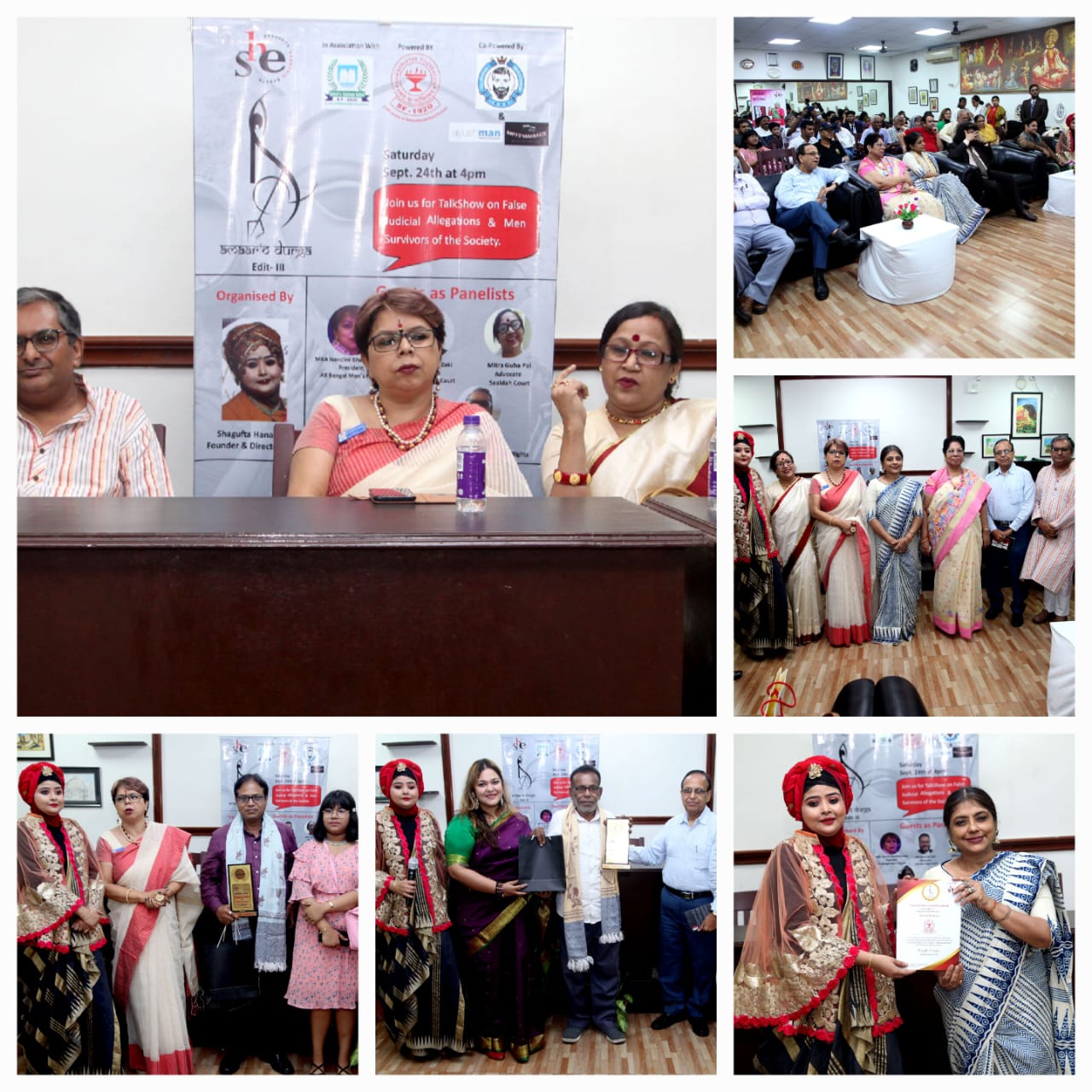
Glimpses of events organised by Shagufta’s NGOs
“I repeated classes, and with mocking classmates around, I changed the school and got an A. I could not believe it and thought the mark sheet got mixed with someone else!
“The talk of marriage exasperated me and decided to go to Ranchi and stay at my Aunt’s home to do college.
“After Baari Ma had a fall, I returned in 2002 and refused to go back to Ranchi. Dropping out of college, one day I attended a workshop where Ruby Bhatia and Michele Pinto came to Kolkata. That was a defining moment in my life because I never knew what the other world was.
“This workshop was a beautiful learning experience where I met these amazing people who told me, “Since you don’t want to study higher, help us, since your English is good.” With them, I learned oratory skills. Earlier, I never spoke to anyone outside, but presently, not only am I doing public speaking but now everyone meets me and I am well known.
“My first salary was Rs. 3200 and I spent more money going by taxi to reach my workplace. My Baari Papa used to say, “Let her travel so at least she will learn to talk and mix with people.” All these were life-learning lessons. It falls into place later on in life.
“After this, Rajiv, a good friend and I launched a new brand called Launchers. I have worked with Rajiv for 17 years as a PR Director in a partnership firm.
“My parents got hold of a very handsome boy, who is my husband now. My husband works the whole day; he is very supportive, most of my photographs are clicked by him, travels with me to all the places, and my parents stand right behind me.
“My life changed in October 2018 when my Baarey Papa was diagnosed with cancer. We spent long hours talking till he passed away in 2019. I was shattered.I felt uprooted and disconnected and took a break from work. It was a break tha my Baari Papa used to encourage me to take.
“In 2020 I did my first event and soon went on to do 5 events. On March 22, 2020, lockdown closed everything. People say lockdown was bad, for me lockdown was a boon. Our NGO called Best Friendz Society was helping people.
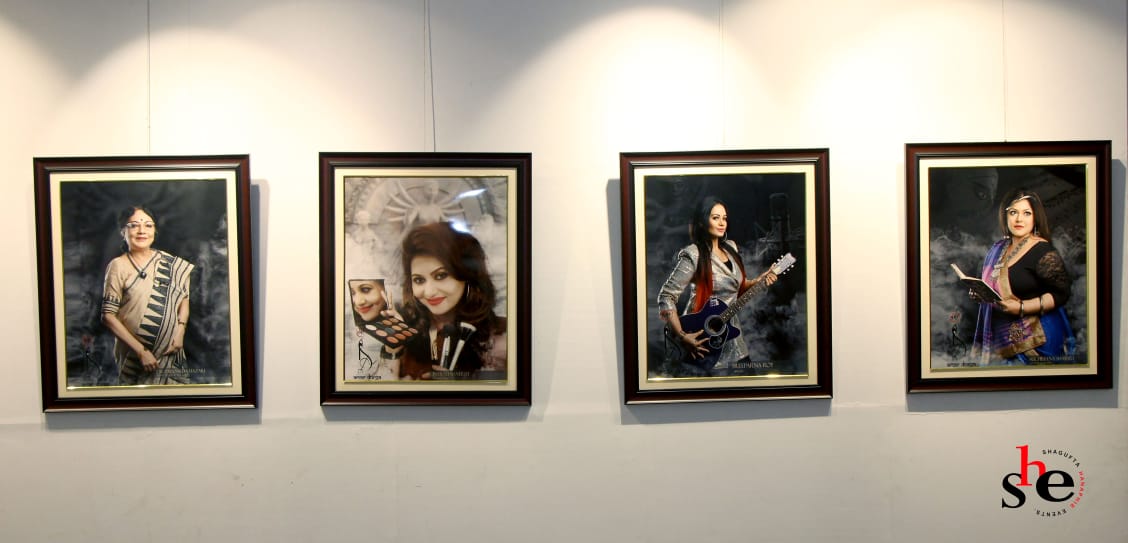
A wall celebrating women from dfference backgrounds in Shagufta’s office
“One day, one of my friends Nisha, a fashion designer, asked me to help people in an area in Kerala during the COVID 19 Pandemic. I was into PR and media. First I wondered how could I reach out to people in Kerala. I told myself: Okay, we will find a way to them even though we are not into this.
“At first, we heard there were four people, turned out to be 40, and finally they turned out to be 400 people stuck in Bengali Para in Ernakulam. While the BSF was providing food in the general area they were not reaching out to the red done. We had to locate the exact place and then Nisha and I arranged for food for 400 people for a month. I felt new energy and joy rising in me. I started gathering people, and communicating with them.
“While people speak up for daily wagers, I started to have a burden for a class of people that are largely ignored such as models who barely get Rs. 2,000 for an assignment which may be all they have for that month, photographers, and even school teachers. I started to post about and for them and personally WhatsApp them telling them if they need help, let me know. I assured them help will reach theirplace, they don’t have to let anyone know about it.
“I got a huge response from many photographers and models.I learned that many people were on the verge of suicide, and sitting at home. I started helping them and listening to their woes. Under the umbrella of Best Friendz Society, we started a campaign called Phone a Friend.
“I am blessed to have amazing clients. I would message PR clients who were on Facebook and tell them, “Sir, I am going to this area to help so-and-so, if you can help me out, it will be a big support to this person. They were responsive and kind, some sent sacs of rice, dal, and many other goods. They told me that they wanted to help but had no idea what to do. Here, many NGOs are misusing funds and are running corruption rings. They told me that they knew could trust me and that I would use their money honestly. They stood behind me while I ran around with their help. This is how our connection happened.
“I organize a philanthropic club, which is a virtual club and I tell our helpers that they don’t have to go around; just help us with money or goods. Those days, I used to get out of the house at 4 a.m. and visit Sundarbans, and other areas during COVID-19 almost 18 times in 2020, and attend to everyone. Sanjay Mondal, a photographer and boat owner told me point blank that he doesn’t want money, only cash for the diesel tu run his boat. He travelled with us. He had three boats. We went to the village where we found their homes submerged under water. We helped the boat owner families.
“We returned from Sundarbans at 11:30 night, reached home by 12:30 night and my mother woke me up at 3:30 a.m. to tell me to catch the vehicle going for another trip for the COVID team. She said, “They are waiting for you. Since you promised, you have to go, whether it is raining or whatever it is, even if you are sick, you have to go.”
“You need parents like that. While we went out so much during COVID, by the blessings of Allah we never got COVID, but people in 5-Star Hotels got COVID. Believe in yourself, believe in your God who has that specific blessing on you, keep doing good to others, and good will return to you and you don’t have to look back, all blessings are there, and people’s prayers are on your life. Just keep doing your work. When the government is doing 98 percent, I am doing my 2 percent.”
On the difficulties they face, she said, “Bengal is a politically disturbed area so to meet the right person is very difficult. In the last five years since 2020, I have opened small centers in every place I have worked with around 20 people or more in each center. We have adopted 23 orphans, senior citizens, teachers, and daily wagers who sum up to over 70 people and every month we send them food and other goods to help them run their daily lives. Nothing is fixed on what we send, but it is enough to ensure them good nourishing food and other commodities so that they can sleep peacefully without going to bed hungry.
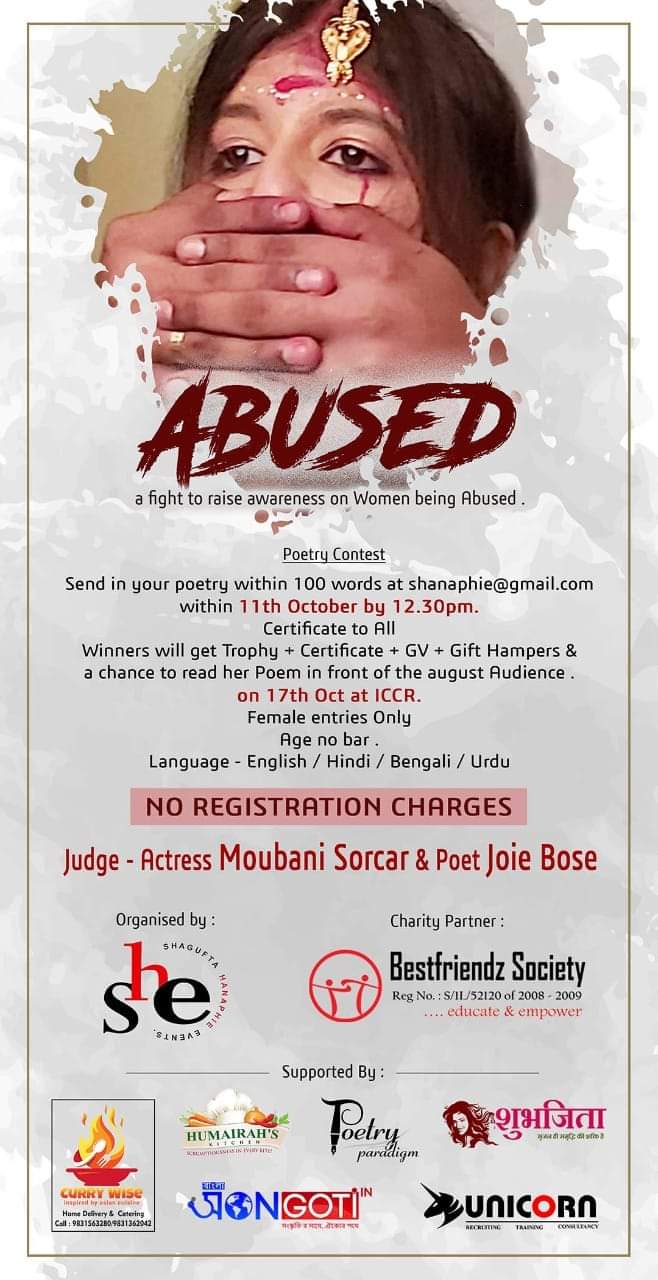
A Poster of the event of Shagufta’s NGO
“In October 2020, the Phone a Friend campaign opened our lives to many people. Each night, we got calls from senior citizens- 65 or 70 years old – or young girls or men, and I listened to and counselled them over the phone. One woman did not even have time to have a cup of coffee and was always serving others suffering mental and physical abuse. Due to this, I launched my new campaign called Abuse Durga, which became Amar Durga, Amar O Durga, with a question mark. I asked the public a lot of questions, such as, “If this is my Durga, who are you to ask me a question whether I should celebrate or not?” Being a Muslim, people found it unusual.
“I felicitated people who had running cases against them for 15-20 years who were not guilty and celebrated 11 people. Last year, we held an exhibition to give table space to NGOs which cannot invest; awarded the LGBT community and single mothers. We will be holding another event for the LGBT community soon.
“My NGO is my charity partner. I did this because I was feeling bad to keep asking people to fund my NGO, so I decided to promote my events, and whatever money I got would go to my NGO so I could help the maximum people with the blessings of the Almighty. I do not want to work to mint money, want to work to make my stand.
“My breakthrough came when an old client called and invited me to his office. He is Rajendra Khandelwal, MD, Dhanwantary. During my meeting, he kept saying, “Very nice, very nice,” I asked him, “Who are you speaking about and he answered, “The event you held, the Teachers Excellence Award, I am going to support you,” and to my amazement, he handed over a cheque. At that moment, I knew I was doing the right thing. He asked me, “Why did you choose this topic, I replied, I am alive because of my teachers. Uncle Junaid who taught me how to hold a pencil and I want to do something in his memory. Without teachers’ investment, I would not be where I am today.”
“I do not work with an experienced group of people because there are a lot of young people looking for work, always take new people and give them scope, If they say, we cannot speak, I tell them you will learn to speak, If they are graphic designers, content writers, etc, I take them on board.
‘While we are a modern family, where I used to wear sleeveless and backless clothes, and my father even took us to Trincas to get us on the dance floor, I got to wearing hijab permanently unexpectedly. On my birthday in 2013 or 2014, my Baari Maa gifted me a hijab. I wore it to my office that day and since then, I have been wearing it. I changed as a person totally after that. While earlier, I was highly strung and emotional, I started to calm down after wearing the hijab believing it was my symbol of strength. My family was cool about my hijab.
“My dream is to meet 10,000 people with their inspiring stories and lift them on all my platforms. I highlight lives through events or writing about them. During the lockdown, I started to write in 2020. While my target is global, I also want to cover the map of West Bengal. I believe everyone can do anything but they just need a spark inside with a belief they can conquer the world, and they end up doing great things. Sometimes, to create that spark, that road is blocked so I just need to push these people and bring that change within them.”
Rita Farhat Mukand is an independent writer and author
source: http://www.awazthevoice.in / Awaz, The Voice / Home> Story / by Rita Farhat Mukund / August 24th, 2024