Among the change makers from Kerala are pioneers and achievers in various fields of life. They have either been trying to bring about changes in society or the fields of business. They have used music, literature, and sometimes love to bring humanity closer, to spread joy and peace.
The list includes social activists, singers, spiritual mentors, lawyers, teachers, and even IAS officers.
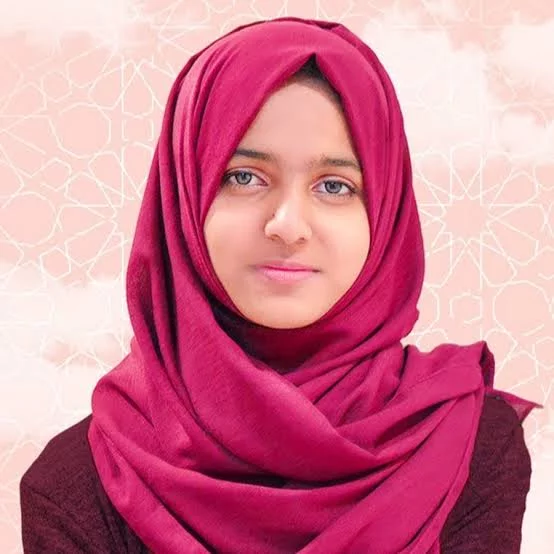
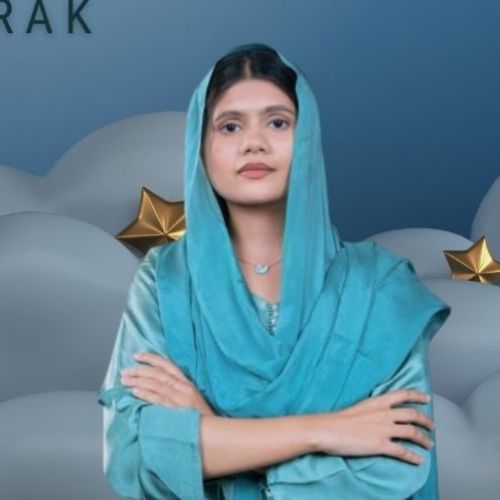
Ayisha Abdul Basith
Ayisha sings Naat or Islamic devotional songs, and at the age of 20, she has enthralled listeners in over 80 countries. Born in Kerala, Ayisha has migrated to Abu Dhabi, where she is pursuing spiritual music as a way to universal peace and joy, as she puts it.
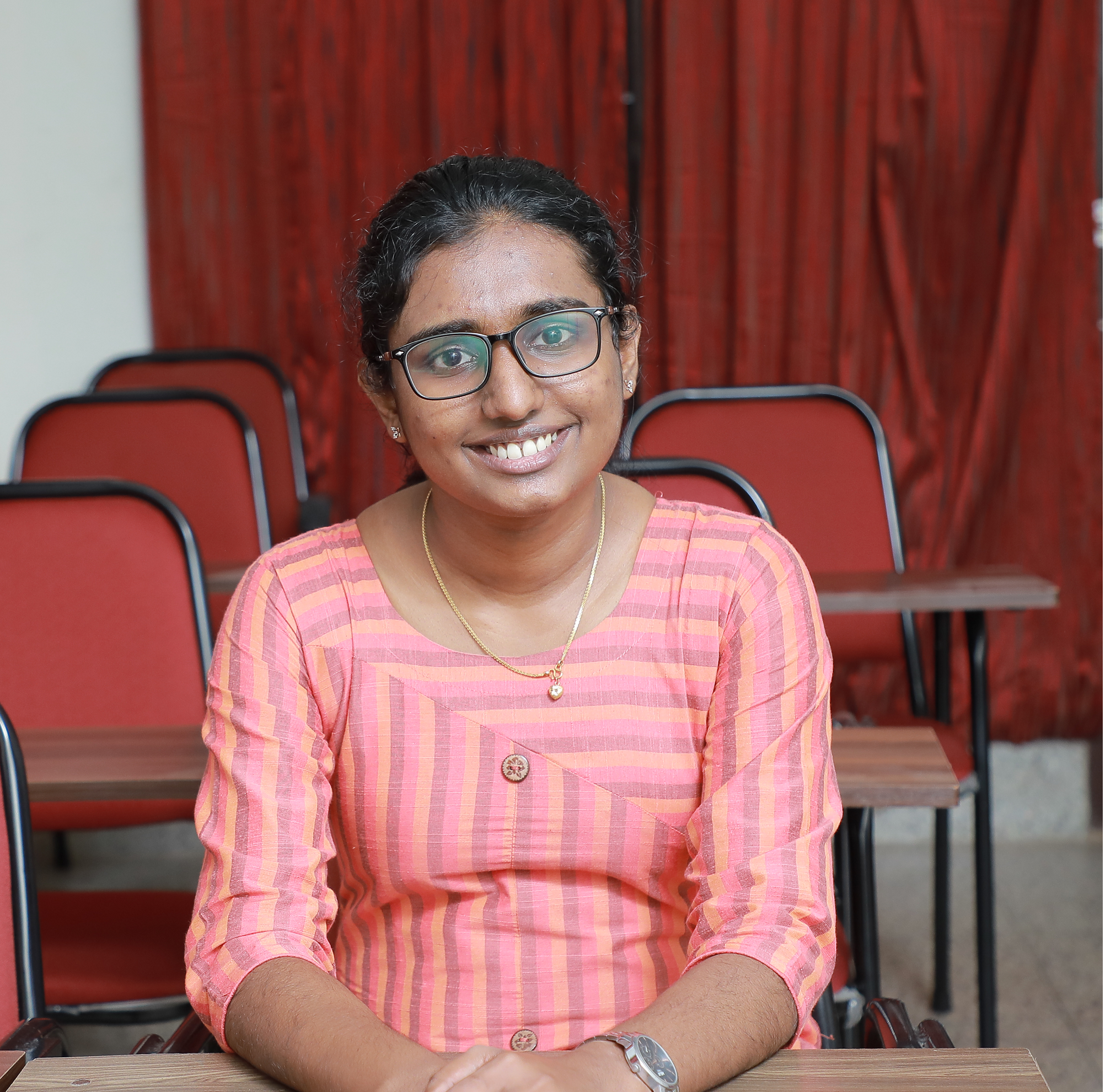
Safna Nazruddin
She dreamt of becoming someone who could help the disadvantaged sections of society. Safna Nazruddin thought being an IAS officer would help her achieve that goal.
And she took her dream so seriously that at the age of 23, she became Kerala’s youngest Muslim IAS officer.
PC Musthafa
He wanted to pull his family out of their poverty. Growing up in rural Wayanad, watching his father toil in the fields as a farm labourer, he wanted to change his parents’ lives for the better.
When he completed his studies at IIM, he started small with his cousins in a 500 square feet room, selling 100 packets of idli batter to 30 shops in Bangalore.
Today, he is the king of idli batter supplying in more than 10 countries outside India and reigning over a 4000 crore business.
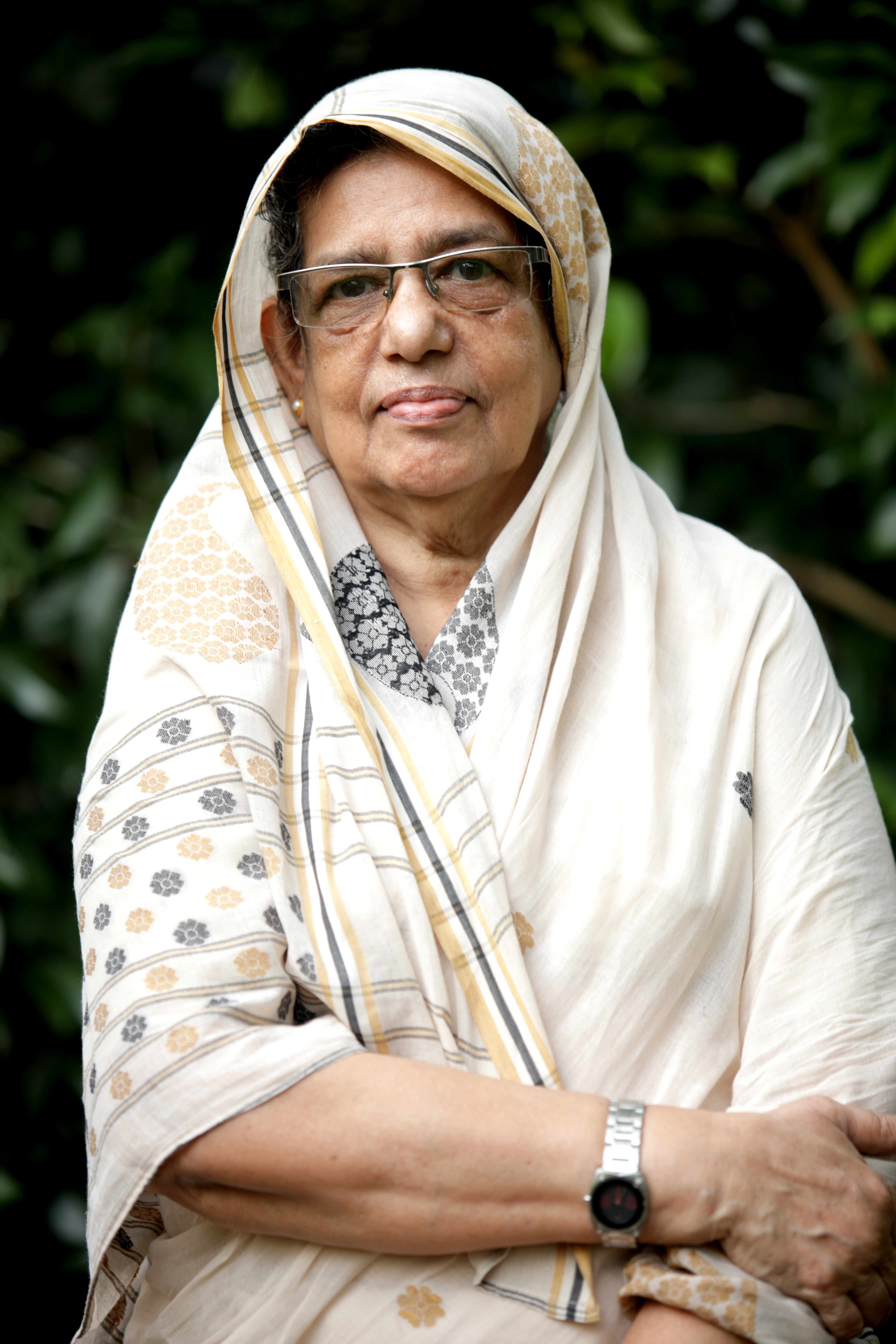
VP Suhara
VP Suhara has been fighting for changes in the Muslim personal law and is one of the petitioners appealing for equality of gender in the matter of succession rights.
She says she is not very optimistic, but she is not ready to give up her fight.
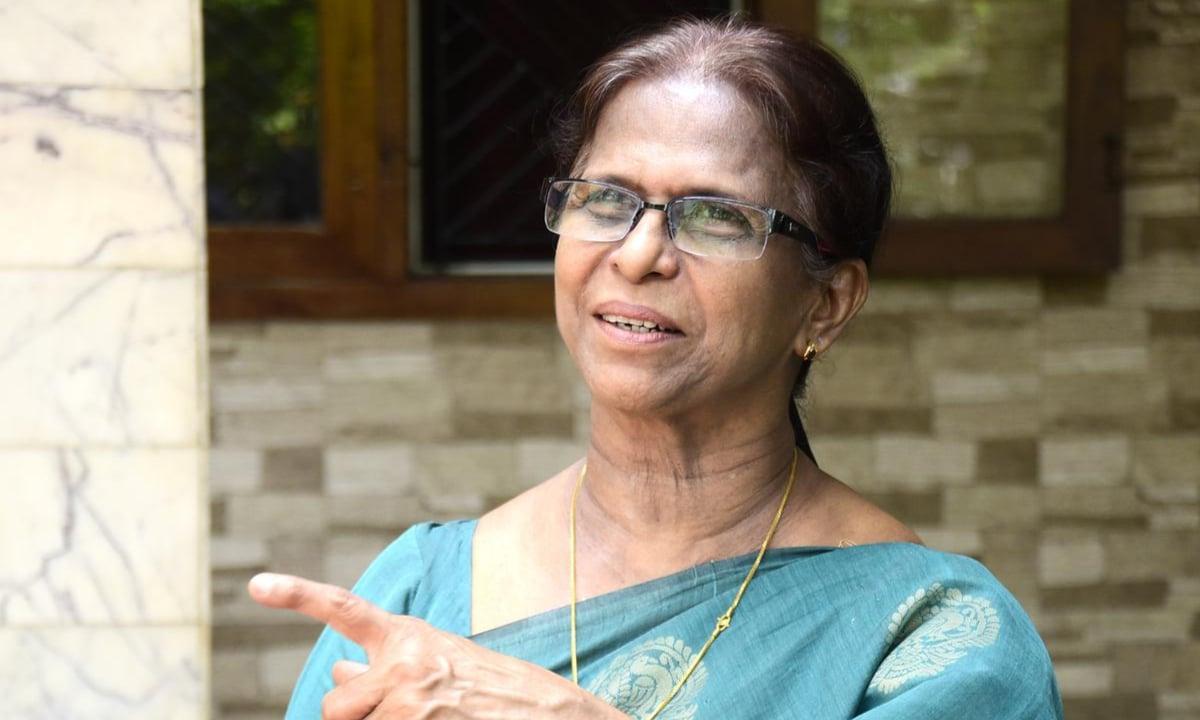
Kadeeja Mumtaz
Kadeeja is a novelist who won the Sahitya Academy award for her novel. But today she has taken to activism on a full-time basis, and her main preoccupation is with bringing different religious communities together to improve mutual understanding and communication.
Advocate Sukkur
Advocate Sukkur did the unthinkable when he remarried his legally wedded wife just to make a point to all his fellow Muslims.
He wanted to tell them that they can overcome the barriers to succession rights of their daughters by remarrying their spouses under the Special Marriages Act.
Noor Jaleela
Noor means light, and the luminous smile on Noor Jaleela’s face echoes her name. She was born without her four limbs. But her smile does not betray any such disability. She has been a model for courage and creativity in the worst circumstances.
She has been an influencer and also an artist, and a singer.
Padma Shri Mumtaz Ali
Mystic and spiritual mentor Padmashri Mumtaz Ali, or Sri M as his followers call him, hails from Thiruvananthapuram and heads a spiritual group called Satsang Foundation. His spiritual pursuits and his work among the people as a symbol of the oneness of humanity and the divine have made him transcend all man-made boundaries and divisions.
He has become an example of universal oneness and love as his life’s work and teachings appeal to people of different nationalities and religions. He asks them to continue following their religion while practising meditation and other spiritual pursuits to realise themselves.
Hadiya Hakeem
Can a football mean anything other than a game? Well, Hadiya Hakeem has turned a football into a statement for the empowerment of women.
She is a freestyle football performer born in Kozhikode who has overcome all possible barriers of gender, nationality, and religion through her talents and her hard work in excelling in a unique kind of performance.
Onampally Faisy
Progressive scholar and Sanskrit enthusiast Onampally Faisy has tried to transcend boundaries by promoting interfaith education in his madrassa. A well-known scholar from Thrissur in Kerala, he has been working towards building bridges of understanding and communication between Muslims and other communities in Kerala.
Since he believes in becoming the change he wants, he started teaching holy texts of other religions in his madrassas in order to remove the veil of ignorance and bring communities closer.
source: http://www.awazthevoice.in / Awaz, The Voice / Home> The Changemakers / by Sreelatha Manon / August 17th, 2025
Abdul Jabbar Siddiqi, a key leader of Karunya Society, addressing the event titled Community Connect Mission & Vision in Bidar
Bidar:
In a remarkable example of ethical finance and grassroots development, small and medium traders in Bidar have demonstrated exemplary financial discipline by repaying their loans promptly and in full. This achievement, driven by the Karunya Society’s interest-free microfinance programme, was celebrated at a recent city event titled Community Connect Mission & Vision.
Abdul Jabbar Siddiqi, a key leader of Karunya Society, revealed a striking figure – 98% of loans issued to small traders have been repaid on time. To him, the statistic is more than a financial milestone; it reflects the honesty, sincerity, and perseverance of the beneficiaries.
“These traders were once trapped in debt cycles with exploitative moneylenders,” Siddiqi said. “Today, they are finally enjoying the full rewards of their hard work.”
Karunya Society operates 47 branches nationwide, disbursing nearly ₹1.25 crore in loans each day and supporting around 1.25 lakh families.
Branch head Mujtaba Khan detailed the local outcomes: over the past seven years, around 3,500 families in the district have benefitted from ₹60 crore in business loans and ₹2.4 crore in emergency hand loans. Beneficiaries – such as Panchsheela Garments, Pramila Tailor, Ravi Kani Footwear, Shiv Kumar Udaygir, and Faheem Qureshi – shared heartfelt testimonies of how the programme transformed their livelihoods.
Karnataka Minister for Municipal Administration and Hajj, Rahim Khan, praised the effort, admitting he had doubts when the society launched seven years ago.
“Many banks were struggling back then, and I wondered whether this interest-free model could survive,” he said. “But its growth and impact are nothing short of a miracle.” He commended the society’s volunteers for their selfless service, noting none take personal profit.
Former Managing Director of Bidar District Credit and Cooperative Bank, S. Kudre, underlined the programme’s significance, pointing out that many interest-based microfinance institutions are now in crisis. “An interest-free society with 3,500 active members thriving like this shows the model works – and India needs it now more than ever,” he said.
Dr. Abdul Qadeer, Chairman of Shaheen Group of Institutions, urged affluent community members to deposit surplus funds into Karunya Society to enable more interest-free lending. Similarly, Jamaat-e-Islami Hind’s city president, Mohammed Muazzam, proposed opening of a new branch in Bidar’s New Town to widen the reach.
Karunya Society’s model is proving to be more than a financial service – it is a movement built on trust, compassion, and shared prosperity. By empowering small traders to escape debt traps and build sustainable businesses, it offers a credible, humane alternative to conventional interest-based finance.
source: http://www.radiancenews.com / Radiance News / Home> Latest News / by Mohamed Atherulla Shariff / August 13th, 2025
For most people, social activities is defined as work carried out by people with the aim of alleviating the living conditions of those people in a community suffering from social deprivation. They strive for helping the poor and deprived people to live a better life. By this definition, it also implies that social work is for the living.
But what about people who are dead?
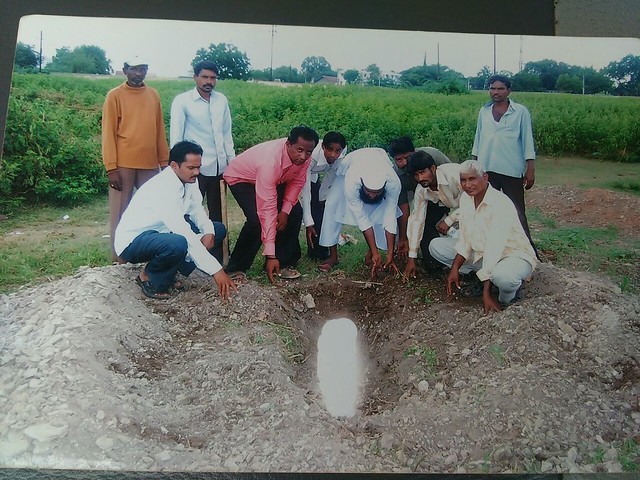
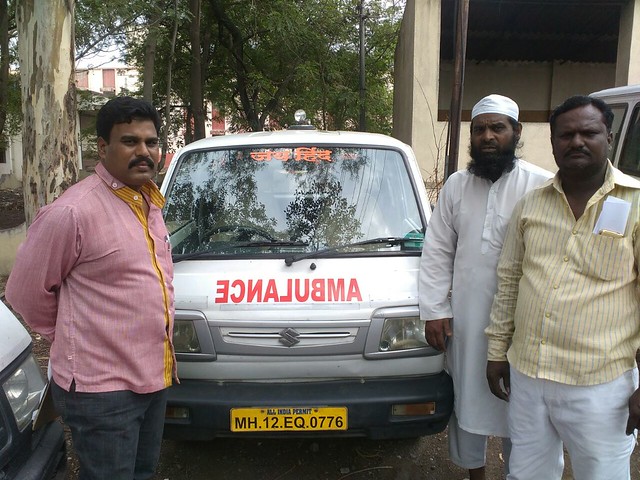
This question, and the answer to it, is what makes Jahangir Shaikh, a 47-year-old resident of Solapur, an exception. His social activity starts after he finds an unclaimed dead body. Once he discovers an unclaimed body, he assumes its guardianship and lays the body to its final abode.
“Initially I started to give gusl (bath) to unclaimed Muslim bodies on the request of Police. Later, I started doing it for people of other religions too”, Jahangir shares his journey of the past ten years; about a cause rarely undertaken by people.
Jahangir, a devout Muslim, first received a phone call in 2007 from a Muslim policeman who knew he can give gusl to unclaimed dead body. Jahangir had rushed to the spot and completed funeral right of a fellow Muslim.
“That was the first instance after which devotion for performing last right of unclaimed body arose inside me and thereafter I made it a duty to attend such bodies”, he recalls.
Jahangir’s strange choice of social work iniitally caught people by surprise, but he never doubted his commitment. “People disliked my work and they would treat me as an inferior individual but that did not stop me from carrying out the work that I supposed as my duty. I would pray to the almighty to strengthen me so that people’s objections do not hold me back,” Jahangir says, when talking about the initial days.
His family also strongly objected to this kind of work but he managed to convince them to allow him to continue doing it.
“I told them that I don’t do it for earning money; burying these bodies gives me pleasure as I became a guardian for them. They felt awkward initially, but gradually they got accustomed “, Jahangir explains how he convinced his family.
Till today Jahangir has performed last rites of as many as 1,600 people, out of which 1,400 were non Muslims. As he is used to of giving gusl, he is also called by people for giving gusl to their relatives. In return, they give him hadiya (gift).
But one might wonder; what is his main profession and source of living? For that, he cooks food in social functions. However, he is always on his toes when he gets to know about any unclaimed dead body either at a hospital or the police station.
Jahangir’s dedication to what he called his ‘duty’, and his sincerity towards this soon made him famous in Solapur. He started receiving phone calls from police stations and hospitals for burying unclaimed bodies. His amazing sense of kindness towards the unattended also moved many people; a few years ago, a young Muslim businessman Salman Shaikh took notice of his noble service and donated a second-hand Ambulance to help him carry out the work more efficiently.
“I was impressed with his dedication towards the work. The charred and blood-soaked bodies that a normal man don’t even look at, he would offer them a bath and bury them”, a bewildered Salman explains why he donated ambulance to him.
However, a couple of years after he got the ambulance, it met with an accident while carrying a body of little girl. This damaged the vehicle substantially and Jahangir too was injured in the accident. However, this did not break his determination and he bought two ambulances on loan and again started his service to the community. He got support from his son, who took a loan to buy an ambulance for Jahangir.
With some likeminded friends, he also formed the Baitul maal Shifa Committee through which he raises fund by collecting zakat (compulsory charity) or sadqa (voluntary charity) from people. However, he does not use this fund for performing last rites. Instead, he and friends pay money from their pockets for funerals and use the fund raised for poor patients admitted in hospitals.
“We use collected fund to help patients in buying medicines and other medical expenses”, Jahangir says with cheerful face.
When asked if police or hospitals pay him for carrying and burying bodies, he says, “They give Rs 300 but we give this money to the boys who help in carrying bodies to ambulance and dig holes for burial.”
For other expenses related to performing last rites: kafan (white cloths) and attar (perfume), Jahangir and his friends spend money from their own pocket.
His dedication has led to many people offering him voluntary service whenever needed. Currently, his Shifa committee has some active members: Gulam Shaikh, Zainuddin Nadaf, Sameer Shaikh, Daula Kumthe, Babulal Phaniband, Rashid Chaudhari and Shakila Shaikh are always ready to join hands with Jahangir.
Irfan S.M, a social activist and an educational personality from Solapur has nothing more than praises for Jahangir for his distinguished work.
“He is into this task of voluntary work and selfless service to humanity, it is really remarkable. Thousands of people are engaged in different social and religious activities but this is unique. There should be one Jahangir in every city”, Irfan says.
Imran Inamdar contributed to this story
source: http://www.twocircles.net / TwoCircles.net / Home> Indian Muslim> Youth / by A Mirsab, TwoCircles.net / October 07th, 2016
Bakhtiyar Ibrahim Tangsal, a senior English journalist, social worker and an Urdu poet from Solapur district passed away on Tuesday at the age of 54. Tangsal was suffering from a kidney disease for the last four years.
Tangsal forayed into the field of Journalism in late 90s, when the number of Muslims in the field of journalism, especially the ones educated in Urdu-medium schools, was extremely low.
Tangsal broke many barriers by joining Indian Express and proved himself in a very short time and started emerging as an outstanding journalist of the district. He also worked with Navbharat Times and Financial Express.
Tangsal was also a well-known Urdu poet and in 2013, when he was suffering extensively, he started publishing Urdu Daily ‘ Solapur Milaap’. Although he was running it successfully, his health and dialysis process couldn’t allow him to run it further. He always wanted muslims youth to choose journalism as a career or at least do it as part time job or hobby. In 1996 he started free journalism classes to train 20 youths to become journalists. Unfortunately, only two students: Ziyauddin Momin and Imran Inamdar remained in touch with him till his last breath.
He was equally popular in other community people and journalist community too.Today’s strong NGO of reporters ,Solapur dist shramik Patrakar Sangh.(Working journalist association) is the result of his efforts . He was the founder president of the same.
Mahmud Nawaz, a young teacher and a social worker, said it was a huge loss for the community. “He was not only a good journalist, but a great social worker too. He promoted young talents, providing them with all kinds of assistance. His role during 2002 riots and establishing relief committee was really remarkable,” said Nawaz.
source: http://www.twocircles.net / TwoCircles.net / Home> Indian Muslim> Youth / by Imran Inamdar, TwoCircles.net / October 07th, 2016
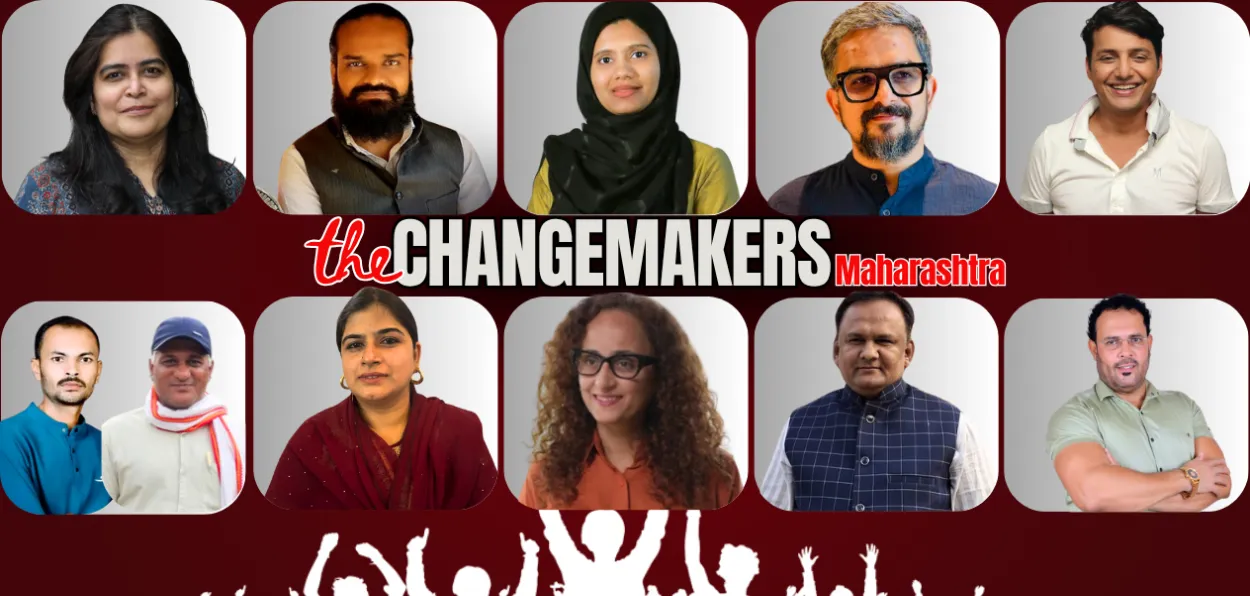
Awaz-The Voice, through its ‘The Changemakers’ series, has introduced readers to inspiring figures from Uttar Pradesh, Assam, and Jammu & Kashmir.
Starting July 6, we will feature ten remarkable changemakers from Maharashtra.
These individuals not only embody the state’s vibrant and progressive legacy but are also shaping a future that is tolerant, equitable, harmonious, and inclusive.
Working quietly away from the limelight, their impactful contributions are being brought to the public through Awaz-The Voice. Here’s a glimpse into their inspiring journeys.
Dr. Farah Anwar Husain Shaikh
Dr. Farah Anwar Husain Shaikh leads the Mis Farah Charitable Foundation in Pune’s Dapodi, delivering health, education, and disaster relief to communities. Her bold advocacy for Muslim women’s right to pray in mosques challenges deep-rooted traditions, earning her a doctorate in social work and women’s empowerment. Her story is that of the struggle for equality, Farah’s tireless efforts are transforming lives and reshaping Pune’s social landscape, making her a beacon of grassroots change.
Paigambar Shaikh
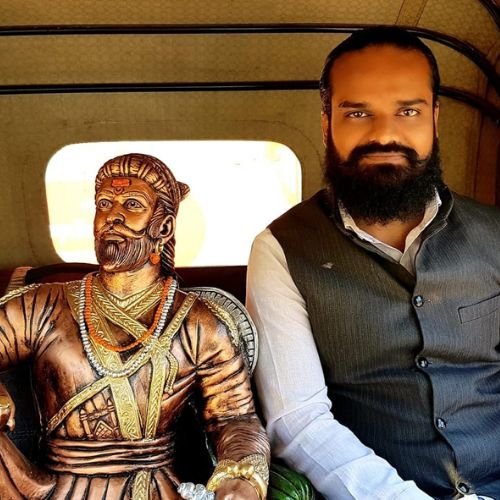
Rationalist Paigambar Shaikh is redefining tradition with his “Economic Qurbani” initiative from Pune, transforming the Eid al-Adha sacrifice into a force for community growth. By channeling resources into education, microfinance, and health camps, he blends faith with practicality. He is inspired by the Satyashodhak movement. His innovative approach fosters sustainable development and communal harmony in Maharashtra’s far-flung areas, marking him as a visionary changemaker.
Marziya Shanu Pathan
Marziya Shanu Pathan, 24, is an activist. From leading a march for Malala Yusufzai at age 12 to organizing the vibrant Mumbra-Kausa Children’s Festival, she champions women and youth in her township. Her blend of fiery activism and community initiatives is uplifting Mumbra, proving her dedication to a brighter, more inclusive future.
Hazrat Ali Sonikar and Munir Shikalkar
In Sangli’s agricultural heartland, Hazrat Ali Sonikar and Munir Shikalkar are empowering the Muslim community through grassroots activism. Hazrat rallies youth with awareness campaigns and workshops, while Munir bridges gaps with local authorities to secure resources. Their collaborative manifesto, amplifying education and employment, is reshaping the future of the community, showcasing the power of local action.
Sakib Gore
In Badlapur, Maharashtra, Sakib Gore is lighting up lives through his ‘Vision Friend Sakib Gore’ initiative, driven by his grandmother’s struggle with blindness. With a belief that glasses are more than a fashion statement—they’re a lifeline to sight—he’s brought eye exams to 2.6 million people, distributed 1.7 million free spectacles, and facilitated 63,000 free cataract surgeries. His ‘Devabhau’ glasses, priced at just 33 rupees, earned him global acclaim and the ‘System Leader Award’ at a World Summit in Kathmandu. Reinvesting every profit into free glasses for the poor, Sakib’s mission is simple but profound: to lift the visually impaired out of darkness, one pair of eyes at a time.
Sarfaraz Ahamad
Solapur’s Sarfaraz Ahamad, a 41-year-old historian, brings Maharashtra’s Deccan heritage to life through his eight books. His books include the acclaimed Hyder Ali, Tipu Sultan, and The Sultanate-e-Khudadaad. As a founder member of the Ghaziuddin Research Center which promotes objective historical research. His writings in Marathi, Hindi, Urdu, and English captivate readers. Sarfaraz’s work is reviving cultural pride and inspiring a new generation of scholars.
Sabah Khan
Sabah Khan’s NGO Parcham based in Mumbara, empowers girls through football, challenging norms and building confidence among them. Khan, 50, fosters gender equality and religious harmony, securing a dedicated football field and launching the Savitri-Fatima Foundation to support education and economic growth. Sabah’s transformative work offers Mumbra’s youth a vibrant path to self-discovery.
Afroz Shah
Mumbai’s Afroz Shah, a 42-year-old lawyer, turned Versova Beach into the site of the world’s largest clean-up, removing 20 million kilograms of trash. Afroz Shah Foundation now tackles rivers and waste culture, earning him the UN’s ‘Champion of the Earth’ title. From slums to schools, his “dates with the ocean” inspire thousands, proving one man’s grit can spark a movement.
Dr. Sabiha Inamdar
In Nashik, 43-year-old Dr. Sabiha Inamdar, an intimacy and relationship coach, is breaking taboos around sexual wellness. She creates safe spaces for women and couples to discuss intimacy and emotions openly. What makes Dr. Sabiha’s work important is her commitment to normalizing healthy conversations around sex, emotions, and interpersonal connection—especially for women. Her workshops shift mindsets, fostering healthier relationships and emotional well-being across Maharashtra.
Hussain Mansuri
Mumbai’s Hussain Mansuri, a 40-year-old philanthropist with 7.8 million Instagram followers, spreads compassion across the city’s streets. From feeding street kids to caring for stray animals, his quiet acts of kindness, rooted in Islamic values, touch countless lives. Whether delivering meals near Tata Hospital or comforting the grieving,
Hussain’s selfless mission ripples far beyond Mumbai.
source: http://www.awazthevoice.in / Awaz, The Voice / Home> The Changemakers / posted by Aasha Khosa, ATV / July 05th, 2025
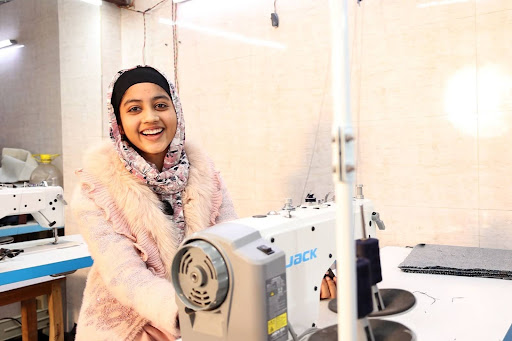
Women at the Sabaat Center share a moment of joy, building community through their shared work
New Delhi:
Shiv Vihar carries the silence of broken dreams. The 2020 Delhi riots swept through this northeast Delhi neighbourhood. Homes were burned, shops looted and lives uprooted. Among the soot and rubble, 19-year-old Shumayla and her family lost everything. Their house was reduced to memories.
Today, she sits at a sewing machine in the Sabaat Centre, threading fabrics into full-grown suits. “I began at ground level. Now I can make entire suits. It feels nice to create something on my own,” she said.
For her, the needle of her sewing machine is like a compass guiding her towards hope.
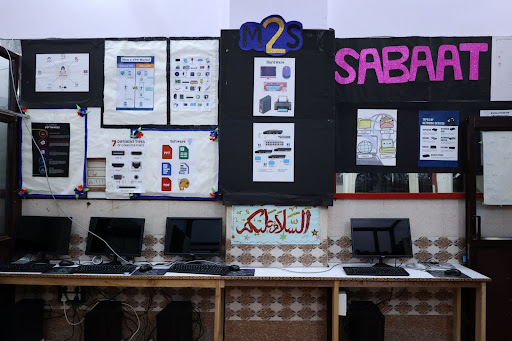
The Sabaat Center at Shiv Vihar
Sewing Stories with Sabaat
An initiative of the Miles2Smiles Foundation, the centre was born from the same flames that destroyed Shumayla’s world. Its founder, Aasif Mujtaba, witnessed firsthand how survivours in Shiv Vihar held together their shattered worlds.
“I saw women in Shiv Vihar holding their worlds together with grace, and I knew they deserved more than just pity,” he said.
From this empathy came Sabaat, a place where women learn to stitch, create and rebuild their identities.
Shabnam, a mother of three, leaves behind her home chores for a few hours to learn something creative at the centre.
“While managing the house along with the work is difficult, I love coming here,” she says.
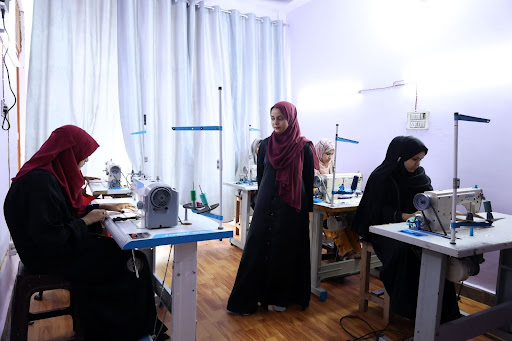
At the center, women thread, stitch and craft, turning cloth into outfits, tote bags, pouches, magnets, mugs and keychains.
Women work at sewing machines in the Sabaat Center, crafting outfits and other merchandise
Aasif calls their work a story: “Every tote bag, keychain, magnet or cup has a story of survival, strength and hope.”
Farheen Ansari, a fashion designer who leads the training, ensures their skills match market demands. The women attend morning sessions from 9 am to 11 am, growing from beginners to masters over six months or more, depending on their pace.
“We get orders from local boutiques,” she told TwoCircles.net.
Their crafts are sold through the Sabaat Store, returning income directly to the women who made them.
Beyond Stitching
But Sabaat’s work is not limited to sewing. Women learn how to handle orders, set prices, brand products and even promote them online. Acquiring these skills are essential to turn trainees into entrepreneurs.
“Whenever a student learns something new, I tell her to implement it at home,” says Farheen, adding that some do just that.
Sabaat empowers women by providing emotional support alongside practical skill training
Women like Sangeeta, Daraqshan, Saiba and Gulafshan have started their own small businesses.
Initiated for survivors of hate violence, widows and women from marginalised and economically vulnerable groups, Sabaat has already trained 70 women.
“Impressively, at least 70% of them have achieved financial independence, whether working within Sabaat or starting their own ventures,” claims Aasif.
Women at the center undergo an extensive training program for manufacturing products
In addition to offering skill-based training, the programme is also bridging trauma and offering dignity, trust and a voice. Most days end in shared smiles. The women’s laughter fills the centre, evidence that even broken neighbourhoods can teach courage.
Amid ongoing struggles for justice and pending compensation, Sabaat brings healing where paperwork lags. Plans are underway to expand, bringing this safe space to more women and more neighbourhoods.
source: http://www.twocircles.net / TwoCircles.net / Home> India News> Indian Politics> Indian Muslim> Lead Story> Women / by Maryam Hassan & Unzila Sheikh, TwoCircles.net / August 10th, 2025
Jamaat-e-Islami Hind (JIH) Karnataka is stepping up its drive to promote economic stability by expanding interest-free financial institutions across the state. At a meeting with Souharda Cooperative Society leaders, JIH Karnataka State President Dr. Belgami Mohammed Sa’d stressed the need to free people from exploitative moneylenders.
Dr. Sa’d outlined plans to set up interest-free cooperative societies in major cities and towns as the first step in a state-wide mission. “Economic stability is a cornerstone of positive social change,” he said, urging community support to replicate the model in more regions.
JIH Karnataka State Secretary Mohammed Yusuf Kanni highlighted the success of existing Souharda Societies. About 18,000 members are part of these societies in Bidar, Kalburgi, Raichur, Ilkal, Bellary, Davangere, Bhatkal, Udupi, and Mangalore. Last year, they handled transactions worth ₹125 crore.
Mr. Kanni announced expansion to Sindhanur, Hubli, Hassan, and Bijapur by March 2026. He said the aim is to give more people access to interest-free finance, promote equitable participation, and reduce reliance on conventional banks.
Mriza Abid Baig Falahi from Jamaat’s Shariah Council recently visited societies in Bidar, Kalburgi, Raichur, Ilkal, and Bellary. His inspection focused on Shariah compliance and staff training in Islamic finance modules like Mudarabah, Musharakah, and Murabaha. “Interest-free finance is an ethical necessity for a just and inclusive economy,” he said.
Prominent members from different districts attended, including Mujtaba Khan from Bidar, Hamza Muazzam from Kalburgi, Imtiaz Baig from Davangere, Nazeer Ahmed Qazi from Bhatkal, and Riaz Ahmed from Koppal. Souharda Societies’ convenor Rafiq Ahmed opened the meeting, focusing on operational expansion, Shariah compliance, and greater community involvement.
The initiative is part of Jamaat’s mission to drive societal reform through ethical measures. By offering cooperative, interest-free finance, it aims to empower individuals, support small businesses, and protect vulnerable people from debt traps.
With planned expansions, JIH Karnataka hopes to build a strong network of Shariah-compliant institutions. Leaders believe sustained community participation will make interest-free finance a widely accessible reality in the state.
source: http://www.radiancenews.com / Radiance News / Home> Latest News> Report / by Radiance News Bureau / August 13th, 2025
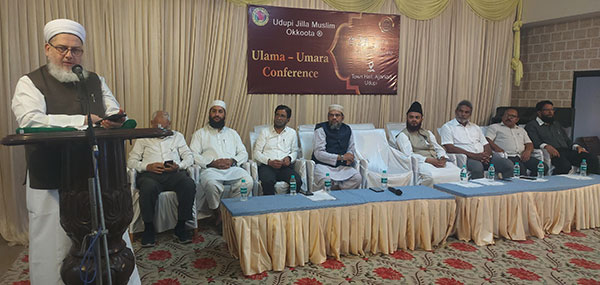
“There is growing concern among communal forces regarding the progress of the Muslim community, and this has led to them being increasingly targeted,” said Maulana Syed Tanveer Hashmi, a member of the Karnataka State Waqf Board and All India Muslim Personal Law Board. He stressed that the community must intensify its efforts towards educational and overall development, especially encouraging the youth to aspire for civil services.
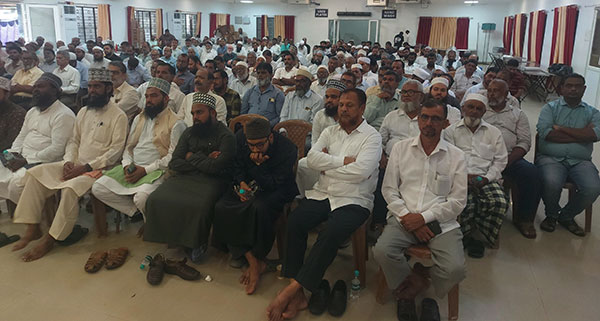
He was addressing a seminar titled “Current scenario and our responsibilities” organised by the Udupi District Muslim Federation at the mini auditorium of the Udupi Town Hall on Tuesday.
Maulana Hashmi highlighted the need to integrate Islamic values deeply into daily life to reform the challenges prevailing in society. “The community must actively engage in social service, extend help to the underprivileged, and foster harmonious relationships with people of other religions. During festivals, we must invite our non-Muslim brothers and share the joy of the celebration with them,” he said.
He further emphasised that Muslims should fully practice religious values and instil Islamic principles within their families, including children, women, and men. Education must be prioritized, with awareness cultivated within the community to promote academic growth.
Cautioning against objectionable behaviour on social media, he urged the youth to be responsible and avoid provocative posts. “We must stay away from the hateful narratives of ‘Godi Media’, communal provocations, and toxic online environments,” he stated.
Sulaiman Khan Sahib from Bengaluru, assistant general secretary of the All India Milli Council and Karnataka co-coordinator of the “Save Waqf, Save Constitution” movement, also addressed the gathering.
The event was presided over by Udupi District Muslim Federation president Muhammad Wawla. During the seminar, a book titled ‘Dharmadharma’ authored by federation member and writer Mustaq Hennabail was released.
The stage was graced by senior vice president Rafiq Kundapur, vice presidents Shabhi Qazi, Fareed Sheikh, and Fayyaz Byndur. The programme began with a recitation from the Holy Quran by Udupi Jamia Masjid Imam Maulana Rasheed Umri.
The event was welcomed by Maulana Zamir Ahmad Rashadi. Former district president M P Modinabba delivered the introductory address.
General secretary Ismail Hussain Katapady extended the vote of thanks, while Yaseen Kodibengre compered the event.
source: http://www.daijiworld.com / Daijiworld.com / Home> Karnataka / by Daijiworld Media News Network – Udupi / July 29th, 2025
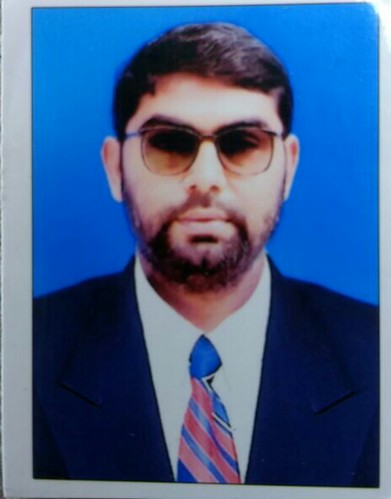
E. Abu Bakar (born in 1952) is a significant figure in the socio-political landscape of India, particularly known for his role as a leader in the banned Popular Front of India (PFI). He is also a founder member of All India Muslim Personal Law Board,
Born and raised in Kerala, Abu Bakar became actively involved in social and political activism early in his life, driven by a deep sense of commitment to the rights and empowerment of marginalized communities, especially Muslims.
Abu Bakar’s leadership in PFI has been marked by his efforts to address issues related to social justice, communal harmony, and the upliftment of the downtrodden. Under his guidance, PFI has focused on various initiatives aimed at improving the socio-economic conditions of underprivileged communities. These initiatives include educational programs, legal aid, and awareness campaigns about constitutional rights and social justice.
A charismatic and articulate leader, E. Abu Bakar has been vocal about the challenges faced by Muslims in India, advocating for their rights in a democratic framework. He has been actively involved in organizing campaigns and movements that highlight issues of discrimination, police brutality, and state excesses. His approach often emphasizes the need for community unity and strategic action to address these challenges.
However, Abu Bakar’s leadership has also been contentious. PFI has faced criticism and legal scrutiny over its activities, with allegations of involvement in extremist activities and incitement of violence. Despite these controversies, Abu Bakar has maintained that PFI is committed to lawful activism and peaceful advocacy for the rights of marginalized groups.
Throughout his career, E. Abu Bakar has remained a polarizing figure, admired by many for his unwavering commitment to social justice, while also facing criticism from those who view his methods as provocative.
He has been in custody for two years following his arrest on September 22, 2022, under UAPA from his residence in Kozhikode.
At the time of his arrest, Abubacker, had no prior criminal record. He has been bedridden since January 2020 due to severe health conditions. He underwent extensive treatment for cancer, including chemotherapy and surgery, which involved the surgical removal of 80% of his abdominal and intestinal area. This has left his digestive system severely compromised. He also suffers from Parkinson’s disease, diabetes, vision loss, and hypertension, further deteriorating his overall health.
source: http://www.the100indianmuslims.com / The100 Indian Muslims / Home / 2024
Tucked between the roaring waves of the Arabian Sea and the lush green canopy of the Western Ghats lies a jewel of a town – Bhatkal.
A place where coconut palms sway in the ocean breeze, where the call to prayer echoes through the valleys, and where the scent of cardamom-laced biryani mingles with the salty sea air. But beyond its scenic charm and poetic quietude, Bhatkal tells an inspiring story – a story of legacy, faith, culture, and a deep-rooted commitment to education.
Once a humble trading post frequented by Arab merchants, Bhatkal today is a dynamic blend of history and modernity. Its people, mostly of Arab descent, still carry the flame of their forefathers – traders who braved the seas, settled in distant lands, and left behind more than just wealth. They bequeathed a way of life, a sense of community, and a passion for learning that continues to flourish in remarkable ways.
Imagine waking up to a view where mist-kissed mountains tumble into spice-scented fields, only to meet a coastline where waves pound golden sands under the watchful gaze of age-old palms. That’s Bhatkal – not just a town, but a canvas painted with the green of the hills, the blue of the sea, and the gold of tradition. And amid this natural splendour, an educational movement has quietly taken root – transforming lives and reaffirming the town’s historic role as a cradle of knowledge and cultural resilience.
A Legacy Carried on the Tides
The story begins not just in Bhatkal, but far beyond – across the seas in the Gulf. Over the last five decades, thousands of Bhatkalis migrated to the UAE, Saudi Arabia, Oman, and Kuwait – carrying with them their culture, values, and a remarkable sense of unity. Wherever they went, they established Jamaats (community organisations), which became lifelines of cultural preservation and mutual support.
But by the 1990s, community elders noticed a worrying trend. Amid the glitz of Gulf jobs and the comfort of petro-dollar salaries, education was beginning to take a back seat. Young boys were dropping out after high school, opting to join the workforce early. The allure of quick earnings began to eclipse the pursuit of knowledge.
It was then that the Bhatkal Muslim Khaleej Council – an umbrella body of 11 Gulf-based Bhatkali Jamaats – decided to act.
The Birth of the Rabita Educational Award
The Council launched the Rabita Educational Award to rekindle academic ambition among Bhatkali youth. It wasn’t just about giving away medals or cash – it was about igniting pride, ambition, and a sense of purpose. The idea was simple: if we honour excellence, others will strive for it.
When the initiative began 30 years ago, the bar was modest. Students securing 65-70% were among the awardees. Yet even then, it was revolutionary. For the first time, young boys and girls felt seen and celebrated, and parents began to regard education as a shared community value.
Fast forward to today: Rabita Award winners score as high as 98% and above. This year, the difference between the topper and the runner-up was a mere 0.0375%. That’s not a gap – it’s a heartbeat.
This Year’s Celebration: A Festival of Learning
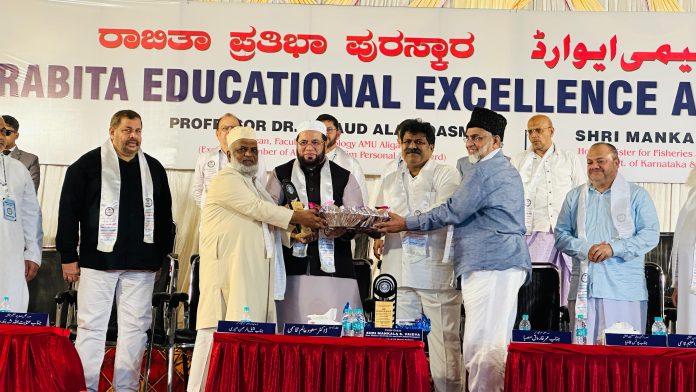
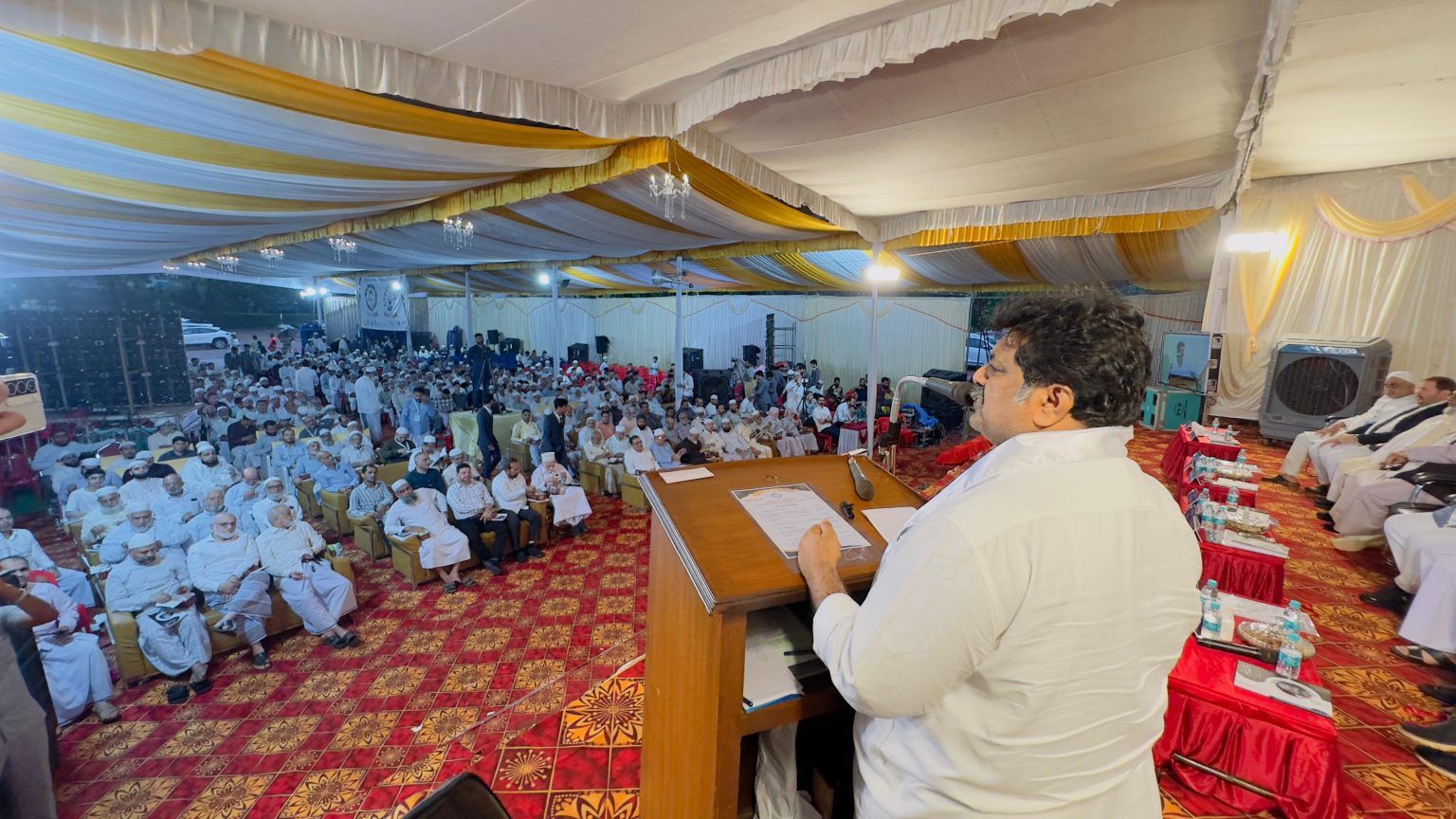
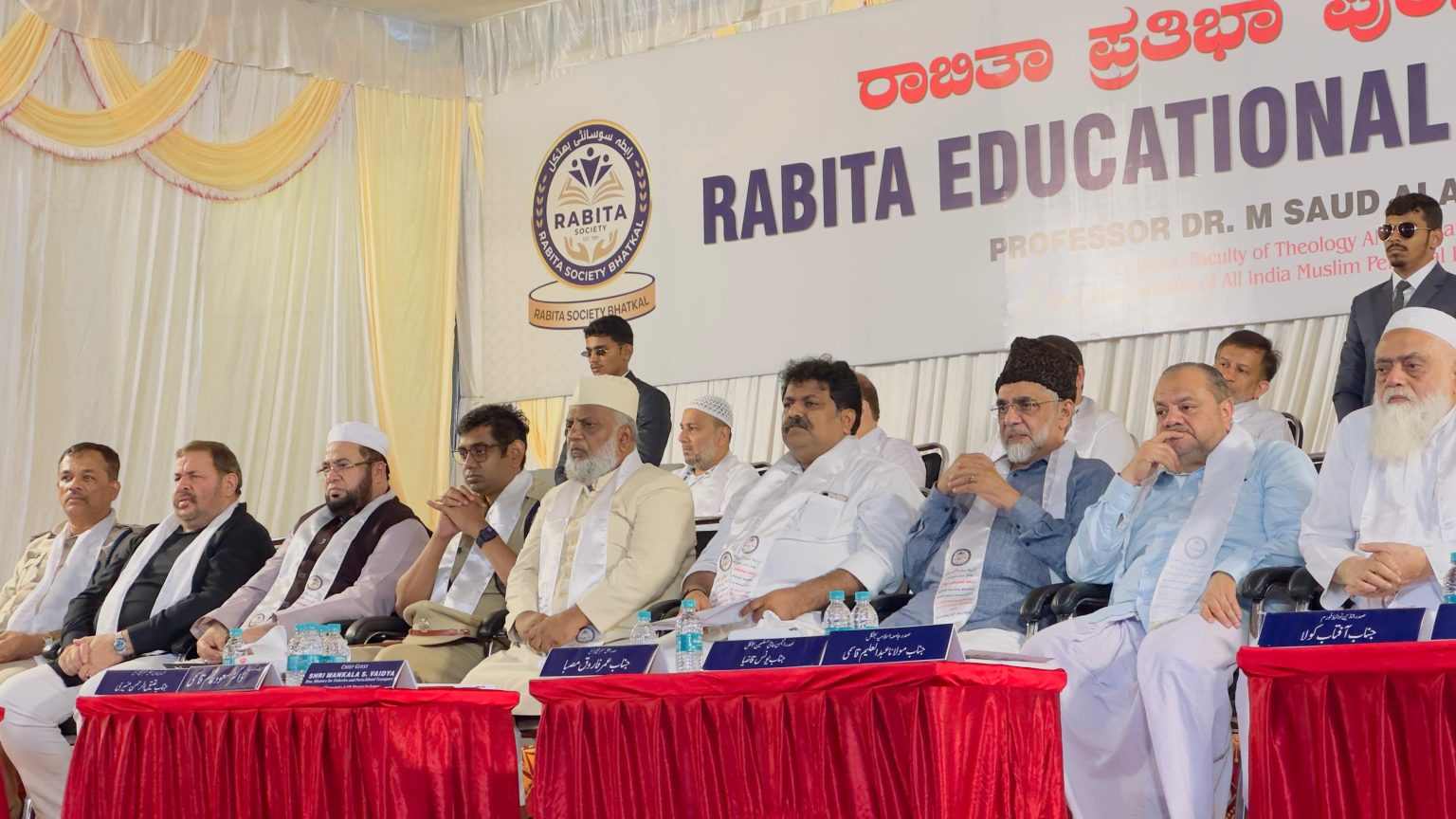
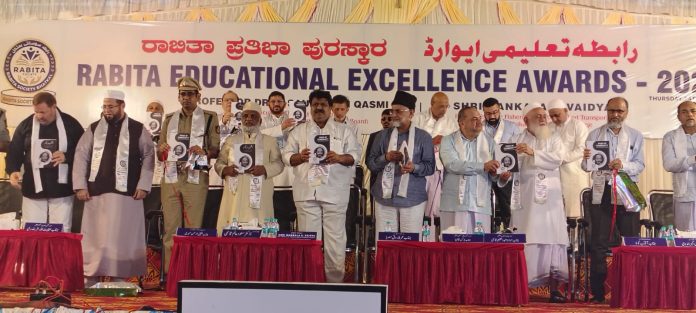
The 2025 Rabita Award Ceremony, held on 24th July at the sprawling grounds of Anjuman Islamiah Anglo-Urdu High School, was nothing short of majestic.
Even as rain poured steadily over the coastal town, the people of Bhatkal gathered in full strength. The makeshift auditorium overflowed with parents, teachers, and well-wishers – proving once again that no weather can dampen a community’s spirit when the cause is education. The stage, draped in the colours of Bhatkal’s spirit, welcomed an audience of thousands – parents, educators, students, and dignitaries.
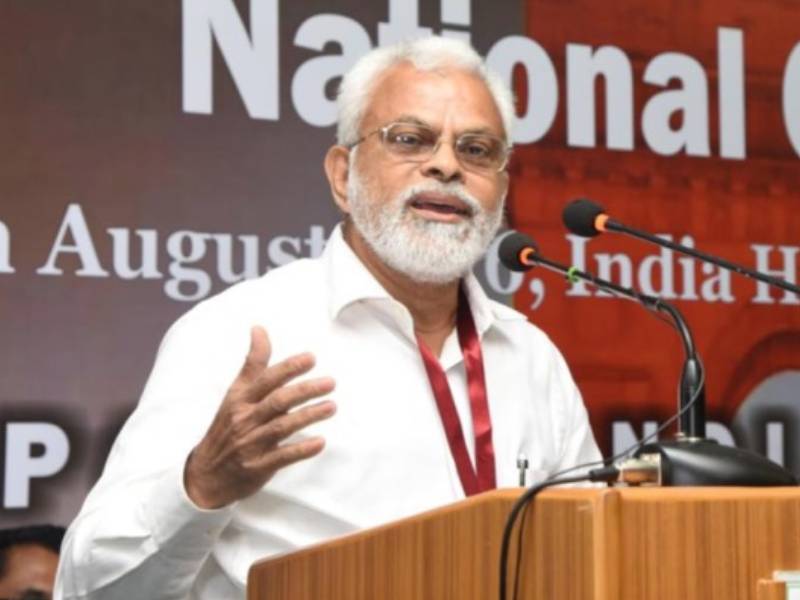
Dr. Saud Alam Qasmi, a respected professor from Aligarh Muslim University and member of the All India Muslim Personal Law Board, addressed the gathering. His words resonated deeply:
“The United Nations declared education a basic human right in 1947. But 1,450 years ago, Islam declared: ‘Seeking knowledge is an obligation upon every Muslim man and woman.’”
His speech wove together spiritual insight and modern urgency, urging families to view education not as a luxury, but as both a sacred duty and a social necessity.
Joining him was Karnataka State Minister Mankal Vaidya, who praised Bhatkal’s educational institutions and pledged full support for establishing a medical college – recognising that Anjuman already offers nearly every other academic faculty.
More Than Medals: The Power of Encouragement
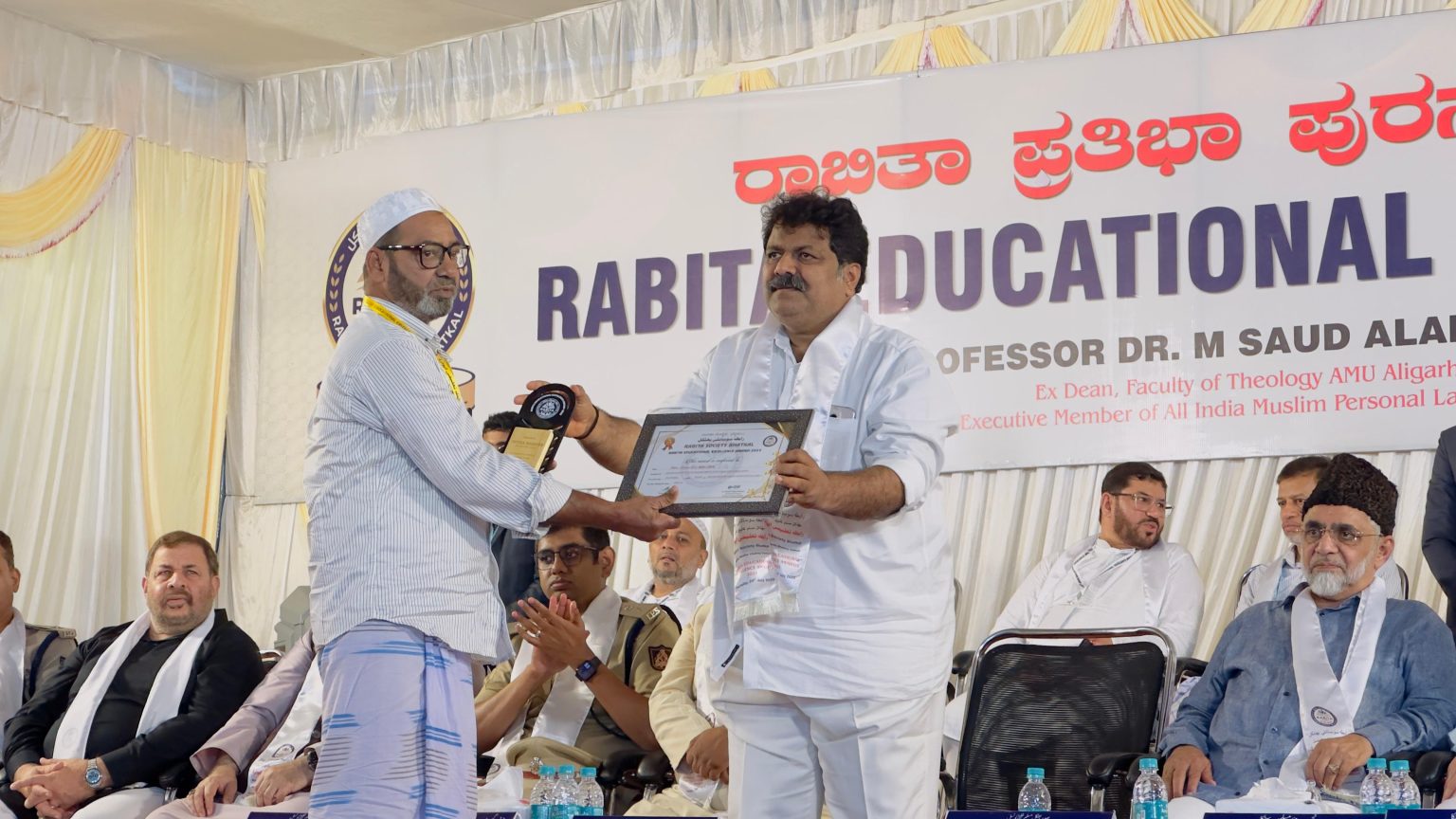
This year, 35 students across SSLC, PUC, and degree levels were honoured with gold medals and thoughtful gifts. Among them, female students once again outshone their peers, capturing two-thirds of the recognitions – a heartening sign of changing mindsets and growing gender parity in education.
The Best School Award continues to be named after Janab Usman Hassan, the legendary headmaster of Islamia Anglo High School, who worked tirelessly to promote education in Bhatkal. A pioneer in his own right, he laid the foundation for a culture of academic excellence that still echoes through the town’s institutions.
In a meaningful addition this year, the Best Teacher Award was named after Janab Syed Khaleelur Rahman Sahib, the very same visionary celebrated in the tribute volume “Iftikhar-e-Qaum Janab SM Khaleelur Rahman”. From his Gulf office in Dubai, he dreamt of uplifting his people through knowledge – and worked quietly but tirelessly to turn that vision into reality.
Though he now rests in the desert sands of Arabia, his legacy continues to bloom each year in the smiles and successes of the awardees he once imagined. Honouring him through the Best Teacher Award is both a tribute and a reminder that behind every great student is a teacher who believed in their potential.
This year’s recognitions reflected that enduring vision.
Ali Public School (Girls) received the Best School title, led by their standout student Hafsa Bint Hafeezullah, who scored an impressive 98.04%.
The Best Teacher honour went to Ms. Fatima Wida Siddiqui of Noonahal Central School, recognised for her outstanding dedication to education.
District toppers such as Shagufta Anjum (Urdu) and Bhoomika (English) were also felicitated, symbolising the inclusive spirit of academic celebration that the Rabita Awards embody.
Why This Model Deserves to Be Replicated
In an age when education is increasingly commodified, where coaching institutes manufacture toppers and commercial schools chase ranks, the Rabita model stands apart.
It is community-funded, value-driven, and inclusive. It celebrates the bright, uplifts the average, and motivates the struggling. It views education not merely as individual success, but as a shared legacy and a community responsibility.
The Rabita Award isn’t just a medal; it’s a signal fire – telling every child, “We see you. We believe in you. We’re with you.”
Imagine This in Every Town
What if every small town like Bhatkal decided to invest in its children this way?
What if the diaspora of Hyderabad, Azamgarh, Kutch, or Kolkata pooled their earnings not just for lavish marriages and luxury homes, but for educational dreams?
What if every community – regardless of faith, culture, or geography – told its youth: “We are proud of your academic journey. Keep going. We’re watching. We care.”
Communities that value knowledge rise. Those that don’t, perish slowly.
A Lesson from the Sea and the Ghats
Just like the waves of the Arabian Sea, education must be relentless – always pushing, always reshaping. And like the roots of the Western Ghats, it must be deep, nourishing generations, and anchoring identity against the floods of time.
Bhatkal is not just a place; it’s a model of what’s possible when community, culture, and commitment converge.
As the sun sets behind its palm-draped shores, one truth becomes clear:
Awards don’t just honour achievers. They create them.
Let This Be Your Takeaway
If you’re reading this in another town, another country, another community – know this: you too can start your Rabita. You too can plant the seeds of pride, perseverance, and purpose in your youth.
Start small. Honour the top three in your school. Involve your elders. Call the students to the stage. Clap for them. Gift them a medal. Take their picture. Tell the story. And do it again next year.
That’s how legacies begin.
And who knows? One day, someone may write about your town the way we write about Bhatkal – a place where the sea sings songs of learning, and the mountains stand tall in witness to dreams fulfilled.
source: http://www.radiancenews.com / Radiance News / Home> Education / by Mohammed Talha Siddi Bapa / July 26th, 2025