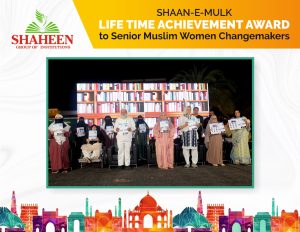
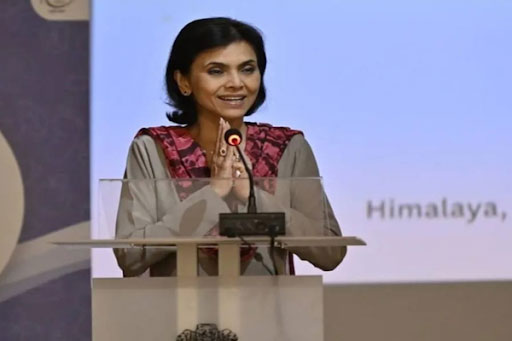
On India’s 76th Republic Day, Shaheen Group of Institutions, Bidar, organized the “Shaan-e-Mulk” Lifetime Achievement Award to honor five distinguished women for their contributions to education, business, humanitarian services, and healthcare.
Dr. Abdul Qadeer, Chairman of Shaheen Group, emphasized the vital role of women in society, stating, “Women are the backbone of families and communities, yet their contributions often go unrecognized. It is crucial to celebrate their achievements and inspire future generations.
Honorees
The award was presented to:
Ms. Shaukat Begum (Institutional Development)
Ms. Noor Jahan Shakeel (Humanitarian Services)
Dr. Rana Noor Siddiqui (Education & Research)
Ms. Uzma Naheed (Entrepreneurship)
Dr. Noor Jahan Sagheer (Healthcare)
The event, attended by thousands of female students, showcased academic performances and aimed to challenge stereotypes, inspire young women, and foster community pride.
Key attendees included Managing Director Abdul Haseeb, Academic Director Abdul Muqeet, and directors Shaista, Wafa, Zakia, Meher Sultana, Afra Naaz, and Munir Deshmukh.
source: http://www.thehindustangazette.com / The Hindustan Gazette / Home> Education / by The Hindustan Gazette / January 29th, 2025
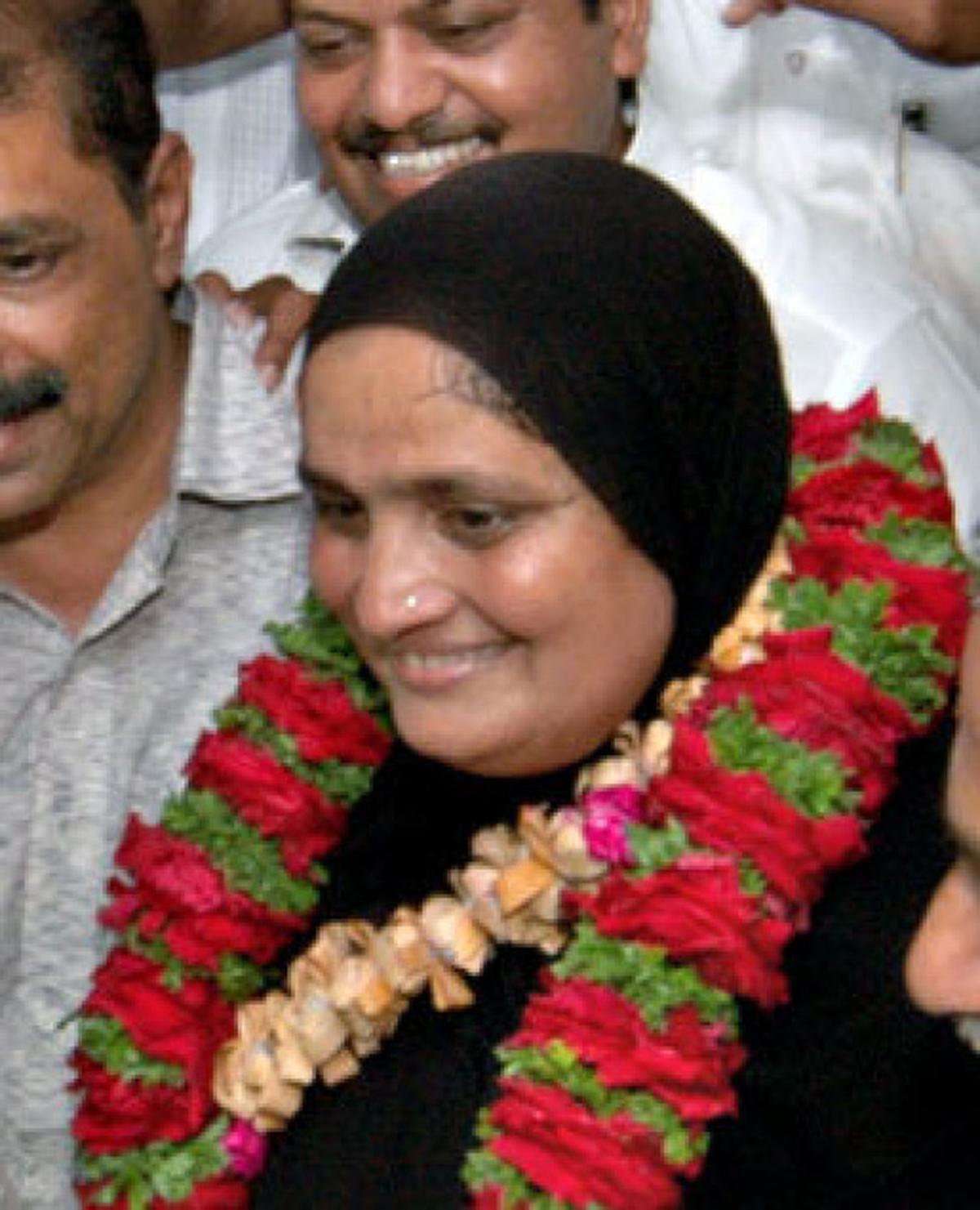
Gulzaar Banu of Congress being offer a bouquet by B.Ramanath Rai, MLA (second left) and Vijayakumar shetty fomer MLA (second right) after she was elected unopposed as the new Mayor of Mangalore City Corporation surrounded and greeted by Congress councillors and and supporters in Mangalore on March 07, 2012. Photo: R.Eswarraj
The ruling Bharatiya Janata Party (BJP) in the council of Mangalore City Corporation faced an embarrassment on Wednesday as a councillor from the Opposition Congress was elected Mayor unopposed.
Rejection of the nomination papers of the official nominee from the BJP led to this fiasco. However, a BJP candidate was elected Deputy Mayor.
M. V. Jayanthi, Regional Commissioner, Mysore, who was the Election Officer, rejected the nomination papers of the BJP candidate Roopa D. Bangera on the grounds that she had not submitted her caste certificate in the prescribed format within the given time. There was no dummy candidate of the BJP in the fray. Hence, the Opposition Congress candidate Gulzaar Banu (49) was declared unopposed.
Ms. Banu became the first Muslim Mayor of Mangalore.
The Government had reserved the post of Mayor to a woman councillor from Backward Caste 2 A category.
In the 60-member House, the BJP 35 councillors, the Congress 21, the Janata Dal (Secular) and the Communist Party of India (Marxists) one each. There are two Independent councillors.
Thus, the BJP had 36 votes (including Mangalore South MLA N. Yogish Bhat) on Wednesday. But it could not get its candidate elected against the Congress which had 21 votes. After the Election Officer announced that Ms. Banu had been elected unopposed as the Mayor, Mr. Bhat left the council hall while the other BJP councillors continued to participate in the meeting. Ms. Bangera’s ward (Kadri North) falls under the limits of Mangalore City South Assembly constituency represented by Mr. Bhat. In the election held for the post of Deputy Mayor later, Amitakala of the BJP defeated S. Appi of the Congress by a margin of 14 votes. Ms. Amitakala secured 35 votes and Ms. Appi 21 votes.
The Election Officer conducted the election to four standing committees of the council which went on smoothly.
After the election process was completed by about 5 p.m. all BJP councillors, including the Deputy Mayor, and officials walked out of the meeting presided by the new Mayor. Only one official was present at the meeting.
The Congress councillors alleged that outgoing the Mayor Praveen did not hand over the Mayor’s gown to Ms. Banu. Independent councillor Mariyamma Thomas, an advocate, told The Hindu that there was no provision in the Karnataka Municipal Corporations Act, 1976, to move a no-confidence motion against the Mayor. Hence the BJP could not overthrow the new Mayor.
source: http://www.thehindu.com / The Hindu / Home> News> Cities> Mangaluru / March 08th, 2012
Karnire Town (Mangaluru Taluk, Dakshina Kannada District), KARNATAKA :
Padubidri:
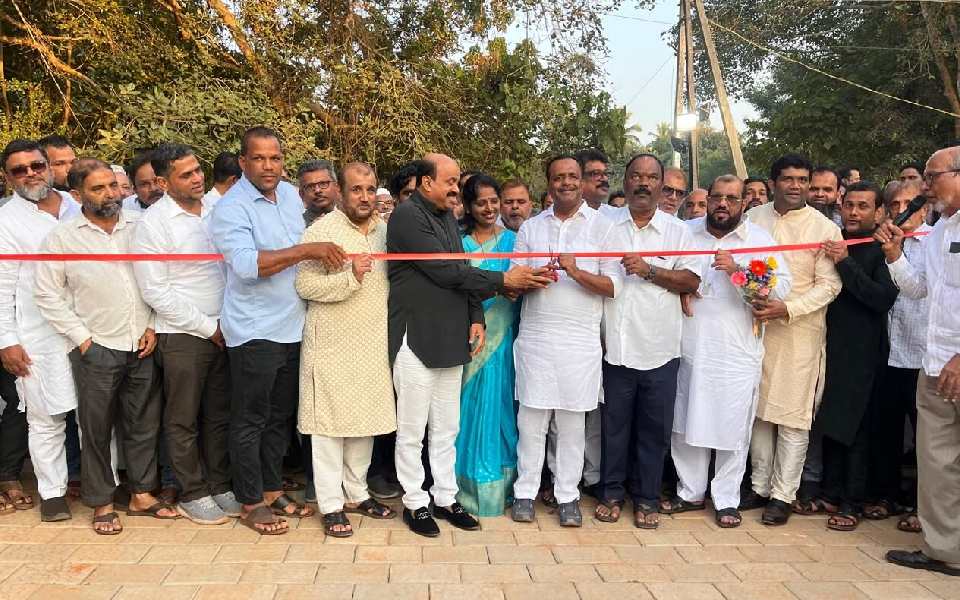
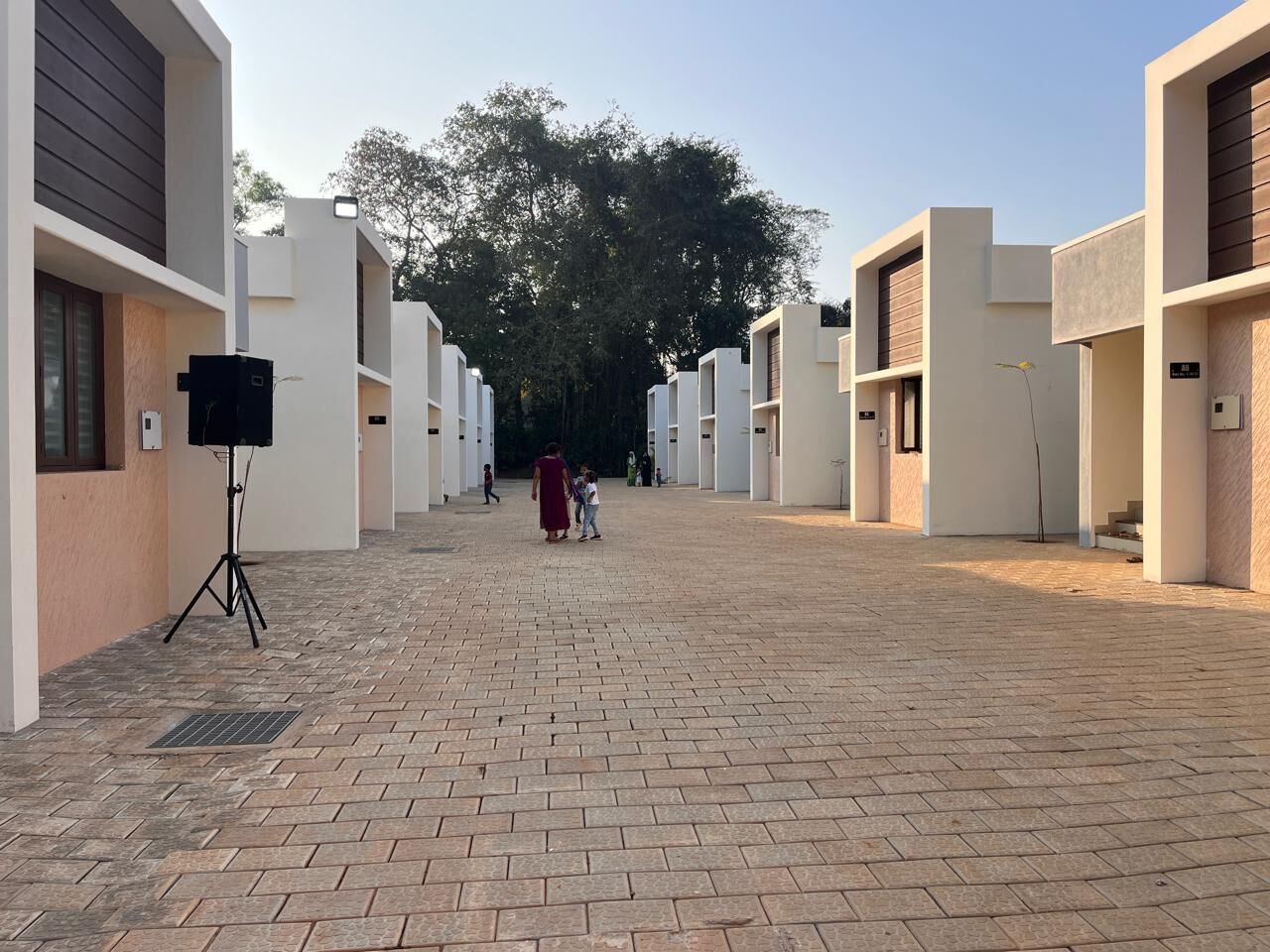
The Haji KS Sayeed Karnire Charitable Trust handed over seven newly constructed houses and laid the foundation stone for fourteen more in Karnire on Sunday.
Assembly Speaker U.T. Khader, who inaugurated the houses, highlighted the significant impact of this initiative, noting that while owning a home is a universal dream, many are unable to realize it.
He commended the project as a model of compassion and inspiration, emphasizing that such achievements go beyond financial capability and reflect a commitment to serving marginalized communities. He expressed hope for more transformative projects from the trust in the future and wished the beneficiaries a life of peace and harmony in their new homes.
Managing Trustee K.S. Sheikh, presiding over the event, detailed the trust’s ambitious project to construct 50 houses on two and a half acres of land. Each house, valued at approximately ₹20 lakh, is fully furnished with modern amenities, including a kitchen, hall, two bedrooms, and a washing machine. Sheikh explained that these homes are provided to deserving families in Karnire who lack proper housing.
He further revealed that with the foundation stone being laid for the construction of 14 more houses. There is a plan to build 50 houses on this land again, on two and a half acres of land.
Kaup MLA Gurme Suresh Shetty lauded the trust for its compassionate service in sheltering the underprivileged.
Former MLA Mohiuddin Bava praised the legacy of Syeed Haji’s hard work, which has turned his family into a beacon of service and harmony. He remarked that the family’s actions have become a model for communal unity.
Federation of World Bunts Vice President Karnire Vishwanath Shetty said, “Even though I have added Karnire to my name, the credit for taking the small village of Karnire to the world level belongs to the Syeed Haji family. Karnire is a town where everyone lives in harmony, regardless of caste, religion or difference. While Hindus have helped in the reconstruction of the mosque here, the Muslim community has also joined hands in the construction of the Hindu temple.”
Speaking in the opening remarks, K.S. Ashraf recalled the guidance of his late parents, expressed his gratitude for their teachings of kindness and service, which continue to inspire the family’s charitable efforts. He said, “We should do good to people. Our father used to preach to wish others well. Seeing his preaching and service, we have continued it. It is a great loss that our father and mother are not with us today. If they were here, they would have been happy now.”
On this occasion, U.T. Khader honored K.S. Sheikh on behalf of Karnire Juma Masjid and Karnire Khidma Young Men’s Association.
Abdul Jalil MH of Design Plus Architects, contractor H.N.G.C. Hussain, and supervisor Ramesh Kotian were also recognized for their contributions.
Karnire Juma Masjid Qatheeb Umarul Farooq Saquafi performed the dua. Family elders M.K. Abdul Hamid Mulki, K.S. Aboobacker were present.
Also present during the program were Balkunje Grama Panchayat President Mamata D. Poonja, Harishchandra Shetty, Karnire Juma Masjid President Muhammad Ali, Adv. Bhaskar Shetty, Kote Shekhabba Kannangar, T.K. Muhammad Kote Palimaru, Karnire Harishchandra Shetty, Khidma Youngmen’s President Khidma B.N, Ismail, K.S. Ashfak.
K.S. Ashraf delivered the welcome address, K.S. Abdul Rahim offered a vote of thanks, and Muhammad Ali Kammaradi moderated the event.
source: http://www.english.varthabharati.in / Vartha Bharati / Home> Karavali / by Vartha Bharati / October 05th, 2025
Remembering the fearless freedom fighter, who led thousands of women in civil protests, championed Urdu and education, and defied social evils
Patna :
In the midst of the ongoing Bihar Assembly election campaigns, the state pauses to honour a remarkable figure in its history: Anees Fatima, Bihar’s first Muslim woman MLA, a freedom fighter, teacher, and social reformer whose courage and vision continue to inspire generations.
Born in Patna in 1901, Anees Fatima’s early years were marked by a sharp mind and fearless disposition, qualities that distinguished her in a time when women’s education and participation in public life were extremely limited. She completed her primary education at the Badshah Nawaz Rizvi School, also known as Madrasa Islamia, setting the stage for a life devoted to public service and national freedom.
“From childhood, she was determined not to remain silent,” said historian Dr Meena Sharma. “Her courage and intellect made her stand out, and she carried these traits into the freedom struggle, inspiring countless others.”
Anees Fatima’s commitment to India’s freedom movement was evident from her active participation in the Non-Cooperation Movement launched by Mahatma Gandhi in 1920. She fearlessly led protests against liquor shops in Patna, an audacious move for a woman at the time. During the 1930 Civil Disobedience Movement, she and fellow activist Gauri Das led a procession of more than 3,000 women in Patna. When fined ₹201 by the British government for her activism, she refused to pay.
She had to go to jail for her boldness but she neither accepted defeat in front of the British nor did she weaken in front of the cruelty of the British.
Her remarkable leadership earned her national recognition, with the Indian National Congress including her in the delegation sent to England to protest the Montagu-Chelmsford Reforms.
In 1937, Anees Fatima made history as Bihar’s first woman MLA, contesting and winning the election as an independent candidate. Her oratory skills were so compelling that she was awarded the title of “Lady Imam.” She was also an active member of Anjuman Tehreek-e-Urdu, campaigning for Urdu to be recognised as Bihar’s second language.
“Her election was more than a political victory,” said educationist Prof Arif Khan. “It was a statement that women, and especially Muslim women, could lead and shape society.”
Beyond politics, she dedicated her post-independence years to promoting education in Bihar, remaining associated with the Khuda Baksh Oriental Public Library, and advocating against social evils like child marriage and strict purdah practices.
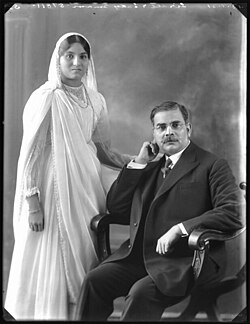
Anees Fatima’s life reflects a deep commitment to service, courage, and women’s empowerment. Married to Sir Syed Ali Imam, she helped lay the foundations for what is considered “Jadid Bihar,” or New Bihar, through her tireless efforts in education, social reform, and public service.
“Anees Fatima showed that courage and dedication know no gender,” remarked local activist Fatima Rizvi. “She not only fought for the nation’s independence but also for the rights of girls and women in society. Her legacy continues to guide us.”
As Bihar celebrates its electoral processes, remembering pioneers like Anees Fatima offers a reminder that true leadership is measured not by position but by service, bravery, and commitment to equality and justice.
source: http://www.clarionindia.net / Clarion India / Home> Editor’s Pick> India> Indian Muslim / by Team Clarion / October 16th, 2025
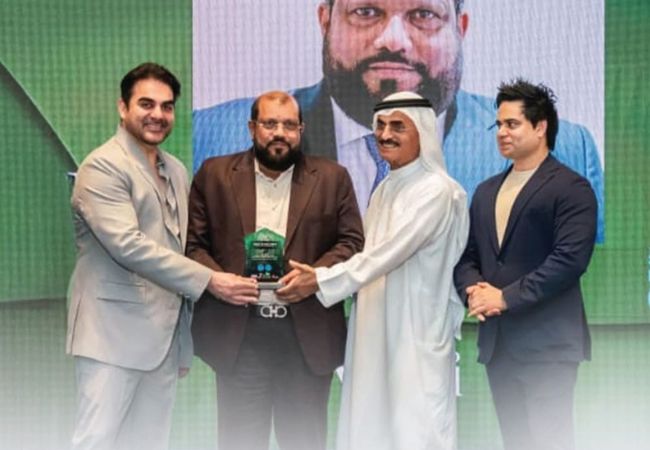
Recognising his outstanding contributions to business leadership and sustainable practices, K.S. Sheik Karnire, Chief Operating Officer of Expertise, was conferred with the prestigious Business Excellence Award 2025 at the Zee Media Gulf Green Summit & Awards held at Hilton Habtoor City, Dubai on September 26.
The event, organised by Zee Media in association with World WeTel, brought together global leaders, entrepreneurs, and sustainability advocates to deliberate on green initiatives and acknowledge exceptional business achievements across industries.
The award was presented to Karnire in the presence of eminent dignitaries including H.E. Dr. Abdullah Belhaif Al Nuaimi, Chairman of Sharjah Consultative Council and former UAE Minister of Climate Change and Environment, who graced the ceremony as Chief Guest.
Actor Arbaaz Khan attended as the Guest of Honor, while the proceedings were anchored by celebrity anchor Anil Singhvi.
source: http://www.english.varthabharati.in / Vartha Bharati / Home> Gulf / by Vartha Bharati / October 02nd, 2025
The Bearys Group has made a clean sweep at the World Safety Organisation (WSO) India Awards 2025, winning three major recognitions for its excellence in safety, sustainability, and leadership.
At the 6th Annual WSO India OHS&E Professional Development Symposium and the 4th edition of the WSO India (State) Level OHS&E Awards held at The Lalit, Mumbai, on October 14, the Group emerged as one of the top performers in the country.
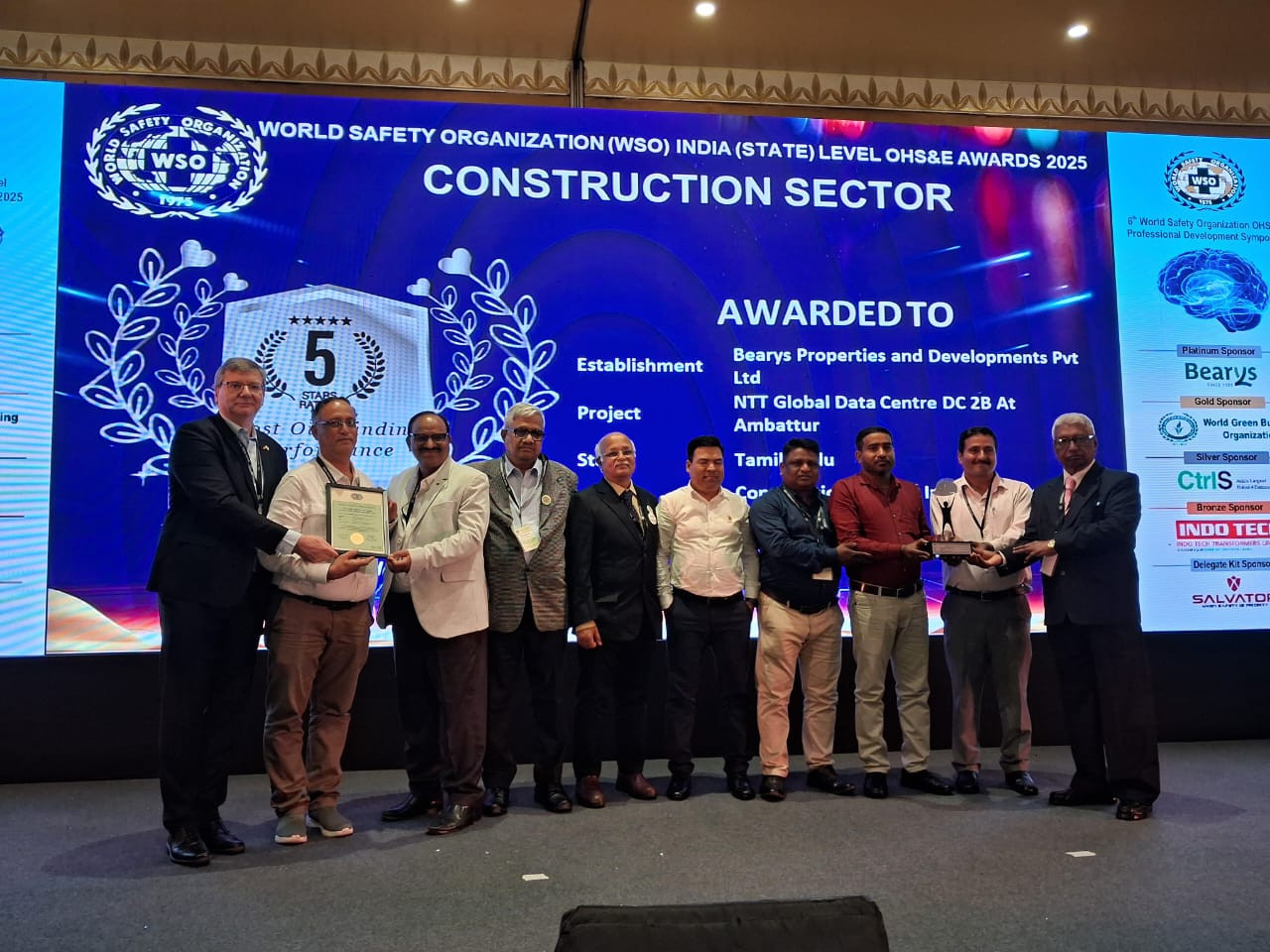
Among the winners was the NTT Data Center (DC2B) in Ambattur, Chennai, developed by Bearys, which received the Platinum 5-Star Award for “Most Outstanding Performance in Occupational Health, Safety & Environment (OHS&E)” the highest recognition in its category.
Another project, the NTT Data Center (NAV1C) in Mahape, Navi Mumbai, also developed by Bearys, won the Gold 4-Star Award for “Outstanding Performance in OHS&E.”
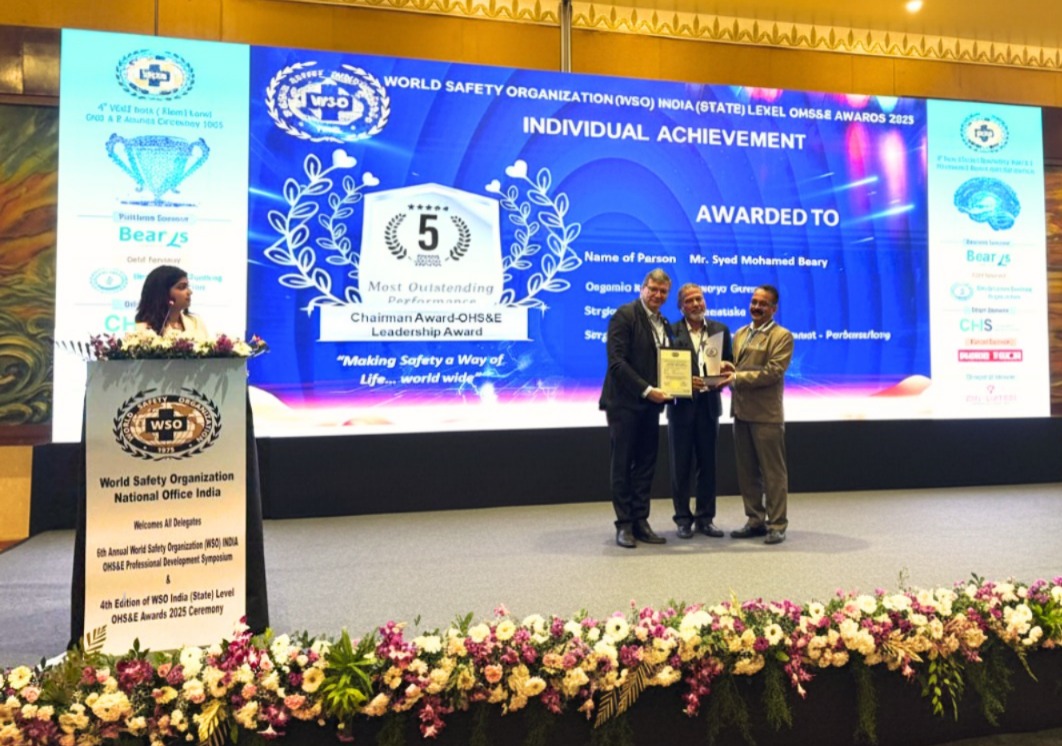
In addition to these project-level awards, Syed Mohamed Beary, Founder and CMD of Bearys Group, was conferred with the “Individual Achievement in Leadership” award by WSO India. The honour acknowledges his “exemplary leadership, sustainability-driven vision, and lifelong contribution to creating safer, greener, and smarter built environments.”
Terming the recognitions as a “hat-trick of excellence,” Bearys Group said in a statement that the awards reaffirm its commitment to “Building for a Sustainable Tomorrow,” where innovation, integrity, and safety remain the foundation of all its endeavours.
The triple win marks another milestone in the Group’s long-standing pursuit of sustainable and safe development practices across its projects nationwide.
Veteran diplomat and Kasargod native Nagma Mohamed Malik has been appointed as India’s Ambassador to Japan, marking a notable new chapter in her three-decade career in the Indian Foreign Service (IFS).
She currently serves as India’s Ambassador to Poland and will now assume one of the country’s most strategically important diplomatic roles in East Asia.
Though she spent much of her childhood and education in New Delhi, Nagma traces her roots to Fort Road in Kasargod. She often says that “no matter where I go in the world, I always introduce myself as someone from Kasargod. It is my identity, and I wear it with pride.”
She is the daughter of Mohamed Habeebullah and Julubanu, and the daughter-in-law of the noted Kannada author Sara Abubakar, who is credited with pioneering a literary movement through her writings in Kasargod and Dakshina Kannada.
Nagma comes from a distinguished family with a strong tradition of public service and sacrifice. Her uncle, Lieutenant P. Mohamed Hashim, was martyred in the 1965 Indo-Pakistan war at the age of just 23. To honour his sacrifice, a street in Thalangara bears his name, and a memorial pillar known as Pulikkunnil Stupa has been erected. Her grandfather, Ahmad, was among the first Muslim lawyers to practise in the Kasargod Court between 1930 and 1970, leaving behind a lasting legacy of legal excellence in the region.
After joining the Indian Foreign Service in 1991, Nagma earned the distinction of becoming India’s first woman deputy chief of protocol (ceremonial). She began her diplomatic career in Paris, where she worked at the Indian Embassy and at UNESCO. Later, she served with the Prime Minister’s Office under I K Gujral, managing the Western Europe desk.
Over the years, her overseas postings have included roles as first secretary and counsellor in Nepal and Sri Lanka, deputy chief of mission in Thailand (2010–2012), ambassador to Tunisia (2012–2015), high commissioner to Brunei Darussalam (2015–2018), and ambassador to Poland (2021–2024).
Back home in India, she has held several strategic positions within the ministry of external affairs, such as deputy spokesperson; director of the Eurasia division; head of the Policy Planning & Research Division (2019–2020); and additional secretary (Africa), overseeing India’s relations with East and Southern African nations.
Nagma holds a bachelor’s degree in English Literature and a masters in Sociology, and she is fluent in English, French, Hindi, Urdu, and Malayalam — skills that have served her well across her global appointments. Beyond diplomacy, she has a deep interest in Indian classical dance, music, and literature.
On the personal front, she is married to Farid Inam Malik, a lawyer based in New Delhi, and the couple has a son and a daughter.
With her appointment to Tokyo coming at a critical moment for India–Japan relations, Nagma Mohamed Malik is expected to strengthen bilateral ties. Her journey from the lanes of Kasargod to the corridors of global diplomacy is not just a personal triumph but also an inspiration to aspiring diplomats across the nation.
source: http://www.daijiworld.com / Daijiworld.com / Home>Top Stories / by Daijiworld Media Network – Tokyo / October 17th, 2025
Sajid Jamal, Founder and Chief Business Architect of BranchX, is redefining India’s retail landscape through advanced artificial intelligence and data-driven solutions. His company aims to empower small and medium retailers by bridging the digital divide that separates local stores from organized retail and e-commerce giants.
BranchX, established in Mumbai, provides AI-powered tools that assist shop owners in managing inventory, predicting customer demand, and enabling seamless digital payments. The platform also supports hyperlocal delivery networks, offering small businesses a competitive edge in fast-changing markets.
Under Jamal’s leadership, BranchX plans to onboard over one million retailers across 500 cities by 2027. The company’s growth roadmap includes a public listing in 2027, signaling strong investor confidence and a clear vision for nationwide expansion. Jamal’s background in finance and technology, with professional experience in the UAE and India, has shaped BranchX into a model of sustainable retail innovation.
Jamal’s vision is rooted in inclusive growth. By offering AI and digital solutions once limited to large corporations, he seeks to democratize retail technology and strengthen the backbone of India’s economy—the kirana stores. His approach combines financial inclusion with smart technology, opening new opportunities for millions of small traders.
BranchX’s rapid rise highlights a broader transformation underway in India’s retail sector, driven by homegrown innovation and a renewed focus on empowering local entrepreneurs.
source: http://www.radiancenews.com / Radiance News / Home> Entrepreneurship> Features / by Radiance News Bureau / October 07th, 2025
Prof. Ziaur Rahman Siddiqui, Department of Urdu, AMU
Aligarh:
In a proud moment for the global Urdu community, Prof. Ziaur Rahman Siddiqui, Department of Urdu, Aligarh Muslim University (AMU), has been nominated for the prestigious Nishan-e-Urdu 2023–24 award by Urdu Markaz, New York (USA).
The award, to be formally presented in New York on Sir Syed Day, honours individuals for their outstanding contributions to the promotion and enrichment of the Urdu language.
Mr. Raees Warsi, Founder and President of Urdu Markaz, New York, remarked, “Prof. Siddiqui’s nomination recognises his remarkable work in Urdu scholarship, research, criticism, and pedagogy.”
Prof Siddiqui is the author of more than two dozen books and over a hundred research and critical papers, blending intellectual depth with literary artistry.
source: http://www.radiancenews.com / Radiance News / Home> Pride of the Nation> Awards> Latest News / by Radiance News Bureau / October 13th, 2025
RIFAH Chamber of Commerce and Industry successfully organized the International Business Networking Meet 2025 at the Galadari Hotel, Colombo, bringing together leading entrepreneurs and industry professionals from India, Sri Lanka, and Malaysia. The two-day event marked a major milestone in promoting bilateral trade, investment, and cross-border collaboration.
The event was inaugurated by Mr. Hanif Yosoof, Governor of the Western Province, Sri Lanka, who praised Rifah’s initiative in connecting business leaders and fostering ethical, growth-oriented entrepreneurship across regions.
Mr. Rifas Jabbar, Chairman of The Lanka Business Alliance, extended a warm welcome to all dignitaries and delegates, appreciating their participation in strengthening business relations between the two nations. The meet featured productive B2B networking sessions, market opportunity discussions, and presentations on trade facilitation and ease of doing business in Sri Lanka.
Mr. Afzal Baig, General Secretary of RIFAH, introduced the chamber’s vision and ongoing initiatives to expand international market linkages. The programme also saw contributions from various state representatives who shared insights on investment potential and collaborative ventures in multiple sectors.
As a gesture of goodwill, mementos were presented to key dignitaries including Mr. Hanif Yosoof (Governor, Western Province), Mr. Sudath Ja Jayasekara (Deputy Director, Investment Promotion Department), Mr. Aqthar Hussain (Expert in International Trade & Customs Affairs), and Major General (Retd.) Samantha Wickramasena (Secretary General, Ceylon National Chamber of Industries). The felicitation was led by Mr. Afzal Baig (General Secretary, RIFAH), Mr. Anees Mohammad (Head, International Department, RIFAH), Dr. Abdul Qadeer (Educationalist), and Mr. Yonus Sait (President, RIFAH Tamil Nadu Chapter).
The event, organized in collaboration with The Lanka Business Alliance, served as a vital platform to strengthen India–Sri Lanka business relations, encourage joint ventures, and build a network of entrepreneurs committed to sustainable, ethical, and globally integrated trade practices.
source: http://www.indiatomorrow.net / India Tomorrow / Home> World Affairs / by India Tomorrow / October 10th, 2015