Remembered in files, erased in life: Jharkhand’s forgotten martyrs of 1857

JHARKHAND :

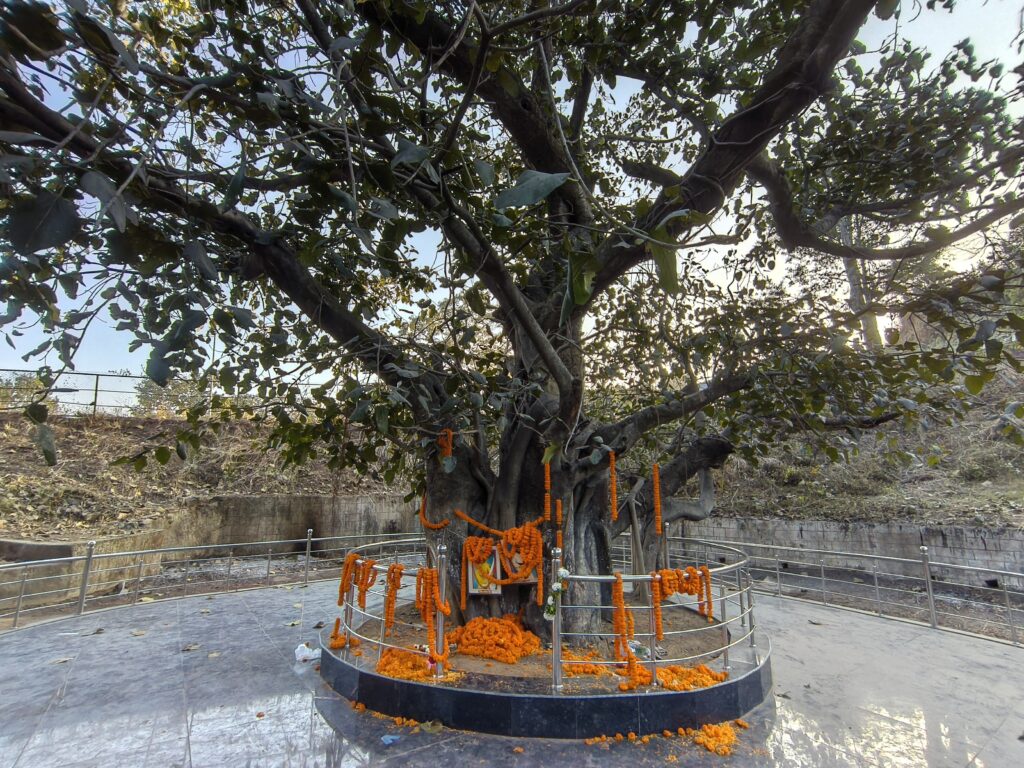
The Banyan tree on which the execution took place. Photo: Ghulam Ahmad Raza

During the 1857 revolt against British rule, Jharkhand too witnessed armed resistance. The rebellion had spread across regions including Ranchi, Hazaribagh, Ramgarh, Palamu and Singhbhum. In the dense forested border areas of Ranchi and Hazaribagh, the rebel forces were led by Shaheed Sheikh Bhikhari Ansari and Tikait Umrao Singh. From the dense jungles of the Chuttu Palu valley, their army fought British troops and prevented Ranchi from falling under colonial control. Both leaders were captured by the British forces on January 6, 1858 and were publicly executed by hanging on January 8, 1858, in the same Chuttu Palu valley.

The banyan tree on which they were hanged still stands today. The Jharkhand government has developed the surrounding area as a martyr memorial with the stated aim of preserving history and keeping alive the legacy of the region’s sites of resistance. Yet even today, many residents of the Chuttu Palu village where the memorial stands remain unaware of who these martyrs were.

Fifty-eight-year-old Nirmal Kumar, who works as a stone breaker near the memorial, often rests inside the premises during breaks. He says he has been coming here since childhood. Despite this, he is unaware of the historical significance of the site and does not recognise the names of Sheikh Bhikhari Ansari or Tikait Umrao Singh.

“I only know that blankets are distributed here every year on January 8,” he said. On the martyrdom anniversary, social workers and officials visit the site to pay tribute and distribute essentials among the poor.

Sanjay Munda, a resident of Chuttu Palu village, said that even today, most villagers do not know about the martyrs or the memorial’s history. “Members of the surrounding Scheduled Tribe (ST)  and Scheduled Caste (SC) communities refer to the site in the local language as Fasiyahi Bar (tree where the hanging took place). Most people do not know about the 1857 revolt or the sacrifice of Sheikh Bhikhari and Tikait Umrao Singh,” he told Maktoob.

Despite the lack of awareness, locals often bow their heads in respect when passing the site.

The memory of these two revolutionaries who laid down their lives fighting British rule is slowly fading. Their history has largely been reduced to government files and digital web pages. On martyrdom days, ministers, officials and locals pay tributes, but beyond symbolic gestures, little is done. While the Jharkhand government has taken some steps to acknowledge them, no substantial initiative has been taken by the central government to formally recognise or honour their contributions.

Dr Muzaffar Hussain, researcher and author of Jharkhand ki Muslim Vibhutiyaan, says Muslim, SC and Adivasi martyrs have not received the recognition they deserve. “Jharkhand has produced many revolutionaries who sacrificed their lives for India’s freedom, but recognition has been limited largely to Birsa Munda only,” he said.
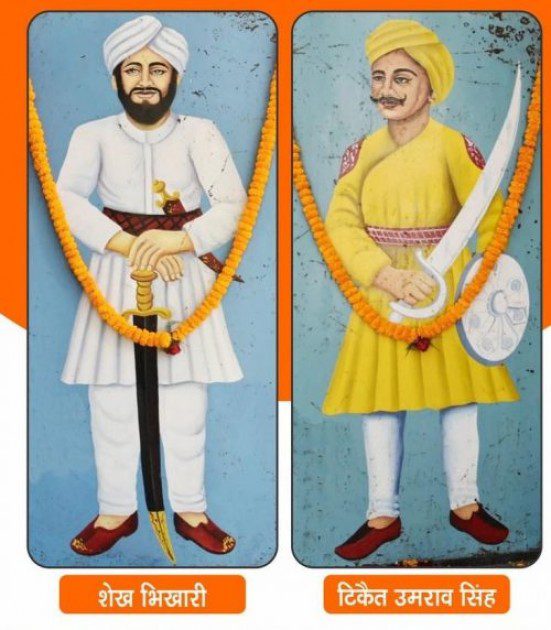
He points out that the 1857 revolt took place nearly 40 years before Birsa Munda’s Ulgulan (revolt). “Names like Nadir Ali, Imam Ali, Jatra Tana Bhagat, Sidhu–Kanhu, Phulo–Jhano, Nilambar–Pitambar, Sohbat Miyan, Chandan Miyan, Jaggu Miyan and Najahat Hussain are a part of Jharkhand’s resistance history during the 1857 revolt, yet they remain largely forgotten.”

Hussain argues that the Jharkhand government must project its revolutionaries on a larger scale for the central government to take meaningful steps. “Even platforms like Google and Wikipedia carry very limited information about them,” he said.

He suggests state-funded research, naming welfare schemes and government buildings after revolutionaries and honouring their descendants are ways to restore their place in public memory.

Ruchi Kujur, an activist working on SC and ST rights and a member of the Jharkhand State Commission for Protection of Child Rights, said every state has its own history, and Jharkhand is rich with stories of courage and resistance. “The list of Adivasi and SC heroes is long,” she said.

“People need to be made aware of their ancestors’ sacrifices. When these revolutionaries are honoured, it inspires the younger generation to work for society and the nation.”

Situated amid a valley rich in natural beauty, the martyr memorial complex (Shaheed Sthal) has been developed with basic amenities. Yet, several factors discourage people from visiting the site, further deepening the lack of public awareness about the martyrs. Surrounded by dense forests and hills, the memorial lies in an isolated location, with no human habitation within a radius of nearly five kilometres. This isolation is a major reason why people hesitate to visit the site, either alone or with their families.

The premise includes resting sheds, benches and toilet facilities. However, due to poor maintenance, thick shrubs have grown across the complex. Lights installed in the area and doors of the toilets have reportedly been stolen. Although the police conduct patrols from time to time, the absence of adequate security continues to deter visitors.

Ghulam Ahmad Raza is a Jharkhand-based freelance journalist with over four years of experienceHe has worked as a City Reporter with Pratah Awaz and as a Sub Editor with Prabhat MantraHis reporting focuses on marginalised communities, forgotten histories and grassroots political narratives.

source: http://www.maktoobmedia.com / Maktoob Media / Home> East India / by Ghulam Ahmad Raza / January 29th, 2026

Mohammed Haris’ journey to Indian skies began from a ticketing office in Kerala

Kozhikode (formerly Calicut) KERALA :

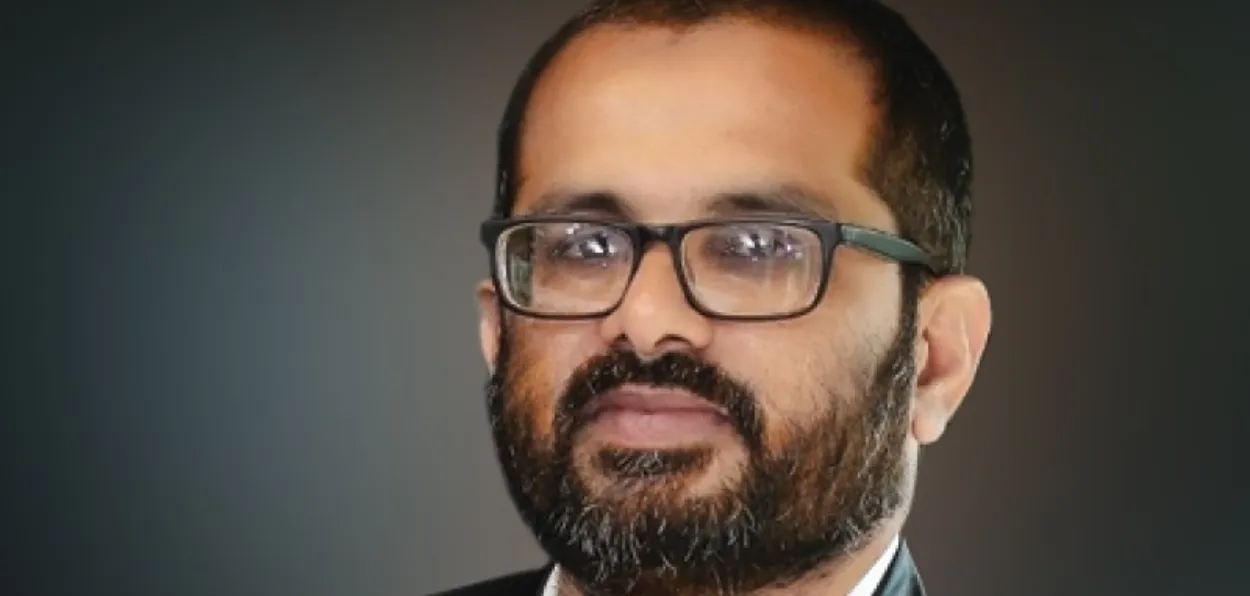
Mohammed Haris T,. Chairman and Owner of alHind Air

New Delhi :

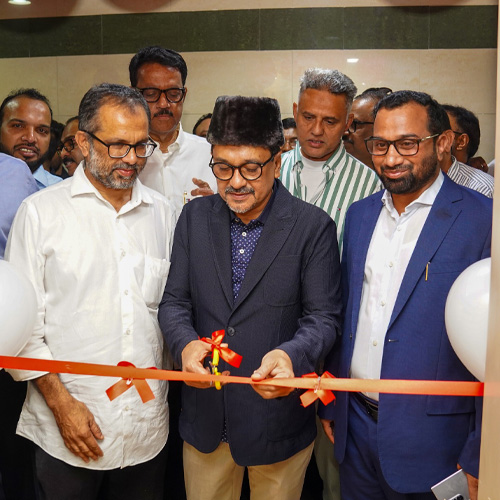
From a small ticketing office in Calicut, Kerala to entering India’s aviation space, T. Mohammed Haris is taking on one of the most competitive markets as his Al Hind Air is all set to enter the Indian aviation sector, building a full-scale airline empire.

AlHindAir and FlyExpress are set to take to the skies, after receiving their No Objection Certificates from the Civil Aviation Ministry.

Al Hind Air is being promoted by Kerala-based Alhind Group, which was established three decades ago in Calicut. The promoter of Al Hind Air is Mohammed Haris T. 

Mohammed Haris is the promoter of Alhind Group of Companies. His experience in the travel and tourism industry is extensive. Haris also holds the position of founder General Secretary of the Indian Hajj Umrah Association. Born in Calicut, he completed his education with a Bachelor’s degree in Arts (BA History and Economics) and a degree in Pharmacology.

AlHind Air

Alhind Group offers a wide array of travel-related services, making it a one-stop shop for all travel needs. Its global footprint has expanded significantly over the years. With offices and partners in several countries, including the UAE, Saudi Arabia, Qatar, Oman, Bangladesh and Kuwait, the company has managed to serve a diverse clientele from different parts of the world.

Part of the Alhind Group of Companies, Alhindair is preparing to make its debut in the aviation industry as a regional commuter airline, with operations scheduled to commence later this year. “The airline will begin its journey with a fleet of ATR 72- 600 model aircraft, initially focusing on providing efficient and reliable domestic air travel,” it said.

Alhind Group was established in 1990 and has emerged as a prominent leader in the travel and tour management industry in Asia.

Over the years, the group has built a strong reputation and has a presence in diverse fields such as transportation, software, Umrah travel, mobile application development, education, etc.

T.Mohammad Haris (Left) and others at an public function

Alhind’s global footprint has expanded significantly over the years. With offices and partners in several countries, including the United Arab Emirates, Saudi Arabia, Qatar, Oman, Bangladesh and Kuwait, the company has managed to serve a diverse clientele from different parts of the world.

This global presence ensures that Alhind is well-equipped to cater to the needs of international travellers, whether for leisure or business purposes. In a rapidly evolving industry, Alhind has shown its adaptability by embracing technology and innovation. 

Its website claims that “In a rapidly evolving industry, Alhind has shown its adaptability by embracing technology and innovation. Alhind has invested in user-friendly websites and mobile apps, allowing customers to book their travel services conveniently. Additionally, they have integrated various online booking tools and platforms to ensure a seamless booking process. This forward-thinking approach has enabled Alhind to stay competitive and relevant in the digital age.”

source: http://www.awazthevoice.in / Awaz, The Voice / Home> Stories / by Aasha Khosa / December 28th, 2025

Meet Lubna Qazi Who Takes Oath as Administrative Law Judge in New Jersey

KUWAIT / Raigarh District (MAHARASHTRA) / New Jersey (U.S.A) :

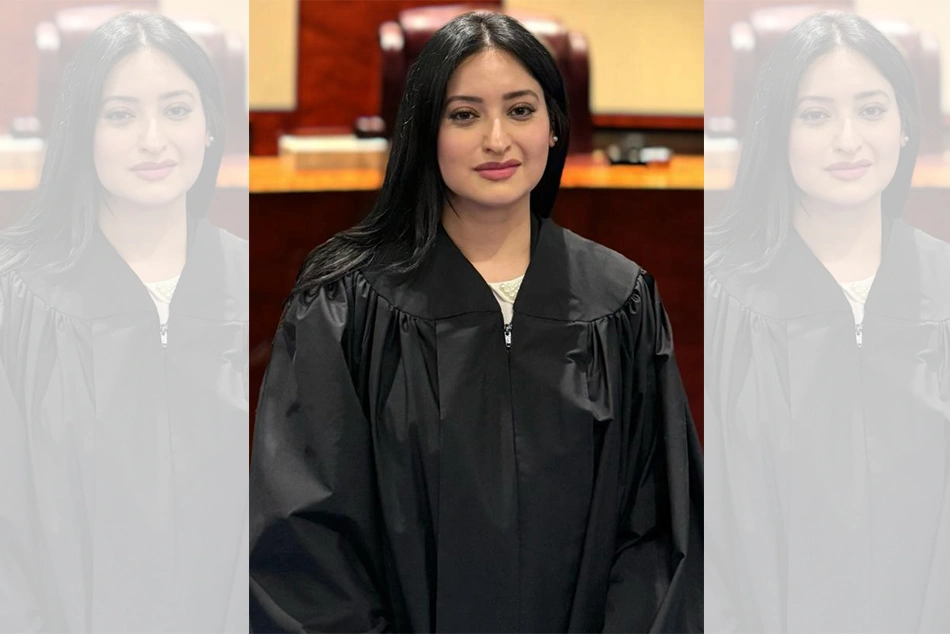
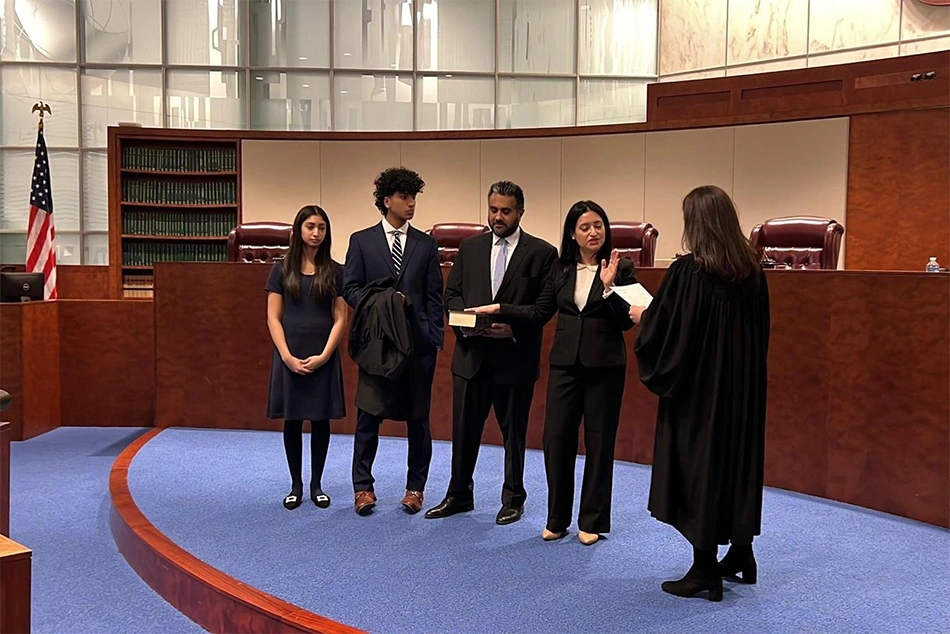
Kokan’s daughter Lubna Qazi Chaudhry took the oath as Administrative Law Judge in New Jersey with her hand placed on The Holy Quran, pledging to uphold constitutional responsibilities.

Mumbai: 

Lubna Qazi, a lawyer originally from Maharashtra’s Raigad district, has created history by taking oath as an Administrative Law Judge (ALJ) in the US state of New Jersey, becoming the first Muslim woman to be appointed to this position in the state. The appointment is being widely regarded as a significant milestone for minority representation in the American judiciary.

The oath-taking ceremony was held recently, where Associate Justice Rachel Wainer Apter of the New Jersey Supreme Court administered the oath. On the occasion, Lubna Qazi placed her hand on the Holy Quran and pledged to faithfully discharge her constitutional duties.

The position of Administrative Law Judge holds considerable importance within the American judicial system. ALJs preside over cases involving decisions of government agencies, administrative disputes and public grievances, delivering rulings based on established legal principles.

Lubna Qazi’s Life Journey

Lubna Qazi’s life journey spans multiple countries and cultures. She was born in Kuwait, where she spent her early childhood with her parents. In 1990, during a school vacation, she travelled to the United States. However, following the outbreak of the Gulf War, the family decided to settle there permanently.

Lubna later pursued her education in California, completed her graduation from the University of California, and earned her law degree from Western State University College of Law.

After marrying Ahsan Chaudhry in 2005, Lubna moved to New Jersey, where she served in various government legal positions for nearly two decades. Recognising her extensive legal experience and professional competence, the Governor of New Jersey nominated her for the post of Administrative Law Judge in 2025.

Lubna Qazi is also distinguished for her linguistic abilities. In addition to English, she is fluent in Urdu, Hindi and Konkani, and has working knowledge of Arabic. Committed to preserving cultural and linguistic heritage, she is personally teaching Urdu and Arabic to her two children at home.

Family Feels Honoured

Expressing his pride, Lubna’s father Inayatullah Qazi said that the entire family feels honoured by her achievement. He described the appointment not merely as a position, but the result of years of hard work, sacrifice and prayers.

Speaking to the correspondent, Inayatullah Qazi said that his family hails from Tala taluka of Raigad district in the Konkan region. He completed his education up to Class VI at Jamia Millia Islamia School, Delhi, and his high school education at Anjuman Islam, Mumbai.

After obtaining a degree in Mechanical Engineering from Government College of Engineering, Aurangabad, in 1975, he moved to Kuwait for employment, beginning his career with an air-conditioning company. After working there for fifteen years, he migrated to the United States with a single suitcase following Iraq’s invasion of Kuwait after the Gulf War, as his children were already in the US at the time. He later ensured higher education for all four of his children.

Inayatullah Qazi said that the family’s roots are deeply embedded in Islamic tradition and that Urdu is spoken with pride at home. He added that Lubna completed recitation of the Holy Quran at the age of seven.

He further shared that around five to six generations ago, their ancestors were sent to the Konkan region as Qazis (judicial authorities) to administer justice without discrimination based on religion, caste or race. Although the profession discontinued a few generations ago, he expressed happiness that his daughter has now proudly revived the family’s judicial legacy.

Lubna Qazi is also the granddaughter of Dr Rehana Ahmed, a noted educationist and Executive Chairperson of the Girls’ Board of Anjuman Islam, Mumbai. Dr Ahmed expressed joy over Lubna’s achievement, stating that it serves as a shining example for young women across the community and will inspire girls to pursue higher education and professional careers. She is widely recognised for her dedicated efforts toward the promotion of girls’ education, particularly within the Muslim community.

Meanwhile, several social and legal organisations, including the Asian Pacific American Lawyers Association of New Jersey, have congratulated Lubna Qazi on her appointment. Observers believe that this development marks a significant step forward in strengthening Muslim and minority representation within the American judicial system.

source: http://www.ummid.com / Ummid.com / Home> United States / by Mohiyuddin Altamash / January 30th, 2026

Women-Exclusive Exhibition-cum-Sale in Shivamogga Empowers Women Entrepreneurs

Shivamogga, KARNATAKA :

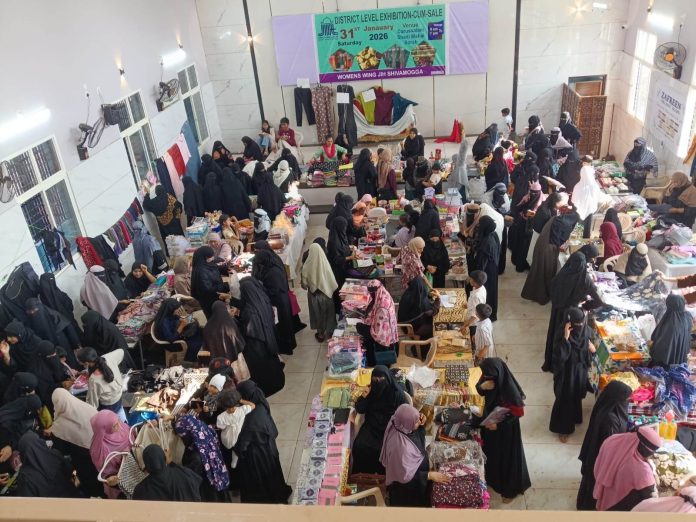
A one-day Exhibition-cum-Sale was organised by the Women’s Wing of Jamaat-e-Islami Hind, Shivamogga District. The exhibition was inaugurated by the State Secretary of the Women’s Wing, Jamaat-e-Islami Hind, Mohtarma Taskeela Khanum.

The objective of such programmes is to economically strengthen and empower women. In the context of rising inflation, unemployment, and poverty, it was emphasised that addressing these challenges is a shared responsibility, and that women must play an effective role alongside men in the nation’s economic development.

The organisers highlighted that such exhibitions provide women with practical business experience, opportunities to interact with people from diverse backgrounds, and support in developing entrepreneurial ideas. These platforms also enable women to engage in halal business practices within the limits of Shari’ah, while facilitating growth through networking and referrals.

Islam permits women to engage in business, including running enterprises from their homes, as reflected in Islamic history through the example of Khadijah bint Khuwaylid رضی الله عنها, a successful businesswoman. Islam also encourages honest and ethical business practices for both men and women.

Nearly 100 women from across the district set up stalls showcasing clothing, handbags, fancy items, abayas, home-made products, and more. A food court offering a wide variety of food items was another major attraction. Members, associates of Jamaat-e-Islami Hind, and women entrepreneurs from different parts of the district actively participated in the exhibition.

The women-exclusive exhibition attracted around 3000 women visitors, who actively shopped at the stalls. The event was described as highly encouraging, as it highlighted the talents, skills, and entrepreneurial potential of women.

Such exhibitions form part of the organisational plan of Jamaat-e-Islami Hind to promote women’s empowerment. Efforts will be made to strengthen the women entrepreneurs’ network.

Feedback received from participants reflected a high level of satisfaction, with many expressing a desire for similar programmes to be organised regularly. Participants particularly appreciated that the exhibition was organised by women, for women, and exclusively for women, creating a comfortable environment that enabled them to conduct business with confidence.

The organisers were widely appreciated, and participants expressed eagerness to remain connected and take part in future programmes. The total sales from all stalls amounted to approximately ₹3 lakh during the one-day exhibition.

The programme concluded on a positive note, reinforcing the importance of such initiatives in promoting women’s economic empowerment and community development.

[The writer of this report is Member Mashavrati Board Karnataka, and District Organiser of JIH Women’s Wing Shimoga]

source: http://www.radiancenews.com / Radiance News / Home> Entrepreneurship> Focus / by Naseema Begum / February 01st, 2026

Wasifi family brings Tonk’s calligraphy to the global stage

Tonk, RAJASTHAN :

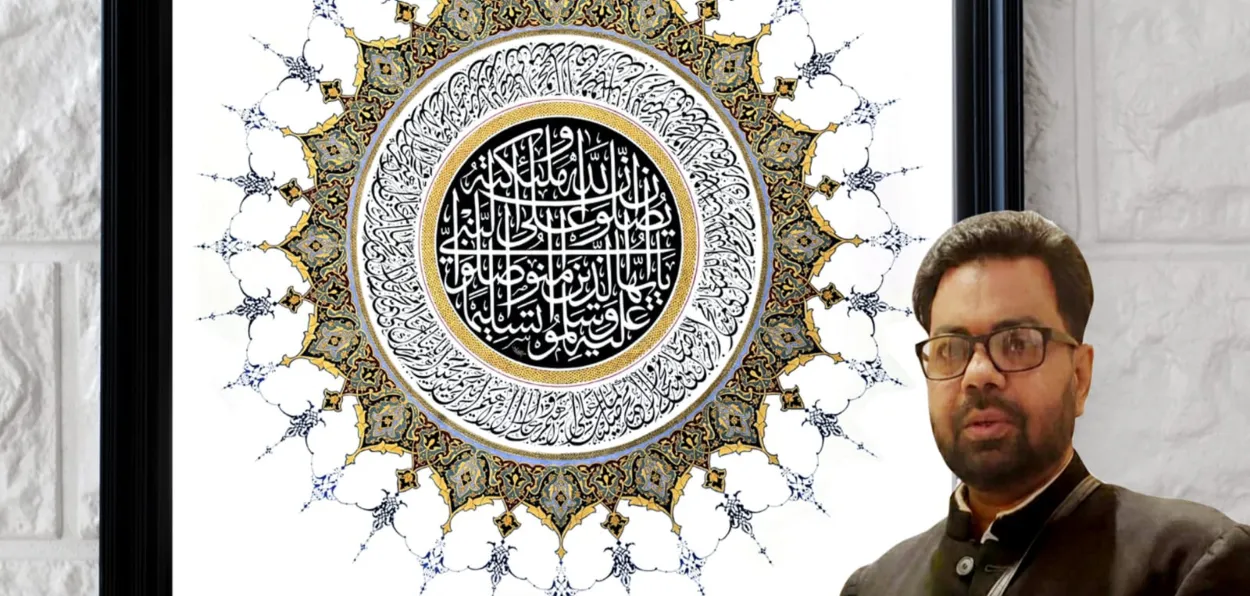
Qari Mutiullah Wasifi with his prize winning work

Qari Mutiullah Wasifi, a calligrapher from Tonk, a city in Rajasthan, won the second prize in the International Islamic Calligraphy Competition, organised by the Islamic Art Society in New York, USA.

This recognition comes amid the rise of digital fonts and artificial designs globally.

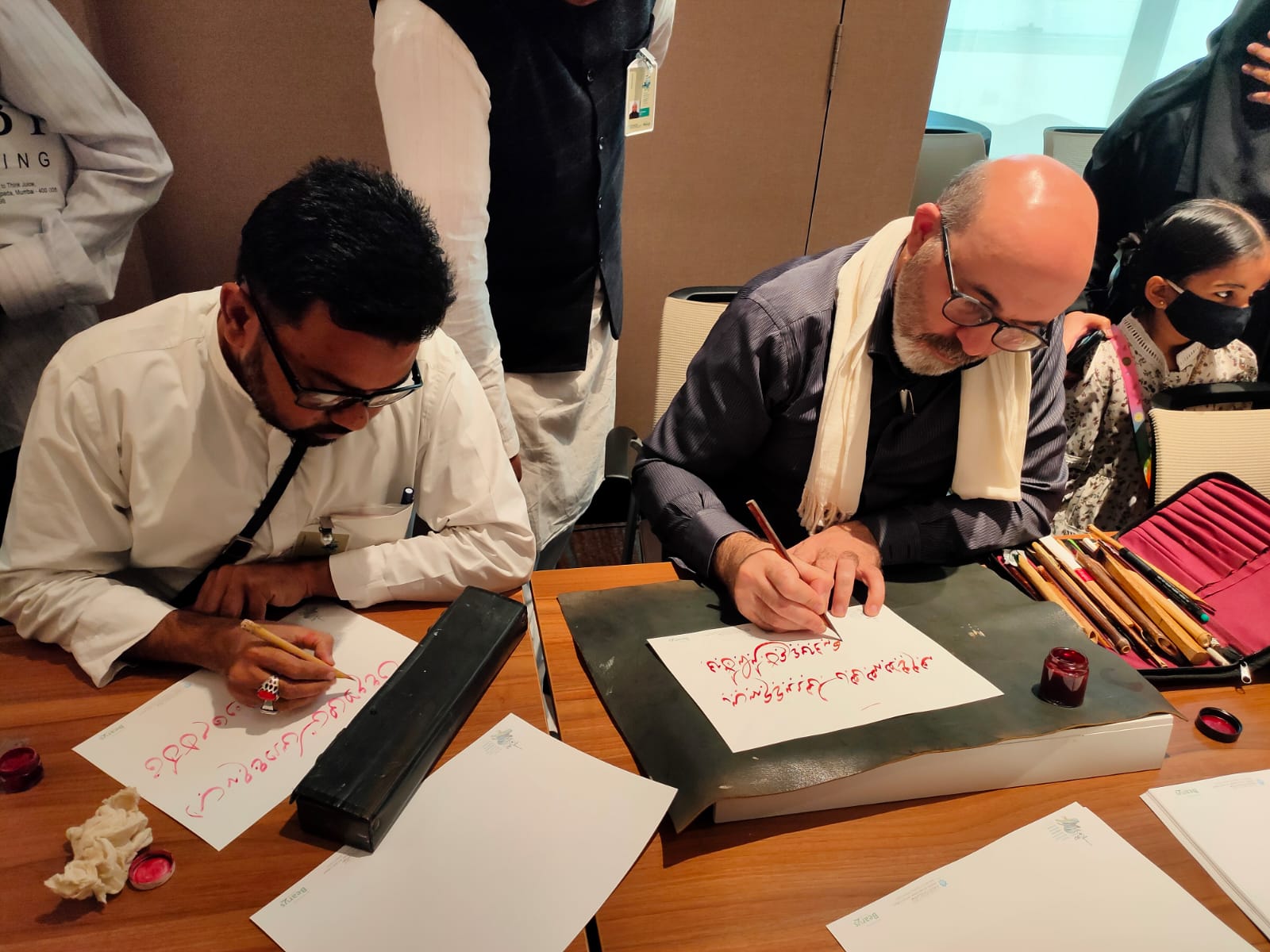
Qari Mutiullah Wasifi competed with more than 4000 artists from around the world. On this occasion, Qari said his success at an international forum is not sudden. Over the past four years, India’s presence in this competition has been consistent, and the Wasifi family has made it to the top every time.

In 2022, Qari Mutiullah Wasifi received the first prize. A year later, his son Haris Wasifi secured second place. In 2024, Haris won the first prize.

This year, the first prize was bagged by Egypt, the second by India, the third by Pakistan, and the fourth by Turkey. The award includes a certificate, a memento, and a cash prize. However, for the Wasifi family, the real honour is the recognition that comes with representing India.

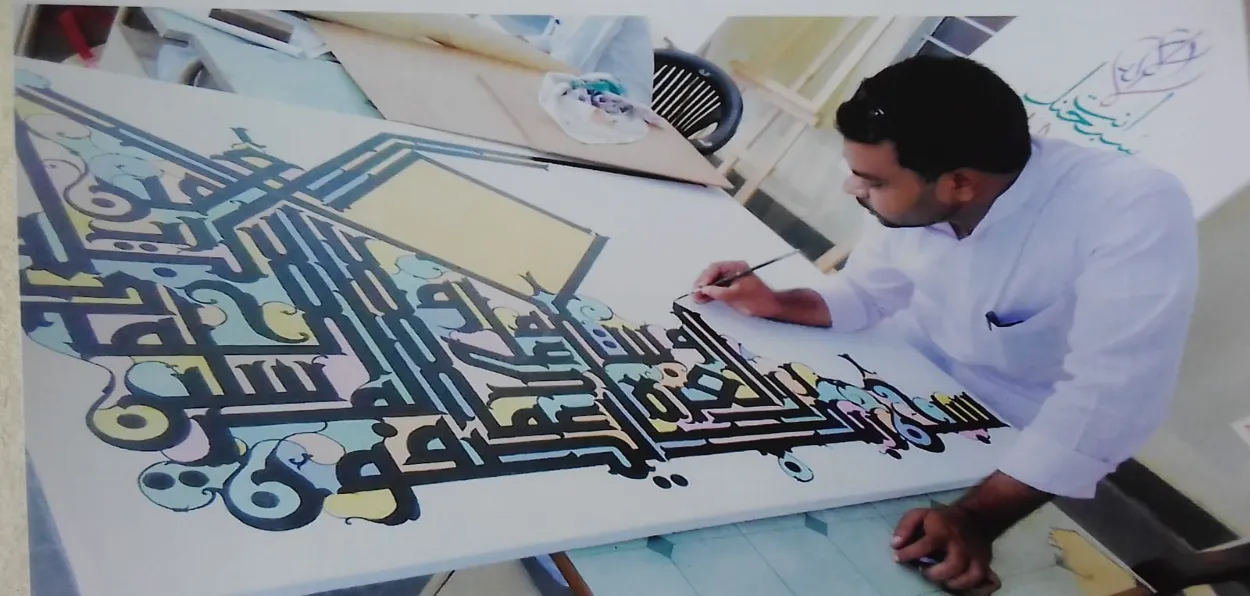
Qari Mutiullah Wasifi at work

Qari Mutiullah Wasifi’s journey didn’t begin at an art college. His first school was his own home. His late father, Qari Salimullah Wasif Furqani, was a renowned calligrapher, reciter of the Quran, and a scholar. He had a command of Arabic, Persian, and Urdu.

His calligraphy of the Quran was his speciality. As a child, Mutiullah watched his father sit for hours, writing. The sharpness of the pen, the curves of the letters, and the measured amount of ink used were not mere play for him, but a matter of discipline.

For formal education, he enrolled at the Maulana Abul Kalam Azad Arabic-Persian Research Institute (APRI) in Tonk. He completed a four-year diploma course, recognised by the National Council for Promotion of Urdu Language (NCPUL), Delhi. This is the same institution that has made Tonk a centre for Arabic and Persian studies.

Tonk is generally known for its madrasas, books, and Islamic education. But this city has also witnessed a well-established tradition of calligraphy. During the Nawab era, calligraphers from Iran and Central Asia taught locals the art.

Institutions like Maulana Abul Kalam Azad Arabic Persian Research Institute (APRI) have preserved this legacy. This institution has trained many calligraphers who have made a name for themselves in India and abroad. Qari Mutiullah Wasifi is an important link in this chain.

Wasifi told Awaz-the Voice that for him, calligraphy is not just a means of decoration, but a part of worship. To date, he has handwritten 27 copies of the Holy Quran. Some of these Qurans are written in extremely fine script, while others are adorned with gold and silver.

Qari Mutiullah Wasifi with a competitor

He has also undertaken unique projects, such as writing the entire Quran on a single large sheet of paper. This work requires years of practice and patience. The placement of each letter is crucial, and even a single mistake can ruin the entire work.

One of Qari Mutiullah Wasifi’s lesser-known yet important contributions is related to the preservation of manuscripts — completing the half-done copies of the Holy Quran and rare books in Arabic, Persian, and Urdu. So far, he has completed approximately 500 incomplete Qurans and hundreds of old books.

He has undertaken projects for private collectors, libraries, and research institutions. This effort breathes new life into books that might otherwise have been lost to oblivion.

Wasifi’s art is not limited to paper. He has done calligraphy on cloth, leather, wood, metal, grains of rice, lentils, marble, hair, and even inside bottles. This art is not only a test of manual dexterity but also of concentration and balance.

Wasifi participated in the international calligraphy competition organised by the Islamic institution “Irtika” in Istanbul, Turkey, in 2022. This institution organises a prestigious global calligraphy competition every two years, in which renowned calligraphers from around the world participate.

In 2023, he also participated in the international calligraphy competition organised by Fujairah Company in Dubai (UAE). This competition is known for its distinguished jury and global participation.

Wasifi says that if workshops, exhibitions, and competitions are considered together, his participation in national and international events, both within and outside India, totals approximately 30.

Wasifi thinks it’s not his achievement, but a means of showcasing the Indian calligraphy tradition at the international level.

According to him, such platforms provide artists with opportunities to learn, test themselves, and connect with calligraphers from around the world. He has also received several honours at the national level.

He has also participated in international exhibitions and workshops in places like Bengaluru, Udaipur, Aligarh, Diggi Palace in Jaipur, and the Lalit Kala Akademi in Delhi.

In the Wasifi family, this art has been passed down from one generation to the next. Qari’s eldest son, Haris Wasifi, is an internationally acclaimed calligrapher. The second son, Abbas Wasifi, is a Hafiz and Qari (one who has memorised the entire Quran and recites it with proper pronunciation) and is pursuing his education at Nadwatul Ulama, Lucknow.

The daughter, Sidra Wasifi, is an Alima (a female religious scholar) and teaches calligraphy to young girls. This family is not only preserving art but also discipline and heritage.

Qari Mutiullah Wasifi has established ‘Bazm-e-Wasif‘ in memory of his father. His dream is to create a special library and museum of calligraphy in Tonk, where his and his father’s manuscripts can be safely preserved. He says that despite the lack of resources, his resolve remains unwavering. His goal is to ensure that this calligraphic heritage of Tonk reaches future generations.

source: http://www.awazthevoice.in / Awaz, The Voice / Home> Stories / by Farhan Israeli, Tonk (Rajasthan) / January 29th, 2026
Imran Lone trains Kashmiri youth to join Army

Athwatoo Village (Bandipora District, KASHMIR), JAMMU & KASHMIR :

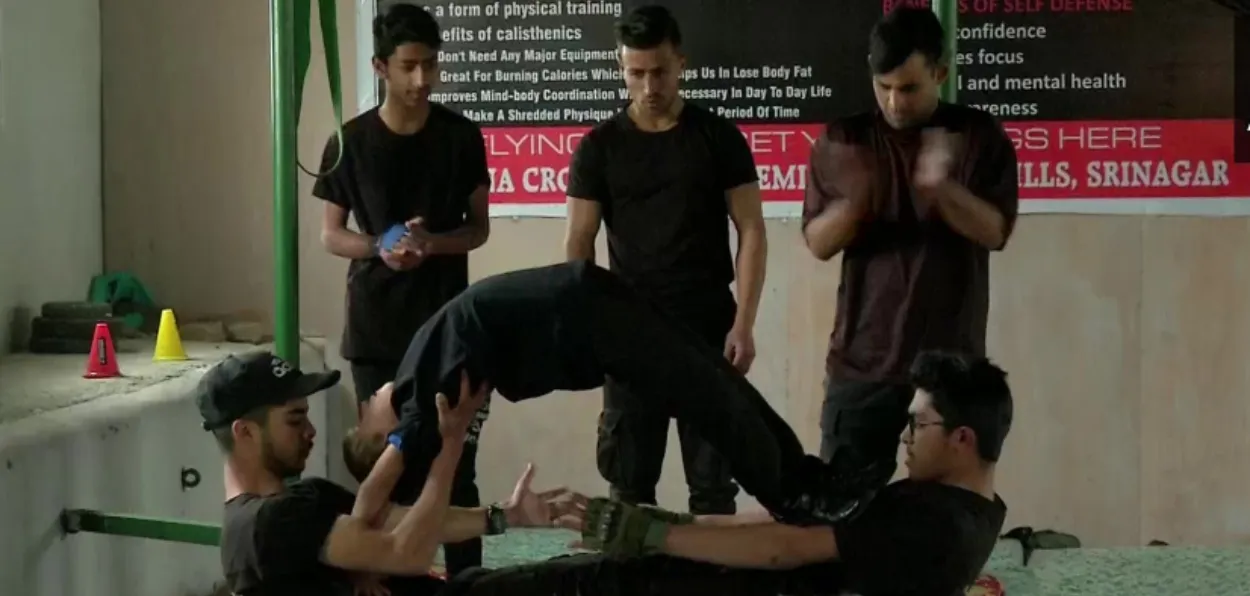
A training session at Imran Lone’s Academy in Srinagar

Hailing from the picturesque village of Athwatoo in Bandipora district, which is located about 10 km from the Line of Control in northern Kashmir, Imran Lone grew up amidst the lack of amenities, and this didn’t help him realise his dream of donning the Army’s uniform.

Today, Imran has become a ray of hope for thousands of Kashmiri Youth who aspire to serve the nation and Jammu and Kashmir by joining the army or police.

Imran Lone says, “I wanted to join the army. But no one guided me at the right time, and I had no information about the procedures. By the time I understood what should be done, I was already too old. It was my dream to join the army and serve the country.”

Imran Lone rappling

Although his dream never came true, today, inspired by that dream, he is preparing Kashmiri youth to join the Police forces and the Indian Army.

Speaking to Awaz-The Voice, Imran explains that the atmosphere in Kashmir is changing. Long-term unemployment and a lack of opportunities have led to frustration and drug addiction in Kashmiri youth. “About 80 per cent of the youth are depressed because there are no jobs here.

Many young people, frustrated, turn to drugs,” he says. Today, the picture is slowly changing. Kashmiri youth have become increasingly interested in army and police recruitment. Today, thousands of young people are participating in recruitment rallies and working hard in training camps.

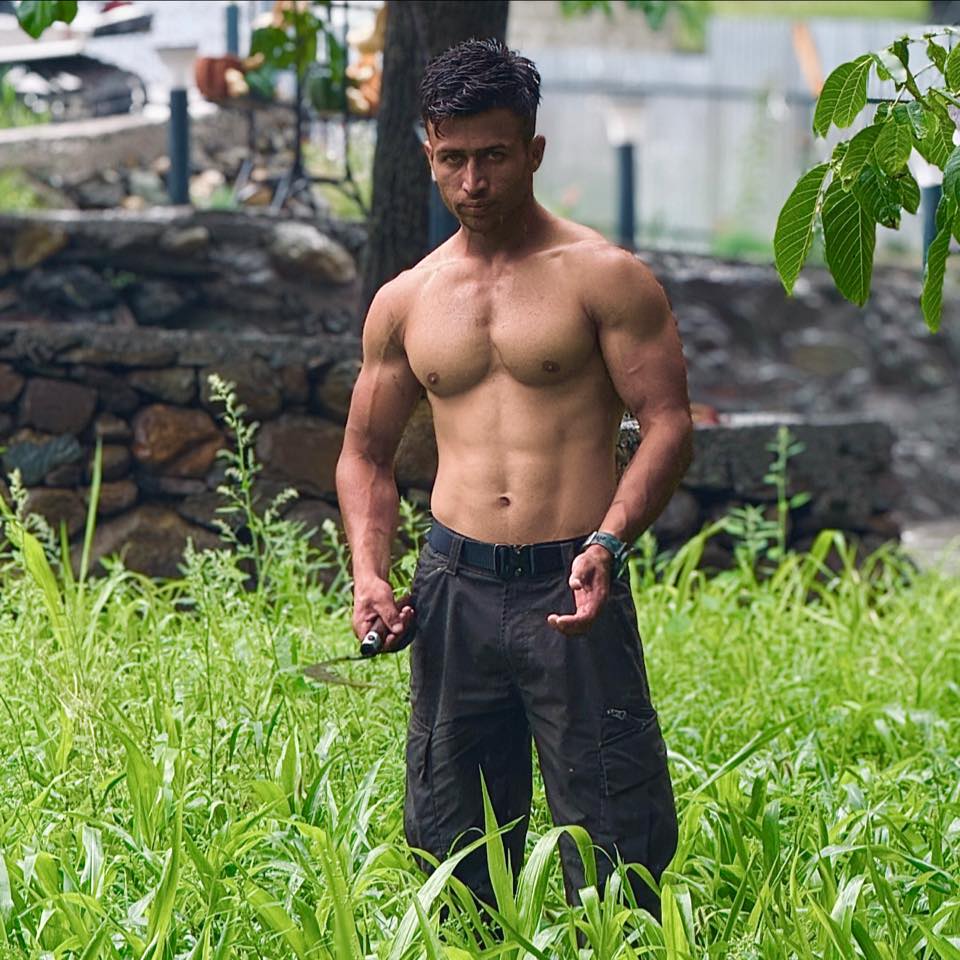
Imran Lone is part of this change. He has started a free fitness academy for young people preparing for military and police recruitment. Training takes place after Fajr prayers in the morning and at 4 p.m.

Imran Lone in snowy wilderness

His academy trains not only boys but also a large number of girls. Recently, seven girls and thirty boys from his academy were successful in the constable recruitment. Currently, he is preparing students for recruitment under the Agniveer scheme.

Imran is a callisthenics practitioner. It is a martial art and fitness system that develops strength, balance, and control using one’s own body weight. Through exercises like push-ups, pull-ups, squats, and planks, it not only improves strength and endurance but also promotes injury prevention and overall functional fitness.

Callisthenics is considered highly effective in improving abilities like striking, grappling, and stability. This is the first and currently the only academy for this art in Kashmir, run by Imran Lone.

Imran’s own story was no less than a struggle. His village lacked even basic amenities like roads, electricity, and internet. To attend school, he had to walk seven to eight kilometres daily, braving the harsh weather. Due to circumstances, he was forced to leave school midway. His search for further education and a life path brought him to Srinagar.

Imran Lone

His early days in Srinagar were difficult. To make ends meet, he worked as a waiter, dishwasher, and salesman in hotels. But he harboured a burning desire to do something different. From childhood, he was inspired by the films of Bruce Lee and Jackie Chan.

Those films drew him to martial arts. Imran says that at that time, there were martial arts coaching clubs on almost every street in Srinagar. So he decided that if he wanted to do something, he had to do something different.

This is where his life took a new turn. He took up callisthenics, a highly demanding and disciplined sport. After years of hard work and practice, he mastered the art. Today, it is his identity and primary source of livelihood.

He began creating and posting callisthenics and fitness videos on social media, which quickly became popular. Today, Imran Lone is considered one of Kashmir’s leading social media influencers. As a fitness coach, he not only trains thousands of young people but also strengthens them mentally.

Imran believes that social media has become a highly effective medium for spreading awareness about fitness. “If used in the right direction, social media can help lift young people out of addiction and despair,” he says. Today, his earnings from social media are his primary source of income, but his contribution is even greater than that, in the change he is bringing to the lives of young people.

Inspired by the Para Forces, Imran aims to provide the same level of training to young people. Most of the young people who come to his academy are from economically disadvantaged backgrounds. Imran does not charge them any fees, knowing that a timely opportunity can change someone’s entire life, as it did for him.

source: http://www.awazthevoice.in / Awaz, The Voice / Home> Stories / by Danish Ali, Srinagar / January 14th, 2026

A boy’s journey from Kupwara to India’s top labs as scientist

Kupwara District (KASHMIR), JAMMU & KASHMIR :

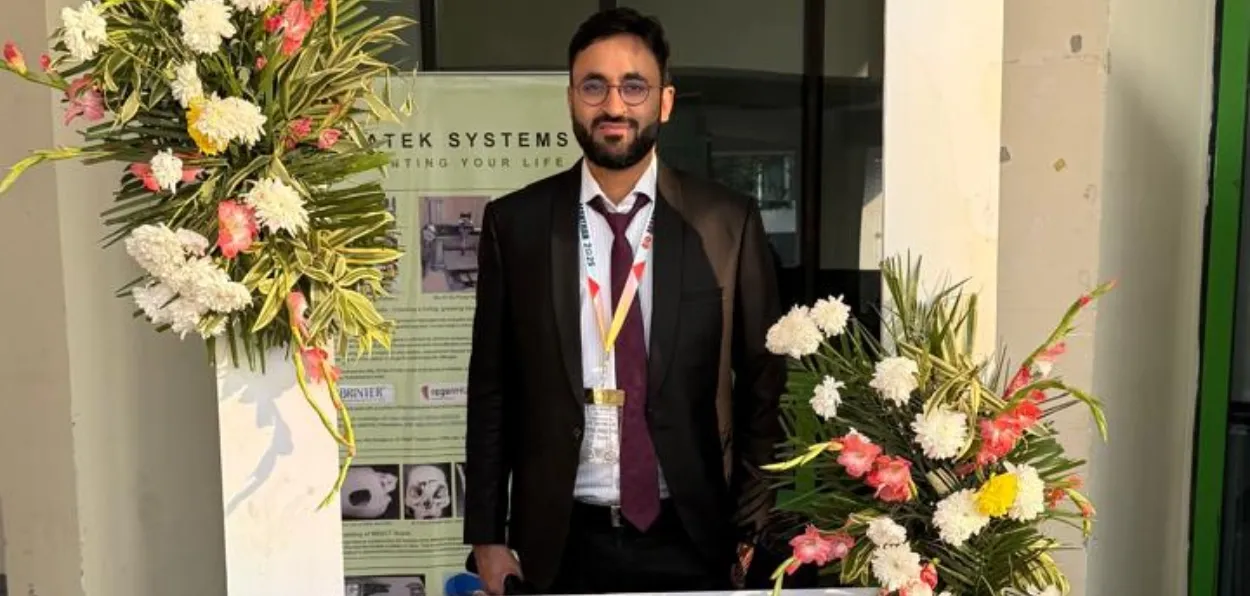
Dr. Parvaiz A. Sheikh, Faculty, IIT, Delhi

Scientists at the Indian Institute of Technology Delhi have developed a bio-patch that can reverse the damage caused by a heart attack in humans. The patch can be planted on the heart and it would regrow the damaged tissue and restore health.

The patch made of biomaterials has already been tested on animals and is awaiting human trials before it can be manufactured.

This key medical project is led by the Kashmir-born scientist Dr Sheikh Ahmed Parvaiz at the Sheikh lab for BioMaterial Advances in Regeneration and Therapeutics (SMART), Centre for Biomedical Engineering at the IITD.

“After the attack, a patient’s heart usually work only 40 per cent of its capacity. Such people usually do not live long and are also not energetic and healthy,” Dr Parvaiz said.

Parvaiz A Sheikh with a student

He said the patch can regenerate tissues damaged during a heart attack, and a person can live a normal and good life. The cost of the bio patch would be nominal compared to the costly and invasive surgeries.

Parvaiz A. Shiekh has been heading the Centre for Biomedical Engineering (CBME), IIT-Delhi, as a DST INSPIRE Faculty since 2021.

According to the IIT website, where Dr Parvaiz is a faculty, “He establishes a research area that explores immunomodulatory materials and nanomaterials to develop therapeutic interventions for various biomedical & translational applications. His interests also lie in developing oxygen-based biomaterials and nano-therapeutics to cure cardiovascular diseases, diabetic complications and lung diseases.”

This, in a nutshell, means Parvaiz and his team are working on developing biomaterials that can become easy and inexpensive cure for heart and cardiovascular conditions in humans. He is working on regenerative medicine, where biomaterials and nanotechnology can be used for repairing body parts.

Dr Parvaiz A Sheikh

“We are also developing a bio-patch to cure the diabetic foot,” he told Awaz-the Voice. During his doctoral studies, Parvaiz has developed an oxygen-releasing wound dressing for diabetic foot.

The diabetic foot is a major health issue, and there is a lot of ignorance about it. “In India, many women are diabetic, and they don’t know. Many a time, such women go on pilgrimages barefoot and trek a long distance for faith. Many women develop sores that never heal due to their diabetic condition.”

This patch to regenerate the in a diabetic foot will cost around Rs 2 and save them the pain of gangrene, which leads to amputation of the foot.

Who is Parvaiz A Sheikh?

Parvaiz Sheikh was born in Villgam village in the Kupwara district of north Kashmir, about 30 km from the Line of Control in Northern Kashmir.

He earned his PhD in Bioengineering from IIT Kanpur and “developed functionalized biomaterials and scaffolds to attenuate oxidative stress and hypoxia in diseased conditions with remarkable translational application.”

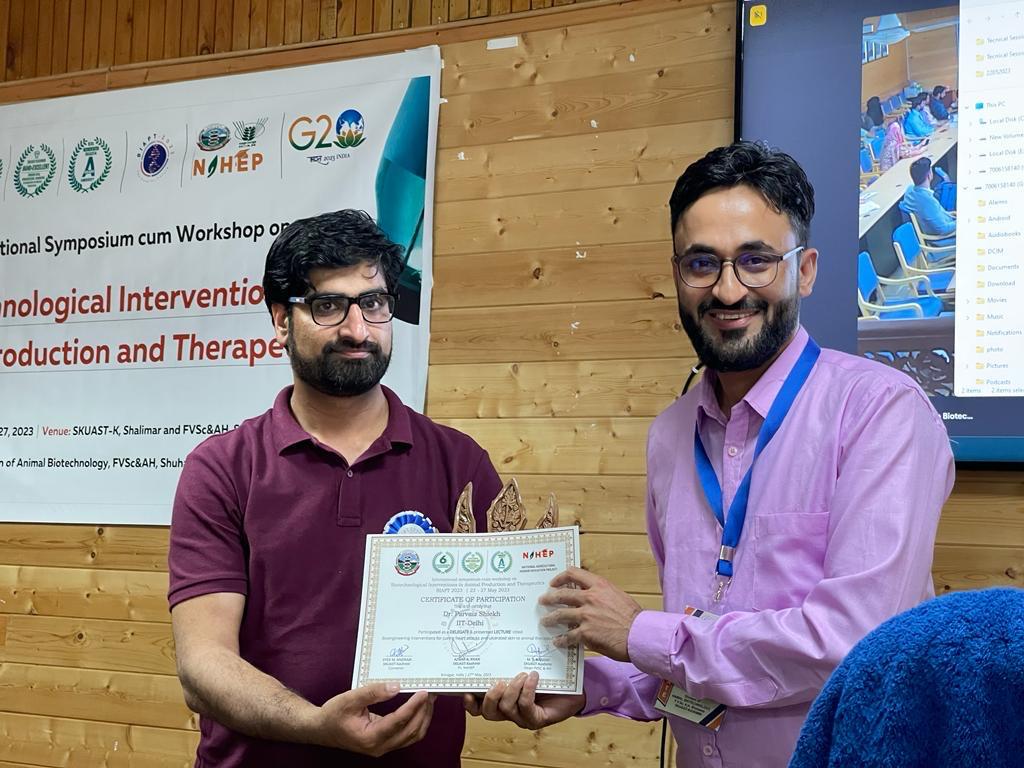
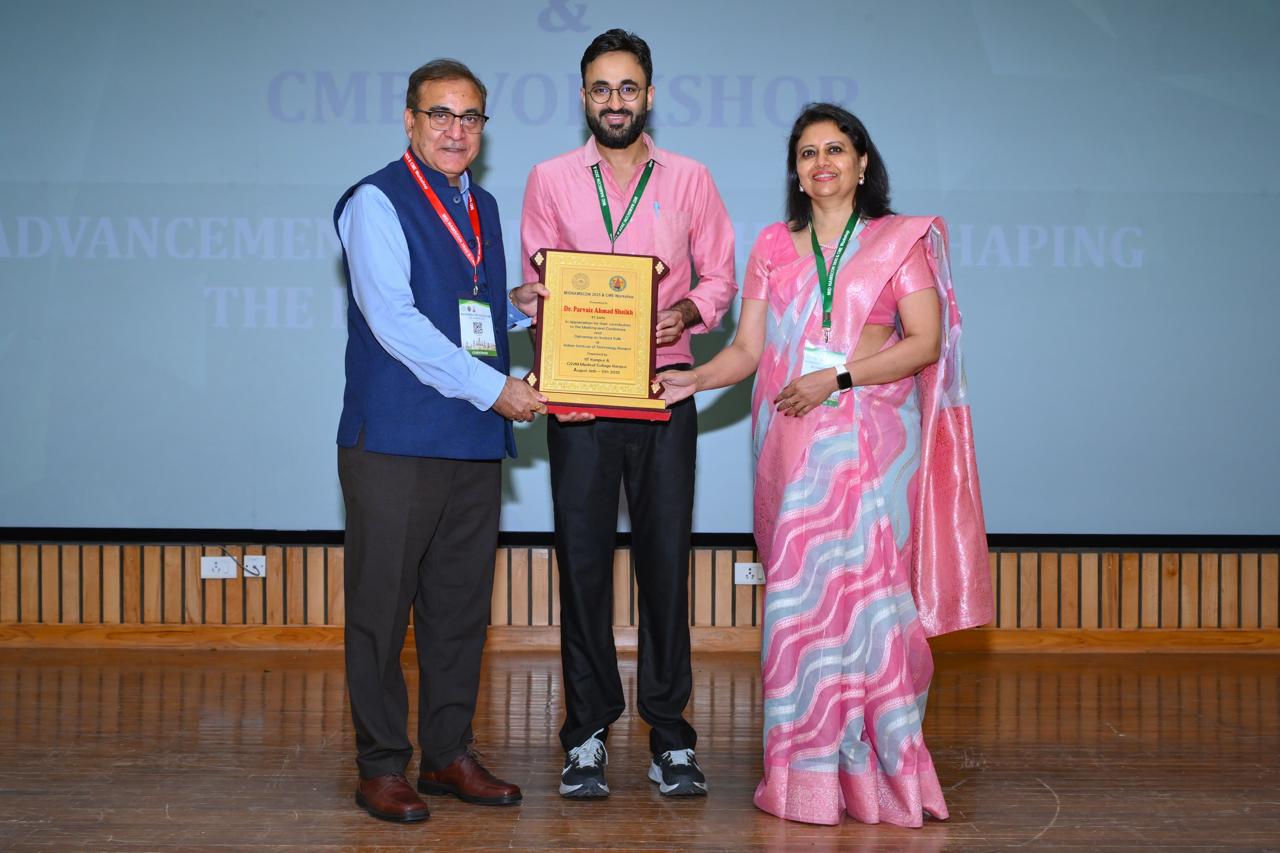
Dr Parvaiz A Sheikh receiving an honour

“He also explored using stem cell-derived nanovesicles (exosomes) to repair and regenerate diseases like diabetic foot ulcers, myocardial infarction, and diabetic neuropathy. Most notably, he developed an oxygen-releasing wound dressing “OxOBand” for diabetic foot ulcers and a nanofibrous oxygen-releasing cardiac patch for myocardial infarction.”

Having completed his graduation in biosciences from Sri Pratap College, Srinagar, Parvaiz A. Shiekh joined the Central University of South Bihar, Gaya, Bihar, for the Master’s course in Bioengineering, and this was not only a turning point in his career but life too.

Tracing his journey from Kupwara to the Hi-tech labs of India and abroad, Parvaiz Ahmed, who is in his mid-thirties, said that while growing up, he had not even heard of the IIT, let alone studying and working there. 

He loved football and also played cricket. He had no particular idea of a carrer and would follow what elders told him.

However, some life-changing and heartwarming interactions with strangers at a young age led him to get admission into the Central University of South Bihar for a Bioengineering degree.

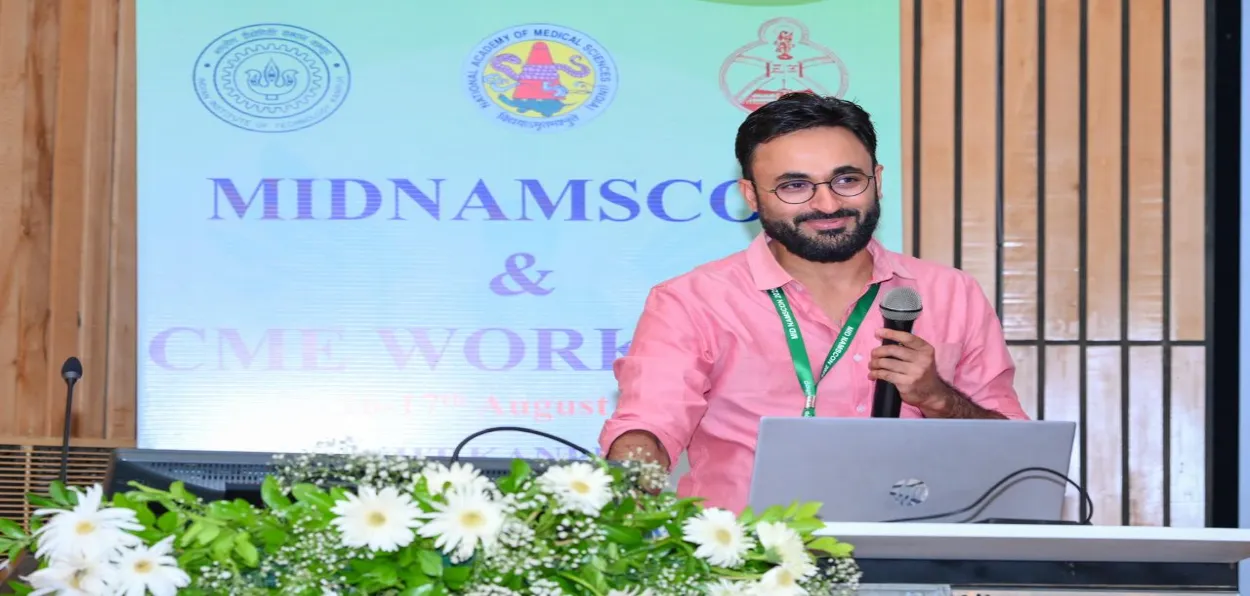
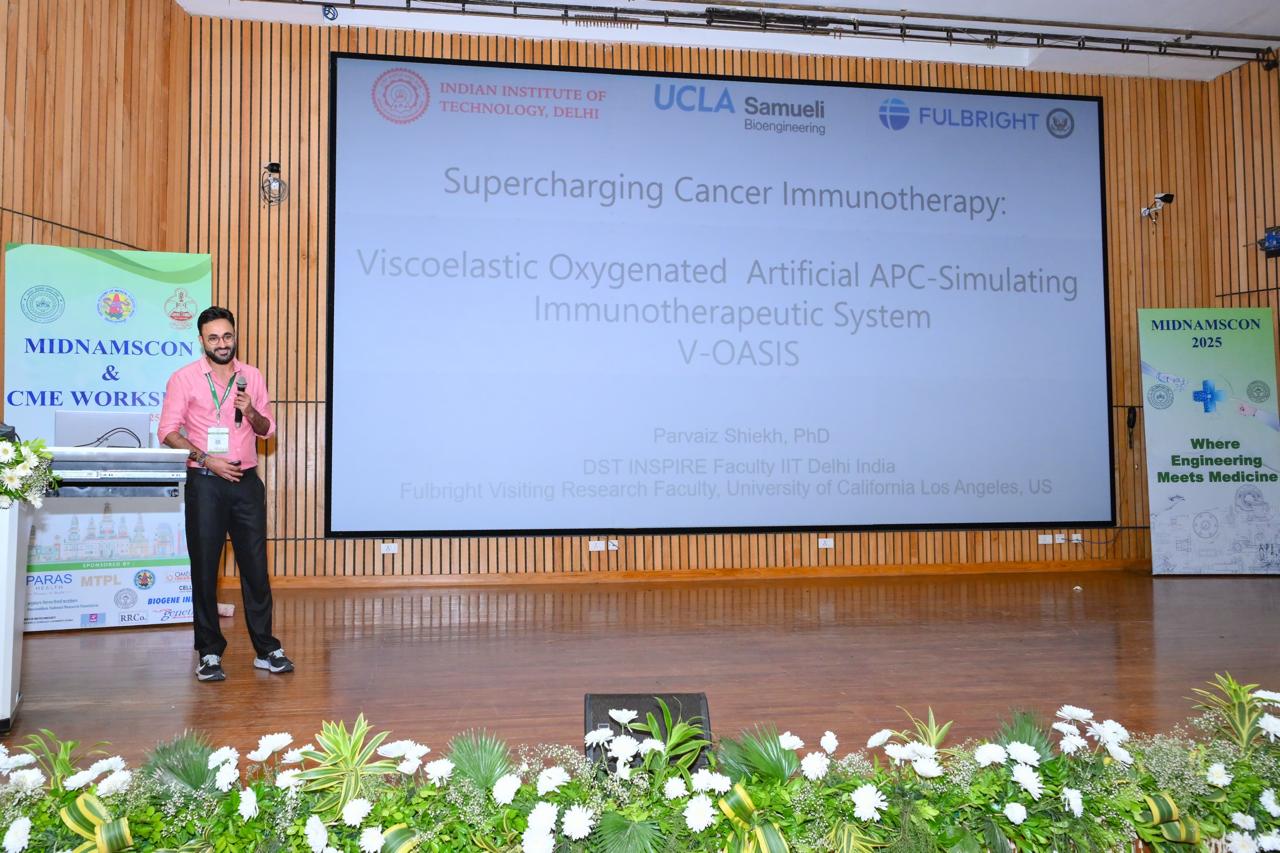
Dr Parvaiz A Sheikh delivering a talk

At the Delhi Railway Station and later in Bihar, he met strangers who helped him not only join the University but also live comfortably away from his home for the first time.

He said, as a 12th-pass, he was supposed to travel by train to Patna for counselling for securing his admission for the a bachelor’s degree in bioengineering in Central University of South Bihar when he found himself in dire straits. He had missed the train and had no money or idea how to reach Patna.

“I was crying while speaking with my brother on the phone when a travel agent spotted me. He bought me an air ticket to Patna and also paid my autorickshaw fare to reach the Airport.”

Those were the days of no mobile phones or ATM cards; people communicated on landlines and withdrew money from bank by visiting them.

Next, he realised that a contact of a local banker in Kupwara had travelled 100 km to receive him at the railway station, while he had landed at the Airport. The administrative staff at the University supported him in submitting the bank draft in time.

Dr Parvaiz A Sheikh with his doctoral degree

After securing his admission, the Buxur family insisted that he stay with them till the classes started.  “They told me why should I travel home and return after 15 days, and waste money. They looked after me like their own,” he says.

Later, he received his PhD in biological sciences and bioengineering from IIT Kanpur (IITK) under the supervision of Prof. Ashok Kumar. There, he designed and evaluated bioactive, oxygen-releasing, and antioxidant polymeric biomaterials for therapeutics and translational medicine.

Today, as head of the Sheikh lab for BioMaterial Advances in Regeneration and Therapeutics (SMART) at the IIRT Delhi, his job involves taking cues from biology to create products based on engineering concepts, and possibly using them in different fields.

Speaking about his background, he said, “When you come from a background where you don’t have much exposure to things, every step becomes a learning experience for you.”

A Podcast with Dr Parvaiz A Sheikh:

source: http://www.awazthevoice.in / Awaz, The Voice / Home> Stories / by Aasha Khosa, New Delhi / January 29th, 2026
Dr Kashif Ansari Receives Best Assistant Professor Award at JJ Hospital

MAHARASHTRA :

Mumbai:

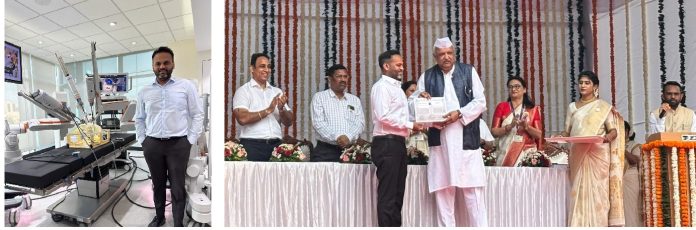
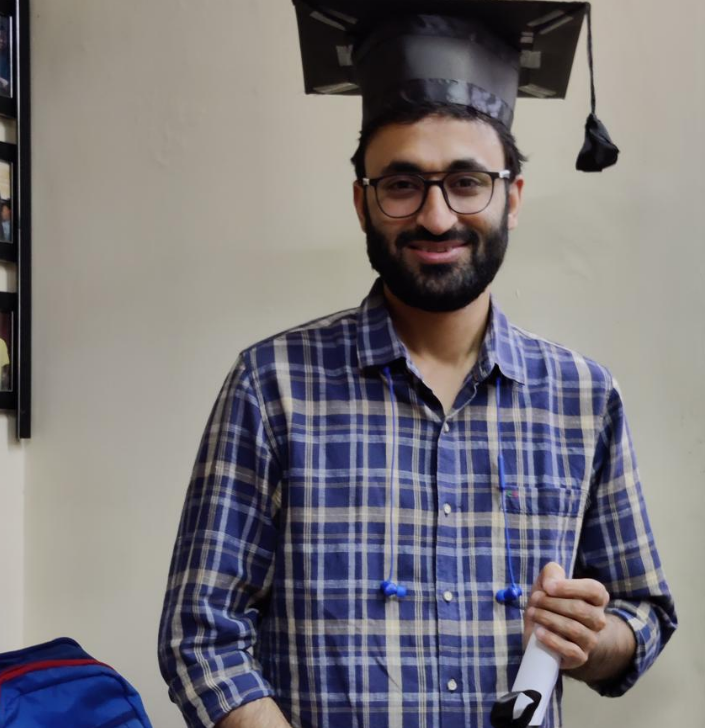
Grant Government Medical College and Sir J J Group of Hospitals marked Republic Day with an academic honour for Dr Kashif F Ansari, who received the Best Assistant Professor award from the Dean of the institution. The recognition reflects his teaching record, clinical service, and role in advancing minimally invasive surgery at one of the city’s largest public hospitals.

Dr Ansari serves in the Department of General Surgery and has built a profile in laparoscopic gastrointestinal surgery and laser proctology. Colleagues credit his structured teaching, steady operating room leadership, and work with postgraduate trainees for the award.

The honour follows a major institutional milestone in April 2025, when JJ Hospital performed its first robotic surgeries. Dr Ansari formed part of the core surgical team that completed three complex procedures using robotic systems under senior mentorship and institutional guidance. The operations marked the hospital’s entry into advanced technology based surgery with a focus on affordable public care.

Dr Ansari completed his MS in General Surgery at D Y Patil Medical College, Kolhapur, and later trained in advanced laparoscopic and minimal access surgery. His professional record includes service as Honorary Consultant at Prince Ali Khan Hospital, Masina Hospital, Apollo Hospital, and Noor Hospital. He earlier worked as Senior Resident at Cooper Hospital, Nair Hospital, and Ambedkar Memorial Hospital.

He holds fellowships with national surgical bodies and life memberships with leading professional associations. His research work on difficult laparoscopic cholecystectomy has appeared in a peer reviewed journal.

Faculty members said the award highlights the role of young Muslim medical professionals in public health institutions and their contribution to modern surgical care.

source: http://www.radiancenews.com / Radiance News / Home> Latest News > Report / by Radiance News Bureau / January 27th, 2026

IIT Bombay’s Prof Juzer Vasi Receives Padma Shri for Lifetime Work in Engineering

Mumbai, MAHARASHTRA :

Mumbai:

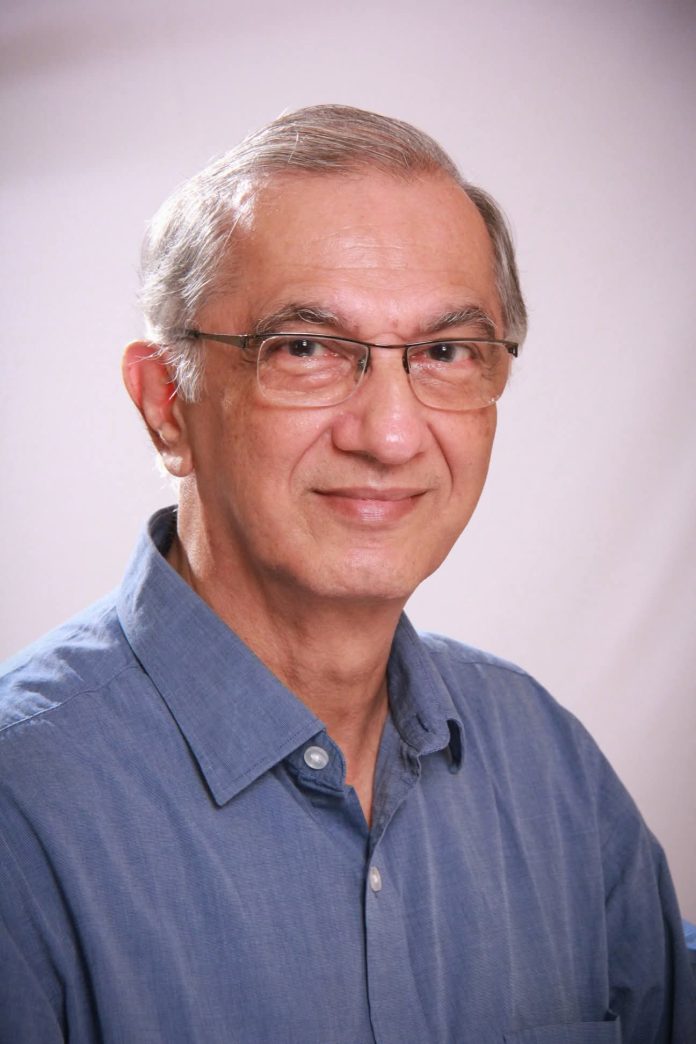
IIT Bombay has marked a proud moment with the conferment of the Padma Shri on Prof Juzer M. Vasi, former Deputy Director and senior academic of the institute. The national honour recognises his lifelong contribution to science and engineering, with a strong focus on semiconductors, microelectronics, and solar energy research.

Prof Vasi has served Indian academia for over four decades. He remains associated with IIT Bombay as Professor Emeritus in the Department of Electrical Engineering. His work spans nanoelectronics, solar photovoltaic deployment in India, global solar PV systems, nanocrystal-based solar cells, and the reliability of solar modules. These areas hold strong relevance for sustainable development and energy access.

An alumnus of IIT Bombay, Prof Vasi completed his B.Tech in 1969. He earned his Ph.D. in Electrical Engineering from The Johns Hopkins University in 1973. His academic journey reflects deep commitment to knowledge and public service, values strongly rooted in the Islamic tradition of ilm and community benefit.

Prof Vasi joined IIT Bombay as an Assistant Professor in 1981. He rose through the ranks to serve as Professor, Head of the Electrical Engineering Department, and later as Deputy Director from 2006 to 2009. He also taught at IIT Delhi and served as Visiting Assistant Professor at Johns Hopkins University.

Students and colleagues regard him as a dedicated teacher and institution builder. His leadership strengthened academic standards and research culture at IIT Bombay.

The Padma Shri recognises sustained excellence and service to the nation. For the Muslim community, Prof Vasi’s achievement stands as a reminder of the impact of scholarship, discipline, and ethical pursuit of knowledge in public life.

source: http://www.radiancenews.com / Radiance News / Home> Latest News > Report / by Radiance News Bureau / January 27th, 2026

Havaldar Jhantu Ali Shaikh Honoured With Sena Medal for Supreme Sacrific

WEST BENGAL :

New Delhi:

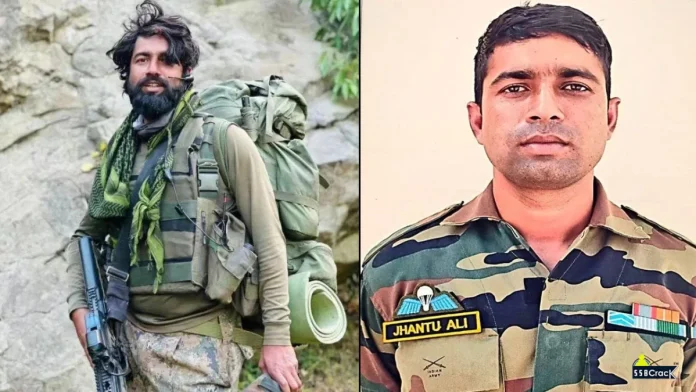
The Indian Army has posthumously awarded the Sena Medal to Havaldar Jhantu Ali Shaikh of the elite 6 Para Special Forces, recognising his exceptional courage and sacrifice during a counter terrorism operation in Jammu and Kashmir. The gallantry award was announced on the occasion of Republic Day 2026.

Havaldar Shaikh, a resident of West Bengal, laid down his life during a fierce encounter with terrorists in the Udhampur district on April 24, 2025. He served with the 6 Para Special Forces, one of the Army’s most demanding combat units. During the operation, he faced heavy fire and suffered grave injuries. He continued the mission despite his condition and ensured pressure on the terrorists until his final moments.

Army officials said his conduct reflected discipline, courage, and devotion to duty. His actions helped protect fellow soldiers and upheld the operational objective. The Sena Medal recognises acts of bravery and exceptional service. His name features among 70 gallantry award recipients announced this year, highlighting the continued sacrifices of armed forces personnel.

The White Knight Corps paid tribute to Havaldar Shaikh and acknowledged his role in counter insurgency efforts in the region. Fellow soldiers described him as committed and fearless, with a strong sense of responsibility toward his unit and the nation.

Havaldar Jhantu Ali Shaikh’s sacrifice holds deep meaning for the country. His story reflects service guided by faith, duty, and courage. His legacy stands as a reminder of the price paid by soldiers who protect national security and civilian lives, even at the cost of their own.

source: http://www.radiancenews.com / Radiance News / Home> Latest News> Report / by Radiance News Bureau / January 27th, 2026