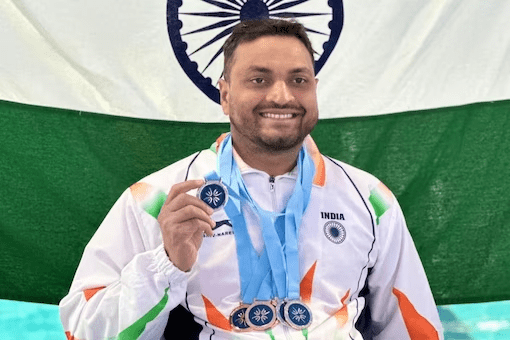
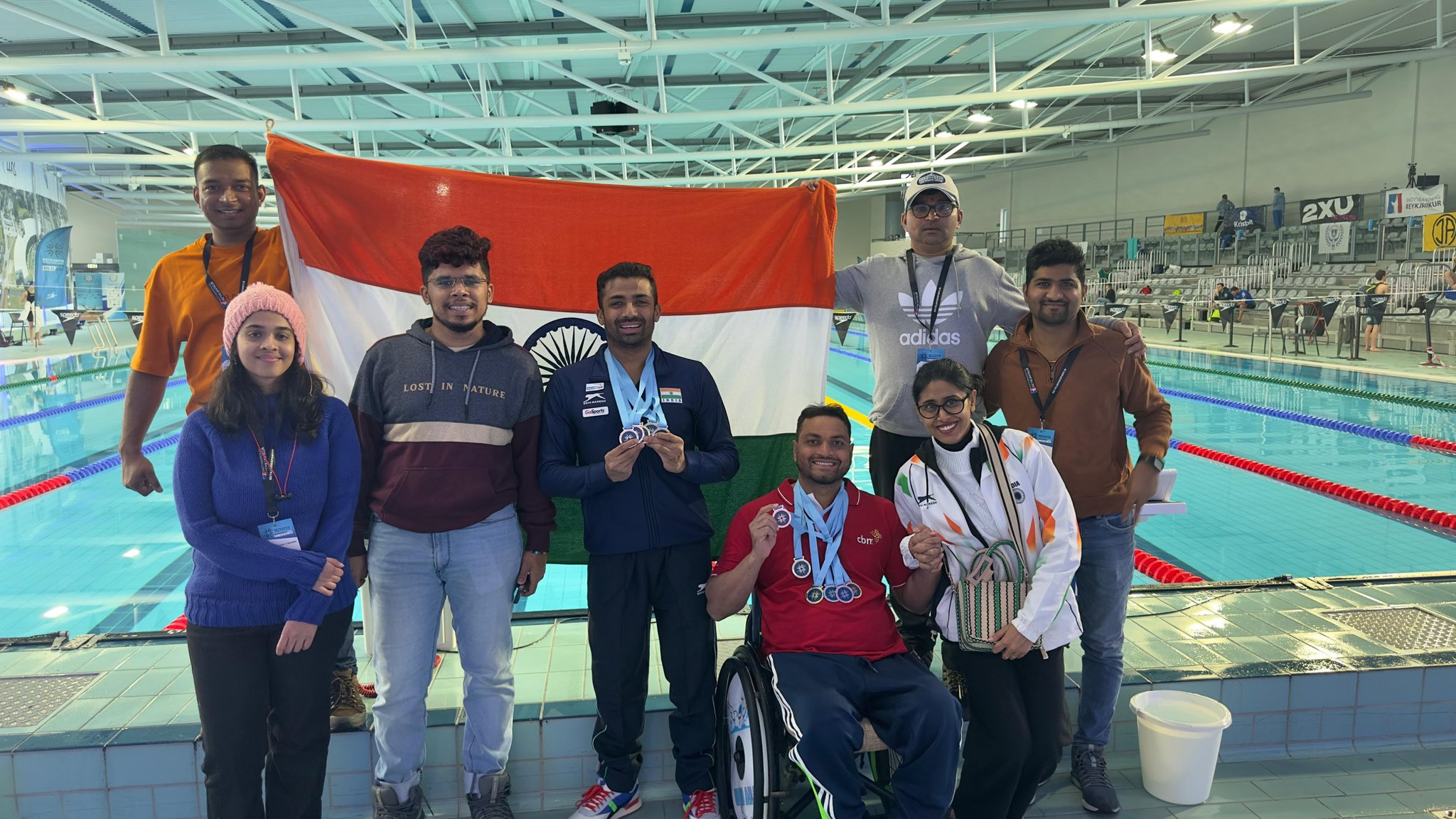
Mohammad Shams Aalam Shaikh won 6 gold medals at the Reykjavik International Games held at Laugardalslaug Iceland from 26-28 January 2024, whilst representing India.
Aalam has ranked no. 1 in men’s 100m butterfly stroke and men’s 50m breaststroke, according to World Para Swimming’s official world rankings for 2024.
In Iceland last month, Shams Alam won 6 medals, including one gold in 200m individual medley, one silver medal in 50m and 100m breaststroke and butterfly stroke, and three bronze medals in 50m and 100m backstroke and 100m butterfly stroke.
Aalam also broke Herojit Singh and Shreekant Desai’s time records in 100m butterfly and 100m backstroke, respectively.
In his interview with TOI, Alam seemed confident that he’d qualify for the Paris Paralympic Games 2024 by meeting the Paralympic time requirements soon enough. He will also be participating in the National Paralympic Games scheduled in March this year, in Gwalior.
“I am yet to reach the Paralympic qualification mark with my timings at Reykjavik but I am confident that I will get enough opportunities to secure a berth at the Paris Games. The National Games will be my next shot at the Paris quota,” Aalam said in his interview with the Times of India.
Mohammad Shams Aalam is a 37-year-old, paraplegic swimmer, who holds the world record in the longest open sea swimming by a paraplegic individual.
Born in Bihar, Alam was interested in sports as a child, particularly karate and swimming. However, after a spinal cord injury in 2010, Alam took up professional swimming and even went on to represent India at the Asia Para Games in 2018.
source: http://www.maktoobmedia.com / Maktoob Media / Home> East India / by Maktoob Staff / February 27th, 2024
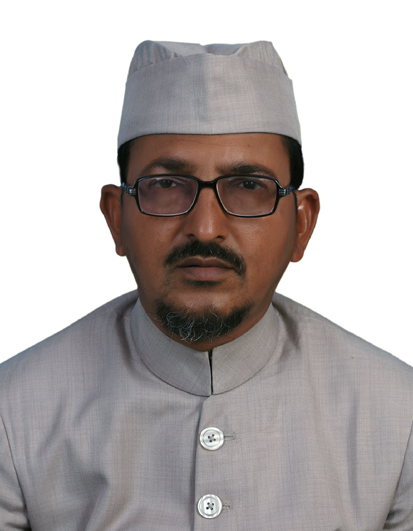
Prof Towqueer Alam, Department of Sunni Theology, Aligarh Muslim University has been appointed Editor of Fikr-o-Nazar, a quarterly literary and scholarly magazine published by the university, for a period of one year or until further orders, with immediate effect.
Prof. Falahi joined the Department of Sunni Theology as a lecturer in 1993 and became a professor in 2010. He has published about 35 books in Urdu, Arabic, English and Hindi, and more than 200 research papers in the journals of national and international repute.
He visited Mercer University, Atlanta USA in April 2016 as a Visiting Professor and travelled to UK, Iran, Kuwait, and USA to present lectures at international conferences.
The research areas of his interest are Quraniyat, Arabic Literature and Comparative Study of Religions.
source: http://www.radiancenews.com / Radiance News / Home> Latest News / by Radiance News Bureau / March 05th, 2024
The author talks about how identity and politics play a huge role in his writing.
Abdullah Khan will be at The Hindu Lit Fest 2024 in Chennai on January 26-27.
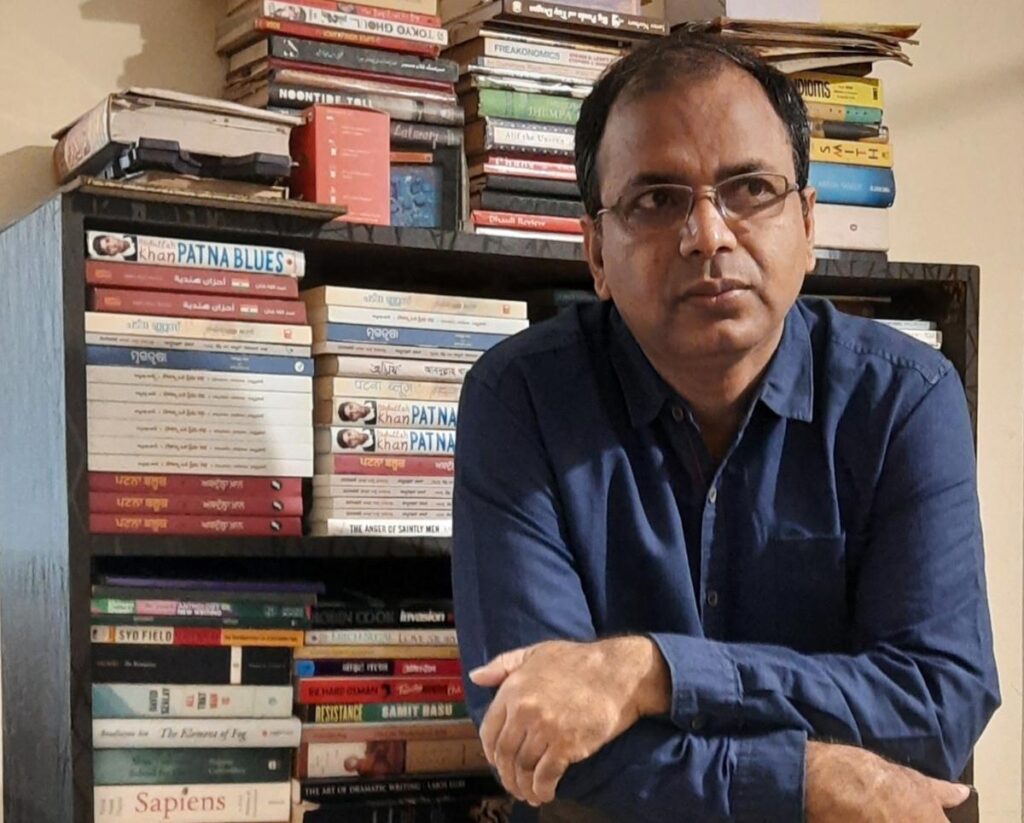
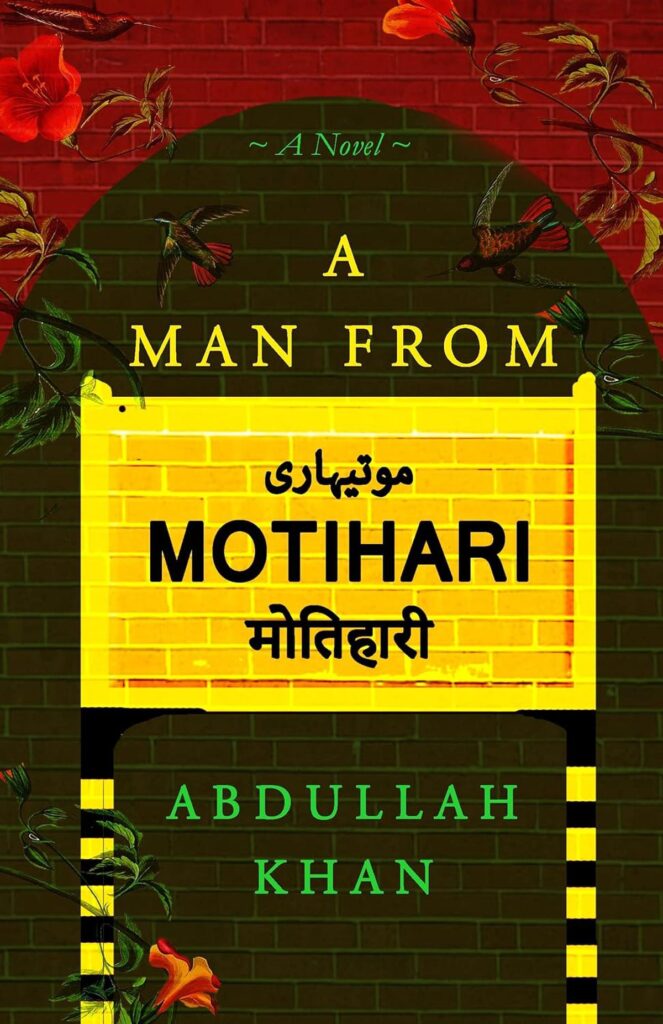
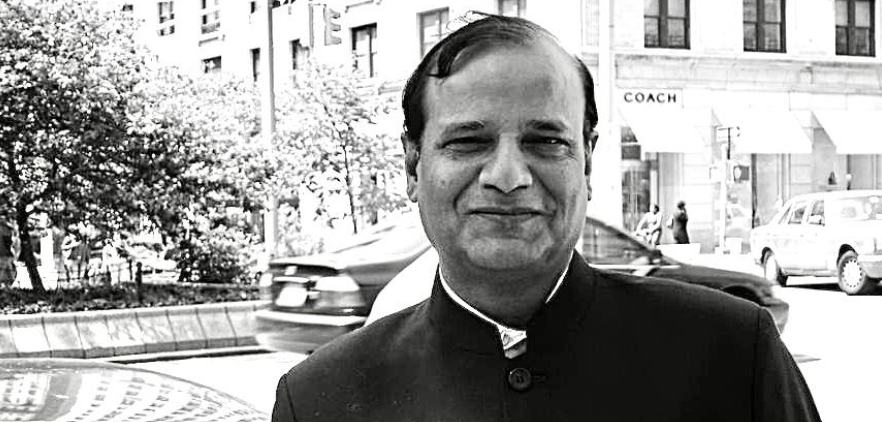
Abdullah Khan’s journey with literature began with a discovery — that he shared his place of birth, Motihari in Bihar, with one of the most prominent authors of the 20th century, George Orwell. Since then, the written word has remained Khan’s constant companion. From his debut novel Patna Blues (2018) to his latest, A Man From Motihari (2023), Khan employs a deft handling of sensitive subjects and hot-button issues to tell stories of everyday characters in Indian society. A speaker at The Hindu Lit Fest 2024 in Chennai on January 26-27, Khan discusses his thoughts on identity, desire and aspiration.
Edited excerpts:
How much of what you write is influenced by your own story?
During my school days in Bihar, my history teacher once asked, “Are you Muslim first or Indian first?” I confidently replied, borrowing the answer from my grand uncle: “I am both, born to Muslim parents, I’m Muslim; born in India, I’m Indian. Both identities came to me at birth.” As a boy, I didn’t fully grasp the complexities of identity.
During college, I pondered over how identity shapes thoughts, realising we’re not always aware of every facet of our identity. Sub-identities and super-identities emerge, revealed by others’ prejudices. In my village, I was Pathan; in school, a Muslim. Beyond Bihar, a Bihari. These identities intrigued me.
As I ventured into fiction writing, my reflections on identity seamlessly became woven into my stories. And, conflict between circumstances and desire is integral to human existence and is a vital element in crafting engaging narratives. I found inspiration in Bihari IAS/ civil services aspirants, news, historical incidents, real-life characters, beautiful places, and even SMS/ WhatsApp forwards for plot ideas.
What comes first — the plot or the point it makes? And in the case of ‘A Man from Motihari’, what was the genesis of the story?
Plots and characters naturally come to me without any preconceived plan. As I create the story, some significant points or messages often emerge organically.
Take, for instance, the inspiration behind A Man from Motihari. A few years ago, a Bangladeshi newspaper asked me to write about the house in Motihari where Orwell was born. While standing in front of that house, I had an idea: what if a boy from Motihari is born in the same room where Orwell was born many years ago? How would the boy react when he finds out, and how would it change his life? That’s how I came up with the character of the protagonist, Aslam Sher Khan, who is born in the same house as Orwell.
Tell us about your journey — from writing to publication.
Fresh out of completing my Master’s in chemistry, when I began writing Patna Blues, I had no knowledge of the technicalities of fiction writing and no background in literature. So, writing Patna Blues served as a kind of training for me, a sort of MFA, where I learned everything from scratch through trial and error. It took almost 10 years to write and nearly 9 years to get it published. I didn’t have a peer group then for beta reading or sharing comments. The journey to publication was challenging, enduring more than 200 rejections before it was published.
For my second novel, it took no more than a year to write, and finding a publisher was comparatively easier. Style-wise, I have improved significantly and gained more confidence in my writing.
There are strong political notes in your stories. What kind of responsibility do you feel towards your readers in terms of what you write about?
I believe no story exists in a vacuum. I allow the politics of the time to become a part of the narrative as I believe it is the only way to tell authentic stories.
While writing about politics, I do not shirk my responsibility as a writer and chronicler of the truth. I strive to be as impartial as possible. I generally don’t allow my personal beliefs or political ideology to creep into the story. Instead, I focus on the characters’ take on the politics of that time and keep myself a bit distant from those events.
What’s your take on literature festivals? What can they do for writers, and their readers?
Literature festivals offer writers a chance to share ideas. They gain inspiration and build a community, while readers enjoy insights into the creative process. As writers, we also get a chance to meet authors from all over the world, and learn from each other.
I think we should do more at these festivals for aspiring authors, like arranging pitching events or conducting writing masterclasses.
I have also observed a disturbing trend at many literature fests, where organisers invite celebrities such as film stars or cricketers to boost attendance. This often shifts the entire limelight to them, sidelining writers.
Gsquare Group presents The Hindu Lit Fest 2024 in Association with NITTE Education Trust & Christ University. Bookstore partner: Higginbothams
swati.daftuar@thehindu.co.in
source: http://www.thehindu.com / The Hindu / Home> Litfest> The Hindu Litfest 2024 / by Swati Daftuar / January 05th, 2024
Dr Hussain was the kind of man, that if he himself were to read (or edit) this obituary, he would flinch at the mention of his generosity as a doctor or friend. Good deeds were to be done, he believed, not to be remembered or recounted.
Dr. Farasat Hussain (1952-2023)
This Sunday (August 6) when a group of people assemble to remember Dr Farasat Hussain, in ‘Renaissance’, an aptly named Cultural Centre in Gaya, set up by his lifelong friend, noted litterateur Sanjay Sahay and his wife Durba Sahay, the inter-faith gathering will be much more than a tribute to him. They will of course meet to talk about the good doctor who died on July 28 at the age of 71 in Delhi. But the meeting will embody the very essence of Dr Hussain’s life which was dedicated to bridging divides and building relationships. Be it religious, caste and class, there was not one single divide he had not jumped across.
The meeting will be very personal, no doubt, but it will also be a tribute to the India he inhabited for most of his life, where he was proud to serve as a doctor, live his life as a Magadh ka baashinda, a Bihari, an Indian, and all in all, a lively human being. But it will also be a necessary reminder in these vicious and polarised times of people who with their singular focus on humanitarian work are the secret sauce of what keeps or certainly kept India going.
Born in Bihar’s Chhapra district in 1952, Dr Hussain made Gaya his home soon after he completed his post-graduation in Orthopaedic Surgery at Government Medical College, Ranchi in 1983.
As a young doctor, he would kick-start his Rajdoot motorcycle and ride off to remote villages across Bihar to attend to emergencies. A pioneer in polio corrective surgeries in Bihar, he conducted scores of special camps where he performed more than 3,000 polio surgeries for poor children when he started his work here decades ago. He even conducted Caesarean sections when a gynaecologist wasn’t available.
In a state where public health was never really a thing, doctors like Farasat Hussain were the system. He was anyway an exceptional surgeon who had multiple opportunities and offers to make a career in the lucrative corporate medical sector, but he didn’t even consider it. He stayed in Gaya where he mixed his practice as a doctor with large-scale social work, community building and helped initiate a multi-faith effort to ensure communal harmony across the Magadh region.
But for people there, he wasn’t just a skilful surgeon and an efficient clinician, he was also a psychologist. His unique sense of humour, they suspected, was part of his treatment plan for a patient. Dr Hussain didn’t merely look at the disease of his patients, he treated the person. In a place where health infrastructure had crumbled in the decades of the 80s and 90s, he was an address for the sick where they knew they would surely get help.
He was also closely associated with the upliftment of the disabled population, who remember him as a mentor and benefactor for helping them with their livelihood. Several disabled people travelled from across the region, despite difficulties, and joined his funeral.
In 2010, the government of Bihar honoured Dr Hussain for his work. At that time, he was national president of the Association of Sports Medicine of India. He was honoured for his contribution to promote sports among disabled people, especially polio patients.
Dr Hussain was closely associated with Arpan, an organisation of disabled people in Gaya, where he was instrumental in motivating disabled youngsters to participate in sports and other activities to turn their physical challenges into opportunities that helped them move away from a life merely at the fringes of society.
Dr Hussain mentored Krishna Murari, who subsequently represented India at the sitting volleyball competition in the US.
Several other disabledyoungsters from the Magadh region also attended national sports events in cricket, volleyball and cycling. His focus on encouraging disabled youngsters to take up sports was to help in their inclusion in the social fabric, not as dependents, but as equal partners.
Dr Hussain was an integral part of the inter-faith dialogue, peace and harmony initiatives in the Magadh region.
This is why those who attended his burial say that it aptly exhibited the fruits of his lifelong work to build bridges between communities. Buddhist monks came to pay their respects to him. Hindus and Muslims came and prayed for him. Several disabled men came for the first time into a graveyard, only to express their love for the departed. There were madrassa children, who were helped by him when their institution was in extreme financial distress. A befitting farewell to a man of all persons.
Dr Hussain had been closely involved with one of Bihar’s oldest minority educational institutions – Mirza Ghalib College, where he consistently promoted progressive and secular values. Mirza Ghalib would be proud of all that he upheld there. He was also involved with a number of charity organisations, such as an orphanage at Cherki for more than two decades. This home for poor, underprivileged orphans is one of the biggest in India.
Dr Hussain was an exceptional man, who stood out because he was so restless and always busy, working, helping; a doctor in the truest sense of the word.
I happened to meet him several times, and saw an adoring grandfather to a precocious and thoughtful Farris. His quiet charm, polished demeanour and contagious smile did not mean that he ever held back on his views. A man capable of sharp candour and an openness of the heart, he could surprise you with his diagnosis of the social situation.
Dr Hussain was the kind of man, that if he himself were to read (or edit) this obituary, would frown and take serious umbrage at even a mention of his generosity as a doctor, friend, and human being. Good deeds were to be done, he believed firmly, and not to be remembered or recounted.
He is at eternal rest now. But his life needs to be celebrated for how he lived it and how he wanted the world around him to be. There is a need to nourish his legacy, intangible as it may seem. This is true today more than ever before, as we seem to have a hard time even imagining living a harmonious life as a collective.
He knew very well that there was no magic pill to fix the social fabric, no ready rafoo. But the good doc he was, he knew what it took to keep trying to get there and the importance of keeping all kinds of fevers down.
RIP, Dr Hussain.
source: http://www.thewire.in / The Wire / Home> English> Health> Rights / by Seema Chishti / August 05th, 2023
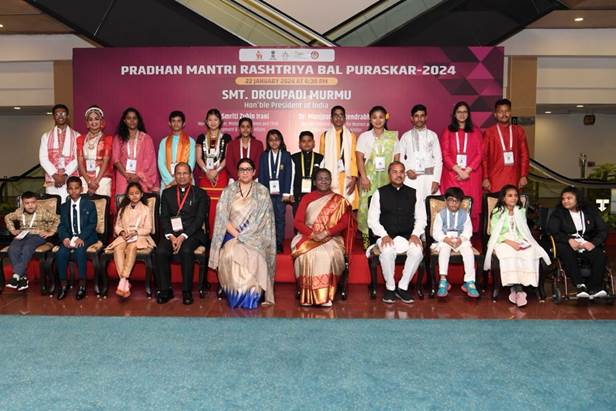
A nine-year-old mountaineer, a young AI scientist, a specially abled painter and a ‘Google boy’ were among the 19 children who were conferred with the Pradhan Mantri Rashtriya Bal Puraskar 2024 on Monday.
President Droupadi Murmu presented the national awards to them for their exceptional achievements.
Among the winners is Aaditya Vijay Brahmane, 12, from Maharashtra, who was awarded posthumously for his extraordinary act of courage. He sacrificed his life to rescue his cousins Harsh and Shlok from drowning in a river while playing.
Aryan Singh, 17, from Rajasthan is another remarkable recipient of the award. Singh ingeniously developed an Agrobot, an artificial intelligence-powered robot aimed at simplifying the lives of farmers by integrating cutting-edge technologies such as the Internet of Things (IoT).
In Chhattisgarh, Armaan Ubhrani, also known as the ‘Google boy’, has earned the award for his outstanding prowess in mathematics and science. At the tender age of six, Ubhrani has achieved numerous milestones, including becoming the youngest author of a book series and solving 100 multiplication sums, garnering recognition both nationally and internationally.
In the domain of art and culture, eight-year-old Anushka Pathak from Uttar Pradesh has established herself in ‘Katha Vachan’ (religious text narration). Following in her esteemed father’s footsteps, Pathak has captivated audiences across 22 states with her performances, becoming a recognised figure in the spiritual realm.
Arijeet Banerjee, 13, from West Bengal, a prodigy in playing the traditional Pakhawaj, has made an indelible mark on the cultural landscape. Having performed at prestigious events like the International Dhrupad Festival, Banerjee has received accolades such as the Bharat Ratna M S Subbulakshmi Fellowship and the Asia Book of Records.
Despite facing severe cerebral palsy, 13-year-old Hetvi Kantibhai Khimsuriya from Gujarat has displayed extraordinary artistic abilities, creating 250 works of free-hand painting, receiving numerous awards, and selflessly donating her monthly disability pension to support differently abled children.
Ishfaq Hamid, 12, from Jammu and Kashmir has become a maestro of Rabab and Matka, receiving accolades during various festivals and being honoured with the Bhai Mardana National Award in 2020.
Md Hussain, 16, from Bihar has excelled in handcrafted arts, winning accolades in state and national-level competitions, and even presenting his indigenous toys to Prime Minister Narendra Modi during the ‘Pariksha Pe Charcha’ programme.
Pendyala Laxmi Priya, 14, from Telangana is a Kuchipudi dancer, winning the Kala Utsav National Award 2023 in the classical dance category and holding titles like ‘Laasyapriya’.
In the realm of innovation, 16-year-old Suhani Chauhan from Delhi has developed ‘SO-APT’, a solar-powered agriculture vehicle, offering an impressive solution for sustainable farming.
Despite obstacles associated with Down syndrome, nine-year-old Avnish Tiwari from Madhya Pradesh trekked Mount Everest base camp at the age of seven and received the Shresth Divyang Bal Puraskar in 2022 for his exceptional social service.
Nine-year-old Garima from Haryana, a visually impaired girl, is dedicated to providing education to underprivileged children through her initiative called ‘Sakshar Pathshala’.
AWARDEES OF PRADHAN MANTRI RASHTRIYA BAL PURASKAR-2024
Sr. No.
Name
State
Category
1.
Aaditya Vijay Bramhane (posthumous)
Maharashtra
Bravery
2.
Anushka Pathak
Uttar Pradesh
Art & Culture
3.
Arijeet Banerjee
West Bengal
Art & Culture
4.
Armaan Ubhrani
Chattisgarh
Art & Culture
5.
Hetvi Kantibhai Khimsuriya
Gujarat
Art & Culture
6.
Ishfaq Hamid
Jammu & Kashmir
Art & Culture
7.
Md Hussain
Bihar
Art & Culture
8.
Pendyala Laxmi Priya
Telangana
Art & Culture
9.
Suhani Chauhan
Delhi
Innovation
10.
Aryan Singh
Rajasthan
Science & Technology
11.
Avnish Tiwari
Madhya Pradesh
Social Service
12.
Garima
Haryana
Social Service
13.
Jyotsna Aktar
Tripura
Social Service
14.
Saiyam Mazumder
Assam
Social Service
15.
Aaditya Yadav
Uttar Pradesh
Sports
16.
Charvi A
Karnataka
Sports
17.
Jesicca Neyi Saring
Arunachal Pradesh
Sports
18.
Linthoi Chanambam
Manipur
Sports
19.
R Surya Prasad
Andhra Pradesh
Sports
source: youtube.com / pib.gov.in
source: http://www.millenniumpost.in / Millennium Post / Home> Nation / by Team MP (headline edited) / edited with inclusion of full chart of awardees and you tube video and photograph source – pib.gov.in / January 22nd, 2024
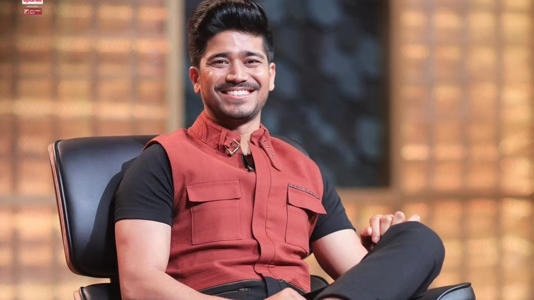
Inshorts CEO Azhar Iqubal speaks to IndiaToday.in about joining the latest season of ‘Shark Tank India.’
Azhar is seen as one of the 12 ‘sharks’ on the popular show.
Shark Tank India airs on SonyTV and SonyLIV.
The latest season of Shark Tank India will see Inshorts CEO Azhar Iqubal taking up charge as a ‘shark’. He would be one of the 12 leaders who would be picking up upcoming businesses to mentor. In a chat with IndiaToday.in, Iqubal shared how he had been inspired by many entrepreneurs while he was trying to build his career, and hopes to do the same with this show. He also said that fame was one of the primary reasons behind saying yes to ‘Shark Tank.’
Azhar Iqubal on joining Shark Tank India 3
“Shark Tank India takes entrepreneurship to masses. I have been inspired by many business people when I started out. I am a college dropout and if I can even give the confidence to someone to take that bet, it would be an achievement for me,” he shared.
Azhar Iqubal further added that he has followed the previous seasons, sometimes even on repeat: “I still remember the dialogues,” he added with a laugh. The entrepreneur also revealed that it was his ‘idea’ to take their business to Shark Tank India , and hence it was him who landed on the stage, instead of his co-founder.
When asked about his decision to drop out of IIT and start his business, Azhar Iqubal shared that his father was earning Rs 25k then. And he knew that even if he doesn’t complete college, he would get a job as a teacher for aspirants with double the salary: “I knew I had that backup so I could play that shot. I could lead a better lifestyle even if things didn’t work out. I decided to do business because I wanted to earn big. I realised that everyone rich in the country is an entrepreneur and I wanted the same for me.”
The previous ‘sharks’ have always spoken about how they became popular after the show. When asked if that was the reason he decided to be on the show, Azhar Iqubal laughed, “It was a big reason and I think every person wants that. Money, power, and fame is everything one wants, and enjoys. And if you are getting fame for something good, nothing better than that. I would be lying if I said it was not important.”
‘My mother shared that after being 10 years in Business …’
The business leader went on to recall a sweet moment where his mother told him how he has finally gained ‘recognition’ after so many years of being in business: “After the promos of the show dropped, people in my hometown started calling her. My mother shared that after 10 years of being an entrepreneur, people have finally recognised me and know that I have done something.”
Talking about himself, the businessman shared how he is a ‘number-driven’ man. Even when deciding to invest, Iqubal shared that he asks for numbers as he’s quite ‘objective’ and doesn’t take emotional decisions.
On a final note, the businessman shared that Shark Tank India 3 will see a great mix of old and new sharks, and hence, there would be a lot of changed dynamics: “Also, you would see a lot of pitchers from small towns on the show, which will be quite inspiring and entertaining for everyone,” Azhar Iqubal concluded.
Shark Tank India airs on SonyTV and SonyLIV.
source: http://www.indiatoday.in / India Today / Home> News> Televison> Reality TV / by Sana Farzeen, Mumbai / January 23rd, 2024
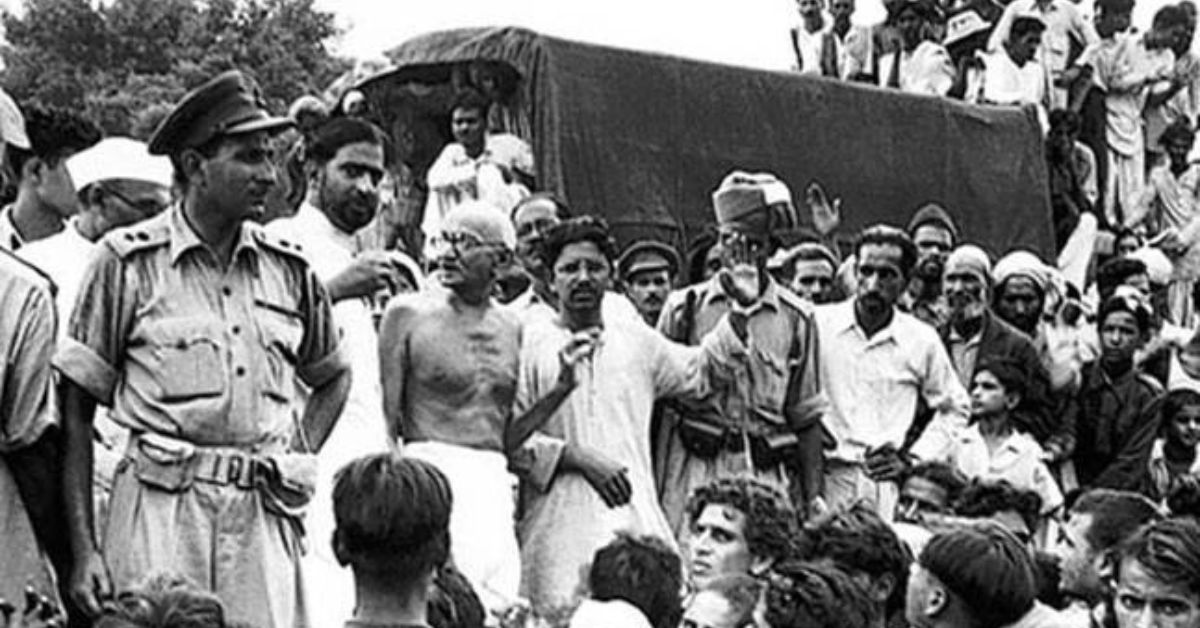
The Champaran Satyagraha is a landmark chapter in India’s history, and an important catalyst for it was journalist Pir Muhammed Munis, whose letter to Gandhi set the stage for the monumental resistance.
In 1917, when British rule prevailed over India, the government prepared a list to keep track of 32 of MK Gandhi’s closest associates. At number 10 was a name that history hasn’t forgotten since.
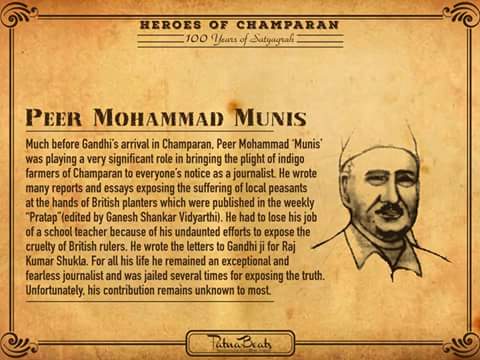
Pir Muhammed Munis, a journalist known for the power of his pen, was instrumental in his role in the Champaran Satyagraha movement, also touted as India’s first organised act of civil disobedience.
Through his body of work, he scripted a record of heroism that is etched into the sands of time.
To truly appreciate Munis’ role in the struggle for Independence, we trace our steps to 1916, when the British Raj was exercising exceeding control over Indians. One particularly vulnerable group were the farmers in Champaran, Bihar.
The source of contention was the agrarian practices in the region. While the British were intent on the peasants growing indigo, a lucrative cash crop with sizable demand in the markets abroad, the farmers were deprived of land for growing food crops instead. This tussle culminated in a famine, causing the farmers to rise in revolt against the dominion of the British. As the conflict escalated, word reached Gandhi. How?
Pir Muhammed Munis was behind it.
A ‘rouge journalist’
The uprising of the peasants in Champaran wasn’t going unnoticed. The country was reading about it thanks to Munis, who left no stone unturned in letting his views reflect his patriotic feelings. In the years to come, Pir Muhammed Munis would go down in history as the journalist who raised his voice when it was most difficult to be heard.
He chronicled the efforts of the farmers, the unlawful practices of the British and more such news in Hindi — despite the elite class being fluent in Urdu, Persian and English — displaying his ardent love for the language. In his later life, he went on to advocate for Hindi to be propagated amongst the masses. Anecdotes suggest during his later interactions with Gandhi, Munis even went on to teach the legend the language, a skill that greatly helped the latter.
So persistent and vocal was he about his patriotic opinions that he was termed as “notorious”, “bitter” and “dangerous” by the British, eventually being branded as a ‘badmash patrakar (rouge journalist)’.
A British Police document from the Azadi Ke Deewane Museum at Red Fort reads, “Pir Muhammed Munis is actually a dangerous and hoodlum journalist who through his questionable literature, brought to light the sufferings of a backward place like Champaran in Bihar.”
The letter that set the stage for the uprising
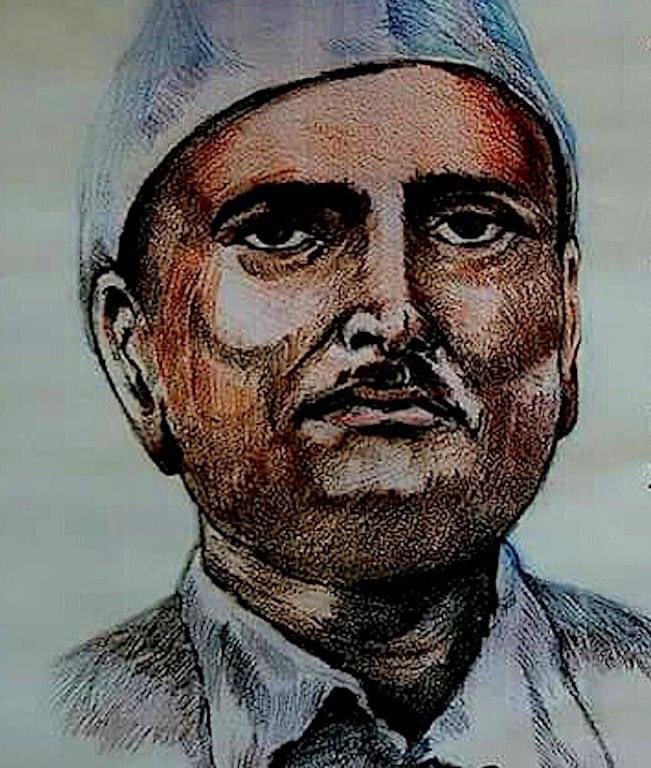
Pir Muhammed Munis fought for the farmers in the Champaran region of Bihar, Picture source: Twitter: Muslims of India
But nothing stopped Munis from continuing to write, his pen a double-edged sword. His works appeared frequently in Pratap, a Hindi weekly, and monthlys such as Gyanshakti and Gorakhpur. He was also on the editorial board of Desh launched and edited by Dr Rajendra Prasad.
The most famous letter among his repertoire of literary works is a letter he penned with local farmer Rajkumar Shukla, intended to be sent to Gandhi on 27 February 1917. Shukla conveyed the grievances of the farming community, while Munis coupled this with his power of words. An excerpt from the letter reads, “Our sad tale is much worse than what you and your comrades have suffered in South Africa”.
In another letter dated 22 March 1917, Munis once again voiced his concerns about the peasants in Champaran, and asked Gandhi to pay them a visit. And when he did on 10 April 1917, people commended the bond between the two, often calling Munis Gandhi’s pillar as he hatched plans for the Champaran Satyagraha.
As the first Satyagraha movement, it set the stage for future mass protests and uprisings. Gandhi set up schools in the Champaran area, gathered volunteers, conducted village surveys, organised protests, and strikes, and advocated for control over the sale of crops to be given to the farmers. And through this mutiny, Munis was by his side.
This did not go down well with the British. As a letter written by W H Lewis, sub-division officer to the commissioner of Tirhut division indicates, “… Mr Gandhi got offers of assistance, the most prominent is Pir Muhammad. I have not (sic) full details of his career, but either Whitty or Marsham could give them. He is, I believe, a convert to Muhammadanism and was a teacher in the Raj School. He was dismissed from his post for virulent attacks on local management published in or about 1915 in the press. He lives in Bettiah and works as a press correspondent for the Pratap of Lucknow, a paper which distinguished itself for its immoderate expressions on Champaran Questions… Pir Muhammad is the link between this Bettiah class of mostly educated and semi-educated men and the next class, i.e. the Raiyats’ own leaders…”
The result of the tyranny
History never forgets the cries of the just, and the Champaran Satyagraha was proof of this.
The mutiny ended with the British officers agreeing to formulate the Champaran Agrarian Act of 1918. The Act abolished the forcible cultivation of indigo and thus relieved tremendous pressure being put on the farmers here. The event has gone down in history as one of the first major revolts that forced the English to introduce a Bill in favour of the Indians.
With the Tinkathia system being abolished, the farmers thought the worst was over. But the British continued to oppress them in different ways. Fuelled by ending this once and for all, Munis started Raiyati Sabha, a platform that would advocate for and protect the rights of the farming community. For this, Munis faced a six-month jail term.
This wasn’t the last of imprisonment. In 1930 he was imprisoned in the Patna Camp jail for three months for his participation in the Salt Satyagraha of the Civil Disobedience Movement.
However, nothing could deter him from his goal of protecting the rights of his countrymen. In 1937, he led sugarcane producers who were protesting against intermediaries who were pocketing a major part of the earnings. He was also elected member of the Champaran Zila Parishad (District Board) on the Congress ticket and became President of Bettiah Local Board, from which he resigned to join the Individual Civil Disobedience Movement.
Throughout his lifetime, he advocated for rural development, popularisation of Hindi in primary schools and the rights of his fellow Indians. Until his passing away on 23 September 1949 Munis continued to be a leader worth looking up to for his countrymen.
Lauding the efforts of Munis on his passing away, Pratap editor Ganesh Shankar Vidyarthi, wrote in his newspaper, “We have the utmost sorrow that Pir Muhammed Munis of Bettiah, Champaran district has died. We have the privilege to see such souls who are quietly lying aside. The world doesn’t come to know anything about their issues. The lesser these sons of Mother India are renowned, the more profound is their work, the more philanthropic.”
He further wrote, “You recited the dreadful story of Champaran to Gandhi ji and this was a result of your hard-work only that Mahatma Gandhi visited Champaran which made this land a pious place and the place which is unerasable in the pages of history”.
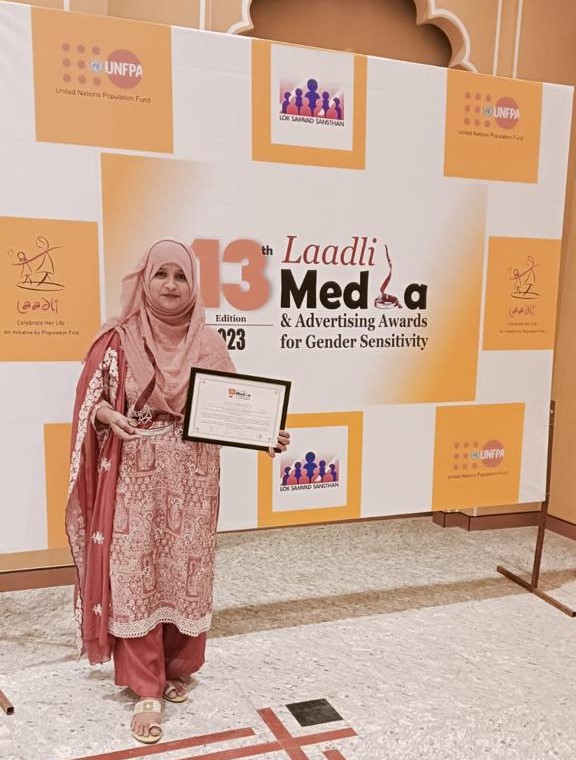
We are happy to announce that TCN’s SEED Fellow Sufi Parween has won the 13th Laadli Media Award for her exceptional contribution to gender-sensitive reporting.
Prof Seyed Ehtesham Hasnain’s scientific research has changed the complicated regimen for the diagnosis of Drug-Resistant Tuberculosis and the Indian Basmati getting its patent and trademark in the UK in the fight against the Pakistani variant. This Bihar-born scientists’ findings have saved patients suffering from Drug-Resistant TB money and time and helped the Indian government and farmers earn through exports of the Basmati.
He told Awaz-the Voice in an interview that the government of India has taken at least two major policy decisions based on his research. “One decision was that previously the testing of tuberculosis (TB) was based upon antibody-antigen reaction. So, the antibody formed was based on the antigen of a bacterial protein, and the sequence (genetic) used was mostly European or American isolates.
“When I did sequencing in India, I found out that the Indian variant is completely different. Therefore, the test could give false positives or negatives…. I published this finding and had a meeting with the DG of ICMR (Indian Council for Medical Research) and recommended that the tests based on foreign kits be banned and that made a big impact.”
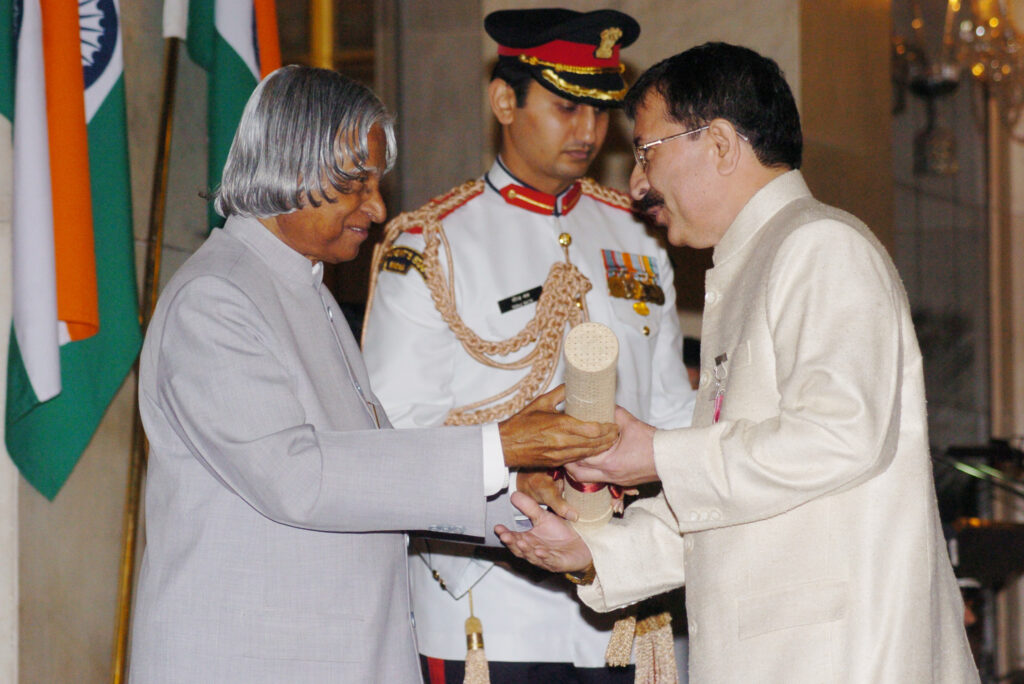
The President, Dr. A.P.J. Abdul Kalam presenting Padma Shri to Prof. Seyed E. Hasnain, renowned biologist, at an Investiture Ceremony at Rashtrapati Bhavan in New Delhi on March 29, 2006.
Padma Shri recipient Seyed Ehtesham Hasnain said. E. Hasnain was awarded the Order of Merit of the Federal Republic of Germany, the highest Civilian decoration of Germany in 2014. Nature, a famous scientific journal, reported on his receiving the award, “With the Order of Merit, he joins the league of outstanding personalities from various fields including Nobel laureate biologist Paul Herman Muller, former German Chancellor Helmut Kohl, former Japanese Prime Minister Yasuhiro Nakasone and music conductor John Crosby.”
In 2006, he received Padma Shri in recognition of his scientific work. Shanti Swarup Bhatnagar Prize (1995) and J. C. Bose Fellowship (2006), two of the most prestigious Indian Awards in the field of science have also come his way apart from numerous other decorations.
Hasnain was born in Gaya, Bihar in 1954. He was born seven years after India had attained independence. At that time Bihar was not the most developed of the Indian states. Hasnain’s father was a college lecturer and he nursed a dream of studying abroad. He studied at the Nazareth Academy, an expensive school in the town. It’s said that almost 20% of his father’s salary would go into children’s school fees.
He did his M.Sc. from the Jawaharlal Nehru University in New Delhi. However, though he was selected for his post-graduation studies by Harvard University, for some reason he could not join.
In 1981, Hasnain moved to Canada as a Post-doctoral Fellow (PDF). He worked in Canada and the USA for the next six years. At this stage, his father asked him to return home to serve his country and people. He was advised by many people that he must try to get his green card before moving back to India.
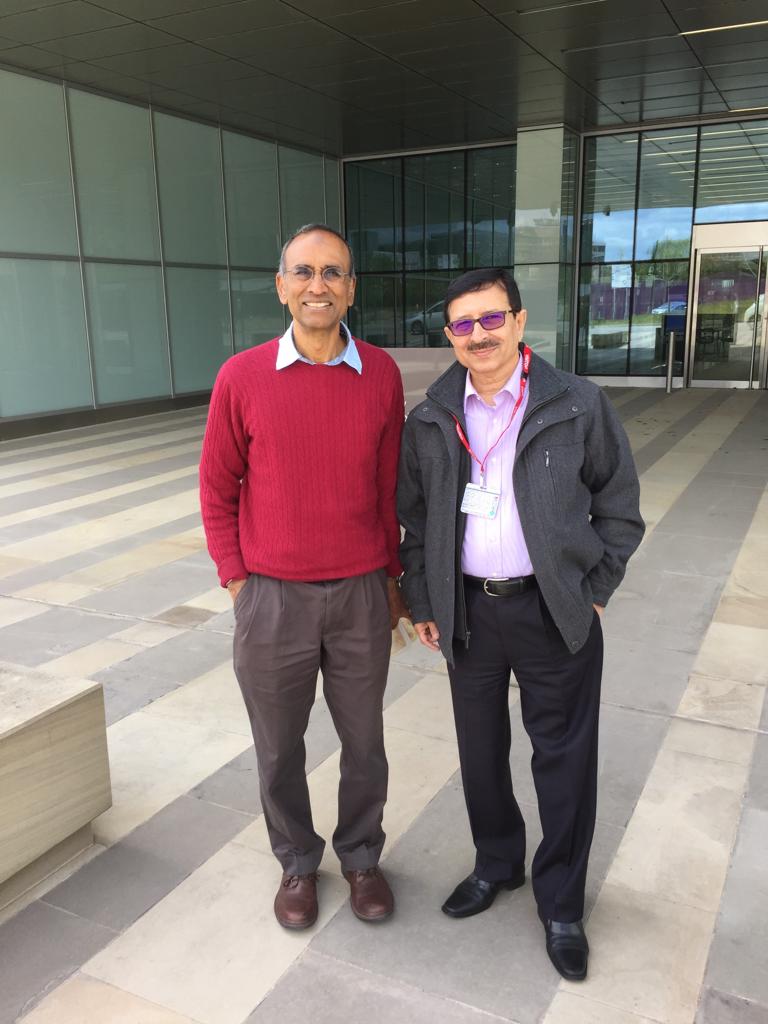
Seyed Ehtesham Hasnain with Dr Venky Ramakrishna, Nobel Prize Winner and President of Royal Society, UK, in Cambridge
In 1987, he joined the National Institute of Immunology (NII) as a scientist. Hasnain says, “I thought that after getting a green card, I would have a fall-back and a plan B. I did not want a plan B. My plan was the only plan A. I will work in India and do something good in India.”
Hasnain broke the convention by not continuing the research he was doing abroad. He started afresh and soon made a name for himself in research of baculoviruses. He established a baculovirus insect cell expression system (BEVS) for the first time in India and used this to express foreign genes and also to ask fundamental questions concerning gene expression in BEVS. The idea was to make India a scientific power.
Hasnain says that when his career was at the peak with research on baculovirus one day, Dr. Sandeep Basu, the then director of NII, asked him, “Seyed, you are publishing in good journals, it is fine, but how does humanity benefit? What is India gaining out of it? How are the common men benefiting from your papers? Doing research is good but do something which will benefit the common man.”
This was the turning point in Hasnain’s life and career. He says “I decided to do something where I can do direct application.” He started his research on tuberculosis.
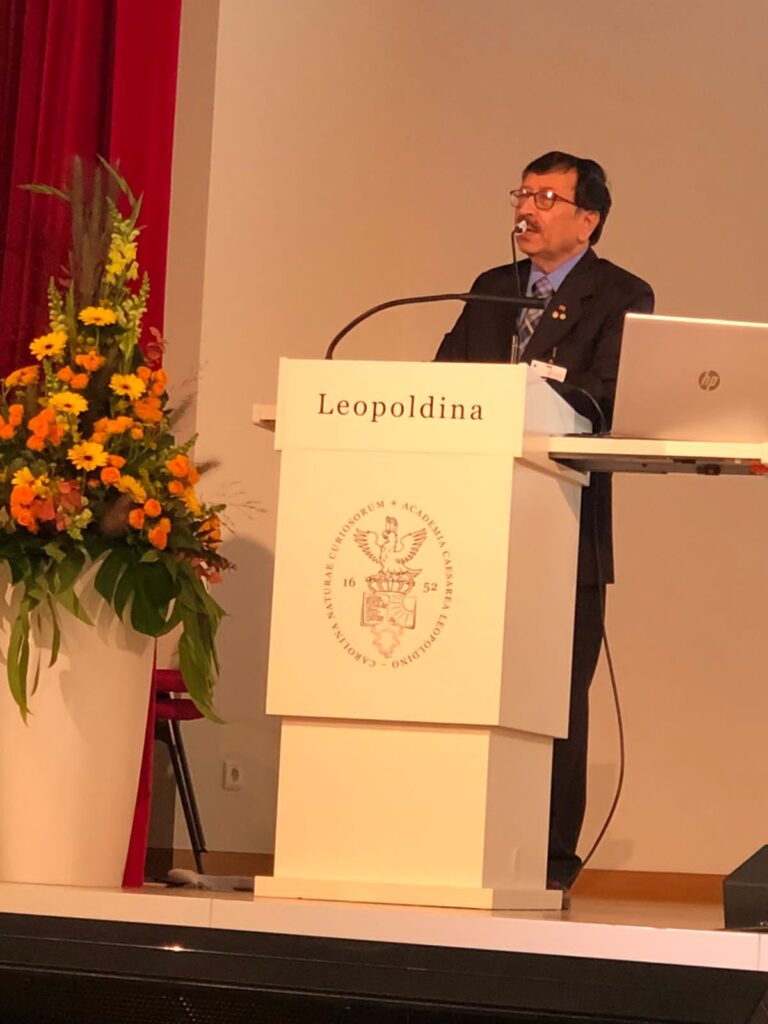
Seyed Ehtesham Hasnain at the Global Health Conference organized by the German National Academy of Sciences, Leopoldina, Halle, Germany
Hasnain initiated studies on molecular epidemiology and genetics of multi-drug resistant (MDR) M. tuberculosis (M.tb). He says, “second important observation that was published, again the first time in the world. We used to test TB for drug resistance. The bacteria was tested against each drug. I showed with my study that if the bacteria are resistant to one drug then it will be resistant to almost all other drugs. I established the correlation and proposed that you don’t need to do multi-drug resistance testing for all the drugs. Just test one drug rifampicin and if it is confirmed then 95%-99% of drugs will be resisted by the bacteria. That has become a standard treatment all over the world. He is still working on developing cheaper methods of diagnosing TB.
In 1999 Hasnain was invited as the first director of the Centre for DNA Fingerprinting and Diagnostics (CDFD), Hyderabad. It was based on his work on Indian Basmati Rice DNA fingerprinting that India won the Patent case against Pakistan enabling the export of the Indian Basmati to the UK. This prevented a major economic loss to India. Subsequently, the Ministry of Commerce established the CDFD-APEDA Basmati DNA Analysis Centre, where all Basmati exports are certified.
Hasnain also served as Vice Chancellor of the University of Hyderabad (2005-11), and Vice Chancellor of Hamdard University and is currently A National Science Chair of SERB, at the Department of Biochemical Engineering and Biotechnology at IIT-Delhi.
Hasnain Mantra is: “Nothing is a substitute for hard work.”
source: http://www.awazthevoice.in / Awaz, The Voice / Home> Story / by Saquib Salim / November 03rd, 2023
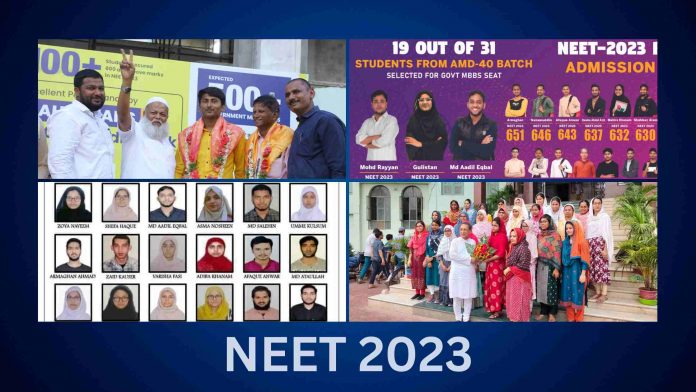
Muslim coaching institutes have witnessed remarkable triumph in facilitating students’ admission to Government Medical Colleges in the NEET (National Eligibility cum Entrance Test) 2023 examination. Notable among these institutions are the Association of Muslim Doctors and Talent Zone Academy, Shaheen Group, Rahmani 30, and Al Ameen Mission.
Through a joint initiative led by the Talent Zone Academy in New Delhi and the Association of Muslim Doctors, a commendable achievement was accomplished. Out of the total 31 students enrolled in the program, an impressive count of 19 students successfully secured their admission in government medical colleges.
The primary objective of forming this association was to unite Muslim doctors and create an organized body that adhered to moral values and the fundamental teachings of Islam.
As part of their initiatives, the Association of Muslim Doctors (AMD) collaborated with Talent Zone Academy to launch the AMD 40 program. This educational initiative provided education and support to students aspiring to pursue a medical career.
The Association of Muslim Doctors is an organization comprising individuals who share a common purpose. In 2009, a group of young Muslim doctors from Bihar, India, came together with the aim of establishing a registered body. Their inaugural meeting took place on February 20th, 2009, in Hajipur. Approximately 35 doctors participated in this gathering, operating under the banner of the Islamic Medical Association of India (IMAI)
Waseem Javed, founder and director of the Talent Zone Academy, while talking to Muslim Mirror said that the academy’s “focus is on guiding students towards a successful future in the fields of medicine and engineering, by providing a comprehensive curriculum that is designed to help them develop the skills and knowledge they need to succeed in competitive environments.”
“Moving forward, there are plans to sustain the program and expand its reach to benefit more deserving students. The experience gained from this program will serve as a foundation for future endeavors in providing quality education and support to aspiring medical professionals,” he said.
Ashhar Ehtesham, manager of the academy called the program a successful “collaboration between the Association of Muslim Doctors and Talent Zone Academy”
“The students received food and accommodation from AMD, while TZA focused on providing education. The campus located in Delhi served as the teaching venue for the students,” he said.
“Although the majority of participants were Muslims the program was inclusive and not specific to any particular religious group,” Ehtesham added.
The Shaheen Group of Institutions, situated in Bidar, Karnataka, has celebrated the achievement of having more than 500 students qualifying for admission this year.
Dr Abdul Qadeer, founder of Shaheen Group of Institutions, said “In the upcoming NEET 2023, we anticipate over 500 MBBS seats for the students. I extend my heartfelt congratulations to the successful candidates and their parents on this remarkable achievement.”
“Additionally, our attention is directed towards facilitating the integration of Hafiz individuals into contemporary education. We have established centres that offer lodging, meals, and excellent educational opportunities to support them,” Dr Qadeer said.
Dr Qadeer added that “an impressive number of 80 Huffaz have successfully cleared the NEET 2022 examination, and we have high hopes for even more qualifying in future exams.”
Maulana Mohammad Wali Rahmani’s coaching institute, Rahmani 30, experienced impressive results with 41 students achieving outstanding scores surpassing 600 marks in the NEET 2023 exam.
Likewise, the Al Ameen Mission, a residential educational institute based in Kolkata, has seen more than 600 of its students securing admissions in diverse courses this year.
These outstanding results underscore the effectiveness and dedication of these Muslim coaching institutes in preparing students for their medical aspirations, paving the way for a bright future in the field of healthcare.
source: http://www.muslimmirror.com / Muslim Mirror / Home> Education> Indian Muslim> Positive Story / by Ubair Ul Hameed / June 15th, 2023