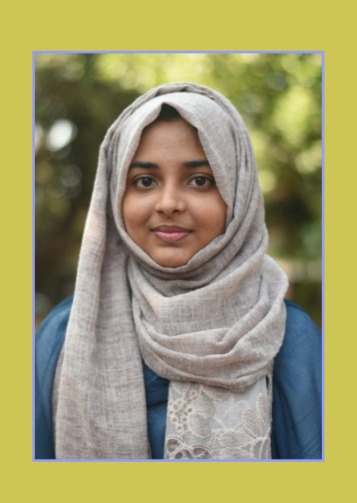
Syeda Reha Khadri has been awarded a gold medal for scoring 8.65 CGPA in MSc Chemistry. She is a student of Dr. G Shankar Government Women’s First Grade College and Post Graduate Study Centre, Udupi. Reha scored high ranks in the post-graduate exams conducted by Mangalore University for the academic year 2022-23.
“I put in my efforts, and Allah gave me the result,” Reha expressed gratefully, emphasizing the importance of dedication, focus, hard work, and prayer.
She conveyed a powerful message to the upcoming generation: “Whatever you do, put in a lot of dedication and effort. It’s not just about the result but about being satisfied with the amount of effort you put into any activity. Be righteous, truthful, and honest and grab every opportunity, despite any hindrances, and excel in it.”
Reha Khadri shared her study routine and the factors contributing to her success. “I always made sure to keep up with my classes and prepare my notes,” she explained. “I would wake up early in the morning to prepare, be attentive in class, and understand every topic thoroughly before attending. Reading a lot of books and the support from my college in providing resources were key. My teachers and parents have always been supportive and ready to help.”
Reha credited the eco-friendly and supportive environment of her college for fostering her academic growth and encouraging her participation in various competitions. Her motivation stemmed from a desire to excel and create good opportunities for her future, especially in her Ph.D. studies at MIT Manipal, where she is focusing on renewable energy under the guidance of Dr. Murti Dharma Pura.
source: http://www.radiancenews.com / Radiance News / Home> Education> Focus> Markers of Excellence / by Mohammed Atherulla Shariff / June 15th, 2024
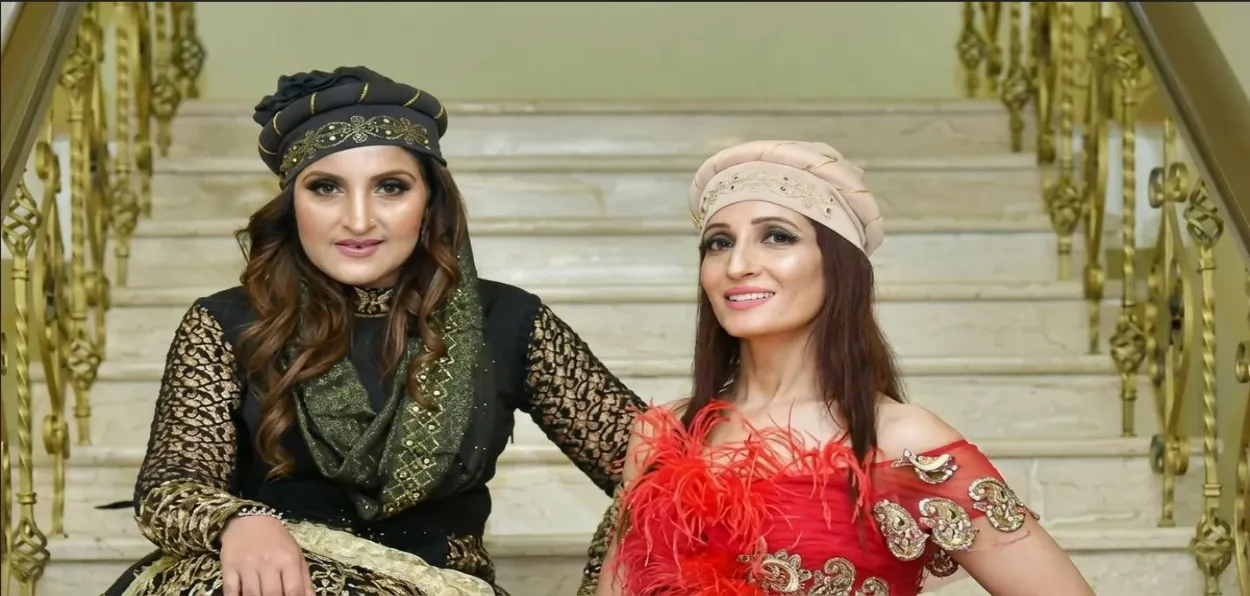
Asma Gulzar (Left) in Indo-Arabic dress with another model
New Delhi :
“Asma Gulzar isn’t just designing clothes—she’s designing her own path. A mind that refuses limits and a heart that thrives on passion. Keep creating, keep inspiring,” reads a social media post from one of the world’s leading fashion designers.
Today, Asma Gulzar is a prominent name in the Indo-fusion fashion space. Her stores in Delhi showcase a blend of Indo-Western and Indo-Arab designs, reflecting her distinctive aesthetic.
Her latest venture is a signature perfume from her brand, launched in Delhi during her annual Dawat-e-Iftar. The event has become one of the capital’s most talked-about Iftar gatherings, attended by eminent citizens, religious leaders, and fashion icons.
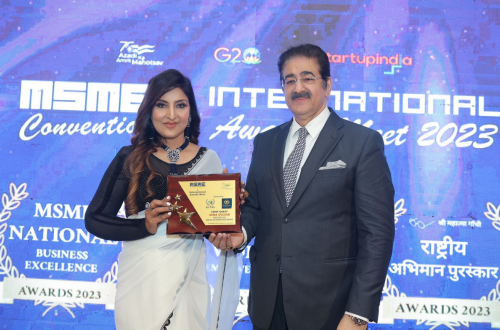
Asma Gulzar receiving SMSE award from industrialist Kumarmangalam Birla
“Life is a blessing,” says the celebrity designer, whose journey has been marked by resilience and determination.
Four years ago, Asma was diagnosed with a serious, life-threatening illness. “I was devastated and kept asking, ‘Why me?’ But soon I gathered myself and decided to face the disease with positivity and mindfulness,” she told Anjali Ada in an interview for Awaz-the Voice.
Following surgery, she underwent treatment for nearly two and a half months. “Initially, a family member would accompany me. Then I decided I must fight it alone.”
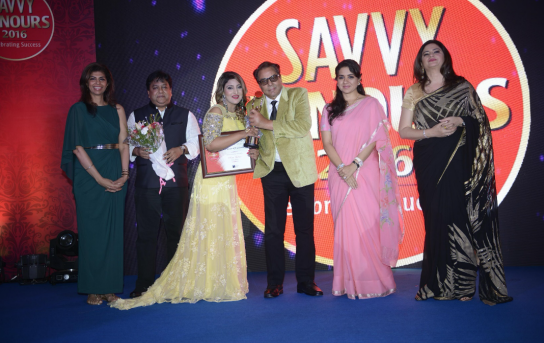
Asma Gulzar receiving an award from Dharmendra
She began visiting the hospital by herself. “After each session, I would pack the drip bags attached to my body into a plastic bag and hide it under my dress. From the hospital, I would go straight to my store in a nearby mall,” she recalled.
That same indomitable spirit defines how Asma runs her business today.
Her designs have found their way into Bollywood wardrobes, with celebrities such as Malaika Arora, Nushrratt Bharuccha, Pooja Batra, Celina Jaitly, and Shama Sikander, among others, wearing her creations.
Beyond commercial success, she has earned artistic recognition as well. Many in the industry look up to her for guidance. She has collaborated with international production houses, including serving as lead designer for BollyGoods Edition 2. She also played a key role in the Asian Trunk Show in London and has appeared on BBC London.
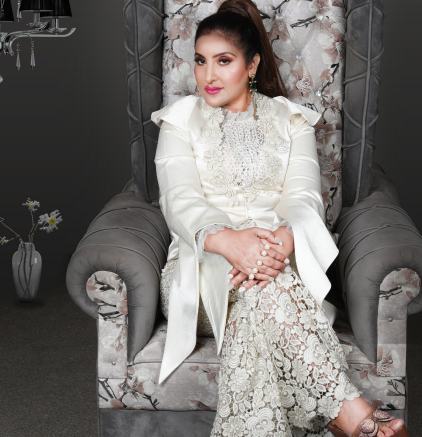
Asma Gulzar
For Asma, becoming a designer was never just about formal training at the National Institute of Fashion Technology. “Design is in my blood,” she says.
Growing up in Lucknow, she was particular about what she wore. She would brief the neighbourhood tailor—“Masterji”—in detail about her designs. “I even made him promise not to share my designs with anyone, not even my sister,” she recalls with a smile.
She believes creativity is innate. “You can see it in every corner of my home,” she says.
As a designer, her priority has always been to stand out. Interestingly, during her fashion shows, audiences often end up ordering the outfit she herself is wearing, rather than the ones showcased on models.
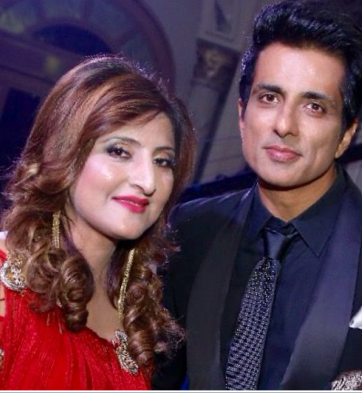
Asma Gulzar with actor and philanthropist Sonu Sood
Today, Asma runs a full-fledged business and manages a factory. “I started working at 17 and have been in this field for 20 years. It wasn’t easy,” she says.
She interned with Manish Malhotra, a crucial step in her journey. “In our industry, no matter how many degrees you have, unless you’ve worked with established names, it’s difficult to be taken seriously.”
While she acknowledges that today’s designers benefit from social media and artificial intelligence tools, she has clear advice: “Be original. Never copy designs. Step out of your comfort zone to gain exposure.”
Contrary to common perceptions about Muslim women facing barriers in unconventional careers, Asma says she received unwavering support from her family. “Some relatives and members of the community disapproved of a young Muslim girl taking up fashion and even modelling her own designs. But my family never let that overshadow my ambitions.”
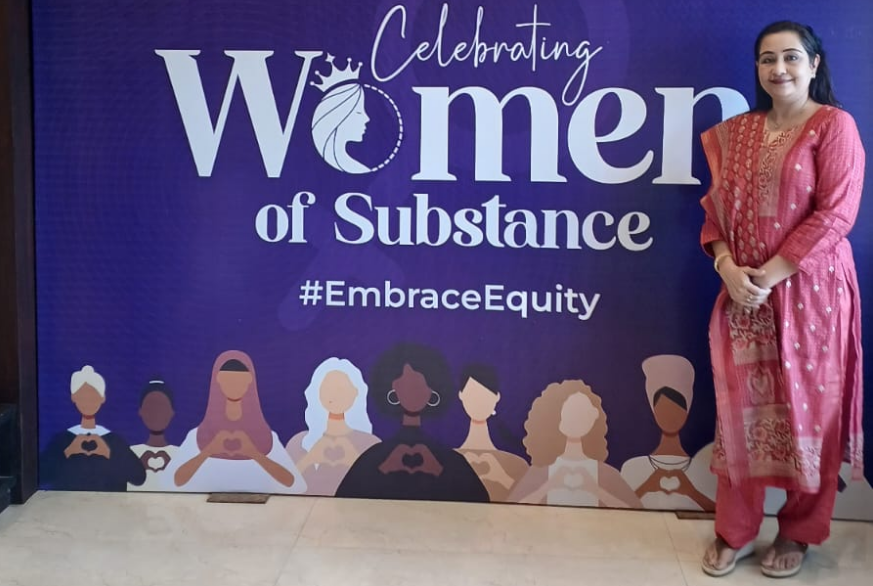
She is the recipient of many awards including the one instituted by ther government for Small and Medium Sized Enterprises, and from the bodies which focus of women of substance.
Asma Gulzar with actor Nushrratt Bharuccha
She credits her grandmother for shaping her outlook. “She always told me never to give up. I live by three D’s—Determination, Dedication, and Discipline—and they have guided me throughout.”
Running a factory, she admits, is no easy task for a woman. “I had no prior experience. I started with just a sewing machine in my garage.”
Today, her brand has a global footprint, and she is planning to launch an exclusive menswear line. Her design philosophy remains rooted in her tagline: “Original beauty with elegance and comfort.”
Deeply spiritual, Asma believes her journey has been guided by faith. “God has held my hand through it all,” she says, adding that success is never possible without divine blessings.
See the full Interview:
source: http://www.awazthevoice.in / Awaz, The Voice / Home> Success Story / by Aasha Khosa / April 08th, 2026
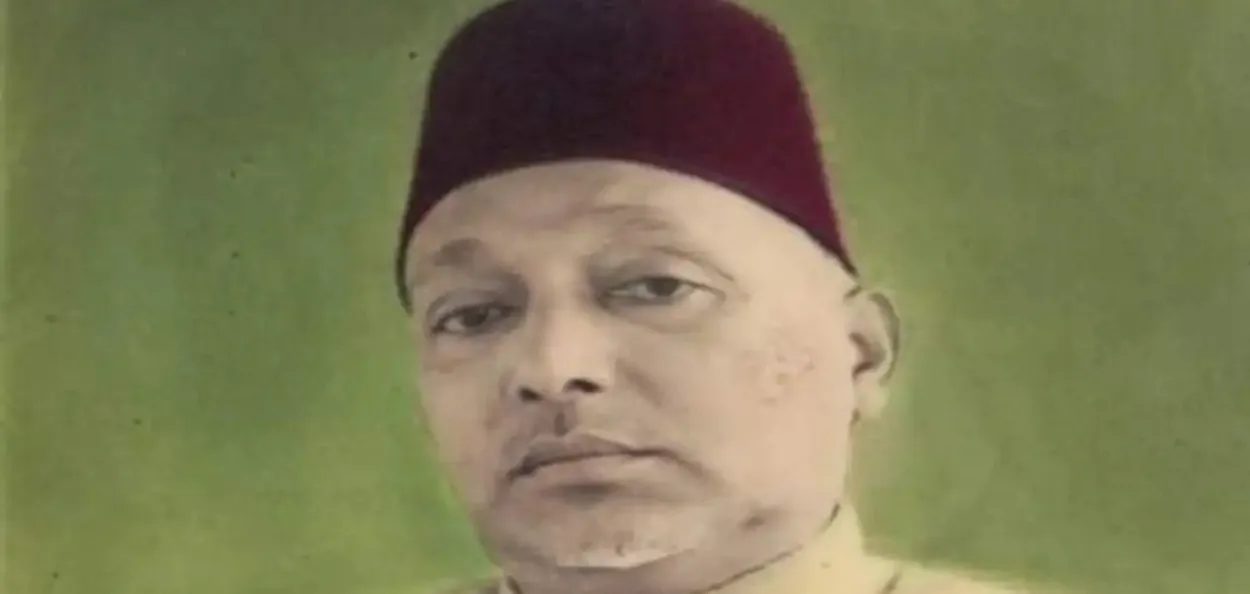
Sir Syed Muhammad Saadullah is one among the Indian Muslim leaders who made an immense contribution to shaping Independent India and yet remained unsung. He was the only Muslim among the members of the Drafting Committee for the Constitution of India, led by Dr. Babasahib Bhimrao Ambedkar.
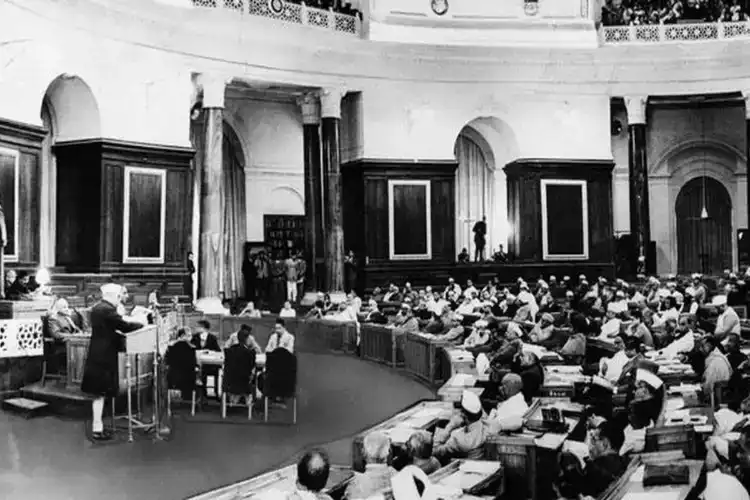
Before shedding light on Saadullah’s role in the Constitution Drafting Committee, let us know about the Assembly that drafted the Constitution of India.
On December 9, 1946, the Constituent Assembly was formed. Its meeting was boycotted by the Muslim League. Soon after, on December 11, Dr. Rajendra Prasad was elected as its chairman. It had 389 members which were reduced to 299 after the partition.
On January 22. 1947 it adopted the Objectives Resolution unanimously. In the same year, the national flag was adopted on July 22, and Independence was achieved on August 15, 1947, with the partition of the country.
On 29 August 1947, a drafting committee was appointed with Dr. BR Ambedkar as its chairman. Other members of the committee were KM Munshi, Muhammad Saadullah, Aladi Krishna Swami Iyer, Gopala Swami Iyengar, N Madhav Rao, DP Khetan, and TT Krishnamachari.
On 22nd November 1949, the ‘Constitution of India’ was passed in the assembly and the last session of the Constituent Assembly was held on 24th January 1950. On 26th January 1950, the ‘Constitution of India’ came into effect after 2 years, 11 months, and 18 days.
The Constituent Assembly in session
Who was Sir Syed Muhammad Saadullah?
Sir Syed Muhammad Saadullah was a member of the draft committee but even before that, he was a well-known leader of India. He was the Prime Minister of Assam in British India. He was also Chairman of Guwahati Municipality and Minister of Education and Agriculture of Assam from 1924 to 1934. Saadullah was a highly educated jurist.
Syed Muhammad Saadullah was born on 21 May 1885 in Guwahati into a traditional Assamese Muslim family and died in 1955. He was educated at Cotton College, Guwahati, and Presidency College, Calcutta. After receiving higher education, he started practicing law in Guwahati and soon made his mark as a lawyer. He also practiced in the Calcutta High Court for some time. He became the Chairman of the Guwahati Municipality and was nominated as a member of the Legislative Council in Shillong.
Assam became a Chief Commissioner Province in April 1912. Saadullah participated enthusiastically in the Council’s deliberations and spoke freely on matters of interest to the people of Assam.
He soon became an important figure in the province of Assam. He established his identity as a lawyer after just a decade of struggle. In later days, he also practiced in the Calcutta High Court. Among his neighbours and contemporaries, were Fazlul Haque, Nawab Attaur Rahman, and Barrister. Khuda Bakhsh and Nawabzada AFM Abdul Ali.
He was also important in British India. He was knighted in the 1928 Birthday Honors and made a Knight Commander of the Order of the Indian Empire in the 1946 Birthday Honours.
In his political life, Syed Muhammad Saadullah was closely associated with the All-India Muslim League. He attended the 10th session of the League in Calcutta in December 1917 and served as a member of the committee that negotiated the Lucknow Pact between the Muslim League and the Congress.
In 1946, he participated in the demand for Pakistan and supported the inclusion of Assam in Pakistan. However, when Assam seceded from Pakistan at the time of partition, he remained in Assam. Similarly, as the Prime Minister of Assam, he contributed to the building of a modern Assam.
He was an able parliamentarian, an eloquent orator, an experienced administrator, and a moderate and liberal leader in ideology. Saadullah is regarded as one of the architects of modern Assam. As the head of the Assam government, he planned well and developed development plans. He took a special interest in the promotion of industries. He is said to have supported and encouraged the migration of peasants from Bengal to develop agriculture in Assam and to introduce jute cultivation. His critics accuse him of deliberately settling Bengali Muslims in Assam.
Muhammad Saadullah is also known for his generosity, honesty, and competence. He also worked for the tribal people of the North Eastern region and inducted a tribal leader JJM Nicholas Roy in his first cabinet. He was considered the best person because of his experience, ability, and honesty.
source: http://www.awazthevoice.in / Awaz, The Voice / Home> Success Stories / by Ghaus Siwan, New Delhi / January 25th, 2023
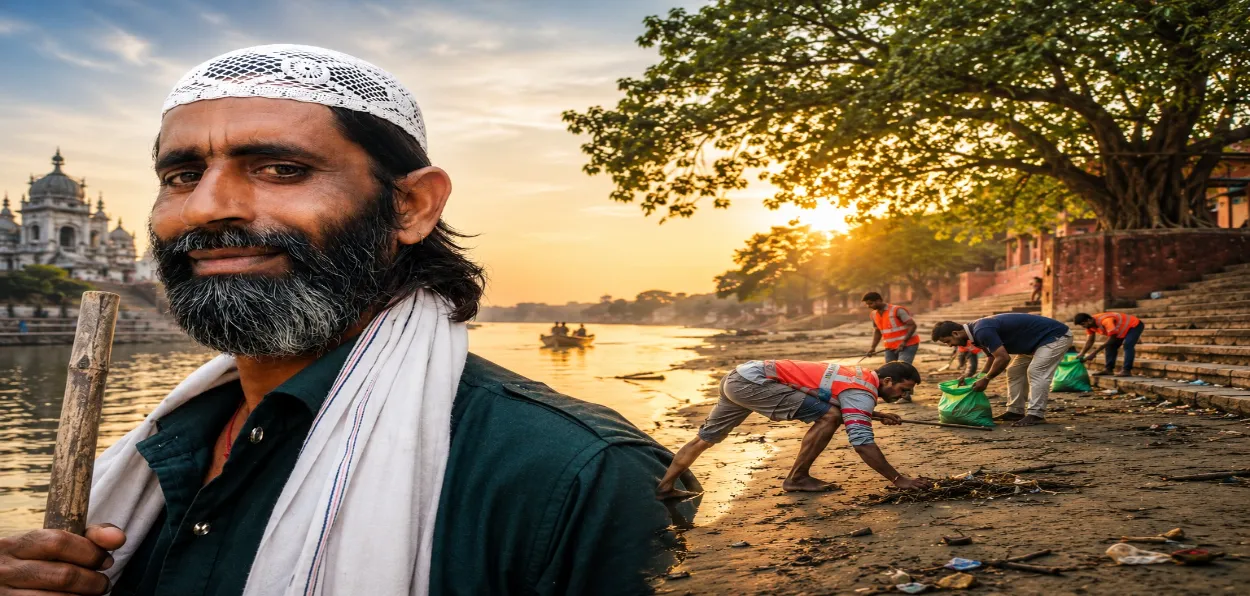
AI-generated image of Lal Mohammad Badshah and his volunteers
Every Sunday morning, a group of volunteers gathers on the banks of the Ganga in Bithoor, near Kanpur in Uttar Pradesh. Armed with bags and baskets, they pick up garbage, plastic waste, discarded offerings, and other debris from the river and its ghats.
Leading this weekly mission is Lal Mohammad Badshah, a man whose life has become synonymous with the protection of the sacred river. For the past 35 years, he has dedicated himself to keeping the Ganga clean. A Muslim by faith, Badshah gave up a well-paying government job, chose to remain unmarried, and devoted his life to serving the river he reveres as Mother Ganga. A few years ago, he even stopped wearing footwear as a mark of respect for the river.
Known locally as the “Guardian of the Ganga,” Lal Mohammad Badshah has broken religious stereotypes and emerged as a symbol of environmental conservation and communal harmony.
Bithoor occupies a special place in Hindu tradition. According to Sanatan beliefs, it is the birthplace of Luv and Kush, the sons of Lord Ram. It is also believed that Maharshi Valmiki composed the Ramayana here. The shrine of Mata Sita Ki Rasoi (Mother Sita’s Kitchen) continues to attract thousands of pilgrims and tourists from across the country.
The Ganga flows past 52 ghats in Bithoor, drawing a steady stream of devotees who come to take a holy dip in its waters. It is this sacred landscape that has become the centre of Lal Mohammad Badshah’s devotion and life’s work.
Sharing his journey with Awaz-The Voice, Badshah said, “I had a secure and well-paying job at a government fertiliser plant. Life was comfortable. But my attachment and reverence for Maa Ganga grew so strong that I decided to leave everything behind and dedicate my life to her service.”
After resigning from his job, he committed himself fully to the cleanliness and protection of the river.
To carry forward his mission, Badshah formed the Ganga Suraksha Dal (Ganga Protection Squad), a group of eight to ten local volunteers. Every Sunday, members of the squad gather at the ghats and undertake extensive cleanliness drives.
As news of their efforts spread, people from neighbouring districts, including Unnao, began joining the campaign. What started as a small initiative has gradually evolved into a community movement.
The group’s work extends beyond cleaning the river and its banks. Members also keep a vigil against poachers and work to protect fish and other aquatic life in the Ganga.
Despite the growing support, Lal Mohammad Badshah has never accepted donations for his mission.
A practising Muslim who is often seen wearing a skullcap, Badshah earns his livelihood by operating a small tourist boat on the Ganga. After leaving his government job, he turned to ferrying pilgrims and visitors along the river.
His boat, furnished with mattresses and cushions, offers tourists a comfortable ride while introducing them to the spiritual and historical significance of Bithoor. The modest income from these rides sustains both his personal needs and his environmental campaign.
Visitors are often surprised to hear him greet people with “Ganga Maiya Ki Jai” (Hail Mother Ganga).
When asked how fellow Muslims reacted to his devotion to the river, Badshah replied, “Faith and devotion are matters of personal conviction. I have a spiritual connection with the Ganga.”
He recalls that in the beginning, some people from his community mocked him and questioned his actions. However, as they witnessed his sincerity, selflessness, and dedication, attitudes began to change.
“Today,” he says, “people respect the work we are doing. Service to humanity and nature is above all divisions.”
Over the years, Badshah’s story has gained widespread attention on social media, where thousands of people have praised his commitment and spirit of service.
Among the many tributes, social media user F.S. Parmar described him as a “King of Kings.” Manoj Kumar wrote that while water cleanses the body, truth purifies the mind, knowledge refines the intellect, and righteousness elevates the soul.
Ashish Sharma commented that true strength lies in devotion and service, while Rajendra Chauhan described Badshah as a “Badshah” (King) not only in name but also in character.
Another user, Rajat, offered a heartfelt prayer: “May Allah grant you a long life, and may Mother Ganga always keep you safe in her embrace.”
Pankaj Thapliyal observed that the Ganga is not merely a religious symbol but a life-giving river for all humanity. Sunita Kumari compared Lal Mohammad Badshah to historical figures such as Raskhan and Rahim—Muslim poets who became celebrated devotees of Lord Krishna.
Today, the historic Rani Lakshmi Bai Ghat in Bithoor has become the Badshah’s permanent base. He spends most of his day there, overseeing cleanliness efforts, meeting visitors, and sharing his message of environmental stewardship and communal harmony.
For many who visit Bithoor, Lal Mohammad Badshah is no longer just a boatman or a volunteer. He has become a living example of how devotion, service, and love for nature can transcend religious boundaries and bring communities together.
source: http://www.awazthevoice.in / Awaz, The Voice / Home> Stories / by Malick Asghar Hashmi, New Delhi / June 10th, 2026
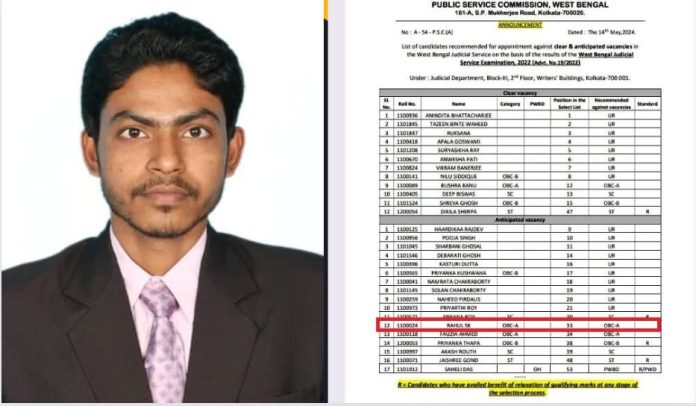
Vision 2026 Scholarship Department is elated to announce the remarkable achievement of its scholar, Rahul SK, who has secured 33rd rank in the West Bengal Judicial Service Examination. This prestigious exam, conducted by the West Bengal Public Service Commission (WBPSC), is a significant step in Rahul’s path towards a judicial career.
Rahul SK, a resident of Jangipur in the Murshidabad district, is the son of Hasibul SK, a dedicated mason working as a daily wage laborer. Despite facing financial hardships, Rahul’s unwavering dedication and perseverance have led him to this notable success.
Abdul Karim, the head of Vision 2026 Scholarship Department, commended Rahul’s hard work and determination. Rahul completed his Bachelor of Arts and Bachelor of Laws (BA. LLB.) from Aligarh Muslim University in 2018 and went on to earn a Master of Laws (LL.M.) from the Central University of Punjab in 2020. Currently, he is pursuing a Ph.D. and has qualified for the Junior Research Fellowship (JRF) in Law from the same university.
The Vision 2026 Scholarship Department provided crucial support to Rahul during his postgraduate studies, which played a pivotal role in his academic and professional journey.
The results of the highly competitive West Bengal Judicial Service Examination were announced on May 14, marking a significant milestone in Rahul’s career. His achievement stands as a testament to his resilience and the effective support of Vision 2026.
source: http://www.radiancenews.com / Radiance News / Home> Latest News> Markers of Excellence / by Radiance News Bureau / May 18th, 2024
In the broad landscape of society, administration, education, and culture in West Bengal, the progress of Muslim women has ushered in a new chapter today. Overcoming long-standing social barriers, superstition, and gender-based discrimination, they are now taking positions of leadership. One of the brightest faces of this transformation is Professor Shabina Nishat Omar, whose life journey stands as a remarkable example of women’s self-empowerment in modern society.
Active in the academic world for more than 25 years, Prof Omar is not only an educator but also a skilled administrator, inspiring speaker, and fluent multilingual presenter.
She is currently serving as Officer on Special Duty (OSD) in the Directorate of Higher Education under the Government of West Bengal.
Professor Shabina Nishat Omar – the woman of substance
At the same time, her academic leadership as Head of the English Department at Acharya Jagadish Chandra Bose College is equally commendable.
An important chapter of her professional career was her 19 years of teaching at Milli Al-Ameen College for Women, as Principal-in-Charge for 15 years.
During this time, she played a major role in transforming the institution into a modern, well-organized, and student-friendly campus.
Beyond administrative excellence, Professor Omar’s multidimensional activities have given her a distinct identity. She is a skilled debater, eloquent speaker, and outstanding reciter, through which she has expressed her views on various national and international platforms.
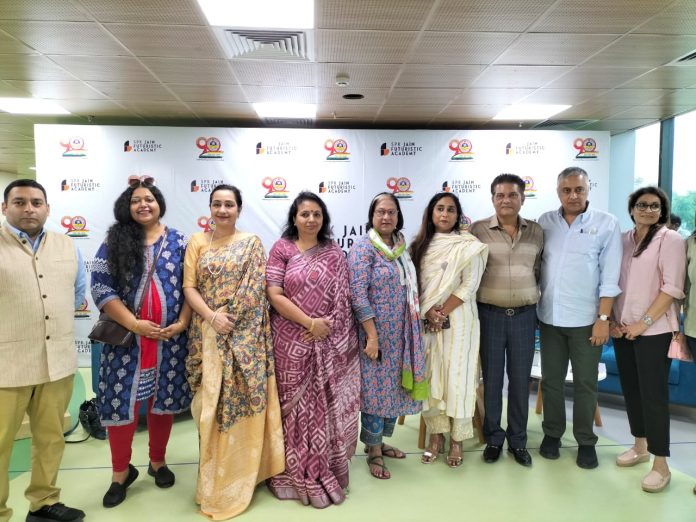
Professor Shabina Nishat Omar (Third from left) at a College function
Her active involvement in promoting women’s empowerment, digital education, gender studies, and inclusive education has established her as an influential thinker in contemporary society.
Her presence in seminars, workshops, and academic platforms carries a powerful message for the younger generation—that education is not merely a profession, but one of the strongest tools for social transformation. As a speaker and trainer, she emphasizes leadership development, women’s self-reliance, language proficiency, and strategies to address modern social challenges.
In recognition of her contributions, she has received several honours, including the Damini SHE Award and the Disrupt Women’s Leadership Award.
Her nomination to the International Visitor Leadership Program of the United States Department of State further strengthened the international recognition of her work.
At present, she is also actively involved in several administrative and academic responsibilities associated with University of Calcutta.
Professor Shabina Nishat Omar
As Bursar and Internship Nodal Officer at the college level, her initiatives in connecting students with practical education are especially noteworthy.
The journey of Professor Shabina Nishat Omar is not merely a story of personal success; it is a blueprint of women’s self-establishment in modern society. Personalities like her prove that with the right vision, dedication to education, and commitment to society, a woman not only creates her own place but also opens the path for others.
Her presence on seminar stages is not just participation as a speaker—it is a source of inspiration, where a woman firmly establishes her position in modern society through knowledge, experience, and leadership.
source: http://www.awazthevoice.in / Awaz, The Voice / Home> Success Story / by Shompi Chakraborty Purkayas / June 09th , 2026
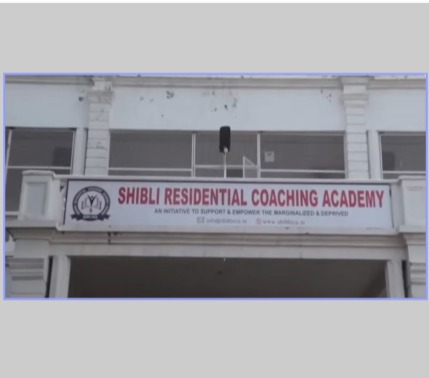
Shibli College in Azamgarh has launched a groundbreaking initiative known as the Shibli Residential Coaching Academy (Shibli RCA), offering free coaching for the prestigious IAS-IPS examinations. This program aims to empower aspiring civil servants by providing not only coaching but also complimentary accommodation, meals, and access to library facilities.
The Shibli RCA program stands out as a beacon of hope for individuals with aspirations of serving the nation but lack the financial means to pursue professional coaching. By eliminating financial barriers, the initiative ensures that talent and dedication, rather than economic status, become the primary determinants of success in civil services examinations.
Prospective students are invited to apply to Shibli RCA through a simple admission process, where their aptitude and dedication are assessed. This inclusive approach aims to identify and nurture talent from diverse socio-economic backgrounds, fostering a diverse and inclusive learning environment.
The initiative by Shibli College underscores its commitment to academic excellence and social empowerment, striving to shape a generation of competent and compassionate civil servants poised to make meaningful contributions to society.
source: http://www.radiancenews.com / Radiance News / Home> Education> Focus> Social Service / by Radiance News Bureau / May 13th, 2024
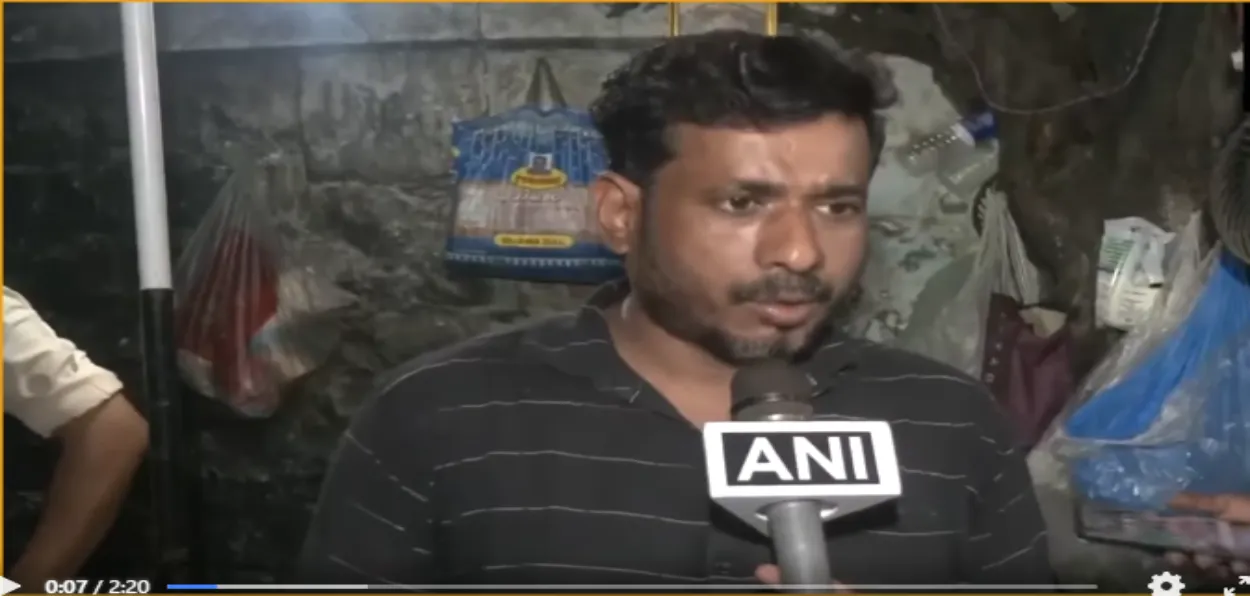
Mohammad Toufiq (Picture grabbed from ANI’s video posted on X)
When Pakistani terrorists targeted Nariman House, Cama Hospital, Taj Hotel, Oberoi Hotel, Chhatrapati Shivaji Terminus, and Leopold Cafe on 11 November, 20 16 years ago, killing 166 people, Mohammad Taufiq Sheikh was one of the lucky persons to have narrowly missed the terrorists’ bullet.
Now famous as Chotu Chaiwala, as he continues to sell tea in front of St. George Hospital, he gets into a pensive mood at the mention of Tahawwur Rana, one of the key planners of the attack who has been extradited to India from the US to face trial.
Toufiq saved many lives as he was present at the Railway station on that fateful day.
Recently, on knowing that Tahawvur Rana was brought to India after 16 years, he said, “He should not be given any relief; instead, hang him.”
Taufiq Mohammad, an eyewitness to the 26/11 attack, looked upset. He said, “The government should not him any facility as he is the main culprit of 26/11. He is not a hero; he is a beast. In the attack, someone’s mother, sister, brother, or father was killed. He should not be shown mercy and should be lodged in a separate cell, the government should take strict action against him. The government should hang this terrorist within 15 days.”
Taufiq said, “The government should make a separate law to take action against terrorists. Pakistan still gives shelter to terrorists as a result the common people also suffer. Punish Rana so severely that the rest of the terrorists start trembling with fear.”
A terrorist has no caste or religion. He should only be called a terrorist, Taufiq says.
“Rana and I have the same religion. Rana, in the name of religion, helped those people who fired bullets at innocent people. Islam does not teach to kill anyone. Islam gives the message of peace and love. Shedding blood in the name of religion is not the teaching of religion. We are proud to be Indian Muslims. Every terrorist should get severe punishment.”
Pakistani terrorists were killing people mercilessly. The entire station was silent. People were saving their lives. No one was there to help them. Talking about that time, Taufiq says, “Seeing the guns with them, I first thought they were commandos. But they were killing people mercilessly. They were not humans, they were monsters. One of them (Kasab) was coming towards me. He abused me. I thought I would be killed too.”
He further says, “The glass of doors and windows were broken due to the firing. The entire station was filled with blood. People were struggling to save their lives. Many people were injured. I wanted to save the injured people. I put the injured people on a cart and took them to St. George Hospital and Byculla Railway Hospital. In this way, many people’s lives were saved.”
This incident was terrifying, but Taufiq handled the situation with courage. Keeping humanity at the top, he saved people’s lives without looking at caste or religion. For this, he was given 27 rewards and some financial help.
Taufiq says, “On the night of 26/11, I went to the railway station to collect money for tea. There were more than 4000 people there. There was a rush to buy tickets, so the ticket master asked me to collect the money after a while. I stood outside the station. I still remember, that day a cricket match between India and England was going on. After a while, suddenly I heard a loud firecracker-like sound from inside the station.”Toufiq continues to sell chai at the same place.
source: http://www.awazthevoice.in / Awaz, The Voice / Home> Success-Story / by Fazal Pathan, Mumbai / April 16th, 2025
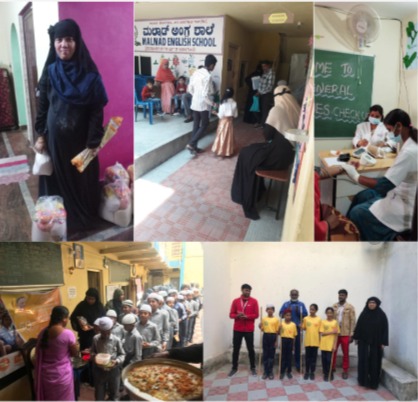
Dr. Shakila Banu N, a stalwart in the field of education, boasting over three decades of experience, is not only shaping young minds but also uplifting the marginalized through her altruistic endeavors. In her role as Principal at Malnad English School in Rajivnagar, Bengaluru, she exemplifies the essence of compassionate leadership.
Partnering with Major Bari’s team, Dr. Shakila Banu extends a lifeline to orphaned children, ensuring they not only receive an education but also have the necessary resources for their holistic development. From covering school fees to providing basic essentials like school bags, water bottles, uniforms, shoes, and even mattresses, she leaves no stone unturned in her mission to provide a nurturing environment for these vulnerable youths. Her commitment extends beyond the classroom, as she also extends support to widows and their families, offering monthly groceries and special provisions for festive occasions like Eid.
Dr. Banu’s compassion extends further to elderly widows, whom she ensures receive regular access to vital medications, underscoring her holistic approach to community welfare. Her tireless efforts serve as a beacon of hope, inspiring others to join in the noble pursuit of serving the less fortunate. Through her selfless dedication, Dr. Banu sets a shining example of empathy and altruism, enriching the lives of those she touches and leaving an indelible mark on her community.
source: http://www.radiancenews.com / Radiance News / Home> Focus> Social Service / by Muarrah Nisar / May 09th, 2024
Chokapara-Naoda Village (Bilashipara subdivision, Dhubri District), ASSAM :
Moinul Haque at his brick kiln
Moinul Haque of village Bilashipara in Dhubri district of western Assam once lived in appalling poverty and even had to go hungry on many days. Having worked his way to a better life, this man in his late forties is now providing livelihood to 300 families but also ensuring they get basic amenities of life.
Owner of a brick kiln that he set up to address acute poverty in village Takimari, Ranigunj, a Muslim village of Assam
Not only he pays wages to his workers, but he also provides them with the basic facilities of education and health, and he also ensures drinking water, healthcare, and education for the children of brick kiln workers.
In a conversation with Awaz -The Voice, the soft-spoken Moinul Haque alias Baltuk said that as a child he had to work hard to survive.
Brick Kiln owned by Moinul Haque
He was born in Chokapara-Naoda, a backward village in the Lakshiganj area of the Bilashipara subdivision. His father, Sabed Ali, a fish trader, and his mother, Manuwara Bibi, a domestic help, had many dreams for their children yet no means to fulfill them.
Moinul’s parents enrolled him in a nearby government primary school even as the sustenance of a family comprising two sons and four daughters was getting difficult for Sabed Ali.
As luck would have it, Sabed Ali’s health started falling.
“It was difficult for us to support a family of eight and take care of my father. As a result, sometimes we had to go to sleep hungry. One day, I finally dropped out of school due to poverty. I was eight years old.
“I was thinking about how I could support my family. I started baking papad at the street corners and selling them. After making some money, I started selling betel nuts (Tamol) along with papad on a table perched on the roadside,” he said.
Within 3-4 years, he expanded his small shop into a grocery store.
Moinul was just beginning to flourish in his trade when his father, Sabed Ali became paralyzed. Now he got worried about the fate of his family.
However, Moinul kept his focus on business and started trading fish.
An under-construction building in which Moinul Haque is involved in
He bought fish from Hatipota, Tilapara, Shalkocha, and other areas riding an old bicycle in the wee hours of the day. He sold it in Bilashipara and Beltali markets.
He did well and after some time, he expanded trading to sand, stone chips, and timber.
At the age of 20, Moinul got married.
He managed to marry all his sisters within five years. He also worked as an associate of various construction contractors. However, his hunger for success did not end there.
Alongside his business, he also volunteered to get associated with various social activities. He realized that the people of western Assam, especially the Muslims, were backward in many facets of life.
He set up a brick kiln at His enterprise has provided livelihood to about 300 families in the area. Most of these families are economically backward Muslims.
He also provided these families with basic facilities like healthcare, hygienic drinking water, and education.
source: http://www.awazthevoice.in / Awaz, The Voice / Home> Stories / by Malati Sarmar, Bilashipara / March 21st, 2023