Tag Archives: Positive Stories of Indian Muslims

A Muslim Woman Is Helping Patients of Sickle Cell Disease Get Treatment in MP’s Chhindwara

Chhindwara, MADHYA PRADESH:
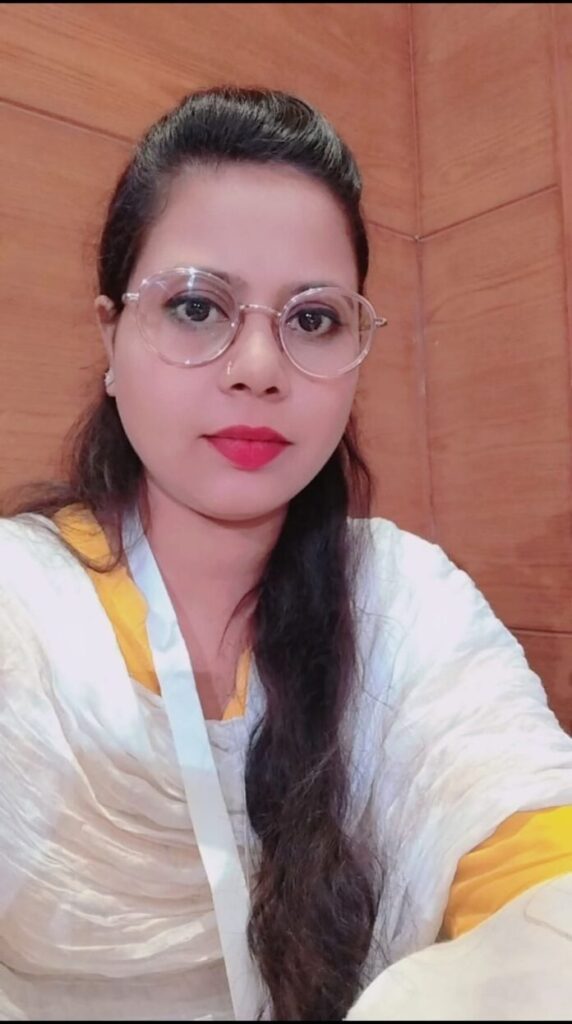
At the age of two and a half years, Swaleha Naaz Khan fell down the stairs while playing and broke her hand. This incident marked the first time she visited a hospital. However, for Khan, a patient of Sickle cell disease, it set off a cycle of sickness, incorrect medications, hospital visits, and unsuccessful treatment. Now at 26, she recently completed her M.Sc (Masters in Science) in Computer Science from a private institute in Chhindwara, Madhya Pradesh and helps people fight suffering from Sickle cell disease in this small town of Madhya Pradesh.

Facing Problems in Identifying the Disease

Growing up, she constantly experienced severe body pain. Due to a limited medical infrastructure in the city at that time, doctors were unable to identify the source of her pain.  Her body would frequently stiffen, prompting her father to assume she was possessed by a spirit or djinn. They sought help from hakims and babas in hopes of finding an explanation for her pain but to no avail. Khan and her family went from city to city in order to get her treated. They even travelled to Nagpur in Maharashtra for this purpose. 

Dr. Shrivastav, a doctor at the city government hospital, finally diagnosed Khan with sickle cell disease while she was in 10th grade, after she was brought to the hospital the night before her board exams. “It was for the first time that I received correct treatment,” she went on to say.
The Disease Affected Khan’s Education

Previously, whenever Khan’s condition deteriorated, she was given injections to soothe her unbearable pain. “The injections were given every 8 days, causing me so much pain that I could only sleep on one side. I couldn’t sit down properly. My education was also greatly affected. I often had to miss school,”  she explained. Due to being admitted a day before exams, she flunked in 10th grade. 

Sickle cell disease [SCD] is a hereditary medical condition that persists throughout a person’s life and affects red blood cells, which in turn impacts hemoglobin – the carrier of oxygen in the body. 

Unlike the typical disc-shaped red blood cells found in a healthy person, in SCD, these cells take on a crescent or “sickle” shape. The alteration affects their manoeuvrability in blood vessels, leading to a range of complications such as strokes, vision issues, infections, and bouts of intense pain known as pain crises. 

According to Gautam Dongre, Secretary of National Alliance of Sickle Cell Organisations (NASCO), sickle cell disease can cause great damage to people’s lives. “Without accurate diagnosis, individuals with this condition may not live more than 4 years. They can be affected by organ damage within 20 years. Their joints may stop functioning properly, potentially leading to disability. In the absence of proper treatment, it can result in premature death. Otherwise, their entire life may be centered around going between the hospital and home,” said Dongre stressing that timely treatment of the disease is extremely critical.
Creating a WhatsApp Group of Sickle Cell Patients To Help Them

Khan was admitted in 2016, along with two other SCD patients, Deepika and Aishwarya. She had previously thought she was the lone patient suffering from the disease. However, she began to meet more people suffering from the disease. “Aishwarya formed a group of all Chhindwara’s sickle cell patients.  We discovered that there are numerous patients with SCD in that district. At the time, we were only 15-16 years old,” she explained.

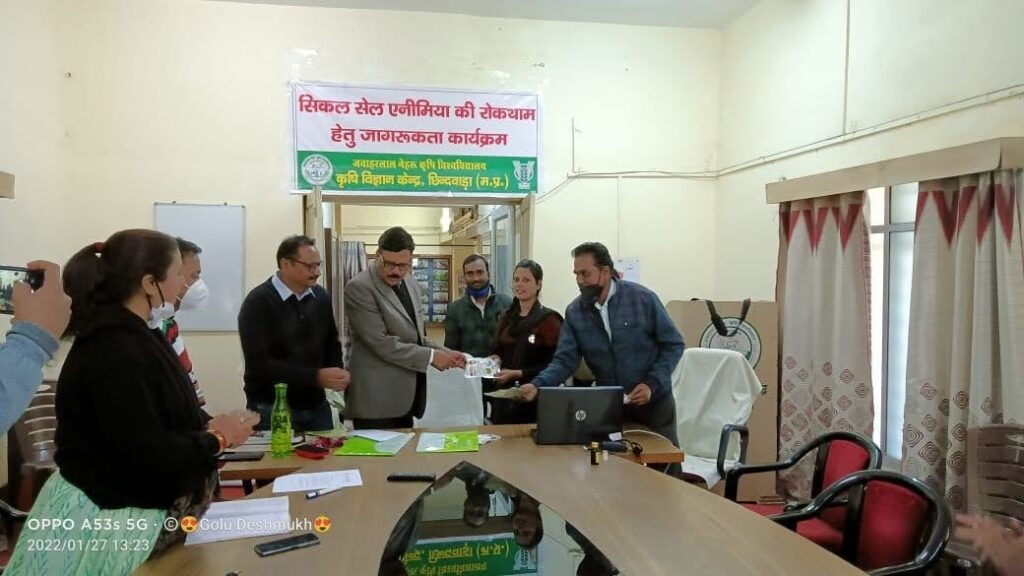
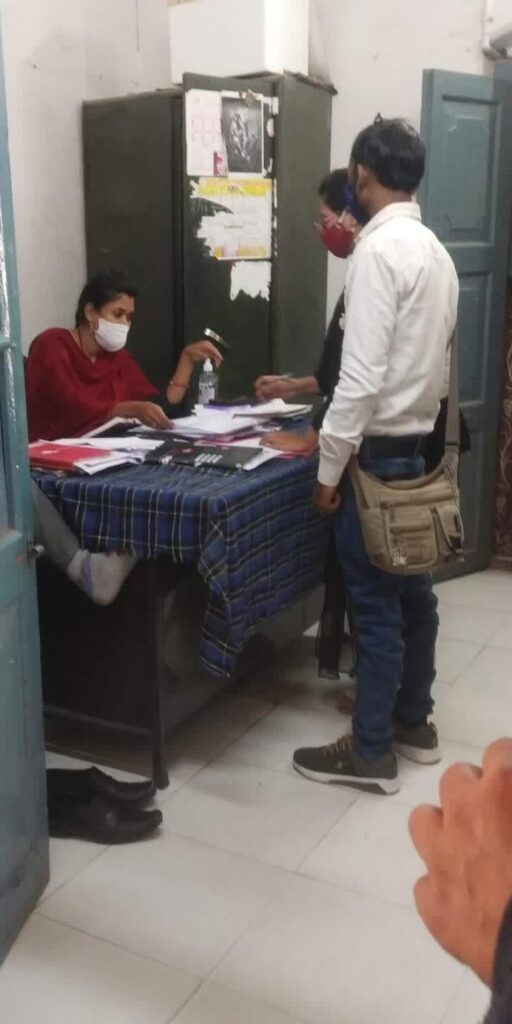
After she discovered more than 500 SCD patients in Chhindwara, Khan decided to visit the District Magistrate’s office in order to demand a separate hospital ward for them. She says that when she used to visit the government hospital, they had to purchase everything from outside. The only thing they provided was a bed, which was free. She observed that patients coming from remote villages faced several difficulties in accessing proper healthcare due to this. 

“We demanded for all patients to get access to Dr. Shrivastav. After that, we asked for the availability of medicines. The whole process was really taxing. After going through several offices and facing rejections, medicines were finally made available in the hospital for free. Rarely does anyone need to purchase something from their own pockets,” Khan stated, proudly.

‘Cared for Me as if I Were Her Own Sister’: A Sickle Patient

22-year-old Nazrana Mansuri, a patient suffering from Sickle Cell Disease (SCD) in Chhindwara, recounted her first meeting with Khan at the hospital. Upon learning that Mansuri is an orphan, Khan assumed full responsibility for her operation. “I used to live with my khala (aunt), who worked as a daily wage earner and didn’t have the means to look after me. Swaleha took all my responsibilities. Despite being unwell herself, she stayed with me throughout the night of the operation. She not only brought me food but also cared for me as if I were her own sister. It’s been two years since my operation, and she still feels like family to me,” Mansuri said.
How Extreme Weather Made Khan’s Condition Worse

Khan said that during wintertime, her blood vessels used to thicken causing her extreme pain. 

Dr. Gaurav Kharya, the clinical lead at the Centre for Bone Marrow Transplant and Cellular Therapy, Indraprastha Apollo Hospital, New Delhi, explained that under normal circumstances, sickle cell disease may not pose a problem. However, during hot weather when dehydration occurs, and in extremely cold temperatures when small blood vessels constrict, a crisis can occur. During these episodes, the shape of sickle-shaped cells can become further distorted and obstruct various blood vessels, resulting in the typical symptoms of sickle cell disease.

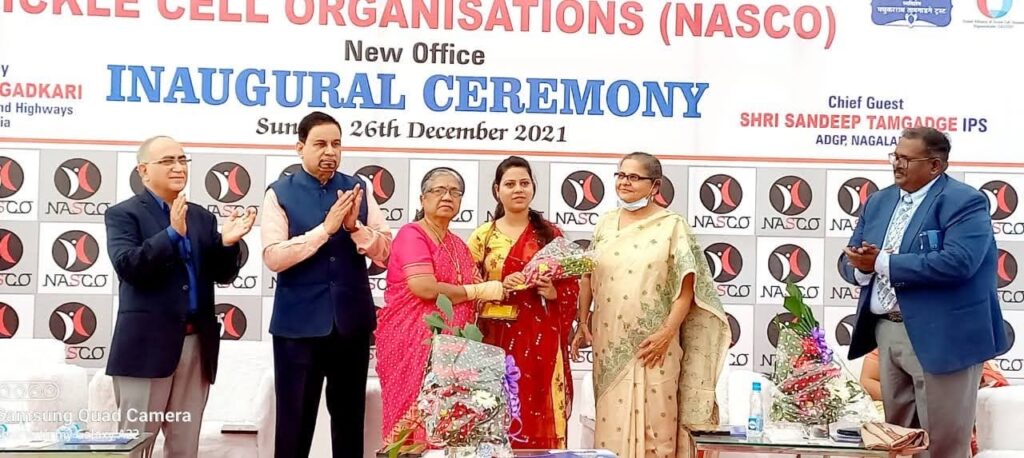
In 2020, Khan joined the National Alliance of Sickle Cell Organisations (NASCO), after meeting Gautam Dongre. Today, she manages all of NASCO’s work in Madhya Pradesh and helps out hundreds of patients of the sickle cell disease with getting them treatment, diagnosis and recovery.

Shaba Manzoor and Nuzhat Khan are independent reporters based in New Delhi, India.

source: http://www.twocircles.net / TwoCircles.net / Home> Indian Muslim> Lead Story> Science-Health> TCN Positive / by Shaba Manzoor & Nuzhat Khan / October 31st, 2023
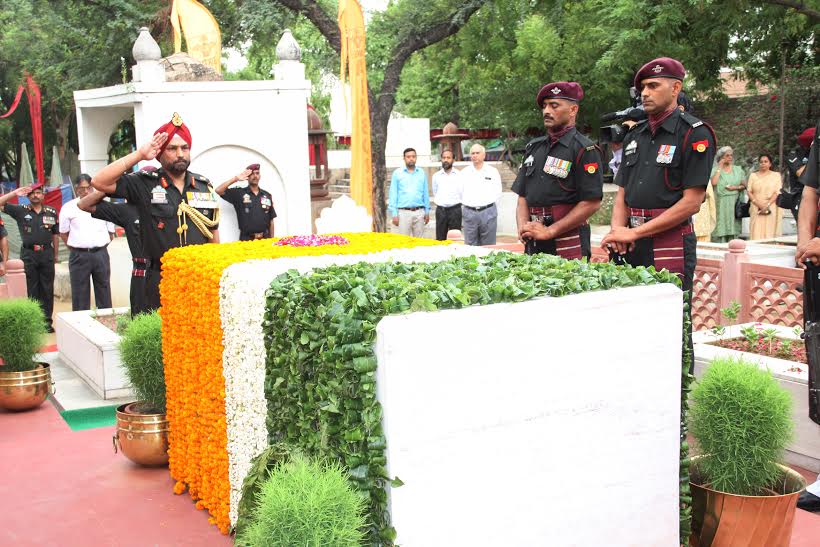
Wreath laying ceremony to commemorate death anniversary of Brigadier M. Usman, MVC (P), July 03rd

INDIA:

A Wreath Laying Ceremony to commemorate the death anniversary of Brigadier Mohammad Usman, MVC (P) was organised at his Memorial in Jamia Millia Islamia (JMI) Cemetery on 03rd July 2023.

 Wreath laying ceremony of late Brig Mohd Usman held


Several Retired and Serving officers including Lt Gen Pushpendra Singh, SM** Col of the PARA Regiment and DG OL & SM, Brig. Rajneesh Mohan Cdr 50 (I) PARA Bde, Lt. Gen Gurbir Pal Singh, AVSM, VSM, DG NCC Delhi, Lt. Gen Velayudhan Sreehari, AVSM, SC, SM, AG’s BR DG (MP&PS), Lt Gen Subriti S Dahiya, SM VSM, Comdt NDC and Maj Gen Prashant Srivastava, AVSM, SM, Addl MS (B) attended the function and paid their
tributes by laying a wreath at the Memorial of Brig. M. Usman, MVC (P).


A wreath was also placed at the Memorial of Brig. M. Usman PVC (P) on behalf of JMI Vice Chancellor Prof. Najma Akhtar (Padma Shri), as her tribute to the memory of the gallant officer. NCC cadets and officers were also present to witness the solemn occasion and pay their respects.

Jamia Millia Islamia (NAAC A++ Grade Central Univ) on Twitter: "A wreath  laying ceremony to commemorate the death anniversary of Late Brigadier M.  Usman, MVC was organised today by a contingent from


Under Brig. Mohammad Usman, MVC (P) Para Brigade successfully defended the city of Naushera against Pakistani Tribal forces, and then valiantly recaptured the city of Jhangar.

Late Brigadier Mohammad Usman, also known as the savior of Naushera, was responsible for the recapture of Jhangar & Naushera (Jammu & Kashmir) during 1947- 48 war with Pakistan.

The gallant officer attained martyrdom on 03rd July 1948 when an
enemy artillery shell landed close to him in Naushera.

source: http://www.jmi.ac.in / Jamia Millia Islamia – JMI / Home / by Public Relations Office / July 03rd, 2023

Renowned Islamic Scholar And Translator, Maulana Muhammad Farooq Khan Passes Away, Leaves A Profound Legacy

Karpi Village (Sultanpur), UTTAR PRADESH:

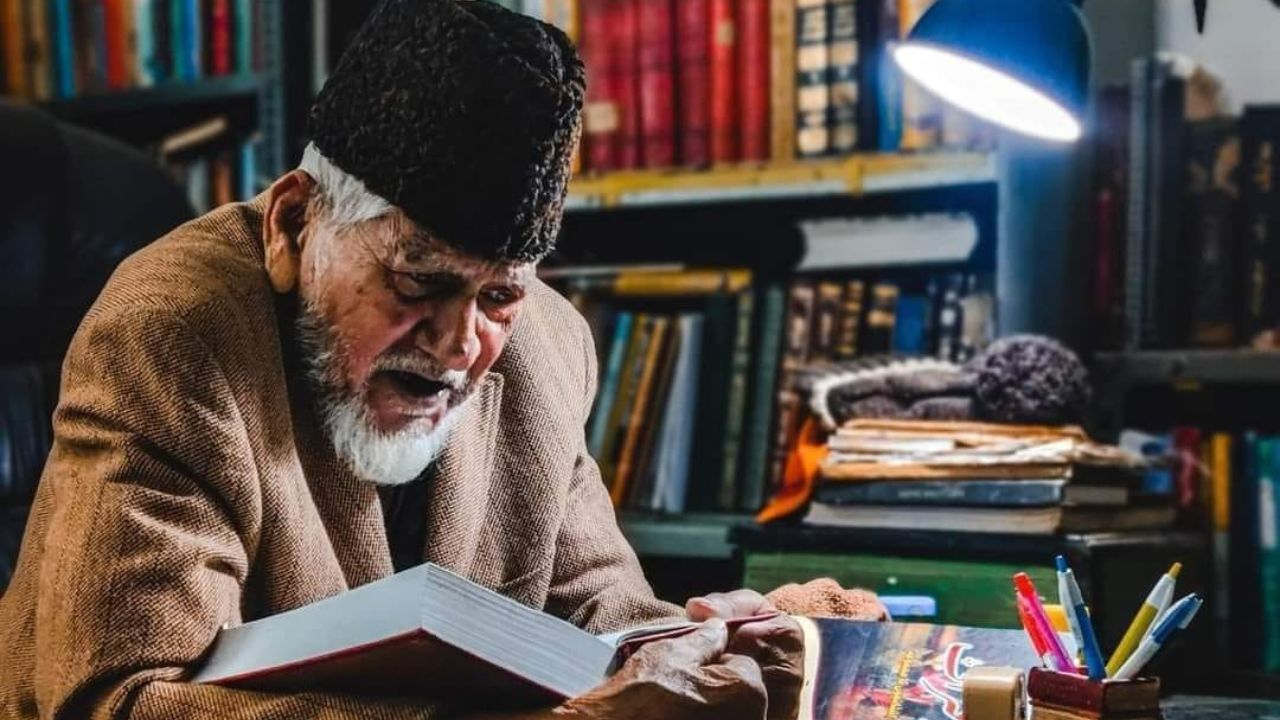
Renowned Islamic Scholar and Senior Member of Jamaat-e-Islami Hind, Maulana Muhammad Farooq Khan, has passed away, leaving behind a legacy of exceptional contributions to the Islamic literary world. Known for his profound knowledge and expertise in translating and explaining the Holy Quran, Maulana Muhammad Farooq Khan was a highly respected figure within the Islamic community.

Born in Karpi village in Sultanpur, Uttar Pradesh, in 1932, Maulana Muhammad Farooq Khan pursued a Masters in Hindi Literature. Although he initially began his career as a teacher in Azamgarh, his passion for writing and disseminating Islamic knowledge soon took precedence.

Maulana Muhammad Farooq Khan gained recognition with his Hindi translation of the Holy Quran, which marked a significant milestone in his career. His translation made the sacred text accessible to a wider audience, bridging the gap between Arabic and Hindi literature. The clarity and precision with which he conveyed the Quranic teachings garnered him immense respect and established him as a prominent figure in the field.

Expanding his literary endeavours, Maulana Muhammad Farooq Khan authored a notable four-volume collection of Hadith commentary called Kalameh Nabuwat. This work, too, received widespread acclaim and further solidified his position as an authority on Islamic literature. His insightful explanations and interpretations of the hadiths provided valuable guidance to scholars and practitioners alike.

In addition to his translations and commentaries, Maulana Muhammad Farooq Khan penned numerous books on various subjects, including da’wah (Islamic propagation), guidance, personality development, and comparative study of religions. These works not only enriched the Islamic literary landscape but also reached a broader audience through his Hindi translations. Maulana Muhammad Farooq Khan’s dedication to promoting Islamic teachings and his efforts in making them accessible to people of diverse linguistic backgrounds were unparalleled.

The passing of Maulana Muhammad Farooq Khan is an irreplaceable loss to the Islamic literary world. His extensive contributions and profound understanding of religious texts have left an indelible mark on the community. The impact of his work will continue to guide and inspire generations to come.

As the news of his demise spreads throughout the Islamic community, heartfelt tributes pour in, acknowledging the significant role Maulana Muhammad Farooq Khan played in disseminating knowledge and fostering a deeper understanding of Islam. Scholars, students, and devotees express their gratitude for his contributions and remember him as a beacon of wisdom and enlightenment.

Maulana Muhammad Farooq Khan’s funeral prayers were held today, attended by a multitude of mourners who came to pay their respects. His passing leaves a void in the hearts of those who admired his scholarship, but his legacy will live on through his writings, translations, and the countless lives he touched.

The Islamic world mourns the loss of Maulana Muhammad Farooq Khan, and his memory will forever remain as a testament to his outstanding contributions and unwavering dedication to spreading Islamic knowledge.

source: http://www.thecognate.com / The Cognate / Home> News / by The Cognate News Desk / June 30th, 2023

JNU Sociologist Imtiaz Ahmad Passes Away

Lucknow, UTTAR PRADESH / NEW DELHI:

Ahmad’s book, Caste and Social Stratification Among Muslims in India, is celebrated as pioneering work in the field. 

Imtiaz Ahmad (1940-2023). Photo: Twitter/@syedurahman

New Delhi: 

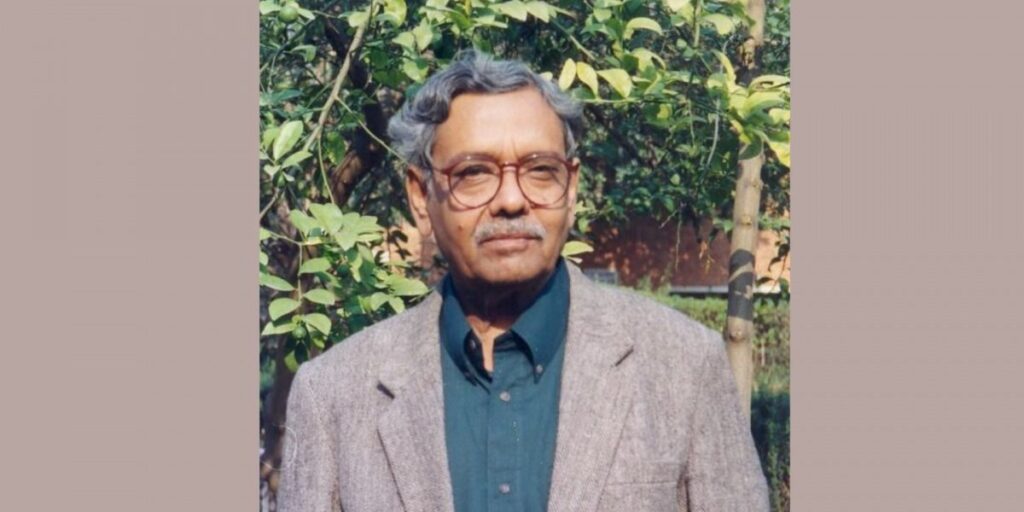
Imtiaz Ahmad, renowned scholar who taught political sociology at the Jawaharlal Nehru University in India, has died. He was 83.

Ahmad’s book, Caste and Social Stratification Among Muslims in India, is celebrated as pioneering work in the field.

Ahmad got his BA and MA degrees from the Lucknow University in 1958 and 1960 respectively. He started as a senior research analyst at the Institute of Economic Growth at the Delhi University in 1964 and two years later, became a lecturer in sociology in the same university.


After three years as visiting professor of anthropology at the University of Missouri in the US, Ahmad joined JNU as associate professor in political sociology in 1972. He became a professor in the department in 1983 and taught there for three decades.

Among his numerous publications are those which throw light on Muslim empowerment, minority rights, the role of education among Muslims, how Islamic ideologies mesh with social realities, how Muslim women are studied in India and communalism.

Ahmad also wrote critically on the Gujarat riots of 2002 in particular and communal politics in general. His work has been lauded as having shed light on the composite culture of India.

source: http://www.thewire.in / The Wire / Home> Education> Society / by The Wire Staff / June 19th, 2023

Capt Sami Ara, First Muslim Kashmiri Female Pilot with CPL wants youth to aim for sky

Sumbal (Bandipura District), JAMMU & KASHMIR:

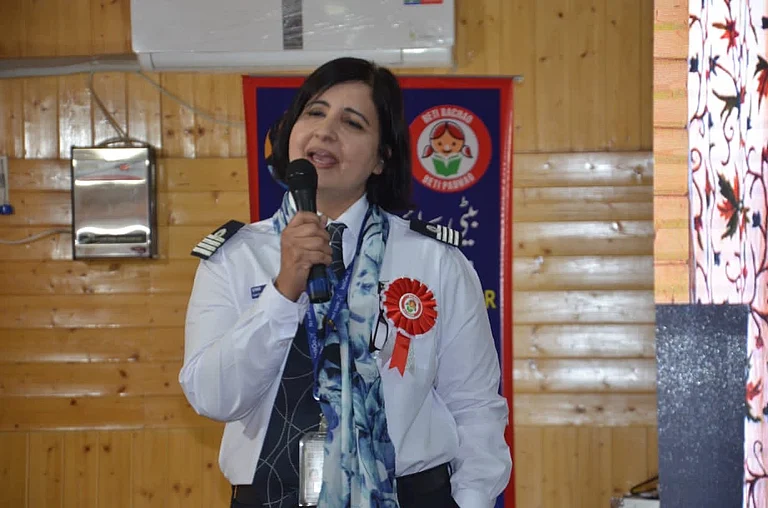
Capt Sami Ara, the first Muslim woman pilot of Kashmir to have a commercial pilot license (CPL), wants Kashmiri youth to aim higher.

Photo: Twitter/ @capt_samiara

Speaking at the conclusion of a two-day career counseling conclave for girl students at the mini-secretariat here, Ara, who hails from north Kashmir’s Bandipora district, said, “Hailing from a far-flung place like Sumbal, if I can fly a plane, students here are capable of achieving better heights.”

Also known as Sami Surury, Ara said, “The students studying in government schools are as capable as those studying in private schools but they need to aim higher and remain firm till they actualise their dreams.”

Urging parents to repose trust in their children, she said, “They should not restrict their children and stop them from actualising their dreams or else their confidence will be shattered.”

Talking of her own struggles, Ara said: “Since my childhood, I wanted to do something different, something good and something big. I wanted to qualify IAS or IPS but become a pilot by chance.”

Ara received her early education from a government school in her village.

She started her career by issuing air tickets at Srinagar Airport and later become a cabin crew.

Ara received her CPL after training for three months in the southern US state of Texas in 1994 and finally started flying as a co-pilot in 2004.

Expressing her love for her hometown, she said, “I love Bandipora, I keep returning here, and will continue to do so in future to talk to and to inspire more students till the time I see scores of Sami Aras coming out of this place.”

source: http://www.greaterkashmir.com / Greater Kashmir / Home> Editor’s Pick / by Owais Farooqi (headline edited) / November 06th, 2020

MS felicitates successful NEET candidates

Hyderabad, TELANGANA:

Six students from MS achieved scores above 600 marks in this year’s NEET examination.

MS felicitates successful NEET candidates

Hyderabad: 

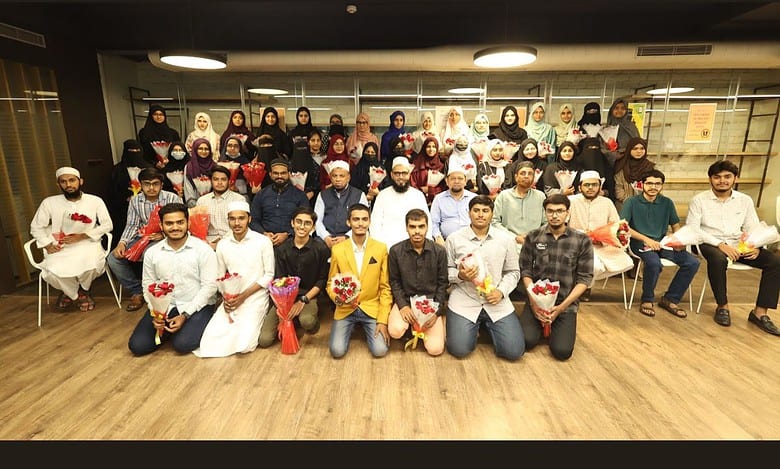
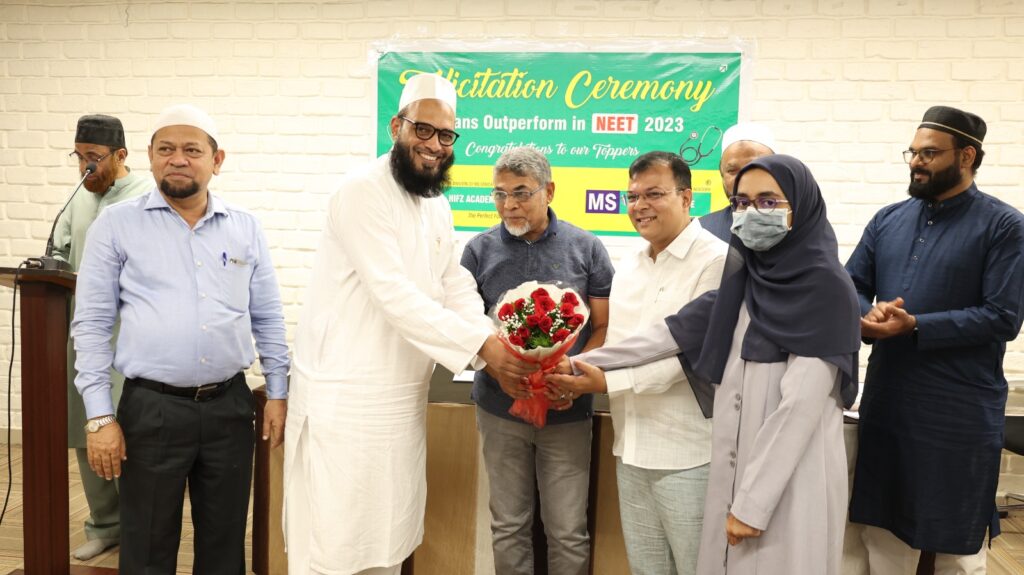
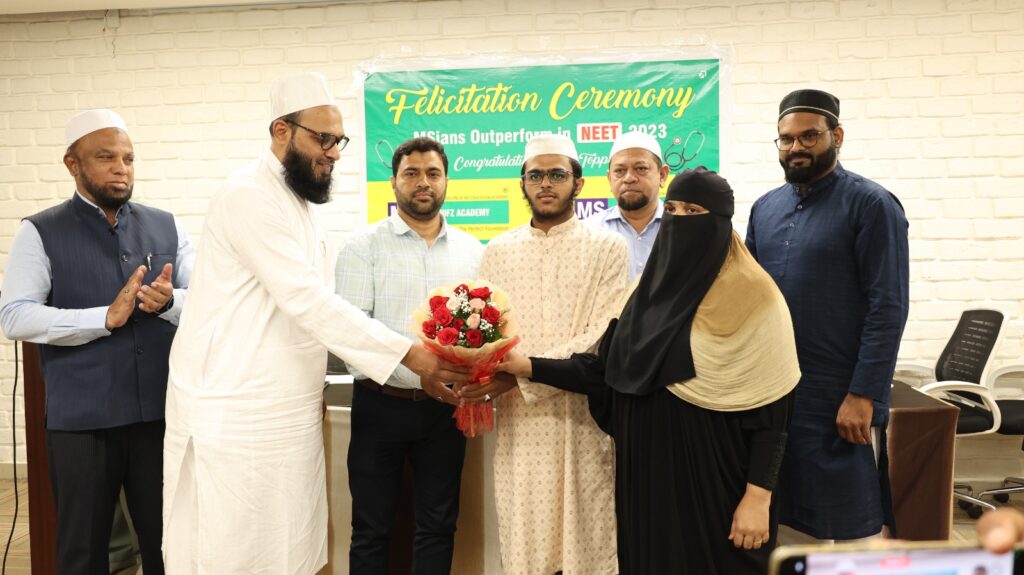
The MS Education Academy has organized a felicitation ceremony to honour the successful candidates of the NEET 2023 batch.

Mohammed Lateef Khan, addressing the ceremony, expressed his delight and announced that this year, approximately 169 candidates are expected to secure free seats in MBBS. He emphasized the academy’s mission and vision for 2036, aiming to produce 10,000 doctors dedicated to serving the country and the Muslim community. These doctors will be committed to providing exceptional healthcare and making the well-being of the people their primary goal.

Khan expressed his gratitude to Allah Almighty and proudly stated that 1,763 students from the MS Education Academy have been admitted to MBBS programs. Many of them have also pursued MD degrees and are currently serving both within the country and abroad. He extended his heartfelt congratulations to the NEET-qualified students and their parents, emphasizing that these students are valuable assets to the community. He expressed his hope that their service to the people would contribute to a better world for themselves and their parents.

It is worth noting that six students from MS achieved scores above 600 marks in this year’s NEET examination. Hafiz Abdul Rahim Shukoor secured the top position with 670/720 marks, followed by Syed Abdul Basith Rehan with 665/720 marks in the second position. Shabana secured the third position with 650/720 marks, and Muhammad Abdul Malik, son of Muhammad Abdul Hameed, obtained the fourth position in MS with 647/720 marks. Amara Fatima bint Mohammad Rahman brought great honor to MS, her family, and the country by scoring 624/720 marks. Notably, Amara Fatima is the granddaughter of Mohammad Osman Ali, the younger brother of State Home Minister Mohammad Mahmood Ali.

At the beginning of the event, Mohammad Ghousuddin, the Director of MS Education Academy, warmly welcomed the students and eloquently described the educational journey of MS. He proudly mentioned that the academy, which started with just two rooms in 1991, has now expanded to 106 educational institutions nationwide. These institutions collectively accommodate more than 30,000 students and employ over 3,000 teachers.

Mohammed Lateef Khan assured the community that MS students would strive to become achievers with perfect scores of 720/720 in the future.

During the felicitation ceremony, Mr. Mohammad Anwar Ahmed and Dr. Muhammad Moazzam Hussain, Trustees of MS Education Academy, provided insightful guidance to the students. Mufti Shakeel, the imam and khateeb of the Spanish Mosque (Masjid Iqbal-ud-Daula) in Begumpet, received special recognition during the event. It is worth mentioning that his fourth daughter achieved impressive marks in NEET, joining her siblings in the prestigious accomplishment of securing free MBBS seats through MS Education Academy.

source: http://www.siasat.com / The Siasat Daily / Home> News> Hyderabad / by Zahed Farooqui / June 15th, 2023

Aaesha Munawar of Lucknow gets a place in the Indian Olympic Association

Lucknow, UTTAR PRADESH:

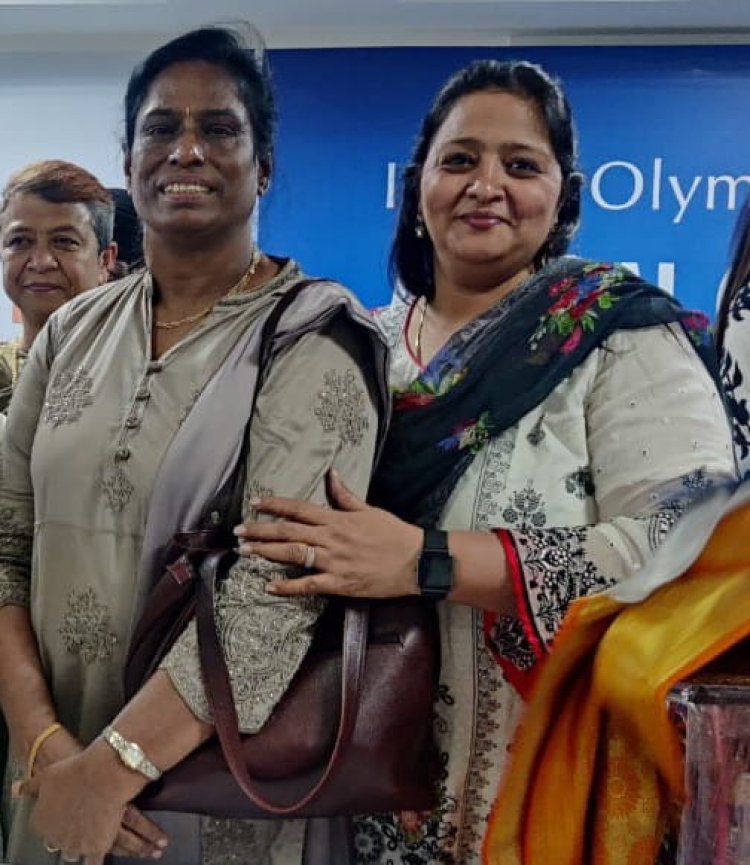
P.T.Usha, President IOA and Aaesha Munawar (R)

Lucknow :

Mrs. Aaesha Munawar, General Secretary, U.P. Judo Association, has been nominated as a member of the Infrastructure Committee of the Indian Olympic Association. 

Mr. Amitabh Sharma is the Chairman of this Committee. Apart from Aaesha Munawar, the other members are Mr. Bhola Nath Singh, Mr. Vaghish Pathak, Mr. Akhil Kumar, Mr. Ravi Bengani and Dr. Amit Bhalla. This Committee will serve till the year 2026. 

This is for the very first time that a female Judoka from U.P. has been nominated in an IOA committee. 

Mrs. P.T. Usha , President,IOA ; Mrs. Alaknanda Ashok , Joint Secretary, IOA; Mr. Harpal Singh and Mr. Bhupendra Singh Bajwa – Executive Council Member, all congratulated Mrs. Aaesha  on her nomination. 

 Munawar Anzar, CEO,  U.P. Judo Association. 

source: http://www.ismatimes.com / Isma Times / Home> News> National / by Afzal Shah Madudi / March 13th, 2023

Bidar Government School Girl Farah Secured 6th rank in the State

Chitguppa (Bidar District), KARNATAKA:

Chitguppa:

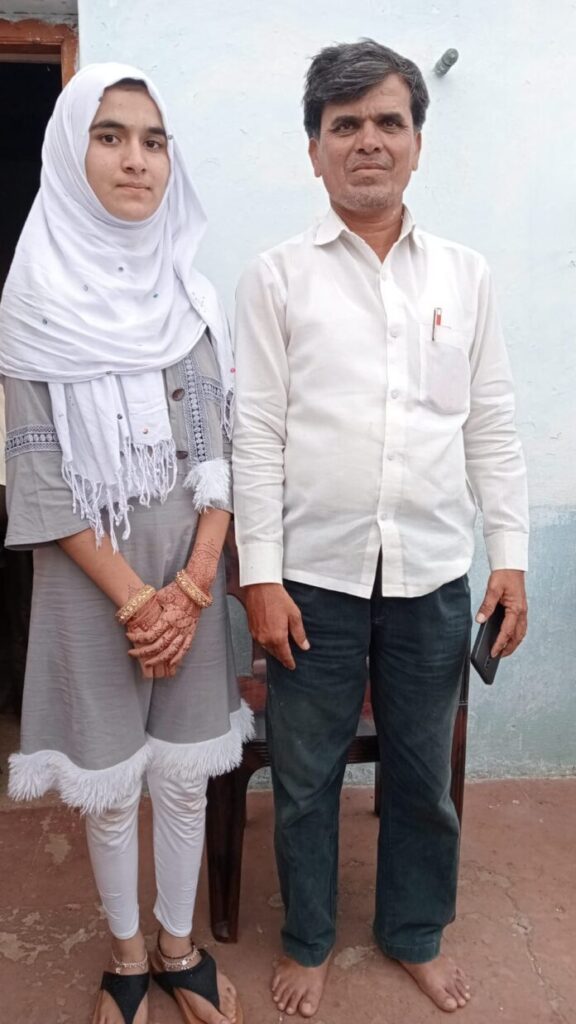
Farah Mohammad Ayub, a student of Muttangi Government High School in the taluk, secured 620 out of 625 (99.2 per cent) marks in the current year’s SSLC examination and secured the 6th position in the state. She has achieved second place in the district.

She studied in a village’s government primary school till 6th standard, Jnanjyoti school from 7th to 8th, and Muttangi government high school from 9th to 10th, and she strongly desires to practice and write the UPSC exam after her graduation in science. Since she belongs to a poor family, it would be beneficial if the government subsidised her practice. Farah expressed her helplessness.

Farah has provided inspirational thought and demonstrated that talent is unaffected by the issue of poverty in villages, towns, and cities, achieving the top rank.

Her father, Mohammad Ayub, and mother, Begum, belong to a farming family. An older sister and two brothers are making a living by cultivating 2 acres of plain land.

 Farah’s father, Mohammad Ayub, expressed his happiness by conveying the message, ‘I am very happy that God gifted me Farah and has come to light the home. Further, he added, the government should support the practice of the daughter’s need for funding higher studies.

Her method of learning in the SSLC exam preparation was: ‘Watching YouTube lessons to understand clip lessons of science and mathematics subjects was very helpful. The teacher’s teaching in the school gives her a better understanding by listening with concentration. Work on writing answers to questions related to lessons at home right from the start. A student should have concentration and a precise aim to get good results. She used to practise the lessons daily for 7 hours. Solving math problems in the evening: Kannada, English, and science subjects.

source: http://www.thehindustangazette.com / The Hindustan Gazette / Home> National> Karnataka / posted by Shifa / May 10th, 2023

Running with a vision: Mohammed Asif Iqbal’s life, an inspiring tale for many

Kolkata, WEST BENGAL:

Bouncing back from adversity with indomitable resilience and willpower, Asif Iqbal helps others with disabilities as he pushes the limits. Ejaz Kaiser shares his story.

Since 2021, Iqbal has run 10 km each on 12 different races.

Chhattisgarh :

A life well lived is a life worth talking about. With complete vision loss, Mohammed Asif Iqbal’s life can force anyone to rethink disability.

A Kolkata resident, who had a successful stint in Central government’s smart city projects for digital inclusion initiative at Nava Raipur in Chhattisgarh, Iqbal (46) had partial vision loss since birth due to a genetic disorder called retinal degeneration. By the time he turned 16, he had turned completely blind.


He moved to the United States and managed complete his high school and partial college education in Oregon, USA. Iqbal returned to India in 1995 to later become the first visually challenged commerce graduate of St Xavier’s College Kolkata and got his MBA in human resources from Symbiosis Institute, Pune.

Around six years back, he was diagnosed with high blood pressure. Having given a choice to either change his lifestyle or be on medicines all his life, Iqbal decided to lead a life worth living. “I thought my health shouldn’t be a hurdle towards my contribution to nation-building. Just the thought of doing something to ensure I remain healthy. I was overweight. I began visiting the playground and park with the help of friends. It was there the idea clicked to participate in marathons and began preparing for the race to build my confidence”, Iqbal said.

Running became a routine; starting from 100 metre, he increased the length slowly to 300 and later to a few kilometres with the support of volunteers. Gradually, he learnt navigation on his own.

“I was competing with myself to enhance my performance”, he added. Since 2021, Iqbal has run 10 km each on 12 different races and has also been recognised by former Indian cricket skipper master blaster Sachin Tendulkar for his brave initiative.

But his biggest moment came on December 18, 2022 when he accomplished TSK-25 km (15.53 miles) marathon run in Kolkata only through voice guidance. He was blind-folded and had zero physical touch or physical assistance from anyone. He set a record and entered into Asian Book of Records, as the first Indian Asian blind runner to complete a marathon in 3:32 hours with voice navigation support from Dibyendu Mondel and Prakash Singh who piloted his run.

“While I run on voice guidance (talking GPS) issued by fellow buddy runners who run at the same speed,  the mission of 25km marathon in Kolkata was well achieved,” Iqbal said.

He is also the recipient of a national award, West Bengal state role model award and the extraordinary citizen of Kolkata award among others.

During his career spanning over 15 years, he has designed and implemented social inclusion strategy for AADHAR enrollment, accessible income tax, and accessible telecom under Telecom Regulatory Authority of India (TRAI) among others.

He is presently an associate director at PricewaterhouseCoopers (PwC) India Ltd. In 2000, he filed a public interest litigation (PIL) for implementation of reservation quota in government-run universities including the IIMs and IITs.

source: http://www.newindianexpress.com / The New Indian Express / Home> Good News / by Ejaz Kaiser, Express News Service / January 29th, 2023

Jigar Moradabadi: The Last Standard Bearer of Classical Ghazal

Moradabad / Gond, UTTAR PRADESH:

Guru Dutt’s masterpiece ‘Pyaasa’ (1957), just before its soulful dirge on relationships, shows two poets reciting ‘shers’.

The elder one later also politely reprimands a guest for his snide remark at the “servant” (Dutt), who had begun humming “Jaane woh kaise log the..”, declaring: “Mian, shayri koi daulat-mando ke jagir thodi hai”. Though unnamed, his appearance, sher, and comment were enough to identify him.

Urdu Poetry and Social Reach

The unnamed actor was representing Ali Sikandar ‘Jigar Moradabadi’, who, in his heyday, was so known by his persona – an intense gaze but an air of absent-mindedness too, groomed beard but slightly unkempt long hair, traditional garb and courtly behaviour, as well as poetry, that he could be shown without being named.

‘Jigar’ is seen as the last standard-bearer of the classical ghazal, or the ghazal’s classical tradition, but was rather a ‘bridge’, between its highpoint in the mid-19th century and its transition to the 20th century and beyond.

He was also a connecting link between Urdu poetry and its widening social reach as the dialogue the character utters shows – and is followed by him encouraging Dutt to continue:

“Tum kuch keh rahe the, barkhurdar. Chup kyun ho gaye. Kaho, kaho..”

Jigar Moradabadi – Real Life

This was true in real life too – a young Jigar took instruction from Nawab Mirza Khan ‘Dagh Dehlvi’ – who had participated in mushairas with Ghalib and Zauq – and himself later, mentored poets like Asrar-ul-Hasan Khan ‘Majrooh Sultanpuri’, Jan Nisar Akhtar, and others.

And then like many contemporaries, he did not write for films, yet his work willy-nilly figured in them. While “Kaam aakhir jazba-e-beikhtiyar aa hi gaya/Dil kuch is surat se tadpa unko pyaar aa hi gaya” was used in ‘Pyaasa’, in ‘Daag’ (1952), the Hasrat Jaipuri-written “Ham dard ke maaron ka, itna hi fasana hai/Peene ko sharaab-e-gam, dil gam ka nishana hai” seemed inspired by his “Ham ishq ke maaron ka itna hi fasana hai/Rone ko nahi koi hasne ko zamana hai”.

Then, ‘Be-Raham’ (1980) used this sher – along with most of its ghazal which begins: “Ik lafz-e-mohabbat ka adna yeh fasana hai/Simte to dil-e-aashiq phaile to zamaana hai”. Another master sher in this is “Yeh ishq nahi aasan itna hi samajh lijiye/Ek aag ka darya hai aur dub ke jaana hai.”

Before that, Shyam Benegal’s ‘Junoon’ (1979), the 1857 drama starring Shashi Kapoor, used his ghazal, “Ishq ne todi sar par qayamat.”

How Jigar’s Prime Couplets became popular in films?

But, the prime example was how the prime couplet of ‘Jigar’ became most known to film buffs after actor Raj Kumar made it a dialogue, delivered in his bombastic, drawling style: “Ham ko mita sake yeh zamaane mein dam nahi/Ham se zamana khud hai zamaane se ham nahi.”

Born in April 1890 in Moradabad, ‘Jigar’ was the son of Syed Ali Nazar, who worked in the Law Department and was inclined to poetry too, being a disciple of Khwaja ‘Wazir Lakhnavi’.

After elementary education, including in English, he worked as a salesman for a local spectacles dealer. Later, he turned to poetry full-time, settling in the town of Gonda, where he found in noted poet Asghar Hussain ‘Asghar Gondvi’ a mentor of sorts. He was a familiar face in mushairas all over the country till the mid-1950s, when he began slightly distancing himself from shayri, ahead of his death in September 1960.

‘Jigar’, as mentioned, was a paladin of the classical tradition, and as such, his shayri usually dwelt on love and other facets of the human condition. As he said:

“Un ka jo farz hai vo ahl-e-siyasat jaane/Mera paigham hai mohabbat jahan tak pahunche.”

Yet, while he used the usual tropes associated with the topic, he imparted his own stamp on them with his own stylistic variations.

One of these was paradox. Take:

“Atish-e-ishq woh jahannum hai/Jis mein firdaus ke nazaare hai”, or “Kamaal-e-tishnagi hi se bujha lete hai pyaas apni/Isi tapte huye sahra ko ham darya samajhte hai”, or even “Mohabbat mein yeh kya maqam aa rahe hai/Ki manzil pe hai aur chale jaa rahe hai” and “Usi ko kehte hai jannat usi ko dozakh bhi/Woh zindagi jo haseenon ke darmiya guzre”.

“Abad agar dil na ho to barbad kijiye/Gulshan na ban sake to bayaban banaiye” is another example.

Then, ‘Jigar’ frequently resorted to some deft wordplay and situations: “Tere jamaal ki tasveer khinch doon lekin/Zabaan mein aankh nahi aankh mein zabaan nahi”, “Suna hai hashr mein aankh use be-parda dekhegi/Mujhe dar hai na tauheen-e-jamal-e-yaar ho jaaye”, and “Aghaaz-e-mohabbat ka anjaam bas itna hai/Jab dil mein tamanna thi ab dil hi tamanna hai.”

Vivid imagery was another strength: “Baithe huye raqeeb hai dilbar ke aas-paas/Kaaton ka hai hujum gul-e-tar ke aas-paas” and “Har taraf chaa gaye paigham-e-mohabbat ban kar/Mujh se achhi rahi qismat mere afsanon ki.”

And ‘Jigar’ could use rhetorical devices, like repetition to good effect, as in: “Dil hai kadmon par kisi ke sar jhuka ho ya na ho/Bandagi to apni fitrat hai Khuda ho ya na ho”, “Kabhi un mad-bhari aankho se piya tha ik jaam/Aaj tak hosh nahi, hosh nahi, hosh nai” and sometimes, alliteration: “Hai re majbooriyan mahroomiyan nakaamiyan/Ishq aakhi ishq hai tum kya karo ham kya karen.”

At other times, he could be engagingly simple: “Garche ahl-e-sharab hain ham log/Yeh na samjho kharab hain ham log”, or “Pehle sharab zeesht thi ab zeesht hai sharab/Koi pila raha hai piye ja raha hoon main.”

And a philosophical outlook can always be discerned. It may be active like: “Kya husn ne samjha hai kya ishq ne jaana hai/Ham khaak-nashinon ki thokar mein zamana hai” and “Apna zamana aap banate hai ahl-e-dil/Ham vo nahi jin ko zamana bana gaya”, or a bit resigned: “Jo un pe guzarti hai kis ne use jaana hai/Apni hi musibat hai apna hi fasaana hai”, “Maut kya ek lafz-e-bemaani/Jisko mara hayat ne maara”, and “Yeh misraa kaash naqsh-e-har-dar-o-deewar ho jaaye/Jise jina ho marne ke liye taiyar ho jaaye.”

There is much more to enjoy in the extensive corpus of ‘Jigar’, whose own epitaph could be: “Hami hab na honge to kya rang-e-mahfil/Kise dekh kar aap sharmaiyega.”

source: http://www.ummid.com / Ummid.com / Home> International / by Vikas Datta / IANS / April 16th, 2023