Mumbai, MAHARASHTRA :
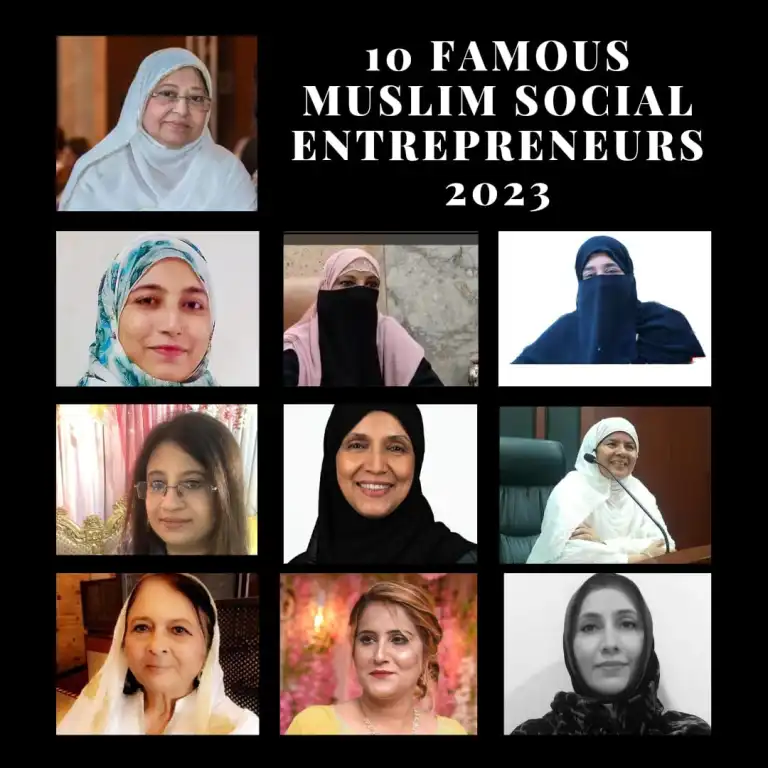
Accept Happy Women’s Day from Hello Mumbai News.com Team :
Each year, Hello Mumbai News takes the privilege to celebrate International Women’s Day on March 8th to propagate and recognize women’s social, economic, cultural, and Social achievements through featuring stories on their successful journey in their field and to call for gender equality
This is with a goal to raise awareness about the need to end gender-based violence, promote women’s leadership, celebrate their contributions, promote entrepreneurs, startups and advocate for women’s economic empowerment around the World.
We, Hello Mumbai News Team have compiled a list of noteworthy and inspiring Social Entrepreneurs and Educationist drawn from Mumbai.
We hope their stories will inspire one and all.
So guys read on :
Zubeida Yacoob Khandwani:
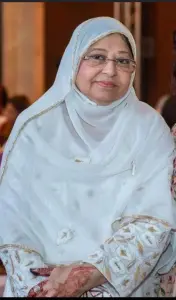
Famous As: Social Entrepreneur
Meet Zubeida Yacoob Khandwani, 75-year-old woman who overcame many hurdles to continue her research for a doctorate degree in Sufism.
Amid her phonetic conversation with Hello Mumbai News Team, She revealed her struggles to a leading daily. After her guide, Prof. Nizamuddin Gorekar who taught at many institutions such as St. Xavier’s College died, her husband also left her. She also suffered an arm fracture. According to her, son, Sohail Khandwani, a businessman and the managing trustee of Haji Ali Dargah his mother never gave up on her studies. They have kept tonnes of books on Sufism, several volumes of the Quran and its commentaries, journals and history books.
Zubieda Yacoob Khadwani was only 17 when her mother passed away and subsequently got married. Notwithstanding she is a college drop out she did not leave her studies. She graduated in arts and completed her LLB.
There was a time that her mother, her elder brother, her sister and she were at the same educational complex in Bandra. She went on to add that it felt a bit embarrassing that her mother and she were students. Classrooms were different. Her father also decided to study further and joined Masters in Economics. Even her mother continued her studies and joined MA in Islamic studies.
The 75-year-old got attracted to Sufism as she started visiting the mausoleums of Sufi saints like Khwaja Moinuddin Chisti, Ajmer; Nizamuddin Aulia, Delhi; Makhdoom Mahimi and Haji Ali. According to her, Sufism is not a new religion but a way of life that makes one more tolerant and modest.
She believed that Within the Sufi traditions, the recognition of this truth has encouraged the spiritual maturation of women in a way that has not always been possible in the West.
Khandwani is the General Secretary at the India Memon Jamat Federation and lives in a heritage bungalow at Mahim, Mumbai. Though she planned to complete her studies 10 years back, certain setbacks prevented her from doing so.
She is the principal trustee of Zuleikabai SS Darvesh and Khandwani education trust Ladies Industrial Home, Trustee of Al-Barkaat Malik Muhammad Islam English School, Mahim Social Worker’s High WG Junior College.
She is also member of Makhdoommiya Haji School Mahim Education Committee,
The Halal Memom Jamat Federation Indo Arab Society World Memom Organisation Bombay Arts and Sports.
Zubeida is also the Hon. Writer of ‘Divine Path’ Islamic Magazine, Ex-Vice-President Bharat Scouts and Guides and Hon. Teacher of Quran Club.
Dr. Falaknaaz Danish Shaikh:
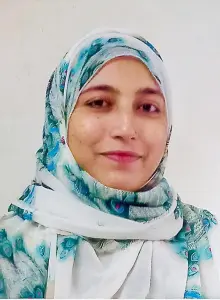
Famous As: Social/Educationist Entrepreneur
Hello Mumbai News: Could you Introduce yourself for our readers.
Dr. Falaknaaz Danish Shaikh: Dr. (Adv). Falaknaaz Danish Shaikh
M. Com., Ll. M., NET., Ph.D (Law)
Incharge Principal
Anjuman-I-Islam’s Barrister A. R. Antulay College of Law
Academician , Law Professional and Active Social Catalyst dedicated towards progressive change in society through education.
Hello Mumbai News: What Inspired to become Teacher.
Dr. Falaknaaz Danish Shaikh: Qualifying the Eligibility exam at National level in higher education at the first attempt and thereafter bieng selected by Central University (Aligarh Muslim Univeristy) for Ph. D in Law made way for me to enter teaching profession for reaching our future generations to equip them with legal knowledge, insights, skills and expertise to raise themselves as well as the community to higher altitudes.
Hello Mumbai News: What Challenges have you faced as a Woman Educationtist and how did you overcome them.
Dr. Falaknaaz Danish Shaikh: On a positive note, I was extremely fortunate to have an exceptionally supportive husband with a progressive mindset, my maiden as well as matrimonial family who supported my every endeavor of pursuing higher education further. In fact my three children (sons) growing up with me educating myself as well as working was possible only because of a strong supportive family who not only supported and made possible my journey but also facilitated it with their progressive thought and approach. One more thing I would like to mention here is , every relation has its mutual understanding which has to be maintained and respected from both ends to always keep the wheels in motion way forward. An overall balanced achievement demands focused dedication, perseverance, honesty, integrity, trust and cooperation in all aspects and continuous efforts in light of these should be made for holistic development and success.
Hello Mumbai News: Tell us Something about your Educational journey.
Dr. Falaknaaz Danish Shaikh: I graduated in Commerce from Smt. M. M. K. College of Commerce and Economics ( Bandra), University of Mumbai in 2002 with 70% marks. Married same year, I enrolled for Masters and in Commerce from I.D.O.L, University of Mumbai and completed by M. Com. in 2004. In 2006 I took admission for Ll. B in G. J. Advani Law College ( Bandra) although I had secured admission in Government Law College in the first merit list itself but I had to let it go and choose Advani Law College due my priorities back home as a mother and be available to my two sons who were in their years of infancy and early childhood. In 2010, with two school going boys, I started practise in Metropolitan and family court and definitely developed penchant and found my calling in striving hard to secure access and justice to the underprivileged sections of the community as well as society. However in 2011, due to my third son , my brief stint with legal practice came to a halt as my maternal responsibilities would not allow long hours at court and failing to do justice to either one personally or professionally would leave irreparable marks of damage in the long run. Hence, nurturing my three boys in their infancy and early childhood I enrolled for my Masters at Law from University of Mumbai in 2012 and secured the Masters Degree in 2014 successfully with a B+ thereby making myself eligible to appear for entrance test with the hindsight of entering into academics. In 2014 December , I appeared for National Eligibility Test, University Grants Commission, Delhi and secured 72% marks in the first attempt itself bagging second place in the country. Successively in 2015, I took up my first engagement as Assistant Professor and ushered out in the professional academic world for the first time with all three school going boys hence no guilt of any compromise on their development. In 2016, I registered for Ph. D in Criminal Law from leading Cemtral minority University, Aligarh Muslim University, which is a tale in itself reserved for some other day. In 2021 , I secured my Ph. D and was awarded a doctorate which was not only my dream but also the dream of my late father who left for his heavenly abode in 1996 leaving behind a widow and five daughters all in their early childhood.
Hello Mumbai News: Where Does your Inspiration come from.
Dr. Falaknaaz Danish Shaikh: As stated herein above , my inspiration is my mother whom I have seen put up a strong resilient demure self in times when life could be at our lowest low. My inspiration is derived from the spirit to rise, strive and achieve against odds to raise our Bar and make ourselves exemplary rather than put ourself to pity and mercy of others. The undying spirit to tide against odds without complaining a nd achieving set goals comes from my mother who lived a life destined for her by the Almighty and managed to emerge at the end of the tunnel as a successful woman whose will power and resilience stood rock solid which is evident in she raising us five daughters each one excelling in their professional and personal lives in exemplary ways.
Hello Mumbai News: Do you think Education is best profession for Women and Why?
Dr. Falaknaaz Danish Shaikh: Yes, definitely Education is the need of the hour for every women as it is rightly said that ‘If you educate a Man you educate a man, but when you educate a woman you educate a generation’. Women are pillars of the society. Women are not the inferior, neglected second gender. Women are the centre foundation pillar of every home who has the ability of not only influencing the lives of people living therein but also affecting the lives of people who come in contact with her in personal as well as professional capacity. Education empowers and education of both, worldly and religious, should be primarily focused specially for the primary benefactors our children and lives around us that can be impacted positively resulting in upliftment of the families as well as community at large. Education is the only tool that can transform a person as an asset of the society because education in its fold brings in creation of civilised individual and society by stimulating sense of reasoning, scientific temper, advancement , achievements and excellence among other socio-economic benefits.
Hello Mumbai News: How you balance your professional and personal life.
Dr. Falaknaaz Danish Shaikh: Balancing personal as well as professional life is an art of living on both fronts. Neither can be achieved single handedly. Both are tasks to be mastered with team work, coordination, tolerance, mutual understanding, discipline, sense of mutual respect amongst other things. As rightly said, ‘ To reach far you may walk fast alone, to reach farthest you walk together’. Human beings, social animal, needs one another as a natural instinct, and art of living is calm, composed , resilient, disciplined, focused goal oriented approach without losing sight of objective just akin to mountain goat. Any compromise on either personal or professional life will leave impressions of guilt on the soul and reduce the end result to compromises made due to varied reason. The objective and endeavour should always be of inching forward by keeping on the pitch batting every delivered ball home and driving to the fence persistently on both fronts to achieve a true holistic satisfactory successful life.
Hello Mumbai News: What advice would you give to someone who are aspiring Women Entrepreneur
Dr. Falaknaaz Danish Shaikh: Women need to find their calling and passion. Women need to identify their priorities and set goals. Women need to emerge and prove their mettle in personal as well as professional lives. Women need to channelise their energies , alter directions, lay strong fundamental principles and goals and aim to achieve them in a holistic manner. Women need to give their all but bout lose focus in achieving their calling. Even if a baby step is taken at a time towards the objective, it contributes towards achieving the goals set. Life being a journey it’s destination and road to be taken is in the hands of the driver. Take charge of not only your life but the lives of others connected to you by steering the vehicle of life to a beautiful road and journey enjoying its very bump ride because jo matter how far and difficult the road seem to be, able hands ensure all efforts directed and no stone left unturned in reaching the destination. And then rightly said Almighty helps those who helps themselves. Do your best, leave the rest.
Hello Mumbai News: what Women Inspire you.
Dr. Falaknaaz Danish Shaikh: My mother, Mrs. Shehnaz Abdul Maroof Khan.
Hello Mumbai News: What’is your message on International Women’s Day.
Dr. Falaknaaz Danish Shaikh: Aim for the stars and you reach the sky.
Hello Mumbai News: Where our readers can find you and keep in touch with you.
Dr. Falaknaaz Danish Shaikh: I can be reached on my contact number (watsapp first for appointment). I reach out to every person who connects to me after my prior scheduled commitments.
Hello Mumbai News: Share your views on Current Education System.
Dr. Falaknaaz Danish Shaikh: The current education system in light of new National Education Policy has bought many positive changes in light of children Education specially girls education and women empowerment and has directed all institutions in field of education to adopt it meticulously to achieve the objectives of a progressive positive society. I would take a moment in stating here about the parent institution of Barrister A. R. Antulay College of Law, Anjuman I Islam , a leading minority education institution, for the last 150 years , and presently under the able guidance and management of Dr. Zahir I. Kazi, President and his team is impacting lives positively in practical sense of it’s more than a lakh students and 3000 staff out of which more than 50% are from economic weaker section. With more than 90% of its Heads of Institutions bieng women, Anjuman I Islam is truly promoting women empowerment laying to rest all inhibitions of Muslim women being suppressed and oppressed. Anjuman I Islam not only practises Beti Bachao and Beti Padhao but also Beti Basao for the girls in our two orphanages with continuous follow ups to ensure their safety and well bieng. Be it education to have-nots and first generation learners of the children from marginalised pickets or achieving excellence in education by individual Mentoring students through personal attention or empowerment of women in truest sense or balancing exposure of both fronts – worldly education as well as maintaining the realms of Islam, Anjuman I Islam has indeed not left any stone unturned in ensuring to be a leading catalyst of social change for the upliftment of the community. Hence, we can say that we have policies and institutions in place and now the time has ushered to consolidate and strengthen the current system by extending our support to the doers of our community for far, wide, positive and successful reach in the interest of every member of our community at grass root level and raise the socio-economic status of our community in an organised manner at large.
Zakiya Farid Shaikh:
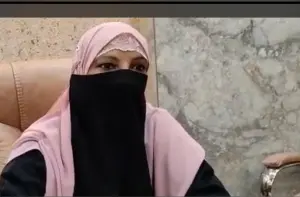
Famous As: Social Entrepreneur
Hello Mumbai News: Could you Introduce yourself for our readers.
Zakiya Farid Shaikh: My name is Zakiya Farid Shaikh. I am retired principal just this year and also an Educationist with an experience of more than 30 years. I enjoy meeting people and help solve problems that is the reason why I choose to be a social entrepreneur. I want to make a positive difference to society.
Hello Mumbai News: What Inspired to start your Social Entrepreneur journey
Zakiya Farid Shaikh: I was inspired to undertake this social entrepreneur journey while working. Interacting with children and their families exposed me to so many issues that needed help. Secondly my husband being from a social field also seconded my journey.
Hello Mumbai News: What Challenges have you faced as a Woman Entrepreneur and how did you overcome them.
Zakiya Farid Shaikh: The greatest challenge I faced was when a mother left home for her children and didn’t want to go back. I recall her being adamant but there was nowhere to go then. I decided to tackle the in laws and had a strong discussion with them. There were many miscommunication on both sides. But making them sit together and openly talk helped. The day was exhausting but fruitful. She is still there happy
I worked a lot for slum children for education I most challenging part was girls education wherein girls were not put in school especially in areas like WADALA, SEWREE, MADANPURA AND WORLI Slums
Hello Mumbai News: Tell Something about your profession and how people get benefitted from it.
Zakiya Farid Shaikh: Technically I am an educationist so I help guide students and parents take positive decisions and guide them to the right source. This is an on going thing till date. Otherwise interacting with people as co ordinatir of the Muslim Personal law board was a constant flow of community issues. Giving them time through the day and being mostly available
Hello Mumbai News: Where Does your Inspiration come from.
Zakiya Farid Shaikh: My greatest inspiration is the beloved wife HAZRAT KHADIJA of prophet Mohammed (SAW) an entrepreneur. After her is My husband Mohd Farid Shaikh is my greatest inspiration
Hello Mumbai News: Do you feel that in India there are enough structures and facilities put in place to assist women to expand their Startup Journey.
Zakiya Farid Shaikh: There are structures and and facilities for women but not enough for all communities. Lack of awareness is the biggest hurdle and a process that will have to be established .
Hello Mumbai News: How you balance your professional and personal life .
Zakiya Farid Shaikh: I work along with my husband’s NGO women’s wing.
Hello Mumbai News: What advice would you give to someone who are aspiring Women Entrepreneur?
Zakiya Farid Shaikh: Believe in yourself and your strengths you can make a difference
Hello Mumbai News: What Women Inspire you.
Zakiya Farid Shaikh: I am inspired by self made women who have worked hard to reach their goal.
Hello Mumbai News: What is your message on International Women’s Day?
Zakiya Farid Shaikh: Every woman is a power house, you are the one who can change the life of all around you but first remember you are strong.
Hello Mumbai News: Where our readers can find you and keep in touch with you..
Zakiya Farid Shaikh: My readers can find me on Facebook , Twitter and what’s app
Hello Mumbai News: Being a Muslim women Social Entrepreneur what type of challenges and difficulties you faced.
Zakiya Farid Shaikh: The challenges are there and I do not want to go into its details as I am an inspiration for posivity and believe till date I CAN. Talking of what has gone by is not relevant. Each day may be a challenge so take it as it comes and push it off
Hello Mumbai News: Tell us brief about your Social services which you do for the Community.
Zakiya Farid Shaikh: I am confident that my skills and life will motivate women around me. My NGO (MUMBAI AMAN COMMITTEE) is a channel to provide a platform for women empowerment. I want to create awareness of all available resources and government schemes for women so that no one is left out
Ishrat Shahabuddin Shaikh:

Famous As: Social Entrepreneur
Hello Mumbai News: Could you Introduce yourself for our readers.
Ishrat Shahabuddin Shaikh: My name is Ishrat Shahabuddin Shaikh. I am a restaurateur and the management trustee and owner of an Islamic school in Mumbai. I am a mother of 5 and the youngest sibling of my family.
Hello Mumbai News: What Inspired to start your Social Entrepreneur journey
Ishrat Shahabuddin Shaikh: My Social Entrepreneur journey is the legacy of my late husband Shaikh Shahabuddin, who earlier used to run the Shalimar Restaurant and started Safa High School
Hello Mumbai News: What Challenges have you faced as a Woman Entrepreneur and how did you overcome them.
Ishrat Shahabuddin Shaikh: Being any kind of an entrepreneur isn’t easy; specially when the reigns of the enterprise falls in the hands of a woman who has lost her husband tragically. With a home and kids to manage, it was challenging for me to take over the running of a restaurant with very little education and absolutely no prior experience
Hello Mumbai News: Tell Something about your profession and how people get benefitted from it.
Ishrat Shahabuddin Shaikh: Both my businesses are service based. One feeds people and the other educates. We believe in churning out profits the ‘halaal’ way and our workers and staff are very well taken care of and treated as a part of the family. We strive to keep out service standards at par to the various exigencies and practice extensive CSR (corporate social responsibility) which we don’t disclose or advertise.
Hello Mumbai News: Where Does your Inspiration come from.
Ishrat Shahabuddin Shaikh: My inspiration comes from my husband and his vision. Today, Shalimar is a well-recognised brand in the market; and our school recognised by the state.
Hello Mumbai News: Do you feel that in India there are enough structures and facilities put in place to assist women to expand their Startup Journey.
Ishrat Shahabuddin Shaikh: When I started my journey a business woman, my sense of duty superseded my post trauma state of mind. I entered my husband’s business to protect his legacy and to take care of my children and their future.
Women and business go way back to our Muslim leader Khadija Radia Allah Anha; wife of the Prophet (peace be upon him). She was a successful caravan trade businesswoman; savvy, knowledgeable, and well respected.
I had the support of my family, religious leaders and staff to learn the trade and excel at it. Nowadays, women are self-motivated to not just raise profits but also change narratives and bring community awareness. We still need a robust system and structure to support such female entrepreneurs in their incredible journey.
Hello Mumbai News: How you balance your professional and personal life .
Ishrat Shahabuddin Shaikh: I lead a very active social life alongside the support and company of my family. We are a team. My daughters aid and assist me in my religious and philanthropic endevours. My elder son is on the management trustee board with me along side managing the business of the restaurant; and together we are training my youngest child to learn the trade and join the business.
It is true that work can sometimes consume us, hence I make sure I have designated time for my family and to focus on my own.
Hello Mumbai News: What advice would you give to someone who are aspiring Women Entrepreneur
Ishrat Shahabuddin Shaikh: Women should reflect and have a clear objective of what they want to accomplish, and what really motivates them. If that is crystal clear then all they have to do is work on the path without compromising on their ethics.
Hello Mumbai News: What Women Inspire you.
Ishrat Shahabuddin Shaikh: I am inspired by head strong woman and who are not afraid to speak their mind, are courageous, authentic and are role models for others and motivate people around them to be the best version of themselves.
Hello Mumbai News: What’s your message on International Women’s Day.
Ishrat Shahabuddin Shaikh: My message to all on the occasion of women’s day is to recognise all women as great. Everyone may not be a Malala or Oprah, or Madame Curie; but all women make a difference. They make a difference in their homes, face obstacles and adversities; and persevere despite their challenges.
Hello Mumbai News: Being a Muslim women Social Entrepreneur what type of challenges and difficulties you faced.
Ishrat Shahabuddin Shaikh: Despite the challenges of balancing life and business, gender bias and discrimination, I have persevered in my field and have found creative ways to address issues, build network and perfect my professional responsibilities.
Hello Mumbai News: What’s your vision and future plan to promote women Empowerment among Muslim women.
Ishrat Shahabuddin Shaikh: With the right support and resources, Muslim women entrepreneurs can run successful businesses and make significant contributions to the community and the country’s economy.
Hello Mumbai News: Tell us brief about your Social services which you do for the Community.
Ishrat Shahabuddin Shaikh: As a rule we don’t advertise our CSR activities, but we provide a lot of monetary as well as food assistance and educational services.
Nazneen khatib:

Famous As: Social/Educationist Entrepreneur
Hello Mumbai News: Could you Introduce yourself for our readers.
Nazneen khatib: Myself Ms. Nazneen khatib From Mumbai, India
I am working as an Academician, Advocate & Social activist. Associated with number of NGOs.
I am President & Founder of Al- Khatib Foundation , working for welfare of our Community, An Social Enterprisor ,Raising Funds for Education & Medical. Presently working as a Professor with college of law.
Hello Mumbai News: What Inspired to start your Social Entrepreneur journey
Nazneen khatib: I believe Education is our Birth right & Every Individual should get an opportunity to pursue Education Irrespective of their, gender, caste etc . So I started imparting Free Education & Career counselling to underprivileged Students through Joining Ngos & social service Sector, which Inspired & Inculcated the Passion in Me To become an Academician.
Hello Mumbai News: What Challenges have you faced as a Woman Entrepreneur and how did you overcome them.
Nazneen khatib: 70 % of Educators are Females, I think about gender dynamics a lot in education, especially in education leadership. Much of these challenges have to do with power, communication, and unresolved biases.
I have always been Positive & Diplomatic as I believe having two face personality is very essential to adjust & deal, work with Different types of People.
Hello Mumbai News: Tell Something about your profession and how people get benefitted from it.
Nazneen khatib: Education Journey is Beautiful but Never so Easy
As the Roots of education are bitter, but the fruits are sweet.
My Mother has been a constant Pillar of Support in My Education Journey, She has been a Mentor & guiding source. It was Never possible to achieve my goals without her undue support.
I was never a brilliant student but always use to believe in myself & the decisions I have taken so far as I believe Future is only for those who think about themselves.
Hello Mumbai News: Where Does your Inspiration come from.
Nazneen khatib: It is None other than My Mother. My Mom is an Woman of Experience.
She always believes in me & support my Dreams .
Hello Mumbai News: Do you think Education is best profession for Women and Why?
Nazneen khatib: Yes, I believe Education is the best profession, teaching is the best profession for girls as it’s easier for them to take care of other responsibilities after their marriage & also gives them an constant assurity of their Security and so they feel good to work in an protected environment.
Hello Mumbai News: How you balance your professional and personal life .
Nazneen khatib: It has never been easy to balance things at a time but I compartmentalize My Life ,
My Priorities as to what is more important & needs to do first
I keep my personal & Professional Life Separate
When Im at work , my people understands & reaches me only if there is an urgency.
Hello Mumbai News: What advice would you give to someone who are aspiring Women Entrepreneur
Nazneen khatib: Well, I can only say that One has to believe in themselves, If you want others to believe in You.
Rest assured. Just be yourself & always be Positive, keep reading those Success Stories to keep yourself Motivated
Hello Mumbai News: What Women Inspire you.
Nazneen khatib: My Only One Mother , who Inspired me to Live Life Better
Hello Mumbai News: What’s your message on International Women’s Day.
Nazneen khatib: You are the Epitome Of strength & courage , You showed the World, what Love is You showed a Man what caring & sharing is all about.
Hello Mumbai News: Where our readers can find you and keep in touch with you..
Nazneen khatib: I am always a there for My Dear Readers
They can reach me with their queries or concerns. they can write to me on
My email id
nazokhatib@gmail.com
https://mobile.twitter.com/Rasha08410292
Adv Nazneen Khatib also known As Rasha
Hello Mumbai News: Share your views on Current Education System.
Nazneen khatib: Education allows us to explore every aspect of life and can lead us to anywhere we want to go in life. Education is having a thirst for knowledge and the ambition to take your learning to the next level. Life is a learning experience and education is an important part of this.
Waheeda Sayyid:
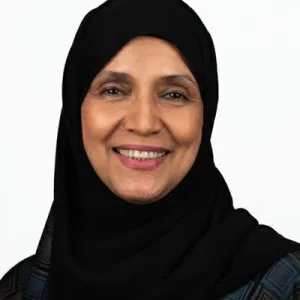
Famous As: Social Entrepreneur
Hello Mumbai News: Could you Introduce yourself for our readers.
Waheeda Sayyid: I am Waheeda Sayyid, an educator on a life long mission of educating children and women. Along with my siblings, I run a school in mumbai. I am the school trustee and the principal.
An enthusiastic motivational speaker, I believe we women In our roles as teachers and mothers have the in built capacity to change and improve our conditions and reach out to others too.
Hello Mumbai News: What Inspired to start your Social Entrepreneur journey
Waheeda Sayyid: I believe I am a learner and a teacher. Even as a child I loved to teach and wanted to be a teacher. I did work for few years in other schools before I got an opportunity to start something of our own.
Hello Mumbai News: What Challenges have you faced as a Woman Entrepreneur and how did you overcome them.
Waheeda Sayyid: By the grace of Almighty, I didn’t face many challenges. Reason being, the educational field is a respectable arena in any society. Further, since it is a family enterprise I have their support and blessings of my parents alhamdulillah.
Hello Mumbai News: Where Does your Inspiration come from.
Waheeda Sayyid: My inspiration comes from my Creator, His words and the teachings of his Messenger. He is our role model.
Hello Mumbai News: How you balance your professional and personal life.
Waheeda Sayyid: There are few skills that any successful person must acquire and those are time management and relationship balance. One cannot be happy and successful if this balance is not maintained.
In my case, since I ventured out fairly late in life, after my children reached their college age, where they needed less of my supervision and more of independence, it worked out well. In India there are always people to help you out, be servants or cooks or extended family members. If you are good to others, they will be good to you too.
Hello Mumbai News: What advice would you give to someone who are aspiring Women Entrepreneur
Waheeda Sayyid: My advice is, believe in yourself, learn grow and improve yourself, keep on enhancing yourself. You have to change something within you, to create a change in others. Simultaneously, always seek prayers and blessing from your Lord.
Hello Mumbai News: What Women Inspire you.
Waheeda Sayyid: As I mentioned earlier it’s my religion that inspires and motivates me to do my best before I die and face my Allah.
On the Homefront, it’s my mother. A beautiful wise loving lady. Her impact is tremendous though probably she isn’t aware.
Hello Mumbai News: What’s your message on International Women’s Day.
Waheeda Sayyid: It’s just a day, we know our worth and our value even without it, but it’s nice to celebrate it with other women, hear their stories and be inspired.
Hello Mumbai News: Tell us brief about your Social services which you do for the Community.
Waheeda Sayyid: I offer my service as a personal counselor to Muslim women and girls.
Adv. Farhana Shah:
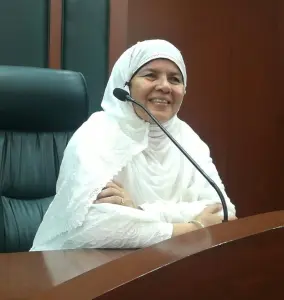
Famous As: Social Entrepreneur
BORN ON 28TH MARCH 1965.
Her qualification is Bachelor of Arts and Master of Laws.
REGISTERED AS ADVOCATE WITH BAR COUNCIL OF MAHARASHTRA & GOA ON 6th May, 1991 (Mah/534/1991).
In the famous TADA case :
She represented more than 80 accused in the said case wherein there were in all about 136 accused before the Designated Court. Has also appeared for Cine Actor Sanjay Dutt.
She worked for most of them as Amicus Curie, as appointed by the Ld. Designated Court for TADA for Accused persons who were not able to engage an Advocate for themselves due to financial difficulties.
She fought for the rights of the prisoners and mostly worked for Poor People, known as Poor People’s Advocate and usually addressed as AAPA (Elder Sister).
She also appeared and argued the Appeals in the Hon’ble Supreme Court of India filed of the convicted accused, wherein the Death Sentence of 10 Accused was commuted to Life Sentence in the Bombay Bomb Blast Case no. 1 of 1993.
She has also got Acquittal and Reduction in Sentence, Bail while defending the Accused persons so also rejection of Bail while representing the Complainant in any case, as representing the said categories of Accused / Complainant in the Hon’ble Bombay High Court and other Courts.
She is also on the Panel of High Court Legal Services Committee as a Legal Aid Advocate.
She was also appointed to defend AJMAL AMIR KASAB (Sole accused in the 26.11.2008) case of Terror attack, in the Hon’ble High Court to argue and defend in his Appeal, was appointed by the Acting Chief Justice Shri. J. N. Patel of the Hon’ble Bombay High Court.
She is attached to PUBLIC COMPLAINT CENTRE, as Honorary Legal Advisor.
AWARDS / FELICITATION / GUEST :
- Got Award from N.G.O. “NEEDS Organisation” in the year 2008 and was given the title of BINTE-HIND FOR COMMUNITY SERVICE.
- FELICITATED with an Award by HER COLLEGE, SIDDHARTH COLLEGE of LAW IN THE YEAR 2009.
- FELICITATED BY THE FAMOUS URDU NEWSPAPER “INQUILAB” ON WOMENS DAY IN THE YEAR 2010.
- FELICITATED BY THE ROTARY CLUB, WALKESHWAR IN THE YEAR 2011.
- On 24th May 2015, she was called at Masina Hospital to address the Teenagers on their Legal rights, wherein she was felicitated by Dr. Yusuf Matcheswala, Head of the Psychiatric Dept.
- On 4th August 2015, she was called as Chief Guest to Lala Lajpatrai College, for their programme of whistle blow by girls/ladies on being teased by miscreants.
- On 19th September 2015, she was called in Masina Hospital for Programme of Happy Minds (Teacher’s Day Celebration), wherein she was felicitated by the Teacher Yasmin Huda (who received the Best Teacher Award for her services to students).
- On 2nd October 2015 she was called to Judge Moot Court at Pravin Gandhi Law College.
- On 23rd January 2016 she was called to Judge a Children’s Programme, organized by Muslim Urdu Primary School at Kalyan, where 40 children had spoken on four different topics (10 children had spoken on each topic) and Excellent and Best Speakers were selected. She was felicitated by the Trustees of the said School.
- On 5th March 2016, Invited to preside over as Chief Guest at the Function organized by Women Development Cell, Samadiya College of Arts and Commerce, at Bhiwandi.
- Got Award from “Ar-Rehmani Group” as “Best Advocate” for 2017-2018.
- Got felicitation from “Indo Arab Society” wherein she is the only Lady Member in the Managing Committee of said society for her silent work and contribution in legal field.
- Got “Noble Service Award” from Womens’ Wing of Jamaat-e-Islami Hind, Mumbai on 28th August 2021.
- Got Farishta Award from All India Ulema Board on 21st October 2021.
- Invited as “Guest of Honour” for “Tiara Events” on 14th November 2021.
- 7th March 2022 – Invitation from Galli News, Inspiring Women with Hijab – 2022. Interview taken by Salim Award/Certificate stating Adv. Farhana Shah has been awarded under the category of “Law”. In recognition of her strong standing against the challenges in life and being Role Model in the community.
- 15th March 2022 – Award of Hijabi Women in the field of Law from SEWA and Sea Green Welfare Foundation for her contribution in the field of Law and for helping and fighting for the rights of prisoners.
- 10.2022 – Judge for Moot Court in Pravin Gandhi Law College.
- 10.2022 – Interview with Town Stories as being a Lady Lawyer, and in Social Service Field.
- Panel Lawyer giving Legal Aid to general public, especially Matrimonial matters, being a Lawyer on the Panel of Public Complaint Centre, Pydhonie, Mumbai – 400 003, since the year 1992.
- 02.2023 – Called as a Guest for Kokan Mela – Lawyers Meet.
- 02.2023 – Guest Lecture at D.Y. Patil Law College, on Criminal Law – Challenges for Today and Tomorrow.
She is always on her legs to help out Ladies and poor people in order to get justice and also help Juniors / Interns especially ladies to pursue their career.
In the year 2000 she received 1st and 3rd Position in Rifle / Pistol Target Shooting in the Captain S.J. Ezekeiel Memorial conducted by Maharashtra Rifle Association, Mumbai and the credit goes for the same to her husband Late Dr. Afzal Hussain Shah, who had trained her for the said event.
Her husband passed away on 12th November 2011.
HER HUSBAND AND CHILDREN
Hello Mumbai News: Could you Introduce yourself for our readers.
Adv. Farhana Shah: Adv. Farhana Shah. Practicing Advocate since 1991.
Hello Mumbai News: What Inspired to become Lawyer
Adv. Farhana Shah: I was interested in further studies. In fact I wanted to be a Dr. But I think it was my destiny to be a Lawyer.
Hello Mumbai News: What Challenges have you faced as a Woman lawyer and how did you overcome them.
Adv. Farhana Shah: One can very well understand what a woman will face wherein earlier there were very few lady lawyers. But Alhamdulillah it’s ALLAH TAALA ‘s grace that I got very good Seniors n Colleagues. It’s your attitude with others also which matters a lot n makes a difference.
Hello Mumbai News: Tell us Something about your profession al journey.
Adv. Farhana Shah: A long period of 31 years which cannot be described in a short time.
Hello Mumbai News: Where Does your Inspiration come from.
Adv. Farhana Shah: My inspiration is our Prophet Muhammad (PBUH). And his daughter Fatema tuz Zehra (A.S.)
Hello Mumbai News: Do you think Law is best profession for Women and Why?
Adv. Farhana Shah: Yes why not, it all depends upon one’s own interest n passion. It is a must now bcoz one should know your own rights and duties.
Hello Mumbai News: How you balance your professional and personal life.
Adv. Farhana Shah: It’s very easy bcoz I m just Farhana at my home n in my family n friends n not an Advocate there.
Hello Mumbai News: What advice would you give to someone who are aspiring Women Entrepreneur
Adv. Farhana Shah: My advice will be that whatever you want to be i.e. any profession you choose you should be sincere, honest, n loyal to your work and profession.
Hello Mumbai News: what Women Inspire you.
Adv. Farhana Shah: Frankly speaking it’s firstly my Mother as she is the one who has been with me at each n every stage of life n she is the one who has supported me for further studies n where I stand today in my life is bcoz of her n then my Late Husband Dr. Afzal Hussain Shah who has supported, encouraged me all the times. Alhamdulillah n not to forget ALLAH TAALA ‘s grace.
Hello Mumbai News: What’is your message on International Women’s Day.
Adv. Farhana Shah: On this day I would like to say that whatever be the situation a woman should have patience, will power, sincerity, loyalty and love for all with our any expectations.
Hello Mumbai News: Where our readers can find you and keep in touch with you..
Adv. Farhana Shah: I am available on my Mobile n can call me between 7 am to 11. pm.
Hello Mumbai News: Share your views on Current Judicial System.
Adv. Farhana Shah: Current Judicial System is progressing as technology has advanced n every thing is going digital n with all this the nature of offences have changed.
Hello Mumbai News: Your Achievement and Recognition during your career.pls share
Adv. Farhana Shah: Many Awards, felicitation have been done. The most important one was the Appreciation from the Hon,’ble Supreme Court Division Bench Judges, Jus. Sathashivam n Jus. Dr. B.S. Chauhan, Jus. Sathashivam said “We have accepted your arguments Mrs. Shah n we commute the Death Sentence to Life Sentence for 10 Accused in Bomb Blast Case no. 1 of 1993.
I m the only Constant n Muslim Lawyer who represented more than 80 Accused in Bomb Blast Case no 1 of 1993.
Dr. Mariam Hingora :

Famous As: Social Entrepreneur
Hello Mumbai News: Could you introduce yourself to our readers?
Dr. Mariam Hingora: I am Dr Mariam Hingora
President, Maseeha Trust
General Secretary All India Ullama Board, All India memon Jamat Federation, NEC
Life Member, World Memom Organization, Ladies Managing
Comittee Member, Mount Kailash Society
Hello Mumbai News: What Inspired to become Social Entrepreneur
Dr. Mariam Hingora: My Social journey started from 2015 with the help of my 3 children. Got encouragement from them. The Journey was filled with much difficulties but by Allah’s grace I overcame.
Hello Mumbai News: What Challenges have you faced as a Woman and how did you overcome them in your social life
Dr. Mariam Hingora: Inspiration came to me after seeing the plight of poor and needy people and thought of helping them in some way
Hello Mumbai News: Tell us Something about your Social Entrepreneur journey.
Dr. Mariam Hingora: I had to encounter many challenges as a woman
In distribution of alms in remote places amid very bad condition of roads occupied by beggars
Crowding me and had to face many difficulties. Reeling through bad weather during pandemic situation
Hello Mumbai News: Where Does your Inspiration come from.
Dr. Mariam Hingora: Seeing the plight of the needy people and through news about the plight of orphaned children being harassed in many ways
Hello Mumbai News: How you balance your professional and personal life .
Dr. Mariam Hingora: When married it was difficult to handle both
But luckily my husband understood my feelings and helped me in many ways and was able to balance my professional and personal life
Hello Mumbai News: What advice would you give to someone who are aspiring Women social Entrepreneur
Dr. Mariam Hingora: Medical profession is the best for women because the doctor understands everything going around them anf try to tackle in a smooth way though they face many hardships
Hello Mumbai News: What Women Inspire you.
Dr. Mariam Hingora: During my first year of social work I used to admire mother Teresa. Once I saw her cleaning a child dirty feet with her hands and tears rolled down from my eyes.
Heard many heads of Muslim ladies devoted their life for the same.
Bibi Ayeesha(radiotala anhu)in nikab helped the injured soldiers
Hello Mumbai News: What’is your message on International Women’s Day.
Dr. Mariam Hingora: On International Women’s Day my sincere message is to live a life for others
The best advice is to be calm downto earth and be polite to whoever comes across in life
Life’s best fruit is patience
Hello Mumbai News: Where our readers can find you and keep in touch with you.
Dr. Mariam Hingora: People can see my website www.maseeha trust and can contact me by calling
Hello Mumbai News: Tell something about Maseeha and its activities
Dr. Mariam Hingora: Aalhamdulillah I have a very good team in my Maseeha Trust and we together have done nearly 100 projects as of now
Samu Lagan Medical help
Education help Distribution of groceries til today Giving dahej to poor ladies Housing help
Distribution of wheel chairs to handicapped people Donation of blankets in winter to cancer patients and poor needy people
Distribution of books in schools
Giving fees and many more
Sadiya Merchant:
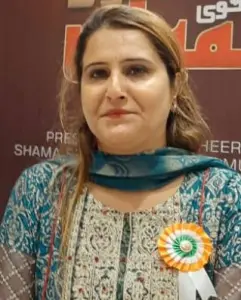
Famous As: Social Entrepreneur
Hello Mumbai News: Could you introduce yourself to our readers?
Sadiya Merchant: I am Sadia Merchant and belong to a Memon Muslim Community.I have done M.A in Sociology and also a Diploma holder in Journalism from K.C College. As a Journalist since the last two decades am associated with Urdu Times as with electronic and social media.I am single mother. I am social work too and I firmly believe in social work. I have been honoured with awards and rewards for my social work.
Social Work is in my blood because my father Aslam Merchant had also promoted social work to a great level in the past decade.I had also contested the BMC Election. I have traveled all over india as well as USA and Islamic Republic of Iran as à Journalist.I have also covered lots of political, social and criminal activities as a crime reporter. I have also covered and witnessed 26/11 terrorist attack. I also run an NGO Parwaz Foundation as a President .I am also a counsellor on social specially for marital issues also a motivational speaker and promote women empowerment. I have organised lectures and adressed students in various schools & colleges. During covid period I had undertaken an initiative as an social worker by providing relief to the needy people and also helped labour and others by providing food and other facilities and organised several awareness programmes too.
Hello Mumbai News: What inspired you to become Journalists?
Sadiya Merchant: I am an adventurous person who likes to be a part of certain activity related to political,social,educational, activity and also to cover crime cases in day to day life to spread awareness to people. Journalism is my aim and destination of my social work.
Hello Mumbai News: What challenges you faced if any as a woman and how did you overcome them?
Sadiya Merchant: I had faced a lot of challenges for women in every field just not ỉn journalism. To overcome from challenges in any field or at any point of your life is through having courage and determination towards your work and within your own self.
Hello Mumbai News: Tell us something about your journey?
Sadiya Merchant: Well, I am into this field since last two decade in press electronic and social media.It is an immense experience to be in journalism field since I have gained a lot of experience throughout my journey being a journalist and crime reporter. Its an ultimate victory.
Hello Mumbai News: Where does your inspiration come from?
Sadiya Merchant: Well from Attitude of society towards responsible. My family, friends, mentor have always encouraged and appreciated me in my every crucial moment of my life.
Hello Mumbai News: Do you think journalism is the best profession for women and why?
Sadiya Merchant: Obviously. They can express their feelings and raise their voice against all kinds of injustice and discrimination through this profession .
Hello Mumbai News: How do you balance your professional and personal life?
Sadiya Merchant: Through Time Management which is art of living, a good & satisfying life. You should know your responsibilities and hold certain discipline well in your personal as well as professional life to keep a balance in every possible way.
Hello Mumbai News: What advice would you give to someone who is an aspiring Women Enterpreneur?
Sadiya Merchant: To Be humble and learn.Dont let personal belief block your path.Take a risk and prioritise your goals, stay focused.After all, its about the faith you have in your opinion, skills and talent.Dont be afraid to share your ideas and stand by them.
Hello Mumbai News: Which Women inspire you?
Sadiya Merchant: Women in the field of education and social work. Also Self raised and independent women inspire me the most.
Hello Mumbai News: What is your message on International Women’s Day?
Sadiya Merchant: Interesting. International Women’s Day is an occasion to reflect on progress made, to call for ả change and to celebrate acts of courage and determination by ordinary women who have played ẩn extraordinary role in the history of their countries and communities .A strong women knows that she has the strength enough for the journey, but, a women of strength knows it is in the journey in which she will become strong. Never compromise on growth ideal & goals because its never too late to be what you have been.
Hello Mumbai News: Where can our readers find you and keep in touch with you?
Sadiya Merchant: Well, I am very active on social media and they can very well contact me and share their views and experiences.
Hello Mumbai News: Please share your views on current education system?
Sadiya Merchant: There is a lot of scope to reform education system. We need a drastic change in the education such that a student could sustain future challenges. Education allows us to explore every aspect of life and can lead us tở anywhere we want to go in life. Education is having thirst of knowledge and the ambition to take your learning to the next level.
Advocate Huriya Patel:
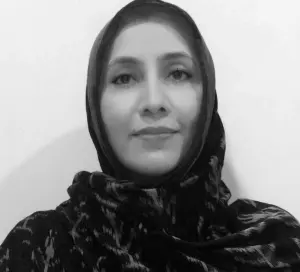
Famous As: Social Entrepreneur
Hello Mumbai News: Could you Introduce yourself for our readers.
Advocate Huriya Patel: Im Advocate Huriya Patel, have done her Masters in Law (LLM), have completed more than 20 years in the legal field. Have my own law firm in the name of Taqwa Legal. The firm specializes in Muslim Personal Law, Regulatory Compliances and General Commercial Documents etc.
Hello Mumbai News: What Inspired to start your Social Entrepreneur journey
Advocate Huriya Patel: Muslim Personal Law is a niche area of practice and I wanted to benefit the community and entire humanity with whatever capabilities God has gifted me with.
Hello Mumbai News: What Challenges have you faced as a Woman Entrepreneur and how did you overcome them.
Advocate Huriya Patel: Firstly the muslim community is not very well versed with law and very few people understand the importance of statutory compliances and getting proper documentation done in order to avoid future complications so, yes this is one challenge to explain to people the importance and applicability of Shariah Laws alongwith Civil Laws to their respective specific situations. Secondly dealing with a few men clients as they are more authoritative and less receptive in some situations.
Hello Mumbai News: Tell Something about your profession and how people get benefitted from it.
Advocate Huriya Patel: They get well informed regarding the application of Shariah alongwith Civil Laws to their specific matters, a simple way forward to deal with matters amicably without instituting lengthy and expensive legal proceedings and resolve their matters in a cost effective and timely manner.
Hello Mumbai News: Where Does your Inspiration come from.
Advocate Huriya Patel: From the basic understanding that God has created all of us for a purpose and i.e. “to benefit others as much as we can” and i try to simply implement it.
Hello Mumbai News: Do you feel that in India there are enough structures and facilities put in place to assist women to expand their Startup Journey.
Advocate Huriya Patel: Unfortunately no, but rather than blaming others, I would recommend we all come together with our expertise and dedicate ourselves to whatever extent we can for this cause.
Hello Mumbai News: How you balance your professional and personal life.
Advocate Huriya Patel: My profession is my passion and I enjoy it so its very easy to balance out when you love what you do.
Hello Mumbai News: What advice would you give to someone who are aspiring Women Entrepreneur
Advocate Huriya Patel: Be such a leader who inspires others and creates more leaders than followers.
Hello Mumbai News: What Women Inspire you.
Advocate Huriya Patel: The one who is compassionate towards others.
Hello Mumbai News: What’s your message on International Women’s Day.
Advocate Huriya Patel: Life is too short so whilst your around benefit others and do something outstanding that you are always remembered for the good you did to the Society at large.
Hello Mumbai News: Where our readers can find you and keep in touch with you..
Advocate Huriya Patel: I do free legal workshop’s and have also started free basic legal knowledge series for all citizens of India, the same is uploaded on youtube as well as my contact details are available on Google.
Hello Mumbai News: Being a Muslim women Social Entrepreneur what type of challenges and difficulties you faced.
Advocate Huriya Patel: Same as written in 3 above.
Hello Mumbai News: What’s your vision and future plan to promote women Empowerment among Muslim women.
Advocate Huriya Patel: To educate them with respect to legal rights provided under different Indian laws, inspire them by giving ideas to make goals and start moving towards them, to collate different organizations and individuals together so that relevant immediate steps can be taken for true empowerment and assist as many as I can to reach their goals.
Hello Mumbai News: Tell us brief about your Social services which you do for the Community.
Advocate Huriya Patel: I do free legal workshop’s, online and offline both and have also started free basic legal knowledge series for all citizens of India, the same is uploaded on youtube, provide free guidance on legal documents and other matters too, and provide free notary to the poor and needy etc.
source: http://www.hellomumbainews.com / Hello Mumbai News / Home / by Aleem Shaikh / March 08th, 2023