Category Archives: Books – Holy Quran, Koran / Translations, Commentaries / by Indian Muslims (wef. February 11th, 2025)

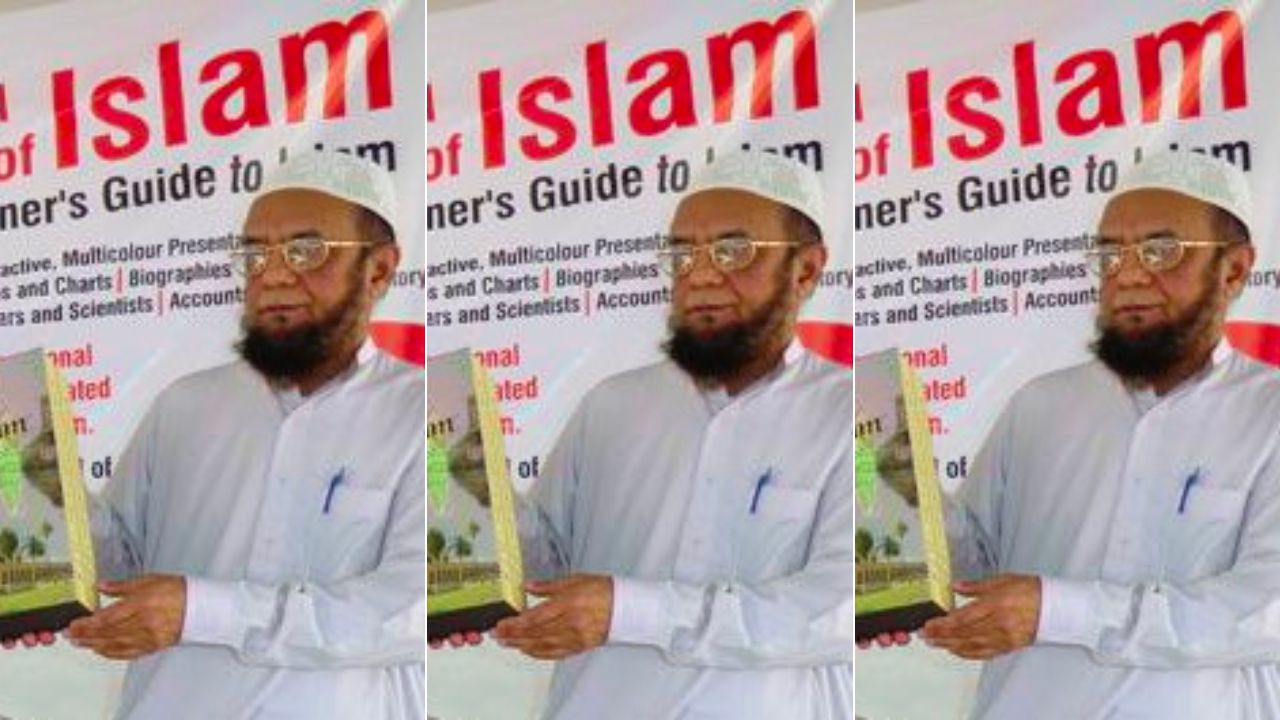
Islamic Scholar Syed Iqbal Zaheer Passes Away

Hyderabad / Bengaluru, KARNATAKA :

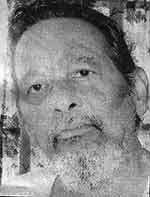
Renowned Islamic scholar, writer, and editor Syed Iqbal Zaheer passed away on Thursday, April 2, 2026, in the United Arab Emirates.

He was widely regarded as a significant contemporary voice in Islamic scholarship, known for his extensive writings, intellectual depth, and commitment to presenting Islam in an accessible yet authentic manner. His passing marks the end of a decades-long contribution to Islamic literature, education, and thought.

Born in 1944 in Hyderabad, India, Syed Iqbal Zaheer was trained as an engineer but went on to establish himself as a prolific author and researcher in Islamic studies. Over the years, he became particularly known for his ability to bridge classical Islamic scholarship with modern intellectual inquiry.

Among his most notable works is Tafsir Ishraq al-Ma‘ani, a fourteen-volume English commentary on the Qur’an, considered one of the most comprehensive original English tafsir works. He was also the author of An Educational Encyclopedia of Islam, a widely regarded reference work aimed at making Islamic knowledge accessible to both adults and children.

In addition to his books, he served for over three decades as the editor of Young Muslim Digest, an English-language Islamic monthly that reached readers across several countries. More than just a magazine, it became a formative intellectual space for generations of young Muslims, many of whom encountered Islamic thought, identity, and contemporary issues through its pages. Its widely read “Letters to the Editor” section, in particular, stood out for its candid, thoughtful, and often deeply nuanced responses, addressing complex personal and theological questions with clarity and balance. Through his editorials, Syed Iqbal Zaheer demonstrated remarkable intellectual depth, engaging with modern challenges while remaining firmly rooted in classical scholarship. For many readers, the magazine was not merely informative but transformative.

Despite his influence, Syed Iqbal Zaheer was known for maintaining a low public profile. He rarely appeared in public or media, preferring to focus on writing, research, and teaching. Those who knew him often highlighted his humility and his emphasis on sincerity in seeking knowledge.

Throughout his life, he remained dedicated to the study of the Qur’an, Arabic language, and Islamic sciences, encouraging generations of readers to pursue knowledge with depth and discipline.

His death has prompted an outpouring of condolences from students, readers, and members of the wider Muslim community, many of whom credit his works for shaping their understanding of Islam.

Syed Iqbal Zaheer is survived by his family and leaves behind a rich intellectual legacy that continues to benefit readers around the world.

To explore his life and legacy in detail, read: In Pursuit of Knowledge: The Life and Works of Syed Iqbal Zaheer

source: http://www.thecognate.com / The Cognate / Home> News / by Shaik Zakeer Hussain / April 02nd, 2026

His Holiness Syedna Mufaddal Saifuddin’s Vision Takes Quranic Recitation to Global Audiences via Digital Platforms

INDIA :

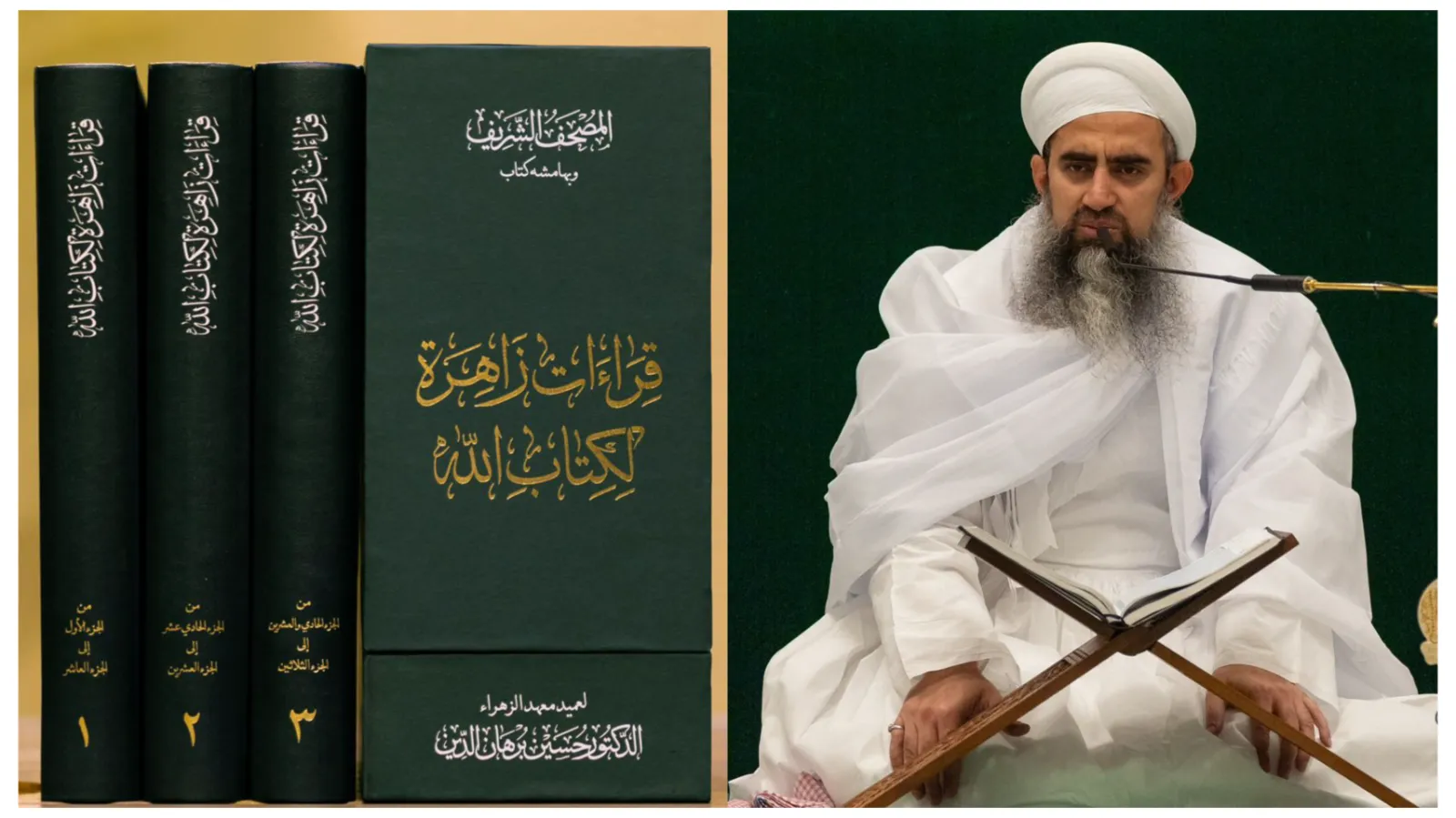
Shahzada Husain Burhanuddin, the youngest son of His Holiness Syedna Mufaddal Saifuddin.

Mumbai :

The Dawoodi Bohra community has launched a new online initiative aimed at expanding access to the sacred sciences of the Quran. The newly launched Sawt al-Quran al-Karim YouTube channel presents the recitation of the entire Quran in the voice of Shahzada Husain Burhanuddin, the youngest son of His Holiness Syedna Mufaddal Saifuddin. This project forms part of the work of Mahad al-Zahra, an institution dedicated to the study, memorisation and recitation of al-Quran al-Karim.

The channel presents the complete Quran according to the Khalaf ‘an Hamza narration, one of the ten canonical traditions of Quranic recitation preserved through continuous scholarly transmission over centuries. Known for its demanding precision and distinctive phonetic characteristics, this narration remains less widely available in full digital recordings. Its publication online offers students of the Quran a rare opportunity to study and listen to this recitational tradition in its entirety.

Mahad al-Zahra leads the Dawoodi Bohra community’s efforts in Quranic education. The institute was established in 1976 by the late Syedna Mohammed Burhanuddin to cultivate excellence in the memorisation and recitation of the Quran. Since 1998, Shahzada Husain Burhanuddin has guided the institution’s development, overseeing programmes that train students in the disciplines of tilawah (recitation) and hifz (memorisation) while maintaining rigorous scholarly standards.

In his role as provost of Aljamea-tus-Saifiyah, the community’s premier educational institute, Shahzada Husain Burhanuddin personally supervises examinations for huffaz (plural of hafiz, are individuals who have memorized the entire Quran), ensuring accuracy and mastery in Quranic memorisation. A distinguished qari himself, he also holds honorary membership in the Naqabat Qurra al-Quran al-Karim in Cairo, regarded as one of the world’s most respected guilds of Quran reciters.

His scholarship in the field of Quranic recitation includes the three-volume work Qiraat Zahira li Kitab Allah, which presents the principles of Quranic readings through structured tables and visual guides. Each page of the publication includes QR codes that connect readers directly to his recitation of the Qiraat ‘Ashr (the ten recognised schools of Quranic recitation, each preserving a unique phonetic tradition from a renowned reciter), allowing students to hear the precise rendering of the recitation rules they study. The work has received certification from Al-Azhar University, widely recognised as a leading authority in the teaching and transmission of Quranic sciences.

The launch of the Sawt al-Quran al-Karim channel reflects the vision of His Holiness Syedna Mufaddal Saifuddin to strengthen engagement with the Quran across generations. He has consistently encouraged families within the community to nurture the study of the Quran at home, expressing the hope that every household will include at least one hafiz and that the community will cultivate 100,000 huffaz worldwide.

By presenting authentic recitation through digital platforms, the initiative extends access to students and listeners across continents. Families, scholars and learners can now listen to and study these recitations regardless of location, strengthening their connection with the Quran in daily life.

Murtaza Jafar, a senior member of Mahad al-Zahra, described the initiative as an important step in sharing Quranic knowledge with a wider audience.

“The launch of this channel marks an important moment in our efforts to preserve and share the sacred sciences of the Quran. By publishing the complete Quran in the Khalaf ‘an Hamza narration, we are providing students and listeners around the world with access to a recitational tradition that requires great care and precision.”

He added that the project will continue to expand.

“We plan to add further recordings representing other recognised narrations of Quranic recitation. Work has already begun on recordings in the transmissions of Hafs ‘an Asim, Warsh ‘an Nafi and al-Susi ‘an Abi Amr. Our hope is that these resources will support students of the Quran for generations to come.”

The Sawt al-Quran al-Karim YouTube channel is now available online and offers listeners direct access to the complete recitation.

https://www.youtube.com/@SawtalQuranalKarim

source: http://www.muslimmirror.com / Muslim Mirror / Home> Positive Story / by Muslim Mirror Network /April 16th, 2026

Wasifi family brings Tonk’s calligraphy to the global stage

Tonk, RAJASTHAN :

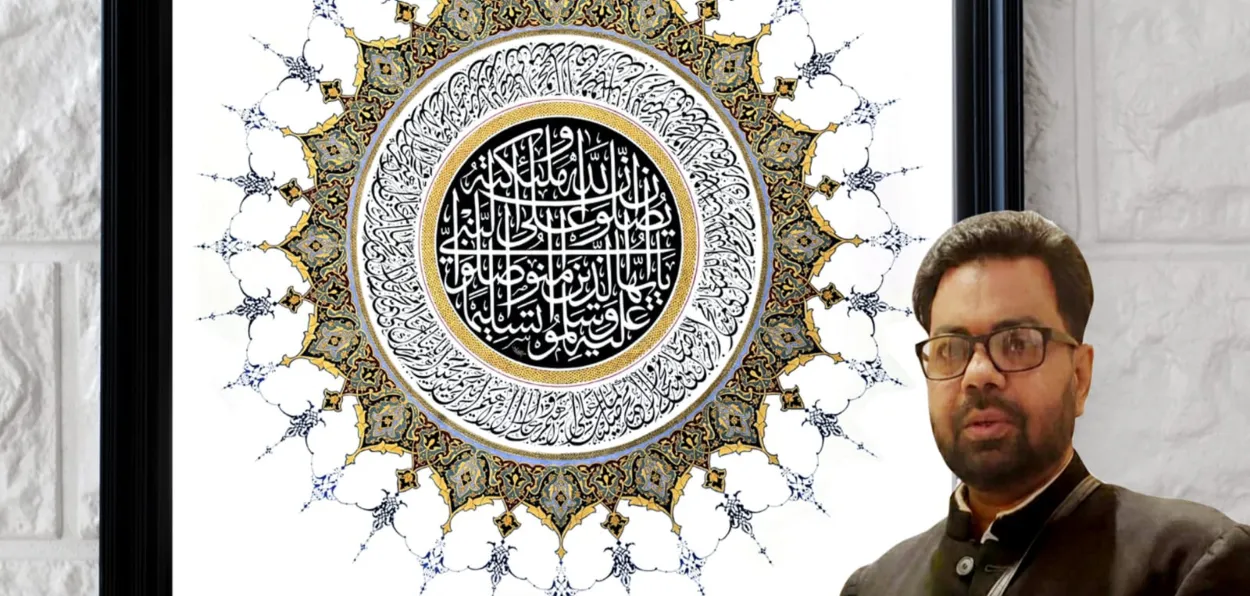
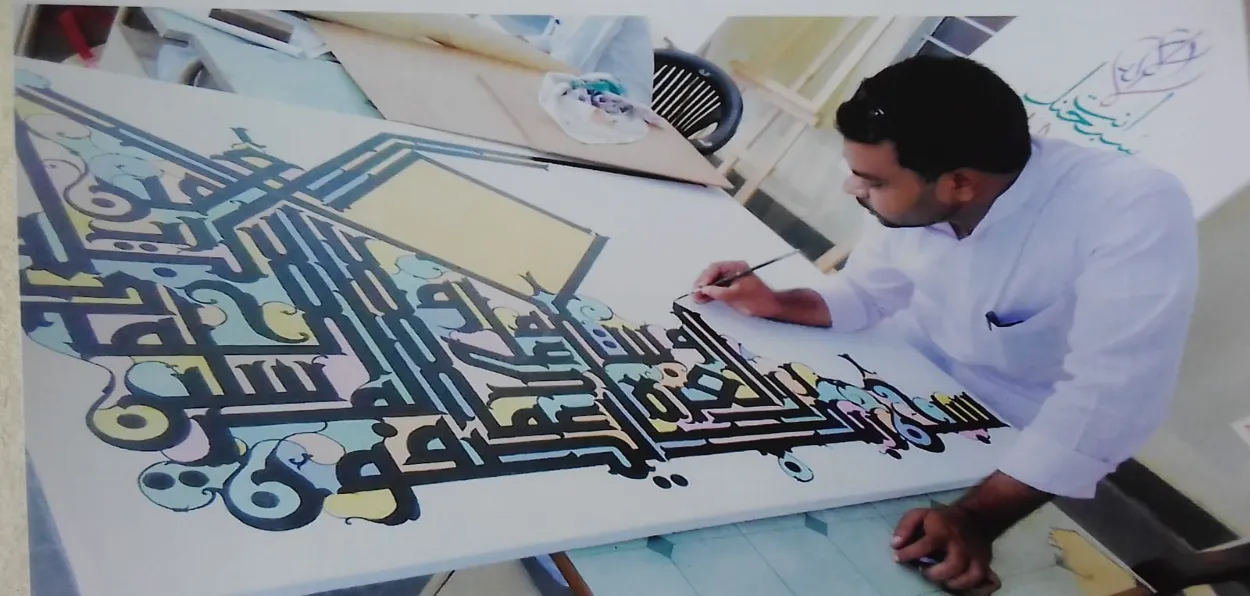
Qari Mutiullah Wasifi with his prize winning work

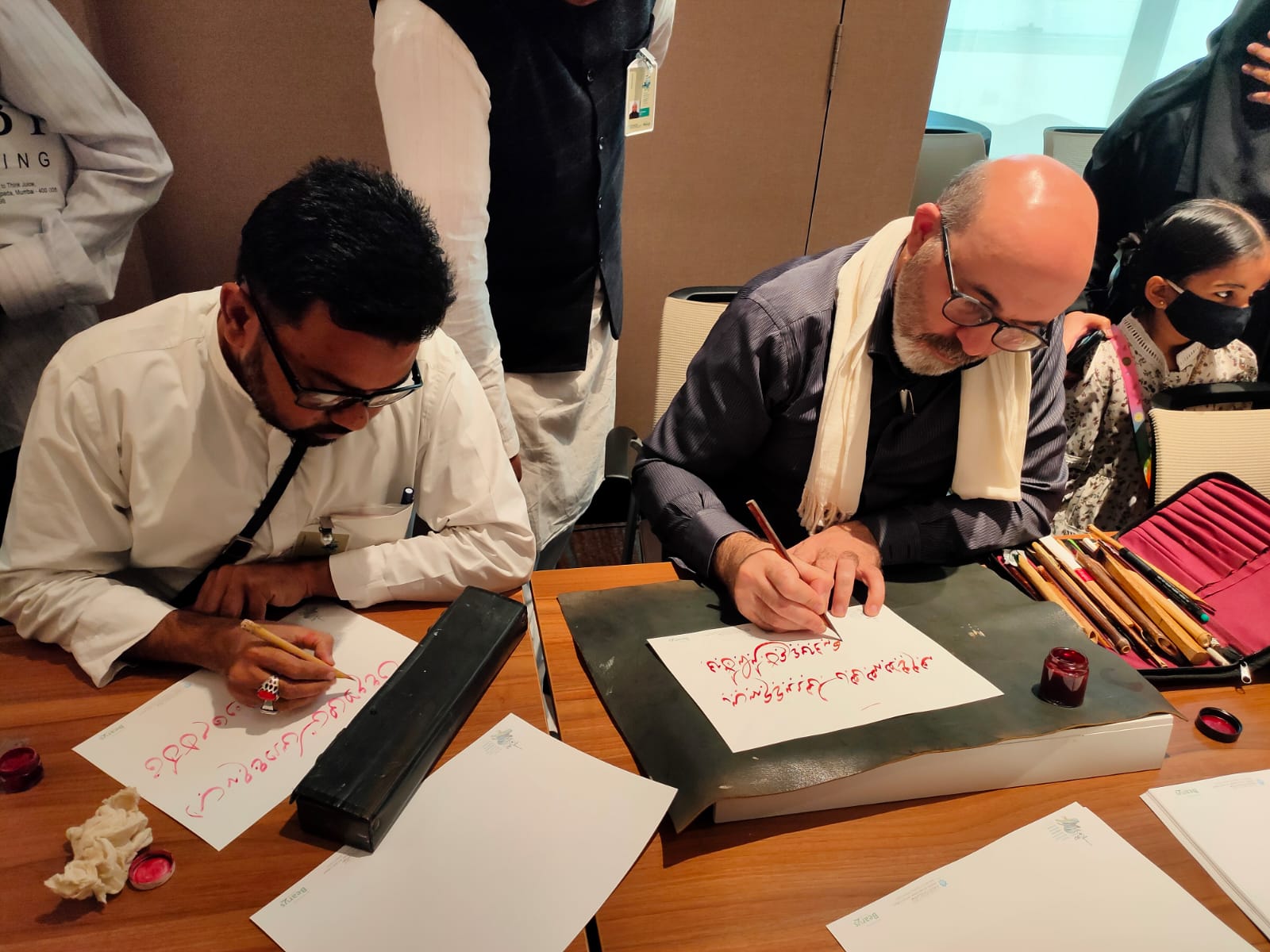
Qari Mutiullah Wasifi, a calligrapher from Tonk, a city in Rajasthan, won the second prize in the International Islamic Calligraphy Competition, organised by the Islamic Art Society in New York, USA.

This recognition comes amid the rise of digital fonts and artificial designs globally.

Qari Mutiullah Wasifi competed with more than 4000 artists from around the world. On this occasion, Qari said his success at an international forum is not sudden. Over the past four years, India’s presence in this competition has been consistent, and the Wasifi family has made it to the top every time.

In 2022, Qari Mutiullah Wasifi received the first prize. A year later, his son Haris Wasifi secured second place. In 2024, Haris won the first prize.

This year, the first prize was bagged by Egypt, the second by India, the third by Pakistan, and the fourth by Turkey. The award includes a certificate, a memento, and a cash prize. However, for the Wasifi family, the real honour is the recognition that comes with representing India.

Qari Mutiullah Wasifi at work

Qari Mutiullah Wasifi’s journey didn’t begin at an art college. His first school was his own home. His late father, Qari Salimullah Wasif Furqani, was a renowned calligrapher, reciter of the Quran, and a scholar. He had a command of Arabic, Persian, and Urdu.

His calligraphy of the Quran was his speciality. As a child, Mutiullah watched his father sit for hours, writing. The sharpness of the pen, the curves of the letters, and the measured amount of ink used were not mere play for him, but a matter of discipline.

For formal education, he enrolled at the Maulana Abul Kalam Azad Arabic-Persian Research Institute (APRI) in Tonk. He completed a four-year diploma course, recognised by the National Council for Promotion of Urdu Language (NCPUL), Delhi. This is the same institution that has made Tonk a centre for Arabic and Persian studies.

Tonk is generally known for its madrasas, books, and Islamic education. But this city has also witnessed a well-established tradition of calligraphy. During the Nawab era, calligraphers from Iran and Central Asia taught locals the art.

Institutions like Maulana Abul Kalam Azad Arabic Persian Research Institute (APRI) have preserved this legacy. This institution has trained many calligraphers who have made a name for themselves in India and abroad. Qari Mutiullah Wasifi is an important link in this chain.

Wasifi told Awaz-the Voice that for him, calligraphy is not just a means of decoration, but a part of worship. To date, he has handwritten 27 copies of the Holy Quran. Some of these Qurans are written in extremely fine script, while others are adorned with gold and silver.

Qari Mutiullah Wasifi with a competitor

He has also undertaken unique projects, such as writing the entire Quran on a single large sheet of paper. This work requires years of practice and patience. The placement of each letter is crucial, and even a single mistake can ruin the entire work.

One of Qari Mutiullah Wasifi’s lesser-known yet important contributions is related to the preservation of manuscripts — completing the half-done copies of the Holy Quran and rare books in Arabic, Persian, and Urdu. So far, he has completed approximately 500 incomplete Qurans and hundreds of old books.

He has undertaken projects for private collectors, libraries, and research institutions. This effort breathes new life into books that might otherwise have been lost to oblivion.

Wasifi’s art is not limited to paper. He has done calligraphy on cloth, leather, wood, metal, grains of rice, lentils, marble, hair, and even inside bottles. This art is not only a test of manual dexterity but also of concentration and balance.

Wasifi participated in the international calligraphy competition organised by the Islamic institution “Irtika” in Istanbul, Turkey, in 2022. This institution organises a prestigious global calligraphy competition every two years, in which renowned calligraphers from around the world participate.

In 2023, he also participated in the international calligraphy competition organised by Fujairah Company in Dubai (UAE). This competition is known for its distinguished jury and global participation.

Wasifi says that if workshops, exhibitions, and competitions are considered together, his participation in national and international events, both within and outside India, totals approximately 30.

Wasifi thinks it’s not his achievement, but a means of showcasing the Indian calligraphy tradition at the international level.

According to him, such platforms provide artists with opportunities to learn, test themselves, and connect with calligraphers from around the world. He has also received several honours at the national level.

He has also participated in international exhibitions and workshops in places like Bengaluru, Udaipur, Aligarh, Diggi Palace in Jaipur, and the Lalit Kala Akademi in Delhi.

In the Wasifi family, this art has been passed down from one generation to the next. Qari’s eldest son, Haris Wasifi, is an internationally acclaimed calligrapher. The second son, Abbas Wasifi, is a Hafiz and Qari (one who has memorised the entire Quran and recites it with proper pronunciation) and is pursuing his education at Nadwatul Ulama, Lucknow.

The daughter, Sidra Wasifi, is an Alima (a female religious scholar) and teaches calligraphy to young girls. This family is not only preserving art but also discipline and heritage.

Qari Mutiullah Wasifi has established ‘Bazm-e-Wasif‘ in memory of his father. His dream is to create a special library and museum of calligraphy in Tonk, where his and his father’s manuscripts can be safely preserved. He says that despite the lack of resources, his resolve remains unwavering. His goal is to ensure that this calligraphic heritage of Tonk reaches future generations.

source: http://www.awazthevoice.in / Awaz, The Voice / Home> Stories / by Farhan Israeli, Tonk (Rajasthan) / January 29th, 2026

18th AD Quran calligraphed in India on display at Makkah Museum

INDIA / Mecca, SAUDI ARABIA :

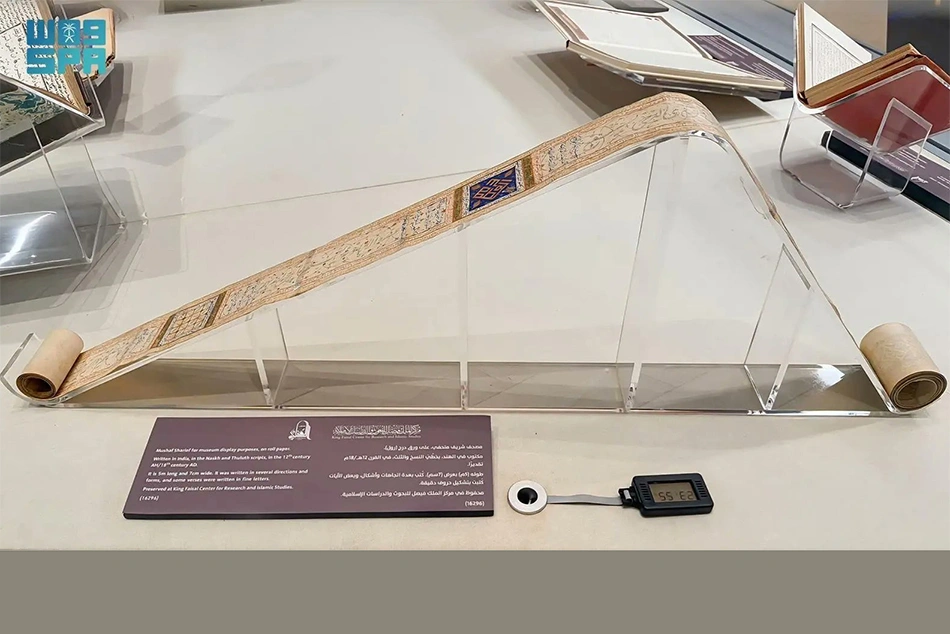
The Museum of The Holy Quran in the Hira Cultural District of Makkah is showcasing a rare 18th century Quran calligraphed in India exemplifying Muslim devotion to the Holy Quran.

Makkah al Mukarramah: 

The Museum of The Holy Quran in the Hira Cultural District of Makkah is showcasing a rare Quranic manuscript exemplifying Muslim devotion to the Holy Quran.

This museum-grade Quran, written on roll paper, was completed in India during the 12th century AH (the 18th century AD), Saudi Press Agency reported.

Featuring Naskh and Thuluth scripts, the manuscript displays artistic skill and precision. Its diverse orientations and unconventional styles showcase creativity in Quranic production.

Measuring approximately five meters in length and seven centimeters in width, the scroll is unique in shape and size, reflecting the ingenuity of Quranic craftsmen in maximizing narrow spaces for clarity and aesthetic appeal.

Part of the King Faisal Center for Research and Islamic Studies (KFCRIS) collection, which houses a rich assortment of rare Islamic artifacts, this manuscript’s display at the Holy Quran Museum is part of a cultural partnership with KFCRIS.

This initiative is aimed at enriching visitors’ intellectual experience and providing access to unique examples of Islamic heritage.

source: http://www.ummid.com / Ummid.com / Home> Life & Style / by ummid.com news network / January 21st, 2026

Obituary : Hamidullah Sharif

Guntur District, ANDHRA PRADESH :

Hamidullah Shariff who translated the Qur’an into Telugu in 1985 died recently in his home town in a village in Guntur district of Andhra Pradesh.

Hamidullah Sharif is well versed in Arabic, Persian, Urdu, Telugu and English languages and is considered a scholar particularly of Arabic, Urdu and Telugu.

The Telugu translation of Qur’an is named or titled Divya Qur’an.

He was also a member of Andhra Pradesh’s Jamat-e Islami Hind Majlis-e Shoora.  

source: http://www.milligazette.com / The Milli Gazette / Home> Community News> Obituaries / May 02nd, 2026  

Renowned scholar and IOS founder Dr. Mohammad Manzoor Alam passes away at 80

BIHAR / DELHI :

OBITUARY

Dr. Mohammad Manzoor Alam

Dr. Mohammad Manzoor Alam, a visionary scholar, global thinker, mentor, and tireless advocate for education, social justice, and the empowerment of marginalized communities, passed away in New Delhi early on January 13, 2026, at the age of 80. His demise has left a profound void in academic, social, and religious circles across India and internationally.

Born on October 9, 1945, in Ranipur, Madhubani, Bihar, Dr. Alam earned his PhD in Economics from Aligarh Muslim University. His career bridged Islamic social sciences, economic reform, and knowledge-driven societal change.

He held prestigious roles including Economic Advisor at Saudi Arabia’s Ministry of Finance, Associate Professor of Islamic Economics at Imam Muhammad bin Saud University in Riyadh, Chief Coordinator for Qur’an translation at King Fahd Printing Complex in Madinah, Chief Representative of India at the International Islamic University Malaysia, and member of the Islamic Development Bank Scholarship Committee.

Dr. Alam founded the Institute of Objective Studies (IOS) in New Delhi in 1986, transforming it into a leading research think tank focused on intellectual and social empowerment of Indian Muslims and other marginalized groups.

Under his leadership, IOS conducted over 410 research projects, published hundreds of volumes, organized numerous conferences, and promoted interfaith dialogue, policy analysis, and minority rights advocacy.

He held key positions in organizations such as the All India Milli Council (General Secretary), Muslim Social Sciences Association (President), Fiqh Academy, and various international boards.

Collaborating with global intellectuals like Prof. Ismail Raji al-Faruqi and Dr. Abdul Hamid AbuSulayman, he advanced Islamic economics, the Islamisation of knowledge, and interfaith understanding.

His writings, including “The Final Wakeup Call,” addressed media freedom, global narratives, contemporary Muslim issues, education, and social reform. Known for humility, ethical scholarship, and mentorship, Dr. Alam inspired generations of scholars, activists, and researchers.

His legacy endures through IOS and the lives he touched, continuing to champion justice, knowledge, and empowerment for the marginalized. — With Agencies Inputs

source: http://www.muslimmirror.com / Muslim Mirror / Home> Obituary / by Muslim Mirror Desk / January 13th, 2026

Muhammad, the Prophet of Islam: The Pen of a Soldier, the Story of the Prophet ﷺ

xxxx

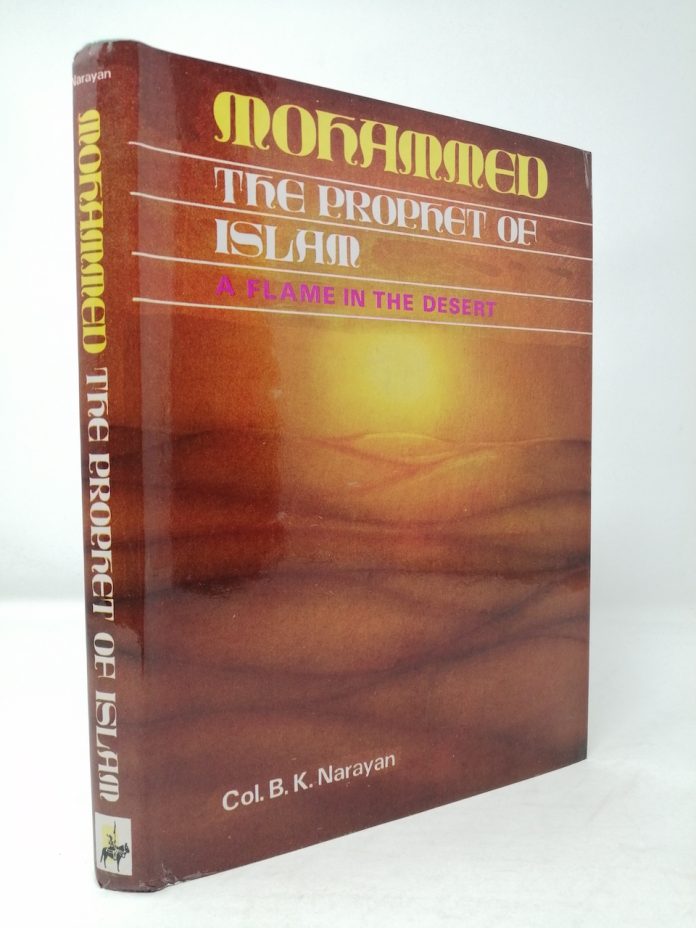
Muhammad: The Prophet of Islam, authored by Colonel B.K. Narayan

In 1978, a rare and remarkable book was published in Delhi – Muhammad: The Prophet of Islam, authored by Colonel B.K. Narayan, a retired officer of the Indian Army and former military attaché at the Indian Embassy. Known for his distinguished service during the 1971-72 India-Pakistan war as an infantry commander, he was also a man of deep intellectual curiosity and cultural sensitivity. Muhammad: The Prophet of Islam, published by Lancers Publishers, Delhi, stands as one of his most significant contributions beyond his military career – a comprehensive English-language biography of the Prophet Muhammad ﷺ.

More than a mere historical account, the book presents a deep and insightful reflection on the life and legacy of the Prophet Muhammad ﷺ, highlighting the enduring relevance of his moral and spiritual example.

Colonel Narayan’s profound admiration for the Prophet’s ﷺ character and achievements moved him to write a full-length English-language biography – a rare undertaking for a non-Muslim author, particularly one from a military background. His unique perspective offers readers a fresh and unbiased narrative rooted in historical context, moral analysis, and intellectual sincerity. His work stands as a bridge between cultures, illuminating the universal values embodied by the Prophet ﷺ.

In addition to this work, Colonel Narayan authored several other important books on the Arab world and geopolitical events of his time, including: The Fourth Arab-Israeli War (1974), Anwar al-Sadat: Man with a Mission (1977), Lessons and Consequences of the October War (1977), General J.N. Chaudhry: An Autobiography (1978, as narrated to him).

Spanning 205 pages, Muhammad: The Prophet of Islam is thoughtfully organised into three distinct sections, each offering a deeper understanding of the Prophet’s ﷺ life, message, and lasting influence.

Section One explores the life and mission of the Prophet Muhammad ﷺ, presented across 12 well-structured chapters. Colonel Narayan opens with an insightful overview of the socio-political conditions in Arabia before the Prophet’s birth. The narrative then follows key events and milestones throughout the Prophet’s life, offering a clear and compelling account of his journey and legacy. Topics covered include:

  • The state of Arabia before the advent of Islam,
  • The commercial significance of Makkah,
  • The Prophet’s ﷺbirth, early life, and journey to Syria,
  • His marriage to Hazrat Khadijah (RA),
  • The commencement of Prophethood, and
  • The Hijrah (migration) to Madinah.

Colonel Narayan meticulously discusses Key milestones such as the first revelation, the Prophet’s ﷺ interactions with Jews, Christians, polytheists, and hypocrites following his migration. The section also covers major expeditions and battles, the opposition from Jewish tribes, and strategic responses led by the Prophet ﷺ. Further discussions include the Kaaba’s history, types of revelation, and miracles of the Prophet ﷺ by the will of Allah. The book also examines the Prophet’s ﷺ battles, diplomacy, and social reforms.

This section concludes with the passing (Wafat) of the Prophet Muhammad ﷺ. A unique feature of this section is its inclusion of illustrative materials – historical photographs and maps, such as Jeddah Airport, the Black Stone (Hajr-e-Aswad), Bab-e- Kaaba, the mountainous terrain surrounding Makkah, and pilgrims clothed in the traditional white garments of Ihram. These visuals not only enhance the reader’s understanding but also offer a deeper emotional connection to the sacred geography of Islam. This part of the book extends from page 1 to 146.

Part Two focuses on the Sayings of the Prophet – the Hadith. Spanning pages 149 to 174, this section features English translations of over 100 carefully selected Hadiths, offering insight into the Prophet’s guidance across various aspects of life. The Hadiths are thoughtfully arranged under a wide range of themes, including belief and worship, justice and business ethics, the management of anger, responses to illness and poverty, the importance of guarding one’s tongue, the virtues of patience, mercy, repentance, and the sanctity of human life. Together, they reflect the profound moral and spiritual wisdom that continues to inspire and guide countless lives. Colonel Narayan expresses deep admiration for the enduring relevance and lucidity of these teachings, noting their ability to convey profound truths with striking simplicity. He writes:

“They are capsules of wisdom, simple, direct, and effective.”

Part Three centres on the noble wives and esteemed companions of the Prophet Muhammad ﷺ. The final section introduces the 11 noble wives of the Prophet Muhammad ﷺ – Khadijah, Aisha, Hafsa, Zainab, Zainab bint Jahsh, Safiyyah, Umm Habiba, Juwayriya, Rayhana, Maymunah, and Maria (may Allah be pleased with them all). The author praises their outstanding virtues – piety, sincerity, and loyalty – and he underscores the profound influence each of these noble women had on shaping the moral, spiritual, and social foundations of the early Islamic community. The author emphasises the social and moral significance of these marriages. He writes:

“The text reveals the circumstances under which these marriages were contracted and the benefits which accrued to society through them. All the wives of the Prophet made a distinct impact on society, by virtue of their piety, devotion, and dedication to the Prophet and the faith.”

In addition, this section offers concise biographies of the four Rightly Guided Caliphs – Abu Bakr, Umar, Uthman, and Ali (may Allah be pleased with them all) – highlighting their pivotal roles and contributions in the development of the early Muslim community.

A standout feature of this book is the author’s consistent focus on the humanistic portrayal of the Prophet Muhammad’s ﷺ humanity. Narayan emphasises that the Prophet ﷺ never laid claim to supernatural powers, yet through his character, wisdom, and unwavering commitment to justice, he transformed a fragmented, tribal society into a cohesive and ethically grounded civilization. He observes:

“To judge the greatness of his actions appropriately, one has to transport oneself to those days, and judge what Meccan society was before him and what it became after him.”

Commenting on the Prophet’s eloquence, Narayan writes:

“The Prophet was brief in his conversation and every word which he used had a specific purpose. Nothing could be added to his speech and nothing could be deleted from it.”

Colonel Narayan also notes the significance of the Prophet’s ﷺ oratory in an age when eloquence was revered. Drawing parallels with earlier prophets, he writes that while prophet Moses was given miraculous powers suited to his time; Jesus was given healing abilities, the Prophet Muhammad ﷺ, who lived in an age of eloquence and oratory, was gifted with unparalleled eloquence – a form of divine expression perfectly attuned to his time.

The book ends with a well-curated bibliography, citing sources such as Majmu‘ah Sirat al-Rasul by Ahmad Baraniq, Mishkat al-MasabihMohammedanism by  H.A.R. Gibb, and Muhammad by Maxime Rodinson.

What distinguishes this book from many other Seerahs (biographies of the Prophet) is its remarkably balanced tone – reverent yet scholarly, empathetic yet analytical. At the same time, his deep respect for the Prophet Muhammad ﷺ and the Islamic worldview imbues the narrative with sincerity and insight.

Colonel B.K. Narayan’s Muhammad: The Prophet of Islam stands as an exceptional work – one that bridges faith, history, and scholarship. It offers a rich, respectful portrayal of the Prophet’s ﷺ life. In his portrayal of the Prophet’s ﷺ virtues – honesty, compassion, eloquence, restraint, and humility – the author invites readers of all backgrounds to reflect on timeless values. His unbiased presentation serves as a bridge between cultures, beliefs, and histories.

At a time when interfaith dialogue is more important than ever, Muhammad: The Prophet of Islam serves as a remarkable testament to respectful dialogue across religious and cultural lines. Written by a decorated Hindu military officer, the book represents not only a literary and historical contribution but also a moral undertaking – one that resonates far beyond its pages.

For those seeking a thoughtful, accessible, and historically rich account of the life of Prophet Muhammad ﷺ, Colonel B.K. Narayan’s biography remains a valuable and rare contribution.

source: www.radiancenews.com / Radiance News / Home> Features> Focus / by Dr Syed Wahauddinj Hashmi, Hyderabad / October 31st, 2025

Dr. Mohammad Manzoor Alam: The Visionary Behind IOS and the Unfulfilled Dream of Empowering India’s Marginalized

Ranipur (Madhubani District), UTTAR PRADESH / DELHI :

SONY DSC

Dr. Mohammad Manzoor Alam, the founder of the Institute of Objective Studies (IOS), stands as one of the most prominent leaders of the Indian Muslim community. Recently, his biography “Dr. Manzoor Alam: Empowering the Marginalized” written by senior multilingual journalist A. U. Asif, was released at the Constitution Club of India in New Delhi. The event was attended by several distinguished personalities from politics, academia, the judiciary, and the media.

The biography reveals many unknown aspects of Dr. Manzoor Alam’s life, his contributions, and his wide national and international connections — from Dr. Manmohan Singh to Ahmed Patel, from cabinet ministers to chief ministers and governors. His close friendships extended to Malaysian Prime Minister Anwar Ibrahim and several prominent personalities across the Gulf Cooperation Council (GCC), including ministers and academicians. Among his international associates were Prof. Omar Hasan Kasule, Secretary General of the International Institute of Islamic Thought (IIIT), USA; Dr. Ahmad Muhammad Ali, the first President of the Islamic Development Bank (IDB); Dr. Ahmed Tutunji, General Secretary of the International Islamic Federation of Student Organizations (IIFSO); and Professor Ismail Raji al-Faruqi, co-founder of IIIT, Dr. Abdullah Al-Maatouq, Chairman of the International Islamic Charity Organization (IICO) Kuwait etc.

The Institute of Objective Studies: A Pioneering Muslim Think Tank

Undoubtedly, the IOS — the first Muslim-run think tank in India — has played an unparalleled role in academic and intellectual engagement. Over the past four decades, it has organized more than 1,230 conferences, seminars, symposia, and workshops on diverse issues affecting Muslims and Indian society at large. It has completed over 410 research projects and produced around 405 publications focusing on socio-economic, educational, and cultural challenges.

Through its data-based research, collection, and presentation, IOS provided valuable insights into the conditions of marginalized communities. The institution succeeded in building a network of more than 500 research scholars, social scientists, academicians, judges, lawyers, and politicians. Its studies and deliberations form a crucial body of work on the socio-economic conditions of Indian Muslims.

However, despite its achievements, the IOS has failed to evolve a sustainable mechanism for implementing the findings of its research. After nearly four decades of existence, the impact of its ideas on the ground remains negligible. The think tank, while rich in intellect and intent, fell short of translating its research into practical policies for the empowerment of marginalized communities. When one examines the ground realities, the absence of tangible transformation makes this collective effort appear more like an academic exercise than a movement for social change.

The Promise and the Reality

The Institute of Objective Studies was established in 1986 with the vision of empowering the 200 million-strong Indian Muslim community — a group that, even today, lags behind many other marginalized sections, including Dalits, on multiple socio-economic parameters. While IOS produced a wealth of research and data, it failed to create models of empowerment or tangible change on the ground.

It would be unfair to assume that Dr. Manzoor Alam’s vision was limited to research and conferences alone. He unsuccessfully attempted to extend his work into education, media, and healthcare. Unfortunately, many of those initiatives remained unrealized.

Dr. Alam had conceived numerous projects, including a dream university and  television channels Al-Hind and  Falak TV — both designed to serve as platforms for education and social awareness. He presented these projects at several events in India and abroad, yet they never materialized beyond the planning stage. Why these ideas remained confined to files is a question that only Dr. Alam himself can answer.

Dr. Manzoor Alam’s Tryst with Education and Development

In the 1990s, Dr. Alam invited Mohammad Yunus Saleem, then Governor of Bihar, to lay the foundation stone of an educational institution in his native village, Ranipur, in Madhubani district. Decades later, that very school continues to function from a thatched hut.

Similarly, he invited another Governor, Akhlaqur Rahman Kidwai, to lay the foundation of a hospital in the same village. However, there is no trace of that foundation today, and the land has reverted to agriculture. It is said that even a few delegations of Arab dignitaries visited the site to explore funding possibilities for these projects. Yet, despite such visits and promises, Ranipur remains a mirror reflecting the unfulfilled dreams of Dr. Alam’s vision for grassroots empowerment.

Akhlaq Ur Rehman Kidwai, then Governor of Bihar, during his visit to Ranipur — the native village of Dr. Manzoor Alam — for the foundation stone-laying ceremony of a school.

The Unfulfilled Dream of an Islamic University in India

Following the model of the International Islamic University Malaysia (IIUM), the International Islamic University Islamabad, and the International Islamic University Dhaka, it is said that funds were once earmarked for a similar university in India. The responsibility for establishing it reportedly rested with Dr. Manzoor Alam. A 25 acres  of land were even purchased in Palwal district, Haryana, under the Taawun Trust which was formed in 1980s for the same purpose. However, the project never moved forward, and its current status remains unknown.

Under the same trust, a clinic in Zakir Nagar, New Delhi, was inaugurated by the then Chief Minister, Sheila Dikshit. But today, little remains of that initiative — its fate is known only to its former manager, Mohammad Alam, son of Dr Manzoor Alam. Likewise, a valuable piece of land (D-16 worth over 10 crores) in Abul Fazal Enclave, earmarked for the Taawun Trust office, was later developed into a five-storey building. The ownership and purpose of this property are known only to Dr. Alam and other trustees.

Other Institutions and Initiatives

Along with the late Qazi Mujahidul Islam Qasmi, Dr. Manzoor Alam co-founded several organizations, including the All India Milli Council, Islamic Fiqh Academy (IFA), Qazi Publications, Universal Peace Foundation (UPF), Featured and News Analysis (FANA), United Mass Media Association (UMMA), Indo-Arab Economic Cooperation Forum, and the Taawun Trust. Except for IOS and IFA, most of these institutions are now nearly defunct.

In earlier years, FANA and UMMA operated from 166 Zakir Bagh but were later shifted to the IFA premises at Zakir Nagar. The present status of the Zakir Bagh flat remains unclear. Similarly, behind the IOS office once stood the premises of the Universal Peace Foundation (UPF), which was closed many years ago.

A Malaysian organization once sponsored Bharat Offset Press, located at 2035 Mumtaz Building, Gali Kasim Jan, Ballimaran, Delhi. The press was set up under Dr. Manzoor Alam’s patronage to provide financial support to widows and orphans. One can only hope it continues to serve that noble purpose today.

Interestingly, most of the important publications of the Institute of Objective Studies are now being published and marketed by Genuine Publications and Media Pvt. Ltd., where Dr. Alam’s younger son, Ibrahim Alam, serves as the Executive Director.

Now, his elder son Mohammad Alam has taken over as the General Secretary of the IOS. It is hoped that the unfulfilled dreams of Dr. Manzoor Alam will be realized and a university will be established on the proposed land in Palwal

The Unasked Questions

A serious question arises: Why has no one from among Dr. Manzoor Alam’s large circle of associates — including intellectuals, professors, writers, and bureaucrats — ever raised concerns or sought accountability? Why has there been such silence around the unrealized projects and abandoned initiatives?

Dr. Alam is a man of extraordinary connections and resources, with access to national and international leaders, institutions, and philanthropists. Yet, despite such privilege and goodwill, he could not establish even a modest school or clinic in his own native village — a village that once saw two governors visit to inaugurate his projects.

Dr. Manzoor Alam’s journey represents a paradox: a leader of vision and intellect who created one of India’s most influential Muslim think tanks, yet whose dreams for practical empowerment of the marginalized remain largely unrealized. His ideas, no doubt, inspired a generation of scholars and activists. But without concrete implementation, the towering edifice of research and conferences risks standing as a monument to missed opportunities.

source: http://www.muslimmirror.com / Muslim Mirror / Home> Exclusive Reports / by Syed Zubair Ahmad / October 30th, 2025

Maulana Mohammad Ismail Sambhali: Scholar, Freedom Fighter and Politician

Sambhal (Moradabad District) , UTTAR PRADESH :

One of the oldest places in Uttar Pradesh is Sambhal in District Moradabad, has a long list of people in its history who confronted with British and posed great resistance with their historic acts of gallantry. Abdul Qaiyyum, Lala Prem Pal, Qari Abdul Haq, Maqsood Turki, Chaudhary Riyasat Ali, Lala Chandulal, Lala Roop Kishor, Maulvi Noorul Hasan, Sheikh Abdul Raheem, Chetan Swaroop, Radhey Lal Poddar, Munshi Moinuddin, Ml. Sultan Ahmad,Maulvi Abdul Waheed are prominent among such people.

The exact date of birth of Maulana Ismail Sambhli is not known however, he might have taken birth in 1899 at Mohallah Deepa Sarai. He belonged to the Sarwar Waley family of Turk community. His father, Munshi Kifayatullah was considered among the educated people of the area and was famous with the nickname ‘Munshiji’. His grandfather’s name was Sarwar Husain who was a native to village Mundha in J. P. Nagar. Later he shifted to Sambhal. His family surname, Sarwar Waley was due to his grandfather’s name.

He received primary education at Madrasatul Mohammadia, Deepa Sarai and was admitted to class VI to continue further education in English against his mother’s wish. She wanted him to get Arabic education and finally her will prevailed. Meanwhile, his father passed away and he was sent to his elder brother at Bahawalpur where he had the honour to receive education from Maulana Farooq Ahmad, Sheikhul Hadees and Head, Jamia Usmania.

Maulana Farooq Ahmad was the disciple of Shaikhul Hind Maulana Mahmoodul Hasan and relative of Maulana Mansoor Ansari who was put on exile on the pretext of abetting and participating in the freedom movement. He was extremely unhappy with British and a staunch supporter of freedom struggle. It was his company that helped instill a sense of nationalism in the heart of Maulana Ismail Sambhli and inspired him to participate in the freedom struggle.

After completing education at Bahawalpur, Maulana Ismail Sambhli returned back to his native place, Sambhal and continued with his education at Madrasa Sirajul Uloom. In the meantime the barbaric incident of Jalianwala Bagh took place that put the whole of India on fire. A protest strike was observed in Sambhal as well and a mass gathering of all communities was organized at the gardens of Gul Chhatar. Maulana Ismail Sambhli delivered a very inspiring lecture at the mass convention. Maulana was the youngest among all orators yet his oration impressed the public most and thus his national and political life began. Maulana gained popularity as Raees-ul Muqarrareen (master orator).

When the British defeated Turkey, the resulting loss and the sense of defeat made the Muslims furious. On November 22, 1919 the Khilafat Committee was founded and the Jamiatul Ulema-e-Hind took birth in Delhi. The Khilafat Movement was pronounced through out the country. Just months after the sad demise of Sheikhul Hind Maulana Mahmoodul Hasan, Maulana Ismail Sambhli took admission in Darul Uloom Deoband where his nationalist ideas and concepts received firmness. He started partaking in the nationalist activities with much vigour and zeal and despite him being a student he was arrested on February 22, 1921 for his radical ideas and inflammatory speeches. After two – three days his case was heard at Moradabad Jail and he was sentenced to two years’ rigorous imprisonment. Then the political detainees were generally subject to extreme brutalities. Maulana and his companions borne all types of atrocities. They were put under penal servitude, were imprisoned in small cages and were compelled to sleep handcuffed. Precisely, they were put to all types of brutalities but did not tender apology. Finally, he was released after the term of his punishment was over. Back to home he concentrated on completing his education. After completing courses at Darul Uloom Deoband he joined Jamia Qasmia Madrasa Shahi, Moradabad as a teacher in later 1924. The country’s condition had changed by the time, Khilafat had come to an end, there were communal disturbances through out the country and Congress had suspended its Civil Disobedience Movement. Mahatma Gandhi was imprisoned for six years. People were feeling let down but Maulana Sambhali kept moving ahead with full confidence.

In 1930 when Congress proclaimed for complete freedom. On March 13 Mahatma Gandhi commenced his famous Dandi march in violation of the laws of salt. A Civil Disobedience Movement was also commenced.

The Britishers put the nationalist people to extreme brutalities. They were mercilessly beaten, shot by guns and imprisoned. The Jamiatul Ulema sense the need of the hour and vowed to support Congress in its Civil Disobedience Movement. It established a Daira-e-Harabia (Circle of War). Mufti Kifayatullah, Maulana Ahmad Saeed, Maulana Husain Ahmad and Maulana Mubarak Husain Sambhli were arrested one by one. Maulana Mohammad Ismail Sambhli was the seventh in this order to be arrested and was sentenced to six months’ rigorous imprisonment.

When the time came for Provincial Assembly elections, the Muslim League Parliamentary Board came to existence. On behalf of Maulana Ahmad Saeed, Nazim of Jamiatul Ulema Mohammad Ali Jinnah was given the right to nominate members to the parliamentary board. Mr. Jinnah nominated 22 members from 56 out of which 20 were of Jamiatul Ulema and two of Ahrar. The Provincial Boards were under the control of Central Board. Maulana Ismail Sambhli was admitted to UP Board. He was also declared candidate from Sambhal of Moradabad and Tehsil Bilari constituencies. Those days the land lords, nawabs, kings and English title holders enjoyed great immunity and British supported people were considered prominent in the society. The nationalists participated in the election to defeat the pro-British candidates.

In 1939, the war in Europe started and the Indian government without taking the members in confidence sent the Indian army to war. The Congress opposed the move and boycotted the Assembly. It convened its session at Ramgarh on March 20-21, 1940 under the president ship of Maulana Abul Kalam Azad. The Civil Disobedience Movement was pronounced in the session and finally in the last of 1940 the non-violent civil disobedience movement commenced. A programme was chalked out for individual speeches. Maulana Ismail Sambhli was arrested in Moradabad during the movement and was sentenced for nine months’ imprisonment. In August 1942, Congress gave the famous ‘Leave India’ slogan. Mahatma Gandhi was arrested and sent to Sabarmati Jail. There were arrests every where in the country. Maulana Ismail Sambhli was again arrested in Sambhal and was put under house arrest at Moradabad Jail for indefinite period. Later he was released after one year.

In 1946, when elections were declared, the tussle between Congress and Muslim League was at its peak. Maulana Sambhli was elected, remained MLA till 1952.

Maulana Ismail Sambhli did not participate in the 1952 elections and stationed at Delhi as the Nazim-e-Ala of Jamiatul Ulema. He served Jamiat for four years and remained busy in social and political affairs. In 1957 he resigned from Jamiat and returned to Sambhal.

In 1962, he was appointed as Sheikhul Hadees at Madrasa Imdadia, Moradabad and served there for about three years.. In 1974, he shunned the idea of service and returned back to Sambhal and engaged himself in the literary work only to complete the half hatched books. “Maqalat-e-Tasawwuf”, “Akhbarul Tanzeel” (the Quranic prophesies) and “Taquleed-e-Aimma” are some important books authored by him.

Meanwhile he went to Mawana, Meerut and taught Quran’s translation for eight months. In his last age, he spent a few Ramadhan months in Bombay delivering lectures on the translation and analysis of Quran every night after Taraweeh. He fell sick in the last Ramadhan of his life yet, and after returning to Sambhal he breathed his last on 23rd November 1975 after one and half months’ prolonged illness. (deoband.net)

source: http://www.milligazette.com / The Milli Gazette / Home> News> Family & Kids / by Mohammad Najeeb Qasmi / May 22nd, 2016

Renowned Scholar and Educator Dr. V. Abdur Rahim Passes Away

Vaniyambadi, TAMIL NADU / Madinah, SAUDI ARABIA :

He has written scores of books in Arabic, English and Urdu. One of his unique books is Attibyan which helps in teaching Qur’an to neo-Muslim brothers and sisters.

New Delhi :

Dr. V. Abdur Rahim, world renowned Islamic scholar, multilinguist, author, teacher and translator passed away in the holy city of Madinah on Thursday.

Author of several popular books on teaching Arabic language, Dr. Abdur Rahim was laid to rest in Jannat al Baqi cemetery near the Prophet’s Mosque after Friday noon prayers, reports reaching here said.

Dr. Abdur Rahim has written scores of books in Arabic, English and Urdu. One of his unique books is Attibyan which helps in teaching Qur’an to neo-Muslim brothers and sisters. The scholar was closely associated with Chennai-based Islamic Foundation Trust (IFT) and a majority of his books have been published by it. 

Dr. Abdur Rahim was born in the small town of Vaniyambadi in Tamil Nadu in 1933. After completing his secondary school studies, he joined Presidency College, University of Madras where he majored in English language and literature. He graduated in 1957. In 1964, he joined the prestigious Al-Azhar University in Cairo, from where he completed his M.Phil. and Ph.D. in Arabic philology.

Dr. Abdur Rahim adopted innovative teaching methodologies and pedagogical approaches, which revolutionised the teaching of Arabic. He joined the Islamic University of Madinah in 1969, where he played a pivotal role in the program of teaching Arabic as a foreign language. He also imparted his knowledge at various institutions, including the Islaamic University Omdurman Sudan, Khartoum University Sudan, and Arabic Institutions in Germany, Washington D.C., and British Guyana.

His most significant contribution to Arabic education was the development of the renowned Madinah Arabic Course. This comprehensive series of textbooks and audiovisual materials simplified the complexities of the Arabic language, making it accessible to learners from diverse linguistic backgrounds. His teaching not only facilitated learning but also promoted intercultural dialogue and understanding.

Beyond his teaching endeavors, Dr. Abdur Rahim served as the Director of the translations section at the King Fahad Qur’an Printing Press in Madinah, where he contributed to translating and interpreting the Qur’an into various languages, ensuring its accessibility to people worldwide.

In recognition of his exceptional contributions to Arabic language education, Dr. V Abdur Rahim was honored with the prestigious President of India Award. This recognition celebrated his tireless efforts in promoting Arabic language learning and fostering cultural understanding through linguistic knowledge.

source: http://www.clarionindia.net / Clarion India / Home> India / by Team Clarion / October 21st, 2023