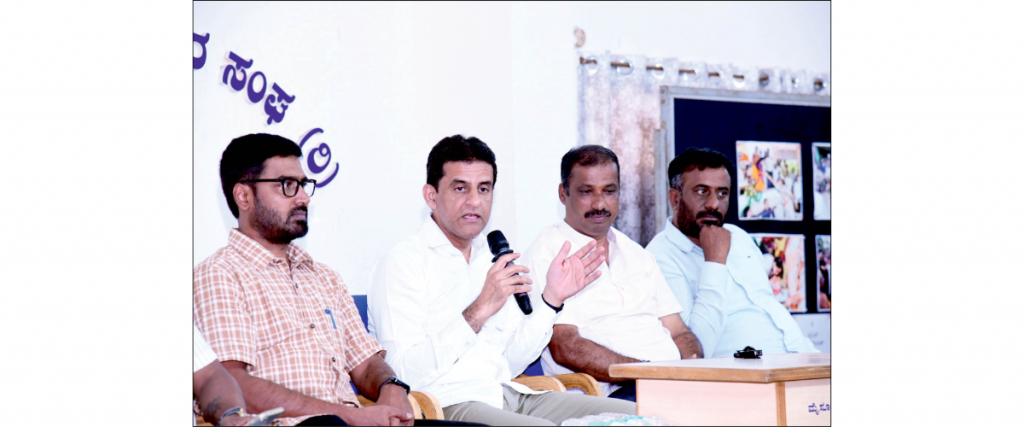
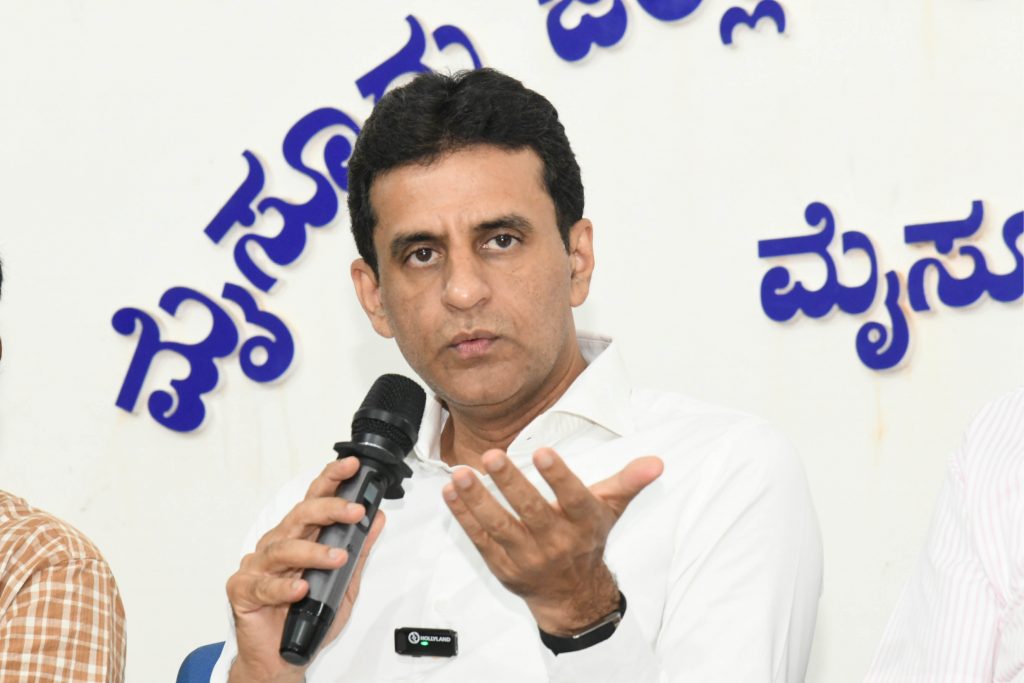
Stating that Mysuru is his native place and that he spent his student days in the city, Minister for Food and Civil Supplies Rizwan Arshad said Mysuru had provided him a platform for his political foray.
He recalled that senior journalists, including Star of Mysore and Mysuru Mithra Founder-Editor late Dr. K.B. Ganapathy, had encouraged him during his early political career.
He was speaking at ‘Meet the Press’ programme organised by Mysuru District Journalists Association (MDJA) at its premises on Thyagaraja Road this morning.
“Mysuru is a special city and I have now got an opportunity to serve the people of the State as a Minister. Though power is not eternal, the things we do while holding responsible positions matter much in society. I left Mysuru for Bengaluru seeking greener pastures in politics and succeeded, becoming an MLA from Shivajinagar twice. I now have an opportunity to serve as a Minister and will serve the people of Mysuru to the best of my ability,” he said.
Commenting on his Ministry, Rizwan said as many as 4.5 lakh ration cards had been cancelled, of which 55,000 were now under review. He noted that strict measures had been taken to prevent the black marketing of ration articles, especially rice.
Asserting that modern technology would be used to prevent pilferage and theft of ration articles, he said the Department had launched a drive to install CCTV cameras at all godowns.
The Minister said major reforms would be introduced in his Department. He also said biometric-related issues would be rectified to ensure fair distribution.
Welcoming the RSS Chief Mohan Bhagwat’s recent statement on communal harmony at an event in New York, Arshad said he believed that Bhagwat’s statement was more about changing the organisation’s image than bringing about real change.
Strongly condemning the ‘purification’ of the spot where AICC President Mallikarjun Kharge addressed a gathering at Haldwani in Uttarakhand, he said it was a classic example of untouchability still existing in the country.
Rizwan Arshad was honoured by the MDJA on the occasion. MDJA President K. Deepak, senior journalist T. Gururaj, former MDJA President C.K. Mahendra, MDJA office-bearers and others were present.
source: http://www.starofmysore.com / Star of Mysore / Home> News / September 02nd, 2026
Senior Unani physician, researcher and administrator with nearly three decades of experience assumes new responsibility
New Delhi:
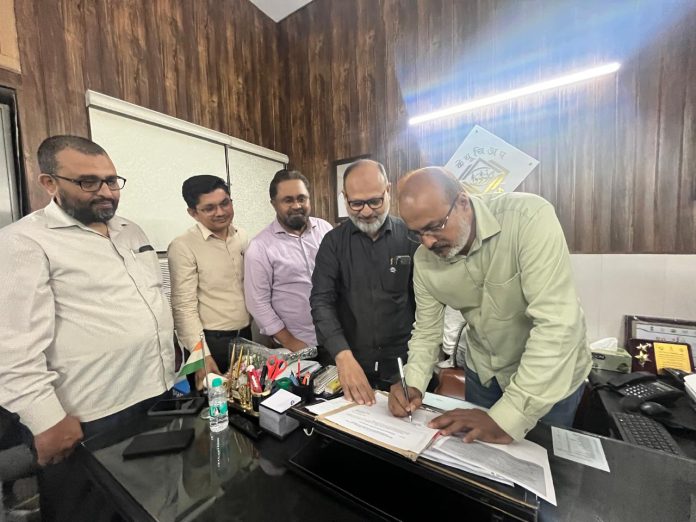
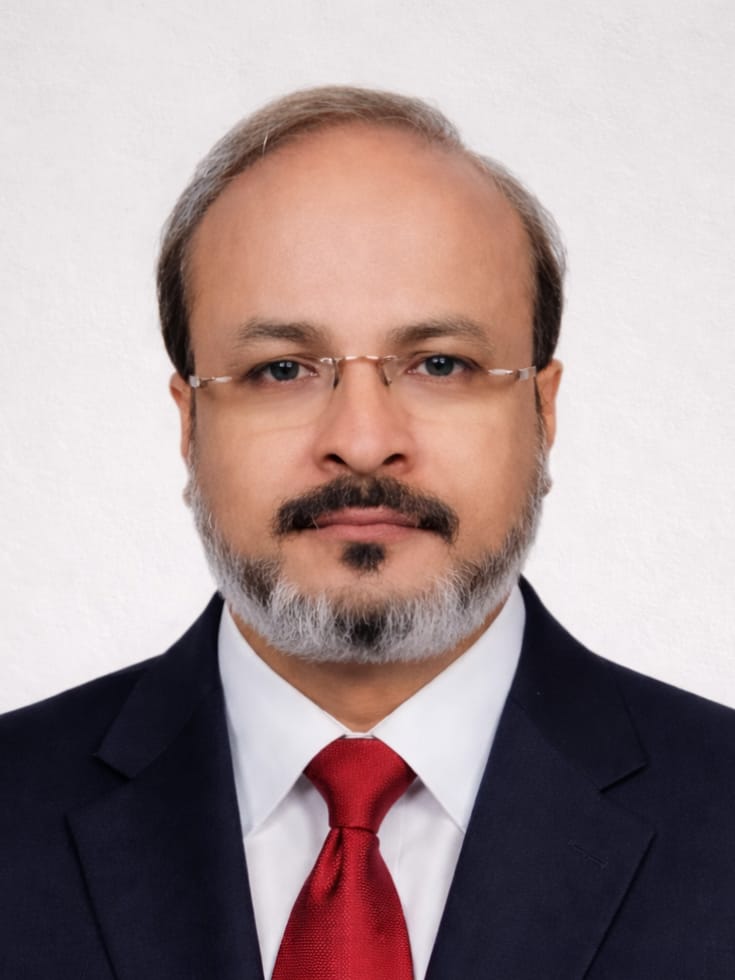
Following the retirement of Dr. Ziaul Haq Siddiqui, Dr. Zaki Ahmad Siddiqui has taken charge of the Regional Research Institute of Unani Medicine (RRIUM), New Delhi, under the Central Council for Research in Unani Medicine (CCRUM), Ministry of Ayush, Government of India.
All senior officers and staff of the institute, were present on the occasion. Dr. Zia’s long and dedicated services were acknowledged, while Dr. Zaki Ahmad Siddiqui was congratulated and extended best wishes on assuming his new responsibility.
Dr. Zaki Ahmad Siddiqui is a senior Unani physician, researcher and administrator with nearly three decades of experience in clinical research, drug standardisation, policy implementation and institutional administration in the AYUSH sector. He obtained his BUMS from A & U Tibbia College, University of Delhi, and MD (Moalijat) from Jamia Tibbia, Deoband.
Dr. Zaki began his professional career in 1996 as a Research Officer with CCRUM. During his nearly three decades of service, he has held various important responsibilities in research, clinical services, policy and administration. A significant part of his career, around 20 years, was spent at CCRUM Headquarters and the Ministry of AYUSH, where he handled important responsibilities relating to research, policy, administration and regulatory matters.
During his tenure in the Education Policy Section of the Ministry of AYUSH, he was associated with important policy and administrative matters concerning Ayurveda, Siddha and Unani medical colleges.
From 2020 to 2022, Dr. Siddiqui served as In-charge of the Drug Standardisation Research Unit (DSRU), CCRUM, New Delhi, where he contributed to strengthening research and activities related to the standardisation of Unani medicines.
From 2022 to 2025, he headed the Unani Medical Centre at Safdarjung Hospital, New Delhi, contributing to the delivery and strengthening of Unani clinical services in a major tertiary-care hospital.
In December 2025, Dr. Siddiqui was promoted to the post of Deputy Director and was entrusted with the responsibility of RRIUM, Mumbai. Subsequently, in April 2026, he was assigned the responsibility of Assistant Director, Hakim Ajmal Khan Institute for Literary & Historical Research in Unani Medicine (HAKILHRUM), New Delhi.
With his extensive experience in clinical care, research, drug standardisation and institutional administration, Dr. Siddiqui’s new responsibility at RRIUM, New Delhi is expected to further strengthen the institute’s research activities, Unani clinical services, drug standardisation and administrative functioning.
source: http://www.radiancenews.com / Radiance News / Home> Latest News> Report / by Radiance News Bureau / August 31st, 2026
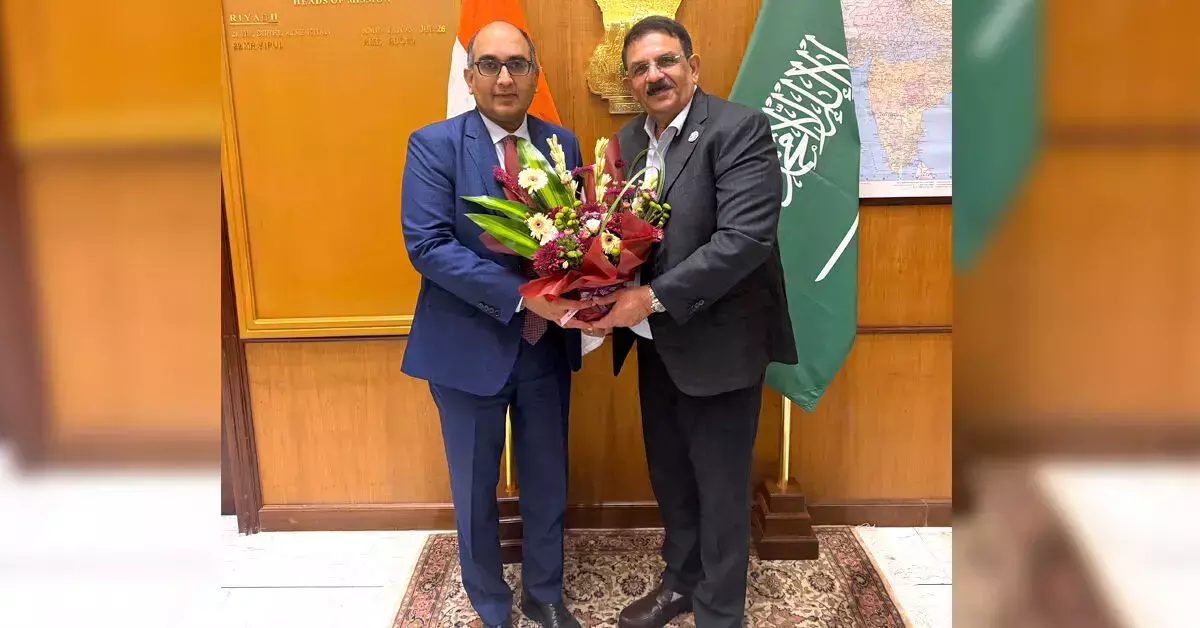
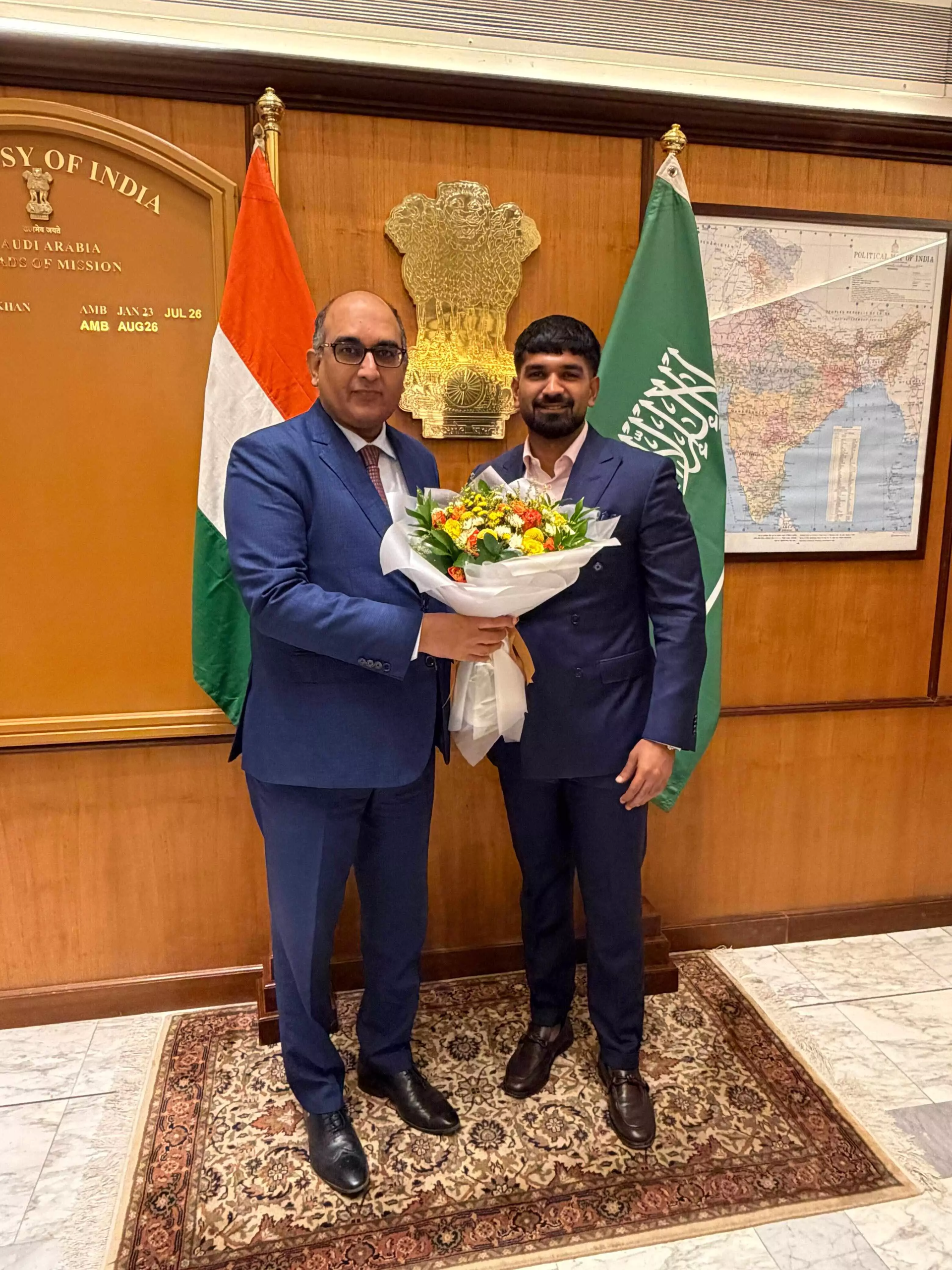
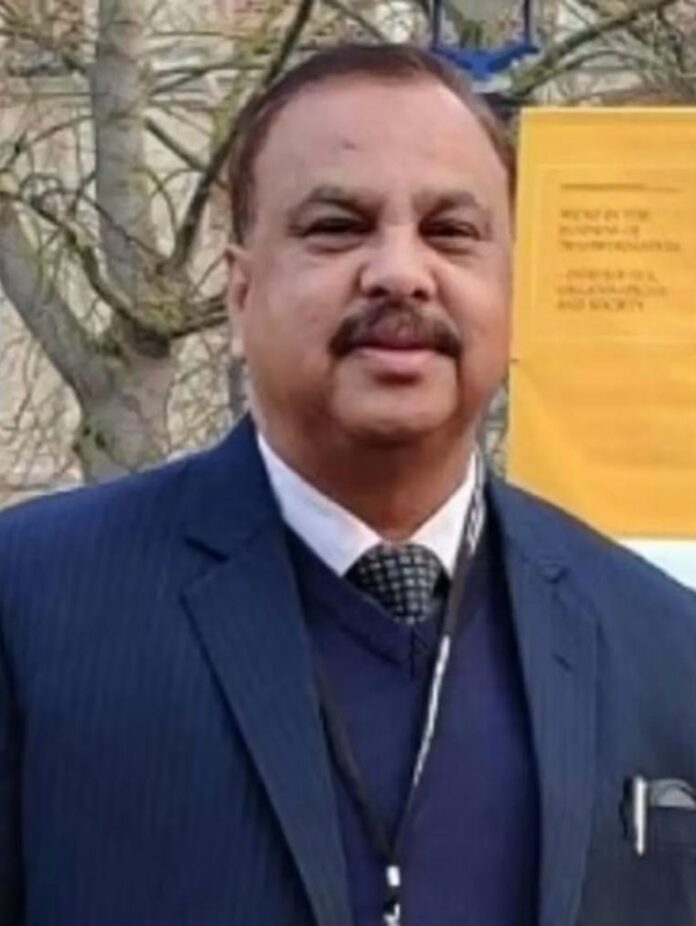
Bajpe Zakria, founder of the prestigious Al Muzain company, along with his son Zahid Zakria, Managing Director of Dune & Tides, met and congratulated Vipul Kumar, IFS, who recently assumed charge as India’s new Ambassador to Saudi Arabia.
During the meeting at the Embassy of India in Riyadh on Tuesday (August 25), Bajpe Zakria presented a bouquet to Ambassador Vipul Kumar and held detailed discussions on strengthening India-Saudi Arabia economic relations, with a focus on trade, investment, education, industry and other areas of mutual interest.
Bajpe Zakria said that the discussions provided a positive platform to further strengthen the long-standing partnership between India and Saudi Arabia.
Ambassador Vipul Kumar had previously served as India’s Ambassador to the UAE and Qatar, where he also maintained a cordial relationship with Bajpe Zakria.
source: http://www.english.varthabharati.in / Vartha Bharati / Home> Gulf / by Vartha Bharati / August 26th, 2026
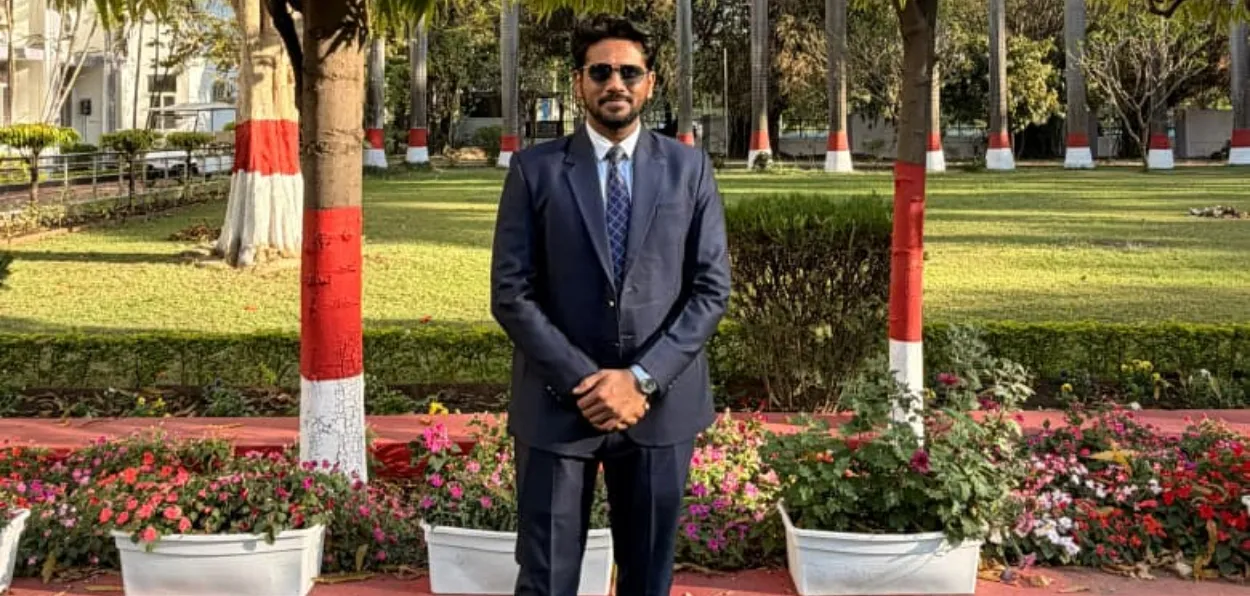
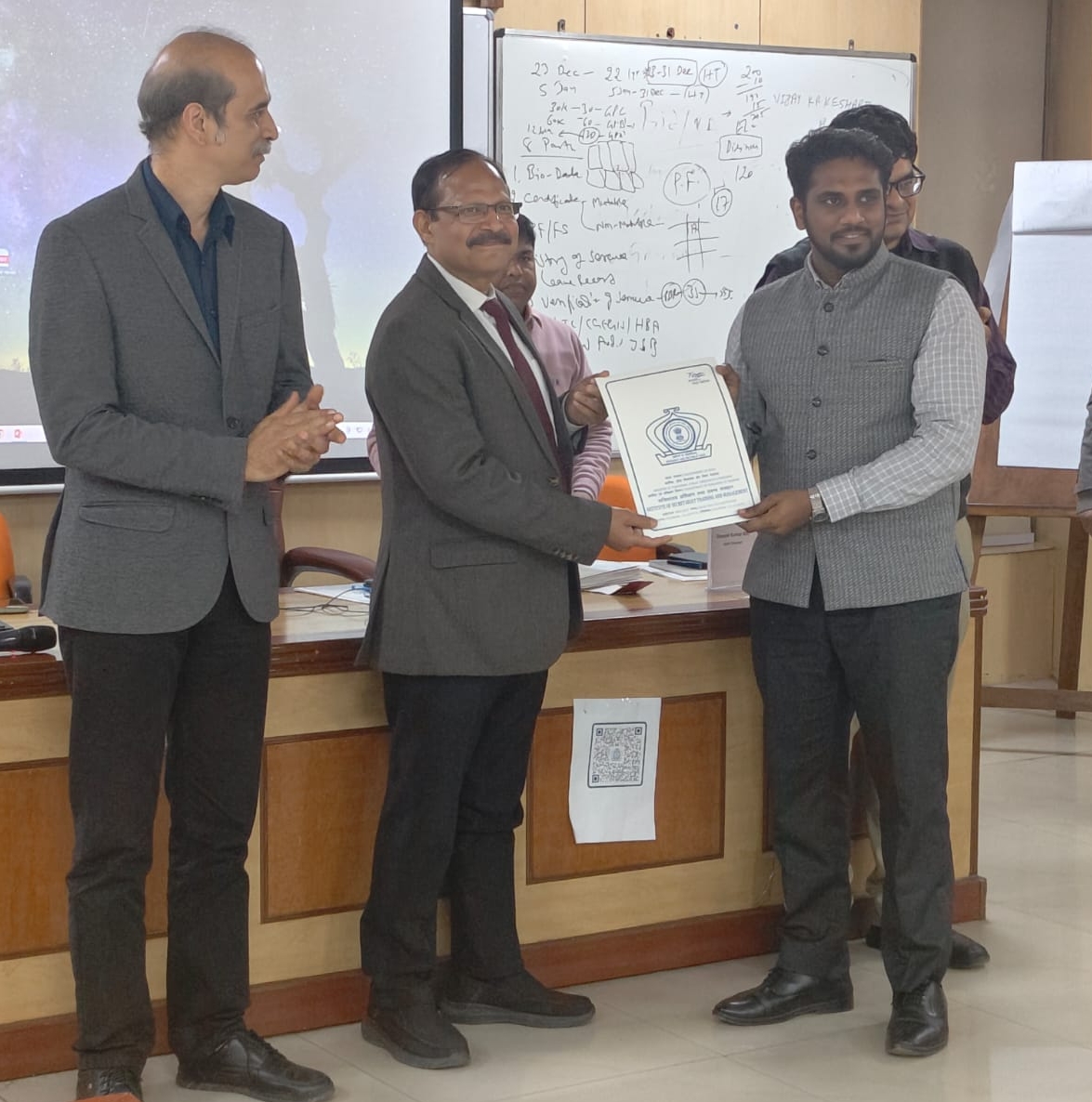
Mohammad Simab Khan, IAS, District Youth Officer, Dubhri, Assam
Muhammad Simab Khan, who grew up amid the slums and congested lanes of Mumbai’s Govandi where crime and drug usage are common among the youth, overcame formidable hardships to clear the gruelling UPSC examination. Today, posted as a District Youth Officer in Assam’s Dhubri district, he hopes his journey will inspire young people from his community.
Speaking to Awaz-The Voice, Simab said he comes from a modest family. His father was a carpenter and his mother is a homemaker. Despite financial constraints, his parents ensured that their children received a good education. Simab studied at New Model English High School in Chembur before graduating in Microbiology and Biochemistry from K. J. Somaiya College.
According to Simab, a lack of awareness and proper guidance often discourages Muslim youth from appearing for the UPSC examination. After graduation, he could have taken .
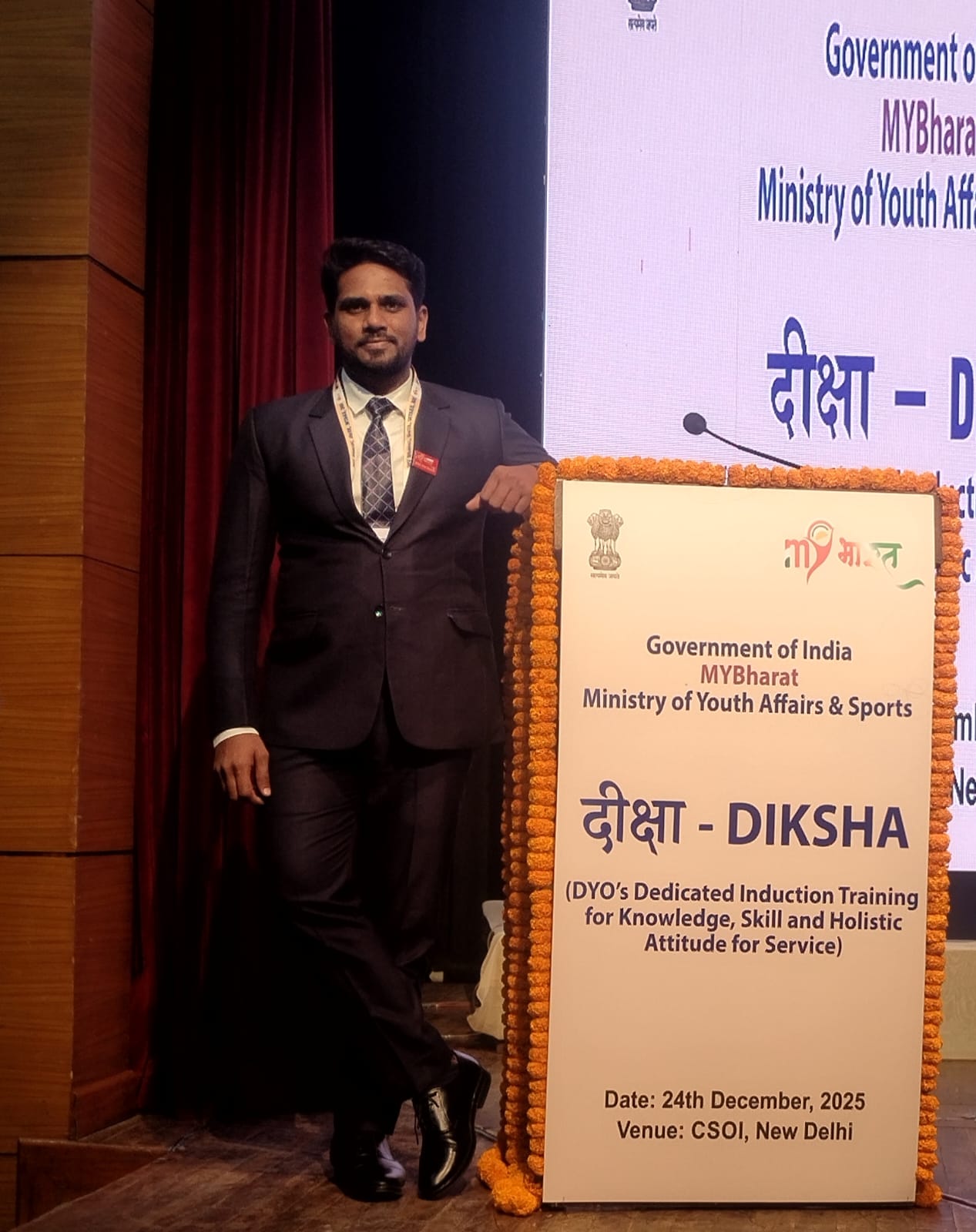
Simab Khan during a conference in New Delhi
When he began preparing for the UPSC, Simab did not have a peer group of fellow aspirants around him. He enrolled in a foundation course at Pursue IAS in Dadar and then began his serious preparation.
The journey was far from easy. “This exam is not just a test of your knowledge, it’s also of your character, mental strength, and faith,” he said.
Over six to eight years of preparation, Simab experienced repeated setbacks and moments of anxiety. On one occasion, he missed success by just 0.66 marks.
Seven years ago, during the early years of his struggle, he lost his father, the strongest pillar of support in his life. The loss made him consider giving up his UPSC preparation, but his self-belief helped him regain his resolve.
Simab continued to revise his strategy, which he considers essential for adapting to the demands of the examination. He cleared the preliminary examination on his third attempt and subsequently joined residential coaching at Mumbai’s Haj House, which he credits with significantly helping him prepare for the Mains.
For his fifth attempt, he moved to Delhi for a few months to prepare for the Mains and personal interview.
Simab Khan receiving an honour
While EdTech platforms have made UPSC preparation more accessible, Simab points out that resources such as test series can still be expensive. He was fortunate to receive access to free test series at the Haj House. He also acknowledges the contribution of organisations such as the Zakat Foundation in supporting promising students.
Simab is encouraged by the growing number of residential coaching institutes opening across the country and providing free education to students from disadvantaged backgrounds.
He urges Muslim youth to view competitive examinations not merely as a route to a government job, but as an opportunity to participate in the country’s decision-making process. When he qualified the UPSC civil services in 2023, after training her was appointed a District Youth Officer under the Ministry of Youth Affairs in 2025.
His family and neighbourhood back home, celebrated each moment of his success by distributing sweets.
Moving from Govandi to Assam’s Dhubri district was an entirely new experience for Simab. However, he sees it as one of the great rewards of public service, giving him an opportunity to understand India’s diversity at close quarters.
He says the youth of Dhubri are highly talented and believes the government’s ‘Mera Yuva Bharat’ (MY Bharat) initiative can provide them with a larger platform to realise their potential.
For young aspirants who are considering giving up their dreams because of a lack of resources, Simab has a message:“I know that the challenges standing before you might seem very big right now, and you might feel completely helpless. But do not lose courage, because the night is darkest just before the dawn. If you keep walking with resilience, success will definitely find its way to you.”
source: http://www.awazthevoice.in / Awaz, The Voice / Home> Stories / by Muhammad Uwais Siddiqui, Mumbai / August 30th, 2026
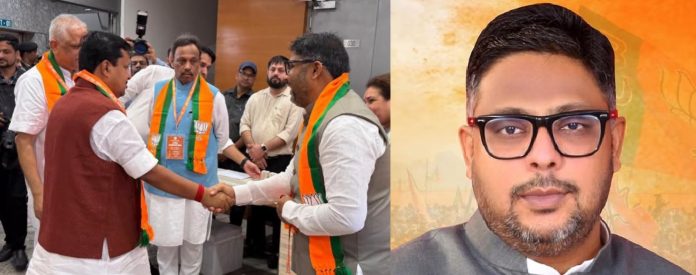
When Kunwar Basit Ali decided to join the Bharatiya Janata Party in 2011, he did not face resistance from political opponents alone. His own father beat him with shoes and a stick. Fifteen years later, Basit Ali stands as the National President of BJP’s Minority Morcha, the party’s most prominent Muslim face at the national level.
Basit Ali grew up in Kaastha Baddha, a small village in Meerut, Uttar Pradesh. His father, Hamid Ali, was the village head and an active member of the Bahujan Samaj Party. When a local newspaper reported that Basit had formally joined the BJP, his father read the news and flew into a rage. He beat his son with his shoes. That was only the beginning.
During the 2012 Uttar Pradesh assembly election campaign, Basit Ali was taking part in a road show with BJP leader Jai Pal Singh in the Kithore constituency. Both were standing on the same campaign vehicle when Hamid Ali spotted his son campaigning in the market. He pulled Basit off the vehicle and beat him with a stick in full public view.
Basit Ali fled the scene. Later that day, he returned home and told his father plainly that he would not leave the BJP under any circumstances. After that conversation, Hamid Ali never raised the matter again. He also quietly distanced himself from the BSP.
The hostility did not come from family alone. Muslim community members questioned his choice at every step. Relatives stayed silent. Neighbours watched with cold disapproval. Opposition parties labelled him and others like him a political shield. Yet Basit Ali continued to work at the grassroots level, going door to door, holding community gatherings, and connecting with ordinary people.
His organisational record is detailed. He started as a district co-media in-charge, then became the district president of the Minority Morcha in 2012. He also served as regional coordinator of the Muslim Rashtriya Manch. In 2014, he organised a special prayer programme in Meerut asking the Muslim community to support Narendra Modi’s prime ministerial campaign, which brought him wider attention. On the first day of BJP’s membership drive that same year, he enrolled more than 2,500 Muslims in Meerut alone.
The Uttar Pradesh government later appointed him as a member of the State Urdu Academy. He promoted yoga in madrasas and worked to extend government welfare schemes to underserved Muslim communities. He was subsequently appointed state president of UP’s BJP Minority Morcha.
BJP National President Nitin Naveen has now elevated Basit Ali to the post of National President of the BJP Minority Morcha.
source: http://www.radiancenews.com / Radiance News / Home> Latest News> Report / by Radiance News Bureau / August 27th, 2026
The All India Unani Tibbi Congress (AIUTC) Tamil Nadu has announced its reorganisation with the aim of making the organisation more active. Professor Mushtaq Ahmed expressed happiness while approving all the elected office-bearers of the AIUTC Tamil Nadu, and hoped that the current team would carry out its duties well, keeping in view the aims and objectives of the Tibbi Congress.
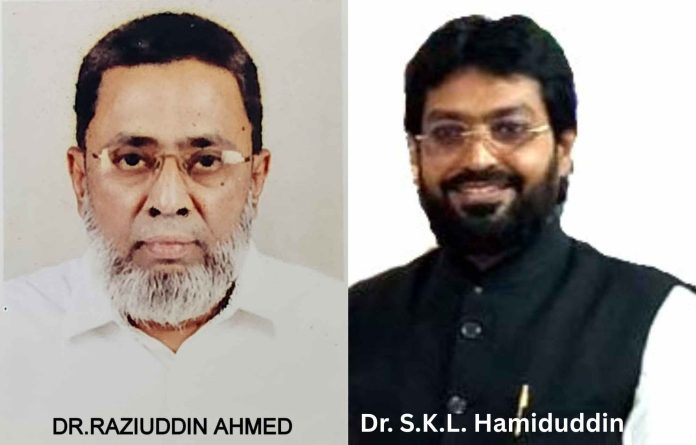
It may be noted that, apart from Dr. Raziuddin Ahmed as State President and Dr. S.K.L. Hamiduddin as General Secretary of the AIUTC Tamil Nadu, Dr. Rafiuddin was elected Vice President, Hakim Nasiruddin Ahmed as Provincial Convener, and Dr. Imtiaz Basha as Secretary.
source: http://www.radiancenews.com / Radiance News / Home> Latest News>Report / by Radiance News Bureau / August 27th, 2026
At 80, revisiting the Muslim lives, movements and sacrifices that shaped India’s struggle for freedom, and the politics of forgetting them.
Stroll through the pages of India’s history, because academia has failed to acknowledge some names and contributions in the Indian freedom struggle. From the Taj Mahal, Red Fort, Qutub Minar, Humayun’s Tomb, Gol Gumbaz, Charminar, to Fatehpur Sikri and the bustling lanes of Chandni Chowk, they all speak volumes louder. But the cultural pattern of ‘selectively remembering’ and ‘selectively forgetting’ has downplayed nation’s history into one-dimensional narratives , while external sources of learning like cinemas, textbooks, public places re-branding, etc, are getting colored with contemporary political dynamics, to legitimize their plans and policies.
To fathom India’s past sincerely, we must be willing not only to learn but also to unlearn. Learning involves discovering forgotten contributions, while unlearning requires shedding inherited biases, political narratives, and simplified versions of history. Because, as eminent historians have speculated, the past is constantly reinterpreted in the light of new evidence and new questions. Consequently, the framing of our past will affect the present, which will further be read as a past in the future, thus entrusting us with sheer responsibility of weaving a lineage of conscience, not insidious storytelling.
The lost dots of the Indian freedom movements
Revisit in Indian history afresh because erasure never happens all at once, it happens slowly and systematically.
Independence Movements did not count from the very battles fought, but from the conditions laid down before and after to formulate and fixate Indian society and culture altogether. Resistance to the economization, politicisation, and, ultimately, colonization by the Britishers was confronted by the collective plurality which our country possessed with pride. Testifying that resistance was not always born on the battlefield, often it began with communities refusing to harbor animosity for one another.
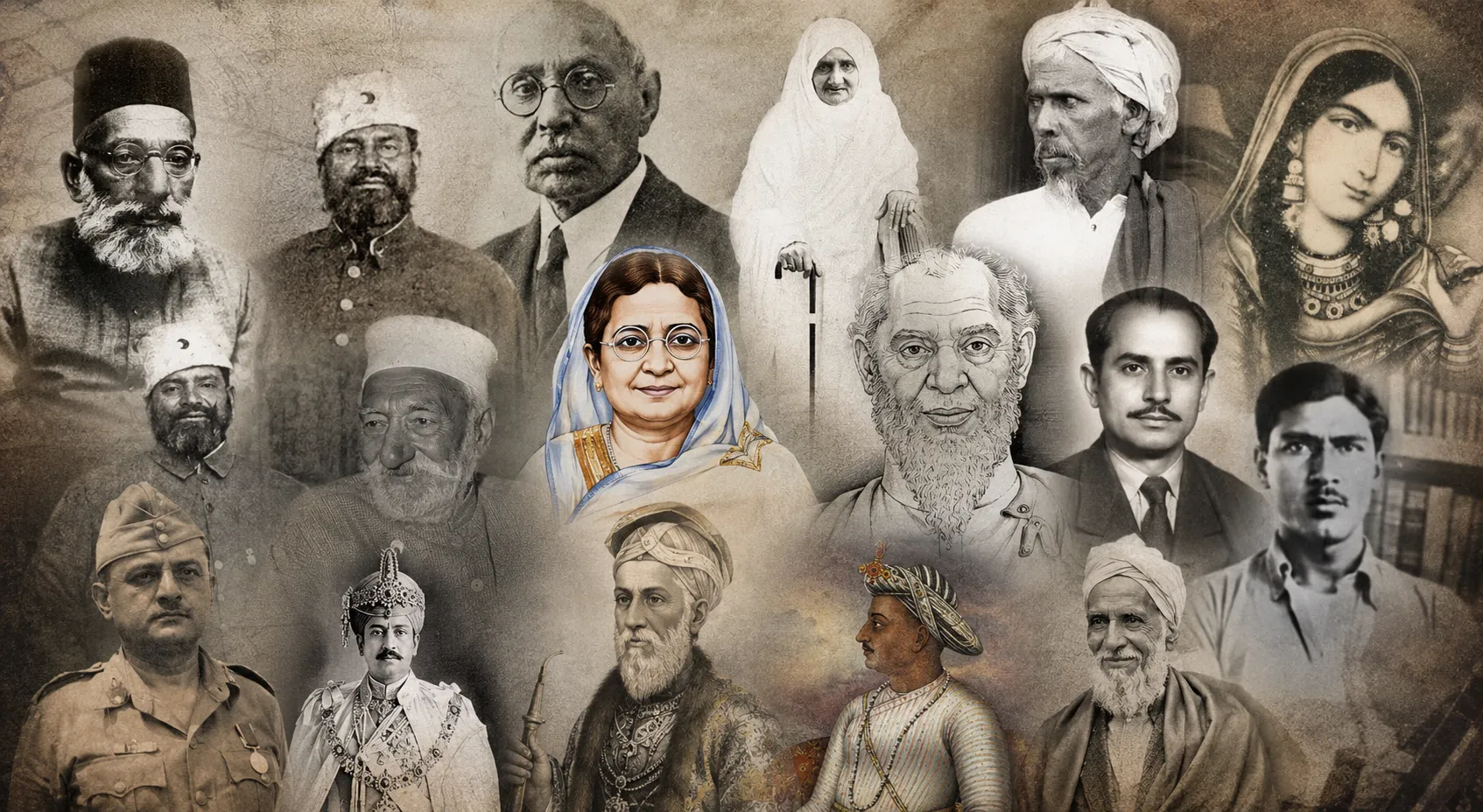
Hindu sanyasis and Muslim fakirs whom the British Company wanted to fragmentalise, chose each other instead. Naga ascetics of the Dashnami order like Pandit Bhabani Charan Pathak stood beside Muslim fakirs of the Madari and Burhana sects, Majnu Shah Fakir, Chirag Ali, Musa Shah, and together resisted the oppressive taxation and economic exploitation the Company had imposed. It was one of the earliest organized rebellions against British rule in India, and yet how many of us have even heard these names?
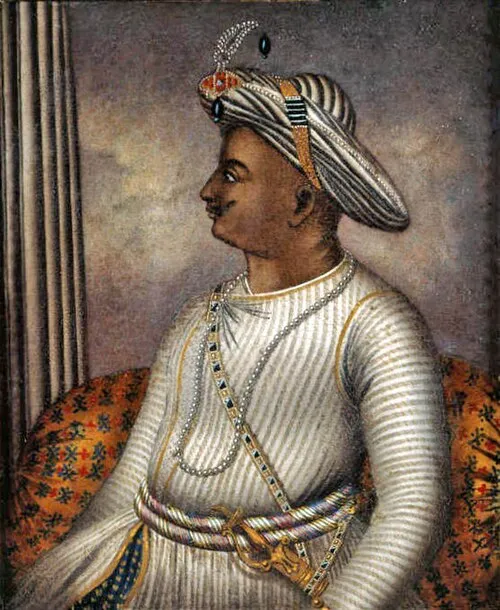
Tipu Sultan
That same defiance carried into Mysore, Tipu Sultan, a name antagonized in recent years that people even slipped away from the fact that he is the man who invented Missiles in India, a ruler who terrified the British. He built iron-cased rockets before most of the world imagined such a weapon, and fought the British across four wars, refusing again and again to let his kingdom bow. And what do we do with that legacy today?
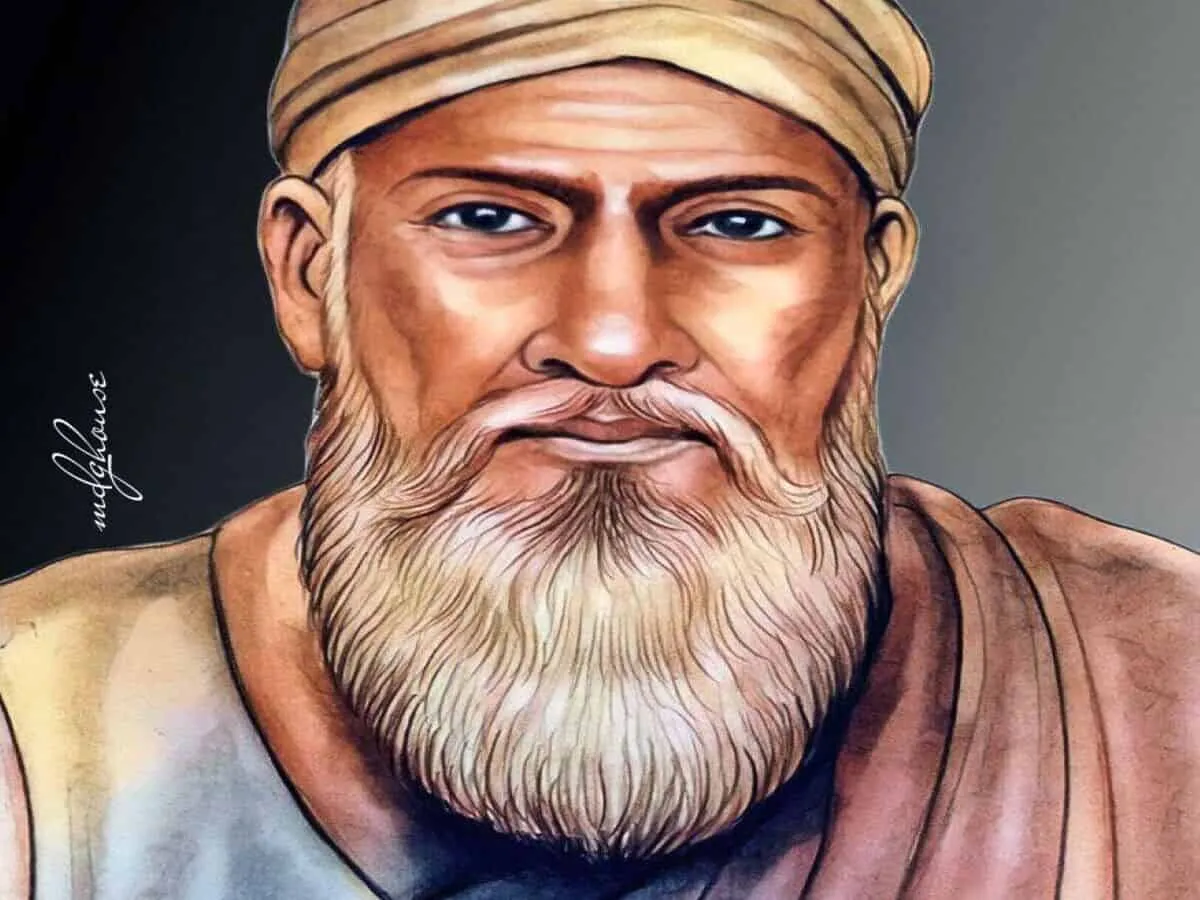
Islamic gallantry didn’t halt there. Moulvi Ahmadullah Shah, one of the key leaders of the First War of Indian Independence in 1857 was called the lighthouse of rebellion in Awadh, an epitome of the Ganga-Jamuna culture of Faizabad. The rebel army of Awadh was led by Barkat Ahmad and Maulvi Ahmadullah Shah, with Barkat Ahmad declared Chief Army Officer of the rebels after the Battle of Chinhat.
Moulvi Ahmadullah Shah
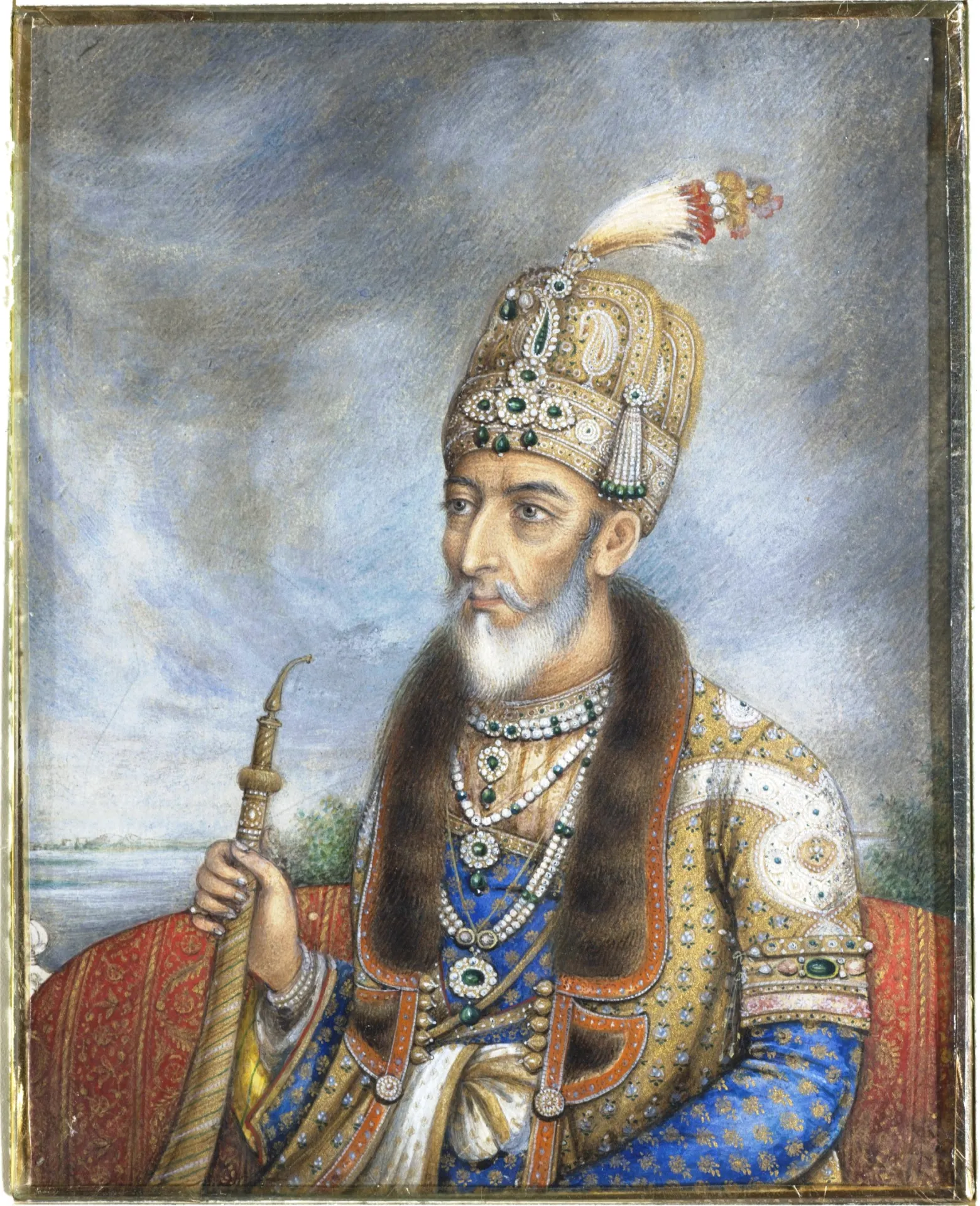
At the head of that same uprising stood Bahadur Shah Zafar, lending his name and his throne to the rebellion we call the Sepoy Mutiny. He gave everything a king could give, and the British broke him in the cruelest way. After his surrender, his sons Mirza Mughal and Mirza Khizr Sultan, and his grandson Mirza Abu Bakr, were stripped and shot in cold blood by Major William Hodson at what is now called Khooni Darwaza, and their severed heads were brought before their own father as a trophy. So many lives were lost in that struggle, so many families broken, and it is widely said that nearly 5 lakh Muslims were martyred, close to 50,000 of them ullema who chose the battlefield over silence. After rotating around 79 years of India’s independence, we are still cynical over the contributions carved by Indian Muslims.
Bahadur Shah Zafar
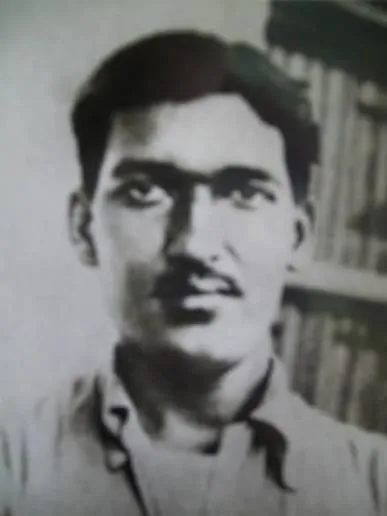
Another buried name is of, Ashfaquallah Khan, was hanged on 19th December 1927, at just 27 years old, along with other Kakori comrades who were sent to the gallows. This Kakori robbery was to pull back the wealth of Indian soil to channelize it for the national struggle. Khan revolutionized nationalist movement with his participation in Hindustan Republican Association (HRA), founded by Ram Prasad Bismil along with two others. Like Kakori robbery, many other raids were rolled out to confront with required force rather than abstracting the notion of peace towards the gruesome tortures. Have we ever lent an ear to these lines of Khan’s ‘Hasrat’ poem- “Kuch aarzoo naheen hai, hai aarzoo to yeh hai, Rakh de koi zara si Khaak-e-watan kafan men” who as his last whim, recited this poem soaked in patriotism. Are we made to remember these lines by a Muslim freedom fighter when we are reminded about the terrified misapplication of the divine slogan “Allah-u-Akbar” to polarize the Islam?
Ashfaqullah Khan
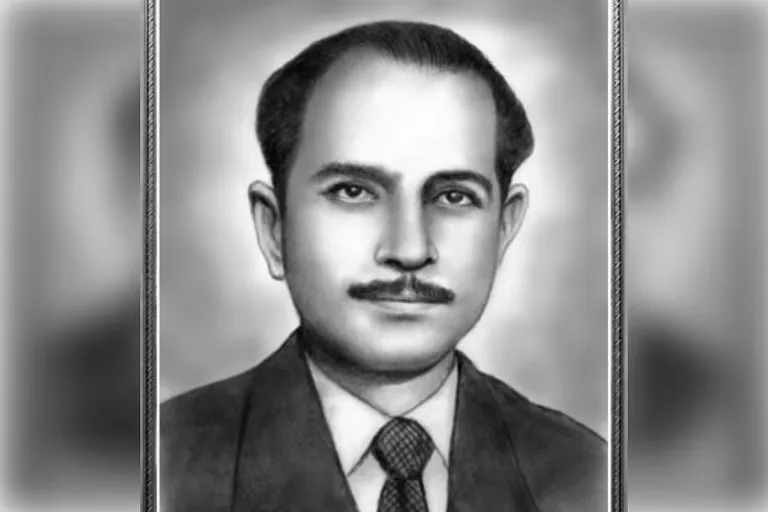
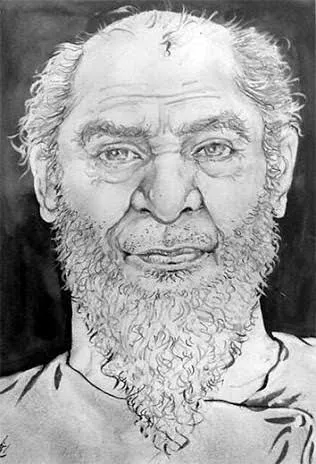
Walking further, Abdul Habeeb Yusuf Marfani, gave away his entire estate for a freedom he’d never see honoured. His courage was never separate from the cause, it was central to it, and it’s long overdue we remember it that way.
Abdul Habeeb Yusuf Marfani
Muslim participation in India’s freedom struggle was not boxed in a specific time or way, it encompassed armed resistance, societal reforms, mass mobilization, revolutionary events, and non-violent protests. The hurls on the invasions done by Muslims are widely made, but onlookers of the contributions by very same people, are tactfully airbrushed.
Sacrifices for the Indian motherland were proven on silent or loud battlefields, not by the mere recital of ‘Patriotic Songs’ such as Vande Mataram as a contemporary reference. That is turned down by Indian Muslims lyrically, not soulfully, because of the religiosity which the Indian Constitution guarantees them. When did the recital of patriotic songs begin to outweigh the very acts of sacrifice they were meant to spring up?
Freedom fighters such as Maulvi Ahmadullah Shah, Begum Hazrat Mahal, Fazl-e-Haq Khairabadi (clarified the Jihad term through his war against the British), and Azimullah Khan were also important in the 1857 uprising. Barely, we learn or are made to learn about them? While vilifying other names of this very same community.
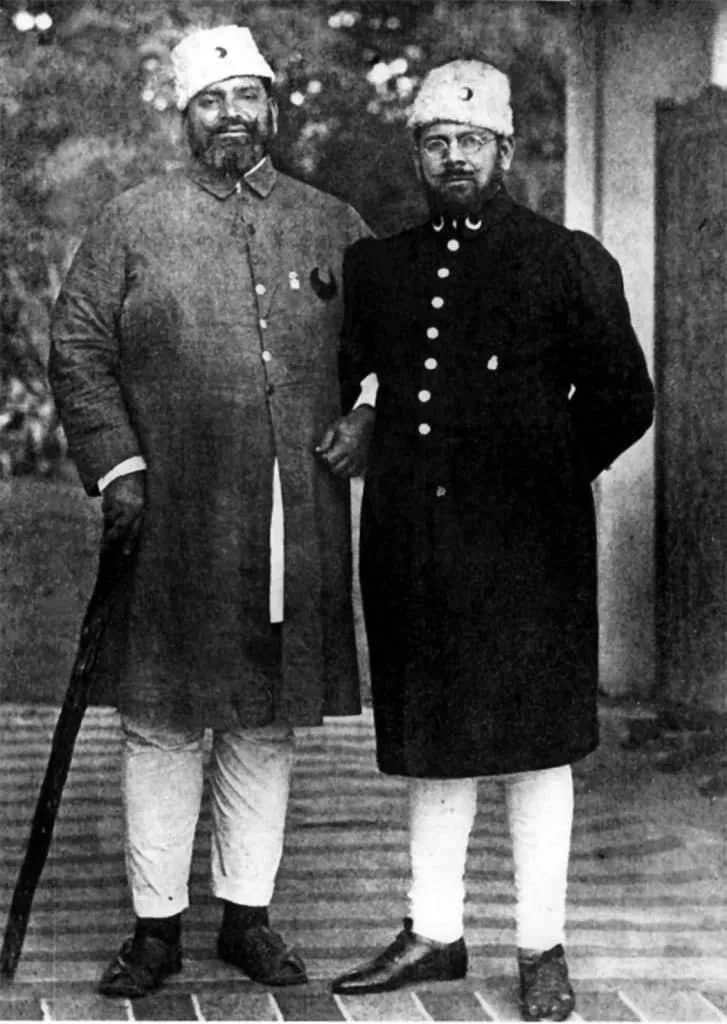
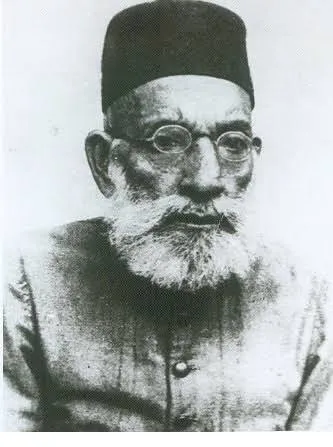
The Ali brothers, Shaukat Ali (1873-1938) and Mohamed Ali Jauhar (1878-1931)
Even the popular moments like the non-cooperation movement and the Khilafat Movement were helmed by some unheeded names: Mohammad Ali Jauhar and Shaukat Ali. Erected on the former’s name, there stands a university in Rampur, U.P. which recently has fallen prey to the communal politics, staking Indian youth’s future at darker stage, thus disregarding the blood of these freedom fighters.
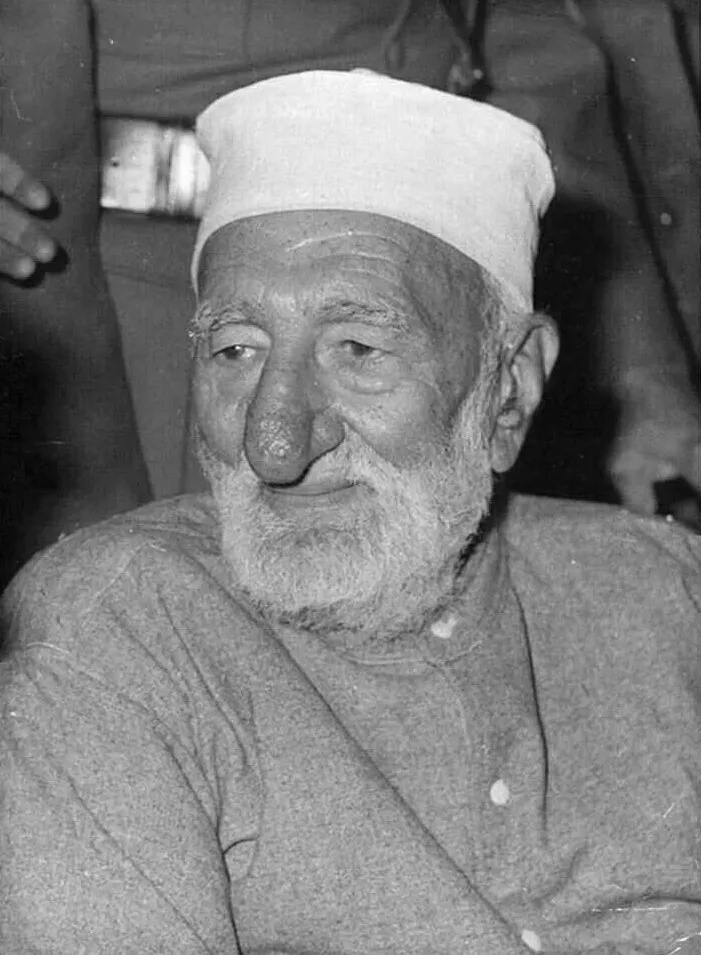
Khan Abdul Ghaffar Khan
Khan Abdul Ghaffar Khan who spent three decades in prison and headed the non-violent Khudai Khidmatgar Movement among Pashtuns against British rule, wherein he combined social reform, service, and discipline. His demise took place during his house arrest in Peshawar.
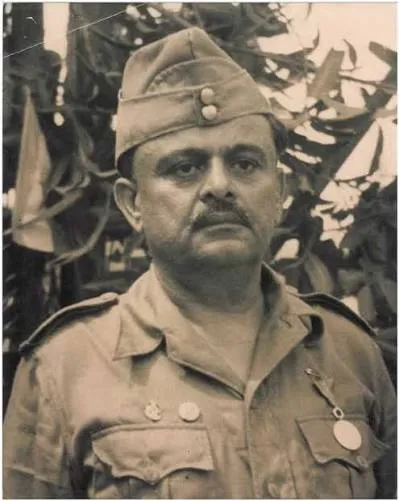
Abid Hasan Safrani
Without a single community-led leader, ideologies often find a loose hand to wrestle for their individual existence rather than collective results. Abid Hasan Safrani, prominent INA member, mobilized the Muslim youth and committed to Subhas Chandra Bose’s movement (Azad Hind Fauj), which underpinned armed resistance in the Indian Freedom Struggle rather than non-violent means, brewing the unity for winning back the motherland.
Having said that, the famous Ghadar Party, founded in 1913, was pioneered by one more buried name- Maulana Barkatullah Bhopali. He was the first Prime Minister of the Provisional Government of India (Government-in-Exile), which was established in Kabul in 1915. He traversed across Europe, Asia, and North America to usher in the momentum for the Indian freedom struggle. His death took place in the US, leaving him deprived of bidding adieu to his motherland one last time.
Maulana Barkatullah Bhopali
Then, “Inquilab Zindabad”, the popular hymn echoed at Jantar Mantar very recently, was originally coined by Urdu poet-politician Hasrat Mohani at the Congress’ Ahmedabad session, while Bhagat Singh solely made it popularized. Mohani had been a soulful Krishna Bhakt, leaving him writing eulogies for ‘Hazrat Krishna’ (Hazrat is not a religious tag; it is an honorary title). He, being the co-prisoner of Gandhi ji, presented him with the USSR idea of federalism for empowering the localized and regional pockets of the agglomerate India. His courage and values proved his patriotism in the debates of the Constituent Assembly and confrontations with the Britishers.
Hasrat Mohani
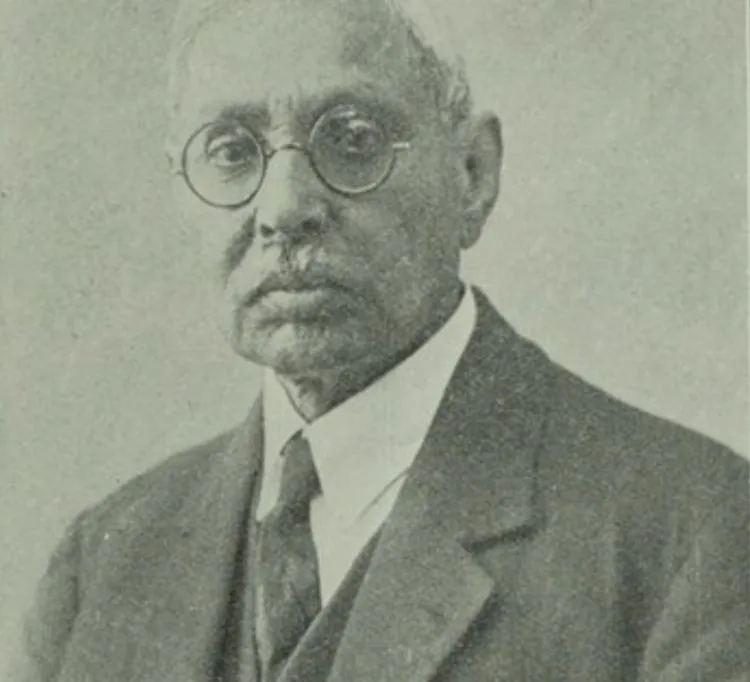
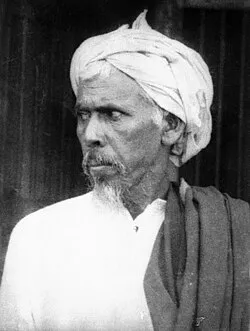
We remember Mahatma Gandhi more than any other freedom fighter, but are we mindful of the fact that the man who saved him was Batak Mian Ansari during the Champaran Satyagraha in 1917? He was the cook deployed by the Britishers, who then ordered Batak Mian Ansari to serve venomous milk to Gandhi ji. His integrity made him stake his life to save Gandhi ji. He sneakily warned Gandhi ji, and, as anticipated, he was kicked out of his job by the Britishers, further leaving him battered by the villagers and ousting him and his family from his residence. To date, his family couldn’t receive what was promised for his courage by India’s first president, Rajendra Prasad. Questioning how much we have honoured the honorable personalities on the ground?
Batak Mian Ansari
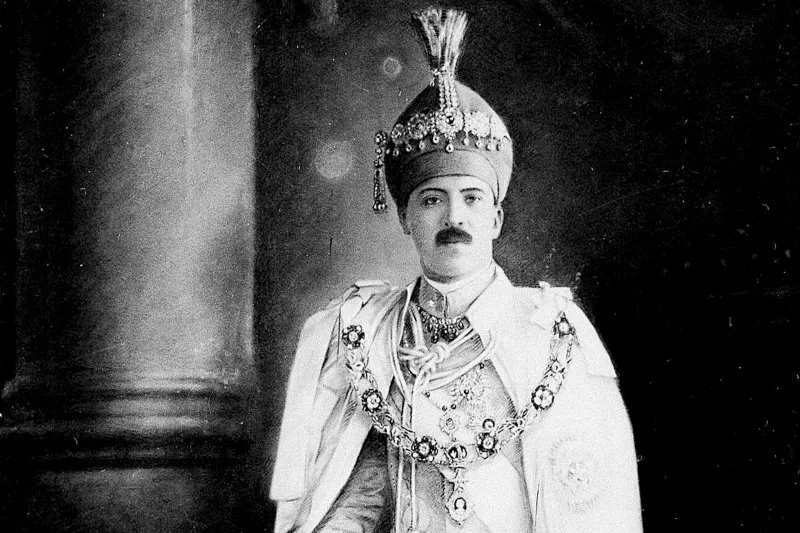
The last Nizam of Hyderabad, Mir Osman Ali Khan, is also in this queue of the buried names. Independence movement is not merely the swing between direct confrontation with colonial regime, it too laps over the pre and post period that either nudged the movements or repaired the damages caused to India. He has reportedly granted mammoth donations across educational and religious institutions. From BHU, AMU, IISc, publication of critical editions of Mahabharata, Golden Temple, Amritsar and many more places . We rewind through cruel rulers who demolished Indian structures, to attack their community and make them accountable in the present, but are we awakened with these submerged realities as well? One-sided history or evolving history, rationality comes with the choices citizens make to discern their roots.
Mir Osman Ali Khan
The history of Muslim resistance to British colonial rule also travelled deep into Malabar in Kerala, where Variyankunnath Kunjahammad Haji, Ali Musliyar , and Sayyid Fazal Pookoya Thangal emerged as formidable names in a long tradition of anti-colonial mobilisation. Fazal Pookoya Thangal, the 19th-century Mappila spiritual leader of Malabar, became an influential voice against British authority and the oppressive agrarian order sustained under colonial rule, eventually being forced into exile in 1852. Decades later, that inheritance of resistance found powerful expression in the 1921 Malabar uprising, with Ali Musliyar, a religious scholar and Khilafat leader, and Variyankunnath Kunjahammad Haji becoming among its most prominent leaders. Haji challenged British authority in parts of Malabar and established a parallel administration in areas under rebel control, while Ali Musliyar mobilised people against colonial rule before being captured and executed by the British. Haji, too, was eventually captured and executed by firing squad in January 1922.
Ali Musliyar
Culture can marginalise women, but religion pours courage
“Khoob Ladi Mardani thi, Wo Jhansi Wali Rani thi”, Whenever we speak of women who took up arms for this land, Rani Lakshmibai of Jhansi is the name that comes to every tongue, and she deserves every bit of that memory. But here’s what gnaws: she was not alone. There were other women just as fearless, standing in the same fire, and history simply didn’t bother to write their names down.
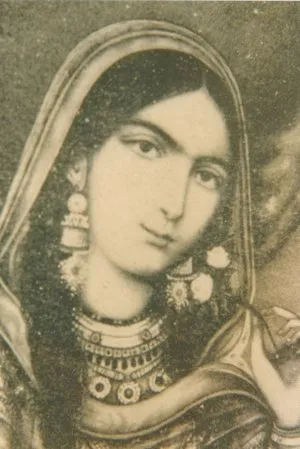
Begum Hazrat Mahal
Begum Hazrat Mahal was one of them, and she wasn’t a side character, she was one of the rebellion’s most formidable forces. Even William Howard Russell, a British correspondent writing for his own side, couldn’t deny her fire. In his My Indian Mutiny Dairy, describing her as a woman of remarkable energy who had stirred all of Oudh into rising for her son’s cause and had herself declared undying war against the British. At Musa Bagh in Lucknow, she didn’t issue orders from a distance, she personally fought alongside and rallied nearly 9,000 rebel soldiers, moving from camp to camp, lifting morale with speeches that set entire camps on fire.
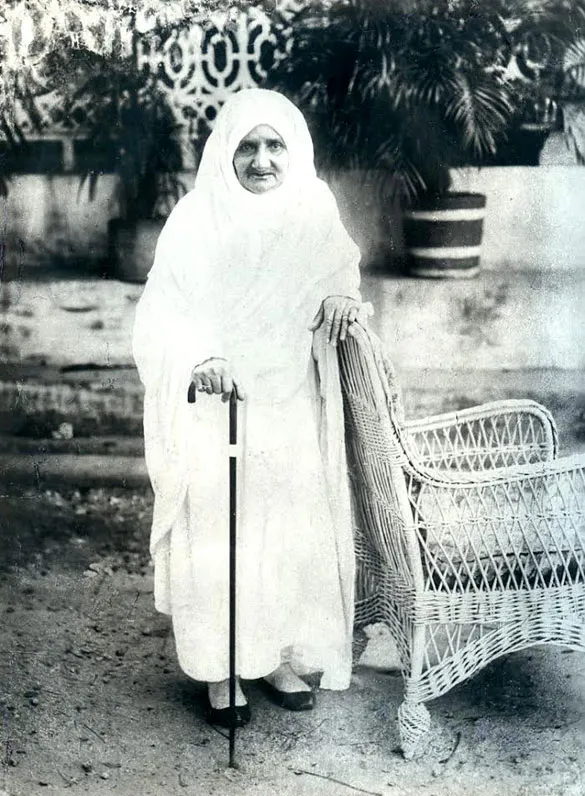
Abadi Bano Begum
And then there’s Abadi Bano Begum- the woman history remembers, if at all, only as “Bi Amma.” A widow with six children, one of the sons Maulana Shaukat Ali, and the other Mohammad Ali Jauhar, above-mentioned together known as the Ali Brothers. She could have used every excuse the world hands a woman to stay silent. widowhood, motherhood, the weight of raising children alone. She used none of them. When the country needed people brave enough to stand up to the British, she stood up too. She became the first woman to address a political rally while wearing a burqa and let that sink in for a moment. She didn’t have to remove a part of her identity to be taken seriously in public life; she broke the idea that a veiled woman couldn’t also be a fighter, a leader, or a voice loud enough to move a crowd. She urged women to stop hiding at home and join the struggle, organizing funds and meetings where they were addressed as political beings for the first time, and taught why boycotting foreign goods mattered. She convinced them to donate to the Tilak Swaraj Fund, set up by Bal Gangadhar Tilak to finance India’s freedom struggle.
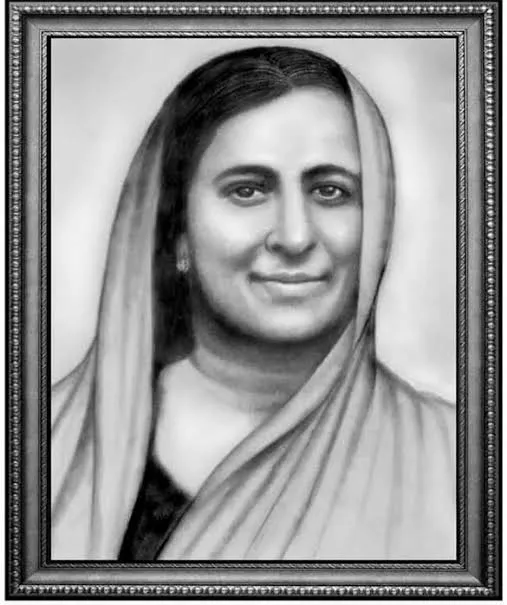
Kulsum Sayani
Not every battle was fought with a sword, some were fought with pen and paper. Kulsum Sayani, awarded the Padma Shri in 1960, waged her own war against illiteracy through the Jan Jagran movement, teaching under “each one, teach one” and leading centres for Muslim women that grew from 50 to 600 by sheer will. Begum Rokeya, a fiercely prolific feminist writer at a time when a woman dreaming was seen as rebellion, imagined a world turned upside down in Sultana’s Dream, then built that vision into reality, founding a girls’ school in 1909 and the Muslim Women’s Association in 1916, giving women space to learn and speak.
Begum Rokeya
80th Indian Independence Day’s call to unwind the narratives
As the author of ‘Sare Jahan Sai Achcha, Hindustan Humara’– Allama Iqbal penned- “The freedom lovers of the nation stepped forward with such dignity that even those long imprisoned by deprivation watched in admiration.” It has been shouldered on the present generations to soak in the evolving history to sanitize the present from groans of hatred, rotting the Indian society.
These lost chapters from Indian history wouldn’t have been possible to muster without the effulgent works of Salim Khan, Romila Thapar, Ramachandra Guha, S. Irfan Habib, Mushirul Hasan, A. G. Noorani, Rana Safvi, etc. Grinning us with the fact that the pluralistic framework of India is not only designed by the constituent makers, but it is also originally earned by all the freedom fighters, from pre- to post-independence.
Adeena Navaid is a law student and writer covering legal, social, and feminist issues, with work published in Maktoob, Bar & Bench, The Quint, Siasat, SheThePeople, and other platforms. Aiman Tabassum is a final-year LL.B. student at the University of Mumbai who writes on constitutional law, legal history, and socio-political issues, with work published in Bar & Bench.
source: http://www.maktoobmedia.com / Maktoob Media / Home> Opinion / by Adeena Navaid & Aiman Tabassum / August 14th, 2026
Professor Mohammad Mobin, Department of Applied Chemistry, Faculty of Engineering and Technology, Aligarh Muslim University (AMU), has been conferred the prestigious Professor B.P. Verma Memorial Award for 2025 by the Indian Chemical Society (ICS), recognising his contributions to research, development and innovation in Chemical Sciences and Engineering.
The honour marks a significant achievement in Professor Mobin’s academic career and reflects his sustained efforts towards advancing scientific research and translating innovation into meaningful technological and societal applications.
In a communication dated August 14, 2026, Prof. G. D. Yadav, President, Indian Chemical Society, conveyed the Society’s appreciation of Professor Mobin’s distinguished professional accomplishments, which have enhanced the stature of Chemical Sciences and Engineering and contributed to the advancement of Indian chemical and allied industries and society.
As part of the recognition, Professor Mobin has been invited to deliver the Professor B.P. Verma Memorial Award Endowment Lecture at the 63rd Annual Convention of Chemists (ACC 2026) of the Indian Chemical Society from December 14–16 at Graphic Era University, Dehradun.
Professor Mobin is presently serving as Vice Chancellor of Cluster University of Srinagar on deputation from AMU. His academic and research contributions span Chemical Sciences and Engineering, with particular emphasis on Materials and Corrosion, research innovation and technological development.
The Indian Chemical Society, one of India’s leading professional bodies in chemical sciences, has played a vital role in promoting chemical research, technology and industry while fostering collaboration among academia, research institutions and industry.
The Professor B.P. Verma Memorial Award adds another distinguished recognition to Professor Mobin’s achievements and brings pride to AMU and the wider academic and scientific community.
source: http://www.indiaeducationdiary.in / India Education Diary / Home> Educational News> University News / by iednewsdesk / August 17th, 2026
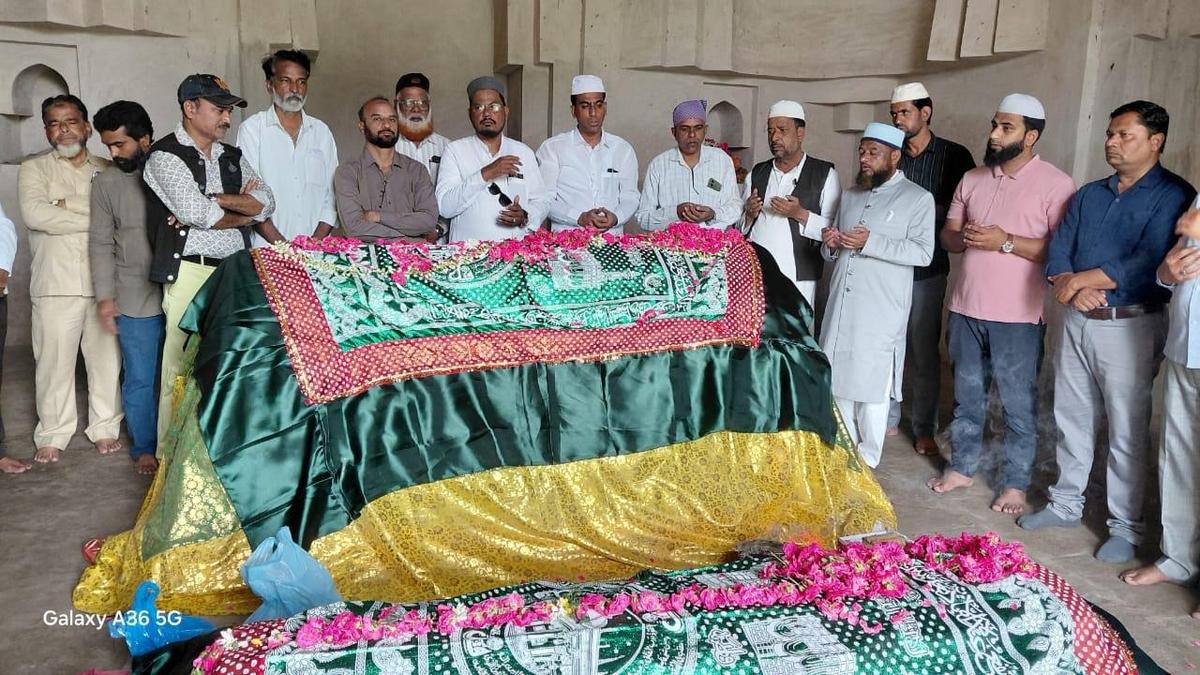
The 679th Foundation Day of the Bahmani Empire was observed at the tomb of Alauddin Hasan Bahman Shah, the founder and first ruler of the Sultanate, in Kalaburagi city on Monday.
The event, organised by the Bahmani Foundation, brought together historians, artists, intellectuals and social activists, who recalled the contributions of the Bahmani Sultanate to the cultural and architectural heritage of the region during its nearly two-century rule from 1347 to 1527 AD.
Speaking on the occasion, advocate Jabbar Gola said the Bahmani rulers played an important role in promoting art, culture and architecture, leaving behind a rich legacy reflected in the monuments and traditions of the region.
Bahmani Foundation president Qazi Rizwan-Ur-Rahman Siddique said the organisation has been commemorating the Foundation Day for several years through seminars, cultural programmes and competitions aimed at creating awareness among students about the history and heritage of the Bahmani period.
Artists Mohammed Ayazuddin Patel and Rehaman Patel, Numismatist Mohammad Ismail and others were present.
source: http://www.thehindu.com / The Hindu / Home> News> India> Karnataka / by The Hindu Bureau / August 18th, 2026
It is a great privilege for me to accept this honour from the Shah Waliullah Institute. Honestly, I was reluctant at first and had declined this recognition multiple times.
New Delhi :
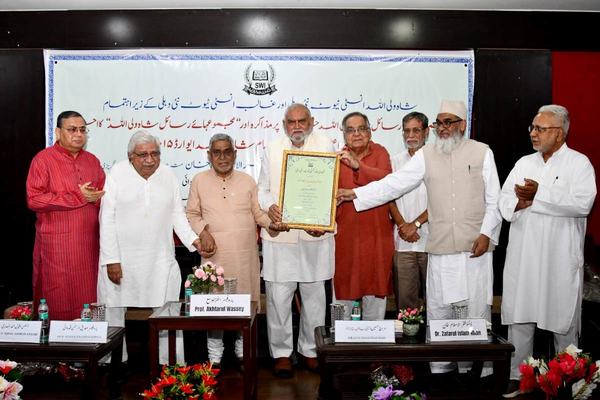
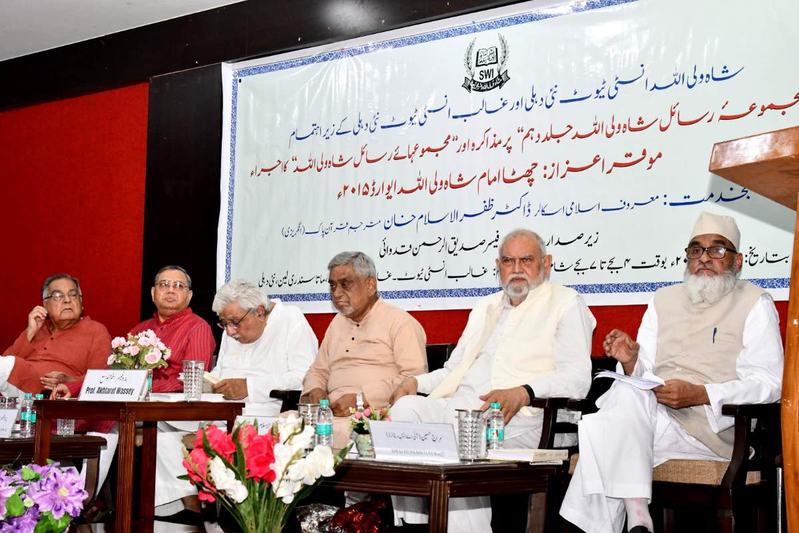
In a momentous event, renowned Islamic scholar, author, senior journalist, and former Chairman of the Delhi Minorities Commission, Dr. Zafarul-Islam Khan, was awarded the prestigious Sixth Imam Shah Waliullah Award here on Monday. The ceremony took place amidst a distinguished seminar on the theme of ‘Epistles of Shah Waliullah’ at the Ghalib Institute here.
Jointly organized by the Shah Waliullah Institute and the Ghalib Institute, the seminar sought to celebrate and highlight the scholarly and intellectual legacy of Imam Shah Waliullah. A special highlight of the event was the launch of the tenth volume of his acclaimed series of epistles, offering attendees an intimate glimpse into his teachings and enduring contributions to Islamic sciences.
A diverse assembly of eminent scholars, intellectuals, and thinkers from across the country participated in the event, engaging in profound discussions about the contemporary relevance of Shah Waliullah’s message, writings and teachings.
Senior journalist Suhail Anjum introduced the Shah Waliullah Institute and provided an overview of the newly launched the tenth volume of Shah Waliullah’s epistles, sharing insights into the publication process, ongoing scholarly discussions and past and future programmes of the Shah Waliullah Institute.
Anjum also felicitated Mufti Ataur Rahman Qasmi highlighting his unwavering dedication to research and publish the scholarly legacy of Shah Waliullah. He highlighted Mufti Saheb’s long-standing scholarly pursuits, first as a teacher for fourteen years at the Dargah Shah Waliullah madrasah near Shah Waliullah’s shrine in Delhi’s Mehdiyan area.
During this period, Mufti Saheb developed a deep spiritual and intellectual bond with the great scholar, gaining profound insights into his contributions to Quranic sciences and other fields. Inspired by this connection, Mufti Saheb established the institute to make Shah Waliullah’s invaluable legacy accessible to all. Some of these writings were published long ago or still lie as manuscripts in libraries. Under this initiative, Mufti saheb has already published ten volumes of Shah Waliullah’s writings. The tenth volume of this series was released during the event.
Expressing humility and honour, Dr Zafarul-Islam Khan said, “It is a great privilege for me to accept this honour from the Shah Waliullah Institute. Honestly, I was reluctant at first and had declined this recognition multiple times. However, I succumbed in the face of Mufti saheb’s insistence for a number of reasons. Paramount among these is my nearly forty-year-long association with Mufti Saheb, dating back to 1984 when I returned from abroad.
At that time I visited Mehdiyan and made a spiritual bond with Shah Waliullah and with Mufti saheb who at the time taught at the madrasah there. He said that another reason is that this award is associated with Shah Waliullah, the greatest Islamic scholar produced by India. In fact, he may be regarded as the greatest non-Arab Islamic scholar of all ages. He said that long ago he wrote a modest book in Arabic on Shah Waliullah trying to attract people’s attention to the ocean of knowledge which he was and remains till this day. He said that Shah Waliullah’s monumental work Hujjatullah al-Balighah stands out as an unparalleled masterpiece in the Islamic literature. It is printed, reprinted and studied in the Arab World till this day. Dr. Khan underscored the importance of Hujjatullah al-Balighah as a treasure trove that provides a deep, balanced and comprehensive understanding of Islamic sciences.
Dr Khan commended Mufti Saheb’s tireless efforts in unearthing and publishing many of Shah Waliullah’s manuscripts and texts that were hidden and forgotten. The current tenth volume stands as a testament to this scholarly dedication. He stated that his personal and scholarly bonds with Mufti Saheb and Shah Waliullah motivated him to accept this award. He added that there is a third reason for accepting the award and that is the fact that the award is given in recognition of the Glorious Quran, his translation of the Islamic holy text which tries to offer an authentic version of the Quran based on most authentic Arabic sources.
Dr Khan said there is a great responsibility on our shoulders: to try to understand and disseminate Shah Waliullah’s teachings and present them in modern language and style. Reflecting on Shah Waliullah’s revolutionary impact, Dr. Khan highlighted his translation of the Quran into Persian—a daring act at the time, which many scholars at the time considered a blasphemy. Even today, some argue that the Quran cannot be translated into any language. But if that was true, how would the 85% of Muslims outside the Arab world understand the divine message? Therefore, it is imperative that the Quran be translated into all languages—be it Assamese, Burmese, Chinese, or any other so that the common Muslim and non-Muslim could read and understand Allah’s last message to humanity. He pointed out that Western scholars, despite their scholarly rigour, often distorted the meanings of the Quran in their translations. Therefore, it is the duty of Islamic scholars to offer correct and accurate rendering of the divine text. Dr. Khan said he dedicated eleven years to accomplish his translation of the holy Islamic text. He said he fully devoted the three years during the COVID19 pandemic to complete this work. He regarded the award as a motivation to himself and all scholars to continue scholarly pursuits.
Mufti Ataur Rahman, chairman of the Shah Waliullah Institute, addressed the gathering sharing insights into how the idea of an institute dedicated to Shah Waliullah was conceived and narrated the journey since founding the institute. He took a moment to acknowledge the previous recipients of the Shah Waliullah Award: the first was given to Maulana Abdul Karim Parekh from Nagpur in 2007; the second and third to Maulana Akhlaq Hussain Qasmi and Maulana Faqihud-Din in 2010; the fourth to Maulana Muhammad Salim Qasmi in 2013; and the fifth to Maulana Qamaruz-Zaman Ilahabadi in 2014.
The event was enriched by the presence of distinguished speakers including Muhammad Adeeb, former Member of Parliament, Mr. Siraj Hussain, former vice chancellor of Jamia Hamdard, Justice Iqbal Ahmad Ansari, former Chief Justice of Patna High Court, Prof. Khalid Mahmood and Khwaja Muhammad Shahid among others.
The proceedings were presided over by the chairman of the Ghalib Institute Prof. Siddiqur Rahman Kidwai who lauded Mufti Ataur-Rahman’s exemplary work and extended warm felicitations to Dr. Zafarul-Islam Khan for his well-earned recognition.
source: http://www.milligazette.com / The Milli Gazette / Home> News> Community News / by Zillur-Rahman Haider / June 30th, 2026