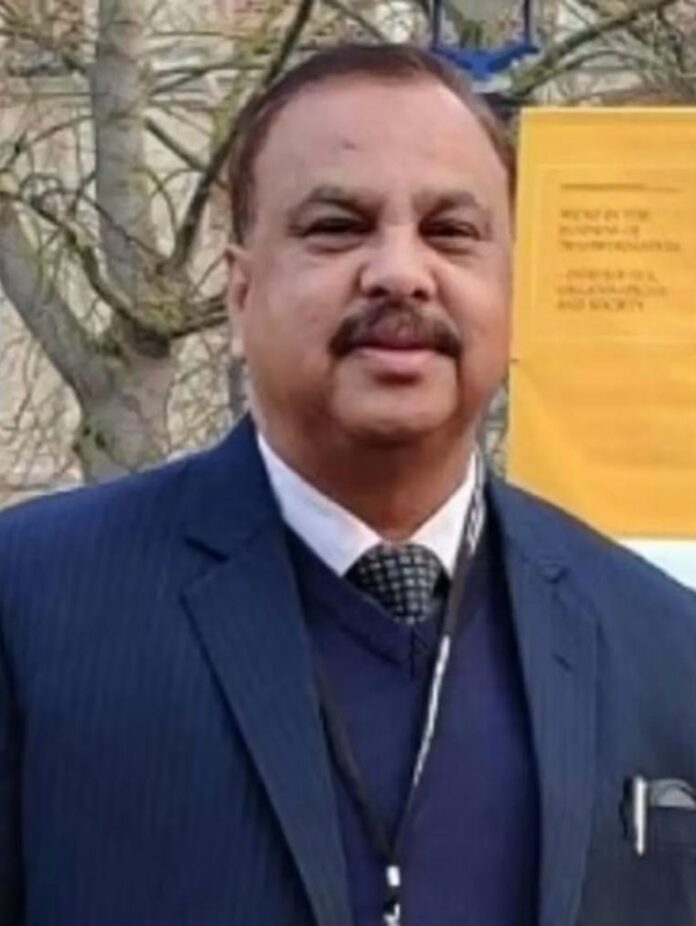
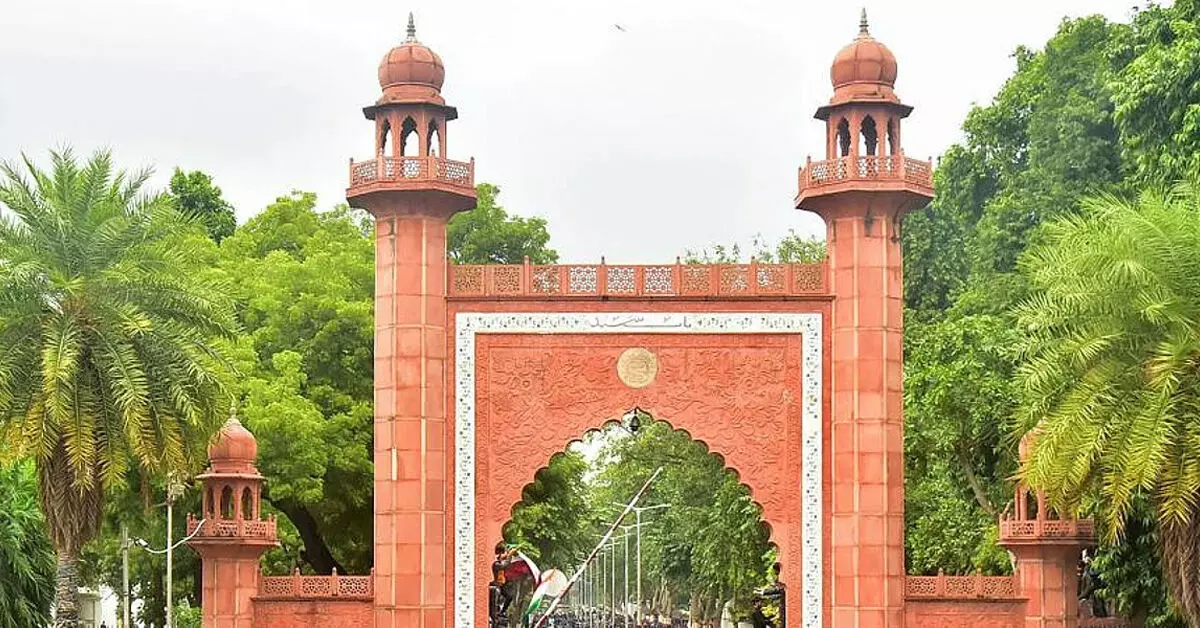
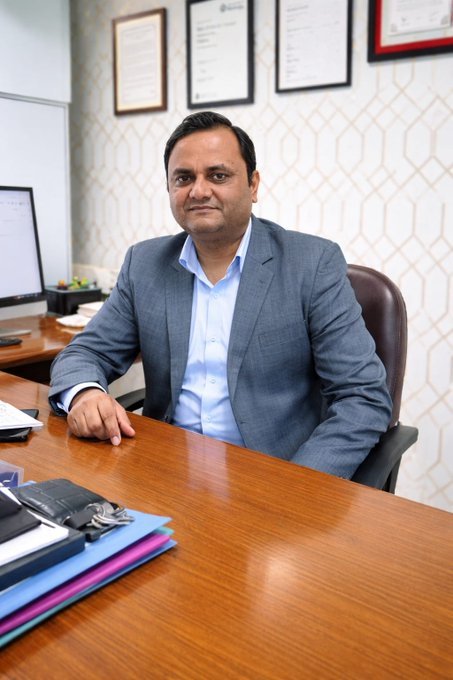
Professor Mohammad Mobin, Department of Applied Chemistry, Faculty of Engineering and Technology, Aligarh Muslim University (AMU), has been conferred the prestigious Professor B.P. Verma Memorial Award for 2025 by the Indian Chemical Society (ICS), recognising his contributions to research, development and innovation in Chemical Sciences and Engineering.
The honour marks a significant achievement in Professor Mobin’s academic career and reflects his sustained efforts towards advancing scientific research and translating innovation into meaningful technological and societal applications.
In a communication dated August 14, 2026, Prof. G. D. Yadav, President, Indian Chemical Society, conveyed the Society’s appreciation of Professor Mobin’s distinguished professional accomplishments, which have enhanced the stature of Chemical Sciences and Engineering and contributed to the advancement of Indian chemical and allied industries and society.
As part of the recognition, Professor Mobin has been invited to deliver the Professor B.P. Verma Memorial Award Endowment Lecture at the 63rd Annual Convention of Chemists (ACC 2026) of the Indian Chemical Society from December 14–16 at Graphic Era University, Dehradun.
Professor Mobin is presently serving as Vice Chancellor of Cluster University of Srinagar on deputation from AMU. His academic and research contributions span Chemical Sciences and Engineering, with particular emphasis on Materials and Corrosion, research innovation and technological development.
The Indian Chemical Society, one of India’s leading professional bodies in chemical sciences, has played a vital role in promoting chemical research, technology and industry while fostering collaboration among academia, research institutions and industry.
The Professor B.P. Verma Memorial Award adds another distinguished recognition to Professor Mobin’s achievements and brings pride to AMU and the wider academic and scientific community.
source: http://www.indiaeducationdiary.in / India Education Diary / Home> Educational News> University News / by iednewsdesk / August 17th, 2026
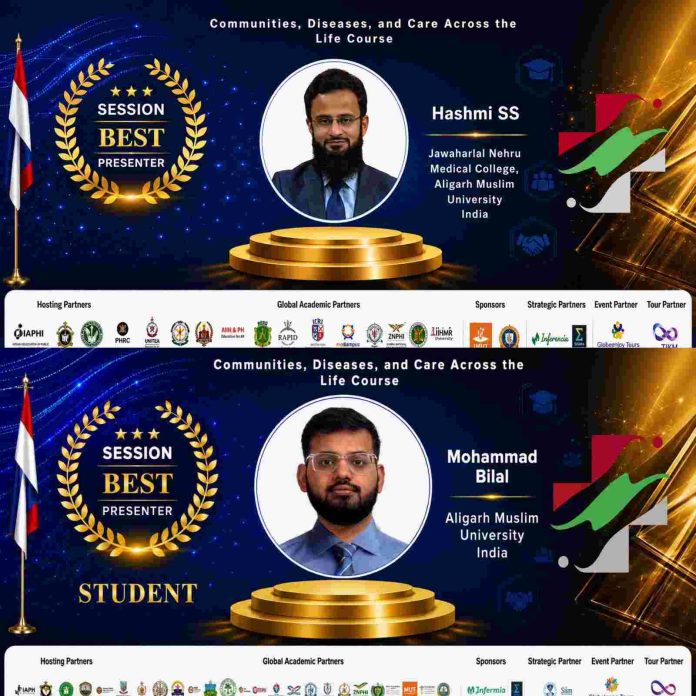
Two residents of the Department of Community Medicine, Jawaharlal Nehru Medical College (JNMC), Aligarh Muslim University (AMU), received Session Best Awards at the 12th International Conference on Public Health (ICOPH) 2026, held in Bali, Indonesia. The residents participated in the conference virtually.
Dr. Syed Sohaib Hashmi, Senior Resident, received the award for his presentation, Immune Status and Its Clinico-Epidemiological Correlates Among Adults Living with HIV, conducted under the guidance of Prof. Mohammad Athar Ansari. The study examined immune status among adults living with HIV and factors influencing immune recovery.
Dr. Mohammad Bilal, Junior Resident-3, received the second Session Best Award for his presentation, Weight Gain and MUAC Recovery Following Nutrition Education of Primary Caregivers in Moderately Malnourished Children Aged 6–59 Months: A Community-Based Quasi-Experimental Study from North India, under the guidance of Dr. Ali Jafar Abedi. The study evaluated the impact of nutrition education of primary caregivers on weight gain and mid-upper arm circumference (MUAC) recovery among moderately malnourished children.
Prof. Uzma Eram, Chairperson, Department of Community Medicine, along with Prof. Saira Mehnaz and other senior faculty members, congratulated the residents and appreciated their contribution to public health research and academic excellence.
source: http://www.radiancenews.com / Radiance News / Home> Pride of the Nation> Awards> Latest News / by Radiance News Bureau / August 12th, 2026
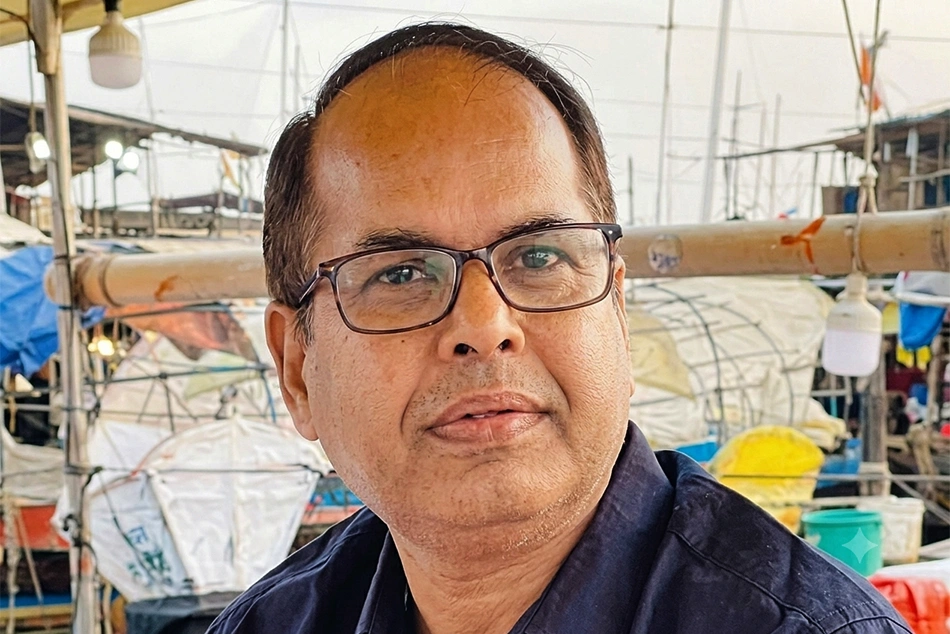
An Inspiring Journey of IIT Bombay Professor Dr. Azizuddin Khan from a Small Town in Bahraich to Global Recognition in Science and Research
In a landmark achievement for Indian Science and Research, Prof. Dr. Azizuddin Khan, eminent Psychologist, Neuroscientist and Psychophysiologist at the Indian Institute of Technology Bombay (IIT Bombay), has been recommended for the prestigious J.C. Bose Fellowship (ANRF J.C. Bose Grant).
The Anusandhan National Research Foundation (ANRF) recommended the honour in recognition of Dr. Azizuddin Khan’s outstanding scientific research, innovation and contributions aimed at improving human well-being in August 2026.
The J.C. Bose Fellowship is one of India’s prestigious recognitions for active senior scientists and engineers who have made outstanding contributions to science, engineering, medicine and related fields. The fellowship provides research support to enable distinguished scientists to continue advanced research and mentor the next generation of researchers.
From a Small Town to IIT
Prof. Dr. Azizuddin Khan hails from Mahinpurwa, a small town in Bahraich district of Uttar Pradesh. After completing his early education at a local inter college, he chose psychology as his field of study despite family expectations.
He secured first position in his undergraduate studies at Aligarh Muslim University (AMU) & subsequently completed his M.A. in Clinical Psychology. He later earned his Ph.D. in Cognitive Psychology from IIT Kanpur, which laid the foundation for his distinguished research career.
Distinguished Research at IIT Bombay
Prof. Khan has been associated with IIT Bombay for nearly two decades and currently serves as an India Value Chair Professor. He is among the leading researchers associated with the Psychophysiology Laboratory.
He is also associated with important research initiatives including the Sunita Sanghi Centre for Ageing & Neurodegenerative Diseases (SCAN), Koita Centre for Digital Health (KCDH) and the IIT Bombay-FedEx ALFA Centre.
He has played an important role in developing an advanced Psychophysiology Laboratory at IIT Bombay, where researchers use technologies such as EEG, Eye Tracking, Event-Related Potentials (ERP), Neurofeedback and other modern neuroscientific techniques to study the human brain, cognition and behaviour.
Diverse and Human-Centred Research
Prof. Khan’s research is closely connected with real-life human challenges. His major areas of research include:
Dyslexia and Reading Disorders
Autism and ADHD
Memory and Prospective Memory
Attention, cognition and brain processes
Parkinson’s disease and Alzheimer’s disease
Psychological stress and depression
Brain activity during Urdu, Hindi and bilingual reading
Urdu script and its processing in the human brain
Artificial Intelligence and mental health
Human psychology under extreme environmental conditions
Through his multidisciplinary research, he has contributed significantly to the fields of psychology, psychophysiology and neuroscience.
Technology-Based Research for Dyslexia
One of the most significant areas of Prof. Khan’s research is dyslexia. He has contributed to the development of ‘Brainu’, a screening application designed to facilitate the early identification of children who may have reading difficulties.
The application uses engaging, game-based activities to assess certain reading-related abilities and help identify children who may require further assessment or support.
He has also worked on innovative Haptic Belt/Bracelet technology, which uses specific vibrations to help children recognise and experience the correct sounds associated with letters and words.
Such technology has the potential to support children learning Urdu, Hindi, Marathi, Arabic and English, particularly those experiencing difficulties in reading and phonological processing.
Pioneering Research on the Urdu Script
Another distinctive area of Prof. Khan’s research is the neural processing of the Urdu script. His research examines how the human brain processes Urdu text written from right to left while simultaneously dealing with numbers written from left to right.
Using Eye Tracking and EEG technologies, he has investigated the cognitive and neural processes involved in Urdu and bilingual reading. His work has contributed to the scientific understanding of how multilingual readers process different writing systems.
Research in Antarctica
Prof. Khan has also participated in India’s Antarctic research programme, where he studied human psychology under extremely cold and isolated environmental conditions.
His research examined aspects such as memory, mental health, emotional well-being and behavioural changes among people living and working in extreme environments. He has also undertaken research related to self-awareness in penguins, attracting attention within the scientific community.
Representing India on the Global Research Platform
Prof. Khan has represented India at numerous international academic and scientific forums. He has presented his research in countries including the United States, United Kingdom, Germany, France, Japan, Australia, Finland, Spain, Italy, South Korea, Turkey, Brazil, the United Arab Emirates and several other countries.
His academic contribution includes more than 200 research publications, several international book chapters, patents and research projects. He has also guided numerous Ph.D. scholars, many of whom are today working as professors and researchers at leading IITs, NITs and universities in India and abroad.
An Inspiring Message for Young Students
According to Prof. Dr. Azizuddin Khan, success depends not merely on intelligence but on hard work, curiosity, perseverance, patience and a continuous desire to learn.
His own journey demonstrates that a student from a small town can achieve global recognition through education, determination and sustained research.
A Matter of Pride for the Nation
The recommendation of Prof. Dr. Azizuddin Khan for the J.C. Bose Fellowship is not only a personal achievement but also a matter of pride for the Indian scientific community, IIT Bombay, Aligarh Muslim University (AMU) and the residents of Bahraich.
His continuing work in psychology, neuroscience, education, mental health and artificial intelligence is expected to open new avenues of research and contribute to improving the lives of children, students and society at large.
[The writer, Akhlaq Shaikh, is a Career Counsellor, Mumbai. He alsow writes for Urdu Daily Inquilab.]
source: http://www.ummid.com / Ummid.com / Home> Education & Career / by Akhlaque (Akhlaq) Shaikh / August 18th, 2026
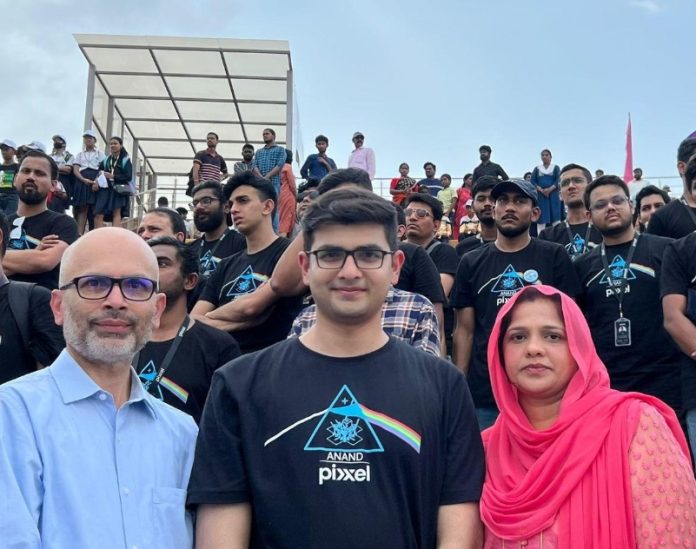
Awais Ahmed, a young entrepreneur from Aldur in Karnataka’s Chikkamagaluru district, has emerged as one of India’s leading figures in the private space sector after his company, Pixxel Space Technologies, became the first Indian space start-up to secure a NASA contract for supplying hyperspectral Earth observation data.
The 28-year-old founder and Chief Executive Officer of the Bengaluru-based company attributes his journey to a childhood shaped by curiosity, encouragement from his parents and a lifelong fascination with space science.
Growing up in Aldur, Awais spent hours reading children’s science encyclopaedias on planets, nebulae, black holes and the solar system. His father, Nadeem Ahmed, who runs a pharmacy in the town, regularly bought him science books from local libraries and bookshops. His mother, Ghazala Tashfeen, also encouraged him to pursue the subject that interested him most.
After completing his schooling in Aldur and Sangameshwar Pete, he moved to Mangaluru for pre-university education before joining BITS Pilani, Rajasthan, where he studied mathematics and manufacturing engineering. During his engineering years, he participated in a student satellite programme alongside ISRO scientists, an experience that deepened his interest in satellite technology.
A defining moment came in 2017 when Awais led Hyperloop India at the SpaceX Hyperloop Competition in Los Angeles. The team qualified among the finalists and presented its project before visiting SpaceX facilities. Meeting Elon Musk and witnessing private space innovation strengthened his resolve to build a career in space technology.
Before completing his degree in 2019, Awais founded Pixxel Space Technologies. The company has launched nine hyperspectral satellites, including six in 2025. The satellites collect detailed Earth observation data that supports agriculture, environmental monitoring, energy and natural resource management through advanced imaging technology.
Awais said the company has raised ₹960 crore from investors. He credited policy support for private participation in India’s space sector for helping young companies grow. Today, Pixxel employs 275 people, with most of its workforce based in India and others working in the United States and Europe.
His father recalled the family’s sacrifices to support his education, including taking education loans and pledging gold. He said watching his son’s dedication and achievements has filled the family with pride. Awais, who is now married to a doctor, continues to pursue his goal of building space technology that serves humanity while contributing to India’s growing presence in the global space industry.
source: http://www.radiancenews.com / Radiance News / Home> Latest News> Markers of Excellence> Personality> Report / by Radiance News Bureau / July 20th, 2026
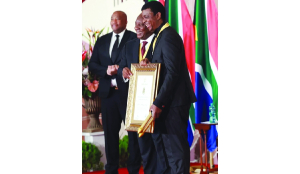
Two of South Africa’s internationally recognised, Indian-origin scientists were among the 38 people awarded the country’s highest civilian awards in recognition of their outstanding contributions toward public health.
Professor Salim Abdool Karim and Professor Keertan Dheda, were formally awarded the prestigious Order of Mapungubwe by President Cyril Ramaphosa at Pretoria.
This specific order recognises South African citizens who have achieved excellence and exceptional accomplishment to the direct benefit of South Africa and the global community.
The citation for Karim, who was awarded the Order of Mapungubwe in Gold, honours his monumental contributions to medical science and public health, particularly his groundbreaking research into HIV/Aids and tuberculosis (TB) epidemiology, and his exceptional leadership in national health policy development.
source: http://www.dailypioneer.com / The Pioneer / Home / by Fakir Hussain / May 21st, 2026
Researchers at the Interdisciplinary Biotechnology Unit of Aligarh Muslim University have identified a new multidrug-resistant bacterial genome in wastewater flowing through Aligarh city, raising concerns over the growing threat of antibiotic resistance in densely populated urban areas.
The findings, published in the April edition of the scientific journal ‘Molecular Biology Reports’, are based on a long-term study by a team of scientists led by Asad Ullah Khan, Shamsi Khalid and Absar Talat, who have been tracking the evolution of antibiotic resistance genes (ARGs) for over a decade.
According to the study, genome sequencing of a bacterial isolate, identified as ‘AK 633’ from a major city drain revealed the presence of a rare “mosaic plasmid” carrying the NDM-7 gene, which is associated with resistance to multiple antibiotics.
In microbiology, plasmids are small DNA molecules inside bacteria that can transfer genetic material, including drug-resistance traits, from one bacterium to another. A “mosaic plasmid” refers to a plasmid formed through genetic recombination, enabling it to carry resistance traits from different bacterial sources.
The researchers said the NDM-7 gene belongs to the New Delhi Metallo-beta-lactamase (NDM) family of resistance genes, which make bacteria resistant even to “last-resort antibiotics” such as carbapenems that are often used when other antibiotics fail.
The study noted that the sequencing of AK 633 pointed to the role of the plasmid ‘p1550’ in the possible global spread of high-risk antibiotic-resistant bacterial clones.
Talking to PTI, researcher Asad Ullah Khan said the findings underscore the urgent need for a wider national surveillance and awareness programme to monitor and contain the growing menace of drug-resistant bacterial genomes.
He said antibiotic resistance has emerged as a major public health challenge worldwide and pointed to untreated waste disposal, particularly hospital waste, and poor drainage management as important contributing factors.
Khan also stressed the need for vigilance during drain-cleaning operations in urban areas.
“Very often after drains are cleaned, the sludge is left on the roadside for long periods instead of being immediately removed. Such practices can contribute to the spread of resistant organisms,” he said.
According to the researchers, genotypic analysis — the study of the genetic composition of bacterial isolates — is essential to understand how resistance genes spread between bacteria in community and hospital settings.
Khan said at least 94 variants of NDM genes have so far been identified globally, many of which are increasingly being found both in hospitals and in the community.
“These are among the main causes of resistance against last-resort antibiotics,” he said.
The researchers noted that while similar work is being carried out in a limited number of laboratories in India, a much larger scientific and public health effort is needed to combat the growing threat posed by multidrug-resistant bacterial genomes.
source: http://www.english.varthabharati.in / Vartha Bharati / Home> India / by Musthafa / May 20th, 2026
Banner image: Images courtesy of Parveen Shaikh/Whitley Award.
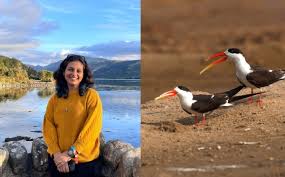
Scientist Parveen Shaikh has been awarded a 2026 Whitley Award by the UK charity Whitley Fund for Nature, recognising her efforts to protect the endangered Indian skimmer along India’s rivers. The award comes with funding to expand her community-led conservation model from Chambal river to Prayagraj, where the Ganga and Yamuna rivers converge.
The Indian skimmer is identified by its vivid orange bill and its habit of flying low over water, skimming the surface to catch fish. India holds over 90% of the world’s population of the bird, with roughly 3,000 individuals, making the country critical to the species’ survival. The birds breed on seasonal sandbars and mid-river islands, making their nests vulnerable to changes in river flow, predators, and human disturbance.
When Shaikh, who works with the Bombay Natural History Society, began her “Guardians of the Skimmer” initiative on the Chambal river, the local Indian skimmer population stood at around 400 individuals in 2017. As of 2025, the population has grown to approximately 1,000. Nest survival has nearly doubled, rising from 14 percent to 27 percent, a direct result of community involvement and scientific monitoring.
“Local guardians help identify new sandbars, monitor nests, and prevent disturbance during the breeding season. Some now proudly refer to the skimmers as “our birds,” which reflects a growing sense of ownership,” says Shaikh.
With the Whitley Award funding, her team will now expand to Prayagraj in Uttar Pradash, a place of cultural significance and also home to breeding populations of Indian skimmers, river lapwings, and little terns. The challenges here include heavy boat traffic, fishing activity, religious practices along the riverbank, and urban pollution all increase pressure on nesting colonies. The team plans to appoint new local guardians, install predator-proof fencing, and use GPS mapping for real-time nest monitoring.
The Whitley Award, also known as the Green Oscars, is given annually to those achieving exceptional success in grassroots community-led protection for threatened species and habitats.
This year, the award includes two Indians among the six winners. In addition to Shaikh, the other winner from India is Barkha Subba who is leading the first grassroots movement to protect the Himalayan salamander and its fragile wetland habitat in the Darjeeling Himalaya, West Bengal.
Read about Parveen Shaikh’s work in Chambal river and the community champions that she works with in this 2021 story on Jagdish, one of the nest guardians.
source: http://www.india.mongabay.com / Mongabay / Home> Global> Beyond Protected Areas / April 30th, 2026
* On the list are 14 Muslim zoologists and scientists
* To date, India has identified 102,718 animal species
* Work is underway to discover new species in ecosystems
* 15 million living species still to be discovered
THE Kolkata-headquartered Zoological Survey of India (ZSI), whose scientists and field staff are engaged in exploring, naming, describing, classifying, and documenting animals from all over the world’s most populous country, has a miserably low number of Muslims – 23 – on its rolls that has a total of 591 officers, administration and field staffers, according to Mohammed Abdul Mannan’s new book, At the Bottom of the Ladder: State Of The Indian Muslims – https://www.amazon.in/dp/B0GF1Q9R25. The book quantifies Muslim presence in 150 key organisations, including Union ministries, departments, and organisations.
The Muslim scientists and zoologists at the ZSI are – Sarfraz Ul Islam Kazmi, Shaikh Rehnuma Sultana, Mohammed Hafiz, Imran Alam, Shabnam Nizamuddin Ansari, Jalil Ahmed, Mohammed Rasmanjani Ali, Anjum Nasreen Rizvi, Rifat Hussain Raina, Jafer Palat, Mohammed Ethtesham Ul Hassan, Ruqiya Bano, and K Bakh Mollah. There are seven Field Assistants from the largest minority community.
Among 82 ZSI scientists are two Muslims – Dr M E Hassan, a Scientist ‘E’ at the Gangetic Plains Regional Centre in Patna, and S R Sultana, Assistant Zoologist at the Freshwater Biology Regional Centre in Hyderabad. Among 98 officials at 15 Regional Centres, eight are Muslims, including two NRCs in Dehradun – Dr. Anjum Nasreen Rizvi, a scientist in Nematology, Helminthology and Molecular Systematics, and Dr S I Kazmi, a scientist in Hymenoptera. The Western Regional Centre in Pune’s four staff members include Dr Muhamed Jafer Palot, a scientist in animal taxonomy with a special interest in birds, reptiles, and butterflies. Dr Anjum Rizvi is the Managing Editor of the Journal of Indian Zoology.
The 108-year-old organisation has been working to understand and investigate the faunal diversity for scientific use and equitable sharing of the benefits of animal resources of the country. Formed in July 1916, it conducts surveys, exploration, and research that lead to the advancement of zoological knowledge. ZSI originated from the establishment of the Zoological Section of the Indian Museum at Calcutta in 1875.
It gradually expanded in terms of its manpower and research programme. Today, India is among the 17 mega-diversity countries of the world, with four biodiversity hotspots, including the Western Ghats/Sri Lanka, Indo-Burma, and the Himalayas. Currently, there are about 1.7 million living species described from all over the world, and another 15 million species are waiting to be discovered. To date, India has been able to describe 102,718 species of animals, and work continues to discover and explain new species, especially from the lower invertebrate groups occurring in various ecosystems. Also, the status of the higher group of animals is studied before their habitats disappeared on the planet Earth.
The country’s custodian of the animal resources has broadened its work in line with the Articles of the UN Convention on Biological Diversity (UNCBD), a multilateral treaty focused on conserving biodiversity, promoting its sustainable use, and ensuring the fair and equitable sharing of benefits from genetic resources. As many as 157 countries signed it, like the United Nations Framework Convention on Climate Change (UNFCCC) and the United Nations Convention to Combat Desertification (UNCCD), at the UN Conference on Environment and Development in Rio de Janeiro in 1992. The CBD now has 196 countries as signatories, including India.
To take the agenda further up, India also enacted the Biological Diversity Act in 2002 to implement the provisions of CBD, which covers biodiversity at all levels: ecosystems, species, and genetic resources. To support the implementation of its objectives, two internationally binding agreements were adopted within the framework of the CBD. The Cartagena Protocol, adopted in 2000 and entered into force three years later, regulates the transboundary movement of living modified organisms (LMOs).
The Nagoya Protocol, adopted in 2010 in Japan and entered into force four years later, establishes a legally-binding framework for access to genetic resources and the fair and equitable sharing of the benefits arising from their use. Experts say considerably less is done to assess the degree and value of biodiversity without knowing the species involved. The ecosystem’s health also cannot be monitored without recognizing the presence of the individual organisms crucial for the indication of ecological processes.
The ZSI has made extensive surveys across the country, and a large number of specimens have been collected. Of these collections, only about 65 percent have been taxonomically studied. These include the major groups of vertebrates. The organization provides information and vital data for the in-situ conservation of various species in different ecosystems, both within and outside the protected areas. The ZSI provides regular services with regard to permissible limits of legal trading of faunal resources or derivatives thereof, monitoring services on population status of commercially important species, and providing inputs for underutilised, culturable species, both from terrestrial and aquatic systems.
A part of the Union Ministry of Environment, Forest and Climate Change, it also undertakes Environmental Impact Assessment (EIA) with special reference to ecology and wildlife. Zoological surveys worldwide are crucial for understanding and managing biodiversity. These surveys involve various methods to collect data on animal populations, behaviour, and habitats, including field observations, monitoring programs, and advanced techniques like DNA analysis and satellite tracking.
There are about 1.7 million living species described from all over the world and another 15 million species are waiting to be discovered. Based on the largest dataset to date, the global Living Planet Index (LPI) shows an average 73 percent decline in monitored wildlife populations between 1970 and 2020. It reports that there has been a large average decline across more than 34,000 animal populations. In 2024, ZSI set up a pilot project to use eDNA (environmental DNA) to study and monitor wildlife.
Data analysis of the 2010-2020 decade reveals that a total of 4,112 species — 2,800 new species and 1,312 new records in 2020, India added 557 new species to its fauna, which included 407 new species and 150 new records, according to a document by the ZSI. The number of faunal species in India has climbed to 1,02,718 species with the discovery of the new species. There is no definitive, universally agreed-upon number for the total number of animal species in the world.
Estimates range from three million to 100 million. However, the most common estimates fall between seven and 10 million. About 1.5 million animal species have been formally described and named by scientists. The ZSI publishes the Red Data Book on Indian Animals, which was first published in 1983 and is similar to the Red Data Book published by the International Union for Conservation of Nature (IUCN), the world’s largest and most diverse environmental network known for producing authoritative reports, standards, and tools for conservation.
Prof Md Imtaiyaz Hassan of Jamia Millia Islamia has received a research grant of Rs 8.05 crore from the Department of Biotechnology for a major study on cancer cachexia among Indian patients. Prof Md Imtaiyaz Hassan will lead the project focusing on head and neck cancer, where the condition affects a large share of patients.
Cancer cachexia causes severe weight loss, muscle wasting, and fatigue. It affects nearly 70 percent of patients with head and neck cancer and reduces quality of life. Prof Md Imtaiyaz Hassan and his team aim to examine the causes of this condition and improve methods for early detection and management.
The study will use advanced scientific methods such as transcriptomics, metabolomics, microbiome analysis, DNA repair studies, and neurobehavioural assessment. These approaches will help identify biological markers and support the development of targeted treatments.
Prof Md Imtaiyaz Hassan said the project addresses a major gap in understanding cancer related complications in India. He stated that the research will focus on improving patient outcomes through precise medical approaches.
The team will validate findings through laboratory studies involving cell lines, animal models, and patient derived samples. This step aims to ensure practical use of results in clinical settings.
The project includes collaboration with leading institutions such as the Indian Institute of Science Bangalore, Dr B Borooah Cancer Institute, University of Mysore, HCG Cancer Hospital, and the Institute of Bioinformatics and Applied Biotechnology.
The university said the grant strengthens its position in biomedical research. The work led by Prof Md Imtaiyaz Hassan is expected to contribute to better understanding and treatment of cancer related weight loss in India.
source: http://www.radiancenews.com / Radiance News / Home> Latest News> Pride of the Nation> Markers of Excellence> Report / by Radiance News Bureau / March 23rd, 2026
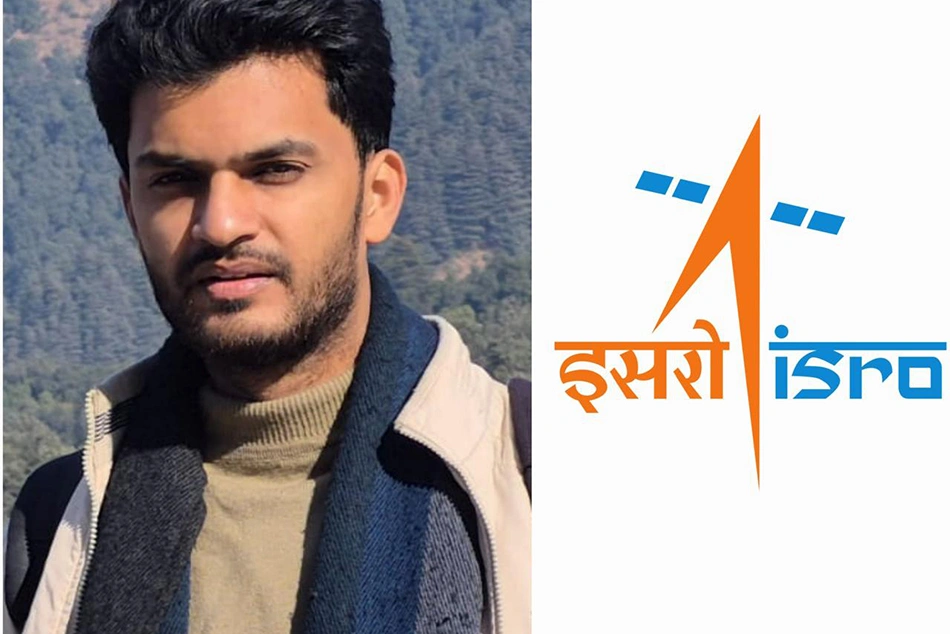
Mohammed Umair, an alumnus of Aligarh Muslim University (AMU), has been selected as a Scientist at the Indian Space Research Organisation (ISRO).
Aligarh Muslim University:
Mohammed Umair, an alumnus of Aligarh Muslim University (AMU), has been selected as a Scientist at the Indian Space Research Organisation (ISRO).
Congratulating him on the achievement, members of the AMU fraternity noted that Umair’s achievement stands as an inspiration for students, reaffirming AMU’s legacy of nurturing talent that contributes to national institutions of excellence like ISRO.
Early Education
Umair’s academic journey is closely associated with AMU, where he spent over two decades of his education.
Umair began his schooling at Abdullah School, followed by STS School (Minto Circle), and later completed his senior secondary education from Sayyed Hamid Senior Secondary School, all associated with the university.
Higher Studies
Umair later pursued B.Arch and subsequently completed his Master of Planning (M.Plan) from AMU.
After completing his postgraduation, he qualified for the Ph.D. programme at IIT Roorkee. During his doctoral studies, he successfully cleared the ISRO examination, reflecting his dedication, perseverance, and strong academic foundation.
source: http://www.ummid.com / Ummid.com / Home> Education and Career / by ummid.com news network / March 18th, 2026