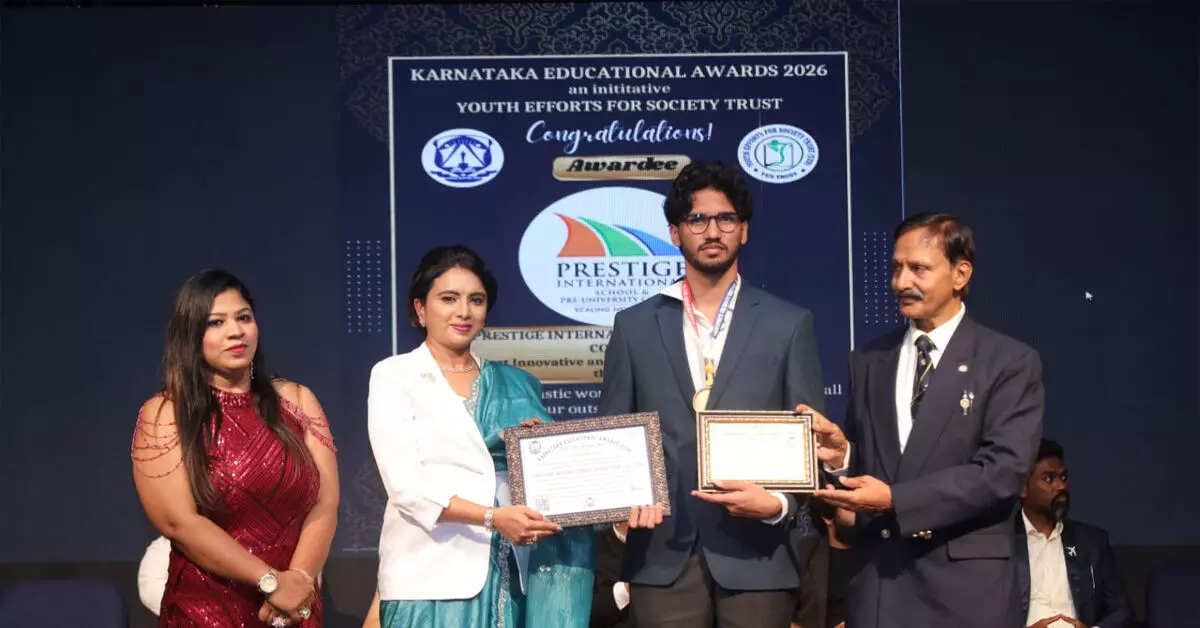
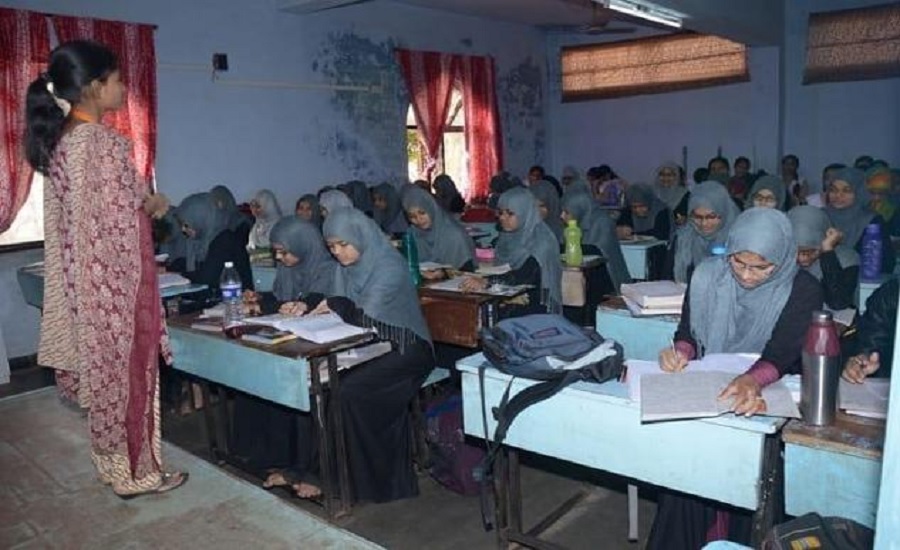
Prestige International School & Pre-University College, Mangaluru, has been honoured with the Best Innovative and Creative Institution of the Year award at the Karnataka Educational Awards 2026.
The award recognises the institution’s efforts in promoting innovation, creativity and excellence in education.
The institution described the recognition as a proud milestone in its journey of providing quality education and shaping the future of students.
source: http://www.english.varthabharati.in / Vartha Bharati / Home> Karavali / by Vartha Bharati / August 25th, 2026
At 80, revisiting the Muslim lives, movements and sacrifices that shaped India’s struggle for freedom, and the politics of forgetting them.
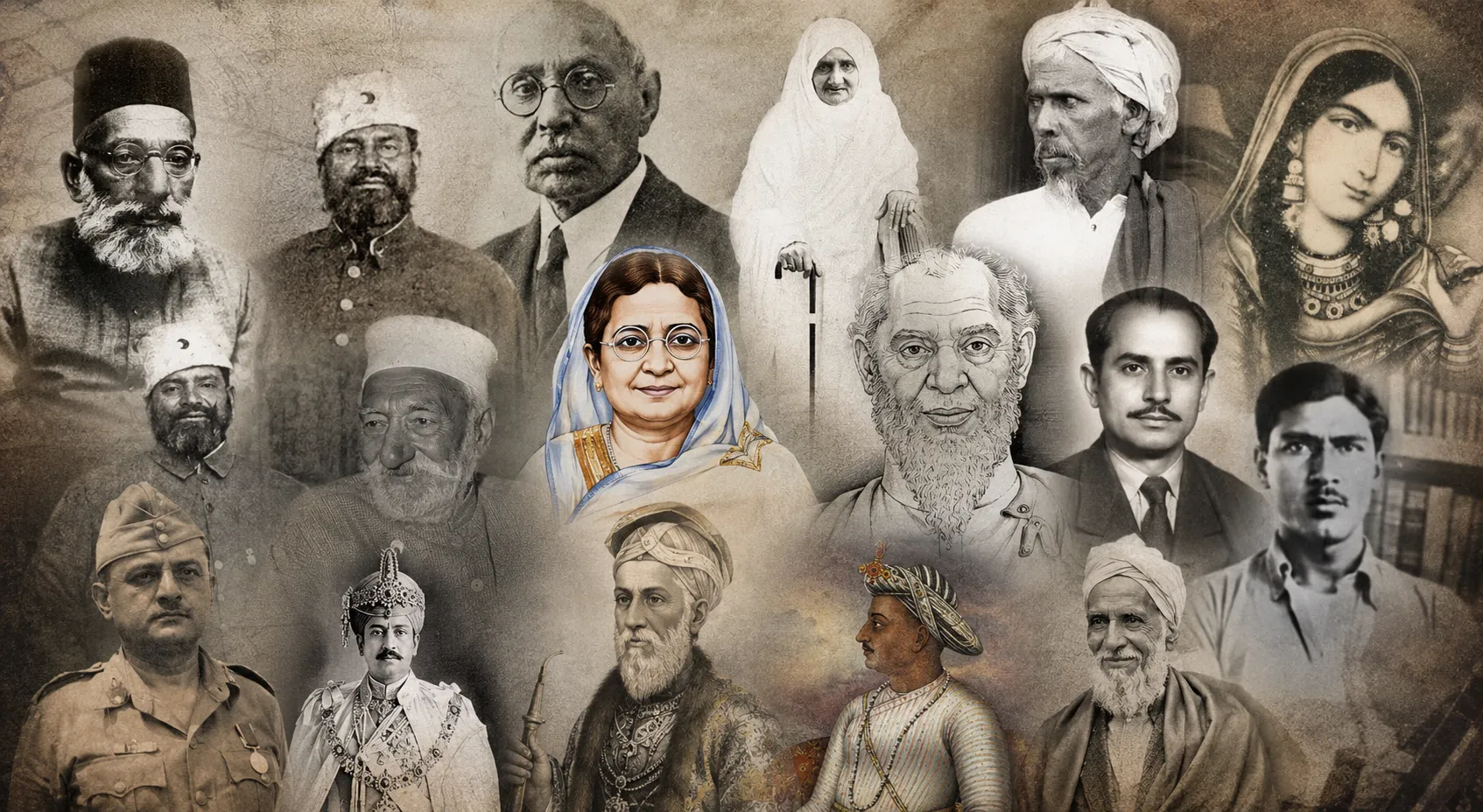
Stroll through the pages of India’s history, because academia has failed to acknowledge some names and contributions in the Indian freedom struggle. From the Taj Mahal, Red Fort, Qutub Minar, Humayun’s Tomb, Gol Gumbaz, Charminar, to Fatehpur Sikri and the bustling lanes of Chandni Chowk, they all speak volumes louder. But the cultural pattern of ‘selectively remembering’ and ‘selectively forgetting’ has downplayed nation’s history into one-dimensional narratives , while external sources of learning like cinemas, textbooks, public places re-branding, etc, are getting colored with contemporary political dynamics, to legitimize their plans and policies.
To fathom India’s past sincerely, we must be willing not only to learn but also to unlearn. Learning involves discovering forgotten contributions, while unlearning requires shedding inherited biases, political narratives, and simplified versions of history. Because, as eminent historians have speculated, the past is constantly reinterpreted in the light of new evidence and new questions. Consequently, the framing of our past will affect the present, which will further be read as a past in the future, thus entrusting us with sheer responsibility of weaving a lineage of conscience, not insidious storytelling.
The lost dots of the Indian freedom movements
Revisit in Indian history afresh because erasure never happens all at once, it happens slowly and systematically.
Independence Movements did not count from the very battles fought, but from the conditions laid down before and after to formulate and fixate Indian society and culture altogether. Resistance to the economization, politicisation, and, ultimately, colonization by the Britishers was confronted by the collective plurality which our country possessed with pride. Testifying that resistance was not always born on the battlefield, often it began with communities refusing to harbor animosity for one another.
Hindu sanyasis and Muslim fakirs whom the British Company wanted to fragmentalise, chose each other instead. Naga ascetics of the Dashnami order like Pandit Bhabani Charan Pathak stood beside Muslim fakirs of the Madari and Burhana sects, Majnu Shah Fakir, Chirag Ali, Musa Shah, and together resisted the oppressive taxation and economic exploitation the Company had imposed. It was one of the earliest organized rebellions against British rule in India, and yet how many of us have even heard these names?
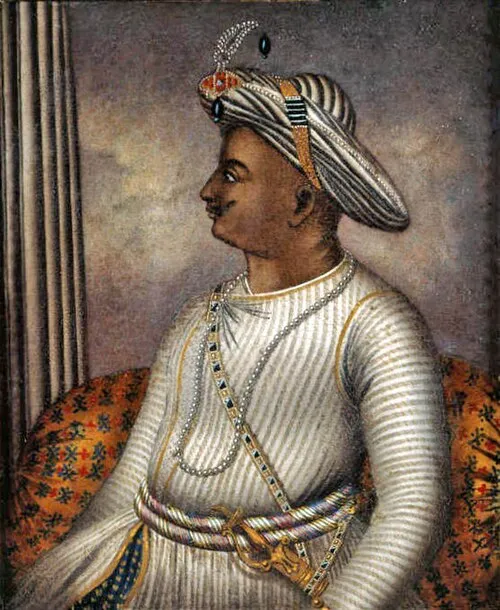
Tipu Sultan
That same defiance carried into Mysore, Tipu Sultan, a name antagonized in recent years that people even slipped away from the fact that he is the man who invented Missiles in India, a ruler who terrified the British. He built iron-cased rockets before most of the world imagined such a weapon, and fought the British across four wars, refusing again and again to let his kingdom bow. And what do we do with that legacy today?
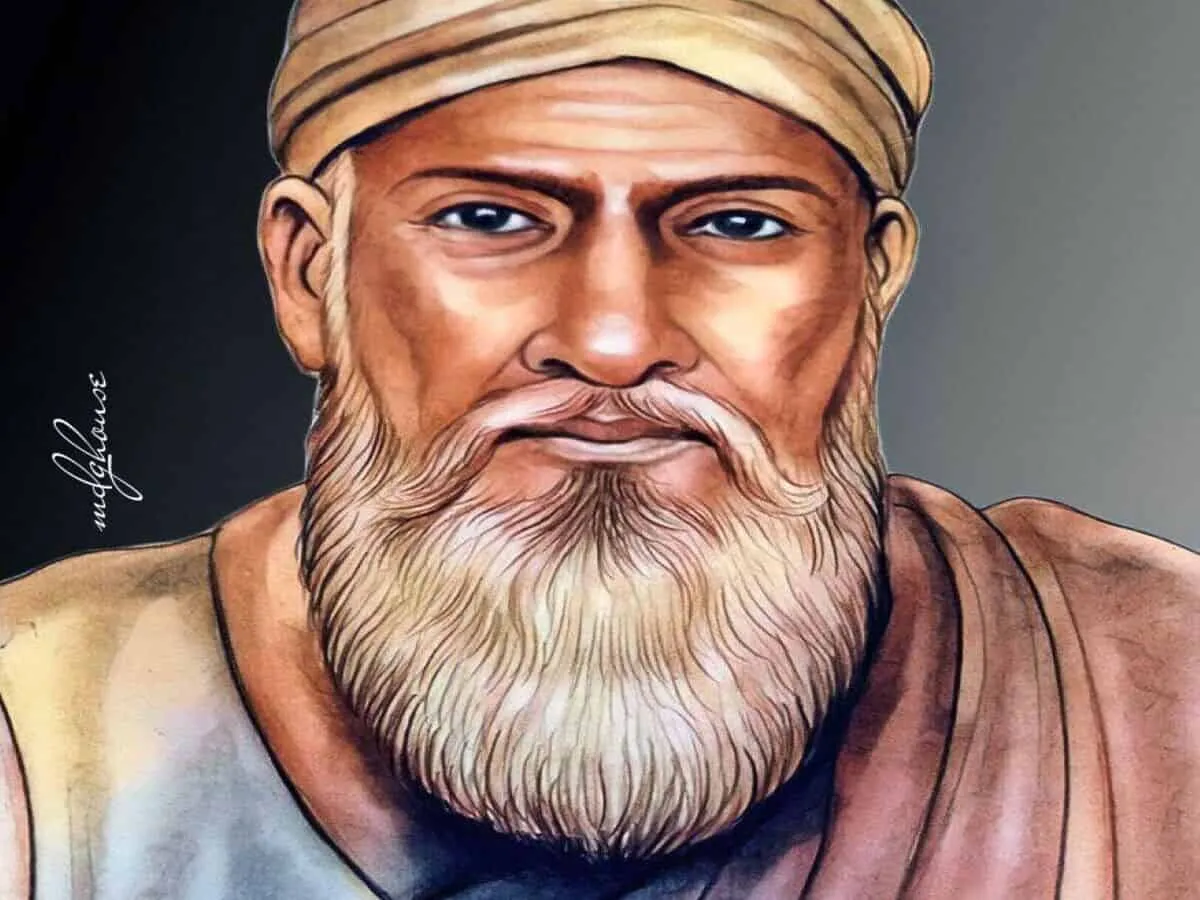
Islamic gallantry didn’t halt there. Moulvi Ahmadullah Shah, one of the key leaders of the First War of Indian Independence in 1857 was called the lighthouse of rebellion in Awadh, an epitome of the Ganga-Jamuna culture of Faizabad. The rebel army of Awadh was led by Barkat Ahmad and Maulvi Ahmadullah Shah, with Barkat Ahmad declared Chief Army Officer of the rebels after the Battle of Chinhat.
Moulvi Ahmadullah Shah
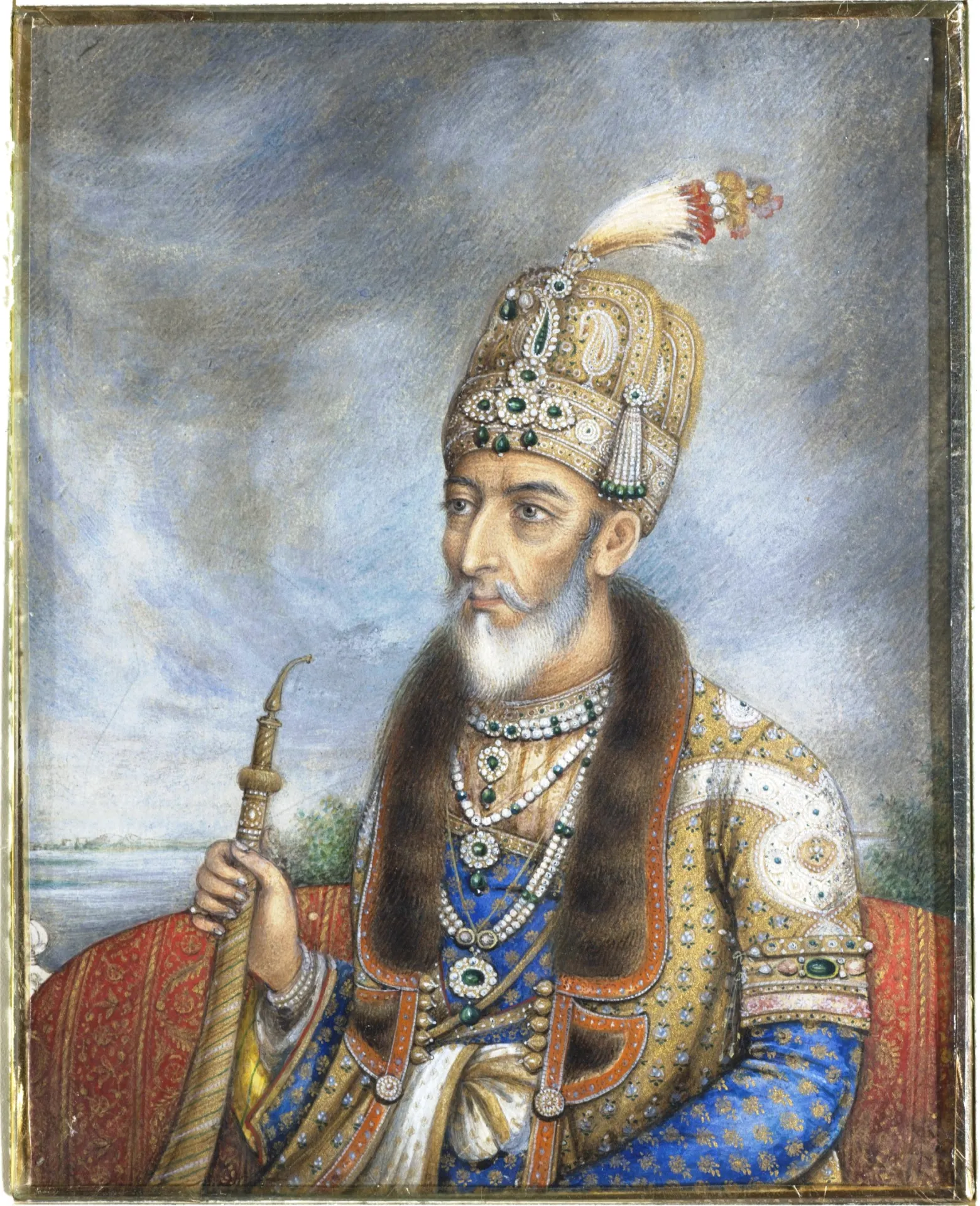
At the head of that same uprising stood Bahadur Shah Zafar, lending his name and his throne to the rebellion we call the Sepoy Mutiny. He gave everything a king could give, and the British broke him in the cruelest way. After his surrender, his sons Mirza Mughal and Mirza Khizr Sultan, and his grandson Mirza Abu Bakr, were stripped and shot in cold blood by Major William Hodson at what is now called Khooni Darwaza, and their severed heads were brought before their own father as a trophy. So many lives were lost in that struggle, so many families broken, and it is widely said that nearly 5 lakh Muslims were martyred, close to 50,000 of them ullema who chose the battlefield over silence. After rotating around 79 years of India’s independence, we are still cynical over the contributions carved by Indian Muslims.
Bahadur Shah Zafar
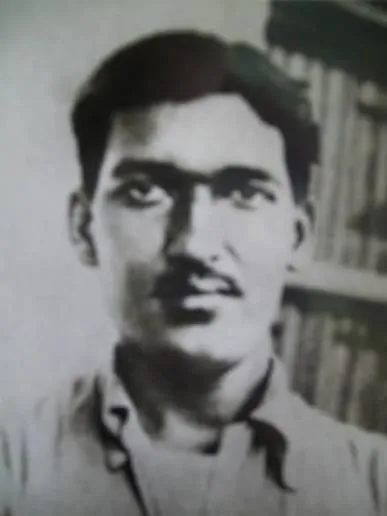
Another buried name is of, Ashfaquallah Khan, was hanged on 19th December 1927, at just 27 years old, along with other Kakori comrades who were sent to the gallows. This Kakori robbery was to pull back the wealth of Indian soil to channelize it for the national struggle. Khan revolutionized nationalist movement with his participation in Hindustan Republican Association (HRA), founded by Ram Prasad Bismil along with two others. Like Kakori robbery, many other raids were rolled out to confront with required force rather than abstracting the notion of peace towards the gruesome tortures. Have we ever lent an ear to these lines of Khan’s ‘Hasrat’ poem- “Kuch aarzoo naheen hai, hai aarzoo to yeh hai, Rakh de koi zara si Khaak-e-watan kafan men” who as his last whim, recited this poem soaked in patriotism. Are we made to remember these lines by a Muslim freedom fighter when we are reminded about the terrified misapplication of the divine slogan “Allah-u-Akbar” to polarize the Islam?
Ashfaqullah Khan
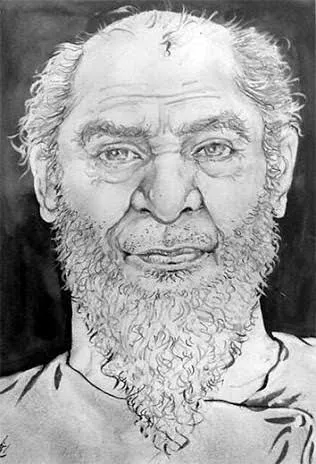
Walking further, Abdul Habeeb Yusuf Marfani, gave away his entire estate for a freedom he’d never see honoured. His courage was never separate from the cause, it was central to it, and it’s long overdue we remember it that way.
Abdul Habeeb Yusuf Marfani
Muslim participation in India’s freedom struggle was not boxed in a specific time or way, it encompassed armed resistance, societal reforms, mass mobilization, revolutionary events, and non-violent protests. The hurls on the invasions done by Muslims are widely made, but onlookers of the contributions by very same people, are tactfully airbrushed.
Sacrifices for the Indian motherland were proven on silent or loud battlefields, not by the mere recital of ‘Patriotic Songs’ such as Vande Mataram as a contemporary reference. That is turned down by Indian Muslims lyrically, not soulfully, because of the religiosity which the Indian Constitution guarantees them. When did the recital of patriotic songs begin to outweigh the very acts of sacrifice they were meant to spring up?
Freedom fighters such as Maulvi Ahmadullah Shah, Begum Hazrat Mahal, Fazl-e-Haq Khairabadi (clarified the Jihad term through his war against the British), and Azimullah Khan were also important in the 1857 uprising. Barely, we learn or are made to learn about them? While vilifying other names of this very same community.
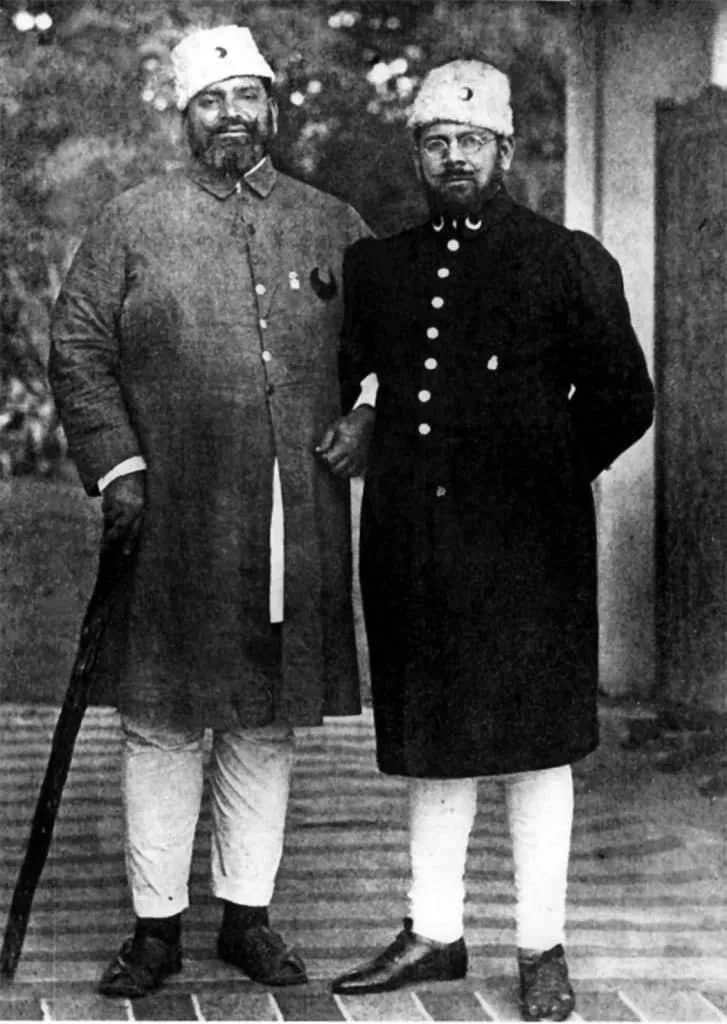
The Ali brothers, Shaukat Ali (1873-1938) and Mohamed Ali Jauhar (1878-1931)
Even the popular moments like the non-cooperation movement and the Khilafat Movement were helmed by some unheeded names: Mohammad Ali Jauhar and Shaukat Ali. Erected on the former’s name, there stands a university in Rampur, U.P. which recently has fallen prey to the communal politics, staking Indian youth’s future at darker stage, thus disregarding the blood of these freedom fighters.
Khan Abdul Ghaffar Khan
Khan Abdul Ghaffar Khan who spent three decades in prison and headed the non-violent Khudai Khidmatgar Movement among Pashtuns against British rule, wherein he combined social reform, service, and discipline. His demise took place during his house arrest in Peshawar.
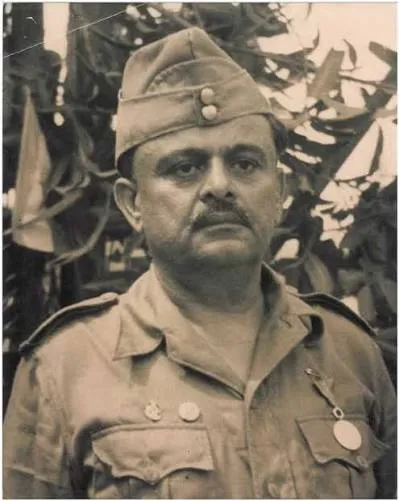
Abid Hasan Safrani
Without a single community-led leader, ideologies often find a loose hand to wrestle for their individual existence rather than collective results. Abid Hasan Safrani, prominent INA member, mobilized the Muslim youth and committed to Subhas Chandra Bose’s movement (Azad Hind Fauj), which underpinned armed resistance in the Indian Freedom Struggle rather than non-violent means, brewing the unity for winning back the motherland.
Having said that, the famous Ghadar Party, founded in 1913, was pioneered by one more buried name- Maulana Barkatullah Bhopali. He was the first Prime Minister of the Provisional Government of India (Government-in-Exile), which was established in Kabul in 1915. He traversed across Europe, Asia, and North America to usher in the momentum for the Indian freedom struggle. His death took place in the US, leaving him deprived of bidding adieu to his motherland one last time.
Maulana Barkatullah Bhopali
Then, “Inquilab Zindabad”, the popular hymn echoed at Jantar Mantar very recently, was originally coined by Urdu poet-politician Hasrat Mohani at the Congress’ Ahmedabad session, while Bhagat Singh solely made it popularized. Mohani had been a soulful Krishna Bhakt, leaving him writing eulogies for ‘Hazrat Krishna’ (Hazrat is not a religious tag; it is an honorary title). He, being the co-prisoner of Gandhi ji, presented him with the USSR idea of federalism for empowering the localized and regional pockets of the agglomerate India. His courage and values proved his patriotism in the debates of the Constituent Assembly and confrontations with the Britishers.
Hasrat Mohani
We remember Mahatma Gandhi more than any other freedom fighter, but are we mindful of the fact that the man who saved him was Batak Mian Ansari during the Champaran Satyagraha in 1917? He was the cook deployed by the Britishers, who then ordered Batak Mian Ansari to serve venomous milk to Gandhi ji. His integrity made him stake his life to save Gandhi ji. He sneakily warned Gandhi ji, and, as anticipated, he was kicked out of his job by the Britishers, further leaving him battered by the villagers and ousting him and his family from his residence. To date, his family couldn’t receive what was promised for his courage by India’s first president, Rajendra Prasad. Questioning how much we have honoured the honorable personalities on the ground?
Batak Mian Ansari
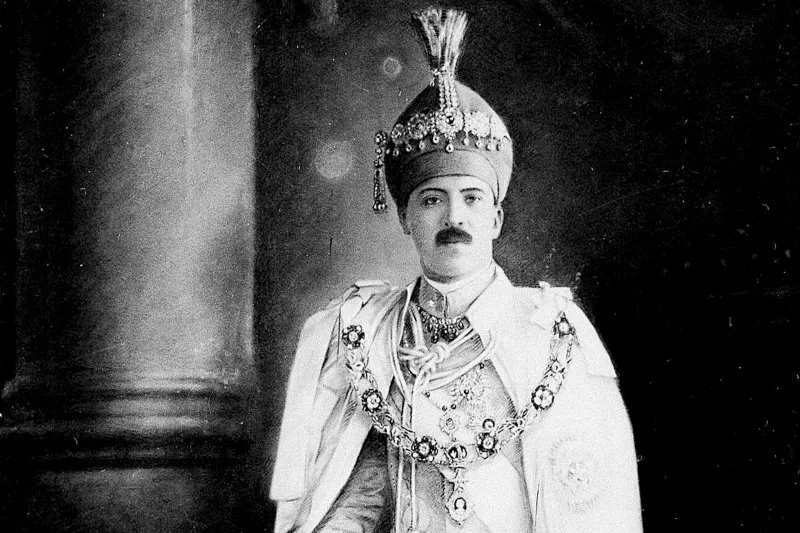
The last Nizam of Hyderabad, Mir Osman Ali Khan, is also in this queue of the buried names. Independence movement is not merely the swing between direct confrontation with colonial regime, it too laps over the pre and post period that either nudged the movements or repaired the damages caused to India. He has reportedly granted mammoth donations across educational and religious institutions. From BHU, AMU, IISc, publication of critical editions of Mahabharata, Golden Temple, Amritsar and many more places . We rewind through cruel rulers who demolished Indian structures, to attack their community and make them accountable in the present, but are we awakened with these submerged realities as well? One-sided history or evolving history, rationality comes with the choices citizens make to discern their roots.
Mir Osman Ali Khan
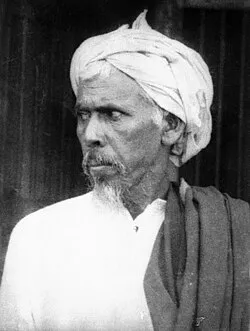
The history of Muslim resistance to British colonial rule also travelled deep into Malabar in Kerala, where Variyankunnath Kunjahammad Haji, Ali Musliyar , and Sayyid Fazal Pookoya Thangal emerged as formidable names in a long tradition of anti-colonial mobilisation. Fazal Pookoya Thangal, the 19th-century Mappila spiritual leader of Malabar, became an influential voice against British authority and the oppressive agrarian order sustained under colonial rule, eventually being forced into exile in 1852. Decades later, that inheritance of resistance found powerful expression in the 1921 Malabar uprising, with Ali Musliyar, a religious scholar and Khilafat leader, and Variyankunnath Kunjahammad Haji becoming among its most prominent leaders. Haji challenged British authority in parts of Malabar and established a parallel administration in areas under rebel control, while Ali Musliyar mobilised people against colonial rule before being captured and executed by the British. Haji, too, was eventually captured and executed by firing squad in January 1922.
Ali Musliyar
Culture can marginalise women, but religion pours courage
“Khoob Ladi Mardani thi, Wo Jhansi Wali Rani thi”, Whenever we speak of women who took up arms for this land, Rani Lakshmibai of Jhansi is the name that comes to every tongue, and she deserves every bit of that memory. But here’s what gnaws: she was not alone. There were other women just as fearless, standing in the same fire, and history simply didn’t bother to write their names down.
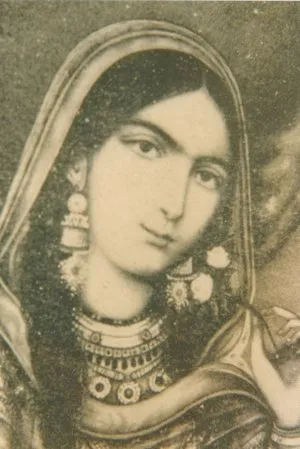
Begum Hazrat Mahal
Begum Hazrat Mahal was one of them, and she wasn’t a side character, she was one of the rebellion’s most formidable forces. Even William Howard Russell, a British correspondent writing for his own side, couldn’t deny her fire. In his My Indian Mutiny Dairy, describing her as a woman of remarkable energy who had stirred all of Oudh into rising for her son’s cause and had herself declared undying war against the British. At Musa Bagh in Lucknow, she didn’t issue orders from a distance, she personally fought alongside and rallied nearly 9,000 rebel soldiers, moving from camp to camp, lifting morale with speeches that set entire camps on fire.
Abadi Bano Begum
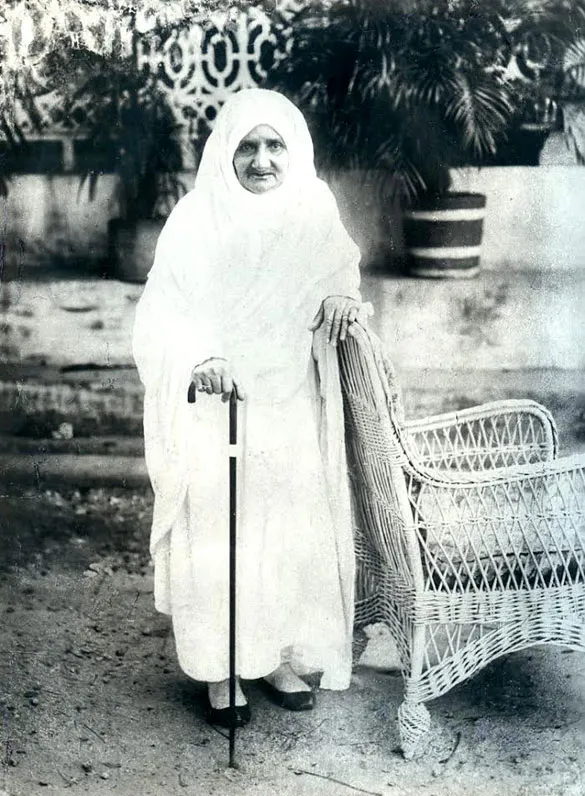
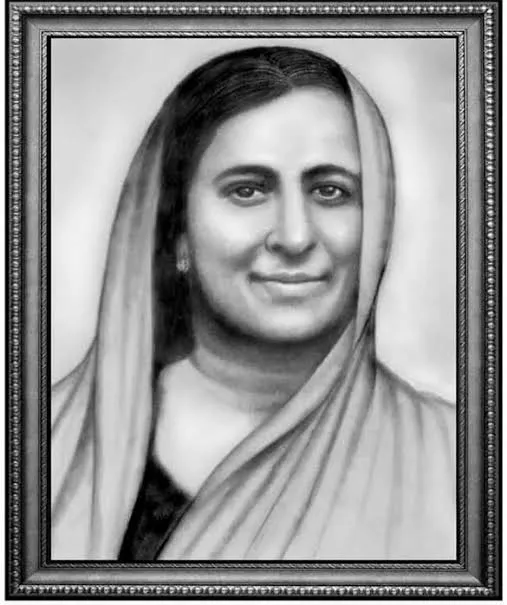
And then there’s Abadi Bano Begum- the woman history remembers, if at all, only as “Bi Amma.” A widow with six children, one of the sons Maulana Shaukat Ali, and the other Mohammad Ali Jauhar, above-mentioned together known as the Ali Brothers. She could have used every excuse the world hands a woman to stay silent. widowhood, motherhood, the weight of raising children alone. She used none of them. When the country needed people brave enough to stand up to the British, she stood up too. She became the first woman to address a political rally while wearing a burqa and let that sink in for a moment. She didn’t have to remove a part of her identity to be taken seriously in public life; she broke the idea that a veiled woman couldn’t also be a fighter, a leader, or a voice loud enough to move a crowd. She urged women to stop hiding at home and join the struggle, organizing funds and meetings where they were addressed as political beings for the first time, and taught why boycotting foreign goods mattered. She convinced them to donate to the Tilak Swaraj Fund, set up by Bal Gangadhar Tilak to finance India’s freedom struggle.
Kulsum Sayani
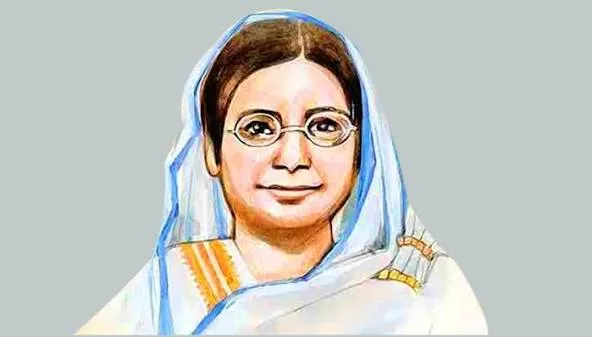
Not every battle was fought with a sword, some were fought with pen and paper. Kulsum Sayani, awarded the Padma Shri in 1960, waged her own war against illiteracy through the Jan Jagran movement, teaching under “each one, teach one” and leading centres for Muslim women that grew from 50 to 600 by sheer will. Begum Rokeya, a fiercely prolific feminist writer at a time when a woman dreaming was seen as rebellion, imagined a world turned upside down in Sultana’s Dream, then built that vision into reality, founding a girls’ school in 1909 and the Muslim Women’s Association in 1916, giving women space to learn and speak.
Begum Rokeya
80th Indian Independence Day’s call to unwind the narratives
As the author of ‘Sare Jahan Sai Achcha, Hindustan Humara’– Allama Iqbal penned- “The freedom lovers of the nation stepped forward with such dignity that even those long imprisoned by deprivation watched in admiration.” It has been shouldered on the present generations to soak in the evolving history to sanitize the present from groans of hatred, rotting the Indian society.
These lost chapters from Indian history wouldn’t have been possible to muster without the effulgent works of Salim Khan, Romila Thapar, Ramachandra Guha, S. Irfan Habib, Mushirul Hasan, A. G. Noorani, Rana Safvi, etc. Grinning us with the fact that the pluralistic framework of India is not only designed by the constituent makers, but it is also originally earned by all the freedom fighters, from pre- to post-independence.
Adeena Navaid is a law student and writer covering legal, social, and feminist issues, with work published in Maktoob, Bar & Bench, The Quint, Siasat, SheThePeople, and other platforms. Aiman Tabassum is a final-year LL.B. student at the University of Mumbai who writes on constitutional law, legal history, and socio-political issues, with work published in Bar & Bench.
source: http://www.maktoobmedia.com / Maktoob Media / Home> Opinion / by Adeena Navaid & Aiman Tabassum / August 14th, 2026
Professor Mohammad Mobin, Department of Applied Chemistry, Faculty of Engineering and Technology, Aligarh Muslim University (AMU), has been conferred the prestigious Professor B.P. Verma Memorial Award for 2025 by the Indian Chemical Society (ICS), recognising his contributions to research, development and innovation in Chemical Sciences and Engineering.
The honour marks a significant achievement in Professor Mobin’s academic career and reflects his sustained efforts towards advancing scientific research and translating innovation into meaningful technological and societal applications.
In a communication dated August 14, 2026, Prof. G. D. Yadav, President, Indian Chemical Society, conveyed the Society’s appreciation of Professor Mobin’s distinguished professional accomplishments, which have enhanced the stature of Chemical Sciences and Engineering and contributed to the advancement of Indian chemical and allied industries and society.
As part of the recognition, Professor Mobin has been invited to deliver the Professor B.P. Verma Memorial Award Endowment Lecture at the 63rd Annual Convention of Chemists (ACC 2026) of the Indian Chemical Society from December 14–16 at Graphic Era University, Dehradun.
Professor Mobin is presently serving as Vice Chancellor of Cluster University of Srinagar on deputation from AMU. His academic and research contributions span Chemical Sciences and Engineering, with particular emphasis on Materials and Corrosion, research innovation and technological development.
The Indian Chemical Society, one of India’s leading professional bodies in chemical sciences, has played a vital role in promoting chemical research, technology and industry while fostering collaboration among academia, research institutions and industry.
The Professor B.P. Verma Memorial Award adds another distinguished recognition to Professor Mobin’s achievements and brings pride to AMU and the wider academic and scientific community.
source: http://www.indiaeducationdiary.in / India Education Diary / Home> Educational News> University News / by iednewsdesk / August 17th, 2026
A survey covering more than 30 colleges across seven districts linked with Chhatrapati Shahu Ji Maharaj University shows a significant rise in female Muslim students
New Delhi :
The number of Muslim girls pursuing higher education in Kanpur and nearby districts in Uttar Pradesh has increased significantly over the past five years, according to a survey conducted by a senior academic. The study shows that the share of Muslim female students in colleges has risen from around five per cent in 2021 to more than 21 per cent during the current admission process.
The survey was prepared by Prof B D Pandey, a senior teacher at PPN College and president of the Kanpur University Teachers’ Association (KUTA). The study was based on admission data collected from more than 30 colleges spread across seven districts of Uttar Pradesh.
The colleges included in the survey are located in Kanpur Nagar, Kanpur Dehat, Unnao, Kannauj, Farrukhabad, Etawah and Auraiya. All these colleges are affiliated with Chhatrapati Shahu Ji Maharaj University (CSJMU), Kanpur.
Prof Pandey said the data was collected from admission coordinators appointed in different colleges during the ongoing admission process. The survey looked at students enrolling in undergraduate courses such as Bachelor of Arts (BA), Bachelor of Science (BSc), Bachelor of Commerce (BCom) and other professional programmes.
According to the findings, Muslim girls accounted for around five per cent of female students enrolled in colleges in 2021. This figure increased to nearly 12 per cent in 2023 and has now crossed 21 per cent during the latest admission cycle.
The rise indicates a growing interest among Muslim families in sending their daughters for higher education. The survey also highlights that many of these students come from economically weaker sections of society.
Prof Pandey said one of the notable findings was that a large number of Muslim girls entering higher education belong to families with limited financial resources. In many such families, sons are also present, but instead of continuing studies after school, they often move towards employment or skill-based work.
“Many Muslim girls who are entering graduation and postgraduate courses belong to families where their brothers have studied only up to high school or intermediate level and then started working according to their skills,” Prof Pandey said.
The data suggests a changing attitude among some Muslim families towards women’s education. While economic challenges continue to remain a concern, more families are now supporting their daughters’ efforts to continue their studies beyond school.
The increase has been visible across different courses, including traditional degree programmes and professional courses. Teachers associated with these colleges believe that awareness about education, career opportunities and financial independence may be among the reasons behind the rise.
The trend also reflects a wider change in the participation of women from minority communities in higher education. More young women are seeking college education to improve their career opportunities and become financially independent.
Prof Pandey said the increase in Muslim girls’ admissions is a positive development and shows that educational aspirations among families are changing.
The survey, however, does not represent all colleges across Uttar Pradesh or the entire Muslim community. It is based only on admission figures from selected colleges affiliated with CSJMU.
Education experts say that continued support through scholarships, better awareness programmes and improved access to colleges will be important to maintain this growth.
The increasing presence of Muslim girls in colleges in the Kanpur region shows a gradual shift in educational choices, with more young women from the community moving towards higher education despite economic and social challenges.
source: http://www.clarionindia.net / Clarion India / Home> Big Story> India>Indian Muslims / by Mohammad Alamullah / August 04th, 2026
EVERY year on August 15, India’s Prime Minister addresses the nation from the ramparts of the Red Fort in Delhi. It was at this same fort, in 1945, that Major General Shah Nawaz Khan stood trial for waging war against the British Empire. A Muslim officer in Netaji Subhas Chandra Bose’s Indian National Army, he had led troops into battle against colonial forces across Southeast Asia, been captured, and was sentenced to death. His court-martial, alongside Colonel Prem Kumar Sehgal and Colonel Gurbaksh Singh Dhillon, provoked mass protests across the country and became one of the final catalysts for British withdrawal from India. The slogan that echoed through the streets of Delhi became a rallying cry of the independence movement: “Lal Qile se aayi awaaz, Sehgal, Dhillon aur Shah Nawaz.”
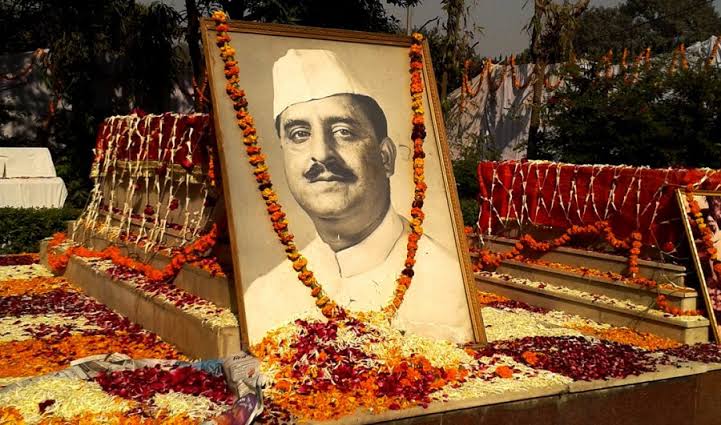
After his release, Shah Nawaz Khan chose the path of non-violence at Mahatma Gandhi’s urging, joined the Indian National Congress, and went on to serve as a Union Minister for over two decades. He represented Meerut in Parliament through four terms, held portfolios ranging from Agriculture to Petroleum, and chaired the commission that investigated the circumstances of Netaji Bose’s death. He was buried near the Red Fort with full state honours in 1983.
Beyond politics, Shah Nawaz Khan was connected to one of India’s most recognizable families. The Bollywood actor Shah Rukh Khan’s father, Mir Taj Mohammed Khan, was his cousin and migrated from Pakistan to India alongside him after Partition.
His story traces an arc from armed resistance to democratic nation-building, from a death sentence in a colonial courtroom to the highest levels of Indian government.
Early Life and Military Career
General Shah Nawaz Khan was born on 24 January 1914 in the village of Matur, in the Rawalpindi District of British India (now in Pakistan). His father, Lieutenant Sardar Tikka Khan, served for nearly three decades in the British Indian Army with the 58th Vaughan’s Rifles (Frontier Force), instilling in him an early exposure to military life.
After completing his early education, Shah Nawaz Khan went on to study at the Prince of Wales Royal Indian Military College in Dehradun, one of the premier institutions established to train future military leaders in colonial India.
From Prisoner of War to Leader of the Indian National Army
In 1940, Shah Nawaz Khan was commissioned as an officer in the British Indian Army. In December 1941, as part of the Second World War, Japanese forces launched a major offensive against Singapore, and the British deployed nearly 60,000 Indian soldiers, including Captain Shah Nawaz Khan.
The British forces were ultimately defeated, and Khan, along with thousands of other soldiers, was taken prisoner of war. During his captivity, he came into contact with Indian nationalists and revolutionaries aligned with Netaji Subhas Chandra Bose. Deeply influenced by their vision of an independent India, he joined the Azad Hind Fauj, also known as the Indian National Army (INA), and rapidly rose to positions of leadership.
Role in the Freedom Struggle
Recognized for his leadership abilities, Shah Nawaz Khan was inducted into the cabinet of the Indian National Army’s (INA) Provisional Government of Free India. Between 1942 and 1945, the Azad Hind Fauj engaged British forces across Southeast Asia and, for a period, established control over large stretches of territory during its campaign against colonial rule.
In December 1944, he was appointed commander of the INA detachment stationed in Mandalay, Burma (now Myanmar). Owing to the close trust placed in him by Netaji Subhas Chandra Bose, he was later selected to lead the Subhas Brigade—a special unit formed from elite INA soldiers.
During military operations in Burma in 1945, General Shah Nawaz Khan and several of his comrades were arrested by British forces. The INA’s senior leadership at the time included Major General Shah Nawaz Khan, Colonel Prem Kumar Sehgal, and Colonel Gurbaksh Singh Dhillon. In 1946, all three were put on trial for mutiny at the Red Fort in Delhi.
These trials ignited widespread public protests across India and became a turning point in the independence movement, significantly intensifying popular resistance to British rule. Facing overwhelming public pressure, the British government was ultimately compelled to release Shah Nawaz Khan and his associates. During this period, he remained in contact with leading figures of the national movement, including Mahatma Gandhi, and was defended in court by Jawaharlal Nehru.
Gandhi’s Colonel of Non-Violence
General Shah Nawaz Khan was regarded as one of Mahatma Gandhi’s close associates, a relationship reflected in Gandhi’s letters and public speeches, in which he frequently referred to him by name. Their association symbolized the bridge between armed resistance and the philosophy of non-violence that shaped India’s independence movement.
On the occasion of the 50th birth anniversary of Netaji Subhas Chandra Bose, Shah Nawaz Khan declared, “While living outside India, we fought for our country’s freedom with arms; now we shall serve India through non-violence.” Mahatma Gandhi echoed this sentiment while addressing members of the Indian National Army in Madras on 22 January 1946 and later reiterated it during his prayer meeting in Mumbai on 18 February 1946.
Contemporary records further document their close interaction. According to a report in the Bombay Chronicle dated 13 March 1946, Shah Nawaz Khan met Gandhi at Birla Bhavan in Delhi on 12 March, where the two held discussions for nearly ninety minutes. On 22 March 1946, Gandhi visited a military camp in Aravalli Kanchan, Maharashtra, and once again mentioned Shah Nawaz Khan while addressing the soldiers. Their engagement continued through personal meetings as well as an exchange of letters, many of which survive as historical evidence of their dialogue.
At Gandhi’s urging, following the dissolution of the Indian National Army in 1946, Shah Nawaz Khan joined the Indian National Congress. Later that year, he worked in Bihar to assist victims of communal violence, alongside Khan Abdul Ghaffar Khan. He remained in the region during this period of unrest, and was present at the funeral of Professor Abdul Bari, who was assassinated in Bihar in March 1947.
Gandhi repeatedly acknowledged and praised Shah Nawaz Khan’s relief and peace-building efforts in Bihar during 1947. He spoke at length about Khan’s work during his prayer meetings on 29 April and 1 May 1947, and earlier, on 15 April 1947, the two were together at Gandhi’s camp in Patna. During one such conversation, Gandhi expressed his faith in him, saying: “I have great hopes for you. I wish to make you a complete soldier of non-violent weapons. You became a colonel under Netaji; in the same way, I want to make you a colonel of non-violence.”
Political Life After Independence
Even after India achieved independence in 1947, Shah Nawaz Khan continued to work in Masurhi, Bihar, focusing on relief and rehabilitation efforts. In a letter dated 7 October 1947, Mahatma Gandhi wrote to him: “Dear General Shah Nawaz, If the work you are doing there does not go to the dogs in your absence, you may leave it to go to the Punjab-Pakistan.” Despite this, Shah Nawaz Khan chose not to return to his ancestral home in what had become Pakistan; instead, his family migrated to India.
Shah Nawaz Khan entered electoral politics in independent India and was elected to the first Lok Sabha (India’s lower house of Parliament) in 1952 from Meerut, representing the Indian National Congress. He went on to win the same constituency in 1957, 1962, and 1971. Over the course of his political career, he served as a Union Minister for a total of 23 years.
Beginning in 1952, he served as Parliamentary Secretary and later as Deputy Minister for Railways. From 1957 to 1964, he held the portfolio of Food and Agriculture. He was again appointed Minister of Agriculture in 1965, followed by his tenure as Minister of Labour, Employment, and Rehabilitation in 1966. Between 1971 and 1975, he served as Minister for Petroleum and Chemicals, as well as Agriculture and Irrigation. From 1975 to 1977, he additionally served as Chairman of the Food Corporation of India while continuing as Union Minister for Agriculture and Irrigation.
In 1956, the Government of India constituted a commission to examine the circumstances surrounding the death of Netaji Subhas Chandra Bose. Shah Nawaz Khan was appointed chairman of this commission, underscoring the trust placed in him by the national leadership. He also authored a memoir on the Indian National Army and Netaji Subhas Chandra Bose, regarded as an important firsthand account of the INA movement.
Representing the Meerut constituency for decades, Shah Nawaz Khan played a stabilizing role in public life, and the city remained free of major communal disturbances during his tenure. From 1977 to 1983, he served as the national in-charge of the Congress Seva Dal, the party’s volunteer organization. He remained associated with the Indian National Congress until the end of his life, continuing his commitment to public service and national unity.
General Shah Nawaz Khan passed away on 9 December 1983 while still serving the Indian National Congress. His life—spanning armed resistance, political leadership, and a steadfast commitment to unity and nation-building—remains a powerful testament to the ideals of freedom, sacrifice, and service. He is remembered not only as a soldier and statesman, but as a figure whose legacy continues to inspire generations in independent India and beyond.
— IAMC
source: http://www.clarionindia.net / Clarion India / Home> Editor’s Pick> Opinion / by Afroz Alam Sahil / August 08th, 2026
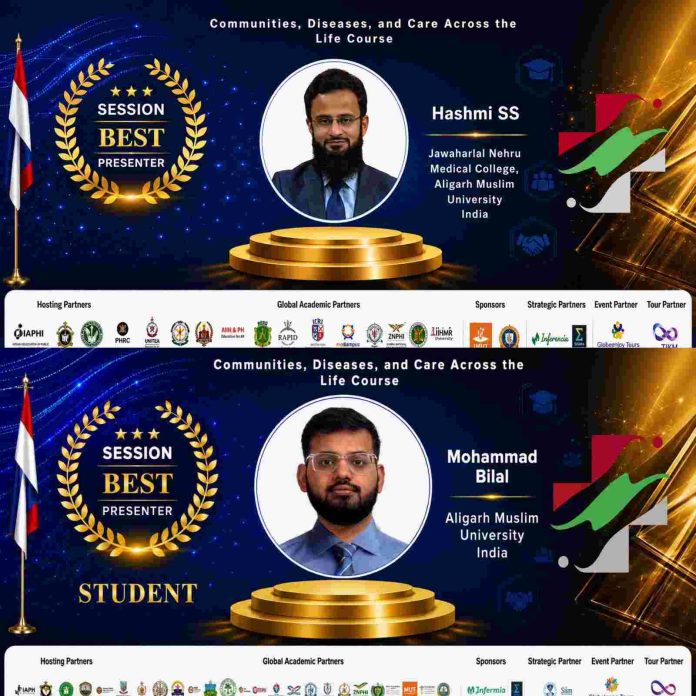
Two residents of the Department of Community Medicine, Jawaharlal Nehru Medical College (JNMC), Aligarh Muslim University (AMU), received Session Best Awards at the 12th International Conference on Public Health (ICOPH) 2026, held in Bali, Indonesia. The residents participated in the conference virtually.
Dr. Syed Sohaib Hashmi, Senior Resident, received the award for his presentation, Immune Status and Its Clinico-Epidemiological Correlates Among Adults Living with HIV, conducted under the guidance of Prof. Mohammad Athar Ansari. The study examined immune status among adults living with HIV and factors influencing immune recovery.
Dr. Mohammad Bilal, Junior Resident-3, received the second Session Best Award for his presentation, Weight Gain and MUAC Recovery Following Nutrition Education of Primary Caregivers in Moderately Malnourished Children Aged 6–59 Months: A Community-Based Quasi-Experimental Study from North India, under the guidance of Dr. Ali Jafar Abedi. The study evaluated the impact of nutrition education of primary caregivers on weight gain and mid-upper arm circumference (MUAC) recovery among moderately malnourished children.
Prof. Uzma Eram, Chairperson, Department of Community Medicine, along with Prof. Saira Mehnaz and other senior faculty members, congratulated the residents and appreciated their contribution to public health research and academic excellence.
source: http://www.radiancenews.com / Radiance News / Home> Pride of the Nation> Awards> Latest News / by Radiance News Bureau / August 12th, 2026
An Inspiring Journey of IIT Bombay Professor Dr. Azizuddin Khan from a Small Town in Bahraich to Global Recognition in Science and Research
In a landmark achievement for Indian Science and Research, Prof. Dr. Azizuddin Khan, eminent Psychologist, Neuroscientist and Psychophysiologist at the Indian Institute of Technology Bombay (IIT Bombay), has been recommended for the prestigious J.C. Bose Fellowship (ANRF J.C. Bose Grant).
The Anusandhan National Research Foundation (ANRF) recommended the honour in recognition of Dr. Azizuddin Khan’s outstanding scientific research, innovation and contributions aimed at improving human well-being in August 2026.
The J.C. Bose Fellowship is one of India’s prestigious recognitions for active senior scientists and engineers who have made outstanding contributions to science, engineering, medicine and related fields. The fellowship provides research support to enable distinguished scientists to continue advanced research and mentor the next generation of researchers.
From a Small Town to IIT
Prof. Dr. Azizuddin Khan hails from Mahinpurwa, a small town in Bahraich district of Uttar Pradesh. After completing his early education at a local inter college, he chose psychology as his field of study despite family expectations.
He secured first position in his undergraduate studies at Aligarh Muslim University (AMU) & subsequently completed his M.A. in Clinical Psychology. He later earned his Ph.D. in Cognitive Psychology from IIT Kanpur, which laid the foundation for his distinguished research career.
Distinguished Research at IIT Bombay
Prof. Khan has been associated with IIT Bombay for nearly two decades and currently serves as an India Value Chair Professor. He is among the leading researchers associated with the Psychophysiology Laboratory.
He is also associated with important research initiatives including the Sunita Sanghi Centre for Ageing & Neurodegenerative Diseases (SCAN), Koita Centre for Digital Health (KCDH) and the IIT Bombay-FedEx ALFA Centre.
He has played an important role in developing an advanced Psychophysiology Laboratory at IIT Bombay, where researchers use technologies such as EEG, Eye Tracking, Event-Related Potentials (ERP), Neurofeedback and other modern neuroscientific techniques to study the human brain, cognition and behaviour.
Diverse and Human-Centred Research
Prof. Khan’s research is closely connected with real-life human challenges. His major areas of research include:
Dyslexia and Reading Disorders
Autism and ADHD
Memory and Prospective Memory
Attention, cognition and brain processes
Parkinson’s disease and Alzheimer’s disease
Psychological stress and depression
Brain activity during Urdu, Hindi and bilingual reading
Urdu script and its processing in the human brain
Artificial Intelligence and mental health
Human psychology under extreme environmental conditions
Through his multidisciplinary research, he has contributed significantly to the fields of psychology, psychophysiology and neuroscience.
Technology-Based Research for Dyslexia
One of the most significant areas of Prof. Khan’s research is dyslexia. He has contributed to the development of ‘Brainu’, a screening application designed to facilitate the early identification of children who may have reading difficulties.
The application uses engaging, game-based activities to assess certain reading-related abilities and help identify children who may require further assessment or support.
He has also worked on innovative Haptic Belt/Bracelet technology, which uses specific vibrations to help children recognise and experience the correct sounds associated with letters and words.
Such technology has the potential to support children learning Urdu, Hindi, Marathi, Arabic and English, particularly those experiencing difficulties in reading and phonological processing.
Pioneering Research on the Urdu Script
Another distinctive area of Prof. Khan’s research is the neural processing of the Urdu script. His research examines how the human brain processes Urdu text written from right to left while simultaneously dealing with numbers written from left to right.
Using Eye Tracking and EEG technologies, he has investigated the cognitive and neural processes involved in Urdu and bilingual reading. His work has contributed to the scientific understanding of how multilingual readers process different writing systems.
Research in Antarctica
Prof. Khan has also participated in India’s Antarctic research programme, where he studied human psychology under extremely cold and isolated environmental conditions.
His research examined aspects such as memory, mental health, emotional well-being and behavioural changes among people living and working in extreme environments. He has also undertaken research related to self-awareness in penguins, attracting attention within the scientific community.
Representing India on the Global Research Platform
Prof. Khan has represented India at numerous international academic and scientific forums. He has presented his research in countries including the United States, United Kingdom, Germany, France, Japan, Australia, Finland, Spain, Italy, South Korea, Turkey, Brazil, the United Arab Emirates and several other countries.
His academic contribution includes more than 200 research publications, several international book chapters, patents and research projects. He has also guided numerous Ph.D. scholars, many of whom are today working as professors and researchers at leading IITs, NITs and universities in India and abroad.
An Inspiring Message for Young Students
According to Prof. Dr. Azizuddin Khan, success depends not merely on intelligence but on hard work, curiosity, perseverance, patience and a continuous desire to learn.
His own journey demonstrates that a student from a small town can achieve global recognition through education, determination and sustained research.
A Matter of Pride for the Nation
The recommendation of Prof. Dr. Azizuddin Khan for the J.C. Bose Fellowship is not only a personal achievement but also a matter of pride for the Indian scientific community, IIT Bombay, Aligarh Muslim University (AMU) and the residents of Bahraich.
His continuing work in psychology, neuroscience, education, mental health and artificial intelligence is expected to open new avenues of research and contribute to improving the lives of children, students and society at large.
[The writer, Akhlaq Shaikh, is a Career Counsellor, Mumbai. He alsow writes for Urdu Daily Inquilab.]
source: http://www.ummid.com / Ummid.com / Home> Education & Career / by Akhlaque (Akhlaq) Shaikh / August 18th, 2026
At 25, Zaid Khan is already running a business worth an estimated Rs 5 crore while pursuing his MBA at the Indian Institute of Management (IIM) Bangalore. The founder of Zedital Media Private Limited, a branding and media company, Khan recently shared his entrepreneurial story on The Crore Club podcast, hosted by Shreya Hegde.
His classmates at IIM Bangalore are preparing for annual job packages of Rs 25 to 40 lakh. Khan, by contrast, already leads a company offering Online Reputation Management, Content Distribution Management, and LinkedIn Profile Amplification Management services.
For students hoping to launch their own ventures, Khan offered two clear pieces of advice. The first is to start selling something, no matter how small. “Start selling something, whether it is a skill, a piece of advice, or any service, even if it is just for Rs 100 or Rs 200. It helps build confidence,” he said. The second is to build a strong online presence. “Content is the digital currency. Build your online presence because that is what creates opportunities,” he added.
Khan grew up in a middle-class family where conventional careers were strongly encouraged. “Everyone told me to become a doctor. The second option was engineering,” he recalled. During Class 12, he faced pressure to prepare for the NEET medical entrance examination. He chose a different path instead.
He began working with YouTube creators and took up freelance projects. A turning point came when he secured a freelancing assignment with a California-based influencer, earning Rs 1.24 lakh, his largest payment at the time. That experience convinced him a career outside traditional professions was possible.
Khan later completed a Bachelor’s degree in Communication and Journalism at Graphic Era Hill University between 2019 and 2022 before joining IIM Bangalore’s Business Administration programme in September 2024.
His recognitions include Youngest Entrepreneur of Uttarakhand, Innovative Entrepreneur 2024, and Trailblazer in Digital Marketing Solutions.
His journey demonstrates that starting early, gaining real-world experience, and consistently building a digital identity can open professional doors well before graduation.
source: http://www.radiancenews.com / Radiance News /Home> Features> Pride of the Nation>Markers of Excellence/ by Radiance News Bureau / July 29th,2026
What is the true measure of a life well-lived? In an era obsessed with global mobility and material acquisition, the life of Dr. Muhammad Qutbuddin offers a compelling counter-narrative. An internationally acclaimed psychiatrist, academician, and philanthropist, Dr. Qutbuddin has spent more than 40 years in the United States, navigating the highest echelons of Western medicine. Yet, the glittering lights of America have done nothing to dim his devotion to his birthplace, Narayanpet. While his clinical practice operates within the high-tech medical landscapes of the West, his heart remains firmly tethered to the soil of Telangana.
Shattering the Vernacular Glass Ceiling
Long before he became the Director and Chief Psychiatrist at Star Psychiatric Services in Indiana, or taught the next generation of doctors as a professor at the University of Missouri, Dr. Qutbuddin was a young boy in Narayanpet, studying entirely in the Urdu medium from Class 1 to 11.
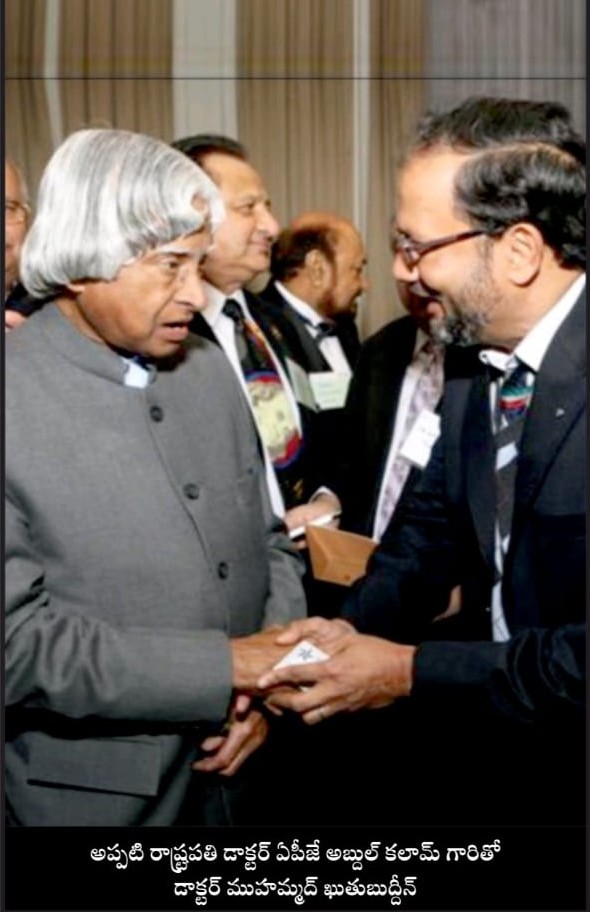
Dr. Muhammad Qutbuddin (R) with former President of India APJ Abdul Kalam
In today’s socio-educational climate, where vernacular schooling is often unjustly equated with limited horizons, Dr. Qutbuddin’s trajectory is a masterclass in resilience. Instead of letting language be a barrier, he turned it into a bridge, mastering five languages – Urdu, Hindi, Kannada, Telugu, and Marathi – during his childhood. He independently conquered English by devouring international periodicals like The Herald and Reader’s Digest.
His academic brilliance eventually earned him a highly competitive merit seat at the prestigious Osmania Medical College in Hyderabad for his MBBS and MD. He then transitioned to the United States for advanced training in Child and Adolescent Psychiatry, later earning a Ph.D., bridging Western Medicine and Islamic Studies from the Graduate Theological Foundation, an institution affiliated with Oxford University.
Confidant to a King
Among the many extraordinary chapters of his life is a deep, 27-year friendship with the legendary heavyweight boxing champion and civil rights icon, Muhammad Ali. Dr. Qutbuddin was not merely a casual acquaintance to ‘The Greatest’; he was a trusted personal advisor and confidant. Together, they walked through international philanthropic missions and social reform programmes across the United States, bound by a shared, fierce commitment to human equality, dignity, and social justice.
Healing the Homeland
Despite his high-profile life in the American Midwest, Dr. Qutbuddin never turned his back on the community that raised him. He was a critical, quiet catalyst in the socio-political movement that successfully advocated for Narayanpet to be recognised as a distinct district. Utilising his intellectual standing, he actively engaged with senior state leadership to bring vital development to the region, including a state-of-the-art medical college.
His philanthropy rejects the temporary band-aid of charity in favour of institutionalised empowerment. In honour of his lineage, he established the ‘Noor Jahan Library’ (named after his mother) and the ‘Muhammad Qasim Library’ (named after his grandfather), which fund free computer literacy centres and academic competitions for rural youth. Furthermore, he regularly returns to hold medical camps, providing free, specialised psychiatric evaluations and modern pharmaceutical supplies to impoverished communities that would otherwise suffer in silence.
The Clinical Lens on Gen-Z
As a seasoned clinician, Dr. Qutbuddin views the modern digital landscape with deep professional alarm. He writes extensively on the psychological warfare facing today’s youth, warning against the twin epidemics of internet addiction and substance abuse. From a strict neurological standpoint, he notes that persistent exposure to explicit digital content and excessive screen time fundamentally alters basic brain chemistry, weakening cognitive systems and eroding long-term willpower.
Similarly, he views the rising crisis of drug abuse not just as a social vice, but as a severe neurotoxic emergency that shatters families and robs the younger generation of their immense potential. To offer practical interventions, his organisation, American Youth for Positive Living, works globally with adolescents. Through structured mentorship, digital fasting, and goal-setting, he helps teenagers build the moral resilience and psychological armour needed to navigate the modern world.
A Dastarkhwan in the West: Foundations on the Floor
Walk into the private domain of this global medical expert, and you will not find the cold detachment of luxury. Despite his affluence, Dr. Qutbuddin maintains an unyielding adherence to simplicity. Rejecting the formal distance of modern dining, his family continues the sacred custom of sitting together on the floor around a traditional dastarkhwan (cloth-spread) to share meals. For him, this is not just a habit; it is a profound cultural anchor. It ensures that while his mind touches the peak of global achievement, his feet remain firmly planted on the ground.
In an age characterised by rapid cultural erosion and individualistic detachment, Dr. Qutbuddin stands as an inspiring testament to an eternal truth: true success is not measured by how far you travel, but by what you give back to the soil that nurtured you. He remains a living, breathing bridge between two worlds – proof that you can embrace global knowledge without ever losing your local soul.
source: http://www.radiancenews.com / Radiance News / Home> Focus> Pride of the Nation> Personality / by Mujahid Md / June 08th, 2026
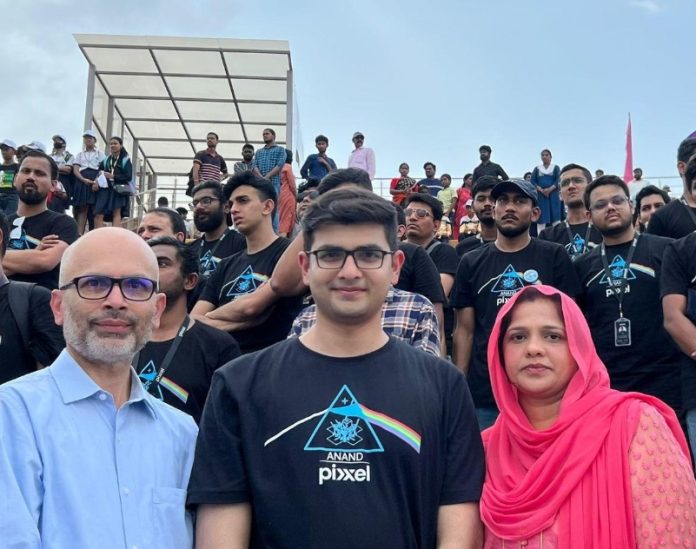
Awais Ahmed, a young entrepreneur from Aldur in Karnataka’s Chikkamagaluru district, has emerged as one of India’s leading figures in the private space sector after his company, Pixxel Space Technologies, became the first Indian space start-up to secure a NASA contract for supplying hyperspectral Earth observation data.
The 28-year-old founder and Chief Executive Officer of the Bengaluru-based company attributes his journey to a childhood shaped by curiosity, encouragement from his parents and a lifelong fascination with space science.
Growing up in Aldur, Awais spent hours reading children’s science encyclopaedias on planets, nebulae, black holes and the solar system. His father, Nadeem Ahmed, who runs a pharmacy in the town, regularly bought him science books from local libraries and bookshops. His mother, Ghazala Tashfeen, also encouraged him to pursue the subject that interested him most.
After completing his schooling in Aldur and Sangameshwar Pete, he moved to Mangaluru for pre-university education before joining BITS Pilani, Rajasthan, where he studied mathematics and manufacturing engineering. During his engineering years, he participated in a student satellite programme alongside ISRO scientists, an experience that deepened his interest in satellite technology.
A defining moment came in 2017 when Awais led Hyperloop India at the SpaceX Hyperloop Competition in Los Angeles. The team qualified among the finalists and presented its project before visiting SpaceX facilities. Meeting Elon Musk and witnessing private space innovation strengthened his resolve to build a career in space technology.
Before completing his degree in 2019, Awais founded Pixxel Space Technologies. The company has launched nine hyperspectral satellites, including six in 2025. The satellites collect detailed Earth observation data that supports agriculture, environmental monitoring, energy and natural resource management through advanced imaging technology.
Awais said the company has raised ₹960 crore from investors. He credited policy support for private participation in India’s space sector for helping young companies grow. Today, Pixxel employs 275 people, with most of its workforce based in India and others working in the United States and Europe.
His father recalled the family’s sacrifices to support his education, including taking education loans and pledging gold. He said watching his son’s dedication and achievements has filled the family with pride. Awais, who is now married to a doctor, continues to pursue his goal of building space technology that serves humanity while contributing to India’s growing presence in the global space industry.
source: http://www.radiancenews.com / Radiance News / Home> Latest News> Markers of Excellence> Personality> Report / by Radiance News Bureau / July 20th, 2026