Mangaluru, KARNATAKA :
Islamic Monuments of Mangalore: Part 1
India prides itself in recognising and celebrating “Unity in Diversity”, and to underline that great aspect Daijiworld Mangalore, after thousands of diverse articles and analyses, has enthralled readers for decades now. I would like to highlight, amidst the assortment of attractive information in this exclusive Special, a lesser-known history and ancient monument of our co-minority community of Mangalore, in two parts. The next part will be on other old historic monuments complementary and connected with Islam in Mangalore. There are always those who thirst to know the little-known history and geography too—for it is part and parcel of our Kudla roots, very ancient and very valuable.
Mangaluru, Kudla, Kodial, Maikala, Mangalapuram—this place of many names—no doubt is a place steeped in multifaceted ancient history. Temples, Churches, Mosques, and more exist which hold history and culture often unknown. Mangalore thrives on worship of the Gods, no doubt! At every nook and corner, historic Temples, Mosques, and Churches can be found. The history of Mangalore connects with different ancient regions, languages, faiths, and religions, multi-faceted and overlapping.
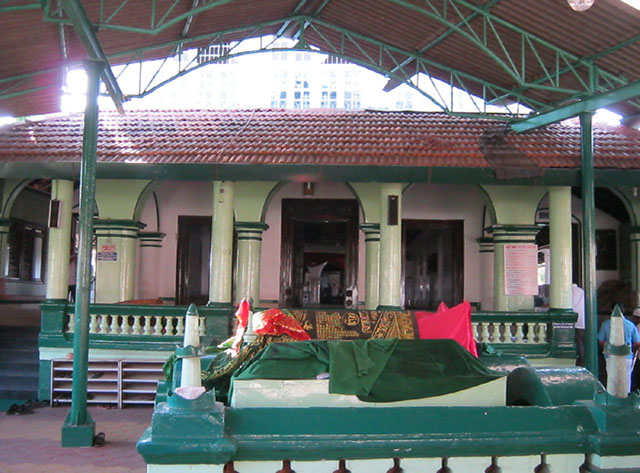
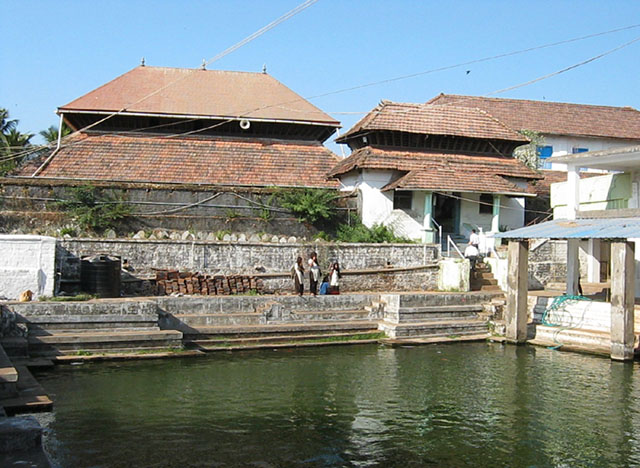
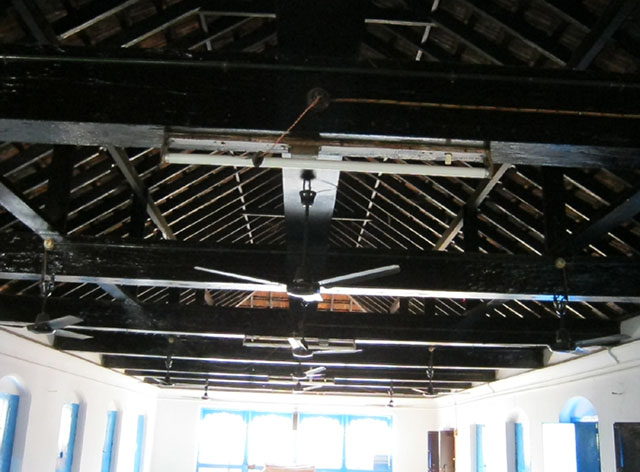
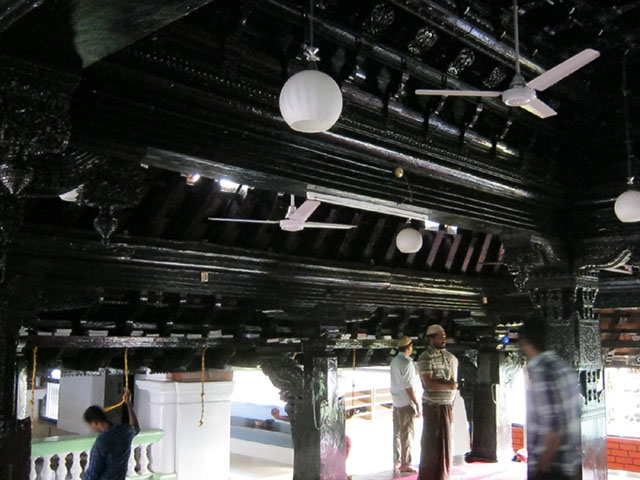
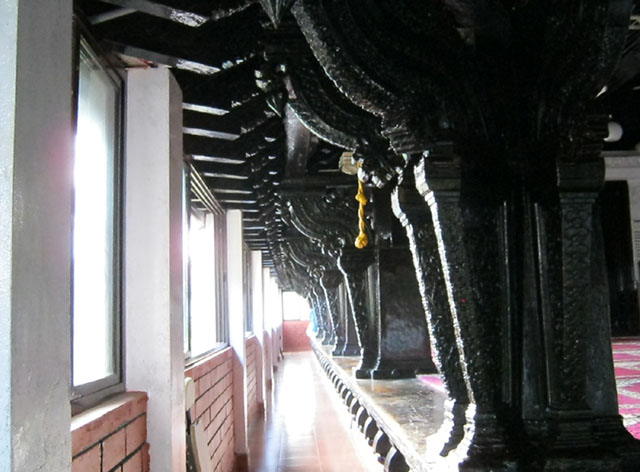
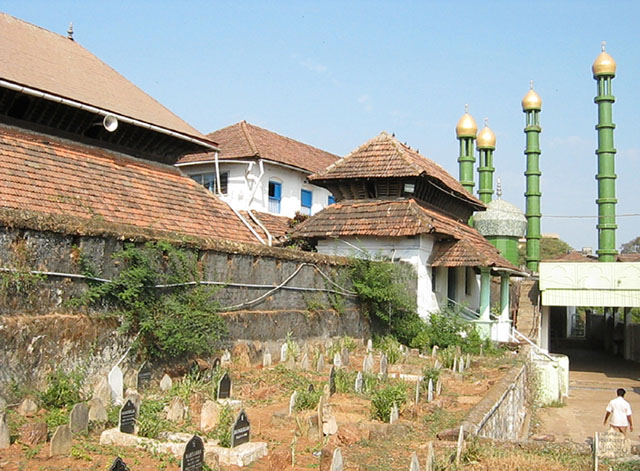
Taking a look at an ancient Mosque—probably the oldest in the region—in Bunder, the heart root of old Kudla/Mangaluru, is indeed very enriching and thrilling. The original roots of real old Mangalore run between Sharavu Ganapathi Temple in Kodialbail and Mangaladevi Temple in Bolar. The famed Muslim ruler of Mysore, Tipu Sultan, is known to have had a role in the development of Sharavu Ganapathi Temple, according to historians who have authored books on Tipu history—a strange dream while he camped nearby caused him to donate land for the temple.
Tuluva and local rulers are known to have protected Muslim/Arab traders in ancient times and have given them free passage through their kingdoms, much before Westerners were heard of in this area. Western rulers too established close trade and cultural ties with Muslim kingdoms and provided space for their lifestyle. It is evident that there has been much intercourse between cultures and beliefs for ages, creating a mosaic that is inseparable in and around Mangalore and beyond. A deeper look at the oldest Masjids of Mangalore and connected historic auxiliaries will enlighten the intricate mosaic.
Zeenath Baksh Masjid, Bunder, Mangalore
This historic mosque is referred to as “Juma Masjid” and “Beliye Palli”. It is right in the middle of ever-bustling Bunder, the old port of commerce locality sandwiched between Golikatte Road and Port Road, just a stone’s throw from the Gurpur river and North Wharf to its west. Here, a wide range of commodities and condiments were—and are still—traded. The area seems in chaos with old dilapidated buildings amid newer ones and narrow lanes choked with heavy traffic of all descriptions and gutters. One’s olfactory senses will be tested with multiple oriental aromas of spice, coffee, areca, pepper, cardamom, chilies, garlic, ginger, rice, pulses, onions, potatoes… and all kinds of condiments, retail and wholesale—and of course, rotting garbage.
A trader, M M Kini, opposite the mosque, is a licensed dealer in arms and ammunition—it is an old family business. This unique and antique mosque is around the corner from the Bunder Police Station and the famous old renovated Bombay Lucky Restaurant, well known to local folks. The Kanara Chamber of Commerce and Industry (KCCI) is located a few yards opposite.
Bunder, the old port of Mangalore since ancient times, is the backbone of history, communication, and commerce, with thriving seaports and even the Lakshadweep Islands with which it shares a long history. The multi-religious business people around are of a very friendly and easy-going enthusiastic nature. A visit here is like going back in time and also tripping over the new order of life and faith.
The Masjid Zeenath Baksh in Bunder is said to have been established in Mangalore in 644 A.D. It was first established in Mangalore by Habeeb bin Malik, and the first Qadhi (Qazi) appointed was Hazarath Moosa Bin Malik, son of Malik Bin Abdullah. This mosque was probably inaugurated on Friday, the 22nd of the month of Jumadil Awwal (fifth month of the Islamic calendar) in the year 22 of Hijra (644 A.D.).
That this sacred Masjid was established by the holy men of Arabia, who were said to be kith and kin of the “Sahabas” (associates) of Prophet Hazarath Mohammad Rasulallah, makes it about 1400 years old—about a thousand years before the Portuguese brought Christianity here.
The Zeenath Baksh Mosque is indeed unique. The front portion (with a prayer hall on two levels) is no doubt added on in the 19th century (later too), and the tile roof has Basel Mission tiles. Another structure constructed later has four minarets and a typical dome and houses the 90-plus-year-old tomb of Hazrath Sheikuna Muhammed Moula Jalal Masthan Al Bhukhari, a saintly Khazi laid to rest here. Many young people come here to pray and find their lives changing with renewed goodness. Also, some of his kin’s tombs can be seen.
The inner ancient original mosque dates back centuries perhaps, and this old legend of a “Masjid” in the 1780s is said to have been refurbished and renovated systematically by the great Tiger of Mysore, Tipu Sultan, who is well known for such philanthropy. Anyone with a basic knowledge of layouts in the region cannot fail to recognise that this great monument, which spreads over a large area, has many characteristics of a temple—the large water tank (below ground level), the shape of the tiled roof (old Malabar), and the hand-carved woodwork (characteristically local).
Tipu added beautifully carved bulky rosewood pillars and also a carved ceiling—the huge carved works are majestic. The mosque was renamed after Tipu’s daughter, Zeenat Baksh. The prayer hall is on a plinth with an open colonnade running around the building under heavy overhanging eaves with carvings. The renovation coexists in harmony with the older, more ancient staccato structure.
The water tank in the center of the premises has granite steps and provides water for the ablutions or ‘Wuzu’ prescribed before ‘Namaz’. This Juma Masjid is well frequented by devotees for regular five-times Namaz and to visit the tombs. There is also a burial ground that partly encircles the mosque. One can see men and women frequenting this holy place; on festival occasions, this mosque can hold about 2000 people for the Namaz or prayer assembly. During Ramadan fasting and festivals, the religious spirit is at a peak and exemplary.
Tipu Sultan has also built a Masjid at Mangalore 2 km away from this mosque. It is presently called “Idgah Masjid” at the top of the hill (now called Light House Hill, in the town center near Aloysius University gate). Muslims from all over the district gather here and offer prayers on festive days of Eid-ul-Fitr and so on. Subsequently, in 1920, Mangalore Bail family constructed a large assembly hall or Jamath Khana. There are a good number of Muslims in Mangalore, and their concentration in this area is phenomenal.
Present Activity of the Masjid:
Considering the needs of the economically weaker people of the community, the management committee of the mosque has made initiatives to extend free service in various ways for the needy people of the community. Funds are raised from benevolent donors of the community for the purpose of marriages, education, medical relief, shelter, and other social basics. Also, the management committee of this mosque looks after the burial of destitutes free of cost. Efforts are on by the leaders for establishing and running schools and colleges from KG to PG for the benefit of the wider community who are rapidly marching forward in all spheres of activity.
“He is the One GOD; the Creator, the Initiator, the Designer. To Him belong the most beautiful names. Glorifying Him is everything in the heavens and the earth. He is the Almighty, Most Wise.” (Quran, 59:24).
The current perception of Islam and the followers of religion and culture in Kanara and the coastal areas, in the light of new developments and issues that rule, calls for a closer look at the history and practice of Islam in this region. Muslim groups are generally labelled as “minority” and weak, but it must be clearly understood that the population is significantly strong, and their presence here can be traced back to the 7th century A.D., while Christianity is from the 16th century practically, though it is credibly said that Christianity landed in Kerala in the first century (53 A.D.), even before it reached Europe.
There are many facets that Muslims have dominated here for centuries and still do. Their sway is very significant and ancient and needs serious consideration of the rights and values guaranteed by tradition and the Indian Constitution. Islam is now an indelible part of this region, India, and the world over. They cannot be labelled as aliens and are part and parcel of the mainstream.
The Muslim community here, in view of all aspects, is a strong, rooted, and recognised community. It can be observed that the Muslim community’s progressive principles here are indeed very forward, and their outlook is advancing, influenced by the Middle East and Western standards and good education and industry. Many prominent properties and businesses are owned by them. Families are largely active; elders in the families are secure and cared for, and women seek good education. The entire community is enterprising, hard-working, cooperative, and presents a happier picture generally. Religion-wise, they are fervent and keep the tenets strong even in the face of hurdles. The world over, it is seen they are going from strength to strength, and leaderships have to be transparent.
(dated October 16th, 2025 / source : daijiworld.com / by Ivan Saldanha-Shet )
Islamic Monuments of Mangalore: Part 2 / October 23rd, 2025
Mangalore and coastal Karnataka is steeped in multifaceted History and colour, many sources have facilitated the common person of interest to be aware and enjoy the depth of information. Daijiworld has been very generous and it is appreciated. Hindu, Muslim, Christian ……..and many more allow interesting facts and figures in and around mangalore / Canara since ages and fascinates. In the previous episode (Part 1 of 2) we noted the arrival and monument of Islam at Bundar, the original area of Kudla or Mangaluru at present. The matter would not be complete if a brief look at ancient contemporary Islamic monuments are not highlighted. No history is the sole property of any one in particular and is not esoteric in practicality. So, we continue and hope it will round off the interest and study of this history, let us have observations and comments.
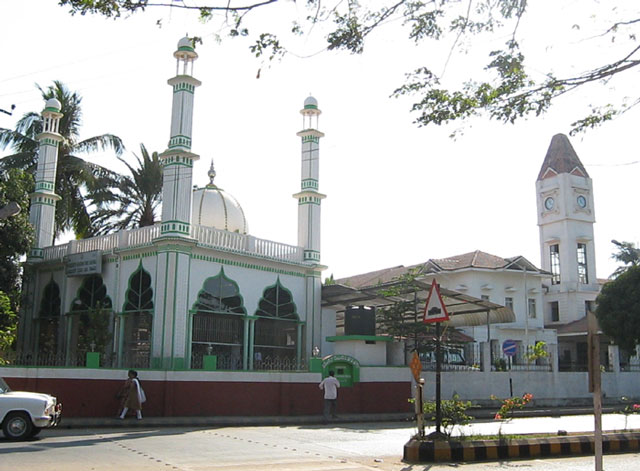
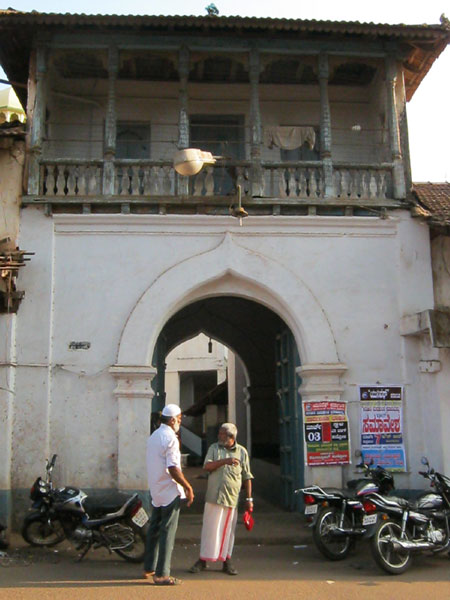
KUTCHI MEMON MASJID. BUNDER. Mangalore : This is another ancient Masjid just near and on the way to Zeenath Baksh Masjid right opposite to famed ‘Bombay Lucky Restaurant’; the ‘Kanara Chamber of Commerce and Industry (KCCI) is in the backyard of this Masjid. It is also referred to as ‘Katchi Palli’. It is a wonder that this Mosque is credited with many firsts. Traditionally each of these many Masjids in Mangalore have their own section of regular devotees. Reliable sources say that Kutchi Memon Masjid was basically constructed in 1839 and is now 174 years old going on to be 175 years. The force behind this sacred work were Patels from Kutch in North Gujarat, traders who settled in the area and were masters in the spice trade, they spoke Kutchi language and gradually were assimilated into the Kanara culture, the cause of this development are the historical sea routes to Mangalore from the Arabian Sea. To and fro activity is still very visible it appears.
The wonders at this religious center are : It was the first to get power supply and the fourth in Mangalore to be electrified in the British era, in 1930s , the first to use loud speakers for the ‘azaan’, call to pray and in Urdu, the first where the ‘qutba’ (Friday Sermon) was delivered in Urdu and so on.
There has been development in the precincts of the masjid but the original structure on about 20-25 cents remains still very original. The new extension was first made in 1983 and plans to expand are ongoing. The unique gate way into the masjid has a picturesque oriental architecture. Indeed this area called Bunder is a wonder with many historic monuments still standing the test of time like sentinels spelling out the historical times gone by and hoping for better times for those who are to come.
Woman Saint’s Dargah in the Heart of M’lore : Hazrath Saidani Bibi Sahiba, the only dargah dedicated to a woman saint in Dakshina Kannada has become a refuge of hope without reference to religion, caste, creed or language. Located near A B Shetty circle, on the periphery of the prominent ‘Big Maidan’ (as it was then known) now, Nehru Maidan of Mangalore. This dargah (memorial tomb shrine) is visited by people of all faiths. Most of the people come here with a ‘harake’ (vow) as there is a strong belief that prayers are answered here. Hazrath Saidani Bibi, it is said, was a saintly lady, hailing from a ‘Fouji’ (Military) family during the regime of Tipu Sultan. She was buried in the military area (the present location of dargah on the edge of the City Police HQ – formerly the military barracks), though burial grounds were available, such was her reputation. People say that she was buried in the military area due to high respect and regard the local people of Mangalore particularly the warrior class had for her. Later, her close relatives were buried beside her. Now are seen three other tombs apart from that of Sayyadani Bibi in the dargah. Scores of people of all castes and creeds visit this place every day, giving alms to the poor that sit at this place, an accepted practice.
Another astonishing aspect of this dargah is that it is cared for and protected by retired or serving police officers of Mangalore. Hazrath Saidani Bibi Sahiba Dargah Management Committee is in the forefront of it’s maintenance. This dargah was frequently visited by the police staff and public, the tomb is adjacent to the police headquarters. In 1972, the then Dakshina Kannada SP K U Balakrishna Rau and the then Assistant SP H T Sangliana entrusted the administration of the dargah to Muslim police personnel. A committee was formed for the better administration of the dargah and in the year 1983 the old ‘Mazahar’ (tomb of the saint) was renovated. The dargah was built on land belonging to the Police department, and the property was later handed over to the Wakf Board. Indeed goodness knows no boundaries and so does harmony.
BEARY COMMUNITY IN MANGALORE: The origin of the ‘Beary’ Community is very ancient. It is known that there were many rich traders, from the Malabar coastal belt, connected with the traders of the Arab lands. Arab merchants have been visiting the coastal regions for business purposes even before the time of Muhammad (puh). Now most local Muslims in this region are part of the Beary Community.
The Beary (also known as Byari) is a community concentrated mostly along coastal Dakshina Kannada and Udupi districts in the Southern state of Karnataka. It is an ethnic group, having its own unique traditions and distinct cultural identity and language. The Beary community holds an important place as also Nawayaths of the Uttara Kannada district (who speak a type of Konkani). Bearys incorporate the local Tulu culture of undivided South Kanara and diverse traditions of the Moplahs of Malabar. The Beary community of Kanara or Tulunadu is one among the earliest Muslim inhabitants of the coast, with a clear history of more than 1350 plus years. Muslim Arab traders had a cordial relationship with the rulers of the western coastal belt of India. This is attested to also by the writing of Ibn Battuta, the intrepid North African traveller who passed through India in 1342AD. Lakshadweep too had connections with Mangalore since early times.
The word ‘Beary’ is said to be derived from the Tulu word ‘Byara’, which means trade or business. Since the major portion of the community was involved in business activities, particularly trading, the local Tulu speaking majority called them Beary or Byari, other reasons exist. According to the census of 1891, South Kanara in the Madras Presidency of British India had 92,449 Muslim businessmen consisting of 90,345 Bearys and 2,104 Nawayaths involved in business activities. The first Muslim missionaries to Mangalore can be traced to Malik Bin Deenar, an Arab trader said to be the kin of Sahabas (companions of Prophet Muhammad). He is said to have visited Malabar and landed near Manjeshwar on the northern Malabar coast, very close to Mangalore. He constructed the first Masjid in Kasargod, the Malik Dinar Masjid ( his shrine can still be seen).
Beary Language: Called ‘Beary Basse’ is spoken by the Muslim communities mainly along the Coastal Dakshina Kannada, Udupi and in some parts of Kasaragod district by the Bearys (Byaris). Beary is a language of mixed idioms, phonology and grammar of bothe Tulu and Malayalam. It is considered a dialect since Kannada alphabets are used in writing and is also known as ‘Mappila Bashe’ because of Bearys’ close contact with Mappilas of Malabar. Due to the intensive influence of Tulu for centuries, it is today considered as a language close to Tulu as well. Surrounded by the Tulu speaking community, the impact of Tulu on the phonological, morphological and syntactical structure of the dialect is evident. Beary Bashe can be related to Malayalam, Tulu or Perso-Arabic origin with Arabic influehttps://www.daijiworld.com/chan/exclusiveDisplay?articlesID=6784nce. ‘Beary Basse’ also has words related to Tamil and Malayalam.
The Bearys produced rich literary work using both Beary Bashe and Kannada language. The literature comprises Beary poetry, research articles on Bearys, historical analysis of Muslims, essays, stories and other fields of literature. “English-Kannada-Beary” dictionary is now available. The Bearys have also produced a number of magazines and periodicals from Mangalore and other places of the region. Some periodicals have become popular and a few of them have become a part of Beary history. Generally Kannada script is used to produce Beary literature which is quite popular and abundant in all possible forms. There is a lot of vergin content on electronic media too now, and the future is very bright.
(Part 2 concludes this history)
source: http://www.daijiworld.com / Daijiworld.com / Home> Karnataka / by Ivan Saldanha-Shet / part One October 16th and part Two October 23rd, 2025