INDIA :
Four Indian Muslim women creatives talk about how they discovered what they love.
Art lets us see ourselves in other people. It opens windows so we don’t get lost in the darkness, and reminds us that we’re never alone.
I believe that every person who thinks creatively is an artist. Whether you’re an entrepreneur or a scientist, you are a creative person if you’re finding new ways to tell stories and experience the world. When we spend time with art, we start to see things differently. When we listen to other people’s stories, we begin to connect to them and also understand more about ourselves.
Today, on the occasion of Muslim Women’s Day, we are presented with a special opportunity to pass the mic and celebrate Muslim women in a world that has historically overlooked them. When I founded the trend report and online community Unapologetically Muslim back in 2017, there was an important cultural shift happening. Donald Trump had issued an immigration ban preventing Muslims from entering the United States, and people were showing vocal support for Muslims, but their identity was also being typecast and commodified. Their stories were being told for them.
In response, I created a platform for Muslim women to tell their own stories. Over the last six years, I have interviewed over 130 women from all over the world and shared their stories on Instagram. I’m not Muslim myself but wanted to find a way to show solidarity. It’s been incredible to speak to women about their creative journeys and their dreams for the future. We have so much to learn from each other.
This year, for Muslim Women’s Day, I interviewed four Indian Muslim women creatives about how they discovered what they love. I hope their words give you some inspiration, and I hope that you take the opportunity to celebrate the Muslim women in your life.
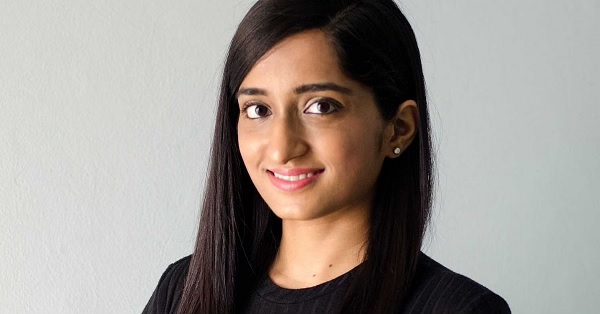
Ruha Shadab, founder of LedBy Foundation
I was born in Saudi Arabia and moved to Noida when I was eight years old. I was a very quiet child but remember speaking about social impact as a six-year-old. At dinner, an uncle asked me what I wished for when I grew up, and I said world peace. He laughed at me, which I thought was amusing because I was being very honest about what I wanted.
I would eventually go on to create the LedBy Foundation, a leadership incubator for Indian Muslim women. I truly believe that the education and employment of women is one of the most pressing issues we’re facing in India. I hope that every Indian gets the opportunities, support and encouragement to achieve their professional dreams. At LedBy, we focus on helping Muslim women with the hope that it will have a positive externality. We’re giving them the support they need to reach top positions in 10-20 years as they climb the corporate ladder.
During our graduation ceremony last year, we invited parents and family members to speak. One father said, ‘This is the first time I’m speaking on a public platform. LedBy is empowering Ayesha and now Ayesha is empowering me.’ It’s beautiful that our work can have an upstream effect towards parents. The impact is not just at the individual level, but at the family level. Change is already coming and I believe that LedBy is expediting it.
Sana Khan, co-founder of Bombay Closet Cleanse and pole dancer
Growing up in a very conservative family, I was never able to wear what I wanted to. I was pretty shy and underconfident because I wasn’t exposed to a lot. I used to go to tuitions wearing salwar kameez while my friends would wear shorts. I’ve changed outfits in cabs and corners under my building. I had to fight really hard for what I wanted to wear.
After I got married, I became a compulsive shopper and would buy things I didn’t need. I wanted to have everything that I didn’t get to wear as a teenager. I was on this spree of buying, buying, buying. It became my identity.
At some point, I organised a charity garage sale at my home where about 100 people turned up. I received so much love and warmth from this community and we raised INR 15,000 for the Salvation Army. It was really heartwarming to see the response, so my sister Alfiya and I started a thrift store called Bombay Closet Cleanse. At first, it was just about making space in my closet. Then, slowly, I learned a lot and became very passionate about sustainability.
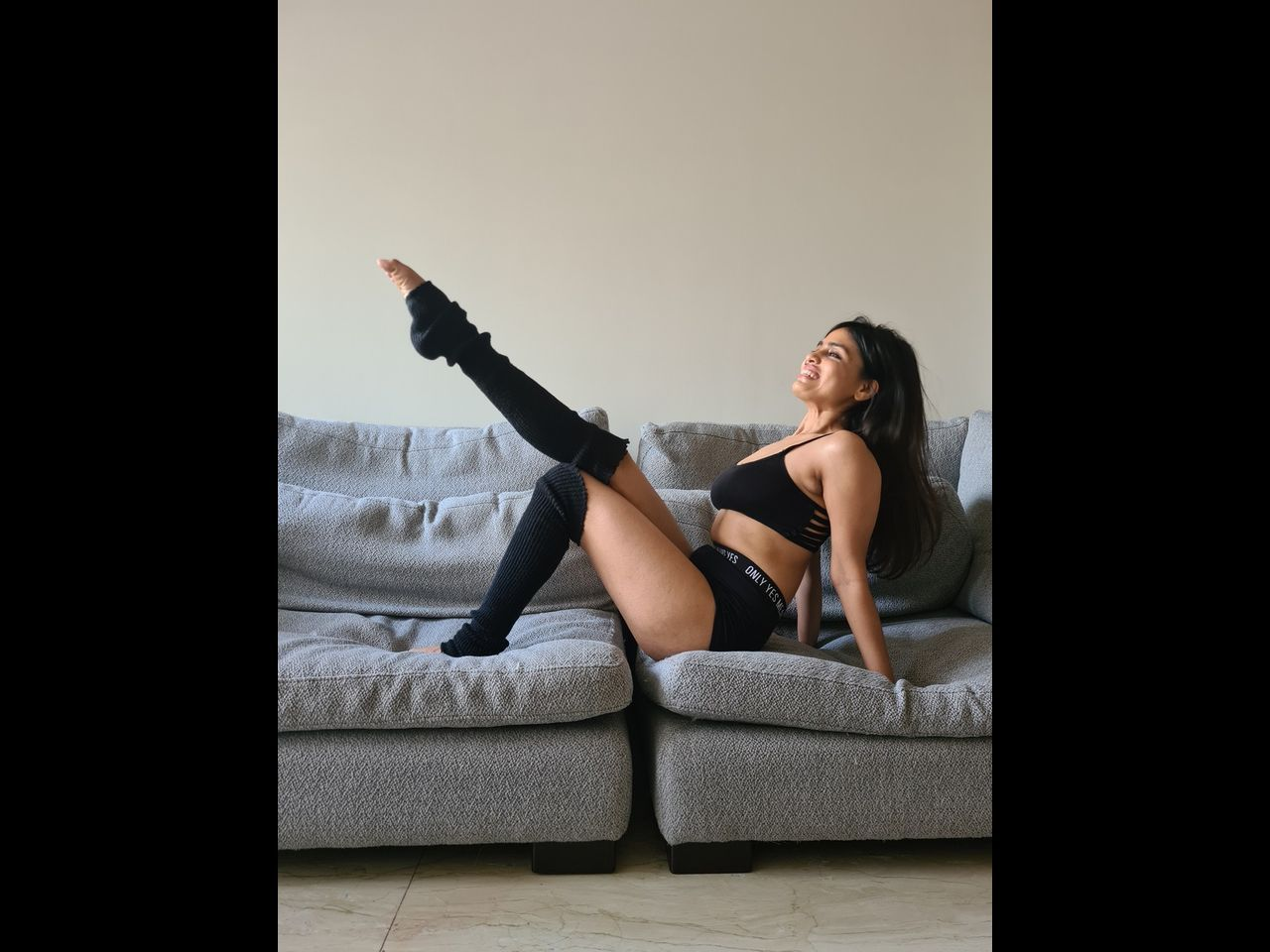
At the same time, I was at a very low point in my life. I saw burlesque dancers perform in Melbourne and was inspired by their confidence and body positivity. I’ve always gravitated towards sensual dance forms because they make me feel powerful in a way that I didn’t as a child. When I came back to Bombay, I signed up for pole classes and started doing therapy. They worked like magic for my confidence.
I have a pole in my house and I only perform for myself. It’s something that I absolutely love doing and it’s helped heal my childhood trauma. I’ve fought for it so hard that now, everyone has accepted it.
Sabika Abbas Naqvi, poet and activist
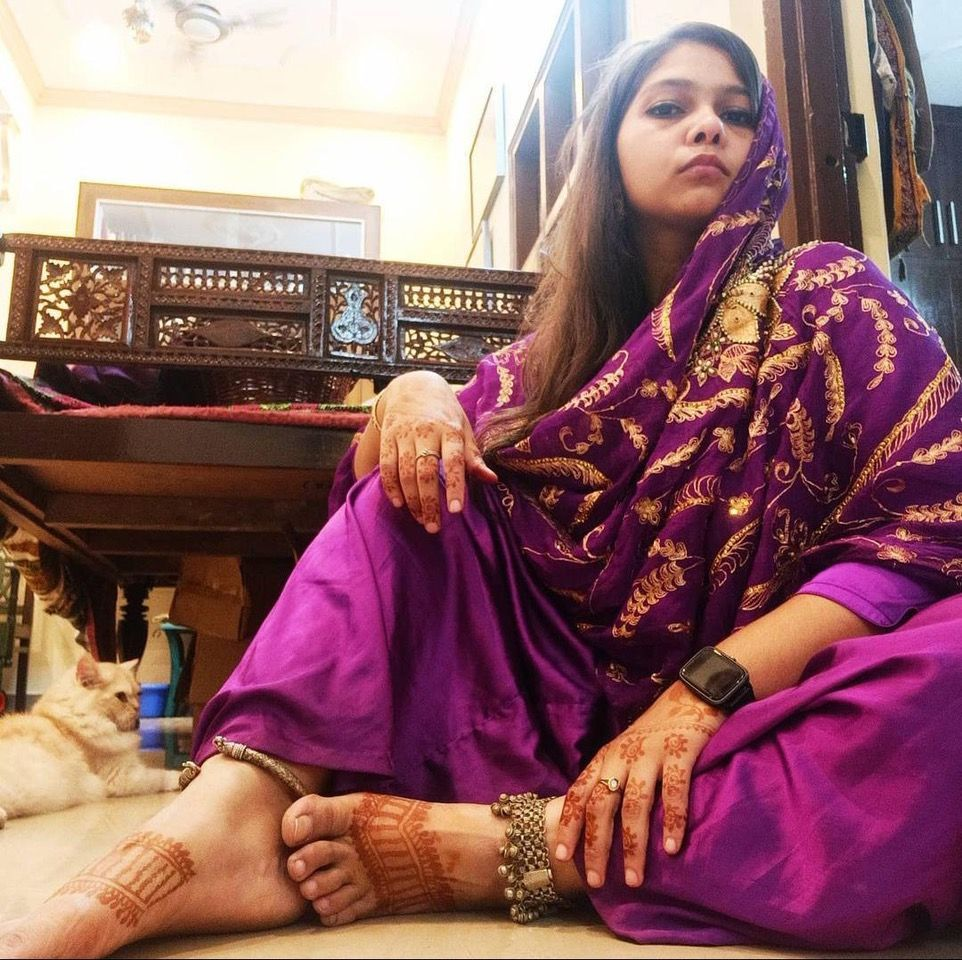
I come from a legacy of care and love. I grew up in a mosque compound in Lucknow with lots of love and appreciation. I was the quiet one and loved books. I had a record of finishing a book a day.
I started writing poetry when I was four years old. I would go upstairs and scribble things and I would come back and people would read it. From the balcony of the masjid, older people would ask me to read what I had written. At that time, I would call my poetry gibberish, but that was the beginning.
I’m Shia Muslim so I come from a huge cultural context of mourning and the noha and marsiya poetry that comes out of it. I had no idea what spoken poetry was, but the performance of that poetry really inspired me and became a tool I used to question everything around me. Now, for me, there is no other way to do poetry.
My poems are questions that I wanted to ask everyone around me, and they are also answers to questions that I was asked. It’s an all-inclusive theatre of words. It’s not a piece of literature; it’s an experience, and the performance comes with it. It’s not just the words that have to be said, but the way in which the words have to be said: which word is lightly put forward and which word is put forward with tenderness or anger.
The purpose of this poetry is my lifelong mission. I write poems that are multilingual so that more people can understand them. My poetry must and should be read on the streets in protest and if it is not, then it is a failure of mine. If people can spread hatred on the streets, why can’t I spread love?
Nuzha Ebrahim, chef and owner of Kuckeliku Breakfast House and The Fromagerie
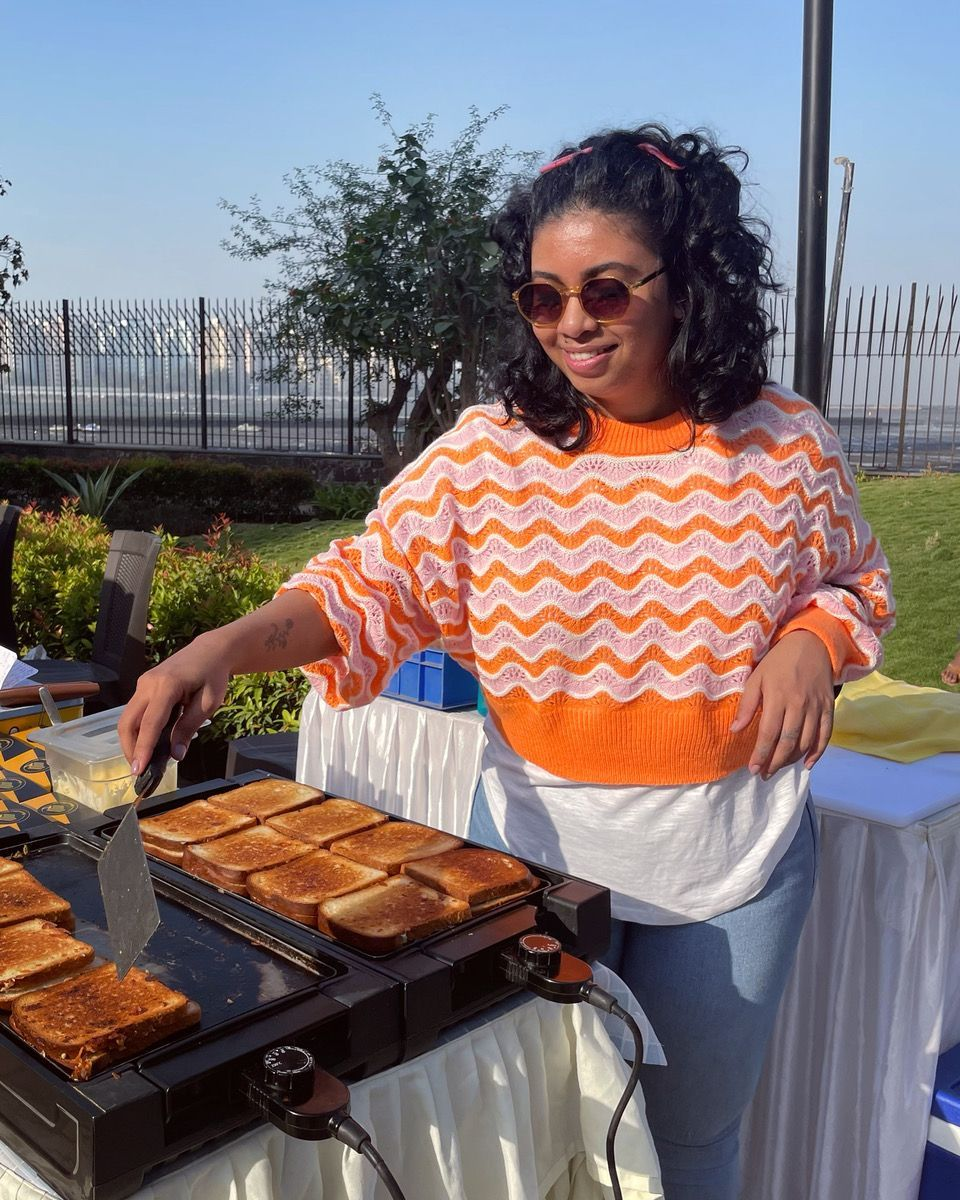
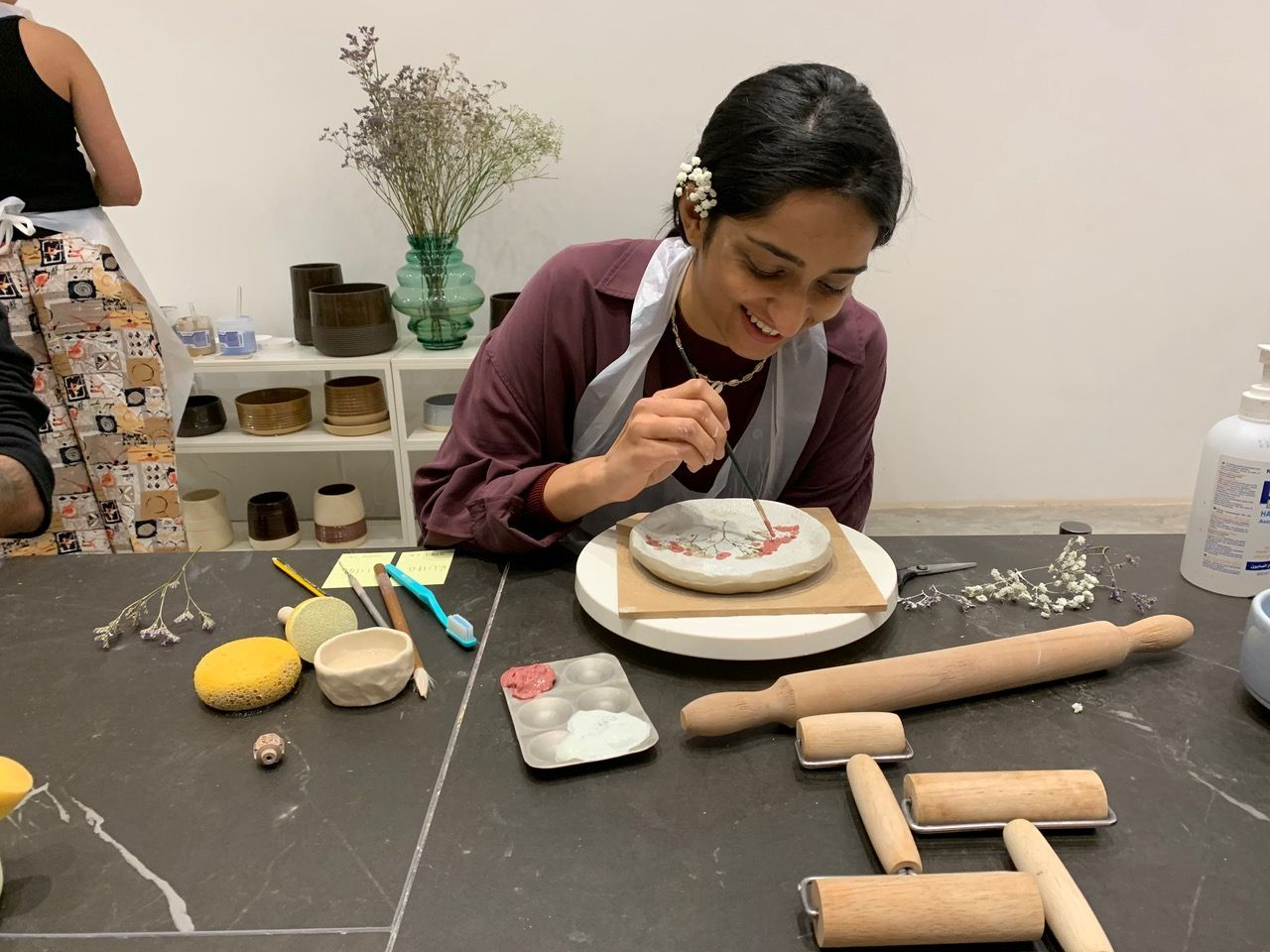
I’ve always been entrepreneurial. Growing up, I tried to use any bit of talent to create things I could sell. In second or third grade, someone gifted me a pottery kit and I went around my building trying to sell misshapen pots to people. In high school, I started painting white Bata canvas shoes and T-shirts and selling them to people. There’s still a Facebook group somewhere. That’s how I made my pocket money and it helped shape what I’m doing now.
I tried to pursue art but it was one of those things where if I did it for money, I would start to hate it and couldn’t stick to it. Retrospectively, I realised that cooking was the one thing I hadn’t quit. It’s one of those things that I just don’t get bored of. Twelve years later, I’m still doing it.
My dad’s side of the family is in the restaurant business. My granddad set up his first restaurant 35-40 years ago so I grew up in that culture, but my parents didn’t really consider that I would take this forward until later in life. They assumed that this was one of the many hobbies I would quit, so I don’t think anyone was taking it seriously.
Cooking is like jazz; you keep riffing and creating something new out of the same ingredients that you have, and that’s really fun for me. When I cook for myself, it’s always about throwing things together and it’s kind of awful because I can never make the same dish twice. If I make something and I really love it, I can never do it again, because I never write things down.
In the restaurant business, every day is a different challenge. I have a grilled cheese business called The Fromagerie and a restaurant called Kuckeliku Breakfast House. There’s never monotony, so it’s always fun. Right now, it’s keeping me quite fulfilled.
source: http://www.vogue.in / Vogue India / Home> Culture / by Nayantara Dutta / March 27th, 2023