Tag Archives: Sabika Abbas Naqvi

On Muslim Women’s Day, four Indians share the creative journeys that shaped their identity

INDIA :

Four Indian Muslim women creatives talk about how they discovered what they love.

Art lets us see ourselves in other people. It opens windows so we don’t get lost in the darkness, and reminds us that we’re never alone. 

I believe that every person who thinks creatively is an artist. Whether you’re an entrepreneur or a scientist, you are a creative person if you’re finding new ways to tell stories and experience the world. When we spend time with art, we start to see things differently. When we listen to other people’s stories, we begin to connect to them and also understand more about ourselves.

Today, on the occasion of Muslim Women’s Day, we are presented with a special opportunity to pass the mic and celebrate Muslim women in a world that has historically overlooked them. When I founded the trend report and online community Unapologetically Muslim back in 2017, there was an important cultural shift happening. Donald Trump had issued an immigration ban preventing Muslims from entering the United States, and people were showing vocal support for Muslims, but their identity was also being typecast and commodified. Their stories were being told for them.

In response, I created a platform for Muslim women to tell their own stories. Over the last six years, I have interviewed over 130 women from all over the world and shared their stories on Instagram. I’m not Muslim myself but wanted to find a way to show solidarity. It’s been incredible to speak to women about their creative journeys and their dreams for the future. We have so much to learn from each other.

This year, for Muslim Women’s Day, I interviewed four Indian Muslim women creatives about how they discovered what they love. I hope their words give you some inspiration, and I hope that you take the opportunity to celebrate the Muslim women in your life.

Ruha Shadab, founder of LedBy Foundation
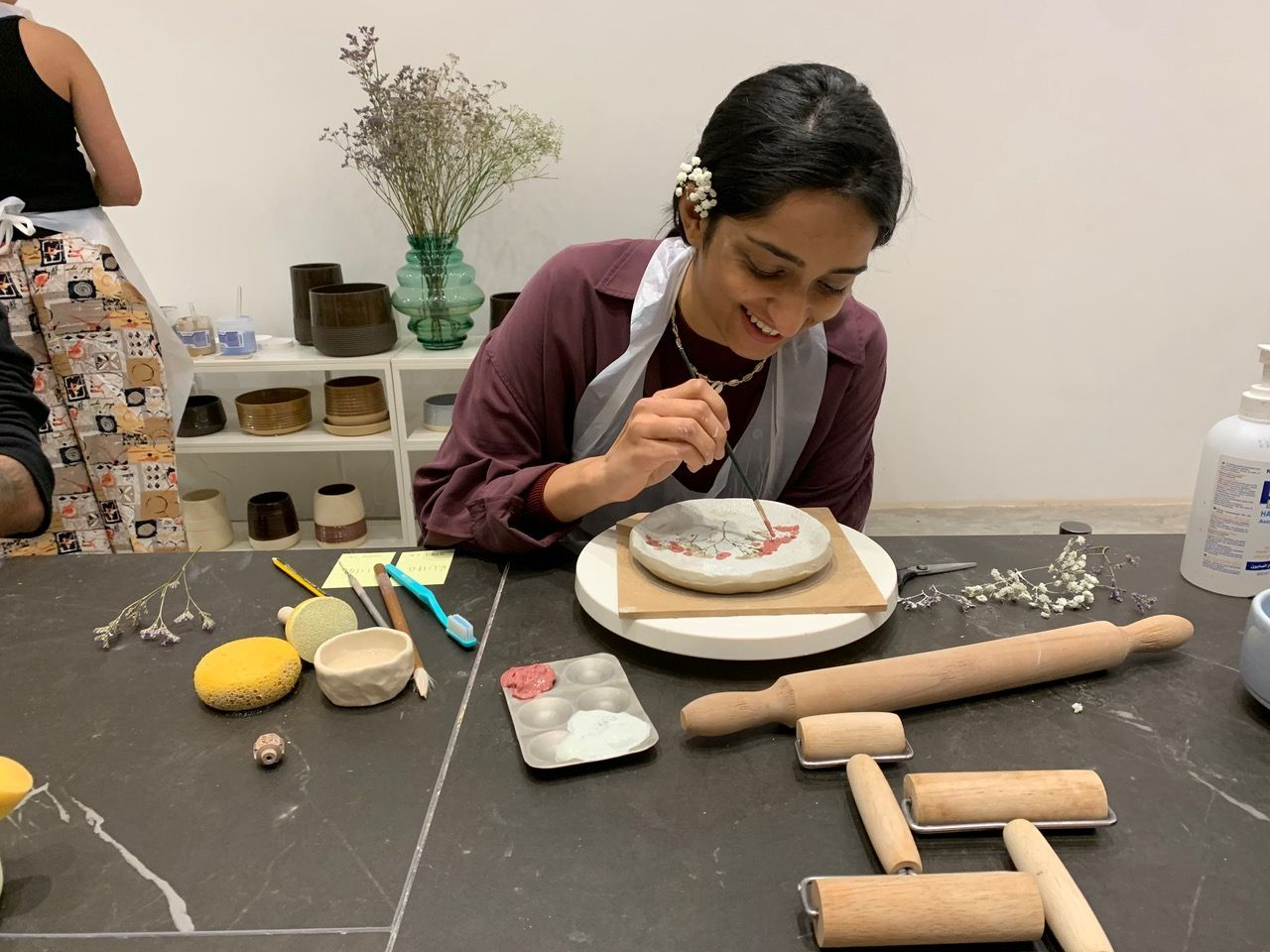
I was born in Saudi Arabia and moved to Noida when I was eight years old. I was a very quiet child but remember speaking about social impact as a six-year-old. At dinner, an uncle asked me what I wished for when I grew up, and I said world peace. He laughed at me, which I thought was amusing because I was being very honest about what I wanted. 

I would eventually go on to create the LedBy Foundation, a leadership incubator for Indian Muslim women. I truly believe that the education and employment of women is one of the most pressing issues we’re facing in India. I hope that every Indian gets the opportunities, support and encouragement to achieve their professional dreams. At LedBy, we focus on helping Muslim women with the hope that it will have a positive externality. We’re giving them the support they need to reach top positions in 10-20 years as they climb the corporate ladder.

During our graduation ceremony last year, we invited parents and family members to speak. One father said, ‘This is the first time I’m speaking on a public platform. LedBy is empowering Ayesha and now Ayesha is empowering me.’ It’s beautiful that our work can have an upstream effect towards parents. The impact is not just at the individual level, but at the family level. Change is already coming and I believe that LedBy is expediting it.

Sana Khan, co-founder of Bombay Closet Cleanse and pole dancer
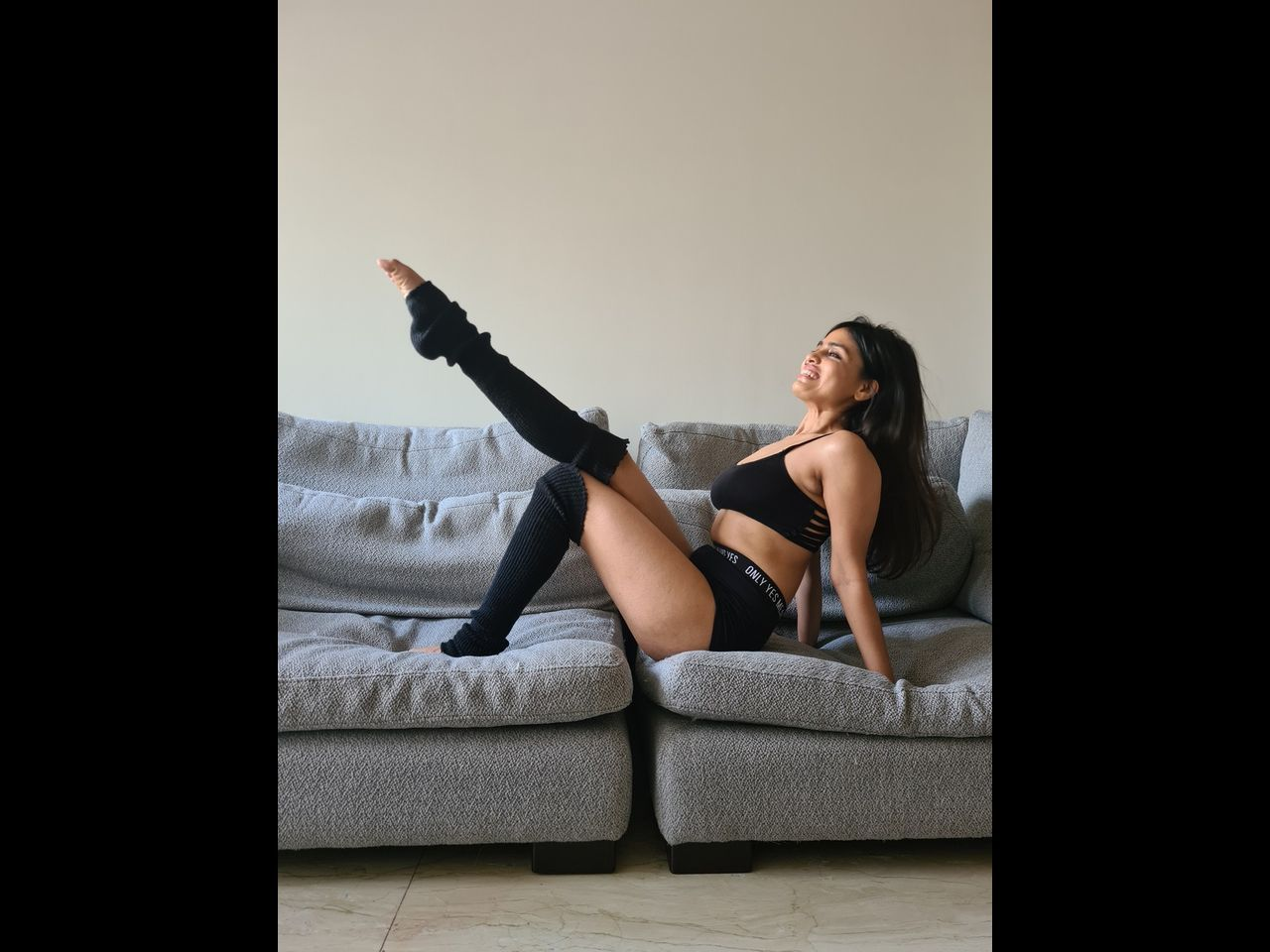
Growing up in a very conservative family, I was never able to wear what I wanted to. I was pretty shy and underconfident because I wasn’t exposed to a lot. I used to go to tuitions wearing salwar kameez while my friends would wear shorts. I’ve changed outfits in cabs and corners under my building. I had to fight really hard for what I wanted to wear.

After I got married, I became a compulsive shopper and would buy things I didn’t need. I wanted to have everything that I didn’t get to wear as a teenager. I was on this spree of buying, buying, buying. It became my identity. 

At some point, I organised a charity garage sale at my home where about 100 people turned up. I received so much love and warmth from this community and we raised INR 15,000 for the Salvation Army. It was really heartwarming to see the response, so my sister Alfiya and I started a thrift store called Bombay Closet Cleanse. At first, it was just about making space in my closet. Then, slowly, I learned a lot and became very passionate about sustainability.

At the same time, I was at a very low point in my life. I saw burlesque dancers perform in Melbourne and was inspired by their confidence and body positivity. I’ve always gravitated towards sensual dance forms because they make me feel powerful in a way that I didn’t as a child. When I came back to Bombay, I signed up for pole classes and started doing therapy. They worked like magic for my confidence.

I have a pole in my house and I only perform for myself. It’s something that I absolutely love doing and it’s helped heal my childhood trauma. I’ve fought for it so hard that now, everyone has accepted it. 

Sabika Abbas Naqvi, poet and activist
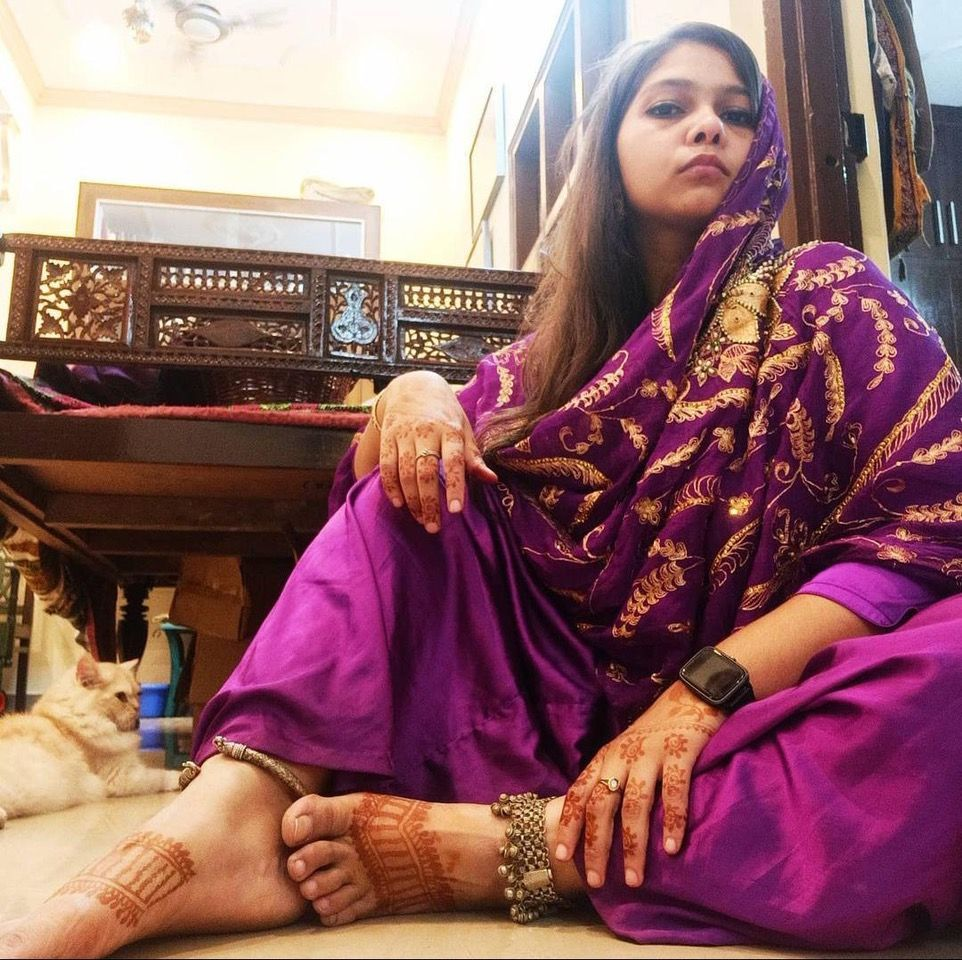
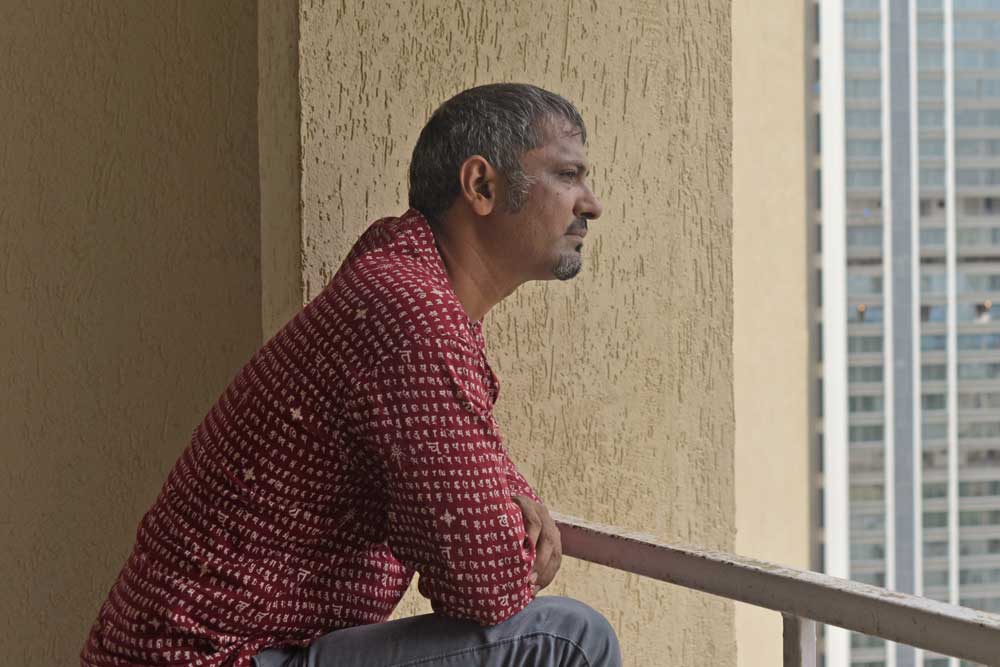
I come from a legacy of care and love. I grew up in a mosque compound in Lucknow with lots of love and appreciation. I was the quiet one and loved books. I had a record of finishing a book a day.

I started writing poetry when I was four years old. I would go upstairs and scribble things and I would come back and people would read it. From the balcony of the masjid, older people would ask me to read what I had written. At that time, I would call my poetry gibberish, but that was the beginning.

I’m Shia Muslim so I come from a huge cultural context of mourning and the noha and marsiya poetry that comes out of it. I had no idea what spoken poetry was, but the performance of that poetry really inspired me and became a tool I used to question everything around me. Now, for me, there is no other way to do poetry. 

My poems are questions that I wanted to ask everyone around me, and they are also answers to questions that I was asked. It’s an all-inclusive theatre of words. It’s not a piece of literature; it’s an experience, and the performance comes with it. It’s not just the words that have to be said, but the way in which the words have to be said: which word is lightly put forward and which word is put forward with tenderness or anger. 

The purpose of this poetry is my lifelong mission. I write poems that are multilingual so that more people can understand them. My poetry must and should be read on the streets in protest and if it is not, then it is a failure of mine. If people can spread hatred on the streets, why can’t I spread love?

Nuzha Ebrahim, chef and owner of Kuckeliku Breakfast House and The Fromagerie
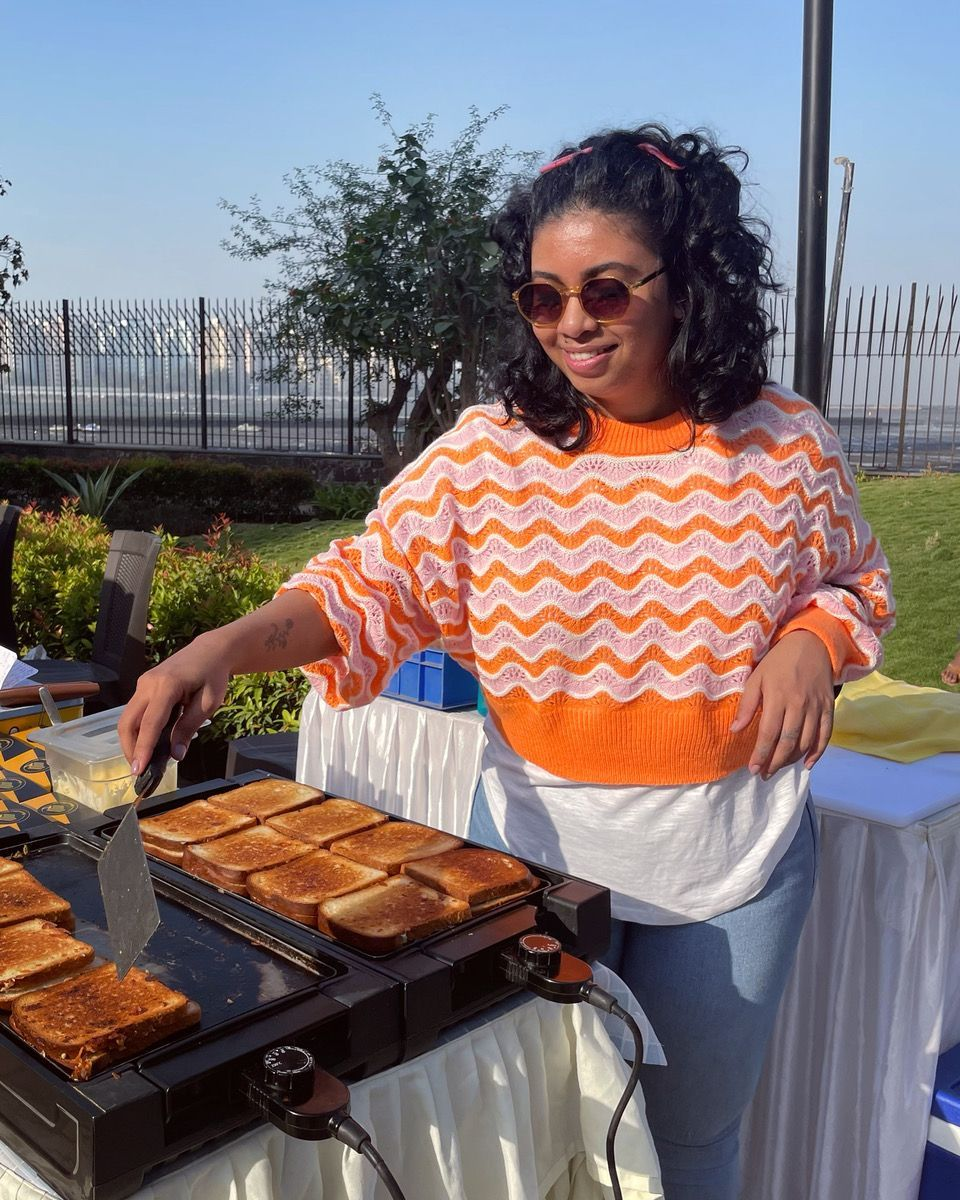
I’ve always been entrepreneurial. Growing up, I tried to use any bit of talent to create things I could sell. In second or third grade, someone gifted me a pottery kit and I went around my building trying to sell misshapen pots to people. In high school, I started painting white Bata canvas shoes and T-shirts and selling them to people. There’s still a Facebook group somewhere. That’s how I made my pocket money and it helped shape what I’m doing now.

I tried to pursue art but it was one of those things where if I did it for money, I would start to hate it and couldn’t stick to it. Retrospectively, I realised that cooking was the one thing I hadn’t quit. It’s one of those things that I just don’t get bored of. Twelve years later, I’m still doing it.

My dad’s side of the family is in the restaurant business. My granddad set up his first restaurant 35-40 years ago so I grew up in that culture, but my parents didn’t really consider that I would take this forward until later in life. They assumed that this was one of the many hobbies I would quit, so I don’t think anyone was taking it seriously.

Cooking is like jazz; you keep riffing and creating something new out of the same ingredients that you have, and that’s really fun for me. When I cook for myself, it’s always about throwing things together and it’s kind of awful because I can never make the same dish twice. If I make something and I really love it, I can never do it again, because I never write things down.

In the restaurant business, every day is a different challenge. I have a grilled cheese business called The Fromagerie and a restaurant called Kuckeliku Breakfast House. There’s never monotony, so it’s always fun. Right now, it’s keeping me quite fulfilled. 

source: http://www.vogue.in / Vogue India / Home> Culture / by Nayantara Dutta / March 27th, 2023
Sabika Abbas Naqvi on the pedagogy of protest poetry

Lucknow, UTTAR PRADESH / Pune, MAHARASTHRA :

SabikaAbbasNaqviMPOs06feb2019

There’s an emerging subculture of poetry vocalising the difficulties of marginalised communities and individuals

We’ve seen many forms of protest poetry before but we merely haven’t put a definite label to it yet. We’ve seen this from the likes of Nikki Giovanni’s ‘Rosa Parks’, Jill McDonough’s ‘Dear Gaybashers’ and, of course, Maya Angelou’s ‘Caged Bird’.

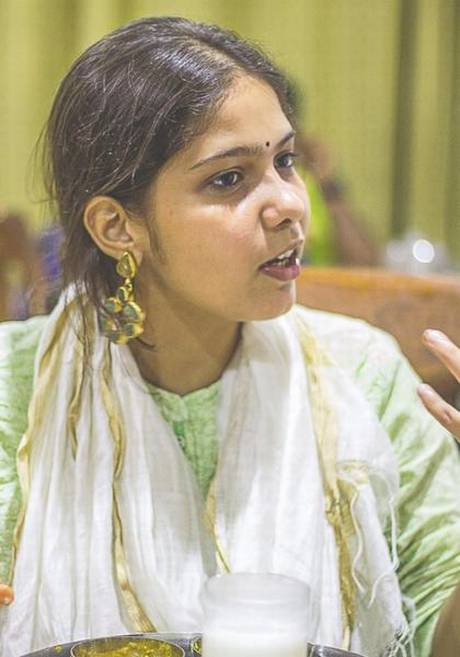
Sabika Abbas Naqvi is no stranger to performance poetry. She describes protest poetry as a natural result of urban communities and the thriving interest in the arts. Hailing from Lucknow and residing in Pune, the 25-year-old has given a TEDx talk ‘Challenging The Order of Patriarchy’ and performed at Youth Ki Awaaz’s Convergence in 2016, as well as gearing up for a forthcoming one here this weekend at Lamakaan.

Over a phone call, the noisy bustle of traffic and people chatting is audible in the background as Sabika chats about the emergence of this poetry style.

“I’ve observed it’s come from the West,” she says, “and it’s new to India. India has a thriving spoken-word scene and these shows often have a lot to say. The thing is, the protest poetry I do comes from a different culture. It has a lot to do with the feminist movement of India and the other various movements related to farming communities and minorities. It’s not just about political progressive movements, it’s also about the language of progressive movements and resistances.”

Personal connect

For Sabika, especially, her initial approaches to poetry had a lot to do with resistance. She, too, realised that she’d been listening to different kinds of protest poetry and she’d long been part of the movement. “It’s mainly the culture and the styles too. In terms of style, I wouldn’t say I’m a purist. Slam poetry, on the other hand, has a lot of progressive approaches. I don’t know! It’s hard to compartmentalise these styles but you know they’re different.”

Sabika does point out that part of her performance signature is that she performs on the streets. So it’s natural to wonder if it’s safe as heckling is a direct bi-product of this art type. “It happens, but I do get a lot of appreciation and that’s what really makes it worth it. And I know this is where I belong.” The association between poetry and revolutions has been analysed over and over by linguistic and social science experts but the only way to really grasp the messages of protest poetry is by attending these expressive performances.

The most compelling part of protest poetry for Sabika is that she’s grown as a performer and creator with the courage imbibed into her. “While the poetry does have forms of protest in them, I’m also protesting the existing types of poetry, essentially questioning a certain metre in which poetry is expected to be written. A lot of people do question how dare I speak in these metres and so on. Not everyone will like my form of poetry. In that sense, doing it on the streets is a protest in itself! Women, gender non-conforming individuals, those of a particular caste and so on are in public spaces, so vocalising is important.”

Protest poetry in online spaces thrive differently, according to Sabika who says the responses come in waves. “Online it’s easy to react to poetry with an anonymity but in person when I perform publicly, I see the tangible responses and reactions and I engage after when people come up to me after. I can see my audience but I don’t know their names… but they’re there. And they don’t attack me and I haven’t ever been attacked in person. But when I share a video, I have received hate messages, threats and comments. Online spaces do open up for potential abuse. I really enjoy seeing my poetry online but there is a danger attached to it.”

To balance all this emotional uproar, Sabika admits she indulges in comedy every once in a while. “My friends, the ones who really know me, say I should try stand-up,” she chuckles, “But people who see me for the first time see I’m quite serious, so they’d never think it would be an interest of mine remotely!”

I then ask Sabika, who’s spoken so much about poetry and its value by now, ‘where would she be without poetry?’ She pauses, surprised, finally responding, “You know what? I don’t know.”

Sabika’s protest poetry performance will be at Lamakaan on February 9 at 7pm

source: http://www.thehindu.com / The Hindu / Home> Entertainment> Theatre / by Divya Kala Bhavani / February 06th, 2019

Rahman Abbas: ‘English writers enjoy more freedom than us’

Mumbai, MAHARASHTRA :

Urdu writer Rahman Abbas on the challenges of being defiant

RahmanAbbasBookMPOs28sept2018

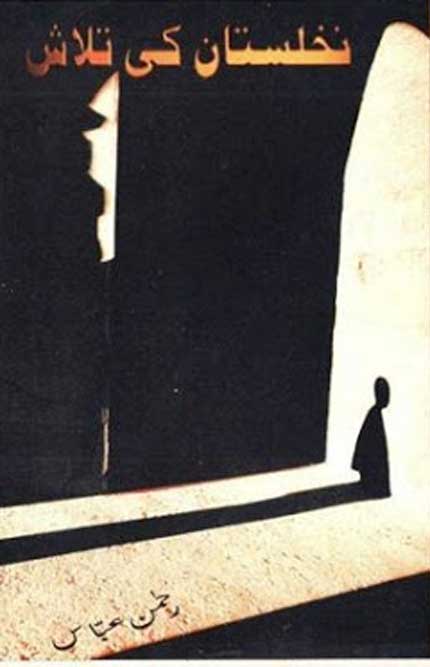
A few paragraphs were all it took for the trouble to start. Thirteen years ago, Urdu writer Rahman Abbas was booked for obscenity for his debut novel Nakhlistan ki Talash, a love story set in Bombay following the 1992-93 riots. The offending two or three paragraphs dealt with love and sex.

It’s been more than 10 years since that particular combination of words got him arrested and two since the case of obscenity was closed. But aside from polishing the rawness of a first novel, he probably wouldn’t change the words.

“I may [take] care about a few words; I will use those words but will try to use them more creatively,” he says, when asked what he would have done in hindsight. “But I don’t think there is any word we should hide. I, for one, cannot.” He continues, “As Manto said, you say ‘breast’ for ‘breast’, you can’t use another word. Or for a ‘chair’ you have to say ‘chair’, you cannot say ‘donkey’.”

RahmanAbbasMPOs28sept2018

A medium-height man with a soul patch and a disarming frankness, Abbas, 46, is currently translating Nakhlistan into English, and expects it to be published next year. He has just come back from a tour of Germany with the German translation of his fourth and latest novel Rohzin—the first time any of his novels has been translated. Next month, Rohzin’s English translation, by Sabika Abbas Naqvi, is slated for release. Set in Mumbai, the love story opens with the flood of July 2005 and won a state Sahitya Akademi award in 2017.

But to a general audience Abbas, a former teacher, is still perhaps best known as the writer who found himself in the crosshairs of an outdated legal provision: Section 292 of the Indian Penal Code that punishes obscenity in writing and art.

“I don’t regret what happened,” he says. “These are the challenges you have to face as a writer or creative person. If your society is orthodox, it is your duty to challenge the orthodoxy.”

And that is precisely what he plans to do. Since the police case that changed his life, Abbas has left the teaching profession, won and returned a Sahitya Akademi award, won and retained a Sahitya Akademi award, and is in the incipient stages of launching a broader campaign against Section 292. That section, among others, has for years been a part of the restrictive free speech architecture that bedevils Indian writers and artists.

“There is freedom for people to protest against a book, to dislike a book. I respect that freedom. If I have the freedom to write, people have the freedom to criticise,” says Abbas, who won his first state Sahitya Akademi award for his third novel, Ek Mamnua Mohabbat ki Kahani . “But a [legal] provision that gives people an opportunity to send a writer to jail, that should be stopped.” He adds, “For a democracy, this is crucial.”

The first step, Abbas believes, is to galvanise public opinion through writing and advocacy against Section 292 in particular. A public interest litigation (PIL) opposing the use of this provision against writers and artists is already in the works.

Abbas is also busy working on a fresh piece of Urdu fiction, his first literary effort since the case against him was closed in 2016, liberating him in several ways. “For my next novel, I will try to explore the things I couldn’t explore in my previous three novels,” he says. “Since the case has ended, I feel I am free to write.”

Abbas denies the impact that fame— or infamy—can have on the reception of a work. “I think if you aren’t a good writer, it will not help,” he says. “Nothing can help.” He names Sadat Hasan Manto and Ismat Chughtai as illustrious Urdu predecessors who were prosecuted (though ultimately unsuccessfully) under the same law he was. Then he chuckles: “There is no single example of bad writers having any problem.”

Good or bad, Indian filmmakers and artists have consistently faced oppressive free speech laws, whether through criminal prosecution, government bans or threats from conservative factions.

In 2016, various groups protested against Tamil writer Perumal Murugan’s One Part Woman and sought a ban on it. In 2015, Jharkhand-based writer Hansda Sowvendra Shekhar’s The Adivasi Will Not Dance was banned by the state government on allegations of having violated Section 292, among others. Earlier this month, the Supreme Court dismissed a plea seeking a ban on the Malayalam novel Meesha. To Abbas, this is part of a wider pattern. “English writers enjoy more freedom than us. I don’t know why. Alice Walker’s novel was in our syllabus and used those same words that I did and went to jail for,” he says. “On the one hand, the Government makes you read a book; on the other hand, if you use the same word in your text, you are a criminal.”

Though he was let off without a trial—the complainant told the court she had misunderstood the offending passages and the case was closed—Abbas spent one night under arrest in Arthur Road jail until his lawyer was able to complete the bail formalities. “It was quite a humiliating process,” he says, its memory still fresh more than a decade later. “When you go to jail, you feel your whole freedom is gone, that you will never get out of there.”

The experience was both debilitating and transformative. “I remembered Manto and wrote about how I felt the pain of Manto,” says Abbas, a touch dramatically. “If you are a writer or journalist and you experience jail, you understand the importance of freedom. I had it when I was writing; when it is stopped, you realise the importance of maintaining it. It’s not only your struggle, but a struggle of humanity.”

Though he lost his job, was pilloried at the time by the Urdu media, and still faces the censure of conservative Muslims, he now has more enthusiastic readers, he believes. “Now my writing has been accepted in a big way. Urdu readers are not that narrow minded,” he says. “They are openly reading and I am happy when young people appreciate the work which the previous generation had condemned.”

Abbas taught at a Muslim institution for several years and was also the principal of one. He later decided to leave academia and joined a think-tank fulltime in 2012. “If you are liberal Hindu, you won’t work in an RSS shakha,” he says of leaving that minority institution. “It is very conservative. Through education, they want to promote their religious ideas. I believe education should be 100 per cent secular; there shouldn’t be any discussion on religion. But now both communities are insisting on preaching religion and morality, and that is antieducation, anti-scientific temper.”

In 2015, Abbas joined the awards return protests initiated by authors disturbed by the silence of institutions and the apathy of the Government to violence against free thinkers. Like many writers and intellectuals, he too is concerned about what he perceives as the shrinking space for dissent in the country and the rise of divisive politics. “The right-wing is gaining. And only because it is doing the same ugly, dirty propaganda and dividing people in the name of religion,” he says. “There is a feeling that Dalits, Muslims, Christians, Adivasis can be targeted. Yes, there is a fear. And people should speak up.”

source: http://www.openthemagazine.com / Open / Home> Salon > Web Exclusive: Books / by Bhavya Dore / September 21st, 2018