Monthly Archives: August 2025

Through NFYM We Wish to Empower Youth for a Better Tomorrow: Masihuzzaman Ansari, NFYM Chairman

DELHI :

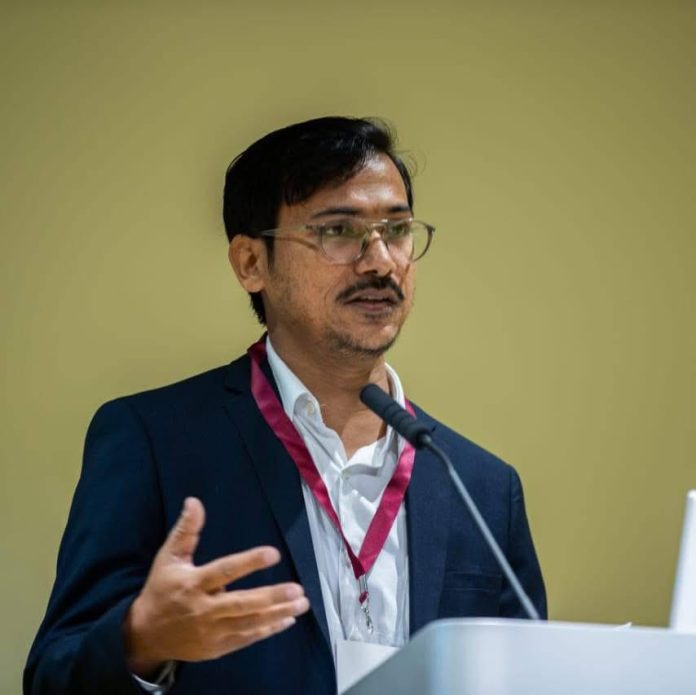
Masihuzzaman Ansari, newly elected Chairman of National Federation of Youth Movement

Masihuzzaman Ansari, newly elected Chairman of National Federation of Youth Movement (NFYM), spoke in detail with Mohd Naushad Khan about his vision for youth in order to empower them for a better tomorrow.

You have been elected as Chairman of National Federation of Youth Movement (NFYM). How do you view this new responsibility?

NFYM is a youth organisation founded by Jamaat-e-Islami Hind in 2023. Its goal is to address the issues facing young people, guide them properly, and help them move in a positive direction. In a diverse society like India, being chosen as the chairman of such a federation is certainly a challenge, but it’s also filled with opportunities and hope. I see this role as a significant opportunity to work for youth-related issues. As a young person myself, getting a chance to work for the youth and to understand India’s diversity through their perspectives is truly an honour for me.

You mentioned that India is a diverse society. In that context, how easy or difficult will it be for you to lead a national-level organisation? Do you have prior experience in similar organisations?

In a diverse society, the process of learning and understanding is constant. The more inclusive a person becomes, the more they must learn. As for experience, I’ve served as the National Secretary of the Students Islamic Organisation (SIO), which is the student wing of Jamaat-e-Islami Hind.

I’ve also held various positions at both the state and national levels, including serving as the State Secretary and later the State President of SIO in Uttar Pradesh. These roles gave me the opportunity to understand not just Uttar Pradesh but also the broader context of North India. I’ve closely observed organisational methods and expansion strategies. So yes, I do bring experience from those roles, and I believe that experience will help me fulfil my responsibilities at NFYM.

In today’s socio-political ambience, what role do you see the Youth Federation playing?

India is a country with a large youth population, and the current thinking of this generation will shape the future of the nation. But the question is: what is the current mindset of the Indian youth? What direction are they heading in?

Today, political parties often mislead youth for their own short-term gains, using them to further their agendas. Instead of demanding their rights – such as employment or fair treatment – many young people get caught in the traps of these ideologies. NFYM aims to counter this opportunistic environment by promoting a harmonious society, encouraging mutual coexistence, and building a democratic and inclusive social fabric. The Federation can play a crucial role in achieving these goals.

What is the core objective behind the establishment of NFYM?

NFYM is a national platform of youth organisations operating at the state level across India. Its purpose is to organise young people around leadership, social responsibility, and constitutional values. The Federation aims to harness the creativity, innovation, and energy of the youth for nation-building. We believe youth are not just the future, but also a powerful force in shaping the present.

At a time when India has its largest youth population in history, NFYM is working to provide intellectual direction, leadership training, and organisational opportunities to mobilise youth for social change. Our goal is to create a shared vision among youth and bring about meaningful and impactful transformation through a federated structure.

We work in various fields – education, entrepreneurship, cultural expression, and socio-political participation – to support holistic youth development. We also seek to guide young people facing challenges such as addiction, negative thinking, family stress, and emotional disconnection, inspiring them to live purposeful lives and contribute positively to society.

NFYM is built on principles like personal integrity, mutual respect, adherence to collective decisions, lawful functioning, protection of human rights, and resolving conflicts through dialogue.

Ultimately, we aim to develop youth who are socially aware, responsible citizens – individuals who promote justice, peace, and harmony in society through their actions and leadership.

Why was there a need for a new Youth Federation? What is NFYM doing that existing youth organisations aren’t?

Necessity is the mother of invention, and that’s precisely the case with NFYM. There was indeed a clear need for a new youth federation. Many of the challenges young people face today are either ignored or inadequately addressed by existing youth organisations.

Currently, trust in democratic institutions is steadily being eroded, especially among the youth. Unemployment is rising, and young people are increasingly becoming directionless. Rather than being empowered with skill development, they are often manipulated by vested interests. Communal forces are diverting youth away from employment-focused activities and undermining constitutional values. Instead of being viewed as assets, young people are often seen as cheap labour.

There is a constant effort to diminish youth confidence, keeping them entangled in issues that hold no real promise for their future. NFYM seeks to reverse this trend – rebuilding trust in democracy, showing new paths of hope, providing skill-building opportunities for employment, and promoting harmony, peace, and brotherhood.

We want to transform the current narrative. In our vision, youth are not mere labourers; they are active participants in nation-building and witnesses to a progressive India.

As Chairman, where do you plan to take NFYM during your tenure? What goals have you set?

NFYM’s policies and programmes are decided by our Federal Committee, which will be convening soon. However, the Federation primarily focuses on four key areas: Community Development, Youth Culture, Youth Issues, and Socio-Political Issues.

Based on these four pillars, we will design our national programmes and initiatives. These will be implemented across the country through various campaigns and grassroots engagement activities aimed at reaching young people directly.

My commitment as Chairman is to ensure that these programmes are meaningful and action-oriented. We aim to cultivate leadership among youth, promote constitutional values, and build a stronger, more united society. The Federation’s mission is not limited to raising awareness – it’s about igniting action, encouraging critical thinking, and inspiring youth to become responsible, empowered, and empathetic citizens.

The NFYM is not just another organisation – it’s a vision for the future. In an era where youth are often pulled in different directions, NFYM seeks to provide clarity, purpose, and a collective voice. Its emphasis on social responsibility, democratic values, and inclusive leadership makes it a unique and timely initiative.

source: http://www.radiancenews.com / Radiance News / Home> Face-to-Face / by Mohd Naushad Khan, Radiance News Bureau / August 07th, 2025
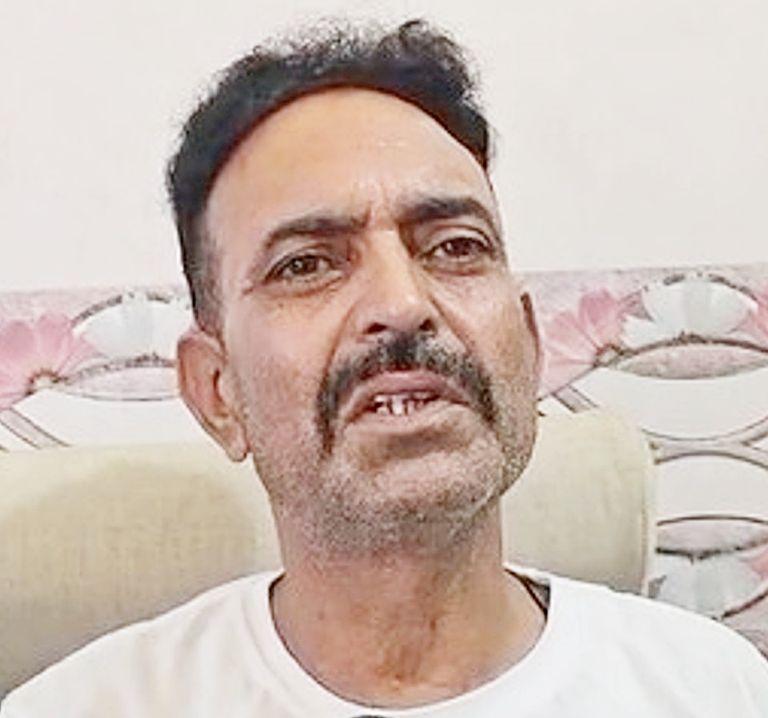
Kargil Hero Nawab Wasim Survived 7 Bullets, Fought On, Now Trains Future Football Stars

Ramnagar, UTTARAKHAND :

"We fought for this country, took bullets for it. Now, I fight to save its future. Sports can instil discipline, self-confidence, and patriotism. That’s my new mission,” said Subedar Major (Rtd) Nawab Wasim ur Rehman

Ramnagar :

Every year, as India marks Kargil Vijay Diwas on July 26, the nation salutes the bravery and sacrifice of its soldiers who repelled enemy forces from the icy heights of Kargil in 1999. Among the countless tales of valour, one that continues to inspire generations is that of Subedar Major Nawab Wasim ur Rehman, a war hero from Ramnagar, Uttarakhand, who stood his ground and kept fighting for 20 minutes even after being hit by seven bullets.

When the Kargil war erupted between India and Pakistan, brave soldiers from every corner of the country were deployed to the treacherous, snow-covered battlegrounds. Around 75 soldiers from Uttarakhand laid down their lives, and many others sustained serious injuries. One of them was Nawab Wasim from Nainital district, who was struck by seven AK-47 bullets – six in his right leg and one in his left – yet continued to fight alongside his battalion.

“That morning was not ordinary,” recalls Nawab Wasim.

“We were advancing near Tiger Hill when enemy gunfire rained down upon us. My comrade, Captain Sumit Rai, was martyred in the initial assault. We knew retreat was not an option. If we stepped back, we would lose the nation’s honour.”

Originally from Lansdowne in Pauri Garhwal, Nawab Wasim joined the Garhwal Rifles in 1990. After serving for two years in Kupwara (Jammu & Kashmir), he was slated to move to Joshimath, but the onset of the Kargil War rerouted him straight to the frontlines—perched at a staggering altitude of 4,700 metres.

“The enemy was stationed at a higher elevation. Bullets and mortars were raining down from above. We kept climbing through the night. Amid chaos, six bullets tore through my right leg and one into the left. But I felt no pain, only the fire to defeat the enemy. I kept firing, unaware of my injuries. It was only when I tried to stand and couldn’t that I realised I had been hit,” he told IANS.

Wasim was eventually airlifted and treated by Major General Chopra, who performed the surgery that saved his legs. After a long recovery, Nawab Wasim stood once again, both literally and symbolically, as a pillar of courage and resilience.

After nearly 20 years of service, Nawab Wasim retired from the Indian Army in 2019 with the rank of Subedar Major. But his mission did not end there. Today, he continues to serve, not on the battlefield, but on the football field.

Now settled in Ramnagar, Wasim has dedicated himself to uplifting local youth. Disturbed by the growing menace of drug abuse and directionless adolescence, he decided to channel his energy into coaching. He now trains over 150 children from Ramnagar and surrounding areas – free of cost – in football. His passion and discipline have turned his coaching ground into more than just a place for sport; it has become a school of values.

“Seeing children fall prey to drugs is heartbreaking,” he said.

“We fought for this country, took bullets for it. Now, I fight to save its future. Sports can instil discipline, self-confidence, and patriotism. That’s my new mission.”

Thanks to his efforts, several of his students have gone on to play at the national level, a testament to his mentorship and the spirit of never giving up.

His football ground in Ramnagar has become a beacon of hope, a space where young minds are shaped, and hearts are inspired to love and serve the nation.

“All we ask is for the country to remember us. Let future generations know the price that was paid for the freedom they enjoy today,” he added.

Kargil Vijay Diwas is celebrated every year on July 26th, honouring India’s hard-earned triumph in the Kargil War of 1999. The conflict started in May 1999 when Pakistani troops, disguised as militants, covertly occupied key high-altitude positions in the Kargil region of India. To regain control, the Indian Army initiated “Operation Vijay”, a challenging mission to recapture these perilous mountain heights under harsh weather conditions. — IANS

source: http://www.clarionindia.net / Clarion India / Home> Editor’s Pick> India> Indian Muslims / by Clarion India / July 26th, 2025

10 Muslim jurists, legal luminaries who shaped India as a nation

INDIA :

New Delhi :

Muslims have enriched the Indian judiciary and legal profession in the post-independence era. Here is a list of 10 top Indian legal luminaries who played a key role in evolution of India as a country which runs on the rule of law and where people get justice:

M C Chagla

Mahommedali Currim Chagla was the first Indian Chief Justice of the Bombay High Court after Independence. He played a significant role in shaping modern India’s legal and political landscape. Born in 1900 in Bombay, Chagla was educated at Oxford and called to the Bar at Lincoln’s Inn. Besides his legal career, he was known for his clarity, integrity, and liberal outlook.

M C Chagla With the US President John F Kennedy

His judgments often reflected a deep concern for civil liberties and constitutional morality. Chagla also served as India’s Ambassador to the USA and High Commissioner to the United Kingdom, and later as Minister of Education and Minister of External Affairs in the Union Cabinet.

In all his roles, he remained a fierce advocate for democratic values and transparency. His autobiography, Roses in December, remains a candid and insightful reflection on his public life and principles. Chagla’s legacy endures as that of a statesman who combined intellect with moral courage, earning respect across political and ideological divides.

A M Ahmadi

Chief Justice Aziz Mushabber Ahmadi is one of India’s most respected jurists. Born in Surat, Gujarat, into a Dawoodi Bohra family. His father served as a lower court judge. He began his legal practice in 1954 in the Ahmedabad courts. Interestingly, when he was appointed Civil Judge at the age of 32 years in March 1964, he was the only Muslim judge at that level.

Justice A M Ahmadi with his grand-daughter

His appointment sparked protests. He was Elevated to the Supreme Court of India in December 1988 and Promoted to CJI on 25 October 1994.

He has authored over 232 judgments and sat on more than 800 benches during his tenure. His landmark judgments include S.R. Bommai v Union of India (1994). He was Part of the nine-judge bench that upheld OBC reservation but set a 50% ceiling and clarified the ‘creamy layer’ exclusion.

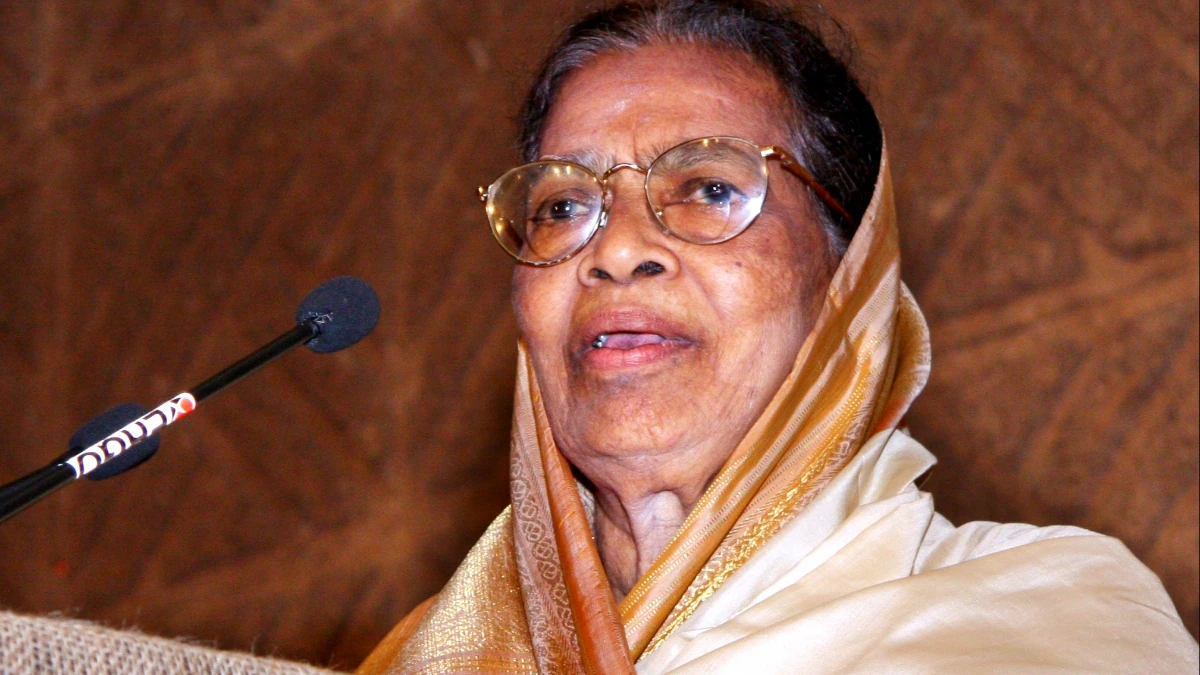
M. Fathima Beevi

Justice Fathima Beevi was appointed a judge of the Supreme Court of India, becoming the first woman judge of India’s apex court—and also the first female such judge in Asia on 6 October 1989. She hailed from Pathanamthitta, Kerala. In 1950, she made history by becoming the first woman to top the Bar Council exam, earning the gold medal, and started practising as an advocate in Kollam.

Justice M Fatima Beevi

he entered the Kerala Subordinate Judicial Services as a Munsiff in 1958, gradually rising through the ranks and was elevated as a Judge of the Kerala High Court in 1983, becoming the first Muslim woman in India’s higher judiciary. She famously described her appointment as “opening a closed door” for women in the judiciary. Later, she was also appointed Governor of Tamil Nadu.

M H Beg

Justice Mirza Hameedullah Beg served as the 15th Chief Justice of India from January 1977 to February 1978. Known for his scholarly approach and deep understanding of constitutional law, Justice Beg played a significant role during a turbulent period in Indian judicial history. Before becoming Chief Justice, he was a judge in the Allahabad High Court and later a judge in the Supreme Court of India.

One of the most notable aspects of his career was his involvement in the ADM Jabalpur case (1976), where he controversially upheld the suspension of fundamental rights during the Emergency. After his retirement, he served as the Chairman of the Minorities Commission of India.

Mohammad Hidayatullah

Mohammad Hidayatullah was the 11th Chief Justice of India, serving from 1968 to 1970. Known for his sharp intellect and deep understanding of constitutional law, he played a key role in shaping Indian jurisprudence. Born in 1905 in Lucknow, Hidayatullah had an illustrious academic background and was a distinguished jurist even before joining the Supreme Court.

Justice M Hidaytullah

Apart from his judicial contributions, he also served as the Acting President of India in 1969 and later as the Vice President of India from 1979 to 1984. Hidayatullah was admired for his integrity, scholarship, and commitment to justice. His legacy continues to inspire generations of legal professionals in India.

Altamas Kabir

Justice Altamas Kabir served as the 39th Chief Justice of India. He hailed from a prominent Bengali Muslim family and pursued law at the University of Calcutta. Justice Kabir began his legal career in 1973 and was appointed as a judge of the Calcutta High Court in 1990. He later served as the Chief Justice of the Jharkhand High Court. In 2005, he was elevated to the Supreme Court of India and eventually became the Chief Justice in September 2012.

Justice Altmas Kabir

Justice Kabir was known for his compassionate approach and for delivering several landmark judgments, especially in the fields of human rights and social justice. He was particularly respected for his concern for the marginalized and for ensuring access to justice for all. Justice Altamas Kabir passed away on February 19, 2017. His life remains an inspiration in the Indian legal landscape

Baharul Islam

Justice Baharul Islam was a prominent Indian jurist and parliamentarian. Born in Assam in 1918, he began his career as a lawyer. He served as a member of the Rajya Sabha from the Congress and later became a judge of the Gauhati High Court.

Justice Baharul Islam

In 1980, Justice Islam was elevated to the Supreme Court of India, becoming one of the few judges to have also served as a legislator before holding the country’s highest judicial office. His judgments were marked by clarity, fairness, and a concern for human rights. After retiring from the judiciary, he returned briefly to politics and was elected to the Rajya Sabha again.

Ahsanuddin Amanullah

Justice Ahsanuddin Amanullah is a judge of the Supreme Court of India, known for his integrity, legal acumen, and commitment to justice. Born in 1963, he hails from a family with a background in law and public service. He began his legal career in the Patna High Court, where he gained recognition for handling a wide range of constitutional and civil cases with fairness and depth.

Justice Ahsanuddin Amanullah

He was elevated as a judge of the Patna High Court in 2011 and later served at the Andhra Pradesh High Court. In February 2023, he was appointed as a judge of the Supreme Court of India. Throughout his judicial career, Justice Amanullah has earned respect for his balanced judgments, progressive views, and efforts to ensure transparency and accountability in the legal system.

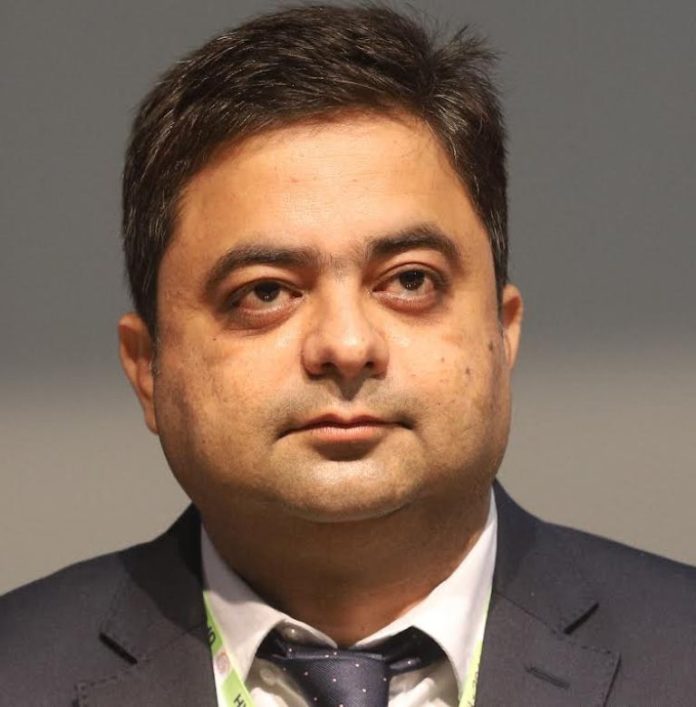
Faizan Mustafa

Faizan Mustafa is an academic and legal scholar. He is the former Vice-Chancellor of the National Academy of Legal Studies and Research (NALSAR) University of Law, Hyderabad, and the founding V.C. of the National Law University Odisha (NLUO). He sits on the board of directors of the technology incubator, the T-Hub. Most recently, he was the Vice-Chancellor at Chanayka National Law University, Patna.

Faizan Mustafa

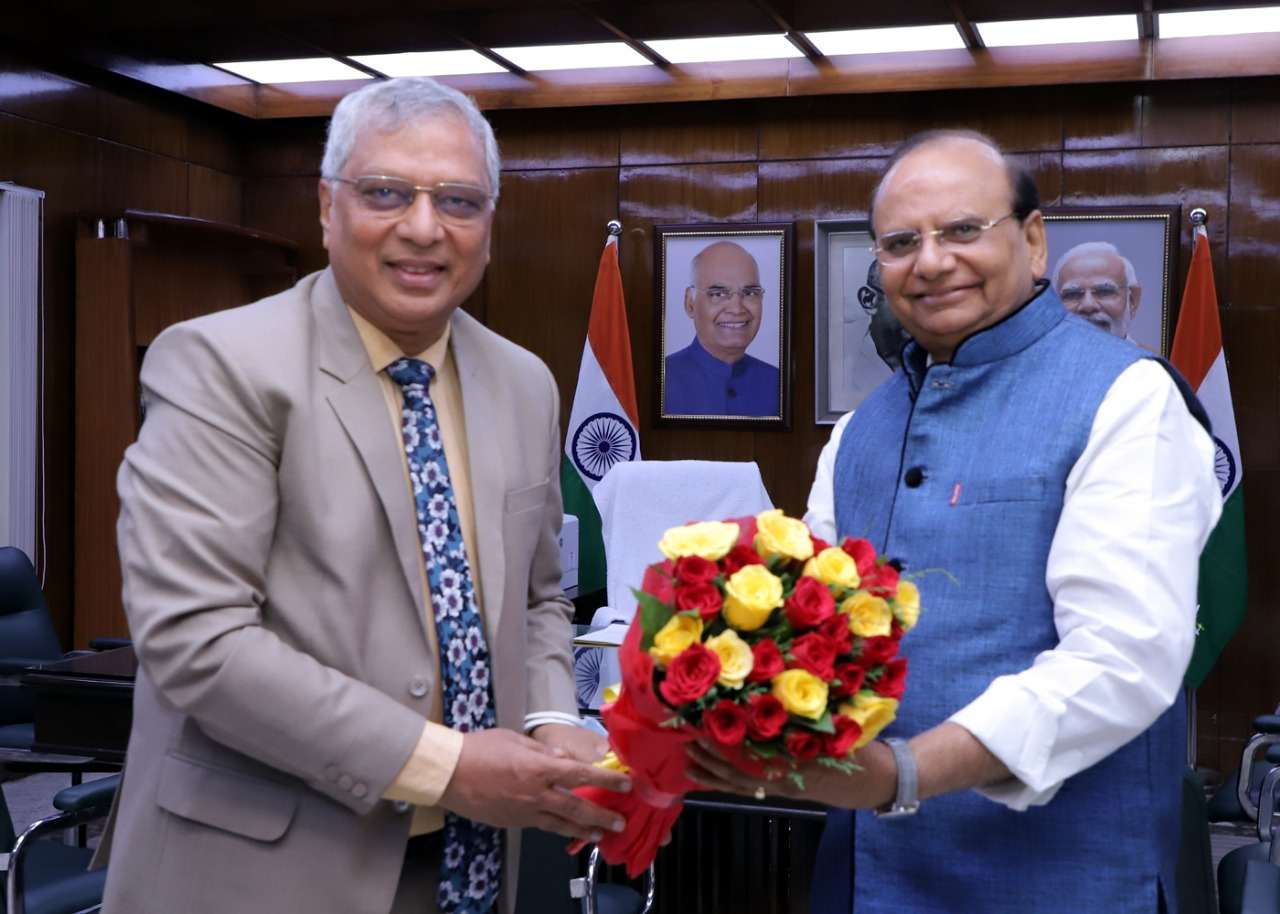
Sabihul Hasnain

Justice Sabihul Hasnain graduated in Law from Lucknow University in 1980. He enrolled as an advocate in 1984 and practiced mainly on the Civil Side/Constitutional & Service.

Sabihul Hasnain (Left)

He was appointed as an Additional Judge in May 2008. He became a permanent Judge on April 19, 2010, and retired as a Judge of the Allahabad High Court. After his retirement, he was appointed as the chairperson of the Delhi Electricity Regulatory Commission (DERC).

source: http://www.awazthevoice.in / Awaz, The Voice / Home> Stories / by Aasha Khosa , ATV / August 05th, 2025

AMU Physicists Honoured as ALICE Collaboration Wins 2025 Breakthrough Prize

Aligarh, UTTAR PRADESH :

Aligarh Muslim University

Aligarh:

The Department of Physics, Aligarh Muslim University (AMU), has brought global recognition to the institution as part of the internationally acclaimed ALICE Collaboration, which has been awarded the prestigious 2025 Breakthrough Prize in Fundamental Physics.

The prize has been conferred on the ALICE Collaboration for its detailed measurements of the Higgs boson properties confirming the symmetry-breaking mechanism of mass generation, the discovery of new strongly interacting particles, studies on rare processes and matter-antimatter asymmetry, and explorations of nature at the smallest scales and under the most extreme conditions.

This recognition celebrates the significant contributions of the AMU Physics team under the leadership of Prof. M. Anisul Ain Usmani, Chairman, Department of Physics, and Prof. Shakeel Ahmad, Project Investigator. Their research efforts have been integral to the global scientific investigations conducted at CERN’s Large Hadron Collider.

Prof. Shakeel Ahmad, a senior physicist and dedicated member of the ALICE Collaboration, has played a vital role in these high-impact studies. Along with his team of researchers from AMU, he has contributed extensively to the international effort, thereby enhancing India’s standing in the global high-energy physics community.

The Breakthrough Prize, widely regarded as the “Oscars of Science”, carries a total award of three million US dollars, with five hundred thousand dollars allocated to the ALICE Collaboration. This amount has been donated to the CERN & Society Foundation to support doctoral students from member institutes, including AMU, providing them opportunities to pursue research at CERN and strengthen international academic cooperation.

The prize was accepted on behalf of the ALICE Collaboration by Marco van Leeuwen of Nikhef, who served as the spokesperson from 2023 to 2025.

The University has congratulated Prof. Shakeel Ahmad and his team for their exceptional contributions and extended appreciation to all faculty members, research scholars, and students associated with the project for their commitment to scientific excellence.

source: http://www.radiancenews.com / Radiance News / Home> Pride of the Nation> Focus / by Radiance News Bureau / July 28th, 2025

AMU Faculty Member to Receive Prestigious IEEE Hingorani Award for Excellence in Solar Photovoltaic Systems

Aligarh, UTTAR PRADESH :

Prof. Mohammad Rihan of the Department of Electrical Engineering, AMU

Aligarh:

Professor Mohammad Rihan of the Department of Electrical Engineering, Aligarh Muslim University (AMU), has been selected for the 2025 IEEE Power and Energy Society Hingorani Award for Excellence in Solar Photovoltaic Systems, a globally recognised honour bestowed upon individuals for outstanding contributions to the advancement and application of solar photovoltaic technology.

Currently on deputation as the Director General of the National Institute of Solar Energy (NISE), Prof. Rihan has emerged as a prominent figure in India’s clean energy transformation. He also chairs the Bureau of Indian Standards (BIS) Solar PV Committee, shaping critical policy and regulatory frameworks.

Prof. Rihan’s work at AMU includes leading the large-scale integration of solar energy into the campus distribution system, setting a benchmark in sustainable campus energy solutions.

He will be presented with the award at the IEEE International Conference on Power Systems (ICPS), scheduled at IIT Hyderabad from December 7 to 9.

source: http://www.radiancenews.com / Radiance News / Home> Pride of the Nation> Awards> Latest News / by Radiance News Bureau / August 01st, 2025

A Maths Teacher ‘Swims’ to Get His Calculation Right

KERALA :

Close on the heels of a news item on tribal students swimming across Koteswari river to reach school in Dhar district, Madhya Pradesh comes yet another incident of a school teacher’s involvement to swim across Kadalundi River to reach the school on time in neighbouring Kerala. As a matter of fact, the Mathematics teacher got his calculation right in ensuring the students’ education isn’t affected at any cost.

In a bid to save time and ensure punctuality, the teacher wears a waterproof bag to carry his clothes and teaching materials and changes after reaching the other side, and heads straight to the classroom, often before the morning bell rings. This has been the case for him right from joining the school. Really pathetic to read the story which raised many questions on why the local panchayat seldom took any initiative on this count.

It is learnt that Abdul Malik has chosen to swim across the Kadalundi River from 1994 to avoid three-hour travelling in multiple buses to reach the school which is a laborious task. “Better to swim than depend on unreliable transport,” Malik reportedly told the media. Interestingly, the teacher is affectionately called ‘Tube Master’ by his students. No doubt, his punctuality received accolades from the department.

In a step further, Malik teaches swimming to students above grade five, helping them overcome their fear of water and equipping them with a vital life skill. In short, he has inspired both the students and teachers. But for the social media platforms, the teacher’s story wouldn’t have come to light. According to Logical Indian, Abdul Malik’s story is a shining example of how perseverance, empathy, and a sense of duty can transform not just individual lives, but entire communities.

Malik’s environmental advocacy further demonstrates how personal commitment can drive collective action for a cleaner, more sustainable future. At the Logical Indian, we believe stories like Malik’s deserve to be celebrated and supported, as they remind us of the extraordinary impact of ordinary citizens. According to Project Nightfall, the teacher carries his clothes, books, and lunch in a sealed plastic bag that he holds above the water’s surface for the swim.

Abdul Malik’s case isn’t an isolated case as there are a plethora of schools situated in high range and interior areas across several States where more often than not the tribal students have to cross river streams to reach their schools. What is irking is the fact that despite repeated representations to the concerned authorities, no tangible action has been taken so far. This only proves to show the apathy of the powers-that-be.

Sadly, the department of education’s convergence project which is referred to as Access Roads for All Learners (ARAL) which seeks to provide accessible and safe road networks for teachers, personnel, learners, and parents through the construction of roads and bridges leading to remote and far-flung schools, has been put on the back-burner sans any effective action.

[The author is former Indian Express and Deccan Chronicle chief]

source: http://www.radiancenews.com / Radiance News / Home> Education> Latest News / by M Rafi Ahmed / August 01st, 2025

Khadija Rabbani Clinches Bronze in Double Trap at 23rd Rajasthan Open State Shooting Championship

Jaipur, RAJASTHAN :

Jaipur :

In a remarkable display of talent and precision, Khadija Rabbani won the bronze medal in the Youth Women’s category of the Double Trap event at the 23rd Rajasthan Open State Shooting Championship, organized by the Rajasthan Rifle Association.

Khadija demonstrated exceptional skill by scoring 10 points in both the first and second rounds, securing her place on the podium. Her success is a testament to her dedication and the expert guidance of her coach, Syed Saad Ali, whose mentorship has been instrumental in her journey.

The championship saw enthusiastic participation from numerous young and experienced shooters across multiple categories. The event aimed to promote shooting sports and nurture emerging talent in Rajasthan, offering a vital platform for athletes to showcase their abilities.

Expressing her joy after the win, Khadija said, “This is a proud moment for me. The guidance of my coach, Syed Saad Ali sir, and the support of my family have been the foundation of this success. I am determined to work harder and achieve even more in the future.”

Her achievement has brought pride not only to her family and coach but also to the local shooting community. The Rajasthan Rifle Association lauded her performance and expressed confidence in her bright future in the sport.

Khadija’s accomplishment serves as an inspiration for budding shooters and highlights the importance of hard work, determination, and expert coaching in achieving excellence in competitive sports.

source: http://www.radiancenews.com / Radiance News / Home> Pride of the Nation> Awards> Latest News> Report / by Raheem Khan / August 01st, 2025

AIUTC Awards Hakim Imamuddin Zakai Certificate of Honour

NEW DELHI :

New Delhi:

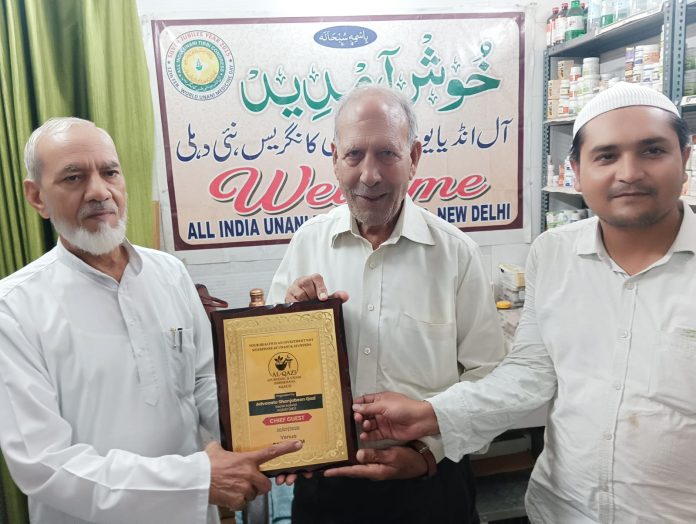
At the office of the All India Unani Tibbi Congress, located in Daryaganj here, Hakim Imamuddin Zakai of Neelam Dawakhana, Delhi, a prominent Unani physician, was presented with a Certificate of Honour.

On this occasion, while addressing fellow Unani doctors, Dr. Imamuddin Zakai emphasised the need for persistent efforts to promote the Unani system of medicine. He urged Unani practitioners to prioritise the use of Unani medicines as much as possible and called upon pharmaceutical companies to ensure the supply of high-quality medicines. He further appealed to both central and state governments to formulate policies for the advancement of Unani medicine, just as they do for the promotion of Ayurveda – especially considering that Unani medicine has been practised for centuries.

Dr. Syed Ahmad Khan, Secretary General of the All India Unani Tibbi Congress, stated that Hakim Imamuddin Zakai has been successfully running his clinic through the Unani system of treatment for over five decades, effectively showcasing the benefits of Unani medicine to the public. He also highlighted Hakim Zakai’s dual contributions to both the Unani medical system and the Urdu language.

“Today, we are conferring this Certificate of Honour in recognition of his invaluable services,” he added.

source: http://www.radiancenews.com / Radiance News / Home> Pride of the Nation> Awards> Latest News / by Radiance News Bureau / July 27th, 2025