Category Archives: Leadership, Academic : Vice Chancellor (VC) / Dean (wef. 18 June 2026)

Hakim Abdul Hameed: Visionary who turned medicine into a mission

DELHI :

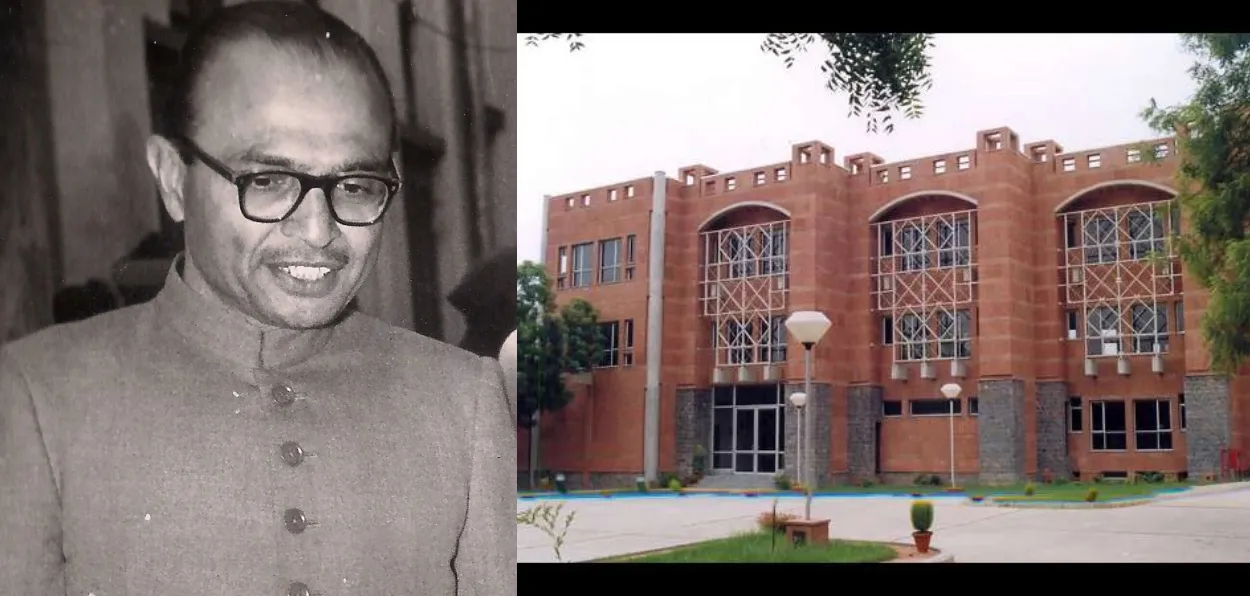
Hakim Abdul Hameed and campus of Jamia Hamdard

Life should be significant, not merely long. While some people make their lives significant by amassing wealth, others contribute to society and future generations. Hakim Abdul Hameed was one such rare individual. He is the founder of Jamia Hamdard, a deemed-to-be University located in South Delhi, which is celebrating its Foundation Day on September 14.

Abdul Hameed was born in Delhi on September 14, 1908. His life story is not merely that of a physician but of a man who transformed a family legacy of medicine into a vast movement encompassing education, research, healthcare, and public service.

His family was deeply involved in medicine and social service; his father, Hakim Hafiz Abdul Majeed, had established ‘Hamdard Dawakhana’ in 1906. ‘Hamdard’ in Urdu means one who empathises with others’ pain. This very sentiment became the guiding principle of Hakim Abdul Hameed’s entire life. He inherited not just a business from his father, but a responsibility. He strived to build Hamdard into an institution that would benefit every stratum of society.

Hakim Abdul Hameed was a practitioner of Unani medicine, yet his vision extended far beyond the treatment of the human body. He understood that for Unani medicine to be passed on to the coming generations, it required systematic teaching, rigorous research, and incorporating modern scientific methods.

He believed that tradition and modern science were not at odds; rather, by preserving the valuable aspects of ancient medical systems, they could be further fortified through scientific inquiry and research. This vision changed him into a pivotal pillar of Unani medicine.

The year 1947 was exceptionally difficult for the country. Partition had impacted millions and created an atmosphere rife with mistrust, violence, and uncertainty. Yet, even amidst such turmoil, Hakim Abdul Hameed was contemplating the establishment of institutions for the India of the future. It was during this period that he founded the Hamdard Charitable Trust and resolved to dedicate Hamdard’s earnings to the service of society. This decision speaks volumes about his character; he viewed wealth not as something to be hoarded for personal gain, but as a trust held for the benefit of society.

Subsequently, he established more institutions — the Hamdard Tibbi College and the Indian Institute of Islamic Studies in 1963; the Hamdard National Foundation in 1964, and the Hamdard College of Pharmacy in 1972.

Gradually, other institutions such as the Hamdard Education Society, Hamdard Public School, Ghalib Academy, and the Hamdard Institute of Historical Research were also added to this fold. He sought to create a comprehensive system where pharmacy, education, history, culture, and research could flourish alongside medical treatment.

The culmination of Hakim Abdul Hameed’s long-standing efforts came in 1989, when the institutions he had established were amalgamated into one to grant ‘Jamia Hamdard’ the status of a to-be Deemed University. This marked a significant achievement, realising a dream and the hard work of decades. He became its founding Chancellor. Hamdard’s own funds and his personal resources played a major role in establishing this university.

Today, it is important to remember that Jamia Hamdard was not backed by government machinery or a corporate conglomerate. Behind it lay the conviction of a single individual who believed that education could be the greatest service to society.

To remember Hakim Abdul Hameed merely as a builder of institutions would be to diminish his true stature. He was, first and foremost, a physician; understanding others’ pain was intrinsic to his nature. In his view, treating a sick person and providing a poor child with the opportunity to study were acts stemming from the same spirit of compassion, and he strove throughout his life to improve the human condition.

The body is healed through medicine, while the mind is nurtured through education. Hakim Sahib regarded both as integral parts of a singular mission of social service. Perhaps this is why the institutions he founded accorded equal importance to the humanities, history, and culture alongside hospitals and medical education.

Hakim Abdul Hameed’s contributions were recognised both within the country and across the globe. He was honoured with the Padma Shri in 1965 and the Padma Bhushan in 1992. In 1983, the then Soviet Union honoured him with the Avicenna Award. During the final years of his life, he also served as the Chancellor of Aligarh Muslim University.

However, considering his personality, it seems likely that he derived greater satisfaction from helping a needy person receive medical treatment or enabling a poor student’s education than from these accolades. For him, achievement was not merely about receiving awards but about making a difference in someone else’s life.

Hakim Abdul Hameed passed away in 1999, yet his work did not end with his departure. Even today, thousands of students study in the institutions he established, patients receive treatment in his hospitals, and the work of research and education continues to flourish.

The Jamia Hamdard campus is more than just a cluster of buildings; it stands as a testament to the idea that if an individual rises above personal interests to think about society, they can achieve a great deal for future generations. Hakim Sahib established these institutions much like a wise person plants a tree—knowing full well that while he might not live to sit in its shade, others certainly will. This was the most beautiful aspect of his life.

Today, the greatest challenge facing everyone associated with his institutions is ensuring that his legacy is not confined merely to names and monuments. The very meaning of ‘Hamdard’ is to understand the pain of others and strive to alleviate it. Hakim Abdul Hameed’s life teaches us that a person’s true legacy lies in the institutions and ideas that others carry forward long after they are gone. This is the legacy Hakim Abdul Hameed left behind. Carrying it forward is not just a matter of honour; it is our responsibility.

Author Prof. (Dr) M. Afshar Alam, is a Former Vice-Chancellor, Jamia Hamdard

source: http://www.awazthevoice.in / Awaz, The Voice / Home> Personality-News / by M Afshar Alam / September 13th, 2026
AMU Professor Mohammad Mobin Receives Prestigious Professor B.P. Verma Memorial Award

Aligarh, UTTAR PRADESH / JAMMU & KASHMIR :

Aligarh :

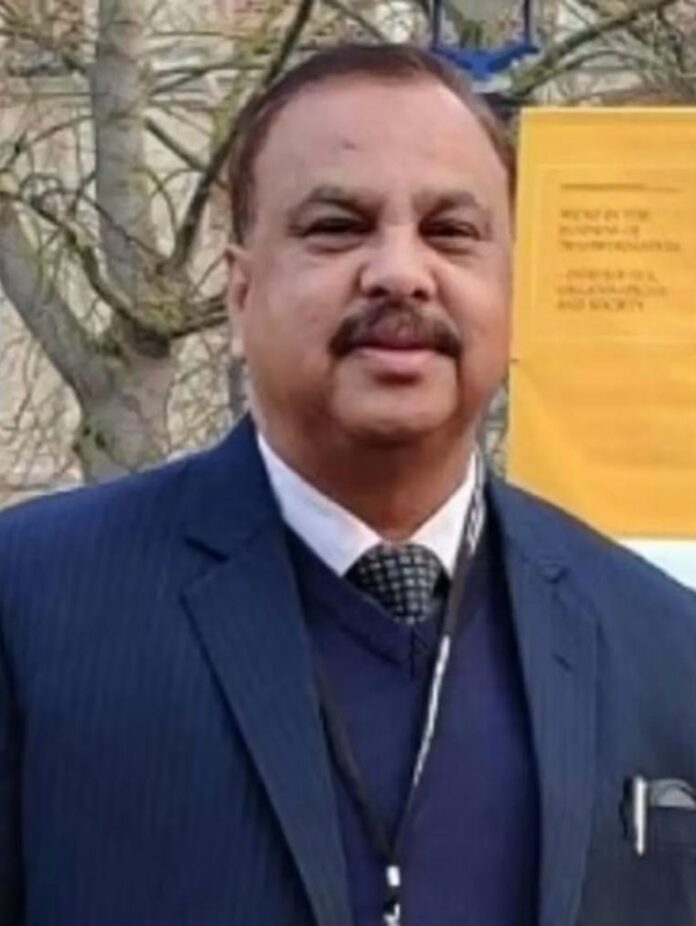
Professor Mohammad Mobin, Department of Applied Chemistry, Faculty of Engineering and Technology, Aligarh Muslim University (AMU), has been conferred the prestigious Professor B.P. Verma Memorial Award for 2025 by the Indian Chemical Society (ICS), recognising his contributions to research, development and innovation in Chemical Sciences and Engineering.

The honour marks a significant achievement in Professor Mobin’s academic career and reflects his sustained efforts towards advancing scientific research and translating innovation into meaningful technological and societal applications.

In a communication dated August 14, 2026, Prof. G. D. Yadav, President, Indian Chemical Society, conveyed the Society’s appreciation of Professor Mobin’s distinguished professional accomplishments, which have enhanced the stature of Chemical Sciences and Engineering and contributed to the advancement of Indian chemical and allied industries and society.

As part of the recognition, Professor Mobin has been invited to deliver the Professor B.P. Verma Memorial Award Endowment Lecture at the 63rd Annual Convention of Chemists (ACC 2026) of the Indian Chemical Society from December 14–16 at Graphic Era University, Dehradun.

Professor Mobin is presently serving as Vice Chancellor of Cluster University of Srinagar on deputation from AMU. His academic and research contributions span Chemical Sciences and Engineering, with particular emphasis on Materials and Corrosion, research innovation and technological development.

The Indian Chemical Society, one of India’s leading professional bodies in chemical sciences, has played a vital role in promoting chemical research, technology and industry while fostering collaboration among academia, research institutions and industry.

The Professor B.P. Verma Memorial Award adds another distinguished recognition to Professor Mobin’s achievements and brings pride to AMU and the wider academic and scientific community.

source: http://www.indiaeducationdiary.in / India Education Diary / Home> Educational News> University News / by iednewsdesk / August 17th, 2026

Professor Ziaur Rehman Siddiqui’s book released

Aligarh, UTTAR PRADESH :

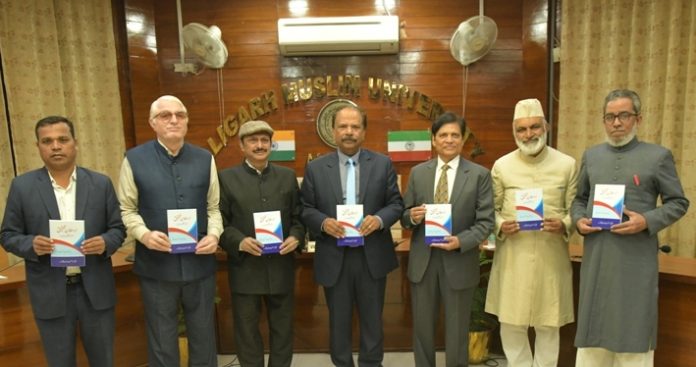
Prof Mohd Gulrez with Prof AR Kidwai, Prof Tariq Chahtari, Prof Siraj Ajmali and others releasing the book of Prof Zia ur Rahman

Aligarh :

Professor Mohammad Gulrez, Vice Chancellor, Aligarh Muslim University released “Armughan-e-Tehqeeq”, a book written by noted Urdu writer and critic, Professor Ziaur Rehman Siddiqui, Department of Urdu, Aligarh Muslim University.

Prof AR Kidwai, Director, Centre for Quranic Studies, AMU, Professor Tariq Chhatari, Professor Mushtaq Ahmed Zargar, Professor Syed Sirajuddin Ajmali and Mr. Tahir H. Pathan were present on the occasion.

Professor Ziaur Rehman Siddiqui has published 20 books, including the History of Urdu Literature, Urdu-Hindi Dictionary and translation of Ruskin Bond’s stories in Urdu, etc.

source: http://www.radiancenews.com / Radiance News / Home> Review Article> Book Review>Latest News / by Radiance News Bureau / March 06th, 2024

Jamia Hamdard Vice Chancellor Bags Lifetime Achievement Award

NEW DELHI :

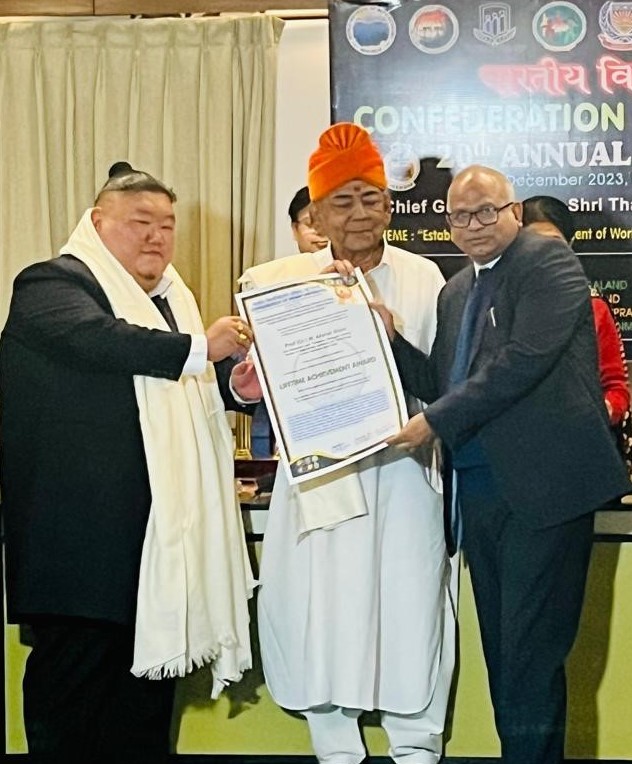
(R-L) Prof. M. Afshar Alam, Vice Chancellor, Jamia Hamdard receiving Lifetime Achievement Award at India International Centre, New Delhi on December 29 from Dr. Priyaranjan Trivedi, President, Confederation of Indian Universities and International Association of Educators for World Peace and Temjen Imna Along, Minister of Higher Education & Tourism, Nagaland

New Delhi :

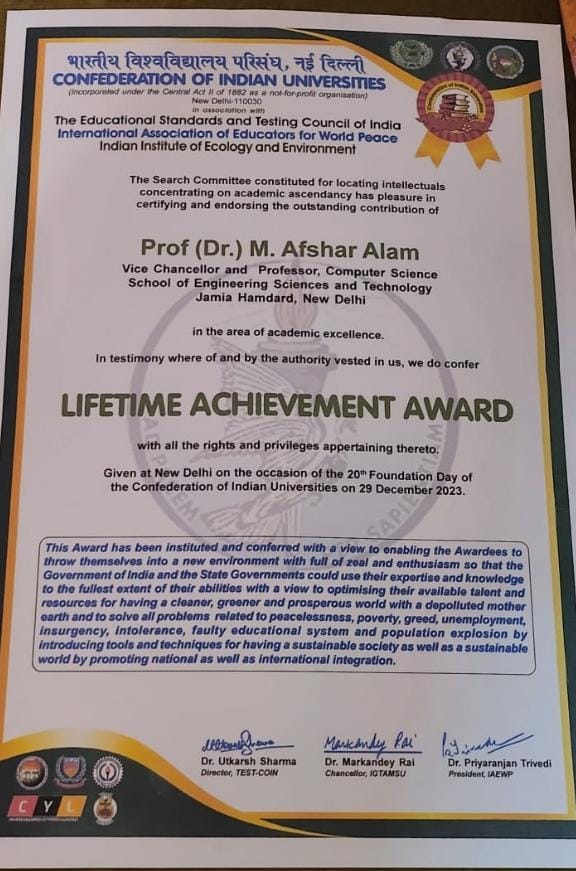
Prof. (Dr.) M. Afshar Alam, Vice Chancellor, Jamia Hamdard received the Lifetime Achievement Award in a function organised at India International Centre here on Friday from Temjen Imna Along, Minister of Higher Education and Tourism, Nagaland and Dr. Priyaranjan Trivedi, President, Confederation of Indian Universities and International Association of Educators for World Peace, said a statement of Jamia Hamdard on Saturday.

A search committee, constituted for locating intellectuals concentrating on academic ascendancy, certified and endorsed the outstanding contribution of Prof. Afshar Alam, Vice Chancellor, Jamia Hamdard and Professor, Computer Science, for this Lifetime Achievement Award.

The Confederation of Indian Universities in association with the Educational Standards and Testing Council of India, International Association of Educators for World Peace and Indian Institute of Ecology and Environment instituted this Award with a view to enabling the Awardees to throw themselves into a new environment with full of zeal and enthusiasm so that the Government of India and the State Governments could use their expertise and knowledge to the fullest extent of their abilities with a view to optimising their valuable talent and resources for having a cleaner, greener and prosperous world with a de-polluted earth and to solve all problems related to peacelessness, poverty, greed, unemployment, insurgency, intolerance, faulty educational system and population explosion by introducing tools and techniques for having a sustainable society as well as a sustainable world by promoting national as well as international integration.

source: http://www.radiancenews.com / Radiance News / Home> Pride of the Nation> Awards> Latest News / by Radiance News Bureau / December 30th, 2023

Prof Sabeha Mufti assumes charge as Dean Social Sciences KU

JAMMU & KASHMIR :

Srinagar :

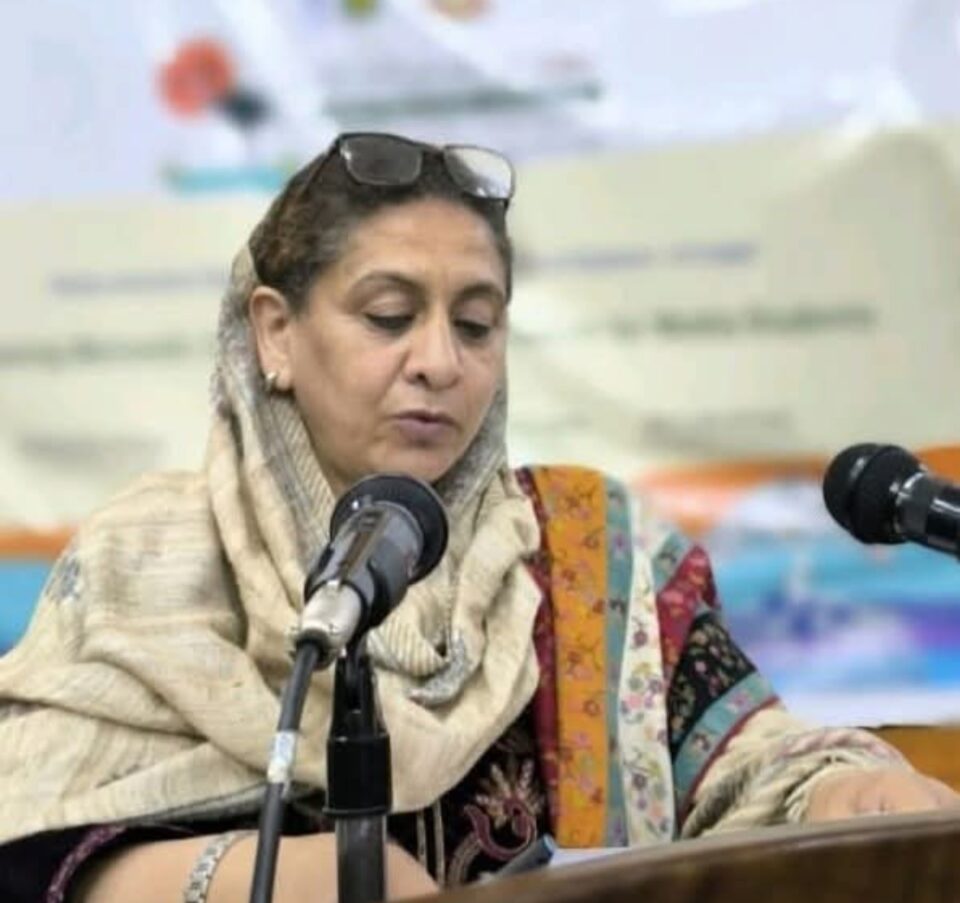
Prof. Sabeha Mufti assumes charge as the Dean, Faculty of Social Sciences, University of Kashmir. Currently serving as the Head of the Media Education Research Centre (MERC), Prof. Mufti brings with her rich academic experience, distinguished scholarship, and an extensive contribution to media studies and social science research.

Prof. Mufti holds a Ph.D. in Mass Communication & Journalism from the AJK Mass Communication Research Centre, Jamia Millia Islamia, and an M.Phil from University of Kashmir. Her academic work has largely focused on media research and media sociology, with significant contributions in areas such as media and representation of women, media and development in society, media audiences, and contemporary communication studies.

A distinguished scholar and academic, Prof. Mufti has published several research papers in reputed journals and has actively participated in numerous national and international conferences and seminars. Over the years, she has also guided and supervised a good number of M.Phil and Ph.D scholars, contributing immensely to research and academic mentorship in the field of media and social sciences.

The University fraternity extends heartfelt congratulations to Prof. Sabeha Mufti on assuming this important academic responsibility and wishes her continued success in strengthening teaching, research, and academic excellence in the Faculty of Social Sciences.

source: http://www.kashmirindepth.in / KINS Communication / Home> Breaking News> Kashmir / by Zainab Hamdani / May 23rd, 2026

10 Muslims women academicians of India

INDIA :

10 Muslim women academicians of India

New Delhi :

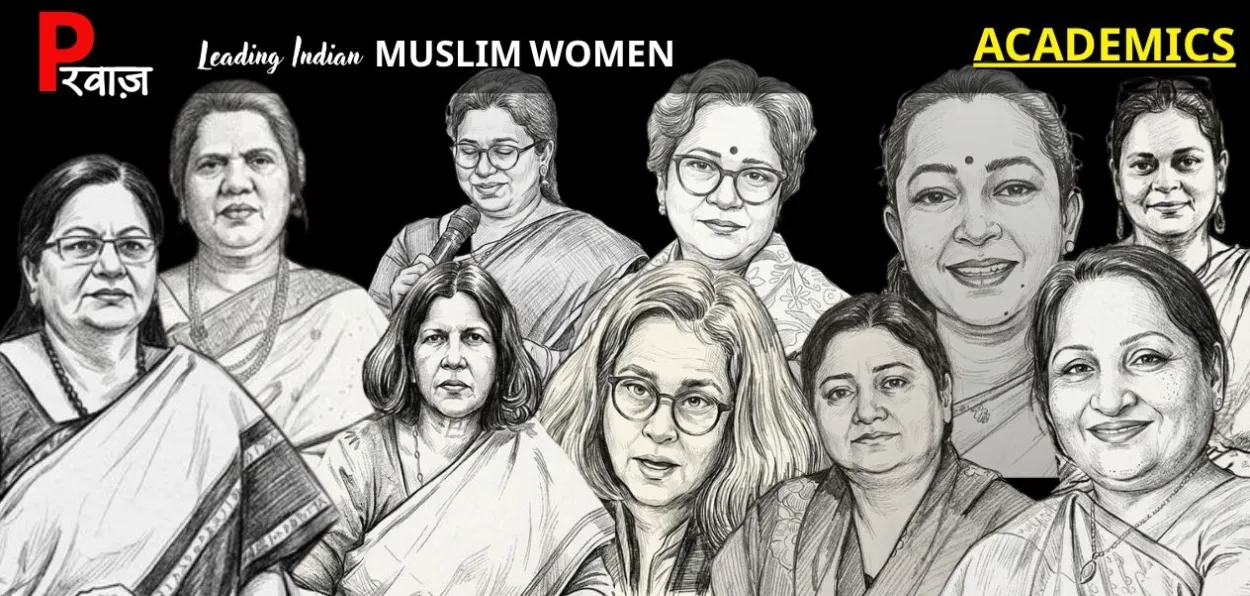
In its series Parvaz, Awaz-the Voice brings you stories of remarkable Muslim woman academicians, whose work across India’s universities, research institutions, and centres of learning, has redefined scholarship.

Their journeys span literature, history, science, social reform, diplomacy, and educational leadership, yet they are united by a shared belief that knowledge must serve society. Through classrooms, research labs, policy platforms, and grassroots engagement, these women have not only broken barriers but have created pathways for future generations.

Here is an introduction to ten selected Muslim Women Academicians of India:

Arjumand Ara :

Arjumand Ara stands as a distinguished scholar of language, literature, and feminist thought. A professor at University of Delhi, she has translated more than twenty major literary works and earned the Sahitya Akademi Translation Award in 2021.

Through her scholarship, she has built enduring bridges between Urdu and Hindi while preserving literary heritage and amplifying women’s voices.

Syed Tanveer Nasrin :

Syed Tanveer Nasrin has brought together scholarship, diplomacy, and social activism with rare distinction. Serving at University of Burdwan, she strengthened India’s cultural ties with the Maldives during her tenure in Malé while emerging as a respected voice on women’s rights, minority identity, and interfaith harmony.

Educated at Presidency College, Jadavpur University and JNU, she specializes in Gender Studies.

Abeda Inamdar :

Abeda Inamdar chose service over security when she left a prestigious government career to dedicate herself to education.

Through the Maharashtra Cosmopolitan Education Society and the celebrated Azam Campus, she has transformed educational opportunities for thousands of girls and marginalized students, creating institutions that continue to uplift generations.

Benazir Tamboli :

Benazir Tamboli turned personal adversity into a lifelong mission of empowerment and justice.

Through her work with the Muslim Satyashodhak Mandal and educational institutions, she has emerged as a fearless advocate for Muslim women, constitutional rights, and progressive social reform.

Naima Khatoon :

Naima Khatoon created history in 2024 by becoming the first woman Vice Chancellor of Aligarh Muslim University.

A renowned psychologist, author, and academic leader, she is steering institutional reforms, research excellence, and women’s empowerment while modernizing one of India’s most iconic universities.

Najma Akhtar :

Najma Akhtar broke another glass ceiling as the first woman Vice-Chancellor of Jamia Millia Islamia. A recipient of the Padma Shri, she introduced transformative reforms, expanded professional education, and helped shape Jamia’s emergence as a globally respected academic institution.

She is also the first woman to hold the post in JMI. In 2022, she was awarded with Padma Shri by the Government of India.

Nilofer Khan :

Nilofer Khan became the first woman to lead the University of Kashmir, marking a historic moment for higher education in the region. With nearly four decades of academic service and over a hundred research publications, she continues to inspire women to aspire to leadership in academia.

Shahida Murtaza :

Shahida Murtaza has spent over three decades documenting the realities of marginalized women across southern India. A former Dean at Maulana Azad National Urdu University, she has turned ethnographic research into a powerful mission for gender justice, awareness, and grassroots empowerment.

Sofia Banu :

Sofia Banu represents the growing force of women in scientific innovation. As an Associate Professor at Gauhati University, her groundbreaking work in biotechnology, biodiversity, and agricultural sustainability is creating real-world impact while inspiring young scientists across Northeast India.

Syed Mubin Zehra :

Syed Mubin Zehra has established herself as a leading scholar, author, and public intellectual. Serving at Atma Ram Sanatan Dharma College of the University of Delhi she continues to shape national conversations on gender equality, education, and social harmony through scholarship, advocacy, and global academic engagement.

source: http://www.awazthevoice.in / Awaz, The Voice / Home> Parvaz> The Changemakers / posted by Aasha Khosa / May 09th, 2026