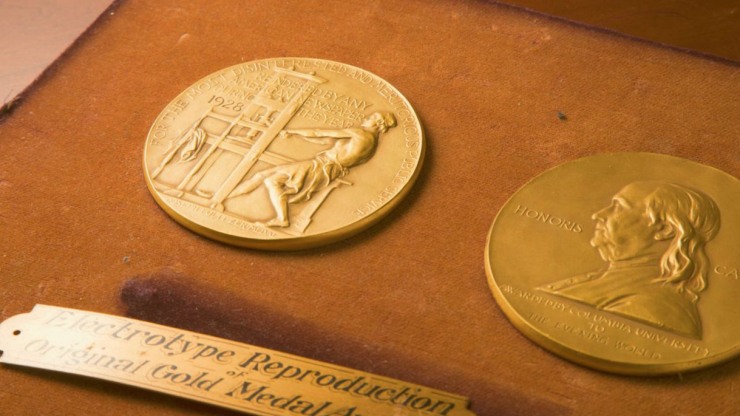
Obverse and reverse sides of the gold Pulitzer Prize for Public Service medal, which also serves as a symbol of the Pulitzer Prizes in general
A Kashmiri photojournalist Rafiq Maqbool was named finalist for the Pulitzer Prize along with Eranga Jayawardena of Sri Lanka for breaking news photography for images capturing anger over economic collapse in Sri Lanka.
“Rafiq Maqbool and Eranga Jayawardena of Associated Press. For a compelling visual narrative documenting public fury over Sri Lanka’s economic collapse, including clashes between protesters and police, the takeover of government buildings and jubilation as protesters occupied the plush presidential mansion,” Pulitzer Prize mentioned.
The winners of the 2023 Pulitzer Prizes were announced from Columbia University on Monday afternoon.
The Pulitzers are regarded as the highest honor that a US based journalist or organisation can receive.
“At a time when the media business is abuzz with excitement and anxiety about powerful new tech tools, there is nothing — nothing — artificial about the courageous reporting and storytelling the Pulitzer Prizes honors today. Journalism is a differentiator, not a commodity,” said Poynter President Neil Brown, the co-chair of the Pulitzer Prize Board.
source: http://www.freepresskashmir.news / Free Press Kashmir / Home> Achievers / by News Desk / May 09th, 2023
Zaggigam Village (Pulwama District), JAMMU & KASHMIR :
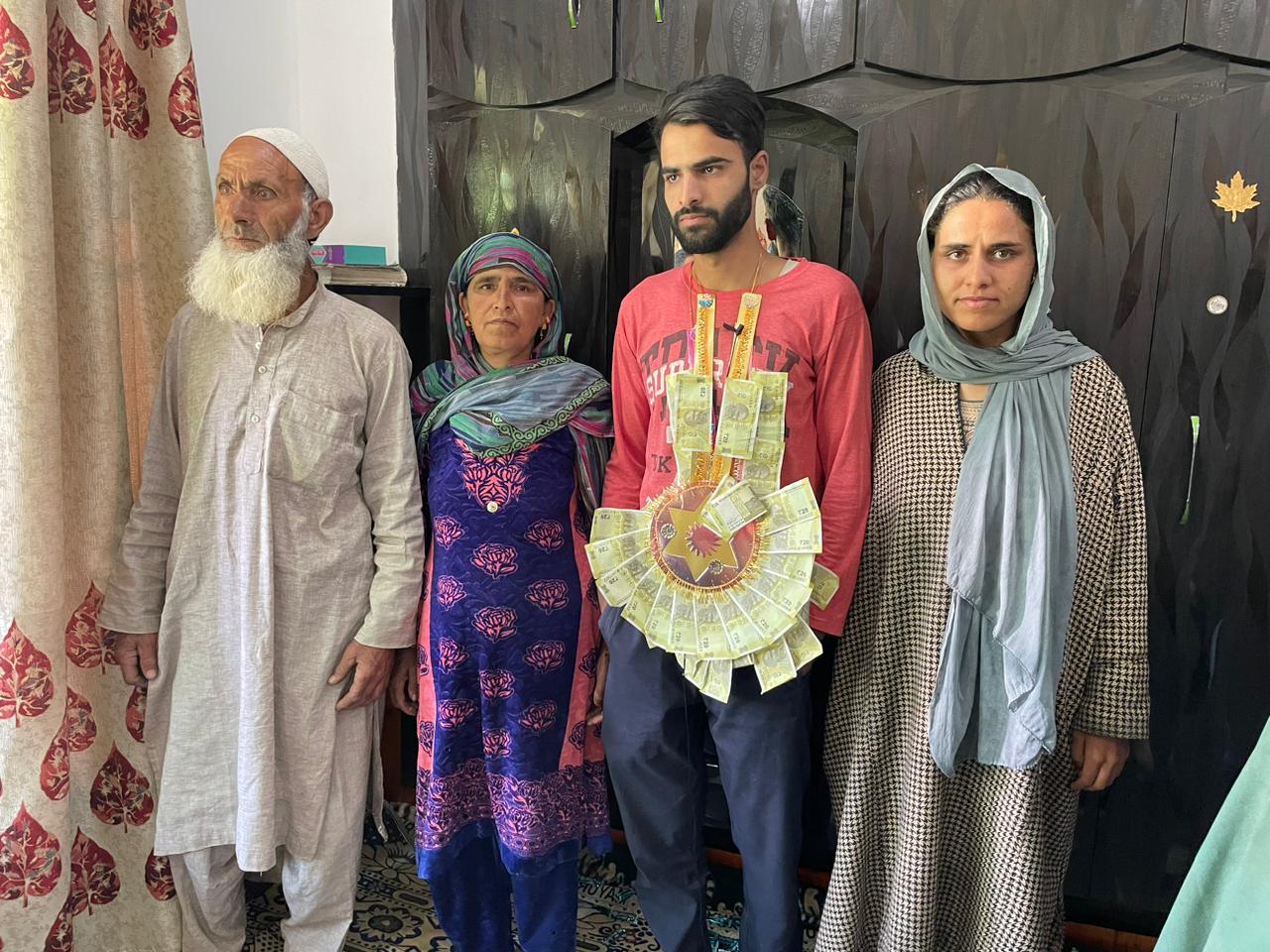
Umar Ahmad Ganie of Zaggigam village of Pulwama district, he cleared the NEET 2023 with 601 marks. (Photo: Qayoom Khan)
Pulwama:
As the National Testing Agency (NTA) announced results of the National Eligibility cum Entrance Test-Undergraduate or NEET UG 2023, on June 13, one among the successful candidates was Umar Ahmad Ganie of Zaggigam village of Pulwama district.
Currently, Umar is away from home and working as a painter to support his family. He secured 601 marks in the test signifying a remarkable achievement and a testament of self-study, hard work, dedication, and perseverance.
What makes his achievement unique is that he has never enrolled in any coaching institute be it a class 11th, 12th or for the NEET.
Umar’s family was informed by locals that their kin has cleared the NEET, which is a single entrance test for admissions to MBBS and BDS colleges across India. After appearing for the NEET exam, Umar joined a local painter who helped him to give work as he wanted to support his family.
“He is currently outside the village working as painter to help his poor family,” said one of his neighbours, Gulzar Ahmed Naikoo.
Umar had even decided to leave studies as he wasn’t in a condition to afford the registration and other fees for college after the 12th class.
His exceptional performance in the exam is a reflection of his knowledge, skills, and commitment to his studies. He has shown a great determination and focus, and his success is well-deserved, Naikoo said.
Another candidate Abdul Basit from Chewa-Kalam village has bagged first position from Jammu and Kashmir. At All India Ranking (AIR), Basit has secured 113th rank.
Twin sisters from Damhal Hanjipora in Kulgam district have also qualified the entrance in their first attempt.
Syed Bismah and Syed Sabiya from Watoo village have secured 625 and 570 marks, respectively.
Pertinently, in 2022, the pass percentage of UG NEET qualifiers had increased by nearly 10 percent in Jammu and Kashmir corresponding to the previous year
In NEET-2021, only 42.59 percent students from JK had qualified the exams. But this year, more than 52 percent of students have qualified for the exams.
The official figures revealed by the National Testing Agency showed that in 2022, a total of 38,140 students had registered from JK and of them 36,374 appeared and 20,005 qualified it.
Likewise, in 2021, a total of 34, 615 candidates had registered from JK out of which 31,479 appeared and 14,743 qualified.
Bora Varun Chakravarti of Andhra Pradesh and Prabanjan J of Tamil Nadu energed as toppers of NEET Exams 2023.
source: http://www.freepresskashmir.news / Free Press Kashmir / Home> Achievers / by Qayoom Khan / June 14th, 2023
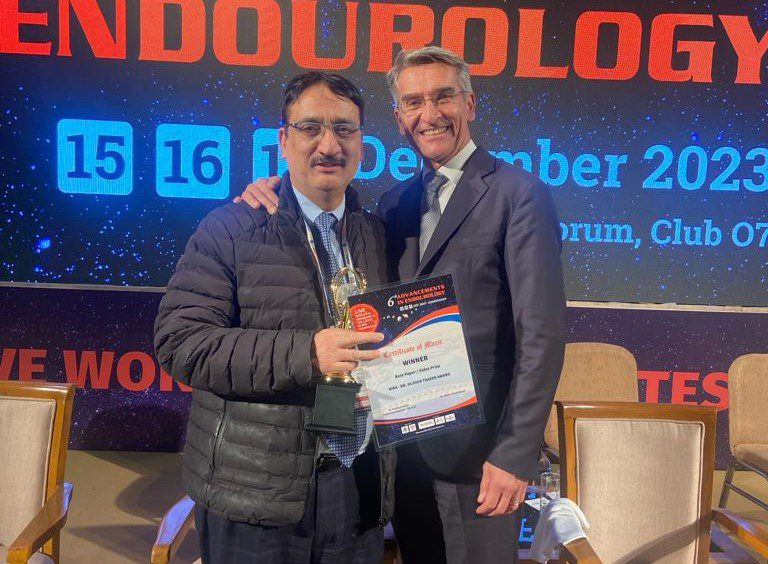
Professor Syed Sajjad Nazir, the Head of the Department of Urology and Renal Transplantation at SS Hospital GMC Srinagar, Jammu and Kashmir has been honoured with the Oliver Trexar Award.
The recognition was bestowed upon him for his video presentation on the use of laser techniques in treating impacted large upper ureteric calculi.
This work was showcased at the 6th Advancements in Endourology in Ahmedabad from December 15-17, 2023, attended by a distinguished international faculty.
The video presentation demonstrated a novel methodology, earning praise from peers and experts in the field.
The award was presented during an international conference inaugurated by Home Minister of India Amit Shah and Chief Minister of Gujarat Bhupinder Bhai Patel.
In response to receiving the award, Professor (Dr) Syed Sajjad Nazir expressed his deep honour and commitment to advancing urological care.
The Department of Urology, under his leadership, has been at the forefront of minimally invasive techniques for renal stones, particularly with the introduction of RIRS since 2018.
Congratulating the department, Principal/Dean GMC Srinagar Dr Masood Tanvir commended the team’s efforts in improving patient care and outcomes.
Dr Tanveer Iqbal, Associate Professor of Urology, emphasised that the recognition not only applauds the urology team’s dedication but also underscores the importance of laser techniques in treating upper ureteric calculi.
source: http://www.freepresskashmir.news / Free Press Kashmir / Home> Achievers / by News Desk / December 21st, 2023
In a riveting revelation, Dr. Sahar Qazi, a Bioinformatician—born in Kashmir and raised in Delhi—unveils a groundbreaking vision for transforming healthcare in the region. Witnessing the exodus of Bioinformatics enthusiasts from the valley due to limited opportunities, Dr. Qazi advocates for the establishment of Bioinformatics as a standalone department in Kashmir universities. The urgency becomes apparent as she addresses the prevailing healthcare challenges, with breast cancer topping the list among women, necessitating transformative contributions through Bioinformatics integration.
Dr. Qazi details how Bioinformatics holds the key to revolutionizing healthcare in Kashmir. From Cancer Genomic Medicine for personalized treatment plans to AI-driven early detection systems, her work is poised to shape a healthier future for the people of Kashmir. Her exclusive interview with Free Press Kashmir unveils the myriad avenues where Bioinformatics is making unprecedented strides, from unravelling the mysteries of microbial communities to identifying various SARS-CoV-2 strains during the COVID-19 pandemic.
Dr. Qazi’s accolades, notably the DST-AWSAR Award, highlights her commitment to bridging the gap between complex research and public understanding. As a Scientist-B (Bioinformatics) at AIIMS, her role in dissecting genomic data and predicting genetic variations stands as a testament to the transformative power of Bioinformatics in elevating the precision and overall quality of healthcare delivery.
Let’s start with your journey into Bioinformatics. Can you share with our readers what inspired you to pursue this field, and how has it shaped your career?
My introduction to Bioinformatics in my 12th grade back in 2012 marked the beginning of a transformative journey. Bioinformatics, a field encompassing physics, chemistry, biology, statistics, computer science, and mathematics, intrigued me with its flexibility – the ability to work from anywhere, breaking free from the conventional 9 to 6 lab setting.
Post-school, my exploration continued through graduation at the University of Delhi, where I delved into the practical aspects of Bioinformatics, not just its theory. The seamless fusion of my computer science and biology background made this multidisciplinary field easily comprehensible. Pursuing both master’s and doctoral degrees in Bioinformatics, I harnessed computational tools to unravel the intricate complexities of biological data.
In essence, Bioinformatics has given me the insight to navigate the vast biological data landscape. Like a skilled goldsmith refining raw gold into a radiant masterpiece, I, as a bioinformatician, decipher unstructured biological data to understand nature. This dynamic journey has not only broadened my understanding of life sciences but also fuelled my passion for research, contributing to the advancement of knowledge in genomics, proteomics, and beyond. I can say, Bioinformatics has been the guiding force sculpting my career, fostering a profound appreciation for the symbiotic relationship between biology and computational sciences.
For our readers unfamiliar with Bioinformatics, could you provide a simplified explanation of what you do and why it’s crucial in today’s scientific landscape?
In the realm of Bioinformatics, envision it as an amoeba, diverse yet unified in its significance. My role centers on applying computational techniques to dissect extensive biological datasets. Proficient in data analysis, programming, and statistical modelling, I decode complex patterns within genomics, epigenomics, transcriptomics, and proteomics. Using algorithms, I unveil genetic variations and delve into molecular interactions.
The importance of Bioinformatics today is paramount. With the surge in biological data from technologies like high-throughput sequencing, Bioinformatics becomes the linchpin for managing, analysing, and interpreting this wealth of information. It catalyses scientific discovery, aiding in disease understanding, drug development, and personalized medicine. Essential in genomics, epidemiology, and systems biology, Bioinformatics propels advancements in healthcare, agriculture, and environmental science. As our comprehension of biological systems grows, Bioinformatics becomes pivotal in navigating big data for innovative solutions to intricate biological challenges, ultimately benefiting society at large.
With a significant number of publications and book chapters, could you highlight one of your most impactful research findings or contributions to the field of Bioinformatics?
In the expansive landscape of Indian healthcare, marked by its burgeoning population, my focus lies in the critical realm of cancer research, particularly gynaecological malignancies. Breast, ovarian, and cervical cancers loom large in Indian women’s health, presenting a complex interplay of genetic, environmental, socio-economic, and cultural factors. Notably, these cancers often evade early detection, limiting treatment options and compromising survival rates.
My contribution to this field involves crafting novel algorithms for personalized medicine in cancers, a pioneering approach that tailors medical treatments based on an individual’s genetic makeup. As a Scientist-B (Bioinformatics) at AIIMS, New Delhi, my role revolves around dissecting genomic data from ovarian and breast cancer patients. By identifying specific genetic markers associated with gynaecological diseases, my work delves into predicting genetic variations, gene-disease associations, drug responses, and the survival of patients pre/post-chemotherapies. This integration of advanced computational methods has remarkably hastened the translation of genomic data into actionable insights, revolutionizing the practice of medicine. This research stands as a testament to the transformative power of Bioinformatics in elevating the precision, effectiveness, and overall quality of healthcare delivery, aligning with the evolving landscape of personalized healthcare.
Your accolades include three national awards, with the most recent being the DST-AWSAR Award in 2022. How have these recognitions influenced your research and career trajectory?
The DST-AWSAR Award, a recognition bestowed by the Department of Science and Technology (DST), Government of India, has significantly shaped my research journey. This accolade, centered on enhancing writing skills for articulating research, provided a unique platform to communicate complex scientific concepts to a broader audience. In my award-winning entry in the Ph.D. category, I creatively narrated the story of ovarian cancer formation and metastasis, drawing inspiration from literary works like George Orwell’s “Animal Farm,” Hussain Zaidi’s “Dongri to Dubai,” and the South Indian blockbuster “Pushpa: The Rise.”
The challenge was to distil intricate scientific findings without resorting to jargon. I metaphorically portrayed unhappy ovarian cells as hooligans, orchestrating chaos in the fictional city of The Ovary and spreading their mischief to neighbouring cities like “The Los Liver,” “The United Lung Emirates,” “The Spleen,” and “The Brain.” The recognition from the Ministry of Science & Technology, India, not only added a fun dimension to my research but also emphasized the importance of effectively communicating science. This award has reinforced my commitment to making science accessible and engaging, bridging the gap between complex research and public understanding.
Tell us about your current research and your role at AIIMS. What are some current projects or areas of focus for you and your team?
At AIIMS, New Delhi, our focus revolves around pioneering an AI-based early detection system for ovarian and breast cancers, coupled with the identification of specific clinical biomarkers. The developed AI system is currently undergoing enhancements through the integration of pan-omics data, elevating its predictive accuracy. In a significant stride, we’ve implemented this model at the Department of Gynae & Obstetrics and the Department of Dentistry, AIIMS, for immediate clinical support.
Simultaneously, our team is delving into the intriguing realm of the cancer-testis antigen (CTA) gene family, specifically exploring the POTE (Prostate placenta, ovary, testis, embryo expression) gene family. This gene family has emerged as a pivotal factor in various human cancers, including prostate cancer, ovarian adenocarcinomas, cervical cancers, colon cancer, and non-small cell lung cancer (NSCLC). Our research aims to unravel the intricacies of POTE’s involvement in cancer development, paving the way for targeted interventions and advancements in cancer diagnostics and treatment.
Considering the healthcare landscape in Kashmir, how can Bioinformatics contribute to developing more targeted and effective healthcare strategies for the people in the region?
Born in Kashmir and raised in Delhi, I’m deeply aware of the challenges faced by aspiring Bioinformaticians in the region, witnessing many students leaving the valley to pursue this field. With only a handful of institutions offering professional degrees in North India, there’s a compelling case for establishing Bioinformatics as a standalone department in Kashmiri universities. Turning to the healthcare landscape in Kashmir, where breast cancer ranks as the most prevalent among women, alongside lung, colorectal, and esophageal cancers, the integration of Bioinformatics promises transformative contributions.
Bioinformatics can pioneer targeted and effective healthcare strategies in Kashmir through several avenues. From enabling Cancer Genomic Medicine for personalized treatment plans, tracking diseases through robust epidemiological analysis, and enhancing early detection with Bioinformatics-based algorithms, to accelerating drug discovery for region-specific health challenges—each facet bears the potential to revolutionize healthcare delivery. Moreover, integrating diverse healthcare data sources and leveraging health informatics can provide a comprehensive view of the population’s health, leading to improved patient care. The collaborative efforts of healthcare professionals, researchers, and Bioinformaticians are crucial for the successful implementation of these strategies, ultimately shaping a healthier future for the people of Kashmir.
Given your background in Computer-Aided Drug Design, how do you foresee the future of drug discovery and development, particularly with advancements in computational methods?
The future of drug discovery and development is poised for transformation, driven by leaps in computational methods. The rise of artificial intelligence, machine learning, and big data analytics is making pharmaceutical research more predictive and data-centric. Computational approaches, fuelled by vast datasets, are revolutionizing the identification and optimization of drug candidates, potentially shortening development timelines. Precision medicine, shaped by individual patient data analysis, is steering towards personalized therapies for enhanced efficacy and minimized side effects. The integration of structural biology and molecular dynamics simulations provides unprecedented insights into molecular interactions, guiding rational drug design. As this computational revolution unfolds, ethical considerations and regulatory frameworks will be pivotal in ensuring responsible and secure technology application. The future promises a convergence of computational prowess and biological understanding, ushering in an era of targeted, effective, and personalized therapeutics. This interdisciplinary landscape, blending computational methods, data science, and traditional approaches, is set to accelerate innovation, delivering more effective and targeted therapies across various diseases.
The field of Bioinformatics has witnessed some remarkable strides. Can you shed light on some of the game-changing advancements that are reshaping research and healthcare, and how these innovations are making an impact?
In the dynamic field of Bioinformatics, remarkable strides are reshaping research and healthcare. The cost-effective next-generation sequencing is unlocking the era of personalized medicine, tailoring treatments based on individual genetic profiles. Structural Bioinformatics, employing techniques like cryo-electron microscopy, is revolutionizing drug design by offering precise visualizations of molecular structures. Metagenomics and microbiome research, powered by bioinformatics tools, are unravelling the mysteries of microbial communities, influencing our understanding of human health. During the COVID-19 pandemic, Bioinformatics played a pivotal role in identifying different SARS-CoV-2 strains, showcasing its critical importance in infectious disease surveillance. Single-cell omics and artificial intelligence integration are providing unprecedented insights into cellular behaviour, expediting data analysis, biomarker discovery, and the identification of therapeutic targets. These advancements represent a paradigm shift, presenting unparalleled opportunities to enhance patient outcomes, elevate diagnostics, and propel biomedical research into uncharted territories.
How do you envision the future of Bioinformatics, and what career opportunities do you see emerging in this field?
Bioinformatics, far from being a recent venture, traces its roots back to the 1950s, pioneered by Margaret Oakley Dayhoff, aptly known as “The Mother & Father of Bioinformatics.” Despite the coining of the term in the 1970s, Bioinformatics has been an integral part of the developmental eras of computation and sciences. Today, the landscape has evolved into translational bioinformatics, pushing beyond conventional boundaries. The future promises a dynamic expansion of translational bioinformatics, driven by technological innovation and enhanced integration with other scientific disciplines. As biological data continues to burgeon in volume and complexity, bioinformatics stands as the linchpin for extracting meaningful insights, propelling advancements in personalized medicine, drug discovery, and agriculture.
The convergence of bioinformatics with artificial intelligence, machine learning, and quantum computing is poised to usher in a new era of data analysis and interpretation. Anticipating this trajectory, career opportunities in bioinformatics are set to surge across sectors like healthcare, pharmaceuticals, biotechnology, and agri-genomics. Professionals equipped with expertise in data science, computational biology, and bioinformatics will be in high demand, occupying roles such as bioinformatics scientists, data analysts, computational biologists, and bioinformatics engineers. The interdisciplinary nature of bioinformatics ensures diverse career paths, from academia to industry, fostering a vibrant landscape of innovation and discovery.
Moving beyond Bioinformatics, let’s talk about the broader digital transformations in society. How do you think these transformations are shaping our perspective and lifestyle, and what role does bioinformatics play in this digital era?
Advancements in Bioinformatics are at the forefront of transformative changes shaping our perspective and lifestyle in the digital era. Bioinformatics, unravelling the complexities of genomics and biological data, is not just a scientific tool but a catalyst for a deeper understanding of our biology. This knowledge influences lifestyle choices by promoting personalized approaches to health, empowering individuals to make informed decisions based on genetic predispositions. The integration of bioinformatics into healthcare marks a paradigm shift, enabling preventative measures and personalized treatments. Beyond health, bioinformatics fosters collaboration and accelerates discoveries, impacting various aspects of our lives. In this digital age, bioinformatics emerges not merely as a tool but as a transformative force, guiding our perception of health and steering us toward a future where precision and personalized approaches become the norm.
As we wrap up, what advice do you have for aspiring bioinformaticians and individuals interested in the intersection of biology and technology?
For those venturing into the realm of Bioinformatics and the captivating intersection of biology and technology, my advice is to build a robust foundation in both domains. Develop proficiency in programming languages, statistical methods, and data analysis tools while nurturing a profound understanding of biological principles. Embrace the interdisciplinary nature of bioinformatics by staying inquisitive, keeping pace with advancements in biology and technology. Gain hands-on experience through real-world projects, collaborations, and contributions to open-source initiatives. Networking is pivotal, so actively participate in conferences and connect with professionals. As the field evolves, maintain adaptability and be ready to apply your skills to diverse challenges in healthcare, genetics, and beyond. The amalgamation of biology and technology holds boundless potential, and your passion, skills, and commitment can leave an indelible mark on the forefront of scientific innovation. In essence, be as adaptable as an amoeba, navigating the dynamic landscape with a smile.
With Artificial Intelligence (AI) and Machine Learning (ML) techniques leaving their mark across diverse fields, it’s intriguing to explore their influence on Bioinformatics. Dr. Sahar Qazi, could you elaborate on how these technologies are impacting the landscape of bioinformatics, and what potential they hold for the future of research and applications in this field?
AI and machine learning are reshaping Bioinformatics, unlocking new possibilities in processing and interpreting vast biological datasets. In the realm of big medical data, characterized by its four Vs – volume, variety, velocity, and veracity, these technologies shine. Their prowess lies in identifying intricate patterns within genomics, proteomics, and other -omics data, propelling more efficient drug discovery, disease diagnosis, and personalized medicine. In drug discovery, machine learning expedites candidate identification by predicting potential drug-target interactions and assessing compound properties. Beyond this, they enable personalized medicine by integrating diverse patient data to tailor treatments based on individual genetic profiles. As AI advances, its potential in predicting protein structures, understanding complex biological networks, and deciphering the genetic basis of diseases expands. The future of bioinformatics hinges on the seamless integration of AI and machine learning, promising unparalleled opportunities to decode the complexities of biology and usher in transformative breakthroughs in research, diagnostics, and therapeutic interventions.
source: http://www.freepresskashmir.news / Free Press Kashmir / Home> Achievers / by Aashiq Hussain Andrabi / January 06th, 2024
Jailed Kashmiri journalist Irfan Mehraj, digital and TV journalist Akanksha Saxena, and Srinagar-based journalist Khalid Khan have been announced as the winners of the 2024 Human Rights and Religious Freedom Journalism Awards (HRRFJ).
The awards, organised by the Indian American Muslim Council, a Washington, D.C.-based advocacy group, were presented at a ceremony in Chicago, Illinois. This year, the competition received over 210 entries across four categories.
The prestigious award for ‘Best Video Story on Human Rights and Religious Freedom’ was jointly won, with the top honour going to the three journalists from Deutsche Welle for their impactful documentary, “On Drugs – Kashmir’s Heroin Epidemic.”
The piece stresses upon the growing heroin crisis in Kashmir and lives of people ravaged by addiction in the region.
Among the finalists, Tej Bahadur Singh from Newsreel Asia was recognised for his work titled “UNEQUAL LIVES | Everyday Struggles of Dalits in Gujarat,” which explores the persistent struggles faced by the Dalit community in Gujarat.
Danish Faooq Pandit from The Wire was also acknowledged for his compelling report “Haldwani Unrest: Violence, Arrests and Unanswered Questions,” which scrutinises the violence and ongoing tensions in Haldwani.
Saptarshi Basak from The Quint made it to the final list with his moving documentary, “One Year of Manipur Violence: Horrors of Relief Camps — From Imphal to Churachandpur,” depicting the grim realities of life in relief camps following the violence in Manipur.
According to a Human Rights Watch statement issued earlier, said, “While on a professional assignment on 20 March 2023, Mehraj was summoned for questioning and detained by the National Investigation Agency (NIA) of India in Srinagar under provisions of the Indian Penal Code and the Unlawful Activities (Prevention) Act.”
Irfan has been booked under the draconian UAPA. According to the NIA, Irfan was previously summoned to Delhi in a case related to “NGO terror funding”. The NIA in its press note claimed he was a “close associate” of the Kashmiri human rights defender Khurram Parvez.
In June 2023, United Nations experts expressed serious concerns regarding the charges against and arrest of Mehraj and Parvez, stating that their continued detention is ‘designed to delegitimize their human rights work and obstruct monitoring of the human rights situation in Indian-administered Jammu and Kashmir.’
On 7 March 2024, UN experts sounded the alarm on the “harassment and prolonged detention of human rights defenders and journalists” in the country.
source: http://www.freepresskashmir.news / Free Press Kashmir / Home> Achievers / by News Desk / August 26th, 2024
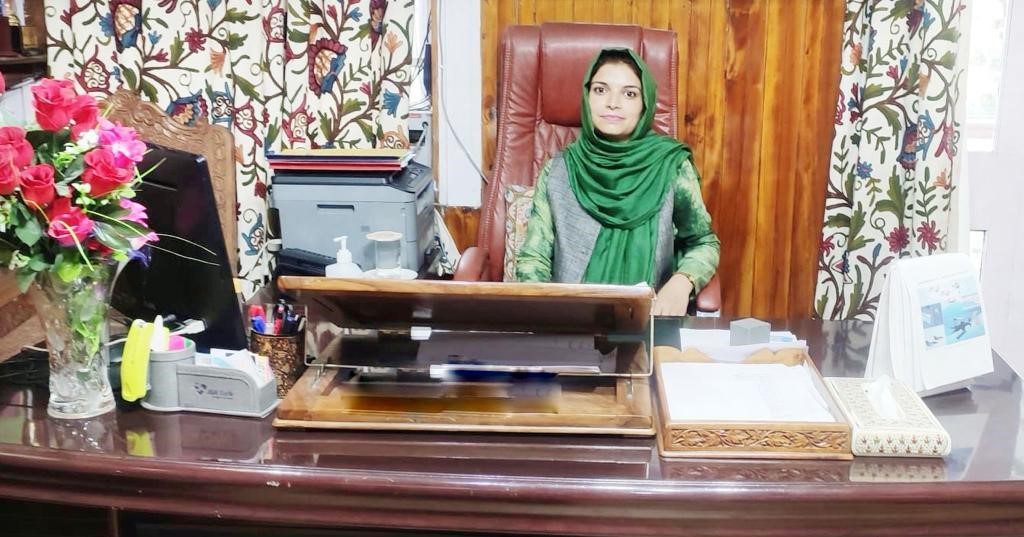
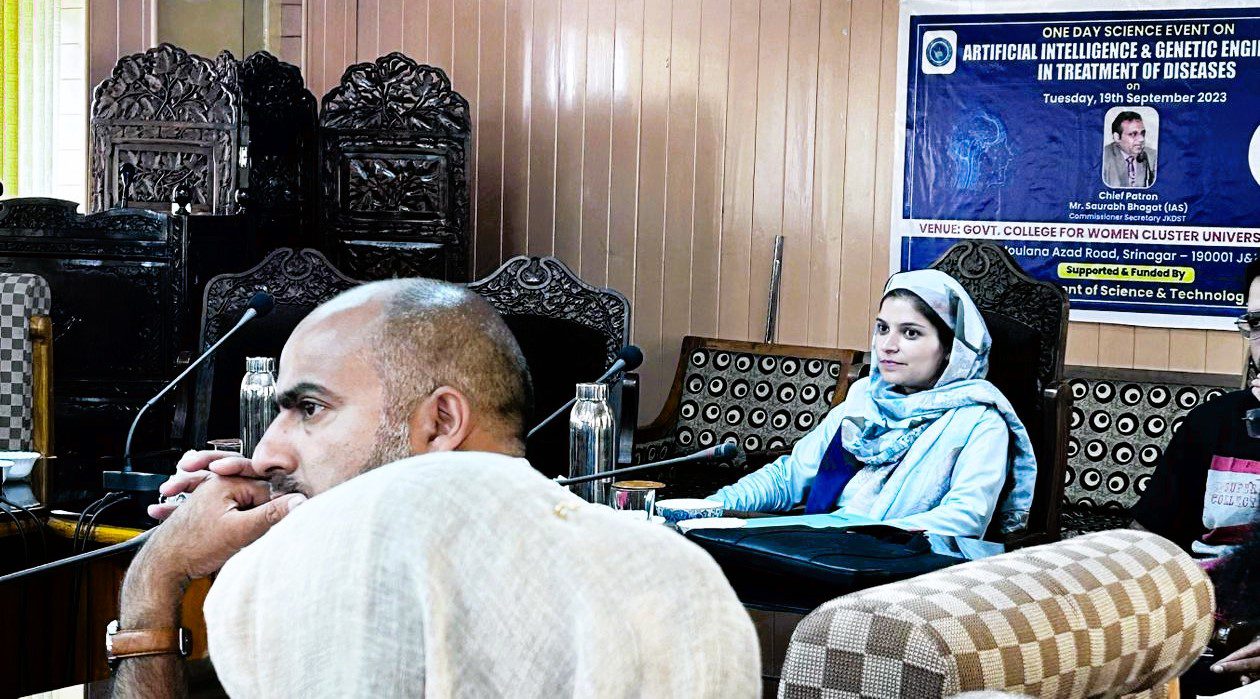
Dr. Qudsia Gani is a prominent physicist whose passion for revitalizing physics education in Kashmir is both inspiring and transformative. Born and raised in the valley, Dr. Gani has made it her mission to address the decline in physics enrollment at colleges, advocating for the subject’s profound applications in both industry and artificial intelligence.
As an assistant professor in the Department of Higher Education, Govt. of J&K, and leading the Physics department at GDC Pattan, Baramulla, Dr. Gani is actively involved in diverse research projects and mentoring exams. Her journey, culminating in a specialization in Nuclear and Particle Physics from the University of Kashmir, has positioned her as a prominent advocate for the cause of physics education.
From challenging the persistent gender stereotypes in Physics to navigating its current state in Kashmir, Dr. Gani provides insights into her experiences, challenges, and aspirationsin an engaging conversation with Free Press Kashmir.
Breaking stereotypes is a journey many admire, especially in the dynamic landscape of Kashmir. Against this backdrop, could you start by sharing the factors that influenced your decision to choose Physics as a field of study, especially in the face of the persistent stereotype in our society that women can’t excel in this domain?
I will not attribute anything to gender or to circumstances, nor did I know of any iconoclasts early on in my childhood to get inspired from. I have always made use of my raw intelligence to move ahead in life. Each one of us should respond to the inherent calling and be brutally honest with oneself. This is essentially what I did.
To my understanding, women are not born with the fear or phobia of mathematical sciences. Probably they are infused with it.
In the Indian context, one should look up to Shakuntala Devi, the mathematical wizard who made it to Guinness book of world records and is well known as a human computer.
It was only after I grew up, that I knew I had broken some stereotypes and set some examples. Like, I am the first woman to secure distinction in Physics in the University, then I was the first to crack the elite national level competitions like CSIR-NET/JRF and GATE. I was also the first ever woman to top the JKPSC selection list of assistant professors in Physics. My teachers and the appointing authorities who are all men, by the way, have always considered me well-deserved for all my accomplishments, irrespective of my gender.
The best way to break stereotypes is to be unaware of them and not pay heed to them.
But what sparked your decision to become a teacher, and how did this calling unfold in your life?
I had aspired to be an engineer and had obtained an 88 percentile in a state level exam to pursue software engineering. However, my father was supporting a family of six members, one of them with serious medical condition for which he was exhausting all his resources.
For not being able to afford the expenses of a professional degree, I took recourse to academics which usually unfolds into teaching. I chose Physics since I found it the most exciting intellectual pursuit which gives a broader perception about many different fields. I had a natural bend towards this subject among all the stuff that I was reading in school.
I express it with all humility that my teachers would often call me the next “Madam Curie” whenever I would solve a tedious numerical problem in the class. My Mathematics teachers would secretively tell my father, “Your daughter is not just good but she is exceptional in Mathematics”. Such compliments have always humbled me. The constant appreciations and encouragements of my teachers finally pushed me where I am today. I am enjoying doing Physics.
Reflecting on your teaching experience, what do you find most rewarding about being a Physics teacher?
Physics teaching is considered to be one of the most challenging and fulfilling careers you could consider. Physics teachers are the most sought after even in countries like USA and UK. Therefore, you automatically carry an aura of prestige and decorum.
You’ve an out-of-box identity and relevance at your workplace. Your presence is deeply noted and your absence is deeply felt. Your colleagues as well as the students hold you very high. Nonetheless one should stay humble amidst all glory and glamour.
But how would you describe the current state and future potential of physics education and research in Kashmir?
Well, it is pathetic! By now, there is a pool of PhD holders in the discipline of Physics, not to speak of other disciplines. The governments don’t have to offer much to them. As a result, some of them are switching to other fields. It is no surprise that we have seen a significant fall in the number of students opting for university education, especially in Kashmir. I would not like to point out any major drawback with the curriculum or with the teachers in place. It is only in terms of a limited output after a long term of hard-work that has demotivated them.
To have a job and a decent livelihood are after all, the most real and the most rational concerns of any educated person. Unless there is a policy renewal in terms of providing jobs and other opportunities, especially in the sector of science and technology, the future of Physics shall tend to remain bleak in our part of the world.
But then, we now have a new education policy, NEP, in place which comes with a myriad of changes aimed at internationalization, diversity and inclusion. What does it mean to you as a teacher?
The respondents to this policy fall in two categories, the supporters and the critics. The critique is that the policy lays more emphasis on a general rather than a specialized framework of different courses. But all sorts of progress of a nation in different fields would need more specialists than generalists especially in the current era.
Previously, all general aspects of education were to be followed and finished in school only. While coming to college, a student had to mend to specialize. The policy also aims at acquiring and upgrading various skills for the students to be self-reliant but it cannot be without realizing that the schools and the colleges do not have the necessary facility in terms of infrastructure and equipment to impart such trainings. Let the vocational training and industry training be taken up separately and not be messed up with educational institutions. That is why we have already seen some states doing away with the new education policy.
Do you anticipate that the new policy will in any way influence or change the perception about the subject of physics among students in Kashmir?
Well, it is too early to provide a definitive assessment of the new policy. While on one hand, it does not lay much emphasis on specialization, but on the other hand there is also optimism regarding the policy’s potential to broaden the students’ choices, encourage diversity and enhance the overall quality of education. Let at least one batch of students, graduate under the new scheme to see where they are able to land. If the choices really diversify or deluge, remains to be seen.
But beyond your role as a teacher, your contributions as a writer are noteworthy. Can you share your specific writing interests and shed light on the areas that you typically cover in your articles?
Thanks for your appreciation. Yes, I have been contributing to science pages of the leading national and regional newspapers and journals, from quite some years now. I have specific interest in Cosmology, Particle Physics and Astrophysics. Thankfully, I have received an immense response from my readers which keeps me going.
As a writer covering scientific topics, how do you navigate the balance between making complex scientific concepts accessible to the public and maintaining accuracy?
Well, I don’t take my readers through the abstract assumptions or the mathematical formalism needed to evaluate a hardcore physics idea, because I understand that I am reaching out to a mixed audience. I just bring to them the interpretations and meanings of different ideas, mostly of astrophysics.
I can confidently say, I have been able to evoke lot of interest in all segments of people from professionals to businessmen to employees to literary to commoners, besides the students of all age groups.
What are some of the recent developments or discoveries in physics that excite you the most?
There are many, but I am driven by two of them. One is the discovery of gravitational waves remotely proposed by Einstein and recently discovered by the famous LIGO experiment. This idea also lends credence to the theory of multiverse or parallel universes. This is going to be a hot topic in the physics fraternity for many decades from now.
The second is the idea of neutrinos; the minute indetectable particles which are actually jam packing the Universe. In fact, I hold my PhD in the same topic. There is a high likelihood that everything in the world in a few decades from now may prove to be neutrinos only.
OK, but what are some of the common misconceptions or myths about physics that you encounter in your work or in the public domain?
Physics is supposed to be hard but it can be broken down to simpler ideas. One can always find it interesting and appreciate the beauty of its contents. It is said that Physicists are socially awkward persons who don’t mix up with others so easily nor do they fall in love, or be good life partners. A physicist may not necessarily be a nerd. He/she may also be jolly and loving.
In a beautiful chain of words, Stephen Hawking writes in a subtle way that he pursued PhD to get a job and he wanted a job to marry Jane. Sometimes, Physicists make an influence in the society, far more than that of leaders or statesmen. Some time back I had written about the politico-effectiveness of Einstein, for example. Similarly, Isaac Newton is rated as the second most influential person in the entire human history, by some analysts. We are also sometimes labeled as atheists but how many people know that Newton was a theologian of equal footing as he was a physicist.
Alright, so what resources or support do you believe teachers need more of to improve education in Kashmir?
There are already many strategies in place that can work well in support of educators but I am sure that bulk of educational institutions in Kashmir are not having or availing them. Teachers need access to high-quality instructional resources by way of separate libraries for them, as well as the online support systems like smart classrooms and sophisticated science and language labs. Some schools and colleges are working on it using what is called LMS or learning management system. Teachers can also benefit from professional development programs conducted by various institutions of higher learning.
However, facilities and provisions don’t mean much unless the students have the desire to learn and let there be some degree of cooperation from their parents as well. Our youngsters are looking for short cuts to success which for their kind information don’t exist. Rest, we can always make up for the deficiencies in resources. It is not a big deal.
What advice would you give to someone aspiring to become a teacher and what actually makes a great teacher in your opinion.
For anyone aspiring to become a teacher, especially in the higher education, I have one important piece of suggestion in the context of Kashmir. While our students keep piling up their degrees one after the other, they don’t pay the necessary attention to crack various competitions and fellowship exams which could really give them a boost. Nor do they acquire the desired skills which could have made them worth the job market. In addition to a PhD degree, a student should necessarily go for various national eligibility exams without which the recruiting agencies do not honour their degrees and it is clearly laid down in their selection criteria. There are also many students who think it easy to compromise the quality to acquire their degrees in a short time. Later they realize that they have cut a sorry figure as they are unable to defend their work on certain platforms.
A person aspiring to become a teacher should be an efficient communicator who is able to raise and maintain a two-way interaction in the classroom with a productive outcome. Besides, he/she should constantly update in terms of content and teaching skills. A good teacher is able to deliver an intricate idea in simplest terms. According to Einstein, if you can’t explain it simply, you don’t understand it well enough.
Is Artificial Intelligence a direct application of Physics? Has it taken over the world and do you treat it as a boon or bane?
Yes, indeed, AI is drawn from some fundamental principles of physics. It is used to model and simulate complex systems to help machines to learn, adapt, and make intelligent decisions. However, machines don’t have self-awareness and emotions. They are very unlikely to match the human conscience or take over us. Nonetheless, AI is transforming every walk of life and we have to keep pace with the current trends or we shall cease to have a meaningful existence in future.
Calling AI a boon or bane is much like the essay we would be asked to write in school, whether science is a boon or bane. Going gracefully ahead with AI in future, will depend on our intent and our values and virtues. Moreover, the development of AI is heavily regulated, and is subject to strict ethical and legal guidelines. Its operation is quite transparent and accountable, to the best of my knowledge. Rest is rumor and hearsay
OK, so how can the education system and teachers better support both students interested in physics and those not interested, igniting passion for physics and making it more engaging and relevant?
This is an important question that you have asked. Physics can be popularized in many ways. Learning by doing projects and labs, holding of science fairs and workshops can be of great help. Though, these practices are already in vogue, but not to the requisite level. The physics teachers can volunteer for some mentorship examinations for students at all levels of education. The students with any grades or score in Physics are eligible to write these exams. These are held by various physical societies such as Indian Physical Society (IPS), Indian Physics Association (IPA) and Indian Association of Physics Teachers (IAPT). Luckily, I am a life member in all the three.
I have been conducting Olympiads for school students since 2019 by registering an exam center at JK Institute of Mathematical Sciences. I have also been conducting two more popular exams for college students. These are National Standard Examination (NSE) and National Graduate Physics examination (NGPE). The advantage of cracking such examinations at an early age is that the students get enrolled in various institutions of higher learning for integrated courses with handsome fellowships. Quite early on in their life, they get monetary support to achieve their higher education in well reputed institutions which is indeed a huge motivation.
Similarly, the schools and colleges should frequently invite noted Physicists (teachers and scientists) across the country for popular talks and interactions with their students to get them inspired. Seminars and conferences should be regularly organised to impress upon the importance of science in nation building. The popular science movies must be played at various events to highlight the importance of the subject in almost all walks of life.
What message or encouragement would you like to convey to the students specifically about the subject of physics, highlighting its relevance, potential, or any insights you’ve gained through your own experience with the subject?
There is a general consensus that Physics is the most fundamental and exact of all the sciences. Its laws are basic to deep understanding of other sciences such as astronomy, materials science, chemistry, photonics, life sciences, earth sciences, medicine, engineering and environmental science. It lends credence to the equations of Mathematics by giving them a meaning.
To me, Physics is not just about metrics and measurements nor is it only about mechanical entities like machines and gadgetry. It has rather encroached into almost all domains of human conscience including origin and evolution of universe, the concepts of life and death or even into religion and philosophy. It grills you for everything else. Physicists are the only professionals who have secured prestigious prizes in other fields of knowledge as well. Physics has given me a great personal and professional satisfaction. It is exciting if pursued with consistency and a living spirit.
Physicists hold a key to the glory of nations. Recall Chandrayan, for instance, and many more such upcoming missions. One can render a great deal of service to mankind in general and to the nation in particular by holding to the principles of Physics. It can also win you an international recognition. The names like Newton and Einstein are synonymous to intelligence. Glory comes default with it.
source: http://www.freepresskashmir.news / Free Press Kashmir / Home> Achievers / by Aashiq Hussain Andrabi / February 03rd, 2025
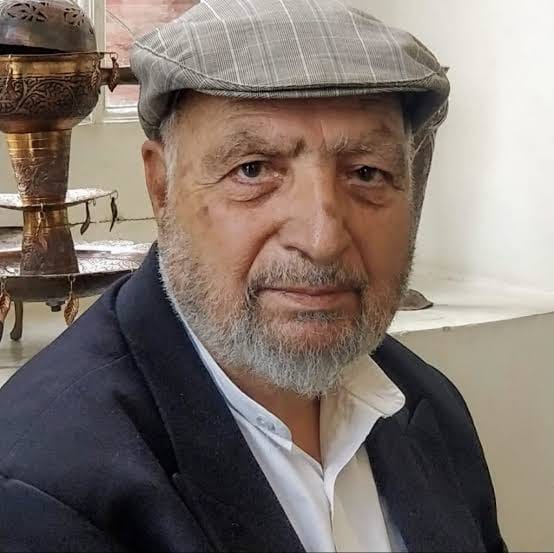
The late poet and former Director of Doordarshan, Farooq Nazki
Professor Naseem Shifaye chosen for Charaag-i-Sukhan Award for ‘Bu Vanyeth Zaan Kass’ book
Bandipora:
The Literary Forum Bandipora (LFB) on Wednesday announced its prestigious yearly literary awards for 2025, recognising two renowned poets and scholars of Kashmiri literature.
The late poet and former Director of Doordarshan, Farooq Nazki, has been posthumously awarded the Nazki Award for his exceptional contributions to Kashmiri literature. Professor Naseem Shifaye has been chosen for the Charaag-i-Sukhan Award for her acclaimed book “Bu Vanyeth Zaan Kass”.
The announcement was made after a day-long meeting and consultation session chaired by Mir Tariq Rasool, Vice President of LFB and Chairman of the Awards Committee. Other notable members present included Mubashir Saleem Nazki, Dr. Adil Mahiuddin, Sufi Showkat, Rouf Ghayal, Dr. Bashrat Fakir, Dr. Asrar, Mansur Muntazir, and others. “We have nominated Farooq Nazki for Nazki Award and Prof Naseem Shafie for her book after a detailed discussion and deliberations after receiving name of many poets and writers” Mir said adding ” the awards are conferred on merit, content and contribution,” Mir said while speaking on the selection process.
Mir said LFB has been honouring eminent writers at award functions being held in Bandipora for the past 10 years. The award was instituted, in 2015, in memory of Prof Rashid Nazki a poet, academician and founder of Adbi Markaz Kamraz.
The Nazki Award, established in memory of Prof. Rashid Nazki, a poet, academician, and founder of Adbi Markaz Kamraz, honors poets and writers who have made substantial contributions to literature. The Charaag-i-Sukhan Award recognizes poets or writers for outstanding publications in the preceding year.
Speaking on the Occasion Mir highlighted that previous recipients of the Nazki Award include luminaries like Professor GR Malik, Professor Shafi Shouq, and Shahnaz Rashid. He said the grand award ceremony will take place during the annual Nazki Day event, now scheduled for the last week of February 2025 in Bandipora. Initially planned for January 5, the event has been deferred due to severe weather conditions.
“Nazki Day is a yearly tradition to honor the memory of Prof. Rashid Nazki and celebrate literary achievements. Proper invitations will be sent to the awardees or their representatives for the ceremony,” Mir said. He said this year’s awards reinforce Bandipora’s role as a hub for literary and cultural enrichment, furthering the district’s legacy and Forum’s will in promoting Kashmiri literature. (KNO)
source: http://www.freepresskashmir.news / Free Press Kashmir / Home> Achievers / by News Desk / December 26th, 2025
DySP Humayun Muzamil Bhat, who lost his life in 2024 during a military operation against militants in Jammu and Kashmir
Srinagar:
On the occasion of January 26, 27 Jammu and Kashmir Police personnel were honoured with prestigious awards, including 15 Gallantry Medals, two President’s Medals for Distinguished Service, and 10 Medals for Meritorious Service.
Among the recipients are Anand Jain, Additional Director General; Nitish Kumar, CID Chief and former IGP Kashmir; Vijay Kumar, Inspector General of Police; Rakesh Balwal, former SSP Srinagar; and the late Himayun Muzzammil, Deputy Superintendent of Police.
The Gallantry Medal awardees include Azhar Rashid (Deputy Superintendent of Police), Maajid Afzal Wani (Head Constable), Safeer Lone (Constable), Shahnawaz Ahmad Deedad (Constable), Suresh Kumar Bhat (Assistant Sub-Inspector), Aqib Qayoom Yatoo (SgCT), Manzoor Ahmad Bajard (SgCT), Vijay Kumar (IPS, IGP), Rakesh Balwal (IPS, SSP), Iftkhar Talib (Superintendent of Police), Faroz Ahmad Dar (Assistant Sub-Inspector), Sudish Singh (Head Constable), Pawan Kumar (Head Constable), and Irshad Ahmad Lohar (SgCT).
source: http://www.freepresskashmir.news / Free Press Kashmir / Home> Achievers / by News Desk / January 25th, 2025
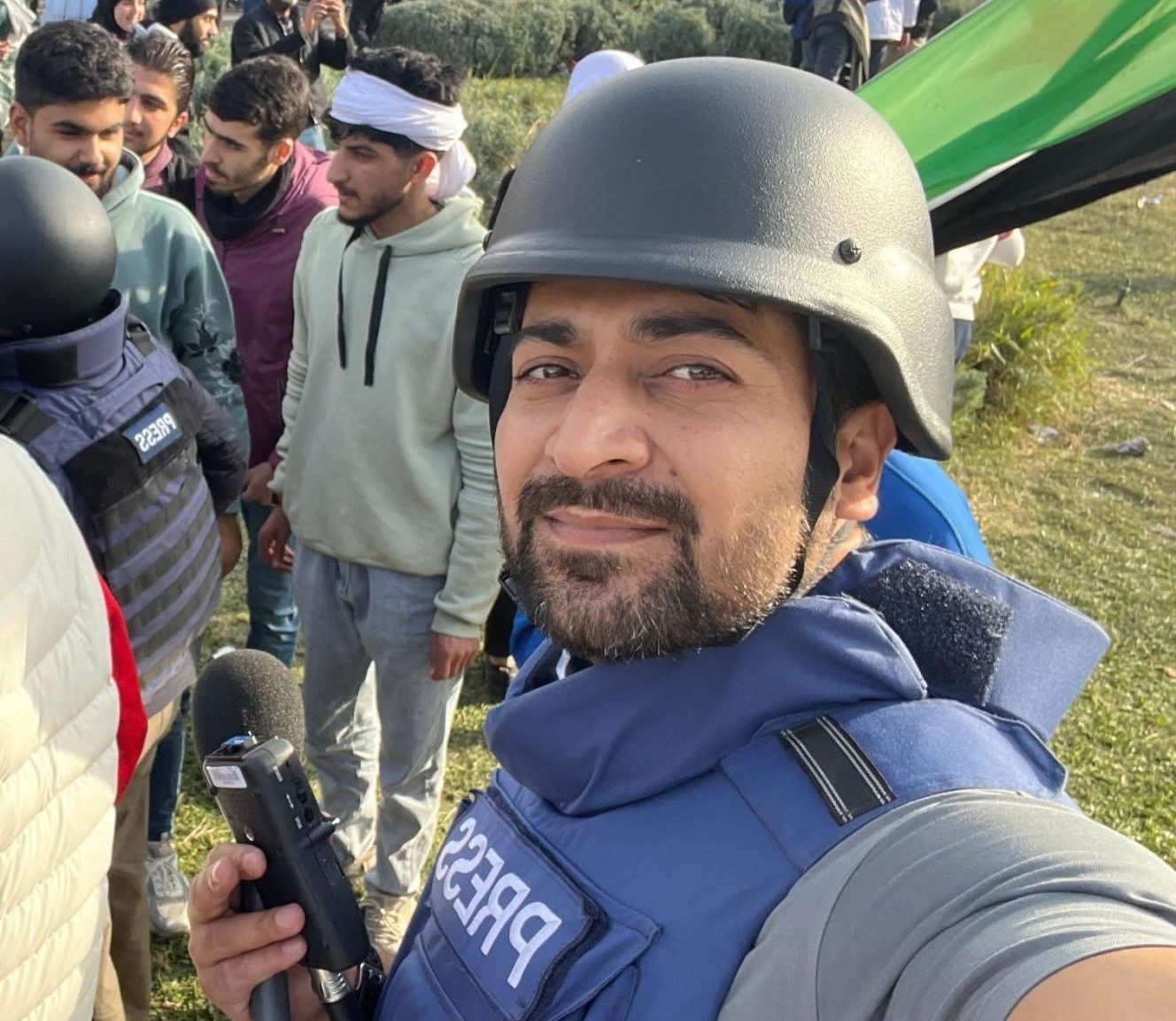
Aamir Peerzada, a journalist from Bandipora, Kashmir, was part of the BBC team that has won the prestigious News and Documentary Emmy Awards 2025.
The award, in the category Outstanding Continuing News Coverage – Short Form, was conferred for the BBC’s six-and-a-half-minute documentary “Myanmar’s Civil War”. Peerzada served as a field producer for the film, which sheds light on the human rights abuses carried out by Myanmar’s military junta.
The awards were announced at a ceremony held at Palladium Times Square in New York City on June 26, organised by the National Academy of Television Arts & Sciences (NATAS).
Recognised globally as the gold standard for broadcast journalism, the Emmy honours outstanding contributions to news and documentary programming.
The team consisted of Executive Producer Kristina Block, Paul Danahar, Jacky Martens, Alan Quartly, Asia Pacific Bureau Chief Sara Halfpenny, Producer HC Vanlalruata, Isaac Zoramsanga, Coordinating Producer Stuart Holland, Field Producer Imogen Anderson, Thanyarat Doksone, Lulu Luo, Lindle Markwell, Aakriti Thapar, Chief Foreign Correspondent Jonathan Head, Yogita Limaye, Quentin Sommerville, Cameraperson Benjamin Bagley, Darren Conway, Sanjay Ganguly and Field Producer Aamir Peerzada.
Aamir Peerzada, who served as the field producer on the BBC’s six-and-a-half-minute documentary, undertook a ten-day mission to Myanmar’s conflict-ridden Chin State.
Operating in perilous zones controlled by ethnic resistance groups, he played a crucial role in facilitating access and enabling the team to document human rights abuses by the military junta, including forced child recruitment, disappearances, and systemic violence.
Hailing from Barzulla Panjigam in Bandipora, Peerzada completed his early education at Jawahar Navodaya Vidyalaya, Shahkote Baramulla, a residential school.
He pursued a BSc from Degree College Sopore before completing a one-year diploma in Broadcast Journalism in Chandigarh in 2012.
His journalism career began with NDTV in 2013, and he later joined the BBC, where he has reported from conflict zones across Afghanistan, Bangladesh, Syria, India, and now Myanmar.
This is not Peerzada’s first major honour. He is a two-time RedInk Award winner—first in 2016 in the sports category and again in 2017 for his documentary Lighting the Himalayas in the science and innovation category.
He also received the Ramnath Goenka Award for On-the-Spot Reporting in 2015 for his coverage of the devastating 7.8 magnitude Nepal earthquake, which he witnessed first-hand while shooting his documentary Operation Everest: Summiteers to Saviours.
source: http://www.freepresskashmir.news / Free Press Kashmir / Home> Achievers / by News Desk / June 28th, 2025
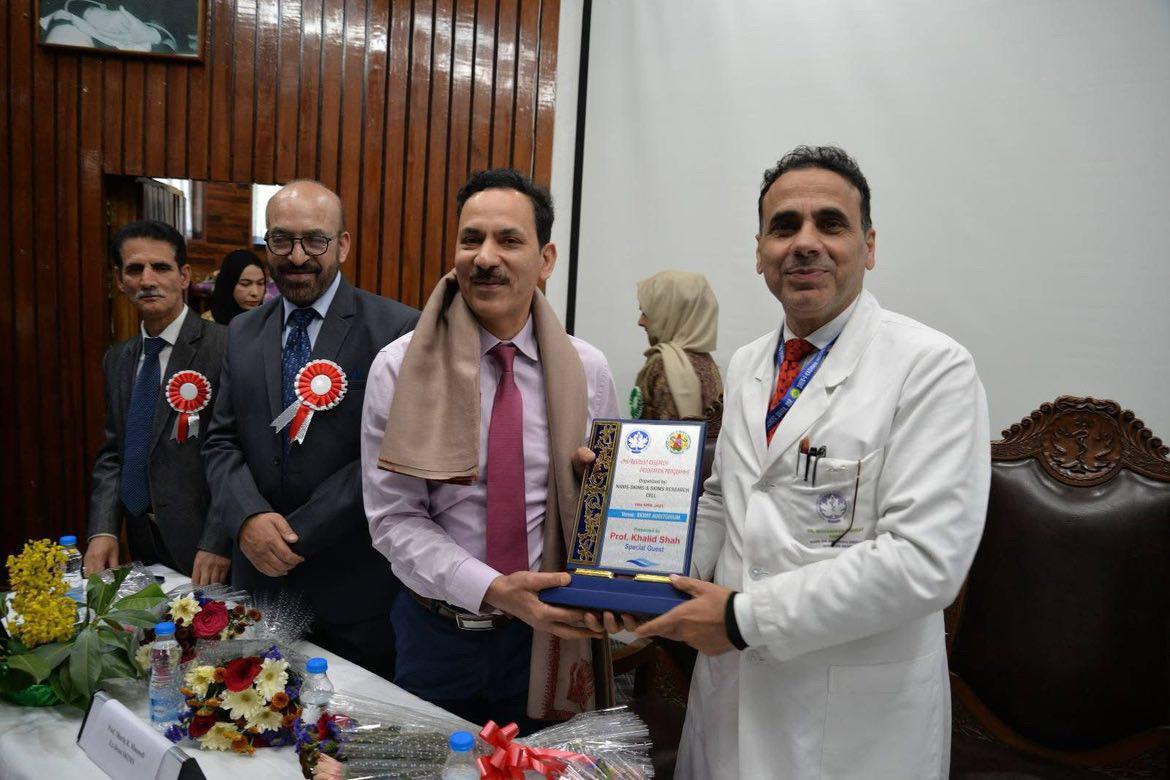
Dr Khalid Shah, a globally acclaimed cancer researcher from Kashmir, was honoured at SKIMS Soura during a CME & Research Orientation Programme organised by SKIMS-NAMS and the SKIMS Research Cell.
Dr Shah currently serves as Vice Chair of Research in the Department of Neurosurgery and Director of the Center for Stem Cell and Translational Immunotherapy at Brigham and Women’s Hospital, and is also a Professor at Harvard Medical School, Boston, USA.
Delivering a lecture titled ‘Role of Cellular and Gene Therapy in Brain Tumor Therapeutics’, Dr. Shah shed light on the latest innovations in brain tumor treatment, including advances in immunotherapies, engineered cell therapies, and precision medicine. He stressed the critical need for interdisciplinary collaboration and international partnerships in combating complex cancers like brain tumors.
“The battle against brain tumors demands a united, global approach—fusing cutting-edge research with clinical insights to develop life-saving therapies,” Dr Shah said, expressing his commitment to bringing global breakthroughs to benefit patients in Kashmir and beyond.
On the sidelines of the event, a key meeting was held between Dr Shah, SKIMS Director professor Ashraf Ghani, and senior faculty members to explore the creation of a collaborative research platform in cancer therapeutics. Discussions also focused on the long-term goal of establishing an ‘Integrated Cell and Gene Therapy Centre’ at SKIMS — a first-of-its-kind initiative in India aimed at revolutionizing cancer care.
The session concluded with an engaging Q&A, where participants deliberated on challenges in cancer research, funding avenues, and the need for international academic collaboration. Dr. Shah’s visionary address and his dream of giving back to his homeland received an overwhelmingly positive response from the medical fraternity and young researchers alike.
source: http://www.freepresskashmir.news / Free Press Kashmir / Home> Health / by News Desk / April 31st, 2025