Category Archives: Uncategorized

Remembering Humra Quraishi: A Trailblazing Journalist and Human Rights Advocate

Badaun, UTTAR PRADESH / NEW DELHI :

Humra’s longest professional collaboration was with legendary journalist and author Khushwant Singh. Singh admired her ability to blend seriousness with a unique sense of humour, something that became one of the defining features of her work.
New Delhi: 

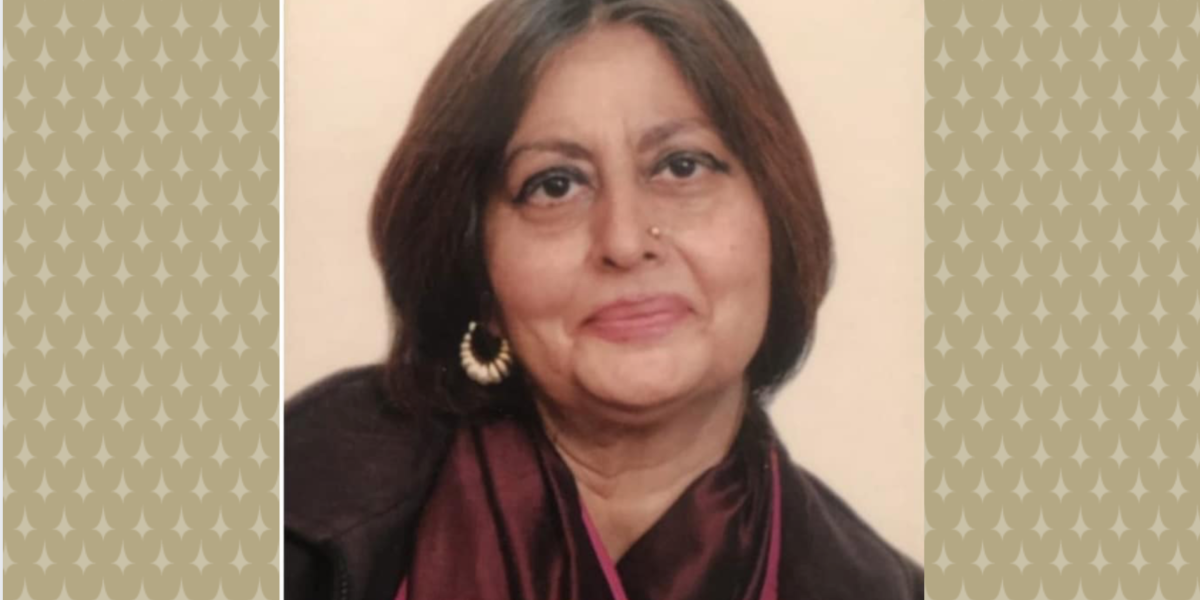
One of the finest and veteran journalists, author, and columnist Humra Quraishi passed away on January 16 in Gurugram at the age of 69.

Humra, a fearless and compassionate voice in Indian journalism and literature, was born on April 24, 1955 in Budaun, Uttar Pradesh and was educated in Lucknow. She leaves a rich literature, journalism, and activism legacy. 

Humra was a staunch advocate for truth, justice, and the marginalised. Her words resonated deeply with readers seeking to understand the complexities of contemporary India. Her nuanced and empathetic storytelling, particularly about Kashmir, left an indelible mark on Indian journalism and literature.

Humra was deeply rooted in the culture of Awadh, where she studied at Loreto Convent. Her childhood was enriched by vivid memories of Jhansi and the many towns of Uttar Pradesh she called home as she travelled with her beloved Amma, Naseema and Abba, Iqtidar Ali Khan, a civil engineer and landowner. She grew up in a household where Urdu and Persian literature instilled in her love for language and storytelling. These early experiences shaped a deep sense of belonging and an abiding connection to her roots. 

And yet, Humra remained a child of her generation. Having grown up in the 1960s, she was free-spirited and rebellious in her writing and point of view. She was renowned for her impeccable taste, effortlessly stylish in a kaftan or a sari. A muse of the great modernist artist M.F. Hussain, her home was scattered with sketches, calligraphy, books, and her own writings. Combining journalistic rigour with the insight of a storyteller, Humra’s columns and articles explored politics, human rights, and environmental issues. A modern Indian woman, “she embodied the spirit of modern India’s spiritual tradition.”

She was prolific in her writing style. Her most notable writings include Kashmir: The Untold Story, a volume of her collective writings which covers many years spent covering the region on the ground. She followed this up with a novel, Meer – based in Kashmir – which is about the fractured relations and disturbing truths of lives in conflict zones. Meer is also a story of resilience and love. Her other notable works include Views: Yours and Mine, a compilation of her writings, More Bad Time Tales and Divine Legacy: Dagars & Dhrupad. She has also contributed to the anthologies, Chasing the Good Life: On Being Single and Of Mothers and Others.

Humra’s longest professional collaboration was with legendary journalist and author Khushwant Singh, who became a mentor. Singh admired her ability to blend seriousness with a unique sense of humour, something that became one of the defining features of her work. And perhaps more importantly, he acknowledged her courage in tackling tough topics and her sharp insight into the political and social landscape of India.They worked on numerous books and publications together, including Absolute Khushwant and The Good, The Bad and The Ridiculous. This is in many ways, an intimate, irreverent modern history of the subcontinent which remains a celebrated contribution to Indian literary discourse today. Among those profiled are Jawaharlal Nehru, Muhammad Ali Jinnah, V.K. Krishna Menon, Indira Gandhi, Sanjay Gandhi, Amrita Sher-Gil, Mother Teresa, and Faiz Ahmad Faiz.

Humra’s writing was not just a profession – it was her purpose. Humanism, “insaniyat (humanity)” and “niyat (intention)” were her common refrains. Royalties from her books went directly to orphanages and charities including Mother Teresa’s before they reached her. She once said, “I don’t want to be tempted to keep it,” and so, the funds went straight to them.

She was a tireless advocate for those without a voice, using her platform to challenge injustice and amplify the stories that often went unheard. She was known to speak often against the grain, charting a path for her colleagues and contemporaries. Her work was known to be uncompromising, a reflection of her own indomitable spirit – fearless, thoughtful, unwavering in its commitment to truth. In the words of filmmaker Siddharth Kak, “Hers is a loss not only to the family, but to the world of courageous journalism.” 

It is telling that her last article, published in the online journal Counter-Currents, just five days before her passing, ‘Blood however is Blood,’ was a passionate indictment of the war on the Palestinians, the state of the Middle East, and the rights of Muslims in India. 

Beyond her professional achievements, Humra was a woman of warmth and quiet strength. She was loyal to those she loved, with a sense of responsibility and compassion that extended to everyone around her. She balanced fortitude with kindness and left a lasting impression on all who knew her, evident in outpourings from the journalistic community since her passing.

Humra is survived by her children, Mustafa Qureshi and Sarah Qureshi, three beloved grandchildren, sisters and dear brother and a wide circle of family, friends, and readers who cherished her work and presence. Her passing leaves an irreplaceable void, but her legacy of commitment, courage, and humanity will continue to inspire the next generations of writers and activists.

Her family – daughter Sarah, son Mustafa, daughter-in-law Mansi, and grandchildren Ali, Hasan, and Amna – released a heartfelt statement: “It is with deep sadness that we inform you of the passing of our beloved Humra Quraishi. Your presence at the farewell prayers would mean a great deal to us as we come together to remember her kindness, love, and enduring legacy.”

Prominent figures expressed their grief at her passing. Activist Shabnam Hashmi described her as a courageous journalist and human rights advocate whose work was marked by empathy and dedication to truth. “Her fearless reporting and advocacy for the marginalized inspired countless individuals,” she said. “Humra’s passing is a loss not only to her family but to the world of journalism and social justice.”

Veteran journalist Yusuf Jameel recalled her professional integrity, particularly in her coverage of Kashmir. “She was truthful and fair, and the stories she wrote on and from Kashmir stood testimony to her integrity. Rest in eternal peace,” he said.

Another senior journalist Iftikhar Gilani says, “I am deeply saddened by the passing of Humra Quraishi, a distinguished author, journalist, and a fearless defender of human rights. The noble soul and the smiling face is no more. Her profound insights, humane approach, and unwavering commitment to justice and truth enriched our lives and inspired countless readers. Humra Quraishi’s remarkable body of work, including Kashmir: The Unending TragedyReports From the Frontlines, Bad Time Tales, and her collaborative writings with the late Khushwant Singh, remains a testament to her brilliance and empathy. 

Her essays, such as The State Can’t Snatch Away Our Children and Why Not a Collective Cry for Justice!, gave voice to the voiceless and shed light on issues often neglected. Her legacy as a writer, columnist, and humanist will endure, but her absence leaves a void that can never be filled. Humra Quraishi’s courage, compassion, and dedication will continue to inspire us. She will be deeply missed.”

A literary historian and a friend of Humra Quraishi, Rakhshanda Jalil writes, “Another friend gone, and another link with the past broken. Dear, sweet Humra, unfailingly kind, always gentle , she lived her life on her own terms but always with her head held high. 

Uncompromising as a person and as a journalist, she remained committed to her ideals. When the world became too much for her, she withdrew to the sanctuary of her flat in Gurgaon. But now she’s gone, hopefully to a better place. Farewell dear friend.”

Humra Quraishi will be missed by many of her ardent readers and friends!

Qurban Ali is a tri-lingual journalist, who has covered some of modern India’s major political, social and economic developments. He has keenly followed India’s freedom struggle and is now documenting the history of the socialist movement in the country. He can be contacted at [email protected] 

source: http://www.thewire.in / The Wire / Home> Media / by Qurban Ali / January 17th, 2025
Remembering Humra Qureshi: Fearless chronicler of Kashmir’s pain, resilience

Badaun, UTTAR PRADESH / NEW DELHI :

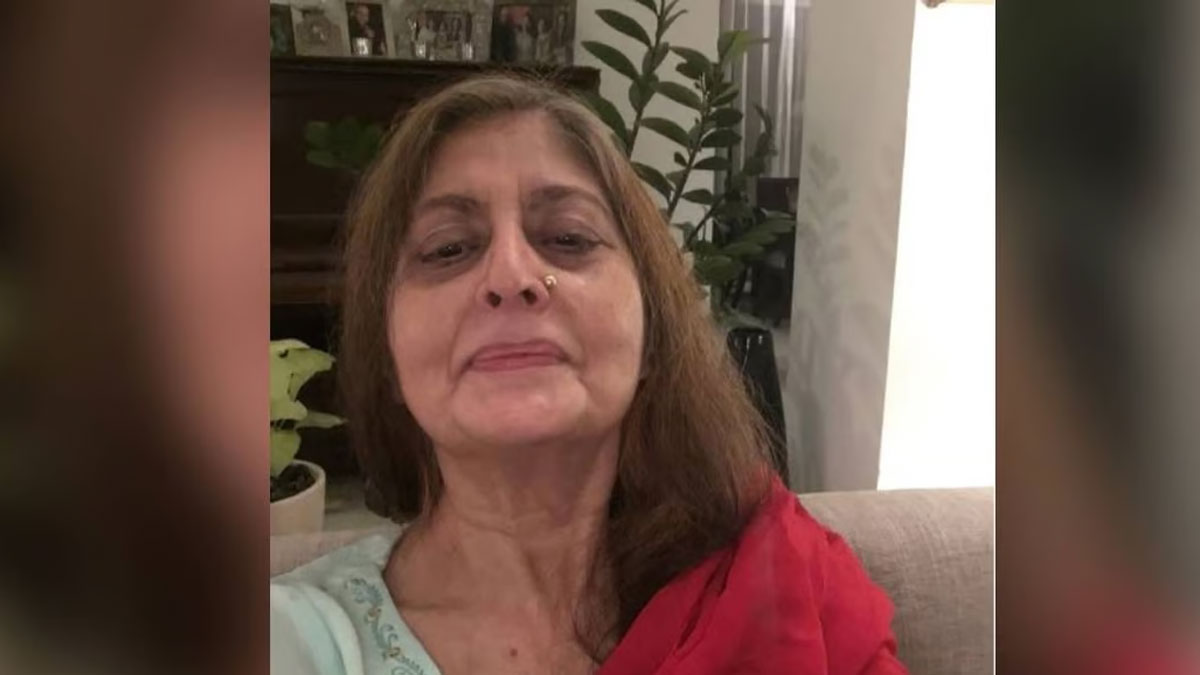
With profound sorrow, we announce the passing of Humra Qureshi, an indomitable author and journalist who dedicated her life to giving a voice to the voiceless and unveiling the realities of Kashmir. Humra Qureshi passed away on January 16, 2025, leaving behind a legacy of bold and compassionate storytelling that will continue to resonate across generations.

Humra Qureshi’s groundbreaking work, The Untold Story of Kashmir, remains a seminal contribution to understanding the realities of life in one of the most conflicted regions in the world. The book fearlessly delves into harrowing accounts of human suffering, including the trauma inflicted on Kashmiri women during relentless frisking operations by security forces in the 1990s. Qureshi documented how women were subjected to humiliating and immoral questions under the guise of security checks—an experience that underscored the deep scars of militarization.

Her empathy for the Kashmiri people was deeply personal. During her frequent visits to the valley in the early 1990s, Qureshi bore witness to the immense pain and suffering of its people—both men and women. She recounted the anguish of mothers mourning their disappeared sons, fathers struggling under the weight of oppression, and children robbed of their innocence. These firsthand experiences profoundly shaped her writings, lending them an authenticity and emotional depth that could only come from someone who had truly walked alongside the people whose stories she told.

In Kashmir: The Silence of the Valley and Beyond the Ceasefire Line, Qureshi continued to highlight the human cost of the region’s conflict. Her words served as a bridge between the voiceless and the world, offering readers a window into the resilience and strength of the Kashmiri people amidst relentless turmoil. She was unafraid to challenge the dominant narratives shaped by power corridors, often at great personal risk.

As a journalist, Qureshi was known for her unflinching honesty and incisive critiques. Her articles in leading publications consistently addressed the injustices faced by marginalized communities. She was especially vocal about the systemic marginalization of women and the long-lasting effects of militarization on Kashmir’s social fabric.

Her bravery was not confined to her writings. She stood as a mentor to young journalists, inspiring them to tell difficult stories with courage and integrity. She often said, “The responsibility of a writer is not to comfort the powerful but to empower the powerless.”

Despite the immense challenges, Qureshi’s resolve never wavered. Her ability to balance raw truth with empathy made her a beacon of hope for those struggling against injustice. She participated in numerous human rights initiatives and tirelessly advocated for justice and accountability in Kashmir.

Qureshi’s work was more than a chronicle of conflict; it was an ode to the resilience, love, and enduring humanity of the Kashmiri people. She is survived by her family, friends, and the countless lives she touched through her words and actions.

As we mourn the loss of this remarkable woman, we also celebrate her life’s work. Humra Qureshi taught us that the act of bearing witness is itself an act of resistance, and her legacy will continue to inspire those who strive for justice and truth.

May her soul find eternal peace, and may her words continue to echo in the hearts of all who read them.

source: http://www.maktoobmedia.com / Maktoob Media.com / Home> Blog / by Rayees Rasool / January 18th, 2025

SKSM Youth Wing hosts “Business in Islam” workshop on financial freedom in Mangaluru

Mangaluru, KARNATAKA :

Mangaluru: 

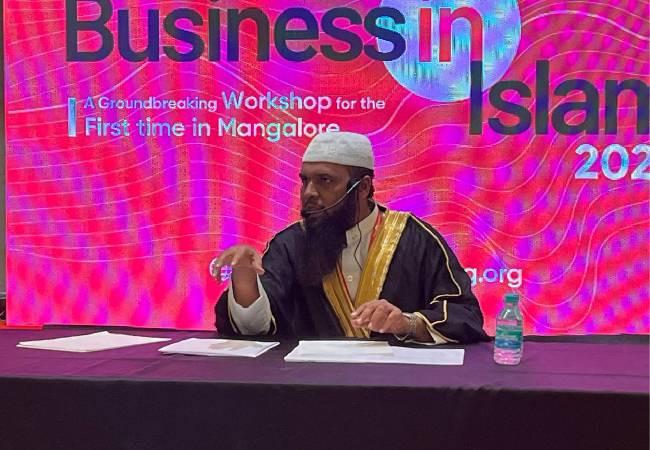
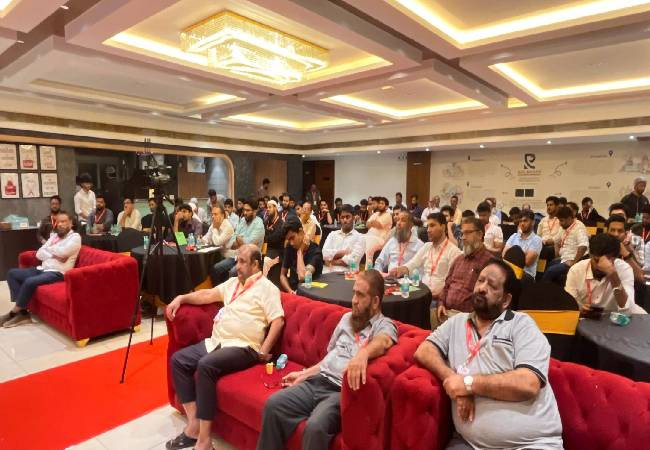
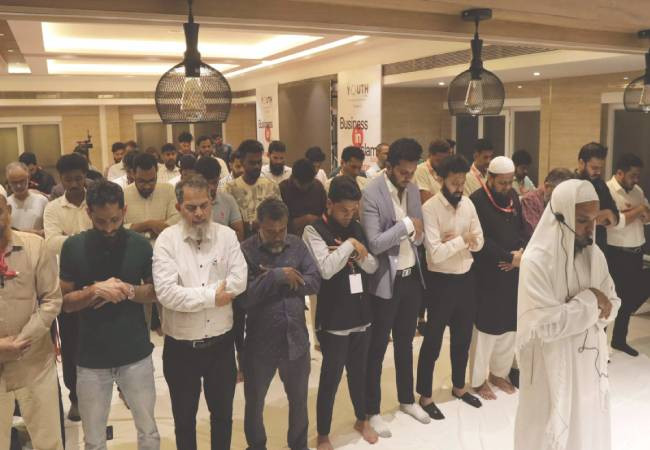
The SKSM Youth Wing successfully conducted its workshop titled “Business in Islam” on January 16, 2025, at Hotel Royal Plaza Suites in Attavar, Mangaluru. The event, which focused on the theme “Financial Freedom & Wealth Creation,” was a first-of-its-kind workshop in the region and drew a full house of 150 participants.

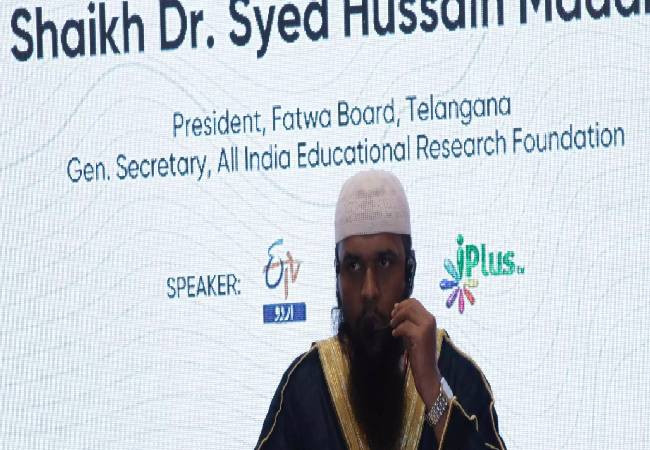
The workshop featured distinguished speakers, including Shaikh Dr. Syed Hussain Madani, President of the Fatwa Board in Telangana and General Secretary of the All India Educational Research Foundation, and Salahudeen Kudroli, NISM Certified Investment Expert and Managing Director of GA Steel, as well as Co-Founder of Wealth Wala.

The comprehensive session addressed vital topics, including Islamic perspectives on business transactions, finance, and banking. The speakers also delved into the dynamics of stock market operations and cryptocurrency, providing valuable insights from an Islamic viewpoint.

An engaging Q&A segment followed, allowing attendees to clarify their doubts, after which participants had the opportunity to network.

source: http://www.english.varthabharati.in / Vartha Bharati / Home> Karavali / by Vartha Bharati / January 17th, 2025
Girish Kasaravalli, Yenepoya Abdulla Kunhi selected for Sandesha Foundation annual awards

Mangaluru, KARNATAKA :

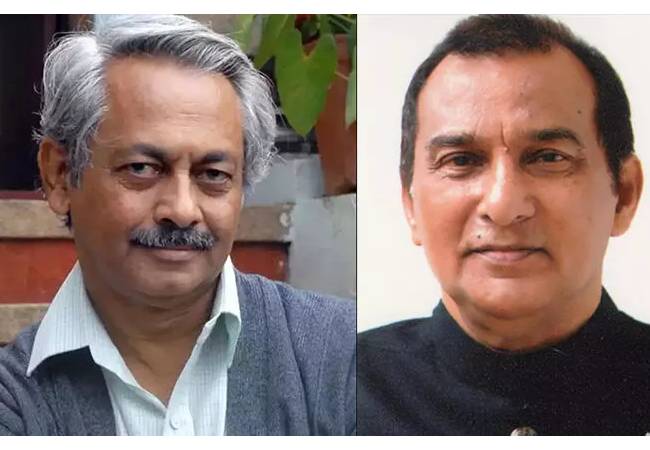
Girish Kasaravalli (Left), Yenepoya Abdulla Kunhi (Right)

Mangaluru: 

The Sandesha Foundation for Culture and Education has revealed the names of eight distinguished individuals who will be conferred the prestigious ‘Sandesha Awards 2025’. The announcement also included the recipients of the Esteem Award and Talent Award for this year.

In a press briefing held in the city on Thursday, Sandesha Foundation Director Sandeep Paul announced the awardees, which include BR Lakshman Rao (Poetry), Girish Kasaravalli (Cinema), Ganesh Amin Sankamar (Tulu Scholar), Yenepoya Abdulla Kunhi (Education), Iriene Pinto (Konkani Literature), DV Rajashekar (Media), KV Rao (Special Recognition), and Roshan D’Souza (Konkani Music).

Additionally, Michael D’Souza will be honoured with the ‘Esteem Award’ for his exceptional humanitarian service and philanthropy, while Remona Yvete Pereira will receive the ‘Talent Award’ for her outstanding achievements in Bharatanatyam.

The award ceremony will take place on Monday, February 10, at 5:30 PM at the Sandesha Institute Grounds in Mangaluru. The event will be presided over by Bishop Henry D’Souza of Ballari, who is also the Chairperson of the Sandesha Foundation. Other notable attendees will include Dinesh Gundu Rao, District In-charge Minister of Dakshina Kannada, Bishops Francis Serrao of Shivamogga, Lawrence Mukuzhy of Belthangady, and Sandesha Awards Jury member Damodar Shetty.

Senior members of the Award Selection Committee, including Dr. Na Damodar Shetty, BA Mohammad Haneef, Simon Coelho, and Roopakala Alva, were also present at the press meet.

source: http://www.english.varthabharati.in / Vartha Bharati / Home> Karavali / by Vartha Bharati / January 17th, 2025
Hind 1957: expresses the state of mind of Muslims after Partition

INDIA :

Tabrez and his wife – a scene from the play Hind 1957

Ten years after the partition of the country, Indians of all castes and religions have the right of adult franchise and they have voted to choose their government. The plot of the play ‘Hind 1957’ is unfolding in this era.

Director Feroz Abbas Khan portrays the story of a poor Muslim family who remained in India after Partition. It’s an adaptation of the play ‘Fences’ The story ahas been adapted beautifully in the Indian context making the audiences leave the theater with a reflective mind.

India got independence but at the cost of partition. On 24 March 1940, the Muslim League convention in Lahore demanded an ‘independent Pakistan’ and on 14 August 1947, Pakistan was formed. Hindus and Muslims were described as separate quom and separate nations who could not live together.

Jinnah’s propaganda turned Pakistan into reality and yet it left millions of ordinary Hindus and Muslims, who had been living together for centuries in villages in India, clueless about their equation.

After the formation of Pakistan, thousands of Hindus moved to India and many Muslims to Pakistan. However, it didn’t mean that there are no Hindus left in Pakistan or no Muslims in India.

A Scene from the play Hind: 1957

According to the 2023 census, in Pakistan, there are about 52 lakh Hindus. According to the 2021 data of India, there are about 20 crore Muslims in India. This data is important ion and statistics is the thought-provoking Hindi play ‘Hind 1957’ staged in Mumbai.

The year 1957 is a crucial time. It is ten years since the partition of India and seven years since the Constitution of the Republic of India which gave equality and conferred the right to equal opportunities for all Indians, came into force.  The Indian citizens participate in elections under the adult franchise without discriminating based on caste, religion, or language. In such an environment, the story of ‘Hind 1957’ comes before the audience.

Before discussing the play ‘Hind 1957’, it is necessary to understand its background. This play is based on the play Fences by African-American playwright August Wilson (1945-2005). He is regarded as a respected figure in 20th-century African-American literature. Some experts call him the “poet of African-American theater.” He wrote a series of ten plays centered on the experiences of this community, called the Pittsburgh Cycle. The plays Fences (1987) and The Piano Lesson (1990) in this series won the Pulitzer Prize.

The sixth play in this series is Fences, which depicts the experiences of poverty and racial discrimination of the African-American community in the US in the 1950s and 1960s.

A Scene from the play Hind: 1957

Fences was the parallel story of a poor Muslim family living in post-Partition India, and in collaboration with Vikas Bahri, he adapted Fences to the Indian context to create a powerful and deeply thought-provoking play.

In Hind 1957, 50-year-old Tabrez Ansari is a labourer working in a bidi factory. His slightly eccentric brother is Guller. Tabrez has a 30-year-old son Latif from his first wife. He has an 18-year-old son from his second wife, Janki. Through these characters, Firoz and Bahri have presented a powerful Hindi play in two acts.

Tabrez, who stayed in India realises that this decision was wrong. The reason for this is that the police often call him for questiooning on the basis of suspicion.Troubled by this, Tabrez curses the government in front of his Hindu friend and wife.

He forces his younger son to take up a job instead of dreaming of joining the army. He says Muslims will not get equal opportunities in India. They will not progress. They will not even be allowed to join the army. This is an important thread of the play, but not the central theme.

The theme of this drama is the injustice done to the Muslim community in India, but the story takes a new turn when Tabrez tells his wife Janki that he unknowingly fell in love with a Muslim woman working in his company. He married her a few months ago, and now the woman is going to be the mother of his child. Hearing this, not only Janki but the audience is also shocked.

Till now in the drama, Tabrez was shown as a poet and a good-hearted person. Despite the problems with the police, he is seen as a person who takes care of his family, but this revelation changes his image.

A Scene from the play Hind: 1957

His younger son also does not listen to him and one day while playing hockey, he runs away from home and joins the army. The elder son and the second wife Janaki rarely speak with him. Slowly, Tabrez becomes lonely in his own house.

Then his third wife dies giving birth to a daughter. Janaki, who has raised the son of the first wife, is now ready to raise this girl. One day Tabrez has a heart attack and dies.

On the death of Tabrez, hundreds of people come to his funeral, but his younger son, who has come on leave from the army, is not ready to perform the last rites for his father. The mother convinces him, and then he joins the burial. Here ends the play, which is full of many sub-plots and emotional twists.

Feroz Khan has directed this play with sensitivity and depth. Sachin Khedekar (Tabrez Ansari) and Sonal Jha (Janaki) have brought life to their characters. Dadhi Pandey, Ankit, Ravi Chahar, and NK Pant have also performed brilliantly. Manish Sappel’s stage design and costumes are very impressive. Especially the broken wall, which silently says a lot in many scenes. Amog Phadke’s lighting scheme and Piyush Kanojia’s music made the play even more effective. Feroz has also used Abhishek Shukla’s poems very well.

This play is produced by Platform Theatre Company.  Watching it I remembered the Hindi film ‘Garm Hawa’ released in 1973. There is a deep similarity between the hardships faced by Mirza played by Balraj Sahni in ‘Garm Hawa’ and Tabrez of ‘Hind 1957’.

Such plays, due to their deep impact, are remembered for a long time.

Author Prof. Avinash Kolhe is a scholar of art and culture, retired professor of political science, and novelist.)

His younger son also does not listen to him and one day while playing hockey, he runs away from home and joins the army. The elder son and the second wife Janaki rarely speak with him. Slowly, Tabrez becomes lonely in his own house.

Then his third wife dies giving birth to a daughter. Janaki, who has raised the son of the first wife, is now ready to raise this girl. One day Tabrez has a heart attack and dies.

On the death of Tabrez, hundreds of people come to his funeral, but his younger son, who has come on leave from the army, is not ready to perform the last rites for his father. The mother convinces him, and then he joins the burial. Here ends the play, which is full of many sub-plots and emotional twists.

Feroz Khan has directed this play with sensitivity and depth. Sachin Khedekar (Tabrez Ansari) and Sonal Jha (Janaki) have brought life to their characters. Dadhi Pandey, Ankit, Ravi Chahar, and NK Pant have also performed brilliantly. Manish Sappel’s stage design and costumes are very impressive. Especially the broken wall, which silently says a lot in many scenes. Amog Phadke’s lighting scheme and Piyush Kanojia’s music made the play even more effective. Feroz has also used Abhishek Shukla’s poems very well.

This play is produced by Platform Theatre Company.  Watching it I remembered the Hindi film ‘Garm Hawa’ released in 1973. There is a deep similarity between the hardships faced by Mirza played by Balraj Sahni in ‘Garm Hawa’ and Tabrez of ‘Hind 1957’.

Such plays, due to their deep impact, are remembered for a long time.

Author Prof. Avinash Kolhe is a scholar of art and culture, retired professor of political science, and novelist.)

His younger son also does not listen to him and one day while playing hockey, he runs away from home and joins the army. The elder son and the second wife Janaki rarely speak with him. Slowly, Tabrez becomes lonely in his own house.

Then his third wife dies giving birth to a daughter. Janaki, who has raised the son of the first wife, is now ready to raise this girl. One day Tabrez has a heart attack and dies.

On the death of Tabrez, hundreds of people come to his funeral, but his younger son, who has come on leave from the army, is not ready to perform the last rites for his father. The mother convinces him, and then he joins the burial. Here ends the play, which is full of many sub-plots and emotional twists.

Feroz Khan has directed this play with sensitivity and depth. Sachin Khedekar (Tabrez Ansari) and Sonal Jha (Janaki) have brought life to their characters. Dadhi Pandey, Ankit, Ravi Chahar, and NK Pant have also performed brilliantly. Manish Sappel’s stage design and costumes are very impressive. Especially the broken wall, which silently says a lot in many scenes. Amog Phadke’s lighting scheme and Piyush Kanojia’s music made the play even more effective. Feroz has also used Abhishek Shukla’s poems very well.

This play is produced by Platform Theatre Company.  Watching it I remembered the Hindi film ‘Garm Hawa’ released in 1973. There is a deep similarity between the hardships faced by Mirza played by Balraj Sahni in ‘Garm Hawa’ and Tabrez of ‘Hind 1957’.

Such plays, due to their deep impact, are remembered for a long time.

Author Prof. Avinash Kolhe is a scholar of art and culture, retired professor of political science, and novelist.)

source: http://www.awazthevoice.in / Awaz, The Voice / Home> Story / by Prof Avinash Kolhe / December 18th, 2025

Muslims must address their internal issues: MP Iqra Hassan

NEW DELHI :

Samajwadi party MP Iqra Hassan speaking at the seminar

Iqra Hassan, the recently elected Samajwadi Party MP from Uttar Pradesh has asked the Muslims of India to solve their internal problems and boldly face attempts by “media and leaders” to make them feel inferior and push them into ghettoization.

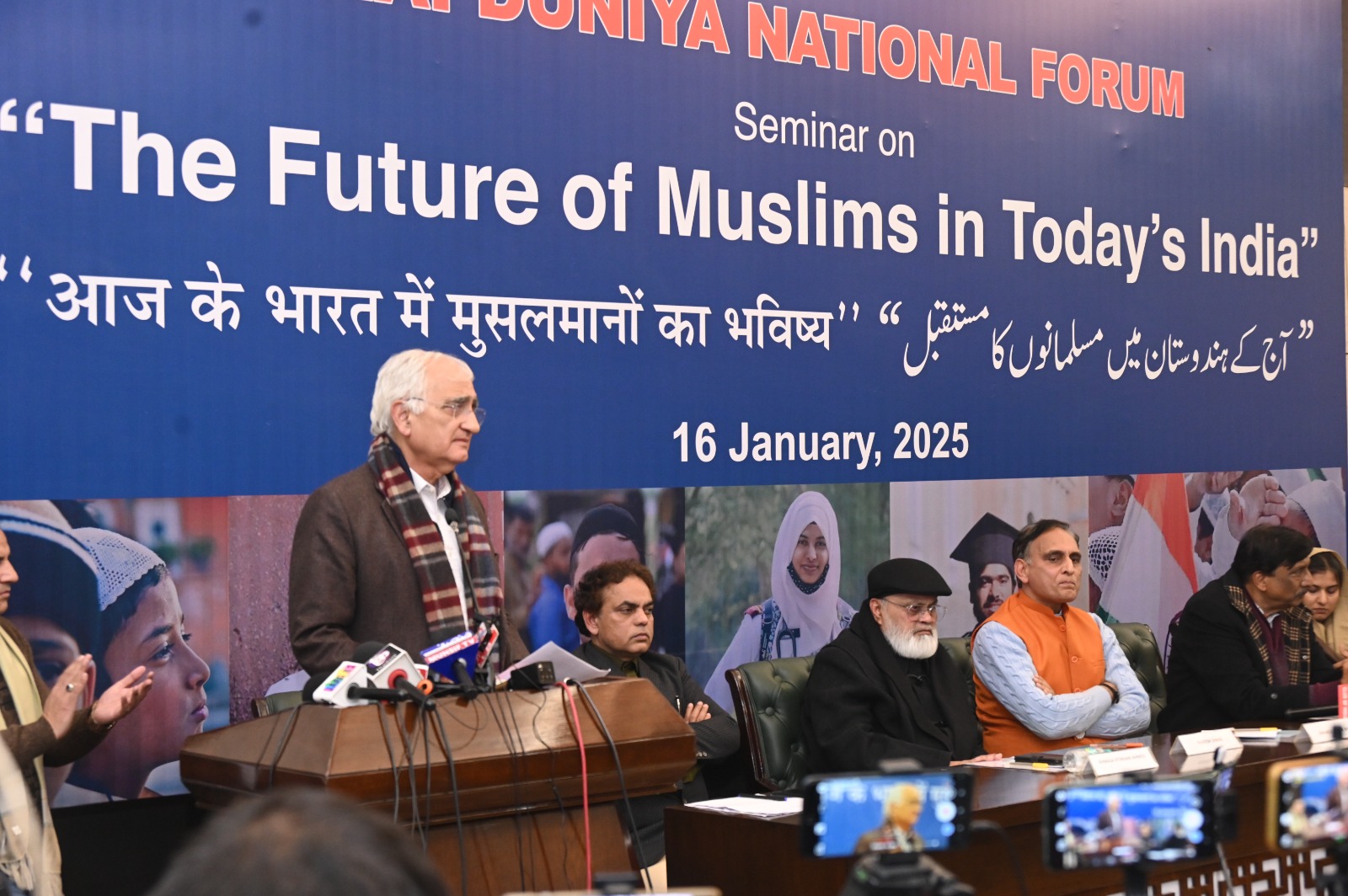
She spoke at a seminar “The Future of Muslims in Today’s India organized by Nayi Duniya Forum.

The seminar was organized to promote dialogue among leaders from different political parties and cut across ideological differences. Most speakers supported meaningful dialogue for tangible peace and reconciliation.

RSS’s Rakesh Sinha, Manoj Jha, MP,  Salman Khurshid of Congress, writer Mujeeb-ur-Rehman, and well-known journalist Hilal Ahmed were among those who spoke at the seminar. It may be mentioned that Nai Duniya is an Urdu newspaper, owned by former Samajwadi party MP Shahid Siddiqui. Siddiqui is also involved in the dialogue that a group of Muslim citizens had started with the RSS.

Iqra Hassan blamed “some leaders and media” for making Muslims feel inferior which leads to their ghettoization. “We have reached a stage where everyone wants to stay within their community, but this is a dangerous trend. We have to stop this. We have to be bold. By being bold, we have to be present everywhere from where we can better represent the nation.”

Enumerating the issues facing Muslims, she said, ”The other is an internal issue – our shortcomings, for which we need to look inside and do course correction.”

The young MP received huge applause from the audience as she said, “If the quom (Muslims) comes together to address its shortcomings and decides to take remedial steps, the situation can change. In that case, we will not face others who create a lot of noise about it.”

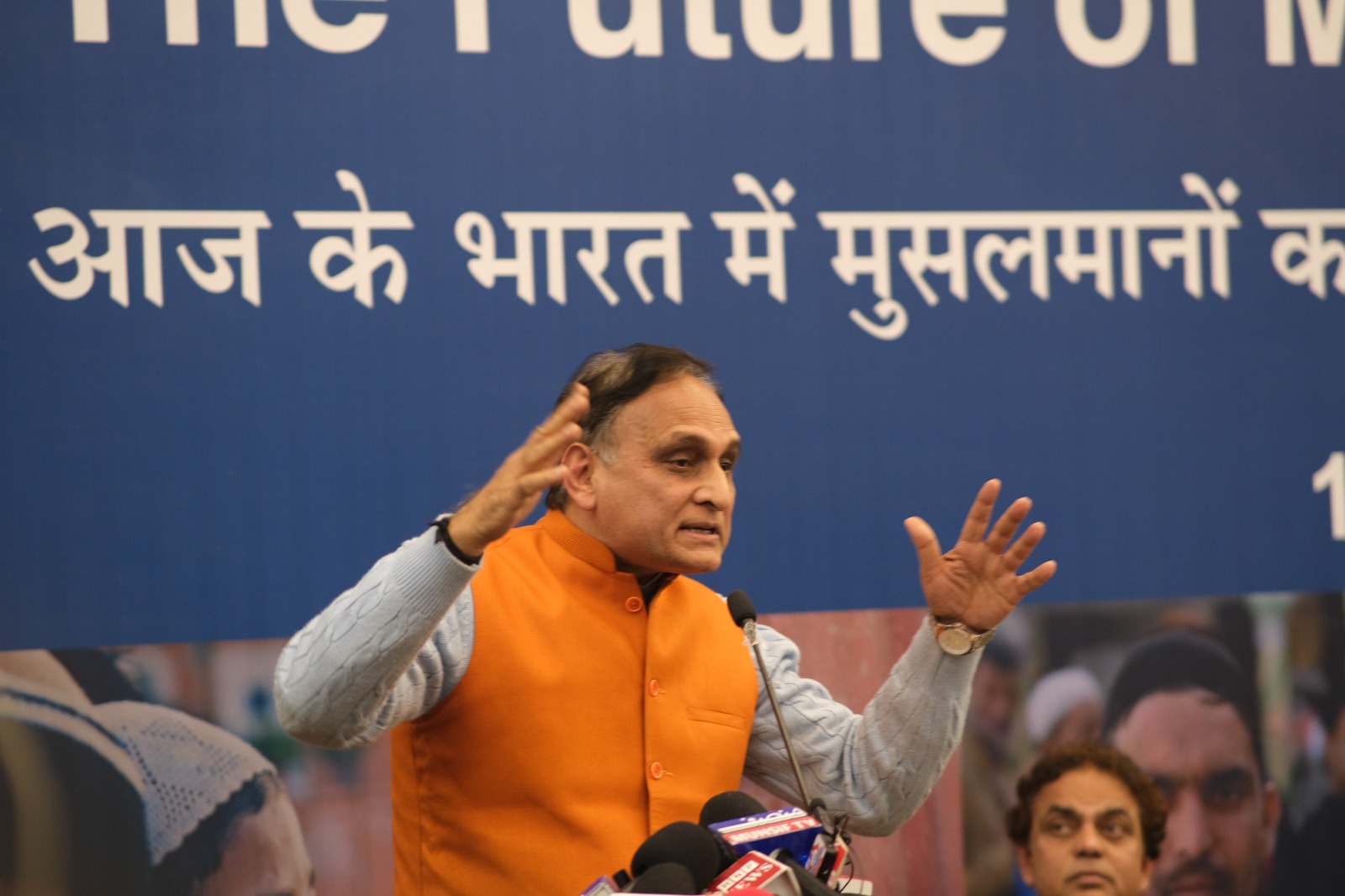
Rakesh Sinha of RSS speaking at the seminar

She said Muslims need to embrace education in a big way so that each wrong perception about the community can be addressed.

 The MP said that there was no difference between “me and any other community, we have all experienced the same history, we are citizens of one country. We are compatriots, the hatred that is being sown among us is being done for political purposes.”

She said for this reason, there was a need for a dialogue and increased interaction among communities for the common good of all Indians.

Speaking of her experiences, Iqra Hassan said she won from the Kairana parliamentary constituency which has only 30 percent Muslims and 70 percent Hindus. “I met every community and made my point. Before the election, I was told that as long as you have to get at least 150,000 votes from non-Muslims. I reached everywhere, and every community.”

Iqra Hassan said artificial walls have been erected between communities which must be demolished.

Addressing Muslims, she said, “We will not only have to speak for ourselves but for everyone and connect people who want to protect this Ganga-Jamni civilization. We will all have to raise our voices for each other for a shared future.”

Congress leader Salman Khurshid speaking at the seminar

Shahid Siddiqui announced plans to hold a series of dialogues on important issues like education, media, and other important topics. He said there was a need for dialogue to solve the problems of Muslims in the country as this method will not only remove misunderstandings but also bridge the gaps.

Senior Congress leader Salman Khurshid said, “We have always been and will be together.” He said there is no point blaming each other for the past and present-day happenings.

Salman Khurshid said that RSS chief Mohan Bhagwat’s recent message to Hindus (they must stop looking for temples under every mosque) was a big deal. He rued the facts that Muslims don’t have leaders who can give direction to the community.

Rakesh Sinha asked the people from all sections of society to come together and engage in meaningful dialogue. He said that it is easy to talk about a multicultural society but difficult to implement it.

He said that RSS chief Mohan Bhagwat has been trying to change the narrative since 2018 and it has been appreciated by everyone. He said while dialogue is necessary. We all should have the courage to speak openly and listen to each other.

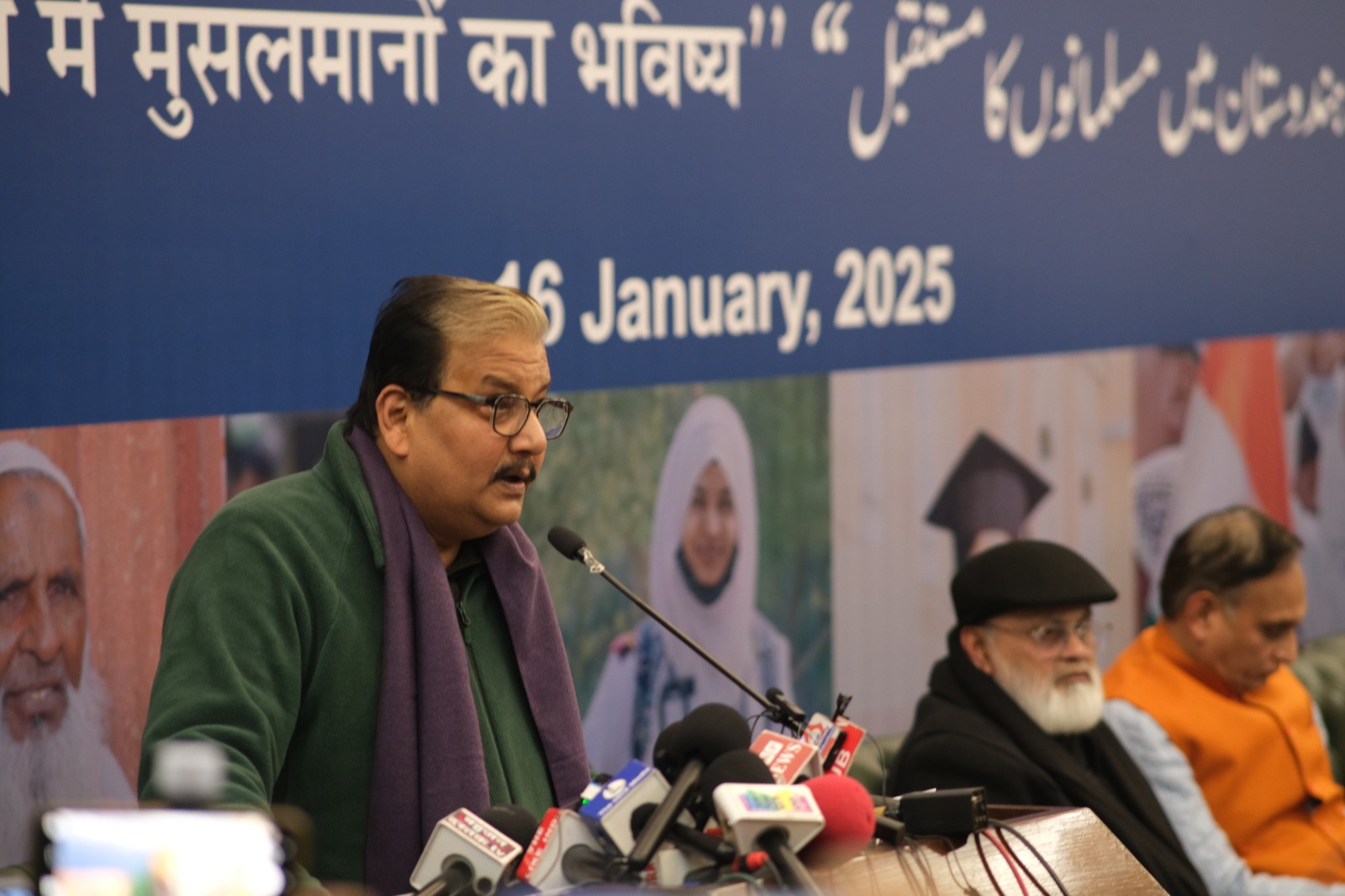
Manoj Jha, MP speaking at the seminar

He spoke about Albania, a European nation with 70 percent Muslims and 30 percent Christians, and yet its secularism is strong and there has been no clash there. “Because there is no difference in their social life. Can’t India provide this model?

Manoj Jha,  Rajya Sabha member of the RJD, said that India without Muslims is unimaginable. He said the diversity of India is about myriad cultures, languages, and religions, and therefore, any block claiming its monopoly is not practical or possible.

He said he discovered that in one decade 28 books have been published about issues being faced by Muslims. This he said is proof of the importance of this topic.

He said the changing perception of Muslims is reflected in Bollywood. “After 1950, the role of Muslims in films changed. At one time Muslims were shown as chess players. A decade later, a Muslim life-giving character appeared who saved the hero. After that scene, the hero and his saviour would hug each other with a prayer in the backdrop.”

He regretted that a projection of Muslims has changed in the Hindi movies in the last decade.

Author Dr. Khwaja Iftikhar Ahmed said that in 75 years, instead of a resolution, the Hindu-Muslim equation had become complicated.

Criticizing the approach of Muslims, Khwaja Iftikhar Ahmed said that it is unfortunate that “we did not understand the mood of this country. While converting Muslims to Islam, we taught the majority to become Hindus.”

Criticizing the political thinking of Muslims, he said, “We complain that BJP does not give tickets to Muslims, but when they give it, we are told not to make the candidate successful.”

Hilal Ahmed of CSDS referred to the surveys conducted by CSDS and Pew Research Center during the last decade. He said, “For 10 years, we have asked people a question – does India belong only to Hindus? So 90% of the respondents still believe that India belongs to all its citizens, not just Hindus.”

source: http://www.awazthevoice.in / Awaz, The Voice / Home> Story / by Mansooruddin Faridi, New Delhi / January 18th, 2025

Hybiz.tv Education Excellence Awards 2024: Celebrating Excellence in Education

Hyderabad, TELANGANA :

Hyderabad :

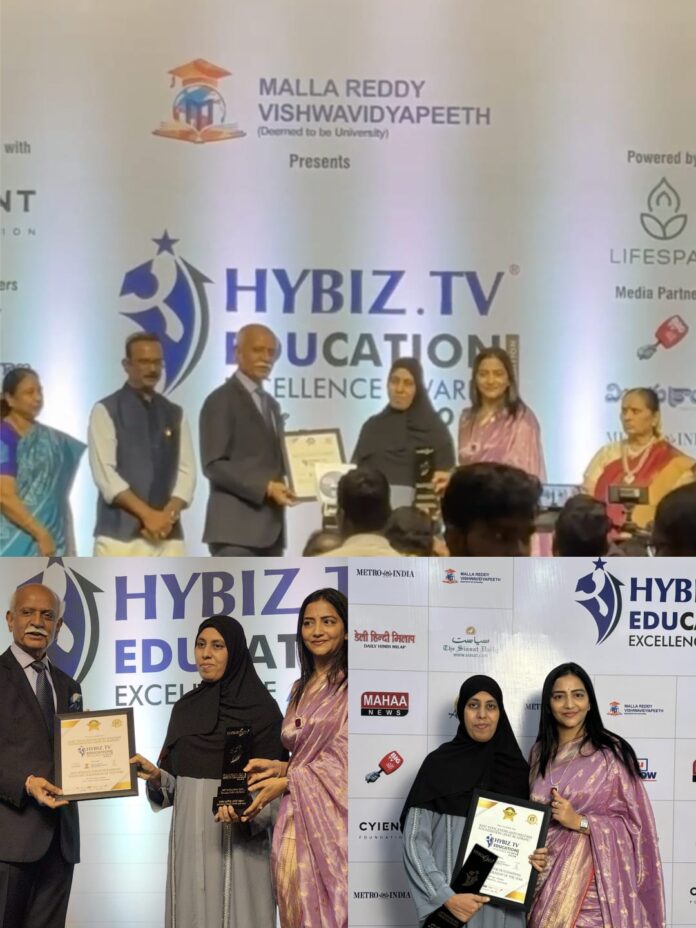
The second edition of the Hybiz.tv Education Excellence Awards celebrated exceptional contributions in the field of education at a prestigious event held at HICC-Novotel, Hitech City, Hyderabad. The awards aimed to honor educators and institutions dedicated to shaping society’s future through knowledge, empowerment, and innovation.

The event was graced by Shri Varaprasad Reddy, Managing Director of Shantha Biotech, as the Chief Guest. The Guests of Honour included:  EV Narasimha Reddy, IAS, Director of School Education, Government of Telangana, BVR Mohan Reddy, Founder & Chairman, Cyient Group & Foundation,

Dr. Ch. Preeti Reddy, Vice Chairman, Mallareddy Vishwavidyapeeth, Hyderabad, Narendra Ram Nambula, Chairman & Managing Director, LifeSpan, Dr. Boora Narsaiah Goud, Former Member of Parliament, Bhongir, Mrs Chilappagari Vijaya, Managing Director of Vijayakranthi, Metro India & Intercontinental Infrastructure Ltd.

Recognizing Achievements Across Categories

The awards celebrated achievements in various categories, with notable institutions like Delhi Public School, Vignan Institutions, and ZPHS schools from different districts of Telangana receiving accolades for their excellence in education.

Among the honorees, Dr. Ayesha Sultana, Director of Ayat Education and Welfare Foundation, stood out by receiving the Outstanding Thought Leadership Award for her extraordinary efforts in education and empowerment.

Dr. Ayesha Sultana’s Contributions:

Dr. Ayesha Sultana’s remarkable work emphasizes empowering women and underprivileged communities through academic and spiritual education. Her foundation’s initiatives include:

Quranic education for nearly 400 women daily in two batches.

An E-Vidya platform, providing online education in Mathematics, Science, and English to over 300 students, irrespective of caste or religion.

Free support for SSC and Intermediate Open School students to help them achieve academic success.

Her dedication extends beyond education to uplifting society, earning her widespread recognition. She recently received the Best Poet Award at the Kolkata Literary Festival for her anthology Veiled Voices and Bearded Tales.

In addition to being the Director of Ayat Foundation, Dr. Sultana serves as the Assistant Editor of Radiance and is an active member of Jamaat-e-Islami Hind.

The event, supported by Cyient Foundation and Lifespan, highlighted the transformative power of education and honoured individuals and institutions making a meaningful impact in this field.

source: http://www.indiatomorrow.net / India Tomorrow / Home> Education / by admin indiatomorrow / January 10th, 2025

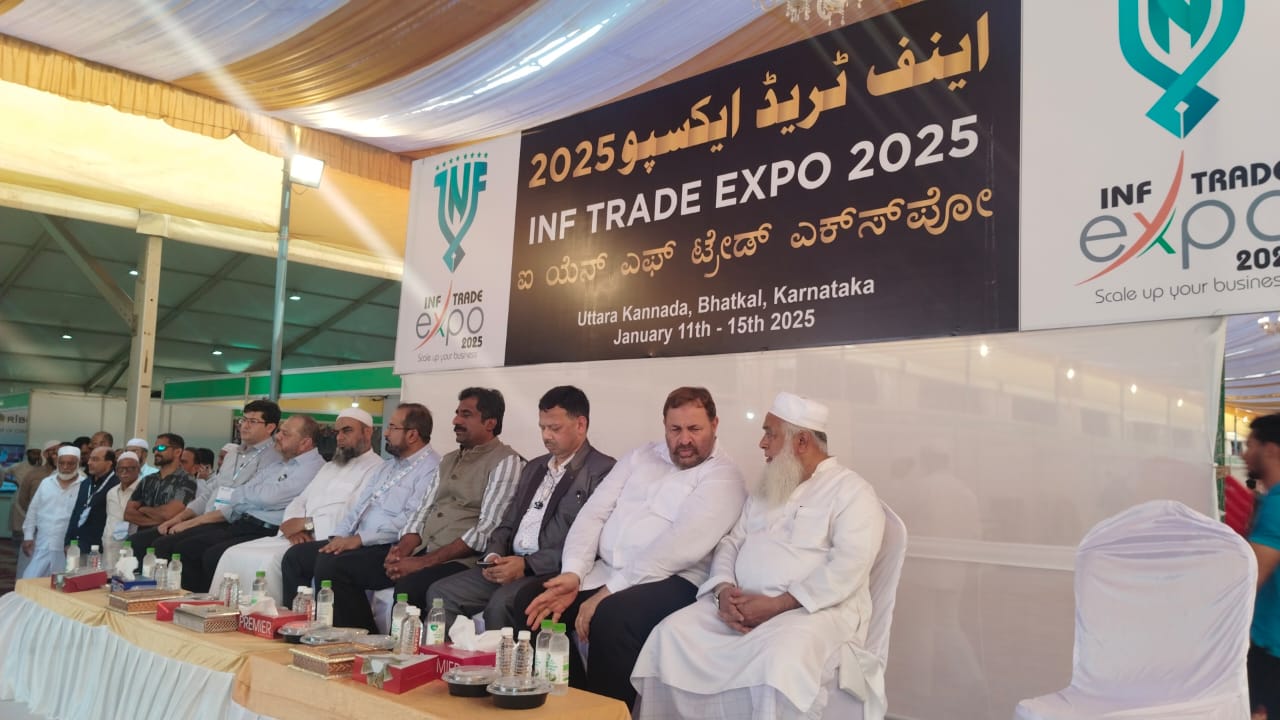
Indian Nawayath Forum Expo Held in Bhatkal

Bhatkal, KARNATAKA :

Bhatkal:

Bhatkal, a famous coastal town on the shores of Arabian Ocean in Karnataka, always finds a place in news by one way or the other. Basically, a trading community known as Nawayaths has its global presence.

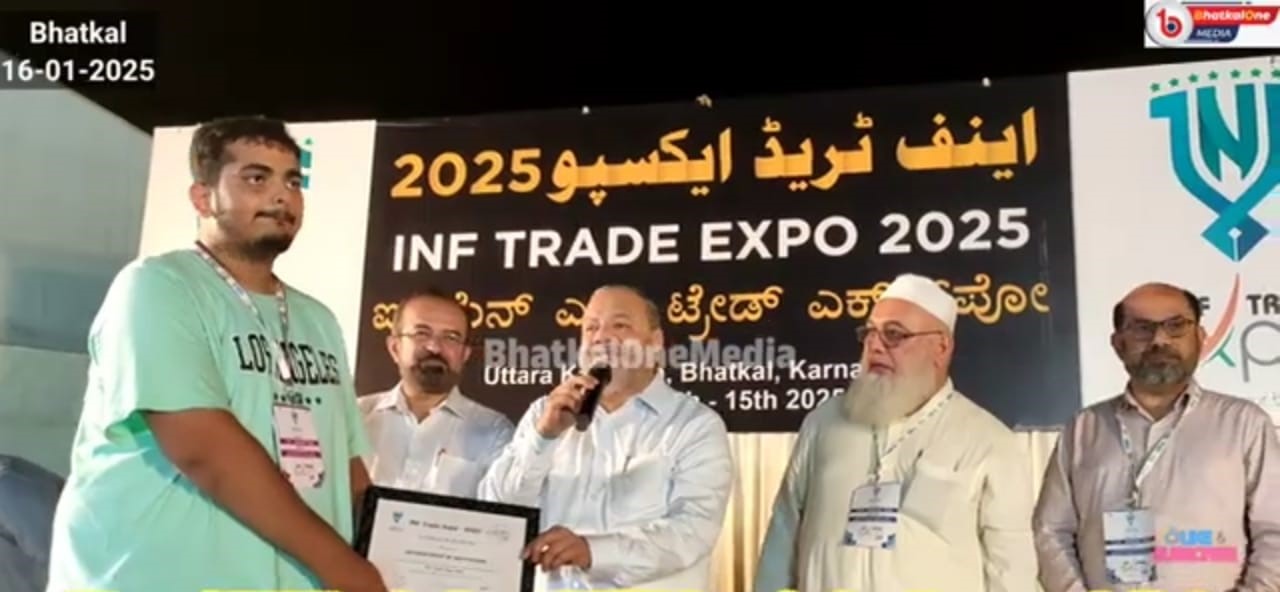
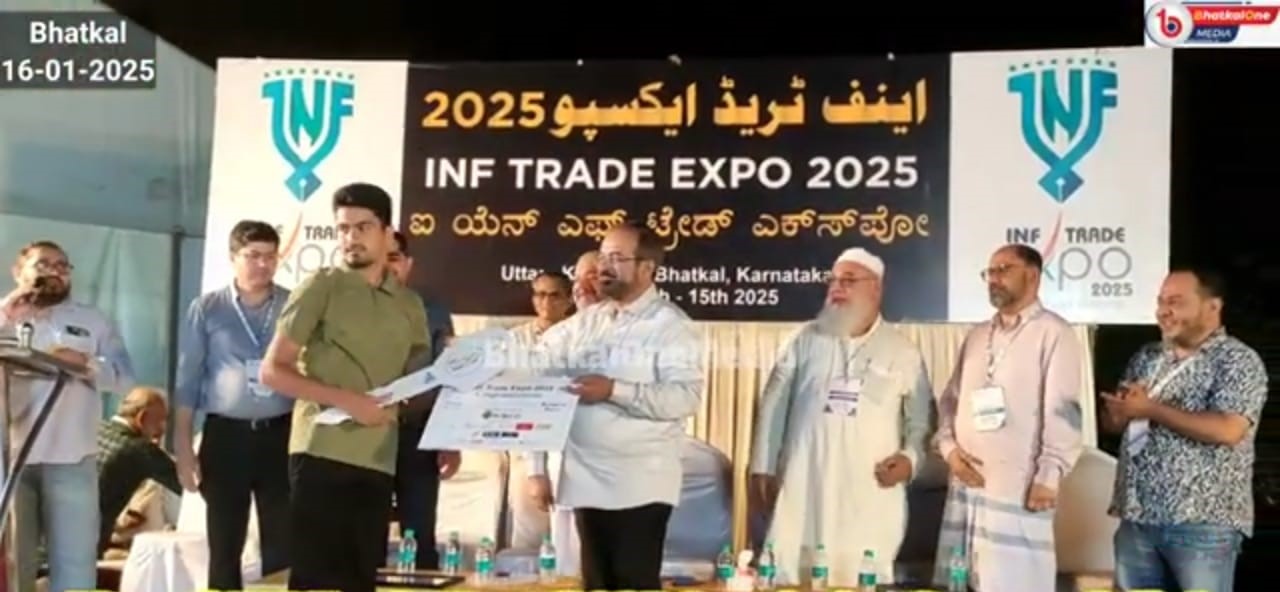
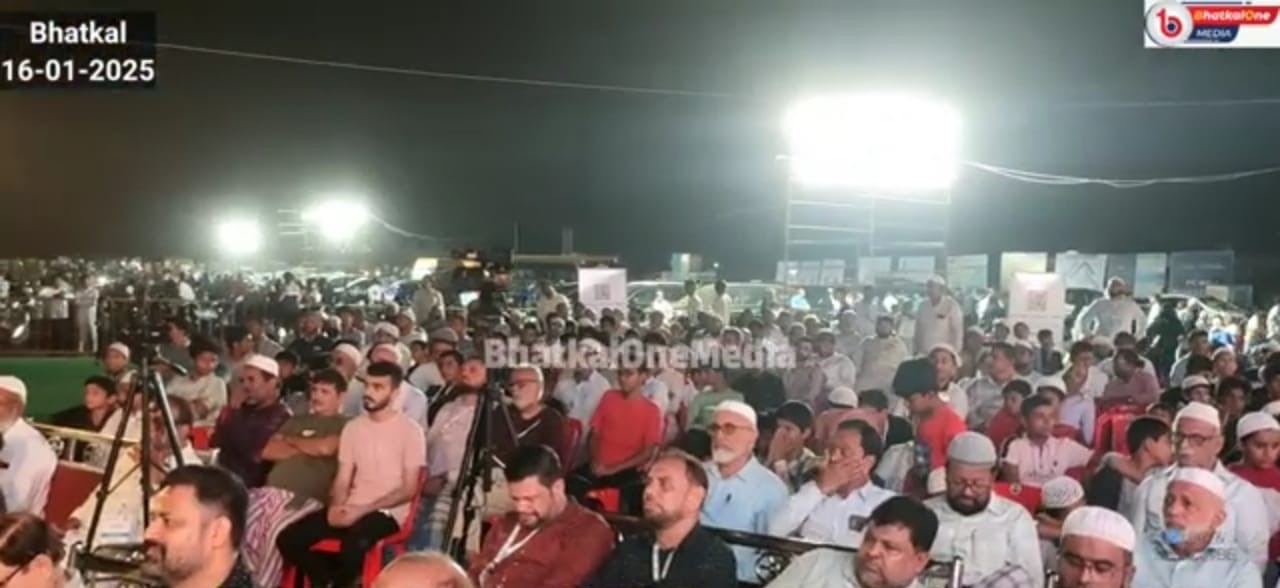
A grand trade expo was organised here from January 11 to 15. More than 225 stalls were put up on a 5-acre plot, spaciously. Women entrepreneurs also marked their participation. Nawayath businessmen and industrialists from Mangaluru, Udupi, Gangoli, Kundapur, Honnavar, Kumta and Karwar had their stalls.

Residential apartments, building material, hardware, solar heaters, electronic goods, perfumes, books and stationery, garments, herbal and Unani medicines, etc. were put on display and sale.

The Indian Nawayath Forum comprises eight organisations functioning in India: Bhatkal Muslim Jamaat Mumbai, Majlis-e-Andhra Nawayath, Bhatkal Muslim Association Chennai, Bhatkal Jamaatul Muslimeen Mangaluru, Bhatkal Muslim Jamaat Kerala, Bhatkal Muslim Jamaat Madikeri and Bhatkal Muslim Association Kolkata.

In the expo there was arrangement for congregational prayers.  Around 10,000 visitors witnessed the expo every day. School children also visited in batches.

The trade expo was basically aimed to provide a platform for promotion of business and strengthen the economy.

source: http://www.radiancenews.com / Radiance News / Home> Entrepreneurship> Latest News / by Mohammed Atherulla Shariff / January 17th, 2025
Zafar Eqbal: A PhD Scholar turned Garment Firm Owner

Patna, BIHAR :

Patna: 

PhD scholars applying for fourth-grade peon jobs is not a new sight in India as unemployment continues to be one of the biggest challenge being faced by the country of 1.3 billion people. But there are others who are taking alternate routes and carving their own niche.

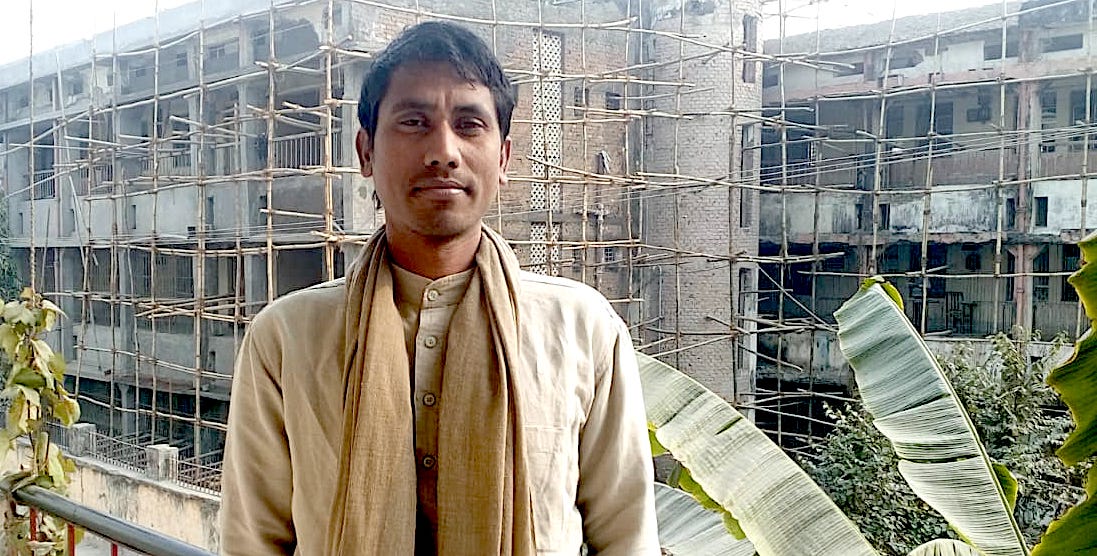
Zafar Eqbal, a small town guy from Sheohar near Muzzafarpur in Bihar is one among those. After completing his schooling from Bihar and BA and MA in Hindi literature from Delhi University, he chooses to do MPhil from Delhi University and later PhD from Jamia Millia Islamia in Hindi literature. Like any other student he also wanted to work in his own academic field but seeing the uncertainty and chaos in the job market he chose a different path.

While pursuing his PhD he decided to go back to his village and started working at the grassroots level. He believes in action rather than words. After finishing his PhD he permanently shifted to his village to bring change in his village.

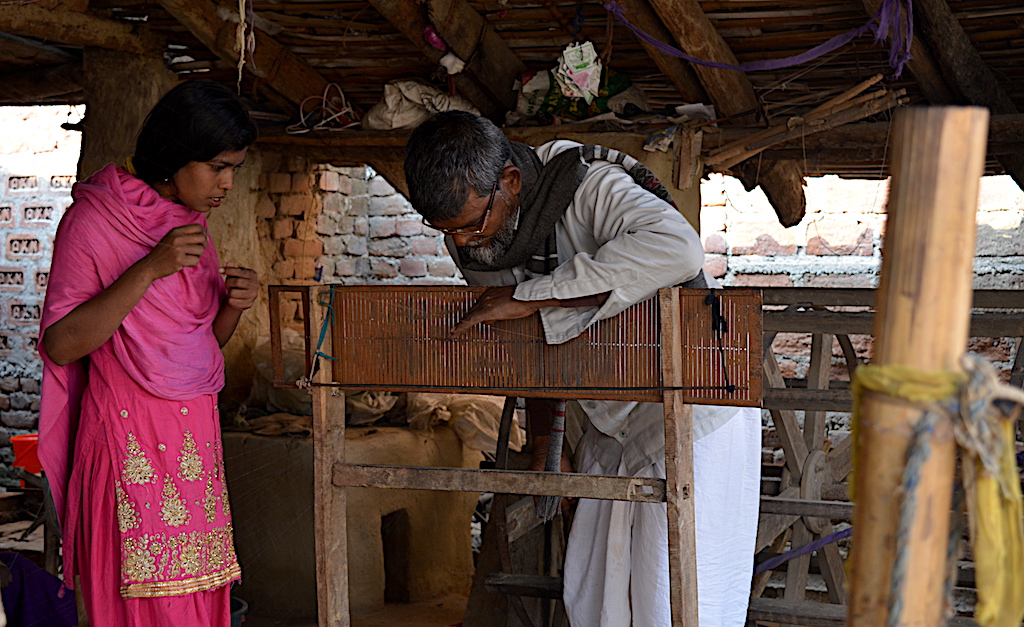
Mr Eqbal had a long list of aspiration for his land. He wanted to do something for his land; this is how he always concludes himself. During his stay in Delhi, when he talked of his future, he was not sure what exactly he was going to do. But he always said that he wanted to go back to his village and work for his community. He ended up starting cloth weaving company in Bhagalpur with two other local people. In December 2017 he officially registered his company in the name of Kolika, but in March 2018 Kolika started manufacturing its cloths items especially Saree, Kurta, Duppata, Bags, Nehru Jacket etc. Now Kolika has taken the shape of a brand in the garments industry.

It is becoming famous and creating its own space among people and Eqbal is planning to launch its website as well.

Now, Kolika is a firm running on the idea of Eqbal and many others. One of his dreams has come true in the form of Kolika but there are many more to achieve. But the idea is not just to start a firm and do business but also to run in a different way, which helps the marginalized people of society to get employment as well. While researching in Bhagalpur, he found a woman who was working in a handloom factory for 50 rupees per day. He met the woman and got to know about her ordeal and decided to run his firm, not as a business but a movement in the handloom industry of Bhagalpur. All the fancy stores in Delhi brought their silk thread from Bhagalpur and sold them at triple cost. So his idea is to make a cooperative of handloom factories, which will help the workers to get better wages rather than profiting the big firms which are just using their names.

Along with Eqbal, the firm is owned by two local weavers of Bhagalpur. All these directors are working as employees. They all are working there on salary and their plan is to use rest of the money to create the cooperative and help those people who are in need.

Kolika weavers are progressing day by day because if its noble idea. Beyond Headlines salutes Mr Eqbal for this great initiative and also his determination of leaving all the comfort of the city and going back to the village in Bihar.

Anyone who is interested in getting in touch with Eqbal can reach him at 8826621950.

source: http://www.beyondheadlines.in / Beyond Headlines / Home> Real Heroes / by Nehal Ahmed / January 21st, 2019

Book ‘Lynch Files’ seeks to decipher the hatred behind lynchings

Rampur, UTTAR PRADESH / NEW DELHI :

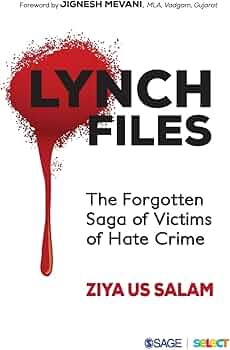
Book ‘Lynch Files: The Forgotten Saga of Victims of Hate Crime’ talks about people at the receiving end of mob violence and seeks to find out what triggers lynchers to flout laws with impunity.

In recent years, cases of mob lynching have increased to an alarming extent and the emergence of mobocracy has put India’s secularity and democratic constitution to test, says Ziya Us Salam in his book ‘Lynch Files: The Forgotten Saga of Victims of Hate Crime’.

He says the mob giving out instant justice is not the way our Constitution makers had planned.

From Dadri and Una to Alwar and Hapur and from Rajkot to Dimapur, each of these stories points out to a lapse in security, he says.

“The modus operandi in lynching cases (related to cattle smuggling) remains the same, the ‘common maximum programme’ almost identical. In almost all cases, it starts with unproven allegations of cow smuggling or cow slaughter,” the book, published by Sage, says.

So what prompts a ‘gau rakshak’ to take the law into his hands? “In a society like ours – troubled overpopulation explosion, scarcity of resources, limited job opportunities, widening gap between the rich and the poor, and hopelessness emanating from all-pervading corruption – people tend to feel a sense of existential void and powerlessness,” the book claims.

“The result is anger,” it says.

Salam also discusses the Supreme Court judgement against lynching and says it has given some hope.

source: http://www.dnaindia.com / DNA / Home> Lifestyle / by DNA Web Team / February 03rd, 2019