Tag Archives: Mansoor Ali Khan Pataudi

10 Muslim Faces in Indian Sports after Independence

INDIA :

Indian Muslim sportspersons

New Delhi :

After the partition and independence of India, the contribution of Muslim faces in Indian sports is a fascinating story. It also sends a clear message that, despite the communal division of the country, all avenues remained open for Muslims in India. The nation saluted talent, not religion. The contribution of Muslims in the field of sports should be the subject of a dedicated book.

However, in this article, we present the 10 most successful Muslim sportspersons of India.

Nawab Mansoor Ali Khan
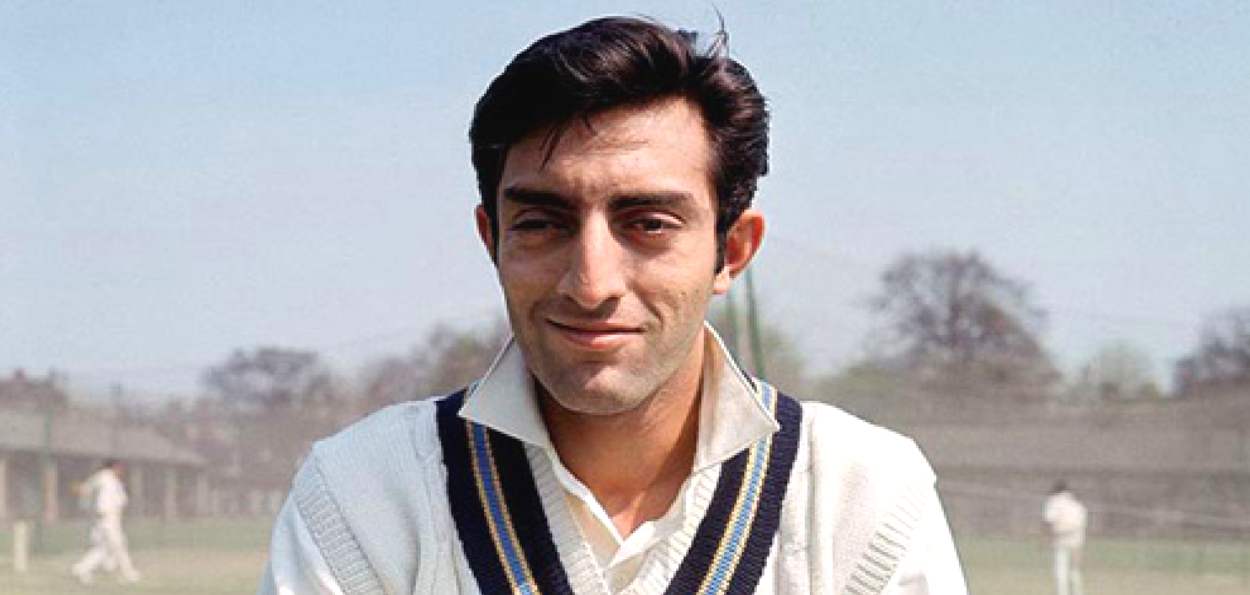
Nawab Mansoor Ali Khan

Cricket, the most popular sport in the country, has a long list of Muslim players like Ghulam Ahmed, Salim Durani, Abbas Ali Baig, Mansoor Ali Khan Pataudi, Farooq Engineer, Syed Abid Ali, Syed Mustafa Hussain, Syed Kirmani, Ghulam Ahmed Hassan, Mohammad Azharuddin, Arshad Ayub, Zaheer Khan, Syed Saba Karim, Mohammad Kaif, Irfan Pathan, Munaf Patel, Wasim Jaffer, Yusuf Pathan, Mohammad Shami, Mohammad Siraj, and Sarfaraz Khan.

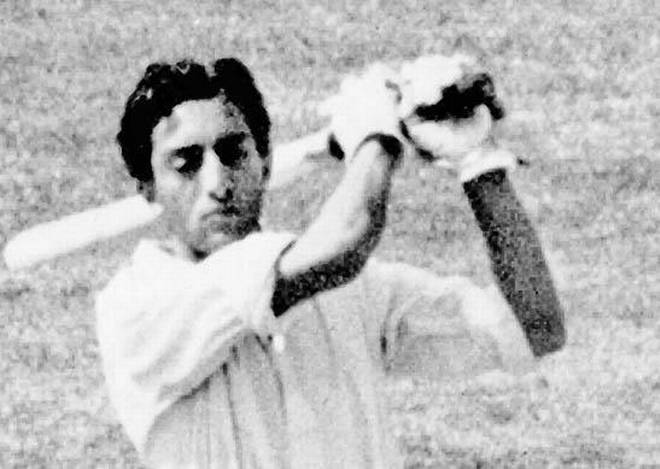
However, one of the initial cricketers, who happened to be a Muslim and shone like a star, was Nawab Mansoor Ali Khan, known as “Tiger Pataudi”. He became the youngest Test captain in the history of the game. He represented India in 46 Tests and scored 2793 runs.

In March 1962, he became the youngest Test captain at the age of 21 years and 77 days against the West Indies. His notable achievements include leading India to their first overseas Test match victory in New Zealand in 1968, which was also their first overseas Test series win.

Despite losing vision in his right eye in a car accident in England in 1961, Pataudi proved his mettle on the cricket field. Even today, Tiger Pataudi commands the same respect and popularity in Indian cricket as he did in the past.

Mohammad Azharuddin
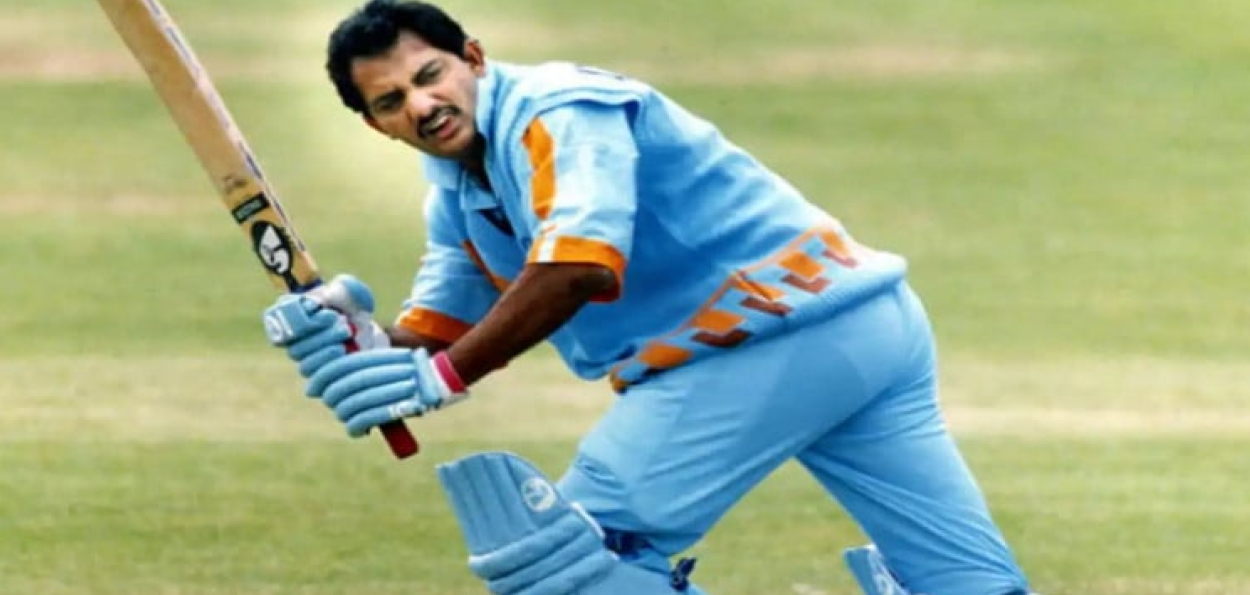
Mohammad Azharuddin

Another Muslim cricketer, Mohammad Azharuddin, nicknamed “Indian cricket’s wonder boy,” earned this title right at the beginning of his Test career. In his debut series against England in 1984, he scored three consecutive centuries — a feat yet to be repeated.

Azharuddin played 99 Tests and 334 One Day Internationals for India. As captain, he led the team to victory in the 1990-91 and 1995 Asia Cups and reached the semi-finals of the 1996 Cricket World Cup. He captained India in three Cricket World Cups during the 1990s, which remains a record.

Syed Shahid Hakim
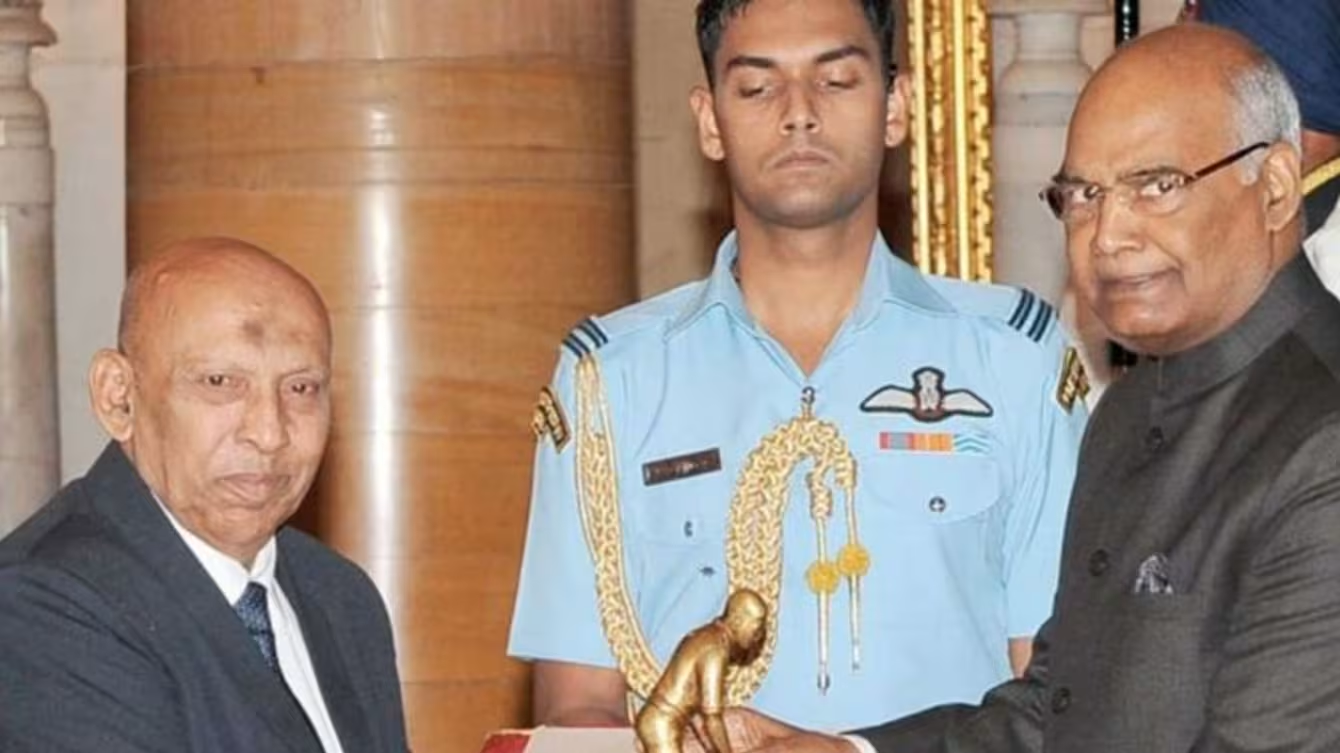
Syed Shahid Hakim receiving award from President Ram Nath Kovind

Once, India was a contender for the top slot in the World Cup Football and the Olympics. Though the situation has deteriorated, the list of Muslim footballers Taj Mohammad, Ahmed Khan, Yusuf Khan, B.P. Saleh, Syed Naeemuddin, Noor Mohammad, Rahmat, T. Abdur Rahman, Mohammad Habib, Mohammad Akbar, and Latifuddin come to the fore.

However, Syed Shahid Hakim comes across as one of the brightest and enduring football player of the post-independent India. He is son of Syed Abdul Rahim, who was once the coach of Indian Football team. A former Squadron Leader in the Indian Air Force, S.S. Hakim’s international career highlight was the 1960 Rome Olympics. Although India didn’t progress beyond the group stage, a 1-1 draw against France was nothing short of a feat.

Following in his father’s footsteps, Hakim turned to coaching and later served as an assistant coach of the Indian national team. He was also a FIFA referee and officiated in the 1988 AFC Asian Cup held in Qatar.

Mohammad Shahid
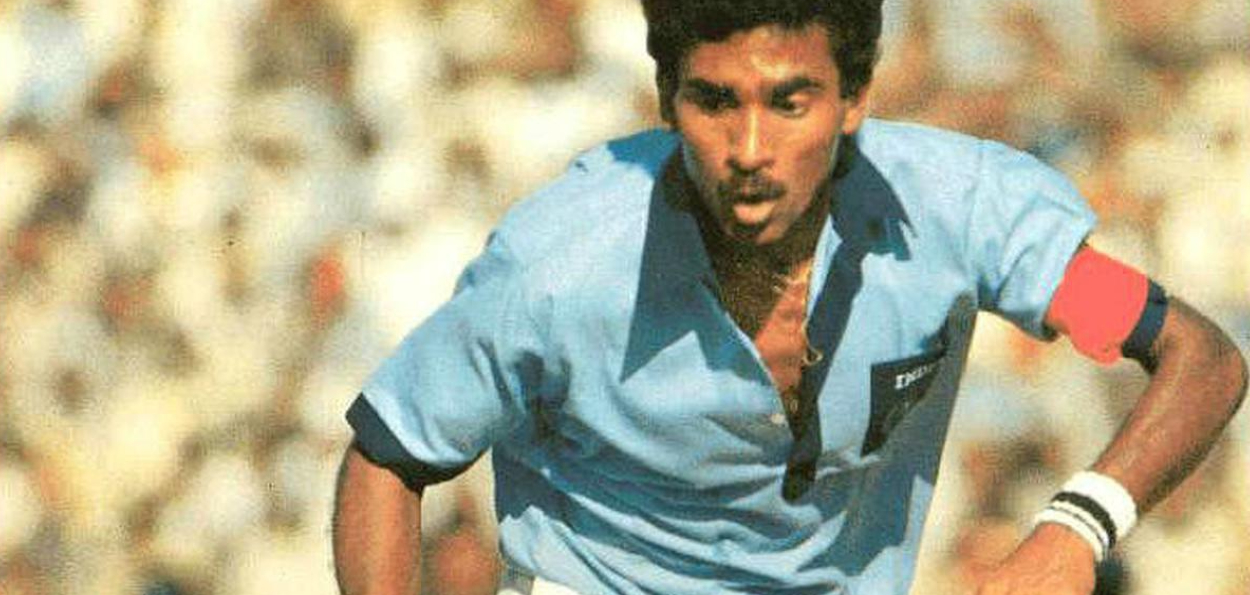
Mohammad Shahid

In Hockey, a sport once dominated by India, several Muslim players made a mark on the game, including Akhtar Hussain, Aslam Sher Khan, Mohammad Shahid, and Zafar Iqbal.

Among them, Mohammad Shahid from Banaras earned the most fame. His wizardry in the 1970s and 80s — marked by agility and magical dribbling — turned him into a star at a very young age.

He was part of the team that won gold at the 1980 Moscow Olympics, silver in the 1982 Asian Games, and bronze in the 1986 Asian Games. He also played in the 1981-82 World Cup, the 1984 Los Angeles Olympics, and the 1988 Seoul Games. He captained the Indian team during 1985-86 and announced his retirement from international hockey in January 1989.

Sania Mirza
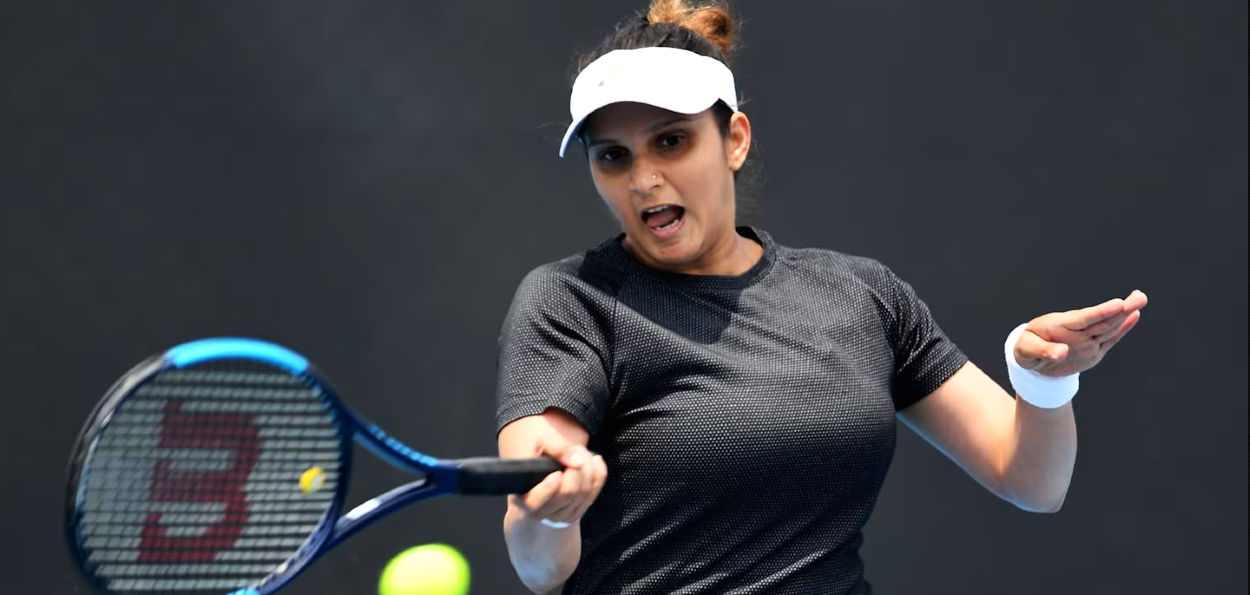
Sania Mirza

Sania Mirza is the only Indian woman to break into the top 100 in singles and later became World No. 1 in doubles in Tennis. She won six Grand Slam titles — three in women’s doubles and three in mixed doubles.

Between 2003 and her singles retirement in 2013, she won 43 titles and spent 91 weeks as World No. 1 in doubles. Sania also won 14 medals (including six golds) in the Asian Games, Commonwealth Games, and Afro-Asian Games. In 2007, she achieved her career-high singles ranking of 27, the highest ever for an Indian woman. In April 2015, she became the World No. 1 in WTA doubles rankings — the first Indian to reach the top.

Syed Modi
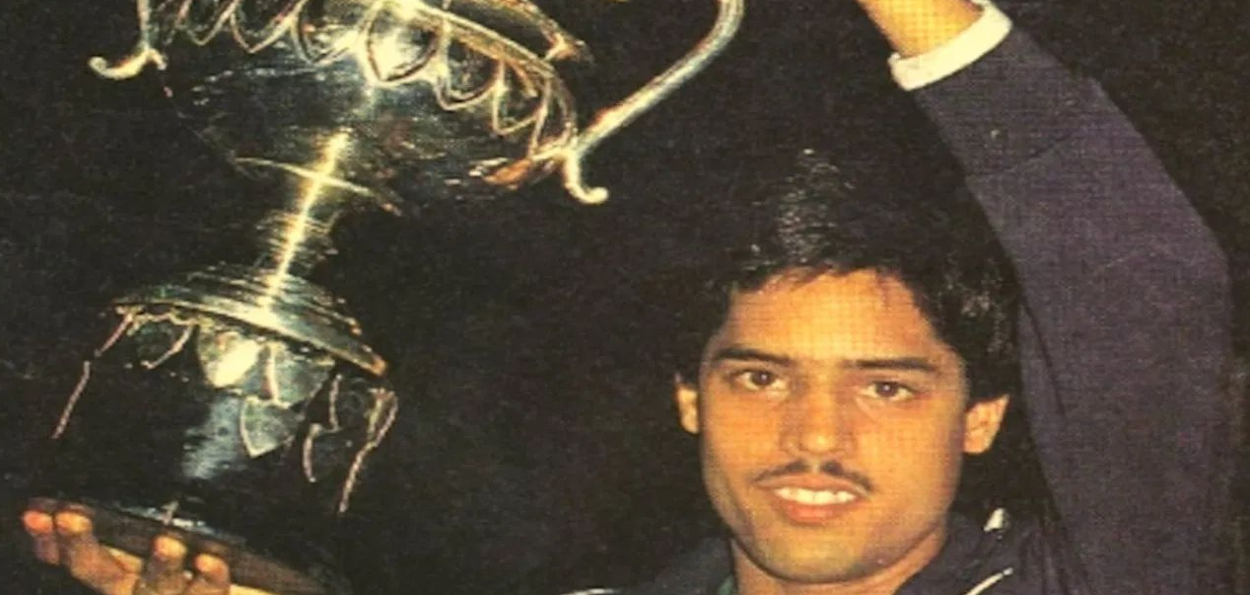
Syed Modi

In Badminton, Syed Modi has been the most successful and popular Muslim player. He is regarded as one of the most successful Indian badminton players, winning the National Championship eight consecutive times from 1980 to 1987 — a historic feat.

He also won a gold medal in men’s singles at the 1982 Brisbane Commonwealth Games and international titles such as the Austria International (1983 & 1984) and the USSR International (1985). In 1988, Syed Modi was tragically shot dead in Lucknow.

Nikhat Zareen
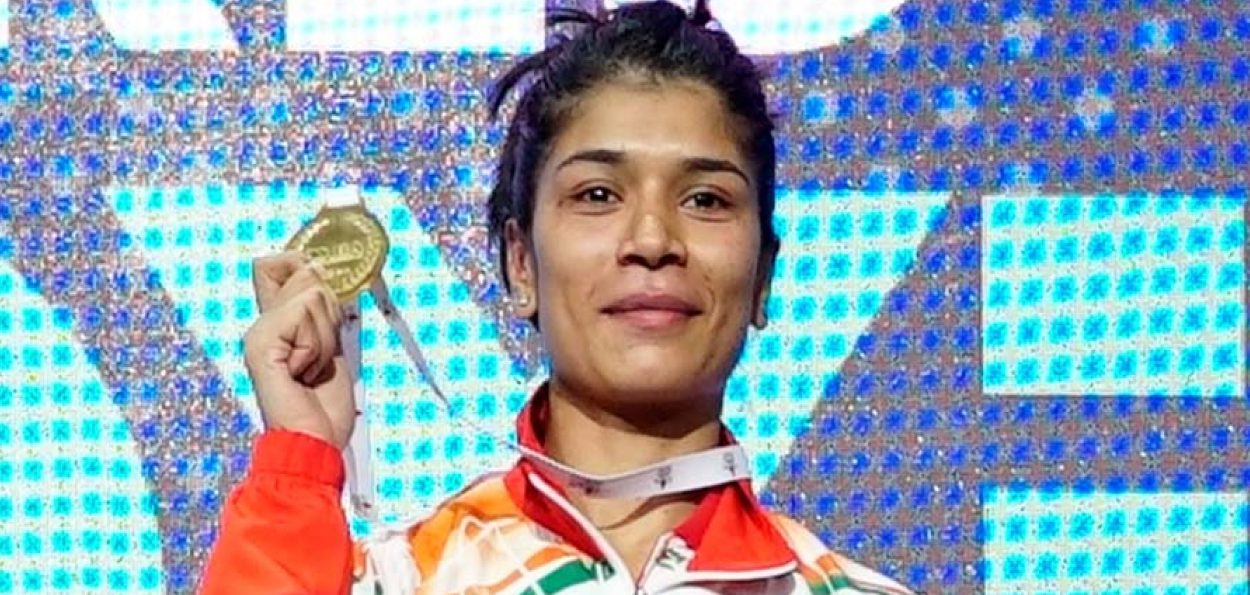
Nikhat Zareen

Nikhat Zareen is the shining star of Indian women’s Boxing. Nikhat became a boxing sensation after winning gold at the 2011 Women’s Junior and Youth World Boxing Championships. She won silver at the 2019 Asian Championships in Bangkok, gold at the 2022 World Championships in Istanbul, and gold at the Birmingham Commonwealth Games.

In 2023, she won another gold at the IBA Women’s World Boxing Championship in New Delhi, becoming only the second Indian woman to achieve the feat twice. She also won bronze at the 2023 Asian Games in Hangzhou and secured a quota for India at the Paris Olympics, where she reached the Round of 16 in 2024.

Shama Parveen
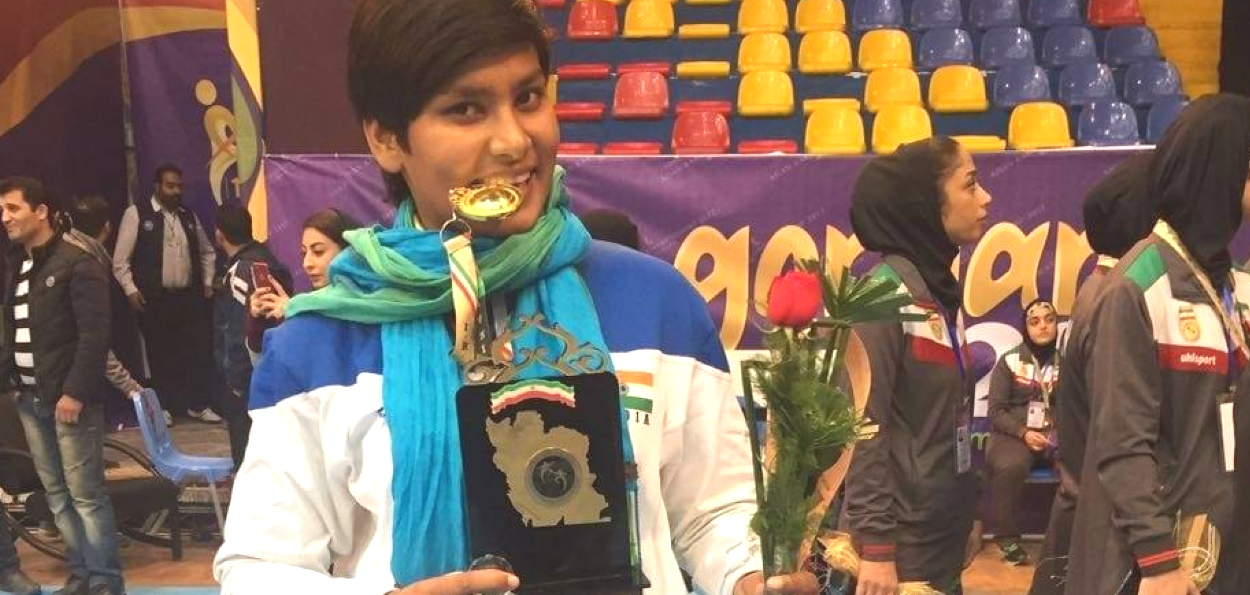
Shama Parveen

Indian men and women have dominated Kabaddi in the world. Among Muslim women, the most prominent name Kabaddi layer is Shama Parveen from Bihar, who began her career in 2008.

She has won several honors at different levels. She was part of the Indian team that won gold at the 2017 Asian Kabaddi Championship.

Nasreen Sheikh
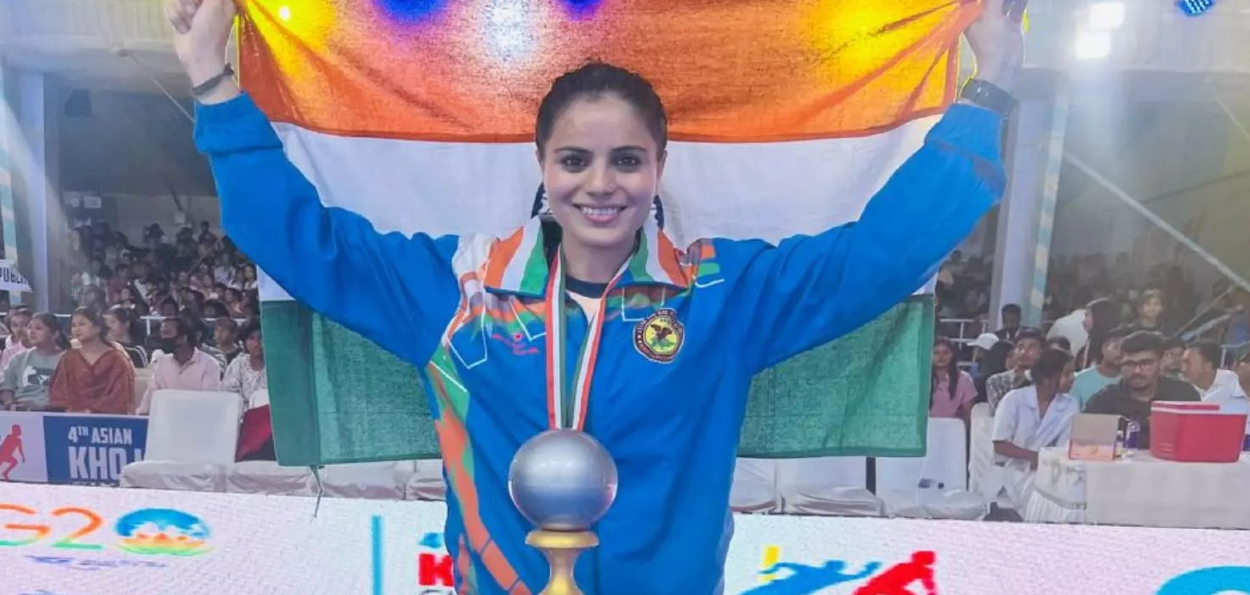
Nasreen Sheikh

Nasreen Sheikh of Delhi captained the Indian women’s kho-kho team and became the second player in this sport to receive the Arjuna Award. She led the Indian women’s team in the South Asian Games, where India won gold. She was also part of the Indian team that won the inaugural Kho-Kho World Cup held in January 2025 in New Delhi.

India defeated South Korea, Iran, and Malaysia in the group stage, beat Bangladesh in the quarterfinals, South Africa in the semifinals, and thrashed Nepal 78-40 in the final. For her performance, she was awarded the

Alisha Abdullah
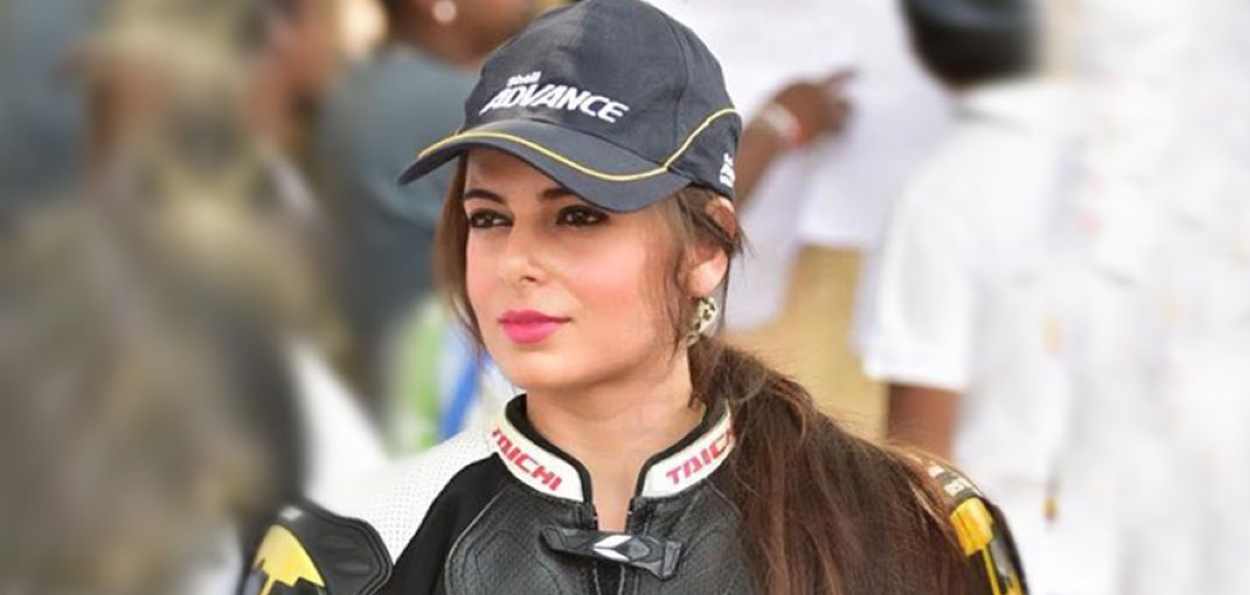
Alisha Abdullah

In Motorsports, Alisha Abdullah stands out among women. Alisha, known as India’s fastest car racer and the country’s first female bike racing champion, was born in Chennai in 1989. She was passionate about racing from a young age. In 2004, she ranked among the top five in the JK Tyre National Racing Championship. With her father’s support, she transitioned from car to bike racing.

However, after a serious accident in 2010 while riding a bike, she returned to car racing. She is the first female motorsports star in the country to receive a Presidential Award.

In Motorsports, Alisha Abdullah stands out among women. Alisha, known as India’s fastest car racer and the country’s first female bike racing champion, was born in Chennai in 1989. She was passionate about racing from a young age. In 2004, she ranked among the top five in the JK Tyre National Racing Championship. With her father’s support, she transitioned from car to bike racing.

However, after a serious accident in 2010 while riding a bike, she returned to car racing. She is the first female motorsports star in the country to receive a Presidential Award.

source: http://www.awazthevoice.in / Awaz, The Voice / Home> The Changemakers / by Aasha Khosa, ATV / August 06th, 2025
The nightmare that was Indian fielding, and how Pataudi changed it

Bhopal, MADHYA PRADESH / NEW DELHI :

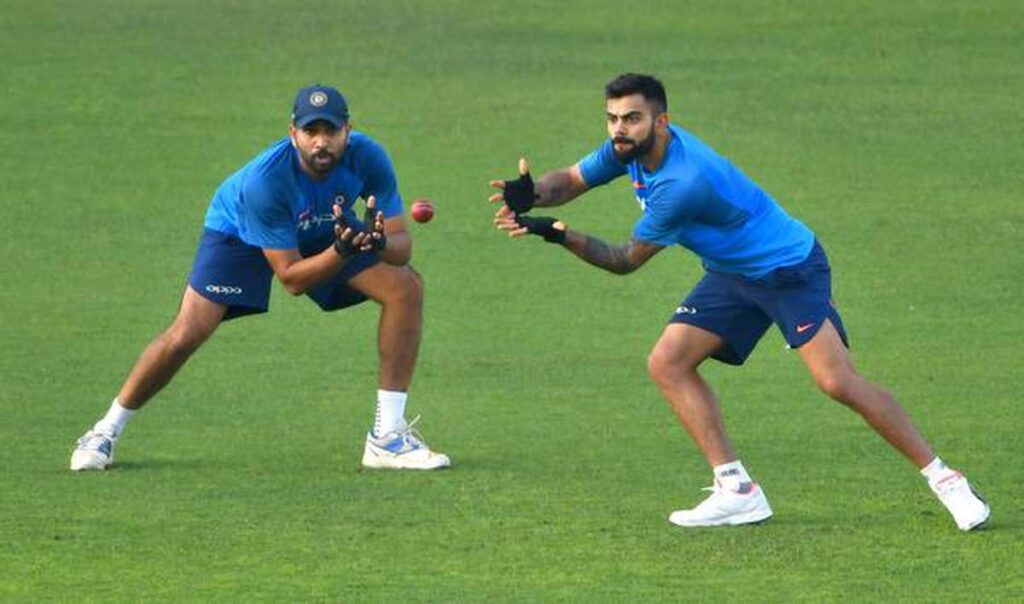
Virat Kohli and Rohit Sharma during fielding practice. File | Photo Credit: K.R. Deepak

Watching Ravindra Jadeja, Rohit Sharma, Ajinkya Rahane, Virat Kohli chase everything and catch everything today, it might be difficult to believe that India began as a team that chased reluctantly and caught by accident.

On a tour of Pakistan, Lala Amarnath, who was there as a media expert introduced me to Gul Mohammed, who had played eight times for India before migrating to Pakistan and playing there. “Greatest fielder,” said Amarnath in the manner he was famous for, leaving it to the listener to fill in the details.

In the years that Indian fielders dropped catches merrily and often let the ball slip through to the boundary, it was not difficult to earn that sobriquet. Perhaps there was one adequate fielder in every generation, and he automatically qualified as the greatest.

I didn’t tell Amarnath that, of course. I was young, on my first full tour and there was something about Amarnath — India’s first Test centurion and first captain of independent India — that kept such responses in check.

In India’s first-ever Test at Lord’s, Lall Singh, probably the only Test cricketer to be born in Malaysia, ran out Frank Woolley to reduce England to 19 for three on the first morning. In later years, Vinoo Mankad was a fine fielder off his own bowling, and Hemu Adhikari earned a reputation as a top class cover point. But it wasn’t until Tiger Pataudi — among the greatest cover points in the game — that India began to pay attention to this aspect of the game.

Trend-setter

“He was doing in the 1960s what modern fielders do as a matter of course now,” according to Sunil Gavaskar. In South Africa, Colin Bland, who many consider the greatest cover fielder ever, told me that Pataudi might have been better than Jonty Rhodes “because his anticipation was superior”.

“I am fanatical in my demands for keen fielding,” Pataudi wrote. He told his team in England, “Although I want to see a smart turnout when we leave the pavilion, once the match starts I want to see a lot of grubby knees…if it takes four or five days to get your flannels cleaned, blame the laundries. I am prepared to put up with a scruffy looking team, but I will never permit scruffy fielding.”

The philosophy percolated down. Pataudi’s boys Ajit Wadekar, Eknath Solkar, Abid Ali, Venkatraghavan, Sunil Gavaskar all played key roles as fielders in India’s maiden series wins in the West Indies and England, although he was no longer captain by then.

Attitude issues

Fielding and fitness began to be taken seriously by a team that had got off on the wrong foot thanks to the attitude of the Maharajahs who played the key roles in the early years and probably believed that running was beneath them. They were perhaps irritated too by the fact they couldn’t ask their retinue of servants to do the job instead.

The cricket historian Edward Docker summed up the early Indian approach thus: “The deep field couldn’t be relied upon to walk in with the bowler. Fieldsmen failed to anticipate the ball. Or overran it. Or used their feet to stop it. The catching was poor, the throwing abominable…”

Writing in the 1940s, the journalist Berry Sarbadhikary said, “Although homilies on the need for first-class fielding are indulged in freely by men in authority, it is the same persons who take the least notice of fielding ability when it comes to the actual selection…”

Watching Ravindra Jadeja, Rohit Sharma, Ajinkya Rahane, Virat Kohli chase everything and catch everything today, it might be difficult to believe that India began as a team that chased reluctantly and caught by accident.

Emergence of fielding stars

Pataudi’s example and attitude changed all that. Brijesh Patel, who began his first class career in 1969-70 was still cutting off boundaries and cover drives nearly two decades later by which time India’s finest all round fielder had emerged. This was Mohammad Azharuddin, as spectacular in the slips as he was in the outfield, his lithe form adding grace to his movements.

By then Kapil Dev had already exhibited his natural athleticism — he was a superb catcher at gully, but was needed to patrol the outfield where his casual throws to the top of the stumps were a treat.

India’s stock grew in white ball cricket, and a bunch of fielders helped make that happen: Yuvraj Singh, Suresh Raina, Mohammed Kaif.

Today it is no longer necessary to ‘hide’ a fielder, as India were once forced to do when players were important for one or two of three skills, or when they were chosen for reasons other than cricket.

The flat-footed was stationed in the slips with the prayer that no snick would go to him; or at mid-on hoping that an on-drive might fortuitously be stopped by a boot or a knee.

The story of Indian fielding is the evolution from ten passengers (usually) in a team to none at all. The Maharajkumar of Vizianagaram, who led on a tour of England, would not recognise this team.

source: http://www.thehindu.com / The Hindu / Home> Sport> Between Wickets / by Suresh Menon / June 08th, 2022

A Nawab, an Englishman and a maestro

Bhopal, MADHYA PRADESH :

The Nawab of Pataudi. It was one of India’s greatest triumphs…with a most remarkable man leading the way… (Published in The Sportstar on October 19, 1985) PHOTO: THE HINDU ARCHIVES  

Cricket and music? Yes, they are perfectly in tune with each other

It was January 1973. India was playing England in a Test series. Ajit Wadekar was leading India, while Tony Lewis was the English captain. The Nawab of Pataudi had been inducted into the team after a fine show in a tour match. The two teams had wound their way to Chennai (then Madras) for the third Test. The series was tied one-all. And the match at Chepauk was crucial.

But this story is not about cricket and the unflappable Pataudi’s exploits with the bat or of Wadekar’s marshalling of his troops on a turning Chepauk pitch. In those days, Test cricket was played over six days with a rest day after three days. I was a student of the Indian Institute of Technology, Madras. The institute had a music club (still does), and a violin concert by Lalgudi Jayaraman had been organised for Sunday evening.

The ace violinist had just begun his concert and essayed the varnam, when suddenly there was a minor commotion at the entrance. In walked Pataudi with Tony Lewis (Monday was a rest day). They proceeded to the front row, where two seats had been hastily vacated for them, and sat in rapt attention while Lalgudi, after a courteous bow to acknowledge their presence, proceeded with his concert. We later learned that Tony Lewis was a part-time musician and violinist, and Pataudi wanted to expose him to how India had adapted this instrument for its classical music.

Even in those pre-WhatsApp days, word of the great man’s presence in the Central Lecture Theatre spread like wildfire on the campus and the hall which had till then only a sprinkling of listeners, fast filled up and was soon overflowing. Concert over, Pataudi and Tony Lewis exchanged a few pleasantries with the maestro and left.

I dare say that Pataudi had unwittingly acted as a catalyst to convert quite a few of the Pop, Rock, Blues and Jazz aficionados among the young IITians to serious listeners of Indian classical music.

srinivasan.bhashyam@gmail.com

source: http://www.thehindu.com / The Hindu / Home> Opinion> Open Page / by S. Bhashyam / May 09th, 2021

Tiger Pataudi’s daughter Saba recasts Auqaf-e-Shahi Board

Bhopal, MADHYA PRADESH :

Bhopal :

Saba Sultan, daughter of Tiger Pataudi, the only women custodian of royal endowment properties in Saudi Arabia, appointed a new secretary and member, here on Monday. With appointment of Azam Tirmizi as secretary and social worker Abdul Tahir as a member, process of completion of six-member executive board came to an end. The board advises Sultan on financial, administrative and legal issues.

Resignation of two members, including former secretary Mohammed Hasim necessitated freshappointments. Sultan heads Rs-1,200 crore Auqaf-e-Shahi, a royal endowment charitable trust of erstwhile Bhopal State with its properties spread across Bhopal and also in the holy city of Mecca and Medina.

Monday’s meeting comes in backdrop of a confrontation between trust advisor Gufran-e-Azam and current MP Waqf board chairman Shoukat Mohammed Khan.

In presence of Sultan, Azam claimed Auqaf-e-Shahi is independent as it only registers its Indian properties with Madhya Pradesh Waqf Board, which is a caretaker and paid chanda nigrani (token amount from rent/earnings).

Azam took on MP Waqf Board over jurisdiction claim on Auqaf-e-Shahi, a royal endowment trust of former Bhopal State.

Saba Sultan reiterated she was ‘mutawalli’ (custodian), a position accepted by Saudi Arabia and MP Waqf Board. She said her agenda was now to augment rent collection and, in return, provide better pay to all Auqaf-e-Shahi workers and imams of mosques under the trust.

source: http://www.timesofindia.indiatimes.com / The Times of India / News Home> Cities> Bhopal / TNN / November 21st, 2014

How a short film on Bhopal pays a poignant tribute to an age when women ruled the state

Bhopal , MADHYA PRADESH :

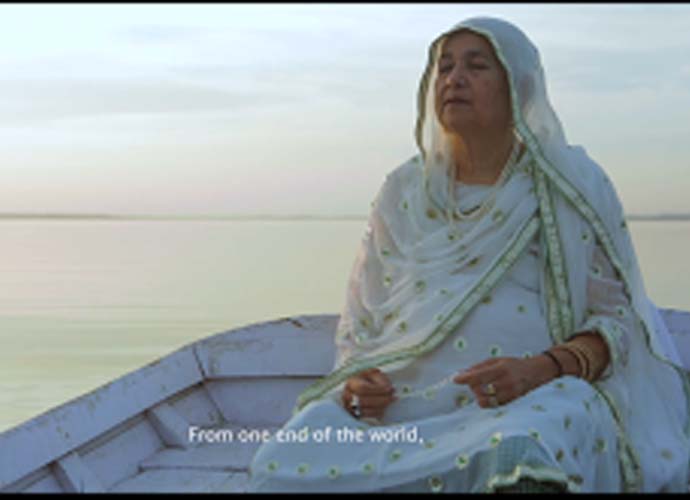
Begamon ka Bhopal is a lyrical ode to a forgotten time.

An 18-year-old widow who declared her infant daughter queen; a wife who survived an assassination attempt and held her husband captive; a princess who abdicated the throne in favour of her mother; a ruler who served as the only woman chancellor of Aligarh Muslim University.

The erstwhile royalty of Bhopal has borne some of the bravest, most dynamic rulers in the 19th and 20th century India. These nawabs were popular, fair, reformist, and fierce; they were also women.

While several women have enjoyed power as regent mothers and influential wives throughout history, Bhopal and its royalty are unique. Between 1819 and 1926, the kingdom saw four women rule it – women who were Nawab Begums, not just Begums, who ruled through inheritance, not proxy.

A still from Begamon ka Bhopal.

The movie

Much has been written about these women and their reign, including by the Nawab Begums themselves, documenting both the personal and the political events of their times.

The footprints they left behind have become part of Bhopal’s everyday life, informing and forming its consciousness and character. It is the exploration of this connect that has resulted in Begamon ka Bhopal, a short film, which is both an ode to the universal feeling of nostalgia, and a document of how an interaction with history can turn deeply existential and personal.

The movie has been directed by Rachita Gorowala, a 30-year-old alumna of Xavier Institute of Communications, Mumbai, and FTII, Pune, and will be available to viewers in January on filmsdivision.org.

Gorowala says she made the movie as her own experiment with truth: “A fascination with Pathan woman rulers who ruled Bhopal for over 100 years started me on Begamon ka Bhopal. A journey that may have begun on the lines of fascination with history became existential, introspective and deeper as an experiment with cinema.”

The movie speaks of a Bhopal long past, and seeks to conjure it up through a writer rooted in the city, a grandson who has preserved reels of films shot by his grandfather between 1929 and 1975, two royal descendants, a royal attendant.

The overarching emotion running through the movie is huzoona Persian word for powerful nostalgia, a longing for something lost but not gone. The characters speak of their own past lives, or their engagements and attempts to understand the past life of their city.

The emotion and the sense of old Bhopal is created through both audio and visual evocations – the magnificence and now the absence that marks palaces (Moti Mahal, Shaukat Mahal), the Taj-ul Masjid that is a solid link to the past and the present of the city. Music has been used powerfully – songs written and sung by Firoza Khan, one of the former royals who features in the movie – play like both a dirge and an ode.

“As a student of cinema, I learnt that a film is a medium of time and not of telling stories. Stories are meant to be heard and read. It is through juxtaposition of images and sounds that one creates an emotional journey,” says Gorowala.

Begamon Ka Bhopal is her first short film in the genre of poetic-realism, “a lyrical, musical, introspective journey”. “The movie is an ode to the times that once existed in Bhopal, through an everyday nostalgia that is lived by a writer, a film keeper and royal descendants. Each in their own way hold onto time and thus become it,” she says.

The movie has a lot of frames that show only parts, fragments – walking feet, hands busy with embroidery, dry rustling leaves – which seem to reflect the fragments in which we understand and engage with the past, the parts we hold on to, some passages, some stories that call out to us especially, and through which we try to understand the whole, through which we seek to anchor ourselves in the ocean of time.

The character Salahuddin, writer Manzoor Etheshaam, Nawabiyat descendants Firoza Khan and Meeno Ali, the royal attendant Zohra Phupo, all have important roles, the three women are symbols of the past and have survived into the present, the two men belong to the present and are trying to hold onto their connect with the past.

There is a powerful scene of Firoza fingering dolls as she talks of her own moulding into a member of a royal family post her marriage in 1961; she talks as she dresses up, her begum-ness coming alive with each addition of earrings, kangan, kaajal.

The Begums

For her movie, Gorowala had rich material to draw on. Bhopal’s famous Begums had a lot of variety among them in terms of personality and traits – the first, Qudsia, defied her court’s nobles and conventions to declare her infant daughter King in 1819.

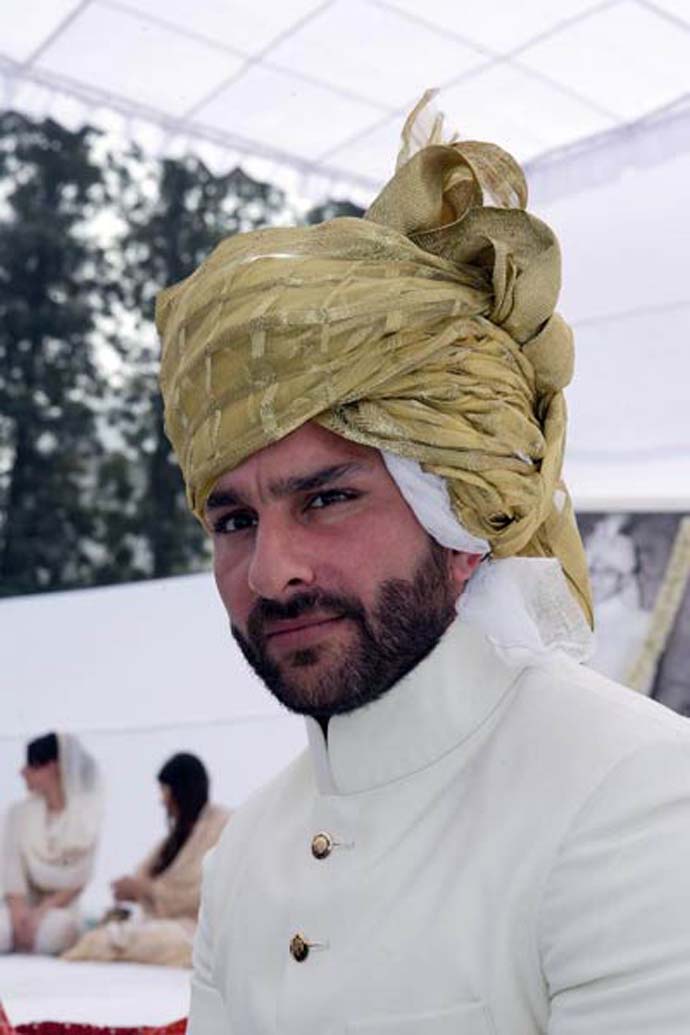
Saif Ali Khan Pataudi has the blood of these begums in his veins. Photo: India Today

Qudsia ruled as proxy for her daughter for 18 years, defending her kingdom against the battering armies of the mighty Marathas – Scindias, Holkars, Gaekwads – and her daughter’s inheritance against internal opposition.

However, some nobles managed to convince the British that a woman ruler was un-Islamic. Thus began a period of daughters inheriting the kingdom and their husbands ruling it. Qudsia’s daughter, Sikander, was married to her cousin Jahangeer. Jahangeer proved unpopular. He even tried to kill his pregnant wife, but she escaped, took refuge in another fort, and subsequently managed to imprison him inside the fort.

Jahangeer died at 26, and once again, his six-year-old daughter Shahjahan was declared king, with power to pass on to her husband when she would get married.

However, Qudsia argued and harangued the British till this clause was removed. Thus, Sikander, and then Shahjahan, both ruled Bhopal as kings who inherited the kingdom. After Shahjahan’s death in 1901, her daughter Sultan Jahan ascended the throne.

While Qudsia was brought up illiterate and in purdah, she rose to the occasion when the need befell her. Sikander was raised to be king. Shahjahan was the most feminine and the least austere of the four, and wrote several books. Sultan Jahan went back to observing purdah, and was the first chancellor of Aligarh Muslim University.

After Sultan Jahan, the throne went to a man, her son Mohammad Hamidullah Khan. However, after Hamidullah died in1960 and his eldest daughter Abida Sultan migrated to Pakistan, his younger daughter, Sajida Sultan, came to power. Sajida’s husband was Iftikhar Ali Khan Pataudi, the grandfather of Saif Ali Khan.

Incidentally, Abida Sultan’s son Shaharyar M Khan, Pakistan’s former foreign secretary, authored the book, The Begums of Bhopal, on his path-breaking ancestors.

source: http://www.dailyo.com / Daily O  / Home> Art & Culture / by Yashee   @ yasheesingh / December 24th, 2017