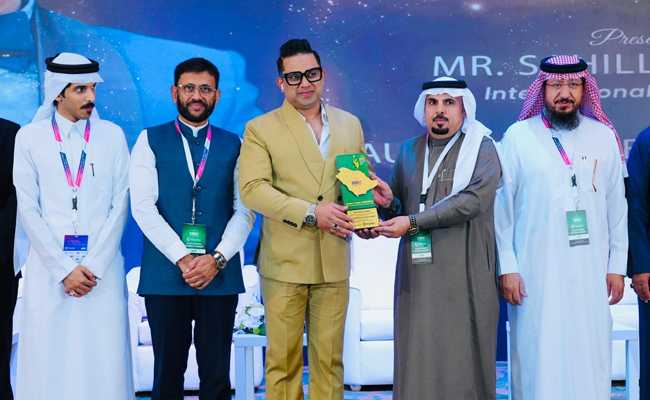
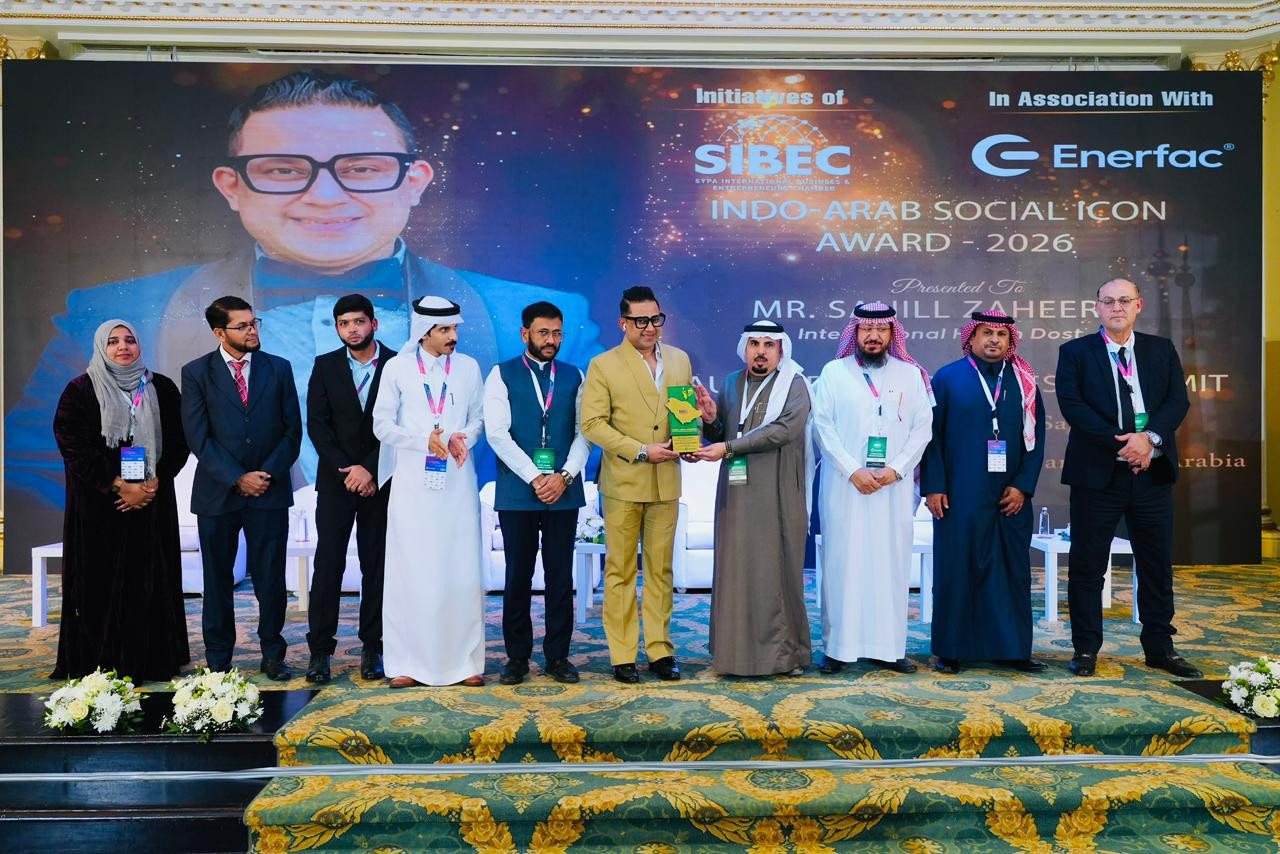
International host Sahill Zaheer was honoured with the Indo Arab Social Icon Award at an international gathering held in Al Khobar on February 7, where the Saudi Arabia Chapter of SIBEC – SYPA International Business & Entrepreneurs Chamber was officially launched.
SIBEC is a global business and economic collaboration platform that brings together entrepreneurs, investors and professionals to strengthen cross-border partnerships. The Saudi chapter launch was organised in association with Enerfac Solutions.
Enerfac Solutions, led by CEO Nazurudin Ahamed and Director Sivaprakash Umapathy along with its board members and team, describes itself as a company focused on ethical business practices and inclusive growth. The organisation has been supporting entrepreneurs, small and emerging businesses as part of its CSR initiatives, while encouraging partnerships and industry development. Company representatives said its approach centres on responsible business and ensuring that growth benefits the wider community.
Sahill Zaheer, who works as a host and event manager, has earlier been associated with Namma TV as a VJ and with Radio Mirchi 98.3 FM as an RJ. Over the years, he has hosted national and international shows, corporate events and award functions. He has shared stage space with singers such as Sonu Nigam, Udit Narayan and Shreya Ghoshal. He has also anchored events connected to cricket tournaments, including T10 and T20 formats and IPL-related programmes.
Recently, he hosted the Festival of Cricket – Women’s Edition in Al Khobar, described as the first women’s cricket celebration of its kind in the Kingdom of Saudi Arabia.
The award was presented in recognition of his contributions as a host and his involvement in international events connecting Indian and Arab audiences.
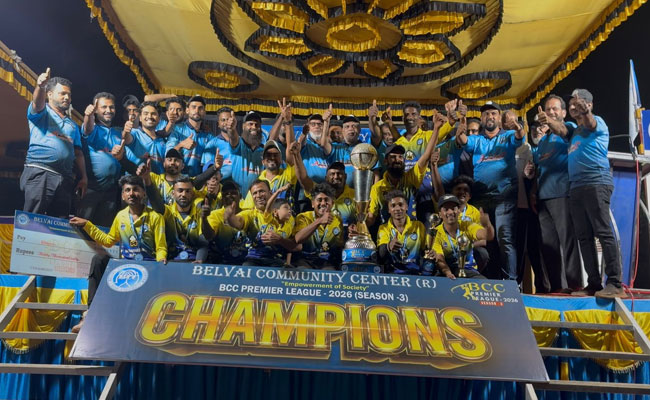
The two-day BCC Premier League 2026 (Season 3), an underarm cricket tournament organised by the Belvai Community Center (BCC), concluded successfully on February 1 at the SMP High School Ground. The tournament was held on January 31 and February 1 and witnessed enthusiastic participation and community support.
The inaugural function took place on January 31 and was chaired by BCC President Anwar Hussain Ismail. The programme was hosted by BCC Secretary Shaikh Fahad.
The tournament was managed by Events Manager Zahid Hussain, assisted by Mohammed Siraj, while the inauguration was formally carried out by Hasdulla Ismail.
Several prominent community members attended the inaugural ceremony, including Mohammed Saheb Usman, Nasir Shaikh Gulam Hussain, Anwar A. Karim, Shawkath Ali, Ameer Gause, Hussain Saheb, Nasir New Master, Munir Yousuf, Nasir A. Kareem, Abdul Qayyum and Azeem Jafar Saheb.
In the final match, Paradise Team emerged victorious and was crowned Champion of the BCC Premier League 2026 (Season 3). Team Belvai Friends finished as the runners-up after a competitive tournament.
Speaking at the closing ceremony, President Anwar Hussain Ismail said that such sporting events help promote harmony, discipline and team spirit within the community. He expressed gratitude to the main sponsors, ALS Borderless Logistics, Expertise, AR Arabian Logistics and Team Ten Racing. He also thanked all donors, well-wishers, BCC members, volunteers, team owners, players and members of the organising committee for their contributions to the success of the tournament.
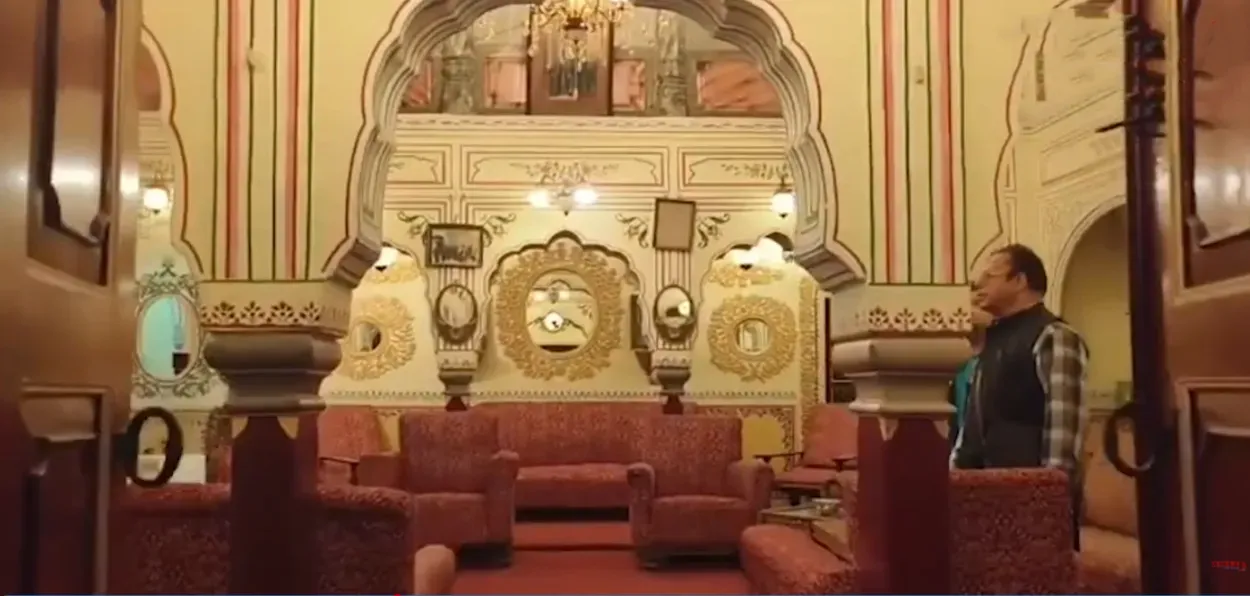
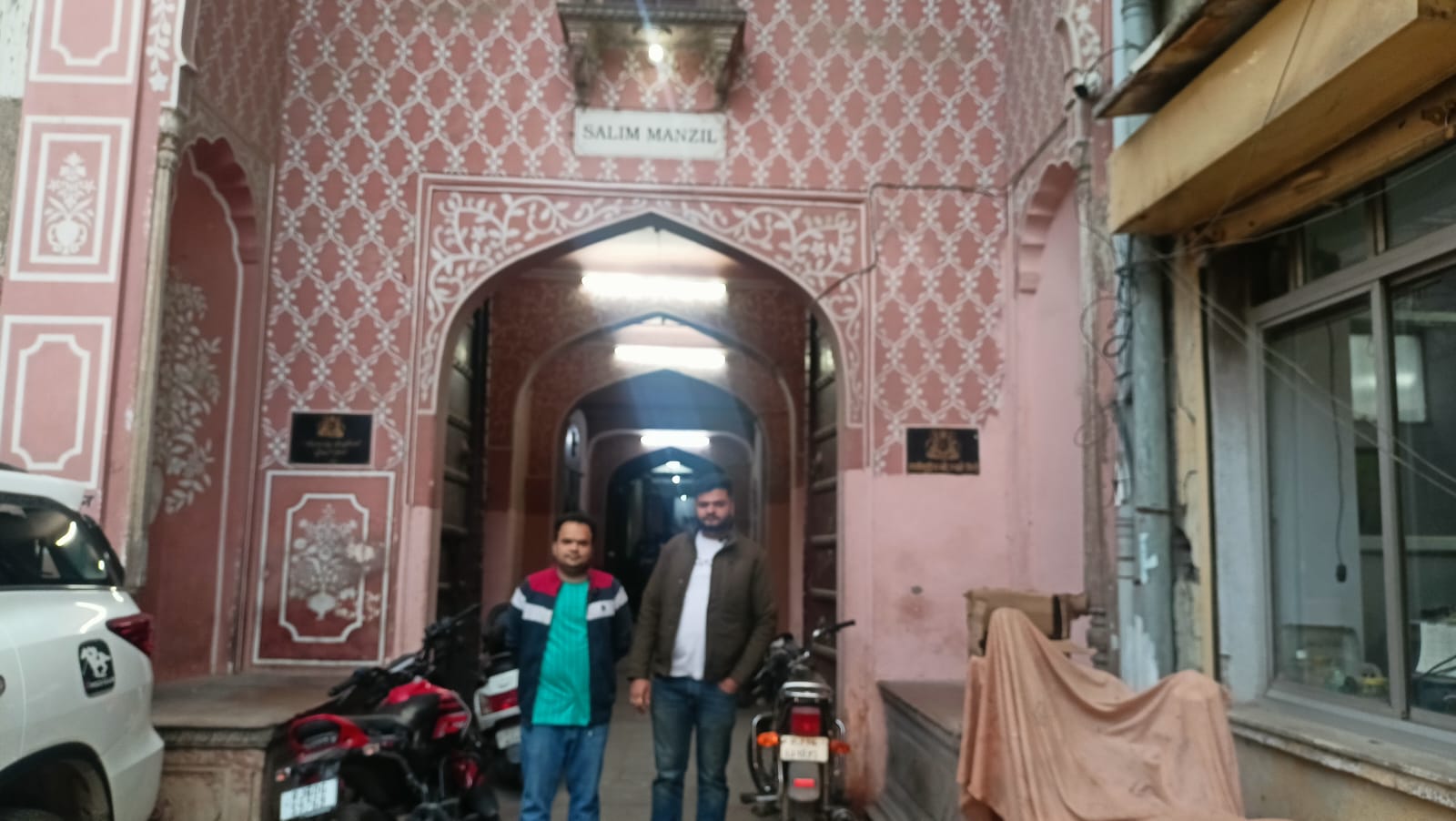
In the bustling streets of Jaipur at Haldio Ka Rasta, Johari Bazar, time suddenly seems to stand still. Amidst ancient stone walls, arched doorways and the stillness of history, stands the Salim Manzil, a majestic building which is a living legacy of more than two centuries.
The mansion houses a relic – a cap of Imam Hussain, the grandson and son-in-law of the Prophet Muhammad; it adds to its importance.
The story behind the ‘blessed cap’ reaching the haveli is interesting and part of its rich history.
The entrance to Salim Manzil
In the early 17th century, an ancestor of today’s inmates of Salim Manzil treated an Iranian king. The King wanted to reward him with gold, silver and valuable gifts, but he declined the offer and instead requested the cap of Hazrat Imam Hussain.
The King presented the relic and a certificate with the royal seal to him as a reward.
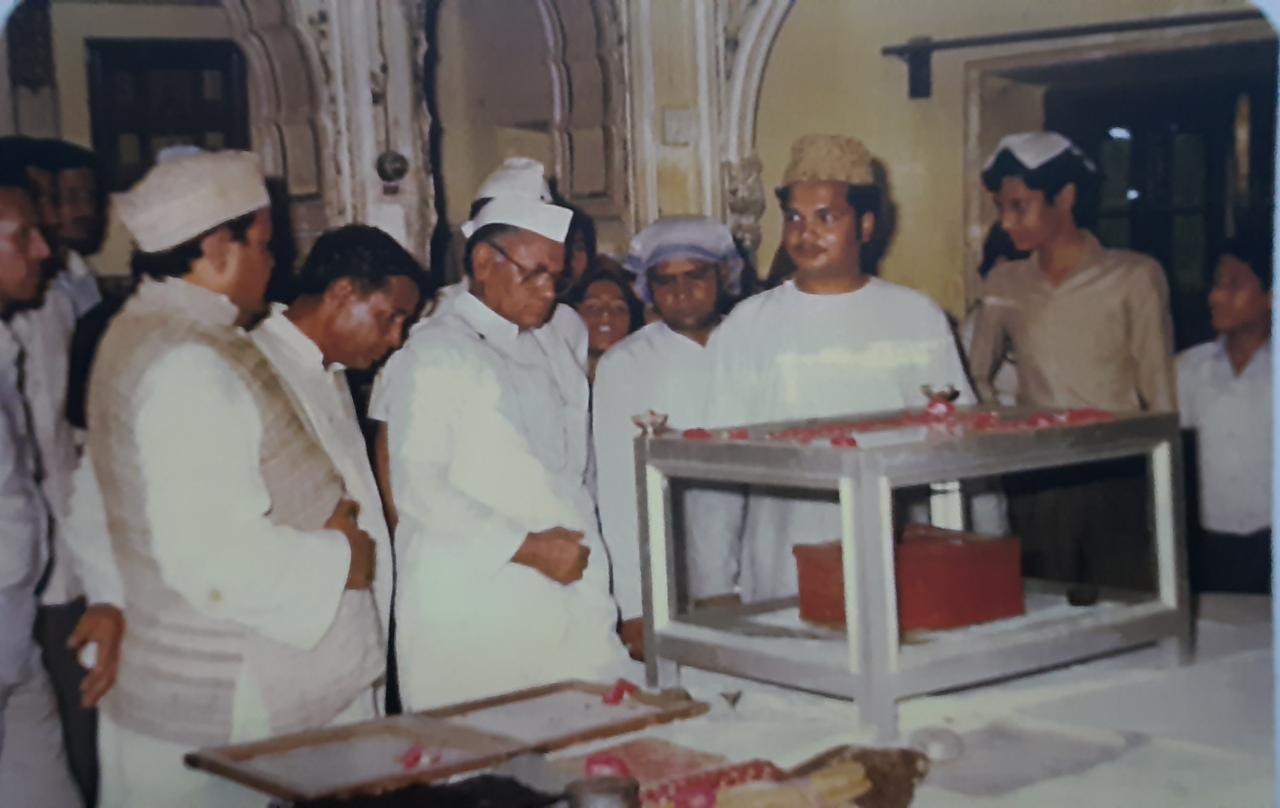
Since 1876, this blessed hat has been preserved in Saleem Manzil in a special glass-framed box kept in a hall called “Kala-e-Mubaraq”.
Every year on the 9th and 10th of Muharram, it is opened to the public. In those days, Salim Manzil is turned into a pilgrimage centre, and its air filled with spirituality.
People viewing the Blessed Cap of Hazrat Imam Ali
Today, Moinuddin Khan, 33 and his younger brother, Hussamuddin Khan, 27, are living in the mansion. The two brothers are not only maintaining this legacy, but also modernising its upkeep and display of artefacts.
Moinuddin Khan says that his ancestors came to Jaipur from Delhi around 1812 AD. At that time, Maharaja Jagat Singh of Jaipur State granted them a fiefdom and honour to his elder brother, Hakim Wasil Ali Khan.
This honour was for Wasil Ali Khan’s academic and medical expertise, and he was admitted to the Royal Court. One of the ancestors was the head of the intelligence department of Jaipur State, a sensitive position. He was responsible for the State’s security, political activities and gathering information needed for administration.
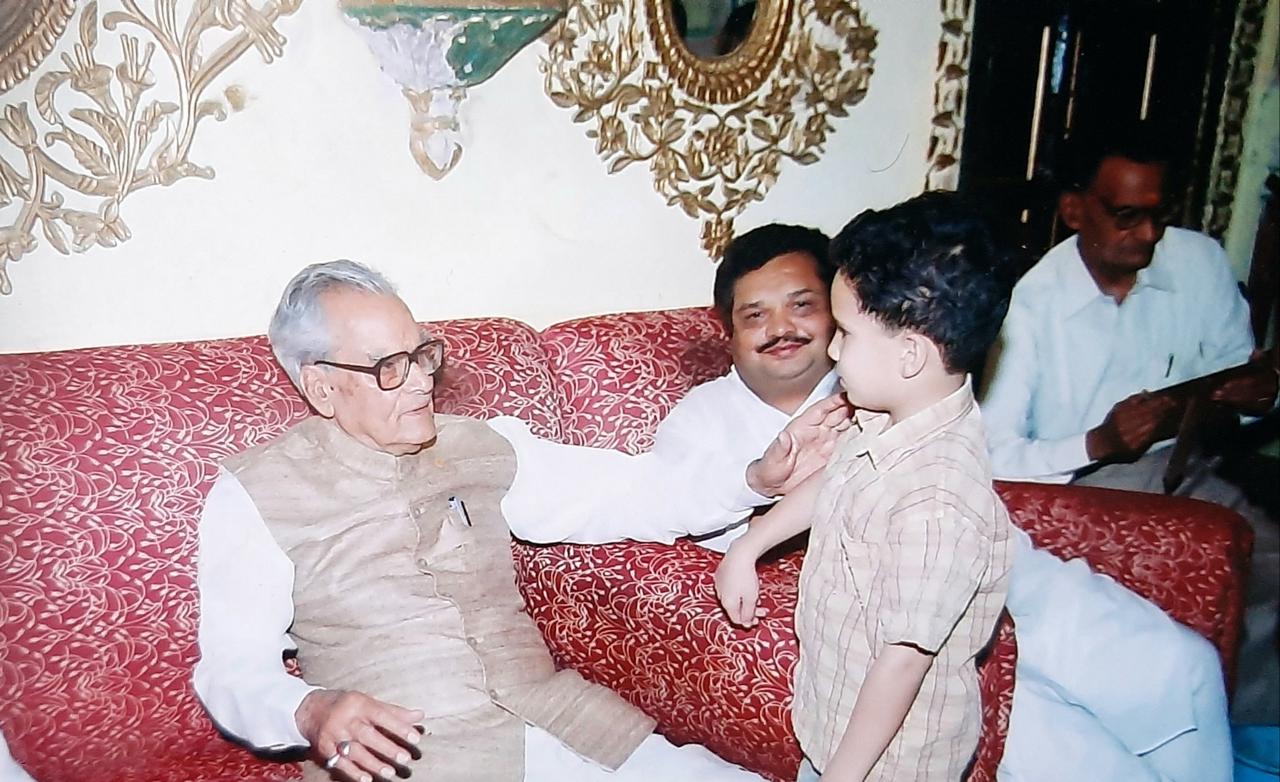
Bharion Singh Shekhawat with the inmates of Salim Manzil
Later, his son, Salim Ali Khan, worked in the same position.
The construction of Saleem Manzil began in 1867, and it was completed within three years. Spread over an area of about a bigha, the building was gifted by the Maharaja of Jaipur. Even today, the haveli’s traditional Rajasthani carvings, arches, high ceilings and lattice windows are a testimony to the architectural craftsmanship of that era.
Over time, many havelis were converted into commercial hotels, but Saleem Manzil retained its original identity. The family also received offers to convert it into a hotel, but they preferred to preserve the spirit of the heritage rather than market it.
Visitors inside the Salim Manzil
The mansion has been used as a set by many filmmakers for movies and web series. Moinuddin says he acted for the role of Sri Krishna in one of the web series. “We have a strong foundation in religion, but we also remain connected with art and dialogue.”
A large hall is decorated, the rooms are filled with the fragrance of perfume and roses, and the pilgrimage begins with Milad Sharif.
Devotees from Gujarat, Maharashtra and other parts of the country also arrive here. In those days, Shia Muslims read prayers and distribute Tabarak.
Moinuddin says that we consider it more of a trust than an inheritance. It is both an honour and a responsibility for us.
Many important persons have visited Salim Manzil. They include President Giani Zail Singh, Chief Ministers Haridev Joshi and Shiv Charan Mathur, Bhairav Singh Shekhawat (Vice President), Natwar Singh (Minister), Najma Haibabullah (Rajya Sabha Chairperson), and Supreme Court Justice Gyan Sudha Mishra.
Head of the family, late Naseemuddin Khan, popularly known as Pyare Mian, founded the All-India Hakeem Ajmal Khan Memorial Society to perpetuate his family’s legacy of Unani medicine and social service.
Today, Moinuddin and Husamuddin Khan are trying to connect this heritage with modern dialogue. They are planning to build a new hall for better management of the pilgrimage during Muharram.
They are sharing information about this heritage with the world through social media and digital means for transparency.
Amid myriad historic monuments of Jaipur, Salim Manzil is unique since it not only preserves the relics of history but is also a pilgrimage centre.
source: http://www.awazthevoice.in / Awaz, The Voice / Home> Stories / by Farhan Israeli, Jaipur / February 21st, 2026
Kirugavalu Village (Malvadi Taluk, Mandya District), KARNATAKA :
Passionate efforts
Farmer Syed Ghani Khan has brought back the use of traditional varieties even as farmers are lured into buying unsustainable varieties.
Some farmers have been the victims of forceful marketing and have opted for commercial varieties of rice and other crops promoted by seed firms.
In effect, they have switched from native varieties — which suit the soil and climatic conditions — to the ones that consume more water and fertilisers, and are easy prey for insects and pests. But it does not take farmers long to realise that the yield comes down after a few years, leaving the soil toxic.
Remedy lies in returning to traditional grains. But wooing farmers away from commercially promoted seeds, fertilisers and insecticides is a task.
Syed Ghani Khan, a farmer from Kirugavalu, a village in Mandya district, has been pursuing that task as a lifetime passion.
He has set up a museum in his village home by setting apart two rooms for the purpose.
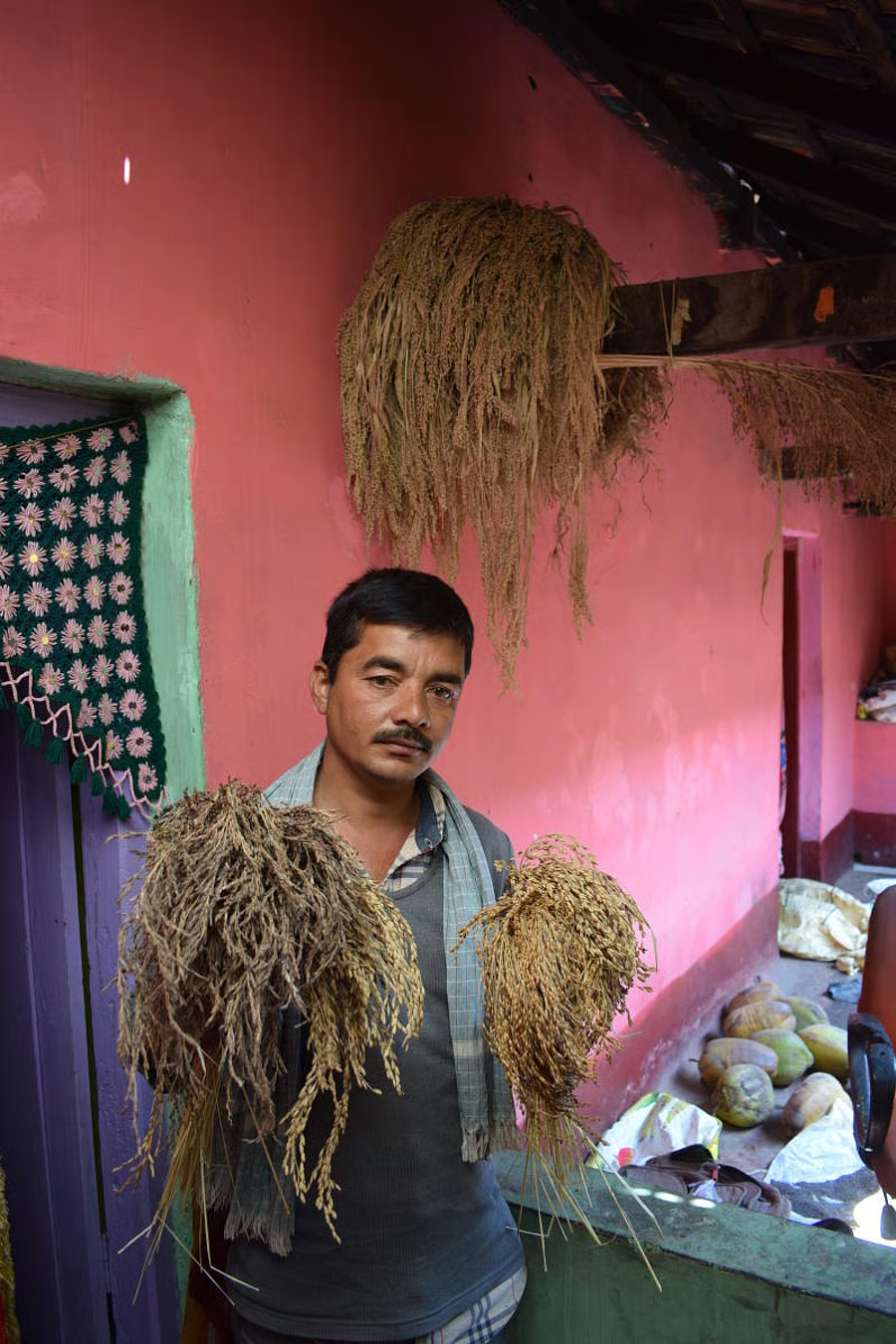
He has conserved over 700 varieties across 15 and more acres of land. These crops are harvested carefully, and the panicles laden with grain are bunched, marked with names and numbers, and arranged systematically on the walls of the two-room museum.
Some of them are even stored in bottles to be given away to farmers around the village to experiment with the heritage crops they lost in the race to boost harvest with new varieties.
Khan is a graduate from Mysore University with a degree in Archaeology and Museology. After completing his studies in Mysuru, Khan joined his father in tending to his farm.
He was pained at the sight of farmers getting addicted to industrial products and giving up the traditional varieties and practices.
He took up the task of preserving traditional seeds in packets and supplying them to those who were converts to his cause. Yet, he was not satisfied with what he did. He thought he needed more systematic efforts to create awareness about the usefulness of the old varieties and the supply of seeds.
According to Khan, continuous onslaught of publicity for industrial farm products has misled farmers into switching over to newer seeds — be it cereals, lentils, vegetables or fruits. This has led to enmasse shift to high-yielding varieties like MTU-1001, IR-64, Jaya etc.
Khan says traditional varieties hold the key to sustainable farming that is less expensive, does not erode the fertility of the soil. “In our pursuit of bumper harvest, we have damaged the soil and have made paddy an aquatic crop, which it is not,” he laments.
He began collecting varieties like Rajmudi, Ghamgadale, Doddibatta, Parimala Sanna, Basmati, Ratnachudi, Gandhasale, Mysore Mallige, Jeerige Sanna, Burma Black, Rasakdam, Thai Jasmine etc in earnest. Several of these varieties harbour medicinal properties while others emit aroma while being cooked.
According to Khan, varieties such as Doddibatta, Ghamgadale and Biddi Doddi can be grown in farms that receive just one or two spells of shower.
Ratnachudi, HMT, NMS-II are high-yielding traditional varieties while Jeerige Sanna, Rasakdam, Gandha Sale, Parimala Sanna and Mugadh Sugandh turn aromatic while being cooked.
He says most of the seeds of paddy varieties collected by him have a shelf life of 18 months. In contrast to the practice of preserving seeds in freezers, he applied on-field conservation methods where no synthetic chemicals were used.
Propagator
Farmers from all over South India have been approaching him for seeds of the native varieties.
Shiv Prasad, who has a farm in the outskirts of Hyderabad, took seeds of nearly 200 varieties from him. He has since been a promoter of the cause in his region.
Khan maintains a meticulous record of all those who have procured seeds from him. During the last two decades, nearly 10,000 farmers have accessed supplies from him.
Krishna, a farmer from a village in Maddur taluk, is a regular visitor to his farms. Rachanna, from Hosamalangi village in T Narsipura taluk, successfully grows around 25 varieties in his farm. He had visited him a decade ago.
A corner of his museum displays several medals, certificates and awards. He was conferred with Krishi Pandit Prashasti by the Govt of Karnataka (2008). National Genome Seed-saver Recognition Award was conferred on him a year later by Plant Protection Variety Forum. Govt of Karnataka chose him for ‘Biodiversity Award’ in 2010, while Directorate of Rice Research in Hyderabad presented him ‘Rice Innovative Farmer Award’ for the year 2011-12.
Ghani Khan says one should not be surprised to find one variety being replaced by another after every 40 km as India is home to thousands of varieties of rice.
He says several of them carry medicinal properties.
He says while Karigajivili and Ambe Mohur from Karnataka are said to be good for lactating mothers, Navara of Kerala is good for those who have joint pain. While Mappillai Samba from Tamil Nadu improves virility, Mehdi is held to be good for healing of bone fracture. Khaima provides relief for those suffering from piles.
Mangoes, too
Ghani Khan has taken up the conservation of native varieties of mango, too. He has registered himself with the National Bureau for Plant Genetics, New Delhi.
He has trees that have been there in the family farm for the last six to seven generations. These trees yield native varieties like mosambi ka aam (tastes like sweet lime); seb ka aam (tastes like apple); pheeka aam (bland mango) for those with diabetes; kaale malghoba, bada gola; mangamari; manji bi pasand and mittmia pasand.
His family has been supportive of his efforts and to this day help him in maintaining their farms and marketing the produce.
Womenfolk of his family use paddy in making decorative art.
Syed Ghani Khan can be reached on 9901713351 or muhinuha786@gmail.com
source: http://www.deccanherald.com / Deccan Herala / Home> India> Karnataka / by M A Siraj / October 12th, 2019
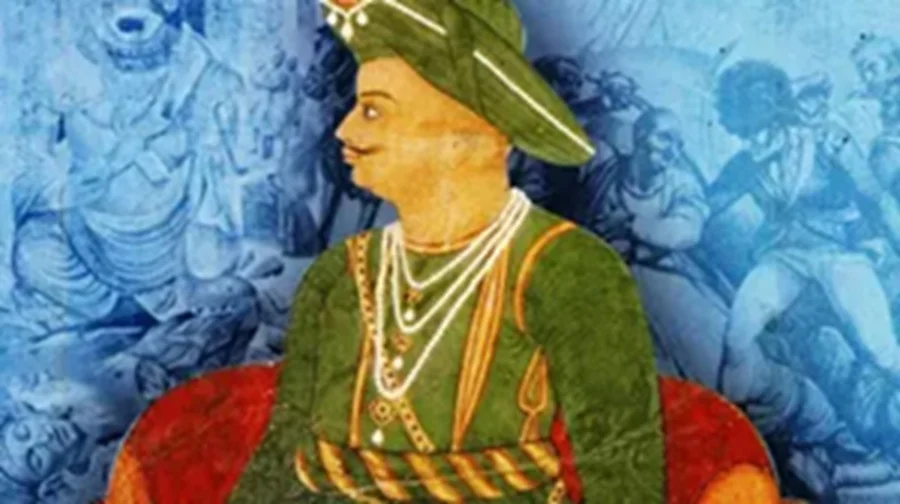
The half-baked propaganda of communal forces against the Tiger of Mysore is trying to divide communities
THE Tiger of Mysore (Sher-e-Mysore) Tipu Sultan often finds space in sections of the media, especially in Karnataka. There have been occasions of State-sponsored celebrations of his birth anniversary and the Bharatiya Janata Party (BJP) regularly creates obstacles to these celebrations, resulting in unnecessary ruckus. This time around, Tipu Sultan is in the news from Malegaon in Maharashtra.
The newly elected deputy mayor of Malegaon Shan-e-Hind Nihal Ahmad, put up the portrait of Tipu Sultan in her office, upsetting the Shinde group’s Shiv Sainiks and the BJP. These forces got the portrait removed with the intervention of the authorities. Some protests were also held.
Maharashtra Pradesh Congress Committee President Harshvardhan Sapkal got incensed and defended Tipu Sultan, claiming that the contribution of Tipu Sultan to Mysore is equivalent to that of Chhatrapati Shivaji Maharaj in Maharashtra.
But, Chief Minister Devendra Fadnavis did not like the idea of comparing Tipu Sultan and Shivaji Maharaj, as it was an insult to the latter. Following this absurd comment, the Congress office was pelted with stones by BJP workers and nearly seven people were injured in the ensuing mayhem.
The objection of the BJP to the statement from the Congress leader is that Tipu was a “mass murderer of Hindus” and he tried to convert Hindus to Islam. There are many other charges put against Tipu by Hindutva elements. Most of these try to project Tipu as anti-Hindu and a cruel king. This is far from the truth.
Lots of these myths are part of the communal narrative, accentuated by the British narratives, which are harsher against Tipu in particular. This is because he was one of the few rulers who fought against the British. Tipu had asked Nizam and the Peshwas to oppose the armies of the East India Company. He foresaw the dangers of British power entrenching in India.
Tipu’s administration was a mixed one, with many top officers being Hindus. Purnaiah served him as the Mir Miran (head of a department) and was crucial to his administration. Krishna Rao was his treasurer. Shamaiya Iyengar held a high-ranking ministerial position and Narsimha Iyengar held a position in the postal department. Tipu Sultan reportedly provided grants to the Sringeri Shankaracharya, including for the rebuilding of the temple and the installation of the Hindu goddess Sharada. He granted land and endowments to various temples throughout his kingdom. During his reign, the 10-day Dussehra celebrations were an integral part of the social life of Mysore.
In 1791, Maratha forces led by Raghunath Rao Patwardhan attacked and plundered the historic Sringeri Sharada Peetham, causing the Shankaracharya to flee. Upon learning of this, Tipu Sultan expressed deep anger, stating that those who committed such acts would face consequences, and promptly sent funds, gifts, and letters to restore the temple and reconsecrate the idol. The raid was part of the Third Anglo-Mysore War, during which Maratha forces caused significant destruction to the temple complex, including killing or wounding people and looting property.
Tipu Sultan, who frequently interacted with the Sringeri Jagadguru and addressed him with high respect, immediately ordered the Mysore administration to assist in the restoration, demonstrating his patronage of certain Hindu institutions. Evidence of this restoration is found in several letters in Kannada, preserved in the Sringeri monastery records, where Tipu requested the Jagadguru to pray for the prosperity of his kingdom.
Tipu Sultan was a staunch opponent of the British. There is an accusation against him that he persecuted some Hindu and Christian communities. The reason for this persecution, however, was purely political, not religious. About these persecutions, historian Kate Brittlebank says that “This was not a religious policy but one of chastisement”. The communities targeted by him were seen as disloyal to the State.
The communities Tipu targeted did not belong only to the Hindu stream. He also acted against some Muslim communities, like the Mahdavis. The reason was that these communities were supporting the British and were employed as horsemen in the East India Company’s armies. Another historian, Susan Bayly, says that Tipu Sultan’s attack on Hindus and Christians outside his state is to be seen on political grounds, as at the same time he had developed close relations with these communities within Mysore.
Sarfaraz Shaikh, in his book Sultan-E-Khudad has reproduced the ‘Manifesto of Tipu Sultan’ in which he declares that he would not discriminate on religious grounds and would protect his empire until his last breath. He had a great interest in rocket technology. This finds appreciative mention in Dr APJ Abdul Kalam’s book, Wings of Fire.
It is interesting to note that in the Rashtriya Swayamsevak Sangh’s series for children on Indian history, they had published a book on Tipu in the 1970s. BJP’s Yeddyurappa had adorned Tipu’s headgear to solicit votes in the 2010 elections in Karnataka. Then President, Ramnath Kovind, sent a eulogising message on the occasion of Tipu Jayanti (2017). He has an RSS background. He praised Tipu by saying that “Tipu Sultan died a heroic death fighting the British. He was also a pioneer in the development and use of Mysore rockets in warfare.” Tipu – along with Rani Laxmi Bai – are also depicted as freedom fighters through drawings in Part XVI (page 144) of the original, hand-written and illustrated copy of the Indian Constitution.
Due to his policies, Tipu was popular among the people of Mysore. There are many folk songs, sung in villages, praising him. It is for this reason that one of our greatest playwrights, Girish Karnad, said that had Tipu been a Hindu, he would have the same status that Shivaji Maharaj has in Maharashtra. This is very close to what Sapkal stated, nothing extra.
This whole incident of opposing the portrait of Tipu in the Deputy Mayors’ office is one more instance of communal forces latching on to divisive politics. Kings should not be seen just by their religion; their policies towards people of different religions and people’s welfare should be the major criterion for evaluating them. Tipu stands very tall in this scale of religious tolerance. The half-baked propaganda of the communal forces is trying to divide communities.
A major tribute to Tipu was paid by Subhash Chandra Bose. He adopted Tipu’s ‘springing tiger’ as the insignia of Azad Hind Fauj, which fought against the British. The major contribution of Tipu was to forewarn the Indian rulers about the advancing threat of the East India Company, the British. It was for this that he bravely fought against the British and laid down his life in the fourth Anglo-Mysore War. The communal forces who are out to demonise Tipu belong to the ideology that did not even lift a little finger against the British rule.
source: http://www.clarionindia.net / Clarion India / Home> Opinion / by Prof Ram Punyani / February 18th, 2026
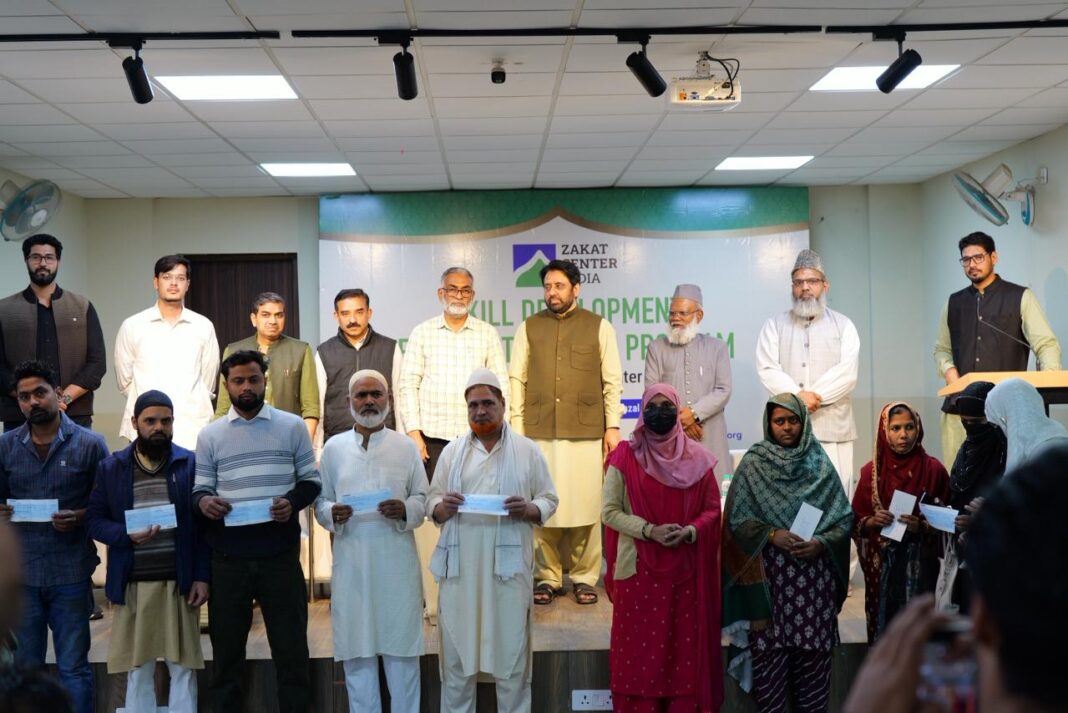
Zakat Center India (ZCI) disbursed Rs. 6 lakh among 14 deserving beneficiaries in Delhi during a Skill Development Fund Distribution Programme held at the Scholar School Conference Hall, Jamia Nagar, for the financial year 2025–26.
The programme was attended by several prominent dignitaries, including Okhla MLA Amanatullah Khan, who graced the event as chief guest. Representatives from social, religious, and community organizations were also present.
ZCI, a pan India non-profit organization dedicated to poverty alleviation and social welfare, focuses on the transparent and efficient utilization of Zakat. The initiative aims to help beneficiaries establish micro-businesses and sustainable livelihoods, enabling them to transition from Zakat recipients to self-reliant earners within a short period.
Addressing the gathering, MLA Amanatullah Khan appreciated ZCI’s organized and institutional approach to Zakat management and assured his continued support for such welfare initiatives. He noted that structured and transparent Zakat systems can significantly contribute to social upliftment and economic justice.
In his keynote address, ZCI Chairman and Jamaat-e-Islami Hind (JIH) Vice President S. Ameenul Hasan emphasized the importance of channeling Zakat into productive sectors such as livelihood generation, education, and skill development. He said that when managed strategically, Zakat becomes a powerful tool for long-term economic empowerment rather than temporary relief.
JIH Secretary Dr. Mohiuddin Ghazi highlighted Qur’anic guidance on economic justice and social responsibility, stressing Islam’s emphasis on equitable distribution of wealth. Human Welfare Foundation (HWF) CEO P.K. Noufal acknowledged the collaborative spirit behind the programme.
Delivering the welcome address, ZCI’s National Operations Director Shoaib Islam underscored the need for a technology-driven, transparent, and impact-oriented Zakat ecosystem that ensures scalability and lasting socio-economic transformation.
“This initiative reflects ZCI’s commitment to transforming Zakat from seasonal charity into a structured, dignity-based economic intervention,” he said.
Rs. 6 Lakh Distributed to 14 Beneficiaries
Providing details, Shoaib Islam said that 14 beneficiaries including six women, received financial assistance totalling Rs. 6 lakh. According to him, most beneficiaries were given Rs. 50,000 each while some received Rs. 20,000, and others were granted up to Rs. 60,000 based on their specific business needs. The funds are intended to help establish or strengthen micro-enterprises and promote financial stability, he added.
When asked about the nature of businesses supported, Shoaib Islam said the ventures include battery rickshaw services, electrical shops, tailoring units, grocery stores, resin art businesses, painting workshops, and other self-employment initiatives.
“The objective is not merely financial relief but sustainable livelihood creation, enabling families to move from dependency to self-reliance,” the ZCI official said.
He confirmed that all beneficiaries are residents of Delhi, including areas such as Kanchankunj, Jamia Nagar, Seelampur, and Old Delhi.
Thorough Scrutiny Before Assistance
Responding to a query about the selection and identification of deserving persons, the ZCI official said ZCI follows a rigorous and transparent mechanism. Beneficiaries are identified through social media outreach, public advertisements, recommendations from local Unit Advisory Committees, and coordination with local NGOs. Applications are verified through field visits and background checks are done before final approval. Once assistance is provided, beneficiaries typically begin earning daily income and, in most cases, achieve self-sufficiency within months, he added.
Awarded Shariah Compliance Certificate
The ZCI Operations Director also shared ZCI’s Shariah Audit Certificate. The Shariah Council of Jamaat-e-Islami Hind awarded ZCI the Shariah Compliance Certificate for the financial year 2024–25. The certificate, signed by Shariah Council President Dr. M. Iqbal Masood Nadvi and Secretary Dr. Mohammad Raziul Islam Nadvi, confirms that ZCI’s operations and accounts comply with Shariah principles. The certification remains valid until the next Shariah audit for the financial year 2025–26.
Clarifying common doubts and misconceptions prevalent in society regarding transparency and Shariah compliance of such institutions, Shoaib Islam stated that ZCI conducts regular audits and presents its financial statements and balances in its annual report before the public.
He said this practice shows a high level of transparency and strict adherence to Shariah principles, further strengthening ZCI’s credibility and reaffirming its commitment to accountability and Shariah-based ethical operations.
From 5 Pilot Units to 37 Units Across 11 States
The ZCI official further stated that since its inception in 2022, ZCI has expanded from five pilot units to 37 units across 11 states over the past four years, covering both North and South India, supported by a network of over 600 dedicated volunteers. He described the growth as evidence of increasing community trust and the effectiveness of a collective, transparent, and Shariah-compliant Zakat management system.
Across India, ZCI, with the generous support of its donors, has served over 3,525 beneficiaries in 2025. ZCI has reached numerous distressed families, with nearly 60 percent of Zakat funds allocated to livelihood support and 20 percent to education. The organization prioritizes productive, empowerment-focused spending over purely consumptive relief.
“This expansion reflects the trust of the community and the dedicated efforts of our teams and partners,” he added.
Comprehensive Welfare Model
According to Shoaib, ZCI operates under three major categories: Livelihood Projects, Education Schemes, and Mawasat (Food Ration & Pension Schemes).
Under Livelihood Projects, ZCI supports the poor in establishing businesses, shops, carts, cattle farming units, and other self-employment ventures to generate sustainable income.
Under Education Schemes, the Centre provides scholarships, fee assistance, mentoring, and training to deserving students from economically weaker sections.
Under Mawasat (Food Ration & Pension Schemes), ZCI offers monthly support to widows, persons with disabilities, elderly women, and orphans in the form of rations, food supplies, pensions, and medical assistance.
The organization currently supports nearly 5,000 needy individuals through its livelihood initiatives. ZCI typically disburses amounts ranging from Rs. 20,000 to Rs. 50,000, with nearly all collected Zakat distributed among beneficiaries and only minimal funds used for essential administrative expenses.
ZCI’s core objectives include mobilizing and managing Zakat and Ushr in accordance with Qur’anic guidance, promoting awareness about the social and spiritual benefits of organized Zakat, providing livelihood and welfare support, establishing institutions for Zakat recipients, and conducting research to strengthen and modernize Zakat management systems.
source: http://www.indiatomorrow.net / India Tomorrow / Home> Economy / by India Tomorrow / February 20th, 2026
In 2023, India issued more than 13 million passports, using about 468 metric tons of paper. Globally, about 100 million passports are issued each year, requiring about 3,600 metric tons of paper—the equivalent of cutting down about 86,400 trees.
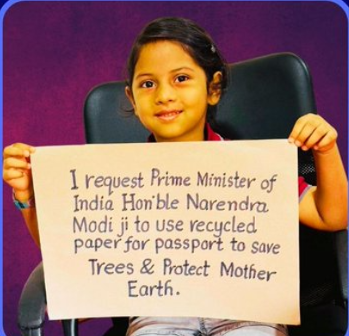
At this scale, using recycled paper passports could save thousands of trees each year and greatly reduce environmental damage. These statistics were compiled by six-year-old environmentalist Roohi Mohazzab of Kerala.
In a handwritten letter to world leaders, including Prime Minister Narendra Modi and the heads of 195 countries, Roohi has asked the leaders to replace traditional passport paper with recycled paper to save trees and protect Mother Earth.
Roohi Mohazzab also set a remarkable global milestone by delivering the keynote address during the Global Conference on Education for a Sustainable Future (GCE 2026) at the United Nations Asia-Pacific Headquarters in Bangkok.
A Historic Moment for India Roohi Mohazzab’s invitation to a UNESCO-led global platform is not merely a personal milestone—it is a historic moment for India. It reaffirms that age is no barrier to leadership, courage, or impact.#RoohiMohazzab#Roohi#ClimateCompassionpic.twitter.com/GN4AcWhFIQ
Roohi Mohazzab has taken on a challenge that many adults might never even consider – to revolutionise the way passports are made.
Their idea is not only profound but also practical—a step that could make India the first country in the world to issue passports made from recycled paper, setting an inspiring example for global sustainability.
Roohi Mohazzab, a first-standard student of Common Ground International Academy, Kozhikode, was formally invited as a keynote speaker and SDG (Sustainable Development Goals) Impact Award winner.
The event was organised by the UNESCO Youth Education Research Centre and the Sustainable Development Council, which has special consultative status with the United Nations Economic and Social Council ECOSOC.The conference was held at the United Nations Conference Centre, Bangkok, on 11-12 February 2026.
At the conference, the young environmental activist spoke about the devastating impacts of paper use on forests and climate change.
He stressed that a common item like a passport, which is issued in millions every year, can become a symbol of sustainability rather than being harmful to the environment.
In a symbolic moment on the UN platform, Roohi officially launched her global initiative, “The Children’s Movement for Climate Action.” The foundation aims to foster environmental responsibility and civic awareness among children so that young minds can become active participants in climate policy and sustainability solutions.
Roohi was recognised as one of the world’s youngest environmental voices and is known for her impactful local initiatives.
Other initiatives launched on the occasion:
The Country Tree Project – Launched on World Environment Day 2025, aims to plant 10 million trees through one million school micro-nurseries.
Tree Bank Nursery Project – Inaugurated by Rajendra Vishwanath Arlekar, which aims to create a green educational environment in 10,000 schools.
Recycled Paper Passports Campaign – At the age of five, Roohi wrote a letter to Narendra Modi and 195 world leaders, recommending eco-friendly passports to save trees.
The conference sent out a message that Children are not just the future – they are the present custodians of Mother Earth.”
source: http://www.awazthevoice.in / Awaz, The Voice / Home> Stories / by ATV / posted by Aasha Khosa / February 18th, 2026
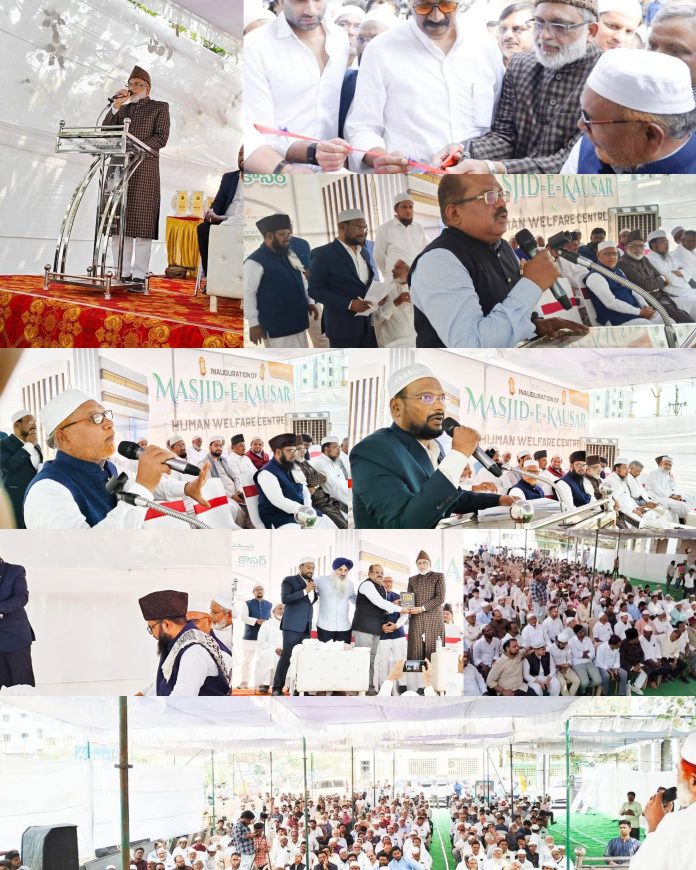
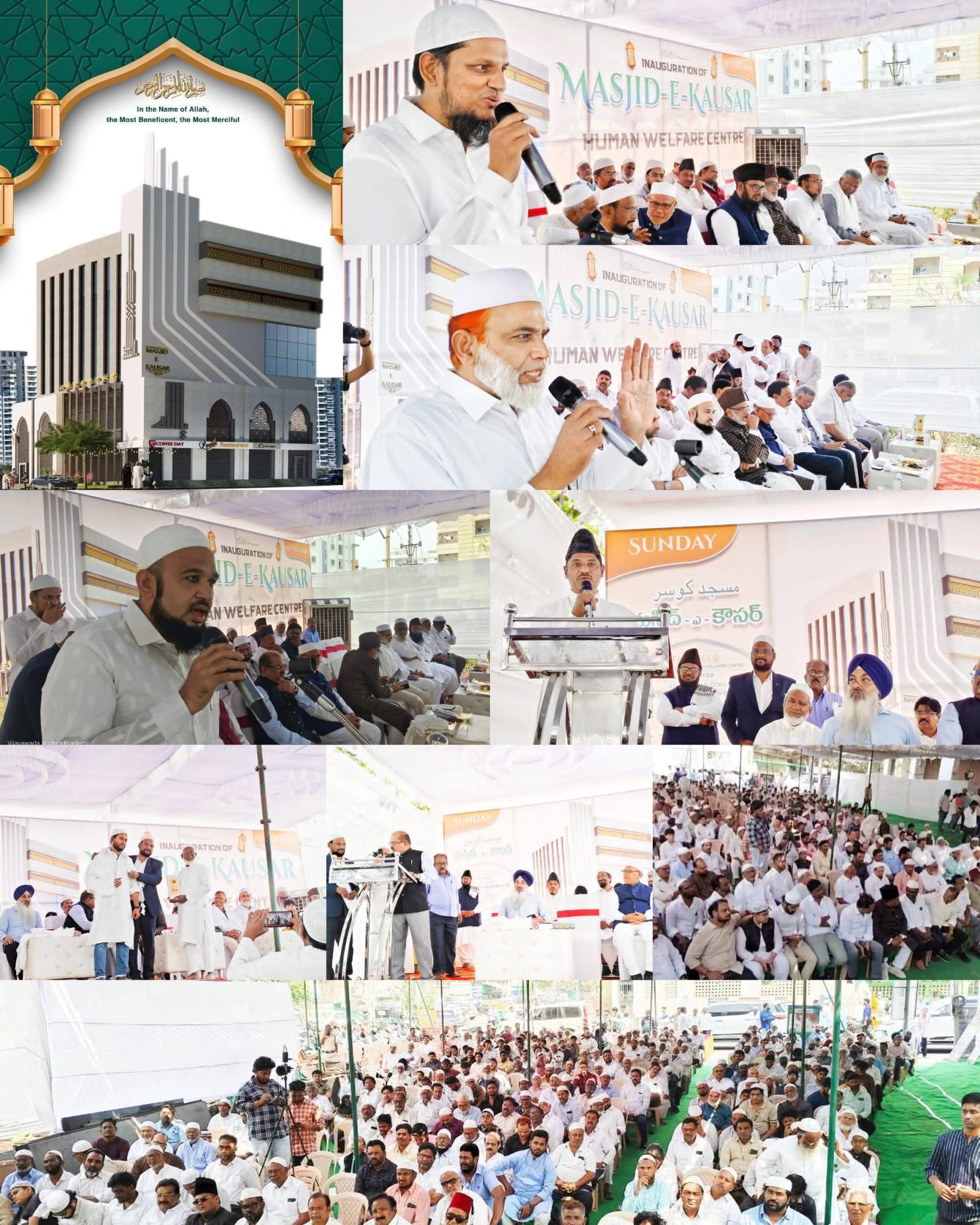
The Masjid-e-Kausar & Human Welfare Centre was inaugurated grandly in Vijayawada, Andhra Pradesh. The inauguration was formally carried out by Jamaat-e-Islami Hind National Vice President Malik Moatasim Khan.
A large public meeting was organized on the occasion, attended by prominent personalities, religious scholars, and social leaders.
The event was convened by Jamaat-e-Islami Hind State Secretary Muh. Akbar Basha. The program commenced with the recitation of the Holy Qur’an by 11-year-old Fateh Muhammad Khan, whose melodious tilawat created a spiritually uplifting atmosphere.
Addressing the gathering, Malik Moatasim Khan emphasized that a Masjid should not remain merely a place of worship but should serve as a center for promoting harmony, brotherhood, and strong human relations. He called upon the Human Welfare Centre to work towards empowering weaker sections in education, healthcare, and economic development.
JIH AP State President Hafiz Shaukat Faheem stated that mosques must go beyond the five daily prayers and actively engage in educational initiatives, moral instruction, youth guidance, medical services, and distribution of Ramadan ration kits. He urged other mosque committees to undertake similar welfare programs.
JIH AP Vice President N.S. Mohiuddin highlighted that historically, mosques functioned as centers for resolving property and financial disputes. He recalled that Prophet Muhammad (peace be upon him) taught that offering five daily prayers keeps individuals away from sins. He stressed the urgent need for model mosques to ensure social peace and moral values.
Committee Member and JIH State Advisory Council Member Maulana Mujahid Khan Umri explained the importance of Masjid in Islam and detailed the welfare initiatives already undertaken under the Masjid-e-Kausar & Human Welfare Centre, including moral education, youth mentoring, medical services, and Ramadan ration distribution. He added that more service initiatives would be launched in the coming days.
Religious scholars, academicians, and public representatives participated and acknowledged the contributions made towards the construction of the Masjid and the Human Welfare Centre.
Masjid Committee President Shahbaz stated that the construction became possible through collective efforts. He mentioned that the Masjid & Human Welfare Centre was the dream of his late father Marhoom Eqbal and founding committee member Marhoom Abul Latif, who dedicated their time, wealth, and efforts, especially in securing the land for the mosque.
During the felicitation ceremony, dignitaries were honored. Retired IAS Officer Sri Velagapalli Varaprasad Rao, who provided key support during the initial phase of construction, was felicitated with a shawl and memento by Jamaat-e-Islami Hind Vijayawada North President Muhammad Zaharuddin. The masons and designers who contributed to the mosque’s construction and architectural beauty were also honored with shawls and mementos.
JIH State General Secretary Muhammad Karimuddin and Vijayawada City President Muhammad Khalilullah were also present at the event. The program concluded with a du’a by Maulana Mufti Yusuf.
source: http://www.radiancenews.com / Radiance News / Home> Latest News> Report / by Radiance News Bureau / February 19th, 2026
From Facebook posts to life-saving campaigns, he built a community rooted in purpose
Bengaluru :
Do you remember when Instagram was just about pictures, with no reels, stories, or videos? Suhail Rasool vividly remembers it; it feels like yesterday. A Bengaluru-based content creator, Suhail began his digital journey on Facebook in 2009, long before the term ‘influencer’ became common, and carried that momentum onto Instagram, where he carved out his own space.
Currently known online as @suhailrasool on Instagram, he has grown into one of Bengaluru’s most recognised digital storytellers. What sets him apart is not just the numbers but the heart behind his work. His content brims with energy, relatability and an unmistakable sincerity. From lifestyle and travel to personal vlogs, Suhail weaves stories that feel lived in and real. He has consistently mobilised his audience to support medical treatments, social causes, and relief efforts, proving that influence can spark genuine change when guided by empathy.
Stormy start “I had a Facebook page in 2009-10. Most of the posts on that page reached nearly 60,000 likes,” recalls Suhail. He joined Instagram on March 10, 2014, when the platform was still basic. “There were no Reels, no IGTV, no collaborations, no links, just photos,” he explains the struggle of the lack of features. Later, Instagram added 10-second videos.
“You had to fit everything into those 10 seconds, and there was no sharing option. People had to follow you to watch.” “In 2016, Snapchat introduced Stories, and Instagram quickly adopted the feature. That’s when I really started posting daily Stories, 10 to 15 a day,” he says. “I’ve kept it up ever since. Back then, I was a lot more energetic too,” he laughed and highlighted how consistency is key on social media.
Using platform for a purpose Suhail Rasool began raising funds in 2020, focusing on life-saving procedures such as heart, kidney, liver, and lung transplants. Over the years, these efforts grew into a community movement that helped save countless lives. Looking back, he sums it up simply: “We saved a lot of lives.” During the peak of the COVID crisis, he and his team mobilised resources at an extraordinary scale.
They distributed nearly 7,500 ration kits, each worth about Rs 1,200, raising close to Rs 75 lakh in just three days. “Every Bangalorean who was in trouble with COVID made sure they reached us,” he recalls. Beyond food relief, the team organised ventilator beds, ICU beds, and other essential medical support for those in urgent need. Suhail also mentioned how a friend’s trust, later taken forward in his memory, enabled them to expand their efforts.
Among the initiatives was donating ambulances, made free of cost at a time when prices had soared and access was limited. “Even now, that ambulance has been kept free of service in our area,” he says, a lasting reminder of their work during the pandemic.
A creator who speaks He admits inspiring many followers through his platform to speak out on sensitive issues, particularly around communal harmony. He emphasises that political agendas have created unnecessary divides and distracted the youth from focusing on progress. His message remains consistent and simple: “We are all one. It is one country, and we need to stand together for its development.”
“I’m very active on my Stories, I have the highest reach there, and even on IGTV. I still call it IGTV,” says Suhail with a smile. His Instagram Stories draw some of the largest audiences in Karnataka and even across South India. On average, each story is watched by nearly 1,80,000 people, and even his daily updates often cross the one lakh mark. Unlike many creators, he focuses less on Reels or posts and instead relies on the consistency of his Stories, which his followers watch religiously. This is how he has managed to build a strong base of loyal followers.
Idea over a chai “Mehfil is one big concept in my life,” said Suhail. For years, he and his friends, Fazal and Fanoos, created lighthearted content, but as they grew older, they wanted something more sustainable. At the time, few brands believed in Instagram marketing, yet Suhail kept supporting small businesses and young influencers. By 2021, his Stories reached nearly 1,50,000 viewers, and creators constantly sought his support. That inspired him to bring everyone under one roof.
Along with his friends, he registered a company and built a platform for bakers, designers, makeup artists, and entrepreneurs to showcase their work. “As we are gathering everyone, I called it Mehfil,” he says with pride. The first gathering took off like a rocket, with a sea of people storming in and all the businesses booming. Then they held three more Mehfils, and the next one is at the end of this year. By forging his own path, he has not only built his own success but also opened doors for countless aspiring creators online.
source: http://www.newstrailindia.com / News Trail / Home / by Bhavana M / September 07th, 2025
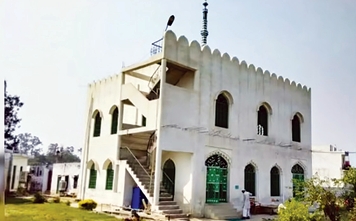
Mosques in Hindi heartland states are an exclusive male preserve. Though Islam doesn’t barentry of women into mosques, they are scrupulously kept away from the holy precincts all across north India. But Amber Mosque in the outskirts of Lucknow challenges this shibboleth. It was founded and built by Ms. Shaista Ambar, a social activist from Lucknow who wouldn’t take such taboos lying down.
Wife of a bureaucrat in Uttar Pradesh, Shaista conceived the idea of a mosque where women could also offer namaz alongside men, in 1995. As a young woman, Shaista would take up social causes during the 1980s and 90s. Construction of a mosque was certainly not on her mental screen. But the rebel in her got awakened when she took a child inside a mosque to introduce him to the collective prayers.
For the imam the sight of woman inside the mosque was no less than a sacrilege. She was ordered out. The outrageous behaviour left a deep imprint on her. Beating a hasty retreat, she vowed to build a mosque where both men and women could pray. She drove straight to Nadwatul Uloom, the world famous centre of Islamic learning in Lucknow seeking an audience with Maulana Ali Miyan, the 7th Chancellor of the seminary and a world re nowned scholar of Islam.
The revered Maulana signalled her to go ahead pledging his full support. Pouring the family’s savings, a 26,000 square feet plot of land was bought in Teli Bagh, 15 kms away from the city centre on the road going to Rae Bareli. She sold away her car and ornaments to raise the required funds. The move gathered support from wider circle of relatives and acquaintances.
Lo and behold! The mosque came up opposite the trauma care centre of the Sanjay Gandhi Post Graduate Institute of Medical Sciences. And it was none other than Maulana Ali Miyan Nadwi who presided over the consecration of the mosque in 1999. (He passed away on December 31, 1999). The mosque can host a congregation of over a thousand persons on a Friday when doughty Shaista Amber ensures her weekly presence.
She presides over the committee taking care of the mosque as the chief mutawalli with several other members of the family. She has resolutely stood against traditional maulvis taking over the management of the mosque. There have been pleas to start a madrassa (Islamic theological school) within the precincts.
She has declined permission and has instead started a dharamshala (stay-homes for wayfarers) within the boundary of the mosque where women attendants of inmates at the Sanjay Gandhi Institute find accommodation at a very reasonable rent. And they could belong to any faith. She says Uttar Pradesh has several thousands of madrassas but no dharamshalas and other such key civic facilities set up by Muslims.
The mosque is open for namaz to Sunnis as well as Shias, the major sects within Muslims. The mosque also runs a counselling centre where family disputes, mainly post-marital, are referred for resolution. Shaista has had differences with the All India Muslim Personal Law Board on several issues pertaining to women’s rights in Islam.
Critical about the rigidity on its outmoded stances, she and several of her supporters set up the All India Muslim Women Personal Law Board nearly a decade ago. The Board has appreciated the law banning the practice of triple talaq at one sitting and has suggested several progressive reforms. One who completed her graduation from the Aligarh Muslim University and later acquired Adib and Kamil certificates, Shaista has willed that her two daughters and son would look after the management of the mosque after her passing away.
Shaista came visiting Bengaluru last May at the invitation of the Azim Premji University for a seminar where this author had a chance meeting as a participant. Log onto www.shaista ambar.com for an overview of her vision and activities.
source: http://www.newstrailindia.com / News Trail / Home / by M A Siraj / October 19th, 2025