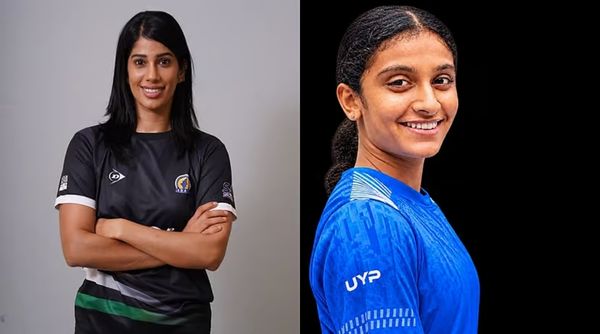
Tamil Nadu Chief Minister Vijay has announced that squash players Joshna Chinappa and Shameena Riaz will each receive an incentive of ₹30 lakh for winning a bronze medal at the Asian Games.
The 2026 Asian Games began on September 19 in the Aichi-Nagoya region of Japan and are currently underway.
The Indian women`s squash team won the bronze medal at the Asian Games. In the competition, Tanvi Khanna won 3-1, while Anahat Singh and Shameena Riaz lost 2-3, and Joshna Chinappa lost 0-3 against the Chinese players.
Joshna Chinappa and Shameena Riaz, both from Tamil Nadu, were part of the team that won India`s 61st medal at the Asian Games.
Congratulating the Indian team and the Tamil Nadu players, Chief Minister Vijay said that the Indian team had won the bronze medal in the women`s squash team event at the 20th Asian Games being held in Japan.
He also congratulated Joshna Chinappa and Shameena Riaz and announced that the Tamil Nadu government would provide an incentive of ₹30 lakh each in recognition of their achievement.
The Chief Minister said that their success, achieved through their talent, confidence and perseverance, had further strengthened Tamil Nadu`s sporting achievements. He also said that their victory would inspire young people and women who aspire to achieve success.
He extended his wishes to both players for achieving many more victories in the future and bringing greater recognition to Tamil Nadu and India on the world stage.
source: http://www.livechennai.com / Live Chennai / Home / October 01st, 2026
The two-day conference concludes with a renewed emphasis on education, character building, responsible teaching, women’s empowerment and collective community responsibility
Bhopal :
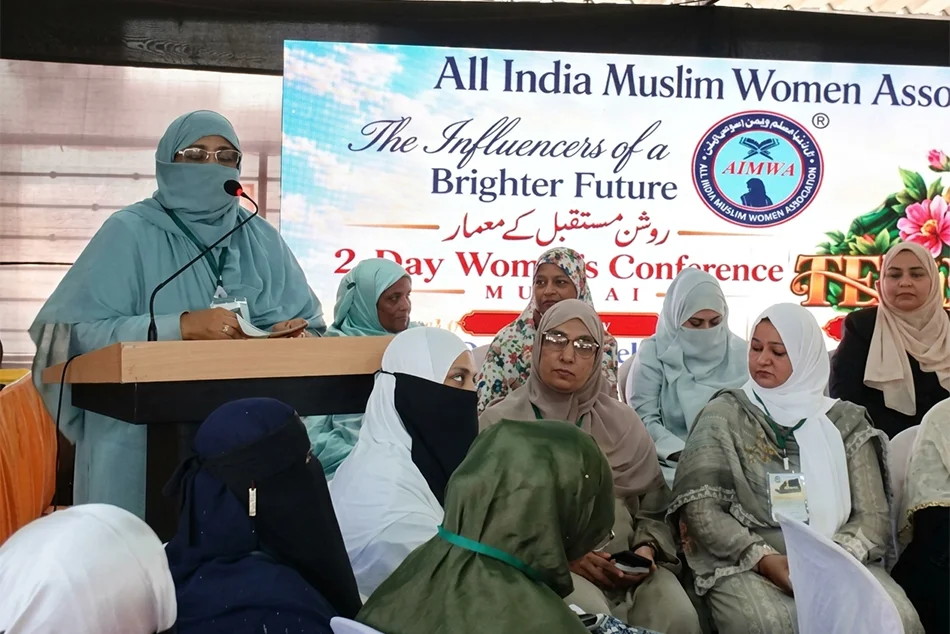
Women teachers and educationists from different parts of India deliberated on education, character building, emotional well-being, women’s empowerment and the challenges facing the next generation at a conference in Mumbai recently.
According to a Press release issued by All India Muslim Women Association (AIMWA), the two-day conference (September 26-27) concluded with a renewed emphasis on education, character building, responsible teaching, women’s empowerment and collective community responsibility.
The gathering brought together participants from different backgrounds and regions and provided a platform for meaningful discussion on strengthening education, supporting teachers, empowering women and preparing the younger generation for the future.
The conference was organised around the broader message that teachers are influencers of a brighter future, with education, character building and value-based upbringing at the centre of the discussions.
The need for a Milli Educational Policy and an All India Muslim Education Board was also highlighted as part of efforts to address educational challenges.
The conference ended with a call for sustained educational efforts and greater collective responsibility towards building stronger communities and brighter generations.
The first day was dedicated exclusively to teachers and witnessed the participation of more than 600 teachers and educationists from different parts of the country. Delegates attended from Delhi, Hyderabad, Bengaluru, Mumbai, Nagpur, Bhiwandi, Kolkata, Midnapore, Nellore, Pune, Bhopal and several other parts of the country. The conference focused on the changing educational environment and the expanding responsibilities of teachers in shaping children, families and society.
The conference began with Mrs Waheeda Sayyid, Convener, and Adv Farhana Shah, who welcomed the participants and explained the objectives of the conference.
Mrs Waheeda Sayyid told the delegates that every person present was an asset to the community and that their participation was a sign that they had been chosen for an important service to the community.
She emphasised that teaching is not merely a job or profession, but can be an act of worship, as teachers impact lives and influence children in shaping a brighter future. She encouraged the participants to recognise the responsibility that comes with the teaching profession and to contribute meaningfully to the community.
Character Before Curriculum
The conference then moved to an educative session by Mrs Sobia Lule, a prominent educationist from Pune, who spoke about the role and responsibility of teachers.
Mrs Lule highlighted the importance of continuously improving and updating professional knowledge. She discussed the changing role of teachers and the challenges faced by teachers, students and parents. She covered workload and management, emotional and mental stress among educators and the importance of maintaining loyalty towards educational institutions.
The need to protect children from exploitation and harassment was also emphasised, along with the importance of learning from past mistakes and continuously improving educational practices.
Presidential Address
The conference was presided over by Dr Asma Zehra, President of the AIMWA, who stressed that education has the power to change the future of generations.
In her address, Dr Zehra said that the responsibility of teachers extends far beyond the classroom. Teachers play a crucial role in shaping the character, confidence, values and future outlook of children.
She observed that the Muslim community is presently at a crossroads, with a significant percentage of youth facing illiteracy and the community confronting challenges related to the availability of primary and higher schools, shortage of qualified and trained teachers, inadequate infrastructure and changing government policies.
She emphasised that a huge responsibility rests on the educational class and intellectuals. Teachers, principals, management and educators must work in coordination and cooperation with parents and society to bring children into schools and ensure quality and standard education. She highlighted several concerns facing the educational sector, she stated.
Dr Zehra also laid emphasis on “Education for All”, along with various schemes and initiatives intended to increase enrolment and reduce dropout rates. She also highlighted concerns over increasing educational backwardness, illiteracy, poverty, economic difficulties and marginalisation within the Muslim community.
Working Muslim Women’s Challenges
The discussions also touched upon challenges faced by Muslim women at workplaces, particularly in relation to observing hijab and cultural identity.
Participants discussed the difficulties created by cultural and social pressures and emphasised the need to unite and seek practical solutions to these challenges.
The speakers observed that education has, in many areas, moved from being viewed primarily as a service sector towards a more commercial and business-oriented field, creating additional challenges for poor and marginalised sections seeking access to education.
Panel Discussion
A panel discussion brought together more than 25 educationists, teachers and principals to deliberate on the role of teachers and the challenges facing the education sector.
The panel discussed the importance of professional development and continuously updating teachers’ knowledge and skills. It also examined challenges faced by children, students and parents, including workload, management-related pressures and emotional and mental stress.
Connecting with the New Generation
Mrs Mamdooha Majid, Vice President, AIMWA, spoke about the importance of connecting with the new generation. She emphasised that age is not a barrier and that passion and commitment to meaningful community service matter the most.
She encouraged teachers to take responsibility for their respective localities and to serve their communities. She also highlighted the role of teachers in impacting lives and influencing children to build a brighter future.
The second day of the conference was divided into dedicated sessions for girls and women. The morning session was exclusively for girls, with more than 500 girls participating. The discussions focused on issues relevant to young women, including: Education, identity and purpose, character development, emotional well-being, responsible use of social media, confidence-building, and preparation for future roles in society
The session encouraged girls to develop confidence, character and a sense of responsibility while preparing themselves for meaningful roles in their families and society.
A panel discussion on “Challenges Our Youth Face Today” further provided an opportunity for young participants to reflect on contemporary challenges and discuss possible responses.
The discussions addressed parenting, social media etiquette, mental health solutions in Islam, family responsibilities, and the role of women in education and social reform.
The session also highlighted AIMWA’s programmes and its efforts towards women’s empowerment and community development.
source: http://www.clarionindia.net / Clarion India / Home> Editor’s Pick>India / by Parvez Bari / October 07th, 2026
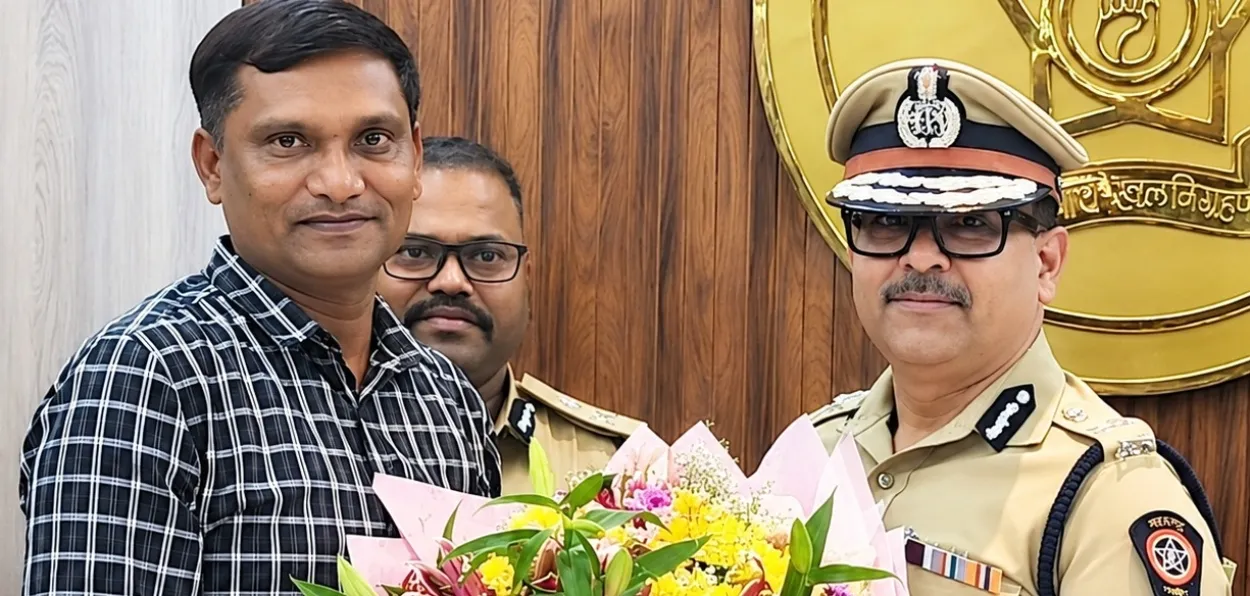
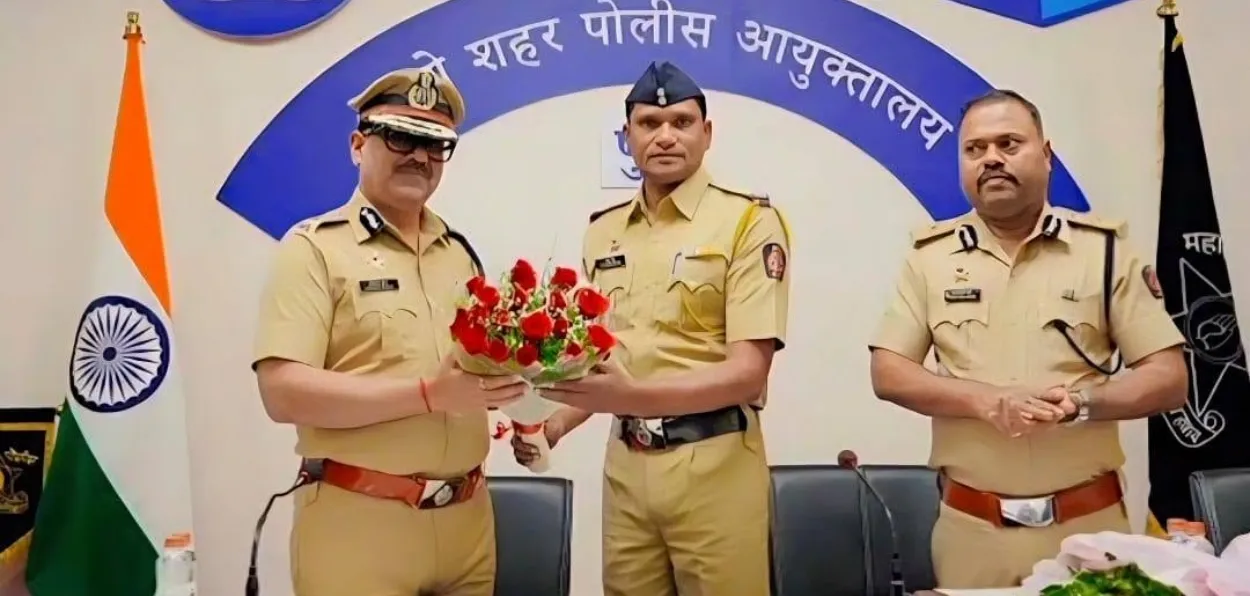
Rajas Shaikh, ASI, Pune City Police, being felicitated by the DG, Maharashtra Police
On a dark night in a deserted, zero-network area of Bopdev Ghat in Maharashtra, a gang-rape was reported. The case shook the nation, and all attention turned to its investigation. It was a blind case, with the criminal having left no clues whatsoever.
Rajas Shaikh, Assistant Sub-Inspector of Pune City Police, was given the responsibility of finding the rapist.
The location had no mobile network and no CCTV cameras. The culprit had switched his and the victim’s phones to flight mode. Not a single clue was left for the police to begin the investigation.
Rajas Shaikh worked day and night, checking CCTV footage. In a blurred image, he spotted the logo of a hotel on the suspect’s T-shirt. Beginning with this small clue, he immediately located the hotel and interrogated its owner.
The owner recognised his employee, and the police took the culprit into custody. He confessed and also revealed the names of his two accomplices.
Recalling the successful investigation, Rajas Shaikh says, “When this investigation was completed, a very senior IPS-rank officer hugged me tightly and congratulated me. Senior officers usually don’t hug anyone, but that day I got the satisfaction that my work was truly valued.”
This complex case is among several such investigations that Rajas Shaikh has conducted during his 32 years of service. In recognition of his services, the Union Home Ministry recently honoured him with the ‘Ati Utkrisht Seva Padak’ (Medal for Most Excellent Service).
Speaking to ‘Awaz-The-Voice’, Rajas Shaikh said, “The other day a friend called and gave me the news of receiving the Government of India’s Ati Utkrisht Seva Padak. For two minutes, my heart was heavy, and tears welled up in my eyes. The hard work and service I have put in all these years had finally borne fruit.”
Rajas Shaikh joined the Pune City Police Force in 1995. A tremendous craze for the khaki uniform and a strong desire to do something impactful for society and the country while being in uniform drew him towards the police.
After graduation, he received a call from the Employment Exchange and decided to go for police recruitment. He was selected in his very first attempt.
Rajas is an athlete. He is a national-level volleyball player and has participated in long jump, high jump and triple jump.
His sports background came in handy in clearing the police entrance tests.
Initially, he worked as a helper in the storeroom and the reserve armoury section at Police Headquarters. He maintained records and handled the supply of weapons, ammunition and police uniforms for Pune city.
In 2002, he was transferred to the Traffic Branch. He was given responsibility for handling the then recently introduced prepaid auto-rickshaw service.
He also handled administrative work at the DCP office.
It was during Rajas Shaikh’s tenure at Wanowrie Police Station that his career in crime detection began. He says he was lucky to have good superiors as mentors who helped him in his journey as an ace investigator.
While at Wanowrie Police Station, he nabbed culprits in various crimes, including murder, burglary and kidnapping.
The most famous and challenging case among these was the triple murder committed by a man named Masalkar. He had brutally murdered his own mother, wife and little daughter. The media’s entire focus was on this case.
Everyone thought this man could not possibly be the culprit. But Rajas Shaikh’s sharp eyes caught his suspicious demeanour.
Speaking about this case, Rajas Shaikh said, ” Initially, my seniors said why I was interrogating a man who had just lost his mother, wife, and baby?’
But I had a strong suspicion inside. We interrogated him, and it was revealed that he had hatched this conspiracy to marry his girlfriend, and the court later convicted him of crimes of murdering the three.”
During his posting at Kondhwa Police Station, he was assigned a case involving the disappearance of a poor man’s child. According to the father’s statement, some individuals had stolen his baby. The notion that the police only work for rich people was proven wrong by Rajas Shaikh and his team.
Searching day and night, they tracked down the baby in just two days. The baby had been taken to beg at the large fair of Mhaskoba in Veer village of Pune district. The police went there, safely took custody of the baby and handed it over to the mother.
Speaking about that moment, Rajas says, “The way that mother held her baby and started crying, it was the most satisfying moment of my life. That satisfaction was far greater than the one after solving other cases.”
In December 2017, he started investigating two cases involving the theft of ATM machines from the same location.
His team tracked CCTV footage for nine days, from Pune to Kirloskarwadi in Sangli district. On the ninth day, they traced one suspect and arrested him in Osmanabad. After interrogation, they apprehended the other members of the gang from Belagavi on the Karnataka-Maharashtra border.
The gang had built a trolley, pulley and slider. They would extract the ATM machine with the pulley and slide it directly into the vehicle. The gang’s exposure led to the solving of 19 crimes in Satara, Sangli, Kolhapur and Osmanabad.
Later, after being transferred to the Crime Branch, while working in the Anti-Narcotics Cell, he busted MD drug and marijuana smugglers, exposing their massive network. He also put culprits involved in Nigerian frauds and ATM cloning behind bars.
Rajas Shaikh’s native village is Bhiwadi in Purandar taluka, famous for its rebellion against the British. Rajas Shaikh says, “There is a different kind of attitude in the soil of my Bhiwadi. Carrying that same attitude, I have fearlessly worked in the police department to date.”
Because of this very working style, retired senior officers used to affectionately call him ‘The Amitabh Bachchan of the Poor’. Not tolerating injustice oneself and not letting injustice happen to anyone else is a principle he has followed throughout his service, and he says he will continue to follow it throughout his life.
He has a set working style when inspecting a crime scene. He says, “If one goes to the crime scene and observes closely, a clue is 100% guaranteed to be found. If you grab onto that one thread and work, success is definitely achieved; this is my experience.”
Rajas Shaikh’s family was extremely poor. There were six brothers and sisters in the family. His parents worked as farm labourers but educated all their children. Today, all five of his brothers and sisters are graduates.
“My mother was illiterate, but she used to sit us down to study holding a stick. She used to say there is no salvation without education. The concept of parent-teacher meetings has come up now, but back then, whenever my mother came to the Saswad market every Monday, she would visit our school and ask the teachers about our progress.”
Rajas Shaikh lives in a joint family with his siblings. His wife, Najma, is a graduate of Wadia College. His elder daughter has done her B.Tech from MIT, while the younger daughter is in the 12th standard and she too wishes to become a police officer.
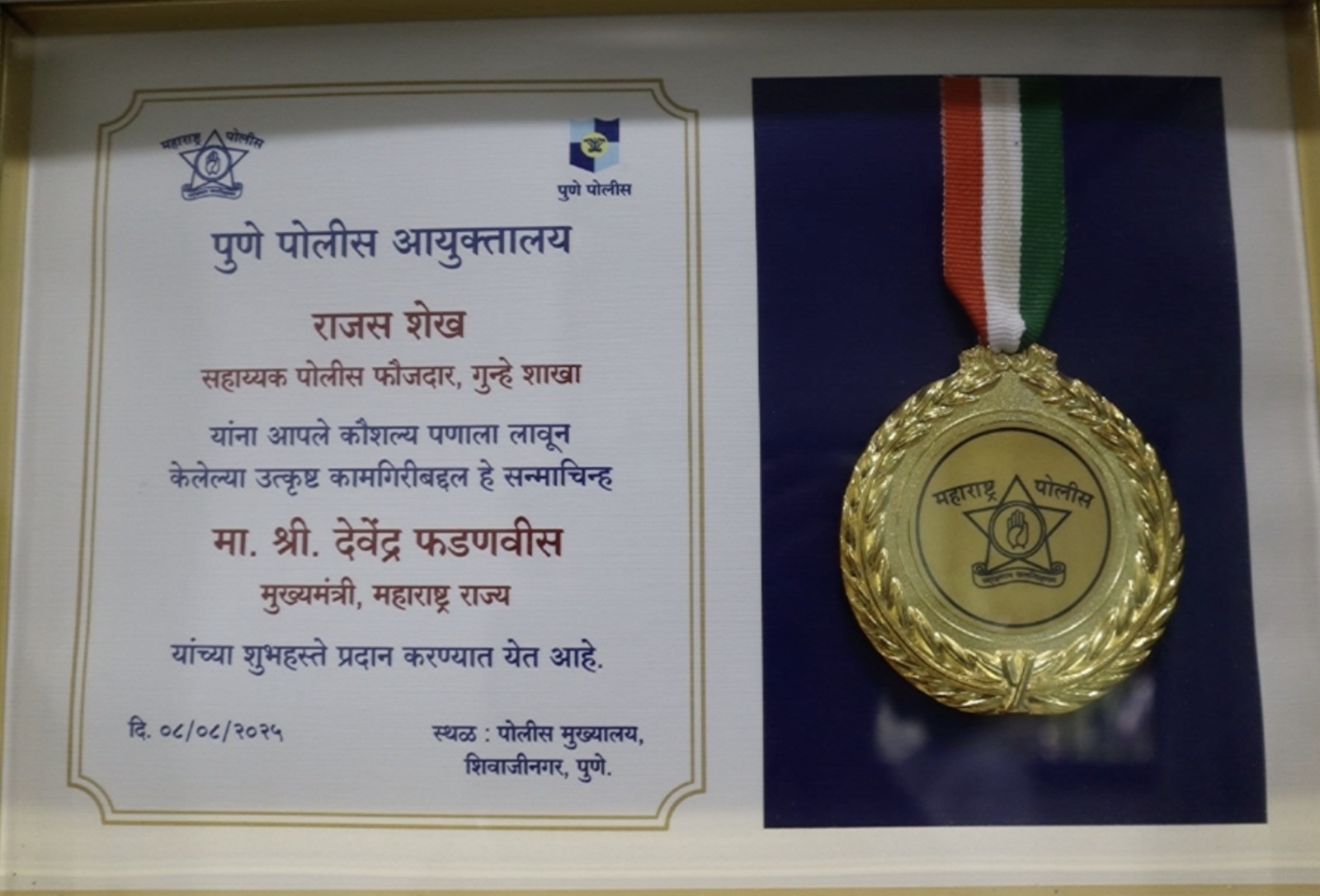
Rajas Shaikh has received more than 280 awards, including the Director General of Police’s ‘Quality Service Medal’ and two certificates of honour from the Chief Minister of Maharashtra.
He has also received the ‘Excellent Service Medal’ given for 15 to 25 years of unblemished service, and the Central Government’s ‘Most Excellent Service Medal’ given for service above 25 years.
On his work style, he says, “If people’s work is done according to the rules and with a smiling face, there is no stress at all. Everyone should always enjoy their work.”
Since police working hours are not fixed, their lifestyle can be stressful. But while balancing his job and health, Rajas takes care of his mental and physical well-being by eating only home-cooked food every day. He exercises, practises pranayama and meditates for 40–45 minutes every morning.
Giving valuable advice to the younger generation, Rajas concludes, “Set a goal and consistently keep trying towards it. Consistency and wholehearted efforts will definitely lead you to your goal.”
source: http://www.awazthevoice.in / Awaz, The Voice / Home> Mizan / by Bhakti Chalak, Pune / September 21st, 2026
Shameena pockets team gold on Wednesday a day after finishing with a bronze medal in the individual event at the ongoing Khelo India Youth Games.
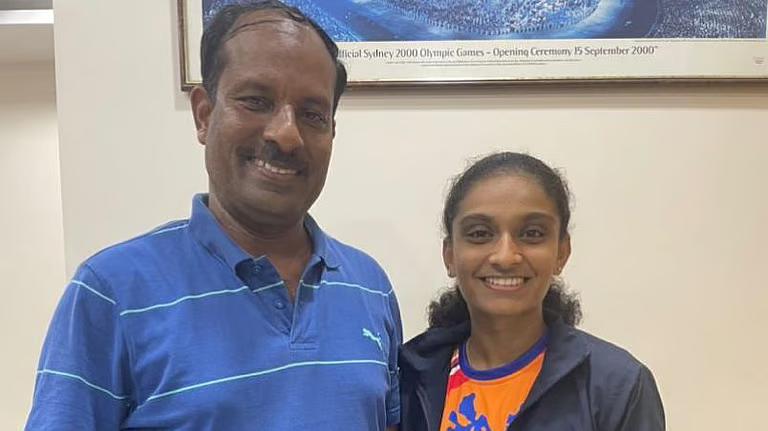
Shameena with her father N Mohammed Riaz.
Chennai :
Shameena was around ten-years-old when she accompanied her father N Mohammed Riaz, former India hockey captain, to Madras Cricket Club. The trip changed her life forever. Hailing from a sporting family, Shameena was into skating before holding the squash racquet on that fateful day. Eight years later, she is still wielding the racquet hunting down medals for Tamil Nadu with the latest of them coming at the ongoing Khelo India Youth Games in front of a home crowd.
After finishing with bronze in the individual event on Tuesday, the 18-year-old teamed up with Pooja Arthi R and Deepika to beat Anika Dubey, Nirupama Dubey and Reiva Nimbalkar of Maharashtra to clinch gold in the team event on Wednesday. “One day I went to Madras Cricket Club in Chepauk with my father. When we reached there I just had a chance to play squash. Dad always wanted me to play any sport which I liked, The next day I got my squash kit and joined Indian Squash Academy,” Shameena told this daily.
She had represented the country in the World Junior Championship twice and won team gold at the 2023 National Games held in Goa. Before that, she bagged the silver in the team event at the 2022 National Games in Gujarat. The beginning, however, was not as smooth as she would have thought. A losing streak for more than a couple of years meant Shameena used to get demotivated. It’s then her parents and coaches played a key role to keep her motivated. “When I started playing squash, I competed a lot but kept losing, I used to cry and worry about losing but my parents never let me down. My coaches were always supportive. With his vast experience in international hockey, my dad used to keep me motivated,” she added. Shameena’s mother, Mehnaz, also played hockey and represented Tamil Nadu at national competitions.
Riaz, a renowned midfielder of his time who represented India in the 1996 and 2000 Olympics apart from playing two World Cups and winning a silver and a gold medal in the Asian Games, strongly believes Shameena can win laurels for the country in the coming years if she gets requisite support. “The Tamil Nadu government has helped her a lot but it’s not easy to bear all expenses as squash is an expensive sport.
I have requested the Sports Development Authority of Tamil Nadu for financial assistance. If she gets it, she will improve by leaps and bounds. We spend more than `6 lakh annually for her. It includes expenses on her equipment, training, diet, nutrition and tournaments. A bit of support from the government can do wonders for her,” said Riaz.
And it’s not about squash only as Shameena is pursuing engineering in information technology. Always good at academics, she never compromised with her studies. In fact, it has always been a priority for her. “I have done well in my academics as well, I always learnt how to balance both. I learnt time management to ensure both of them get equal attention. Obviously, there is pressure as you have to win on both sides but my mom is always there behind me pushing and encouraging me to do good in both. She makes sure that I finish my studies and also come on time for training and do all my stuff here,” she said.
Riaz, a Hockey India selector for the senior men’s team and chairman of the Tamil Nadu hockey selection committee, is hopeful that the medals at the KIYG will not only motivate his daughter to do better but also fetch the desired financial assistance for which they have been longing for a long time. The ace hockey player is also playing his part at the competition as an expert coach for the state team.
source: http://www.newindianexpress.com / The New Indian Express / Home> Sports News / by Firoz Mirza / January 25th, 2024
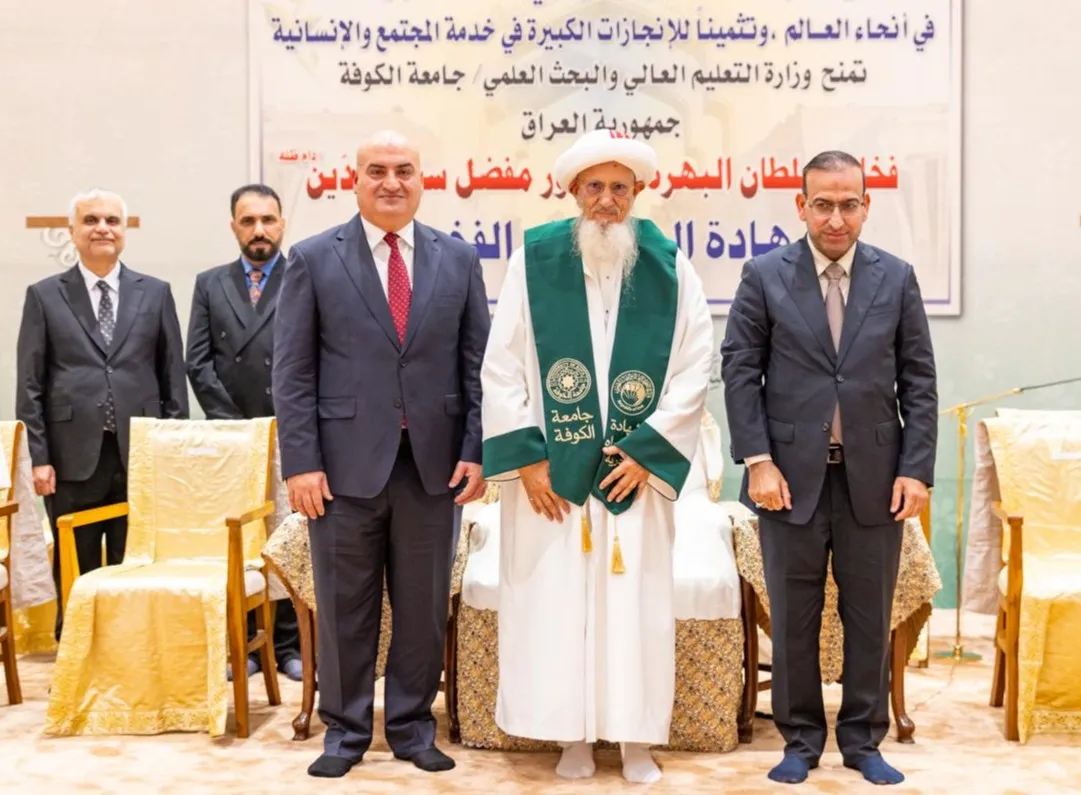
In recognition of his global contributions toward academic excellence, cultural preservation, and social welfare, the University of Kufa has conferred an Honorary Doctorate upon His Holiness Syedna Mufaddal Saifuddin, the 53rd al-Dai al-Mutlaq and leader of the worldwide Dawoodi Bohra community.
A distinguished Iraqi delegation, led by Prof. Dr Hayder Abed Dhahad, Senior Undersecretary of the Ministry of Higher Education and Scientific Research, and Prof. Dr Alaa Naji Almawla, President of the University of Kufa, conferred the degree upon Syedna Mufaddal Saifuddin at a ceremony held in Surat.
“The Diamond City of Surat serves as a fitting venue to honour His Holiness,” stated Prof. Dr Haider Abed Dhahad. “As his ancestral home and the principal seat of Aljamea-tus-Saifiyah, which for centuries has stood as the premier educational hub of the Dawoodi Bohra community, Surat embodies a rich legacy of scholarly excellence. Conferring this honorary doctorate here underscores our shared dedication to knowledge, culture, and humanitarian values.”
Echoing these sentiments, Prof. Dr Alaa Naji Almawla said, “His Holiness Syedna Mufaddal Saifuddin has demonstrated an unwavering commitment to education, heritage preservation, and global social upliftment. This doctorate honours his efforts in connecting higher learning with selfless social service, offering an inspiring model of compassionate and visionary leadership to our institution and academic communities worldwide.”
He added, “By presenting this honour to His Holiness, the University of Kufa recognises the enduring bond between classical scholarship and global humanitarian action.”
A Legacy of Academic and Social Leadership
Syedna Mufaddal Saifuddin has consistently emphasised the role of education as the cornerstone of societal development. He has served as Chancellor of Aligarh Muslim University and is the present Chancellor of Jamia Millia Islamia and the patron of Aljamea-tus-Saifiyah, the community’s premier Arabic academy; he champions a holistic educational framework integrating classical humanities with modern science.
Beyond academia, Syedna’s leadership spans extensive environmental stewardship, healthcare access, and community development initiatives across the globe.
Located in the Najaf Governorate of Iraq, the University of Kufa is a prominent seat of higher learning and academic research operating under the Ministry of Higher Education and Scientific Research, Republic of Iraq. The university, with 40,000 students, encompasses diverse faculties across medicine, humanities, jurisprudence, and natural sciences.
source: http://www.muslimmirror.com / Muslim Mirror / Home> Positive Story / by Muslim Mirror / September 21st, 2026
From representing India on the football field to supporting distressed expatriate workers and building bridges between Indian and Saudi business communities, Mir Gazanfar Ali Razvi, popularly known as Zaki, has spent decades turning community service into a sustained commitment.
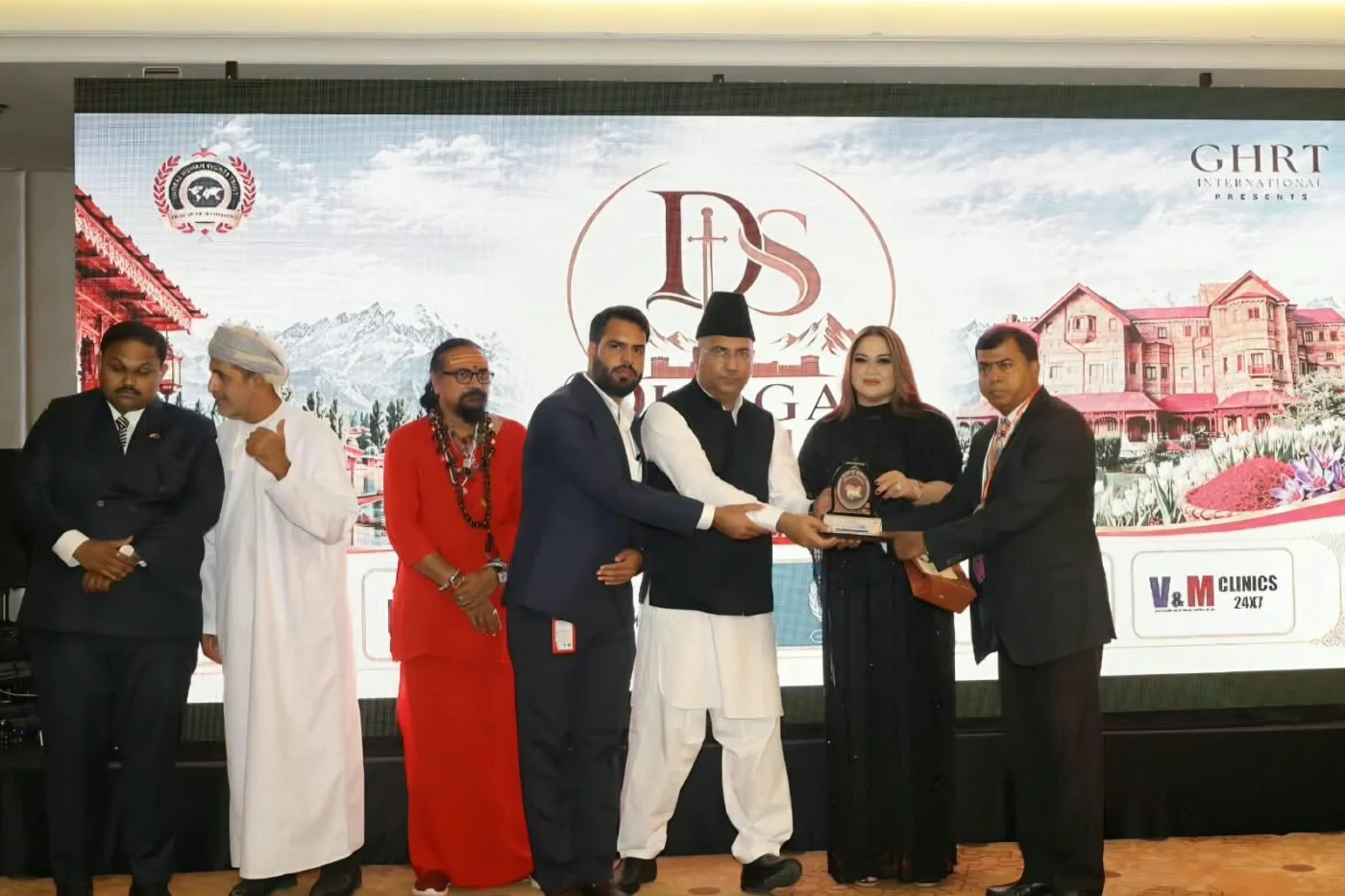
In recognition of his humanitarian work and contribution to India-Saudi relations, he has been honoured with the Duggar Da Sammaan 2026 by GHRT International.
The honour recognises Zaki’s longstanding service to the Indian diaspora in Saudi Arabia, particularly his efforts to assist vulnerable workers and promote community welfare irrespective of region, religion, caste or creed.
Zaki moved to Saudi Arabia in 1995 after an early sporting career that saw him represent India in football and participate in the prestigious Santosh Trophy during the 1989–90 season. His experience in team sport later found a different expression in his community work, where collaboration, perseverance and service became defining features of his public life.
For more than three decades, he has been involved in initiatives supporting Indian workers facing hardship. During the implementation of Saudi Arabia’s Nitaqat-related amnesty programme, he worked on the ground to assist distressed expatriates, organising job fairs and helping arrange food, clothing and other essential support in coordination with community organisations and the Consulate General of India in Jeddah.
His humanitarian work has also extended to some of the most difficult moments faced by expatriate families. He has assisted in the legal repatriation of stranded workers and helped coordinate the transportation of the mortal remains of Indian nationals to India, providing practical support to families during periods of grief.
Zaki has also placed considerable emphasis on the younger generation of Indians living in the Kingdom. He has supported higher-education and career guidance initiatives, health-awareness programmes, sporting tournaments and cultural activities designed to encourage young expatriates to remain connected with their heritage while building their futures in Saudi Arabia.
His contribution extends beyond community welfare to economic engagement. As former General Secretary of the Saudi Indian Business Network (SIBN), Zaki worked to strengthen interaction between Indian and Saudi business communities. His tenure included efforts associated with Memoranda of Understanding signed with the Vibrant Goa Foundation and the Trade Promotion Council of India in 2019.
During the COVID-19 pandemic, he also contributed to efforts supporting the supply of oxygen cylinders to India during a period of critical need. He has additionally received a letter of appreciation from the Millet India Initiative for his efforts to promote Indian millets in Saudi Arabia.
The Duggar Da Sammaan 2026 adds another milestone to a journey that has brought together sport, humanitarian service, community development and economic cooperation.
For Zaki, the recognition reflects decades of engagement with people and institutions across the Indian diaspora and his continued efforts to strengthen the bonds between India and Saudi Arabia.
source: http://www.yahind.com / YaHind / Home> India / by YaHind Team / September 30th, 2026
Hundreds of thousands of Urdu lovers across the world are mourning the passing of Syed Sarfaraz Ali, widely known by his pen name Mahtab Qadr, a versatile poet, prose writer and journalist who selflessly dedicated over five decades of his life to protecting and promoting Urdu in the Arabian desert.
Mahtab Qadr breathed his last in Hyderabad, the city of his birth, on Friday. He had come from Jeddah, Saudi Arabia — where he spent most of his life in the service of Urdu — for a knee surgery. He passed away before the procedure could be performed.
He was 70.
According to family sources, he will be laid to rest in Hyderabad on Saturday afternoon. He is survived by his wife, two daughters and a son.
Born in 1956, Mahtab Qadr earned his Master’s in Library Science from Osmania University. He served as a medical librarian at King Abdulaziz University in Jeddah for nearly three decades.
A multifaceted literary personality, Qadr was a distinguished poet, prose writer, sketch writer, translator, organiser and travelogue writer. He was also the founder of “Urdu Gulbun,” an active literary forum in Jeddah.
Above all, he was a fellow traveller on the delicate and rugged path of journalism. When the Jeddah-based English daily Saudi Gazette launched its Urdu supplement, Mahtab Qadr was part of its editorial team.
A native of the Deccan, with its fertile literary and cultural traditions, Qadr’s own thought and craft reflected the same depth and diversity. At a time when Urdu faces growing challenges in India, he kept the lamp of word and pen alight, working tirelessly for its promotion.
His published works include poetry and prose collections Chhaon-e-Sahra, Sabz Sahra and Nazriat-e-Mahtab, and the travelogue Awargi Thodi Si.
There is a distinct movement in Qadr’s writings; they break stagnation. His poetry and prose are marked by a freshness and energy that grips the reader. His style was unconventional — he moved off the beaten track to explore new subjects and ideas. While his poetry carries a note of romanticism, it also reflects a deep insight into social issues. His literary sketches reveal a subtle understanding of human psychology and nature.
His contribution was not limited to his own writings. Through Urdu Gulbun, he provided a vital platform in Jeddah for Urdu lovers, where literary gatherings were held and emerging writers found encouragement and expression. His journalistic writings for the Urdu supplement of the Saudi Gazette were both thought-provoking and instrumental in promoting the language.
His travelogue Awargi Thodi Si is a testament to his love for travel and his keen powers of observation. Narrated with simplicity and fluency, it transports the reader to the places he describes, making his prose accessible to readers from all walks of life.
In his passing, Urdu has lost a sincere and tireless servant whose writings compelled readers to think and sought social change through literature.
_______________
Syed Athar Hasnain Rizvi is a senior journalist. He was associated with the National Herald in New Delhi and the Saudi Gazette in Jeddah. He can be contacted at: sahrizvi35@yahoo.com
source: http://www.clarionindia.net / Clarion India / Home> Editor’s Pick>Personalities / by Syed Athar Hasnain Rizvi / September 25th, 2026
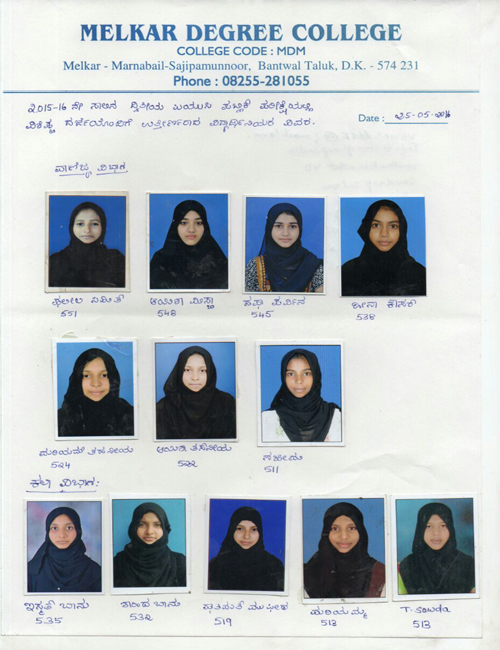
Melkar Women’s PU College, Sajipa Munnur in Bantwal taluk has bagged 100 percent pass results in the Commerce stream in II PUC for the third consecutive year.
According to a press release, the college had bagged an overall pass percentage of 98 percent in II PUC examination.
Shalima K P topped the college with a total of 556 out of 600 marks in Arts stream, followed by Himayattunnisa with a total of 543 marks in Commerce stream.
Naseeba (533), Aaminamma (533), Ramlath (527), Hafeeza (526), Fathimath Zohara (523), Haleema Sadiya (519), Ramzeeya (516), Thazeema Banu (511), Shafeeka (511), Katheejathul Kubura (510), Rabiyathul Nishyan(510) are other toppers in the college.
“A total of 133 students had appeared for the II PUC examination for the academic year 2014-15. Out of which 13 students passed with distinction while 87 students have passed with first class and 29 students have passed with second class,” said chairman of the institution S M Rasheed Haji in the press release.
source: http://www.daijiworld.com / DaijiWorld / Home> Karnataka / by Media Release / August 26th, 2016
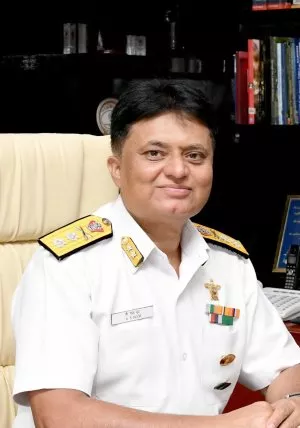
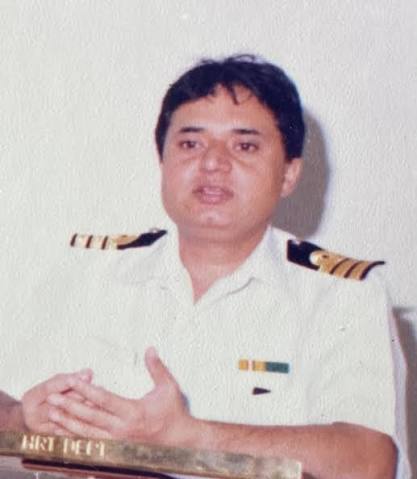
The thought of joining the Indian Navy never occurred to a young Khurram Shahzad Noor while he was growing up in a village of Western Uttar Pradesh.
It was a meeting with a colonel while he was attending a tuition class. The Army officer encouraged him to consider a career in the armed forces. Today, after retiring from the Indian Navy at the rank of Rear Admiral, a fairly senior leadership position, he remembers the encounter with the stranger who changed his life.
Today, he has a distinguished career in the Indian Navy behind him and is active as a poet, writer, and motivational speaker. His life demonstrates that a person need not have to choose between discipline and imagination, or public service and passion. Both can coexist and enrich life.
Though the armed forces do not believe in flaunting the religious identities of the officers and men, Dr Rear Admiral (retd) Khuram Shahzad Noor is the first Muslim to reach such a top position in the Indian Navy.
Rear Admiral Khurram Shahzad Noor
Born into a family with roots in the village of Nagina, Bijnor, Noor’s childhood did not suggest the extraordinary career that lay ahead. Born prematurely at around seven months, he was physically weaker than many children of his age. He took longer to learn to walk and found ordinary sporting activities demanding. Running for a short distance could leave him exhausted.
For a child growing up with such limitations, the prospect of joining the armed forces might have appeared distant. Yet those early difficulties eventually became a source of strength. Rather than allowing physical limitations to define his future, Noor chose to challenge them.
The road ahead required discipline, education and perseverance. Noor eventually joined the Indian Navy and went on to serve the country for approximately 35 years. His professional journey was closely associated with technology, education and training. He developed expertise in anti-submarine warfare, a specialised field that requires precision, patience and the ability to understand complex underwater operations.
Reflecting on his professional responsibilities, Noor says, “I teach anti-submarine warfare, where I look after the training of Navy officers.” The statement offers a glimpse into another important aspect of his career: preparing the next generation of naval officers for the responsibilities that come with serving at sea.
Rear Admiral Khurram Shahzad Noor at an event
Submarine warfare is a highly specialised domain in which knowledge, technology, judgment and teamwork have to work together. Noor’s role as an instructor placed him not merely in the position of an experienced officer but also that of a mentor responsible for transferring knowledge to those who would eventually shoulder the nation’s maritime responsibilities.
Speaking about the Navy’s role during Operation Sindoor, Noor explained that naval operations have a distinct character. “The role of the Navy in wars is very specific. We do not come out in the open until it’s a full-fledged war declared,” he said.
For Noor, the Navy’s contribution is not limited to moments when ships are deployed in direct combat. He highlights the less visible but equally significant role of maritime engagement.
“The Navy does a lot of Sea Diplomacy, which no other armed forces get to do. This is a positive part that the Navy contributes to,” he said. “Sea diplomacy allows a country’s naval presence to serve strategic and diplomatic purposes during peacetime. Through maritime cooperation, international engagements and interaction with other nations, naval forces can help strengthen relationships while simultaneously protecting national interests”, Noor added.
Noor also explained the distinction between the Navy’s role during a declared war and its responsibilities at other times. “When it’s a properly declared war, we cut lines and follow orders at sea. Otherwise we are never in attack mode, but in support of what is going on the borders, to make things easy for the army,” he said.
His observations underline the coordinated nature of India’s defence structure. Different branches of the armed forces have distinct responsibilities, but their larger objective remains common, safeguarding the country and supporting one another when circumstances demand it.
Recalling tough days during his training, a young cadet ran away from the academy. Five days later, the boy returned with a letter from his father. The letter said the boy had two choices – face his father’s wrath at home or return to the Naval forces.
Recalling the incident with a laugh, Noor said the young cadet chose to return to the academy.
Rear Admiral Khurram Shahzad Noor
Yet behind the uniform and military responsibilities was another personality, one connected with words. “I deeply believe in languages”, Noor shared.
Noor’s love for poetry did not disappear amid the demands of naval life. Instead, literature became another way through which he could explore human emotions, relationships and society. The contrast is striking: a professional trained to listen for faint signals beneath the sea also became a poet attentive to the quieter signals of the human heart.
His creative interests extend beyond poetry. He has also explored short filmmaking and storytelling, using creative expression to examine human relationships and social themes. These pursuits reveal a personality that refuses to be confined to a single professional identity.
Noor’s life challenges the assumption that a person’s early circumstances determine the limits of his future. The child who struggled to keep pace on a football field eventually spent decades undertaking demanding naval responsibilities. The officer associated with submarine warfare also became a teacher and mentor. The military professional developed into an educator, poet and communicator.
source: http://www.awazthevoice.in / Awaz, The Voice / Home> Stories / by Vidhush Gaur, New Delhi / August 23rd, 2026
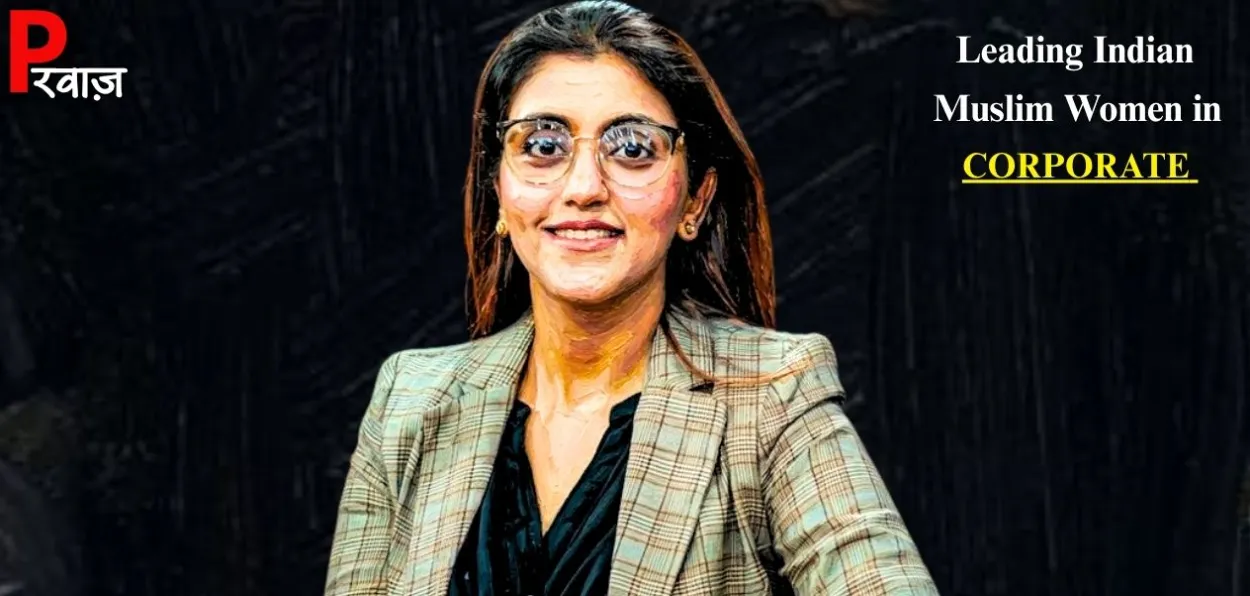
The global recognition of the Indian pharmaceutical industry is not limited to its biggest companies. Numerous manufacturers across the country have built successful businesses while contributing to India’s reputation as the “pharmacy of the world.” Unicure India Ltd. is one such company, with Dr. Kashish Aziz playing a key role in operations and quality assurance.
Unicure India has manufacturing facilities in Noida, Greater Noida and Roorkee across Uttar Pradesh and Uttarakhand. According to CRISIL, the company is a WHO-GMP-approved and ISO-certified pharmaceutical manufacturer.
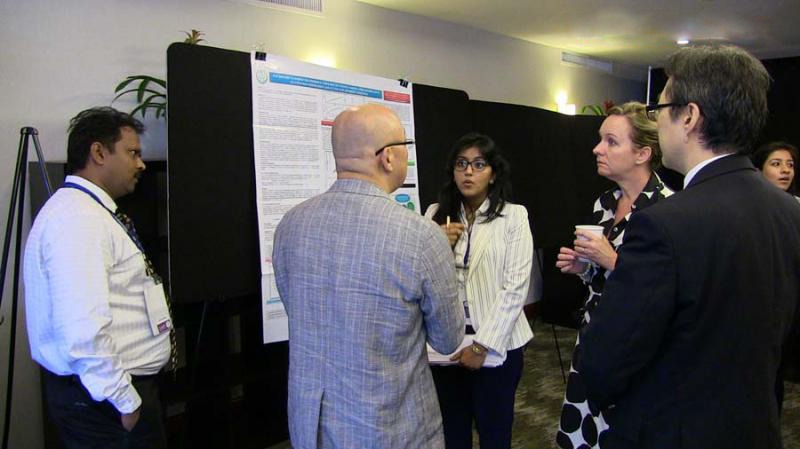
Dr Kashish Aziz at an event
A significant portion of its business comes from government entities and contract manufacturing for major pharmaceutical brands. Based on CRISIL’s assessment from March 2025, around 60 per cent of the company’s revenue came from government entities, 30–35 per cent from contract manufacturing, and the remainder from exports. GST-based business data for 2025-26 places the company in the annual turnover bracket of ₹100 crore to ₹500 crore.
Born in Delhi in 1987, Dr. Kashish Aziz currently serves as Vice President of Quality at Unicure India Ltd. Her professional journey has been shaped by both academic excellence and personal challenges.
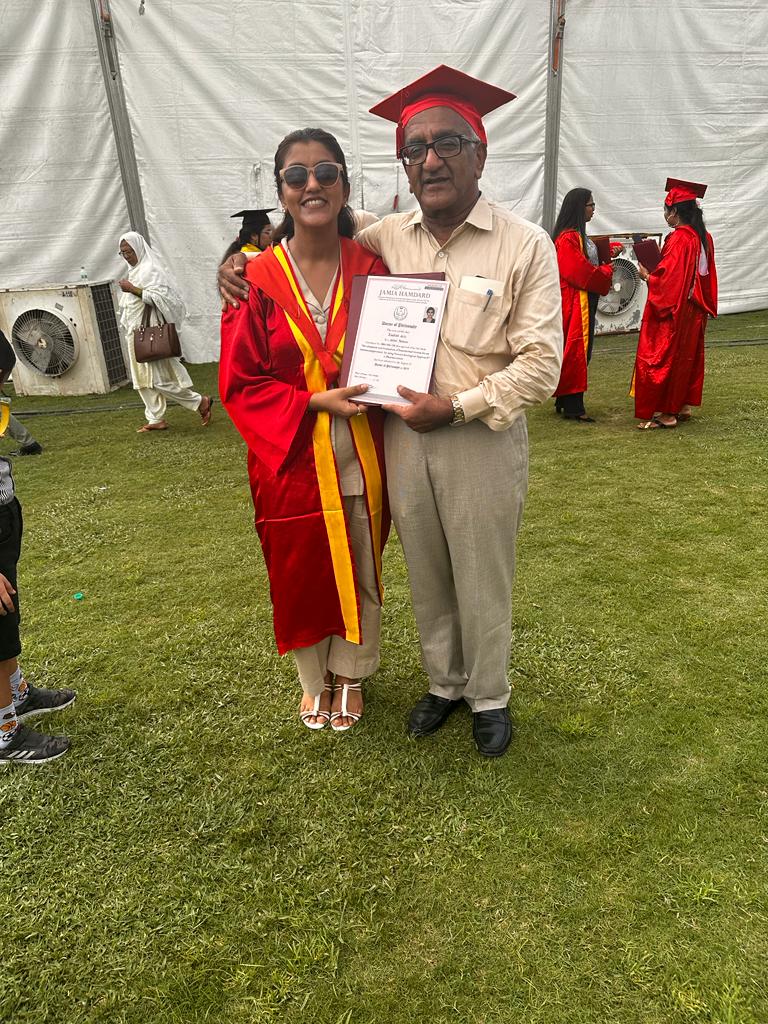
Passionate about science from childhood, Aziz aspired to become a doctor. She completed her schooling at Delhi Public School in 2004 before joining Jamia Hamdard in Delhi, where she earned bachelor’s and master’s degrees in pharmacy. She received a gold medal from then President Dr APJ Abdul Kalam for her academic performance.
Dr Kashish Aziz at an event
She received her early education at Delhi Public School, completing her schooling in 2004. She then pursued a Bachelor of Pharmacy (B.Pharm) from Jamia Hamdard University. Later, she completed a Master’s in Pharmaceutics with specialisation in Quality Assurance.
For her outstanding performance, she was awarded a gold medal by the then President of India, the late Dr APJ Abdul Kalam.
She subsequently completed her PhD in Pharmaceutics and received the “INSPIRE Fellowship” from the Department of Science and Technology. She is regarded as a specialist in Quality Assurance and is also recognised as a technologist.
She is currently pursuing an MBA from IIM Lucknow. She is also a member and secretary of the FOPIE Youth Wing and a member of the Indian Drug Manufacturers Association (IDMA).
Dr Kashish Aziz with her father Abdul Mateen
She later completed a PhD in Pharmaceutics after receiving the Inspire Fellowship from the Department of Science and Technology. She also specialises in quality assurance.
Her journey was not without difficulties. Married at the age of 20 in 2007, Aziz gave birth to her first child at 21, around the same time she began her master’s course in Pharmaceutics with a specialisation in quality assurance.
“I was married in 2007 at the age of 20. I gave birth to my first child but at the age of 21, the same time I joined my course of Masters (Master in Pharmaceutics with specialisation in QA),” she said.
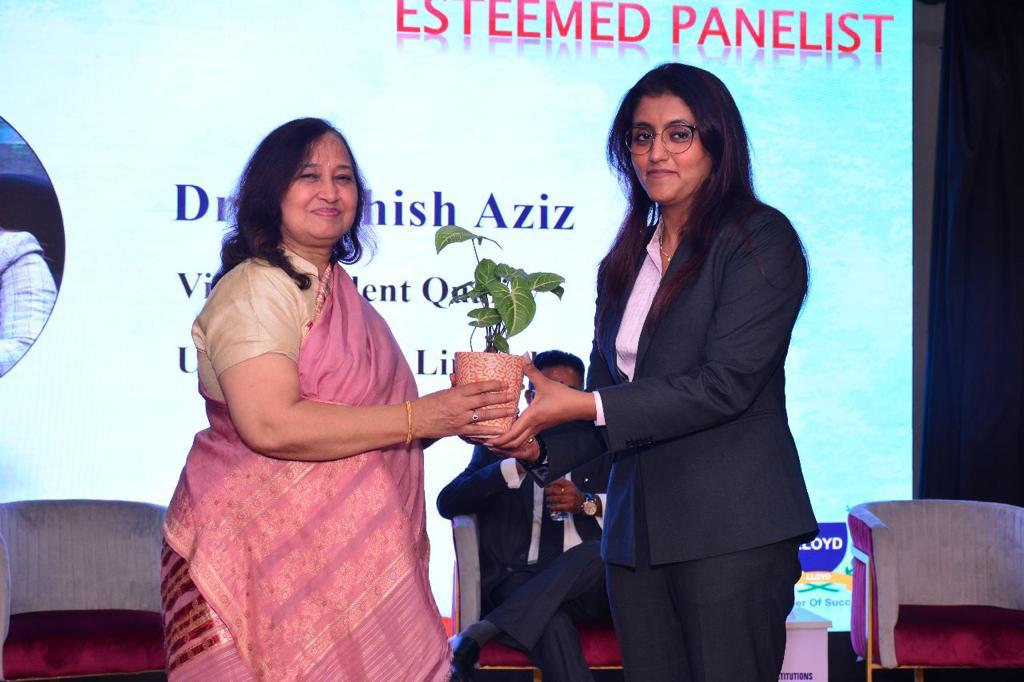
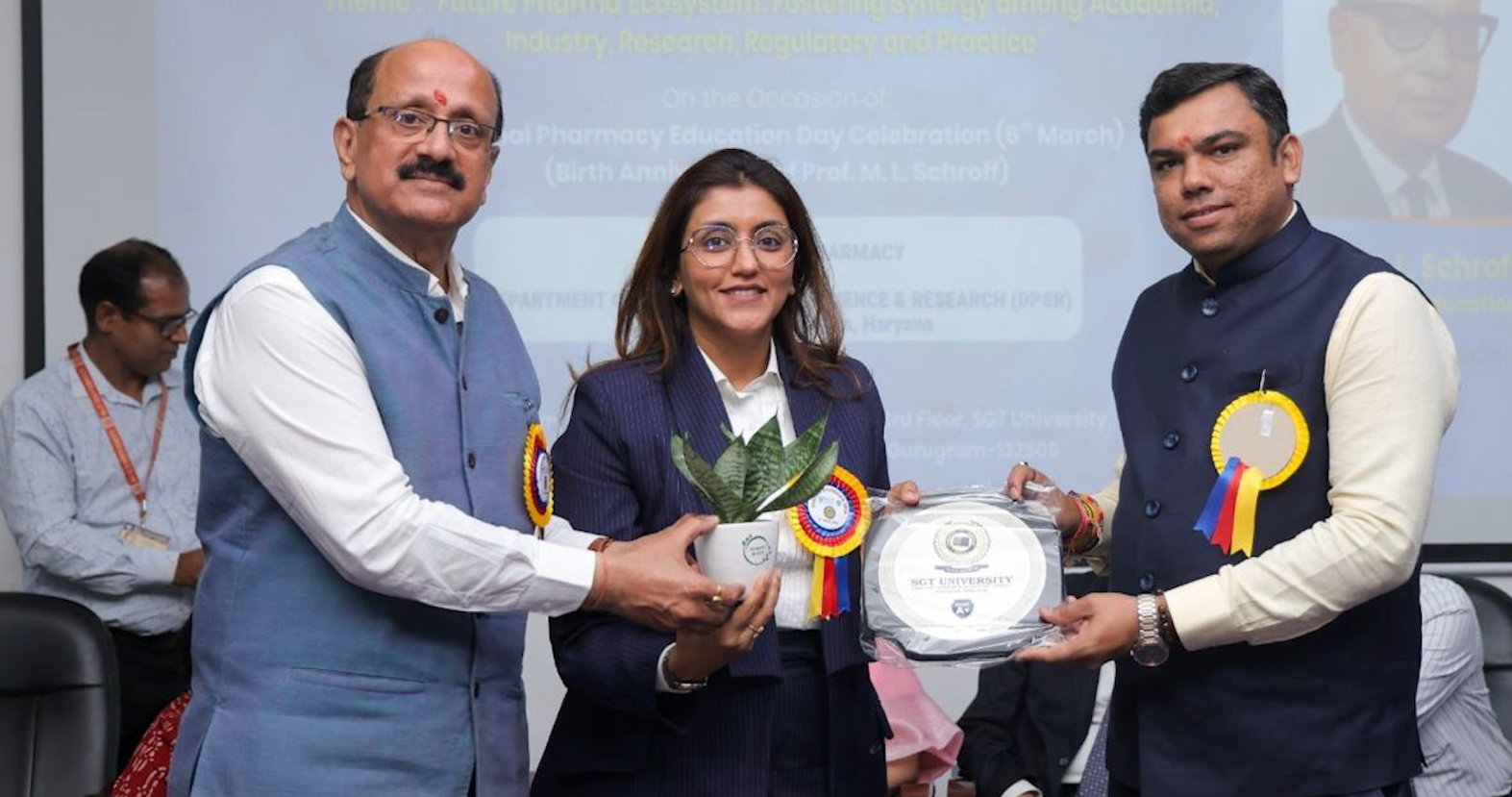
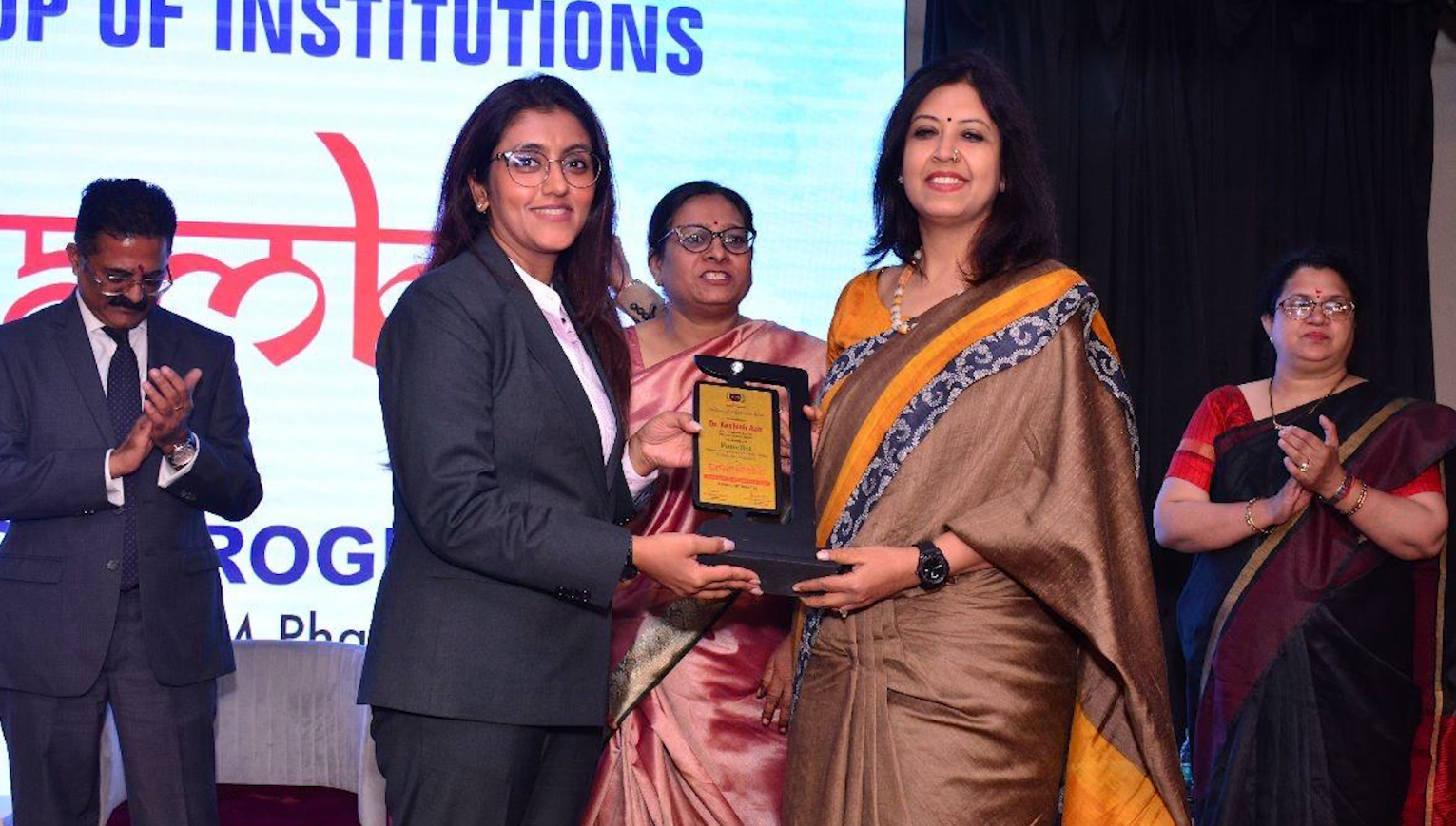
Dr Kashish Aziz being honoured
On her husband’s advice, she initially kept her studies hidden from her in-laws. When they eventually learned about it, she faced strong opposition. Determined to build a career, she later joined her father, Abdul Mateen, at Unicure India’s Noida unit.
For Aziz, quality in pharmaceutical manufacturing is not merely a regulatory requirement but the foundation of business credibility. Her responsibilities include quality assurance, monitoring production processes, validation and ensuring compliance with regulatory standards.
“Quality is never accidental; it is always the result of high intention, conscientious effort, intelligent direction, and skillful execution,” she says.
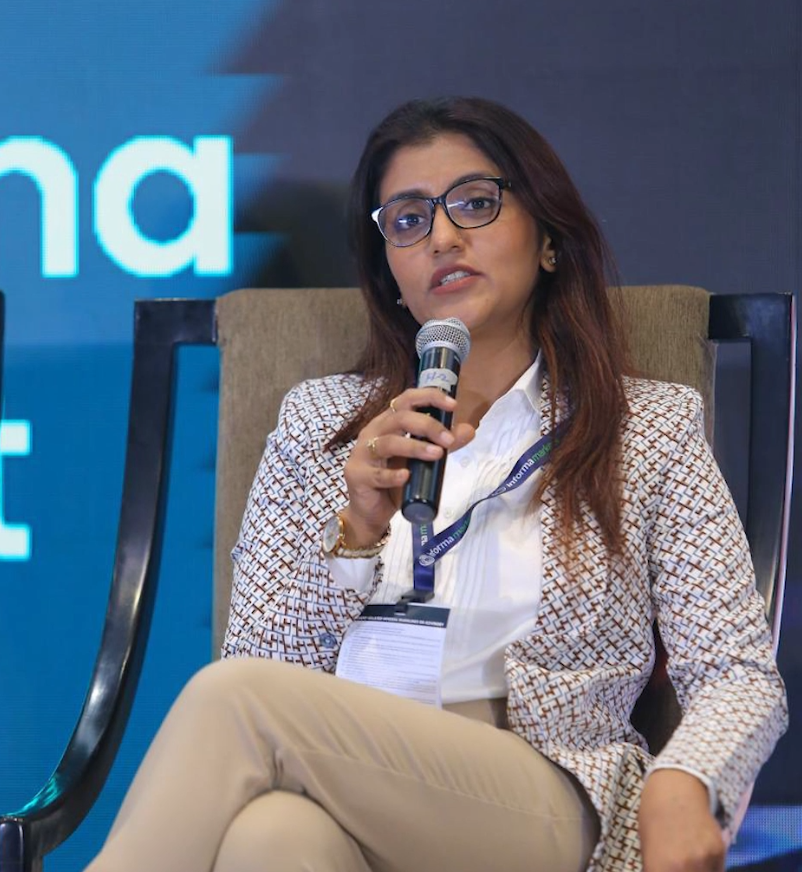
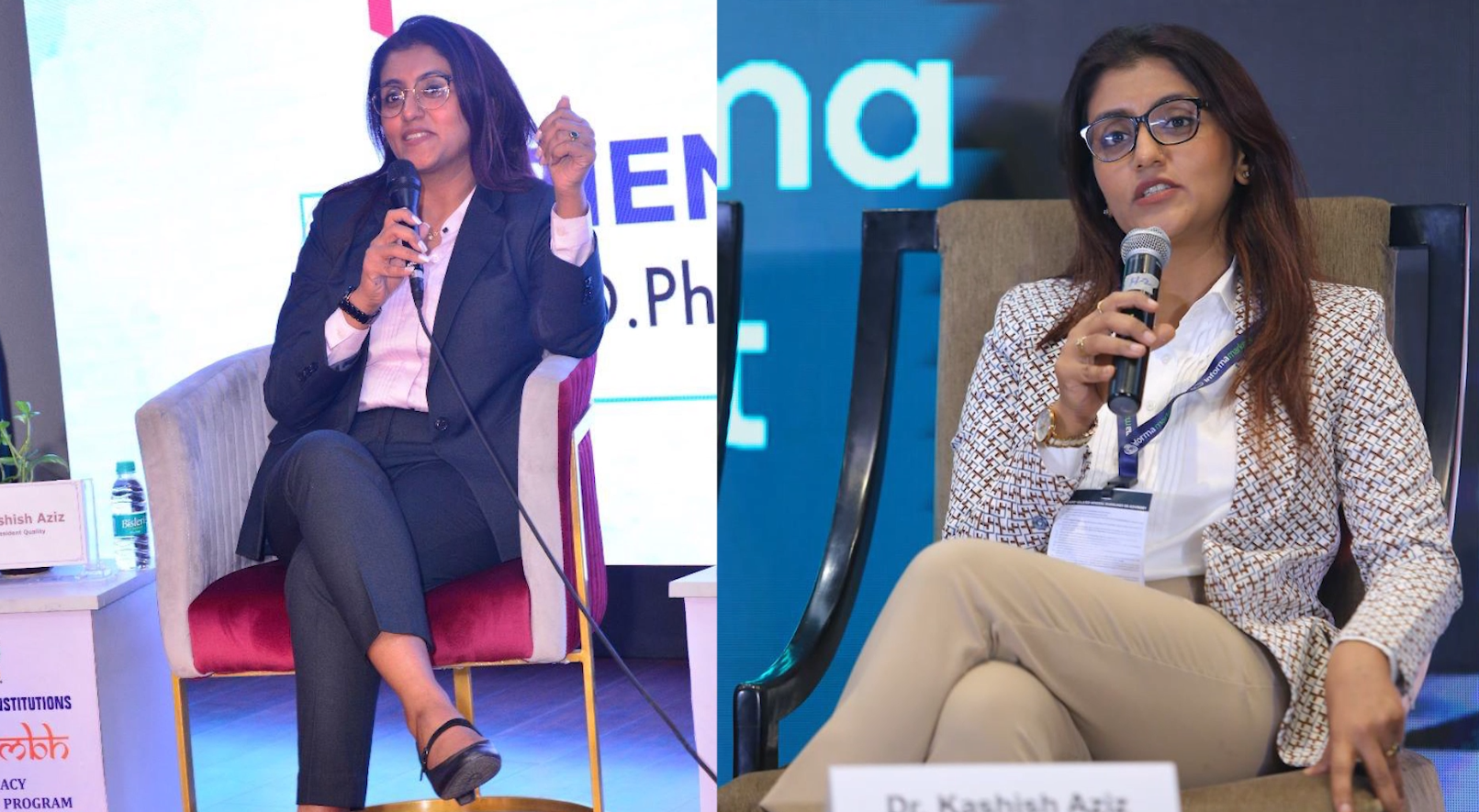
Dr Kashish Aziz speaking at a public function
She has a simple message for her team: “Only a healthy horse can pull a strong cart. So my consistent message to the UniQure team is either stick to quality or quit.”
The emphasis on quality is particularly important in pharmaceutical manufacturing, where the quality of every batch is directly linked to patient safety. Raw materials and finished products therefore undergo testing and monitoring at multiple stages. Unicure also highlights a safe manufacturing environment, contamination-prevention infrastructure and dedicated storage facilities for sensitive and toxic substances.
According to the company’s website, Unicure employs more than 600 professionals, including around 100 people in highly skilled technical roles. Its business spans manufacturing, supply and exports of pharmaceutical products.
Dr Kashish Aziz at an event
The company operates in a highly competitive market where manufacturers must control costs without compromising quality. Raw material prices, supply-chain management, regulatory compliance and production capacity all influence performance.
Aziz believes that cost control should never come at the expense of quality. Lean manufacturing, automation and improved systems, she argues, can help increase efficiency and production capacity while maintaining standards.
Unicure also has a presence in international markets. Available global trade data records 703 export shipments to 39 buyers and 24 import shipments from nine suppliers. Pharmaceutical products under HSN codes 3004 and 3003 have been the primary drivers of its export activity.
Dr Kashish Aziz
The company’s imports also highlight the importance of raw materials and Active Pharmaceutical Ingredients (APIs) to pharmaceutical manufacturing. Fluctuations in global supply chains, raw material prices and logistics costs can significantly affect production expenses, making efficient inventory management, automation and quality control increasingly important.
As India strengthens its position in the global pharmaceutical supply chain, companies such as Unicure will need to balance government business, contract manufacturing and exports while maintaining stringent quality standards.
For Aziz, that balance is central to the future of pharmaceutical manufacturing—and to the credibility of the industry itself.
source: http://www.awazthevoice.in / Awaz, The Voice / Home> Stories> Muslim Women in Corporate / by Onika Maheshwari, New Delhi / August 24th, 2026