Category Archives: Business & Economy

Money & Me: ‘Buying property is my hobby. It brings me happiness’

Vadodara, GUJARAT / Dubai, UAE :

Varis Sayed of Fincasa Capital owns homes in four countries and plans to snap up distressed sales as real estate markets contract amid Covid-19.
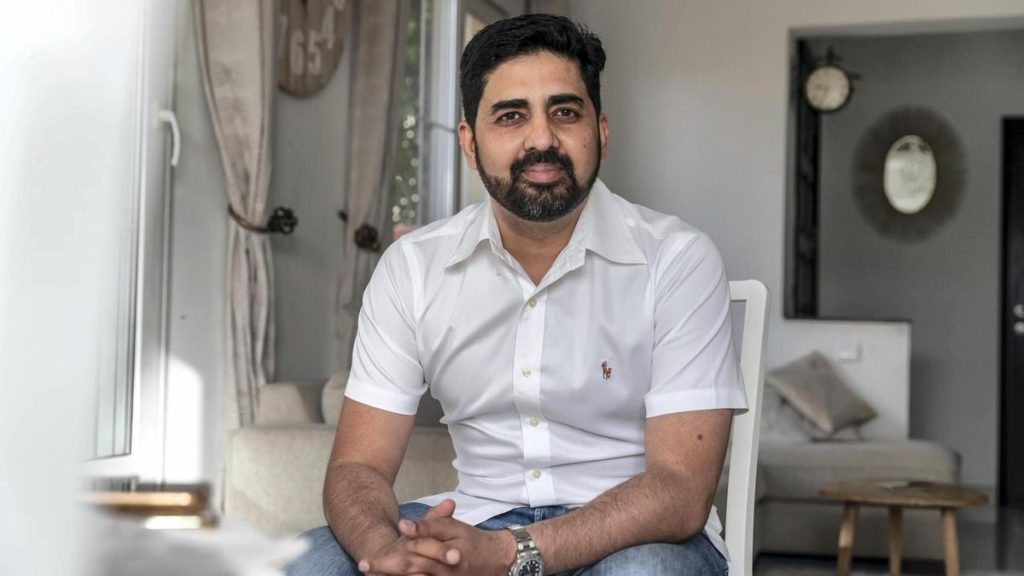
Varis Sayed says he made his first Dh1 million in the UAE in the second half of 2015 after launching a business advisory service. Antonie Robertson/The National

Varis Sayed is the founder and chief executive of Fincasa Capital, a global advisory firm specialising in cross-border investments and offering services for residency and citizenship through investment. The millionaire, Indian-born entrepreneur, who moved to the UAE in 2011, invests in real estate across the globe and believes the coronavirus crisis will throw up lucrative property opportunities for those with cash to spare. Mr Sayed, who is in his late 30s, lives in The Springs with his wife Shruti and their children, a five-year-old daughter and two-year-old son.

How did your upbringing shape your attitude towards money?

I grew up in Vadodara in Gujarat, an Indian state known for its entrepreneurial spirit. My dad was a successful serial entrepreneur with many businesses. I learnt from him that while money is good to have, it is equally important to pursue a good lifestyle, which comes from enjoying life and the luxuries that money can buy.

How much did you earn in your first job?

I started working while still in school, with a series of summer jobs – events support, distributing magazines, selling mutual funds and a bit of modelling. It was important for me to make my own money, and the jobs allowed me to meet new people. My first earnings were 600 Indian rupees (Dh28.96), as a commission for selling mutual funds.

Who has been your biggest financial inspiration?

Richard Branson. He knows how to enjoy life, but is also unafraid of setting up multiple businesses – many of which have been failures. As he says, unless you take part, you can’t win.

When did you make your first Dh1 million?

Dubai is truly the land of opportunities and possibilities, which has made me what I am today. I made my first Dh1m in this country in the second half of 2015 after launching a business advisory service. It took me about four years.

What has been your weakest financial moment?

In 2014, as I was incorporating my first business in the UAE. I made several early entrepreneurial mistakes. To add to that, my wife was pregnant and I had no financial backup to even pay my bills. With the strong support of my wife, who has always been my backbone and stronghold, we came out of it quickly and within a short span, by the end of the following year, we made a profit.

What is your investment philosophy?

It’s important to choose your investments carefully. For me, investments in real estate offer a way to secure the future for my family. So, research, analyse and judge before you take the plunge to make an investment. If you’re looking at stocks and trade, for instance, it’s important that you weigh the situation and the markets, rather than just counting on your luck.

What is the most important financial lesson you’ve learnt as an entrepreneur?

Planning is important to stay ahead of the game. As an entrepreneur, I don’t jump into every second project or investment that I am offered any more. I did this in the early days of my business – and that’s when I lost money.

Why did you set up your business?

I saw my father invest overseas, and that attracted me to the field. When I began my career in India, I worked with a small advisory firm and saw the potential the field offers. That was enough for me to decide this would be my bread and butter going forward. We offer boutique, customised solutions for each client such as private equity, venture capital and investment projects across varied sectors, including real estate, start-ups and more. We also offer advisory services for second residency and citizenship.

What return can investors expect from a golden visa?

It depends where you invest. Each investment is customised in line with an investors’ retirement goal. The ROI (return on investment) varies typically from 2 per cent to 15 per cent or more, depending on a number of factors, including the investor’s risk appetite.

Have you bought into a golden visa scheme yourself?

Yes, I have taken Greece residency.
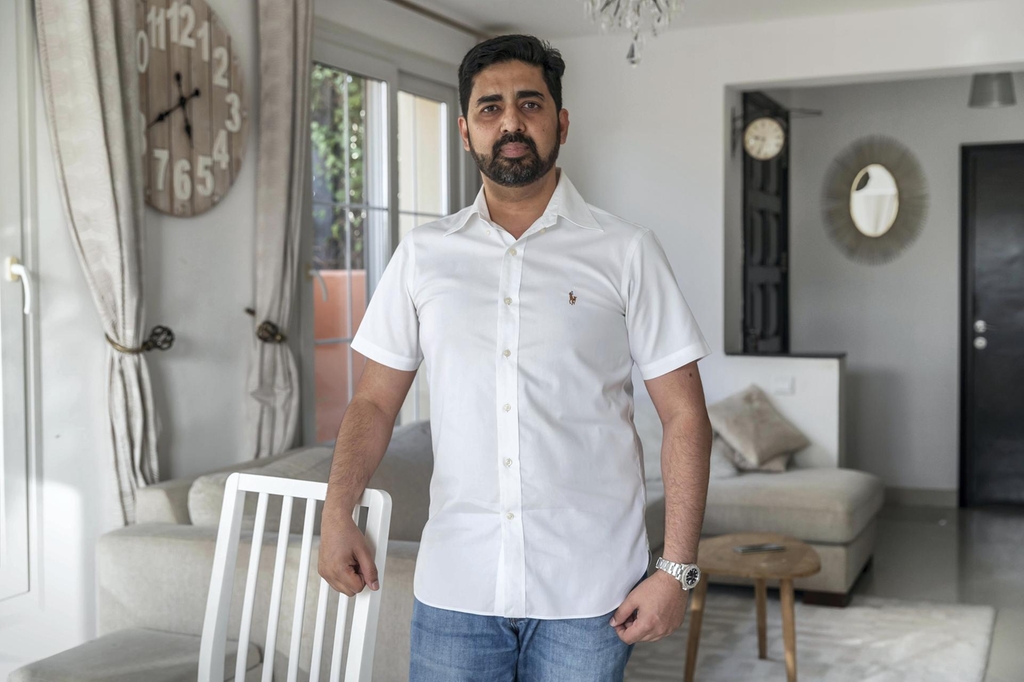
Mr Sayed says investing in real estate offers a way to secure the future for his family. Antonie Robertson/The National

What’s your financial dream?

I want to own a mansion in West Palm Beach in Florida, a penthouse facing Central Park in Manhattan, a three-storey building in central London and vacation homes in Cannes, Greece and other corners of the world.

What financial goals have you already met?

I haven’t met all of them yet, but I now own a villa in The Springs in Dubai, as well as property in Vadodara in India, in Toronto in Canada and New York in the US. Buying property is my hobby. I like real estate. It brings me happiness.

Why did you choose these countries?

As a principle, it’s always advisable to diversify your exposure. The US, Canada and Greece all are different real estate markets, priced in different currencies. At the micro level, events in these markets are not related to each other. Also, the nature of my business means I often come across amazing deals which I cannot refuse. Because of the coronavirus crisis, real estate markets are likely to contract further, and we will see more distressed properties come on the market.

Have you already seen any distressed properties?

Certainly. You can now buy an apartment in downtown Athens for €50,000 (Dh206,452). The same amount in Dubai will only get you a property in International City.

What else do you invest in?

Investing is my passion. I like investing in stocks, start-ups and real estate.

How has the coronavirus pandemic affected your portfolio?

My personal investments are mostly in real estate and start-up companies, so from a book value perspective, the valuations will show losses but that’s OK – the underlying asset remains. However, I have made sure to maintain a significant amount of cash to buy more real estate. In particular, I am bullish about Dubai.

Are you a spender or a saver?

Money is to be spent and enjoyed so why not buy whatever money can buy? Saving is boring. Getting 2 per cent a year is rubbish. Either spend or invest. I like investing and spending. I believe in collecting experiences. As a traveller, I want to see how life is lived. So rather than go to an amusement park, I make sure to go to the most expensive restaurant in a city I am visiting. In New York City, I’ll make sure to eat lunch on Wall Street. Even if I’m broke, if I lose everything, at least I will have enjoyed it.

What is your most cherished purchase?

I am fond of watches, particularly my Patek Phillipe Aquanaut, Rolex Yacht-Master and Rolex Explore.

How do you plan to fund your retirement?

I invest in real estate, which can then be easily sold or rented out when needed.

How much do you have in your wallet right now?

Dh4,000.

What car do you drive?

I drive the latest new model GLS500 Mercedes Benz and an Audi.

Do you have any financial regrets?

Yes, I have missed many good investment opportunities. In 2015, I nearly booked a flat near Wall Street in south Manhattan but didn’t go through with the purchase. Now it’s being sold at a 40 per cent higher price.

source: http://www.thenational.ae / The National / Home> Business / by Keith Fernandez / June 18th, 2020

Former Santosh Trophy player Hamza Koya passes away in Kerala after Covid-19 infection

Parappanagadi (Malappuram District) KERALA / Mumbai, MAHARASHTRA :

Hamza Koya played as a wing-back position and represented Maharashtra in Santosh Trophy from 1981 to 1986 and was selected for Indian Soccer camp twice.

Former Santosh Trophy player Hamza Koya (L) passed away due to Covid-19 infection. (Hamza Koya Facebook)

HIGHLIGHTS

  • Former Santosh Trophy player Hamza Koya passed away after Covid-19 infection
  • Hamza Koya had undergone plasma therapy for Covid-19
  • His wife and son also tested positive after arriving in Kerala

Former Santosh Trophy player Hamza Koya passed away after undergoing plasma therapy for Covid-19 infection in Kerala. He was 61. Hamza Koya who hails from Parappanangadi in Malappuram district had been living in Mumbai and arrived in the state on May 21 along with his wife, son and his family.

His wife and son also tested positive after arriving in Kerala and are undergoing treatment. His daughter-in-law and two grandchildren including a three-month-old baby were also tested positive along with him. They are undergoing treatment at Manjeri Medical College.

According to a medical bulletin issued by Manjeri Medical College, Hamza’s condition turned critical and he was given plasma therapy on June 5 with the permission of the medical board. He passed away late at night. Now Kerala accounts 15 deaths due to Covid-19and 11 persons died during the last three weeks.

Hamza Koya played as a wing-back position and represented Maharashtra in Santosh Trophy from 1981 to 1986 and selected for Indian Soccer camp twice.

In his two-decade-long sports career, he represented Calicut University during 1976-78, Western Railways, Union Bank , RCF,TATA Sports and Orkay mills from 1976 to 1996. He coached Orkay Silk Mills team for a short period. After retirement, he floated Careerline Travel Consultant Pvt Ltd in Mumbai. His son is also a soccer player.

P.P. Thobias, former Santosh Trophy player and Deputy Commandant in Kerala police remembered him as a gentle man in ground and widely appreciated defence player

source: http://www.indiatoday.in / India Today / Home> Sports> Football / by Jeemon Jacob, Thiruvananthapuram / June 06th, 2020

How a Kerala mill shipped Rs 5-crore worth edible oil to Middle East despite lockdown

Aluva ( Kochi) , KERALA :

The family-owned Mezhukkattil Mill, which manufactures edible coconut oil, stuck in through logistical and procurement issues to meet demand across the globe. 

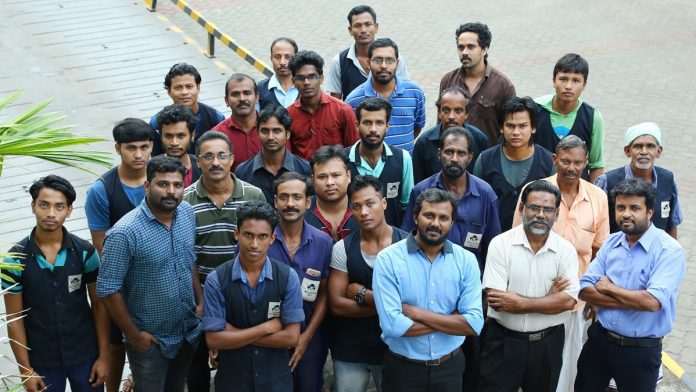
Mezhukkattil Mill executive director Ubais Ali (third from right in the front row) with his employees | By special arrangement

Kochi : 

This is a rare Covid business story from Kerala — one about the grit and determination of a medium-sized edible oil mill in Aluva, near Kochi, to keep its mills running during the lockdown as its workers had no option but to stay put. 

The decision was also fashioned by the demand surge during the early days of the pandemic when imminent lockdowns across the globe led to panic buying.  

For Ubais Ali, executive director of the family-owned Mezhukkattil Mill, which manufactures coconut oil, it did not require theoretical lessons in business management or post-Covid strategies being peddled by major consultancies across the world.

All Ubais did was spot an immediate business opportunity when essential products began flying off the shelves across continents in the middle of March. He was alerted by business associates in the UAE, Saudi Arabia, Oman, Kuwait, Qatar and Bahrain that edible coconut oil, just like any other food item, was selling fast, with a large number of non-traditional users turning to this cooking medium.

But just as he began exploring the opportunity, lockdown was enforced in India on 24 March. 

Ubais had about 50 workers in his factory premises who had no option but to stay put, but he had to contend with logistical issues.  

“When the national lockdown began, we had three containers stuck at the Kochi International Container Terminal. Even the big players in the food processing sector were caught unawares as the clearing and forwarding agents of Kochi decided against taking any risk,” Ubais says.

“I had no option but to keep the mill running at full capacity with three eight-hour shifts as the big brands like Lulu said their malls (in the Middle East) were facing total depletion of stock. I had to take a chance or lose this opportunity forever.”

The logistical troubles

Such was the demand that towards the end of March, during the first phase of the lockdown, Ubais had to augment his supply line of six truckloads of copra, from Tirupur district in Tamil Nadu, with well over a dozen containers from Indonesia and Philippines. 

That posed its own challenges. For one, the executive director had to battle for lorry passes from supply officers at the taluk level and also for inter-state travel permits. 

Then the State Trading Corporation (STC) refused to issue the company with a no-objection certificate (NOC) for the import of raw materials to bridge the gap caused by the shortfall in the indigenous copra supply.

Ubais first attempted to sort this out through the Federation of Indian Exporters Organisation, of which he is a member, but eventually it required the direct intervention of the Director General of Foreign Trade (DGFT).

K.M. Harilal, joint DGFT, Kochi, said: “Though food processing units had an exemption from the lockdown, none were functioning in the first week. Ubais came to us with a peculiar problem, as he was not getting the mandatory clearance from STC for imports. As the company’s normal channel via Chennai was not fruitful I got through to my boss in Delhi who got in touch with the STC chairman and the NOC came through.”

But all the clearances in the world would not have helped in a city known for the sincere hands-down approach of workers during hartals and the lockdown, an occasion that demanded stricter adherence to stay away from work.

The export trouble

As if procuring raw material wasn’t hard enough, exporting the coconut oil provided an equally tough task, mainly due to confusion at the Cochin Port, the region’s main export transit point.  

The Cochin Customs Brokers Association passed a resolution on 31 March that it would not move containers. It also sought clarification from the chief minister regarding anomalies in the notifications issued by the central and state governments. 

The Ministry of Shipping had notified normal operations of ports and customs. It was the ministry’s advisory that all cargo, both general as well as essential, be cleared. The Kerala government, however, brought out an advisory that no one should be attending office except those specially notified. The state’s focus then was on health and avoiding any threat of contracting Covid. 

Although the Cochin Customs Association withdrew its resolution following instructions from the customs commissioner, the overall sentiment among its members was more in line with the state government directive on ensuring personal safety.

As a result, there were no clearing agents ready to move the coconut oil consignments. 

It posed a major hurdle for Ubais as based on demand from clients, his oil mill had lined up over a dozen containers for export by the end of April first week. 

Finally, one agent, George Forwarders, expressed willingness to move the containers provided they did not face hassles from any departments. The mill and the agent both received a shot in the arm — one of the clients, to be precise the personal staff of M.A. Yusuff Ali, the UAE-based Indian billionaire businessman and owner of LuLu Group, promised to monitor all local clearances in Kochi. 

The result: The first lot of three containers were moved in early April.

In all, between 25 March and 30 April, Mezhukkattil Mill imported 20 containers of raw materials for exports. And between 12 containers that came under the head of direct exports and seven containers of deemed exports, this little known company from Aluva managed to export 19 containers of finished products, earning around $ 6,68,000 (over Rs 5 crore) in foreign exchange. 

The lessons for big business

For Mezhukkattil Mill, which was the largest supplier of coconut oil for soap and surfactant giants as also hair and skin oil in the 1990s, with a client list comprising Tata Oil Mills, Hindustan Lever, Wipro, among others, the lockdown has marked its coming of age. The mill had switched to manufacturing edible coconut in the decade between 2005 and 2015.  

The company’s makeover as a manufacturer of only edible oil products is now complete. It now ships its oil for various brands such as Lulu Muscat Hypermarket LLC, Royal Mark Foods and Eastern Condiments in Oman and Panten Mee in Taiwan.

As the country looks to get its act together on the manufacturing front, stories from even small companies like Mezhukkattil could prove inspirational. Surely, instances like this depicting small and medium-sized companies punching way above their weight by pouncing on opportunities in a pandemic-struck market should stir the big players out of the present clime of gloom.

source: http://www.theprint.in / The Print / Home> Economy / by Vinod Mathew / June 02nd, 2020

Doctor designs transparent masks

Tiruchirapalli, TAMIL NADU :

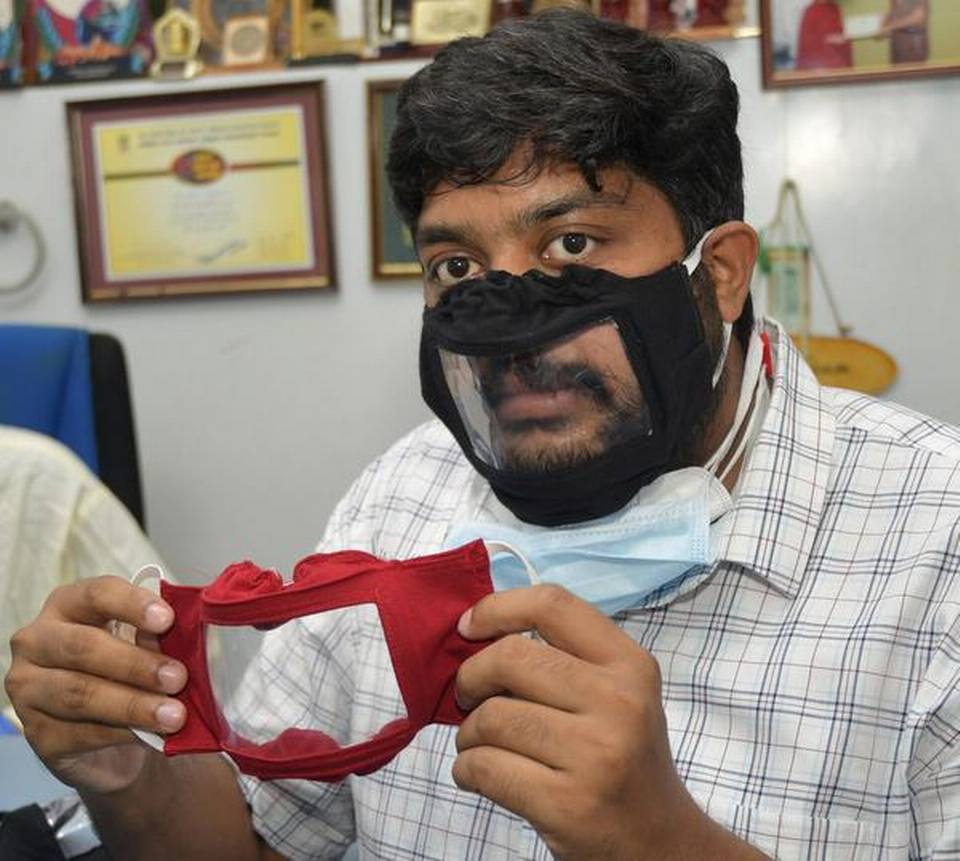
A. Mohamed Hakkim with his transparent masks. 

They are meant for people with hearing and speech impairment

Tiruchi :

With wearing face masks becoming the “new normal,” concerns have risen about its suitability for persons with hearing impairment who depend on lip-reading and facial expressions to communicateTo provide a possible solution, a young Tiruchi-based doctor has designed a transparent see-through face mask. The prototype has been submitted to the Tamil Nadu government for approval so that it could be mass-produced.

A.Mohamed Hakkim, a 29-year-old emergency physician in the city, thought of the need for such masks as some of his patients struggled to communicate with him. “My mouth was covered by a face mask and because of it, the patients could not read his lips and understand what I was saying,” he said.

Dr. Hakkim drew up a prototype using three layers of thick cloth, which N-95 masks are made of, and a biodegradable non-toxic plastic to make the transparent part.

A key feature of the mask is that it is reusable, and is also fog-resistant as one’s breath could fog up the glass rendering the mask useless, Dr. Hakkim said. The material had to be chosen to ensure the feature.

The cost of each mask will work out to be about ₹10 but Dr. Hakkim is looking to distribute at least 1000 in Tiruchi district for free. One must understand that along with a deaf and mute person, more importantly, their parents, teachers, friends, all those who communicate with them will require the transparent mask, he said.

The shelf life of the mask too is long and can be reused for up to 100 days, Dr. Hakkim said. “We have conducted various real-time tests to ensure its functioning. Many have expressed their need for such a mask,” he said.

The Tamil Nadu government has drawn up a plan to distribute 81,000 masks to 31,000 people through the Commissionerate for the Welfare of Differently Abled. Dr. Hakkim is looking to have the masks distributed through them and various NGOs.

source: http://www.thehindu.com / The Hindu / Home> News> Cities>Tiruchirapalli / by Kathelene Anthony / May 23rd, 2020

Survival, a stitch at a time

Dharwad, KARNATAKA :


Like to any other woman in her slum near Lakshminarasimha Kere in Dharwad, the inevitable COVID-19 lockdown brought misery to Yasmin Nisar Mangalavadekar. A trained tailor, she was forced to stop work temporarily as there were no fresh orders. Tailoring is the only source of income for this single mother of three. 

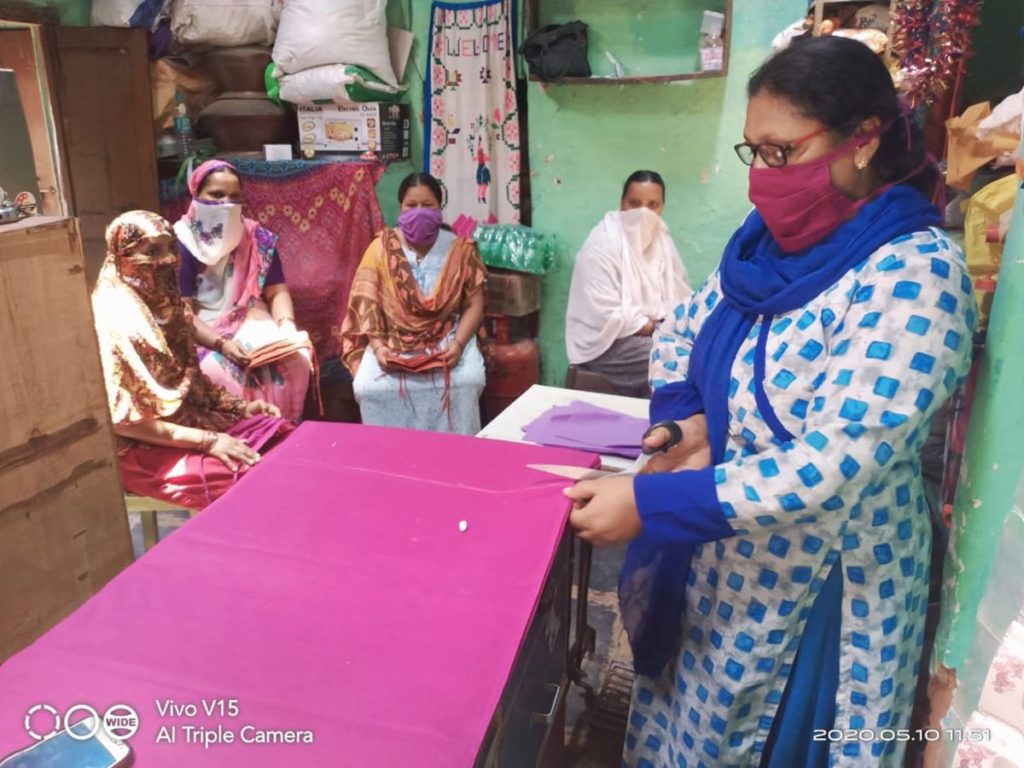
While she was struggling to make ends meet, similar plight of women in the neighbourhood moved her to think of an activity that could help them sustain through the crisis. She decided to put to use her tailoring skills to stitch face masks and create livelihoods for women in the neighbourhood.

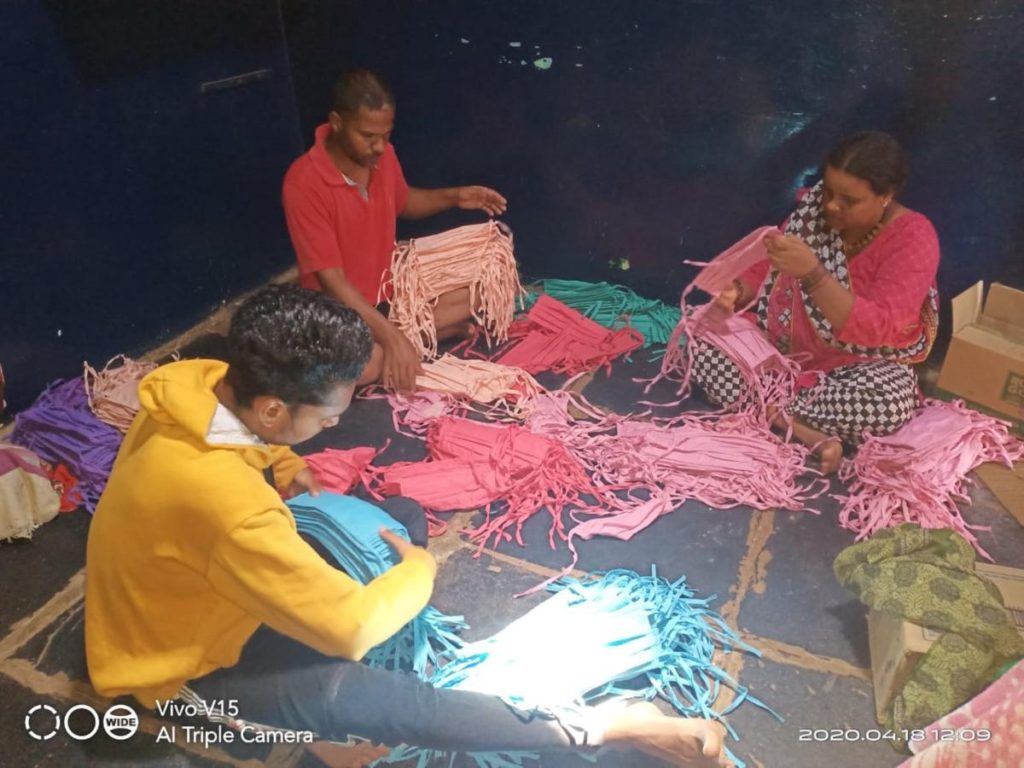
A family engaged in mask making

For the last 50 days, five women from the locality have been stitching masks in Yasmin’s 12X15 ft single-bedroom house. Around 20 slum dwellers engage in the activity from their homes. These women are now earning around Rs 5,000 per month, the sole income for their families during lockdown. They are among hundreds of women trained by Yasmin in tailoring in the past two years. 

“We stitch masks that are crucial to protect people from Covid-19. This, in turn, helps us subsist,” says Yasmin. 

She acknowledges the support rendered by people and organisations who bought masks from them. Hubballi-based Deshpande Foundation purchased over 20,000 masks to be distributed among the frontline Covid-19 warriors including Dharwad Zilla Panchayat workers, Hubli-Dharwad Municipal Corporation civic workers and police personnel. Yasmin is also grateful to Vani Purohit, the chief executive officer of Rehabilitative Assistance for People in Distress, for making this possible. 

Deshpande Foundation’s Sandeep Sabarwal recalls Yasmin as a determined woman, who not only wished to lead a resilient life but also ensure that women around her are empowered. “Realising her qualities we trained her to become an entrepreneur, who, could lead a team and help others earn a living,” he said

Yasmin has trained more than 400 people to stitch dress, bags and do embroidery work. Today, she has become a guiding light to many women in her locality.

“Like me, many people living in our slum have lost their sources of income due to lockdown. As dignified bread-earners, waiting for someone else to feed us was out of question. Deshpande Foundation supported us by giving a big order,” said Yasmin andher team completed the consignment of 20,000 masks in just eight days.

“Each one of us worked for 8-10 hours a day and completed the task in record time,” said Saleema Bilagi. Her husband is a carpenter and couldn’t get work even for a single day in the past two months. She shudders to think of her family’s plight had she not got this opportunity.

Deshpande Foundation helped them with the know-how to stitch good quality masks apart from giving the first big consignment. Other NGOs and individuals followed with orders. The team has also sold over 5,000 masks to them at Rs 15 per piece. The team stitches two-layered and three-layered cotton masks.

Over 100 women from the locality have approached her to be part of the team that emerged from the crisis. Yasmin wants to accommodate as many people as possible but they don’t have any fresh orders now. “With so many families in need of a livelihood, we can stitch about one lakh masks in 15 days,” she said. 

For details, contact Yasmin on 8722620230.  

source: http://www.deccanherald.com / Deccan Herald / Home> Spectrum / by Pavan Kumar H / May 16th, 2020

Hens lay eggs with green yolks in Kerala; scientists launch study

Othukkungal (Malappuram) , KERALA :

Around nine months ago, Shihabudheen found that an egg laid by one of his hens had a green yolk. Neither he nor his family consumed it since they wondered if it would be safe.

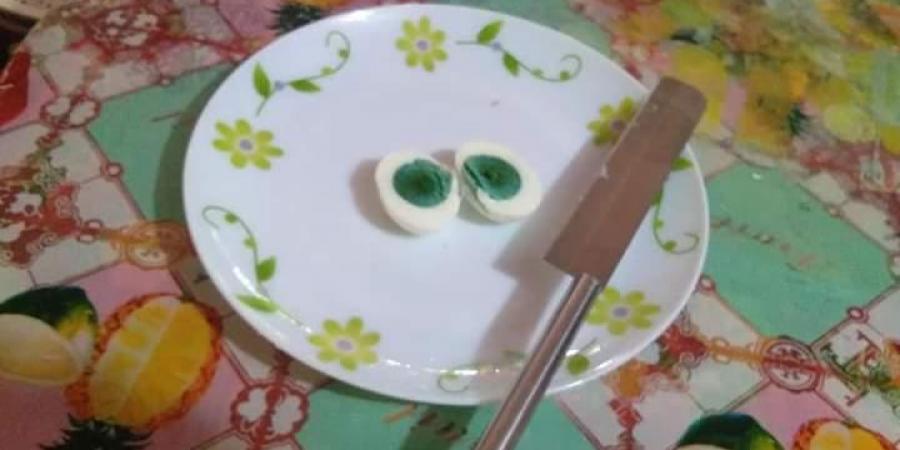
The eggs that are now going viral on social media.

Malappuram :

The curious case of six hens in the small poultry farm of A K Shihabudheen, a native of Othukkungal in Malappuram, laying eggs with green yolks, is now the talk of the town.

After the photos of the eggs with green yolks went viral on social media, people from different parts of the country and even abroad began contacting Shihabudheen to know more about the phenomenon. Recently, scientists from the Kerala Veterinary and Animal Sciences University (KVASU) launched a study on the special hens and the eggs.

Around nine months ago, Shihabudheen found that an egg laid by one of his hens had a green yolk. Neither he nor his family consumed it since they wondered if it would be safe.

Instead, he hatched some of the eggs laid by the hen. Interestingly, the new hens also started laying green eggs. 

“When we found that we could hatch chickens from these eggs, we began consuming the green eggs. The news of this egg phenomenon spread after I shared some pictures on social media a couple of weeks ago,” said Shihabudheen.

He said the eggs with green yolks taste exactly like the normal ones. He now plans to hatch more such hens and eggs for sales. 

“Many have approached me for green eggs. But, now, I’m keeping them for hatching. The eggs will be sold after the scientists of the Mannuthy KVASU complete their study on the phenomenon. The scientists are of the view that some special feed consumed by the hens might be the reason behind them laying eggs with green yolks. However, I did not give any special feed to these hens,” he said.

Harikrishnan S, assistant professor at the university, said they need three more weeks to identify the reason behind the phenomenon. “Some earlier researchers say it is possible to change the colour of the yolk by providing the hens with some special feeds. We are looking into that possibility,” he said.

Harikrishnan and his team will give normal chicken feed developed at the university to the two chickens from Shihabudheen’s farm. 

“We will observe the hens at the university. After three weeks, if the hens lay white eggs, we can confirm that the hens were eating something special at the farm. If the hens lay green eggs even after the three weeks, we will have to do more studies to find out the exact reason behind the phenomenon,” he said.

source: http://www.newindianexpress.com / The New Indian Express / Home> States> Kerala / byExpress News Service / May 21st, 2020

Muslim Women In the Lead to Fight Covid-2019 – From Masks to Cremations

What do people like Jahanara Bibi, Zakir Hussain, Heera, Rebecca, Mansura, Reshma, Hassanujjaman, Akbar, Raju and Rahim have in common?

One, they all are residents of West Bengal; two, they are Muslim and three, immune to the communal strife reported all around, they have dedicated themselves to help the poor, the ignorant and the needy in these times of Covid-19 irrespective of their communal identity.

Some of them are making masks and distributing these free of cost among poor people who cannot afford to buy them, creating awareness in their respective neighbourhoods about the need for wearing masks, maintaining social distancing and staying indoors during the lockdown. They live in neighbourhoods in extended Kolkata where the majority is Muslim but Hindus live here too and there does not seem any communal strife raising its head here.

According to Arunakshya Bhattacharya of the Anandbazar Patrika (May 4, 2020), Jahanara Bibi, a housewife, who lives in the neighbourhood of Duttapukur Police Station, happened to chance upon a group of children moving about without masks during the lockdown. So, she asked them why they were not wearing masks. They chorused that they did not have the means to buy masks. She at once made up her mind to make masks herself at home with leftover pieces of cloth and distribute these for free among poor children. She personally distributed these masks to different localities in the neighbourhood. To end this happy story, her husband, Zakir Hussain, has joined her in this effort.

Explaining what motivated her, Jahanara says, “I know that people in these outskirts and suburbs areas are not aware of the importance of wearing masks and the ill effects of not wearing them. There are many who cannot afford to buy masks or know to make them, So, I took it upon myself not to make masks but also to visit homes from door to door and distribute the masks and also, if possible, to explain the importance of wearing masks when stepping out.”

Happily, other women of the community such as Heera, Rebecca and Mansura are distributing masks across neighbourhoods like Jagulia, Duttapukur, Golabadi, etc from one house to the next and also selling some masks to those who can pay.

Aamdanga is a neighbourhood crowded with people of the minority community. The same applies to Hadipur and Gorpara in Deganga. A group of women from the minority community noticed that the residents of these places were crowding needlessly in some areas, in violation of the rules of social distancing. Some were even seen chit-chatting at small tea shops.

A group of Muslim women took it upon themselves to form small groups and visit these crowded areas and counsel the locals against crowding needlessly and advising them to stay home. Reshma Tarafdar, a college student, went from door to door to advise them to stay at home and not step out during the lockdown. Some among these groups are also helping out in the distribution of free food among the poor and the very poor.

Hassanujjaman Choudhury, a young man who lives in Noornagar within Deganga, has invented an original “Food ATM” machine which carries the label “Please maintain social distancing” on its body. The very poor who cannot afford their daily meals are handed a metal token with the picture of Netaji Subhash Chandra Bose. They have to slip this token into a slot in the machine and at once, two packets of rice, potatoes, onions, soyabean and oil come out. Others involved in similar volunteer work are Akbar, Raju and Rahim who have vowed to stand beside the deprived and the downtrodden in these dark days.

These incidents come in the wake of the story of Abdul Rehman Sheikh, 30, a businessman, who, along with other Muslim neighbours, came to the aid of the sons of Draupadi Bai Verma when her sister refused to take care of her as she suspected the old woman of being a Covid-19 patient. No one was there to take her to a hospital and she died the following day. This happened in the beginning of April this year.

She lived with one son who is very poor while the other was away and could not come down when the mother was serious. They were very poor. The neighbours refused to even touch the body leave alone joining to help in the funeral rites. At this juncture, Sheikh brought ten Muslim men and came forward to arrange the cremation of the lady by Hindu rites both physically and financially.

This happened in South Toda in Indore. The old woman was suffering from paralysis for three months. According to Sheikh, her sister’s sons, who live just 100 metres away refused to step inside the house. “If she was taken to a hospital the same day, she probably wouldn’t have died,” said Sheikh. the 10 men, along with her two sons and their children, took out the procession to the cremation ground around a kilometre away.

Man-made schisms within two communities do not exist except when politicians try to ignite them for their own axe-grinding motives irrespective of the degree and intensity of the harm this igniting of hate can fall on the harmony and secular feelings the present situation demands. These are just a few examples that illustrate how Kolkata and its suburbs are being witness to the wonderful effort being put in by women of the minority community in volunteering to help people in distress, specially the economically deprived classes, with their help, without thinking about how their exposure in the public domain might place them at risk.

According to a Reuters Report in The Japan Times,(April 20, 2020), “There is no official breakdown of coronavirus cases by religion. But many Muslims feel unfairly blamed for spreading the disease after a cluster emerged at a gathering of Muslim missionaries in New Delhi last month. Sensational news coverage about the event, fanned by some Hindu nationalist politicians, helped spur the trending topic “Coronajihad” on social media.

source: http://www.thecitizen.in / The Citizen / Home / By Shoma A. Chatterji / West Bengal / May 06th, 2020

‘Police Aam’, ‘Doctor Aam’: India’s ‘Mango Man’ develops two varieties to honour corona warriors

Lucknow, UTTAR PRADESH :

Mango growers of UP seeks institutional procurement of produce due to lockdown in the state which produces around 65 per cent of global yield of the fruit.

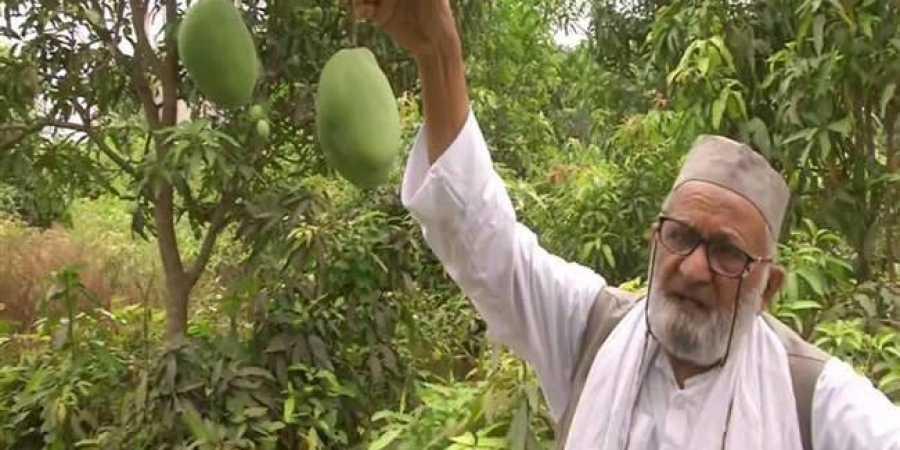
Haji Kalimullah Khan in his orchard (Photo | EPS)

Lucknow :

Uttar Pradesh’s Haji Kalimullah Khan, who is popularly known as India’s ‘Mango Man’, has developed two varieties of mango and has dedicated them to ‘corona warriors’ of the country.

Khan developed the two varieties of ‘dussehri’ mango and named them as ‘police aam’ and ‘doctor aam’ in the acknowledgment of their contribution to the war on deadly coronavirus.

In fact, Khan, 85, is credited with developing around 300 different sub-varieties of ‘dussehri,’ the most prominent mango variety grown in the mango belt, especially, Malihabad, 28 km from Lucknow. He has developed the new varieties by using graft technique and has got them named after prominent Bollywood and sport celebrities and political figures including PM Narendra Modi, Home Minister Amit Shah,, UP CM Yogi Adityanath, Congress chief Sonia, Gandhi, Aishwarya Rai, Amitabh Bachchan , cricketer Sachin Tendulkar and many more.

“The hard work being put to fight the pandemic in these difficult times by keeping their families behind moved me to name these two varieties after ‘doctor’ and ‘police’ personnel,” said Khan.

Sharing more details about the new varieties, Khan said he was waiting for the varieties to ripe in his orchard and hopefully they would be ready for plucking next month.

However, Khan could not hide his concern for the market prospects of dussehri given the persistent restrictions in the domestic and export market following the lockdown. In fact, by this time of the year, mango growers of UP, which produces around 65 per cent of global yield of the fruit, finalise sales contracts for the season with the traders and exporters. But this year, the process has not taken off yet due to the COVID -19 lockdown.

Meanwhile, the mango growers have sought institutional procurement of the crop as they have not been able to sell the produce in the open market due to restrictions.

In UP, mango is produced in an area of 2.5 lakh hectares. Lucknow, Pratapgarh, Allahabad, Bulandshahar, Saharanpur, Faizabad, Varanasi, Moradabad, Barabanki, Meerut, Unnao, Sitapur, Hardoi, Gorakhpur, Basti, JP Nagar and Mathura are the major mango producing belts in the state.

Popular varieties like chausa, dusheri, fazli, gulab khas, langra, mallika and amrapali are produced in the state. With the prices of ready mango varieties — alphonso and kesar — dwindling due to the lockdown, the growers of dussehri have knocked at the doors of the state government for relief.

In a letter to UP Chief Minister Yogi Adityanath, Mango Growers Association of India has demanded a slew of urgent measures to protect state mango farmers, on the lines of growers of alphonso and kesar varieties, which are primarily grown in Maharashtra and Gujarat, respectively, from economic losses.

“Alphonso, which normally sells at Rs 1,500 a dozen, is currently selling at Rs 400-500 a dozen this year, owing to the slump in domestic and export demand. Even transportation of the fruit to the market is also a major issue,” said Insram Ali, Association president. He said kesar farmers were suffering. “Kesar sale peaks in April. But, consignments are not reaching big markets, such as Delhi, and thus incurring losses to
growers,” he added.

Moreover, the loss to the crop due to unpredictable weather has also increased the plight of the mango growers. According to Ali, UP’s mango production, which is dominated by dussehri with an 80 per cent share, is estimated at almost 3.5 million tonnes (MT), down 12.5 per cent compared to last year’s yield of over 4 MT. UP exports mango to the Gulf countries including Iran, United Arab of Emirates (UAE), Saudi Arabia, Kuwait, Qatar and Bangladesh besides, US and Europe.

source: http://www.newindianexpress.com / The New Indian Express / Home> Good News / by Namita Bajpai / Express News Service / May 07th, 2020

Mumbai based Muslim Engineer’s initiative to manufacture PPE’s bear results, 50,000 made in 3 states

Mumbai, MAHARASHTRA :

Mumbai:

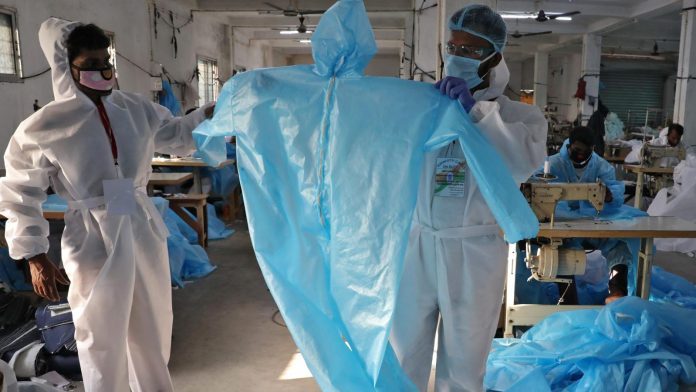
Humza Shaikh is an engineer by profession but the current healthcare crisis in India due to COVID-19 pandemic inspired him to manufacture Personal Protective Equipment (PPE), the dire need of which is seen all across the country.

With his start-up CHMI Indobionics started in 2017, Shaikh came up with the initiative to manufacture PPE’s by engaging around 4000 skilled and 1000 unskilled migrant labourers in the manufacturing process.

After it’s certification, the team started its first batch of production on 25 March.

“By the end of April, we finished the production of 50,000 PPE’s at our leased out manufacturing plants in Bombay, Kolkata and Bangalore,” Shaikh told TwoCircles.net.

Seeing the health care crisis across India, the team also ventured into making ventilators, which is under clinical trial. “We are planned to launch it soon after the certification process is over,” Shaikh said.

Shaikh claimed that its a unique ICU ventilator with all the required specifications. “It is an invasive product which works in coherence with the human body. The cost of this ventilator is between 1.5 to 2 lakh rupees which is comparatively very less than the traditional ventilator which costs 10-15 lakhs,” he said.

According to Shaikh, most of the labourers working with them were taken out of the rehabilitation camps and been provided with lodging and boarding facilities.

“We have ensured their safety and meals are provided and proper care is being taken with the implementation of social distancing norms and hygienic sanitation facilities,” he said.

The team led by Shaikh, have been catering to Sai Hospital and Municipal Hospital in Bombay, Rashtra Chemical Fertilisers in Ali Bagh and Indian Army in Guwahati.

The team has also been working with West Bengal government to provide them PPE’s and look forward to work with the states of Orissa and Karnataka.

The project which includes the collaboration of 3 start-ups is incubated in the central universities across India including the IIM’s and IIT’s. The project is funded by the science and technology department, Government of India and further aims to work constructively amid pandemic.

source: http://www.twocircles.net / Twocircles.net / Home > Indian Muslim> Lead Story> Pandemic – TCN Positive / by Mushira Ashraf / May 03rd, 2020

Valsad man spends Rs 1 cr to buy ration kits for the poor

Dungri Falia -Vapi (Valsad District) GUJARAT :

Every day at 9.00 am, three trucks loaded with ration kits leaves Khan’s godown to distribute ration kits to the villagers. These vehicles have essential pass provided by the local administration.

Narsulla Khan has supplied over 21,000 ration kits. (Express Photo)

A 40-year-old businessman from Valsad district has spent Rs 1.10 crore in more than a month to distribute ration kits to poor families in 35 villages in the district. Narsulla Khan who runs an electric panel manufacturing unit in Vapi GIDC has till date supplied over 21,000 ration kits.

Khan, a resident of Dungri falia in Vapi, began distributing the kits on March 27. He created a team of 70 people which included sarpanch of the 35 villages. Khan procured grocery items from wholesale traders in Valsad, Vapi, Navsari and Surat and the team helped put together the kits.

Every day at 9.00 am, three trucks loaded with ration kits leaves Khan’s godown to distribute ration kits to the villagers. These vehicles have essential pass provided by the local administration.

The kit comprises 10 kg rice, 5 kg wheat flour, 2 kg Tuver daal, 3 kg potato, 3 kg onion, 1 kg oil and 1 kg salt.

“The sarpanches and the team have the list of people who need help. So far we have covered or 35 villages and delivered 21,000 kits. I know what it feels like to sleep empty stomach. My father worked very hard to provide for us. By God’s grace, we have enough now. SO, I thought why not help the poor people during lockdown,” Khan said.

“We will continue supplying kits till the lockdown is lifted. The district administrations and even the police of Vapi have our numbers and they call us whenever anybody needs help,” he added.

Vapi taluka Mota Ponda village sarpanch Dhriubhai Ahir said, “The group helps whenever the delivery truck gets stuck anywhere or stopped by the police. Khan does not go out to deliver kits, it is distributed by his volunteers and sarpanches.”

source: http://www.indianexpress.com / The Indian Express / Home> India / by Kamaal Saiyed / Surat – May 01st, 2020