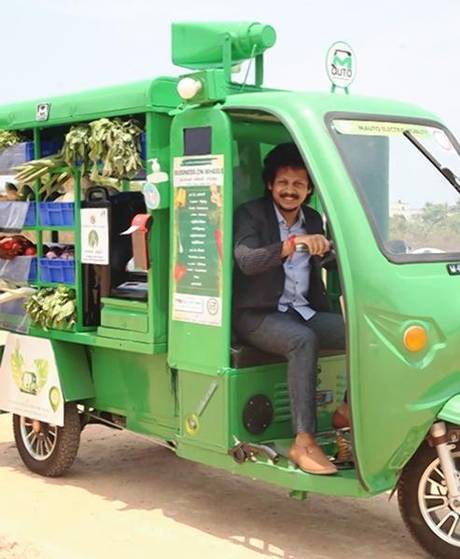
Mansoor Ali Khan with his retro-fitted autorickshaw. Photo: special arrangement.
Entrepreneur Mansoor Ali Khan helps women autorickshaw drivers take up vegetable sales during the lockdown
In the midst of the lockdown, an entrepreneur has come up with an alternative business plan for his associates.
Mansoor Ali Khan, chairman, M Auto Pride Pvt Ltd, who manufactures and rents electric auto-rickshaws, is helping the autorickshaw drivers who hire vehicles from him, turn their hand at vegetable selling.
Mansoor says, “As autorickshaw-drivers’ business has taken a beating due to the lockdown restrictions on movement of people, I suggested that they try working as vegetable vendors as there is a huge demand for home delivery of goods and services now.”
Warming up to this idea, five women auto-rickshaw drivers are selling fruits and vegetables since the first week of April. “Till the lockdown is lifted, I’m not going to charge any rental fee for my auto-rickshaws. We have helped them identify a few apartment complexes where these auto-drivers can sell vegetables and fruits. Now, it is up to them to expand their customer base,” says Mansoor. For this purpose, Mansoor’s company retrofitted auto-rickshaws with provision for racks.
“With the permission of authorities concerned, we got three auto-rickshaws ready in four days, in the last week of March at our plant at Madipakkam. Besides, we are working to roll out another 25 such vehicles in a month, as a few more autorichshaw drivers with us are interested in taking up vegetables and fruits selling,” says Mansoor.
Auto-drivers A. Mohana Sundari and M. Selva Rani, who sell vegetables now, say, “In a day, we need to earn a bare minimum of Rs.1,000 to see a reasonable profit. Earlier, we had to slog up to 8 p.m. to earn that amount. Now, we are able to make it by noon, in fact with better profit,” they say.
Mansoor says he also offers his vehicles for free to voluntary groups and charity organisations that are reaching out to the poor and needy during the COVID-19 lockdown.
“There are many voluntary groups which distribute groceries, food packets and masks to migrant labourers, conservancy workers, differently-abled, senior-citizens and expectant mothers. They approach us as it is difficult to find transportation facility due to the lockdown. So, we provide our vehicles for free and we take care of the payment of the autorickshaw-drivers. As our vehicles run on electric power, they do not entail much fuel cost,” says Mansoor.
Voluntary groups and those who want to place orders for vegetables can call 73058 29811.
source: http://www.thehindu.com / The Hindu / Home> News> Cities> Chennai – Entrepreneurship Chennai / by L Kanthimathi / April 28th, 2020
When CIPLA started producing generic medicine, the US complained of patent-violation. Indira Gandhi stood by CIPLA. It is ironical therefore that the US should now dial India for supply of HCQ
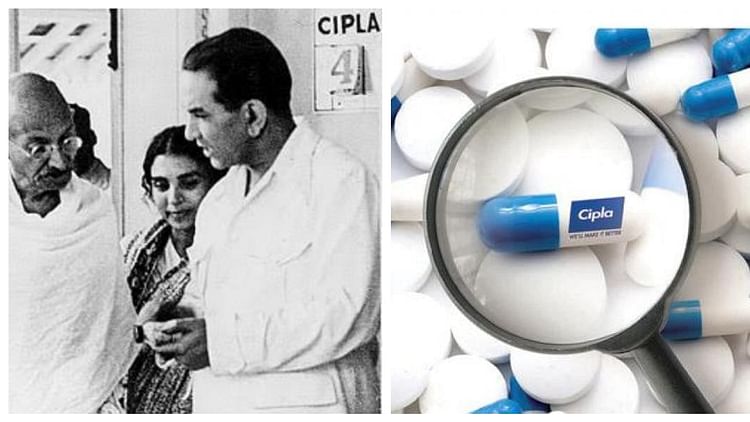
Khwaja Abdul Hamied was a great fan of Mahatma Gandhi
The manner in which Muslims are being demonised in this country by a section of the media and Bhakts of the BJP, here is a story that should uplift the hearts of almost everybody else.
In the 1920s, a rich man in India put his son on board a ship from Bombay to the United Kingdom in order to acquire a law degree and become a barrister, as was fashionable among all privileged families in the country at the time. The boy, however, did not want to be a lawyer; his heart was in chemistry, a pursuit without a seeming future in those days.
But his father gave him little choice, so while he waved to his father as his ship pulled away, Khwaja Abdul Hamied was already running over other plans in his mind while standing on the deck. He jumped ship halfway through the seas to land in Germany which, in the early decades of the last century, was leading in the study of chemistry and chemicals. He acquired a degree, married a German Jew who was also a communist – two communities the Nazis hated the most. But before they could be caught by Adolf Hitler’s Gestapo, they escaped from Germany and safely reached India.
With his vast knowledge of chemicals, Khwaja Hamied set up the Chemical, Industral and Pharmaceutical Laboratories in 1935 which was shortened to CIPLA decades later after Independence.
Khwaja Hamied was a great fan of Mahatma Gandhi and Pandit Jawaharlal Nehru and got down, in true nationalist spirit, to producing cheaply priced generic drugs for the common people. These included not only medicines for malaria and tuberculosis but also other respiratory disorders, cardiovascular diseases as well as routine and mundane ailments like diabetes and arthritis.
Sometime in the 1970s, Cipla (so renamed in the 1980s) began to manufacture a drug called Propranolol, patented by a US pharmaceutical giant from Brooklyn in New York, that was used in treating blood pressure, migraines and heart ailments, among others. In a bipolar world at the time, the US was no friend of India and a real superpower. Unlike Donald Trump, it did not need to issue threats for any country in the world to comply to its diktats.
The US complained to the Indian government. But unlike Narendra Modi last week, the then Prime Minister Indira Gandhi did not immediately cave in. She sent for Yusuf Hamied, Khwaja’s son, himself a chemistry graduate from Cambridge, who had by then taken over the running of the company. When Mrs Gandhi asked how he could violate the patent law on drugs and get India into trouble, Yusuf told Mrs Gandhi the story of his father and why he had set up the company – to bring low priced quality drugs to the poor.
When he had handed his company to his son, Khwaja had told Yusuf just one thing – remember why this company was founded. “Unlike other pharmaceutical companies around the world, we are not here to make profits but to bring relief and healthcare to the poor who may otherwise have to die for want of quality drugs.”
That is all he was doing, Yusuf told an impressed Mrs Gandhi who could empathise with the concern for the poor. And she turned down the US’s command to India to stop producing the drug, knowing it could have consequences. Americans hated her for this and other acts of defiance, but she always had the interests of her own fellow citizens on top priority.
On Yusuf’s suggestion she also had the patent law on drugs changed to not include the drug per se, only the process of manufacture as inviolable, so that Cipla could go ahead and produce as many low-priced generic drugs for the poor as possible. Since then Cipla has also produced a low-cost drug to treat HIV and expanded operations into several developing countries, including African nations, where most HIV and poor patients existed at one time.
This then is the company which produces hydroxychloroquine used in the treatment of malaria, lupus and rheumatoid arthritis which now has been exported in such large numbers to the United States under threat by a weaker Trump administration, depriving poor Indians of the same.
Even before Trump had bullied India into exporting the drug, Dr Hamiduddin Pardawala, the infectious diseases specilast at the Saifee Hospital in Bombay, had told some of us to note carefully that countries where malaria (and perhaps tuberculosis) was common were suffering less from Coronavirus than those where malaria was almost non-existent.
So where is malaria almost non-existent? The US, UK, Israel, France, Germany, Spain, Canada etc. In other words, countries which have suffered the maximum infestations. When I think of Germany, I wonder where these nations, who are profusely thanking India now for supplying HCQ to them, would have been today if Khwaja Hamied and his wife had been caught by the Gestapo and sent off to the concentration camps.
That goes even more forcefully for the bigots of this country, who have so demonised the Muslims and communalisedthe disease. There is something like karma in this world, even if not you but your future generations have to pay for it. Many of them might have got malaria in the past and been prescribed with HCQ that would have helped them develop the anti-bodies to resist COVID-19.
Many possible afflictions among them will need treating with this drug. Unknowingly, they may have taken many other generic drugs manufactured by this “Muslim’ company and owe the Hamieds a debt of gratitude for keeping their blood pressure under control and diabetes counts in check.
I would like to call this poetic justice without gloating over the fact. No other company in India, and certainly not the world, has done as much to bring affordable health care to poor Indians as has Cipla – and it has not been stingy about its research, often providing pharmaceutical ingredients and processes to other drug companies in the country to manufacture their own.
When India was partitioned Mohammad Ali Jinnah, who was also a Bombay resident and part of the same social circles as the Hamieds, offered Khwaja an honourable move to Pakistan. The Hamieds were sure where their sympathies lay – with Gandhiji – and chose to stay back in India.
There are Muslims and then there are Muslims like the Tablighee Jamaatis of this particular Nizamuddin meet (not others who cancelled their own meets across the country in wake of the pandemic; even the Tablighi Jamaat was denied permission to hold a similar congregation in Mumbai) just like there are Hindus and Hindus, who kill other Hindus because they do not agree with bigotry.
It is not right to target all Hindus for the acts of a few crazy cult members among them. Similarly, a handful of Tablighi Jamaatis do not a whole community make.
We must stop demonising all for the acts of a few.
source: http://www.nationalheraldindia.com / National Herald / Home> India / by Sujata Anandan / April 12th, 2020
IT major Wipro Ltd, Wipro Enterprises Ltd and Azim Premji Foundation, have together committed Rs 1,125 crore towards tackling the unprecedented health and humanitarian crisis arising from the COVID-19 pandemic.
“These resources will help enable the dedicated medical and service fraternity in the frontline of the battle against the pandemic and in mitigating its wide-ranging human impact, particularly on the most disadvantaged of our society,” the companies said in a statement.
Of the Rs 1,125 crore, Wipro Ltd’s commitment is Rs 100 crore, Wipro Enterprises Ltd’s Rs 25 crore, and that of the Azim Premji Foundation is Rs 1,000 crore. These sums are in addition to the annual CSR activities of Wipro, and the usual philanthropic spends of the Azim Premji Foundation, the statement added.
Integrated action will be taken for a comprehensive on-the-ground response in specific geographies, it said.
source: http://www.deccanherald.com / Deccan Herald / Home> Business> Business News / by DHMS, Bengaluru / April 02nd, 2020
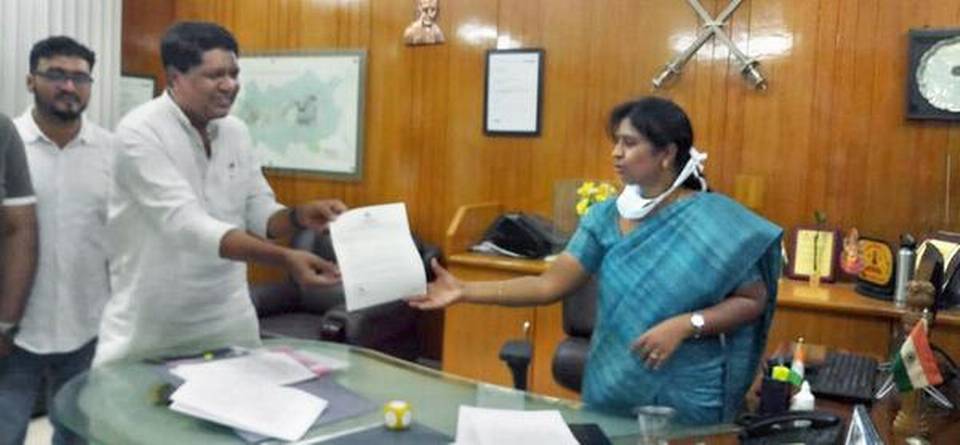
Managing Director of Hotel Metropolis handing over a letter to Deputy Commissioner Deepa Cholan in Dharwad on Tuesday offering 46 rooms of his hotel for quarantine purposes.
At a time when apprehensions about the spread of COVID-19 pandemic are increasing, a hotelier from Hubballi has offered a total of 46 rooms in his lodge for quarantine purposes of those who have returned from foreign countries.
Apart from providing 46 rooms in one section of Hotel Metropolis on Koppikar Road in Hubballi, Managing Director of the hotel Ashraf Ali Basheer Ahmed has offered to provide food to those quarantined.
Mr. Ashraf Ali handed over a letter on offering rooms for quarantine purposes to Deputy Commissioner of Dharwad Deepa Cholan here on Tuesday. Lauding the initiative by Mr. Ashraf Ali, Ms. Deepa Cholan termed the act of the hotelier as a model one.
Mr. Ashraf Ali requested Ms. Deepa Cholan to send a team of officials to inspect the hotel. He said that the Metropolis Group had already handed over 70 rooms owned by the group near the international airport in Mumbai to the Government of Maharashtra. The hotel group had taken up the initiative under its CSR activities, he said.
source: http://www.thehindu.com / The Hindu / Home> News> States> Karnataka / by Special Correspondent / Hubballi, March 25th, 2020
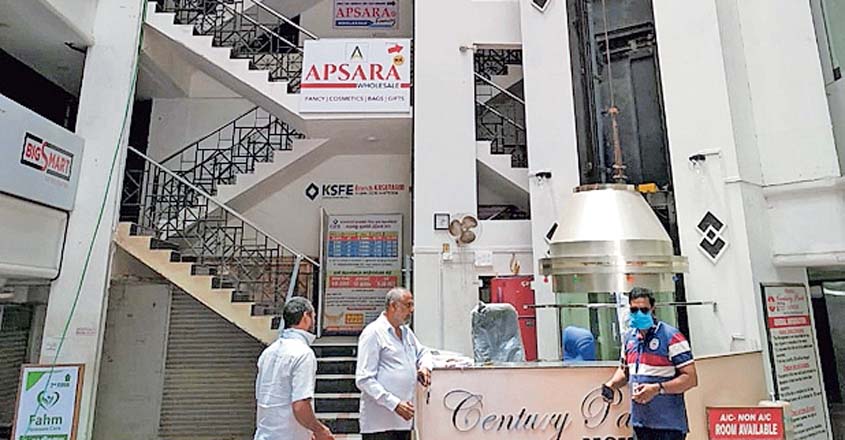
The Century Park building near the new bus stand in Kasaragod would be handed over to the authorities to be converted into an isolation ward
Kasaragod:
Even as authorities struggle to find accommodation facilities for quarantined people amid COVID-19 outbreak, responsible citizens have offered to help.
C I Abdullahkunji of Kudlu in Kasaragod district has informed the authorities that his three-star hotel can be used as an isolation facility for free.
The Century Park building near the new bus stand in Kasaragod would be handed over to the authorities. Eighty-eight rooms of the top three floors of the seven-storeyed building would function as isolation ward.
The daily rent of one room is Rs 1,500.
All rooms have two beds each and the bathrooms have geyser facilities. The hotel has a water tank with a storage capacity of 45,000 litres.
The hotel owner said the necessary precautions have being taken. The water tank has been sanitised and filled up. The hotel premises have also been cleaned.
Municipal secretary S Biju, and deputy DMO Dr Geetha Gurudas carried out an inspection at the building.
source: http://www.english.manoramaonline.com / OnManorama / Home> Districts> Kasargod / by Manorama Correspondent / March 27th, 2020
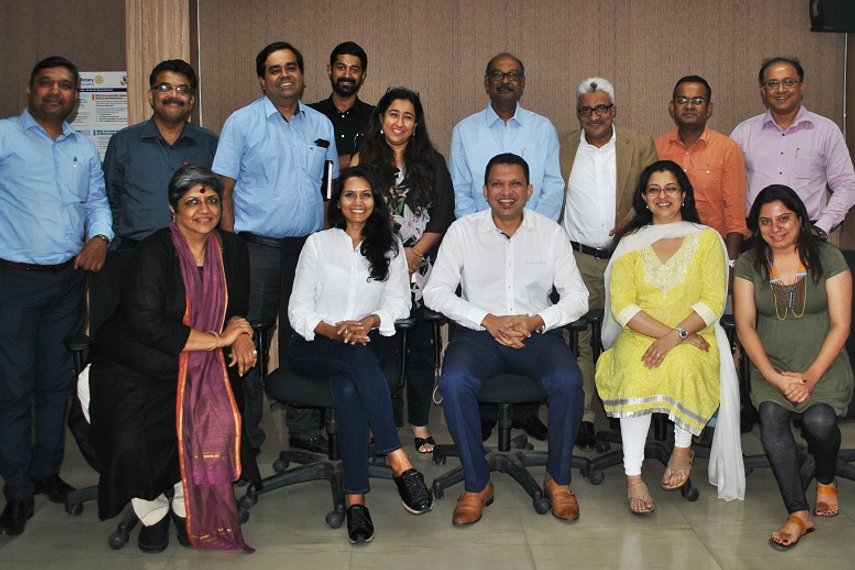
At the Annual General Meeting of The Advertising Club Bangalore, Laeeq Ali, co-founder and director, Origami Creative, was elected as president. He replaces, R T Kumar of Oysters Advertising.
The General Body also amended its law to make the term of the president and the managing committee for two years instead of one.
Here are the list of the office bearers at The Advertising Club Bangalore. Laeeq Ali, Origami Creative – Incumbent President Malavika Harita, Brand Circle Communications, Bangalore and Past President and Treasurer
Managing Committee
Sanchayeeta Verma, Wavemaker Nigel Mathew, Disha Communications Sundar Kondur, The Times of India Group Radhika Ramani, Motivator Mathew Joseph, Duroflex Mattresses Suresh Krishna, The Hindu Group Kishan Kumar M S, Wavemaker Tina Garg, Pink Lemonade Navin Nair, PR Professional Sonia Serrao, TGBL Sneha Walke, Exchange4Media Arunava Seal, Bleu
Ali said “We have a excellent team of industry leaders and I am confident that we will be able to have some programs relevant and desired by the industry. We want to make a difference to all the stake holders of the industry by staying committed to causes that would make the industry a better place to work “.
Arvind Kumar, executive director, The Advertising Club Bangalore, also stated that The Advertising Club’s Big Bang Awards are being split into two.
He said “The first one Big Bang Awards for excellence in creative and content will be on 20 September 2019 and the second one, Big Bang Awards for excellence in media and health and wellness will be on 15 November 2019.”
source: http://www.campaignindia.in / Campaign India / Home> Advertising / by Campaign India Team / June 25th, 2019
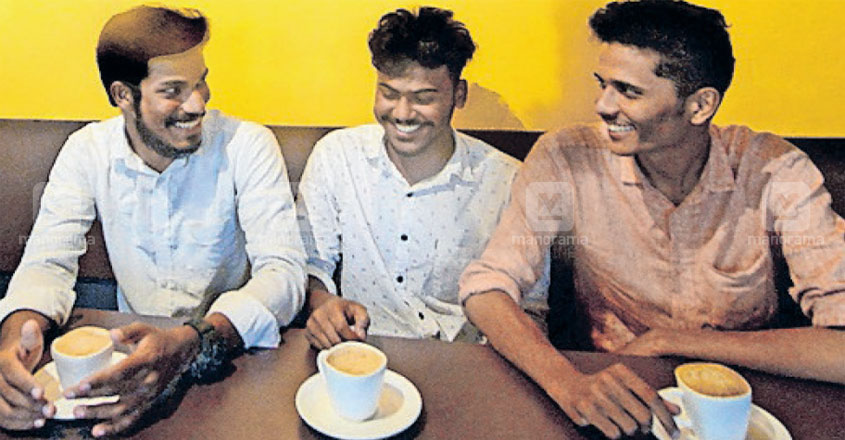
They dream of pursuing higher education without adding to their parents’ financial burden. And to fund their dream, these three friends decided to start a coffee shop. Thus, the Le Brown Coffee and Restaurant came up near Angadipuram railway overbridge in Kerala’s Malappuram district.
The trio behind this restaurant is P S Sabiq, K T Nabeel, and K T Mohammed Thasleem.
Sabiq from Kodenchery in Kozhikode and Nabeel from Thrithala in Palakkad have completed BSc MLT course, while Thasleem of Vengara in Malappuram secured an MLT diploma.
All three of them are students of MES Medical College at Perinthalmanna. They wanted to pursue higher studies but were reluctant to seek money from their families. Thus, they came up with the idea to start a coffee shop to fund their studies.
But even setting up the coffee shop was an uphill task. They had to run from pillar to post to secure the advance amount for a coffee shop. Then, the husband of a classmate came to their rescue at the last minute.
Since they had been nurturing this dream for three years, the youths had a clear idea about how they wanted to set up the coffee shop. The trio along with their friends arranged the interiors of the shop.
The total cost of Rs 15 lakh was mostly borne by the classmate’s spouse.
And their dream became a reality on January 5. The trio kept their families in the dark about their dream project. The families got a big surprise on inauguration day but even then they found it hard to believe.
The food items are priced at a range that is reasonable for all.
Some of their specialities are selfie chino and smoked barbeque charcoal dosa.
They have also recruited five people to help run the shop.
source: http://www.english.manoramaonline.com / OnManorama / Home> News> Campus Reporter / by Sandeep Chandran / March 19th, 2020
At a time when pharmacies are running out of or charging exorbitant prices for face masks, the commonly used personal protective gear against coronavirus, a pharmacy shop in Kochi in Kerala is selling masks just for Rs 2 to the neediest.
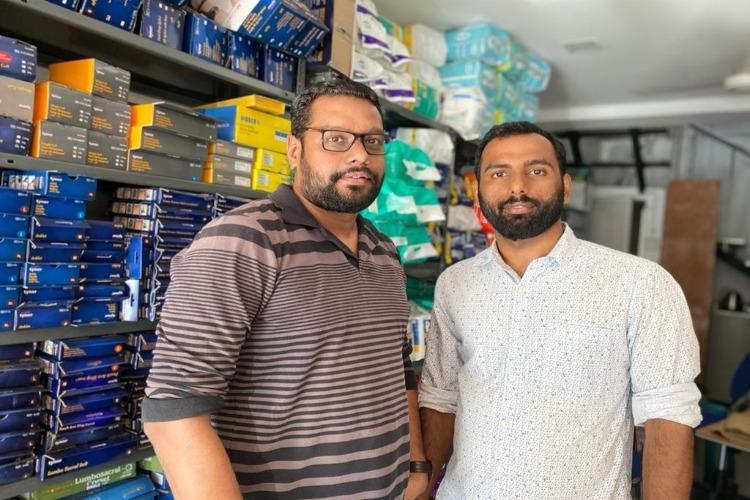
Cochin Surgicals, a surgical store owned by Kochi residents Thasleem and Nadheem, has sold more than 5,000 face masks in just two days for Rs 2, while others are selling at Rs 25.
Nadheem, the co-owner of the shop, told ANI: “We have sold around 5,000 masks at Rs 2 each in two days. We decided to sell masks at a reasonable price especially to the common people like hospital staff and students.”
Thasleem PK, co-owner of Cochin Surgicals, said: “We have been selling masks at ₹2 for the last 8 years. But now, the rate has gone up everywhere. We bought the masks at Rs 8 or Rs 10 and are selling at Rs 2, while others are selling at Rs 25.”
A total of 27 people have been tested positive for coronavirus in Kerala, among who three have been cured. As many as 12,740 persons are still under observation in the state for chances of COVID-19 infection.
Across India, confirmed novel coronavirus cases have risen to 128, the Union Ministry of Family and Health Welfare said on Tuesday.
As the coronavirus scare rises, pharmacies have jacked up the prices of masks and sanitizers, despite the Central government invoking the Disaster Management Act 2005 to allow the National Pharmaceutical Pricing Authority (NPPA) to regulate the availability and prices of surgical and protective masks, hand sanitizers and gloves.
“Kerala is going through a one-of-a-kind situation now. We don’t know what’s going to happen, maybe tomorrow I might contract the disease. When we heard there was a shortage of masks, especially for hospital staff, we suddenly decided to sell all the stock we had at a low price. And within two days, our stock has been completed. Most was sold to medical teams and hospitals,” The News Minute quoted Thasleem as saying.
The duo hopes their act inspires others to stop hiking the prices of essential commodities in the larger interest of public good.
source: http://www.thecongnate.com / The Cognate / Home> News / by The Cognate News Desk / March 17th, 2020
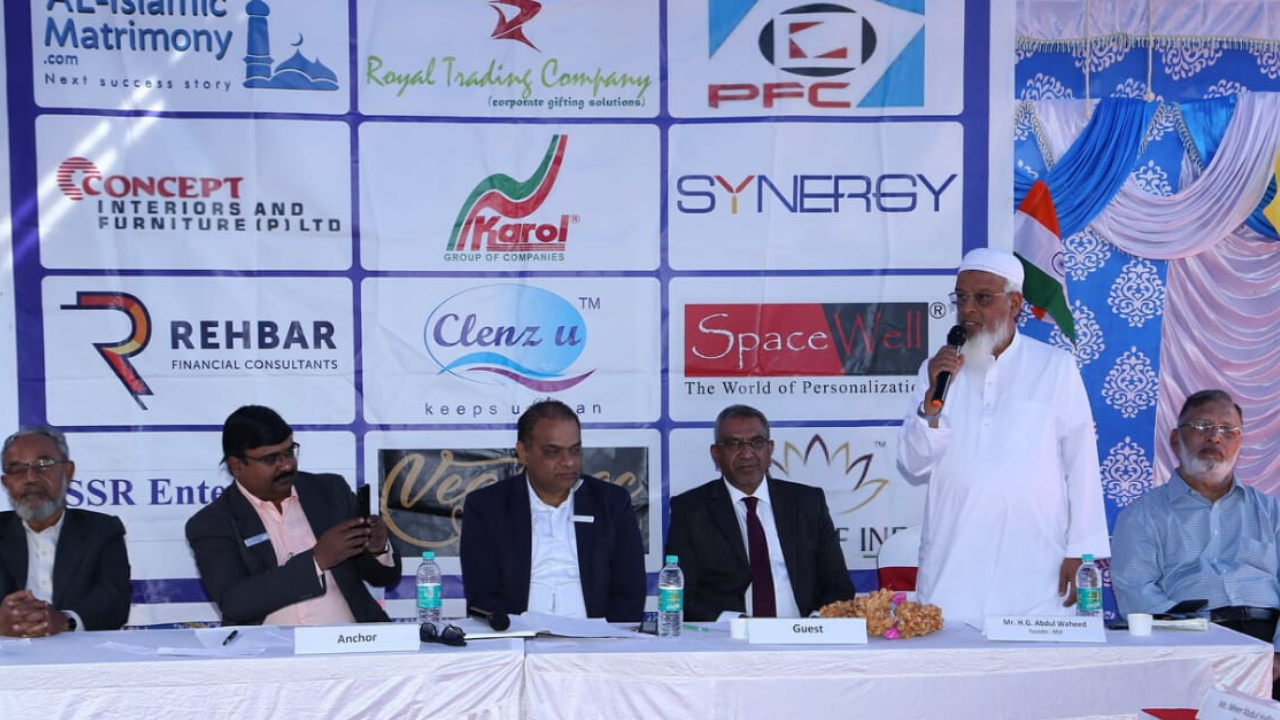
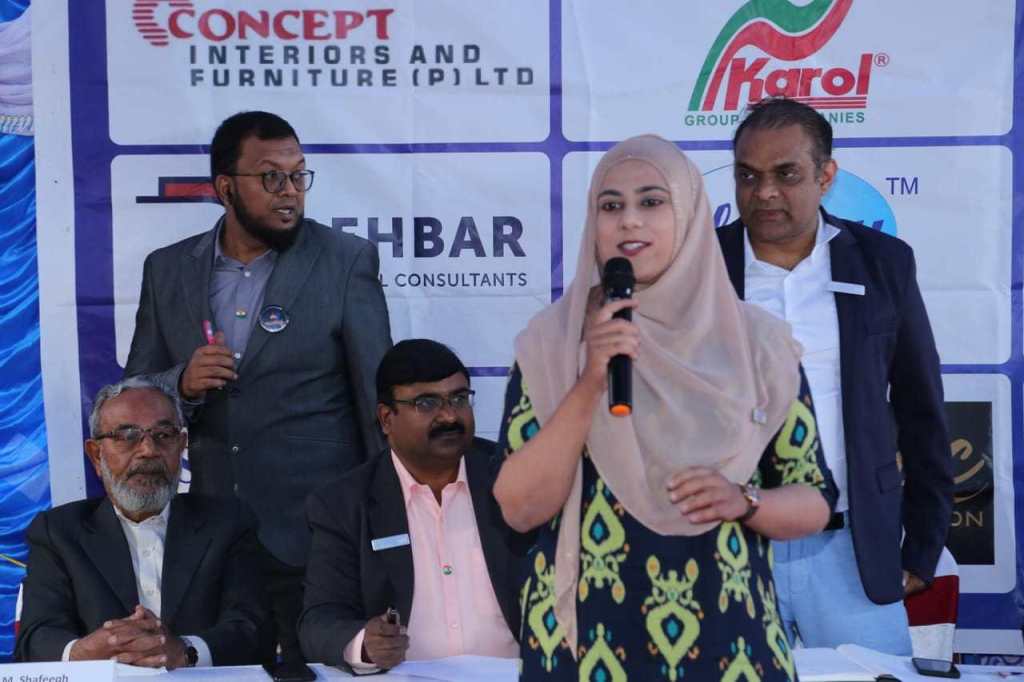
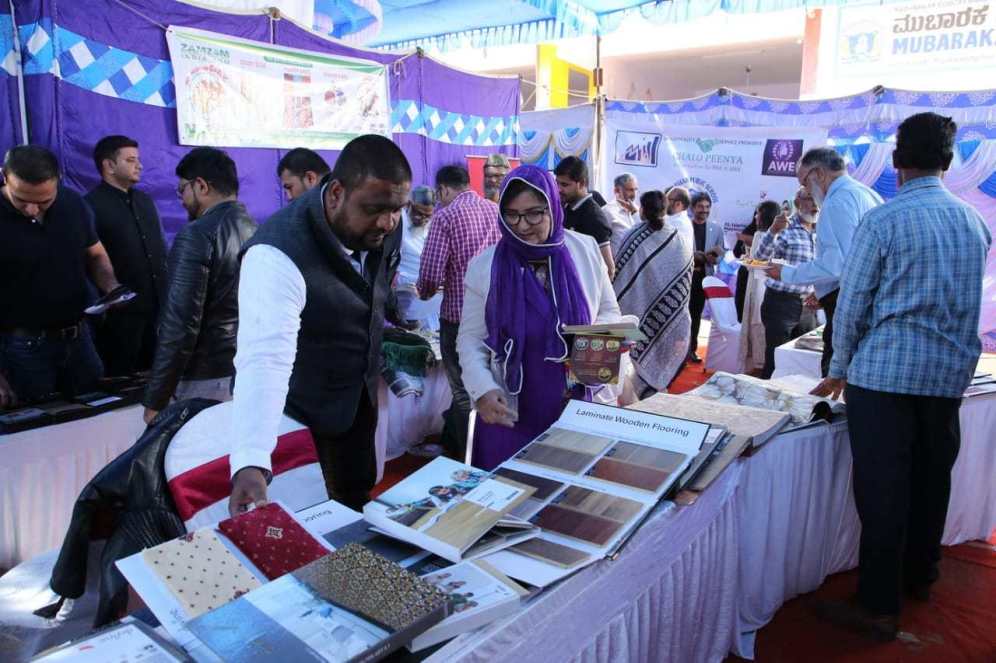
The Bangalore-based Muslim Industrialists Association (MIA) successfully held a business matching and networking event to bridge the gap between industrialists, entrepreneurs and startups, over a luncheon gathering on Saturday.
‘Peenya Chalo’, so-called because the event was held in the city’s Peenya Industrial Area, was intended to be an opportunity for industrialists and entrepreneurs to learn, network, and access resources, so they can take their business to the next level.
The day-long event saw participation from around 40 industrialists and 50 entrepreneurs from across Bangalore and beyond who showcased their products and services ranging from the sectors of Construction Materials, Furniture, Interior Design, Modular Kitchens, Food, Stationery, Cosmetics, Bio-Fertilizers, Lubricants, Education, Media to name a few.
An opportunity was also provided to startups led by young entrepreneurs to pitch their fledgeling companies to the business leaders gathered at the event.
The event’s guest of honour was Mr N.A. Afzal, Founder, Managing Director & Principal Real Estate Advisor of Home Makers & Realtors. He was facilitated by MIA’s Founding Member, Mr Abdul Waheed, Managing Director & CEO of Peenya Fine Comp Pvt, Ltd, and its current President Mr Mohammed Shafeeqh, Proprietor XL Engineering and Fabricators.
Mr. Afzal shared his entrepreneurial journey of how he quit his flourishing fruits company because it involved Riba (interest) and made a mark in the real estate business. He cautioned entrepreneurs against the evils of interest and the damage that it causes to businesses and society.
The event ended with a tour of some of the MIA members-run industries in Peenya, and a visit to the Mubarakah School, which is founded and run by MIA members.
Muslim Industrialists Association (MIA) is a non-profitable, charitable society established in 2004 by successful Industrialists and businessmen from Peenya Industrial Area, Bangalore, with an intention to develop entrepreneurship in the community and support the cause of education. Last month, the organisation launched the Association of Women Entrepreneurs (AWE) to support and connect Muslim women entrepreneurs.
source: http://www.thecognate.com / The Cognate / Home> Business / by Shaik Zakeer Hussain / January 27th, 2020
Young Muslim women are asserting their identity through modest fashion—the hijab, abaya and burkha—driving up sales and creating new fashion dialogues
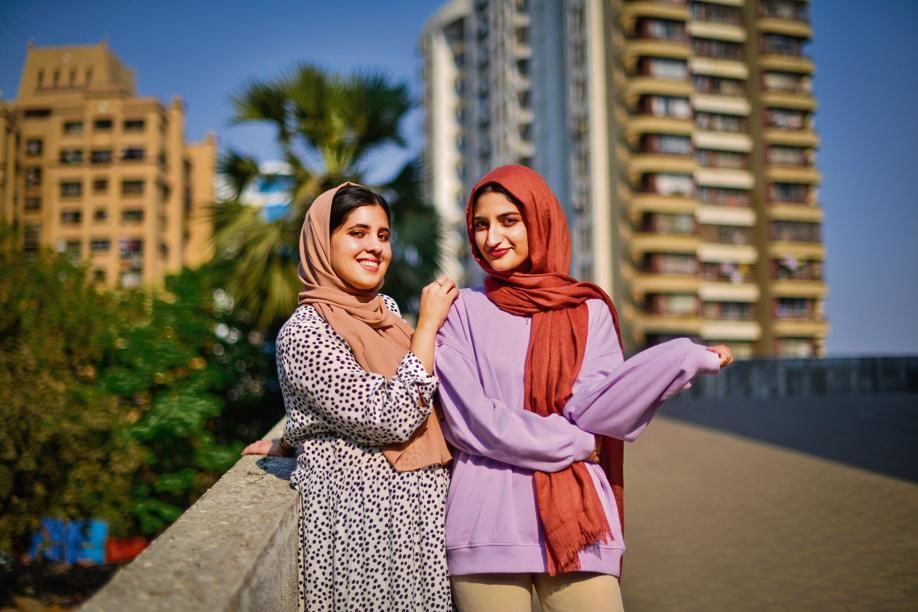
Events singling out the Muslim community have led to young women asserting their identity through modest fashion—the hijab, abaya and burkha—driving up sales and provoking new fashion trends and questions about Muslim womanhood in India.
On a warm February afternoon, fresh roses and orchids adorn the entrance of Mushkiya, a newly opened Mumbai store which retails hijabs and abayas. Inside, there is a sparkling chandelier and a changing room with remote-controlled pink curtains—a stark contrast to the musty tailor shops and chai stalls on the noisy and narrow road in Santacruz. Groups of women in burkhas, mostly black, come in to look at the neat display of more than 500 garments. There is excited chatter about what’s pretty and pocket-friendly.
This is Mushkiya’s fourth store in the city. Later this month, they are set to open the fifth, in south Mumbai. “Then we will move to tier 2 cities in Maharashtra, like Nashik, Jalgaon and Aurangabad,” says Arif Panjwani. He owns the franchisee venture, West Trading Company, which brought the Delhi-based brand to Mumbai. Mushkiya’s founder, Zeeshan Arfeen, says he started as an online retailer selling hijabs and abayas in 2016, and quickly went on to establish nine stores in Delhi and four in Mumbai.
Hijabs, abayas and burkhas have never been as ubiquitous in the national consciousness as they have been in the last three months, with images of Muslim women in Delhi’s Shaheen Bagh splashed across various media. Mushkiya, in fact, has a Shaheen Bagh connection. Its first store in the heart of Shaheen Bagh has remained shut for 14 weeks now, ever since the area transformed into the epicentre of the anti-Citizenship (Amendment) Act (CAA) protests in the Capital, inspiring similar protests in Mumbai, Bengaluru and Kolkata. From Shaheen Bagh to the viral videos of young hijab-clad students of Jamia Millia Islamia standing up to the police, it wouldn’t be a stretch to say that the hijab has emerged as a symbol of dissent. It’s a far cry from the muscle-flexing, bandana-wearing Rosie the Riveter, an American pop culture icon created during World War II to implore women to take up jobs and help make arms and ammunition for the war. The hijab-clad woman is a tour de force who creates spaces to fight for equal rights. And most importantly, she is real.
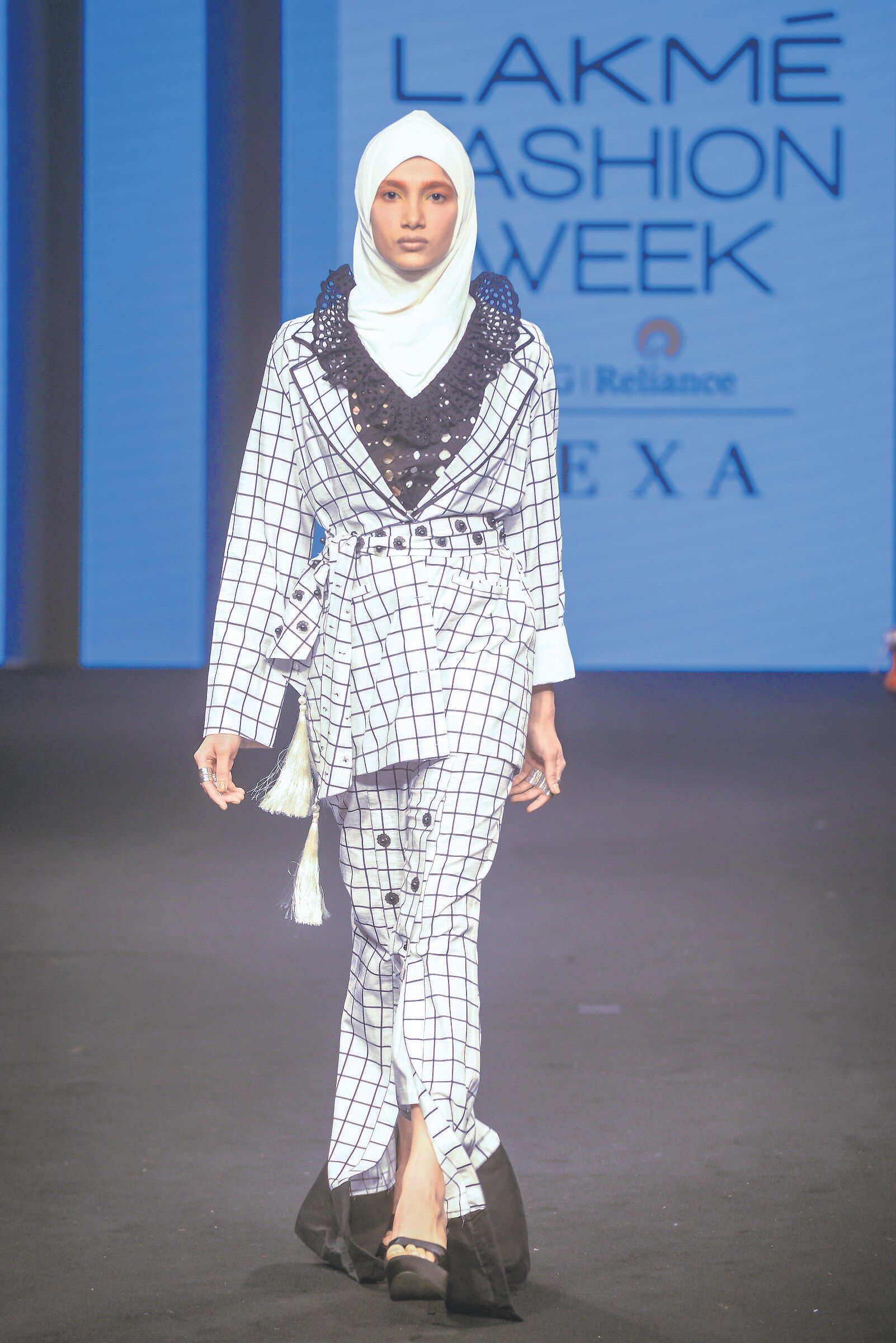
Muneeba Nadeem’s modest fashion collection at the Lakmé Fashion Week’s Summer/Resort 2019 (Photo: Aniruddha Chowdhury)
THE BURKHA BUSINESS
As a symbol of religious personal identity, the hijab and burkha have gone through highs and lows. However, in the past few years, young Muslim women have embraced and adapted the garments in innovative ways, ensuring the hijab’s entry into the world of runway and Instagram fashion.
In February 2019, fashion designer Muneeba Nadeem, 23, then a third-year student at the International Institute of Fashion Design, Kanpur, debuted at the Lakmé Fashion Week’s INIFD Launchpad, with a collection that focused on hijabs for working women. It was the first time the hijab appeared on the runway of a “mainstream” fashion event in India. Kanpur-based Nadeem says over the phone that she wanted to drive home a point—modest clothing can translate into power dressing too and is deserving of greater recognition.
Modest fashion is an umbrella term that comprises full-length garments, from long-sleeved blouses and floor-sweeping dresses to outerwear, and refers to modes of dressing that conceal the wearer’s body shape and limit skin exposure. Nadeem wants to establish her business in Kanpur before venturing into a bigger city, though she does sell on Instagram. The budding designer owes her success to her father, who encouraged her to establish her business before thinking of marriage. Now, she plans to work on her spring/summer 2021 collection to participate in the Lotus India Fashion Week and the Dubai Fashion Week.
In India, despite a slowing economy, the modest fashion industry is witnessing a revolution of sorts. Instagram is teeming with independent apparel brands and hijab-centric labels, such as Little Black Hijab (@shoplbh; 81,700 followers), Hazel Hijabs (@hazelhijabs; 18,000 followers) and That Adorbs Hijab (@that.adorbs.hijab; 17,400 followers).
Fatima Mohammed (left) and Farheen Naqi of Little Black Hijab (Photo: Aniruddha Chowdhury)
When Little Black Hijab (LBH) launched, co-owners Farheen Naqi and Fatima Mohammed maintained higher price points, around ₹750 for everyday options, because there was no competition, but they had to reduce rates to around ₹499, as new brands proliferated. “Now, at least 10 new Instagram shops crop up every day,” says Naqi. LBH opened shop on Instagram in 2016 because Naqi couldn’t find quality hijabs in India.
Brands like Delhi’s Mushkiya, Mumbai’s LBH, Chennai’s Islamic Shop and London-based Islamic Design House (IDH)—all opened for business in India around the same time, in 2015-16. Their target audience includes women across a wide spectrum of preferences and age groups—from die-hard Kartik Aaryan fans to those who spend weekends watching reruns of Fleabag on Amazon Prime.
Brand stories
According to Salaam Gateway, a Dubai-based media platform that tracks the global Islamic economy, “India’s 170 million Muslims spent an estimated $11 billion (around ₹80,860 crore) on clothing in 2015 and this is expected to grow at a CAGR of 13% to reach $20 billion by 2020.” It has identified factors such as population increase, urbanization, and a younger, more brand-conscious demographic, for the growth of modest fashion in India. Style inspiration powered by social media platforms has also contributed to this. Junayd Miah, co-founder of IDH, is most optimistic about retail opportunities in tier 2 cities. “Globally, the modest fashion industry is set to expand,” claims Miah over the phone from London. “In India, it is ready to explode now.”
THE GLOBAL RISE OF MODEST FASHION
“When a community is put in the spotlight and its people feel marginalized, they turn inwards to explore their identity,” Miah says. In the 9/11 aftermath, which saw ordinary Muslims the world over targeted for their identity, the younger generation, across Europe and the US, began to grapple with questions of religious identity and ask themselves what it meant to be Muslim. But this was also an experimental, fashion-forward generation that wanted to explore new trends and styles while remaining within the tenets of modest dressing laid down by their faith.
Modest fashion is conservative, but it doesn’t have to be boring. The diversity available in the market is astounding—from asymmetrical hemlines and animal prints to sequinned tops and Billie Eilish-approved electric green. There are denim abayas in different washes and ones with sportswear-inspired accents like stripes and pockets. Burkhas are no longer shapeless and baggy: A-line cuts are common, rhinestone detailing has become popular, and colourful headscarves accessorize the garment. Our favourite in the course of researching this feature, is a Mondrian-inspired pattern by Mushkiya.
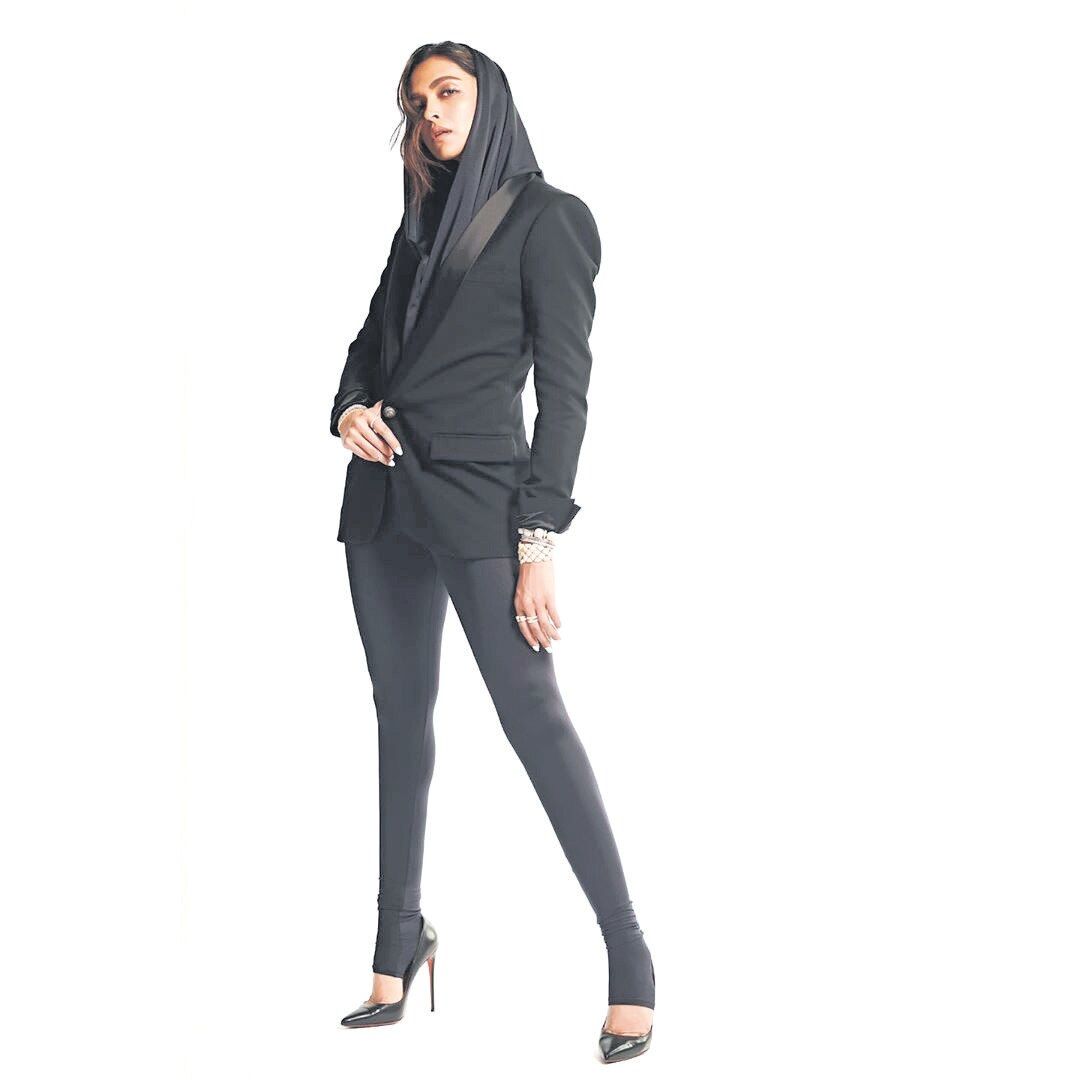
Style inspiration? Deepika Padukone in a hooded bodysuit by Balmain that she wore to the Mirchi Awards last month. (Photo: Instagram@deepikapadukone)
Modest fashion also encompasses other faiths, such as orthodox Jews and Christians. A 2019 article in The New York Times, headlined “The Co-opting Of Modest Fashion”, expanded its definition, pointing to “the cultural shifts that followed the #MeToo movement, as many women rejected the male gaze”. It put the spotlight on personal choice independent of religious beliefs and highlighted the fact that modest fashion has transformed into an alternative mode of dressing. Case in point, the hooded, full-sleeved, A-line silk lamé Ralph Lauren gown studded with 168,000 Swarovski crystals worn by American singer and rapper Janelle Monáe on the Oscars red carpet this year. Last month, Deepika Padukone attended the Mirchi Awards in Mumbai in a black bodysuit by Balmain with black sky-high stilettos and black blazer. The hood had soft drapes like a hijab scarf. What was it if not a nod to “an alternate mode of dressing”?
MY HIJAB, MY CHOICE
The question of choice was brought into the limelight most recently during a social media altercation between Khatija Rahman, singer and daughter of music director A.R. Rahman, and Bangladeshi writer Taslima Nasreen. On 11 February, the latter tweeted that she feels “suffocated” by Khatija’s burkha. Khatija took to Instagram to assert her choice, saying, “I’m proud and empowered for what I stand for.” Rahman’s argument was that a woman is free to wear what she wants.
Hijabs and burkhas tend to evoke extreme reactions: While the Taliban regime in Afghanistan would whip women without burkha, on the other end of the spectrum, Denmark last year banned this garment in certain public spaces.
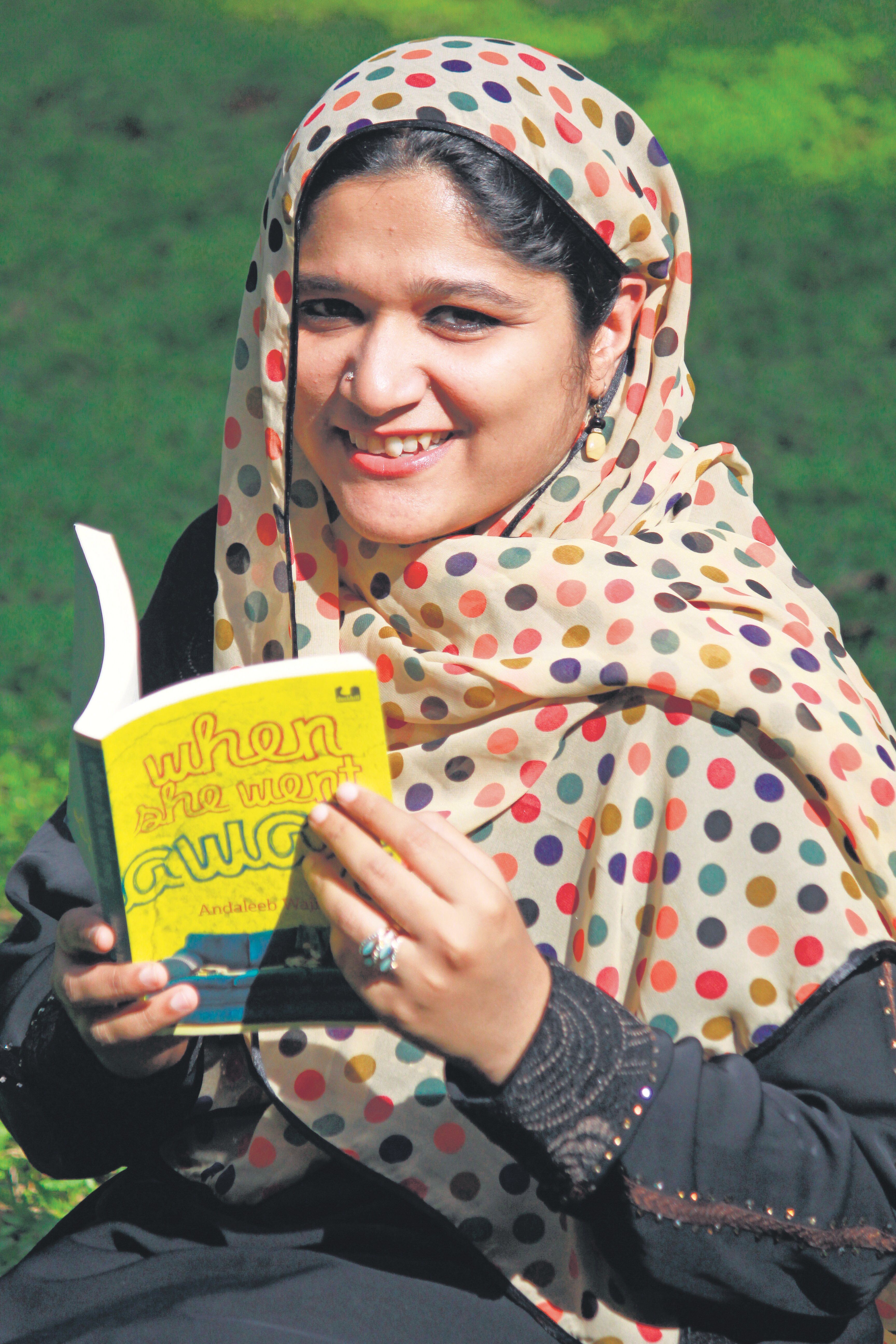
“The stereotype of the burkha being oppressive doesn’t exist for the one wearing it. It is perceived as oppressive by the ‘other’,” says Bengaluru-based novelist Andaleeb Wajid. “When I was younger and attended book launches in five-star hotels, I didn’t want to wear a burkha, because of this notion of ‘what will people think’,” says Wajid, 42, who started wearing it in her teens because most women in her family did. Even now, when Wajid attends literary events, people start a conversation with her in Hindi rather than English—though she is the author of over 24 English language books. “Just because I am wearing a burkha, it doesn’t mean I only speak Urdu,” says Wajid. She likes to pair them in muted colours with printed or coloured hijabs for a “pop of colour”. “I feel I look really nice.”
Clearly, more and more women are experimenting with modest fashion in India. It is no longer a binary: a girl in a black burkha or one without. A spectrum has come into play, and style influencers are adding to it in creative ways.
In Mumbai, Nabeeha Fakih, a 25-year-old dentist, documents her hijab-centric outfits on Instagram for her 53,500 followers. For her wedding, she styled the hijab in a manner that partly showed her hair. She got trolled but she takes it in her stride. “I just feel that what is right for me may not be right for you,” she says.
She says a girl should understand the purpose of wearing a hijab—which is to behave in a modest manner—based on what works for her. “I feel when you wear the hijab, focus on your intentions and understand why you are wearing it,” she explains. On YouTube, she posts hijab tutorials for her 21,000-plus followers. “I can’t style my hair, so I style my hijabs,” she says. She receives messages from girls who took to the hijab after watching the videos.
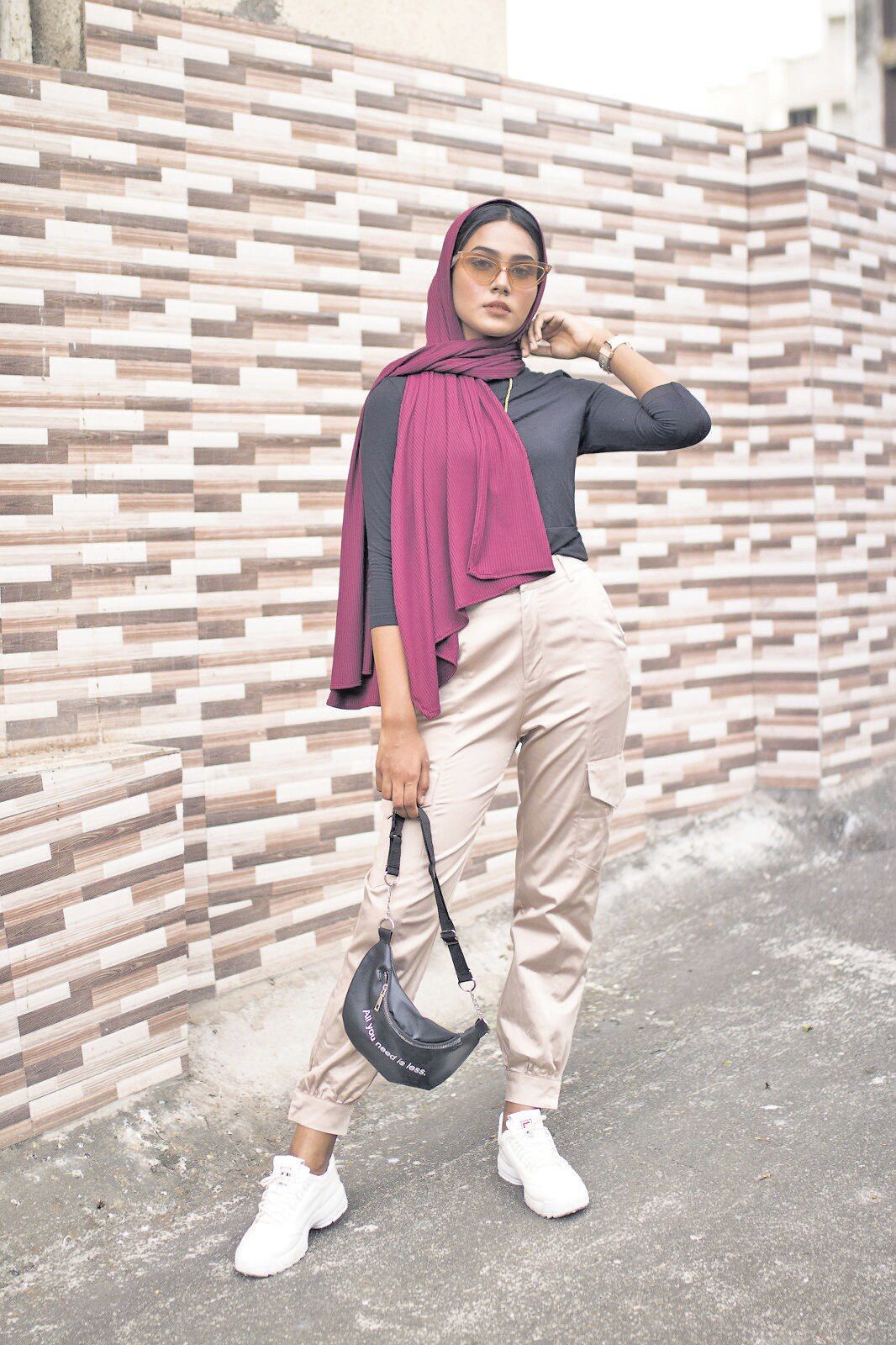
Twenty-one-year-old Anah Shaikh (featured on the cover), a hijabi influencer (@_hadha.ana_) with a following of 65,800 on Instagram and 63,000 on TikTok, started wearing the hijab in her early teens. When she turned 19, she started her Instagram page to document hijab-centric personal style outfits. Now, she is one of the leading names in the hijab influencer universe in India and has collaborated with global brands such as Daniel Wellington, Beep Global and Sugar Bear Hair.
Sana Sayyad is a student and part-time modest fashion content creator on Instagram. (Photo courtesy: Sana Sayyad)
“I wanted to attract Muslims and especially non-Muslims via Instagram,” says 20-year-old style influencer Sana Sayyad (@sanasayyadx). She has been posting personal style updates on the platform since 2018 and within a year, there were paid collaborations with Indian modest fashion and beauty brands like Modest Essentials, Thread For Your Head and Iba Cosmetics, a Peta-certified halal make-up label.
IDH has tapped into the burgeoning community of fashion enthusiasts in Kozhikode with events like Modesty Meet-ups and Hijab Styling workshops at its store. Its Instagram page @idh_india has highlights from these events. For Modesty Meet-ups, the brand involves hijab-wearing women from creative professions like photography who share their journey with modest fashion as they explore why they dress the way they do.
LBH offers quick tutorial videos on Instagram for styling the hijab, with hijabi influencers that generate anywhere from 10,000-100,000 views. “It’s almost like a small digital magazine to offer inspiration on how to wear it. It is not like we are pushing girls to buy. It’s more about fun styling,” says Naqi. It involves exploring drapes and experimenting with accessories such as baseball caps, winter beanies, sunglasses and earrings. All the videos are in sync with global hijab trends. They even offer content categories like back-to-college and 9-5. They have yet to receive sourcing requests from a prominent brand “but in the Muslim world we are quite mainstream”, says Naqi.
BREAKING THE SILOS
In recent years, more and more style-conscious Indian Muslim women can be seen sporting the Khaleeji hijab, a style of wearing a headscarf over a large bun that gives the head and neck an elegant silhouette. Originating in Kuwait, the Khaleeji is among the most popular hijab styles across the world today, with hundreds of YouTube tutorials guiding women on how to drape it. Wearing the hijab in a no-fuss manner with fewer pins and drapes is another favoured style.
In LBH’s office, I come across an assortment of hijab accessories: Stretchable caps, cotton blend and lace, which are worn underneath the hijab to tuck in hair and keep the scarf in place, hair volumizers and hijab pins, including no-snag and magnet versions (the latter will even secure a heavy Kanjeevaram sari). Essentially, they are a pair of strong magnets decorated with studs or pearls which are placed on either side of a fabric to keep it in place and double up as a brooch with zero damage. “Magnetic pins are so effective that you can wear the hijab, ride a bike and it will not move an inch,” says Naqi.
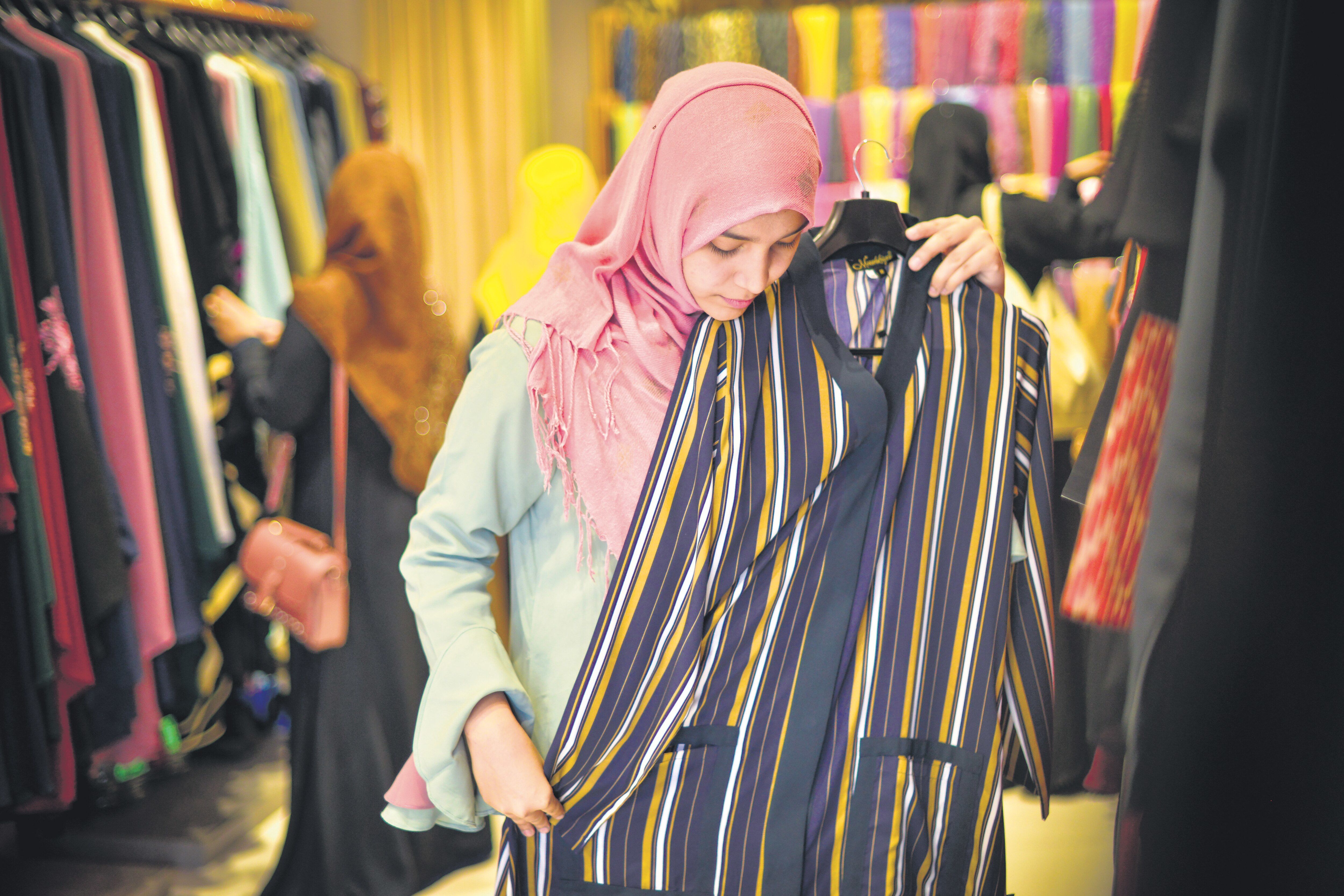
A shopper at Mushkiya, a modest fashion store (Photo: Aniruddha Chowdhury)
At a pop-up exhibition last year, non-Muslim women were quick to buy these too. “Thirty per cent of our buyers are non-Muslims,” says Panjwani of Mushkiya. Two aspects of these products appeal to women who are not their target customers: attractive pricing and variety. LBH, for instance, retails office-appropriate three-piece and two-piece coordinated sets and long jackets. It also offers bridal options with Lucknawi hand embroidery. Georgette-blend long jackets with floral prints can be found at Mushkiya’s online and offline stores too, while IDH sells jumpsuits, long button-down dresses and modest swimsuits with a head cover.
Mushkiya’s store in Santacruz is labelled as “premium”, but the clothes are surprisingly affordable. The hijabs are priced between ₹120-700, while abayas cost ₹990-12,000. The hub for abayas, burkhas and hijabs in Mumbai, however, is Mohammed Ali Road, where they are sold on the street as well as in retail stores. Hijabs here can be bought for ₹120-250. LBH’s quasi-formal coordinated-sets with matching trousers and tops range from ₹1,000-2,000, lower than Amazon’s prices for similar garments. IDH offers spiffy mid-length buttoned dresses with asymmetrical hemlines priced at ₹1,500-2,600. These are marked down during sales—the attractive pricing brings in non-Muslim customers too.
BOLLYWOOD AND THE BURKHA
In recent Bollywood movies such as Secret Superstar and Lipstick Under My Burkha, women are shown to have a complex relationship with the hijab and burkha. While the burkha is often shown as a convenient way to maintain freedom—a sort of urban camouflage—it can also become a symbol of all that is oppressive. In Secret Superstar, the protagonist is forbidden by her father to sing publicly; towards the end of the movie, she removes her face cover. In Lipstick Under My Burkha, one of the two Muslim protagonists uses the burkha to shoplift.
Most girls in hijab that Lounge spoke to believe that the only “real” representation in Bollywood of a young Muslim girl who dresses modestly and wears the hijab is portrayed by Alia Bhatt’s character, Safeena, in Gully Boy. The movie was styled by Poornamrita Singh, who researched for several months to style the feisty Safeena. Her team visited multiple colleges in Mumbai and took photographs of girls in hijabs, with their consent. Singh learnt about the various drapes and accessories to develop a mood board. Then she sourced basic jeans and T-shirts from brands like Uniqlo, kurtis and hijabs from street shops and created Safeena’s look.
“I wanted to ensure that the hijab didn’t stand out,” says the stylist. “… That it was as regular as wearing a pair of jeans.”
source: http://www.livemint.com / Live Mint / Home> Explore / by Jahnabee Borah / March 08th, 2020