In his new role, Jamal will be responsible for the hotel’s operations in Western India
Mumbai :
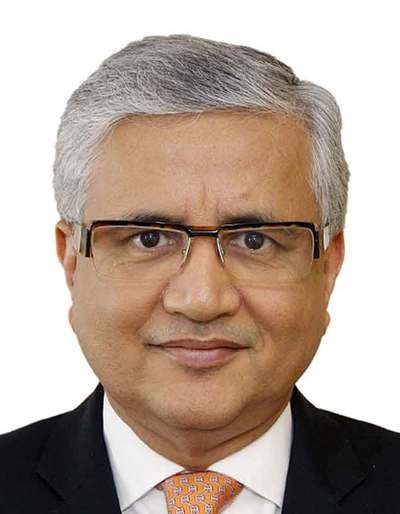
Seasoned hotelier Farhat Jamal returns to the Taj chain after eight years and this time, as its senior vice-president (operations).
In his new role, Jamal will be responsible for the hotel’s operations in Western India and Africa. Jamal had left Taj in November 2007 after being with the Tata Group-owned chain for nearly three decades.
Between November 2007 and until now, Jamal was with Lalit Hotels as its chief operating officer and Shangri-La Hotels as head of India operations.
source: http://www.timesofindia.indiatimes.com / The Times of India / News Home> City> Mumbai / by Reeba Zachariah / TNN / July 21st, 2015
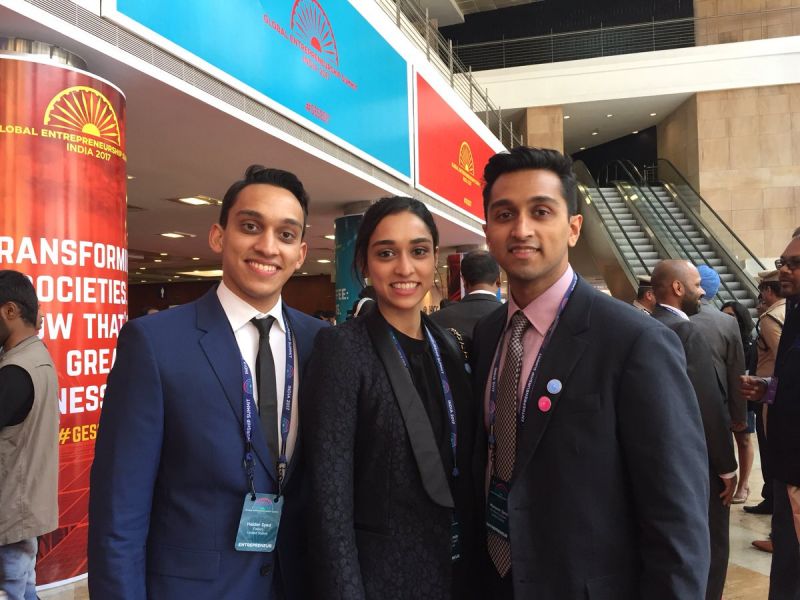
The young entrepreneurs Mansoor Syed, Umamah Syeda and Haider Syed, who were part of US delegation to the Global Entrepreneurship Summit (GES), are born and brought up in US have deep-rooted connections with Hyderabad. The most interesting part is that they are siblings. Before their selection as the delegation to GES the American government didn’t know that they are siblings. They were selected individually.
Their grandfather, Syed Moosa Quadri was a contractor and had played role in construction of Salar Jung Bridge close to Salar Jung Museum.
Talking about Hyderabad, the trio said that the city has changed a lot. They found that the youth are getting educated and are hopeful that they will get opportunities too.
The entrepreneur siblings said Hyderabad has a very rich culture and everybody during the GES was impressed by it.
Talking about Islamophobia in US, the young entrepreneurs said media is exaggerating the situation; the situation is not as bad as shown by the media; however they said there are struggles everywhere.
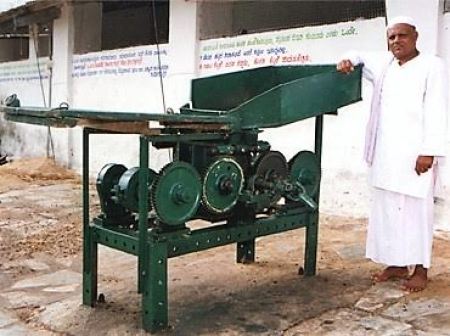
Abdul Khadar of Karnataka was awarded by the National Innovation Foundation for developing the device.
Abdul Khadar with his innovation of a device meant to separate tamarind seeds. Credit: Special arrangement
Villages in rural India are not just about farming and growing crops. They house some brilliant scientists and innovators who might not have the required technical qualification but through personal experience have learnt the art of developing a device or machine that can help them overcome their manual drudgery.
In fact, there are several such innovators housed in some remote corners of this county’s villages that the scientific fraternity has failed to recognise.
This could perhaps be because, technically, they are not qualified or the findings do not fall within their circumference of activities. Nevertheless, rural India’s brilliant minds continue to develop and find answers in its own way rather than depending on others for an answer.
The credit for recognising these rural innovators and helping them showcase their findings should go to the National Innovation Foundation (NIF) in Ahmedabad, which under the able leadership of professor Anil Gupta and his team, has been maintaining a database of thousands of such findings, new discoveries and lost ancient practices, bringing them into the limelight.
Every year, the government of India hosts a function at Rashtrapati Bhavan for these people through the foundation to encourage and throw more light on their inventions so that the common man can understand rural India better.
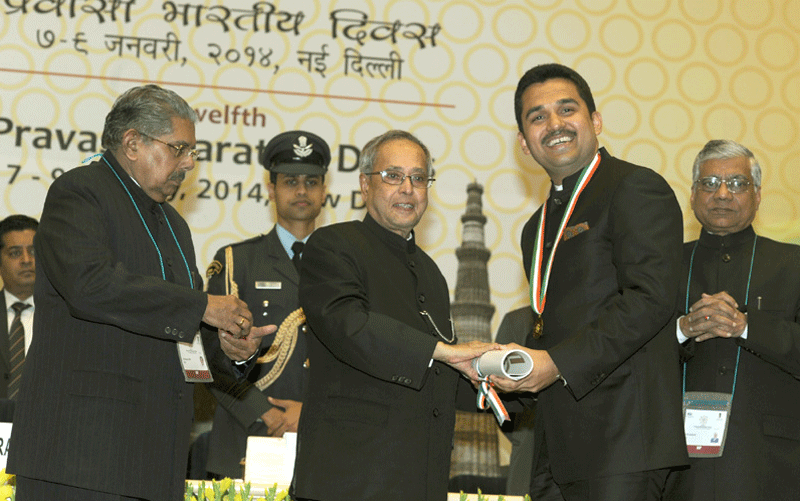
Awards are conferred on many of these rural innovators, with the president of India himself attends the function and gives the awards.
In fact, NIF has gone a long way in changing society’s perception of rural India. They have managed to change the perception of rural India as only about and for farmers to one of innovation.
Take the case of Abdul Khadar from Karnataka’s Dharwad district, whose innovation was recognised by the NIF.
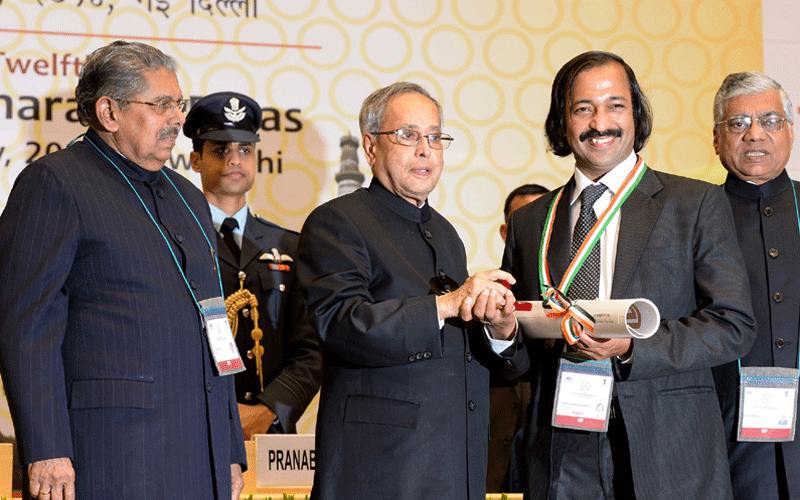
Abdul Khadar receives an award from the president of India at an event organised by the National Innovation Foundation. Credit: Special arrangement
Khadar is from an agrarian family. Last year, his lands were dry throughout the year.
Since he was dependent on the annual monsoon, which was playing truant, he decided to plant fruit trees like mango, sapota and jujube, intercropping chilli in between so that he could get income in a short time. But owing to the acute scarcity of water, the idea failed.
In search of a crop that could grow in dry areas without needing much attention, he learnt that tamarind trees fit the criteria well. Huge tamarind trees planted on highways, uncared for yet with lush green canopies caught his eye.
Since the mid 1980s, he has planted nearly 2,000 tamarind trees on his land. Not only have the plants survived, they have also grown well. The success of growing tamarind with scarce water was an innovation in itself.
Khadar also sunk 11 bore wells to try to get some water but only two of them worked. He spent nearly Rs 2 lakh in the process.
In an attempt to make his land more fertile, he dug six small ponds to harvest rainwater. “After monsoon, water from the bore well was used to pump into the ponds. The water was then used for flood irrigating the plants,” said Vipin Kumar, the chief innovation officer at NIF.
Khadar constructed underground tanks to preserve the tamarind pulp. According to him, pulp preserved in such a manner had a long shelf life and could retain the original quality and flavour for a longer period.
Until now, value addition in tamarind is rare, but Khadar wanted to try something new. He began by manufacturing pickles and jam, which is marketed as far as Hyderabad.
He also thought of another new experiment when he faced problem in making pickles. The process of making pickle was labour intensive and tedious as one had to first harvest tamarind from the trees and then separate the fruit from the pods manually (similarly to groundnut). He conceived a unique technique for harvesting tamarind from the trees but did not go ahead due to the high cost involved.
“After spending about Rs 3 lakh and six months of hard and intensive labour I finally developed a machine to separate the tamarind seeds. It had a system wherein the seed gets thrown out of the tamarind pod,” he said.
The next step in pickle making was to cut the unripened tamarind into small pieces. For this also he developed a machine for slicing tamarind fruit into tiny pieces. “The machine serves multiple purposes and can do the job more efficiently and effectively,” he explained.
Through the support of the Karnataka government, many of his products are available to farmers at subsidised rates. Khadar’s innovation has been documented by the NIF, Ahmedabad.
Dr. Abdul Munaf, M.B.B.S., Founder President, Krishnagiri Islamic Trust for Education, Al-Ameen Manjil, 27/I, Jakkappan Nagar II Cross, Krishnagiri – 635 001.
Mr. G.N.Srinivasan, Secretary & Correspondent, Urumu Dhanalakshmi College, Tiruchirappalli
Prof. Hajee M.J.A. Meeran, Former Professor of Physics, The New College, Chennai.
Dr. P.M. Mansure, Principal, MIET College of Arts & Science, Tiruchirappalli.
Dr. M.M. Shahul Hameed, Head, Department of Biotechnology, Jamal Mohamed College, Tiruchirappalli.
Dr. M. Sheik Mohamed, Principal, Jamal Mohamed College, Tiruchirappalli.
Mr. R.K.Medhar Mydeen, Deputy Commissioner (Commercial Taxes), Zone-IV, Chennai-6.
Dr. A.Abdul Subhan Khan, Head (i/c), Commerce & Business Administration Self-Financing, Departments, Jamal Mohamed College, Tiruchirappalli.
Mr. Dawood Miakhan, Secretary and Correspondent, Quaide Millath College, Melavakkam,Secretary and Correspondent, Quaide Millath College, Melavakkam, Chennai – 601 302.
Prof. Mohamed Iqbal, Principal, Quaide Millath College, Melavakkam, Chennai -601302.
Mr. K.A.R. Mohideen, K.A.R.Leathers Pvt.Ltd., 86 E, Madurai Road, Begambur, Dindigul-2.
Mr. S. Mohamed Rahmathullah, Programme Manager, Mashreq Bank, Dubai, UAE
Mr. A. P. Rajendran, PG Teacher in Botany, Namakkal
Mr. M. Zahir Husain, Senior IT Infrastructure, Systems and SAN Storage Administrator, Petrochemical Industries Company, Kuwait
On 15th August 2014
Mr. N. ALTAF AHAMED, Director, MEASI Academy of Architecture, Chennai
Mr. P. SAMIIYA, Ex-Zonal Chairman, Tiruchirappalli City Corporation
Dr. AMEENUL HUSSAINI BIN ABDUL KADER, Malaysia
Alhaj Kazi, S.A. SHAIK HASSAN SAHIB, QADIRI, Government Town Kazi and Managing Trustee of Nagore Dargah Shariff
Dr. HABEEBULLAH KHAN BIN ABU BAKAR SIDIQ, Malaysia
Mr. G. RAMESH KUMAR, FCA, Chartered Accountant, Trichy
Mr. M. SAWKATH ALI, Area Warehouse Manager, Shuiba Water & Power Production Station, Kuwait
Mr. T.M.A. ABDUL MALIK, Joint Managing Director, Super Sonic Trading LLC Group, Dubai, UAE
Mr. K. M. KABEER MOOSA, Principal, Jamal Mohamed College Ayesha Girls Matric Hr.Sec. School, Trichy
Mr. D. ASHOK GANDHI, Vice President, All India Synthetic Gems Manufacturers and Dealers Association
Rtn S GOPAL, Prop: Sri Lakshmi Roadways, Trichy
Dr. A . M. MOHAMED SINDHASHA, Former Principal, Jamal Mohamed College Trichy
Dr. M. HUSSAIN MUNAVAR, Professor & Head, Department of Molecular Biology. School of Biological Sciences, CAS in Functional and Organismal Genomics, Madurai Kamaraj University, Madurai
Mr. M. S. HABEEBUR RAHMAN, Engineering Consultant, Chennai,
Dr. K. SATHIYAMURTHY, Associate Professor, Department of Bio Medical Science, Bharathidasan University, Tiruchirappalli
Mr. HAJA SHEIK ALLAUDIN, IT/E-commerce Manager and Director Revenue, Singapore
Dr. A. MOHAMED JAFFAR, Professor of Commerce, Tamilnadu Open University, Chennai
Shri. A. ARUNMOZHITHEVAN, Member of Parliament (Lok Sabha), Cuddalore Constituency
Mr. HAJA MOHIDEEN, CIO, Islamic Bank, Qatar
Mr. NOOR MOHAMED ABDUL MALIK, Project Manager, Tech Mahindra Ltd., Singapore
Mr. ABDUL KARIM ABDUL NAZIR, Associate Director, Banking, NCS PTE LTD, Singapore
Mr. N. AMEER AHMAD, GeneralManager, TRAVEL CLUB Tourism Company, Kuwait
Mr. R. RAHAMATHULLAH, Director- Radiant IAS Academy, Villuppuram
Mr. HABIBULLAH NOOR MOHAMED, Managing Director,MASS Education Institute, Singapore
Mr. MOHAMED SIDDIQUE, Project Manager, IT, Mannai Corporation, Qatar
Mr. A. MOHAMED SHAJAHAN, Universal Lubricants Factory (ZINOL) L.L.C., Sharjah – U.A.E.
Mr. A. NASHEER AHAMED, Chief Executive Officer, Sixth Star Technologies, Chennai
Mr. HABEEB RAHMAN M.I. SHARFUDEEN, Contract Administrative Officer, Qatar
Ms. SHEERIN SAMSUDEEN, Specialist – Manage Direct Tax (United States) M/s. Shell India Markets Pvt Ltd (SBSC)- Chennai
Ms. AIMAN ARISHA, Senior Technical Analyst, CITY Global Service, California, USA
Three Gulf expats among 13 NRI winners of the ‘Pravasi Bharatiya Samman’ award
Three Indian expatriates in the Gulf, including an Abu Dhabi-based doctor, have been conferred with an award for Indians living abroad by the government in New Delhi.
Indian President Pranab Mukherjee has conferred the Pravasi Bharatiya Samman Award to 13 non-resident Indians, PIOs and organisations for their contributions to the country of their residence as well as to India in different spheres of activity.
Dr. Shamsheer Vayalil Parambath receiving the ‘Pravasi Bharatiya Samman’ Award from Indian President Pranab Mukherjee in New Delhi.
Dr. Shamsheer Vayalil Parambath, founder and managing director of Life Line Healthcare Group of Abu Dhabi, won the annual award for his role in developing a major healthcare business in the UAE and in promoting UAE-India ties.
Dr Shamsheer’s healthcare business now covers India, Oman and the UAE and the group has undertaken humanitarian projects like giving free heart surgery to poor children and offering jobs to relatives of the Mangalore air crash victims. He is the youngest entrepreneur to receive this award.
A postgraduate in radiology, Dr Shamsheer was trained in Boston before joining Sheikh Khalifa Medical City in Abu Dhabi. Starting with a small hospital in 2007 in Abu Dhabi, he now has nine hospitals.
Shihabudeen Vava Kunju, an Indian social worker from Saudi Arabia, is another recipient of the award from the Gulf this year. He won the award for social service and in fostering good relations between India and Saudi Arabia.
Shihabudeen Kottukad of Saudi Arabia receiving the ‘Pravasi Bharatiya Samman’ Award from Indian President Pranab Mukherjee in New Delhi.
The third Gulf winner of the award this year is Shihabudeen Kottukad of Saudi Arabia. He won the Pravasi Bharatiya Samman Award for his social service for Indian expatriates in the kingdom.
Ms Lisa Maria Singh (Australia), Kurian Varghese (Bahrain), Vasdev Chanchlani (Canada), Satnarainsing Rabin Baldewsingh (Netherlands), Bikas Chandra Sanyal (France), Sasindran Muthuvel (Papua New Guinea), Ms. Ela Gandhi (South Africa), Shailesh Lakhman Vara (Britain), Dr. Parthasarathy Chiramel Pillai and Ms. Renu Khator (USA) are the other prominent NRIs who have been given the award this year. Ramakrishna Mission (Fiji) is also in the winners list for its humanitarian and community services on the Pacific Ocean island.
source: http://www.emirates247.com / Emirates 24X7 News / Home> News> Emirates / by Staff Reporter / Tuesday – January 14th, 2014
Mohd Azharuddin has got an order to send 7,000 silk lotuses to Gujarat
A Muslim weaver from Varanasi, the Parliamentary constituency of Prime Minister Narendra Modi, is sending about 2,000 specially designed silk ‘Kamal ke Phool’ (Lotus, which is the symbol of BJP) to Gujarat for the second phase of the Assembly elections.
Mohd Azharuddin said that he has already sent 5,000 silk lotuses to the BJP’s state headquarters in Gujarat before the first phase of polling. “I had got an order of 7,000 lotuses. We are sending the second lot tomorrow to Gujarat for the second phase of polling,” he told DNA.
The Varanasi weaver got the order by chance. He wanted to present his creation (a silk lotus) to Prime Minister Narendra Modi during his last Varanasi visit on October 22. While he was not allowed to reach the dais for security reasons, a Muslim Manch leader, Pushpendru Updhyaya, was impressed by his creation and gave him the big order.
Azharuddin claimed that he got the idea of weaving Lotus on silk thread when he saw Prime Minister and other senior BJP leaders wearing badges of party symbol Lotus tugged on their kurtas.
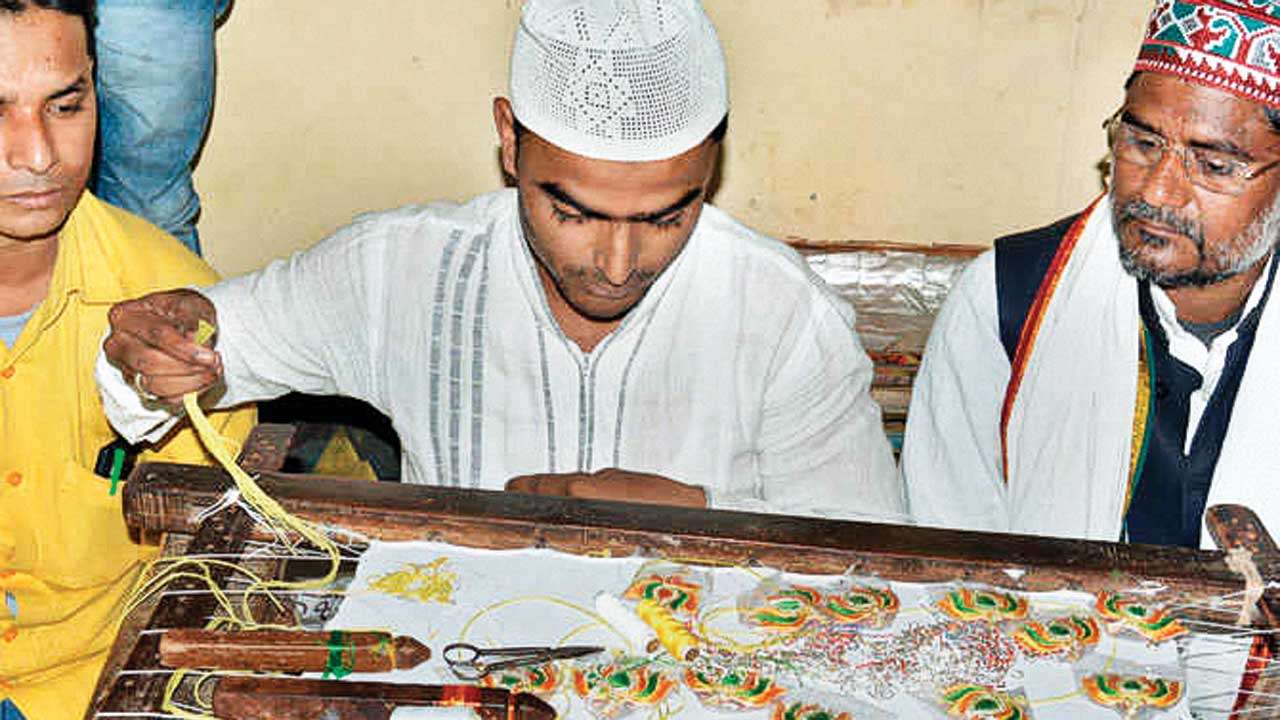
“Our weavers worked for several days and came out with a better design. It is weaved with different coloured silk threads and the carving is done with genuine stones which never turns black. It takes about two to two-and-half hours to weave one lotus,” said the Muslim weaver.
Azharuddin, who runs a powerloom, said his efforts were aimed at supplementing their income through the new creation following a slump in demand for world famous Varanasi sarees. Besides the lotus, they have also weaved a Tricolour which they are trying to sell to all political parties and for occasions like Republic Day and Independence Day.
He said it costs him about Rs 150 each to make a lotus or a Tricolour. He said sold the lotuses to the BJP for Rs 200 making a profit of Rs 50 per piece. “This additional income helps us support our children’s education when the loom business is down.”
A resident of Shankar Talaab in Varanasi, Azharuddin said that about 20 weavers worked overnight to complete the order of the Muslim Manch, an outfit of the Rashtriya Swayamsevak Sangh. “We are now expecting a bigger order from the BJP for 2019 Lok Sabha polls.”
A staunch supporter of BJP and Modi, Azharuddin is confident of BJP’s victory in Gujarat. “We are patriot Muslims. The prime minister is doing a great job for the nation. I am sure BJP will win Gujarat again and we all will vote for Modji in 2019. I will present a silk lotus to Modji when he visits Varanasi after winning the Gujarat polls.”
source: http://www.dnaindia.com / DNA / Home> India> Ahmedabad / by DNA Correspondent / December 11th, 2017
Come December-end, it is curtains for Frazer Town’s lending library Mecca Book House, which for more than 40 years was a favourite haunt for women, school children and even politicians hooked to bestsellers.
My school days at St Joseph’s Indian High School are filled with memories of me running to my father’s library after classes. The fragrance of books filled Mecca Book House, which used to be packed with readers and book borrowers. Former chief minister Veerendra Patil used to be one of them on many occasions.
For the past 37 years, my daily routine consisted of starting from home to the shop at 10 am, lunch at 1.30 pm and back to my books from 4 pm to nine in the night. But all good things have to end and that applies to my business as well. From January 1, it is going to change forever and I am unsure of how to go about it.
Childhood days
I remember the good old Bangalore days when we lived in our large family home on Infantry Road. We were 12 children and I was the eldest. My father Abdul Hameed Sait was a voracious reader and was always surrounded by books at home. I remember waking up in the middle of the night to see my old man burning the midnight oil. It wasn’t a surprise when he entered a trade that involved books, a circulating library. Thus was born Mecca Book House and a fancy store attached to it at China Bazaar, now Commercial Street, in the summer of 1975. He worked out of a small shop belonging to my grandmother that he rented for Rs 50 a month.
We became famous among Bangaloreans for our stock of Mills and Boons, John Grishams, James Pattersons and Frederick Forsyths, and were extremely popular among women. Our service got us a loving and loyal clientele.
Moving out
My work with the bookshop began in 1980 after I quit my sales job at a garment store. In 1987 we moved out of Commercial Street to set up shop in Cox Town, this time as an exclusive lending library. We became an inseparable and integral part of the Cantonment area with many book lovers, especially from the Anglo-Indian community, frequenting our shop.
Those were the good old days when people were hooked to books and would spend hours in our small shop and borrow bestsellers for a nominal fee. Many often landed with children for whom we had an exclusive kids section. Once a schoolgirl borrowed 15 books but returned them a decade later to rekindle ties with us and we were happy to see her. Customers were family.
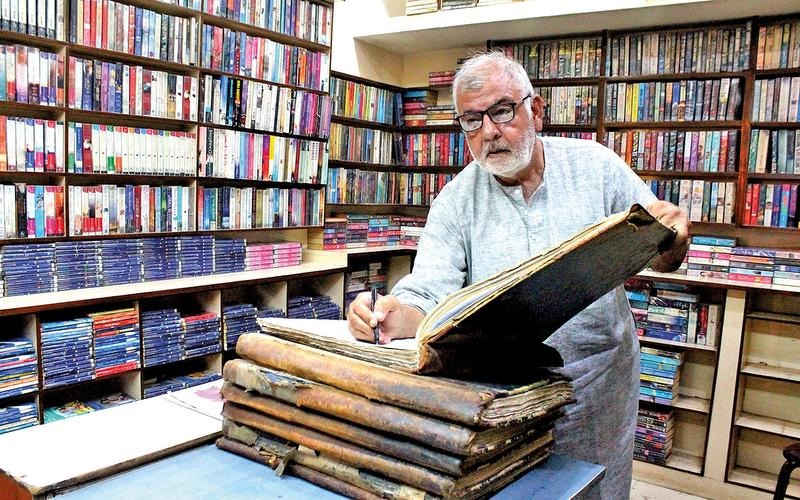
We moved yet again in 2010 to the present location on MM Road in Fraser Town after the earlier structure was sold. But customers kept coming for books. My large brown registers have recorded details of every customer who has visited right from the 1980s. I still write down every detail in the register.
Internet and smartphones turned villain and the reading habit deteriorated. Business started to dip, but you don’t give up. Book business is an addiction but it can be punishing sometimes. We are forced to wind up as my landlady wants the place and not because I want to get beaten down by the interne age. I did try to shift the shop but am unable to do so due to skyrocketing rents and steep advances.
The word of the closure has spread and some have trouble accepting that Mecca Book House, which has been part of their lives for 42 years from its Commercial Street days, will soon be history. Of the 5,500 plus books, I managed to sell 3,500 and I’m waiting for the rest to be sold before I bid adieu to my 100sqft workplace.
I have no choice but to wind up at the age of 65. But I am content having run a lending bookstore since 1980, which gave me a lot of friends, good health and importantly the opportunity to read some of the bestselling novels from across the globe.
Ahmed is the owner of Mecca Book House
As told to Petlee Peter
(In this column, people record their impressions of Bengaluru)
source: http://www.timesofindia.indiatimes.com / The Times of India / News> City News> Bangalore News / by Petlee Peter / TNN / December 04th, 2017
Central Marine Fisheries Research Institute of Indian Council of Agricultural Research Centre at Mandapam has organised a three day workshop for fisheries officials on farming cobia fish variety in sea-cages.
The workshop held from November 13 to 15 is attended by 18 fisheries officials from Tamil Nadu, Andhra Pradesh, Kerala and West Bengal. This is the first batch of training and CMFRI will continue training officials and fishermen in coming days.
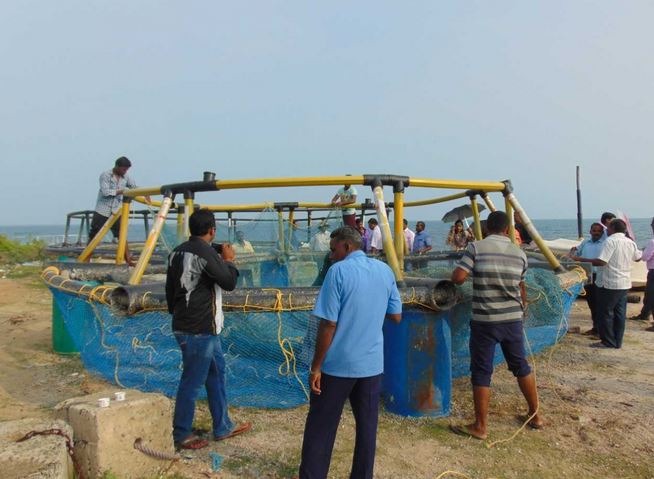
According to CMFRI officials, the sea-cage farming of cobia (Rachycentron canadum) training is conducted under the technology upgradation scheme of National Fisheries Development Board.
Cobia known as Black Salmon has high commercial value and considered one of the best species to raise in open-water marine fish aquaculture
The inaugural of the training was held at Mandapam on Monday. Dr A K Abdul Nazar,Scientist-in- Charge inaugurated the training programme. Dr. R.Jayakumar, Senior Scientist delivered the welcome address. Dr. G.Tamilmani, Scientist proposed vote of thanks.
The state fisheries officials will be provided hands on training won cage and net fabrication, feed management, growth assessment, net exchange, nursery management, packing & transportation, stocking of fingerlings in cages & disease management. Field visit to farming sites are also arranged. The training will be concluded on Wednesday.
Cobia known as Black Salmon has high commercial value and considered one of the best species to raise in open-water marine fish aquaculture. Its rapid growth and high quality of flesh can fetch handsome remuneration to fishing community.
Raising Cobia fishes in sea cages was developed at CMFRI – Mandapam regional centre in the year 2010 and officials said that results have been promising. In the year 2013, Ramanathapuram district administration promoted 10 fishermen groups to raise cobias in sea cages and fishermen were also supported under Fisheries Management Sustainable Development project to set up sea-cages.
National Fisheries Development Board has planned to sea-cage farming of cobia in selected coastal states in the country. In this financial year of 2017 – 18, NFDB is planning to train 50 fisheries officials and 300 fishermen from these selected states.
source: http://www.timesofindia.indiatimes.com / The Times of India / Home> City News> Madurai News / by J. Arockiaraj / TNN / November 13th, 2017
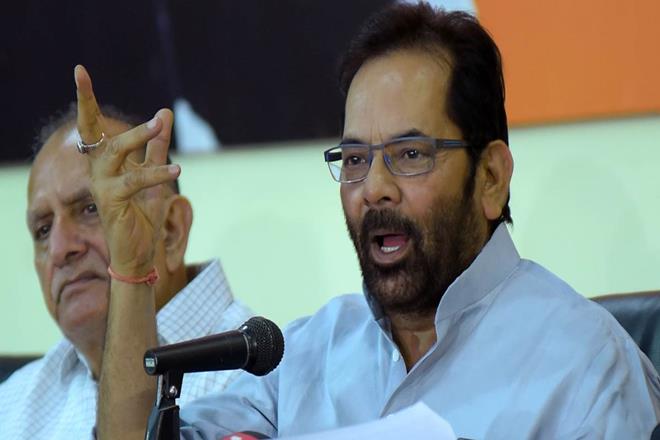
Union Minister of Minority Affairs Mukhtar Abbas Naqvi will today inaugurate the fourth edition of the Centre’s ‘Hunar Haat’ at New Delhi’s Pragati Maidan, where works of artisans belonging to minority communities and Tihar Jail inmates will be on display.
Union Minister of Minority Affairs Mukhtar Abbas Naqvi will today inaugurate the fourth edition of the Centre’s ‘Hunar Haat’ at New Delhi’s Pragati Maidan, where works of artisans belonging to minority communities and Tihar Jail inmates will be on display. (Image: IE)
Union Minister of Minority Affairs Mukhtar Abbas Naqvi will today inaugurate the fourth edition of the Centre’s ‘Hunar Haat’ at New Delhi’s Pragati Maidan, where works of artisans belonging to minority communities and Tihar Jail inmates will be on display.
Speaking at a press conference, the Union Minister said that the fourth edition will continue till November 27 and will exhibit the country’s rich heritage and skills. “This Hunar Haat is unique from earlier exhibitions as for the first time products made by inmates of Delhi’s Tihar Jail are also available. These products include furniture, handlooms, handicrafts, bakery items, hand-prepared oil, organic spices and grain,” Naqvi said.
He added that the artisans’ exquisite pieces of handicraft and handloom works such as cane, bamboo and jute products of Assam; Tussar, Geeja and Matka silk of Bhagalpur (Bihar) and traditional jewellery from Rajasthan and Telangana will be on display at the Haat. “New products to be displayed include baskets made from natural grass by artisans from Puducherry and Uttar Pradesh, Gotapatti work from Rajasthan and mural paintings from Gujarat,” the Union Minister said.
He added that the ministry had earlier organised the Haat for the first time at Pragati Maidan last year.
“The second and third editions were organised in the national capital and Puducherry, which received huge response. ‘Hunar Haat’ will also be organised in Mumbai, Kolkata, Lucknow, Bhopal and other cities in the coming days,” the minister said. He further said that the Ministry is working to establish a Hunar Hub in all states of the country where artisans will be provided training as per present requirement.
‘Hunar (skill) Haat’ is a platform created by the Minority Affairs Ministry to offer employment and market opportunities to artisans and craftsmen from minority communities.
source: http://www.financialexpress.com / Financial Express / Home> India News / by ANI / November 15th, 2017
A miniature silver replica of a rifle made by artist Sk. Musavir. | Photo Credit: K_ RAVIKUMAR
A silver miniature replica of a rifle was made by Nellore-based artist Sk. Musavir, to pay his respects to the martyrs on the eve of the Police Commemoration Day here on Friday.
The artist used two grams of silver and one gram of wood to make the miniature which measured 2 cm in height and 12 cm in length.
It was time to pay homage to all those officers who sacrificed their lives for the sake of peace and harmony, said Mr. Musavir.
source: http://www.thehindu.com / The Hindu / Home> News> States> Andhra Pradesh / by Special Correspondent / Nellore – October 21st, 2017