Indian expat flies solo after record time of 25 hours training
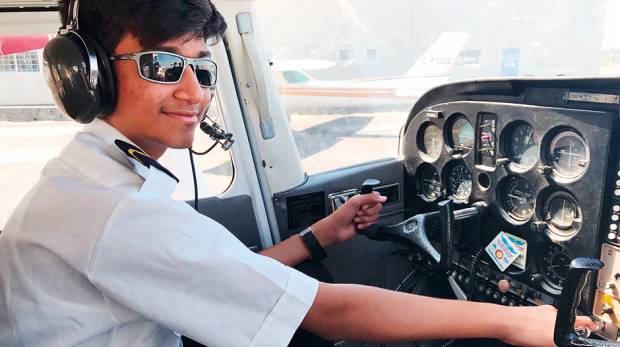
Mansoor Anis took off and landed from Langley Regional Airport in Canada to accomplish his first solo flight./ Image Credit: supplied
Sharjah:
At just 14 years old, a Sharjah teenager has become one of the youngest pilots to fly a single-engine aircraft.
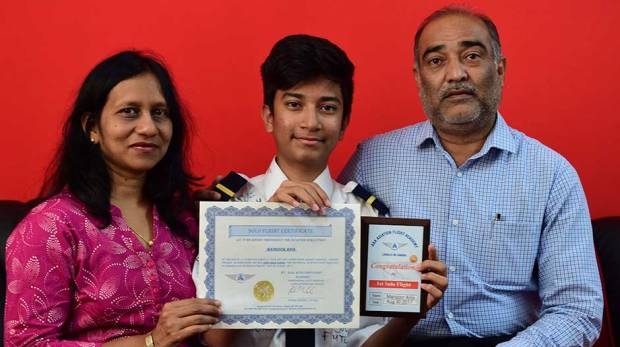
Indian expat Mansour Anis, a Grade 9 student at Delhi Private School in Sharjah, received a certificate for his first solo flight from an aviation academy in Canada last week.
Back in the UAE after his achievement, Mansour claimed that he had also set a record of being the youngest pilot to fly solo with the least number of training hours.
“He broke the previous record of a 15-year-old German pilot and a 14-year-old US pilot who took 34 hours of training. Mansour flew solo just after 25 hours of training,” Mansour’s father Ali Asgar Anis told Gulf News on Wednesday.
Summer training
Ali, a civil engineer heading the engineering department at Zulekha Hospital, said he had sent his son along with his wife Munira, a chemistry teacher with Wesgreen International School, to Canada for the training session during the summer holidays.
In some countries, like the US and UK, a person has to be at least 16 years old before taking to the air on their own. In the UAE and India, the pilot has to be at least 18 to be eligible to fly. However, in Canada, 14 is the minimum age for student pilots to join the course and try flying after meeting the requirements.
“Since he turned 14 in June, we decided to take him to Canada for setting this record,” said Munira.
Mansoor, with his parents Munira and Ali Asgar, displays the certificate he earned from an aviation academy / Image Credit: Atiq ur Rehman/Gulf News
She said her brother Qaid Faizy, a pilot with Jet Airways in Inida, has been an inspiration for Mansour since his childhood.
Fascinated about flying
“I got fascinated about flying the plane because of my uncle. He has been my inspiration and he has envisioned me to become a commercial pilot after I turn 18,” said Mansour.
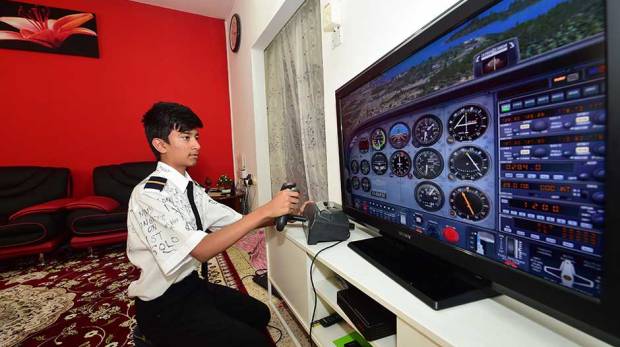
When he was about eight years, Mansour received a flight simulator as a gift from his uncle. “I learnt some basic lessons using that. My uncle has also given me and my sister the chance to visit the cockpit of an aircraft in which we flew once.”
His uncle also allowed Mansour to sit with his sister Mariya, a medicine student in Mauritius, when she once flew a Cessna aircraft at an aviation school in India, where the former used to teach, around four years ago.
Apart from the flying test, he has also passed a radio communication test / .Image Credit: Atiq ur Rehman/Gulf News
Mansour, who also flew a Cessna 152 aircraft during his solo flight, now has a student pilot permit. Apart from the flying test, he has also passed a radio communication test and scored 96 per cent in the PSTAR Test, an eligibility test for Transport Canada.
It was chief flying instructor at the AAA Academy Robert Wickins who trained Mansour during his course.
“He used to brief me about how the plane works. He taught me how to turn the aircraft. Then we went for some exercises like stall, spin, spiral dive etc. I was scared at first… but then it was fun. Also he had assured me nothing would go wrong and we can control the aircraft.”
Mansour’s solo flight was about 10-minutes long, during which he taxied the aircraft from the parking bay to the runway, took off for a flight of about five minutes and landed back.
Light aircraft
“The aircraft was really light because the instructor’s weight was not there. The plane was in the air a bit faster. I was excited and a little nervous.
“After I took off, I concentrated on flying how I did with the instructor. Everything happened very quickly,” said Mansour, who is now on cloud nine about his achievement.
“I am planning to go again to Canada next year to continue flying. If I don’t continue I will forget everything. At 16 years, I will take a recreational pilot permit. At 17, I will take private pilot license and at 18, I will take a commercial pilot license,” said the boy for whom the sky is not the limit.
source: http://www.gulfnews.com / Gulf News / Home> Society / by Sajila Saseedran, Senior Reporter / September 06th, 2017
“Never cease to question” is a prime rule that scientific acuity fosters upon. Here Gyawun in association with Insha Rasool representing JKScientists.org, brings an in-depth series of interviews with the scientists from the valley, who are doing cutting-edge research in different parts of the world.
Early inquisitiveness metamorphosed a Kashmiri girl into an expert in molecular biology research at Indiana, USA.Bringing the first in the series, here we discuss with Humaira Gowher, about her early life in Kashmir, her motivations and aspects of science that she finds most exciting and more importantly, the expertise she brings to University of Purdue, West lafayette, USA. Her research currently focuses on understanding the regulation of DNA methylation in development and disease.
Tell us about yourself
My name is Humaira Gowher. I was born and raised in Srinagar until I was 19. I was always lucky being among the first few batches to attend Caset Experimental School, headed by Prof C. L. Vishen, a visionary and an exceptional educationist. He followed Montessori style of primary school teaching. Back then, it was unknown in our part of the world. It was through discussions about inventions and discoveries in Vishen’s classroom, I treasured the feeling of becoming a scientist. The further excitement in the science of life was added by lectures from Physics and Biology professors.
I received my college education from Aligarh Muslim University, where I graduated with Bachelors (Hons) and Master’s degree in Biochemistry. I was again blessed with mentors including Prof. Imrana Naseem, Ms. Aziza Rizvi, who instilled the love for biochemistry and sports during my college years. The supporting culture of the Women’s College wiped every tear and healed wounds of separation from the homeland. Women’s College, AMU, was and still continues to be a place where you experience personal freedom. It creates a no judgment zone for young teenagers, who are given different opportunities to excel in cultural, sports, or academic championships, and I am thankful for those opportunities.
What motivated you to study at IISc, which is the finest institute in India? How comfortable was the transition from AMU to IISc and did your background in biochemistry helped you to adjust there? Share your experience with us; especially in what way did it help you to shape up your career?
During my second year in the Biochemistry Master’s program, I was exposed to experimental research as a summer trainee for a couple of months in Dr. S. E. Hasnein’s lab at the National Institute of Immunology, New Delhi. I always wanted to become a scientist, however, the experience in Dr. Hasnein’s lab gave me a realistic feel of what that means and I yearned for it more than ever. I was looking forward to getting my PhD degree from a premier institution in India. I applied to the Indian Institute of Science, Bangalore and based on my high score in GATE and my performance in a series of interviews at IISc, I was able to secure a position as a PhD student in the Department of Biochemistry.
I stayed in the program for 2 years but due to family reasons, I had to move to Germany where my husband was placed in a Computer Engineering program in Essen-Duisburg University. I continued my PhD thesis work in Germany in the Department of Biochemistry, at Justus Liebig University. The field of research, “Epigenetics”, offered to me was the one I had acquired experience in and was close to my heart. It was very easy to work hard and publish, simply because I enjoyed doing it. With prior experience from IISc, I was able to finish my thesis in 2 ½ years and was awarded Summa Cum laude (Award of Excellence) for publishing 7 first author peer-reviewed manuscripts during this time.
After completion of your PhD, what kept you motivated in Science and how did you choose your position at the National Institute of Health (particularly in terms of place project and funding)?
Motivation to do science comes only from the passion to do it. It needs tremendous perseverance to stay in science given that you have to put up with failures and success is a rare occurrence. The act of doing the experiment excites me and I worry little about its failure. Similarly, I worry less about the experimental result that does not support my hypothesis, because if it does not, then I have more to do and figure out why which often is the fun part.
Like anyone else’s, my life was not just about doing science and publishing papers. It had all the other elements that helped balance it. After I finished my PhD, I continued to work in the same lab as a research associate for 2 more years until my husband got his degree. In 2005, after our first born, Hana Khan, turned 2, we decided to cross the Atlantic to continue our exciting journey. I was offered a post-doctoral fellowship at the National Institute of Health to work with Dr. Gary Felsenfeld’s, while my husband was easily assimilated in the Big IT world in the United States, thus helping us reach our respective career goals. Dr. Felsenfeld is a pioneer in chromatin biology and epigenetics. With my previous experience and his lifetime of expertise, I was looking forward to the most exciting and stimulating time in my scientific career. NIH provides a well-funded environment for your ideas to take the shape of an experiment with little to worry about the cost of doing it. Of course, one has to justify the experiment and make sure it is well-designed and expected to minimally open new ways of thinking in your field. Around Gary, at NIH, I found myself rubbing shoulders with people who had received the highest laurels for their achievements in science, had experienced the growth of knowledge, and understood the complexity of these systems.
Could you tell us about the most exciting project that you have worked on so far. How did the research community respond to the outcome of that study?
Most exciting project….nothing I did until now was less exciting, so it is a tough question. Well, few things I discovered had more impact on the scientific world than others. During my PhD, my work was the first to show that the short catalytic domain of the mammalian DNA methyltransferases Dnmt3a and 3b are active without their large N-terminal part, which led to characterization, crystallization, and many studies of these enzymes by ours and multiple other labs around the world. My current lab continues to work on understanding the regulatory potential of these enzymes during development and in cancer. During my postdoc, my work on the regulatory elements of the genome called insulators was indeed very exciting given that these elements can control the expression of genes that are megabases away from them. It introduced me to the field of chromatin folding and architecture and its role in the regulation of gene expression, which I continue to work on.
What were the critical factors and considerations that you contemplated about while opting for the position at Purdue University, West Lafayette, USA?
I worked at NIH for some years and after gaining some experience decided to take the next step, which was to establish my own research program. In the US, most of the scientific research is supported by universities and medical schools. With my interest in teaching biochemistry, I was inclined to take a position at a state university, if offered. In 2011, due to an economic downturn in the US, only few positions were open and I was competing with over 400 applicants for each position. It took a few rounds of application and few more years and finally in 2013, I was offered a position of Assistant Professor in the Department of Biochemistry at the Purdue University. During my interview, I not only had to consider Purdue for the potential to do the research I wanted to, but also for possibilities for my husband to find a job in the vicinity and an environment where I could raise my children with dignity. Although Purdue offered my husband a possibility to work at the university under a faculty recruitment and retention program, but he got few offers from private industry in Indianapolis which was only an hour away. Purdue is one of the more diverse university campuses I have seen, which is reflected in the diverse population of students attending the neighborhood schools, thus providing a viable solution for my 10yr old Hana and 6yr old Ahmed.
What obstacles and challenges did you face while setting up your laboratory in the initial years?
Setting up a new lab has many challenges. It is like a small business and you have some investment, which you have to spend correctly to ensure the return. To make a decision on hiring people is the most challenging job since I never did it before. You interview a bunch of people for a position and hope you are looking for the right thing. I did take a lot of advice from my senior colleagues and my mentors while making these decisions. Nevertheless, of course, it did not work well every time. The other challenge is time management; you have much more responsibility now, teaching, service, research, home front, kids and yourself too…. switching hats and changing roles and doing it to its best is what drains you in initial years. Then I figured out the best possible ways of doing it. I also needed time to analyze the data, write papers, write grants, write lectures, write, write, write…something I was not previously used to at that scale.
In the recent decade, research has broadened immensely. How different does it feel to mentor a current lot of students as opposed to the training that you received at your time? What is your idea of mentoring in the current academic setting?
I agree that research has broadened and perplexingly, it is intricately connected, which makes it challenging. A student today requires knowing much more than when I started my graduate school. In research, every new idea comes from what we know from the previous research and it is challenging to keep it all together and carve your niche, which is unique. I encourage my students to read more and present the research from other peer-reviewed publications to get them to the speed. Since I traveled various continents during my education, I was exposed to various kinds of mentoring techniques, which are of course influenced by the social setup too. The objective of effective mentoring in an academic setting is to provide your mentee with all information you have acquired through your experiences and help him/her strategize his/her career path. To be able to help your mentee realize their true potential and in an honest but polite manner help them meet the reality. I mentor undergraduate, graduate, post-doctoral fellows and some high school students too. It is the most rewarding feeling when you get a Thank You card from your mentee and he/she got admission in the top school or got a job they wanted. My personal struggles in achieving and retaining the academic position come to a full circle through these achievements.
You have also written a book “How Do I Sing Nursery Rhymes in the Kashmiri Language? ” tell us something about how it happened
I left home, Kashmir, when I was about 19, a long time back. Wherever I went I simply cannot leave behind the person who my culture made out of me, my language, my hospitality, my favorite food, clothing, jokes, curses, poems, music…all that had compiled my personality in those 19-20 years. A couple of decades later, I find myself struggling with transferring this emotional relationship to all that is Kashmiri in me to my kids. Truth is that you know a culture when you can laugh at its jokes that is when you can speak its language. The Kashmiri diaspora in the United States decided to have an annual meeting to celebrate Kashmiri language, art and culture. Many of my friends complained that it was difficult to raise children bilingual with both Kashmiri and English as spoken languages. Most of us also agreed that at the baby/toddler stage, the introduction of English language happens through Nursery Rhymes and that our kids didn’t have a Kashmiri version of the popular rhymes to tune in. We thought it would be easy to have popular English rhymes translated to tune in Kashmiri so that they can simply sing them on the same rhythm.
I took this on me and thanks to a hidden poet gene (from my mother), I was able to translate six common Nursery Rhymes to English keeping the original tune in mind. My own kids could sing these within hours given that the words simply rhymed with the tune that they memorized as babies….it was truly satisfying.
What advice would you give to the students in research who are looking forward to becoming independent researchers?
If excelling is what you work toward, it is enough to advance you towards your goals.
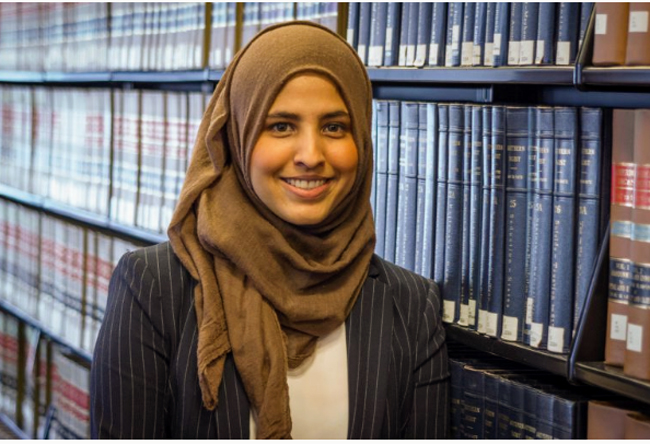
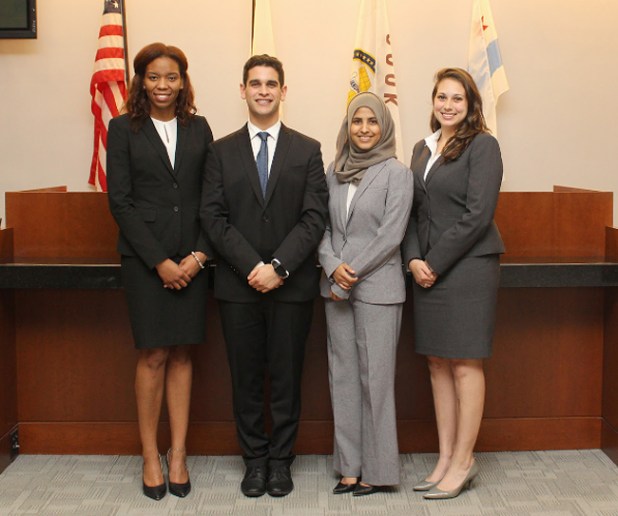
The Chicago-Kent trial advocacy team represented by Shahina Khan, 3rd year JD student with three other students in the National Civil Trial Competition Championship 2017, held at Santa Monica and Los Angeles, Calif. Chicago-Kent won over Georgetown University Law Center, Drexel University Thomas R. Kline School of Law, and American University Washington College of Law twice in the quarter and semi finals rounds.
In the finals, Chicago-Kent got 1st runnerup to the team of Stamford University Cumberland School of Law. She also the recipient of prestigious J.J. Bittenbinder Award in UIC and the Obama Award for her championship in extra and co curricular activities during High School years .
Shahina Khan belongs to the aristocratic and respectable family of old Hyderabad Estate. She is the daughter of Engineer. Ameer Mohammed Ali Khan, Practicing Consultant of IDOT, and grand daughter of President’s Gold Medalist, Late Nawab Wajid Ali Khan, Superintendent of Police, Ex. AP, India.
Shahina Khan’s great grand father, Late Abul Faiz Mirza Mohammed Ali Baig, was an eminent lawyer in pre and post independent India Hyderabad. He was the President of Bar Councils, Civil and Criminal courts, Hyderabad, India. He was one of the few eminent lawyers of India who had an opportunity to write the constitution of India.
Shahina Khan is the President for Criminal Law Society, Muslim Law Student Association and member of Trail advocacy Team ( 2017-2018).
Earlier to this, she also served as the Vice President for these associations. She graduated from University of Illinois at Chicago in 2015 with a bachelors in Criminal law with honors. She is doing her internship in Cook County State’s Attorney’s Office, Chicago. She wants to pursue a career in Criminal Litigation.
source: http://www.siasat.com / The Siasat Daily / Home> News> NRIs Corner / November 02nd, 2017
The ex-Jamia students came all the way from India, Oman, Saudi Arabia and the UK for the meet
The meet not only fostered the alumni bond, but also extended a helping hand to fresh graduates
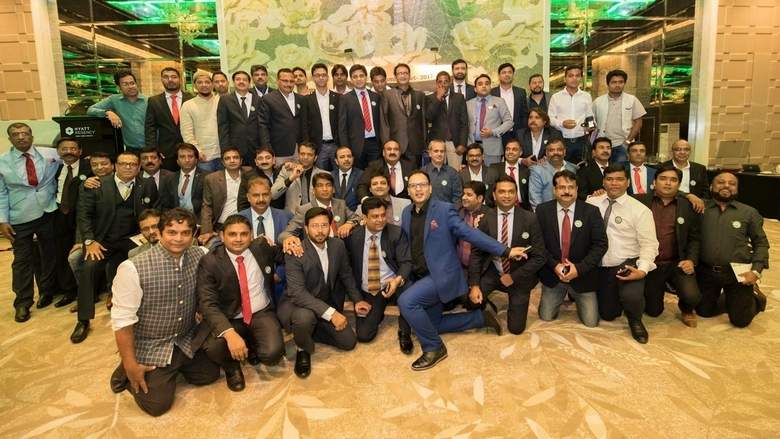
It was an evening steeped in nostalgia, as over 500 alumni of New Delhi’s central university and one of India’s most famous – Jamia Millia Islamia – came from all across the world to celebrate their alma mater’s 97th birthday.
Scores of ex-Jamia students who travelled all the way from India, Oman, Saudi Arabia and the UK along with their families, attended the event at Hyatt Regency, Dubai Creek Heights.
Apart from the distinguished guest list that included Ambassador of India to UAE Navdeep Singh Suri, the university’s vice chancellor Talat Ahmed and other dignitaries, successful alumni shared nostalgic memories of their time at the school.
The programme began with a recitation from the Holy Quran, followed by the university’s anthem called sung with full enthusiasm.
Addressing the gathering, prominent alumni Parvez Akram Siddquie welcomed the guests and JMI alumni and highlighted the university’s key objectives. He spoke about starting a medical college in the university’s campus, expansion of the campus, and campus placement for students.
Talking about the role of the alumni meet, Siddquie added: “The heart of the alumni meet lies in giving back in kind to their alma mater. Such meets not only aim to bring together and foster a bond among alumni, but also are a means of extending a helping hand to fresh graduates in different aspects, from job-hunting to settling down in the UAE. Many a time, the alumni chapter has also generated funds for pressing needs like a hostel accommodation at the university.”
Dr Haji Ibrahim, co-chairman of Malabar Gold & Diamonds, announced the company’s support in building the hostel facility for students, on the Jamia campus.
JMI vice-chancellor Talat Ahmed delivered a powerful speech on the values and ideals that define the university. Stating that JMI is a confluence of modern and age-old values of brotherhood and mutual coexistence, he said: “JMI is a platform from which students embark on a journey of learning and self-discovery. It is a model of national integration where children of every religion, sect, and denomination study together,” Ahmed said.
“We recalled our college days today, as we met our batchmates and friends after so many years, even 20 years in some cases. We shared the same jokes that we cracked as students and had a great time catching up,” said Imtiyaz Ahmad, a JMI alumni and one of the meet’s organisers.
Suri assured his support in getting the Global Jamia Alumni Network (GJAN) official recognition and registration in the UAE.
Talking about the role of Indian expats in the UAE, Suri said: “I was talking to some very high officials in the UAE government, and they said we have been told to drive the India-UAE relationship because our leaders believe that Indians are the people we trust. Why? ‘Because, at home, we leave our children in the care of Indians, in hospitals we put our lives in the hands of Indian doctors, and in banks, we put our money in the hands of Indian bankers’ he said. There is a lot of goodwill earned by the Indian community.”
The show concluded with the vote of thanks by one of the main organisers and JMI alumni Nadeem Hasan. Others key alumni members who helped in organising the event were Imtiyaz Ahmad Ansari, Eqbal Ahmad, Abdul Khaliq, Abbad Khan, Ahmad Khan, Riyaz Khan, Shams Khan, Jalal Ahmad, Rizwan Ahmad, Salauddine Ansari and Amjad Khan has been appreciated to make this event successful and Syed Nadeem Zaidi.
saman@khaleejtimes.com
source: http://www.khaleejtimes.com / Khaleej Times / Home> Nation / October 24th, 2017
Karnataka Muslim Cultural Association (KMCA), celebrated the 62nd Karnataka Rajyotsava with full fanfare on November 10 at Indian Cultural Centre, Ashoka Hall. KMCA again presented a well-organized programme that was laced with entertainment, comedy, patriotic fervor and perfect blend of art and music.
The evening commenced with the Qiraat, recited by Faakhir Fayaz Ahmed and translated by Bilal Ahmed Assadi. Zakir Ahamed and Hasan Nihal, as the compere for the evening, explained the schedule of events and handed the stage over to standup comedian, Ajay Sarapure from Belagavi. Ajay, also known as Hasya Ratna, has been a student of Karnataka’s comedy king Gangavati Pranesh.
Young multi-talented Tejaswi Ananth stunned the audience by his mesmerizing LED poi acts, juggling and hand shadow act. His LED poi act was the highlight of the evening that received a thunderous applause, and at a mere 19 years of age, Tejaswi, is a true variety entertainer. His gimmicks and vibrant personality had the audience asking for more.
Jeevansab Walikar Binnala was the next performer of the evening. Jeevan Sab, also a standup comedian, famously known as Janapada Hasya Kalavida, from North Karnataka is a multi-talented artist. He started his performance with a melodious folk song and went on to entertain the audience with his comedy where he brought out the subtle day-to-day life experience in his own style.
KMCA should be lauded for recognizing upcoming talents from the native land and providing them an international platform for a larger exposure. KMCA has started a trend that they live up to, at every community event they conduct.
The guest of honour of the evening, Haji SM Rashid, chairman of SMR Builders and Promoters, had flown in from Mangaluru to be part of KMCA celebrations. During the formal function, he was escorted to the dais by president Abdulla Monu and vice-president Aisha Rafique.
The Chief Guest for the evening, Syed Abdul Hye, founder member of KMCA was escorted by general secretary Saquib Raza Khan. Living up to the Arabic culture, dates were presented to the chief guest and guest of honor. KMCA president Abdulla Monu welcomed all the dignitaries, members and all attendees to the event. He also explained the importance of Rajyotsava, an event that brings all the Kannadigas together with a bond of friendship and plays a significant role in rebuilding relationships and harmony within all.
Saquib Raza Khan read the profile of Haji SM Rashid, after which Haji SM Rashid was felicitated by the executive committee members of KMCA. Haji SM Rashid addressed the gathering and expressed his gratitude on being a part of this spectacular event.
Dignitaries from different Karnataka-based organizations namely, Ravi Shetty Sanjay Kudri, H K Madhu, Arvind Patil, Navaneet Shetty, Deepak Shetty, Nazeer Pasha, Anil Boloor, Nagesh Rao, Seetharam Shetty, Ramchandra Shetty, Subramanya, Mahesh Gowda, Iqbal Manna, Manjunath, Anil Boloor, Veeresh Mannangi, Ilyas Beary, Diwakar Poojary, Asmath Ali and Habibun Nabi were also present at the event.
KMCA annual souvenir, the 5th edition of Pragati, was released on the occasion by the chief guest.
KMCA has been conferring special award every year, on people who are the silent heroes of the community. This year’s recipients were Cajetan Nery Alphonso, marketing manager of Ali bin Ali Group, Ligorio Francis Estrocio, employee of Ministry of Interior and Richard Jurnis. Their voluntary, selfless service to communities is praise worthy and inspiring. Executive committee members of KMCA honored them for their valuable contribution to the society. KMCA Excom and presidents of affiliated Karnataka Associations also honored the performing artistes. Ruksana Begum then rendered the vote of thanks.
Soon after, the stage was again set for the artistes to enthrall the audience. Jeewansab Walikar, the folk artist, sung a patriotic song in memory of Tipu Sultan as November 10 is also the birthday of the Tiger of Mysore – Tipu Sultan. The day is celebrated as Tipu Jayanti by the government of Karnataka.
The folk routine was again followed by another mesmerizing LED poi act by Tejaswi that had the crowd cheering with immense joy, on the images of Qatar and India, and various images of Tamim Al-Majd.
The magical part of the evening was Basavaraj Umarani from Belgaum. A Maths magician, he is renowned as the ‘Blind Walking Computer’. Completely blind since birth, Basavaraj has never glimpsed the external world, but his mind sees and interprets things that no normal person could ever perceive. He is gifted with a brain of unparalleled capacity, immense memory, unbelievable levels of perception, mathematical and analytical skills that could challenge the greatest brains in the country. His mind-blowing cricket commentary of a random match, and nine digit calculations carried out mentally, was the highlight of the evening. Interacting with the audience with his inspiring words, he quoted that nothing is impossible when the word itself states ‘I’m possible. His sheer talent, simplicity and words of immense wisdom received a standing ovation.
The final icing of the evening was yet again Tejaswi Ananth, who stunned the audience with the Hand Shadow Act and concluded the celebrations for the evening.
An evening that promised to deliver entertainment and lived up to its promise.
source: http://www.daijiworld.com / DaijiWorld.com / Home> Top Stories / by Media Release / Monday – November 13th, 2017
In a development that is something Bihar should be proud of, Dr Mumtaz Naiyer, a UK-based scientist from Kishanganj district, has come up with an ‘exciting’ discovery on path to develop new type of vaccine to treat global viruses.
He along with other scientists from the University of Southampton has made a significant discovery in efforts to develop a vaccine against Zika, Dengue and Hepatitis C viruses that affect millions of people around the world.
In a study published in Science Immunology, researchers have shown that natural killer cells (NK cells), which are a fundamental part of the body’s immune system, can recognise many different viruses including global pathogens such as Zika, Dengue and Hepatitis C viruses, through a single receptor called KIR2DS2.
The Southampton team have shown that this NK cell receptor is able to target a non-variable part of the virus called the NS3 helicase protein, which is essential in making the virus work properly. Unlike other proteins, the NS3 helicase protein does not change, which allows the immune system to grab hold of it and let the NK cells deal with the threat.
Lead researcher Salim Khakoo, professor of hepatology, said the findings are very exciting and could change the way viruses are targeted by vaccines but warned that the research is still at an early stage, and animal studies/clinical trials will be needed to test the findings.
It is very exciting to discover that other viruses similar to Hepatitis C, such as Zika virus, dengue virus, yellow fever virus, Japanese encephalitis virus and in fact all flaviviruses, contain a region within their NS3 helicase proteins that is recognised by exactly the same KIR2DS2 receptor.
“We believe that by targeting this NS3 helicase region, we can make a new type of vaccine based upon natural killer cells, which can be used to help protect people from these infections,” said Khakoo.
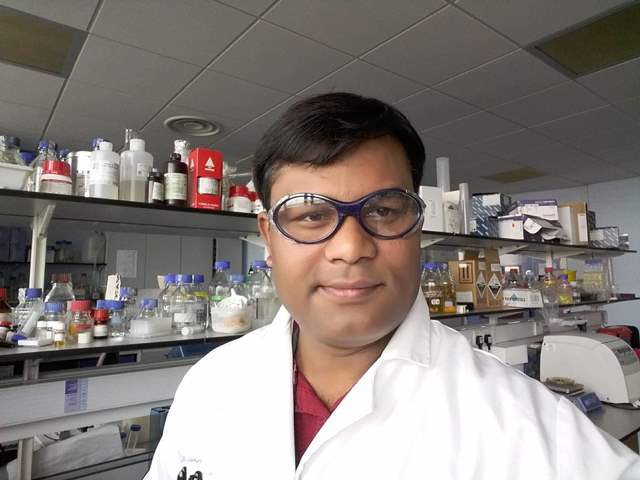
In an exclusive interview with MuslimMirror, Dr Naiyer, a postdoctoral scientist at the University of Southampton who the first author of the paper, talked at length about his roller coaster journey from Bihar to the United Kingdom and study.
Here are the excerpts:
MM: Please tell us about your journey from Bihar’s one of the most backward districts of Kishanganj to the University of Southampton, United Kingdom?
Dr Naiyer: I was born in one of the remotest village of Kishanganj in Bihar. The place earlier was referred to as ‘Kala Pani’ because of sheer backwardness and no access to mainland India. You can consider my small village as ‘Kala Pani’ with no access to schools etc. So much so, electricity in my village arrived in 2016 after 70 years of independence.
I was born in the 80s in a humble family of farmers. My parents were illiterate but had great quest for education. I was youngest among my siblings with five elder brothers and two sisters. The eldest brother did not attend school, one studied up to class V and three attended college. One of them did masters and later PhD in English literature.
My father passed away when I was 8 years old. It was extremely difficult for my mother to support us. As madarsas are cheaper, my mother even asked me to attend the Islamic seminary and become an ‘Aalim’ (Islamic scholar). After my father’s demise, one of my eldest brothers Mr Zainul Abedin had to discontinue his studies to support the education of two younger brothers.
As there were no schools nearby, I studied at home and a single teacher used to teach all the children in the village. I was directly admitted to standard three in a government school, which was 4 km away from my village. There were no roads and the situation in rainy season was like a nightmare. There was a strict discipline in our family for education. No matter how bad the day, one cannot miss the school.
I studied up to high school in my village. After that, I moved to Patna. Since my medium of instruction was Hindi till high school, it was difficult to switch to English books at 10+2. Contrary to my elder brothers who studied arts, I choose science with biology, physics and chemistry. I had a dream to become a doctor as I had seen young children die in my village without medical facilities.
However, after repeated attempts I could not clear Premedical Test (PMT) conducted by Central Board of Secondary Education (CBSE) and Bihar Combined Entrance Examination (BCEE). I moved to Delhi from Patna in the year 2000. I cracked BDS (Bachelor of Dental Surgery) entrance examination of Karnataka and B.Pharm (Bachelor of Pharmacy) entrance examination of Jamia Hamdard, New Delhi. Unfortunately, I could not afford any of these two. Then, I decided to do a simple B.Sc. course.
I appeared in the entrance test of B.Sc. (Biosciences) at Jamia Millia Islamia, New Delhi, and I got selected for the course. That year, Jamia had lauched B.Sc. (Biotechnology) programme. The central university gave us an option to choose either of the programme. In addition, those who were top in the merit list have an option to choose biotechnology. I choose biotechnology.
Teachers were very supportive. Till that time, I had no predefine goals for an academic career like this. But later, I attended lectures of prominent academicians and scientists in my university. That changed my attitude completely towards higher education.
Surviving in a metro city like Delhi was not an easy job. The money I used to get from my family was not enough. I used to give tuitions in the posh colonies of Delhi to earn some bucks and support myself. Apart from that, I received Merit Scholarship by Central Wakf Board, Ministry of Minority Affairs, Government of India, for consecutive two years at bachelors level. I must say my brothers tried their best to support me throughout my academic journey.
After my bachelors, I joined Jamia Hamdard, New Delhi in its master’s programme in biotechnology, which was one of the best in the capital. Here too, my teachers were very supportive and encouraged me to do pursue research. I got training in institutions like Institute of Genomics and Integrative Biology (IGIB), New Delhi. I got an exposure to quality research at my masters level. I was the recipient of Tasmia Merit Scholarship for best academic performance at masters level university exams in Jamia Hamdard.
My M.Sc. final year was full of turmoil. I lost my mother just a month before my final year’s examination and my family was going through financial crisis. Somehow, I managed to continue my studies.
I appeared in national level exams like National Eligibility Test (NET) jointly conducted by CSIR-UGC. I was awarded NET -Lectureship and Junior Research Fellowship by the UGC to pursue Ph.D. I also cleared GATE with 97 percentile.
After my masters, I joined National Centre for Cell Science (NCCS), Pune, an autonomous institution of the Department of Biotechnology, Government of India, for my Ph.D. This is one of the top biotechnology research institutes in India. It is also a national cell repository. One of the best Immunologists in the country Dr Bhaskar Saha who is also a Shanti Swaroop Bhatnagar Awardee mentored me.
During my Ph.D., I gained knowledge in molecular immunology and cell signaling. I worked on Human Visceral Leishmaniasis also called Kala-azar. My research work ‘Identification and Characterisation of Interleukin-10 Receptor Antagonist’ was published in the journal ‘Human Immunology’. The financial support was provided by the UGC for five years in which I was awarded Junior Research fellowship (JRF) for two years and senior research fellowship (SRF) for three years.
At the end of my Ph.D., I received offers for postdoctoral fellowships from University of Montreal, Canada; John Hopkins University, Baltimore, Maryland, USA; National Institute of Health, Bethesda, USA; and Imperial College London, UK. Previously, Khakoo lab was in Imperial College London, which was later shifted to University of Southampton where I work now since March 2012.
Although I had options to join other labs in the USA and Canada, I decided to join Professor Khakoo’s lab for my postdoctoral research as my research goals were best matched with the objectives of Khakoo lab.
At University of Southampton, I started working on clinically important viruses such as Hepatitis C virus, Dengue, Zika, etc. and tried to understand how Natural Killer cells – which are fundamental part of body’s immune system – can clear the viruses.
MM: Tell us about your research.
Dr Naiyer: This is a well-presented study and a significant advancement in this field that identifies the important role of the receptor KIR2DS2. Since I come from India, which has thousands of cases of dengue each year, I can understand the suffering of patients with dengue. Nothing would give me greater pleasure than to ease the suffering of these dengue-affected patients.
Natural Killer Cells play important role in fight against cancer and viral clearance. Our study focuses on how a single vaccine can be effective against multiple viruses. Our findings, which was recently published in prestigious journal “Science Immunology” also suggests that this strategy for virus therapeutics could be easily translated into the field of cancer.
2. What kind of encouragement did you find from your family and friends?
Dr Naiyer: My family was supportive. My brothers would often say, ‘Do not think about money, you just focus in your studies and leave rest to us’.
I had a very healthy competition with my friends and some of them genuinely motivated me.
MM: given the literacy rate of your area, what did inspire you to select this stream in higher studies?
Dr Naiyer: During my growing up years in the 90s, the sentence I often hear in my surrounding was “padh likh kar kuch nahi hota” (education gives you nothing). Most of the parents would send their school going to children to Delhi, Mumbai, Punjab and other metro cities of India to earn money and livelihood. That was such a discouraging period for education in my area called Seemanchal, which resulted in very high number of unskilled labour force.
Nevertheless, I was never tempted to leave my school or studies and determined to prove that education is the most powerful tool. Despite hardship, I keep going systematically. Even during my bachelors and masters in Delhi, people from my area would say “kab tak padhte rahoge miyan” (how long would you study)?
MM: Why did not you go for engineering and other short-term professional courses like others belonging to humble family background do to support their families?
Dr Naiyer: As I said before, I wanted to become a medical doctor, so engineering or any other short-term courses were never in my mind.
MM: What are your future plans?
Dr Naiyer: I want to contribute more to science and use my knowledge and expertise against the serious threats to humankind posed by dangerous viruses such as Zika, Dengue, Ebola, etc.
I would like to establish my own lab and become a principal investigator. If given the opportunity, I would like to return to India and want to contribute to the Indian science.
MM: Is there anybig project in your mind?
Dr Naiyer: I am contemplating to write grants for my own funding to support my research work. I shall apply for grants in Medical Research Council, UK, and Wellcome Trust, UK.
MM: Where do you want to see yourself 10 years down the line?
Dr Naiyer: After 10 years, I want to see myself as a successful scientist who has contributed a bit for the welfare of humankind by doing high-level science. I want to become an expert in my field.
Do you have any plan for the educational upliftment of your area, especially for Muslim youth?
Dr Naiyer: This is interesting question. I would definitely plan and would happy to contribute for the educational upliftment of my area. I along with some other friends from Bihar are trying to develop a unique platform where we can support meritorious students from Seemanchal (Bihar) irrespective of their financial conditions.
I have a dream to establish school/colleges, hospitals and healthcare in every block of Seemanchal. I would also focus in girls/women education. I would share the road map at appropriate time.
MM. Do you want to give any message to the youth of the community?
Dr Naiyer: Our community has some deeper problems and the youth are looking for microwave solutions. Our community has limited resources, please use them effectively. You must work hard, and should not waste time and resources.
The message I would pass to the youths is that there is no short cut for success. You cannot bypass the stairs of education and reach on the top through a side-lift. If you try, it would be disastrous for your career. Do not fear failures as failures are there to make you strong.
source: http://www.muslimmirror.com / Muslim Mirror / Home> Health / by admin – Muslim Mirror Staff / October 10th, 2017
Lalitpur (Jhansi) & Agra (UTTAR PRADESH) / London, GREAT BRITAIN with Empress of India
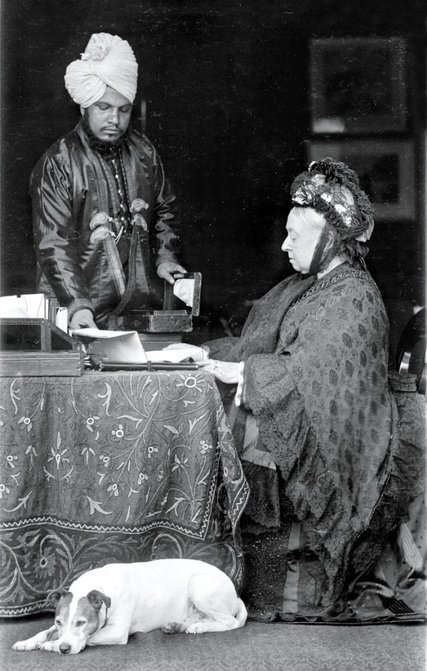
Queen Victoria at her desk, assisted by her servant Abdul Karim, the munshi.
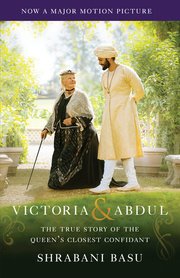
VICTORIA & ABDUL
The True Story of the Queen’s Closest Confidant
By Shrabani Basu
Illustrated. 334 pp. Vintage Books. Paper, $16.
I really do wonder if I am qualified to review this remarkable work. I am a nonagenarian, Anglo-Welsh, republican, agnostic liberal, an only half-redeemed British imperialist, sexually complex and incorrigibly romantic. “Victoria & Abdul” is about an aging British queen, her eccentric obsession with an engaging Muslim servant from India and the half-farcical opposition of the British establishment to their relationship. I had never heard of the story until the book reached me for my critique, and I had no idea it was about to be the subject of a much-publicized movie. Am I qualified to respond to it for The New York Timer? Reader, judge for yourself.
When it first reached me I began, as a republican, by scoffing. The very status of Alexandrina Victoria, Queen of England, at the time of her first encounter with that Indian servant struck me as perfectly ridiculous. She was a woman in her late 60s who was treated with almost religious reverence and responded accordingly. The whole preposterous charade of royalty was performed perpetually in her presence. It was wildly exaggerated, too, because she happened to be the titular head not simply of a small island nation but of the most enormous empire in the history of empires, claiming sovereignty over nearly a quarter of the earth’s surface. Perhaps the least logical of these bizarre circumstances was the fact that among her far-flung territories was one of the proudest and most ancient of all human entities, India. Since 1877, Victoria had been called Queen Empress, and India was the reason.
I scoffed, but then that Indian charmer entered the book, and I was beguiled.
So was Victoria. Abdul Karim was 24 when he arrived in England in 1887, engaged as an orderly for the queen during her Golden Jubilee celebrations and presently also charged with teaching Her Imperial Majesty Hindustani (as the British habitually referred to both Hindi and Urdu). Although of relatively humble stock, he was a born winner, educated, good-looking, clever and ambitious. I soon fell for him myself.
In no time at all, it seems, he became far more than an orderly, but rather an Indian gentleman of the court, more or less self-promoted out of the servants’ quarters and dubbed, by Her Majesty’s command, a “munshi” — which meant, I gather, a sort of more-than-teacher. This in turn seems to have morphed into a vaguely aristocratic honorific, and before long the delightful young orderly had become the Munshi. For the rest of his life he flaunted the title, and “Bravo,” say I!
I find myself genuinely touched by the bond between the empress and the munshi. He was an opportunist, but he was kind, which for my money redeems many faults, and old Victoria had been having a rotten time of it. First she lost her adored husband, Albert, and never got over it, and then John Brown, her beloved Scots gillie, died on her. Victoria’s nine children were scattered across Britain and Europe, and they were a mixed bag anyway. It must have been a lonely time for the old lady, but then along came Abdul Karim, in his virile youth, and he was very soon treating her not only as an empress but as a woman.
There was obviously nothing carnal about the relationship. Heaven forbid! The munshi seems to have regarded Victoria as an affectionate and generous surrogate mother. (She gave Abdul Karim and his wife three cottages, each near one of her own palaces, plus some land in India, and when he traveled on the royal train he had a whole carriage to himself.) In return he gave her his sympathy and understanding, and in particular they both seem to have enjoyed her daily (and very successful) lessons in Hindustani.
The affair, if we can call it that, spilled over into the style of the British court, which became more and more Indianified. Indian colors were everywhere, Indian sounds and even Indian smells (for curries were often served). When the court indulged itself or its visitors with one of its elaborate tableaux vivants, Indian faces were prominent on the stage, and indeed in the tableau of the king of Egypt, pictured in this book, the Pharaonic ruler himself was played by none other than — the munshi!
The generally snobbish and often racist British establishment of the day came to detest the munshi with an almost comical fervor, and, led by Victoria’s son and heir, Bertie, who later reigned as Edward VII, persecuted even Abdul Karim’s memory when he and his love were both long gone. I suspect that the munshi was a sort of dual reincarnation of Victoria’s beloved Albert and her dear, dear John Brown. And if there was something rather excessive — even, to my mind, schoolgirlish — about her attachment to her young servant, it was perhaps only a late and pathetic extension of the maternal instinct.
I grew fond of them both as I read this generous and meticulous book, and I write this review now with a sentimental tear in my eye. So what think you, Reader? Am I qualified for the job?
Raaheela Ahmed won the school board race in Prince George’s county of Maryland
Her father is from India and mother from Pakistan
Her victory gains significance as her district has 80 per cent of African-American population
Washington :
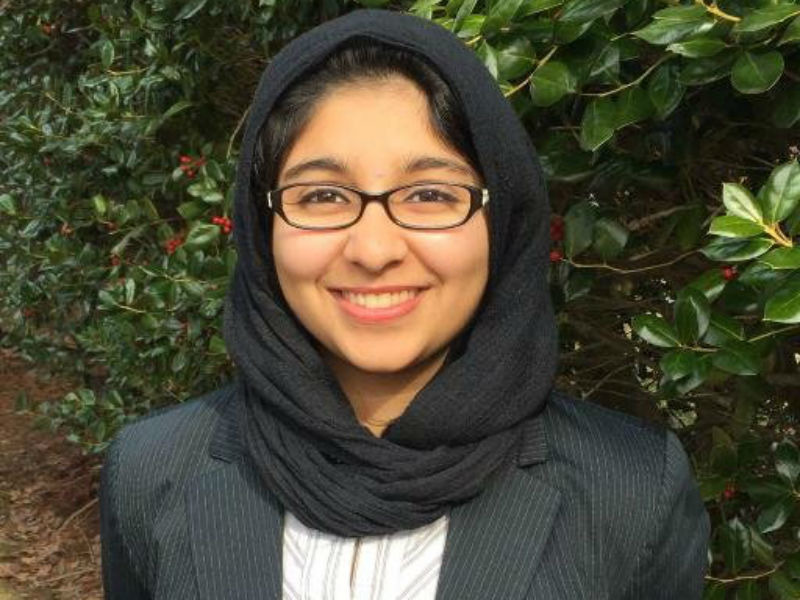
A Muslim-American woman, whose parents are from India and Pakistan, has won a key local election in the US state of Maryland which was dominated by anti-immigrant and anti-Muslim rhetoric.
Raaheela Ahmed, 23, won the school board race in Prince George’s county of Maryland by defeating a long-time system administrator by an impressive 15 per cent vote difference.
She had unsuccessfully run for this position four years ago in 2012. Her father is from India and mother from Pakistan. Her victory gains significance as her district has 80 per cent of African-American population.
She was endorsed by the former Republican National Committee Chairman Michael Steel.
“It’s interesting that on the same day Donald Trump was elected as president of the US, I as a hijabi Muslim young woman was also elected to serve in a public office. I think that speaks volumes about the diversity of American opinion, and that American dream is still well and alive,” Ahmed said.
“I’d like to act as a form of inspiration for other minorities that they can achieve what they will, given prayer, circumstance and hard work. This win would not have been possible without the support and belief that other people had in me,” she said.
“For my young minority women, please know that at the end of the day, you are worthy of your highest inspirations. You have to believe that you are able to achieve them, even if societal structures do not yet allow for that. Because one day, those glass ceilings will break. And who knows?” Ahmed said.
source: http://www.timesofindia.indiatimes.com / The Times of India / News> NRI> US & Canada / PTI / November 22nd, 2016
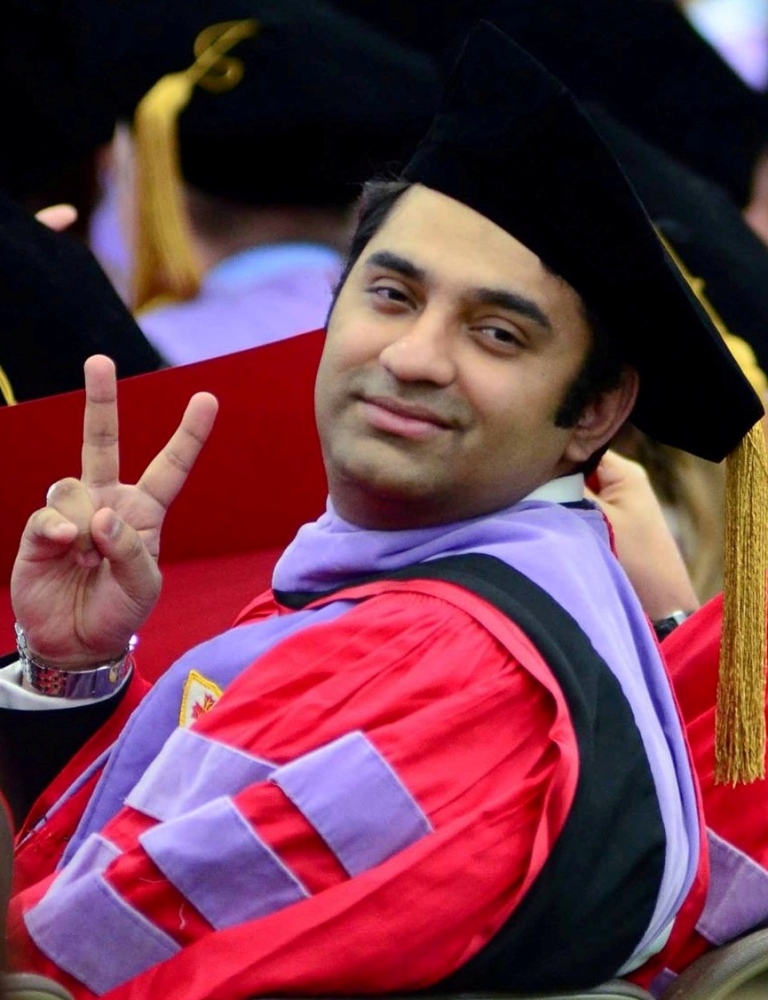
Aligarh Muslim University Alumnus, Dr Mohammad Abbas Khan has brought laurels to his Alma mater after graduating, among the top of his class at the Boston University School of Dental Medicine, USA for Doctor of Dental Medicine (DMD).
Khan has scored a 100 percent in Pharmacology besides scoring the highest marks in Oral and Maxillofacial Radiology in his exams at the Boston University School of Dental Medicine. He has also been felicitated during the award ceremony of the Dental School. Meanwhile, he has also been awarded by the American Academy of Oral and Maxillofacial Radiology, USA for being among the top of the Dental School’s merit list.
Khan, who has been in the Boston University for over two years, has made remarkable contributions to the student bodies. As the elected President of American Association of Public Health Dentistry for the Boston University, he generated awareness about Public Health and spearheaded new initiatives. Due to his good academic record and passion to contribute to the students, he was appointed as the teaching assistant for the subjects of Pharmacology, Oral and Maxillofacial Radiology, Endodontics and Removable Prosthodontics.
Before beginning his journey at Boston University for his DMD, he did his MPH from Johns Hopkins Bloomberg School of Public Health (JHSPH) and graduated in 2015. Even at JHSPH, he was among toppers and contributed to the student community as the elected Vice-President for Johns Hopkins Student Assembly and Student representative for Committee on Academic Standards.
Khan’s mother, Dr Zebun Nisa Khan teaches at the Department of Education, AMU while his father Professor Huzoor H Khan teaches at the Department of Mathematics, AMU.
source: http://www.twocirlces.net / Two Circles.net / Home> Indian Muslims> Lead Story / TCN News / May 29th, 2017
AT HOME in Madras, Joe Hussain was very keen on the tour. He was a great Fred Trueman fan. He waited by the nets and asked one of the bowlers: “Is Mr Trueman here?” The great Fred had declined this particular passage to India. “Who’s Mr Trueman?” the other bowler sneered.
That memory may seem another world, another lifetime away for the smokey-haired 61-year-old who now presides over the bat-on-ball echoes of the Ilford Cricket School tucked proudly, if a touch shabbily, round the back of Beehive Lane just off the A12. But Joe Hussain has reasons for that pride.
And not just because his son, Nasser, is having a net and Joe’s young hopefuls are queuing up to bowl at the England captain.
“Cricket is so important in India,” he says. “Hockey used to be the number one sport but cricket has overtaken it by miles. Now it’s like a religion. But cricket fans are very knowledgeable and very welcoming. It’s like here,” he says, looking round the obviously mixed ethnic group on Thursday afternoon, “it brings people together.”
Cricket has been important to Joe. He scored a hundred for Madras University against Hyderabad before he came to England in 1960. Over here it helped him meet his wife, Shireen, at an Ilford game and when the couple returned to India for 10 years, cricketing memories of Joe batting for Madras at the Chepauk Stadium were among the early inspirations for the young Nasser Hussain.
“I didn’t want to over-push the boys,” says Joe, whose daughter, Benazir, trained at the Royal Ballet and is now a principal ballerina in Perth, Australia. “But cricket has been something of a passport. When Nasser had already got a maths scholarship to Forest School, our elder boy, Mel, went and scored a hundred against their first XI and Mr Foxall, the headmaster, came up at tea and said: “We must find a way to get him here too.”
All four siblings are now successes in their own field, but with cricket so ingrained in Hussain senior, it was with real angst that he faced the possible cancellation of a tour to his homeland following an England team captained by his son. “It was something quite unbelievable for me,” says Joe with a smile of the purest, most wistful paternal pleasure playing around his lips. “To have my son captain England in India. It couldn’t get any better.”
Then came September 11 and all that has followed. Joe, like everyone else, furrows his brow at the memory. “Of course the world has changed,” he says, “and no one should ever forget what happened. But life must go on. All my friends are ringing up from India saying, `Are they coming? Please tell them how welcome they will be.’ I think we just have to go. I just hope that the security arrangements are not so tight that they can’t go out and see what a wonderful country India is.”
“Besides,” he adds as the conversation is momentarily silenced by a particularly loud report from Nasser’s bat as he takes the gun to the bowling machine in the net over to the right of us, “it will be such a challenge for the lads. To bowl against Tendulkar, to bat against Kumble and Harbhajan Singh in their own country is a terrific test. No one here can imagine how big Tendulkar is in India. Far bigger than Beckham or any sportsman is over here. He and the others aren’t just stars, they’re like gods.”
Discussion of such celestial beings is delaying attendance on younger earthlings. Tom Yallop and Ricky Royds have already played for South of England Under-14s, Varun Chopra has been to an England Under-15 training course at Old Trafford and a local paper cutting on the noticeboard pictures him receiving his award as Ilford young player of the year from Nasser himself.
All three live locally, all three can see the natural progression from this elderly three-net hall to the great cricket arenas of the globe, which has already been made by the likes of Graham Gooch, John Lever, Nasser Hussain and now young James Foster.
“I took over here in 1990,” says Joe. “By then Nasser was already on his way and I promised myself I would produce another Test player. James Foster is just 21 and he’s going on the tour. I’m so proud of him.”
When Foster had that much publicised spat with Andy Flower in Zimbabwe a month ago, it was Joe who got on the phone to keep his spirits up. He would do just the same for any of the three, or indeed for the scores of boys and, more recently, girls who follow this ageing, Indian, chain- smoking Pied Piper to put cricket in their dreams. Cricket’s new money finds its way to many places infinitely less deserving than this old hall, where the outer wrapping is at so much variance to the gleaming spirit within.
On winter weekends the place is heaving, as indoor tournaments take their turn. For a while the kids were predominantly Asian, but Joe has noticed more white children coming to cricket as football’s intensity squeezes too much of the fun out of the game. But another crack from the far net reminds you that colour has nothing to do with it, and how proud we are to have England captained by an Englishman called Nasser Hussain.
So far Tom Yallop has been on tour to Taunton, Ricky Royds has been to Folkestone and Varun Chopra has done best with a school trip to Barbados.
“It was great,” says Varun, already pushing six feet at just 14 and restlessly flicking the ball around his wrist as he readied himself to bowl. “I didn’t score a lot of runs but I got among the wickets and when our keeper was injured, I had to do that too,” he said.
In truth, the three kids are not hanging too heavily on Joe’s words this afternoon. They want the chance to bowl at their hero. One day they, too, will hope to tour India and other foreign parts. In cricket it was ever thus.
Long may it remain.
source: http://www.telegraph.co.uk / The Telegraph / Home> Sport> Cricket / by Brough Scott / November 10th, 2001