Bandicoot has already made its way into 12 states and the company has also grown to the strength of 100.
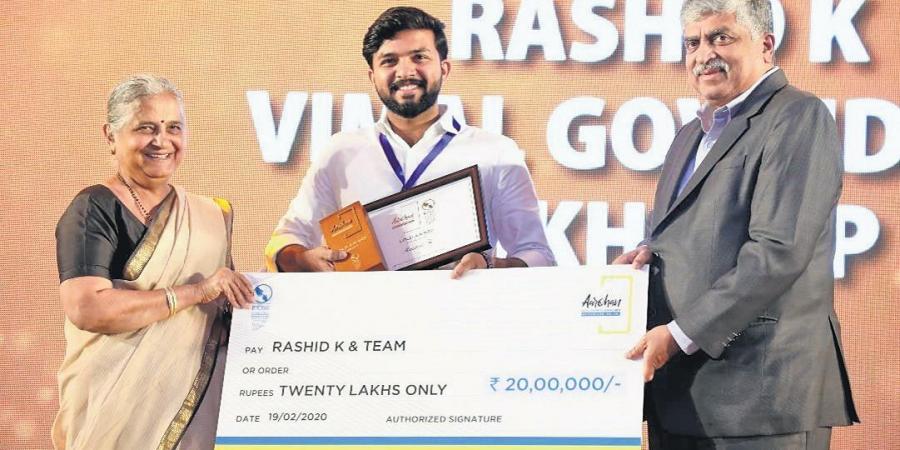
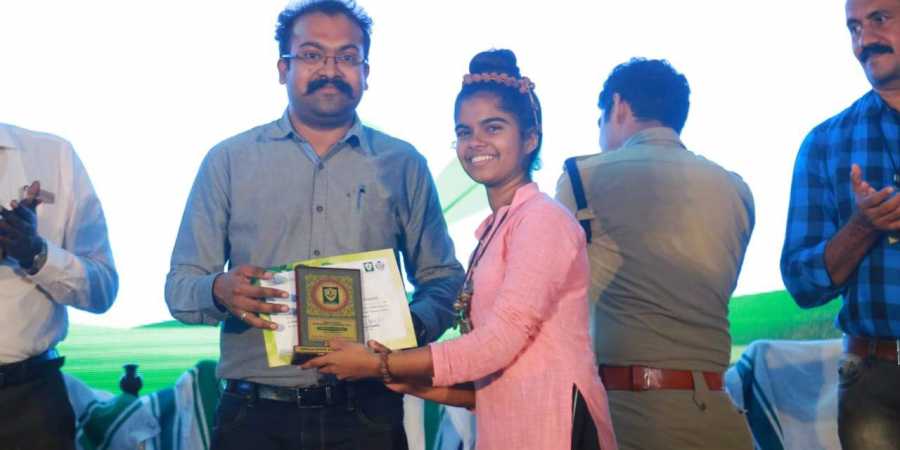
Rashid K, co-founder of Bandicoot, receiving the award on Wednesday
Thiruvananthapuram :
Malayalis Rashid K, Vimal Govind MK and Nikhil NP of startup ‘Genrobotics’ won the gold award instituted by Infosys Foundation. The award was given for their innovation ‘Bandicoot’, a robot developed by the startup. ‘Bandicoot’ is stated to be the world’s first manhole cleaning robot. It’s the second edition of the Aarohan Social Innovation awards.
The innovation won the award in the sustainability category. The award carries a purse of `20 lakh. Other award categories included healthcare, rural development and destitute care. Rashid, Govind and Nikhil are the core founders of Genrobotics and Bandicoot has been designed by nine engineers from Kerala.
After its successful trial in Thiruvananthapuram by clearing manholes filled with plastic and other kinds of waste, it is being used successfully by the Kerala Water Authority for various purposes.“Through our innovation, we aim to eliminate manual scavenging completely from our country. We were able to create awareness with the support of the government and other organisations.”
“We are happy to receive this prestigious award and we hope that we will be able to end manual scavenging in five years,” said Govind, the chief executive officer, Genrobotics.
Bandicoot has already made its way into 12 states and the company has also grown to the strength of 100. “We plan to expand in more states thereby reducing the number of manhole deaths,” according to Govind
“Besides Bandicoot, we are also working on other projects for the welfare of the society,” he said.In healthcare category, three awards were presented.
Recipients include Partha Pratim Das Mahapatra from Kolkata, who developed a non-invasive, non-contact, portable device to measure human bilirubin, oxygen saturation and haemoglobin levels without drawing blood from the body; Dr Binita S Tunga and Dr Rashbehari Tunga from Bengaluru.
source: http://www.newindianexpress.com / The New Indian Express / Home> States> Kerala / by Express News Service / February 20th, 2020
No matter how you measure it, inequality has been on the rise since the 1970s.
According to Inequality.org, the richest 1% now own 45% of the world’s wealth , while The Guardian reported that chief executives at FTSE 100 companies in 2017 earned 145 times more than an average worker , up from 47 times in 1998.
This concentration of wealth at the top has emerged as a potential source of conflict in modern society. With new technologies like artificial intelligence, robotics and the internet of things creating opportunities for growth, businesses are increasingly expected to contribute positively to the communities that surround them rather than just chasing profits and maximising returns for shareholders.
In this era, businesses need to have a clear purpose and act as responsible corporate citizens. Stakeholder capitalism is increasingly finding acceptance and is becoming the “right business thing to do.”
New developments can be an amazing social equaliser: 3D printing is democratising manufacturing, while mobile banking provides easy access to banking services and increases the earning power of small businesses. But access to technology often dictates what opportunities are available. A 2019 US Census Bureau report found that a lack of access to the internet has become inherently intertwined with inequality.
So how can these new innovations help companies make the world a better place?
Democratising services
Innovations in the ed-tech space are helping to provide affordable and accessible education across society. In the area of healthcare, technology is bridging the gap between medical practitioners and end-users, enabling early detection, improving well-being and lowering costs. For example, Chikitsak, a portable, easy-to-use and cost-effective medical screening device that can be used by low-skilled healthcare professionals, and Niramai, a low-cost, safe, non-contact and radiation-free breast cancer screening software for early detection.
Water-tech companies like Swajal design, manufacture and assemble water ATMs that vend water at affordable prices using IoT. Agri-tech companies like DeHaat provide an online platform that connects small farmers with micro-entrepreneurs supplying different farm inputs and offering services.
Jobs that require specific motor skills have traditionally been off-limits for those without a full range of physical movements. Robots are expected to take on some elements of these, opening up previously inaccessible jobs to those with disabilities. For those isolated by geography, delivery by drones will enable those normally outside of companies’ high-speed shipping zones to order products at short notice, something usually reserved for more densely populated urban areas.
Being able to order clothes or groceries for delivery within hours rather than days might seem frivolous, but it’s exactly these kinds of services that will bring populations who are at the fringes into mainstream society.
All of the above examples illustrate the power of technology to democratise access and drive affordability at scale. All these may seem too good to be true and there are, as always, reasons to be cautious or skeptical. Advances in technology have historically led to increased inequality, not less, as those that can afford the new developments take advantage of them before less privileged people are able to do so. More basic technology may spread further as a result, but cutting-edge technology often remains in the hands of the rich.
However, unlike in the past, we are increasingly witnessing the power of technology through real-world success stories that have brought the less privileged and unbanked to the mainstream fold. The increasing recognition and growth of impact investing and venture capital focused on social impact startups bode well for the future and will play a key role in making the world flatter and a better place for all.
This is part of a series of articles in partnership with the NASSCOM Technology and Leadership Forum 2020, to be held in Mumbai from February 12-14. Read all stories in the series here.
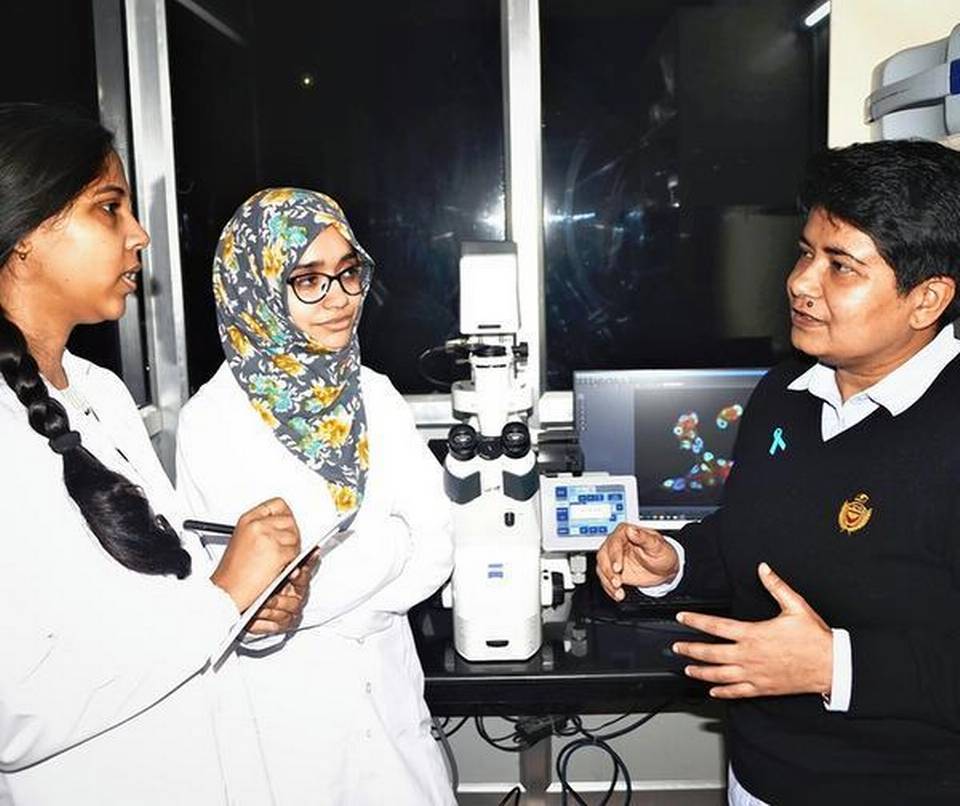
Counterproductive : The methods currently used produce encouraging results initailly but the cancer often returns in a more aggressive form, say (from right) Bushra Ateeq, Nishat Manzar and Ritika Tiwari.
Drugs routinely used for treating prostate cancer may actually be worsening the condition
A study shows why drugs used for treating prostate cancer which mainly functions by blocking the activity of androgen receptor signalling or stopping the production of androgen or testosterone is actually counterproductive in the long term. While both methods initially produce encouraging results, the cancer very often returns in a more aggressive form, and becomes resistant to these drugs. With cancer no longer responding to these drugs, it grows unchecked and ultimately causes death.
For the first time, the study sheds light into why the FDA-approved drugs against androgen signalling to treat prostate cancer can backfire after initial success.
Mechanism of return
The study was done by a multi-institutional team led by Bushra Ateeq from the Department of Biological Sciences and Bioengineering at the Indian Institute of Technology (IIT) Kanpur. The team has also found a mechanism by which the cancer growth at aggressive stage can be safely reduced. The results were published in the journal Nature Communications.
Several studies have already shown how stopping the production of androgen or androgen signalling through ‘androgen deprivation therapy’ at some point unintentionally helps the prostate cancer cells to become resistant towards this therapy and progress further to lethal forms. Now, Prof. Ateeq’s team has found the mechanism.
Using mice implanted with prostate cancer tumours, the team found how administering anti-androgen drugs (enzalutamide and apalutamide) results in increase in the expression of a particular gene (SPINK1) which is generally associated with the aggressive type of prostate cancer present in 10-25% of the patients.
“When androgen signalling was inhibited using anti-androgen drugs, an increase in the levels of SPINK1 protein was recorded, which makes the cancer cells more aggressive. The tumours isolated from the mice treated with these drugs exhibit elevated levels of the protein as well as markers for neuroendocrine prostate cancer, which triggers change in cellular plasticity,” says Prof. Ateeq.
Role of SPINK1 protein
“In another set of experiment, we implanted mice with prostate cancer cells with basal levels of SPINK1 protein and we found manifold increase in the protein levels when we administered anti-androgen drugs,” she says. There was also an increase in the levels of neuroendocrine markers which are only found in most aggressive form of prostate cancer. These results reflect a catastrophic situation similar to prostate cancer patients undergoing anti-androgen therapy. Neuroendocrine prostate cancer is an aggressive subtype of prostate cancer which may arise de novo or as a mechanism of resistance due to anti-androgen therapy.
“Our findings emphasise the importance of SPINK1 protein in maintaining neuroendocrine prostate cancer. The results highlight the repercussions of using anti-androgen drugs which are meant to control the prostate cancer but actually aggravate the disease,” says Prof. Ateeq.
Repressor of SPINK1
“Using mouse models, prostate cancer cell lines and patients’ samples we discovered that androgen receptor functions as a repressor of the SPINK1 gene. Using drugs to inhibit the androgen receptor actually results in stopping the repressive activity of the receptor,” says Nishat Manzar from the IIT Kanpur and one of the first authors of the paper. “And this leads to increased level of SPINK1 gene expression.”
“We found the SPINK1 gene is also responsible for maintaining the characteristic features of neuroendocrine prostate cancer. The tumour becomes aggressive when the SPINK1 protein level increases while upon inhibiting the protein a decrease in the neuroendocrine markers was observed,” says Prof. Ateeq.
In addition to androgen receptor, the researchers found that REST, which is a cofactor of androgen receptor, too, has repressive action on SPINK1 gene. “Our study is the first to show the role of the androgen receptor and REST in repressing the SPINK1 gene expression. This was not known so far,” says Prof. Ateeq.
The SPINK1 protein level is high when the amount of REST is low in prostate cancer, and also in the case of neuroendocrine prostate cancer. A particular protein (Casein Kinase 1) is responsible for reducing the level of REST. “When we used an already approved drug to inhibit the activity of Casein Kinase 1 protein, the levels of REST increased,” says Manzar.
Clinical trials needed
And when the REST level increases there is a reduction in the SPINK1 protein level accompanied with a reduction in the oncogene properties of prostate cancer cells. Treating prostate cancer cells showing elevated SPINK1 with a drug against Casein Kinase 1 show reduced cancer cell growth as well as aggressiveness.
“We need to conduct clinical trials using Casein Kinase 1 inhibitor to investigate whether it can reverse neuroendocrine prostate cancer and reduce SPINK1 in prostate cancer patients,” Prof. Ateeq says.
“Our study warns about the possible adverse effect of androgen-deprivation therapies, and the benefits must be considered against treatment, before putting the patients on this therapy.”
source: http://www.thehindu.com / The Hindu / Home> Sci-Tech> Science / by R. Prasad / January 25th, 2020
For 35 years, the activist dedicated his life to building a movement for justice. Unfortunately, Bhopal appears set to forget his contributions.
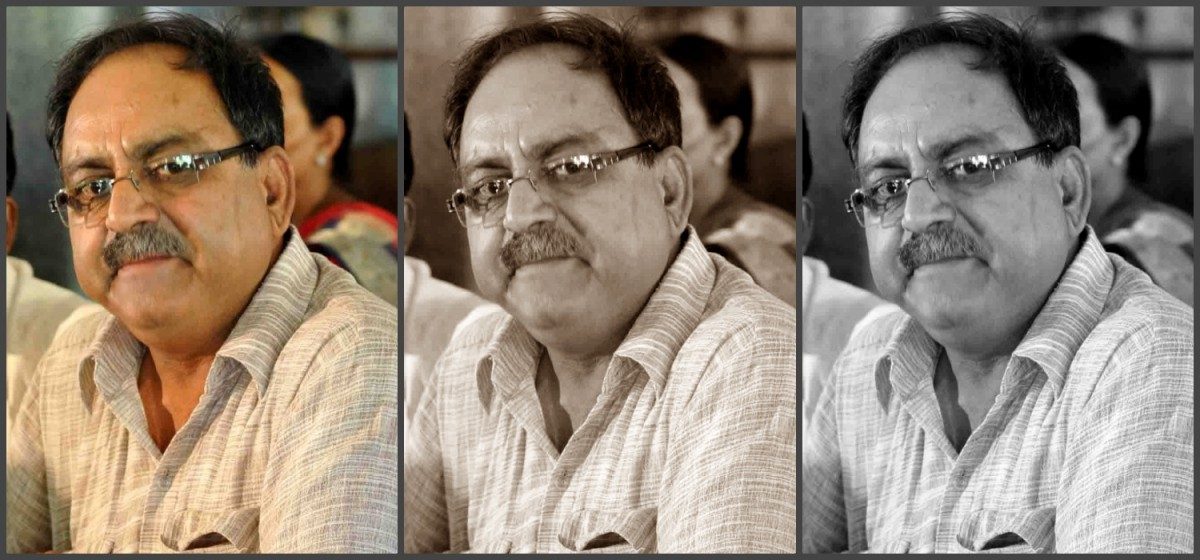
Abdul Jabbar. Photo: Facebook
India can learn a lot from Abdul Jabbar’s glorious struggle for justice for the dead and the survivors of the Bhopal gas tragedy.
At a violent time like this, when governments cannot tolerate even dissent on social media, the most indefatigable fighter for the victims can be a lodestar to all those who wish for an equitable society.
Jabbar Bhai, as he was fondly addressed, died of multiple ailments on November 12 in a Bhopal hospital, but his legacy endures. His evolution, through a 35-year-long struggle from a hand pump fitter to a tenacious strategist, is unparalleled in independent India’s history of people’s movements.
His strategy was essentially premised on eight pillars: secularism, empowerment of women, emphasis on self-employment through skill development, regular interactions with co-fighters, spreading education about mass struggles, frequent judicial recourse through public-spirited lawyers, street agitations, joining similar people’s movements and an uncompromisingly adversarial stance against the government, regardless of ideology. An overboard public relations exercise was anathema to him, though Jabbar would go all out to help journalists who sought his help.
His organisation, the Bhopal Gas Peedit Mahila Udyog Sangthan, metamorphosed from an assorted group of women to a well-organised fighting force. This was an extremely daunting task, which Jabbar Bhai himself was initially clueless about. But his undiminished righteous rage over the killing of innocent people in the world’s worst industrial disaster steeled his will to fight an epic battle through thick and thin.
How this came about is an inspiring story, which began the day the Union Carbide factory spewed 40 tons of poisonous MIC gas. On the night of December 2-3, 1984, Abdul Jabbar was asleep at his home in Rajendra Nagar when the deadly gas leaked.
The poisonous gas from the Union Carbide pesticide factory killed 8,000 people in its immediate aftermath, and nearly 25,000 over the next few decades. It also left over 1,50,000 people suffering with respiratory, hormonal and psychological illnesses.
When the strong smell emanating from the carbide plant made its way into Jabbar’s house, he took his mother, started his scooter and drove for almost 40 km to get her to a safe place. They left Bhopal for Abdullah Ganj. However, his escape proved futile. He soon lost his mother, father and an elder brother to the after-effects of this disaster. His own lungs and eyesight were substantially damaged. When he returned, an apocalypse was awaiting him on streets – dead bodies were strewn everywhere.
Then 28 years old, Jabbar was a changed man when he reached home. Keeping personal losses aside, he started taking the injured to the local government hospital for treatment. He also volunteered to take dead bodies for their post-mortem. The deeper he plunged himself into voluntary service, the more his anger surged.
He would later recall, “I started this campaign from my locality when I witnessed injustice around me. Politicians who were beneficiaries of carbide corruption were not coming forward to help us. So we the victims had to take matters in our own hands.”
Nearly three years later, in 1987, he started the Bhopal Gas Peedit Mahila Udyog Sangathan (Bhopal Gas Female Victims’ Association), an advocacy group for victims, survivors and their families. He led demonstrations seeking not merely allowances and compensation, particularly for widows who lost their husbands in the disaster, but also employment opportunities.
His first campaign slogan was the famous “Khairat nahi, rozgar chahiye (We don’t require charity, we want jobs)”. The slogan turned into a war cry as the organisation swelled.
Jabbar did not wait for the government to provide jobs to the women in his organisation. He succeeded in setting up tailoring centres where about 2,300 women learnt how to make zardozi strips and bags. He helped them fight lawyers, doctors, bureaucrats and the police. Soon enough, Jabbar’s organisation included nearly 30,000 survivors, predominantly women, in Bhopal.
The members began to gather every Tuesday and Saturday at Bhopal’s Yaadgaar-i-Shahjahani Park, a historic site where the battle against British colonial rulers was staged in 1942.
In 1988, Jabbar moved the Supreme Court urging it to order interim relief to the survivors until they get their final compensation. The next year, the Centre settled with the Union Carbide for $470 million or Rs 7,200 crore, and the Supreme Court endorsed the agreement. The gas victims were outraged at the meagre amount. They felt cheated. It took a decade-long legal and street battles by Jabbar’s organisation before the apex court ordered the government of the day to disburse a further Rs 1,503 crore and admitted that there were over 5,70,000 claimants to be compensated. Earlier, only one lakh claimants were recognised.
His relentless fight since his first victory in the Supreme Court is well documented. Nearly all judicial interventions and mass agitations that have resulted in the gas victims getting compensation, houses and hospitals and the perpetrators being prosecuted bear an indelible imprint of Jabbar’s fighting spirit. For more than three decades, he went around conducting protests and filing court petitions, seeking greater medical rehabilitation for victims and the prosecution of local Union Carbide officials.
In the past three months, a severely diabetic Jabbar, suffering multiple heart ailments, moved from one hospital to another.
He circulated a WhatsApp message days before his death, saying a super speciality hospital like the Bhopal Memorial Hospital (BMHRC) had failed to treat him because they did not have the facilities. He called it “shameful”. As his condition worsened, and gangrene set in, the Madhya Pradesh government prepared to airlift him and take him to Mumbai’s Asian Heart Institute for treatment, but he died before that.
He would often stress that the fight for justice was important not just for Bhopal but for all of India.
His noble worldview was reflected in the way he painstakingly educated women in his organisation, on a wide range of topics: conflicts in the Middle East, Adivasi and Dalit rights movements including the Narmada Bachao Andola, and so on.
Jabbar’s ideals, though, were not limited to the organisation.
During the saffron surge in the last several years, our conversations would be more about India’s social fabric being torn apart than the plight of gas victims. He would admit that his struggle had been losing steam, because people in Bhopal have become dangerously polarised along communal lines.
He would lament that even citizens who benefited from his agitations for compensation and hospitals have turned apathetic to the plight of others who are deprived.
“They appear to have convinced themselves that fight for justice is over now that victims have been distributed money. A majority of Bhopal’s Hindus betray an impression that since potential beneficiaries of my fight are largely Muslims, why should they bother too much about it all.” He sounded equally bitter about the Muslim community’s apparent unwillingness to change with the changing times.
Jabbar had complaints about the media too, which he thought shamelessly endorsed the majoritarian view. He would blame the public and media apathy for the system ignoring gas victims, particularly the poor.
His grouse was not without basis. In the 15 years of Bharatiya Janata Party rule in Madhya Pradesh, gas victims got a raw deal. At one time, a move was afoot to wind up the gas relief and rehabilitation department altogether. The hospitals run for gas victims do not have enough staff or equipment.
Ironically, Jabbar Bhai’s cynicism about the media, system and society as a whole was proven right during his illness and eventual death. He was virtually shunted out of the hospital that came up due to his PIL in the Supreme Court. Reduced to penury due to two months of treatment in hospitals, he was forced to do what he had never done all his life: seek government help. The help was promised, but came too late.
For someone who sacrificed his entire life for the dignified rehabilitation of half a million gas victims, Abdul Jabbar’s last journey was a grim reminder of the Bhopal’s ungratefulness to his long struggle.
Barely a few hundred people turned up for his funeral. Barring his journalist and activist friends and some politicians, the graveyard looked like a Muslim gathering. Worse, his woman comrades, who fought with him shoulder to shoulder all these years, were told to stay away from the last rites. The grieving fighters gathered at Abdul Jabbar’s ramshackle two-room house and stayed put.
The departed soul would not have been pleased with what happened at his home on that day.
Undivided Madhya Pradesh saw the birth of three memorable people’s movements – the Chhattisgarh Mukti Morcha of late Shankar Guha Niyogi, Narmada Bachao Andolan of Medha Patkar and the third led by Abdul Jabbar.
Jabbar’s was different in the sense that unlike the other two, the warrior of Bhopal had taken on the might of a giant multinational in an urban milieu.
Jabbar also had to contend with myriad complex socio-economic and political obstacles. Complex relations between Hindus and Muslims in the city was unique to Jabbar’s fight. Plus, his agitation had to deal with a substantial middle class, which had no qualms lapping up the fruits of Jabbar’s labour and then abandoning him when he needed their support for treatment for the poor.
Rakesh Dixit is a Bhopal-based journalist.
source: http://www.thewire.in / The Wire / Home> Rights / by Rakesh Dixit / November 17th, 2019
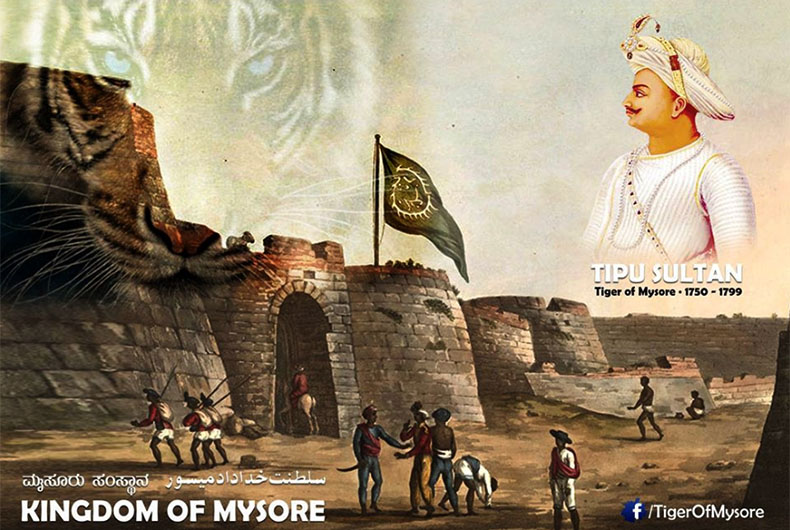
Tipu Sultan was born on November 20, 1750 and died on May 4, 1799 fighting with the Colonial forces
New Delhi:
Twitter users on Wednesday paid rich tributes to Tipu Sultan on his birth anniversary, with many posting the quotes of the King of the erstwhile Kingdom of Mysore as also pictures of his prized possessions with hashtags #Tipusultan, #SherEHindTipuSultan, #TipuJayanti and #TigerOfMysore.
As many as 3,143 tweets were posted by Twitterati on Tipu Sultan.
Vanchit Bahujan Aghadi leader Prakash Ambedkar wrote: “Tipu Sultan, the king of Mysore, will always be known for his valour and his continuous resistance against the British rule”.
“A tribute to the first freedom fighter of India on his birth anniversary”, the grandson of Dr BR Ambedkar wrote.
Another Twitter user wrote: “Tipu Sultan was the only Indian ruler who understood the dangers the British posed to India, and fought four wars to oust them from India – in that sense he could be called the first freedom fighter in the subcontinent”.
One user posted a quote attributed to Tipu Sultan: “One day’s life of a lion is preferable to hundred years of a jackal”.
Many Twitter users also hailed his liking for advanced technology.
“Tipu Sultan was fascinated by science & technology, got gun-makers, engineers, clockmakers & other experts from France to Mysore, then set up a manufacturing of bronze cannons, ammunition & muskets to ‘Make in Mysore’. Basically the first who worked for MakeinIndia”, (sic) wrote one user.
Make in India is a type of Swadeshi movement covering 25 sectors of the Indian economy. It was launched by the Government of India on 25 September 2014 to encourage companies to manufacture their products in India and enthuse with dedicated investments into manufacturing.
Tipu Sultan was born on November 20, 1750 and died on May 4, 1799 fighting with the Colonial forces.
source: http://www.ummid.com / Ummid.com / Home> India / by Ummid.com with inputs from IANS / November 20th, 2019
An ardent apiculturist, Jodha was presented with a horse named Aman Chand by her mother Amiya Taj who is also a horse rider.
Oli Aman Jodha
Thiruvananthapuram :
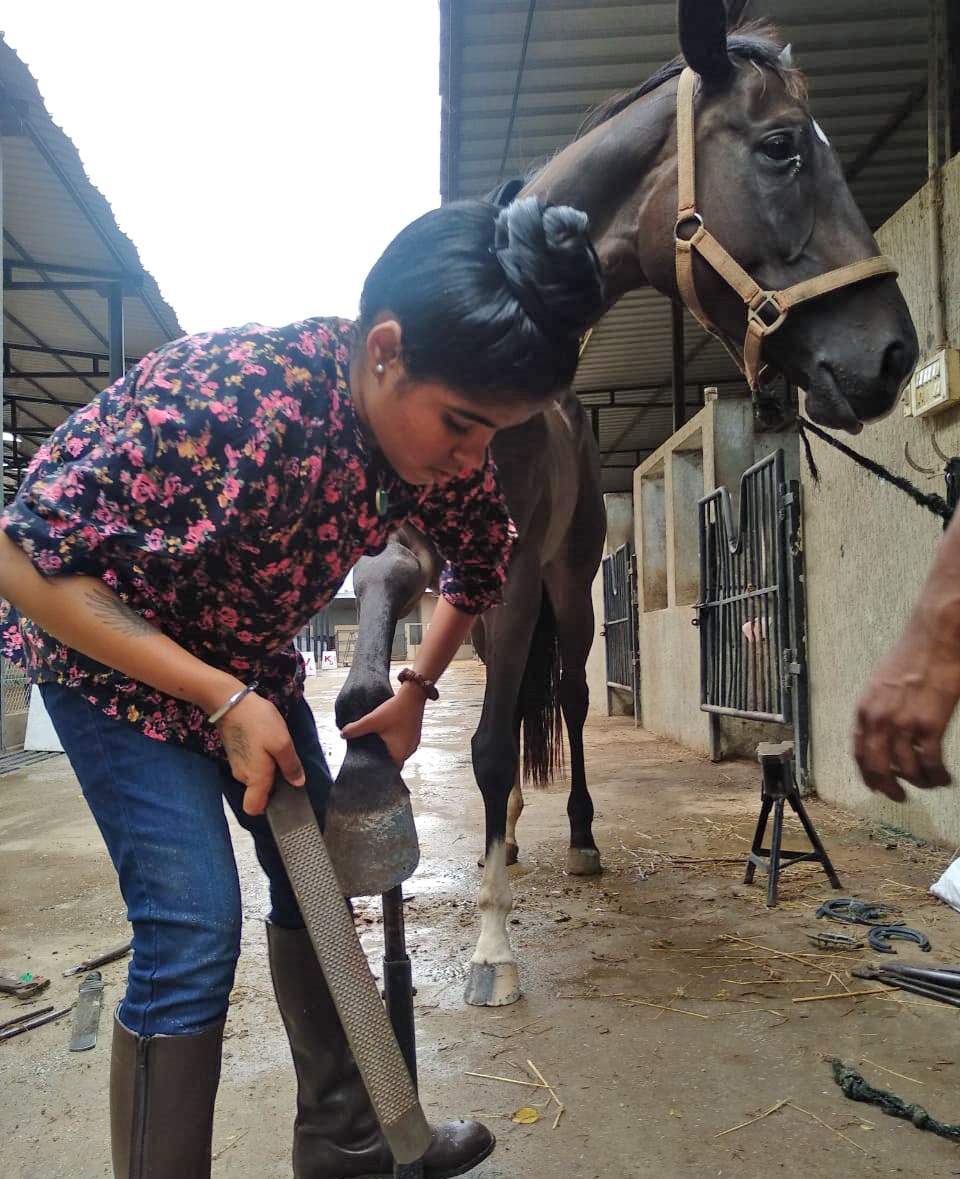
Breaking gender barrier is not uncommon these days. But Oli Aman Jodha has set a new milestone by becoming arguably the first woman farrier in the country. She is just 14. Jodha, who hails from an orthodox Muslim family from North Kerala, has been leading a nomadic life for the past few years because of her love of horses and bees.
An ardent apiculturist, Jodha was presented with a horse named Aman Chand by her mother Amiya Taj who is also a horse rider. Though riding has been her passion, an incident of fixing a horse shoe on Aman by an amateur farrier drew Oli to the profession.
Right after the farrier from Tamil Nadu fixed the shoe on her horse’s hoof, there was profuse bleeding.
Following this, the next time Aman needed a horseshoe, Oli tried fixing the shoe with the help of family friend Sukumaran, a forest guard at Kallar in Ootty. She was just nine at the time. Later, her mother sent her to Nepal where she trained in fixing horseshoe under the tutelage of farrier Thaj at Kohalpur.
In the meantime, a national award came Oli’s way for her expertise in apiculture and even got an invitation to be the resource person in apiculture at Swaminathan Research Foundation, Wayanad, and National Institute of Rural Development and Panchayati Raj, Hyderabad. Her stay in Hyderabad opened a new vista for her in fixing horse shoes as the place has a plenty of horses.
“In the peak time, I used to fix shoes on around 20 horses a month. I have done this in Tamil Nadu, Karnataka, Gujarat, Andhra Pradesh and Rajasthan. A farrier’s focus would always be on ensuring that the shoe perfectly matches the horse’s hoof,” she said.
It’s not an easy task to prepare a custom-made shoe. The farrier must have a sound knowledge of forging and basics of metallurgy.
Oli used to shape the metal with the help of an anvil, hammer, nipper, cutter and tongs like a blacksmith. She also has to bear some of the horse’s weight while fixing the shoe. In the case of oxen, the shoeing can be done by holding the animal to the ground, but it is done on horses in standing position. And if the farrier makes a wrong move or is in the wrong place, he/she can get trodden on easily. All the factors make the profession challenging, especially for women.
Oli has had her share of rough life at this young age. She is a class 1 dropout and had to continue her studies till class 8 through open education. Now, she is planning to write her class 10 exams. She is looked after by her mother after her father left the family. She doesn’t even have a permanent house to reside.
Future plans
Oli wants to be an equine veterinarian and is ready to tread an extra mile to achieve the dream. Not many Indian universities offer equine veterinarian course. But she is hopeful of God bringing luck in her life.
source: http://www.newindianexpress.com / The New Indian Express / Home> States> Kerala / by Dhinesh Kulkarni / Express News Service / November 12th, 2019
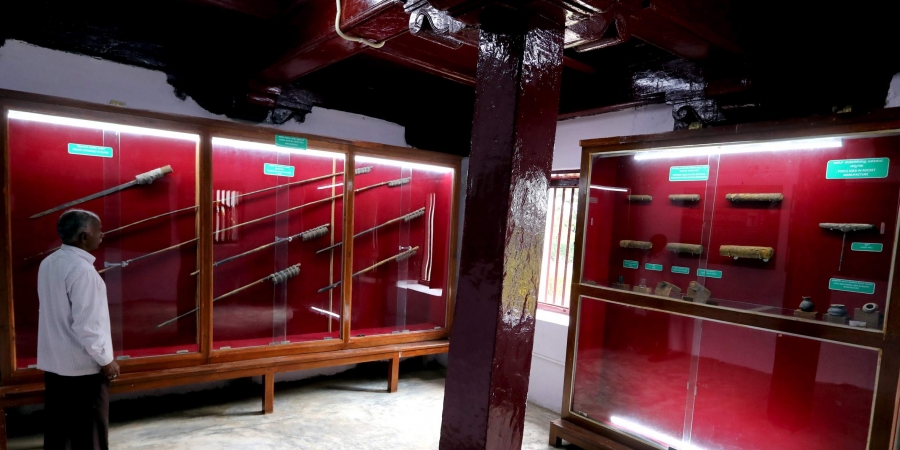
The museum has a large cache of 1,700 such rockets that were recovered from an old well at Nagara village in Hosanagar taluk last year.
An image of the ‘Tipu rockets.’
Shivamogga :
A dedicated gallery housing metal cased rockets used during Tipu Sultan period (18th century) has been opened in Shivamogga city. However, it was thrown open to the public without a formal inauguration by people’s representatives, which according to sources, is due to the recent controversy surrounding the ruler.
The gallery was opened to the public on the first day of the Heritage Week on November 21.
The gallery has been set up at the Shivappa Nayaka Palace which is also a museum. It is the first and largest gallery having the “Tipu rockets” or “Mysore rockets” in the world.
While the Royal Artillery Museum, Woolwich Arsenal in London, is home to a collection of two such rockets, three pieces are at the government museum in Bengaluru. There was no dedicated gallery for the rockets until the one in Shivamogga opened.
The museum has a large cache of 1,700 such rockets that were recovered from an old well at Nagara village in Hosanagar taluk last year. However, only 15 are kept in the gallery owing to lack of space.
The length of the rockets now housed at Shivappa Nayaka Museum ranges from 190 mm to 260 mm and the diameter ranges from 33 mm to 65 mm. While the lightest specimen weighs 372 g, the highest one weighs 1.75 kg.
History buffs throng museum to see ‘rockets’
Sources in the Archeology, Museums and Heritage Department told TNIE that a formal inauguration was not done to “avoid any further controversy.” Earlier, the BJP State government had decided not to celebrate Tipu Jayanti at the government level and is thinking of removing lessons related to the ruler from textbooks.
History enthusiast Ajay Kumar Sharma said, “The department also avoided naming the gallery as Tipu Rockets Gallery but played safe by naming it as Mysore Rockets Gallery. There is also an argument that similar rockets were used by the Marathas. However, thorough carbon dating needs to be done to determine the period. Though it is not clear who invented these rockets, it is said that they were used during the period of Hyder Ali and his son Tipu Sultan.”
‘World’s first metal cased rockets’
Information put up at the gallery states that Mysore in the 18th century was the greatest threat to the development of the British colonial enterprise in India. The British fought them at every step. It was in this series of wars that England and the wider world was introduced to a new weapon of war – The Mysore metal cased rocket. The instant bamboo stick or sword blade attached to the rocket passed through a man’s body.
It resumed its initial speed and destroyed 10 or 20 men until the combustible matter with which it was charged was spent.
“Mysore was the first state in the world to have moved to the next stage of rocket development from wooden firework rockets to metal war rockets successfully,” the information reads. Though there was no formal inauguration, the gallery has already attracted history buffs who are visiting the gallery each day.
source: http://www.newindianexpress.com / The New Indian Express / Home> States> Karnataka / by Marx Tejaswi / Express News Service / November 23rd, 2019
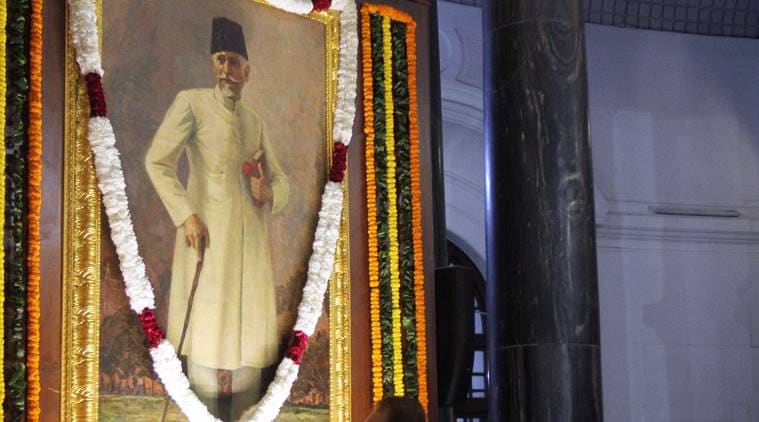
Homeschooled for the early part of his life, Azad is considered to be the father of the Indian Institutes of Technology (IITs). Here is a look at some of the major initiatives taken by him in setting up the Indian education system.
Maulana Abdul Kalam Aazad (File Photo)
Bharat Ratna awardee and India’s first Minister of Human Resource Development (HRD), Maulana Abul Kalam Azad was not only an educationalist but also a journalist. Homeschooled for the early part of his life, Azad is considered to be the father of the Indian Institutes of Technology (IITs) which are still considered among the best Indian educational institutes. Here is a look at some of the major initiatives taken by him in setting up the Indian education system.
Naming IITs – When India was looking to set up higher educational institutes which would impart knowledge in the field of science and technology, a Massachusetts Institute of Technology-like (MIT) model was thought of. The name ‘Indian Institute of Technology’ was adopted by Maulana Abul Kalam Azad before the inauguration of the institutes. The first Indian Institutes of Technology – IIT Kharagpur came into establishment in 1950.
Establishing UGC – A committee headed by S Radhakrishnan under the leadership of Azad as HRD Minister suggested extending the Universities Grant Commission (UGC)’s role to supervise work of all Indian varsities, make recommendations and grant funds. Earlier, UGC looked after three central universities, namely Aligarh, Benaras and Delhi.
DU and IISc – He laid the foundation stone of the Indian Institute of Science (IISc) in 1909, then known as the Tata Institute and granted deemed university status in 1958. Azad also oversaw the setting up of the ‘Central Institute of Education, Delhi’, which later became part of University of Delhi (DU) as the Department of Education. He was also a member of the foundation committee to establish Jamia Millia Islamia at Aligarh in UP.
Minority community – A supporter of education for poor, women and minority communities, Azad had said, “It is a birthright of every individual to receive at least the basic education without which he cannot fully discharge his duties as a citizen.”
To honour his efforts, Ministry of Minority Affairs of the Central Government of India set up the Maulana Azad Education Foundation to promote education among educationally backward sections of the society. The Ministry also provides the Maulana Abul Kalam Azad National Fellowship, an integrated five-year fellowship in the form of financial assistance to students from minority communities to pursue higher studies. The education institutes include Maulana Azad National Institute of Technology, the Maulana Azad College among others.
source: http://www.indianexpress.com / The Indian Express / Home> Education / by Education Desk , New Delhi / November 11th, 2019
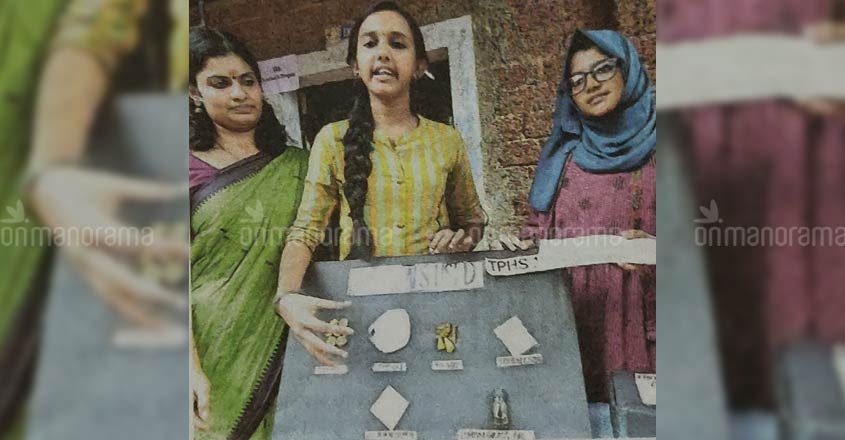
Two Class-10 students, PV Nayana and Fathimathul Nafra, introduced organic sanitary napkin made from soybean
Personal hygiene concerns are behind the recent bids to promote the production and use of affordable sanitary napkins especially among underprivileged women. A 2018 Hindi film named ‘Pad Man’ is even based on a Tamil social activist who introduced low-cost sanitary pads.
At this year’s Kerala School Science Fest, two Class-10 students — PV Nayana and Fathimathul Nafra — impressed spectators with organic sanitary napkin made from soybean.
With soybean as base for the disposable absorbent pad the duo not only introduced a unique method of making organic sanitary napkins but also pledged their commitment to nature.
Nayana and Nafra are students of the Higher Secondary School at Kadambur in Kerala’s Kannur district.
They claim that the organic napkins are safe for use as chemicals are not used in it. Besides, these biodegradable napkins pose absolutely no harm to the nature.
Napkins made using organic and biodegradable materials like coconut fibre, water hyacinth, banana stem and jute are already in the market.
Nayana and Nafra said extensive research done in this field had inspired them.
Soybean’ incredible ability to absorb water made us try out its possibilities, they added.
After making the napkins, they conducted further experiments and tests at SN College, Kannur, and also at a Bengaluru facility. The experiments there proved successful which further motivated the students to present it at this year’s School Science Fest.
Besides soybean, organic materials like beeswax and cotton too are used in this sanitary napkin. Making a single piece of this organic soybean napkin would cost Rs 3. However, the students say that it would only cost Rs 1.5 per piece if the napkins are industrially produced.
Nayana and Nafra were guided by Roshita who is a teacher at their school.
source: http://www.english.manoramaonline.com / OnManorama / Home> News> Campus Reporter / by OnManorama Staff / November 06th, 2019
Yogi also commended the ‘seamless’ implementation of NRC and said it would be adopted by the state.
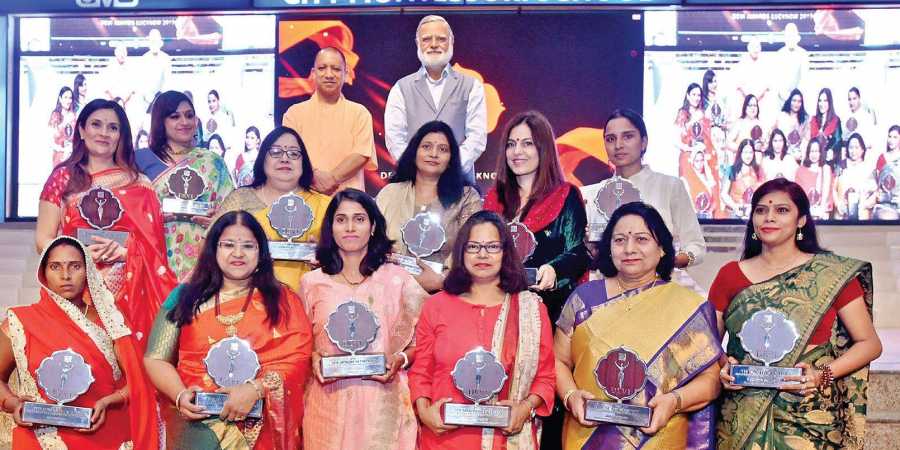
Uttar Pradesh Chief Minister Yogi Adityanath and The New Indian Express Group Editorial Director Prabhu Chawla with the Devi Award winners in Lucknow on Wednesday (Photo courtesy| CMS)
Lucknow :
The Supreme Court verdict on Ayodhya will be followed keenly by the people of India, Uttar Pradesh Chief Minister Yogi Adityanath said while speaking at the Devi Awards function in Lucknow on Wednesday.
He said his government was fully ready to effectively implement the order. Yogi also commended the “seamless” implementation of NRC and said it would be adopted by UP. “A survey is currently underway in the state and it will be implemented once the initial report is received,” he said.
The CM was honouring women achievers with Devi Awards to recognise their contributions in diverse fields. Twelve women were honoured at the fifth awards function organised in Lucknow. Yogi, while lauding the fact that the UP Assembly currently has the highest number of women legislators in the country, said, “Devi Awards have been for the last few years an important platform to highlight great talents in society… The Devis being awarded today have crafted their own stories of success through much struggle. They all are shining examples of women’s empowerment.”
Enumerating the steps taken for women, he said measures like anti-Romeo squad have made them feel secure. Rani Awasthi, one of the awardees, has created a school for the hearing and speech impaired children in UP. Similarly, Sneha and Suman, famously known as ‘Pad women’ of UP, helped dispel myths around menstruation.
Their work also figured in the Oscar winning short film Period. End of Sentence. Among other winners was Sharda Dubey, who encourages youths to keep alive the spirit of Bhojpuri songs and teaches scores of people.
Lucknow girl Mohsina Mirza inspired youths by becoming a drone pilot and trains children in newer technologies. Neelam Agarwal of Agra motivates youth to help in the conservation of sparrows, now an endangered species.Ranjeet Srivastava from Bahraich was awarded for the hope and joy she brought to the differently-abled people.
Ranjana Gaur who has been at the forefront in fighting child abuse in UP for years said, “At one point, families would see me as a monster who had come to wreck their homes. After tremendous effort, I have been able to change a few lives.” Sagrika Rai who has set up her shop, ‘Warp n Weft’, in Mumbai, has been showcasing the variety and richness of master weavers of Varanasi on the world stage and changed several lives by bringing employment to UP.
Reeta Devi was a farm labourer who learnt masonry to give a better life to her children by building a toilet at home. She then set out to do the same for society and has built 150 toilets across the state. The New Indian Express Group Editorial Director Prabhu Chawla presided over the function, which saw many eminent citizens join hands to applaud the achievers.
Big achievers
Juhi Chaturvedi, script writer of many acclaimed films, and Sudha Singh, who won a Gold medal in 3,000 metre steeplechase at 2010 Asian Games, were among the winners
source: http://www.newindianexpress.com / The New Indian Express / Home> Nation / by Express News Services / October 31st, 2019